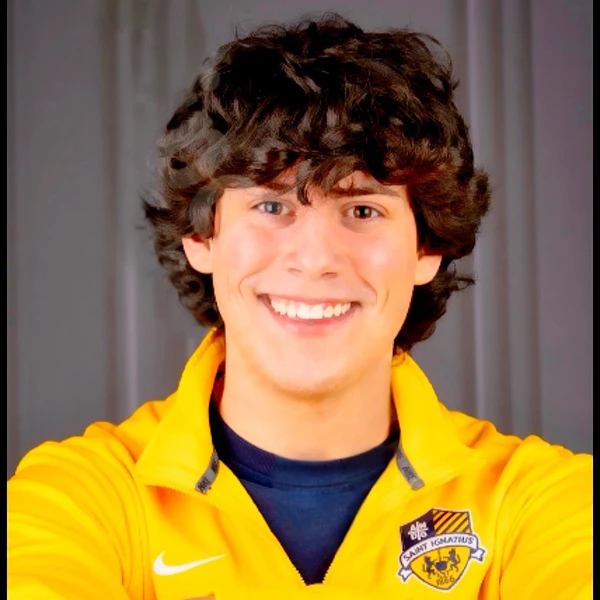
user profile avatar

Dominic Singleton

1x

Finalist

Bio

“Some people grow up worrying about homework and sports practice. I grew up learning how to stay calm during medical emergencies.” I am a student-athlete, caregiver, and the oldest sibling in a family shaped by disability and resilience. My siblings, Sophia and Angelo, both have cerebral palsy and complex medical needs. Sophia is nonverbal and requires total care, while Angelo also needs constant support and supervision. Watching my mom step away from her career as a teacher to care for my siblings full time shaped the way I understand sacrifice and responsibility. Over time, caregiving became part of who I was. I learned how to stay calm under pressure, recognize when something was wrong, and continue showing up for people during difficult moments. At the same time, I faced anxiety, ADHD, depression, and a stutter that made communication difficult and led to bullying at times. Baseball became one of the few places where I felt fully confident in myself. As a left-handed pitcher, the mound gave me calm, focus, and structure when life around me felt overwhelming. Because of my experiences, I’ve dedicated my time to helping others through Challenger Baseball, Special Olympics, church youth groups, and disability-focused community events. My goal is to combine health, wellness, technology, and disability advocacy to help people physically and emotionally while creating more inclusive environments for families facing medical challenges. I want to build a future where people feel supported, encouraged, and understood instead of overlooked.

Education

St Ignatius High School

High School
2022 - 2026

Miscellaneous

  • Desired degree level:

    Associate's degree program

  • Majors of interest:

    • Business, Management, Marketing, and Related Support Services, Other
    • Community Organization and Advocacy
    • Health Professions and Related Clinical Sciences, Other
    • Sports, Kinesiology, and Physical Education/Fitness
  • Not planning to go to medical school
  • Career

    • Dream career field:

      Health, Wellness, and Fitness

    • Dream career goals:

      My long-term goal is to build a career that combines health, wellness, human performance, technology, and disability advocacy to help people improve both physically and mentally. I’m especially interested in how AI, performance analytics, biomechanics, and structured training systems can support athlete development, injury prevention, recovery, mental wellness, and accessibility for individuals with disabilities. Growing up helping care for my siblings, Sophia and Angelo, who both have cerebral palsy and complex medical needs, shaped the way I see health, support systems, and advocacy. Through athletics, caregiving, and training environments like CLE BioSport, I became passionate about combining innovation, wellness, and human connection to help people reach their full potential regardless of the obstacles they face.

    • Training Facility Assistant & Operations Support

      CLE Biosport
      2023 – 20252 years

    Sports

    Baseball

    Varsity
    2022 – 20242 years

    Public services

    • Advocacy

      Family Caregiving & Support — Family Caregiver & Support Assistant
      2017 – Present

    Future Interests

    Advocacy

    Volunteering

    Philanthropy

    Entrepreneurship

    Forever90 Scholarship
    Service is not something I do occasionally; it is the foundation of who I am. Growing up, my life has been shaped by responsibility, compassion, and the understanding that even small acts of kindness can completely change someone’s day. As the oldest brother to both a younger brother and sister with cerebral palsy, I learned early that serving others means sacrificing your own comfort to make life easier for someone else. Those experiences have shaped the person I am today and the person I hope to become through my education and future career. My siblings require significant care and support every single day, and because of that, my family’s life has always looked different from many others. While most teenagers mainly worry about school, sports, or social events, I learned how to help with caregiving responsibilities, support my siblings emotionally, and step up whenever my parents needed help. Some of the moments that impacted me the most were not public achievements, but quiet moments at home—helping my brother participate in activities, supporting my sister through difficult days, bringing them to church and Bible study, or simply making them laugh when life felt overwhelming. Those experiences taught me patience, empathy, and unconditional love in ways no classroom ever could. Watching my mother has had one of the biggest impacts on my understanding of service. Before my siblings’ needs became so demanding, she worked as a teacher and had a career she loved, but she gave that up to become a full-time caregiver for our family. I have watched her spend countless sleepless nights managing medications, appointments, therapies, emergencies, and the emotional weight that comes with caring for children with complex needs. Despite the exhaustion and stress, she continues to fight every day to make sure my siblings have the support, dignity, and opportunities they deserve. Seeing her sacrifice so much for our family taught me what true selflessness looks like. It showed me that service is not about convenience; it is about love, perseverance, and putting others before yourself even when life becomes difficult. Throughout high school, I also faced challenges of my own. I struggled with anxiety, bullying, and a stutter that often made me feel isolated or misunderstood. There were times when I felt invisible, even in rooms full of people. Those experiences were painful, but they also changed the way I treat others. I understand how much a simple act of kindness or encouragement can mean to someone who feels alone. Because of that, I try to be someone who notices people who are struggling and makes them feel included and supported. Baseball has also taught me important lessons about service and leadership. As a pitcher, I learned that leadership is not always about being the loudest person in the room. It is about consistency, discipline, trust, and supporting the people around you. Whether helping younger players, encouraging teammates after failure, or continuing to work through adversity myself, I learned that real leadership comes from putting the team before yourself. In the future, I hope to combine my interests in business, technology, and health to help improve the lives of people with disabilities and families facing challenges similar to my own. My experiences have shown me that service is not just about helping people survive—it is about helping them feel valued, empowered, and included. Through my family, faith, and experiences, I have learned that true success comes from lifting others up, and that is the purpose I will carry with me throughout my life.
    RonranGlee Literary Scholarship
    The central meaning behind Leonard Cohen’s line, “There is a crack in everything, that’s how the light gets in,” is that brokenness is not the opposite of meaning or beauty, but often the very thing that allows growth, compassion, wisdom, and hope to exist. Cohen suggests that imperfections are not flaws to hide, but openings through which humanity becomes softer, deeper, and more connected. In a world obsessed with strength, perfection, and control, the quote argues that vulnerability is often the very thing that makes transformation possible. At first glance, the line seems simple. The image of light entering through a crack sounds almost comforting. But the more I thought about it, the more I realized how deeply it challenges the way most people understand suffering. Normally, cracks represent weakness. A cracked foundation collapses. A cracked mirror distorts reflection. A cracked object is usually seen as damaged or less valuable. Cohen intentionally reverses that meaning. Instead of presenting brokenness as failure, he presents it as access. The crack becomes the reason light can enter at all. I think that idea is powerful because most people spend their lives trying to hide the parts of themselves that feel damaged. People hide grief, anxiety, insecurity, fear, loneliness, and trauma because the world often teaches us that strength means appearing unaffected. But Cohen argues that emotional openness and hardship are not things that destroy humanity. They are often the things that deepen it. That idea becomes even more meaningful when viewed through real human experience. Some of the kindest, most compassionate people are often those who have experienced suffering themselves. People who have struggled tend to recognize pain in others more quickly. They become more patient, more understanding, and more aware of the emotional weight other people may be carrying silently. I connect deeply to this idea because my own life has been shaped by both visible and invisible struggles. Growing up, my family’s life revolved around disability, caregiving, and constant medical uncertainty. My siblings, Sophia and Angelo, both have cerebral palsy and complex medical needs. Sophia is nonverbal and requires total care, while Angelo also needs constant support and supervision. Some of my clearest childhood memories are hospital rooms, therapies, medical equipment, sleepless nights, and moments where everything could change in an instant. For a long time, I viewed those experiences only as difficult. I saw them as things that separated my life from everyone else’s. But looking back now, I realize those experiences also shaped the way I understand people. They forced me to become more observant, more patient, and more emotionally aware at a very young age. I also struggled personally with anxiety, depression, ADHD, and a stutter that made communication difficult and led to bullying at times. There were moments where I felt isolated and misunderstood. Like many people, I spent a lot of time trying to hide the parts of myself that felt broken because I believed those struggles made me weaker. But Cohen’s quote suggests the opposite. The crack is not where life ends. It is where light enters. In other words, suffering can create understanding. Hardship can create compassion. Vulnerability can create connection. I think that is why some of the strongest people are often not the loudest or most outwardly successful people. They are the people who continue showing up for others despite carrying pain themselves. Cohen’s line does not romanticize suffering, but it acknowledges that human growth often comes through imperfection rather than control. The metaphor of light is also important. Light traditionally symbolizes truth, hope, healing, wisdom, or grace. Cohen implies that those things often enter people’s lives through the very experiences they wish they could avoid. That idea appears repeatedly throughout philosophy, literature, and religion. In Christianity, suffering is often tied to transformation and spiritual growth. In Stoic philosophy, hardship develops virtue and resilience. In psychology, vulnerability is increasingly recognized as necessary for authentic connection and emotional healing. Cohen condenses all of those ideas into one sentence. What makes the quote especially powerful is that it does not promise easy answers. It does not say suffering automatically makes people wiser or stronger. Instead, it suggests possibility. The crack creates an opening. Whether someone allows light to enter is another choice entirely. That distinction matters because many people become consumed by bitterness after painful experiences. Others become more compassionate because of them. The same hardship can either close someone emotionally or deepen their understanding of others. I think Cohen’s quote ultimately argues that humanity becomes most meaningful not through perfection, but through honesty. People connect most deeply through vulnerability. The moments that shape us are often the moments where we realize we are not invincible. For me, that understanding changed the way I see both myself and other people. I no longer think strength means pretending everything is okay. I think strength often looks like continuing to show up with compassion, patience, and love even during difficult moments. That idea shaped the way I interact with people in my community as well. Through Challenger Baseball, Special Olympics, airway clinics, and disability-focused programs, I’ve seen firsthand how much people change when they feel understood instead of judged. Sometimes all someone needs is to feel seen instead of fixed. I think Cohen’s line also explains why art and literature matter so much in the first place. The best writing rarely comes from perfection. It comes from honesty. People connect to stories, music, and philosophy because they recognize themselves inside them. Art becomes meaningful when it reflects the imperfect realities people are often afraid to speak about openly. That is exactly what Cohen’s line accomplishes. It reminds people that being broken does not make them worthless. It reminds people that pain does not automatically erase beauty or purpose. And maybe most importantly, it reminds people that the parts of themselves they most want to hide may actually be the parts capable of creating the deepest connection with others. In a culture that constantly pressures people to appear successful, confident, and unaffected, I think that message is more important than ever. There is a reason the line has remained memorable for so many people. Nearly everyone carries some form of invisible crack — grief, insecurity, fear, failure, illness, trauma, loneliness, regret, or disappointment. Cohen’s quote does not deny those realities. Instead, it reframes them. The crack is not simply damage. It is an opening. And sometimes the very things that break people open are also the things that allow them to become more compassionate, more honest, and more human than they were before.
    Learner Mental Health Empowerment for Health Students Scholarship
    Mental health is important to me because I know what it feels like to struggle quietly while trying to appear okay on the outside. Growing up, I dealt with anxiety, depression, ADHD, and a stutter that made communication difficult and led to bullying at times. For a long time, I felt isolated and misunderstood. I spent a lot of energy trying to hide how overwhelmed I actually felt because I didn’t want people to see me differently. At the same time, life at home was emotionally heavy. My siblings, Sophia and Angelo, both have cerebral palsy and complex medical needs. Sophia is nonverbal and requires total care, while Angelo also needs constant support and supervision. Growing up around hospital stays, therapies, emergencies, and caregiving responsibilities taught me very early how much emotional pressure people can carry while still trying to function normally every day. Eventually, balancing everything became overwhelming, and I participated in a partial hospitalization program to focus on my mental health and learn healthier ways to manage stress and pressure. That experience changed the way I see mental health completely. It taught me that struggling mentally does not make someone weak, and that asking for help is one of the strongest things a person can do. Because of my experiences, I try to advocate for mental health by being someone people feel comfortable talking to without fear of judgment. I’ve learned that a lot of people are carrying struggles nobody else sees, so I try to lead with patience, encouragement, and understanding. I also advocate for mental health through the environments I’m involved in, especially through baseball, Challenger Baseball, Special Olympics, and disability-focused community programs. I know firsthand how important encouragement and inclusion can be for someone who feels overlooked or different. Sometimes simply making someone feel seen and supported can completely change the way they see themselves. Baseball also became a huge part of my own mental health journey. As a left-handed pitcher, the mound became one of the few places where I felt calm and fully confident in myself. It gave me structure, focus, and a healthy outlet during difficult periods in my life. My experiences taught me that mental health impacts every part of a person’s life, including confidence, relationships, academics, and the ability to believe in yourself. Because of that, I want to pursue a future in health, wellness, and performance where I can continue helping people physically and mentally while also encouraging more open conversations about mental health. I think one of the most powerful things you can do for someone is remind them they are not struggling alone.
    Sabrina Carpenter Superfan Scholarship
    One thing I appreciate most about Sabrina Carpenter is how confident and authentic she is without pretending life is perfect. A lot of her music has humor and confidence on the surface, but underneath that, there’s honesty about insecurity, pressure, and trying to figure yourself out while growing up. I think that’s why so many people connect to her. Growing up, I struggled with anxiety, depression, ADHD, and a stutter that made communication difficult and led to bullying at times. There were moments where I felt overlooked or misunderstood, and I spent a lot of time overthinking how people perceived me. Something I admire about Sabrina Carpenter is that she seems comfortable being herself even while being constantly judged publicly. Watching someone continue to evolve confidently while staying authentic is something I really respect because I know how hard it can be to feel confident when you constantly feel underestimated. A lot of her music also reflects the pressure young people feel to appear okay all the time. Even when her songs are upbeat, there’s still vulnerability underneath them. I think real life is like that too. People can smile and joke around while still carrying things nobody else fully sees. That part of her music connected with me personally because life at home has often felt heavy. My siblings, Sophia and Angelo, both have cerebral palsy and complex medical needs. Sophia is nonverbal and requires total care, while Angelo also needs constant support and supervision. Growing up, our family’s life revolved around hospital stays, therapies, medications, emergency situations, and the pressure that comes with long-term caregiving. Music became one of the few things that could instantly shift the energy in our house. Even small moments like hearing my siblings react to songs or laughing together while music played created moments where life felt lighter. I also connect with Sabrina Carpenter’s confidence and growth throughout her career. She reminds people that confidence is not about being perfect — it’s about continuing to become comfortable with who you are. For me, a lot of that confidence came through baseball. As a left-handed pitcher, being on the mound became one of the few places where I felt calm and fully confident in myself. Baseball taught me how to trust myself even when life around me felt overwhelming. What impacts me most about Sabrina Carpenter is the way she continues moving forward despite pressure and criticism. That message stayed with me because a lot of my own growth came from learning not to let my struggles define me. That’s why I connect with her as both an artist and a person.
    Arthur and Elana Panos Scholarship
    “Faith became real to me the first time I watched people pray over my family in a hospital room.” Growing up in a family shaped by disability, caregiving, and constant medical uncertainty changed the way I understand both faith and purpose. My siblings, Sophia and Angelo, both have cerebral palsy and complex medical needs. Sophia is nonverbal and requires total care, while Angelo also needs constant support and supervision. Because of that, much of my life has revolved around hospital stays, therapies, emergency situations, sleepless nights, and moments where everything could change in an instant. Some of my clearest childhood memories are not holidays or vacations — they are memories of hearing medical alarms in the middle of the night and seeing my family rush into action before I was even old enough to fully understand what was happening. There were nights where I fell asleep in hospital chairs praying that my siblings would make it home again. In the middle of all of that, church became more than somewhere we went on Sundays. It became the one place where my family could exhale. One of the most meaningful parts of my faith journey has been bringing my brother Angelo with me to church, Bible studies, and youth events throughout the week. Watching him walk into spaces where he feels welcomed, included, and loved reminds me what faith is actually supposed to look like. So many people with disabilities spend their lives feeling overlooked, but church became one of the few places where my siblings were not treated like burdens or interruptions. They were embraced. That changed me. There were moments where I watched complete strangers place their hands on my family and pray for strength when we felt like we had none left. I watched people cry with us, sit beside us, and remind us we were not carrying everything alone. Faith stopped feeling like a concept to me during those moments. It became something alive. At the same time, I was struggling personally with anxiety, depression, ADHD, and a stutter that made communication difficult and led to bullying at times. There were moments where I felt invisible and misunderstood. But faith reminded me that my struggles did not define my worth. Prayer became deeply personal to me because I understood what it meant to desperately hope for healing, peace, and another tomorrow with the people you love most. That mindset also shaped the way I serve my community. Through Challenger Baseball, Special Olympics, and disability-focused programs, I’ve tried to create the same feeling of inclusion and encouragement that faith communities gave to my family. I believe my faith will continue guiding me throughout my future career because it shaped the way I see people. I want to pursue a future in health, wellness, and performance where I can help people physically, mentally, and emotionally while continuing to lead with compassion, patience, integrity, and service. More than anything, faith taught me that sometimes the greatest form of love is simply refusing to leave someone during their hardest moments. And after everything my family has been through, I think that kind of love can change people forever.
    300 Bold Points No-Essay Scholarship
    Richard Neumann Scholarship
    Growing up in a family shaped by disability and long-term caregiving forced me to become creative in ways most people my age never really think about. My siblings, Sophia and Angelo, both have cerebral palsy and complex medical needs. Sophia is nonverbal and requires total care, while Angelo also needs constant support and supervision. Because of that, a lot of my childhood revolved around hospital stays, therapies, medications, medical equipment, emergency situations, and trying to make daily life feel as normal and manageable as possible. One problem I constantly noticed was how isolating life can become for families and children with disabilities. A lot of programs are either too expensive, inaccessible, or simply not designed for kids and adults with complex medical needs. Even social interaction can become difficult because many people feel uncomfortable or unsure around disability. That’s one reason I became heavily involved in programs like Challenger Baseball and Special Olympics. I wanted to help create environments where people with disabilities felt included, supported, and confident instead of overlooked. One thing I’ve tried to create personally is a more encouraging and adaptable environment for athletes and individuals with disabilities through sports and mentorship. Whether it was helping Challenger Baseball players participate in games, supporting athletes during Special Olympics events, or encouraging children at airway clinics and disability-focused programs, I realized that confidence often changes when someone finally feels understood and included. If I had the resources to fully develop an idea, I would create an adaptive health, wellness, and sports training center specifically designed for children, teens, and adults with disabilities and complex medical needs. Most fitness and athletic facilities are not built for individuals with physical disabilities, communication challenges, or medical equipment needs. My goal would be to create a space where adaptive sports, therapy, strength training, mental health support, and community programs could all exist together. The center would include adaptive baseball and fitness programs, sensory-friendly spaces, mentorship opportunities, physical training, and support groups for families and caregivers. I would also want it to partner with hospitals, therapists, and schools so families could access resources in one supportive environment instead of constantly navigating disconnected systems. More than anything, I would want people walking into that space to feel included instead of different. Growing up around caregiving taught me that many people with disabilities spend their lives adapting to a world that was never designed for them. If I had the ability and resources, I would want to create something that finally meets them where they are instead.
    200 Bold Points No-Essay Scholarship
    400 Bold Points No-Essay Scholarship
    Bold.org No-Essay Top Friend Scholarship
    1000 Bold Points No-Essay Scholarship
    $25,000 "Be Bold" No-Essay Scholarship
    500 Bold Points No-Essay Scholarship
    STLF Memorial Pay It Forward Scholarship
    Most people think leadership means being the loudest person in the room. Growing up, I learned that leadership often looks much quieter than that. My siblings, Sophia and Angelo, both have cerebral palsy and complex medical needs. Sophia is nonverbal and requires total care, while Angelo also needs constant support and supervision. Because of that, volunteering and service never felt separate from my everyday life. Helping people became part of who I was long before I understood the word “leadership.” As the oldest sibling, there was always this unspoken expectation that I needed to help carry some of the weight. My childhood was filled with hospital stays, rehabilitation centers, therapies, emergency situations, medication schedules, and sleepless nights where everything could change in a moment. Over time, I learned how to stay calm during difficult situations, how to recognize when something was wrong before anyone said it out loud, and how important it is to simply show up for people. That mindset naturally carried over into my community. Through Challenger Baseball, I’ve helped children and adults with disabilities experience confidence, inclusion, and joy through sports. I’ve volunteered at Special Olympics events, helping athletes during competitions and celebrating moments that may seem small to other people, but mean everything to them. I’ve also spent time around airway clinics and programs supporting children with ventilators, trachs, and complex medical needs because those environments feel personal to me. One moment I’ll never forget was helping a Challenger Baseball player cross home plate while his family cheered from the stands like he had just won the World Series. To most people, it was a simple moment. To him, it was everything. Watching the excitement on his face reminded me how powerful encouragement and inclusion can be. What matters most to me is making people feel seen. Growing up around disability taught me that many people spend their lives wanting someone to simply meet them where they are instead of focusing on what they can’t do. I think people can feel when someone genuinely understands them, and because of my experiences at home, I try to be that person for others. At the same time, I’ve faced my own challenges related to anxiety, depression, ADHD, and a stutter that made communication difficult and led to bullying at times. Because of that, I understand what it feels like to feel different or overlooked. Those experiences made me more empathetic and more aware of how deeply encouragement can impact someone’s life. Leadership through service matters because people remember who showed up for them during difficult moments. I’ve learned that even small acts of kindness or encouragement can completely change the way someone sees themselves. I don’t think leadership is about attention or recognition. I think it’s about consistency. It’s about being willing to help people even when nobody is watching. That’s the kind of leader I want to continue becoming — someone who quietly shows up, supports others, and helps people feel valued, included, and understood.
    Lotus Scholarship
    Growing up in a low-income household taught me that perseverance is not always loud. Sometimes it looks like quietly continuing forward even when life feels overwhelming. My siblings, Sophia and Angelo, both have cerebral palsy and complex medical needs. Sophia is nonverbal and requires total care, while Angelo also needs constant support and supervision. Because of that, my family’s life revolved around hospital stays, therapies, medical equipment, medications, and the financial strain that comes with long-term caregiving. My mom stepped away from her career as a teacher in order to care for my siblings full time, and watching her continue to carry that responsibility despite exhaustion and uncertainty shaped the way I understand sacrifice and resilience. As the oldest sibling, I learned responsibility very early. I learned how to help during emergencies, support my family during stressful situations, and continue showing up even when things felt difficult personally. At the same time, I struggled with anxiety, depression, ADHD, and a stutter that made communication difficult and led to bullying at times. Those experiences forced me to become resilient and adaptable while also teaching me empathy for people who feel overlooked or misunderstood. Because of my life experiences, I want to create a positive impact by continuing to support people who often feel unseen. Through programs like Challenger Baseball and Special Olympics, I’ve worked with children and adults with disabilities, helping them feel encouraged, included, and confident. I plan to pursue a future in health, wellness, and performance so I can continue helping people physically, mentally, and emotionally. I’m actively working toward those goals by continuing my education, applying for scholarships, pursuing opportunities through baseball, volunteering in my community, and building a future focused on stability, service, and long-term support for both my family and others who need it.
    Ruthie Brown Scholarship
    I’ve spent a lot of time thinking about student loan debt because higher education, for me, is not just about building a future for myself — it’s also about building stability for the people who depend on me. Growing up, my life revolved around helping care for my siblings, Sophia and Angelo, who both have cerebral palsy and complex medical needs. Sophia is nonverbal and requires total care, and Angelo also needs constant support and supervision. Because of that, our family’s life was shaped by hospital stays, therapies, medical equipment, medications, and the financial realities that come with long-term caregiving. Watching that firsthand made me think about money differently at a young age. My mom stepped away from her career as a teacher in order to care for my siblings full time, and that decision created a major financial impact on our family over the years. Growing up around constant medical expenses and caregiving responsibilities made me very aware of how carefully resources have to be managed and how overwhelming debt can become when a family is already carrying so much responsibility. Because of that, I’ve tried to approach college realistically and responsibly instead of simply choosing the most traditional path. My plan to address future student loan debt starts with minimizing it as much as possible from the beginning. I’ve spent significant time applying for scholarships, exploring financial aid opportunities, and considering schools where I can continue developing academically and athletically without taking on unnecessary debt. I also try to find ways to make extra money whenever possible through work opportunities and helping in athletic and training environments. Baseball has become a major part of that plan because it gives me opportunities to continue my education while also opening doors financially through athletics and future career connections. At the same time, I’ve continued volunteering in environments connected to disability support and athletics because those experiences are closely tied to the future I want to build. Through Challenger Baseball, Special Olympics, and other community programs, I’ve seen how important support systems are for people and families dealing with physical, emotional, and financial challenges. Those experiences also shaped the career path I hope to pursue. I want to work in health, wellness, and performance, helping people physically and mentally while creating environments where they feel encouraged and supported. More than anything, I want to build a future where I can continue helping care for my siblings long-term while also helping others who may feel overlooked or unsupported. I understand that at some point caregiving will likely become an even larger responsibility for me. My future is not only about building a career for myself — it’s also about being prepared to continue supporting my siblings as they get older. Because of that, financial stability matters to me in a very real way. I also understand that addressing debt is not only about finances — it’s about discipline, planning, and making thoughtful decisions now that create stability later. I don’t see higher education as something guaranteed or easy. I see it as something valuable enough to fight for responsibly. My goal is not only to graduate with as little debt as possible, but to use my education to create stability, purpose, and meaningful impact for both my family and the people I hope to help in the future.
    K-POP Fan No-Essay Scholarship
    Christian Fitness Association General Scholarship
    For a long time, school felt like a place where I was trying to keep up with everyone else while also carrying a life outside of school that most people around me never saw. One of the biggest challenges I faced growing up was living with a stutter. A lot of people think of stuttering as just repeating words or getting stuck on sounds, but for me it affected almost everything — confidence, friendships, participation in class, and even how I saw myself. There were moments where I knew exactly what I wanted to say, but the words just would not come out the way I wanted them to. Over time, I started overthinking every conversation before it even happened. Sometimes it felt easier to stay quiet than risk feeling embarrassed. What made it harder was being bullied because of it. People would interrupt me, laugh, finish my sentences for me, or get uncomfortable during pauses. After a while, you start noticing every reaction people have to the way you speak. It makes you feel different all the time, even when you’re trying not to. At the same time, life outside of school was heavy in ways most people didn’t understand. My siblings, Sophia and Angelo, both have cerebral palsy and complex medical needs. Sophia is nonverbal and requires total care, and Angelo also needs constant support and supervision. Growing up in our family meant that hospital stays, rehabilitation centers, therapies, medical emergencies, oxygen equipment, medication schedules, and sleepless nights were part of normal life. As the oldest sibling, there was always this unspoken responsibility to help carry some of the weight. There were nights where nobody slept because of seizures or medical emergencies, and mornings where I still had to walk into school and act like everything was normal. I remember sitting in classrooms exhausted after spending the night in a hospital room or after hearing alarms and emergency conversations all night long. I think a lot of people only saw me as quiet or distracted, but they didn’t understand everything happening underneath the surface. I also watched the emotional toll caregiving took on my family, especially my mom, who stepped away from her career as a teacher to care for my siblings full time. Watching someone continue to show up every single day despite exhaustion, fear, stress, and uncertainty changed the way I understood strength. I learned very early that some of the strongest people are not loud at all — they are simply the people who continue showing up for others no matter how hard life becomes. Over time, balancing caregiving responsibilities while dealing with my own mental health became overwhelming. I struggled with anxiety, depression, and ADHD, and eventually I had to step away from school for a period of time to participate in a partial hospitalization program. At the time, it felt like my entire life was falling apart. I felt embarrassed, isolated, and honestly unsure of myself. But looking back now, I think that period changed me in an important way. It forced me to stop pretending I was okay all the time. It taught me that asking for help is not weakness, and that struggling mentally does not make someone broken. I also started realizing that a lot of people are carrying things nobody else sees. One of the places where I found confidence again was baseball. As a left-handed pitcher, being on the mound became one of the only places where I felt calm and fully in control of myself. I didn’t have to think about how I sounded there. Everything slowed down. Baseball gave me a place where I could trust myself again. But even baseball became bigger than the game itself. It became another place where I learned how important encouragement and belief can be. As a pitcher, I learned that confidence changes everything. When someone believes in you, you start believing in yourself too. I also started realizing that the experiences I struggled through gave me the ability to connect with people differently. Because of my siblings and everything my family went through, I became more patient, more aware, and more willing to show up for people who feel overlooked. That’s why I became involved with things like Special Olympics, Challenger Baseball, and programs supporting children and adults with disabilities. I know how important it is for people to feel seen and encouraged because I understand what it feels like to feel different yourself. One moment I’ll never forget was helping a Challenger Baseball player cross home plate while his family cheered from the stands like he had just won the World Series. To a lot of people, it may have looked like a small moment. But to him, it was everything. Moments like that reminded me that impact does not always come from huge accomplishments. Sometimes it comes from helping someone feel confident, included, and valued for a few minutes they may remember forever. I don’t think I overcame my challenges in one single moment. I think I’m still learning and growing from them every day. But I’m proud that despite everything — caregiving responsibilities, mental health struggles, bullying, and setbacks — I kept moving forward. The biggest thing I learned through all of this is that people are usually carrying more than you realize. Because of that, I try to approach people with more patience, empathy, and understanding. And honestly, I think that perspective may end up being more valuable than anything I learned in a classroom.
    Our Destiny Our Future Scholarship
    “How do you plan to make a positive impact on the world?” used to feel like such a huge question to me. I used to think making an impact meant doing something massive that changed millions of lives all at once. But growing up the way I did changed my understanding of what impact actually looks like. My siblings, Sophia and Angelo, both have cerebral palsy and complex medical needs. Sophia is nonverbal and requires total care, and Angelo also needs constant support and supervision. Because of that, a lot of my life has revolved around caregiving, hospitals, therapies, emergencies, rehabilitation centers, and learning how to show up for people during difficult moments. Over time, I realized that some of the most meaningful impacts happen quietly. Sometimes impact is helping someone feel included when the world constantly overlooks them. Sometimes it’s sitting beside somebody in a hospital room when they’re scared. Sometimes it’s helping a child cross a finish line at Special Olympics and watching their entire face light up because someone believed in them. Those moments changed me. Growing up around disability and caregiving made me notice people others often don’t see. It made me realize how many people simply want encouragement, patience, and someone willing to meet them where they are instead of focusing on what they can’t do. That’s why I started showing up in different places throughout my community. Through Challenger Baseball, I’ve helped children and adults with disabilities experience confidence and joy through sports. Through Special Olympics and airway clinics, I’ve supported individuals with complex medical needs because those environments feel familiar to me. They feel personal. And honestly, I think people can feel when someone genuinely understands them. At the same time, I’ve struggled with anxiety, ADHD, depression, and a stutter that made communication difficult and led to bullying at times. Because of that, I understand what it feels like to feel different, isolated, or misunderstood. Those experiences made me more empathetic and more aware of how deeply encouragement can impact someone’s life. Baseball also shaped how I want to impact the world. As a left-handed pitcher, the mound became one of the few places where I felt calm and completely confident in myself. It taught me discipline, composure, and how important confidence and support can be when somebody believes in you. Because of everything I’ve experienced, I want to pursue a path in health, wellness, and performance where I can continue helping people physically, mentally, and emotionally. I want to create environments where people feel safe, supported, encouraged, and understood — especially people who may feel overlooked by the world around them. I don’t think changing the world always starts with something big. I think it starts with consistently showing up for people, especially during moments where they feel unseen or alone. That’s the kind of impact I want to make.
    Sola Family Scholarship
    Growing up with a single mother shaped every part of who I am and the person I hope to become. My mom taught me what sacrifice truly means. Before my younger siblings’ needs became so significant, she was a teacher with a career she loved and a future she had worked hard to build. But when my siblings required around-the-clock care, therapies, medical support, and constant supervision, she made the decision to give all of that up in order to care for them full time. She sacrificed her career, her time, her sleep, and so much of herself so our family could stay together and my siblings could receive the care and love they needed every single day. Watching that level of sacrifice changes you as a person. As the oldest child, I grew up very quickly. My younger siblings have cerebral palsy and significant medical and developmental needs, so our home life looked very different from most families. Doctor appointments, therapies, school meetings, emergencies, and long nights were part of everyday life. There were moments where everything felt exhausting and overwhelming, but my mom never stopped fighting for us. Even during the hardest times, she somehow continued to be the steady person our family depended on. Because of that environment, I learned responsibility at a young age. I learned how to help care for my siblings, how to stay patient during difficult moments, and how to put other people’s needs before my own. More importantly, I learned compassion. Growing up around cerebral palsy gave me a perspective that many people my age do not have. I saw strength inside my siblings every single day. I saw resilience in the way they continued to push through challenges most people could never imagine. Their lives inspired me, and so did my mom’s commitment to them. Watching my mom advocate tirelessly for my siblings also gave me direction for my future. I watched her spend countless hours making sure they received the support, education, and care they deserved. She taught me the importance of standing up for people who may not always have a voice for themselves. Because of my family and everything I have experienced, I want to pursue a career where I can help others and make a meaningful impact in people’s lives. My mom also taught me resilience. No matter how difficult life became, she never allowed our circumstances to define us. She taught me that adversity can either break you or build you depending on how you respond to it. That lesson carried into every part of my life, especially baseball. Baseball became more than just a sport to me—it became an outlet where I learned discipline, accountability, and perseverance. The work ethic I developed on the field came directly from the example my mom set at home every day. What inspires me most is that my mom gave up so much of her own life so my siblings and I could have opportunities. She put her family before herself every single day without ever asking for recognition. Watching her do that taught me what true strength looks like. It is not about having an easy life; it is about continuing to fight for the people you love no matter how difficult life becomes. Growing up with a single mother did not hold me back. It gave me resilience, empathy, maturity, and purpose. Everything I accomplish moving forward will be because of the sacrifices my mom made and the example she set for me every single day.
    Finance Your Education No-Essay Scholarship
    Olivia Rodrigo Fan Scholarship
    One Olivia Rodrigo song that really connects to my life is “making the bed.” What stands out to me about the song is how honest it is about pressure, self-doubt, and feeling trapped inside your own thoughts while still trying to move forward. A lot of Olivia Rodrigo’s music talks about emotions people usually try to hide, and that honesty is what makes her music feel real to me. Growing up, I struggled with anxiety, ADHD, depression, and a stutter that made communication difficult. A lot of people only saw the surface — the pauses when I spoke or the times I stayed quiet — but they didn’t understand what was happening internally. Over time, I became extremely aware of how other people reacted to me, and I started putting pressure on myself to avoid embarrassment or judgment. There were times where even simple conversations felt exhausting because I was constantly thinking about whether I would get stuck on a word or how people would react when I did. The lyric, “I got the things I wanted, it’s just not what I imagined,” really stuck with me because there were moments where I thought that if I could just become more confident or accepted socially, everything would suddenly feel easier. But mental health doesn’t work like that. You can still feel overwhelmed even while trying your best to move forward. Another lyric that resonates with me is, “And every good thing has turned into something I dread.” I think that line captures what anxiety can feel like sometimes. Even things you care about can become stressful because you’re constantly overthinking and putting pressure on yourself. I connected to that because there were periods where I struggled to enjoy things that were supposed to make me happy simply because I felt trapped in my own thoughts. At the same time, my life at home gave me a completely different perspective on pressure and responsibility. My siblings, Sophia and Angelo, both have cerebral palsy and complex medical needs, and Sophia is nonverbal and requires total care. Growing up around caregiving, hospital stays, emergencies, and constant medical uncertainty forced me to mature quickly. It taught me that many people are carrying struggles nobody else fully sees. Baseball became one of the few places where I felt calm and fully confident in myself. As a left-handed pitcher, being on the mound felt like stepping into my own world. I didn’t have to worry about how I sounded or whether people were judging me. Everything slowed down there. Baseball gave me confidence when I struggled to find it in other parts of my life. What Olivia Rodrigo’s music taught me is that vulnerability is not weakness. Her songs remind me that struggling internally does not mean you are failing — it means you are human. That message changed how I see both myself and other people. It made me more empathetic, more aware, and more willing to give myself grace during difficult moments. And I think that understanding is something I’ll carry with me long after the music ends.
    Michael Rudometkin Memorial Scholarship
    Most people think selflessness is about one big moment — a heroic act, a speech, or a story you tell once and never forget. For me, selflessness has always looked quieter than that. It looks like showing up. As the oldest sibling in my family, responsibility was something that always felt expected of me. But over time, that responsibility became something much bigger than what most people imagine when they think about being an older brother. My siblings, Sophia and Angelo, both have cerebral palsy and complex medical needs. Sophia is nonverbal and requires total care, and Angelo also needs constant support and supervision. Helping care for them has been part of my everyday life for as long as I can remember. A lot of kids grow up learning independence for themselves. I grew up learning how to help other people survive. My childhood included hospital stays, rehabilitation centers, emergency situations, oxygen tanks, feeding equipment, seizures, medication schedules, and nights where nobody really slept because something could change at any moment. Over time, I learned how to stay calm during emergencies, how to recognize when something was wrong before anyone even said it out loud, and how to help without needing to be asked. But what shaped me most wasn’t the medical side of caregiving. It was the emotional side. It was learning how to sit beside someone during hard moments. It was understanding that communication doesn’t always happen through words. With Sophia especially, connection happens through eye contact, routines, expressions, and simply being present. Being around her taught me that some people spend their entire lives wanting to feel seen and understood. And I think that changed the way I see everyone. Because of my siblings, I became more aware of people who are often overlooked. I noticed how many kids and adults with disabilities simply want someone to encourage them, include them, and meet them where they are instead of focusing on what they can’t do. That’s why I started showing up in other places too. At Special Olympics events, I’ve helped athletes cross finish lines and celebrated moments that may seem small to other people, but mean everything to them. Through Challenger Baseball, I’ve supported players ranging from young kids to adults in their 50s, encouraging them and helping them experience the same confidence and joy sports gave me. I’ve spent time around airway clinics and programs supporting children with ventilators, trachs, and complex medical needs because those environments never felt unfamiliar to me — they felt like home. And honestly, I think people can feel when someone genuinely understands them. At the same time, I’ve struggled with my own challenges, including anxiety, ADHD, depression, and a stutter that made communication difficult and led to bullying at times. Because of that, I understand what it feels like to feel different or unseen. I know how much it matters when somebody takes the time to support you without judgment. Selflessness, to me, is not about attention or recognition. It’s about consistency. It’s about showing up for people over and over again, even when nobody notices the effort behind it. Every day, in one way or another, I try to give part of myself for the benefit of someone else. Not because anyone asks me to, but because I know how much it matters when people feel supported, encouraged, and understood. Selflessness isn’t something I learned from a lesson or a speech. I learned it by growing up in a life where showing up for people wasn’t optional — it was love.
    Brett Brakel Memorial Scholarship
    For most of my life, I felt like my voice betrayed me. Living with a stutter meant that even simple conversations could feel exhausting. There were moments where I knew exactly what I wanted to say, but the words would get stuck before they ever made it out. After a while, you start preparing yourself for the reactions before they even happen — the interruptions, the awkward pauses, the people finishing your sentences for you, or laughing when you can’t get a word out fast enough. Over time, I became quieter. Not because I had nothing to say, but because staying silent sometimes felt easier than feeling embarrassed. Then there was the pitcher’s mound. For me, the mound was different from everywhere else in life. It was one of the only places where I didn’t feel judged by how I spoke. I didn’t have to explain myself there. I didn’t have to fight to get words out. Everything slowed down when I stepped on the mound. The noise faded out, and for those moments, I felt fully in control of myself. As a left-handed pitcher, I loved the feeling of standing alone on the mound with everyone watching and still feeling calm. It sounds strange because most people would think that would create pressure, but for me, it created peace. Baseball became the one place where my confidence didn’t depend on my voice. I could communicate through focus, discipline, and performance instead of words. In a lot of ways, baseball became my escape, but it also became the place where I started finding confidence in myself. At the same time, life off the field was heavy. My siblings, Sophia and Angelo, both have cerebral palsy and complex medical needs, and Sophia is nonverbal and requires total care. Growing up in a home shaped by hospital stays, emergencies, medical equipment, rehabilitation centers, and constant caregiving responsibility forced me to mature quickly. There were nights interrupted by seizures and alarms, and mornings where life still had to continue like normal afterward. Being part of that environment changed the way I approached baseball too. The mound taught me calm, but caregiving taught me perspective. When you grow up understanding how quickly life can change, you stop taking small things for granted. Baseball was never just a game to me. It became the one place where I could breathe, focus, and feel like myself despite everything happening around me. What I learned from baseball goes far beyond sports. Pitching taught me how to stay composed under pressure, how to recover after failure, and how to trust myself even when things feel difficult. More importantly, it taught me that confidence doesn’t always have to be loud. For a long time, I thought my stutter was the thing that defined me. Now I realize it’s part of what gave me resilience, empathy, and the ability to understand people on a deeper level. The mound may have started as my escape, but it became something bigger than that. It became the place where I learned that even if my voice struggled sometimes, I was still capable of leading, competing, and believing in myself.
    Charles B. Brazelton Memorial Scholarship
    My “awkward” thing has probably always been the way I speak. I’ve had a stutter for most of my life, and growing up with it made me feel different almost every day. There were moments where I avoided speaking because I knew people might interrupt me, finish my sentences for me, or laugh when I got stuck on a word. Over time, I became really aware of how I talked, how long it took me to say things, and how people reacted when I spoke. The ironic part is that one of the places I ended up joining was speech and debate. Most people join speech and debate because they love public speaking. I joined because I wanted to understand it. I didn’t even start by speaking much—I mostly observed. I watched how people communicated, how they used eye contact, pacing, confidence, and body language to connect with others. For me, it was almost like studying something that had always felt difficult and unnatural to me. At first, it definitely felt awkward. Imagine being the kid with a stutter sitting in a speech and debate room trying to figure out how everyone else made talking look so easy. But over time, I realized something important: communication isn’t really about sounding perfect. It’s about connection. Baseball became another place where I learned that. As a left-handed pitcher, being on the mound was one of the few places where I felt completely calm and in control. When I was pitching, I didn’t have to worry about how I sounded or whether people were judging the way I spoke. The mound felt like my place. Everything slowed down there. It was a space where I could focus, trust myself, and feel confident in a way that was harder to find in everyday conversations. I also think growing up helping care for my siblings shaped that perspective. My siblings, Sophia and Angelo, both have cerebral palsy and complex medical needs, and Sophia is nonverbal. Being around them taught me that communication can happen in a lot of different ways. Sometimes connection has nothing to do with words at all. It can happen through patience, understanding, eye contact, humor, or simply showing up for someone consistently. For a long time, I thought the things that made me different were weaknesses. Now I realize they’re probably the reason I understand people the way I do. So yeah, maybe my “awkward thing” is that I joined speech and debate while struggling to get words out sometimes. But honestly, I think those experiences helped me find confidence in my own voice—not because it became perfect, but because I learned it still mattered.
    WCEJ Thornton Foundation Low-Income Scholarship
    Higher education represents more than just earning a degree to me—it represents the opportunity to turn the experiences that shaped my life into something meaningful that can positively impact others. Growing up, my life looked very different from most people my age. I help care for my siblings, Sophia and Angelo, who both have cerebral palsy and complex medical needs. Sophia is nonverbal and requires total care, while Angelo needs constant support and supervision. Being part of their care taught me responsibility at a very young age. My childhood included hospital stays, rehabilitation centers, emergency situations, medical equipment, oxygen machines, strict medication schedules, and learning how to stay calm under pressure. Helping care for my siblings was never something occasional—it became part of everyday life. There were nights interrupted by seizures, medical alarms, and emergencies, and mornings where life still had to continue as normal afterward. I learned how to respond during stressful situations, how to remain calm when others were panicking, and how important consistency and presence are for people who depend on you. At the same time, I faced my own struggles with anxiety, depression, ADHD, and a stutter that made communication difficult. There were periods where I felt isolated and misunderstood, especially after experiencing bullying because of how I spoke. For a long time, I questioned my confidence and where I fit in. Living in an environment where people constantly relied on one another taught me something important: even when life feels difficult, people still need you to show up. There was also a period in my life where the pressure became overwhelming, and I had to step away from school to participate in a partial hospitalization program to focus on my mental health. That experience forced me to confront things I had been avoiding and taught me that asking for help is not weakness—it is part of growth. It also changed the way I understood mental health. I realized that struggles are often invisible, and many people are carrying things others never see. At the same time, I watched the emotional toll caregiving had on my mom. She gave up her career as a teacher to care for my siblings full time, and I saw firsthand how exhausting and emotionally overwhelming that responsibility could become. Watching her continue to show up every day despite that pressure showed me what real strength looks like. Because of everything I have experienced, I became more aware of others and more intentional in how I treat people. I understand what it feels like to struggle, to feel unheard, and to carry pressure that other people may not recognize. Those experiences taught me empathy, patience, and how important it is to make people feel supported and understood. Growing up in this environment has also shaped how I think about the future. I understand that caregiving will likely remain a lifelong responsibility for me, especially when it comes to supporting Sophia and Angelo as they get older. That reality has made me think differently about education, stability, and the kind of life I want to build. More than anything, I want to be in a position where I can continue being there for my siblings long-term. That means building a career, gaining an education, and creating stability so I can support them not only as a brother, but eventually as someone they can depend on throughout their lives. Because of that, higher education is not just an opportunity for me—it is a responsibility and an investment in my family’s future. Those experiences shaped the goals I have for myself moving forward. I want to pursue a path in health, wellness, and performance where I can continue helping others and creating environments where people feel supported physically, mentally, and emotionally. I want to work with people who may feel overlooked or discouraged and help them recognize their own strength and potential. I believe I can create a positive impact because I understand what it feels like to struggle while still continuing to move forward. My experiences taught me resilience, but they also taught me compassion. I know how important it is for people to feel seen, supported, and understood, and I want to use my education to create that kind of impact for others. Higher education is not just the next step in my life—it is the foundation that will allow me to turn everything I have experienced into purpose, stability, and meaningful impact for the people around me.
    Peter and Nan Liubenov Student Scholarship
    I see myself as a positive force in society not because of something I say, but because of how I show up for others. My experiences have taught me that impact is not always loud or visible—it is often built through consistency, empathy, and the ability to understand people beyond the surface. Growing up, I have taken on a significant role in helping care for my siblings, Sophia and Angelo, who both have cerebral palsy and require ongoing support. Sophia is nonverbal and requires total care, while Angelo needs consistent assistance and supervision. Being part of their lives has shaped how I understand responsibility, patience, and what it means to support someone in a meaningful way. Helping them is not about a single moment—it is part of my daily life. It means being present, paying attention, and understanding what they need even when it isn’t clearly expressed. With Sophia, connection happens without words. It comes through eye contact, small gestures, and patience. That experience has taught me that communication is not just about speaking—it is about understanding and being present. At the same time, I have faced my own challenges. Living with a stutter made communication difficult, and I was often judged or overlooked because of it. In today’s world, where confidence and quick communication are often valued, it can feel like your voice matters less when it doesn’t come easily. Social norms tend to reward those who speak the fastest and most confidently, while people who communicate differently are sometimes misunderstood. Because of that, I became more aware of how quickly people are judged and how often others are overlooked. My experiences have taught me to take a different approach. I try to see people for who they are, not just how they present themselves. I understand that many people are dealing with challenges that aren’t visible, and that has made me more patient and intentional in how I treat others. This perspective shapes how I see myself as a positive force. I don’t believe impact always comes from being the most visible person in the room. Instead, I believe it comes from consistently choosing to show up, support others, and treat people with respect and understanding. Whether it is helping my family, being aware of others who may feel unheard, or simply choosing not to judge someone based on first impressions, I try to make a difference in small but meaningful ways. Looking forward, I plan to build on these values as I continue my education. I want to pursue a path in health, wellness, and performance, where I can help others grow both physically and mentally. I want to create environments where people feel supported, especially those who may struggle with communication or confidence. Social norms may shape how people are expected to act, but they don’t define who we have to be. I choose to focus on empathy, patience, and understanding. By continuing to show up for others and recognizing what people may be going through beneath the surface, I believe I can contribute to a society that values people for who they are—not just how they appear.
    Ethel Hayes Destigmatization of Mental Health Scholarship
    Mental health has shaped my life in ways that are not always visible, but have deeply influenced how I see myself, how I relate to others, and how I understand the world around me. For much of my life, I have struggled with anxiety, depression, and ADHD. These challenges affected my focus, my confidence, and how I showed up in relationships. Living with a stutter made communication even more difficult. There were times when I knew exactly what I wanted to say, but the words would not come out the way I intended. Because of that, I was often bullied and felt overlooked in environments where I wanted to belong. Over time, I began to withdraw, choosing silence instead of risking being misunderstood. That experience shaped how I saw relationships. I often felt disconnected, like I was on the outside of conversations rather than truly part of them. It made me question my confidence and my ability to connect with others in a meaningful way. There was a period in my life when these challenges became overwhelming. I had to step away from school for several months to participate in a partial hospitalization program, where I worked on my mental health and learned how to better manage the stress and pressure I had been carrying. That experience was difficult, but it taught me that mental health is something that has to be faced, not ignored, and that asking for help is part of growth. At the same time, I was also witnessing the impact of mental health within my own home. I help care for my siblings, Sophia and Angelo, who both have cerebral palsy and require ongoing support. Sophia is nonverbal and requires total care, while Angelo needs consistent supervision and assistance. Living in an environment where medical situations can change quickly creates a level of stress that is always present. Watching my mom carry that responsibility every day showed me another side of mental health. She gave up her career as a teacher to care for my siblings full time, and the emotional weight of constantly managing their needs, navigating uncertainty, and staying strong for our family had a real impact on her. I saw what it looked like to push through exhaustion, stress, and pressure while still showing up for others. That changed how I understood mental health—not just as something individual, but something that affects entire families. Being part of that environment shaped me in ways I didn’t fully understand at first. It taught me how to stay steady in difficult situations, how to be patient, and how to recognize that people can be struggling even when they don’t show it. It also made me more aware of how important it is to support others, especially when they feel overwhelmed or unseen. Over time, I began to shift my mindset. Instead of focusing on what I struggled with, I focused on building better ways to respond. Through structure, support, and consistency, I learned how to manage my emotions, stay focused, and continue moving forward even when things felt difficult. I began to understand that growth does not come from being perfect—it comes from continuing to show up. These experiences changed how I view the world. I no longer see people at the surface level. I understand that many people are carrying things that are not visible, just like I was. That awareness has made me more empathetic and more intentional in how I connect with others. It has also shaped my goals. I want to pursue a path in health, wellness, and performance, where I can help people who are dealing with challenges—whether physical, mental, or emotional. I want to be someone who creates environments where people feel supported, understood, and able to move forward. Mental health has not only shaped my struggles—it has shaped my growth. It has taught me resilience, empathy, and the importance of continuing to show up, even when things are difficult. I have seen mental health from multiple perspectives—personally, within my family, and through the challenges we have faced together. Because of that, I understand its impact in a deeper way. And I want to use that understanding to make a meaningful difference in the lives of others.
    “I Matter” Scholarship
    Helping someone in need is not a single moment in my life—it’s something I have learned to do every day. I help care for my siblings, Sophia and Angelo, who both have cerebral palsy and require different levels of care. Sophia requires total care and is nonverbal, while Angelo requires consistent support and supervision. Being part of their lives has shaped how I understand responsibility, patience, and what it truly means to help someone. Helping them isn’t always about big actions. Most of the time, it’s in the small, consistent moments—being present, paying attention, and understanding what they need without always being told. With Sophia, connection doesn’t rely on words. It happens through eye contact, expressions, and patience. With Angelo, it’s about being supportive, aware, and steady in situations that can change quickly. These experiences have taught me how to adapt and how to show up for others in different ways. There are times when things are overwhelming or unpredictable, but I’ve learned that helping someone isn’t about convenience—it’s about commitment. Whether it’s assisting my family, helping maintain a stable environment at home, or simply being there when they need support, I’ve learned that consistency matters more than anything else. At the same time, I’ve faced my own challenges. Living with a stutter has made communication difficult, and there have been moments where I felt like I didn’t have a voice. Because of that, I understand what it feels like to struggle to express yourself. That perspective has made me more aware of others who may feel overlooked or unheard. Helping Sophia and Angelo has changed how I approach people. It has taught me empathy, patience, and how to connect in ways that go beyond words. I’ve learned that helping someone isn’t always about solving a problem—it’s about being present, understanding their needs, and making sure they feel supported. This experience has shaped who I am and how I move through life. It has taught me to take responsibility, to stay steady in difficult situations, and to continue showing up even when things are challenging. I’ve learned that helping others doesn’t always look big or obvious, but it can have a lasting impact. As I move forward, I want to carry that mindset into everything I do. I plan to pursue a path in health, wellness, and performance, where I can continue helping others grow and feel supported. My goal is to create environments where people feel seen and understood, especially those who may struggle to communicate or be heard. Helping someone in need has taught me that impact doesn’t come from a single moment—it comes from consistently being there. And I’ve learned that even the smallest acts of support can make a meaningful difference.
    Patricia Lindsey Jackson Foundation - Eva Mae Jackson Scholarship of Education
    Faith has been a constant foundation in my life, especially during times when things felt uncertain or difficult. It has shaped how I approach challenges, how I treat others, and how I continue moving forward even when situations feel overwhelming. Growing up in a home where I help care for siblings with complex and critical medical needs has required me to take on responsibility at a young age. There are moments that are stressful, unpredictable, and emotionally difficult, but my faith has taught me to remain steady and present. It has shown me the importance of patience, humility, and serving others without expecting anything in return. Through those experiences, I’ve learned that showing up for people—especially when it’s hard—is one of the most meaningful ways to live out my beliefs. Faith has also played a significant role in how I view my own challenges. Living with a stutter has made communication difficult for me, and there have been times where I felt overlooked or unsure of myself. But through my involvement in Bible study and church, I found a place where I felt supported and encouraged to be open. It gave me the confidence to begin speaking more, even in small moments, and to share my experiences honestly. Being part of that environment helped me realize that my voice doesn’t have to be perfect to have value. Faith taught me that I am not defined by my struggles, but by how I respond to them. That perspective has allowed me to grow in confidence and continue working toward my goals, even when it feels uncomfortable. My desire to pursue higher education is driven by both my personal experiences and the values I’ve learned through my faith. I want to continue building a future where I can help others, particularly in environments focused on health, wellness, and performance. I have seen firsthand how important support, patience, and understanding are in helping people grow, and I want to be someone who provides that for others. In addition to my faith, my family has been a major influence in pushing me toward higher education. Watching my mom step away from her career to care for my siblings showed me what dedication and sacrifice truly look like. It motivated me to take my education seriously and to build a future that reflects the effort and values she has instilled in me. Faith continues to guide my decisions and my goals. It reminds me to stay grounded, to keep working, and to support others along the way. As I move forward in my education, I will continue to build on those values, using both my experiences and my faith to make a positive impact on the people around me.
    Taylor Swift Fan Scholarship
    One of the most meaningful Taylor Swift performances to me is “This Is Me Trying.” It’s not just a song about struggle—it’s about showing up even when things aren’t perfect. That message connects deeply to my life, especially through my relationship with my sister Sophia. Sophia is nonverbal and uses a wheelchair, and connection with her doesn’t happen through traditional conversation. It happens through presence, energy, and shared moments. Music is one of the ways we connect most, and Taylor Swift’s songs are something she responds to. Even without words, you can see how much she feels the music. It creates a moment where connection doesn’t depend on speaking—it just exists. “This Is Me Trying” stands out to me because it reflects something I’ve experienced personally. Living with a stutter has made communication difficult for me, and there have been many times where I felt like I wasn’t able to express myself the way I wanted to. It’s easy to feel frustrated or fall behind when something that comes naturally to others is a challenge for you. But the song’s message isn’t about being perfect—it’s about effort, persistence, and continuing to show up. That’s something I see in Sophia every day. Even without words, she shows up in her own way. She connects, reacts, and expresses emotion without needing to speak. Being around her has changed how I understand communication. It’s not just about words—it’s about effort, awareness, and connection beyond what’s said out loud. That perspective has also changed how I see myself. I used to focus on what I couldn’t do, but over time, I’ve learned that showing up matters more than being perfect. Whether it’s working through my speech, connecting with others, or just continuing to try in situations that feel uncomfortable, I’ve realized that growth comes from effort. Taylor Swift’s performance of “This Is Me Trying” captures that idea in a way that feels real. It’s not about having everything figured out—it’s about being willing to keep going. That’s something I’ve learned both from my own challenges and from my relationship with Sophia. Because of that, the song is more than just music to me. It represents how I’ve learned to approach life—with patience, effort, and a willingness to keep moving forward. It also reminds me that connection doesn’t have to be perfect to be meaningful. Through my experiences, I’ve learned that even when communication is difficult, connection is still possible. And sometimes, just trying is enough to make a difference.
    Miley Cyrus Fan No-Essay Scholarship
    Post Malone Fan No-Essay Scholarship
    Tawkify Meaningful Connections Scholarship
    One of the most meaningful relationships in my life is with my sister Sophia. She is nonverbal and has complex medical needs, and being part of her life has changed the way I understand communication and connection in ways I never expected. For most of my life, I have struggled with a stutter, which made speaking difficult and often frustrating. There were many times I felt like I didn’t have a voice. I avoided conversations, held back my thoughts, and felt misunderstood or overlooked. I became very aware of how I spoke, how long it took me to get words out, and how others reacted. Over time, it made me feel like connection depended on something I couldn’t fully control. Because of that, I used to think that communication was only about speaking clearly and confidently. But my relationship with Sophia showed me something completely different. With her, connection doesn’t rely on words at all. It happens through eye contact, small gestures, patience, and understanding what isn’t being said. Being with her taught me how to slow down, how to pay attention, and how to be present in a way that goes beyond conversation. I learned that connection is not about being perfect—it’s about showing up and being willing to understand someone for who they are. That changed how I began to see people, including myself. Because communication has always been a challenge for me, I became intentional about learning how it works. I joined speech and debate, not to speak right away, but to observe. I paid close attention to how others communicated—their tone, their body language, their pacing, and how they carried themselves with confidence. I studied how they built connection through their voice, even in high-pressure situations. At the same time, I began to apply what I was learning in my everyday life. Through my faith and involvement in Bible study, I found a space where I could begin to step forward. I started speaking more in small ways—through conversations before and after church, and eventually by sharing parts of my story. It wasn’t perfect, but it was progress. I began to realize that connection isn’t about speaking without struggle—it’s about being willing to be real. Because of my relationship with Sophia, I have developed a deeper sense of empathy and awareness. I understand what it feels like to struggle to communicate and to feel unheard, and I recognize those same feelings in others. That has made me more patient, more intentional, and more committed to making sure people feel seen and understood. As I move forward, I want to build on that understanding. I plan to pursue a path in health, wellness, and performance, where connection is essential to helping people grow. Whether it’s through communication, support, or simply being present, I want to create environments where people feel valued and encouraged. My relationship with Sophia taught me that connection is not something that comes easily for everyone—it is something that can be built through patience, effort, and understanding. It showed me that even when words are difficult, connection is still possible. And I’ve learned that even a voice that struggles can still create something meaningful.
    Katherine Vogan Springer Memorial Scholarship
    I didn’t join speech and debate because I loved speaking. I joined because, for most of my life, I felt like I didn’t have a voice. Living with a stutter made communication something I struggled with daily. There were times I avoided speaking, held back my thoughts, or felt judged before I could fully express myself. Over time, it affected my confidence and made it easier to stay quiet rather than risk being misunderstood. Because of that, I didn’t join speech and debate to compete or speak right away. I joined to observe. I used that space to study how people communicated. I paid attention to how others used their voice, their pacing, their eye contact, and how they carried themselves with confidence. I watched how they expressed their ideas and connected with people. For me, this wasn’t passive—it was intentional. I was trying to understand something I had always struggled with so I could begin to build confidence in my own way. At the same time, my faith has been a major part of my life and growth. I became involved in Bible study, where I found a space that felt safe and supportive. It was one of the first places where I felt comfortable opening up about my experiences. Over time, I began to take what I was learning from speech and debate and apply it in a different way—through conversation, connection, and eventually sharing my testimony. I started speaking more in small moments—before and after church, in Bible study, and in conversations with others. I began to talk about my life, including the challenges of growing up in a home where I help care for siblings with complex and critical medical needs. Being a caregiver has shaped me in ways most people my age don’t experience. It has taught me responsibility, patience, and how to stay strong under pressure. Sharing those experiences wasn’t easy, but it helped me realize that my voice didn’t have to be perfect to matter. Through both speech and debate and my faith, I learned that communication is not about speaking flawlessly—it’s about being willing to show up, be honest, and connect with others. My faith has taught me humility, empathy, and the importance of supporting others, while speech and debate gave me the awareness and confidence to begin using my voice. I believe that one of the most meaningful ways I can reflect my faith is through how I communicate—with honesty, patience, and compassion. My goal is to continue growing in my ability to connect with others and to use my voice to support people who may feel overlooked or unheard. Speech and debate didn’t make me a speaker overnight, but it helped me understand how to find my voice. Through my faith, I’ve learned that even a voice that struggles can still make an impact.
    Dan Leahy Scholarship Fund
    I didn’t join speech and debate because I loved speaking. I joined because, for most of my life, I felt like I didn’t have a voice. I have lived with a stutter for as long as I can remember, and it has shaped nearly every interaction I’ve had. There were times I avoided speaking altogether, not because I didn’t have something to say, but because I was afraid of how it would come out. I was often interrupted, talked over, or judged before I could finish a sentence. Over time, that made me question my confidence and my place in conversations. I began to feel like it was easier to stay quiet than to risk being misunderstood or laughed at. The person who has supported and inspired me the most through this has been my mom. She has always believed in me, even when I struggled to believe in myself. She was a teacher who chose to step away from her career to care for my siblings, who have complex and critical medical needs. Watching her make that sacrifice and continue to show up every day for our family has shaped the way I approach challenges in my own life. She has taught me that difficult situations do not define you—how you respond to them does. That mindset is what pushed me to join speech and debate. I didn’t join to speak right away—I joined to learn. I showed up and observed how others communicated: their confidence, their pacing, their eye contact, and how they handled pressure. I paid attention to how they expressed their ideas clearly and held the attention of a room. For me, this was intentional. I was studying communication so that I could begin to build something I had always struggled with—confidence in my own voice. Being in that environment allowed me to slowly shift my mindset. Instead of seeing my voice as something that held me back, I began to see it as something I could develop over time. Speech and debate became a space where I could grow without feeling judged. Even just showing up was progress. Over time, I have started to build more confidence in myself and my ability to communicate. It hasn’t been perfect, but I’ve learned that growth comes from consistency and effort. My experiences have also given me a deeper sense of empathy. I understand what it feels like to struggle internally while trying to stay strong on the outside, and that motivates me to keep improving and to support others who may feel the same way. I honor my mom by applying the values she has taught me every day. I stay committed, I take responsibility for my growth, and I continue pushing forward even when things are uncomfortable. As I pursue my education, I carry those lessons with me. For me, speech and debate was never just about speaking—it was about believing that my voice was worth finding.
    Curtis Holloway Memorial Scholarship
    The person who has supported me the most in my educational journey is my mom. She has been the foundation of my life, especially in a situation that has required more responsibility than most people my age experience. She was a teacher who made the decision to step away from her career in order to care for my siblings, who have complex and critical medical needs. Watching her make that sacrifice and continue to show up every day for our family has shaped the way I approach my own life. Growing up in a household where constant care is required has taught me lessons that go far beyond the classroom. I have learned how to be dependable, how to manage stress, and how to step up when it matters most. My mom has always been steady, even during the most difficult times, and she has pushed me to stay disciplined, focused, and committed to my goals. She never allowed me to use challenges as an excuse. Instead, she showed me that consistency and effort are what truly define success. During the pandemic, these lessons became even more important. It was a time when many people were struggling with isolation and mental health challenges. Being in a family already navigating medical complexity made me more aware of how different people’s needs can be. I saw firsthand how important it is to support others, especially those who feel overlooked or are dealing with challenges that are not always visible. That experience strengthened my sense of empathy and my ability to understand what others may be going through. My mom’s support has shaped my mindset and driven me to keep moving forward, even when things feel difficult. I have faced my own challenges with anxiety, ADHD, and a stutter, as well as experiences of being bullied, but her example has taught me not to let those things define me. Instead, I focus on showing up, putting in effort, and continuing to grow. I honor my mom by applying the values she has taught me every day. I stay committed to my education, take responsibility for my actions, and continue pushing myself to improve. I also support my family in the same way she has always supported us, understanding the importance of being present and dependable. As I move forward, I plan to build on her support by continuing my education and pursuing a path in health, wellness, and performance. I want to use what I have learned to help others develop both physically and mentally, especially those who are facing challenges of their own. Everything I do is built on the foundation she created—resilience, discipline, and the ability to keep going no matter what.
    Elijah's Helping Hand Scholarship Award
    Mental health has shaped my life in ways that most people don’t see. I have struggled with anxiety, ADHD, and a stutter, all while dealing with bullying and feeling overlooked in environments where I wanted to fit in. There were moments when I questioned my confidence and felt isolated, especially when speaking up felt difficult or when I was treated differently because of it. Over time, those experiences began to affect how I saw myself. What made it more challenging was that these struggles didn’t stay at school. They followed me into my everyday life, affecting my focus, my confidence, and how I interacted with others. There were times I felt overwhelmed and unsure of myself, and it was easier to stay quiet or step back rather than risk being judged or misunderstood. But I began to realize that holding myself back would only keep me from growing into the person I wanted to become. At the same time, I have taken on responsibility supporting siblings with complex medical needs who require constant care. That experience has shaped my life in ways that go far beyond what most people my age experience. It forced me to grow up quickly and develop discipline, patience, and a strong sense of responsibility. I learned that even when things feel overwhelming, people still rely on you to show up and be present. Balancing those responsibilities while managing my own mental health challenges has not been easy, but it has shaped me into someone who doesn’t give up. Over time, I shifted my mindset. Instead of focusing on what was difficult, I began focusing on consistency—showing up, putting in effort, and continuing forward even when it felt uncomfortable. Whether it was speaking more despite my stutter, pushing through self-doubt, or staying committed to my responsibilities, I learned that growth comes from effort, not perfection. These experiences have also given me a deeper sense of empathy. I understand what it feels like to struggle internally while trying to stay strong on the outside. Because of that, I want to be someone who supports others and creates environments where people feel understood and encouraged. Mental health has challenged me, but it has also shaped who I am. It has taught me resilience, discipline, and the importance of continuing forward despite adversity. Those lessons continue to guide me, and they motivate me to keep growing, stay focused on my goals, and build a future where I can make a meaningful impact on others.