user profile avatar

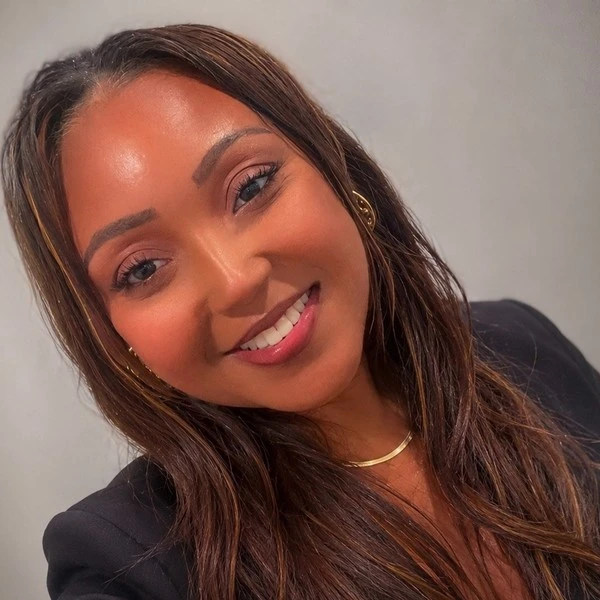
Delilah Foster

1x

Finalist

1x

Winner

Bio

My name is Delilah Foster. I'm a current student at Arizona State University Online. My major is Applied Nutrition and Health. After I get my bachelors degree I will continue on to get my masters degree. My goal is to become a RDN and hopefully work in the school system. I would love to help with school lunch programs. I feel like our experiences with food as a child really shape the eating habits we have as an adult. I'm currently working part time while also helping with the care of my grand parents. I can't afford to payback any loans which is why a scholarship would be so appreciated.

Education

Arizona State University Online

Bachelor's degree program
2025 - 2029
  • Majors:
    • Nutrition Sciences

CT State Community College

Associate's degree program
2017 - 2020
  • Majors:
    • Criminal Justice and Corrections, General

Miscellaneous

  • Desired degree level:

    Bachelor's degree program

  • Graduate schools of interest:

  • Transfer schools of interest:

  • Majors of interest:

    • Dietetics and Clinical Nutrition Services
    • Nutrition Sciences
    • Foods, Nutrition, and Related Services
  • Not planning to go to medical school
  • Career

    • Dream career field:

      Health, Wellness, and Fitness

    • Dream career goals:

    • Membership Management

      Darien YMCA
      2023 – Present3 years
    • Catering Manager/Manager

      Balducci's
      2020 – 20222 years
    • Catering Manager/Manager

      Fairway Market
      2011 – 20209 years

    Arts

    • parsons school of design

      Design
      I designed a dress
      2008 – 2008

    Public services

    • Volunteering

      Stamford Animal Shelter — assist with the animals
      2011 – 2011
    Sola Family Scholarship
    Growing up with a single mother shaped me in ways I continue to recognize more as I get older. At the time, it was just my normal, but now I understand the level of strength, sacrifice, and resilience it took for her to raise me on her own. My mother has always been the foundation of my life. She worked hard to make sure I had what I needed, often putting herself last so that I could have opportunities she did not. There were many moments growing up where I could see the weight she carried, even if she did not always say it out loud. She managed everything on her own—providing financially, maintaining our home, and making sure I stayed on the right path. Watching her handle those responsibilities taught me what true strength looks like. It is not always loud or visible; sometimes it is simply showing up every day and doing what needs to be done, no matter how difficult it is. One of the most impactful examples she set for me was when she made the decision to go back to school and earn her law degree while raising me. That experience showed me that it is never too late to pursue your goals, no matter how many responsibilities you have or how difficult the journey may seem. Watching her balance school, work, and motherhood gave me a firsthand understanding of discipline and perseverance. It inspired me to approach my own education with the same determination and mindset. Because of her, I learned independence early. I understood that nothing would be handed to me and that if I wanted something, I would have to work for it. At the same time, she never let me feel like I was lacking. She created stability in ways that went beyond finances. She taught me values like discipline, accountability, and resilience. Even during challenging times, she remained focused on making sure I had a better future. Her sacrifices are a big part of why I am committed to my education today. I understand that the opportunities I have now are a direct result of everything she has done for me. That is why I approach my goals with intention. I am not only working to build a better future for myself, but also to honor the foundation she created. Growing up with a single mother did not limit me; it strengthened me. It shaped my work ethic, my mindset, and the way I approach challenges. Most importantly, it gave me a deep appreciation for resilience and perseverance. My mother showed me what it means to keep going, even when things are not easy, and that is a lesson I will carry with me in every aspect of my life.
    GD Sandeford Memorial Scholarship
    Growing up in a community where many families worked hard just to maintain stability, I learned early that access to resources and education can shape a person’s opportunities in life. As a first-generation African American college student pursuing a Bachelor of Science in Nutrition Science at Arizona State University, I view my education not only as a personal achievement but as a tool to uplift the communities that shaped me. My goal is to become a Registered Dietitian Nutritionist and use my knowledge to address health disparities that disproportionately affect underserved communities. The racial wealth gap has lasting effects that extend beyond income and education. It also influences access to nutritious food, preventative healthcare, and reliable health information. In many underserved communities, affordable healthy food options are limited and nutrition education is not always accessible. As a result, chronic conditions such as hypertension, diabetes, and heart disease disproportionately affect Black communities. These challenges are not simply individual health issues; they reflect systemic barriers that many families face every day. Through my degree in Nutrition Science, I hope to be part of the solution by translating scientific knowledge into practical guidance that families can actually use. One of my long-term goals is to work within school systems and community health programs to provide nutrition education for children and families. Early education plays a critical role in shaping lifelong habits, and teaching children how nutrition affects their energy, focus, and long-term health can create meaningful change across generations. In addition to working with schools, I hope to host workshops and community seminars that focus on affordable and culturally relevant nutrition. Healthy eating is often portrayed as expensive or unrealistic for families who are already managing financial challenges. I want to challenge that narrative by demonstrating practical ways to prepare nutritious meals using accessible ingredients while still honoring cultural food traditions. Education that respects both culture and financial realities is far more effective than advice that feels disconnected from everyday life. While my volunteer experience has been informal rather than through structured organizations, service has always been a part of my daily life. I currently help care for my grandmother, which has deepened my understanding of how health, nutrition, and compassion intersect in supporting others. My professional experience working in customer service and management roles has also allowed me to interact with and support people from many different backgrounds, reinforcing my desire to pursue a career centered on helping others. Representation in healthcare and STEM fields is also important to me. As a Black woman entering the field of nutrition, I hope to serve as both a resource and an example for younger generations. Many young people in underserved communities do not always see themselves represented in health professions, and I want to show that these paths are possible. Ultimately, I believe that education has the power to create generational change. By using my degree to provide accessible nutrition education and support within underserved communities, I hope to empower individuals and families with the knowledge needed to improve their health and build stronger futures.
    Christian Fitness Association General Scholarship
    My journey toward higher education has not followed a traditional path, but it has been shaped by resilience, determination, and a strong commitment to personal and community growth. As a non-traditional student currently pursuing a Bachelor of Science in Nutrition Science at Arizona State University, I approach my education with a level of discipline and purpose that has been shaped by both my life experiences and my long-term vision for serving others. After graduating from high school, I entered the workforce rather than continuing directly into college. I began working at an upscale gourmet supermarket as a cashier during my senior year and quickly progressed into leadership roles. Within a short period of time, I was promoted to management, supervising teams and overseeing operations. Over the next several years, I continued building my professional experience in retail and catering management. These roles allowed me to develop strong leadership skills, problem-solving abilities, and the discipline required to manage teams and meet business goals. While my career growth provided valuable experience, I eventually realized that I wanted to pursue a path that allowed me to make a deeper impact on people’s lives. Returning to school required courage and humility, particularly as a non-traditional student who had already spent years building a career. However, I approached my education with a renewed sense of focus and determination. While working full-time, I returned to college and completed my associate degree, maintaining a 3.6 GPA. Balancing full-time employment with academic responsibilities was not easy, but the experience strengthened my time management skills and reinforced my commitment to achieving my educational goals. Maintaining strong academic performance while managing professional responsibilities demonstrated to me that I was capable of succeeding in higher education despite the challenges that come with returning to school later in life. In addition to my academic and professional experiences, I have also sought opportunities that helped develop leadership and communication skills. During high school, I participated in a business development program in partnership with UBS that focused on entrepreneurship and financial literacy. Through this program, we developed products and sold them within the community, learning the fundamentals of teamwork, marketing, and business strategy. This early experience helped shape my confidence in leadership and public interaction, skills that have continued to support my academic and professional development. My decision to pursue a degree in Nutrition Science is rooted in both personal transformation and a desire to address health disparities in underserved communities. After committing to improving my own health and losing 50 pounds through sustainable lifestyle changes, I gained firsthand insight into the power of nutrition education. That experience helped me understand how significantly access to information, guidance, and support can influence a person’s health outcomes. However, I also realized that many families lack access to practical and culturally relevant nutrition education. Healthy eating is often presented as expensive or unrealistic, particularly for communities with limited resources. This realization motivated me to pursue a career where I could combine scientific knowledge with community engagement. My long-term goal is to become a Registered Dietitian Nutritionist and focus on pediatric and community-based nutrition. I hope to work within school systems and local organizations to improve nutrition education, promote preventative health practices, and help families develop sustainable approaches to healthy living. Early education plays a critical role in shaping lifelong habits, and I believe that providing children and families with practical tools and knowledge can create meaningful, generational change. Representation within healthcare and STEM fields is also important to me. As a Black woman entering a science-based health profession, I hope to serve as both an advocate and an example for younger generations. Many young people in underserved communities do not always see themselves reflected in careers related to health, science, or leadership. By pursuing this path, I hope to demonstrate that these opportunities are attainable and that representation in these spaces is both powerful and necessary. Despite my determination, financial barriers remain a significant challenge in my educational journey. As a student balancing work, academic responsibilities, and family obligations, funding my education requires careful planning and sacrifice. Scholarships such as this one play an essential role in reducing those barriers and allowing students like myself to focus on academic and professional growth. Receiving this scholarship would not only ease the financial burden associated with pursuing my degree, but it would also represent an investment in the impact I hope to create through my career. It would allow me to devote more time to my studies, pursue internships within the field of nutrition, and continue building the knowledge and skills necessary to serve my community effectively. Ultimately, my educational journey is about more than earning a degree. It is about creating opportunities for myself while also building a career dedicated to improving the well-being of others. Through my work as a future Registered Dietitian Nutritionist, I hope to empower individuals and families with the knowledge, confidence, and resources needed to take control of their health. My experiences have taught me that success is not always defined by a straight path, but by perseverance, growth, and a commitment to purpose. I am determined to continue pursuing my education and using it to create meaningful change in the communities I hope to serve.
    Stephan L. Daniels Lift As We Climb Scholarship
    I want to pursue a career in STEM because I believe science is one of the most powerful tools for creating equity and long-term change. Nutrition Science, as an evidence-based health discipline, sits at the intersection of biology, chemistry, public health, and behavioral science. It allows me to translate scientific research into practical strategies that directly improve quality of life. For me, STEM is not abstract—it is applied, lived, and deeply connected to community well-being. As a Black woman entering a STEM field, I am aware of the representation gap that exists within healthcare and scientific professions. Many communities of color, particularly Black communities, face disproportionate rates of chronic illnesses such as hypertension, diabetes, and heart disease. These disparities are influenced by systemic inequities, limited access to preventative care, and a lack of culturally relevant health education. Increasing representation within STEM fields is essential to building trust, improving communication, and designing solutions that reflect the lived experiences of underserved populations. My decision to pursue Nutrition Science was shaped by both personal transformation and observation. After committing to sustainable lifestyle changes and improving my own health, I saw firsthand how evidence-based nutrition guidance can reshape outcomes. However, I also recognized that many individuals lack access to reliable information or feel disconnected from traditional healthcare messaging. That realization motivated me to pursue a degree that would allow me to combine scientific knowledge with culturally informed communication. I plan to use my degree to work as a Registered Dietitian Nutritionist in school systems and community-based settings, focusing on preventative education. STEM education has the power to intervene early—teaching children how nutrition impacts energy, cognitive performance, and long-term health. By partnering with schools and community organizations, I aim to introduce programs that make science practical and accessible, especially for Black youth who may not see themselves reflected in health professions. In addition to direct service, I hope to mentor young students interested in STEM, particularly Black girls who may not view scientific careers as attainable. Representation is powerful. Seeing someone who shares your background working confidently in a scientific role can expand what feels possible. I want to demonstrate that STEM careers are not limited to laboratories or research institutions—they also exist in clinics, schools, and neighborhoods where science becomes a tool for empowerment. Ultimately, I view my pursuit of a STEM degree as both professional and communal. It is an opportunity to gain the technical expertise required to address health disparities, while also serving as a visible example of what access to education can produce. By combining scientific rigor with cultural understanding, I hope to uplift communities through education, advocacy, and preventative health initiatives that create lasting generational impact.
    Amber D. Hudson Memorial Scholarship
    Winner
    As a future Registered Dietitian Nutritionist, I plan to educate people about improving their lives through nutrition by focusing on accessibility, cultural relevance, and prevention. Nutrition education should not feel restrictive, unrealistic, or disconnected from lived experience. It should feel empowering. My goal is to bridge the gap between scientific knowledge and practical, culturally sensitive application—especially within the Black community, where health disparities such as hypertension, diabetes, and obesity disproportionately affect families. Representation matters in healthcare. As a Black woman pursuing a career in Nutrition Science, I understand the importance of having professionals who reflect and understand the communities they serve. Many individuals in underserved communities may distrust medical systems or feel that nutrition advice does not align with their cultural traditions or financial realities. I plan to approach education with respect, understanding, and practicality—teaching sustainable modifications rather than promoting elimination or judgment. In my future career, I hope to work in pediatric and community-based nutrition, partnering with schools and local organizations to introduce early, preventative education. I believe that empowering children with foundational knowledge about balanced meals, portion awareness, and the long-term benefits of whole foods can create generational change. Education will not only focus on what to eat, but why it matters—how nutrition influences energy levels, cognitive performance, emotional health, and chronic disease prevention. I also plan to host workshops and seminars specifically tailored to families, with an emphasis on affordability and accessibility. A common misconception is that healthy eating is financially unattainable. I want to demonstrate how culturally familiar foods can be prepared in more nutrient-dense ways without sacrificing identity or tradition. By incorporating traditional flavors and cooking methods while making informed adjustments, families can maintain cultural pride while improving health outcomes. Additionally, I aim to leverage digital platforms and community partnerships to expand access to reliable nutrition information. Social media and online resources can either spread misinformation or serve as powerful educational tools. I intend to create clear, evidence-based content that simplifies complex nutrition science into actionable guidance. This scholarship, honoring a Black woman, represents more than financial assistance—it represents legacy. It reflects resilience, leadership, and the importance of opening doors for future generations. As someone who has personally transformed my own health and returned to school with intention, I am deeply committed to using my education to uplift communities that often lack adequate representation in health professions. Improving lives through nutrition requires more than information—it requires trust, cultural understanding, and consistent advocacy. I plan to be not only an educator, but also an advocate who works to reduce disparities and empower families to take ownership of their health. Through compassionate communication, practical guidance, and community engagement, I hope to create lasting change and honor the legacy of those who paved the way before me.