Hobbies and interests
Clinical Psychology
Crocheting
Mental Health
Mentoring
Child Development
True Crime
Reading
Psychology
Academic
Historical
Self-Help
Suspense
Spirituality
I read books daily
Devin Youngclaus
1x
FinalistDevin Youngclaus
1x
FinalistBio
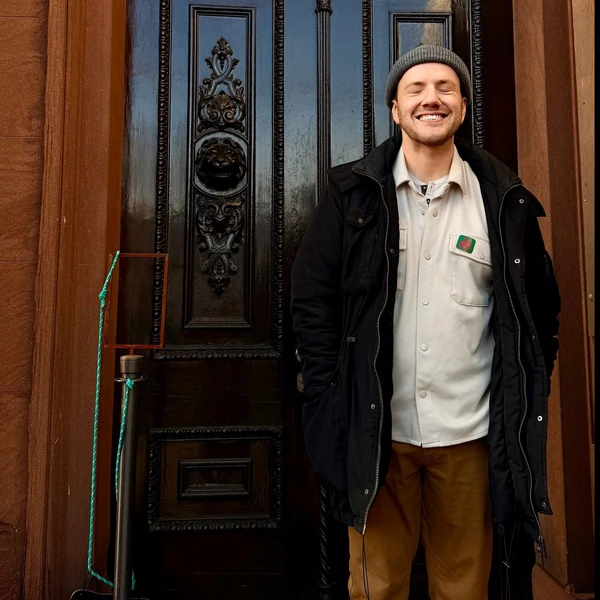
I am completing my bachelor’s degree in psychology after dropping out of school 15 years ago. Life experience has profoundly impacted my perspective, and I am grateful that I have made the decision to continue my education. I am passionate about mental health and wellness, particularly focusing on LGBTQ+ and younger individuals who may be struggling with identity challenges.
Education
University of Massachusetts-Boston
Bachelor's degree programMajors:
- Communication, General
- Psychology, General
Quinnipiac University
Bachelor's degree programMajors:
- Public Relations, Advertising, and Applied Communication
Minors:
- Business, Management, Marketing, and Related Support Services, Other
Whitman-Hanson Regional High School
High SchoolMiscellaneous
Desired degree level:
Doctoral degree program (PhD, MD, JD, etc.)
Graduate schools of interest:
Transfer schools of interest:
Majors of interest:
Career
Dream career field:
Mental Health Care
Dream career goals:
Server/Bartender
Fox & The Knife2023 – Present3 yearsPatient Access Coordinator
South Shore Hospital2023 – 20252 years
Arts
DVN Handmade
Design2018 – Present
Trudgers Fund
Addiction shaped my life in ways I could not have imagined when I first picked up a drink. At the time, it felt like a relief—a way to ease the pain of depression, identity struggles, and family instability that had followed me since childhood. My parents divorced when I was nine, and the sense of safety and stability I needed at that age collapsed. I carried shame and uncertainty into adolescence and young adulthood, and alcohol quickly became the way I tried to cope. At first it offered me a sense of belonging, but over time it stole my potential, my health, and my sense of self.
By my early twenties, I had dropped out of college, cycled through unhealthy relationships, and drifted from one job to another. Drinking was no longer something I controlled; it controlled me. Every day revolved around the next opportunity to numb my pain. Isolation and hopelessness set in. I felt disconnected from my family and ashamed of the person I was becoming. The dreams I once had felt far away, and I struggled to imagine any future for myself.
The turning point came in 2022, when I entered recovery. At first, it was terrifying to admit how unmanageable my life had become. But through the structure of Alcoholics Anonymous, the support of others who had walked the same road, and the spiritual grounding I found in prayer, I began to heal. The Serenity Prayer became my daily guide: “God, grant me the serenity to accept the things I cannot change, courage to change the things I can, and wisdom to know the difference.” Slowly, I learned to accept my past, take responsibility for my choices, and trust that God could lead me toward something better.
This May, I celebrated three years of sobriety. Recovery has given me back my health, my purpose, and my faith. It has also given me the courage to return to school after a 15-year break. I am now a psychology major at UMass Boston, maintaining a 4.0 GPA while working part-time. Returning to the classroom as an older student has been one of my proudest accomplishments. I sit in the front row, engage deeply in discussions, and treat every assignment as a gift I once thought I had lost forever.
Sobriety has also opened the door to service. I serve as secretary for a gay men’s recovery group, where I organize meetings, coordinate guest speakers, and mentor younger men beginning their recovery journeys. Many of them carry unhealed wounds from childhood trauma or family rejection, and I see in them the same struggles I once faced. Offering encouragement and support has been one of the most rewarding parts of my life, and it has confirmed my desire to make this work my career.
My goal is to continue into graduate school and eventually earn a PhD in clinical psychology. I want to dedicate my career to supporting LGBTQ youth and young adults who struggle with identity, trauma, and substance use. Too often, these individuals fall through the cracks without someone to advocate for them. I want to use my education, my training, and my lived experience to ensure they know they are not alone and that their story is not over.
Sobriety gave me a second chance at life. Education is giving me the tools to turn that second chance into a mission of service.
Fishers of Men-tal Health Scholarship
Mental health and addiction have been at the center of my personal journey, shaping not only the challenges I’ve faced but also the mission I now carry with me. For many years, I lived under the weight of depression, instability, and substance use, unsure of who I was or what my life was meant to be. I dropped out of college in my early twenties, numbed my pain with alcohol, and lost years of potential to self-destruction.
It wasn’t until 2022, when I entered recovery, that I began to rebuild my life. Recovery gave me back my health, my purpose, and my faith. This fall, I celebrated three years of sobriety. That milestone reflects not only the grace I have received but also the discipline, humility, and spiritual growth that recovery demands.
My struggles did not appear out of nowhere. They were seeded in childhood, when my parents divorced under painful circumstances. At just nine years old, my home life turned upside down, leaving me with instability and shame I did not know how to process. Instead of stability and safety, my adolescence was marked by conflict, uncertainty, and a feeling of being “different” from my peers. By my twenties, depression and questions about my identity weighed heavily on me, and without healthy tools for coping, I turned to alcohol. At first it felt like a relief, but over time, drinking stopped being a choice—it became a prison.
The turning point came in 2022, when I admitted I could no longer keep living the way I was. Recovery became my lifeline. At first, it felt daunting—how could I change years of habits and self-doubt? But the structure of AA, the support of others who had walked the same road, and reliance on God made healing possible.
One of the first prayers I learned was the Serenity Prayer: “God, grant me the serenity to accept the things I cannot change, courage to change the things I can, and wisdom to know the difference.” Those words became more than just a prayer—they became a way of living. I learned to let go of the shame of my past, to focus on the choices in front of me, and to trust that God would guide me through the things beyond my control.
Later, the Third Step Prayer gave me another perspective: “God, I offer myself to Thee—to build with me and to do with me as Thou wilt. Relieve me of the bondage of self, that I may better do Thy will.” This prayer reminded me that my life was no longer about self-preservation. Recovery was not just about abstaining from alcohol; it was about opening myself to service, to becoming someone who could use his story to help others.
Faith has been central to my healing. Prayer and meditation are now daily practices. They ground me, remind me that I am not alone, and keep me humble. The words of Matthew 4:19, “Follow me, and I will make you fishers of men,” resonate deeply. I believe God has called me to take the net of compassion and cast it widely—to reach those who are still struggling, to walk with them in their pain, and to help them believe in the possibility of healing.
Recovery also gave me the courage to return to school after a 15-year break. In the fall of 2024, I re-enrolled at UMass Boston as a psychology major. At first, I worried I would be out of place as an older, non-traditional student. But from the very first semester, I realized I was exactly where I needed to be. I now sit in the front row, engage deeply in class, and treat every assignment as an opportunity, not a chore.
Academically, I’ve thrived. I have maintained a 4.0 GPA while balancing part-time work, and I am preparing to apply for graduate programs in clinical psychology. My coursework has deepened my understanding of development, trauma, and identity. Each class not only teaches me theory but also affirms what I have seen in real life: that early wounds, if left untreated, echo through adulthood.
Beyond academics, I serve as secretary for a gay men’s recovery group. Every week, I organize meetings, coordinate guest speakers, and mentor younger men who are just beginning their own recovery journeys. Many of them are carrying unhealed wounds from childhood trauma or family rejection. Some feel ashamed of their identities; others are struggling with depression, substance use, or loneliness. When I sit with them, I don’t see broken people—I see myself, years earlier, in need of someone to remind me that my story wasn’t over. Offering encouragement, resources, and empathy has been one of the most rewarding parts of my life. I’ve learned that healing often begins not with advice, but with listening. Just as others once sat with me, I now sit with them. Through this role, I have seen how powerful community can be in transforming despair into hope.
My long-term goal is to pursue graduate studies in clinical psychology, with the hope of continuing into the Clinical Psychology PhD program at UMass Boston. I want to dedicate my career to supporting LGBTQ youth and young adults who struggle with identity, trauma, and substance use. Research shows that LGBTQ youth are disproportionately impacted by anxiety, depression, and suicidal ideation—often stemming from rejection, neglect, or instability in their formative years.
My vision is to create spaces where these young people feel seen and understood. I want to combine evidence-based clinical practice with the empathy that comes from lived experience. In many ways, I see this as an extension of my faith: to be a “fisher of men” who casts a net of compassion wide enough to catch those who feel left behind.
My personal experiences with mental health and addiction have reshaped every part of my life—my beliefs, my relationships, and my aspirations. They taught me humility, reliance on God, and the importance of community. They gave me a mission: to turn my pain into purpose, and my recovery into service.
Receiving the Fishers of Men-tal Health Scholarship would ease the financial strain of balancing tuition and living costs, but more importantly, it would affirm the calling I have embraced. Like Dima Kapelkin, I want my life to reflect faith, service, and a commitment to helping others. Through God’s grace, I have been given a second chance, and I intend to spend it casting nets of compassion, healing, and hope.
Sloane Stephens Doc & Glo Scholarship
My story has not followed a straight line, but the challenges and detours along the way have given me the resilience and purpose that guide me today. I grew up in a working-class family in Massachusetts. My dad drove a UPS truck for 35 years, and my mom was a hairdresser until she became disabled. Neither of them had the opportunity to attend college, but they worked hard and supported me through my struggles, encouraging me to believe in myself even when I felt lost.
When I first attended college in my late teens, I was searching for escape more than direction. I struggled with depression, questions about my identity, and unhealthy coping mechanisms. Eventually, I dropped out. The years that followed were marked by instability and self-destruction as I turned to alcohol to manage the pain I didn’t know how to face. What I learned the hard way is that trauma, if left unaddressed, follows you everywhere.
The turning point came in 2022, when I began my recovery journey. It wasn’t easy or linear, but it gave me the clarity I had been missing. This year, I celebrated three years of sobriety. Recovery has given me back my health, my confidence, and my belief that I can make a difference in the world. It also gave me the courage to return to school after a 15-year break.
In the fall of 2024, I resumed my undergraduate studies at UMass Boston, where I am pursuing a degree in psychology. Returning to the classroom as a non-traditional student has been one of my proudest accomplishments. I sit in the front row, engage deeply in discussions, and treat each class as an opportunity, not a burden. I have maintained a 4.0 GPA while balancing part-time work, and I am now preparing to apply for graduate programs in clinical psychology. My ultimate goal is to become a clinical psychologist specializing in supporting LGBTQ youth and young adults facing challenges with identity, mental health, and substance use.
This passion comes from both my academic interests and my lived experience. I know how easy it is to fall through the cracks when you don’t have someone advocating for you or showing you that your life can have meaning. I want to be that advocate for others. In addition to my studies, I serve as secretary for a gay men’s recovery group, where I organize meetings, invite guest speakers, and mentor younger men who are navigating challenges that echo my own past. Offering encouragement, resources, and empathy has been one of the most rewarding parts of my journey so far.
Education is not just about my own success—it’s about creating a future where I can give back. Receiving the Doc & Glo Scholarship would relieve some of the financial stress that weighs heavily on me as I balance rent, tuition, and daily expenses. More importantly, it would affirm that the path I am on—one that honors resilience, kindness, and self-belief—is the right one.
Like Sloane Stephens, I believe in using personal challenges as a foundation for empowering others. My dream is to take the lessons I’ve learned in recovery and in the classroom and transform them into a career dedicated to helping young people realize that no matter what they have faced, their futures are still bright.
Early Childhood Developmental Trauma Legacy Scholarship
Early childhood development is the foundation on which a person’s emotional, cognitive, and social well-being is built. When this period is disrupted by trauma—whether through abuse, neglect, or instability—the consequences can last a lifetime. Children who suffer trauma often develop anxiety, depression, difficulty with attachment, and struggles with trust and self-esteem. Without early intervention, these effects can carry into adolescence and adulthood as substance use, relationship problems, and cycles of instability that are difficult to break. The impact is not limited to the individual; it extends to families, communities, and society as a whole.
I understand these consequences both through research and personal experience. My own childhood was marked by instability and fractured family relationships. At age nine, my parents divorced under painful circumstances, and I struggled to adapt to the sudden loss of stability in my home. What followed was years of feeling out of place, unsupported, and ashamed of my family situation. These unresolved emotions left me vulnerable as I grew older, and in my twenties I turned to alcohol to cope with depression, loneliness, and my struggle with identity. Instead of healing, I numbed, and the consequences were devastating. I dropped out of college, cycled through unhealthy relationships, and lost years of potential to substance use and self-destruction.
The turning point came when I sought recovery. This journey was not linear, but eventually I was able to achieve stability and rebuild my life. I recently celebrated three years of sobriety, and with that milestone came the courage to return to school after a 15-year break. I am now a senior at UMass Boston, maintaining a 4.0 GPA while working part-time. My studies in psychology, particularly in early development and adolescence, have deepened my understanding of how trauma shapes identity and behavior. More importantly, they have confirmed my life’s mission: to use my education and lived experience to support others who face the lasting effects of childhood trauma.
My plan is to pursue graduate studies in clinical psychology, with the hope of continuing into the Clinical Psychology PhD program at UMass Boston. My long-term goal is to work with LGBTQ youth and young adults who struggle with mental health challenges, identity development, and substance use—issues often rooted in early trauma. Research shows that LGBTQ youth are disproportionately impacted by anxiety, depression, and suicidal ideation, much of which stems from rejection, instability, or neglect during their formative years. I want to be the kind of clinician who not only provides treatment but also creates a safe and affirming environment for healing.
Beyond academics, I serve as secretary for a gay men’s recovery group. In this role, I organize meetings, coordinate guest speakers, and mentor younger men who are often facing the long-term consequences of childhood trauma. I have seen firsthand how early wounds resurface in adulthood, leaving people vulnerable to addiction, shame, and hopelessness. Offering encouragement, resources, and empathy to these individuals has shown me the power of community and the importance of advocacy.
The consequences of childhood trauma are real and enduring, but they do not have to define a person’s future. With the right support, children and young adults can build resilience, rediscover hope, and break cycles of pain. My mission is to dedicate my career in psychology to being part of that support—through clinical work, advocacy, and mentorship. This scholarship would allow me to continue my education without the constant strain of financial hardship, helping me stay focused on preparing for a career that turns my own story of trauma and recovery into a source of strength for others.
Brian J Boley Memorial Scholarship
My sophomore year of college ended abruptly as I grappled with the daunting realization of identifying as a gay man. Prioritizing mental health, I left school in search of self-acceptance. Without a degree, career opportunities were limited, but my passion for serving others remained strong. Now, at thirty-five, armed with life experience and sharpened goals, I am committed to completing my bachelor’s degree in psychology. This scholarship will help me take the first step toward becoming a youth therapist or guidance counselor, focusing on supporting struggling LGBTQ youth.
In high school, I thrived as a track athlete, Vice President of the student council, and was even dubbed “Most Likely to Join the Peace Corps.” My future seemed clear: attend a four-year university and graduate ready to make my mark. However, living in the closet took a toll on my mental health. The fear of coming out left me paralyzed, leading to a breakdown and ultimately dropping out. When I finally embraced my identity, the support from family and friends was invaluable, though my life’s path had shifted.
To maintain independence, I pursued entry-level jobs, gravitating toward the hospitality industry where I excelled in customer relations. Working under James Beard award-winning chefs in notable restaurants, I built a successful career. After a decade, seeking growth, I transitioned to an administrative role in the emergency room at South Shore Hospital. This role opened my eyes to the mental health crisis among youth, particularly LGBTQ individuals.
Witnessing the prevalence of pediatric patients battling mental health issues, especially suicidal ideation, solidified my decision to pursue psychology. The CDC reports suicide as the second leading cause of death for youth aged ten to fourteen. The Trevor Project estimates over 1.8 million LGBTQ young people consider suicide annually in the U.S. As someone who once struggled with identity, I empathize deeply with these statistics, aware that risks are even higher for LGBTQ youth of color. Despite increased LGBTQ representation today, issues of identity and acceptance persist, exacerbated by ongoing legislative attacks on LGBTQ rights. This fuels my determination to advocate for at-risk youth through my future career.
I am eager to engage in UMB’s in-person psychology curriculum, connect with diverse faculty, and participate in educational and research opportunities within the Department of Psychology. Earning my degree will not only be a personal triumph but also a foundation for making a meaningful impact.
Financial constraints make this scholarship crucial, alleviating the burdens of returning to school as an adult. I am proud of my journey—proud to be gay and proud to continue my education after more than a decade. I am deeply grateful to the University of Massachusetts Boston for this opportunity.
Catrina Celestine Aquilino Memorial Scholarship
My sophomore year of college ended abruptly as I grappled with the daunting realization of identifying as a gay man. Prioritizing mental health, I left school in search of self-acceptance. Without a degree, career opportunities were limited, but my passion for serving others remained strong. Now, at thirty-five, armed with life experience and sharpened goals, I am committed to completing my bachelor’s degree in psychology. This scholarship will help me take the first step toward becoming a youth therapist or guidance counselor, focusing on supporting struggling LGBTQ youth.
In high school, I thrived as a track athlete, Vice President of the student council, and was even dubbed “Most Likely to Join the Peace Corps.” My future seemed clear: attend a four-year university and graduate ready to make my mark. However, living in the closet took a toll on my mental health. The fear of coming out left me paralyzed, leading to a breakdown and ultimately dropping out. When I finally embraced my identity, the support from family and friends was invaluable, though my life’s path had shifted.
To maintain independence, I pursued entry-level jobs, gravitating toward the hospitality industry where I excelled in customer relations. Working under James Beard award-winning chefs in notable restaurants, I built a successful career. After a decade, seeking growth, I transitioned to an administrative role in the emergency room at South Shore Hospital. This role opened my eyes to the mental health crisis among youth, particularly LGBTQ individuals.
Witnessing the prevalence of pediatric patients battling mental health issues, especially suicidal ideation, solidified my decision to pursue psychology. The CDC reports suicide as the second leading cause of death for youth aged ten to fourteen. The Trevor Project estimates over 1.8 million LGBTQ young people consider suicide annually in the U.S. As someone who once struggled with identity, I empathize deeply with these statistics, aware that risks are even higher for LGBTQ youth of color. Despite increased LGBTQ representation today, issues of identity and acceptance persist, exacerbated by ongoing legislative attacks on LGBTQ rights. This fuels my determination to advocate for at-risk youth through my future career.
I am eager to engage in UMB’s in-person psychology curriculum, connect with diverse faculty, and participate in educational and research opportunities within the Department of Psychology. Earning my degree will not only be a personal triumph but also a foundation for making a meaningful impact.
Financial constraints make this scholarship crucial, alleviating the burdens of returning to school as an adult. I am proud of my journey—proud to be gay and proud to continue my education after more than a decade. I am deeply grateful to the University of Massachusetts Boston for this opportunity.
Ethan To Scholarship
My sophomore year of college ended abruptly as I grappled with the daunting realization of identifying as a gay man. Prioritizing mental health, I left school in search of self-acceptance. Without a degree, career opportunities were limited, but my passion for serving others remained strong. Now, at thirty-five, armed with life experience and sharpened goals, I am committed to completing my bachelor’s degree in psychology. This scholarship will help me take the first step toward becoming a youth therapist or guidance counselor, focusing on supporting struggling LGBTQ youth.
In high school, I thrived as a track athlete, Vice President of the student council, and was even dubbed “Most Likely to Join the Peace Corps.” My future seemed clear: attend a four-year university and graduate ready to make my mark. However, living in the closet took a toll on my mental health. The fear of coming out left me paralyzed, leading to a breakdown and ultimately dropping out. When I finally embraced my identity, the support from family and friends was invaluable, though my life’s path had shifted.
To maintain independence, I pursued entry-level jobs, gravitating toward the hospitality industry where I excelled in customer relations. Working under James Beard award-winning chefs in notable restaurants, I built a successful career. After a decade, seeking growth, I transitioned to an administrative role in the emergency room at South Shore Hospital. This role opened my eyes to the mental health crisis among youth, particularly LGBTQ individuals.
Witnessing the prevalence of pediatric patients battling mental health issues, especially suicidal ideation, solidified my decision to pursue psychology. The CDC reports suicide as the second leading cause of death for youth aged ten to fourteen. The Trevor Project estimates over 1.8 million LGBTQ young people consider suicide annually in the U.S. As someone who once struggled with identity, I empathize deeply with these statistics, aware that risks are even higher for LGBTQ youth of color. Despite increased LGBTQ representation today, issues of identity and acceptance persist, exacerbated by ongoing legislative attacks on LGBTQ rights. This fuels my determination to advocate for at-risk youth through my future career.
I am eager to engage in UMB’s in-person psychology curriculum, connect with diverse faculty, and participate in educational and research opportunities within the Department of Psychology. Earning my degree will not only be a personal triumph but also a foundation for making a meaningful impact.
Financial constraints make this scholarship crucial, alleviating the burdens of returning to school as an adult. I am proud of my journey—proud to be gay and proud to continue my education after more than a decade. I am deeply grateful to the University of Massachusetts Boston for this opportunity.