Hobbies and interests
Spending Time With Friends and Family
Gaming
Weightlifting
Chess
Coding And Computer Science
Basketball
Tattooing
Shopping And Thrifting
Reading
Action
I read books multiple times per week
Devin Brown
1x
Finalist1x
Winner
Devin Brown
1x
Finalist1x
WinnerBio
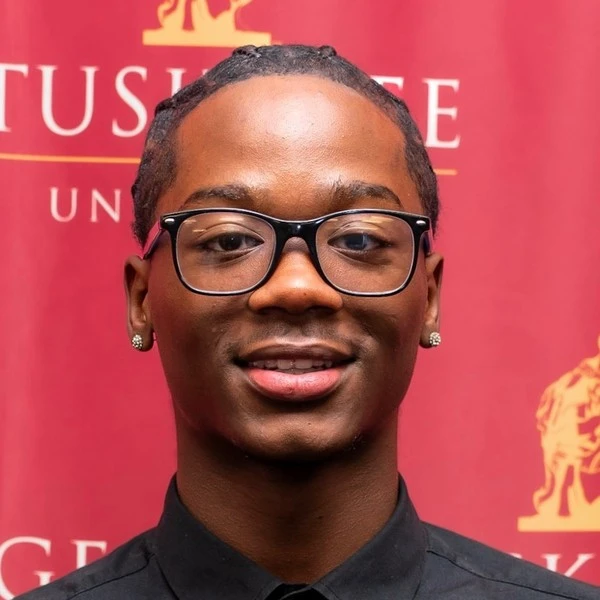
My name is Devin Brown, and my life goal is simple but powerful: I want to be financially stable with a job I truly enjoy. I believe that success isn't just about money. It's about waking up every day motivated to do something I love while also being in a position to take care of my family, which is what I'm most passionate about.
I grew up in Chicago, and from a young age, I always stayed to myself. I wasn’t the type to be loud or in the spotlight. I kept quiet, stayed focused, and made sure to get good grades. I’m not a social butterfly, but I’ve always been disciplined and determined when it comes to achieving my goals. My interests have always reflected who I am. I like shoes, clothes, and playing video games, and recently I’ve gotten into working out. It’s all part of becoming the best version of myself.
What makes me a strong candidate for scholarships is my drive and growth mindset. I truly believe I’m going to do good in life, not just for myself, but for others around me. In college, I’ve been stepping out of my comfort zone by doing charity work, joining clubs, and being more active overall. I’m working hard not only academically but also on becoming a more well-rounded person.
I'm proud of where I’ve come from and even more excited about where I’m headed.
Education
Tuskegee University
Bachelor's degree programMajors:
- Computer Science
Kenwood Academy High School
High SchoolCareer
Dream career field:
- Computer Software
Dream career goals:
cybersecurity
Intern: Developed an accessible political literacy app that teaches the roles of elected officials, includes government quizzes, and helps Chicago users identify their representatives and compare policies based on their location.
Everyone Can Code Chicago2026 – 2026cashier/stocker
dollar tree2023 – 20241 year
Research
Computer and Information Sciences, General
Tuskegee University — Research Assistant:Helped develop a web application that processes fMRI correlation matrix files and generates brain visualizations to display machine learning model predictions for autism classification.2025 – 2026
Public services
Volunteering
Boyz 2 Gentlemen — My role was to become an active member by completing 20 hours of service by the end of the year while contributing to and supporting the organization's mission.2025 – 2026Volunteering
Collegiate 100 — A male student with a passion for mentoring and community service who completed 40 hours of community service to gain membership in the club.2025 – Present
Future Interests
Advocacy
Politics
Volunteering
Philanthropy
Entrepreneurship
Sloane Stephens Doc & Glo Scholarship
The impact I want to make is to use technology, education, and leadership to create opportunities and provide resources that help people improve their lives. I believe technology has the power to solve problems, connect communities, and make important information more accessible. My goal is to become a technology professional who not only develops innovative solutions but also uses my skills to give back and create a lasting impact.
My passion for making a difference comes from my experiences growing up in Chicago and attending Tuskegee University. I have seen how access to information, mentorship, and opportunities can influence a person’s future. I believe everyone deserves the chance to understand the resources available to them and have the support needed to succeed. This belief has motivated me to use my education in computer science as a tool for service.
One project that represents the type of impact I hope to create is my political literacy app, **Know Your Vote**. I began developing this project through Everyone Can Code Chicago after realizing that technology could be used to address issues within communities. The purpose of Know Your Vote is to make government and election information easier to understand and access. The app helps users learn about the roles of elected officials, identify representatives they can vote for based on their location, understand policies, and test their knowledge through government quizzes. Through this project, I hope to encourage more people to become informed and engaged citizens.
The people who inspire me are the mentors, professors, and leaders who have taken the time to guide me throughout my journey. At Tuskegee University, I have learned the importance of having people who believe in your potential and encourage you to grow. Programs such as NSF S-STEM have provided me with mentorship, professional development, and research opportunities that have helped me become a better student and future professional. My involvement in organizations such as Collegiate 100 has also shown me the importance of service and using my abilities to support others.
I want to continue this cycle of support by becoming a mentor for future students interested in technology. I know firsthand how important it is to have someone provide guidance, encouragement, and opportunities. As I continue my career, I hope to help students from underrepresented communities explore STEM fields and understand that they have the ability to succeed in technology.
My vision for the future is to create technology that improves accessibility, increases awareness, and solves real-world problems. Whether through software development, community-focused applications, or mentorship, I want my work to positively affect the lives of others. I believe success is not only measured by personal achievements but also by the impact you leave behind.
Through my education, leadership experiences, and commitment to service, I hope to contribute to a better future where technology is used to empower people and create opportunities. I want to continue building solutions that inform, connect, and inspire communities while carrying forward the values of leadership and service that have shaped me.
Emerging Leaders in STEM Scholarship
My interest in STEM, specifically computer science, comes from my passion for problem-solving and creating solutions that can positively impact people’s lives. In high school, I did not know exactly what career path I wanted to pursue, but I knew I enjoyed mathematics and finding solutions to challenging problems. Because of those interests, I decided to explore computer science and discover if it was the right field for me.
Before my freshman year of college, I participated in a program through my school that allowed me to take an introductory computer science course and Calculus I. This experience gave me my first real understanding of the field and confirmed that I had chosen the right path. I enjoyed learning how technology could be used to solve problems, create new ideas, and develop tools that could benefit others.
Throughout my college journey at Tuskegee University, I have continued to grow my passion for STEM through research, professional development, and personal projects. As a research assistant, I helped develop a website that processes brain imaging correlation matrix files and creates brain visualizations based on machine learning model results related to autism classification. This experience showed me how computer science can be applied to different fields and how technology can help researchers better understand complex challenges.
One project that represents my passion for using technology to make an impact is my political literacy app, **Know Your Vote**. I began developing this project through Everyone Can Code Chicago, where I was introduced to the idea that technology can be used as a tool for community improvement. The purpose of Know Your Vote is to make government and election information more accessible. The app helps users understand the roles of elected officials, identify representatives they can vote for based on their location, learn about policies, and test their knowledge through government quizzes. Through this project, I hope to encourage people to become more informed and engaged citizens.
One adversity I have overcome has been learning how to step outside of my comfort zone. Growing up, I was someone who stayed to myself and was not always comfortable networking, asking questions, or expressing my ideas. When I entered college, I realized that success requires more than academic ability. It requires communication, teamwork, and the willingness to seek guidance from others. I challenged myself to become more involved by joining organizations, participating in service opportunities, and building relationships with mentors and professors.
Programs such as NSF S-STEM and organizations like Collegiate 100 have helped me develop professionally and personally. Through these experiences, I have gained a better understanding of leadership, service, and the importance of collaboration. They have helped me become more confident and showed me that growth comes from taking advantage of opportunities and learning from those around me.
My goal is to become a technology professional who uses computer science to create meaningful solutions and inspire future generations of STEM students. I want to continue developing technology that improves accessibility, provides valuable information, and addresses real-world problems. Through my education, leadership, and commitment to service, I hope to make a lasting impact in my community and the technology industry.
HBCU Legacy & Excellence Scholarship
My experience at Tuskegee University has shaped who I am by challenging me to grow beyond my comfort zone, become a leader, and understand the importance of serving others. As an HBCU student, I have learned that education is not only about earning a degree; it is about building relationships, creating opportunities, and using my knowledge to make a positive impact in my community.
Before attending Tuskegee University, I was someone who often stayed to myself and focused mainly on academics. I was not always comfortable networking, asking questions, or putting myself in leadership positions. My experience at Tuskegee changed that mindset by surrounding me with students, faculty, and mentors who encouraged me to grow. I learned that success requires more than individual effort; it requires collaboration, communication, and the willingness to learn from others.
One of the greatest lessons Tuskegee University has taught me is the importance of leadership through service. Through my involvement in organizations such as Collegiate 100, I have been able to participate in community service and connect with people outside of my major. Completing service hours showed me that leadership is not just about having a title; it is about taking action, supporting others, and using your abilities to create change.
My participation in the Underclassmen Leadership Academy (ULA) also played an important role in my personal growth. ULA provided me with the opportunity to develop my leadership skills, improve my communication, and learn what it means to be an effective leader. Through this experience, I gained a better understanding of teamwork, responsibility, and how leaders can positively influence those around them. It helped me become more confident in taking initiative and accepting leadership opportunities.
I have also been honored to serve as "Mr. Illinois 2026–2027", a role that allows me to represent my community and create opportunities for service. Through this position, I have the responsibility of organizing and supporting service initiatives both at Tuskegee University and back home. This experience has strengthened my leadership skills by teaching me the importance of planning, communication, and using my platform to make a difference.
Tuskegee has also strengthened my goals as a Computer Science student. Through programs such as NSF S-STEM, I have gained professional development, research experience, and mentorship that have helped prepare me for my future career. I have learned that success in technology requires more than technical skills. It also requires communication, teamwork, creativity, and an understanding of how technology can be used to solve real-world problems.
I have applied these lessons through my work developing the political literacy app, "Know Your Vote". This project focuses on helping people better understand government, elections, and their elected representatives. My goal is to use technology to make important information more accessible and encourage people to become more informed and engaged citizens. Through this project, I have seen how computer science can be used as a tool for education and community empowerment.
As I continue my career, I hope to carry forward the legacy of Tuskegee University by becoming a leader who creates opportunities for others. I want to mentor students interested in technology, support future generations of computer scientists, and develop solutions that improve communities. My HBCU experience has given me the confidence, skills, and purpose to continue the tradition of excellence, leadership, and service that defines Tuskegee University.
Chris Jackson Computer Science Education Scholarship
My journey toward pursuing a Computer Science degree began when I was still trying to figure out what I wanted to do with my future. In high school, I did not have a clear career path, but I knew I enjoyed mathematics, problem-solving, and finding solutions to challenges. Because of those interests, I decided to explore computer science and see if it was something I could build a future in.
Before my freshman year of college, I participated in a program through my school that allowed me to take an introductory computer science course and Calculus I. This opportunity gave me my first true experience with the field and helped me realize that computer science was the right choice for me. I enjoyed the process of breaking down problems, thinking creatively, and using technology to create solutions. That experience motivated me to continue developing my skills and pursue a career in technology.
Throughout my college journey, my passion for computer science has grown through research, internships, and personal projects. I have learned that technology is not only about writing code; it is about creating solutions that can improve people's lives. One project I am especially passionate about is my political literacy app, Know Your Vote. I created this app to help people better understand government, elections, and their elected representatives. Through this project, I have seen how technology can make important information more accessible and empower people to become more engaged in their communities.
My experiences have also shown me the importance of mentorship and using opportunities to grow. Through programs such as NSF S-STEM, I have developed professional skills, learned about research, and gained a better understanding of what it takes to succeed in the technology field. My involvement in organizations such as Collegiate 100 has allowed me to complete community service, develop leadership skills, and connect with people outside of my major. These experiences have shaped me into someone who values service, teamwork, and helping others.
After receiving my degree, my goal is to become a software engineer and technology professional who creates meaningful solutions that positively impact communities. I want to continue developing technology that improves accessibility, provides information, and helps solve real-world problems. In addition to building a successful career, I hope to mentor future students who are interested in entering the technology field, just as others have helped guide me.
I believe I am a strong candidate for the Chris Jackson Computer Science Education Scholarship because my story reflects the values this scholarship represents. Like Chris Jackson, I believe education can create opportunities and lead to a meaningful career that impacts others. I have demonstrated passion through my dedication to computer science, ambition through my desire to continue growing as a professional, and commitment through my efforts to use technology as a tool for service.
I hope to honor Chris Jackson’s legacy by using my education, skills, and experiences to make a positive difference in the world.
Chadwick D. McNab Memorial Scholarship
One project I have worked on that I am especially passionate about is my political literacy app, **Know Your Vote**. This project began through my experience with **Everyone Can Code Chicago**, where I was introduced to the idea that technology can be used as a tool to solve problems and create positive change in communities. That experience inspired me to think about how I could use my computer science skills to address an issue that affects many people: the lack of accessible information about government and elections.
I created Know Your Vote because I believe access to information is one of the most important tools for empowering communities. Many people participate in elections without fully understanding the roles of elected officials, the responsibilities of different levels of government, or how policies impact their everyday lives. My goal with this project was to make government information easier to understand and more accessible for everyone.
Know Your Vote is designed to help users become more informed about the political system by explaining the roles and responsibilities of elected officials, from the President and Vice President to local representatives such as aldermen. The app allows users to learn about the representatives they can vote for based on their location in Chicago and provides information about their policies. It also includes a quiz feature that allows users to test their knowledge of government while learning more about civic topics in an interactive way.
This project is meaningful to me because I have seen how a lack of accessible information can prevent people from becoming involved in their communities. I believe everyone deserves the opportunity to understand how government works and how decisions made by elected officials can affect their lives. Through technology, I wanted to create a resource that helps bridge the gap between citizens and the information they need to become more engaged.
I enjoyed working on Know Your Vote so much that I decided to continue developing the project even after completing my internship. I am continuing to improve the app, add new features, and work toward making it available on the iOS App Store so that more people can benefit from it. Being able to take an idea that started as a project and continue building it into something that can help others has been one of the most rewarding experiences of my computer science journey.
Working on Know Your Vote has shown me how technology can be used for more than entertainment or business. It can be a tool for education, accessibility, and community impact. Developing this application allowed me to combine my skills in computer science with my interest in civic engagement. I learned that creating successful technology requires more than writing code; it requires understanding users, identifying problems, and designing solutions that meet real needs.
Technology inspires me because it gives people the ability to create solutions that can reach and help others. As AI and other technologies continue to grow, I believe the future of computer science will depend on developers who can combine technical skills with creativity, communication, and an understanding of society. Building Know Your Vote has strengthened my passion for creating technology that informs, connects, and empowers people.
This project represents the type of work I hope to continue throughout my career: using computer science to create meaningful solutions that improve people's lives and make important information more accessible to communities.
Byte into STEM Scholarship
My name is Devin Brown, and I am a Computer Science student who is passionate about using technology, leadership, and service to create a positive impact. Growing up in Chicago, I was always someone who stayed to myself. I focused on academics and personal goals, but I was not always comfortable putting myself out there, building relationships, or asking for help.
Coming to college became a turning point in my life because I realized the importance of communication, networking, and community involvement. I learned that success is not only based on what you know, but also on your ability to connect with others, collaborate, and learn from the people around you. My experience at an HBCU has pushed me to become more confident, take on leadership opportunities, and become someone who wants to serve others.
My passion for computer science comes from my belief that technology can be used to solve problems and improve access to important information. As technology continues to evolve, especially with advancements in AI, I believe future technology professionals must have both technical skills and the ability to understand the needs of communities. My goal is to create technology that is not only innovative but also meaningful and accessible.
One project that represents this passion is my work building the political literacy app, Know Your Vote. This application is designed to help users better understand government, elections, and their elected representatives. The app explains the roles and responsibilities of government officials, provides educational quizzes about government, and helps users identify representatives they can vote for based on their location. By providing information about representatives and their policies, I hope to encourage people to become more informed and engaged citizens.
My commitment to leadership and service has also shaped who I am today. I am honored to serve as Mr. Illinois 2026–2027, a role that allows me to represent my community while creating opportunities to organize service projects both at my school and back home. This position has strengthened my leadership skills by teaching me the importance of planning, communication, and working with others to create meaningful change.
In addition, my involvement in programs such as the NSF S-STEM program and organizations like Collegiate 100 has helped me grow professionally and personally. Through NSF S-STEM, I have gained insight into research, career preparation, and professional development within my field. Through Collegiate 100, I completed community service hours that allowed me to work with people outside of my major and better understand different issues affecting communities. These experiences taught me that leadership is not just about having a title; it is about serving others and using your abilities to make a difference.
The Computer Science degree I am pursuing will help me achieve my personal and professional goals by providing me with the skills needed to develop innovative solutions. I plan to use my education to continue creating technology that improves accessibility, increases civic awareness, and helps solve real-world problems. My goal is to become a technology professional and leader who uses my knowledge to uplift others, mentor future generations, and contribute to my community and industry.
ESOF Academic Scholarship
My educational and professional goals are centered around using technology, innovation, and problem-solving to create solutions that positively impact people and communities. I am currently pursuing a degree in Computer Science, and my goal is to continue developing the technical skills necessary to become a successful professional in the technology field. I want to build a career where I can combine my passion for technology with my desire to make information more accessible, useful, and impactful for others.
Throughout my education, I have learned that computer science is not only about writing code or developing software. It is about understanding challenges and creating solutions that improve people's lives. As technology continues to advance, especially with the growth of artificial intelligence, I believe technical knowledge must be combined with communication, teamwork, leadership, and an understanding of real-world issues. My goal is to become a technology professional who can create solutions that connect technology with the needs of everyday people.
One of my educational goals is to continue gaining experience through research, internships, and professional development opportunities. My experience as a research assistant allowed me to explore how technology can be used in the healthcare field. I helped develop a website that processes brain imaging correlation matrix files and creates brain visualizations based on machine learning model results related to autism classification. This experience showed me the importance of using technology to better understand complex problems and create tools that can help researchers and communities.
Another important part of my educational journey has been developing professional skills outside of the classroom. Through programs such as the NSF S-STEM program, I have been introduced to a new level of professional development within my major. The program has helped me understand what it takes to succeed as a computer science student, conduct research, prepare for a career, and develop the skills needed to enter the workforce. It has also shown me the importance of mentorship, networking, and learning from individuals with experience in the field.
My commitment to civic and public service comes from my belief that people should have access to information that helps them make informed decisions. One way I have demonstrated this commitment is through the development of my political literacy app, Know Your Vote. The purpose of this app is to educate individuals about government, elections, and their elected representatives. The app explains the roles and responsibilities of government officials, from the President and Vice President to local aldermen. It also includes government quizzes and helps users identify representatives they can vote for based on their location in Chicago. By providing information about representatives and their policies, the app helps encourage civic awareness and informed participation.
Beyond technology projects, I have committed myself to service through campus organizations. Joining Collegiate 100 helped me understand the importance of community involvement, leadership, and serving others. Completing 40 hours of community service allowed me to interact with people outside of my major and gain a broader understanding of different issues affecting communities. These experiences taught me that leadership is not only about achieving personal goals but also about helping others and creating a positive impact.
My professional goal is to become a technology leader who uses computer science to solve meaningful problems. Whether through software development, research, or community-focused technology, I want my work to benefit others and create opportunities for people to access valuable resources. I believe technology has the power to connect people, improve systems, and provide solutions to challenges that affect society.
My educational journey has taught me the importance of stepping outside of my comfort zone, building relationships, and using my skills to serve others. As I continue my studies and prepare for my professional career, I remain committed to civic engagement, continuous learning, and using technology as a tool to create a more informed and connected community.
William A. Lewis Scholarship
One of the biggest obstacles I have had to overcome in my pursuit of higher education has been learning how to step outside of my comfort zone. Growing up, I was always someone who stayed to myself and was very antisocial. I focused on my academics and personal goals, but I often avoided putting myself in situations where I had to communicate with others or build relationships. When COVID-19 happened, it amplified that isolation and made it even more difficult for me to develop my social skills and seek out opportunities.
Before entering college, I realized that I had not always taken full advantage of the resources available to me. In high school, there were counselors and individuals who were willing to help students prepare for college, but because I was not comfortable asking questions or reaching out, I missed opportunities to gain valuable information and guidance. I learned that sometimes the biggest barrier to growth is not a lack of resources, but not being willing to step forward and use them.
Coming to college completely changed my perspective. I quickly realized how important networking, communication, and building relationships are for success. I learned that success is not only based on what you know academically, but also on your ability to connect with others, collaborate, and express yourself. This lesson became especially important as a Computer Science student because technology continues to evolve, especially with the growth of artificial intelligence. While technical skills are important, communication, teamwork, and the ability to work with others are becoming just as valuable in the professional world.
Joining the NSF S-STEM program introduced me to a whole new environment that helped me grow professionally. Through this program, I learned what it takes to succeed in my major, including how to approach research, develop professional skills, and prepare for future career opportunities. It exposed me to experiences that showed me the importance of mentorship, collaboration, and understanding what employers look for when entering the workforce. It helped me realize that I needed to become more involved, ask questions, and take advantage of opportunities around me.
Joining the Collegiate 100 club also helped me overcome my comfort zone. Through this organization, I was required to complete 40 hours of community service, which allowed me to connect with people outside of my major and learn from individuals with different experiences and perspectives. Volunteering showed me that leadership is not just about holding a position or having a title. Leadership is about serving others, understanding issues affecting communities, and using your skills to create a positive impact. These experiences helped me expand my knowledge of the world and become a more well-rounded individual.
The people who helped me overcome this obstacle were my mentors, professors, and the communities I became involved with in college. I had to learn that asking for help was not a weakness and that I did not have to accomplish everything alone. By building relationships with my mentors and professors, I became more confident in seeking guidance, sharing my ideas, and taking on leadership opportunities.
My experience at an HBCU has played a major role in my personal growth because it has encouraged me to become a leader, support others, and make an impact in my community. I am still continuing to grow, but I am proud of the progress I have made. I went from someone who avoided connections and opportunities to someone who understands the importance of networking, leadership, service, and collaboration.
Learner Tutoring Innovators of Color in STEM Scholarship
My journey into computer science began unexpectedly. Unlike many who grow up coding or taking apart electronics, I had no clear direction at first. The turning point came during a summer computer science course offered at my school before freshman year. I signed up out of curiosity, not knowing much about the subject. But as soon as I began working with basic programs, something clicked. The problem-solving process reminded me of math, a subject I had always enjoyed without fully understanding why. Coding gave that same satisfaction; each error was a challenge, and every fix was a reward.
I remember the excitement I felt after writing my first loop: a simple program that added numbers incrementally. It was nothing fancy, but it worked. Watching the output change with each input, knowing I had built something from scratch with no prior experience, was empowering. That feeling stuck with me. From that moment on, I knew I wanted to pursue computer science not just as a class, but as a career.
After earning my degree, I hope to specialize in cybersecurity. This interest was sparked by watching ethical hackers on YouTube take down scam networks to protect innocent victims. Their technical skill was impressive, but what moved me most was their purpose, using knowledge to defend people. That purpose became personal when members of my own family fell victim to online scams. Watching my elders experience fear and confusion over something they didn’t understand made me realize how much protection is needed in the digital world, especially for those who are most vulnerable.
To me, cybersecurity is more than just fighting threats, it’s about ensuring that technology remains a safe space. I want to become an ethical hacker or threat analyst, working to prevent exploitation and give people peace of mind. I see it as a mission rooted in justice and empowerment.
As a Black male from the South Side of Chicago, my path into STEM has not been typical. Where I’m from, attending college is not always expected, and pursuing a degree in a technical field is even more rare. Many students with potential are held back by limited access, systemic obstacles, or the weight of financial struggles. My own journey has not been easy. My mother, a single parent of four, took out loans in her name to help fund my education. Her sacrifices motivate me to keep pushing forward, even when things get hard.
Attending an HBCU, where Black men are underrepresented even among our own, I carry a sense of responsibility. I want to be part of a generation that changes the face of STEM, not only by succeeding, but by reaching back to help others rise. I hope to use my career not just to solve problems, but to open doors for the next person who looks like me and wonders if they belong in tech.
By investing in me, you are not just supporting a student—you are supporting a future leader determined to protect digital spaces, give back to his community, and prove that representation matters. I am not just earning a degree in STEM. I am building a legacy of impact and resilience that reflects where I come from and who I aim to uplift.
Emerging Leaders in STEM Scholarship
I am interested in the field of computer science because I see it as a way to build, solve, and empower. Technology shapes almost every aspect of modern life, from the way we communicate to how we learn, work, and connect. I have always been drawn to the idea of creating something meaningful out of logic and code. More than that, I want to use computer science to give back to communities like the one I came from, where access to resources and opportunities is often limited.
Growing up on the South Side of Chicago, I witnessed the effects of poverty, violence, and instability. I knew people with talent and intelligence who never got the chance to fully show what they were capable of. From a young age, I understood that education could be a lifeline, not just a requirement. I did my best in school, even when my environment felt like it was working against me. I was a quiet kid who often felt overlooked, but I learned to keep pushing forward. That mindset helped me later when I faced even more difficult challenges.
One of the most defining moments in my life happened during my first year at Tuskegee University. What started as an exciting homecoming celebration turned into a tragedy when an active shooter opened fire. In a matter of minutes, everything changed. One person died and several others were injured. I remember crawling on the floor with my classmates, texting my loved ones, and hoping my friends were safe. After that night, I could not sleep. I could not focus. I started to question if I even belonged there.
I considered going back home, but my mother encouraged me to stay and seek therapy. At first, I resisted because I thought that asking for help made me weak. But through counseling, I began to understand how trauma works and how to manage the emotions that came with it. That decision to stay and heal changed everything. It not only helped me get through that moment, but it also showed me the importance of mental health and support systems in achieving long-term goals.
When I took Calculus II that same semester, it felt like another mountain I could not climb. I failed two exams in a row and began to doubt my ability to succeed in college. But I remembered what my mother told me: "You’ve been through worse. This class will not break you." I started attending tutoring sessions, rewriting my notes every day, and studying with a purpose. I went from barely understanding the material to earning an A in the course.
These experiences have shaped my goals. I want to use my knowledge of computer science to create tools that help others, especially in the areas of education and mental health. Whether it is building learning platforms for under-resourced schools or designing applications that make therapy more accessible, I want my work to make a difference.
I believe the impact we make is not only about what we build, but also who we lift up along the way. My story is still being written, but I am proud of how far I have come—and I am determined to keep going.
Learner Calculus Scholarship
Calculus plays a critical role in the STEM field because it provides the mathematical foundation for understanding and modeling change. At its core, calculus is the study of how things change over time and space. In science, technology, engineering, and mathematics, change is constant. Whether it is measuring the growth rate of a population, predicting the trajectory of a spacecraft, analyzing the flow of electricity, or designing algorithms in computer science, calculus is essential for solving real-world problems.
In physics, for example, calculus is used to describe motion, forces, and energy. Concepts such as velocity and acceleration are grounded in derivatives, which measure how one quantity changes in relation to another. Without calculus, it would be nearly impossible to model how objects move through space or how energy is transferred between systems. Engineers rely on calculus to determine optimal designs, calculate structural loads, and assess system stability. Whether building bridges or designing engines, engineers use integrals and differential equations to make sure their structures are safe and efficient.
In biology and medicine, calculus helps researchers understand complex systems such as the spread of diseases, the rate of drug absorption, and changes in ecosystems. For instance, models that predict how a virus will spread through a population depend on differential equations that describe infection and recovery rates. Calculus also plays a role in medical imaging techniques, like CT scans and MRIs, which rely on complex mathematical formulas to create accurate images of the human body.
In computer science, calculus is often used in machine learning, graphics, simulations, and optimization. Algorithms that train artificial intelligence systems use derivatives to minimize error and improve accuracy. Calculus helps determine how a small change in input affects the outcome of a function, which is critical in developing predictive models and data analysis tools.
Personally, my experience with Calculus II pushed me to understand the importance of these concepts beyond the classroom. At first, I saw calculus as a difficult subject filled with abstract symbols and complex formulas. But as I continued to study and apply the concepts through tutoring and consistent practice, I realized that calculus trains the mind to think logically and approach problems step-by-step. It builds critical thinking skills that are valuable in all STEM fields, not just in pure mathematics.
Moreover, understanding calculus has influenced the way I approach my career aspirations in computer science. I now see how important mathematical reasoning is when designing efficient programs or solving computational problems. Calculus provides the tools to model, simulate, and predict outcomes—skills that are in high demand in today’s data-driven world.
In conclusion, calculus is important in STEM because it is a universal language of change and precision. It connects theory to application and allows us to solve problems that would otherwise be too complex to manage. Mastering calculus opens the door to innovation, discovery, and meaningful contributions in any STEM-related career.
Tammurra Hamilton Legacy Scholarship
WinnerMental health and suicide prevention are more than just topics, they’re urgent realities for my generation. We’ve grown up in a time where pressure is constant and support is inconsistent. Social media often makes it feel like everyone else has it together, while you’re silently falling apart. Expectations from school, family, and society can pile up fast, and many young people struggle with anxiety, depression, or identity issues while feeling like they have no one to talk to. That’s why suicide has become one of the leading causes of death among youth; it’s not just about sadness, it’s about isolation and feeling like your pain doesn’t matter.
I’ve seen this up close—not just in friends who battled depression, but in myself. When I first left home for college, I thought the hardest part would be the schoolwork. But it wasn’t. The real challenge was dealing with trauma I hadn’t fully processed. During my freshman year at Tuskegee University, an active shooter opened fire during our homecoming celebration. One person died, and several others were injured. That night changed me. I remember laying on the floor, texting loved ones goodbye, praying my friends were still alive. Afterward, I couldn’t sleep. I was anxious all the time, jumpy at loud noises, and emotionally numb in class. The environment that once felt exciting now felt unsafe.
At first, I tried to tough it out. I told myself it would pass. But it didn’t. That’s when I called my mom. She didn’t brush it off—she told me it was okay to talk to someone. That conversation was the start of my healing. I began seeing a therapist and slowly learned that asking for help isn’t weak. In fact, it’s brave. Therapy helped me understand how trauma affects the brain, and it gave me tools to manage my anxiety and rebuild my confidence.
That experience reshaped how I think about mental health. I’ve learned that healing isn’t a straight line. Some days are harder than others. But I’ve also learned that mental health isn’t just a personal issue, it’s a community one. We need to make sure our peers know they’re not alone and that there’s no shame in needing help.
It also changed how I think about my future. As a computer science major, I want to create technology that supports mental health, apps that connect people to resources, or platforms that provide a safe space to talk without judgment. I also want to speak out more in my community, especially for young Black men like me, who are often told to “man up” instead of opening up.
Mental health matters because it affects everything: our relationships, our ability to succeed, and our sense of self-worth. Suicide prevention matters because nobody should feel like ending their life is their only option. I know what it’s like to feel lost, and I also know what it’s like to come back from that place, with the right help. That’s why I’ll keep talking about it, and more importantly, listening.
Sarah F. Watson and James E. Dashiell Scholarship
Charity, to me, means using what you’ve gained to uplift those still finding their way. Growing up on the South Side of Chicago, I saw firsthand how resources, whether financial, emotional, or educational, could mean the difference between survival and struggle. I was lucky to have a mother who poured her strength into me, and teachers who saw my potential even when I doubted it myself. That was charity in its purest form: people giving from their heart, not for recognition, but because they believed in someone’s future.
In the future, I intend to give back by being that same kind of presence for others. As I pursue my career in computer science, I want to create opportunities for kids from neighborhoods like mine, whether through mentorship, free coding workshops, or scholarships. I also plan to return to schools in my community and speak to students who feel invisible or unsure of their path, because sometimes, just hearing “I was where you are” can spark a sense of possibility.
Charity isn’t always about money, it’s about time, attention, and belief. I’ve been on the receiving end of all three, and I know how much it matters. Now it’s my turn to pay it forward.
William A. Lewis Scholarship
Growing up on the South Side of Chicago, where gun violence punctuated daily life, I learned early that survival meant more than physical safety—it meant protecting my future. By high school, I began distancing myself from friends whose paths veered toward danger. I clung to education as my lifeline. When I enrolled at Tuskegee University, I believed I’d escaped the chaos. Instead, I encountered new battles that tested my resolve in ways I never imagined.
Tuskegee’s campus initially felt alien. As a male student in a 60% female environment, I questioned whether I belonged. The gender imbalance amplified my insecurities, making me hyperaware of every interaction. I buried myself in coursework, hoping academics would ground me.
But during my freshman year, a homecoming celebration turned traumatic: active shooters opened fire. In an instant, joy turned to terror. I remember everyone crawling on the ground, screaming, running, texting loved ones “I love you,” and calling friends to make sure they were okay. When someone didn’t answer, you prayed they hadn’t been shot. One person died that night, and several others were injured.
Campus morale plummeted. Students moved out. Classrooms emptied. The vibrant community I’d admired dissolved into fear. I couldn’t sleep. I kept asking myself, “Why not retreat to Chicago, where at least the dangers were familiar?”
That year didn’t get any easier. I faced an academic reckoning: Calculus II. The professor had a reputation for failing entire classes, and I quickly saw why. His lectures felt like riddles. My usual last-minute cramming didn’t work anymore. For the first time, I truly doubted my capabilities. Panic set in—I failed two tests in a row.
My mother became my compass. When I called her after the shooting, voice trembling, she didn’t dismiss my fear. “Come home if you need to,” she said, “but don’t let fear steal your future.” She encouraged me to seek therapy—a step I’d long resisted, thinking it was a sign of weakness. Through counseling, I began to process the trauma and rebuild my focus. Academically, she pushed me to find new strategies: “Get a tutor. Skip the parties. Try everything until it clicks.” Her faith in me was unshakable. “You’ve survived worse,” she said. “This class won’t break you.” I took her advice. I went to tutoring sessions, rewrote notes daily, and turned my dorm into a study cave. While others went out, I drilled practice problems. Slowly, the formulas began to make sense. By finals week, I wasn’t just passing—I was thriving. Earning an A in Calculus II wasn’t just academic validation—it was proof that I could adapt, even when systems seemed designed to make me fail.
These challenges taught me that resilience isn’t innate; it’s a choice. Leaving Chicago meant choosing ambition over comfort. Surviving the shooting taught me that seeking help isn’t shameful. Conquering Calculus II showed me the power of relentless effort. And my mother’s unwavering support reminded me that asking for guidance is not weakness, it’s a strategy.
Today, I carry these lessons with me. Tuskegee’s campus has healed, and so have I. The friends I left behind in Chicago remind me why I can’t quit. My success isn’t just for me, it’s proof that breaking cycles is possible. Education isn’t just a path out of violence; it’s a tool to rebuild communities. And with mentors like my mother lighting the way, I’m ready for whatever comes next.
Chris Jackson Computer Science Education Scholarship
My journey into computer science began unexpectedly. Unlike many who grow up coding, I initially had no clear career direction. However, a pivotal moment came during a summer computer science course offered by my school before my freshman year. Though I enrolled out of curiosity, I quickly discovered a passion for problem-solving that mirrored my love for math, a subject I’d always enjoyed but never fully understood why. The logical structure of coding, where every challenge has a solution waiting to be uncovered, resonated deeply with me. I recall the exhilaration of writing my first loop, a simple program that added numbers incrementally. Building something functional from scratch, despite knowing nothing about coding initially, felt like solving a complex puzzle. The satisfaction of overcoming obstacles and applying newfound knowledge to broader problems cemented my decision: computer science was the field for me.
After earning my degree, I aim to specialize in cybersecurity. This ambition stems from a blend of personal experience and a desire to make a meaningful impact. As a teenager, I watched YouTube videos of ethical hackers infiltrating scam operations to protect victims. While their technical prowess fascinated me, it was their moral compass—using skills to shield others from harm—that inspired me most. This inspiration became personal when elders in my family fell victim to online scams. Witnessing their distress ignited a determination to combat such exploitation. Cybersecurity, to me, is more than a career; it’s a responsibility to safeguard vulnerable individuals and uphold digital trust. I aspire to work in threat analysis or ethical hacking, ensuring technology remains a force for good.
As a Black male from Chicago’s South Side, where systemic barriers make college enrollment an exception, my journey to an HBCU—a space where Black men are vastly underrepresented—reflects my determination to defy stereotypes and uplift my community. This scholarship would alleviate the financial burden on my mother, a single parent of four who took loans in her name to invest in my future, allowing me to focus on my cybersecurity studies and honor her sacrifices. Like Chris Jackson, I channel adversity into ambition—my resilience, forged in the fires of Chicago’s challenges, eventually would drive me to combat cyber scams that relentlessly target vulnerable communities, safeguarding those often overlooked. By investing in me, you invest in a leader committed to bridging representation gaps in tech, protecting marginalized populations, and proving that Black men belong at the forefront of innovation. I am not just pursuing a degree—I am building a legacy of impact, one that honors my family, my community, and pioneers like Chris who turned struggle into purpose.