I’m choosing Option 2 because I feel like human connection is something that really shapes everything in life, especially in a world where technology is taking over more of how we communicate. As someone who is Deaf and part of the Deaf community, I already understand what it feels like when communication is not always easy or fully accessible. Because of that, I’ve learned that real connection is not just about talking, it is about understanding, patience, and making space for people in a way that actually includes them.
In today’s world, a lot of communication happens through screens, messages, and quick interactions. It can be convenient, but sometimes it also makes relationships feel a little distant or rushed. People are always online, but not always truly present. I think one of the biggest ways we can preserve real human connection is by being intentional. That means slowing down when we talk to people, actually listening, and making sure the person on the other side feels heard and valued. Even small things like eye contact, patience, and clear communication can change how connected someone feels.
For me personally, I’ve had to learn how to build connections in a deeper way, especially moving between both the Deaf and hearing communities. I don’t always rely on verbal communication the same way others do, so I pay close attention to body language, facial expressions, energy, and effort. That has actually made me more aware of how deep a connection can be when you really take the time to understand someone. The same thing applies to hearing people too, through tone, energy, and how intentional someone is when they communicate. My experience has taught me that connection is not just about hearing someone, it is about seeing them, understanding them, and being fully present with them.
In healthcare, especially, I think human connection is going to become even more important. I want to become a nurse, and I already know that patients are not just looking for treatment, they are looking for comfort, reassurance, and someone who actually cares. Technology can help in many ways, but it cannot replace empathy. A patient can tell when someone is really listening versus when they are just doing a task. That kind of emotional connection matters just as much as medical care, sometimes even more, in how safe and supported a patient feels.
I also think we can strengthen human connection by making sure accessibility is part of the conversation. People with disabilities, like Deaf individuals, often get left out when communication is not designed with everyone in mind. If we truly want stronger relationships and better communities, we have to include everyone in how we connect. That means being more open-minded, more patient, and more willing to adapt communication so nobody feels excluded or overlooked. Real connection should never leave someone behind.
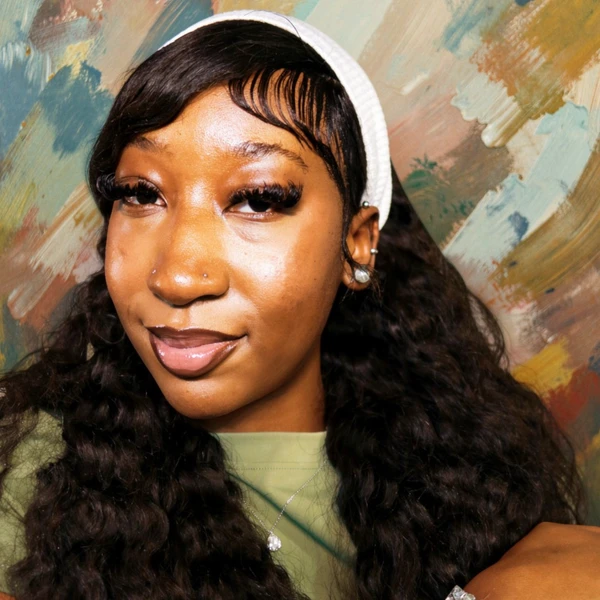
To close this reflection, I am including a personal photo of my hearing stepsister. In the picture, she is signing "I love you" in American Sign Language, and that moment means a lot to me. Even though I come from a hearing family, this relationship makes me feel deeply understood and connected differently. I have only known her for about six years, but the bond we share feels very genuine because she has made an effort to learn sign language just to communicate with me. She does it so naturally now and honestly better than I expected, which shows me how powerful intentional communication and effort can be in building real connection. This picture represents more than just a cute moment; it reflects what I believe about human connection, that it grows through effort, understanding, and love, even without spoken words.