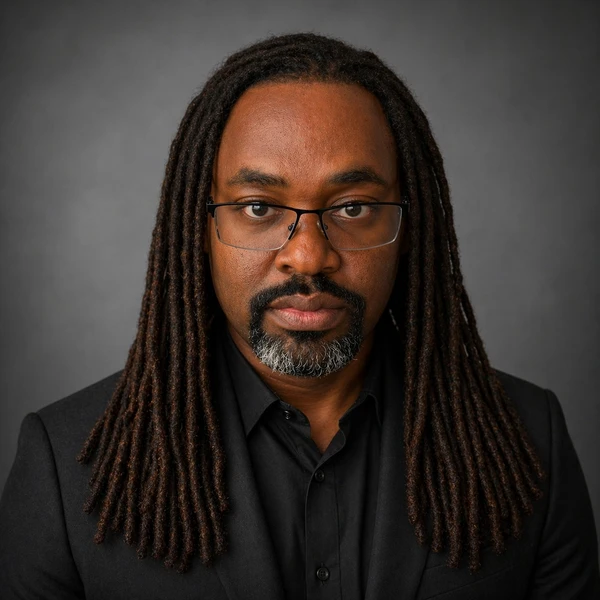
user profile avatar

Derik Wright

2x

Finalist

1x

Winner

Bio

I have been a NJ EMT and NREMT for 11 years and now i am seeking to pursue a degree in nursing. I have my bachelors degree in healthcare administration and am now seeking a second bachelors degree program that also includes a masters degree program that will result in being licensed as a MSN/RN at the end of the program. I am seeking this degree because it results in my Masters degree in nursing and I can then pursue Nurse Practitioner Licensing.

Education

Gwynedd Mercy University

Master's degree program
2025 - 2025
  • Majors:
    • Practical Nursing, Vocational Nursing and Nursing Assistants
    • Registered Nursing, Nursing Administration, Nursing Research and Clinical Nursing
  • Minors:
    • Practical Nursing, Vocational Nursing and Nursing Assistants
    • Registered Nursing, Nursing Administration, Nursing Research and Clinical Nursing

Liberty University

Bachelor's degree program
2012 - 2024
  • Majors:
    • Health Professions and Related Clinical Sciences, Other

Miscellaneous

  • Desired degree level:

    Master's degree program

  • Graduate schools of interest:

  • Transfer schools of interest:

  • Majors of interest:

    • Registered Nursing, Nursing Administration, Nursing Research and Clinical Nursing
    • Practical Nursing, Vocational Nursing and Nursing Assistants
  • Not planning to go to medical school
  • Career

    • Dream career field:

      Hospital & Health Care

    • Dream career goals:

    • EMT

      Inspira Health
      2022 – 20264 years
    • Unit Manager

      Examinetics
      2021 – 20221 year
    • EMT

      Ambulnz
      2020 – 20211 year
    • EMT/Secretary

      Upper Deerfield EMS
      2013 – 20218 years

    Research

    • Insurance

      Liberty University — Student Researcher
      2024 – 2024
    • Foods, Nutrition, and Related Services

      Liberty University — Student Researcher
      2024 – 2024

    Arts

    • Bridgeton High School Marching Band

      Music
      No
      2003 – 2007

    Public services

    • Volunteering

      Upper Deerfield EMS — EMT
      2013 – 2021

    Future Interests

    Advocacy

    Volunteering

    Entrepreneurship

    Ruthie Brown Scholarship
    Pursuing higher education has always been an investment not only in my future, but also in my ability to serve others and positively impact my community through healthcare. As a graduate nursing student currently pursuing a Master of Science in Nursing degree, I understand that student loan debt is a significant responsibility that will continue long after graduation. While the financial burden can feel overwhelming at times, I remain committed to creating a plan that allows me to both manage my future debt responsibly and continue pursuing meaningful work that serves others. One of the primary ways I am working to address my current and future student loan debt is through aggressively applying for scholarships and financial assistance opportunities. Receiving scholarships would be an incredible blessing because it would reduce the amount of financial strain placed on both myself and my family while allowing me to focus more fully on my education and clinical training. Every scholarship opportunity represents not only financial support, but also encouragement and validation for the hard work and perseverance required to pursue graduate education in healthcare. In addition to scholarships, I plan to pursue employment opportunities and loan forgiveness programs that align with community service and healthcare outreach. My long-term goal is to work within underserved communities where access to quality healthcare and preventative education is often limited. Many healthcare organizations, nonprofit institutions, and government programs offer student loan forgiveness or repayment assistance for nurses and healthcare providers who commit to serving vulnerable populations or working in areas with healthcare shortages. I plan to actively pursue those opportunities because they would allow me to continue helping others while also responsibly addressing my student loan debt. My passion for service comes from my background in healthcare and emergency medical services. For more than ten years, I have worked as an EMT caring for patients during emergencies and vulnerable moments in their lives. Those experiences taught me the importance of compassion, sacrifice, and service to others. As I continue my nursing education, I hope to expand my ability to advocate for patients, provide education within communities, and support individuals who may otherwise struggle to access healthcare resources. I believe combining community service with my professional career will allow me to create meaningful change while also building a sustainable future for myself financially. I also understand that addressing student loan debt requires discipline, planning, and perseverance. I fully expect to continue budgeting carefully, living within my means, and making financial sacrifices when necessary in order to responsibly manage repayment obligations after graduation. While student loans can create stress and uncertainty, I try to view my education as a long-term investment that will allow me to build a stable career dedicated to helping others. Ultimately, my goal is not simply to pay off student loans, but to build a career rooted in compassion, leadership, and service. I want my future work as a nurse to positively impact individuals, families, and communities while also creating opportunities for financial stability and personal growth. Receiving scholarships would greatly reduce the burden of educational expenses and allow me to continue focusing on becoming the best healthcare professional and community advocate I can be.
    Tawkify Meaningful Connections Scholarship
    One of the most meaningful relationships in my life has been the relationship I have with my mother. She has shaped me into the man I am today through her strength, perseverance, sacrifice, and unconditional love. Through some of the most painful and difficult moments our family has faced, my mother showed me what it truly means to keep moving forward even when giving up feels like the easiest option. Because of her example, I learned resilience, compassion, responsibility, and the importance of being there for others during life’s hardest moments. My family has endured significant hardship over the years, especially when it comes to loss and illness. Cancer has affected multiple members of my family, including my grandmother, who battled breast cancer several times before ultimately passing away, my aunt who is currently in remission from breast cancer, another aunt who is approaching one year in remission from colon cancer, and my mother-in-law who passed away after cancer metastasized to her breasts, lungs, and brain. Watching the people I love fight through illness taught me how fragile life can be and how important emotional support and family bonds are during times of suffering. However, the relationship that impacted me the most through all of life’s challenges has been the relationship with my mother. During my senior year of high school, my older brother tragically passed away in a car accident in April of 2007. Losing him devastated my entire family, especially my mother. Just two months later, I graduated high school in June of 2007, but before that summer ended, my parents legally separated after years of difficulties within their marriage. In what felt like a matter of months, our family experienced overwhelming grief, emotional pain, and major life changes all at once. Watching my mother endure the loss of her son while simultaneously navigating separation and rebuilding her life was something no mother should ever have to experience. During that time, I felt like I had to grow up quickly. I became the man of the house and did everything I could to help support my mother emotionally and mentally as we tried to rebuild our lives together. There were moments when it would have been understandable for her to give up, but she never did. Despite her pain, she continued pushing forward every day for our family. Watching her perseverance during those years changed me forever. She taught me that strength is not about pretending everything is okay. Strength is continuing to move forward even when your heart is broken. Because of my relationship with my mother and everything we endured together, I have learned how important compassion, empathy, and emotional support are when building connections with others. I understand that many people carry invisible pain and struggles that others may never fully see. This has shaped the way I interact with patients, friends, classmates, coworkers, and my community. I try to lead with understanding, patience, and kindness because I know firsthand how much a supportive presence can mean during difficult times. My relationship with my mother continues to inspire me every day as I pursue my nursing degree and future career in healthcare. She showed me what perseverance truly looks like, and because of her, I learned never to give up on myself or the people I care about. I would not be the person I am today without her influence, strength, and unwavering love.
    Sharra Rainbolt Memorial Scholarship
    Cancer has affected my family in profound and deeply personal ways, shaping not only how I view health and healthcare, but also how I view resilience, compassion, and the importance of supporting others through difficult moments. Watching several loved ones battle cancer has taught me lessons about strength, faith, and perseverance that continue to influence both my personal life and my journey toward becoming a nurse. One of the most impactful experiences for me was watching my grandmother battle breast cancer. Years ago, she was diagnosed with breast cancer, underwent treatment, and eventually went into remission. Later in life, the cancer returned, and she underwent a mastectomy. Unfortunately, the cancer came back for a third time when she was 81 years old. At that point, she made the difficult decision not to undergo chemotherapy or radiation treatments. My grandmother was a Licensed Practical Nurse, and because of her years working with patients receiving cancer treatments, she understood firsthand the physical and emotional toll those therapies could take on the body. She did not want to put herself through that process again at her age. About two and a half years ago, she passed away after her long battle with breast cancer. Watching her make those decisions taught me the importance of patient autonomy, dignity, and quality of life. Cancer continued to affect my family through one of my aunts, who battled breast cancer and is thankfully currently in remission. Seeing her journey showed me how important early detection, screenings, and treatment advancements can be. While remission is a blessing, I also learned that the emotional impact of cancer does not simply disappear after treatment ends. The fear of recurrence and ongoing health concerns remain part of daily life for many survivors and their families. Another one of my aunts battled colon cancer and is now approaching one year of remission. Watching her go through treatments and recovery reminded me once again how physically and emotionally exhausting cancer can be, but it also showed me the power of perseverance, support, and hope during recovery. Last year, my family experienced another devastating loss when my mother-in-law passed away from metastatic cancer that spread to her breasts, lungs, and brain. Watching cancer spread throughout her body and seeing the emotional toll it took on our family was heartbreaking. Her illness reinforced for me how aggressive cancer can become and how quickly life can change for patients and their loved ones. Through all of these experiences, I have learned that cancer affects far more than just the individual diagnosed. It impacts entire families emotionally, mentally, and physically. I have learned the importance of preventative care, early screenings, compassionate healthcare, and strong support systems. These experiences have also strengthened my passion for healthcare and continue to motivate me as I pursue my nursing degree. They have taught me the importance of empathy, communication, and patient-centered care, and they inspire me to become a healthcare professional who supports both patients and families through some of the hardest moments of their lives.
    Learner Mental Health Empowerment for Health Students Scholarship
    Mental health is deeply important to me as a student because it has personally shaped my educational journey, my growth as a healthcare professional, and the way I view both myself and others. As someone living with ADHD, Major Depressive Disorder, and severe anxiety, I understand firsthand how mental health challenges can impact every aspect of life, especially within demanding academic and professional environments. At times, these conditions have made balancing graduate-level coursework, healthcare responsibilities, and personal life extremely difficult. However, they have also taught me resilience, self-awareness, empathy, and the importance of advocating not only for myself, but for others facing similar struggles. As a graduate nursing student pursuing a Master of Science in Nursing degree, I have experienced the pressures and expectations that come with rigorous academic programs. ADHD can make focusing, organizing tasks, and managing multiple responsibilities overwhelming. Anxiety often creates constant pressure and fear of failure, especially in high-stakes clinical and academic settings. Major Depressive Disorder can make it difficult to maintain motivation and emotional balance during already stressful periods. Despite these challenges, I have remained determined to continue pursuing my education and professional goals because I refuse to allow mental health struggles to define my future or limit my potential. Mental health is important to me because I believe students cannot truly thrive academically if their emotional and psychological well-being is neglected. Many students silently struggle with stress, anxiety, depression, burnout, or feelings of isolation while trying to meet academic expectations. Unfortunately, there is still stigma surrounding mental health, especially in healthcare and professional environments where people often feel pressured to appear strong or unaffected. I believe addressing mental health openly and honestly is essential because students deserve support, understanding, and access to resources that help them succeed both academically and personally. One of the ways I advocate for mental health within my community is by being transparent about my own experiences and encouraging others to speak openly about their struggles without shame or fear of judgment. I try to create supportive environments where people feel heard, respected, and understood. Within school and healthcare settings, I encourage classmates, coworkers, and peers to prioritize self-care, seek help when needed, and recognize that struggling mentally does not make someone weak or incapable. Sometimes simply listening to someone, checking in on them, or reminding them they are not alone can make a meaningful difference. My background in healthcare has also strengthened my passion for mental health advocacy. Working as an EMT for many years exposed me to individuals experiencing emotional crises, trauma, substance abuse, anxiety, depression, and overwhelming life circumstances. Those experiences taught me that mental health deserves the same compassion, urgency, and attention as physical health. As I continue pursuing my nursing career, I hope to advocate for more compassionate mental healthcare, improved awareness, and greater support systems for both patients and healthcare professionals. Living with mental health challenges has not weakened my ability to lead or succeed. Instead, it has strengthened my resilience and deepened my empathy for others. I am determined to continue pursuing my goals, becoming a strong healthcare leader, and helping create environments where mental health is prioritized, understood, and supported. Through my education, future nursing career, and everyday interactions with others, I hope to continue advocating for mental health awareness and reminding people that they are capable of succeeding despite the challenges they may face.
    Michael Rudometkin Memorial Scholarship
    To me, selflessness means serving others even when there is no expectation of recognition or reward. It means being willing to give your time, energy, compassion, and heart to help people through difficult moments and to create a positive impact within your community. Throughout my life, I have tried to embody selflessness through both my healthcare career as an EMT and my involvement within my church community. These experiences have shaped who I am as a person and reinforced my belief that helping others is one of the greatest purposes we can fulfill in life. For more than ten years, I have worked as an Emergency Medical Technician, caring for patients during emergencies, medical crises, and vulnerable moments that many people will never forget. Working in emergency medical services requires sacrifice, patience, compassion, and the ability to place the needs of others before your own comfort. There have been countless times where I have responded to calls involving fear, trauma, grief, or uncertainty, and in those moments, patients are often looking for more than medical treatment. They are looking for reassurance, calmness, and someone who genuinely cares about their well-being. Whether helping transport critically ill patients, assisting families during emergencies, or supporting patients through painful situations, I have always tried to approach each person with dignity, empathy, and compassion. Even during long shifts, emotionally exhausting calls, and stressful situations, I remained committed to serving others because I understand how important it is to be there for people in their moments of need. Outside of healthcare, one of the greatest passions in my life is serving within my church community. I currently serve as the Technology and Media Ministry Leader, where I work alongside our worship team to help create an inviting and welcoming atmosphere for the congregation. While many people may not immediately think of media ministry as community service, I believe it is one of the most meaningful ways I can help others spiritually and emotionally. Through music, livestreaming services, audio and visual production, and online outreach, I help create an environment where people can let go of their fears, worries, pain, and struggles so they can focus on worship, prayer, healing, and gratitude. One aspect of this ministry that means a great deal to me is the ability to reach beyond the physical walls of the church through social media and livestreaming. Not everyone is physically able to attend church services. Some individuals may be battling illness, depression, anxiety, grief, financial hardship, or feelings of isolation. Others may simply be searching for hope or encouragement during difficult seasons in life. Through livestreaming and digital outreach, our church’s sermons and worship services can reach people wherever they are in the world and at whatever moment they may need to hear a message of hope. Knowing that I play a role in helping spread those messages gives me a strong sense of purpose and fulfillment. Both my healthcare career and church involvement have taught me that selflessness is not always about grand gestures. Often, it is about consistently showing up for others, serving with compassion, and remaining dedicated to your beliefs and passions even when the work is difficult or goes unseen. My perseverance comes from my belief that helping others physically, emotionally, and spiritually can truly make the world a better place. I strive every day to continue living a life rooted in service, compassion, and faith, and I hope to carry those values with me throughout my future nursing career and beyond.
    Strong Leaders of Tomorrow Scholarship
    Leadership is often associated with confidence, strength, and the ability to guide others through difficult situations. While those qualities are important, I believe true leadership is built through resilience, perseverance, and the determination to continue moving forward even when facing personal challenges. As someone pursuing a Master of Science in Nursing degree while managing ADHD, Major Depressive Disorder, and severe anxiety, I have learned that leadership is not about being unaffected by adversity. It is about refusing to allow adversity to define or limit your potential. Throughout my life and educational journey, mental health challenges have presented obstacles that many people may never fully see or understand. ADHD has often made it difficult to organize my thoughts, maintain focus, and manage the overwhelming demands of graduate-level education and healthcare responsibilities simultaneously. Severe anxiety can make even routine situations mentally exhausting, especially in high-pressure academic and clinical environments. Major Depressive Disorder has brought periods of emotional exhaustion and self-doubt that at times made it difficult to see my own potential clearly. Despite these struggles, I have remained committed to my education, my career goals, and my desire to positively impact others through healthcare. What makes me a leader is not the absence of struggle, but my determination to continue pushing forward regardless of it. I have spent over a decade working in healthcare and emergency medical services, caring for patients during some of the most stressful and vulnerable moments of their lives. Working as an EMT and healthcare professional taught me how to remain calm under pressure, advocate for patients, communicate effectively with interdisciplinary teams, and support others even while facing my own internal battles. Those experiences strengthened my resilience and taught me that leadership is often demonstrated through consistency, compassion, and the ability to show up for others despite personal hardship. Pursuing graduate education while managing mental health conditions has required discipline, adaptability, and perseverance. There were times when balancing coursework, clinical responsibilities, and personal challenges felt overwhelming, but I refused to give up on myself or my future. Instead, I learned how to advocate for my needs, develop coping strategies, and continue growing academically and professionally. Maintaining a strong GPA while navigating these challenges is something I take great pride in because it represents not only academic achievement, but also personal growth and resilience. My experiences with mental health have also shaped the type of healthcare professional and leader I aspire to become. I want to help create environments where individuals feel supported, understood, and empowered rather than judged for their struggles. Mental health challenges are often misunderstood, especially in rigorous professional and academic environments where people may feel pressured to appear strong at all times. I want to use my experiences to advocate for greater compassion, awareness, and support for individuals facing invisible challenges while proving that mental health conditions do not define a person’s capability, intelligence, or leadership potential. I firmly believe I am destined to become a strong leader within healthcare, not despite my challenges, but because of what they have taught me about empathy, perseverance, and resilience. My goal is to continue growing into a healthcare professional who leads through compassion, advocacy, and service while inspiring others to believe that obstacles do not determine their future. Receiving this scholarship would not only help support my education financially, but it would also represent recognition that individuals with special needs and mental health challenges are fully capable of achieving excellence, leading others, and making meaningful contributions to the world.
    Annie Pringle Memorial Scholarship
    Breast health education is deeply important to me because breast cancer has personally impacted multiple generations of my family and has changed the lives of many people I love. Over the years, I have witnessed not only the physical effects of cancer, but also the emotional, mental, and financial toll it can place on patients and families. These experiences have shaped the way I view healthcare, prevention, education, and advocacy, and they continue to motivate me as I pursue my nursing career. About two and a half years ago, my grandmother passed away after a long battle with breast cancer. Years earlier, she had been diagnosed with breast cancer, underwent treatment, and eventually went into remission. Later in life, the cancer returned, and she underwent a mastectomy as part of her treatment. Unfortunately, the cancer returned for a third time when she was 81 years old. At that point, she chose not to undergo chemotherapy or radiation treatments. My grandmother was a Licensed Practical Nurse, and because of her years working in healthcare, she understood firsthand the physical and emotional toll that chemotherapy and radiation can take on patients. She did not want to put her body through those treatments again at her age. Watching her make that decision and witnessing the progression of her illness was one of the hardest experiences my family has endured. It also gave me a deeper understanding of the importance of patient autonomy, quality of life, and compassionate healthcare support. Breast cancer has affected my family in multiple ways beyond my grandmother’s diagnosis. One of my aunts also battled breast cancer and thankfully is currently in remission. Seeing her journey gave me another perspective on how early detection, access to treatment, and ongoing monitoring can make a tremendous difference in patient outcomes. While her remission is a blessing, the fear and uncertainty that accompany a cancer diagnosis never fully disappear. Even after treatment, there are ongoing concerns about recurrence, long-term health complications, and the emotional trauma associated with surviving cancer. Her experience reinforced for me that breast health education is not only about awareness of disease, but also about empowering individuals to advocate for their health, seek preventative care, and understand their risks. Last year, my family experienced another heartbreaking loss when my mother-in-law passed away after battling metastatic cancer that spread to her breasts, lungs, and brain. Watching cancer spread throughout her body was devastating. It reminded me how aggressive and unforgiving cancer can become when it progresses. Her illness affected every aspect of our family’s lives emotionally and mentally, and it highlighted the importance of healthcare education, preventative screenings, and access to quality medical care. Losing her strengthened my belief that healthcare professionals must continue educating communities about early warning signs, risk factors, and the importance of routine screenings because those conversations can truly save lives. These experiences have also caused me to think deeply about the future and about my own family. One of my greatest fears is the possibility of breast cancer being passed down genetically to my future daughters. Knowing that multiple women in my family have battled breast cancer creates an emotional weight and concern that is difficult to fully describe. It has made me realize how important genetic awareness, preventative care, and education are for future generations. I want my future children to grow up understanding the importance of knowing their family history, prioritizing preventative healthcare, and never being afraid to seek medical attention or ask questions about their health. As I continue pursuing my Master of Science in Nursing degree, these personal experiences fuel my passion for patient education and advocacy. I want to become the type of nurse who not only provides clinical care, but also empowers patients through education, compassion, and support. Breast health education is important because it gives people knowledge that can lead to early detection, informed decisions, and potentially life-saving interventions. Education can reduce fear, encourage screenings, and help individuals better understand their own health risks. Too often, people avoid discussing breast health because of fear, embarrassment, or lack of information. I want to help create environments where patients feel comfortable having these conversations and where education is accessible to everyone regardless of background or circumstance. My personal experiences with cancer have shown me how deeply illness can affect entire families and generations. They have also strengthened my commitment to healthcare and reinforced my desire to positively impact others through nursing. I believe breast health education saves lives, promotes empowerment, and creates opportunities for prevention and early intervention. Through my future nursing career, I hope to continue advocating for awareness, compassionate care, and patient education so that more families can avoid the pain and loss that cancer has brought to mine.
    Catrina Celestine Aquilino Memorial Scholarship
    My name is Derik Wright, and I am currently pursuing a Direct Entry Master of Science in Nursing degree at Gwynedd Mercy University with an anticipated graduation date of August 2027. I have spent over a decade working in healthcare and emergency medical services, where I have developed a passion for helping others through compassionate care, effective communication, and service during some of the most difficult moments in people’s lives. My experiences in emergency medicine, patient transport, healthcare operations, and emergency department support have shaped both my personal values and my professional goals within healthcare. I began my healthcare career as an Emergency Medical Technician and have since worked in a variety of patient-centered roles, including emergency medical transport, healthcare dispatching, emergency department support, and occupational health operations management. Throughout these positions, I have worked closely with patients, nurses, physicians, and interdisciplinary healthcare teams to ensure patients received safe, timely, and compassionate care. These experiences taught me the importance of teamwork, professionalism, adaptability, and remaining calm under pressure while advocating for patients and their needs. One of the most rewarding aspects of my healthcare career has been the opportunity to support patients during vulnerable and stressful situations. Whether assisting with patient transfers, helping coordinate care between healthcare facilities, or supporting emergency department operations, I have learned that healthcare is about much more than treating medical conditions. It is also about providing reassurance, empathy, and dignity to individuals and families who may be experiencing fear, uncertainty, or crisis. These interactions reinforced my desire to continue advancing within healthcare and ultimately pursue nursing as a long-term career. As I continue my education, I plan to make a positive impact on the world by becoming a nurse who prioritizes compassionate, patient-centered care while helping improve healthcare accessibility and outcomes within the communities I serve. My goal is to use my clinical knowledge and healthcare experience to advocate for patients, educate individuals about their health, and support vulnerable populations who may face barriers to receiving quality healthcare services. I believe healthcare professionals have a responsibility not only to treat illness, but also to empower patients through education, communication, and respect. In addition to patient care, I also hope to positively impact the healthcare field through leadership and collaboration. My prior experience managing operations in high-volume healthcare settings strengthened my organizational skills and taught me the importance of supporting both patients and healthcare teams in fast-paced environments. I hope to continue building upon these skills throughout my nursing education and future career so I can contribute to stronger patient outcomes and a more compassionate healthcare environment overall. Receiving this scholarship would help support my continued education and allow me to focus more fully on achieving my professional goals. I am deeply committed to continuing my growth within healthcare and using my education, experiences, and dedication to service to positively impact the lives of patients, families, and communities for years to come.
    400 Bold Points No-Essay Scholarship
    500 Bold Points No-Essay Scholarship
    1000 Bold Points No-Essay Scholarship
    Future Nonprofit Leaders Award
    My desire to pursue a career in the nonprofit sector is deeply connected to both my professional journey in healthcare and my personal commitment to serving others in a meaningful and accessible way. Throughout my time working as an EMT and now while advancing through my nursing education, I have seen firsthand the gaps that exist in access to healthcare. Many individuals delay or completely avoid seeking care because of financial barriers, lack of insurance, or limited understanding of available resources. These experiences have shaped my long term goal of working within the nonprofit sector to help reduce these disparities and create lasting solutions within the community. I am currently enrolled in a direct entry master’s program where I am working toward earning my RN license while also obtaining my second degree at the master’s level. This program is an important step in my journey because it is preparing me with the clinical knowledge and skills needed to provide safe and effective care. It is also laying the foundation for my long term goal of continuing my education to become a Nurse Practitioner so that I can serve as a provider in underserved communities. One of the most meaningful ways I hope to contribute to the nonprofit sector is by partnering with my church to develop a community based clinic that serves individuals who otherwise cannot access healthcare. My church already supports the community through a monthly food pantry held on the third Monday of each month. This outreach brings in individuals and families who are not only facing food insecurity but often have unmet healthcare needs as well. My goal is to build on this existing service by integrating healthcare into this setting, creating an environment where individuals can receive both food and medical care during the same visit. After completing my current program, I plan to gain additional clinical experience before returning to school to become a Nurse Practitioner. In that role, I would be able to assess, diagnose, and treat patients on a regular basis. I envision offering these services at no cost to patients who come to the church for assistance. In addition to providing care, I am passionate about helping individuals navigate the healthcare system. This includes assisting patients with enrolling in insurance programs, connecting them with public assistance, and guiding them toward long term care options so they can eventually establish care with a provider or potentially continue care within a clinic that I operate. The impact I hope to create goes beyond individual patient encounters. I want to help break the cycle of limited access to healthcare by empowering individuals with the resources and knowledge they need to take control of their health. By meeting patients where they are and addressing both their immediate and long term needs, I believe we can improve outcomes and reduce preventable health complications. Over time, I hope to expand these services and potentially open a clinic or practice that continues to serve underserved populations. Pursuing a career in the nonprofit sector allows me to combine my clinical skills with my passion for service and community impact. I am motivated by the opportunity to make healthcare more accessible and to create systems that support those in need. Through continued education, hands on experience, and strong community partnerships, I am committed to building a future where quality healthcare is available to everyone.
    Marie J. Lamerique Scholarship for Aspiring Scholars
    One of the most defining challenges of my life occurred during my senior year of high school. On April 2, 2007, my older brother passed away from injuries sustained in a car accident a few weeks earlier. At a time when most students were focused on graduation, college plans, and enjoying the final months of high school, I was trying to process a loss that felt impossible to understand. The weight of grief was overwhelming, and it quickly began to affect every part of my life. I found myself struggling to focus in school, and there were moments where graduating did not even feel possible. In that moment, I did not have the luxury of stepping away from responsibility. My family was also deeply impacted by the loss. My father’s grief led him to leave our home, and suddenly it was just my younger brother, my mother, and me trying to hold everything together. The dynamic of our family changed overnight. I felt an unspoken responsibility to step up, not only emotionally but also practically. While I was still trying to cope with my own grief, I made the decision to push forward and finish high school. It was not easy, and there were days where simply showing up felt like a victory. However, I knew that graduating was something my brother would have wanted for me, and that thought became my motivation to keep going. After high school, that same sense of responsibility continued to shape my decisions. Instead of following a more traditional college path, I attended community college while working to help support my family and keep our home financially stable. Balancing school and work was challenging, but it reinforced the discipline and resilience I had started to build during that difficult time in my life. Eventually, I progressed into a bachelor’s degree program, but once again life required me to adapt. I made the decision to pause my studies and attend EMT school, choosing a path that allowed me to work, earn an income, and still pursue a meaningful career. Working as an EMT for ten years further shaped who I am today. In many ways, that role allowed me to channel my personal experiences with loss into something purposeful. I developed the ability to remain calm in high-stress situations, to support individuals and families during some of the most vulnerable moments of their lives, and to understand the importance of compassion in healthcare. Those years taught me that resilience is not just about enduring hardship, but about using those experiences to grow and to serve others. Despite the time that passed, the goal of completing my education never left me. Returning to finish my degree was both a personal and professional milestone. It represented closure on a chapter that had been interrupted and proof to myself that setbacks do not define the end of a journey. Today, as I continue in a direct entry Master of Science in Nursing program, I carry all of those experiences with me. My path has not been traditional, but it has been intentional and shaped by perseverance. This experience has fundamentally influenced how I approach my future. I have learned that challenges, no matter how overwhelming, can be navigated with determination and purpose. I approach my goals with a strong sense of accountability, not only to myself but to my family and the memory of my brother. His loss continues to drive me to succeed, to make meaningful contributions in healthcare, and to provide compassionate care to others who may be facing their own difficult moments. Ultimately, what began as one of the most painful experiences of my life became the foundation for my resilience, my work ethic, and my commitment to helping others. It taught me how to move forward even when circumstances feel impossible, and it continues to guide the way I pursue both my personal and professional aspirations.
    Charles B. Brazelton Memorial Scholarship
    Everyone has something that makes them stand out, especially growing up. For me, it has always been my height. At 6’7”, being tall is not just something people notice, it is usually the first thing they see and comment on. What makes it more memorable is how quickly it seemed to happen. I remember being in elementary school and over what felt like a single weekend, everything changed. On a Friday, all of my clothes fit normally. By Monday, my pants were suddenly “high-waters,” sitting awkwardly above my ankles like I had outgrown them overnight. It was confusing, uncomfortable, and definitely made me stand out more than I wanted. From that point on, I towered over my classmates. In every class photo, I was always in the back row, not because of alphabetical order or choice, but simply because there was no other place to put me. Teachers, students, and even strangers would constantly point it out. Comments like “Do you play basketball?” or “You must be on the football team” became part of my daily routine. The expectation that I should be an athlete just because of my height followed me everywhere. The funny thing is, I never played basketball or football. Instead, I found my place in something completely different: marching band. I played the tuba and saxophone, which, in a way, fit my size better than people probably expected. Carrying a tuba across a football field matched my height more than running drills ever did. Being in band taught me that just because people expect you to fit a certain mold does not mean you have to. It gave me confidence to embrace who I actually was, not who others assumed I should be. Of course, being this tall came with its own challenges beyond school. Even simple things were not built for someone my size. Desks felt too small, doorways seemed lower than they should be, and clothes were always a struggle to find. One of the most interesting challenges came when I started working as an EMT. Ambulances are not designed for someone who is 6’7”. Trying to maneuver inside such a tight space, while also providing patient care, was definitely not the most comfortable experience. There were plenty of moments where I had to crouch, bend, or twist just to do my job effectively. It added an extra layer of difficulty, but it also taught me how to adapt quickly and stay focused under less-than-ideal conditions. Now, as I work toward becoming a registered nurse in a direct entry master’s program, my height still makes me stand out, but I see it differently. What once felt awkward has become just another part of who I am. It has shaped my experiences, challenged me in unique ways, and even helped me develop resilience and adaptability. Looking back, being “the tall kid” was not always easy, but it taught me an important lesson: the things that make us different are not weaknesses. They are what make us memorable, unique, and, in many ways, stronger.
    Eric Maurice Brandon Memorial Scholarship
    My interest in pursuing nursing is rooted in years of direct patient care experience and a deep commitment to making a meaningful impact on the lives of others. Throughout my career in emergency medical services and healthcare operations, I have developed a strong foundation in patient-centered care, clinical coordination, and interdisciplinary collaboration. These experiences have not only shaped my understanding of healthcare but have also solidified my ambition to advance into a professional nursing role where I can provide a higher level of care and advocacy. Working as an EMT across multiple levels of service, I have been consistently exposed to high-acuity, time-sensitive situations that require critical thinking, adaptability, and compassion. I have coordinated interfacility transfers, ensured continuity of care, and communicated effectively with nurses, providers, and patients during some of their most vulnerable moments. These roles have taught me the importance of precision, empathy, and teamwork, while reinforcing my desire to take on greater responsibility in patient outcomes. My experience as an ER Technician further strengthened my clinical exposure, allowing me to assist with procedures, perform point-of-care testing, and collaborate closely with healthcare professionals in fast-paced environments. In addition to my clinical roles, my experience as a Unit Manager demonstrated my leadership abilities and operational awareness. Managing mobile medical clinics and supervising teams in high-volume settings requires strong organizational skills, problem-solving, and the ability to maintain efficiency without compromising patient care. These experiences have instilled in me a strong work ethic and the drive to continuously improve both myself and the systems I am a part of. Currently pursuing a Master of Science in Nursing (Direct Entry), I am committed to advancing my education and expanding my clinical knowledge to better serve diverse patient populations. My academic journey reflects my dedication to growth and excellence, building upon my background in healthcare administration and hands-on patient care. I am motivated by the opportunity to bridge the gap between clinical practice and patient advocacy, ensuring safe, effective, and compassionate care for every individual I encounter. My ambition is not only to become a registered nurse but to evolve into a leader within the nursing profession. I strive to contribute to improved patient outcomes, support interdisciplinary teams, and serve as a reliable advocate for those in need. Nursing represents more than a career for me, it is a calling driven by purpose, resilience, and a genuine desire to make a difference. Through my continued education and professional development, I aim to leave a lasting impact on the patients and communities I serve. I can only hope to make Eric proud by becoming an RN/MSN from the graduate program that I am enrolled into.
    Dashanna K. McNeil Memorial Scholarship
    The path of service is often filled with moments of profound reflection, growth, and purpose. My journey as an Emergency Medical Technician (EMT) over the last 11 years has been no exception. It has been a time of immense learning, unyielding commitment, and an unwavering passion for healthcare. From responding to emergencies in the dead of night to comforting patients in their most vulnerable moments, this career has sculpted not only my professional skills but also my character. Stepping into the role of an EMT was no small feat. It was an immersion in a world where quick thinking, compassion, and resilience are indispensable. Over the years, I have faced countless challenges and triumphs. Whether it was stabilizing a critical patient after a traumatic accident or easing the fears of a family during a moment of crisis, each experience taught me the value of human connection and the importance of working under pressure. Emergency medical work requires adaptability, and the unpredictability of the role sharpened my ability to respond effectively to diverse medical scenarios. It also cemented my belief in the transformative power of healthcare that has guided every decision I’ve made since embarking on this career. While I am proud of the work I have done as an EMT, I always knew that my aspirations extended beyond this realm. I wanted to grow, to learn, and to contribute in deeper ways to the lives of those I cared for. With a desire to expand my knowledge and abilities, I pursued a bachelor’s degree in healthcare management. Balancing the demands of full-time work as an EMT with the rigors of academic study was a challenge, but it was a challenge I embraced wholeheartedly. Earning my degree was not simply about advancing my career—it was about laying the groundwork for a future where I could make an even greater impact. Healthcare Management provided me with invaluable insights into the organizational and administrative aspects of medicine. It deepened my understanding of how systems function, how policies affect patient outcomes, and how leadership can drive meaningful change. These lessons broadened my perspective and fueled my ambition to continue learning and growing. But even as I celebrated my graduation, I knew that my journey was far from over. With my bachelor’s degree in hand, I am ready to take the next step. My goal is to return to school through a second-degree program that will allow me to obtain my Master of Science in Nursing (MSN). This path excites me because it represents the intersection of my passion for direct patient care and my desire for deeper clinical expertise. Becoming a Nurse Practitioner is not just a career aspiration—it is a calling that aligns with my values of service and compassion. The versatility of a Nurse Practitioner role appeals to me greatly. It is a position that offers autonomy, the ability to diagnose and treat patients, and the opportunity to build lasting relationships with those under my care. The thought of being able to provide holistic care and address the nuanced needs of patients motivates me to push forward. I am eager to embrace the challenges and rewards of advanced practice nursing, knowing that every step brings me closer to fulfilling my purpose.
    SnapWell Scholarship
    The path of service is often filled with moments of profound reflection, growth, and purpose. My journey as an Emergency Medical Technician (EMT) over the last 11 years has been no exception. It has been a time of immense learning, unyielding commitment, and an unwavering passion for healthcare. From responding to emergencies in the dead of night to comforting patients in their most vulnerable moments, this career has sculpted not only my professional skills but also my character. Stepping into the role of an EMT was no small feat. It was an immersion in a world where quick thinking, compassion, and resilience are indispensable. Over the years, I have faced countless challenges and triumphs. Whether it was stabilizing a critical patient after a traumatic accident or easing the fears of a family during a moment of crisis, each experience taught me the value of human connection and the importance of working under pressure. Emergency medical work requires adaptability, and the unpredictability of the role sharpened my ability to respond effectively to diverse medical scenarios. It also cemented my belief in the transformative power of healthcare that has guided every decision I’ve made since embarking on this career. While I am proud of the work I have done as an EMT, I always knew that my aspirations extended beyond this realm. I wanted to grow, to learn, and to contribute in deeper ways to the lives of those I cared for. With a desire to expand my knowledge and abilities, I pursued a bachelor’s degree in healthcare management. Balancing the demands of full-time work as an EMT with the rigors of academic study was a challenge, but it was a challenge I embraced wholeheartedly. Earning my degree was not simply about advancing my career—it was about laying the groundwork for a future where I could make an even greater impact. Healthcare Management provided me with invaluable insights into the organizational and administrative aspects of medicine. It deepened my understanding of how systems function, how policies affect patient outcomes, and how leadership can drive meaningful change. These lessons broadened my perspective and fueled my ambition to continue learning and growing. But even as I celebrated my graduation, I knew that my journey was far from over. With my bachelor’s degree in hand, I am ready to take the next step. My goal is to return to school through a second-degree program that will allow me to obtain my Master of Science in Nursing (MSN). This path excites me because it represents the intersection of my passion for direct patient care and my desire for deeper clinical expertise. Becoming a Nurse Practitioner is not just a career aspiration—it is a calling that aligns with my values of service and compassion. The versatility of a Nurse Practitioner role appeals to me greatly. It is a position that offers autonomy, the ability to diagnose and treat patients, and the opportunity to build lasting relationships with those under my care. The thought of being able to provide holistic care and address the nuanced needs of patients motivates me to push forward. I am eager to embrace the challenges and rewards of advanced practice nursing, knowing that every step brings me closer to fulfilling my purpose.
    Jase Davidsaver RN Memorial Scholarship
    The path of service is often filled with moments of profound reflection, growth, and purpose. My journey as an Emergency Medical Technician (EMT) over the last 11 years has been no exception. It has been a time of immense learning, unyielding commitment, and an unwavering passion for healthcare. From responding to emergencies in the dead of night to comforting patients in their most vulnerable moments, this career has sculpted not only my professional skills but also my character. Stepping into the role of an EMT was no small feat. It was an immersion in a world where quick thinking, compassion, and resilience are indispensable. Over the years, I have faced countless challenges and triumphs. Whether it was stabilizing a critical patient after a traumatic accident or easing the fears of a family during a moment of crisis, each experience taught me the value of human connection and the importance of working under pressure. Emergency medical work requires adaptability, and the unpredictability of the role sharpened my ability to respond effectively to diverse medical scenarios. It also cemented my belief in the transformative power of healthcare that has guided every decision I’ve made since embarking on this career. While I am proud of the work I have done as an EMT, I always knew that my aspirations extended beyond this realm. I wanted to grow, to learn, and to contribute in deeper ways to the lives of those I cared for. With a desire to expand my knowledge and abilities, I pursued a bachelor’s degree in healthcare management. Balancing the demands of full-time work as an EMT with the rigors of academic study was a challenge, but it was a challenge I embraced wholeheartedly. Earning my degree was not simply about advancing my career—it was about laying the groundwork for a future where I could make an even greater impact. Healthcare Management provided me with invaluable insights into the organizational and administrative aspects of medicine. It deepened my understanding of how systems function, how policies affect patient outcomes, and how leadership can drive meaningful change. These lessons broadened my perspective and fueled my ambition to continue learning and growing. But even as I celebrated my graduation, I knew that my journey was far from over. With my bachelor’s degree in hand, I am ready to take the next step. My goal is to return to school through a second-degree program that will allow me to obtain my Master of Science in Nursing (MSN). This path excites me because it represents the intersection of my passion for direct patient care and my desire for deeper clinical expertise. Becoming a Nurse Practitioner is not just a career aspiration—it is a calling that aligns with my values of service and compassion. The versatility of a Nurse Practitioner role appeals to me greatly. It is a position that offers autonomy, the ability to diagnose and treat patients, and the opportunity to build lasting relationships with those under my care.
    Rose Browne Memorial Scholarship for Nursing
    The path of service is often filled with moments of profound reflection, growth, and purpose. My journey as an Emergency Medical Technician (EMT) over the last 11 years has been no exception. It has been a time of immense learning, unyielding commitment, and an unwavering passion for healthcare. From responding to emergencies in the dead of night to comforting patients in their most vulnerable moments, this career has sculpted not only my professional skills but also my character. Stepping into the role of an EMT was no small feat. It was an immersion in a world where quick thinking, compassion, and resilience are indispensable. Over the years, I have faced countless challenges and triumphs. Whether it was stabilizing a critical patient after a traumatic accident or easing the fears of a family during a moment of crisis, each experience taught me the value of human connection and the importance of working under pressure. Emergency medical work requires adaptability, and the unpredictability of the role sharpened my ability to respond effectively to diverse medical scenarios. It also cemented my belief in the transformative power of healthcare that has guided every decision I’ve made since embarking on this career. While I am proud of the work I have done as an EMT, I always knew that my aspirations extended beyond this realm. I wanted to grow, to learn, and to contribute in deeper ways to the lives of those I cared for. With a desire to expand my knowledge and abilities, I pursued a bachelor’s degree in healthcare management. Balancing the demands of full-time work as an EMT with the rigors of academic study was a challenge, but it was a challenge I embraced wholeheartedly. Earning my degree was not simply about advancing my career—it was about laying the groundwork for a future where I could make an even greater impact. Healthcare Management provided me with invaluable insights into the organizational and administrative aspects of medicine. It deepened my understanding of how systems function, how policies affect patient outcomes, and how leadership can drive meaningful change. These lessons broadened my perspective and fueled my ambition to continue learning and growing. But even as I celebrated my graduation, I knew that my journey was far from over. With my bachelor’s degree in hand, I am ready to take the next step. My goal is to return to school through a second-degree program that will allow me to obtain my Master of Science in Nursing (MSN). This path excites me because it represents the intersection of my passion for direct patient care and my desire for deeper clinical expertise. Becoming a Nurse Practitioner is not just a career aspiration—it is a calling that aligns with my values of service and compassion. The versatility of a Nurse Practitioner role appeals to me greatly. It is a position that offers autonomy, the ability to diagnose and treat patients, and the opportunity to build lasting relationships with those under my care. The thought of being able to provide holistic care and address the nuanced needs of patients motivates me to push forward. I am eager to embrace the challenges and rewards of advanced practice nursing, knowing that every step brings me closer to fulfilling my purpose.
    Joseph Joshua Searor Memorial Scholarship
    Winner
    The path of service is often filled with moments of profound reflection, growth, and purpose. My journey as an Emergency Medical Technician (EMT) over the last 11 years has been no exception. It has been a time of immense learning, unyielding commitment, and an unwavering passion for healthcare. From responding to emergencies in the dead of night to comforting patients in their most vulnerable moments, this career has sculpted not only my professional skills but also my character. Stepping into the role of an EMT was no small feat. It was an immersion in a world where quick thinking, compassion, and resilience are indispensable. Over the years, I have faced countless challenges and triumphs. Whether it was stabilizing a critical patient after a traumatic accident or easing the fears of a family during a moment of crisis, each experience taught me the value of human connection and the importance of working under pressure. Emergency medical work requires adaptability, and the unpredictability of the role sharpened my ability to respond effectively to diverse medical scenarios. It also cemented my belief in the transformative power of healthcare that has guided every decision I’ve made since embarking on this career. While I am proud of the work I have done as an EMT, I always knew that my aspirations extended beyond this realm. I wanted to grow, to learn, and to contribute in deeper ways to the lives of those I cared for. With a desire to expand my knowledge and abilities, I pursued a bachelor’s degree in healthcare management. Balancing the demands of full-time work as an EMT with the rigors of academic study was a challenge, but it was a challenge I embraced wholeheartedly. Earning my degree was not simply about advancing my career—it was about laying the groundwork for a future where I could make an even greater impact. Healthcare Management provided me with invaluable insights into the organizational and administrative aspects of medicine. It deepened my understanding of how systems function, how policies affect patient outcomes, and how leadership can drive meaningful change. These lessons broadened my perspective and fueled my ambition to continue learning and growing. But even as I celebrated my graduation, I knew that my journey was far from over. With my bachelor’s degree in hand, I am ready to take the next step. My goal is to return to school through a second-degree program that will allow me to obtain my Master of Science in Nursing (MSN). This path excites me because it represents the intersection of my passion for direct patient care and my desire for deeper clinical expertise. Becoming a Nurse Practitioner is not just a career aspiration—it is a calling that aligns with my values of service and compassion. The versatility of a Nurse Practitioner role appeals to me greatly. It is a position that offers autonomy, the ability to diagnose and treat patients, and the opportunity to build lasting relationships with those under my care. The thought of being able to provide holistic care and address the nuanced needs of patients motivates me to push forward. I am eager to embrace the challenges and rewards of advanced practice nursing, knowing that every step brings me closer to fulfilling my purpose.