Hobbies and interests
Music Production
Coding And Computer Science
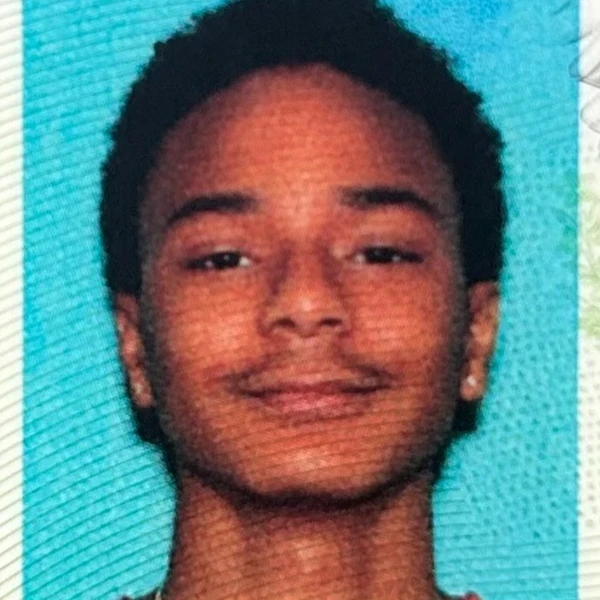
Dennis Williams
1x
Finalist
Dennis Williams
1x
FinalistBio
I’m a 16-year-old high school student at Legacy High School with a 4.0 unweighted GPA and a strong passion for technology, music, and personal growth. I’ve been involved in both football and basketball during my freshman year and currently balance two part-time jobs—working as a car detailer at Rick’s Pro Mobile and as a barista at Teaspoon. Despite my busy schedule, I stay committed to academics, maintaining straight A’s while also studying coding and cybersecurity in my free time.
I’ve earned certifications in Food Safety, Cybersecurity (CTE), and Workplace Readiness, which reflect my dedication to building both technical skills and professionalism. I’m a motivated and focused individual who values time management, hard work, and continuous learning. Whether it’s fixing equipment, helping customers, or working on code, I’m always looking to grow and make a positive impact in everything I do.
Education
Legacy High School
High SchoolGPA:
4
Miscellaneous
Desired degree level:
Bachelor's degree program
Majors of interest:
- Computer Science
Career
Dream career field:
Computer & Network Security
Dream career goals:
“I Matter” Scholarship
Even in such a city as Las Vegas, one becomes a part of the landscape remarkably easy. The thousands of people who are homeless can be easily forgotten amid the flash and blaze of the Strip and the fast-paced movement of the valley, and the neon lights serve as an effective means of ignoring the homeless. Nonetheless, my job as a mobile car detailer has compelled me to view the city in a new light. Hours in driveways and parking lots around the valley, and in the heat that surrounds Nevada, have provided me with a first-hand view of the hardships of people who are forced with no options but to occupy the spaces that people who drive past them use. I think that, to me, it is not necessarily a great organized process to help someone in need, more often it is a simple direct action of recognizing the humanity in someone.
There is one time I remember when I was out with friends. I was inside of a mall's food court and we were eating. At that moment, something unrelated made me loose my appetite, and instead of throwing away my food, I silently placed it infront of the homeless man who was sleeping in the booth behind us.
I did not wait till he awoke since I did not want him to feel bad that I have given him food, nor would I want him to deny a meal. Although, I only desired to give him a hot meal (hopefully by the time he woke up) it was a little thing, but based on a how I live my life, I didn't even tell my friends on what I had done, and simply told them I threw my food away. In practice, one moment of inattention, when we prefer to turn our head to avoid seeing someone in pain, makes our compassion as a community weaker.
This experience and the countless minor times when I gave out water or gave someone a couple of dollars as I worked on a car has formed my future vision. I am taking this social responsibility with me as I prepare to undertake Computer Engineering at the University of Nevada, Reno. I do not merely desire to create safe networks; I would like to be an individual who contributes to strengthen the safety nets of society. I am safeguarding data or feeding people, the purpose is the same: I want the people around me to be seen, respected and supported. Assistance to that man that night was a reminder that as much as I am geared towards completing my own game strong, the best win is ensuring that nobody is left behind.
Olivia Rodrigo Fan Scholarship
Olivia Rodrigo has consistently focused the music on the emotional sharp edges of being a teenager, yet there is a theme of overcoming high-stakes expectations, beneath the pop-rock production. Her lyrics speak to me in the so-called 4th quarter of my high school career at Legacy High School and are reminiscent of the friction of being seventeen and the immediate stress of maintaining a 4.0 GPA and the looming giant transition into Computer Engineering at the University of Nevada, Reno. Two of her discography themes, the fatigue of the so-called hustle culture, and the fear of the future, reflect my own experience of trying to balance technical discipline with creative passion.
In her song bruntal, Rodrigo starts with the following lines: I am so sick of 17 / Where is my teenage dream? This echoes the duality of my life as it is now. Although the so-called teenage dream is commonly sold as a time filled with carefree exploration, my life actually includes a strict routine. I combine academic performance with a twenty hours a week job and a mobile car detailing company business with my family. The brash honesty of the lyrics is indicative of the burden of Black excellence that I must always be focused, disciplined, and technically competent. Whether I am earning my CTE certificate in cybersecurity or mentoring new hires in my job, there is always a pressure to perform that can be overwhelming.
This pressure then leads directly into the theme of my greatest challenge: "future-tripping". In the song, teenage dream, Rodrigo sings, “They all say that it gets better, it gets better the more you grow / But what about the ones who are not going to grow? When I am about to relocate to Reno, I tend to excessively think about all the potential variables of my future. I am concerned whether my abilities in the FL Studio or my grasp on network protocols will suffice to fill the gap between music and technology. This is a two edged sword, on the one hand it spurs my ambition of becoming a "digital first responder" yet on the other hand makes it hard to appreciate today. The lyrics of Rodrigo confirm the fact that fear, understanding that the process of entering adulthood is not the smooth uphill path, but a complicated set of what-ifs.
Nevertheless, there are also some feelings of agency in her music that appeals to me as a producer and an aspiring engineer. In making the bed she is able to consider herself as the architect of her own situation. This is echoed in the manner I go about my objectives. It is me who makes the bed when I decide to spend my weekends in detailing cars in my DAW. I have learned that the world may be feeling a bit too brutal and the future may be feeling uncertain, but the thing that is enabling me to complete the game successfully is the discipline that I have developed the zero-error mindset of cybersecurity.
In the end, such lyrics do give a much-needed emotional balance to the dichotomous reasoning of my technical coursework. They help me remember that despite the fact that I want to be as precise as an engineering degree, it is truthful to accept the unpolished, messy reality of being seventeen. With the raw frankness of these thoughts, combined with the rigor of my "Winning Strategy," I am going to UNR not only with a 4.0, but also with a solid understanding of who I am and what I am capable of defending.
Big Picture Scholarship
Gemini said
Most films attempt to make you believe that success was the outcome of a brilliant plan, but Forrest Gump is a movie that radically changed my perspective of the world, by posing the contrary. Being a high school senior and on the verge of a huge transition to college, I am mostly guilty of falling into the trap of future-tripping, where I attempt to prefigure every conceivable aspect of my career and life prior to their occurrences. Forrest Gump is an essential dose of reality. It helped me to realize that you cannot always shape the life you get in the box of chocolates but you can be absolutely certain of the integrity and diligence you will put there.
The thing that impressed me most about Forrest is not his lucky stint with fame and history; it is his sheer discipline. He did this with one concentration whether he was mowing a lawn, playing ping-pong or running across the country. He did not do it because of the accolades and the ROI, he did it because it was the right thing to do at that time. In the culture of hustle and going viral, which we are living in, it is more than refreshing to watch a character that manages to win merely by being a good individual who works hard and stays on the right side of life. It flashes back to me that being the best in the room does not necessarily require one to be the brightest but being willing to remain in the room to see the job through.
Another way through which the movie transformed my perception of loyalty and service was the film. The central part of the story lies in the relationships that Forrest has with Bubba, Lieutenant Dan, and his mother. He did not consider the expenses of assisting his friends; he was simply present. Since I was brought up in a family where service is one of the fundamental values, where I watch my mom go out as a first responder or work long weekends detailing cars with my grandfather, I can see much of Forrest in the people whom I admire the most. They do not engage in too much thought why they are helping, they simply know that they are needed and they are willing to provide. Through Forrest, real leadership is usually silent, unselfish, and regular.
Lastly, the film enabled me to learn the value of staying strong in the midst of death and transition. Forrest almost loses everybody he loves but he does not turn cynical. He continues to go on, rather literally. As a student like myself, who feels the pressure of the 4.0 GPA from time to time and the pressure of working multiple jobs, Forrest is a breathing reminder. He preaches that you need not possess all the answers, in order to be great. All you have to do is to be ready to begin running and get where the road will take you.
Finally, Forrest Gump left a mark on me since it took away the clatter of ambition and made a more simple roadmap to life which is: work hard, treat people nice, and gracefully deal with whatever fate awaits you. I have that lesson with me as I head to the next chapter of my life. I do not know what exactly is in the box, yet I know that I have the discipline to deal with whatever I choose.
Peter and Nan Liubenov Student Scholarship
Being a positive influence in the society is not something that I have to begin once I receive a degree; it is a way of thinking and I attempt to exercise it on a daily basis. To me, any person who has the ability to synthesize high-level work ethic and genuine willingness to protect others, is a positive force. This is because, at present, I view myself as a positive impact by the example I give in my day-to-day life. My model of being excellent as a black person is having a 4.0 GPA and working twenty hours a week and car detailing business on the weekends. I suppose that I am contributing to altering the story of what a student with my background can accomplish by demonstrating to my peers and my younger sister that it is possible to be technically proficient and hardworking in life.
My present influence is also reflected in the little direct acts. In mentoring new employees at my workplace or water and feeding the homeless in the streets as I go round detailing cars, I would make an attempt to lead by example. These are methods of realizing how dignified each person I come across is. This has been taught to me when my mom became a first responder, and she taught me that service is usually being at the right place at the wrong time. My ability to remain focused and disciplined in my personal life makes me more competent to ensure that the people that surround me remain grounded.
Becoming a Cyber Analyst is what I would like to achieve in the future as a positive force on a much larger scale. We live in a world where our most important infrastructures such as the power we consume to the music we listen to is exposed to digital dangers. I particularly would like to fill the gap between technology and the music industry and provide safe places where the artists can keep and share their unreleased music without fear of being stolen. In my case, I consider giving back to be offering a more secure and stable online experience to all people through my technical knowledge.
This way of thinking is largely influenced by the parameters of the existing social norms. This is a hustle culture where people tend to focus more on personal achievement and going viral than on long-term community stability. Nevertheless, an emerging social norm is that the internet is being viewed as a new frontier, which is under-secured at the moment. This change of thought has enabled me to understand that technical expertise in the absence of the social responsibility is perilous. It is believed by current norms that the new generation of leaders must be secure by design that is, we must consider the safety and ethical consequences of our work prior to our construction.
Finally, the notion that success is a one-man show is what should be refused as a part of being a positive force. My dream in the future is that my engineering company will not only make a profit, but it will be doing a service to the people, ensuring the wellbeing of the community by keeping safe the information and the aspirations of the community. I am spending my time now to develop the discipline and the technical base I need to support that burden so that my career will be my lifetime service to the spirit of protection and service.
Lyndsey Scott Coding+ Scholarship
The binary logic of cybersecurity and the emotional landscape of music production are two seperate worlds where my life intersects. For me, these fields are the two cornerstones of my future, but to many, they exist in isolation. My journey is characterized by a dedication to my family, and the conviction that, in order to be a true leader, I must master both the technical and the creative. My objectives go beyond simply succeeding professionally to include creating a world that safeguards innovation and creativity.
My main objective in computer science is to work as a senior cybersecurity analyst and eventually run a company that protects vital infrastructure. Mr. Rogalski's class at Legacy High School, where I obtained my CTE certificate in cybersecurity, ignited this interest. I discovered that the digital realm is a huge area that needs ongoing security. The next phase of this mission is my impending transfer to the University of Nevada, Reno to pursue a degree in computer engineering. Using the same painstaking attention to detail I've developed while detailing cars with my grandfather on the weekends, I want to construct the "digital fortresses" that safeguard everything from private intellectual property to municipal power grids.
My biggest passion outside of the server room is making music. I've been using music as an emotional release and a way to deal with the intense pressure of keeping a 4.0 GPA while working twenty hours a week for more than a year. Whether they stem from the discipline I learned from my mother's work as a first responder or the curiosity I feel when discovering "unknown" global genres, music enables me to translate complicated emotions into something concrete. My non-computer science objective is to develop into a skilled producer and support independent musicians who are experimenting with sound. I want to work in the music business where unadulterated creativity is just as important as financial success.
Even though these objectives might seem different, the integrity of the music industry's data is becoming more and more important to its future. Intellectual property protection is where my two passions come together. Theft of unreleased music is one of the biggest risks facing contemporary artists. One infraction can ruin a career and jeopardize years of hard work. I want to create specialized security procedures for the music industry by fusing my knowledge of cybersecurity with my in-depth comprehension of the production process. For artists, I see "digital vaults"—safe spaces where unreleased music can be kept and shared with partners without worrying about leaks or illegal access.
I am able to be both the creative process's architect and its protector thanks to this combination of objectives. I'm going to UNR with the goal of bridging these two worlds by using my technical degree to lay the groundwork for a more inventive and safe entertainment industry. I want to make sure that tomorrow's artists have the security they need to create fearlessly, not just write code or mix music. I am creating a career that is both inspiring and resilient by fusing the precision of engineering with the love of music.
Ben Brock Memorial Scholarship
My interest in the field of Computer Science was never a predetermined interest, but it was a spark that was lit in the classroom of my cybersecurity teacher, Mr. Rogalski. Before entering Mr. Rogalski’s class, technology was simply a tool used for entertainment purposes. However, under the mentorship of Mr. Rogalski, I began to see the world of technology as a world of invisible architecture that required precision. Mr. Rogalski taught me the ethics of protection, the integrity of systems, and the critical importance of the systems that operate the world of technology.
My interest in the field of computer science quickly turned into a pursuit of technical mastery. My interest was cemented when I received my Career and Technical Education (CTE) certificate in the field of Cybersecurity. This required me to take my knowledge from the theoretical level to the practical level. Earning this certificate was a testament that I could succeed in a zero-error environment. Earning the certificate taught me that computer science is a field where discipline meets problem-solving. My interest in the field of computer science is purely academic and professional. My interest stems from a pursuit of mastering the language of code and the logic of network defense for the purposes of data privacy for all citizens of the world.
My interest in the field of computer science stems from the classroom, whereas my sense of accountability stems from a family history of military service. My connection to the military is a founding principle of who I am as a person. My connection to the military stems from the stories of the men who have come before me. My great-grandfather was a veteran of the Vietnam War. His stories of perseverance through extreme hardship have always reminded me that it is important to stand firm when things get tough.
This legacy of service has also been demonstrated by my uncle, who has served in Iraq. Growing up, I have seen the level of discipline and the attitude that his service has instilled in him. Through these two men, I have come to understand that a person’s greatest contribution is their willingness to protect and serve their community, whether it is at home or abroad. Through them, I have seen a standard of integrity that I strive to live up to in my life, whether it is through maintaining a 4.0 GPA or succeeding in a fast-paced work environment.
Through choosing a career in computer engineering, I am seeking to bring these two sides of myself together. I am seeking to merge my technical passion for cybersecurity with the ancestral values of protection and service that have been passed down through the veterans in my family. I am entering post-secondary education with the intent of becoming a digital protector. For me, my lineage is about honoring the sacrifices of the past by becoming a leader in the industries of the future.
Mark Caldwell Memorial STEM/STEAM Scholarship
Greatness is not achieved by one moment of triumph, but by the continued process of overcoming the challenges we face each day. My "tremendous hardship" has not been one event, but the struggle to balance the responsibilities that come with adulthood and the challenges that come with the rigors of a Tier 1 academic path. I have been able to keep a 4.0 GPA and a heavy load of Cybersecurity CTE courses, in addition to working over twenty hours a week at McDonald's and spending my weekends detailing cars with my grandfather. The hardship has been the exhaustion that comes from working on the grill at McDonald's, or working in the Nevada heat, only to come home and work on complex network security labs that require my full attention.
To accomplish this feat of maintaining academic excellence while meeting these professional obligations, I had to create a complex system of strategies and technical expertise. The first strategy I implemented was a complex system of a "Time Protocol" schedule. I began to treat my schedule with the same level of sophistication and intricacy that I would treat a network security audit. I optimized every hour of my day to be a highly secure and optimized hour. I segmented my day so that I could study intensely after my shifts, so that I would not allow my mental fatigue from the workplace to impact my academic performance. This level of self-discipline and self-governance was something that many of my classmates had yet to master; however, it was essential to my survival as a student-worker.
Moreover, I implemented a strategy of a "Zero Error" mindset that I brought with me from my weekend job with my grandfather. In car detailing, if I missed a single detail or applied a wrong product to a vehicle, I could ruin an otherwise pristine detail job. I saw this level of attention to detail and precision as exactly what I needed to bring to writing clean and precise computer code and identifying security holes in a digital system. I saw my manual labor not as a distraction from my academic pursuits but as a way to hone my skills and maintain my 4.0 GPA despite the limited time I had to study.
The last method of overcoming these challenges that I used was the development of a creative emotional outlet. Creating my own music was the most prominent method of stress management and overcoming the high-pressure demands of my schedule. By engaging in the "grind" of music production, the "grind" of my schedule was effectively neutralized. It is this combination of technical skill and creative expression that enabled me to attain my highest level of success: being accepted into the University of Nevada, Reno, with a comprehensive financial aid package that validates my efforts.
Through this experience, I have come to understand that tenacity is a skill that must be engineered. By employing systems of organization, a meticulous attitude, and a commitment to my own mental well-being through creative expression, I have effectively transformed the potential for burnout into a blueprint for success. I am entering college with a 4.0, but also with a skillset that will be my greatest asset as I enter the field of Computer Engineering.
John Woolley Memorial Scholarship
What distinguishes me from other applicants are three distinct characteristics: being a high-achieving scholar, a disciplined worker, and the son of a frontline protector. Maintaining a 4.0 GPA at Legacy High School while working two challenging jobs has given me a level of "Workplace Readiness" that extends well beyond the classroom. Whether I'm managing the fast-paced environment of the McDonald's grill or methodically detailing autos with my grandfather on weekends, I've spent my high school years demonstrating that I can handle the rigors of a Cybersecurity CTE program while maintaining my professional obligations. This paradox has shaped my character, instilling in me a sense of accountability and the conviction that I must work harder than my circumstances in order to guarantee my future.
Working with my granddad in our vehicle detailing business has had a significant impact. It taught me a variety of beliefs that apply wonderfully to the realm of coding and network security. In detailing, if you miss one area, the entire project is jeopardized; in cybersecurity, a single ignored line of code can render an entire network exposed. This incident, paired with my mother's role as a first responder during the October 1st shooting in Las Vegas, influenced my understanding of professional duty. I've seen her carry the weight of safeguarding a community, and I've seen my grandfather establish a reputation through honest, hard work. These influences have sparked my passion for Computer Engineering. In general, I want to protect the technology that carries our society.
My ultimate objective is to become a Cybersecurity Analyst and eventually run my own business, carrying on my family's tradition of physical defense and entrepreneurship into the digital age. If I am given this scholarship, I want to use the funds to help bridge the huge cost gap associated with a Tier 1 Engineering degree at the University of Nevada, Reno. While I am a diligent worker, the expense of an Engineering degree includes "differential tuition" (extra payments per credit hour particular to the College of Engineering) and specialized hardware needs.
These funds would be used to cover my tuition and the workstations required for my major. This scholarship would allow me to fully immerse myself in my studies and engage in the National Society of Black Engineers (NSBE) by removing the pressure to work as many hours as possible during my first year. It would create a peak for my education, allowing me to concentrate on maintaining my 4.0 GPA and obtaining the internships required to achieve my professional objectives. I have the discipline to achieve and the fortitude to grow, and all I need is financial support to keep my focused on my future.
Joseph A. Monachino Memorial Scholarship
My desire to connect technical expertise with personal accountability defines my education. As a senior in high school who balances dual-enrollment curriculum and maintains a 4.0 GPA, I have always seen education as a basis for service rather than trying to earn a degree. My completion of a Cybersecurity Career and Technical Education (CTE) certification served as a base for my viewpoint. I came to understand that technology is safety, security, and endless evoloution under the guidance of my cybersecurity teacher. And this realization turned my passion for technology into a determined effort to safeguard our online infrastructure.
But it was the reality of my Las Vegas neighborhood, that had the biggest influence on my education. I gained important knowledge of what true resilience looks like after watching my mother, a committed first responder, deal with the fallout from the October 1st tragedy. My understanding of professional responsibility was altered by that incident. It made me realize that protecting a community calls for a degree of resilience and responsibility that I now try to imitate in my own life. By converting my mother's bodily protection into a digital setting, it strengthened my resolve to pursue a profession that allows me to defend others.
I intend to pursue a Bachelor of Science in Computer Engineering at the University of Nevada, Reno starting in the fall of 2026. My goal is to become an expert in threat identification and network security. Working in this rapidly expanding industry and eventually starting my own cybersecurity company are my ultimate career goals. My goal is to create a business that foresees new dangers and offers strong defense for vital infrastructure.
However, this road demands significant financial expenses, and my success depends on this scholarship. As a student who works two part-time jobs teaching new hires at Teaspoon and grilling at McDonald's, I've learned the importance of perseverance, but I also recognize the limitations of my existing resources. The expensive expense of a specialized engineering degree, including differential tuition and lab fees, continues to be a significant barrier, even though I am dedicated to obtaining tuition support through my employer and merit-based aid like the Millennium Scholarship.
The financial burden of managing a full-time engineering load with more than 20 hours of labor would be lessened if this scholarship were awarded. It would enable me to do undergraduate research, concentrate more intently on my academics, and get closer to my objective of rising to the top of the cybersecurity sector. I have the perseverance and self-control to achieve, but I need help to make my academic aspirations a reality that benefits society as a whole.
Arthur Walasek Computer Science Memorial Scholarship
Curiosity, mentorship, and my innovative perspective are the main factors that inspire my passion for technology. Under the direction of my instructor, Mr. Rogalski, in the Cybersecurity CTE program at Legacy High School, that spark became a tangible professional path for me. Mr. Rogalski taught me that technology is about more than simply utility; it's also about security, even though my first interest in technology was centered on the sheer potential of innovation. Observing him dissect intricate network risks made me realize that, as the world gets more digitally connected, having strong digital security becomes important for our gorwing society.
My motivation to pursue computer science was created by a mentorship by my cybersecurity teacher, which made me interested in cybersecurity analysis and infrastructure defense. The digital world is huge and mostly unexplored, much like a new frontier. I want to be the engineer in this area that not only uses the tools but also constructs the strongholds. The challenge of foreseeing danger vectors and comprehending hacker thought processes motivates me to create safe, and secure technologies. My objective is also is to create specialized protocols that can safeguard data integrity in a manner that existing systems are unable to, rather than just operating within a corporate security framework.
I am realistic about the financial prospects in this profession, despite the technical challenge's allure. One of the IT industry's fastest-growing industries is cybersecurity, and the possibility of making a sizable fortune greatly inspires me. But rather than seeing this wealth as a destination, I see it as a springboard toward my ultimate goal, which is to own and run my own cybersecurity company.
Reaching this objective calls for leadership, a thorough grasp of risk management, and the capacity to explain complicated security requirements to clients who might not be technically literate. I will develop the foundational coding and algorithmic skills required for this career by pursuing a degree in computer science at the University of Nevada, Reno. After that, I want to focus on secure network architecture and penetration testing. I am certain that my experience as a successful student-worker who balanced two part-time jobs and a 4.0 GPA has equipped me for the fast-paced environment of a startup.
To protect our future, learning computer science is ultimately the first step. The chance to transform my love of technology into a profession that is socially conscious, financially fulfilling, and interesting excites me. In order to safeguard the digital infrastructure that our communities depend on on a daily basis, I want to create a business that not only guards against today's risks but also foresees tomorrow's difficulties.
RonranGlee Literary Scholarship
have selected a foundational passage from Marcus Aurelius’s Meditations;
"Begin the morning by saying to thyself, I shall meet with the busy-body, the ungrateful, arrogant, deceitful, envious, unsocial. All these things happen to them by reason of their ignorance of what is good and evil. But I who have seen the nature of the good that it is beautiful, and of the bad that it is ugly, and the nature of him who does wrong, that it is akin to me, not only of the same blood or seed, but that it participates in the same intelligence and the same portion of the divinity, I can neither be injured by any of them, for no one can fix on me what is ugly, nor can I be angry with my kinsman, nor hate him." — Marcus Aurelius, Meditations, Book II.1
Thesis: Marcus Aurelius contends that internal moral clarity renders external social friction irrelevant to one's well-being because the "ugly" deeds of others cannot penetrate a mind that recognizes a shared, divine kinship even with its transgressors. This makes his meditation a philosophical blueprint for psychological immunity rather than a cynical prediction of human conflict.
Aurelius's meaning is around the Stoic idea of "cognitive distancing." When he enumerates the "busy-body," "arrogant," and "deceitful," he is engaging in a mental rehearsal intended to deprive these individuals of their ability to surprise or offend. According to Aurelius, the sting of an insult or the shock of a betrayal are results of the victim's lack of preparation. The basic idea here is that the victim's judgment of the external event causes emotional pain rather than the event itself. The philosopher moves from a reactive state of victimization to a proactive state of observation by anticipating these actions. He acknowledges that these people's actions are motivated by "ignorance of what is good and evil." This is an important intellectual shift: Aurelius eliminates the source of rage by characterizing immoral action as a type of moral blindness rather than personal malice. Just as one shouldn't be upset with a morally "blind" person for acting in an inappropriate manner, one shouldn't be upset with a blind man for running into them.
But Aurelius goes beyond simple tolerance by presenting the idea of the "divine spark" or the common "intelligence." According to his theory, the observer and even the most dishonest person have the same biological and spiritual ancestry. The writer's most significant underlying idea is that humanity's interconnectivity (the Cosmopolis) imposes a moral imperative that goes beyond personal grievances. If the wrongdoer is "akin" to the observer and shares a "portion of the divinity," then hating the wrongdoer is similar to hating a part of oneself. The author argues that we are all components of a same organism and that it is not only irrational but also self-destructive for a hand to strike a foot. This viewpoint changes the relationship between the self and the "other."
The statement, "I can neither be injured by any of them," sums up the text's main idea. The ultimate assertion of Stoic sovereignty is this. According to Aurelius, "injury" is a moral phenomenon rather than a social or physical one. A "deceitful" person may lie to the Emperor, a "busy-body" may spread rumors about him, and a "arrogant" subordinate may treat him disrespectfully, but none of these individuals can make the Emperor turn immoral. They are unable to "fix on me what is ugly." The "ugly" is the transgressor's vice, and it stays with them. Aurelius is untarnished unless he choose to react with his own rage, dishonesty, or conceit. His message is very clear: the only thing you really own is your character, and you are immune to the outside world as long as you maintain your integrity.
The text also highlights the "nature of the good is beautiful." In this sense, harmony and conformity to reason are equivalent with beauty. The "ugly" behavior of others becomes pitiful rather than dangerous when one recognizes this beauty. They are not in line with the natural order. By upholding this viewpoint, Aurelius shows that finding peace requires altering our mental perspective on "unsocial" people rather than withdrawing from them. This is a strict, active mental discipline rather than a passive acceptance of evil. It is the understanding that you are the only one who can actually damage your soul.
The underlying meaning of Aurelius is ultimately a rejection of the "ego" that looks to the outer world for "justice" or recognition. According to his teachings, a philosopher's mind is a "citadel" that can be retreated into at any time to find serenity. This serenity results from the understanding that conflict is a normal byproduct of a diverse, frequently uninformed world rather than from an absence of conflict. Aurelius finds the ability to be both disciplined and sympathetic by realizing that everyone shares divinity and that he has complete authority over his own moral decisions. He demonstrates that having complete control over how you react is what constitutes actual power, not the capacity to dictate how others treat you.
David Foster Memorial Scholarship
Prior to meeting Mr. Rogalski, I believed that success was limited to maintaining excellent grades and avoiding trouble. I completed the task at hand, but I hardly ever looked beyond it. My cybersecurity instructor, Mr. Rogalski, altered my viewpoint by demonstrating to me that learning is about accepting responsibility for your future rather than finishing assignments.
Mr. Rogalski treated us more like young professionals than just students from the first day of class. He set high expectations for us and made it apparent that hard work and responsibility were just as important as skill. There were no short cuts in cybersecurity. We had to troubleshoot, investigate, and try again if anything didn't work. That approach was annoying at first, but I eventually came to appreciate perseverance and problem-solving above quick fixes.
The way Mr. Rogalski applied what we learned in class to real-world situations was what most affected me. He described how common people are impacted by cyber dangers, such as families losing money, hospitals experiencing system outages, and schools dealing with data breaches. I realized for the first time that technology had responsibilities. That insight altered my perspective on both my academic career and my place in the world. Learning became a means of protecting others, not only for academics.
Additionally, Mr. Rogalski encouraged me to view my possibilities more broadly. He urged us to be curious and reminded us that mistakes were opportunities to learn rather than failures. He didn't lower expectations when I was struggling; instead, he helped me reach them. I felt like I belonged in a subject that can be frightening, especially for kids who don't see many individuals like themselves represented in technology, thanks to that confidence.
I now approach life with greater purpose because of Mr. Rogalski. I take responsibility for my education, challenge myself to advance rather than settle, and ask questions when I don't grasp anything. His inspiration motivated me to seek a profession in computer science and cybersecurity as a means of helping others.
Above all, I learned integrity from Mr. Rogalski. He taught me that without morality and accountability, knowledge is meaningless. That lesson has influenced how I work, engage with people, and make plans for the future.
In addition to teaching me cybersecurity, Mr. Rogalski taught me how to think critically, overcome obstacles, and have faith in my capacity to have a significant influence. I will remember those lessons long after I graduate from high school.
Chris Ford Scholarship
I learned early in life that perseverance and accountability are important. I learned that stability is never certain and must be earned via hard work, preparation, and helping others by seeing my parents work many jobs to support our family despite job loss and health issues. These teachings have molded me into the person I am today and had a big influence on how I hope to use my future profession to change the world for the better.
As a high school student, I have a keen interest in technology, especially cybersecurity and computer science. Learning how systems operate sparked my curiosity, which soon developed into an awareness of how vulnerable people might be in a digital environment. Cyber dangers have serious repercussions for real people, from identity theft and frauds to data breaches that impact families, schools, and hospitals. My perspective on technology changed from being solely technical to being profoundly human as a result of this insight.
My objective is to work as a security analyst or engineer after earning a degree in computer science with a cybersecurity concentration. I want to contribute to preventing digital harm to people, companies, and communities. In the modern world, trust, mental health, and financial stability all depend on privacy and security. I can assist create dependable systems and stop harm before it starts by working in cybersecurity.
Beyond technical work, I want to use teaching and mentoring to have an influence. Growing up, I didn't usually see students from backgrounds similar to mine having easy access to technology. By encouraging younger students to investigate STEM, pose questions, and feel like they belong in these fields, I hope to alter that. I intend to assist people in gaining self-assurance and gaining access to opportunities they might not otherwise perceive, whether through tutoring, community activities, or unofficial mentoring.
My feeling of leadership and responsibility has also been formed by my experiences juggling part-time employment and school. I now understand the need of communication, patience, and continually being there for others. These abilities will be useful in my line of work, where ethical judgment and teamwork are equally as crucial as technical proficiency.
In the end, I want to work in a service-oriented field. To me, success entails more than just achieving personal goals; it also entails using my education to provide others stability, opportunity, and trust. I want to have a long-lasting, beneficial influence on my neighborhood and beyond by fusing technical expertise with compassion and honesty.
Evangelist Nellie Delores Blount Boyce Scholarship
My name is Dennis Williams, and I am a high school student in the Class of 2026 at Legacy High School in North Las Vegas, Nevada. I am taking dual enrollment courses and have straight A's with a 4.0 unweighted GPA. During my freshman year, I was on the basketball team along with the football team, and I've continued to balance academics with work experience and personal growth. Outside school, I make music and teach myself how to code, both of which expand my creativity and advance my interest in technology.
I have also had valuable working experiences that have shaped my character. I have worked as a car detailer for Rick's Pro Mobile since 2022 and learned the importance of customer service, reliability, and attention to detail. I also had a part-time job at Teaspoon as a barista and cashier, where I developed communication skills and the ability to adapt to fast-paced settings. These roles taught me responsibility and discipline, lessons that will remain with me for the rest of college and my working life.
My educational goals include a degree in computer science with a major in cybersecurity. I have already started down this path by achieving my Cybersecurity CTE certification, Workplace Readiness certification, and Food Handler's card. Cybersecurity is interesting to me because it is where protection and technology intersect. With so much of our personal information, financial data, and even medical systems online today, protecting those systems is one of the most important jobs. I would like to use my degree to safeguard families, businesses, and communities from the growing threat of cybercrime.
My motivation for seeking higher education is my family, my faith, and my community. As a Christian and young Black man, I understand the responsibility I have to represent my community with excellence. My parents and mentors have always reaffirmed the value of education, and I see it as the foundation for building a meaningful career and giving back. I also aspire to motivate others, particularly younger students who might not identify with computer science, to believe they have a place in STEM fields. Representation matters, and I'd like to be an influence on changing what that representation looks like.
Post-grad, I hope to create an impact in two ways. Firstly, by pursuing a career in cybersecurity, I would love to introduce protection and stability to an increasingly digital world. Secondly, I would love to return to my community and guide children interested in tech, providing them with guidance and opportunities that I never received when I was learning to code for the first time. Whether that's by conducting workshops, volunteering at schools, or simply encouraging others to chase their dreams, I look to lift up those around me as others have lifted me up.
Attending university is not just a personal goal but a way for me to honor the sacrifices of those who have come before me. I consider this scholarship to be more than financial support—it is an affirmation that my passion, drive, and ambition to be of service and make a difference are aligned with the legacies of people like Nellie Delores Blount Boyce. By way of faith, persistence, and education, I will work to extend the same standard of service, leadership, and excellence in my own life.
Ronald Whitmore Jr. Scholarship
To me, "Black excellence" is more than just a phrase—it is a way of existence and attitude that embodies the strength, resilience, and brilliance of the Black community. Black excellence is about pushing myself to be my best while defying the stereotypes and limitations that society normally imposes on us. Black excellence is about proving to the world that our worth cannot be determined by negative labels or restrictive expectations. Instead, it is to reflect the dignity, leadership, and creativeness that have always existed among our people.
As a Black man, I practice Black excellence by being a good citizen and a good role model to those around me. I am aware that people judge us before they can even get the word out of their mouths, and most of those judgments are negative stereotypes. What I care about is to show in what I do that Black men are not caricatures invented by society and television or assumptions that result in stereotypes. We are sons and brothers and leaders and workers and dreamers—normal men who deserve respect and opportunity like everybody else.
In the course of my daily life, I try this reality by leading the people around me, first and most immediately my friends, my family, and especially my little sister. I constantly remind her that she does not have to fit anyone else's idea of what a Black woman is supposed to be. I remind her to love herself as she is and be proud of what makes her different. For me, Black excellence is having each other's backs and making sure that the next generation knows that they do not have to stoop to what others want to fit into the stereotypes that have been put on us.
I also see Black excellence as being the courage to pursue dreams that maybe won't always appear possible. I'm interested in technology and cybersecurity, and I know careers like those aren't always filled with people who look like me. But I choose to walk into that room because every Black who enters a new venture helps open the door wider for the one that follows. To get a higher education and build a career in computer science is not so much about my own success—it's about being a representative of my people and showing that we belong in every room.
Black excellence also means resilience. Our people have suffered through generations of struggle, from institutional racism to personal adversity, and still we get up each time and keep going. That strength encourages me to continue in spite of what lies ahead. It teaches me that even when too much seems to be happening, always there is worth in pushing forward and reimaging what is possible.
Finally, Black excellence to me is about accountability—accountability to myself, my family, and my community. It's about not allowing stereotypes to define us and instead taking the choice to live and be truly ourselves and with pride. It's about empowering others to realize that they, too, can pursue their dreams, live their truth, and show the world the strength of Black achievement. Each day, I attempt to live aware of that burden, understanding that my behaviors impact not only myself but those around me who are observing and learning from my actions.
Barbara Cain Literary Scholarship
Finding Meaning through Fiction
Books are never merely something to read just for fun—the've been mirrors, questions, and even examinations at times. The manga and books I have read have influenced how I see life, meaning, and relationships. Two specific novels, Fire Punch and Oyasumi Punpun, have had the most impact on me. They are not necessarily the stereotypical "inspirational" books that one hears about in scholarship essays, but have had a great impact on how I view myself and where I am headed in the future.
Fire Punch is an intricate and black novel that forced me to question the very definition of meaning. The characters struggle with an unforgiving world in which life itself appears meaningless, and that compelled me to ask myself long and hard why I existed. Instead of being dismayed by the cynicism, I was encouraged by the message that meaning is not what is offered to us—it's what we offer. Life is not always served up with solutions in a neat package, but we can offer our own reasons to keep going. That lesson has been the foundation of my school and life attitude. When I'm confronted by challenges, I remind myself that setback does not erase purpose; they're chances to reframe it.
Oyasumi Punpun did the opposite, though: taught me the merit of letting people go. The book follows Punpun from boyhood to manhood, through break-up and relationship turmoil that always seems to weigh him down. I learned from reading it how much we sometimes hold on to things—or people—no longer working to help us grow. To let go has nothing to do with forgetting or not caring; everything to do with respecting yourself and the other human being enough to go your separate ways. This has impacted the way I exist in relationships in my own life. It has led me to value connection, yet also know when to release something which is no longer healthy for me.
Both of these stories combined have helped me learn that not only is life about making meaning, but also about choosing what to release. They've made me more reflective, more kind to myself, and more aware of how I'd like to build my future. For example, my dream to be a computer science and cybersecurity expert is not so much about the subject matter in itself, but about the mission I want to impart onto it: protecting others, building stability, and making a positive difference. The Fire Punch lesson is a reminder that the work I do will only be as impactful as the purpose I assign it, and Oyasumi Punpun is a reminder to not cling on to bad habits, fears, or even failures along the way.
They've also made me more compassionate. Watching characters wrestle with despair, loss, and questions of meaning makes you question how many actual people struggle with the same things. It's made me more willing to listen, to check in on friends, and to see that everyone is walking around carrying their own narrative.
In the end, what I have learned from the novels I've read is that meaning and growth are choices. Stories don't offer a tidy solution, but they do offer the insight that sticks with you and teaches you the way to live. The two lessons of Fire Punch and Oyasumi Punpun—to create my own meaning and to let go when the time comes—are lessons that will shape not only my dreams, but the type of person that I am.
Diana Wagner Memorial Scholarship
One of the things I've given back through is leadership in my everyday life with my friends. Throughout high school, I've spoken to friends about safety—whether that's encouraging them to be safe when crossing big streets near our school or reminding them of the dangers of texting and driving. It may not be monumental, but these small things build a culture in which we take care of each other. Aside from that, I help friends and younger kids in my community with technology. They may not always be aware of the risks of the internet, so I show them simple ways to be safe online, such as creating strong passwords and identifying suspicious messages. That is where I noticed how my computer interests and helping others could merge into one.
My career has also been a kind of giving back. At Rick's Pro Mobile, where I have the opportunity to detail cars, I've realized how much good service can mean to people. It's not merely a clean car—it's establishing trust and making a person's day a little brighter. In my type of community, where everybody's working long hours and raising families, those little bright spots matter.
These experiences, combined with my Food Safety, Workplace Readiness, and Cybersecurity CTE certifications, have influenced my career aspirations. I want to be a cybersecurity analyst, not just because I enjoy technology, but because I comprehend the importance of safety, both in life and in the cyber world. Just like my community needs safer streets, we need safer networks. Cybercrime is a growing menace that can harm families, schools, and small businesses. With cybersecurity, I hope to repay it forward at a larger level by protecting people's data and leaving them feeling secure in the computer age.
Community has given me a sense of responsibility. It has taught me that leadership is more about what you do, and less about what you call yourself—taking care of people, offering guidance, and bridging gaps when a need arises. Paying it forward has also imparted to me what kind of professional I want to become: a person who uses their abilities not just for personal achievement, but to improve other people's lives.
In the future, I would like to continue to be able to give back to my community by mentoring students who want to pursue STEM, specifically those who may not have many role models like them in the industry of technology. Being a young Black student pursuing computer science, I know that representation matters. I would like to leverage my education and career to make a point that anyone, no matter where they are from, can succeed in an industry such as cybersecurity.
Finally, giving back has never been divorced from my aspirations—it has been the basis of them. My community has taught me to be safe, to serve, and to persevere, and I look to take those values with me into my own career.
Matthew E. Minor Memorial Scholarship
Growing up in North Las Vegas, I’ve learned that being involved in your community means more than just showing up—it means actively trying to make it better. I’m a 16-year-old student at Legacy High School with a 4.0 GPA and a passion for both technology and leadership. I balance two part-time jobs—working as a barista at Teaspoon and as a car detailer at Rick’s Pro Mobile—while also dedicating time to volunteering, schoolwork, and preparing for a future in cybersecurity.
My commitment to the community started with simple things: helping classmates who struggled with technology during distance learning, assisting younger neighbors with homework, and eventually, volunteering at events through school. But as I got older and more aware of the digital world’s impact, I realized how big of a threat online bullying is for young people—especially those who don’t know how to protect themselves.
Because I study cybersecurity, I take every opportunity to teach kids and teens about online safety. I’ve given informal presentations to younger students at school and in my neighborhood, showing them how to secure their accounts, avoid suspicious links, and report online threats. I believe one of the best ways to stop cyberbullying is by empowering youth with knowledge—so they don’t feel helpless or alone. I also stress the importance of digital boundaries and healthy screen time. Online safety isn’t just about strong passwords—it’s about self-respect, kindness, and community.
In-person bullying is just as serious. I try to be someone others can look up to, especially younger students. Whether it’s standing up for someone being picked on or just being someone they feel safe around, I know my presence matters. I lead by example—treating everyone with respect and stepping in when things don’t feel right. That’s how we create safer environments: through people who care enough to notice and act.
Financially, college will be a challenge for me and my family. I come from a hardworking household where we do our best to make ends meet, but the cost of higher education is high. My parents have supported me every step of the way, but I know they can’t take on the full burden of college expenses. I’ve already started saving from my part-time jobs, and I’m applying to every scholarship I qualify for because I know that even a little help can make a big difference.
I plan to pursue a degree in cybersecurity and eventually work in a field where I can protect people from digital threats on a larger scale. I want to work with schools, local organizations, and maybe even government programs to design systems that keep children and communities safe online. I want kids from neighborhoods like mine to know that the internet can be a place for learning, growth, and connection—not fear.
This scholarship wouldn’t just help me afford tuition—it would bring me one step closer to creating real change. I’m not just going to college for myself. I’m going to college for every kid I’ve helped, every teen I’ve taught about online safety, and every voice that deserves to be heard and protected.
Billie Eilish Fan Scholarship
My three favorite Billie Eilish songs are "idontwannabeyouanymore," "everything i wanted," and "when the party's over." Each of them hits in some different capacity, but they all have one thing in common: they're authentic, emotive, and relatable in a way that feels personal.
“idontwannabeyouanymore” stands out to me because it touches on self-doubt and the pressure of pretending everything’s fine on the outside. As someone who works hard to stay focused in school, manage two jobs, and plan for the future, it’s easy to act like I’ve got it all under control. But this song reminds me that it’s okay to not be okay sometimes, and that I’m not alone in feeling that way.
"everything i wanted" speaks to me because it talks about success and that that doesn't necessarily fix what you're dealing with on the inside. Billie's singing about dreaming that she had everything—and wasn't complete anyway. That rings true with me. I have dreams and aspirations as well, but songs like these keep me grounded and tell me that mental wellness and real connections matter more than anything.
"when the party's over" is also a winner because of how honest and naked it is. The song is about leaving someone negative behind, yet still loving them. That is something that can be translated to friends, vices, or circumstances in life. It reminds me to protect my peace and recall my value.
Billie's songs are not just great—she says out loud what many of us are too afraid to say. That is why her songs stick with me.
LeBron James Fan Scholarship
I am an ardent LeBron James fan because he represents greatness both on and off the court. He is more than just a basketball player—he's a leader, an entrepreneur, and a philanthropist back to his people. To have LeBron in front of me all these years has motivated me to chase my dreams boldly and be resilient regardless of whatever life throws my way.
LeBron is the greatest basketball player ever, because there is no debate. People are always looking to compare him to the greats like Michael Jordan or Kobe Bryant, but what makes LeBron unique is that his game is well-rounded. He can score, rebound, pass, defend, and lead—all at a high level. He's the only player in NBA history to have more than 40,000 points in his career and accomplished it while being top five in assists as well. That's not just about skill—that's longevity, consistency, and basketball IQ.
Another reason that LeBron is the GOAT is the length of time he's dominated. He's elite for over 20 years, across different eras, different teammates, and different systems. Whether it was Cavaliers, Heat, or Lakers, LeBron always found a way to make his team better and get the best out of the people around him.
Off the basketball court, he's just as impressive. He founded the I PROMISE School to support the children in his hometown, uses his platform to speak out on social causes, and handles pressure like a grown-up. That's the kind of role model I respect—not what he's done on the court in the NBA, but the way he carries himself in life.
In my conclusion, LeBron James is the GOAT because of his impact, versatility, and leadership on and off the court.
Julia Elizabeth Legacy Scholarship
Why Diverse Representation in STEM Professions Matters
Diverse representation in STEM professions is important because it brings different viewpoints, generates better solutions, and offers a chance for everyone to succeed. As a young Black student who is interested in technology and cybersecurity, I believe that when people from different backgrounds are represented in STEM, the entire world benefits.
STEM disciplines—science, technology, engineering, and mathematics—underlie almost everything about our day-to-day existence, from the phones in our pockets to the medication we ingest. If only a portion of individuals are deciding and creating, they might ignore crucial aspects affecting other individuals. Diversity ensures that the products, technologies, and innovations under production actually serve every community. Different life experiences lead to different ways of thinking, which leads to innovation. For example, someone from a neighborhood with limited internet access might create new ideas about making technology more affordable and accessible.
Growing up, I didn’t always see many people who looked like me in STEM-related roles. That made it hard to imagine myself in those careers at first. But when I learned about successful Black scientists, engineers, and tech entrepreneurs, it made me feel self-assured enough to believe that I could do it too. Representation matters because it makes younger generations believe that they belong. It breaks stereotypes and encourages more minority students to pursue careers they might have otherwise avoided.
I also believe that STEM diversity makes trust between technology and communities possible. If a single group of people is working to create tools or medicine, chances are that other people may get left behind or suspect it. Diverse teams can foster enhanced understanding and communication, giving voice and weight to everyone. When it comes to cybersecurity, for example, knowing different cultures and communities can help in creating safe online environments and protecting more types of users.
One of my own personal experiences that really made me realize the importance of diversity was on a school coding project. My group had students from different backgrounds, and because of this, we all brought different ideas to the project. Where one would see a technical solution, another would see how to make the project easier for users. Working alongside each other, we created much more than would have been achieved individually. It's amazed me that real progress is only achieved when others' and yours are combined together.
In the coming years, I would like to be part of the next group that changes the face of STEM. I want to show others that it is possible for anyone to be successful in science, technology, engineering, and mathematics. By mentoring others, being a strong voice for programs that foster diversity, and staying in the public eye as a professional, I hope to pave the way for those who come after me.
In short, inclusive representation in STEM isn't just good — it's necessary. It yields richer innovations, more equitable opportunities, and a stronger future for all of us. STEM needs individuals from every race, background, and community because the issues we have today — and the ones that will come tomorrow — are issues that concern us all.
Big Picture Scholarship
The movie that has had the greatest impact on my life is Forrest Gump. It's more than just a good story—it’s a journey through one man’s life that gently teaches about love, determination, and staying true to yourself. Watching Forrest live through so many different eras and historical events really showed me how unpredictable life is and how much strength it takes to keep moving forward.One of the most touching parts of the movie was Forrest’s relationship with Jenny. Their love was complicated and tragic, but deeply real. Jenny spent much of her life trying to escape her past, always chasing something bigger, while Forrest loved her unconditionally from a distance. It was heartbreaking how long it took her to realize that Forrest’s love was genuine. When she finally came back and they shared a short time of happiness, it felt bittersweet—because just as they were finally together, time ran out. Her death hit hard. Not only did she pass too soon, but she also missed out on the life she could have had with Forrest and their son.What stood out to me most about Forrest was his perseverance. No matter what life threw at him—whether it was bullying, war, heartbreak, or raising a child alone—he never let it turn him bitter. He accepted life as it came and always gave his best. That outlook stuck with me. It reminded me that even if people don’t see your worth right away, like Jenny didn’t see Forrest’s, that doesn’t mean you should stop being kind, loyal, or hopeful.I connected with this during middle school. I had a close friend I really cared about, and I tried to be there for them during tough times. But slowly, they began to push me away, and eventually, they cut me off without saying much. It hurt a lot, and I kept wondering what I had done wrong. For a while, I felt like I just wasn’t enough. But Forrest Gump helped me rethink that. Forrest never stopped being kind, even when people didn’t treat him well. He kept living with a good heart, and that’s what I decided to do too. Over time, I came to peace with what happened and realized that not everyone will stay—but I can still choose to grow from the experience.The movie also showed me that success doesn’t always come from being the smartest or most driven. Occasionally it’s about being consistent, kind, and showing up for others. Forrest made an impact on so many people’s lives just by being himself. That’s something I try to remember, especially when it feels like the world expects everyone to always chase something more, like Jenny did for much of her life.In the end, Forrest Gump is more than just a movie to me—it’s a reminder that a meaningful life doesn’t have to be flashy or perfect. It’s about love, loss, endurance, and being present for the moments that matter. It taught me that I don’t have to be someone else to make a difference. Sometimes, just being a good person is enough.