
Hobbies and interests
Biology
Chemistry
Basketball
Dance
Nursing
Reading
Academic
Self-Help
Horror
I read books multiple times per week
Deborah FLOREZ
1x
Finalist
Deborah FLOREZ
1x
FinalistBio
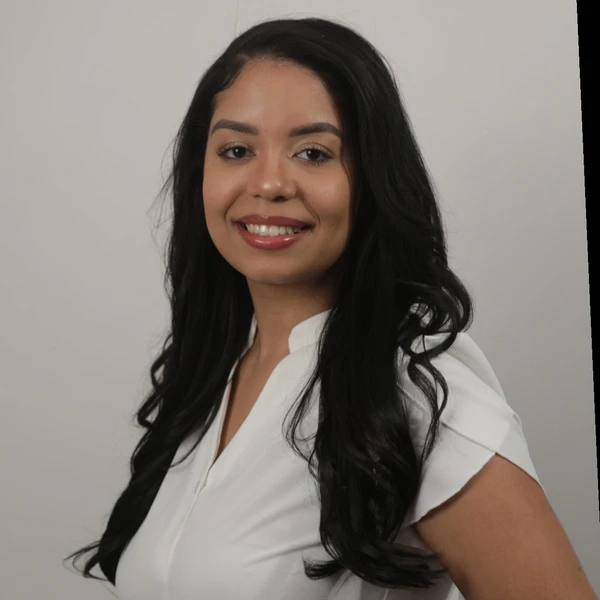
My name is Deborah Florez, and I am a Hispanic woman dedicated to pursuing a career in nursing through the University of Bridgeport. Growing up in a low-income household taught me the importance of resilience and perseverance, values that have guided me throughout my journey.
For eight years, I proudly served in the United States Army Reserve as a certified pharmacy technician, where I developed discipline, leadership, and a strong commitment to service. Currently, I am living in my father’s attic to be able to save money, take care of him and focus on my goals.
Outside of school, service has remained an important part of my life. I have volunteered through church outreach programs, youth mentorship activities, food drives, and community support events. Giving back to others has taught me that even small acts of kindness can make a lasting impact. My experiences in both the military and community service showed me that leadership is not about recognition, it is about helping others feel supported, valued, and cared for.
My ultimate goal is to eventually become a compassionate nurse practitioner who provides equitable, preventative, and patient-centered care to individuals from all backgrounds.
Education
University of Bridgeport
Bachelor's degree programMajors:
- Practical Nursing, Vocational Nursing and Nursing Assistants
Liberty University
Bachelor's degree programMajors:
- Psychology, General
Miscellaneous
Desired degree level:
Bachelor's degree program
Graduate schools of interest:
Transfer schools of interest:
Majors of interest:
- Medicine
Career
Dream career field:
Medicine
Dream career goals:
Sports
Basketball
Varsity2010 – 20133 years
Soccer
Varsity2009 – 20134 years
Arts
Arts Club in Groton
Painting2017 – 2023
Public services
Volunteering
New London Soup Kitchen — Server2008 – PresentVolunteering
FRESH NEW LONDON — Cook2008 – 2016Volunteering
Oasis of Restoration — Sunday School Teacher2010 – 2018
Future Interests
Advocacy
Politics
Volunteering
Philanthropy
Entrepreneurship
Women in Nursing Scholarship
In 2019, my father began to experience persistent tremors. His hands shook uncontrollably, especially when he tried to pick up a cup or sign his name. At first, I dismissed it as a side effect of his occasional drinking, something I didn’t fully understand. But a small voice inside me urged me to take it more seriously, so I scheduled a doctor’s appointment. After a series of tests, he was referred to a neurologist, and it was then that we learned he had Parkinson’s disease. In that moment, the world shifted beneath my feet. I had watched him, strong and steadfast, begin to struggle with something I couldn’t fix.
This was the moment that ignited my passion for nursing. As I accompanied him to countless appointments and saw how the medical team’s care eased his fear, I realized that I wanted to be that steady presence for others. The nurses who cared for him were patient, empathetic, and attentive. They didn’t just treat his symptoms; they saw him as a whole person. This compassionate care, delivered by a team of professionals, gave me a glimpse of what it means to truly help someone, not just physically, but emotionally.
This journey of caregiving led me to leave my previous career and enroll in the Nursing program at the University of Bridgeport. I realized that nursing would allow me to fuse my love of science with my dedication to service. Beyond the technical skills, nursing is about being present for patients, advocating for them, and making them feel seen, just as those nurses did for my father.
In addition to my caregiving role, I have always been active in community service. For years, I have volunteered as a youth leader at my church, guiding young people and organizing outreach programs. I also participated in food drives and youth sports initiatives. These experiences taught me the power of inclusion, where each person, regardless of background, deserves a chance to thrive.
My military service reinforced this dedication. As a Sergeant in the Army Reserve, I led soldiers from diverse backgrounds, learning that inclusion is about ensuring everyone is valued and supported. Now, as I pursue nursing, I want to bring that same sense of unity, empathy, and service to my patients. I plan to specialize as an ICU nurse in respiratory care, focusing on underserved communities who may face language barriers or limited access to care.
Receiving this scholarship will help provide the care others need. It will give me the chance to focus on my education and become the nurse I always aspired to be, one who, like the nurses who cared for my father, treats each patient with dignity, compassion, and a commitment to their healing.
Kim Moon Bae Underrepresented Students Scholarship
As a proud Hispanic woman, my identity as a member of an underrepresented minority population has profoundly shaped my academic and professional journey. It has strengthened my ambition, discipline, and resilience, and continues to guide my purpose as I pursue a career in nursing. I view my identity not as a challenge to overcome, but as a source of strength that motivates me to create meaningful change within my community and the healthcare field.
Growing up in a Hispanic household taught me the importance of perseverance, family, and education. As a first-generation college student, I learned early that success would require self-reliance, sacrifice, and determination. I worked while completing my bachelor’s degree in psychology, balancing long hours and academic demands without external financial support. This experience instilled in me a strong work ethic and an understanding of how vital equitable access to education and healthcare truly are. It also revealed the lack of Hispanic representation in mental health and healthcare professions, which inspired my commitment to serve in a role where I could directly impact lives through both compassion and cultural understanding.
My service in the U.S. Army Reserve reinforced these values and provided me with the leadership, discipline, and adaptability necessary to thrive in high-pressure environments. The military taught me to remain calm under stress, to prioritize the welfare of others, and to value teamwork and integrity, qualities that are essential in nursing. Through my service, I developed a sense of duty that extends beyond the uniform: a responsibility to contribute meaningfully to society and to support individuals during their most vulnerable moments. Nursing, to me, is an extension of that service.
Transitioning into the Accelerated Nursing Program at the University of Bridgeport has been one of the most challenging yet fulfilling decisions of my life. It required leaving my job and committing to full-time study, which meant losing a steady income to fully dedicate myself to a demanding academic schedule. This sacrifice, however, underscores my unwavering drive and long-term vision. My goal is to become a nurse who not only provides exceptional patient care but also advocates for diversity, equity, and inclusion within healthcare. As a bilingual professional, I intend to bridge communication gaps that often exist between healthcare providers and Hispanic patients, ensuring that language and cultural differences never interfere with the quality of care received.
Looking ahead, I aspire to combine my background in psychology, military experience, and nursing education to serve as both a clinician and mentor. I hope to guide future minority students who aspire to enter the healthcare field, encouraging them to see their identity as an asset and a source of empowerment. Representation in healthcare matters—patients feel more understood, and communities become stronger when they see themselves reflected in those who care for them. Ultimately, my ambition is driven by a commitment to service, my discipline is grounded in lived experience, and my impact will be measured by the people and communities I help empower. My identity has shaped not only my path but also my purpose: to serve with empathy, advocate for equity, and lead with integrity in a profession devoted to healing and humanity.
Catrina Celestine Aquilino Memorial Scholarship
My name is Deborah Florez, and my journey toward nursing is rooted in resilience, faith, and an unwavering commitment to serve others. Growing up in a low-income Hispanic household with limited access to resources, I quickly learned the value of hard work and the importance of compassion. I also witnessed how disparities in healthcare disproportionately affect underprivileged communities. These early experiences instilled in me the ambition to pursue a career where I could not only provide care but also become an advocate for those whose voices are often unheard.
For eight years, I proudly served in the United States Army Reserve as a certified pharmacy technician. That role not only gave me discipline, leadership skills, and a strong medical foundation but also taught me the profound importance of empathy in healthcare. In both military and civilian life, I saw that healthcare is about more than medicine—it is about human connection, trust, and hope. I also earned a bachelor’s degree in psychology with the initial goal of becoming a physician assistant. Yet, after reflecting on my experiences and the kind of impact I want to make, I realized nursing aligns most deeply with my calling to heal and serve.
My father’s battle with Parkinson’s disease further shaped this path. Watching his neurologist go beyond the basics of treatment—connecting him to fitness programs, nutrition resources, and community support—showed me what compassionate, patient-centered care can truly mean. That example solidified my purpose: to become a nurse who not only treats illness but empowers patients, restores dignity, and brings peace of mind.
I plan to make a positive impact through nursing by serving in underserved communities where access to care is limited. As a bilingual Hispanic woman and a veteran, I bring both cultural understanding and the determination to bridge gaps in care. My goal is to combine medical knowledge with advocacy, ensuring that every patient, regardless of background, receives the respect, compassion, and quality care they deserve.
Financially, this scholarship would ease the burden of tuition as I pursue an accelerated nursing program. Having paid my way through school before, I understand sacrifice, but I also know that with support, I can fully dedicate myself to my studies and training.
Nursing is not just a career for me—it is my calling and my purpose. With ambition, faith, and a deep desire to heal, I am determined to make a lasting difference in the lives of patients and in the communities I serve.
Fishers of Men-tal Health Scholarship
My journey toward nursing has been one of resilience, faith, and a deep sense of purpose. Every stage of my life—growing up in a low-income Hispanic household, serving in the U.S. Army Reserve, working as a pharmacy technician, earning my psychology degree, caring for my father, and navigating my own relationship with mental health—has brought me closer to one undeniable truth: I was meant to heal, to serve, and to bring comfort to others. Nursing is not just a career path for me; it is a calling from God, one that ties together my ambition, my drive, and my passion to help people live healthier and more hopeful lives.
Growing up in a household where resources were scarce taught me the meaning of hard work and perseverance. My family worked tirelessly to make ends meet, and I quickly learned that health was often a privilege rather than a given. I saw loved ones struggle with limited access to care, language barriers, and financial challenges that prevented them from receiving the treatment they needed. These formative experiences instilled in me a passion for equity in healthcare. I knew early on that I wanted to dedicate my life to a field where I could make a direct difference—where I could be an advocate for those whose voices often go unheard.
This passion carried into my eight years of service in the U.S. Army Reserve, where I worked as a certified pharmacy technician. The military gave me discipline, leadership, and the ability to thrive in high-pressure environments. It also opened my eyes to the universality of healthcare needs. Soldiers come from every background imaginable, and each one deserves the same level of respect and quality of care. In my role, I saw firsthand how important precision, empathy, and communication were in delivering effective healthcare. But beyond the technical aspects, I also witnessed the power of human connection—a smile, a word of encouragement, or a moment of genuine listening could transform a soldier’s day.
One of the most defining experiences of my life was supporting my father as he battled Parkinson’s disease. Watching someone you love lose control of their body, while also facing emotional and psychological challenges, is heartbreaking. Yet, in that struggle, I also witnessed the profound impact of compassionate care. My father’s neurologist was not just a doctor; she was a guide, an advocate, and a source of hope. She connected him with physical fitness programs, nutritionists, and community resources. She took the time to explain, to encourage, and to walk alongside him. Her example showed me that healthcare is not only about treatment but about empowerment, dignity, and compassion. That experience lit a fire in me to become that kind of provider—someone who heals not only with knowledge but with kindness.
My journey with mental health, both personally and through my family, has also shaped my vision for nursing. I have seen how untreated mental health challenges can fracture families, hinder progress, and steal joy from people’s lives. But I have also seen how empathy, patience, and proper support can restore peace of mind and even save lives. For me, nursing is not about treating one part of a person; it is about caring for the whole person—mind, body, and spirit.
Returning to school for an accelerated nursing program is not easy, but it is necessary for me to fulfill my purpose. I know the path will be challenging, but my military background has trained me for discipline, resilience, and perseverance. I have already proven to myself that I can overcome adversity, and this next step is a continuation of that journey. My education will give me the tools to transform my passion into practice—to provide high-quality care while embodying the compassion and empathy that patients need.
At the heart of everything I have experienced is a simple but powerful truth: my purpose is to heal. This purpose is not limited to administering medication or performing procedures; it extends to listening when someone feels unheard, offering comfort when someone feels afraid, and being present when someone feels alone. Healing is about restoring not just the body but the spirit.
As a nurse, I want to work in communities that are underserved, where cultural and language barriers often prevent people from seeking care. As a bilingual Hispanic woman, I understand these barriers intimately, and I want to bridge them. I want to be the nurse who not only translates words but also translates compassion into action. My goal is to ensure that every patient I encounter feels valued, respected, and cared for.
Empathy will be at the center of my nursing practice. I believe that nursing is one of the most human-centered careers in healthcare because it requires you to meet patients where they are—physically, emotionally, and spiritually. I will always strive to see patients as people first, not as diagnoses or conditions. I will carry with me the lessons I learned from my father’s care, from my military service, and from my own journey with mental health: that healing is about connection, and that every patient deserves not just care but compassion.
When I imagine my future as a nurse, I see myself making an impact not just in hospitals or clinics but in the lives of individuals and families. I see myself advocating for patients who are overlooked, educating communities about preventative care, and mentoring others who dream of serving in healthcare. I want my career to be defined not just by the number of patients I treat but by the peace of mind I bring to them, the hope I restore, and the dignity I uphold.
My ambition drives me forward, my passion fuels me, and my faith gives me strength. With every step, I am guided by the belief that nursing is more than a job—it is a mission.
All of my life experiences has shaped my ambition, fueled my drive, and solidified my passion for nursing. I know that this is the work I was created to do: to heal, to comfort, to advocate, and to serve. Nursing is not just my career choice—it is my calling, my purpose, and the way I will make a lasting impact in the world.
Through nursing, I will live out the values that have shaped me: resilience, empathy, service, and faith. My education will give me the knowledge and skills, but it is my purpose that will give me the heart to heal. And that, I believe, is the greatest gift I can offer to my patients and to the world.
Rose Browne Memorial Scholarship for Nursing
My decision to pursue nursing has been shaped by a lifetime of challenges, perseverance, and the determination to serve others. Every experience I have had—from growing up in a low-income Hispanic household, to serving as a U.S. Army Reserve pharmacy technician, to watching my father battle Parkinson’s disease—has fueled my drive, ambition, and passion to become a nurse. Nursing is more than a career choice for me; it is the path that allows me to turn resilience into purpose and service into impact.
Growing up with limited resources taught me early the importance of hard work and perseverance. I often saw my family and community struggle to access quality healthcare, and I recognized the disparities that affect underserved populations. These experiences lit the spark of ambition within me, I knew I wanted to dedicate my life to healthcare, not only to provide treatment but also to bridge gaps in care for families like mine.
My years of military service strengthened that ambition. For eight years, I proudly served in the U.S. Army Reserve as a certified pharmacy technician. The Army instilled in me discipline, leadership, and resilience under pressure, while also giving me exposure to the healthcare field. In this role, I learned that healthcare is not only about medications or procedures but also about compassion, listening, and advocating for patients. The military taught me to lead with integrity and to never give up in the face of challenges, values that will serve me well in nursing school and beyond.
At the same time, my father’s experience with Parkinson’s disease gave me a personal understanding of the power of compassionate care. His neurologist went beyond prescribing medications—she connected him with programs, resources, and hope. Watching her care inspired me to become the kind of provider who sees the whole patient, not just the diagnosis. That passion—to bring comfort, education, and advocacy to patients and their families—is at the heart of why I chose nursing.
While I initially pursued a psychology degree with the goal of becoming a physician assistant, reflection and experience led me to nursing. Nursing allows me to combine my clinical skills with the human-centered care that I value most. It offers me the chance to be at the bedside, building relationships, offering comfort, and advocating for patients in ways that make a lasting impact.
My drive comes from knowing the sacrifices I have already made to get here. I worked to finance my education, balanced the demands of military service, and remained focused on my goals despite setbacks. My ambition is to complete an accelerated nursing program and use my degree to serve diverse communities, particularly those who face barriers in accessing care. As a bilingual Hispanic woman and veteran, I believe I can make a meaningful impact by bridging cultural and language gaps while providing compassionate, equitable care.
Nursing is the career that brings my life experiences full circle. It is where my discipline, resilience, and compassion meet my passion for service. With drive, ambition, and unwavering commitment, I am ready to step into this calling and dedicate my life to helping others.
Harvey and Geneva Mabry Second Time Around Scholarship
My name is Deborah Florez, and my decision to return to school to pursue nursing is both deeply personal and purposeful. Growing up in a low-income Hispanic household, I learned early that resilience and hard work were essential for survival. I also saw how healthcare disparities affect families like mine, often leaving people without the resources or guidance they need. These experiences planted the seed for my desire to pursue a career in healthcare, but it was my father’s journey with Parkinson’s disease that solidified my calling to become a nurse.
Watching my father’s decline was one of the most challenging experiences of my life. Parkinson’s is not only physically debilitating, but it also weighs heavily on a person’s spirit. I remember sitting with him in his neurologist’s office and being struck by the way she treated him. She didn’t just prescribe medication; she gave him tools to live better, connecting him with exercise programs, nutrition support, and websites that offered hope. She showed us that healing extends beyond the body to the mind and spirit. Witnessing her compassion inspired me to follow a path where I could bring that same kind of comfort and advocacy to others.
My journey has not been linear. I proudly served eight years in the U.S. Army Reserve as a certified pharmacy technician, where I gained discipline, leadership, and experience in patient care. I also worked as a civilian pharmacy technician, which gave me a broader perspective on healthcare systems. Along the way, I earned my degree in psychology with the original goal of becoming a physician assistant. But as I shadowed providers and reflected on my father’s experience, I realized that nursing with its emphasis on empathy, holistic care, and advocacy was the career that aligned with both my skills and my heart.
Returning to school for an accelerated nursing program is a step I take with determination and purpose. I want to be the nurse who takes the time to listen, who provides education and resources, and who ensures that every patient, regardless of their background, feels valued and supported. As a bilingual Hispanic woman, I also see the need to bridge cultural and language gaps that often prevent patients from fully accessing care.
This decision to return to school is not easy; it requires sacrifice, commitment, and financial support. But I know that education is the key that will allow me to turn my passion into impact. Nursing is not just a career, it is a calling to serve, to heal, and to bring peace of mind to patients and their families, just as my father’s doctor once did for mine.
Christina Taylese Singh Memorial Scholarship
My name is Deborah Florez, and my journey toward a career in healthcare has been shaped by perseverance, resilience, and a deep desire to serve others. Growing up in a low-income Hispanic household, I understood from an early age the struggles many families face when navigating the healthcare system. I saw firsthand how limited resources and cultural barriers can prevent people from receiving the care they deserve. Those experiences instilled in me a passion not only for healthcare but also for advocacy, and they drive my pursuit of a nursing career today.
For eight years, I proudly served in the U.S. Army Reserve as a certified pharmacy technician. This role provided me with discipline, structure, and an invaluable introduction to patient care. I learned how vital it is to ensure patient safety, manage complex medical logistics, and function under pressure as part of a team. Yet what stood out most to me during my service was how much patients value empathy, compassion, and genuine connection. Technical skill matters, but people remember when someone takes the time to explain, listen, and show care. That lesson has stayed with me and is at the core of my decision to transition into nursing.
I initially earned my bachelor’s degree in psychology with the goal of becoming a physician assistant. However, as I shadowed providers and reflected on what I wanted my role in healthcare to be, I realized that nursing better aligned with my values and vision. Nursing focuses not only on treatment but also on advocacy, education, and holistic patient care. It allows me to combine my clinical skills with my passion for making people feel seen, heard, and supported.
My ambition is to complete an accelerated nursing program and use my degree to directly impact underserved communities. As a bilingual Hispanic woman, I am committed to bridging gaps in healthcare by providing culturally competent care and advocating for those who are often overlooked. Too often, patients from diverse or low-income backgrounds face disparities in access and quality of care. My goal is to be the nurse who ensures they feel valued and respected, regardless of their circumstances.
My drive comes from my lived experiences—working through challenges, financing my own education, serving my country, and never losing sight of my calling. Each obstacle has fueled my determination to succeed and reinforced my belief that nursing is not just a profession but a vocation. The impact I hope to make is twofold: to provide exceptional, empathetic care to my patients and to serve as a role model for others who come from underrepresented backgrounds. I want people to see that no matter your starting point, it is possible to rise, achieve, and give back.
Nursing is my future because it allows me to heal, advocate, and uplift others. With the support of this scholarship, I will be one step closer to fulfilling that mission and bringing lasting change to the communities I serve.
Community Health Ambassador Scholarship for Nursing Students
From a young age, I knew I wanted to dedicate my life to healthcare. Growing up in a low-income Hispanic household, I saw firsthand how limited access to medical resources can affect families and communities. These early experiences shaped my determination to enter a profession where I could be a source of hope, support, and healing for those who need it most. Nursing, with its unique balance of science, compassion, and advocacy, is the career that perfectly aligns with my values and my vision for the future.
My path to nursing has been shaped by years of perseverance, service, and a desire to make a lasting impact. I served eight years in the U.S. Army Reserve as a certified pharmacy technician, where I gained valuable experience in medication management, patient safety, and healthcare logistics. This role required discipline, teamwork, and adaptability, all of which prepared me for the challenges of nursing. Alongside my military service, I earned a degree in psychology, originally preparing for physician assistant school. However, after shadowing providers and reflecting on my purpose, I realized that nursing offered the holistic, patient-centered approach I had been searching for.
What inspires me most about nursing is the opportunity to care for patients as whole individuals, not just as conditions to be treated. I have witnessed the power of compassion through my father’s neurologist, who went beyond diagnosis to provide resources that improved his quality of life with Parkinson’s disease. Her example demonstrated the true meaning of patient advocacy, and it is the standard I hope to embody as a nurse.
My ambition is not only to excel in nursing school but also to use my training to directly impact underserved populations. I understand the struggles of communities where language barriers, financial limitations, and systemic inequities prevent people from receiving adequate care. As a bilingual Hispanic woman, I plan to bridge these gaps by providing culturally competent and empathetic care. My drive comes from knowing that every act of kindness, education, and advocacy can change the trajectory of someone’s health and future.
In the long term, I hope to contribute to my community in several ways: by advocating for preventative healthcare, supporting patients with chronic illnesses, and mentoring future healthcare professionals who come from underrepresented backgrounds. I believe that through nursing, I can promote not only physical healing but also peace of mind—giving patients the confidence that their health and dignity matter.
Earning a nursing degree will give me the skills, knowledge, and credibility to carry out this mission. With ambition to succeed, the drive to overcome obstacles, and the determination to make a meaningful impact, I am committed to becoming a nurse who stands as both a caregiver and a leader in my community.
Losinger Nursing Scholarship
My inspiration for pursuing nursing is deeply rooted in my life experiences and the values instilled in me through family, culture, and military service. Growing up in a low-income Hispanic household, I learned early the value of hard work, resilience, and community. I witnessed how health disparities affect families like mine and saw the importance of compassionate care that extends beyond treating illness to addressing the whole person.
When I joined the U.S. Army Reserve, I served as a certified pharmacy technician for eight years. This role gave me valuable exposure to healthcare systems and patient needs, and I quickly realized how essential nurses are in bridging the gap between clinical expertise and human connection. Nurses are not just caregivers—they are advocates, educators, and emotional anchors for patients and families.
My experiences have confirmed that my purpose is to help and heal others. I initially pursued a psychology degree with the goal of entering physician assistant school. However, the more time I spent shadowing healthcare providers and reflecting on my passions, the clearer it became that nursing aligned more closely with my calling. Nursing emphasizes empathy, advocacy, and holistic care, which resonate with the person I am and the professional I aspire to become.
Now, as I prepare to begin an accelerated nursing program, my inspiration is fueled by the belief that I can make a difference in the lives of people from all walks of life. I want to be the type of nurse who brings comfort in moments of uncertainty, who stands as an advocate for underserved communities, and who provides not only clinical expertise but also compassion, dignity, and hope.
To me, the phrase “human touch” symbolizes the essence of empathy, compassion, and connection in healthcare. It is not only the literal act of a reassuring hand on a shoulder but also the figurative touch—listening with patience, acknowledging a person’s fears, and treating every patient with dignity. “Human touch” is what transforms medical care from a series of tasks into healing.
In nursing, “human touch” has a profound impact on patient care. Patients often enter the healthcare system during vulnerable moments of fear, pain, or uncertainty. A nurse who demonstrates human touch communicates, “You are not alone.” This sense of reassurance can lower stress levels, increase trust, and ultimately improve health outcomes. Research shows that when patients feel genuinely cared for, they are more likely to follow treatment plans and engage in preventative health behaviors.
My own journey has shown me how powerful this quality can be. As a pharmacy technician in both the U.S. Army Reserve and civilian practice, I saw how patients responded not only to accurate medication information but also to kindness and empathy. Later, when I shadowed providers, I watched how small acts—taking extra time to explain, guiding a patient to helpful resources, or simply showing patience—had lasting effects. I was especially moved by my father’s neurologist, who went beyond diagnosis by connecting him with programs for exercise and nutrition to manage his Parkinson’s disease. Her care exemplified the human touch by addressing his well-being holistically, not just medically.
In my future career as a nurse, I plan to integrate this philosophy fully. Human touch will guide how I care for patients, ensuring that I never see them as a diagnosis or chart but as individuals with stories, struggles, and strengths. It will shape how I advocate for underserved communities, bringing comfort and dignity to those who need it most. In the end, nursing is as much about healing the spirit as it is about treating the body. Human touch is the bridge between the two.
Leading Through Humanity & Heart Scholarship
Growing up in a low-income Hispanic household with four older brothers, I quickly learned the value of resilience, responsibility, and hard work. My parents instilled in me the belief that even when resources are limited, perseverance and determination can open doors. This foundation has guided me throughout my personal and professional journey.
Serving eight years in the U.S. Army Reserve as a certified pharmacy technician was a formative experience that shaped my discipline and deepened my passion for healthcare. I witnessed how every role, no matter how small it may seem, directly impacts patient outcomes. Later, earning my degree in psychology gave me the tools to understand the importance of mental health, empathy, and the human side of medicine. These experiences have fueled my desire to enter nursing, where I can combine clinical expertise with compassion to provide holistic care.
To me, empathy is the ability to place oneself in another person’s position, not just understanding their circumstances but also truly feeling their fears, hopes, and challenges. It is more than kindness or sympathy—it is an intentional effort to connect with others on a deeper level and respond in ways that make them feel heard, valued, and respected. Empathy has always guided my outlook on life, and it is the foundation of the health-related career I am pursuing.
My journey began in a low-income Hispanic household where hard work and resilience were not optional but necessary. I watched my parents sacrifice daily, teaching me that true strength comes from lifting others up. Later, my eight years of service in the U.S. Army Reserve as a certified pharmacy technician gave me firsthand experience in high-pressure environments where empathy often made the difference between compliance and resistance, trust and uncertainty. Working with patients and providers, I saw how a small act of compassion—explaining a process carefully, listening to concerns, or showing patience—had the power to change outcomes.
Now, as I transition into nursing through an accelerated program, I recognize empathy as one of the most important qualities in this career. Nursing is not just about performing clinical tasks or administering medication; it is about building trust, advocating for patients, and guiding them through some of their most vulnerable moments. Patients may not remember the technical skills I used, but they will remember how I made them feel—supported, safe, and respected.
Ensuring that my work is done through a human-centered lens means prioritizing the whole person, not just the illness. This requires active listening, cultural sensitivity, and recognizing the unique background of every patient. My own cultural heritage and experiences with limited resources have made me more aware of disparities in healthcare access and outcomes. I intend to use this perspective to advocate for underserved populations and ensure equity in the care I provide.
Furthermore, I believe empathy extends beyond patient interactions—it also plays a role in teamwork. In healthcare, collaboration is critical, and an empathetic approach fosters stronger communication, respect, and shared purpose among colleagues. My military background taught me the value of teamwork under pressure, and I plan to carry those lessons into nursing, where collaboration directly impacts patient safety and quality of care.
My ambition is not only to become a nurse but to be a nurse who makes an impact—one who sees every patient as a whole human being, not a case file. My drive comes from the challenges I have faced and overcome, and my impact will come from the compassion I carry into every interaction. Through empathy, I will provide not just medical care but peace of mind, ensuring that every patient I serve feels valued and understood.