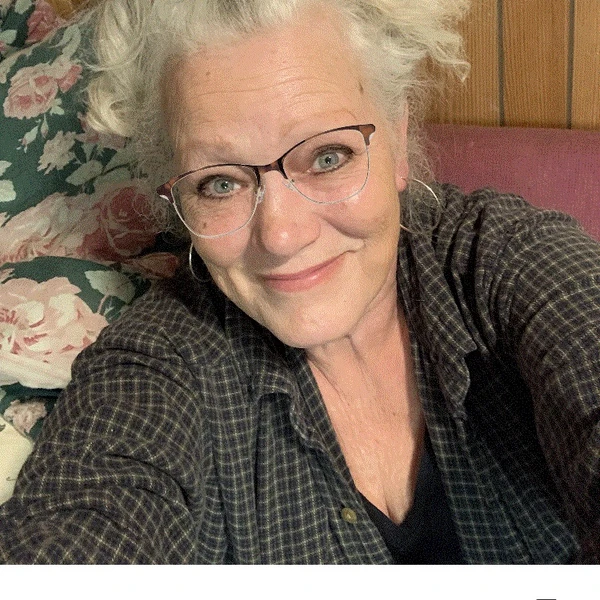
user profile avatar

Deborah Butler

1x

Finalist

1x

Winner

Bio

I am a 66-year-old divorced woman who raised four kids and homeschooled them until high school. Currently, I live in a shed with my two dogs while saving to purchase my own property. My situation is not the result of drugs or bad relationships; I have made some unfortunate financial decisions that snowballed, leading to my loss of everything. Over the last ten years, I have learned hard lessons about topics I never wished to explore. I initially believed I was too old for college, but I now realize how much I want to earn a degree. My goal is to work as an art therapist in the prison system. I am in perfect health and strongly believe I can achieve this goal. It would be an understatement to say that I would greatly appreciate a scholarship. Thank you for considering my request.

Education

College of Coastal Georgia

Bachelor's degree program

2025 – 2029

Majors:
  • Social Work

Miscellaneous

Desired degree level:
Bachelor's degree program
Medical school interest:
No

Career

Miscellaneous

Dream career field:
Non-Profit Organization Management
Work experience:
10+ years
Has nursing license:
No
Jerrye Chesnes Memorial Scholarship
Returning to school later in life has not been simple for me. I have gaps in my education because I stepped away for years to raise my children and focus on family responsibilities. When I decided to come back, I was not starting fresh in a comfortable situation—I was starting over in the middle of financial hardship, limited resources, and major life challenges. One of the biggest challenges has been stability. I am 67 years old, living in a shed with my three dogs, and I do not have a vehicle. Every part of daily life takes planning and effort, from basic transportation to managing schoolwork in an environment that is not always ideal for studying. There is no “perfect study space” or easy routine. I have had to learn how to make things work no matter what my circumstances look like on any given day. Financial need is another major challenge. I support myself with limited income, and I know I could choose easier work that pays decently, such as cleaning jobs that can bring in up to $50 an hour. But that work does not align with the future I want. The real challenge is not just making money—it is choosing to stay committed to school when there are faster, simpler ways to earn a living. Every semester requires me to balance survival with long-term goals. Being out of school for so long also made returning academically challenging. Things like technology, online learning systems, and academic expectations were not as familiar to me at first. I have had to adjust, learn quickly, and stay persistent even when things feel overwhelming or confusing. There is no shortcut for that—it takes time, patience, and a willingness to keep going even when it is difficult. Despite these challenges, I have stayed committed because I know why I am here. My goal is to work in the prison system, especially with mothers who are incarcerated and trying to rebuild their lives. I am particularly interested in programs that use creative expression, including art-based approaches, to help people process trauma, addiction, and difficult life experiences. I believe many people in the system never had the support or tools they needed earlier in life, and I want to be part of changing that. Raising my children shaped who I am, but returning to school has shown me what I am still capable of building. The gaps in my education are not a sign of failure—they are a reflection of responsibility, survival, and starting again when the time was right. Now, even with challenges that have not gone away, I am continuing forward because I believe this path leads to meaningful work and a chance to make a real difference in people’s lives.
Learner Mental Health Empowerment for Health Students Scholarship
Mental health is important to me because I have seen what happens when people do not have healthy ways to deal with what they are carrying. Stress, trauma, addiction, and difficult life circumstances do not always show on the outside, but they affect how people think, behave, and cope with daily life. As a student, I understand that learning is not just about academics. It is also about being able to focus, process information, and stay motivated, and that becomes much harder when someone is struggling mentally or emotionally. I am especially interested in mental health through the lens of art therapy. Art gives people a way to express things that are difficult to put into words. Some people cannot easily explain what they are feeling, especially children or individuals who have experienced trauma. Art allows them to communicate without having to find the perfect explanation. It can be as simple as drawing, coloring, or creating something that represents how they feel. That process can be calming, but it can also help people begin to understand what is going on inside them. Mental health matters to me because I have seen how often people try to carry everything alone. I have also seen how quickly things can become overwhelming when there is no outlet. In those moments, having something like creative expression can make a real difference. It is not about making art that looks good. It is about having a safe way to release emotions and reduce internal pressure. In my own life and community, I advocate for mental health by encouraging understanding instead of judgment. I try to recognize that behavior is often connected to what someone is dealing with internally, even when it is not obvious. I also support the idea that people need space to process what they are going through without being dismissed or ignored. Sometimes that support is simply listening or being present without trying to fix everything. As a student, I also see education as part of mental health support. When people are given tools, structure, and opportunities to express themselves, it can help reduce isolation and stress. That is one of the reasons I am interested in continuing my education and eventually working in settings like the prison system, where mental health needs are often significant but not always addressed in effective ways. My long-term goal is to work with individuals, especially young people, who are dealing with emotional and psychological challenges. I want to be involved in programs that use creative approaches like art therapy to help people process their experiences. I believe mental health support should be practical, accessible, and focused on helping people cope in real ways, not just in theory. Mental health is important to me because it affects everything else—how people learn, how they relate to others, and how they see their future. Supporting mental health is not something separate from daily life. It is part of helping people build stability, confidence, and hope, especially when their circumstances have made those things harder to find.
Champions Of A New Path Scholarship
I don’t think I “deserve” a scholarship more than anyone else in the sense of being better than other applicants. What I can say is that my path is very different from most people applying, and I am still here trying to complete my education under circumstances that are not easy. I am living in a shed with my three dogs, and I do not have a car. I am also living in poverty while going to school. I could stop school and continue doing cleaning work that pays well enough, but I am choosing not to take the easiest financial path because I am trying to build toward a specific goal at this stage of my life. What gives me an advantage is not comfort or resources—it is lived experience and persistence. I understand instability and hardship in a real way, not from theory. That has shaped how I see people who are struggling, especially those involved in the prison system. I don’t see them as labels or statistics. I see people who have often been shaped by circumstances, addiction, or lack of support. My goal is to work in the prison system, especially with people who are incarcerated and trying to rebuild their lives. I am particularly interested in programs that include creative approaches like art-based expression, because I have seen how difficult it can be for people to explain what they are carrying inside. I want to be trained properly through higher education so I can contribute in a real, responsible way instead of just relying on personal opinion. Another thing that sets me apart is that I am not approaching this career as a first step or a typical early-life path. I am coming into it later in life with a clear sense of urgency and purpose. I understand what it means to struggle, to start over, and to keep going when circumstances are not ideal. That perspective matters in a field where people are trying to change their lives under difficult conditions. If I am chosen for this scholarship, it would directly support someone who is already committed, already in motion, and already living the reality of the challenges they are writing about. At 67, I am not a late start—I am proof that it is never too late to build a life that still has value, direction, and impact.
WCEJ Thornton Foundation Low-Income Scholarship
Attending higher education is not about simply changing my income or finding easier work. I can already make money doing cleaning work. But that is not the direction I want my life to go in. I am 67 years old, living in a shed with my three dogs, and I do not have a car. I am in school because I want to do something that has meaning to me at this stage of my life. Right now, I am getting through school with very limited resources. There are challenges every day, but higher education gives me the training and credentials I need to move into a different kind of work. Without it, the type of job I want in the prison system would not be available to me. My goal is to work in the prison system with people who are incarcerated, especially those dealing with addiction, trauma, and instability. A lot of people in the system have lived through situations where they did not have strong support or healthy ways to cope. I want to be part of programs that focus on rehabilitation and helping people rebuild their lives instead of only focusing on punishment. I am especially interested in using creative programs like art-based activities as a way for people to express what they are going through. Some people, especially younger individuals, struggle to put emotions into words. Art can give them another way to release what they are carrying without needing to explain everything perfectly. I want to learn how to do this work properly through education and training, not just life experience. My own life has shaped how I see people in difficult situations. Living in poverty at this stage of my life has shown me how quickly things can become unstable and how hard it can be to recover without support. It has also made me less quick to judge others for where they are in life, because I understand how easily circumstances can change. In the future, I want to create a positive impact by working directly with incarcerated individuals and helping them find healthier ways to cope and move forward. I am especially concerned about children who are affected when parents are incarcerated, because they often carry burdens they did not choose. If I can be part of work that helps even a small number of people break that cycle, then that is what I want to do. Higher education is not about escaping hard work or chasing the highest paycheck. It is about preparing myself for work that actually aligns with what I care about, even if the path is harder. For me, this degree is the bridge into a career where I can contribute something meaningful instead of just working for income alone.
Marsha Cottrell Memorial Scholarship for Future Art Therapists
Winner
I want to work in the prison system using art therapy with children and young people. This is not something I came to from textbooks or theory. It comes from watching what happens to people when they don’t have healthy ways to deal with what they’ve lived through. I have also seen how powerful art can be. There is something almost hard to explain about it. When someone starts creating, even without knowing exactly what they are doing, something can shift. It can be calming, it can be expressive, and sometimes it brings things out that words never would. Even simple materials like pencil and paper can become a way for someone to let something out that they’ve been holding in for a long time. What stands out to me is how often people carry things they don’t talk about. Some of it shows up in behavior, some of it shows up in silence, and a lot of it just stays buried. Especially with kids, it isn’t always easy for them to explain what they are feeling or even understand it themselves. Words are not always enough, or sometimes they just don’t come at all. That is why I am interested in art therapy. It gives people another way to get things out without having to explain everything perfectly. It is not about talent or making something look a certain way. It is about having a way to release what is inside when talking about it is too hard. I am especially drawn to working with children who are affected by incarceration, whether they are in the system themselves or dealing with a parent being gone. From what I have seen, that kind of situation doesn’t just pass. It follows them into how they relate to people, how they handle emotions, and how they see their future. I also know the prison system is not simple. People end up there for different reasons, and whatever those reasons are, they are usually complicated. I don’t see my role as fixing people or explaining their experiences. I see it more as offering a tool that might help them process what they are carrying, especially when other ways haven’t worked. What I want most is to do work that is useful in a real way. If art can help someone release even a small part of what they’ve been holding onto, especially a child, then that is the kind of work I want to be part of. I want to be present in spaces where something small like that can change the direction of a life.
Arthur and Elana Panos Scholarship
When people ask how my faith has helped me in life, I sometimes struggle to answer because my story is not one of unwavering faith. There have been times when I doubted, questioned, and wondered what God was doing. My faith has risen and fallen over the years. What has remained constant is not my faithfulness, but the faithfulness of Jesus. I have come to realize that my hope does not rest in the strength of my faith. If it did, I would have failed long ago. My hope rests in Christ's faithfulness. Even during seasons when I felt distant from God, He never abandoned me. Looking back over my life, I can see His hand guiding me through circumstances that I never would have chosen for myself. Today, I am sixty-seven years old, pursuing a college degree while living in a shed with my three dogs. This is certainly not where I imagined I would be at this point in my life. By many standards, my circumstances may not look successful. Yet every day I log in to class, complete assignments, and continue moving toward my goals is evidence of God's faithfulness. Left to myself, I might have given up years ago. Instead, doors have continued to open, opportunities have appeared, and I find myself pursuing an education I once thought was out of reach. My faith has also shaped the way I see other people. Throughout my life, I have witnessed the damage caused by substance abuse. I have seen people destroy relationships, opportunities, and sometimes their own futures. What has affected me most, however, is the impact on children. Children often suffer because of decisions they never made. Watching this has given me a desire to help people before another generation is lost to the same cycles of addiction, incarceration, and instability. That desire has influenced my career goals. I hope to work within the prison system, helping people who are trying to rebuild their lives. Many individuals in prison have experienced addiction, trauma, poverty, or hopelessness. While people must take responsibility for their actions, I believe they are more than the worst mistake they have ever made. I want to encourage rehabilitation, accountability, and hope. My faith will help me in this career because it reminds me that people are not beyond redemption. The same grace that has sustained me is available to others. When I encounter difficult situations, I will not be relying on my own strength, wisdom, or faithfulness. I will be relying on Christ, whose faithfulness has carried me through every season of my life. If there is one lesson I have learned, it is this: success is not the result of having perfect faith. Success comes from serving a faithful Savior. My faith may have wavered many times, but Jesus never has. As I continue my education and pursue a career helping others, it is His faithfulness—not mine—that gives me hope for the future.
Deanna Ellis Memorial Scholarship
**How Has Your Experience with Substance Abuse Influenced Your Beliefs, Relationships, and Career Aspirations?** My experience with substance abuse has not been defined by my own addiction, but by witnessing the devastating impact it has had on the lives of others. Over the years, I have seen how substance abuse can cripple a person's ability to achieve their goals, maintain healthy relationships, and provide stability for their families. Most heartbreaking of all, I have seen the effect it has on children who are often left to cope with circumstances they did not create and cannot control. Watching families struggle with addiction has shaped my beliefs about compassion, responsibility, and the importance of support systems. I have learned that addiction is rarely an isolated problem. Its effects ripple through entire families and communities. Children may experience neglect, instability, and emotional trauma, while parents often struggle to break free from cycles that have affected generations before them. These experiences have strengthened my belief that every person deserves access to resources, guidance, and opportunities that can help them build a better future. My relationships have also been influenced by what I have witnessed. Rather than judging individuals who struggle with substance abuse, I have learned the importance of empathy and understanding. I recognize that many people facing addiction have experienced significant hardships and challenges. At the same time, I have come to appreciate the value of accountability and personal responsibility. These lessons have helped me build stronger relationships based on respect, compassion, and a desire to support others during difficult times. Most significantly, these experiences have shaped my career aspirations. As a student pursuing higher education later in life, I am motivated by a desire to make a meaningful difference in the lives of others. My goal is to work within the prison system and help individuals who are working to rebuild their lives. Many incarcerated individuals have struggled with substance abuse, and I believe that education, counseling, and support can play a critical role in rehabilitation and reducing recidivism. I am particularly passionate about helping children and expectant mothers who are affected by addiction and incarceration. Children deserve safe, nurturing environments where they can grow and thrive, and expectant mothers deserve access to the resources and support necessary to build healthy futures for themselves and their families. By helping parents make positive changes, we can often improve outcomes for the next generation as well. Returning to college at this stage in my life has given me a renewed sense of purpose. My education represents more than a personal achievement; it is a pathway to serving others. The lessons I have learned from witnessing the effects of substance abuse have inspired me to pursue a career dedicated to hope, healing, and second chances. Through my work, I hope to help individuals overcome obstacles, strengthen families, and create opportunities for children who deserve the chance to build brighter futures.
Debra S. Jackson New Horizons Scholarship
At 67 years old, I have come to an important realization: it is not too late to make a difference. After raising four children and homeschooling them until high school, I believed my opportunities to pursue higher education had passed. Life brought challenges, financial setbacks, and difficult lessons, but it also taught me resilience and perseverance. Most importantly, it taught me that there are people who need help, and I am not too old to pitch in. That realization is what brought me to college. I am pursuing an education because I want to make a meaningful impact in the lives of people who are often overlooked, especially youthful offenders and expectant mothers in the prison system. Too often, society sees incarcerated individuals only for their mistakes. I want to help people see that one bad decision, or even a series of bad decisions, does not have to define an entire life. Everyone deserves the opportunity to learn, grow, and build a better future. I hope to be someone who helps them recognize that possibility within themselves. My greatest desire is to work with young offenders before they become trapped in a cycle of incarceration. Many of these young people have experienced trauma, instability, neglect, or a lack of positive guidance. I want to help them understand that their past does not determine their future. If I can help even one young person develop self-confidence, make healthier choices, and believe in their own potential, I will have made a difference. I am equally passionate about helping expectant and young mothers in the prison system. The impact of supporting a mother extends far beyond one individual. When a mother learns healthy coping skills, develops confidence, and gains hope for the future, her children benefit as well. I want to help these women see themselves not as failures, but as people capable of growth, healing, and positive change. By helping mothers, I believe I can also help strengthen families and improve outcomes for future generations. Throughout my own life, I have faced setbacks that forced me to start over. Those experiences have given me compassion for people who are struggling and a deep understanding that circumstances do not always tell the whole story. I know what it feels like to face obstacles, and I know the importance of having someone who believes in you when you are trying to rebuild. Returning to college has given me a renewed sense of purpose. I am not pursuing a degree simply for personal achievement. I am pursuing it because I want to use my education, life experience, and compassion to help others create better futures for themselves and their children. Receiving this scholarship would help me continue that journey and move closer to making the impact I hope to have on the lives of others.
Sloane Stephens Doc & Glo Scholarship
At 67 years old, I have come to an important realization: it is not too late to make a difference. After raising four children and homeschooling them until high school, I believed my opportunities to pursue higher education had passed. Life brought challenges, financial setbacks, and difficult lessons, but it also taught me resilience and perseverance. Most importantly, it taught me that there are people who need help, and I am not too old to pitch in. That realization is what brought me to college. I am pursuing an education because I want to make a meaningful impact in the lives of people who are often overlooked, especially youthful offenders and expectant mothers in the prison system. Too often, society sees incarcerated individuals only for their mistakes. I want to help people see that one bad decision, or even a series of bad decisions, does not have to define an entire life. Everyone deserves the opportunity to learn, grow, and build a better future. I hope to be someone who helps them recognize that possibility within themselves. My greatest desire is to work with young offenders before they become trapped in a cycle of incarceration. Many of these young people have experienced trauma, instability, neglect, or a lack of positive guidance. I want to help them understand that their past does not determine their future. If I can help even one young person develop self-confidence, make healthier choices, and believe in their own potential, I will have made a difference. I am equally passionate about helping expectant and young mothers in the prison system. The impact of supporting a mother extends far beyond one individual. When a mother learns healthy coping skills, develops confidence, and gains hope for the future, her children benefit as well. I want to help these women see themselves not as failures, but as people capable of growth, healing, and positive change. By helping mothers, I believe I can also help strengthen families and improve outcomes for future generations. Throughout my own life, I have faced setbacks that forced me to start over. Those experiences have given me compassion for people who are struggling and a deep understanding that circumstances do not always tell the whole story. I know what it feels like to face obstacles, and I know the importance of having someone who believes in you when you are trying to rebuild. Returning to college has given me a renewed sense of purpose. I am not pursuing a degree simply for personal achievement. I am pursuing it because I want to use my education, life experience, and compassion to help others create better futures for themselves and their children. Receiving this scholarship would help me continue that journey and move closer to making the impact I hope to have on the lives of others.
Deborah Butler Student Profile | Bold.org