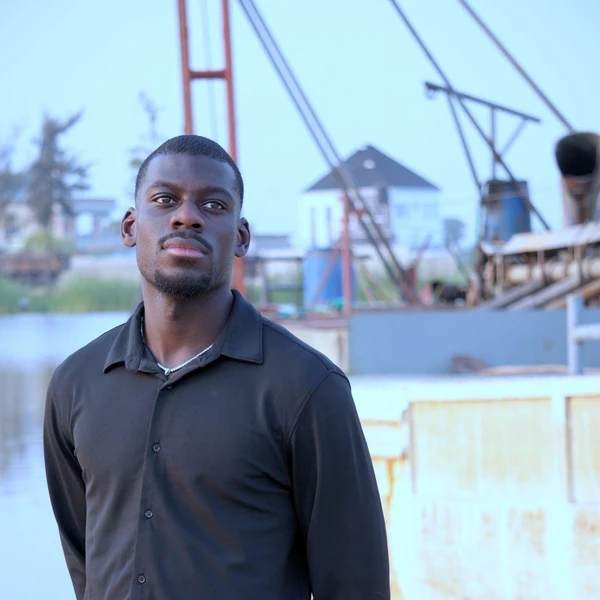
user profile avatar

Davis Mungomba

1x

Finalist

Bio

My name is Davis Mungomba, and I am currently pursuing an MBA at Seattle University. I studied Business Management during my undergraduate years and have always been drawn to understanding how businesses grow, how decisions shape long-term outcomes, and how leadership can turn ideas into real opportunities. During my time at Seattle University, I was also a member of the men’s soccer team. Competing as a student-athlete taught me discipline, resilience, and the value of teamwork. Balancing academics, athletics, and personal development pushed me to grow not only as a student but also as a person who is comfortable working hard toward long-term goals. My professional interests are centered around business development, entrepreneurship, and real estate, particularly industrial real estate. I am motivated by the idea of building ventures and investments that create long-term value and opportunities for others. Through my education and experiences, I am working toward a future where I can combine strategic thinking, discipline, and leadership to build meaningful businesses and contribute to economic growth. Outside of academics and professional goals, I value continuous learning, personal growth, and staying active. I approach challenges with the mindset that progress comes from preparation, consistency, and the willingness to improve every day.

Education

Seattle University

Bachelor's degree program
2023 - 2025
  • Majors:
    • Business, Management, Marketing, and Related Support Services, Other
  • GPA:
    3.2

Seattle University

Master's degree program
2023 - 2027
  • Majors:
    • Business, Management, Marketing, and Related Support Services, Other

Miscellaneous

  • Desired degree level:

    Master's degree program

  • Graduate schools of interest:

  • Transfer schools of interest:

  • Majors of interest:

    • Business, Management, Marketing, and Related Support Services, Other
  • Not planning to go to medical school
  • Career

    • Dream career field:

      Executive Office

    • Dream career goals:

      Sports

      Soccer

      Club
      2007 – Present19 years

      Future Interests

      Politics

      Volunteering

      Entrepreneurship

      Ethel Hayes Destigmatization of Mental Health Scholarship
      My experience with mental health has mostly shaped how I deal with pressure, expectations, and myself. There have been times where I felt overwhelmed—not just from school or responsibilities, but from trying to keep everything together and still perform at a high level. What I’ve learned is that mental health isn’t always about big breakdown moments. Sometimes it’s the small things building up: stress, overthinking, pressure to do well, or feeling like you always have to be “on.” Over time, I had to learn how to slow my mind down and be more honest with myself about what I can and can’t handle at once. Instead of trying to push through everything in the same way, I started focusing more on balance—rest, structure, and giving myself space to reset when needed. That shift made a big difference in how I show up in school, sports, and life in general. Being part of the men’s soccer team at Seattle University also played a role in that growth. In high-pressure environments, it’s easy to get caught up in nerves or overthinking. Before games, I used to feel that a lot. What helped me was learning to bring myself back to the basics—trusting my preparation and reminding myself of all the work I had already put in. That helped me stay more grounded instead of letting anxiety take over. In relationships, this has made me more understanding and patient. I’ve realized that everyone deals with stress in different ways, even if it’s not always visible. Because of that, I try to be more present and less quick to judge what someone else might be going through. I’ve also learned that real relationships are not just about being strong all the time—they’re about being honest and supporting each other through different phases. My understanding of the world has also changed. I don’t see pressure or struggle as something unusual anymore—they’re part of life. What matters more is how you respond to them and what you learn from them. Mental health has taught me that success isn’t just about performance; it’s also about sustainability and how well you take care of yourself while pursuing your goals. Overall, it’s helped me become more grounded, more aware of myself, and more intentional about how I move through life.
      Learner Math Lover Scholarship
      I wouldn’t say I “love math” in a flashy way, but I’ve always respected it because it’s one of the few things in life that stays consistent. No matter what’s going on around you, the answer is either right or wrong, and you get there through logic, not guesswork. What I like most about math is the process. You’re given something that looks complicated at first, and you break it down step by step until it actually makes sense. It’s similar to real life in that way. A lot of problems feel overwhelming until you slow down and deal with them piece by piece. Math also taught me discipline. You can’t really fake your way through it. If you don’t put in the practice, it shows. I’ve learned that the more I practice, the more confident I become, and that confidence comes from preparation, not luck. Being part of the men’s soccer team at Seattle University reinforced that same idea for me. Before games, I used to get nervous and overthink things. What helped me was focusing on all the preparation I had already done—the repetitions, the training, the work behind the scenes. Math feels similar: you trust the work you’ve put in, and then you execute. Overall, I like math because it rewards consistency. It’s not about being perfect right away—it’s about putting in effort, improving over time, and getting better through repetition.
      Tawkify Meaningful Connections Scholarship
      Option 1: Relationships & Impact One of the most meaningful relationships in my life has been the relationships I’ve built through being part of the men’s soccer team at Seattle University. At first, I thought it would just be about playing the sport and competing at a high level. But over time, it became something much deeper than that—it became about trust, accountability, and learning how to connect with people from completely different backgrounds. Being on a team like that puts you in a space where you can’t succeed alone. You learn quickly that everything is connected. If one person is not locked in, it affects the whole group. That reality naturally builds responsibility, but it also builds relationships. You start to understand people not just as teammates, but as individuals with different stories, personalities, and ways of handling pressure. One of the biggest things I learned through these relationships is how important communication really is. It’s not always about saying a lot—it’s about saying the right things at the right time. On the field, that could mean giving someone confidence after a mistake or staying calm in a high-pressure moment. Off the field, it meant learning how to support people in a more real and honest way. Over time, I realized that strong relationships are built in small moments, not just big ones. This experience also changed how I approach building connections outside of soccer. I became more intentional about how I communicate with people, how I listen, and how I show up. I learned that people don’t just remember what you say—they remember how you make them feel. That mindset has helped me build better relationships in school, group work, and everyday interactions. There was also a personal shift that came from these relationships. Early on, I used to feel pressure before games and situations, and I would overthink a lot. But being around teammates helped me understand that I wasn’t alone in that feeling. Everyone deals with pressure in different ways. What helped me grow was learning to trust the people around me and also letting them trust me. Before games, I learned to calm myself by focusing on preparation—the work we all put in together. That preparation built confidence not just in myself, but in the whole group. Over time, I started applying that same idea to life in general. Relationships are built the same way—through consistency, trust, and shared effort. Whether it’s friendships, teammates, or professional connections, the strongest relationships are the ones where both sides show up consistently and support each other through challenges. Moving forward, I carry these lessons into how I want to build relationships in my future career as well. I want to be someone people can rely on—someone who communicates clearly, stays consistent, and contributes positively to any environment I’m part of. In business and in life, relationships matter just as much as skills, because opportunities often come through trust and connection. At the end of the day, the relationships I’ve built through soccer have shaped how I see people. They taught me that real connection takes time, effort, and consistency. And those are the same values I try to bring into every relationship I build moving forward.
      Ruthie Brown Scholarship
      I’m approaching student loan debt with a long-term and very realistic mindset. I don’t see it as something to ignore or stress over without direction—I see it as something I need to plan for early and handle with discipline over time. Right now, while I’m still in school, my focus is on being intentional with my financial decisions. That means managing my spending carefully, avoiding unnecessary debt, and staying aware of how small financial habits now can affect my future. I’ve learned that financial responsibility isn’t something that starts after graduation—it starts while you’re still in school, in how you carry yourself day to day. My main plan after graduation is to enter the business world in a role where I can build both income and experience at the same time. I’m especially interested in areas like business development, operations, and real estate because I see long-term growth potential there. My goal is to build a career path where I’m not just earning to survive, but growing into roles that increase my earning power over time. That way, I can consistently manage loan repayment while still investing in my future. When it comes to repayment, I plan to be consistent and proactive. That means not delaying payments unnecessarily, staying informed about repayment options, and treating it as a priority rather than something I push aside. I understand that student loans don’t disappear on their own, and the earlier you take control of them, the more manageable they become over time. A big part of how I think about this comes from being a student-athlete on the men’s soccer team at Seattle University. That experience taught me discipline in a very real way. In soccer, you don’t improve from one big moment—you improve from showing up every day, doing the work, and staying consistent even when it’s not easy. I used to get nervous before games and overthink everything, but I learned to handle that by focusing on all the preparation I had already put in. That mindset—trusting preparation and staying consistent—has carried into how I approach everything, including finances. I also try to look at student debt from a growth perspective rather than a negative one. It’s a responsibility, yes, but it’s also a reminder to stay focused and build something meaningful with my career. My goal is to put myself in a position where I’m increasing my earning potential over time, so repayment becomes a steady process rather than a burden that feels overwhelming. In the long term, I don’t just want to pay off debt—I want to build financial stability. That means creating a career that allows me to grow, make smart decisions, and eventually move into opportunities where I can also invest and build wealth responsibly. I see this as a step-by-step process, not something that happens overnight. Overall, my approach is simple: stay disciplined, build a strong career foundation, make consistent payments, and keep growing professionally so that I’m always moving forward.
      New Beginnings Immigrant Scholarship
      I don’t always lead with the word “immigrant,” but it is part of my story and it has shaped how I see everything. Coming to the United States meant adjusting to a completely new environment—new systems, new expectations, and a new way of doing things. At first, it wasn’t just exciting, it was also a bit overwhelming. You realize quickly that even simple things like communication, academics, and daily routines can feel different. You have to adapt fast, not because someone forces you to, but because you know your future depends on how well you adjust. One of the biggest lessons I learned through that experience is independence. You start figuring things out on your own, whether it’s school, opportunities, or just learning how to navigate life in a new place. There are moments where you feel like you’re building everything from the ground up. But over time, that becomes your strength. You stop waiting for perfect conditions and start working with what you have. Being an immigrant also taught me how to stay focused on long-term goals. You don’t just think about where you are now—you think about where you want to end up. That mindset is a big reason why I decided to pursue higher education and now my MBA at Seattle University. I see education as the tool that helps turn ambition into something real and structured. My career aspirations are centered around building something meaningful in the business world. I’m especially interested in entrepreneurship, business development, and real estate. I like the idea of creating something that has a long-term impact—whether that’s a business, an investment, or a project that helps communities grow. For me, success is not just about personal achievement, but about building something that creates opportunities for others too. A big part of my mindset comes from my experience as a student-athlete on the men’s soccer team at Seattle University. Soccer taught me how to handle pressure and trust preparation. Before games, I used to get nervous and overthink everything. What helped me was reminding myself of all the work I had already put in—the training, the repetition, the preparation. Once I focused on that, I started playing with more confidence. That same mindset carries over into my academic and career goals. Looking ahead, I want to continue building experience in business after graduation and eventually move into roles where I can grow, lead, and create value. I want to be in environments where I’m learning how to build systems, manage projects, and make decisions that have long-term impact. Over time, my goal is to take that experience and use it to create something of my own. Being an immigrant has shaped me in a way that I don’t take opportunities for granted. It has made me more disciplined, more aware, and more motivated to build a future that is stable and meaningful. Everything I’m working toward now is rooted in that experience—learning how to turn challenges into growth and ambition into action.
      Julie Holloway Bryant Memorial Scholarship
      I’m currently an MBA student at Seattle University, originally coming from a background in Business Management. Over time, I’ve developed a strong interest in how businesses grow, how decisions are made behind the scenes, and how long-term value is created through strategy and leadership. Right now, I’m focused on building a strong foundation in business so I can take on opportunities that involve entrepreneurship, real estate, and business development after graduation. Post-graduation, my plan is to step into the business world in a role where I can gain real experience in operations, strategy, or investment-related work. My long-term goal is to eventually build and be part of ventures that create real, lasting value—especially in industries like real estate where you can see the direct impact of what you build over time. I want to grow into a position where I’m not just working in business, but actually helping shape and create opportunities for others through it. My first language is English, but I am multilingual, which has played a big role in how I communicate and see the world. Being able to speak multiple languages has helped me connect with different people more easily and understand perspectives that go beyond my own background. It has also made me more patient in communication, because you become more aware that not everyone expresses ideas in the same way. At the same time, being multilingual comes with challenges. Sometimes it takes extra effort to find the right words or fully express complex ideas, especially in formal or academic settings. There are also moments where switching between languages or adjusting to different communication styles can take time and focus. But those challenges have actually helped me become a better listener and a more thoughtful communicator overall. One of the biggest benefits of being multilingual is adaptability. You learn how to adjust depending on who you’re speaking with, and that skill carries over into school, teamwork, and professional environments. It has also helped me feel more comfortable in diverse environments, which is something I’ve experienced a lot through my time at Seattle University. Being part of the men’s soccer team has also strengthened my ability to work with people from different backgrounds. It taught me how important communication and trust are, especially in high-pressure situations. Before games, I used to get nervous, but I learned to manage that by focusing on all the preparation I had done. That mindset helped me trust myself and communicate better with my teammates when it mattered most. Overall, I see my multilingual ability and my educational journey as connected. Both have helped me become more open-minded, disciplined, and aware of how important communication is in building strong relationships and strong teams. As I move forward after graduation, I want to use these skills in a business environment where I can continue learning, growing, and contributing to something meaningful.
      Bulkthreads.com's "Let's Aim Higher" Scholarship
      What I want to build is stability—not just for myself, but for the people and communities around me. Growing up, I learned pretty early that stability is not something you can take for granted. Things don’t always come easy, and sometimes you have to figure things out with limited resources and no clear roadmap. That shaped the way I think. It made me more intentional, more focused, and more aware that if I want something long-term, I have to build it step by step. Right now, I’m building my future through my education. I’m pursuing my MBA at Seattle University, and for me, that’s not just about getting a degree. It’s about building knowledge, discipline, and the ability to make better decisions in business and in life. I’m using this time to develop myself into someone who can understand how systems work—how businesses grow, how opportunities are created, and how long-term value is built. At the same time, I’m also building my mindset through discipline and consistency. Being part of the men’s soccer team at Seattle University played a big role in that. One of the biggest things I learned is how to deal with pressure. Before games, I used to get nervous and overthink everything. What helped me was reminding myself of all the preparation I had already done—the training, the repetition, the work behind the scenes. That gave me confidence. It taught me that what you build in private shows up when it matters most. That lesson applies directly to how I want to build my future. I don’t want to rely on luck or short-term decisions. I want to build something solid through consistency, patience, and long-term thinking. My goal is to go into areas like entrepreneurship and real estate, where you’re not just thinking about quick results, but about long-term impact. I want to be involved in building things that last—businesses, investments, and opportunities that create value over time. But beyond personal success, what matters most to me is impact. I want to build something that helps others as well. Coming from a background where stability wasn’t always guaranteed, I understand how much of a difference opportunity can make. I want to be in a position where I can create those opportunities for other people—whether that’s through jobs, mentorship, or investing in communities that don’t always get attention. For me, building my future is not just about reaching a certain title or income level. It’s about becoming someone who is reliable, disciplined, and able to create positive change through the things I’m involved in. It’s about building a life where I can look back and know I didn’t just focus on myself—I built something that mattered. That’s what I’m working toward every day: building stability, building discipline, and building a future that has impact beyond just me.
      Jerrye Chesnes Memorial Scholarship
      Going back to school wasn’t just a smooth transition for me. It came with real challenges that forced me to adjust, reset my habits, and rebuild my discipline in a more intentional way. One of the biggest challenges was getting back into a consistent academic rhythm. Once you step away from school for any period of time, it takes effort to get used to deadlines, studying again, and managing a structured workload every day. At first, it felt overwhelming trying to balance everything at once. Time management was one of the first things I really had to improve. I was balancing school, soccer, and personal responsibilities, and there were moments where it felt like everything was happening at the same time. I had to learn how to plan my days better and actually stick to that structure instead of just hoping things would work out. That required discipline, especially on days when I was tired or not fully motivated. Another challenge was mental pressure. When you return to school, especially at a higher level, there’s an expectation to perform well right away. At first, I found myself overthinking things and trying to make everything perfect. That mindset actually made things harder. Over time, I realized I needed to focus more on consistency and effort instead of perfection. Once I made that shift, I became more comfortable with the process of learning instead of stressing about outcomes. Being part of the men’s soccer team at Seattle University helped me a lot during this transition. Balancing athletics and academics is not easy. There are early mornings, training sessions, games, and travel, while still needing to stay on top of school. Soccer taught me structure whether I wanted it or not. If I didn’t manage my time properly, everything would fall behind quickly. One of the biggest lessons I learned through soccer is how to handle pressure. Before games, I used to get nervous and start overthinking everything. What helped me overcome that was simple but powerful—I started reminding myself of all the preparation I had already put in. Every practice, every repetition, every training session built my confidence. Once I focused on that, I stopped letting nerves take over and started trusting my preparation. That mindset also carried over into school and life outside of sports. Another challenge I faced was becoming more independent in my learning. At this level, no one is constantly reminding you what to do. You have to take ownership of your education. That meant staying ahead of assignments, being consistent with readings, and holding myself accountable even when motivation was low. It pushed me to become more self-disciplined. There were also moments of doubt, especially when things got busy or when I felt like I wasn’t moving as fast as I wanted. But I learned that doubt doesn’t help much—you have to focus on action. I started breaking things down into smaller steps and focusing on what I could do each day instead of worrying about everything at once. Overall, returning to school has been a process of growth. It has taught me discipline, patience, and how to stay consistent even when things are difficult. It wasn’t easy getting back into the rhythm, but every challenge helped me build better habits and a stronger mindset. These are lessons I know will continue to help me not just in school, but in my future career as well.
      Lotus Scholarship
      Growing up in a low-income household taught me early that nothing is guaranteed. If I wanted something, I had to be intentional about it and willing to work for it. It also made me more aware of responsibility at a young age, because you start understanding that every decision matters when resources are limited. At times, it was frustrating seeing how different things were for other people, but I learned not to stay in that mindset. Instead, I focused on what I could control—my effort, my discipline, and my consistency. That shift changed everything for me. Being part of the men’s soccer team at Seattle University strengthened that mindset. Before games, I used to get nervous and overthink. What helped me was reminding myself of all the preparation behind me—the practices, the reps, the work. That’s what gave me confidence to perform. That same mindset now drives how I approach my future. I want to use my education to build stability for myself and eventually create opportunities for others who come from similar backgrounds. I’m working toward that every day through discipline, consistency, and staying focused on long-term goals.
      Marie J. Lamerique Scholarship for Aspiring Scholars
      There wasn’t one single moment where everything changed for me. It was more like a pattern growing up—situations where things felt uncertain, where I realized early that not everything in life would be stable or guaranteed. That kind of environment forces you to grow up a little faster. You start paying attention to things other people might not think about yet—like responsibility, pressure, and what it really takes to move forward when things aren’t ideal. One moment that sticks with me wasn’t dramatic on the outside, but it shifted something in me internally. I remember realizing that if I wanted to go somewhere in life—whether in school, sports, or later in my career—I couldn’t wait for the “right” situation. There was no perfect setup coming. No moment where everything would suddenly be easy. I had to work with what I had and make something out of it. At the time, that realization was frustrating. It’s not easy looking around and seeing that other people might have more stability or fewer obstacles. It makes you question things. But instead of letting that turn into an excuse, I slowly started changing how I approached things. I focused more on what I could control. I became more disciplined with my time, more intentional with my effort, and more focused on long-term goals instead of short-term comfort. Soccer played a big role in shaping that mindset. Being part of a competitive team environment showed me that pressure is unavoidable—you either learn how to handle it, or it controls you. I remember before games, I used to get really nervous. My mind would race, and I’d start overthinking everything. What helped me break out of that was something simple but powerful: I started reminding myself of all the work I had already put in. Every practice, every repetition, every time I showed up when I didn’t feel like it—that was proof that I was prepared. Once I shifted my focus to that, the nerves didn’t disappear, but they stopped controlling me. I learned to trust my preparation. That lesson went far beyond soccer. It changed how I approach challenges in general. Instead of worrying about everything that could go wrong, I focus on what I’ve done to prepare and what I can continue to improve. It gave me a sense of control, even in uncertain situations. Growing up in an environment where things weren’t always predictable also taught me resilience. You learn how to adapt quickly. You learn how to stay steady even when things around you aren’t. And most importantly, you learn that progress doesn’t always happen in a straight line. Sometimes it’s slow, sometimes it feels like you’re not moving at all, but as long as you stay consistent, things start to build over time. That experience has shaped the way I think about my future. I don’t expect things to be easy, and I don’t rely on perfect conditions. I focus on preparation, consistency, and staying disciplined even when results aren’t immediate. Whether it’s in my education, my career, or personal goals, I approach everything with the mindset that I have to build it step by step. It also gave me a deeper motivation. I want to create stability—not just for myself, but eventually for others as well. Knowing what it feels like to deal with uncertainty pushes me to build something more solid in the future. That’s part of what drives my ambition in business and my long-term goals. Looking back, I don’t see those challenges as something negative. They were uncomfortable, but they forced me to grow. They taught me how to think, how to adapt, and how to keep moving forward even when things aren’t clear. And that’s something I carry with me in everything I do now.
      Spirit of Wenatchee Aviation Scholarship
      I didn’t grow up saying I wanted to work in aviation. It wasn’t something I had mapped out early. What I did know, though, is that I’ve always been drawn to environments where things have to be done right—where preparation matters and where you’re held to a high standard. Over time, I started realizing that aviation is exactly that kind of field. What interests me most about aviation isn’t just flying—it’s the level of responsibility behind everything. Every system, every decision, every process has to work together. There’s no room for guessing or cutting corners. That’s something I respect, because it aligns with the kind of person I’m trying to become. I want to be in a space where discipline, focus, and consistency aren’t optional—they’re expected. Right now, I’m pursuing my MBA at Seattle University, and I see aviation as an industry where I can apply what I’m learning in a real, practical way. Aviation is more than planes—it’s operations, logistics, coordination, and global movement. It connects people and businesses across the world. That’s what draws me in from a business perspective. I’m interested in the operational and management side, where decisions directly impact how efficiently things run. A big part of my mindset comes from being on the men’s soccer team at Seattle University. Playing at that level taught me how to deal with pressure in a real way. Before games, I used to get nervous and overthink everything. What helped me get past that was reminding myself of all the reps I had already put in—the hours of training, the small details I worked on every day. Once I focused on that, I stopped doubting myself and started trusting my preparation. That shift changed how I approach challenges, not just in sports but in everything I do. That same mindset is what draws me to aviation. It’s an environment where preparation shows up in performance. You don’t rely on luck—you rely on the work you’ve already done. That’s the kind of standard I want to be part of. When it comes to community, my involvement has mainly been through my team and my role as a student. Being a student-athlete means you’re part of something bigger than yourself. You represent your school and your teammates, and you’re expected to show up prepared every day. It teaches accountability in a real way, because your actions affect the group. That experience shaped how I approach responsibility and how I work with others. Outside of that, I try to contribute by being consistent and reliable in the environments I’m part of, whether that’s in class, group projects, or team settings. To me, community involvement isn’t only about formal roles—it’s about how you show up and contribute to the people around you. Looking ahead, I want to build a career that combines my business background with industries that require strong systems and precision. Aviation is one of those industries. Whether I work directly in aviation or in a related field like logistics, my goal is to be part of something that operates at a high level and has real impact. At the end of the day, my interest in aviation comes down to one thing: I respect the standard it demands, and I want to build a career where I’m held to that same level every day.
      Davis Mungomba Student Profile | Bold.org