user profile avatar

David Prado

1x

Finalist

1x

Winner

Bio

My goals in life are to become a CRNA. To become one I must first get my BSN then get two years of experience in the ICU, After this is completed then I can apply to a CRNA program to get my CRNA license . My interest include helping others , taking care of others when they are in need , overall I want to make a change through the medical field.

Education

Forest Park High School

High School
2022 - 2026

Miscellaneous

  • Desired degree level:

    Bachelor's degree program

  • Majors of interest:

    • Biological and Biomedical Sciences, Other
    • Biology, General
    • Behavioral Sciences
  • Not planning to go to medical school
  • Career

    • Dream career field:

      a

    • Dream career goals:

      CRNA

      Sports

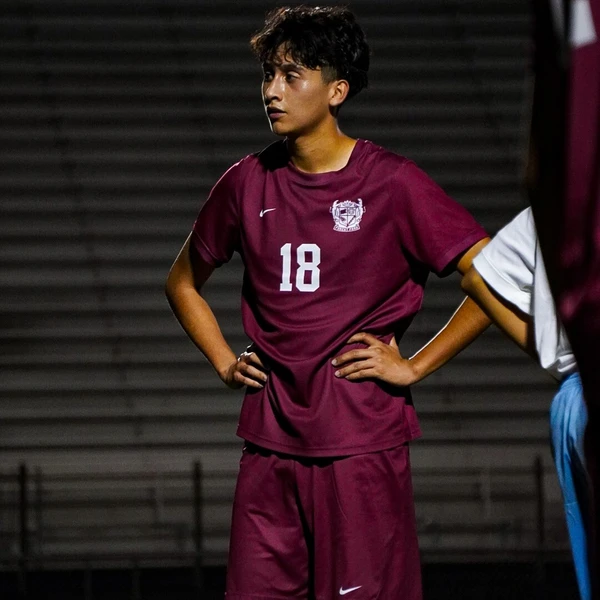
      Soccer

      Varsity
      2025 – Present1 year
      Dr. Michal Lomask Memorial Scholarship
      My passion for STEM comes from my love for how things work and using that knowledge to make a difference in the real world, like helping others. When it comes to STEM, for me it is just not about memorizing the work but it's about using that to solve problems that affect people every day, especially in the healthcare field. As someone who is planning to become a nurse and then eventually become a CRNA, I started to see how STEM, mainly math and science, aligns with my pathway. It's not about biology or human anatomy in books but how the human body responds to medication, how vitals can change, and how small decisions can cause big impacts on someone's life. Being responsible and being able to help someone who needs it, is what drives me in STEM. I want to be the backboard for others and be there when they need someone to lean on and rely on. Peer Facilitation, a program that I was a part of has played a big role in shaping my passion. Working with students who are in special education showed me that everyone learns differently and goes through different challenges. It made me realize how important problem-solving and being able to adapt to certain situations are core skills that are a part of STEM. Explaining things to others or even helping others with tasks helped me learn how important thinking is and how it's not just academically related but practical. In addition to being part of an organization like HOSA ( Future Health Professional) has allowed me to experience healthcare beyond the classroom. From presentations and health-related activities like physical health awareness, I have seen how STEM knowledge can be used to inform others and bring awareness to communities. It is important to be educated but it's more important to be able to apply that in real life to make a difference. What really intrigues me about STEM is that it's always evolving. There are constant changes in medicine, technology, and engineering, which means there's always something to learn. I enjoy this change because I have never really been interested in careers where there is no room to grow. I don't want to be stuck doing the same thing every day, I want to improve and stay engaged. Overall, my passion for STEM comes from a combination of being curious, being able to make a difference with it, and being aligned with my future goals in healthcare. I’m driven by the idea that knowledge can be used to make changes like saving lives, supporting others, and making a difference. STEM is not just science, technology, engineering, and mathematics, it's a foundation for my future and for the life I want to create.
      Scorenavigator Financial Literacy Scholarship
      Growing up, my experience with finances hasn’t really come from classes, but more from real life situations and I learn as I go. I’ve seen how money can impact opportunities, stress levels, and overall stability. So, because of that, I’ve started to realize how important it is to understand how to manage money, budget, save, and just to be wise when spending money. For me, financial education hasn’t been something that was deeply taught in school. Most of what I know comes from observing others, making small purchases with my money, a program called everfi , and trying to be more aware of spending. For example, when I get money, whether it’s from working with my dad or getting money from my family, I try to think more about saving it instead of spending it all. I’ve also started paying attention to things like budgeting, because I know habits like these are really important to understand when you're younger, so you don't end up in a financial situation. I know there’s still a lot I don’t know like credit, investing, and long-term financial things. I’ve realized that not understanding these things can lead to financial burden, so I want to be more prepared. Financial education isn’t just about having money, but it is about being wise with your money and understanding your financial situation and to prioritize buying goods over wants. Looking into the future, I plan to use what I learn about finances to create a stable life for myself and my family. Since I want to go into the medical field to become a nurse and then a CRNA, I know my career will require a lot of education, which also means financial responsibility because of the student loans. I want to be able to learn more about managing student loans, saving money, and investing so I can build a secure future for my family. I also want to use my knowledge to help others. Whether it’s my family or people in my community, I want to be someone who can share knowledge to the younger adults and encourage better financial habits. Just like other forms of education, financial literacy can create more opportunities and reduce stress, especially for people who may not have had access to that knowledge growing up. Overall, my experience with finances is still developing, but I’ve already learned that being aware and wise with money is important. By continuing to learn and apply financial skills, I plan to build a future that is not only successful, but also stable and secure.
      S.O.P.H.I.E Scholarship
      Helping my community has mostly come from the places I’m already part of, like my school, my peers, and the people I interact with every day. Through my involvement in programs like Peer Facilitation, HOSA (Future Health Professionals) and TSA (Technology Student Association), along with volunteering at blood drives for the Red Cross, I’ve been able to support others in ways that are really meaningful, which left an impression on me. One of my most important experiences has been being part of a program called Peer Facilitation. In this program, I work closely with special education students, helping them develop real life job skills and guiding them through different tasks like selling goods and services. My position in this program is a leadership role by supervising, assisting, and making sure they feel supported and included. This has taught me patience, responsibility, and how to communicate with people who may learn or work differently than I do. Even with that being stated the most important thing that I learned was how to create an environment where everyone can feel like they belong there. I have also taken part in HOSA, which is a student-based organization whose aim is to prepare students for their future careers in healthcare through leadership, education, and experiences. In HOSA, I was part of activities related to health and awareness within the community. There are some activities that I am proud of doing like helping my group to make a presentation about physical health awareness that was presented to the students and others in my community that came to STEM night. I helped spread awareness on how important it is to be physically active and to stay fit. I also worked as a volunteer during blood donation events. In addition, I’ve been involved with another student-based organization called TSA, where I helped with advertising and promoting events. This role allowed me to contribute behind the scenes by making sure people were informed and encouraged to participate. It showed me that helping a community isn’t always about being the center of attention, but it is about being the one who supports the system that helps bring the community together. Looking forward, I want to continue building on these experiences more in the healthcare way and giving back in ways that connect to my future goals. I plan to become a nurse and eventually a CRNA, and I want to use that career to directly impact people in my community. One idea I have is to be involved in or help create local health programs that offer things like free screenings, wellness events, or educational workshops that help people better understand their health. A lot of people don’t always have access to information or the correct resources, so even simple things like teaching about physical health, prevention of diseases, or even basic care can make a huge difference. I also want to continue supporting equality, especially for individuals with disabilities, by creating environments where they feel supported and included. My experience in Peer Facilitation showed me how important that is, and I want to carry that mindset into healthcare by treating every patient with respect they deserve and understanding. Overall, my participation in these activities has shown me that community impact doesn’t always come from one big action, but from consistently trying to make that difference and not giving up. As I move forward, I want to keep building on what I’ve started and use my future career in healthcare to make an even bigger difference in people’s lives.
      Bettie Lott and Vera Times Public Health Scholarship
      Winner
      One major health issue in my community that I think is important to address is sleep deprivation that is experienced by teenagers in my community. Many teenagers in high schools are unable to get enough sleep due to their busy schedules, work, and excessive use of technology. I believe this health issue is important to me because I feel it, and I see it every day. It has become common to find teenagers coming to school tired, unable to focus, and feeling pressured by their busy schedules. Teenagers are recommended to get between eight and ten hours of sleep each night, but they are unable to get even half of that. The early start time of schools, combined with piles of work, forces them to stay awake late at night, either doing their homework or studying for exams. Additionally, social media and spending time on screens can cause them to stay awake for more time than what was expected. So, they end up going to bed late and waking up early in the morning to get to school on time. The effects of this problem can go beyond just feeling tired. Sleep deprivation, for instance, can affect students' concentration, how they retain information, and how they perform well academically. In many classrooms in my community, it is common to find students having a hard time staying awake or having the energy to fully engage in class. Sleep deprivation over time can lead to negative effects on the mental well-being of students. When the students are constantly tired, it becomes hard for them to succeed. This issue is very important to me because I can see the effort that many of my classmates put into succeeding. Students in my community are often juggling hard courses like dual enrollment, and extracurricular activities. Even though ambition and work ethic can be seen as amazing character traits, they should not come at the expense of a student’s well-being. Sleep deprivation is a problem that needs to be solved to allow a student to reach their full academic potential. A good possible solution to this problem could be to delay the start time of schools to allow students to get enough sleep. It has been proven that if the start time of schools is delayed to later on, it can improve the alertness, performance, and mood of students. Another solution could be to educate students about the importance of getting enough sleep by not using screens before going to bed. Educating students through presentations can be an effective way to promote more sleep. Schools can also have wellness programs, which can include stress management and time management. In conclusion, sleep deprivation among teenagers is a major public health issue within my community. Sleep deprivation has a major effect on the physical and mental well-being, as well as academic performance, of students. Therefore, by raising awareness, adjusting school hours, and promoting healthy behaviors, a community can be created where students like myself can be helped to reach our academic goals and potential.