
Hobbies and interests
YouTube
Youth Group
Anime
Artificial Intelligence
Art
Athletic Training
Babysitting And Childcare
Baking
Band
Bass
Bible Study
Business And Entrepreneurship
Board Games And Puzzles
Exercise And Fitness
Comedy
Social Media
Sports
Track and Field
Music
Reading
Business
Literary Fiction
Literature
Science Fiction
Christian Fiction
Realistic Fiction
Action
I read books multiple times per week
David Moore
1x
Finalist
David Moore
1x
FinalistBio
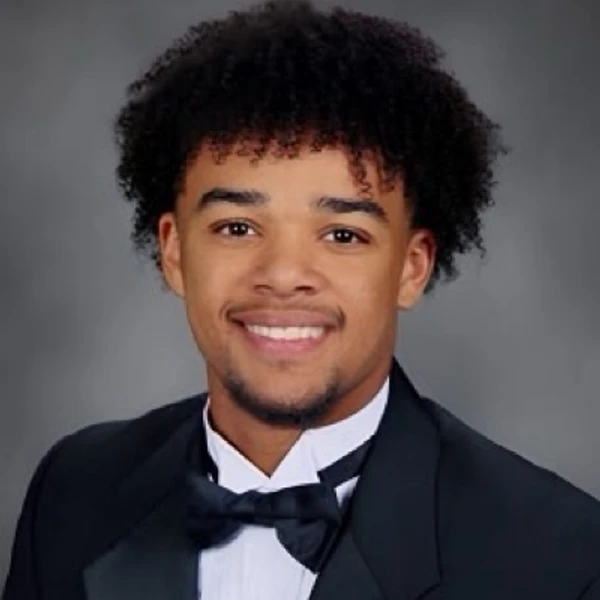
David Moore is a student leader, athlete, and musician focused on discipline, growth, and service. He is a senior at Innovation High School and a dual enrollment student at Valencia College, maintaining a 4.6 weighted GPA while completing advanced coursework.
As varsity football captain, he earned Team MVP for leadership and consistency, leading his team through its first season in school history while building a culture of accountability and daily improvement. He leads by example and steps up in key moments. He also serves on his student council, improving school life and representing student voices.
He was recognized in the College Board National Recognition Program and the African American Recognition Award for academic excellence. He completed a NASA Project internship focused on rocket launch safety and efficiency, strengthening problem-solving skills through hands-on innovation.
As a self-taught bass guitarist and worship leader, he leads performances and organizes rehearsals for events with 150+ students, building confidence, composure under pressure, and leadership.
He has completed over 100 hours of church service through youth programs, music ministry, and outreach, including a mission trip to Cuba. He also coaches young football players and mentors youth.
Across academics, athletics, music, and service, he leads with initiative and purpose, focused not only on achievement but on lasting impact.
Education
Valencia College
Associate's degree programMajors:
- Music
- Entrepreneurial and Small Business Operations
Minors:
- Music
- Business, Management, Marketing, and Related Support Services, Other
Innovation High
High SchoolMiscellaneous
Desired degree level:
Master's degree program
Graduate schools of interest:
Transfer schools of interest:
Majors of interest:
- Entrepreneurial and Small Business Operations
- Business, Management, Marketing, and Related Support Services, Other
- Music
Career
Dream career field:
- Entreprenurship
Dream career goals:
Team member
Chick-fil-a2025 – Present1 year
Sports
Football
Varsity2021 – Present5 years
Awards
- 2X Team MVP
Arts
Ensemble, Jazz Band, Worship Band
MusicWorship Night2020 – Present
Public services
Volunteering
Cityplace Chrch — Team member2016 – Present
Future Interests
Volunteering
Entrepreneurship
Treye Knorr Memorial Scholarship
One of the most powerful ideas I have ever heard is, “If you can dream it, you can do it.” At first, it sounds simple. Dream big, work hard, and success will follow. As I have grown older, however, I have learned that dreams are not destinations that magically appear. They are blueprints. They give us a vision of where we want to go, but it is determination, faith, and discipline that turn those dreams into reality.
I am a high school senior, student-athlete, leader, and the son of two pastors. Throughout my life, I have been blessed with people who encouraged me to dream beyond my current circumstances while also teaching me that dreams require action. Whether in the classroom, on the football field, at church, or in my community, I have learned that success is built one decision at a time.
Football has been one of the greatest teachers in my life. As a varsity football captain, I have learned how to lead by example, persevere through adversity, and stay committed when results are not immediate. There are no shortcuts in sports. Every improvement comes from hours of practice, sacrifice, and preparation. The lessons I have learned through athletics have carried over into every area of my life, especially my education. While football has given me opportunities, my parents always made it clear that academics come first. Because of that mindset, I have challenged myself through rigorous coursework, dual enrollment classes, and maintaining strong academic performance while balancing the demands of athletics and extracurricular activities.
One of my greatest strengths is determination. When I set a goal, I am willing to work for it long after the excitement of setting the goal has faded. At the same time, one of my weaknesses has been learning to balance my desire for achievement with patience. I often want to see results immediately, but life has taught me that meaningful growth takes time. The strongest foundations are built slowly, and success is rarely overnight.
My faith has also played a significant role in shaping who I am. Growing up in a Christian household and serving in my church has taught me that leadership is not about recognition but about service. Whether helping in worship ministry, supporting community outreach efforts, or encouraging teammates, I have learned that true success is measured not only by what we accomplish for ourselves but by what we do for others.
Looking toward the future, I aspire to become an entrepreneur. I want to create businesses that solve problems, create opportunities, and positively impact the communities they serve. I am fascinated by innovation and the ways business can be used as a force for good. More importantly, I want to build a legacy of integrity, character, and service. I hope to inspire others to pursue their own dreams and to believe that their circumstances do not determine their future.
Pursuing higher education is an essential step toward achieving those goals. However, the cost of college presents a significant challenge. This scholarship would help alleviate some of that financial burden and allow me to focus more fully on my education, leadership development, and future aspirations. It would not simply be an investment in my academic journey; it would be an investment in the future impact I hope to make through entrepreneurship, community service, and leadership.
“If you can dream it, you can do it” is more than a quote to me. It is a philosophy that has guided my life. My dream is to earn a college education, become a successful entrepreneur, and use my gifts to serve others. Through hard work, faith, and determination, I am committed to turning that dream into reality and helping others do the same.
Khalil Mack 52 Scholars Program
Every race has a finish line, but the best runners know something important: you do not stop when you reach it. You run through it. If you slow down too early, you lose momentum. If you stay focused and keep pushing, you often do not realize how far you have come until you are already beyond the line. To me, ambition works the same way.
As a high school football player, I have spent years learning what it means to work toward a goal that is bigger than myself. Long practices, early mornings, difficult workouts, and balancing athletics with academics have taught me discipline and perseverance. Football has helped shape who I am, but the lessons I have learned extend far beyond the field.
From a young age, my parents instilled a simple principle in me: school comes before sports. No matter how much I loved football, academics always came first. That mindset changed the way I approached every challenge. I learned that talent alone is never enough. Success comes from preparation, consistency, and a willingness to do the work even when nobody is watching. The same discipline that helps me succeed on the football field helps me excel in the classroom.
One of the biggest turning points in my life was realizing that football is not my destination. It is my foundation. The sport has given me opportunities, friendships, and unforgettable experiences, but more importantly, it has taught me how to handle adversity and stay committed when goals seem distant. Every sprint, every practice, and every challenge has reinforced the idea that meaningful accomplishments require sustained effort.
Those lessons have fueled my commitment to higher education. As I prepare for college, I understand that earning a degree will require the same determination that athletics demands. However, paying for college presents a significant challenge. Receiving this scholarship would help ease that financial burden and allow me to focus on pursuing my education and future career goals.
My ambition extends beyond earning a degree. I aspire to become a successful entrepreneur who creates opportunities for others and makes a positive impact in my community. Entrepreneurship requires many of the same qualities that sports develop: leadership, resilience, adaptability, and the confidence to take calculated risks. I want to build businesses that solve problems, serve people, and create lasting value. At the same time, I want my success to be measured not only by professional achievements but also by the character I demonstrate along the way.
As an African American student from Florida, I recognize the importance of using my opportunities to inspire others. I hope to show younger students that their circumstances do not define their future. Hard work, education, and strong values can open doors that once seemed impossible to reach.
Like a runner charging through the finish line, I refuse to stop when I achieve one goal. Every accomplishment is simply another marker on a longer journey. Football has taught me how to keep moving forward, education is preparing me for the future, and ambition continues to drive me ahead. My goal is not just to cross the finish line. My goal is to run through it and continue building a life defined by purpose, character, and service to others.
Corderius M. Webster Memorial Scholarship
When most people think of music, they think of notes, rhythms, and melodies. I think of colors.
To me, music is like painting a picture. Every note is a brushstroke, every rhythm adds texture, and every performance creates an image that tells a story. Long before I understood music theory or learned how to play bass guitar, I was inspired by the stories music could tell without speaking a single word.
My inspiration came through jazz. As I listened to musicians like Count Basie and Charles Mingus, I realized that jazz was more than entertainment. It was conversation. It was history. It was emotion transformed into sound. Each musician contributed their own voice, creating something unique while building on the voices that came before them. Jazz taught me that music has the power to connect people from different backgrounds and experiences through a shared story.
What inspired me most was the freedom found within jazz. There is structure, but there is also creativity. There are rules, but there is also room for personal expression. As a self-taught bassist, and strong black man, I found freedom in music. I spent countless hours learning songs, experimenting with different sounds, and discovering how music could communicate feelings that words sometimes cannot. Through that process, I learned patience, discipline, and confidence.
As I continue my musical journey, I want to make a difference through the stories I tell. Every person has experiences, struggles, victories, and dreams that deserve to be heard. Music gives those stories a voice. Whether I am performing in a church worship band, collaborating with other musicians, or creating original music, I want my work to inspire hope, encourage perseverance, and remind people that they are not alone.
I believe the most meaningful music does more than impress listeners. It helps them see themselves in the picture being painted. A melody can bring back a memory. A bass line can create a feeling of strength and determination. A song can inspire someone to keep moving forward during a difficult season of life.
My goal is to use music to create those moments. I want to paint pictures that encourage people, build community, and leave a lasting legacy. Just as jazz musicians inspired me through their creativity and storytelling, I hope to inspire others to embrace their own stories and recognize the value they bring to the world.
Music is more than sound. It is a canvas where emotions become colors, experiences become images, and stories come to life. Through music, I hope to continue painting pictures that make a positive difference in the lives of others.
Peter and Nan Liubenov Student Scholarship
When people think about being a positive force in society, they often imagine individuals who hold positions of power or have achieved extraordinary success. I see it differently. I believe positive change begins long before someone earns a title, starts a company, or gains influence. It begins with the choices we make every day and the impact those choices have on the people around us.
Today, I strive to be a positive force through leadership, service, and example. As a varsity football captain, I have learned that leadership is not about being the loudest voice in the room. It is about encouraging teammates when they are struggling, holding myself accountable before holding others accountable, and helping create a culture where everyone feels valued. The lessons I have learned on the field extend far beyond sports. Whether I am serving in my church, participating in student leadership, or helping classmates succeed, I try to leave people better than I found them.
My desire to serve others has been deeply influenced by my upbringing. As the son of two pastors, I grew up watching my parents dedicate their lives to helping others, often without recognition or reward. Their example taught me that true leadership is rooted in service. The most meaningful impact often comes from small acts of kindness, encouragement, and consistency that may never make headlines but can change someone's life.
In the future, I hope to expand that impact through entrepreneurship and innovation. I plan to study business and entrepreneurship because I believe businesses can be powerful tools for creating opportunity. While many people view success primarily through financial achievement, I view success through influence and legacy. My goal is to build organizations that provide mentorship, educational resources, and career opportunities for young people who may not otherwise have access to them. I want to create pathways that help students discover their potential and pursue meaningful futures.
Current social norms have shaped my thinking in several ways. Today's society often emphasizes individual achievement, personal branding, and immediate results. Social media frequently highlights accomplishments while overlooking the character, sacrifice, and perseverance that make those accomplishments possible. While ambition is important, I believe society sometimes undervalues service and community. This has motivated me to define success differently.
Rather than measuring success by popularity, wealth, or status alone, I believe success should be measured by the positive impact we have on others. The people who leave the greatest legacy are often those who invest in others, create opportunities, and use their gifts to strengthen their communities.
As I prepare for college and beyond, I hope to continue developing the skills, knowledge, and character necessary to make a meaningful difference. Whether through leadership, service, entrepreneurship, or mentorship, my goal is not simply to achieve success for myself. My goal is to create opportunities that allow others to succeed as well. If I can use my education, experiences, and future career to help others reach their potential, then I will have become the positive force in society that I aspire to be.
RonranGlee Literary Scholarship
Selected Passage (from Marcus Aurelius, Meditations, Book 5)
"At dawn, when you have trouble getting out of bed, tell yourself: 'I have to go to work as a human being. What do I have to complain of, if I'm going to do what I was born for, the things I was brought into the world to do? Or is this what I was created for? To huddle under the blankets and stay warm?'"
Many readers interpret this passage as a simple lesson about discipline and hard work. While those themes are certainly present, I believe Marcus Aurelius is making a much deeper argument. His true concern is not whether a person gets out of bed in the morning. Rather, he is asking a fundamental question about human existence: will we live according to our purpose, or will we allow comfort to slowly separate us from who we are meant to become? Through the contrast between meaningful action and physical comfort, Marcus argues that a fulfilling life is not built upon pleasure, ease, or convenience. It is built upon the willingness to embrace responsibility, even when doing so is difficult.
What makes this passage remarkable is that Marcus chooses an incredibly ordinary moment to communicate an extraordinary idea. He does not discuss political leadership, military strategy, or philosophical theory. Instead, he focuses on the simple act of waking up. At first glance, this seems insignificant. However, this choice reveals something important about Marcus's understanding of human nature. He recognizes that our lives are not shaped by a few dramatic decisions. They are shaped by thousands of small choices that often go unnoticed.
The decision to leave the warmth of a bed may seem trivial, but Marcus sees it as a reflection of a larger pattern. Every day presents opportunities to choose between what is comfortable and what is necessary. The struggle described in the passage is therefore not really about sleep. It is about whether we are willing to do what is required of us when comfort offers an easier alternative.
The most revealing phrase in the passage is "I have to go to work as a human being." Marcus could have simply said, "I have to go to work." Instead, he deliberately adds the words "as a human being." This distinction transforms the meaning of the sentence. Work is no longer just employment or productivity. It becomes an expression of human purpose.
Marcus suggests that being human comes with certain responsibilities. To him, people are not merely consumers of comfort or observers of life. They are contributors. They possess talents, gifts, and abilities that are meant to be developed and shared. The phrase implies that meaningful action is not something separate from human nature. It is human nature. When people neglect their responsibilities, they are not simply avoiding work. They are failing to live according to their design.
This idea becomes even clearer when Marcus asks, "What was I born for?" This question serves as the emotional and philosophical center of the passage. It forces the reader to move beyond the immediate situation and confront a larger issue. Marcus is not asking what career a person should pursue or how successful they might become. He is asking whether they understand the purpose behind their existence.
The wording is especially significant because Marcus frames purpose as something that already exists rather than something that must be invented. He does not ask, "What do I want?" He asks, "What was I born for?" The difference is profound. Modern culture often encourages people to pursue whatever feels good, whatever brings attention, or whatever produces the greatest personal benefit. Marcus challenges this perspective. He suggests that fulfillment comes not from constantly chasing desires but from faithfully carrying out one's responsibilities.
The image of "huddling under the blankets and staying warm" contains some of the richest symbolism in the passage. The blankets represent much more than physical comfort. They symbolize every temptation that encourages people to remain stagnant. Fear, procrastination, self-doubt, distraction, and complacency all function like blankets. They provide temporary security while quietly preventing growth.
This symbolism explains why the passage continues to resonate nearly two thousand years after it was written. Most people are not prevented from reaching their potential by a lack of ability. More often, they are prevented by comfort. Comfort tells students they can study tomorrow. Comfort tells leaders they can avoid difficult conversations. Comfort tells athletes they can skip a workout. Comfort always offers an excuse that feels reasonable in the moment.
Marcus understands that comfort itself is not evil. Warmth is pleasant. Rest is necessary. The danger arises when comfort becomes the guiding principle of a person's life. When people consistently choose what feels easiest, they gradually lose sight of their purpose. The blankets become a metaphor for a life spent avoiding challenges rather than embracing them.
Perhaps the most powerful aspect of the passage is that Marcus does not define purpose through fame, wealth, or achievement. He never suggests that significance belongs only to extraordinary individuals. Instead, he locates purpose within everyday choices. Greatness is not found in a single heroic moment. It is found in the repeated decision to do what is right when something easier is available.
This understanding of purpose gives the passage a timeless quality. In today's world, people are surrounded by distractions that compete for their attention. Entertainment is available instantly. Difficult tasks can be postponed indefinitely. It is easier than ever to remain comfortable. Yet despite all of these changes, the central question remains the same. Will we pursue comfort, or will we pursue purpose?
The underlying meaning of Marcus Aurelius's words is that human fulfillment depends upon our willingness to embrace responsibility. The struggle to leave bed is merely a symbol of a much larger struggle that every person faces throughout life. Each day presents opportunities to move closer to our purpose or further away from it. Marcus challenges readers to recognize that meaningful lives are not created by comfort. They are created by action, discipline, and a commitment to becoming the people we were meant to be. By transforming an ordinary morning into a reflection on human nature, he reveals a truth that remains just as relevant today as it was in ancient Rome: our lives are ultimately shaped by what we choose when comfort and purpose stand before us at the same time.
“I Matter” Scholarship
I used to think helping someone in need had to involve a huge act or life-changing moment. Over time, I have realized that some of the most meaningful help comes from simply being willing to step forward when others hesitate. One experience that changed my understanding of service was organizing a worship night for my community.
At first, the idea sounded exciting. I wanted to create an environment where people could come together, feel supported, and take a break from the stress and pressure of everyday life. However, once planning began, I realized how much responsibility came with leading something meant to impact others. There were scheduling issues, communication problems, and moments where it felt like everything was falling apart at once. Some people lost confidence in the event, while others questioned whether it would come together at all.
During that process, I noticed someone on the team beginning to withdraw. They had been dealing with personal struggles outside of the event and were overwhelmed by the pressure of balancing responsibilities. Instead of asking for help, they became quieter and more disconnected. At first, I focused only on solving logistical problems because I wanted the event itself to succeed. Eventually, I realized that helping the people involved mattered more than making everything look perfect.
I decided to step back from focusing only on the event and spend time supporting them directly. I checked in consistently, listened instead of immediately trying to fix everything, and helped take some responsibilities off their shoulders when they became too overwhelmed. What stood out to me most was that they did not need someone with perfect answers. They needed someone willing to notice they were struggling and stay present through it.
That experience changed the way I think about helping others. I learned that service is not always dramatic or public. Sometimes it is quiet consistency. Sometimes it means sacrificing your own comfort, time, or recognition to support someone who feels overlooked. While the worship night itself was successful, the biggest lesson I took away had nothing to do with the event. It was the realization that leadership and service are deeply connected. A good leader does not just focus on outcomes. A good leader pays attention to people.
Since then, I have tried to carry that mindset into other areas of my life. Whether volunteering, supporting my church community, or helping others in school and at home, I have become more intentional about recognizing when someone may need encouragement or support. I have learned that small actions can have a lasting impact when they are genuine.
This experience also shaped the way I see my future. I want to continue building a life centered around service and leadership, where I can use my education and experiences to support others in meaningful ways. Helping someone in need taught me that real impact is not measured by recognition. It is measured by whether people feel seen, valued, and supported when they need it most.
Julia Elizabeth Legacy Scholarship
When people think about STEM careers, they often focus on innovation, technology, and discovery. However, one of the most important factors behind progress in STEM is something less discussed: representation. Diverse representation in STEM matters because the people creating solutions shape the way problems are understood and solved. Without different backgrounds, experiences, and perspectives, entire communities can be overlooked. Innovation becomes stronger when the people behind it reflect the diversity of the world they are trying to serve.
As an African American student, I understand the importance of seeing people who look like me succeed in spaces where representation has historically been limited. Representation creates possibility. When young students see scientists, engineers, doctors, and leaders from different racial and cultural backgrounds, it changes the way they view their own potential. It tells them that success in these fields is not reserved for a select group of people, but something they can pursue as well.
At the same time, representation is not only about visibility. It directly affects the quality of ideas and solutions produced within STEM careers. People from different backgrounds bring unique experiences that influence how they approach challenges. Communities face different issues depending on factors such as income, culture, access to resources, and education. A diverse STEM workforce is better equipped to recognize these differences and develop solutions that serve a broader range of people.
My experiences with leadership and community service have shown me how valuable different perspectives can be. Whether organizing a worship night, volunteering, or working with others in my community, I have learned that stronger outcomes happen when people with different experiences come together with a shared goal. Each person contributes something different, and that collaboration creates more thoughtful and effective results. The same principle applies to STEM careers. Diverse teams challenge assumptions, encourage creativity, and push innovation further than a single perspective ever could.
Current social norms have also influenced the way I think about representation in STEM. Today, there is a greater awareness of inequality and access to opportunity. More conversations are taking place about who has historically been included in certain fields and who has been left out. While progress has been made, barriers still exist for many underrepresented groups. Because of this, representation in STEM is not just about fairness. It is about ensuring that talent, intelligence, and potential are not ignored because of someone’s background.
Looking toward the future, I want to contribute to environments where people feel encouraged to pursue opportunities regardless of where they come from. Education and mentorship play a major role in that effort. When students are supported and represented, they are more likely to believe in their own abilities and continue pursuing challenging goals. I hope to use my own experiences with leadership and service to encourage others to step into spaces where they may not always feel represented.
Ultimately, diverse representation in STEM careers matters because innovation should serve everyone, not just a limited group of people. Different perspectives create stronger ideas, stronger communities, and stronger solutions. By continuing to expand representation in STEM, society moves closer to a future where opportunity, creativity, and progress are shaped by the full diversity of the people they impact.
Sunshine Legall Scholarship
From a young age, my life has been shaped by service. Whether it was helping at my church, volunteering at local shelters, or stepping into leadership roles, I have consistently been drawn toward opportunities to give back. These experiences have not only defined who I am today but have also shaped my academic and professional goals for the future.
Academically, I aim to pursue a path that allows me to combine leadership, service, and impact. I am particularly interested in developing skills that will position me to lead organizations or initiatives that serve others in meaningful ways. I do not just want to succeed for personal gain, but to create opportunities and support systems for people who may not have access to them. Professionally, I see myself in a role where I can influence communities on a larger scale, whether through nonprofit work, ministry, or leadership within an organization that prioritizes people over profit.
One of the most impactful ways I have given back to my community was by organizing a Christian worship night. This event was more than just a gathering; it was an opportunity to bring people together, create a space for connection, and encourage others in their faith. Leading up to the event, I worked with a team, coordinated logistics, and helped guide the vision for what the night would become. My involvement in the worship team before organizing the event gave me a deeper understanding of how powerful community and shared purpose can be.
Through this experience, I learned that leadership is not about control, but about service. It is about stepping up when something needs to be done and being willing to put in the work to make it happen. Seeing the impact of that night on others reinforced my desire to continue creating spaces where people feel valued and connected.
Beyond this event, my continued involvement in service—from church activities to community outreach—has shown me that even small acts can have lasting effects. These experiences have inspired me to think bigger about how I can contribute to the world. I have come to understand that making a difference is not limited to one moment or one project, but is a lifelong commitment.
Ultimately, my goal is to live a life centered on service and leadership. I want to use my education as a tool to expand my impact, equipping myself with the knowledge and skills needed to serve others more effectively. The lessons I have learned through giving back to my community have not only inspired me but have also given me a clear direction for the future. I am committed to continuing this work and making a meaningful difference in the lives of others.
7023 Minority Scholarship
I am someone who is driven to serve others. Whether I am leading on the field as an athlete, supporting my team in worship, or volunteering in my community, service has always been a defining part of who I am. Growing up, I was consistently involved in my church and local outreach efforts, which shaped my understanding of leadership. I learned early that leadership is not about recognition, but about responsibility, consistency, and putting others before yourself.
As I pursue my college education, I plan to use my major in Entrepreneurship/Business as a platform to create meaningful change. I want to build a career that not only provides stability for myself and my family but also allows me to give back tangibly. My goal is to use the skills I gain in college to serve communities that are often overlooked, whether that is through mentorship, outreach programs, or creating opportunities for others to succeed.
One of the main causes I actively support is community service through my church and local outreach programs. I have helped organize and participate in events such as a worship night that brought people together in a meaningful and uplifting way. This experience taught me how to lead, communicate, and work with others toward a shared goal. It also showed me the power of unity and how something as simple as bringing people together can have a lasting impact. In addition, I have volunteered in settings that support those in need, which has reinforced my desire to continue serving others in the future. Everyone should have a chance to thrive, and building a positive space is the start of that.
These causes are important to me because they reflect what I believe truly matters. People need support, encouragement, and opportunity. Not everyone starts from the same place, and I want to be someone who helps close that gap. Service has shown me that even small actions can create real change, and that is something I plan to carry with me throughout my life.
If I were awarded this scholarship, it would significantly help me achieve my educational goals by reducing the financial burden of college. This support would allow me to focus more on my studies, leadership opportunities, and service efforts instead of worrying about how to cover expenses. More importantly, it would give me the freedom to fully invest in becoming the best version of myself, both academically and personally.
I am committed to using every opportunity I am given to grow, lead, and serve. This scholarship would not only support my education but also empower me to continue making a positive impact in the lives of others.
STLF Memorial Pay It Forward Scholarship
The room was quiet at first. A few people stood scattered, unsure of what to expect. I looked around, took a breath, and counted us in. As the first notes rang out, the atmosphere began to shift. What started as a small gathering quickly became something more, a space filled with energy, reflection, and connection. That night, the Christian worship event I organized became more than just music. It became a moment of impact.
But my role in worship did not begin that night. Long before organizing the event, I had been serving on my church’s worship team as a bassist. The first time I played, I was nervous. My hands were steady, but my mind raced. Over time, that fear turned into confidence. I learned how to listen, how to adapt, and how to support others rather than stand out. Worship taught me that music is not about performance; it is about purpose.
That experience shaped how I approached organizing the worship night. I was not stepping into something new; I was building on something I had already grown into. I brought together musicians, organized rehearsals, and worked through challenges like scheduling conflicts and uncertainty. There were moments where things did not go as planned, but I leaned on what I had already learned: stay consistent, stay adaptable, and keep the focus on the bigger picture.
When the night finally came, I realized the event was not about how well we played. It was about the people in the room. As we performed, I could see the shift: people closing their eyes, singing along, or simply taking a moment to breathe. In that moment, I understood what it truly means to give back. Service is not always something you measure; it is something you create.
Beyond this event, service has been a constant in my life. From helping in my church as a kid to leading as a football captain, I have learned that leadership is not about being in control; it is about being responsible for others. It means stepping up, staying consistent, and choosing to serve even when it is not easy.
Organizing this worship night deepened my understanding of leadership through service. Before, I saw leadership as being in front. Now, I understand it as creating opportunities for others. It is about building an environment where people feel welcomed, supported, and connected.
True leadership is not loud. It does not demand attention. It works in the background, making sure everything and everyone is supported. That night showed me that the most impactful leaders are those who serve first and lead second.
As I continue to grow, I will carry that mindset with me. Whether in my community or in my future as an entrepreneur, I want to lead in a way that brings people together and creates lasting impact. Because leadership is not defined by what you achieve alone, but by what you build for others.
Valerie Rabb Academic Scholarship
The hum from my lips evokes a spark, and the imagination of my mind creates a song. What began as curiosity in music has grown into something much larger: a mindset rooted in discipline, adaptability, and purpose.
I am someone who turns curiosity into action. When I first became interested in music, I did not just listen; I committed. I saved my money to buy my first bass guitar and spent countless hours teaching myself how to play. I obsessed over every detail, the tension of the strings, the weight of the instrument, the sound I could create. When the world shut down during the pandemic, I lost access to my band, but I did not stop learning. Instead, I adapted. I studied performances, explored new styles like jazz, and pushed myself to grow independently. That experience taught me how to learn without limits and how to keep going when structure disappears.
Adversity has followed me in other areas of my life as well. In football, I was doubted early on. Coaches underestimated me and questioned my ability. Instead of accepting that narrative, I used it as fuel. I trained harder, showed up earlier, and committed myself to improvement. Over time, I earned the role of team captain, not just through performance, but through leadership. I learned that adversity is not something to avoid; it is something to build from. It shaped my resilience and strengthened my voice as a leader.
These experiences have defined how I approach my future. I plan to pursue a career in entrepreneurship, where I can build solutions to real problems and create opportunities for others. From helping my mom resell goods at a young age, I saw how small ideas can grow into something meaningful. I want to take that further by creating businesses that not only succeed, but also serve. My goal is to develop ventures that provide access, mentorship, and support to communities that need it most.
Making a positive impact, to me, is not about recognition; it is about responsibility. Whether I am leading a team, serving in my community, or building a business, I want to leave people better than I found them. The lessons I have learned through music, leadership, and adversity have prepared me to do just that.
I do not measure success by titles or achievements, but by the impact I leave behind. And whatever path I take, I intend to make that impact last.
Spark the Change Scholarship
Entrepreneurship, to me, is not just about building businesses; it is about building impact. My goal is to create something that can solve real problems and serve people in meaningful ways. Growing up serving in my church and community shaped how I see leadership. Service is not just what you do; it is how you make people feel and the attitude behind the actions. Through entrepreneurship, I want to create opportunities for others, whether that is through job creation, mentorship, or businesses that reinvest in the communities they serve.
My academic goal is to study business and entrepreneurship in an environment that pushes innovation and challenges me to turn ideas into action. I am especially interested in learning how businesses grow, adapt, and expand in a constantly changing world. From helping my mom resell goods at a young age, I learned how small ideas can turn into real opportunities. That experience sparked my interest in building something of my own and showed me that entrepreneurship is a direct path to creating change. In my career, I want to lead a project that combines strategy, creativity, and service, using business as a tool to improve everyday life and expand access to opportunity.
For a while, I have been giving back to my community through service and leadership. From a young age, I have served in my church, helping wherever I was needed and learning that small acts can create lasting impact. The mindset of "I don't have to, I get to" has carried into other areas of my life and transformed my approach to everyday leadership. As a leader on my football team, I focused on lifting others up, mentoring teammates, and creating a culture of accountability and growth. Through my work experience, I have also learned how intentional service, even in small interactions, can positively affect people’s lives. Overall, business and service go hand in hand because all businesses should impact people and create a change in someone's everyday life.
These experiences have shaped how I approach entrepreneurship by changing my perception of change and service from the inside out. I do not see business as separate from service, but as an extension of it. My goal is to build something that not only succeeds but also gives back, creating a lasting impact that extends beyond myself. The most important thing to me is not what I can do, but how I can impact someone else to change another person's life.
Aserina Hill Memorial Scholarship
At my core, I am a student who loves to serve. To the world around me, I am a leader, athlete, and friend. Since I was young, I have felt called to serve others. From helping at church to volunteering at homeless shelters, service has been a defining part of who I am and continues to guide the way I live my life. I do not see service as something I have to do, but something I get to do because I know the impact it can have on someone’s life.
Currently, I am a high school senior working toward the goal of playing football at the college level. Football has come with both ups and downs, but those experiences have helped shape me into a more disciplined, focused, and mentally tough person. It has also helped me grow as a servant and a leader. This past season, I was honored to be a team captain and help lead my team to an 8- 2 record in only our second year as a program. That experience taught me a lot about leadership. I learned that strong leaders are not always the loudest people in the room, but the ones who lead by example every single day.
Throughout the season, I made it my goal to leave a positive impact on my teammates, not just through my performance, but through my attitude and actions. I wanted to be someone my teammates could rely on and respect. I focused on encouraging others, staying disciplined, and putting the team first. At the end of the day, football will not last forever, but the relationships and trust built with others will. That is what matters most to me.
Outside of athletics, I plan to pursue a degree in business, specifically in entrepreneurship. I want to build something that I can call my own and watch it grow over time. I am motivated by the idea of creating opportunities, not just for myself, but for others as well. I want to be in a position where I can give back, provide jobs, and make a positive impact through the work I do.
If I were to start a nonprofit, it would be a faith-based organization centered on strengthening communities through Christian values, mentorship, and service. As a person of faith, I believe these values help build strong individuals and stronger communities. My mission would be to reach young people and families who may not have guidance, support, or a strong foundation in their lives.
The organization would focus on mentorship programs, youth development, and community outreach. This could include tutoring, organizing service events, and supporting families in need through things like food drives. Volunteers would play an important role by mentoring students, leading small groups, and building real relationships with people in the community. The goal would not be to just help people for a short time, but to invest in them and help them grow in a lasting way.
Overall, I want my life to reflect service, leadership, and purpose. Whether it is through football, business, or community work, I want to make a lasting impact by helping others and staying true to the values that have shaped me.
Clayton James Miller Scholarship
When a chord is struck, its resonance lingers long after the sound fades. When a leader steps forward, their influence continues long after the moment has passed. I have often wondered what impact I would make, how my life would echo in the world. I want to leave my mark not as an artist under an alias or simply as an athlete, but as David Moore.
Two passions outside the classroom, music and football, have shaped who I am today. What I once dismissed as hobbies have become the very foundations of my discipline, leadership, and sense of purpose.
My journey began in sixth grade when I decided to teach myself how to play the bass guitar. With no formal instruction, I spent hours practicing and pushing through sore fingers and frustration. Over time, I developed not only technical skill, but also focus, patience, and a deep connection to the music I played. The first time I led worship at my church, my hands trembled. But when I played that first note, everything else faded. In that moment, I learned how to center myself under pressure and lead with confidence.
Music taught me more than how to perform. It taught me how to lead. I learned how to listen, how to support others, and how to step forward when needed. This allows me to not only focus on my own passion, but that of others as well. Whether in church or at school, I carry that same mindset. I work to create clarity in moments of noise and to help others find their voice.
Football shaped me in a different, but equally powerful way. From the beginning, I faced doubt. Coaches underestimated me, and others questioned my ability. Instead of letting that define me, I used it as fuel. Early mornings, late nights, and constant effort became my routine. Over time, my work ethic earned me the role of team captain and the respect of my teammates.
Through football, I developed resilience and accountability. I learned that leadership is not about being the loudest voice, but about setting the standard through action. I push my teammates to be better because I hold myself to that same expectation. I have carried that drive into every area of my life, including academics, athletics, and service, such as my role on the principal’s council.
Together, music and football have given me both rhythm and resolve. They have shown me how to lead under pressure, how to persevere through adversity, and how to serve others with purpose. These experiences have shaped my belief that true impact is not measured by recognition, but by the influence you leave on others.
I still wonder what impact I will ultimately make. But I know this. Whatever path I take, I will strive to leave a lasting echo, one built on leadership, discipline, and the drive to make those around me better.