As a child, I often found myself at my father’s chiropractic office. I would marvel at the anatomy posters and skeletal models, scrutinizing the different bones, muscles and fascia, observing how one thing connected to the next. To say I was fascinated with these items would be an understatement. But what truly captivated me was witnessing the caring connection between my father and his patients. They left not just feeling better physically, but with smiles on their faces, and my dad came home each day equally fulfilled, knowing he had helped others.
The path to this decision has not been linear. After earning my BFA in Apparel Design from RISD in 2008, I spent fifteen years in various roles and industries - fashion design, bridal consulting, coordinating Bar and Bat Mitzvahs at Congregation B'nai Jeshurun, and finally in operations roles at Global Health Strategies (GHS). In each position, I discovered profound satisfaction in helping people navigate significant, often stressful life transitions with compassionate listening and attentive care.
My time at Global Health Strategies (GHS) solidified my decision. Learning about healthcare inequities - the imbalanced COVID-19 vaccine distribution, the gender disparity where 70% of health workers are women yet only 30% are leaders - ignited a passion for systemic change. I realized that nurses, positioned at the frontlines of care, possess unique power to address these disparities through both direct patient care and advocacy.
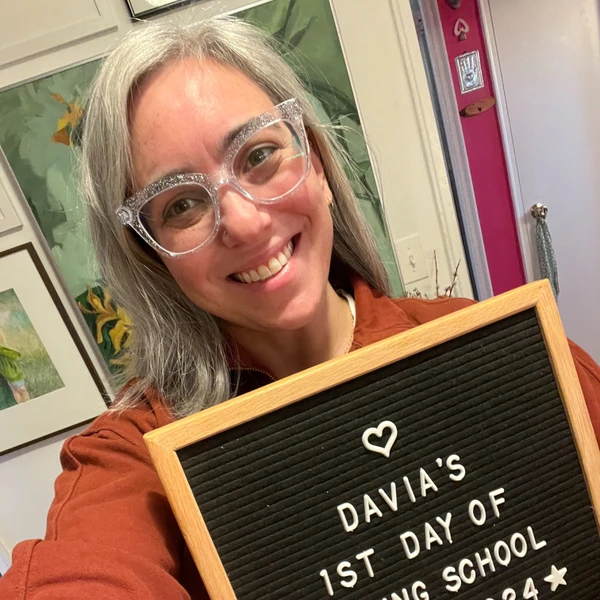
Returning to school at 37 required courage. After receiving an ADHD diagnosis, I approached my prerequisite courses with newfound self-awareness, using my visual learning strengths to illustrate anatomical structures and deepen my understanding. This experience confirmed that obstacles can become opportunities, and I'm now enthusiastically pursuing nursing to combine my compassionate nature with my commitment to health equity and excellence in patient care.
"Human touch" encompasses both the literal physical connection between healthcare provider and patient, and the deeper emotional presence, empathy, and genuine care that transforms medical treatment into healing. Observing my father's work taught me this dual meaning intimately. My father treated people with his hands, using skilled manipulation to heal their bodies, but in doing so, he also lifted their spirits. His patients didn't just receive physical adjustments. They experienced being truly seen, heard, and cared for. This combination of clinical skill and compassionate presence created healing that extended far beyond the physical realm.
Human touch in nursing means approaching each patient as a whole person, not merely a diagnosis or set of symptoms. It means making eye contact, listening without interruption, holding someone's hand during a difficult moment, and recognizing that a gentle, skilled physical examination can itself be therapeutic. When I supported brides during their wedding gown appointments, I learned that my attentive presence, listening with a compassionate ear, understanding their anxieties, and tending to their needs, created an environment where they felt safe and valued. This same principle applies exponentially in healthcare settings, where patients are often frightened, vulnerable, and uncertain.
The impact of human touch on patient care cannot be overstated. Research shows that patients who feel genuinely cared for experience better outcomes, increased treatment adherence, and faster recovery times. When healthcare providers demonstrate empathy and compassion, patients are more likely to share crucial information, ask important questions, and participate actively in their care plans. Conversely, the absence of human touch in rushed appointments, dismissive attitudes, or lack of eye contact, can lead to missed diagnoses, medical mistrust, and poor health outcomes, particularly among marginalized populations already facing systemic healthcare barriers.
My goal as a future nurse is to embody the human touch my father demonstrated, combining clinical excellence with genuine compassion, treating each patient with dignity and respect, and recognizing that healing requires both skilled hands and an open heart. Like Mary Lou Losinger, I aspire to be a nurse not just during work hours, but in all aspects of life, bringing that compassionate presence to everyone I encounter.
Human touch reminds us that nursing is fundamentally about human connection - about showing up fully for others in their most vulnerable moments and providing care that honors their complete humanity.