Hobbies and interests
Biking And Cycling
Computer Science
Communications
Reading
Romance
Business
Psychology
How-To
I read books multiple times per week
Daveon James
1x
Finalist1x
WinnerDaveon James
1x
Finalist1x
WinnerBio
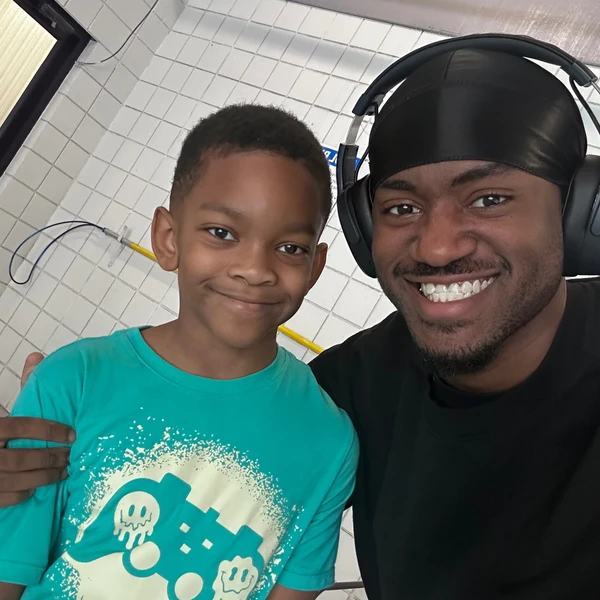
Hi, I’m Daveon James—a first-generation Jamaican American student from Broward County, currently pursuing college along with HVAC and business training to become a certified technician and future small business owner. I grew up with limited finances while my mother worked twelve-hour days to support four children, which taught me self-reliance, persistence, and respect for hard work. I’ve navigated college and trade pathways on my own, securing fee waivers and aid, and built technical confidence as a theater tech aid at Dillard High School. Driven by self-sufficiency, I aim to provide reliable, fair HVAC service, create jobs, and mentor other first-gen and low-income students, using education and skilled trades to lift my family and community.
Education
Dillard 6-12
High SchoolMiscellaneous
Desired degree level:
Trade School
Majors of interest:
- Heating, Air Conditioning, Ventilation and Refrigeration Maintenance Technology/Technician (HAC, HACR, HVAC, HVACR)
- Business, Management, Marketing, and Related Support Services, Other
Career
Dream career field:
Environmental Services
Dream career goals:
My long term career goal is to be self-sufficient!
Sign Spinner
AArrowSignSpinning2024 – Present2 years
Sports
Cycling
Varsity2025 – Present1 year
Arts
Dillard Center for the Arts
TheatreNutcracker, Public Speaking, Ceremonies2023 – Present
Public services
Volunteering
Dillard Center for the Arts — Aiding in the Musical Productions of the school and sponsored events.2024 – Present
Future Interests
Advocacy
Volunteering
Entrepreneurship
Bick First Generation Scholarship
Being a first-generation student means I am writing the playbook as I go. My Jamaican mother worked twelve-hour days to support four children—three in Jamaica and me here—so there was no family roadmap for FAFSA, applications, or certifications. Every step required self-teaching and persistence. It also means I carry my family’s hopes forward: proving that higher education and skilled training are possible, and that our sacrifices lead to opportunity. Challenges showed up first as silence. I often needed money for exam fees or bus fare but hesitated to ask because our finances were already stretched thin. I solved what I could alone—borrowing notes, walking to save bus money—and then learned to communicate with clarity and respect. I met with counselors to secure fee waivers and bus vouchers. I searched online for financial aid answers. I showed my mom concrete plans, costs, and deadlines so she could support where possible without guessing. That shift—from swallowing needs to sharing plans—taught me that honest communication creates partnership instead of pressure. I also built confidence through technical volunteering. As a theater tech aid at Dillard High School, I operate sound and lighting boards for performances. Calling cues, troubleshooting under pressure, and coordinating with performers strengthened my problem-solving and my voice. Those reps in the booth translated to real life: if I can calmly say “holding for sound” in a packed rehearsal, I can also advocate for a fee waiver or ask about an apprenticeship. My dream is to become a certified HVAC technician in Broward County and eventually start my own HVAC business. In Florida, air conditioning is a lifeline; I want to provide reliable, fair service and create jobs. I’m pursuing trade certifications, hands-on vocational training, and business coursework so I can pair technical skill with sound management. What drives me is self-sufficiency—building a stable future faster so I can support my family and show my younger relatives that education and skilled trades are real, respected paths. The biggest obstacle now is cost: tuition, tools, certifications, and living expenses while I train. This scholarship would remove the financial strain that slows my progress. It would cover certifications and essential expenses, letting me focus on mastering the craft instead of choosing which fee to delay. With that support, I can complete training on time, start earning sooner, and begin the path to launching an HVAC business that serves my community. I bring determination, a clear plan, and a record of making the most of every resource: securing waivers, self-teaching financial aid, volunteering to build technical skills, and pushing forward despite limited means. This scholarship would turn that effort into momentum—helping me move from potential to impact, from first-generation uncertainty to a self-sufficient career that honors my family’s work and opens doors for those who come after me.
Marcia Bick Scholarship
Motivated, high-achieving students from disadvantaged backgrounds deserve scholarships because they often carry two jobs at once: learning the material and teaching themselves how to navigate systems their families never had access to. Financial hardship and limited guidance mean every step—FAFSA, applications, certifications—requires extra effort, time, and resilience. When these students excel despite those barriers, it signals not just talent but sustained determination; scholarships recognize that work and convert potential into opportunity.
In my life, disadvantage looked like a Jamaican first-generation household where income was split to support my three siblings abroad and me here. My mother worked twelve-hour days, so asking for anything beyond food felt like adding weight to someone already carrying too much. I often faced fees I couldn’t afford: exam costs, bus passes, certification expenses. Instead of quitting, I learned to solve problems with the resources available. I met with counselors to secure fee waivers and bus vouchers, searched online for financial aid answers, and applied for every relevant program I could find. When I could not pay for transport, I walked and borrowed notes. I turned my silence about needing help into clear, respectful communication, showing my mom concrete plans, costs, and deadlines so she could support where possible. Volunteering as a theater tech aid at Dillard High School, I operated sound and lighting boards, which strengthened my technical skills, taught me to troubleshoot under pressure, and gave me confidence to speak up—experience I carry into my chosen trade. My goal is to become a certified HVAC technician in Broward County and eventually start my own HVAC business. Air conditioning in Florida is a lifeline, and I want to provide reliable, fair service while creating jobs and mentoring other first-generation and low-income students. I am pursuing trade certifications, hands-on vocational training, and business coursework so I can pair technical skill with sound management. The primary obstacle is cost: tuition, tools, certifications, and living expenses while training. Support through this grant would directly remove the financial barriers that slow my progress. It would cover certifications and training so I can focus on mastering the craft, not juggling which fee to delay. It would accelerate my path to earning, allow me to invest in essential tools, and help me start an HVAC career that supports my family and serves my community. My track record—self-teaching financial aid, securing waivers, volunteering in technical roles, and persistently pursuing trade education—shows that I will maximize every dollar of support. This grant would not just fund my education; it would amplify the effort and determination I have already demonstrated, turning hard-earned potential into tangible impact.
Hearts on Sleeves, Minds in College Scholarship
There is a specific silence that comes from not wanting to add weight to someone already carrying too much. For me, that silence appeared whenever I needed financial help from my mother. Growing up as a first-generation student in a Jamaican family, I watched her work twelve-hour days to keep four children afloat—three in Jamaica and me here. Our finances were stretched thin, and food and rent always came first, so asking for anything beyond that felt like placing another brick on her back. One moment stands out: I needed money for an exam fee and a bus pass for a weekend study session. I sat at the kitchen table rehearsing how to ask; when she walked in exhausted, my throat tightened, and I slid the form away. I borrowed a friend’s notes and walked instead of taking the bus, and I realized that silence can ease short-term guilt but create long-term isolation.
I learned two things: I could improvise and endure, but fear and guilt kept me from honest communication. To change, I began with small steps—sharing information instead of requests, showing my mom scholarship forms, explaining FAFSA, and outlining costs. When I framed conversations around plans and solutions, she leaned in; she wanted to help but needed to see a path. I practiced using my voice elsewhere: meeting counselors for fee waivers and bus vouchers, searching online for plain-language aid resources, and volunteering as a theater tech aid at Dillard High School, where calling cues and coordinating with performers became a confidence training ground. Those reps made it easier to speak in higher-stakes moments, like asking for a certification deadline extension or explaining why a tool investment mattered. Over time, I reframed asking for help as responsibility, not burden. My mother’s sacrifices were meant to give me a chance; using my voice to secure that chance honors her effort. Clarity reduces anxiety: “I need this amount for a certification, here is the deadline, here is why it matters, here is what I have covered.” That made the ask about partnership, not dependency. Emotionally, I shifted from guilt to gratitude; being first-generation means there is no inherited script, so I had to write my own by practicing and stumbling forward. Looking ahead, I will use my voice to create impact in three ways: advocate for access by mentoring other first-generation and low-income students as I pursue HVAC certifications and build toward starting my own HVAC business in Broward County; communicate with care by explaining costs, safety, and options transparently to customers, especially families who cannot afford surprises; lead by example by keeping dialogue open in my family about finances, goals, and plans so younger relatives feel empowered to speak up sooner than I did; and, as my business grows, sponsor workshops that demystify trade careers for local students and parents so they see viable, respected paths in the skilled trades. That night at the kitchen table still guides me. I learned that a voice held back by fear keeps everyone in the dark, but a voice used with honesty and respect can open doors—to waivers, scholarships, certifications, and a future business that serves my community. I carry that lesson into every room now: speak clearly, invite collaboration, and use your voice to lighten the load, not add to it.
Bick Vocational/Trade School Scholarship
WinnerMy inspiration for pursuing HVAC trade work comes from a truth I learned growing up in Broward County, Florida: air conditioning is not a luxury, it is a lifeline. I have watched families struggle when systems break down and seen how essential skilled technicians are to keeping homes safe. As a first-generation student from a Jamaican family, I watched my mother work twelve-hour days, with income split to support my three siblings in Jamaica and me here. Seeing the limits my parents faced without education or trade credentials made me determined to build a different future and gain in-demand skills that let me provide for my family faster. The obstacles I have faced mirror those of many vocational students. Financial hardship makes trade school and certifications feel overwhelming. As a first-gen student, I have had to research programs and financial aid on my own because my parents never had these opportunities. I have doubted whether I could do this, but I have turned frustration into determination, using every resource I can find and relying on the self-reliance that has become my strength. My goals are clear: become a certified HVAC technician and eventually start my own HVAC business. I am pursuing trade school for certifications, vocational programs for hands-on training, and college courses for business fundamentals. This mix will give me technical expertise and business knowledge. HVAC work is always in demand, especially in Florida, which means job security and a faster path to supporting my family. I also volunteer as a theater tech aid at Dillard High School, operating sound and lighting boards, which has strengthened my technical skills and shown me how much I enjoy hands-on work. I believe skilled work matters because it is the backbone of our communities. Electricians keep our lights on, mechanics keep our vehicles running, and HVAC technicians keep our homes comfortable and safe. These careers deserve respect because they make the world function. Skilled trades provide pathways to self-sufficiency without requiring four-year degrees, offering immediate earning potential, valuable expertise, and opportunities for entrepreneurship and community impact. This scholarship would remove the financial barriers that could keep me from completing trade school and earning my HVAC certifications. With this support, I can focus on training instead of worrying about cost, finish my certifications, gain experience, and start building the career that leads to the self-sufficient life I have envisioned. It validates that choosing the trades is valuable and will help me show my family and community that vocational education opens doors to stability, success, and meaningful contribution.
Bright Lights Scholarship
As a first-generation college student from a Jamaican family, I understand what it means to see college as an impossible dream. Growing up with income split four ways to support my three siblings in Jamaica and me here in America, I watched my mother work twelve-hour days just to keep us afloat. When I received my first college information packet and saw terms like FAFSA and financial aid, I sat alone at the kitchen table, knowing I couldn't ask my parents for guidance because they had never navigated this path themselves. That moment became the beginning of my determination to make higher education a reality, not just for myself, but as proof to my family and community that what seems impossible is absolutely achievable.
My plans for the future center on achieving self-sufficiency through a career that combines HVAC technical skills with business expertise. I envision myself as a certified HVAC technician working in Broward County, Florida, where air conditioning is not a luxury but a lifeline. The trade offers immediate earning potential, which will allow me to support my family at a faster pace while building toward long-term independence. My ultimate goal is to start my own HVAC business, creating opportunities for myself and others while serving my community with reliable, honest service. This path represents my roadmap to breaking generational cycles and building the secure, independent future I've always wanted.
To reach these goals, I'm pursuing a comprehensive education that includes college for business fundamentals, vocational programs for hands-on HVAC training, and trade school for industry certifications. However, as a first-generation student from a low-income household, the financial barriers are significant. The cost of tuition, training programs, certifications, and living expenses while I complete my education could easily derail my plans before they even begin.
This scholarship would be transformative because it removes the financial barriers that have historically prevented my likeness from pursuing higher education. With this support, I can focus fully on my studies instead of worrying about how to pay for them. I can complete my business courses, earn my HVAC certifications, and build the foundation for my career without the burden of overwhelming student debt. More importantly, this scholarship represents validation that my dreams are worth investing in, that my ambition and drive are recognized, and that my potential impact on my family and community matters.
The impact I plan to make extends far beyond my own success. By achieving self-sufficiency through education and skilled trade work, I become a living example to my family that higher education is attainable, regardless of our background. I will use my HVAC business to create jobs in my community, mentor other young people interested in skilled trades, and provide essential services to families who need reliable air conditioning in Florida's climate. I will continue volunteering at Dillard High School's theater program, showing students that technical skills and education open doors to success. Every step I take toward my goals proves that college should be accessible to everyone who wants it, and that first-generation students from underrepresented backgrounds have the ambition, drive, and potential to make a lasting impact.
This scholarship represents more than financial support, it's an investment in proving that dreams are achievable regardless of one's circumstances. With this opportunity, I will complete my education, build my career, and become living proof that first-generation students from low-income families can overcome obstacles and achieve self-sufficiency. When I reach that moment of true independence, I will have shown my family and community that college is not just accessible, but essential for breaking generational cycles and creating lasting change.