user profile avatar

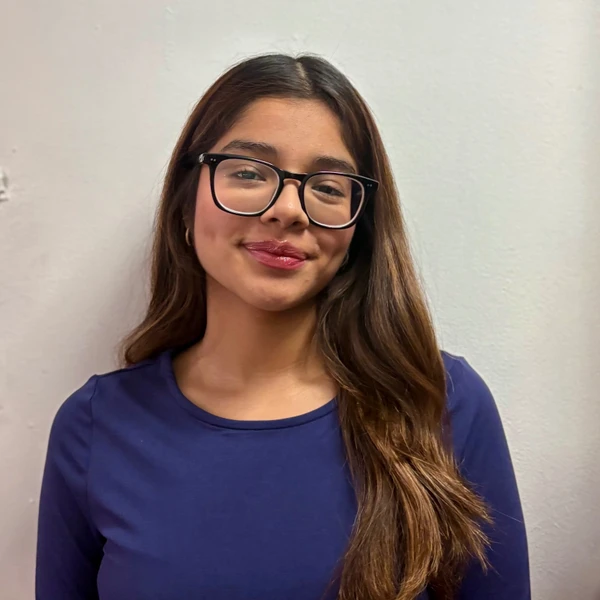
Darla Murillo

1x

Finalist

1x

Winner

Bio

My life goals are to become a physician and contribute to improving the lives of others through both patient care and research. I plan to earn my MD and continue exploring opportunities to make a meaningful impact in medicine. I also hope to travel, broaden my perspective, and grow into a strong, compassionate leader who can serve diverse communities and make a difference in the world. I am most passionate about research, particularly in the field of neuroscience. Having had the opportunity to conduct three years of neuroscience research at Rutgers and Stevens, I have seen firsthand how scientific discovery can directly impact people’s lives. This experience has strengthened my curiosity, critical thinking skills, and commitment to advancing medical knowledge. I believe I am a strong candidate for this scholarship because of my dedication, leadership, and drive to create change. I have taken on leadership roles in multiple clubs, where I have learned how to guide teams, collaborate effectively, and take initiative. These experiences have helped me grow into someone who is not only motivated to succeed personally but also committed to uplifting others. I am determined to continue working hard, pursuing my passions, and using every opportunity to make a positive impact.

Education

Jose Marti Stem Academy

High School
2022 - 2026

Miscellaneous

  • Desired degree level:

    Doctoral degree program (PhD, MD, JD, etc.)

  • Majors of interest:

    • Biochemistry, Biophysics and Molecular Biology
  • Planning to go to medical school
  • Career

    • Dream career field:

      Hospital & Health Care

    • Dream career goals:

    • Brand Representative

      Abercrombie & Fitch
      2025 – Present1 year

    Sports

    Cross-Country Running

    Junior Varsity
    2024 – 2024

    Research

    • Biological and Biomedical Sciences, Other

      ACS Project Seed — Mentee
      2025 – 2025

    Public services

    • Volunteering

      Hackensack University Medical Center — Junior Volunteer
      2025 – 2025
    Julie Adams Memorial Scholarship – Women in STEM
    I am passionate about pursuing a degree in biochemistry because it brings together many of the subjects that have fascinated me throughout high school and provides the foundation for my future goal of becoming a physician. To me, biochemistry is like an umbrella that connects biology, chemistry, neuroscience, pharmacology, and medicine. It allows me to understand not only what happens in the human body, but why it happens. I am excited by the idea that something as small as a molecule or chemical reaction can influence a person's health and even lead to life-changing medical discoveries. My interest in science developed through both personal experiences and academic opportunities. During the COVID-19 pandemic, my mother struggled with depression. Watching someone I love go through a difficult mental health challenge opened my eyes to the importance of healthcare and scientific research. At the time, many people were isolated and unable to access support in traditional ways. Through virtual therapy and evidence-based treatments, my mother was able to receive the help she needed. Seeing her gradually regain confidence and return to the activities she enjoyed made me realize how much work goes on behind the scenes to make effective treatments possible. I became curious about the science behind mental health, how the brain works, and how researchers develop treatments that improve people's lives. As my curiosity grew, I looked for opportunities to explore science beyond the classroom. I was fortunate to conduct neuroscience research at Rutgers University and Stevens Institute of Technology. At Rutgers, I worked on research related to traumatic brain injuries, while at Stevens I studied hydrocephalus and brain structure abnormalities. These experiences showed me that scientific discoveries do not happen overnight. They require patience, creativity, collaboration, and a willingness to keep searching for answers even when results are not immediate. Through research, I learned how scientists ask questions, analyze data, and work toward solutions that may one day improve patient outcomes. What draws me to biochemistry is its versatility. Many fields within healthcare rely on an understanding of biochemical processes. Whether researchers are developing medications, studying neurological disorders, investigating cancer treatments, or improving diagnostic tools, biochemistry plays an important role. I appreciate that this degree will give me a broad scientific foundation while also allowing me to explore different interests within medicine and research. Rather than limiting me to one path, it will open doors to many opportunities for learning and growth. In addition to research, my experiences volunteering in a hospital have strengthened my desire to pursue medicine. While research taught me about the science behind healthcare, volunteering showed me the human side of it. I observed healthcare professionals supporting patients during vulnerable moments and saw the impact that compassion can have alongside medical knowledge. These experiences reminded me that science is ultimately about helping people. I am passionate about biochemistry because it represents more than a college major. It is the first step toward a career where I can combine my love of science, my curiosity about the human body, and my desire to serve others. As a future physician, I hope to use my education to provide compassionate care, contribute to medical advancements, and improve the lives of the patients and communities I serve. Biochemistry will give me the tools to understand complex health challenges and the opportunity to make a meaningful difference in the world around me.
    Bobby and Kanesha Jones Scholarship
    I would describe myself as a curious, compassionate, and driven individual who is passionate about using science to help others. Throughout high school, I have challenged myself academically while pursuing opportunities that allowed me to explore my interest in medicine and community service. Whether conducting neuroscience research, volunteering in healthcare settings, or participating in community health programs, I have always been motivated by a desire to make a positive impact on the lives of others. Growing up in Union City, I have always valued the importance of community. As the daughter of hardworking parents, I learned that success is not achieved alone but through the support of family, mentors, teachers, and neighbors. These lessons have shaped my character and encouraged me to look for ways to give back. Through leadership positions such as Senior Class Vice President and Student Council Publicist, I have worked to represent my peers, organize events, and help create a stronger sense of community within my school. These experiences taught me the importance of communication, responsibility, and service qualities that I hope to carry with me throughout my future career. My interest in healthcare began after watching my mother struggle with depression during the COVID-19 pandemic. Seeing how medical professionals and evidence-based treatments helped her through a difficult time showed me the importance of accessible healthcare and inspired me to learn more about the science behind medicine. Since then, I have pursued research opportunities at Rutgers University and Stevens Institute of Technology, where I studied traumatic brain injury and hydrocephalus. These experiences taught me that scientific discoveries have the power to improve lives and reinforced my desire to pursue a career in medicine. Outside of research, I have worked to serve my community through volunteerism and leadership. As a volunteer at Hackensack University Medical Center, I gained firsthand exposure to patient care and observed the dedication required to support individuals during challenging moments. I have also participated in organizations such as Health Hustlers and the Columbia Neurology Department's ACComPLISHED Community Health Worker Program, where I learned about the importance of health education and community outreach. These experiences have shown me that improving a community requires both knowledge and compassion. I plan to pursue a degree in biochemistry as a foundation for medical school and a future career as a physician. Through my education, I hope to bring high-quality, compassionate healthcare to underserved communities while also promoting greater awareness of neurological and mental health conditions. Beyond providing medical care, I hope to become an advocate for health education in my community. Many families face barriers to healthcare, whether because of limited access to resources, language differences, or a lack of information about available services. As a bilingual future physician, I hope to bridge some of these gaps by helping patients better understand their health and empowering them to make informed decisions. I also hope to continue participating in community outreach initiatives that promote awareness of mental health and neurological disorders. By combining medicine, education, and service, I want to help create a community where individuals feel supported, informed, and able to access the care they need. Through my education in biochemistry and my future work as a physician, I hope to improve not only individual lives but also the overall well-being of the communities I serve. In doing so, I aim to give back to the community that has helped shape who I am today
    Dr. Rajesh Aggarwal Scholarship for Scientific Studies
    During the COVID-19 pandemic, my mother struggled with depression. Like many people, she felt isolated from friends, family, and the routines that once gave her life structure. As the months of quarantine continued, I noticed changes in her that were difficult to ignore. She seemed withdrawn, less energetic, and no longer interested in activities she had once enjoyed. At a time when many healthcare facilities were limiting in-person visits, getting help seemed like a challenge. However, advances in technology and mental health research provided a solution that made a significant difference in her life. Through virtual therapy, my mother was able to meet regularly with a licensed therapist from our home. What appeared to be a simple video call represented years of innovation in both healthcare and technology. Instead of delaying treatment because of travel restrictions or safety concerns, she could access professional support with just a computer and internet connection. Over time, I watched her gradually regain confidence and reconnect with the people and activities that brought her joy. Seeing that transformation firsthand showed me how science can provide practical solutions to everyday problems and improve people's quality of life. What fascinated me most was realizing that her recovery depended on much more than technology alone. Behind every therapy session were decades of scientific research in psychology and neuroscience. Researchers had spent years studying depression, identifying effective treatments, and developing evidence-based strategies that therapists use today. The combination of scientific knowledge and creative thinking allowed healthcare providers to adapt those treatments to a virtual setting, ensuring that people could continue receiving care during difficult times. My mother's experience sparked my interest in neuroscience and inspired me to learn more about how scientific discoveries can improve healthcare. Wanting to better understand the brain and the challenges faced by patients with neurological conditions, I pursued neuroscience research at Rutgers University. There, I contributed to research focused on finding ways to improve outcomes for patients with traumatic brain injuries. This experience taught me that scientific progress requires curiosity, persistence, and a willingness to explore new ideas in order to solve complex problems. I believe society will benefit from my pursuit of a degree in science because I plan to study biochemistry and eventually become a physician. My experiences have shown me that scientific advancements can have a direct impact on people's lives, whether through mental health treatment, medical research, or patient care. As a future doctor, I hope to combine scientific knowledge with compassion to help patients facing difficult health challenges. Just as research and innovation helped my mother during a difficult period in her life, I hope to use my education to improve the health and well-being of others. By contributing to healthcare and supporting future medical advancements, I hope to make a meaningful difference in my community and beyond.
    Dr. Michal Lomask Memorial Scholarship
    My passion for STEM comes from a combination of personal experiences and opportunities that have shown me the powerful connection between science and improving people's lives. During the COVID-19 pandemic, my mom struggled with depression. Watching her face challenges that were often invisible to others made me realize how complex the brain is and how much we still do not understand about mental health. I found myself asking questions about why certain conditions occur and how researchers and doctors work to develop treatments. Those questions sparked a curiosity that eventually grew into a passion for neuroscience and STEM as a whole. Wanting to learn more, I pursued neuroscience research opportunities at both Rutgers University and Stevens Institute of Technology. At Stevens, I worked on a project focused on treating hydrocephalus, a condition caused by an abnormal buildup of fluid in the brain. Through this experience, I saw how engineering, technology, and medicine can come together to address serious health conditions. Research was not just about collecting data; it was about finding solutions that could improve patients' quality of life. At Rutgers, I contributed to research exploring ways to help patients with traumatic brain injuries (TBI). Learning about the lasting effects of brain injuries and the challenges involved in developing effective treatments showed me how important scientific innovation is in advancing healthcare. In addition to research, volunteering at a hospital gave me a different perspective on medicine. While research introduced me to the scientific side of healthcare, volunteering allowed me to see its human side. Interacting with patients and observing healthcare professionals reminded me that behind every medical condition is a person with a unique story. Those experiences reinforced the importance of developing treatments that not only address diseases but also improve people's everyday lives. Together, these experiences have shaped my passion for STEM. My mother's struggle with depression showed me the importance of understanding the brain, my research experiences allowed me to contribute to efforts addressing neurological conditions, and my hospital volunteer work connected those scientific pursuits to real people. STEM appeals to me because it combines curiosity, innovation, and service. It provides a way to ask meaningful questions, solve complex problems, and make a tangible difference in the lives of others. As I continue my education, I hope to use STEM to contribute to advancements in neuroscience and healthcare, helping improve outcomes for patients facing neurological and mental health challenges.
    New Jersey New York First Generation Scholarship
    Winner
    The cashier was speaking quickly, and I could see the confusion on my mother’s face. We were standing in a small store, and what should have been a simple purchase suddenly felt overwhelming. She looked at me, waiting for me to translate, to explain, to fix it. I was still young, yet in that moment, I became the bridge between two worlds. I carefully listened, responded, and reassured her, even though I was still learning myself. As we walked out of the store, I realized this was more than helping with a transaction. It was a responsibility I would carry as the oldest child in a first-generation family. My parents immigrated from Ecuador in search of better opportunities, sacrificing stability and comfort so that my siblings and I could have a future they never had. Watching them navigate a new country without fluency in the language has shaped my perspective. As the oldest sibling, I have stepped into a leadership role within my family, whether translating, guiding, or being someone they rely on. Because of this, becoming a first-generation college graduate would mean more than personal success. It would represent a turning point for my family and proof that their sacrifices led to something meaningful. This sense of responsibility has carried into my extracurricular activities. Serving as Vice President of my senior class, Secretary of Health Hustlers, and Publicist for Student Council has helped me grow into a leader who values collaboration and service. Whether organizing events or representing my peers, I strive to create environments where others feel supported. Leadership, to me, is about impact and using my voice to uplift others. My passion for science and medicine has been shaped by my experiences in neuroscience research at Rutgers University and Stevens Institute of Technology. In the lab, I learned how to analyze data, think critically, and persist through challenges. More importantly, I saw how research can improve people’s lives, which strengthened my desire to pursue medicine. Volunteering at Hackensack University Medical Center further deepened this commitment. Interacting with patients showed me that medicine is not only about knowledge, but also compassion. I saw how small acts like listening or offering reassurance can make a meaningful difference, especially in unfamiliar situations. All of these experiences have shaped me into someone who is resilient, driven, and motivated by purpose. Being a first-generation student has pushed me to seek opportunities and remain committed to my goals. Becoming a first-generation college graduate would not just change my life. It would change my family’s future and allow me to help others navigate challenges just as I have.