Hobbies and interests
Aerospace
Advocacy And Activism
Art
Artificial Intelligence
Athletic Training
Biotechnology
Coaching
Fitness
Cars and Automotive Engineering
Calisthenics
Clinical Psychology
Cognitive Science
Education
DJing
Health Sciences
Volunteering
Kinesiology
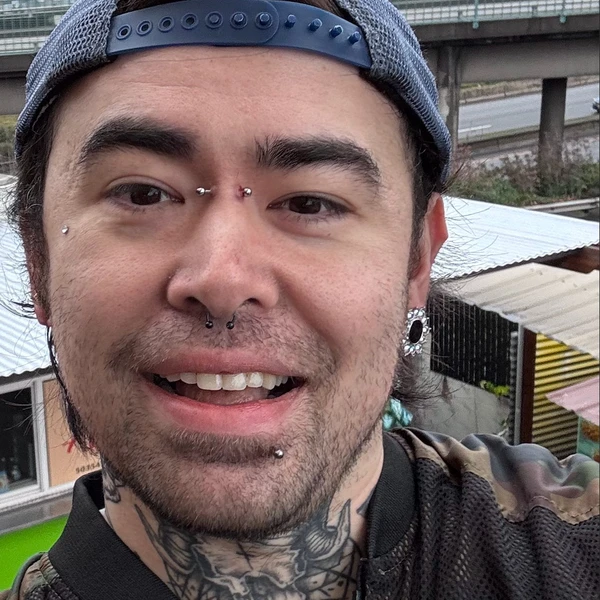
Danny Angel
2x
Finalist1x
WinnerDanny Angel
2x
Finalist1x
WinnerBio
I am a dedicated individual with a profound understanding of the complexities surrounding addiction, military service, suicide advocacy, and nursing. Having served in the military, I have personally witnessed the impact of addiction and mental health challenges on our service members. This has driven me to advocate for better support systems and resources for veterans and active-duty personnel.
Furthermore, my experiences have motivated me to pursue a career in nursing, specifically within the realm of mental health. I am deeply passionate about providing care and support to individuals struggling with addiction and mental health issues, and I am committed to advocating for their well-being.
Within the realm of suicide advocacy, I am dedicated to raising awareness and promoting mental health education and resources to prevent tragedies. My goal is to contribute to a culture of understanding and support, particularly within the military community.
Through my nursing career, I aspire to continue my advocacy work, offering compassionate care and support to those in need, while also striving to bring about positive change in the way addiction and mental health issues are addressed within our society.
Education
Concordia University-Saint Paul
Bachelor's degree programMajors:
- Registered Nursing, Nursing Administration, Nursing Research and Clinical Nursing
University of Colorado Denver/Anschutz Medical Campus
Bachelor's degree programMajors:
- Psychology, General
Miscellaneous
Desired degree level:
Master's degree program
Graduate schools of interest:
Transfer schools of interest:
Majors of interest:
- Clinical, Counseling and Applied Psychology
- Human Development, Family Studies, and Related Services
Career
Dream career field:
- Professional Training & Coaching
Dream career goals:
Therapist
Lead Engineer Associate
Barber Nichols2017 – 20181 yearFlight Engineer
Air Force2011 – 20198 years
Sports
Bodybuilding
Club2011 – Present15 years
Taekwondo
Club2003 – 20052 years
Awards
- Purple Belt
Climbing
Intramural2020 – Present6 years
Research
Psychology, General
CU Denver — Researcher2018 – 2020
Arts
ICON School of music
MusicPersonal Project2020 – Present
Public services
Advocacy
Self — Advocate2018 – PresentAdvocacy
Self — Advocate2017 – PresentVolunteering
Habitat For Humanity — Builder2011 – Present
Future Interests
Advocacy
Volunteering
Philanthropy
Entrepreneurship
Lotus Scholarship
Coming from a single-parent and low-income household shaped the foundation of my resilience. Growing up without financial stability and without the emotional buffer that a larger support system provides meant I had to learn early how to carry responsibilities, navigate instability, and make decisions that would shape my future. These circumstances taught me grit, independence, and the ability to adapt quickly. Skills that later helped me survive experiences such as trauma, homelessness, and the emotional weight of supporting family members struggling with addiction and mental illness. Instead of letting these challenges harden me, they taught me compassion.
This background is a major reason I have committed myself to a career centered on service. I know what it feels like to be overlooked, to struggle silently, and to push forward even when life feels impossibly heavy. My lived experience fuels my desire to become a mental health professional who not only understands people clinically, but understands them personally. I plan to use my education in Marriage and Family Therapy and Psychology to support disabled veterans, teenagers with cognitive or emotional disabilities, and individuals fighting substance abuse or trauma—in other words, people whose stories often mirror my own.
My goal is to create spaces where people feel heard before they are judged, and supported before they are dismissed. I hope to help build community programs that provide accessible mental health care, trauma-informed youth services, and resources for individuals navigating homelessness or addiction.
I am actively working toward these goals every day. Academically, I am preparing for graduate studies that will allow me to become a licensed clinician. Personally, I continue supporting veterans, teens, and individuals experiencing crisis, drawing from my own history to offer empathy and stability.
ADHDAdvisor Scholarship for Health Students
Helping others with their mental health has been a defining part of my life, shaped not only by my education but by my own lived experiences with PTSD, Bipolar I disorder, trauma, addiction within my family, and periods of homelessness. These experiences have given me a deep sense of empathy and an instinct to show up for people who feel unseen, overwhelmed, or misunderstood. Much of my support work has grown out of community involvement—assisting veterans transitioning into civilian life, mentoring homeless youth, and working with teenagers facing addiction, abuse, and unstable home environments. I understand what it feels like to be in crisis, and that understanding guides the way I listen, validate, and advocate for others.
With veterans, I have focused on helping individuals navigate the emotional and psychological challenges that come after service: trauma, identity shifts, relationship strain, and the deep loneliness many feel when returning home. With homeless youth and teens struggling with substance use, my support has centered on building trust, offering judgment-free guidance, and helping them recognize their own resilience. In each interaction, my goal has been to provide the kind of emotional steadiness and compassion that I once needed during my own most difficult moments.
As I work toward my master’s and eventual doctorate in Marriage and Family Therapy and Psychology, I plan to expand this impact. My academic path is rooted in the belief that emotional support can change the trajectory of a life, especially for those living with disabilities, chronic mental illness, addiction, or trauma histories. I hope to clinically support teenagers with cognitive differences, disabled veterans, and individuals battling substance use—groups whose voices are often overlooked in the mental health system.
My future career will integrate evidence-based therapeutic practices with human-centered compassion. I want to create environments where clients feel safe enough to confront their pain, curious enough to explore their inner world, and empowered enough to build healthier patterns. Beyond direct therapy, I hope to advocate for better access to mental health resources, more inclusive treatment models, and trauma-informed community programs.
Ultimately, I plan to use both my studies and my personal experiences to be a steady emotional anchor for others—someone who listens deeply, supports without judgment, and works every day to remind people that healing is possible.
Learner Online Learning Innovator Scholarship for Veterans
In my career field, where understanding human behavior, communication, and emotional complexity is central, I have found that online platforms, tools, and resources are not just supplementary—they are essential. My work and academic pursuits rely on staying updated on emerging psychological research, observing real-world human interaction, and continuously developing my ability to communicate with empathy and clarity. To do this, I lean heavily on social media platforms, scientific journals, and Audible. Each of these resources provides a unique lens through which I deepen my knowledge and learn to apply it more effectively in both academic settings and direct work with clients, veterans, and individuals facing mental health challenges.
Social media may not be the first tool people associate with academic or professional growth, but it has been one of the most valuable platforms for me in studying human interaction. Spaces like TikTok, Reddit, Instagram, and YouTube allow me to witness unfiltered conversations about trauma, bipolar disorder, addiction recovery, and the daily struggles people face in their relationships and mental health. These platforms have become modern case studies—millions of individuals openly sharing their experiences, coping strategies, and emotional challenges. By observing patterns in communication, conflict, vulnerability, and resilience, I have been able to identify how language shapes perception, how people seek connection, and how certain responses either build trust or shut it down. Social media also exposes me to diverse voices and cultures, teaching me to better recognize biases, broaden my understanding of intersectionality, and approach clients with a more informed, compassionate perspective.
While social media offers real-world context, scientific journals provide the structured, evidence-based foundation that anchors my understanding. My interest in psychology, marriage and family therapy, and mental health treatment requires me to stay updated on current studies involving trauma-informed care, substance use disorders, bipolar disorder, and interventions for individuals with disabilities or cognitive differences. Journals give me access to peer-reviewed research that validates or challenges what I see unfolding in practice. They help me refine my clinical reasoning, understand neurological and behavioral mechanisms, and apply theories more accurately when working with vulnerable populations such as veterans, teenagers, and individuals navigating addiction or homelessness. Because my future career involves both clinical work and advocacy, having access to credible scientific data strengthens not only my practice but also my ability to speak up for improved resources, policies, and treatment approaches.
Finally, Audible has been one of the most powerful tools for deepening my understanding of the human experience. Audiobooks allow me to engage with psychological literature, memoirs, trauma studies, and communication guides in a way that feels immersive and personal. Listening to authors describe lived experiences, emotional journeys, and therapeutic insights helps me connect academic theory to real human stories. For example, books on trauma recovery, attachment theory, mindfulness, and emotional regulation have directly influenced the way I approach clients and understand my own healing. Audible has also been invaluable during periods when symptoms of bipolar disorder or PTSD make traditional reading difficult. The format allows me to continue learning without the pressure of sitting still, maintaining focus, or fighting cognitive fatigue. In this way, Audible has supported not just my education but my overall accessibility to knowledge.
Together, these tools—social media, scientific journals, and Audible—form a balanced learning ecosystem. Social media shows me how people communicate; journals show me why; Audible helps me integrate these insights into compassionate action. They have taught me to analyze behavior with curiosity rather than judgment, to base my interventions on evidence rather than assumption, and to remain connected to the human stories behind every diagnosis, struggle, or therapeutic goal.
Elizabeth Schalk Memorial Scholarship
Having Bipolar I, surviving trauma, and growing up around addiction didn’t just affect my life—they carved out the person I have become, layer by layer, scar by scar.
Before I ever knew the word “bipolar,” I knew what it felt like to be at war with my own mind. I knew the rush of feeling invincible, creative, and unstoppable—followed by the devastating crash into depression, where even existing felt heavy. For years, I didn’t have language for these extremes. I just knew that something inside me was louder, brighter, darker, and heavier than what other people seemed to carry. I learned to hide the highs and push through the lows because I thought that was what strength looked like. Receiving a Bipolar I diagnosis didn’t erase the pain, but it finally gave my chaos a name. It allowed me to stop blaming myself and start healing.
Mental illness has touched every corner of my family as well. My uncle’s meth addiction is one of the earliest memories that taught me what it looks like when someone you love is losing a battle no one else sees. Watching him fade in and out of sobriety broke something in me—something that later shaped my understanding of empathy. My stepbrother’s struggles with speed and alcohol added a different kind of heartbreak. Addiction changes the atmosphere of a home; it teaches you to brace yourself for bad news and hold onto small moments of hope with trembling hands.
My other stepbrother, who has medium-functioning autism, showed me another side of mental health—one marked by misunderstanding and vulnerability. Being part of his world taught me how deeply people crave patience, structure, and to simply be accepted exactly as they are. His challenges opened my eyes to how easily society overlooks people who don’t fit into its narrow definitions of “normal.”
My own trauma created cracks in my foundation long before I had the courage to speak about it. As a survivor of sexual abuse, I carried silence like a secret weight. Later, as a combat veteran with PTSD, that weight grew heavier. Trauma changes the way you breathe, the way you trust, the way you love. It also changes what you value. There were times when I found myself homeless, stripped of stability and dignity, unsure how to take the next step. Those nights taught me more about humanity—and its failures—than any book ever could.
But despite all of these moments, or maybe because of them, I found something unexpected: purpose. I learned how to sit with people in their darkest moments because I’ve sat in my own. I learned to listen without judgment because I know what it’s like to feel judged by your own history. Helping veterans transition to civilian life, working with homeless individuals, and supporting teenagers facing addiction and abuse—these experiences showed me that my pain had a place in this world. Not as a burden, but as a bridge.
Mental illness has shaped my beliefs, my relationships, and the way I move through life. It has softened me in some areas and strengthened me in others. It has taught me that healing is not a destination; it’s a slow, stubborn, courageous choice you make every day.
It is also the reason I am pursuing my Master’s and Doctorate in LMFT and Psychology. I want to work with disabled veterans and teenagers with mental handicaps because I know what it’s like to feel unseen. I know what it’s like to need someone who understands pain—not just intellectually, but personally.
Deanna Ellis Memorial Scholarship
Substance abuse has shaped my beliefs, relationships, and career aspirations in ways that continue to influence the direction of my life. My understanding of addiction did not begin in a classroom—it began at home, watching people I loved fight battles that many never saw. Over time, these experiences transformed how I view struggle, resilience, and healing, and they ultimately guided me toward a career dedicated to supporting individuals and families affected by trauma, developmental challenges, and substance use.
My first experiences with addiction came from witnessing my uncle battle meth addiction. Seeing someone I cared about shift between sobriety and relapse taught me that addiction is not about lack of willpower—it is about unresolved pain, trauma, and the absence of support. His struggle shaped my belief that no one chooses addiction; they fall into it when their emotional load becomes too heavy to carry alone. Later, watching my stepbrother drift into speed use and alcohol dependence reinforced that understanding. Addiction in a family changes the household’s emotional landscape. It teaches you to watch closely, to brace yourself for crisis, and to measure hope in cautious increments. These experiences taught me empathy, but also the importance of firm boundaries and honest conversations.
Growing up alongside another stepbrother with medium-functioning autism also influenced my beliefs about vulnerability and mental health. Supporting him helped me see how neurodivergence can compound emotional and social challenges, increasing the risk of misunderstanding, isolation, and eventually substance misuse. It taught me that people who process the world differently require compassion, structure, and advocates who recognize their strengths instead of focusing on their limitations.
Trauma shaped my worldview long before I could name it. While I did not turn to substances myself, I witnessed many fellow veterans rely on alcohol or drugs as coping mechanisms for overwhelming memories, sleep disturbances, and emotional numbness. I understood, on a visceral level, how easily trauma can pull someone toward addiction. This realization changed my beliefs about healing: recovery must address the underlying wounds, not just the symptoms.
There were times in my life when I faced homelessness, and those experiences revealed yet another dimension of addiction. On the streets, I met people whose substance use was tied to survival—staying awake at night, numbing the cold, or coping with untreated mental illness. These encounters reshaped my belief in harm reduction and trauma-informed support. Addiction is not a singular issue; it is woven into a person’s history, environment, and access to care.
These beliefs also shaped my relationships. I learned to communicate openly and compassionately, because secrecy and shame only deepen suffering. I became more intentional about who I allow into my life and how I show up for others. Most importantly, I developed an ability to sit with people in their discomfort without judgment—a skill that has become central to my identity and my work.
All of these experiences naturally led to my career aspirations. I am pursuing my Master’s and Doctorate in LMFT and Psychology with a desire to work with disabled veterans and teenagers with mental handicaps, two populations often overlooked and underserved in traditional mental health and substance abuse treatment systems. I want to become a clinician who blends academic knowledge with lived experience—someone who understands addiction not just theoretically, but emotionally and personally.
My goal is to create spaces where people feel safe enough to confront their pain, where vulnerability is met with compassion, and where recovery is viewed as a journey rather than a single moment of change.
Ethel Hayes Destigmatization of Mental Health Scholarship
My experience with mental health has shaped my goals, relationships, and understanding of the world in ways that I am only now beginning to fully articulate. For most of my life, I didn’t realize how much of who I am was built from surviving—surviving trauma, instability, loss, and the constant effort to make sense of a world that often felt unpredictable. Over time, I’ve learned that these experiences didn’t just leave scars; they also carved out meaning, direction, and a deep desire to help others carry the weight of their own struggles. Everything I aim to do now—personally, academically, and professionally—comes from that place.
Growing up, mental health was not something that was talked about openly. It was something you dealt with privately, quietly, or sometimes destructively. My first exposure to addiction wasn’t in a textbook or a class; it was in my own family. My uncle struggled with meth addiction for years, and watching someone you love disappear into a substance is a unique kind of grief. It changes the way you understand human behavior. It teaches you that addiction is never simple—it’s a mix of pain, survival, desperation, and sometimes hope in disguise. My stepbrother struggled with speed and drinking, and the chaos around him mirrored a lot of the emotional instability I felt growing up. Every relapse, every disappearing act, every hopeful promise that didn’t hold—those moments affect you. They shape what you expect from people, and they shape how you learn to forgive.
In contrast, my other stepbrother lives with medium-functioning autism. Being close to him taught me a different kind of patience and compassion. He interacts with the world in ways that challenge typical expectations, and through him I began to understand how much society fails individuals who don’t fit standard molds. The combination of addiction in one sibling and neurodivergence in another helped me see early on that mental health is not one thing—it is an entire spectrum of human experience. It is the reason I learned to look past behavior and ask, “What is this person feeling? What are they carrying?”
My own experiences with trauma also shaped my perspective. I am a survivor of sexual abuse, and for years I carried the guilt, shame, and silence that often follow. It affects your sense of safety, your understanding of intimacy, and your trust in others. Healing from that kind of trauma is not linear—it comes in waves, setbacks, breakthroughs, and moments of clarity. When I look back at my younger self, I see someone who wanted desperately to feel normal again, someone who didn’t know what healing looked like but chose, every day, to keep going anyway. Surviving trauma doesn’t just change your life—it changes your nervous system, your relationships, your worldview. But it also gives you a unique ability to sit with other people’s pain without turning away.
Later, as a combat veteran, I experienced another layer of trauma that reshaped me. PTSD became part of my daily reality, and navigating it required more strength than I ever anticipated. War changes you in ways you cannot fully explain—it rearranges your priorities, your reactions, your definition of danger, and even your definition of peace. When I returned home, the world felt different. Simple moments felt heavy. I had to relearn how to exist in a world that kept moving while I felt stuck in another time and place.
There were periods when I was homeless, when survival meant something very literal. Those experiences stripped life down to its essentials—safety, food, rest, dignity. You learn a lot about humanity when you have nothing. You see the people who look past you, the people who pity you, and the few who truly see you. But you also see your own resilience. You realize that no matter how many times you’ve been knocked down, there is still something in you that stands back up.
All of these experiences—trauma, addiction in the family, autism in the family, PTSD, homelessness—shaped not only who I became but who I wanted to become. Over the years, I found myself drawn toward service. I assisted veterans transitioning to civilian life because I understood the confusion, the fear, and the sense of displacement that come with leaving the military. I worked alongside homeless individuals, teenagers dealing with addiction and instability, and communities that many people talk about helping but rarely sit down to listen to. Every interaction reminded me of the younger versions of myself—scared, confused, striving, hoping.
These experiences also reshaped my relationships. I learned to communicate with honesty, because silence had once been my prison. I learned to set boundaries not out of anger, but out of self-respect. And I learned to value people who made space for my healing rather than those who demanded I be someone I wasn’t ready to be. Trauma taught me to love carefully but deeply, and it taught me that relationships rooted in authenticity and understanding can be transformative.
Ultimately, all of this guided me toward my academic and professional goals. I am pursuing my Master’s and Doctorate in LMFT and Psychology because I want to take everything I have lived through and turn it into a tool for healing. I want to work with disabled veterans, teenagers with mental handicaps, and individuals who have experienced severe trauma because these communities deserve clinicians who understand them not just intellectually, but emotionally and experientially. My goal is not simply to treat symptoms, but to help people rebuild their sense of self, safety, and possibility.
Mental health has shaped my understanding of the world by teaching me that everyone carries something unseen. It has shown me that healing is not just a personal process; it is relational. We heal in connection, in understanding, in compassion—even when compassion feels hard. My path has not been easy, but it has been meaningful. And it has given me a sense of purpose that I would not trade for anything.
Christina Taylese Singh Memorial Scholarship
My journey into the healthcare field has been shaped by a combination of personal experience, professional work, and a deep calling to support individuals with special needs and neurodiverse backgrounds. Over the years, I’ve become increasingly aware of how many people struggle silently—especially those whose challenges do not always fit neatly into the expectations of the world around them. This understanding has guided me toward pursuing a career in mental and behavioral health, specifically as a Marriage, Couple, and Family Therapist (LMFT) with a strong focus on serving individuals with special needs, developmental differences, and varying levels of cognitive and emotional functioning.
Growing up and into adulthood, I learned to navigate life through the lens of autism. At times, the world felt overwhelmingly loud, emotionally confusing, and socially rigid. I often felt like I was trying to interpret an unspoken language that everyone else seemed to understand naturally. It wasn’t until much later that I found the words, support, and self-awareness to understand my own neurodiversity. That self-understanding changed everything. It allowed me to see not only my own strengths, but also the beauty and resilience that exist within others whose minds work differently.
Because of this, I’m deeply committed to working with clients across the neurodiverse spectrum—including those with autism, ADHD, developmental disabilities, mood disorders, sensory processing challenges, and individuals who require higher levels of support. I understand what it feels like to be misunderstood, underestimated, or seen only through the lens of a diagnosis. More importantly, I understand what it feels like when someone finally sees you as a whole person—capable, complex, and deserving of compassion.
Professionally, I have spent years working with disabled veterans, individuals experiencing homelessness, and those battling addiction. These experiences strengthened my belief that mental health needs cannot be separated from the broader context of a person’s life. I also worked alongside individuals with cognitive impairments, traumatic brain injuries, and emotional dysregulation, many of whom faced barriers not only in the medical system, but also in daily life, relationships, and communication. These combined experiences have reinforced my desire to specialize in supporting people who often require patience, adaptive approaches, and truly individualized care.
In the field of Marriage, Couple, and Family Therapy, I am particularly drawn to the systemic approach. Individuals with special needs rarely navigate their challenges alone; their families, partners, and caregivers are often deeply impacted as well. Working within family systems allows me to support communication, reduce caregiver stress, strengthen emotional connection, and create supportive structures that empower both the client and their broader support network. My goal is to help families navigate emotional regulation, behavioral challenges, relational patterns, sensory needs, and misunderstandings that often arise when neurotypical and neurodiverse experiences collide.
I believe that people with special needs deserve access to mental-health care that is respectful, informed, and adaptable. Too often, their inner experiences are overlooked, or their emotional needs are minimized because their differences overshadow their humanity. I want to help change that. I want to create a therapeutic environment where clients of all abilities feel understood, validated, and capable of living meaningful, connected lives.
Ultimately, I am pursuing a career as an MFT because I believe deeply in the healing potential of connection—especially for individuals who have been marginalized or misunderstood. I want to bring compassion, structure, and advocacy into the lives of people with special needs and their families. My hope is to contribute to a more inclusive and empathetic world where every individual, regardless of ability, has the opportunity to feel supported, empowered, and truly seen.
Bick First Generation Scholarship
Being a first-generation student means more than being the first in my family to attend college—it means breaking barriers that were never meant to be easy to cross. It means walking into spaces where I didn’t always feel like I belonged and learning to create belonging through persistence, self-belief, and heart. For me, being first-generation is not only about academic opportunity but about rewriting what is possible for the next generation in my family.
Growing up, education was something we valued deeply but didn’t always understand how to navigate. I didn’t have parents who could explain financial aid forms or degree plans, but I had their unwavering belief in my potential. That belief became my foundation. Alongside it, I had to overcome the personal challenges of living with autism—navigating sensory sensitivities, social anxiety, and the invisible pressures of trying to “fit in.” Balancing those experiences with school and work was never easy, but it taught me patience, adaptability, and the power of self-advocacy.
There were moments I felt like giving up. Times when the world felt too loud, too fast, or too uncertain. But what kept me going was a quiet conviction that I was working not only for myself but for others who needed representation and understanding. I learned that my differences didn’t make me less capable—they gave me unique insight. They allowed me to connect with others who felt unseen, to listen deeply, and to care in ways that go beyond surface-level empathy.
Those lessons shaped my dream of pursuing a career in psychology and wellness. I want to work with neurodiverse and gifted individuals—people who, like me, see the world in vivid and sometimes overwhelming ways. My goal is to create spaces where people can express themselves freely, access emotional support, and build self-acceptance. I also hope to advocate for better systems in schools and communities that nurture both the emotional and intellectual sides of human potential.
Being first-generation has shown me that education is not just a personal milestone—it’s a form of service. It’s how we lift others as we climb. Every class I take and every challenge I face reminds me that I’m not doing this alone. I’m carrying the hopes of my family, my community, and every person who was told they were “too different” to succeed.
This scholarship would bring me closer to that vision. It would relieve financial strain, allowing me to focus on deepening my education and developing the programs I dream of creating. More than that, it would represent validation—that my story, filled with imperfection and resilience, is worth believing in.
My journey has not been perfect, but it has been purposeful. I have learned that success is not about never struggling—it’s about showing up despite the struggle, staying compassionate in the process, and using what you’ve learned to help others heal. That is what being a first-generation student means to me: courage, heart, and a determination to turn challenges into change.
Leading Through Humanity & Heart Scholarship
Living with autism has taught me that health is not simply the absence of illness but the ability to live in harmony with one’s mind, body, and environment. My personal journey navigating sensory sensitivities, anxiety, and emotional regulation inspired my deep interest in human health and wellness. I learned that healing begins with understanding—when we feel seen, supported, and empowered to take ownership of our well-being.
My studies in psychology and my experience working with diverse communities have shaped my belief that wellness must include compassion, inclusion, and education. I value empathy, authenticity, and connection—core principles that guide how I interact with others and approach healing. I believe every person deserves individualized care that honors their story and potential. My passion for health and wellness is rooted in this human-centered philosophy: that we must nurture both the mind and body to help people thrive, not just survive.
To me, empathy is the bridge between understanding and action—the ability to not only recognize another person’s experience but to feel with them and respond in ways that promote healing and dignity. It is the cornerstone of every meaningful connection in health and wellness. Empathy transforms care from a transaction into a partnership; it reminds us that behind every diagnosis, symptom, or behavior is a complex individual with their own emotions, fears, and strengths.
Living with autism has profoundly shaped my understanding of empathy. For much of my life, I experienced the world differently—processing information intensely and feeling emotions deeply. I know what it’s like to be misunderstood or to struggle to express pain in ways that others expect. Those experiences have made me more sensitive to how unseen struggles can affect one’s mental and physical health. They’ve also taught me that genuine empathy requires patience, curiosity, and the humility to listen without judgment.
In my future career within the field of health and wellness, I see empathy as essential for creating truly human-centered care. Whether working with neurodiverse individuals, gifted children, or those navigating emotional distress, I believe effective support begins with listening to each person’s lived reality. Rather than imposing solutions, I aim to collaborate—helping clients or patients identify their strengths, define their goals, and develop strategies that respect their individuality.
A human-centered approach means recognizing that every person’s health journey is shaped by more than biology—it’s influenced by culture, environment, trauma, and identity. It’s about seeing the whole person, not just their condition. I plan to use this framework in my work by integrating evidence-based interventions with compassion-driven communication. This might include creating calming, sensory-conscious environments, using inclusive language, and emphasizing education that empowers people to understand and care for themselves.
Empathy also means advocating for systemic change. Many people, especially those with disabilities or mental health challenges, face barriers not because of their conditions but because of inaccessible systems. I want my career to not only support individuals directly but to improve the structures around them—building programs that are equitable, inclusive, and sustainable.
Ultimately, empathy reminds me why I chose this path: to help others feel seen, valued, and capable of healing. It is not simply a professional skill but a moral commitment—to meet every person where they are, honor their humanity, and walk beside them on their journey toward wellness.
Lieba’s Legacy Scholarship
My career goals are rooted in a personal and lifelong understanding of what it means to think differently, feel deeply, and exist just outside the boundaries of what others might call “typical.” Living with autism has shaped every part of how I see the world. It has given me not only challenges to overcome but also an exceptional appreciation for the diverse ways people learn, communicate, and connect. Because of these experiences, I am deeply passionate about fostering both the social-emotional well-being and the intellectual growth of gifted and neurodiverse individuals—from those with high cognitive abilities to those who require more intensive support.
Growing up, I often felt misunderstood. My curiosity was boundless, yet my sensitivity to noise, social dynamics, and change made traditional learning environments overwhelming. Teachers recognized my intellectual potential but rarely knew how to meet me where I was emotionally. I learned early that gifted and autism can be both gifts and burdens when systems fail to accommodate complexity. These experiences taught me empathy for the invisible struggles that gifted and neurodivergent children face—the pressure to excel academically while quietly managing sensory overload, anxiety, and social isolation.
These challenges ignited my desire to become an advocate and educator who helps children find balance between their emotional worlds and intellectual capacities. Through my studies in psychology, I have come to understand that giftedness and autism often coexist, and that gifted individuals on any part of the spectrum need environments that support both creativity and mental health. My goal is to create programs and policies that address the whole child—fostering emotional literacy, self-regulation, and authentic connection alongside intellectual challenge.
Professionally, I aspire to work within schools, community programs, and advocacy organizations to design inclusive, evidence-based systems of support. I envision developing programs that integrate social-emotional learning with differentiated instruction, helping gifted students of all functioning levels build resilience and confidence. For example, I hope to implement peer mentoring models that allow high-functioning autistic and gifted youth to connect with others who share similar cognitive styles but may differ in emotional development.
Another key aspect of my career vision involves advocating for systemic change. Too often, gifted education programs focus exclusively on test scores or intellectual acceleration, neglecting the emotional and sensory realities of students who learn differently. Conversely, special education programs sometimes underestimate the capabilities of neurodiverse students, prioritizing behavioral conformity over creativity and self-expression. I hope to bridge these two worlds by promoting educational models that are both intellectually rigorous and emotionally restorative.
My advocacy extends beyond the classroom. I plan to collaborate with parents, educators, and mental health professionals to promote awareness about twice-exceptionality—the coexistence of giftedness and disability. Many gifted autistic children are mislabeled as “lazy” or “disruptive” because their strengths mask their struggles, or vice versa. By providing training and resources for teachers, I hope to help them recognize and nurture each student’s unique profile. Additionally, I want to push for policies that provide funding and professional development for programs supporting social-emotional learning within gifted education.
On a personal level, my lived experience gives me a unique lens for this work. I know firsthand how hard it can be to feel unseen or to have your intellect praised while your emotional needs are overlooked. My autism has taught me patience, creativity, and deep empathy—qualities that I now channel into understanding others. It has helped me recognize that emotional intelligence is not about masking or fitting in, but about learning to express one’s inner world authentically. I want to model that truth for my students and clients, showing them that their sensitivities and differences can become sources of strength and connection.
In practice, this means creating environments where gifted and autistic individuals can thrive holistically. I want to use mindfulness practices, art-based therapy, and sensory-friendly learning spaces to help students regulate their emotions and build confidence. I also aim to develop community programs that connect families of gifted and neurodiverse children, fostering shared understanding and advocacy. My dream is to build bridges between disciplines—psychology, education, and neuroscience—to promote an integrated approach to neurodiversity.
Ultimately, my career is not just about supporting individuals but transforming systems. I believe that giftedness and autism are not conditions to “fix” but variations to understand and celebrate. My mission is to ensure that schools, clinicians, and policymakers see the value in every child’s mind and spirit. By championing both social-emotional well-being and intellectual fulfillment, I hope to empower a generation of gifted children to feel not only smart but safe, seen, and supported.
I want to be that person for others—the counselor, educator, and advocate who helps gifted and neurodiverse students build self-awareness, resilience, and joy in learning. My goal is to transform the way we define “giftedness,” expanding it beyond IQ scores to include emotional insight, creativity, and compassion.
Sheila A Burke Memorial Scholarship
My passion for nursing and dedication to the field have been shaped by several impactful experiences that have led me to envision a fulfilling future as a nurse. To provide context, my interest in nursing was ignited by the tragic events of the Twin Tower attacks in 2001 when I was in fourth grade. Witnessing the heroic efforts of medical professionals during that time inspired me to aspire to become a battlefield medic, driven by the desire to make a positive impact in the face of adversity.
At the age of 17, immediately after graduating from high school, I made the pivotal decision to enlist in the Air Force to pursue my passion for serving and caretaking. Despite not being able to fulfill my original dream and being reclassified, I was undeterred in my pursuit of learning and became an augmented medic. It was during my basic training that I felt a profound calling towards the nursing profession. This calling was further reinforced by a poignant incident where my dorm chief tragically passed away in front of us due to cardiac arrest. This event deeply affected me and served as a catalyst for me to further my medical knowledge, enhance my leadership skills, and strengthen my trauma response abilities.
My determination to expand my skills was tested when I found myself as a first responder at the scene of a major car accident caused by a hit-and-run driver. In a high-pressure situation, I provided vital triage care to the victims by preventing shock, applying gauze to wounds, and offering crucial emotional support until the paramedics arrived. These experiences, along with several others, heightened my confidence in handling traumatic situations and reinforced my ability to improvise medical procedures when necessary.
The profound impact of these experiences has confirmed my calling to become a trauma and flight nurse, particularly focusing on providing assistance in rescue operations at the scene of emergencies. The prospect of being able to save lives during the critical first hour after an accident and comforting families with reassuring updates about their loved ones' well-being brings me immense satisfaction.
Furthermore, my background in psychology, volunteer work, and advocacy for suicide prevention will position me to provide holistic and compassionate care to patients throughout their recovery journey. I am eager to integrate these skills and experiences into my future role as a nurse, aiming to make a meaningful difference in the lives of those in need.
Johnny Douglas Conner Memorial Scholarship
It's important to mention that when 9/11 happened, I was in fourth grade at the time, and at that point, all I knew was I was going to join the fight. Entering the military, I had some of the most significant opportunities to grow as a human being. Joining at 17, I was undisciplined, and through my cadre and the flight I was assigned, I learned more about being more than one's self. My bunkmate, a person I flew in with from Detroit, became our dorm chief. In our seventh week, he collapsed and later died. During that last week, I remembered our conversation about going to Ryan's, a local chain in Michigan. Through his memory, I learned that life is precious and our time matters. He tirelessly assisted us through the many obstacles that we faced; because of this, I chose to selflessly ensure that individuals that I met in the future would never be without someone. Day or night, I always picked up the phone for someone, happening many times in Biloxi. The second training phase at Sheppard hit me the hardest when we discovered we had lost another airman who had checked into his first base, which hurt the most when no one in formation knew his name. That failed our core value of "Never Leave an Airman Behind." Once again, this drove me to know everyone possible, which I carried to my first base. This put me in a lot of dark situations as mental health finds itself to be a significant component that plagues the military. My efforts were never for ribbons or awards, even with my countless hours of community service assisting disabled veterans and the local animal rescue. I believe one of the more notable events was during a car crash; I pulled a civilian out of a burning car, and then I realized what it meant to put "Service Before Self." afterward, I administered medical support that I learned through the military until rescue crews could arrive.
The people I served with changed my view that freedom doesn't come free, which I learned from being attached to AFSOC deployed. I also learned you can only be in a country with other people. That deployment brought me closer to that truth, as we served tier 1 operators and foreign fighters. Because of this, I also learned that hope and bravery can prevail when the world gets dark. This was taught to me through the death of Moaz al-Kasasbeh, for who I wear a bracelet in memory of his sacrifice. In further answering the question of impacted life regarding the military. I left the military with the view that our country needs people to keep the legacy and torch burning that our forefathers built this country on, which was brotherhood. I have spent the last few years walking the halls of the VA, homeless camps, and nursing homes, working with veterans and always attempting to keep their legacy alive through the stories they tell me.
Lance Gillingham Memorial Scholarship
WinnerIt's important to mention that when 9/11 happened, I was in fourth grade at the time, and at that point, all I knew was I was going to join the fight. Entering the military, I had some of the most significant opportunities to grow as a human being. Joining at 17, I was undisciplined, and through my cadre and the flight I was assigned, I learned more about being more than one's self. My bunkmate, a person I flew in with from Detroit, became our dorm chief. In our seventh week, he collapsed and later died. During that last week, I remembered our conversation about going to Ryan's, a local chain in Michigan. Through his memory, I learned that life is precious and our time matters. He tirelessly assisted us through the many obstacles that we faced; because of this, I chose to selflessly ensure that individuals that I met in the future would never be without someone. Day or night, I always picked up the phone for someone, happening many times in Biloxi. The second training phase at Sheppard hit me the hardest when we discovered we had lost another airman who had checked into his first base, which hurt the most when no one in formation knew his name. That failed our core value of "Never Leave an Airman Behind." Once again, this drove me to know everyone possible, which I carried to my first base. This put me in a lot of dark situations as mental health finds itself to be a significant component that plagues the military. My efforts were never for ribbons or awards, even with my countless hours of community service assisting disabled veterans and the local animal rescue. I believe one of the more notable events was during a car crash; I pulled a civilian out of a burning car, and then I realized what it meant to put "Service Before Self." afterward, I administered medical support that I learned through the military until rescue crews could arrive.
The people I served with changed my view that freedom doesn't come free, which I learned from being attached to AFSOC deployed. I also learned you can only be in a country with other people. That deployment brought me closer to that truth, as we served tier 1 operators and foreign fighters. Because of this, I also learned that hope and bravery can prevail when the world gets dark. This was taught to me through the death of Moaz al-Kasasbeh, for who I wear a bracelet in memory of his sacrifice. In further answering the question of impacted life regarding the military. I left the military with the view that our country needs people to keep the legacy and torch burning that our forefathers built this country on, which was brotherhood. I have spent the last few years walking the halls of the VA, homeless camps, and nursing homes, working with veterans and always attempting to keep their legacy alive through the stories they tell me.
Veerappan Memorial Scholarship
I have come to prioritize education as a central focus in my life, especially since I am living on a fixed income. Transitioning into a new career field has necessitated taking out loans for the first time, as I am no longer eligible for grants. Consequently, I have had to rely more on my partner to provide food for our family. Additionally, I have taken on the responsibility of supporting my brother following our father's passing, as he is struggling to find work due to his disability. Despite these financial challenges, I am determined to become a nurse in order to better support not only my own family but also my brother.
Furthermore, due to financial constraints, I have faced difficulties in continuing the humanitarian project I had initiated. This project aimed at aiding homeless individuals by providing them with necessary items and tailoring the assistance according to their specific needs.
My desire to assist those less fortunate is deeply rooted in my own experiences with homelessness during my youth. Having had the privilege of joining the military, I gained valuable lessons in discipline and humility. Upon leaving the military, I discovered a newfound passion for working with veterans and seniors, as well as individuals without homes. As I pursue a career in nursing, I aspire to provide care through non-profit organizations to address the challenges that immigrants and homeless individuals encounter in our country.
To expand on my goals, I envision creating a community outreach program that provides healthcare services to underserved populations, including immigrants and homeless individuals. I want to bridge the gap in healthcare access and work towards creating a more inclusive and compassionate society for all. Additionally, I am exploring options to collaborate with local agencies and healthcare providers to establish sustainable support systems for those in need.
In light of the financial obstacles I am currently facing, I am actively seeking scholarship opportunities and exploring alternative funding sources to further my education and contribute to my humanitarian efforts. I firmly believe that with determination and resilience, I can overcome these challenges and make a meaningful impact in the lives of others.
In summary, my journey towards becoming a nurse and continuing my humanitarian work is fueled by a deep sense of empathy, a commitment to service, and a strong belief in the transformative power of education and healthcare. Despite the hurdles I face, I remain unwavering in my dedication to making a positive difference in the world.