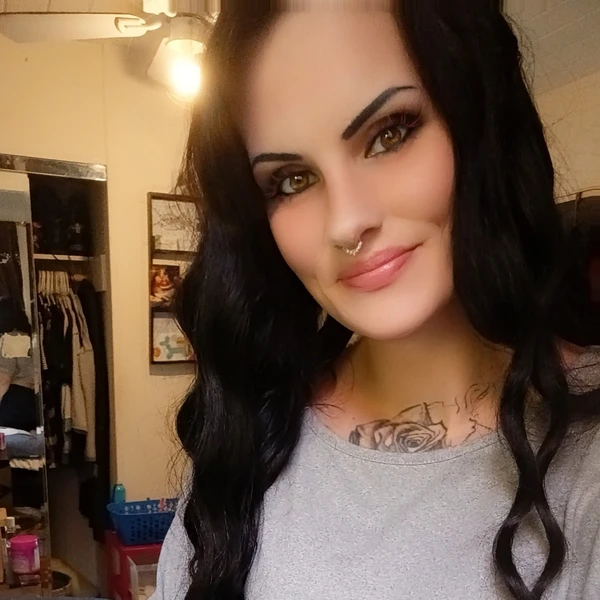
Danielle Shoaf
1x
FinalistDanielle Shoaf
1x
FinalistBio
For fourteen years, addiction controlled my life. Drugs and alcohol became my way of coping, but they ultimately led to isolation, broken relationships, and involvement with the criminal justice system. I often felt defined by my worst mistakes and trapped in a cycle I could not escape. Addiction affected every part of my life and left me feeling disconnected from who I truly was.
Recovery required honesty, accountability, and facing the deeper reasons behind my substance use. The most meaningful support I received came from people who had lived through addiction and incarceration themselves. Their understanding and guidance showed me that change is possible and that lived experience can be a powerful tool for healing rather than judgment.
Because of this, my goal is to open a house run by former addicts and convicts. This house would provide structure, peer support, and accountability in a respectful environment led by people who truly understand the struggle. Its purpose would be to help individuals rebuild their lives, reclaim their identities, and move forward with dignity, proving that the past does not have to define the future.
Education
College of Marin
Associate's degree programMajors:
- Social Work
Career
Dream career field:
social work
Dream career goals:
Sports
Basketball
Club2023 – 20263 years
Kerry Kennedy Life Is Good Scholarship
For fourteen years, addiction ruled my life. It dictated my choices, destroyed relationships, and kept me trapped in a cycle that felt impossible to escape. I wasn’t just using drugs—I was surviving day to day, numbing pain, avoiding responsibility, and believing deep down that change wasn’t meant for someone like me. Like many addicts, I became familiar with jails, broken promises, and the heavy weight of shame that follows you everywhere. Recovery didn’t come easy, and it didn’t come all at once. But it came, and it changed everything.
Today, my goal is to open a recovery house built on lived experience, honesty, and second chances. A place run by people who have been there—former addicts and convicts who understand the struggle not from textbooks, but from the inside. I believe that real recovery is rooted in connection, accountability, and alternative approaches that meet people where they are, not where society thinks they should be.
Traditional recovery programs help many people, but they don’t work for everyone. I know this because I spent years cycling through systems that treated addiction like a checklist instead of a human experience. My vision for a recovery house is different. It’s a space where residents are supported, not judged; challenged, not controlled. A place that focuses on personal growth, mental health, life skills, and purpose—alongside sobriety.
What makes this recovery house unique is who runs it. Every staff member would be someone who has walked the same road: ex-addicts, ex-convicts, people who have rebuilt their lives after losing everything. There is power in that. When someone in early recovery looks at a mentor and sees proof that change is possible, hope becomes real. Respect is earned differently when guidance comes from experience rather than authority alone.
The house would focus on alternative and holistic pathways to recovery. That includes peer mentorship, structured daily routines, physical fitness, mindfulness, group discussions, and practical education—how to manage finances, find employment, communicate effectively, and rebuild trust. Recovery isn’t just about stopping drug use; it’s about learning how to live again. Many addicts never learned healthy coping skills, emotional regulation, or self-worth. This house would help fill those gaps.
Employment and responsibility would also be central. Residents would be encouraged to work, volunteer, and give back to the community. Too often, people with criminal records are shut out of opportunities, which pushes them back toward old habits. A recovery house run by people with records sends a powerful message: your past does not disqualify you from a meaningful future.
I know firsthand how hard it is to ask for help, and how terrifying change can feel. I also know that people don’t fail recovery—systems fail people. My goal is to create a place that understands relapse as a risk, not a moral failure; a place that believes accountability and compassion can exist together.
This recovery house isn’t just about sobriety. It’s about redemption, identity, and rebuilding lives that once seemed beyond repair. After fourteen years of addiction, I didn’t just get clean—I found purpose. Now I want to offer that same chance to others who are still searching for a way out. If my story proves anything, it’s that broken people can build powerful things—and sometimes, they’re the ones best equipped to help others heal.
Brian J Boley Memorial Scholarship
For fourteen years, addiction ruled my life. It dictated my choices, destroyed relationships, and kept me trapped in a cycle that felt impossible to escape. I wasn’t just using drugs—I was surviving day to day, numbing pain, avoiding responsibility, and believing deep down that change wasn’t meant for someone like me. Like many addicts, I became familiar with jails, broken promises, and the heavy weight of shame that follows you everywhere. Recovery didn’t come easy, and it didn’t come all at once. But it came, and it changed everything.
Today, my goal is to open a recovery house built on lived experience, honesty, and second chances. A place run by people who have been there—former addicts and convicts who understand the struggle not from textbooks, but from the inside. I believe that real recovery is rooted in connection, accountability, and alternative approaches that meet people where they are, not where society thinks they should be.
Traditional recovery programs help many people, but they don’t work for everyone. I know this because I spent years cycling through systems that treated addiction like a checklist instead of a human experience. My vision for a recovery house is different. It’s a space where residents are supported, not judged; challenged, not controlled. A place that focuses on personal growth, mental health, life skills, and purpose—alongside sobriety.
What makes this recovery house unique is who runs it. Every staff member would be someone who has walked the same road: ex-addicts, ex-convicts, people who have rebuilt their lives after losing everything. There is power in that. When someone in early recovery looks at a mentor and sees proof that change is possible, hope becomes real. Respect is earned differently when guidance comes from experience rather than authority alone.
The house would focus on alternative and holistic pathways to recovery. That includes peer mentorship, structured daily routines, physical fitness, mindfulness, group discussions, and practical education—how to manage finances, find employment, communicate effectively, and rebuild trust. Recovery isn’t just about stopping drug use; it’s about learning how to live again. Many addicts never learned healthy coping skills, emotional regulation, or self-worth. This house would help fill those gaps.
Employment and responsibility would also be central. Residents would be encouraged to work, volunteer, and give back to the community. Too often, people with criminal records are shut out of opportunities, which pushes them back toward old habits. A recovery house run by people with records sends a powerful message: your past does not disqualify you from a meaningful future.
I know firsthand how hard it is to ask for help, and how terrifying change can feel. I also know that people don’t fail recovery—systems fail people. My goal is to create a place that understands relapse as a risk, not a moral failure; a place that believes accountability and compassion can exist together.
This recovery house isn’t just about sobriety. It’s about redemption, identity, and rebuilding lives that once seemed beyond repair. After fourteen years of addiction, I didn’t just get clean—I found purpose. Now I want to offer that same chance to others who are still searching for a way out. If my story proves anything, it’s that broken people can build powerful things—and sometimes, they’re the ones best equipped to help others heal.