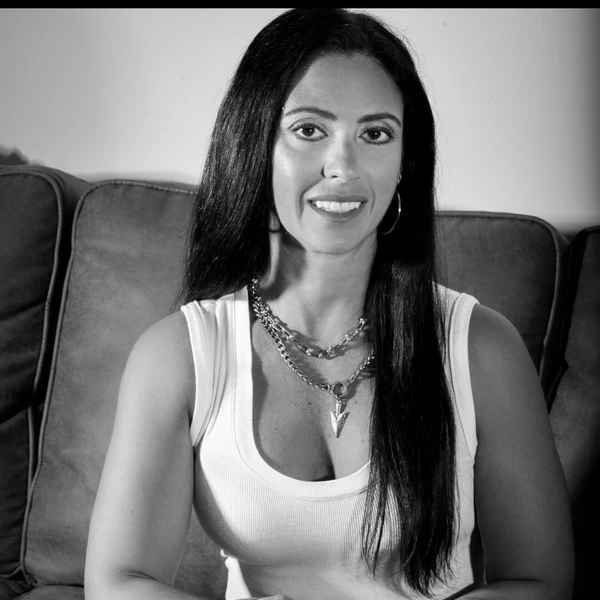
Scott, LA
Age
48
Gender
Female
Ethnicity
Caucasian
Religion
Christian
Church
Catholic
Hobbies and interests
Photography and Photo Editing
Reading
Psychology
I read books daily
US CITIZENSHIP
US Citizen
FIRST GENERATION STUDENT
No
Danielle Hosmer
1x
Finalist1x
Winner
Danielle Hosmer
1x
Finalist1x
WinnerBio
Danielle Hosmer – MSW Scholarship Applicant
With over 24 years of experience as a registered nurse and a certified life coach, I bring a deeply rooted passion for healing, empowerment, and social justice. As the Co-founder of Constant Progression Coaching and creator of The Confident Woman Movement, I’ve helped countless women reclaim their energy, break free from self-doubt, and achieve personal transformation through holistic coaching rooted in mental clarity, physical vitality, and emotional resilience.
Now, I am pursuing my Master of Social Work at LSU to integrate clinical therapy into my practice and expand trauma-informed services to underserved communities, including veterans. My mission is to bridge the gap between healthcare, mental health, and personal growth—creating lasting impact through both compassion and action.
I believe that progress, not perfection, leads to lasting change—and I am committed to being a force for hope, healing, and equity in every space I serve.
Education
Louisiana State University
Master's degree programMajors:
- Social Work
GPA:
4
University of Louisiana at Lafayette
Bachelor's degree programMajors:
- Social Work
- Science, Technology and Society
GPA:
3.2
Miscellaneous
Desired degree level:
Master's degree program
Graduate schools of interest:
Transfer schools of interest:
Majors of interest:
- Social Work
Career
Dream career field:
Mental Health Care
Dream career goals:
My long-term career goal is to open a transformative mental health and wellness clinic that seamlessly integrates therapy, life coaching, and holistic wellness practices—empowering individuals to heal deeply, live fully, and thrive intentionally.
Pre-operative nurse
Lahaye eye center2022 – Present4 yearsSpine department RN
LOS Surgical Hospital2025 – Present1 yearRN
HCA Hospital2001 – 20043 yearsLabor and delivery nurse
Women’s and Children’s Hospital2003 – 20041 yearNurse
Park place surgical hospital2003 – Present23 years
Sports
Bodybuilding
2014 – 20173 years
Awards
- nationals 4th place
Arts
Personal photography business
PhotographySenior photo experiences2020 – Present
Public services
Advocacy
Planting seeds of hope — Volunteer2026 – PresentAdvocacy
Mrs.Louisiana America — Public speaking2013 – 2014Volunteering
Girl Scouts — Group leader2010 – 2016
Future Interests
Advocacy
Volunteering
Philanthropy
Entrepreneurship
Bulkthreads.com's "Let's Aim Higher" Scholarship
I am not simply pursuing an education—I am building a bridge.
A bridge between clinical knowledge and human connection. Between silent suffering and meaningful support. Between the moment someone feels completely alone and the moment they realize they are not.
My journey to this point was not theoretical. It was forged in one of the most difficult seasons of my life, when my husband, a veteran, struggled with PTSD and attempted to take his own life. In that moment, I came face-to-face with the limitations of what I thought I knew as a registered nurse of over two decades. I understood medicine, but I began to realize that true healing requires something deeper: presence, trust, and the ability to meet people in their pain without reducing them to it.
That realization is what I am building my future upon.
At 48 years old, I made the decision to return to school to pursue my Master of Social Work. This is not just a degree, it is a foundation. Through this education, I am equipping myself with the clinical skills, therapeutic frameworks, and evidence-based practices necessary to become a licensed therapist specializing in trauma, PTSD, and suicide prevention. But more importantly, I am building the capacity to create spaces where people feel seen, heard, and valued.
Alongside my husband, I have already begun this work by co-founding a nonprofit organization, Warriors Edge. What I am building through this organization is a community-centered approach to mental health, one that focuses on mindset, education, and proactive support for veterans. Warriors Edge is designed to meet individuals before they reach a breaking point, providing outreach, connection, and tools that empower them to navigate life beyond their service.
In addition, through my work as a life coach, I am building relationships with women who are navigating burnout, self-doubt, and emotional exhaustion. I see firsthand how many people are quietly struggling, often believing they have to carry everything on their own. My goal is to expand this work into an integrated model that combines coaching and therapy, allowing for both practical strategy and deep emotional healing.
The impact I hope to create is both immediate and lasting.
For individuals, it means access to compassionate, trauma-informed care that honors their experiences without judgment. For families, it means stronger relationships built on understanding and communication. For the community, it means reducing stigma around mental health and creating a culture where asking for help is seen as strength, not weakness.
Education is the tool that makes this vision possible. It sharpens my ability to serve, strengthens the credibility of the work I am building, and expands the reach of the impact I can make.
I am not building something for recognition.
I am building something because I have seen what happens when support is missing—and I am committed to creating something better.
Ethel Hayes Destigmatization of Mental Health Scholarship
The night I realized love alone could not save someone is the night everything I believed about strength, care, and connection began to change.
Mental health was never an abstract concept in my life, it became deeply personal when my husband, a veteran, reached a breaking point and attempted to take his own life. In that moment, I was no longer just a registered nurse with over two decades of experience. I was a wife standing face-to-face with the reality that even the strongest people can silently unravel beneath the weight of unseen wounds.
His struggle with PTSD forced me to confront something I had not fully understood before: mental health is not always visible, logical, or predictable. It does not follow a straight path, and it cannot be “fixed” with love alone. I watched as silence, stigma, and internal pain created a barrier between him and the help he needed. And I realized how many others are living in that same quiet suffering, unseen, unheard, and unsupported.
That experience reshaped my understanding of the world in a profound way. I began to see that mental health is not just an individual issue; it is a societal one. It is influenced by culture, stigma, access to care, and the willingness, or unwillingness, to talk openly about pain. Too often, people are taught to suppress, to endure, and to “be strong,” when what they truly need is permission to be vulnerable and supported without judgment.
It also transformed my relationships. I learned that true connection is not about having the right answers, it is about being present in the uncertainty. It is about listening without trying to fix, and holding space without conditions. My marriage deepened in ways I never expected, rooted in honesty, resilience, and a shared commitment to healing. I also became more intentional in how I show up for others, recognizing that a simple conversation, a moment of understanding, or a willingness to ask hard questions can quite literally save a life.
Professionally, this journey altered the course of my life. While my nursing career gave me a strong clinical foundation, it was no longer enough for the kind of impact I felt called to make. I stepped into the field of personal development coaching, working with women who were navigating burnout, self-doubt, and emotional exhaustion. In doing so, I saw a common thread, so many people were struggling silently, believing they had to carry their burdens alone.
That realization led me to make a bold decision at 48 years old: to return to school and pursue my Master of Social Work. My goal is to become a licensed therapist specializing in trauma, PTSD, and suicide prevention, particularly among veterans and underserved populations. I want to be part of the solution, bridging the gap between clinical care and human connection, and helping individuals feel seen, heard, and supported in their healing.
Most recently, my husband and I took another step forward in this mission by founding a nonprofit organization, Warriors Edge. This organization is dedicated to strengthening mental mindset, raising awareness around mental health, and providing support and outreach for veterans. At its core, Warriors Edge is focused on suicide prevention, creating a space where veterans feel understood, valued, and equipped with the tools to navigate life beyond their service.
My journey with mental health has taught me that silence is one of the greatest barriers to healing. When we bring darkness into the light, through conversation, education, and connection, we begin to dismantle the stigma that keeps so many people suffering alone.
I no longer see mental health as something separate from everyday life. It is woven into how we think, how we connect, and how we survive. And because of what I have lived, I carry a deep responsibility to be part of the change.
Not just to understand the struggle, but to ensure that fewer people have to face it alone.
Debra S. Jackson New Horizons Scholarship
The night I realized love alone could not save someone is the night my life split into a before and an after.
Some moments arrive quietly, then dismantle everything you thought you understood about strength, resilience, and what it truly means to help another human being. For me, that moment came when my husband, a veteran carrying the invisible weight of his service, reached a breaking point and attempted to take his own life. In that instant, my roles as a wife, a nurse, and a helper collided with a painful truth: care without deeper understanding is not always enough.
For over two decades as a registered nurse, I believed I understood what it meant to care for others. I knew how to assess, intervene, and stabilize. But standing beside someone I loved as he fought an internal battle I could not see forced me to confront a different reality, one rooted not in clinical protocols, but in human suffering, silence, and stigma. His struggle with PTSD revealed gaps in the systems I once trusted, and more importantly, gaps in how we truly connect with and support those in pain.
That experience reshaped my values in a profound way. I began to see that healing requires more than treatment, it requires presence, empathy, and empowerment. It requires meeting people where they are, not where systems expect them to be. I became deeply committed to the idea that progress, not perfection, is what creates lasting change, and that every individual deserves to feel seen beyond their struggle.
In response, I stepped beyond the traditional boundaries of my nursing career and co-founded a life coaching practice focused on helping women overcome burnout, rebuild confidence, and reclaim their sense of purpose. Through this work, I witnessed how many individuals are silently carrying emotional burdens, often without the tools or support to navigate them. What began as a response to personal crisis became a calling to serve on a broader level.
At 48 years old, I made the intentional decision to return to school to pursue my Master of Social Work. This choice reflects both courage and clarity. Like Debra S. Jackson, I understand that education at this stage of life is not about reinvention for its own sake, it is about alignment with purpose. My goal is to become a licensed therapist specializing in trauma, PTSD, and support for veterans and underserved populations. I am committed to bridging the gap between clinical care and human connection, ensuring that individuals do not feel reduced to diagnoses, but understood as whole people.
My life journey has instilled in me a deep sense of responsibility to give back. I plan to use my education to advocate for improved mental health resources, provide trauma-informed care, and create spaces where individuals feel safe to be vulnerable without judgment. I am particularly passionate about supporting veterans and their families, who often carry unseen burdens long after their service ends.
This scholarship would provide critical support as I continue this path, easing the financial demands of returning to school while allowing me to remain focused on both my studies and my service to others. More importantly, it would affirm the belief that it is never too late to step into a purpose that creates meaningful impact.
I have lived through the kind of moment that changes everything.
And I have chosen to answer it, not with fear, but with action, growth, and an unwavering commitment to help others find their way back to hope.
Elijah's Helping Hand Scholarship Award
WinnerThe night I realized love alone could not save someone is the night my life split into a before and an after.
There are moments that arrive quietly and then detonate everything you thought you understood about strength, resilience, and survival. For me, that moment came when my husband—a veteran, a leader, a man who had carried the invisible weight of military service for years—reached a breaking point and attempted to take his own life. The experience was not just terrifying; it was transformative. It forced me to confront the raw, unfiltered reality of mental health in a way no textbook or clinical training ever could.
As a registered nurse of over two decades, I believed I understood care. I knew how to assess symptoms, respond to crises, and provide comfort. But nothing prepared me for the helplessness of standing beside someone you love while they battle an internal war you cannot see or physically fight for them. His struggle with PTSD was not linear—it was layered with silence, stigma, and an overwhelming sense of isolation. And in those moments, I began to understand that mental health is not simply a clinical issue; it is deeply human, deeply personal, and often deeply hidden.
In the aftermath, I made a decision that would redefine my entire life trajectory.
I immersed myself in learning—trauma-informed care, PTSD, suicide prevention, and the psychological frameworks that explain how pain can become so consuming that it eclipses hope. But knowledge alone was not enough. I recognized that what was missing in so many systems of care was connection, empowerment, and a space where individuals felt seen beyond their struggle.
This realization led me to step beyond the boundaries of my nursing career and into the field of personal development coaching. Alongside my husband, I co-founded a coaching practice rooted in one central belief: progress, not perfection, is what saves lives. We began working with women who were navigating burnout, self-doubt, and emotional exhaustion—many of whom were silently struggling in ways that mirrored what I had witnessed firsthand.
What started as a response to personal pain evolved into a calling.
At 48 years old, I made the decision to return to school to pursue my Master of Social Work, with the goal of becoming a licensed therapist specializing in trauma, veterans, and PTSD. This was not a casual career shift—it was a deliberate, purpose-driven commitment to serve those who are often overlooked, misunderstood, or left behind in traditional systems of care.
Mental health and suicide have not just impacted my life—they have reshaped it. They have stripped away assumptions and replaced them with clarity. They have taught me that resilience is not about avoiding struggle, but about choosing to rise within it. And they have given me an unshakable passion to advocate, educate, and create spaces where healing is possible.
Elijah’s story is a reminder that the cost of silence is too high.
In honoring that memory, I carry forward a mission: to reach those standing at the edge, to offer not just resources but real connection, and to remind them—through both words and action—that their life holds value, even when they cannot see it themselves.
Because I have seen the darkness.
And I have also seen what happens when someone chooses to stay.
Dr. DeNinno’s Scholarship for Mental Health Professionals
Pursuing a graduate degree in mental health is not simply an academic goal for me; it is a calling shaped by decades of clinical experience, personal adversity, and an unwavering commitment to service. As a registered nurse for twenty-five years, I have stood at bedsides during some of the most fragile moments of human life. I have witnessed the intersection of physical illness, emotional pain, trauma, and resilience. Over time, it became clear that while I could treat the body, many of my patients were silently suffering in ways that required deeper psychological and relational support. I am pursuing a Master of Social Work to bridge that gap.
I am the first person in my family to pursue a graduate degree. Higher education was never assumed; it was earned through persistence, sacrifice, and a belief that progress is built step by step. There was no roadmap for navigating graduate school, no generational blueprint to follow. Yet that absence has fueled my determination. I understand firsthand how transformative education can be, not only for an individual, but for an entire family system.
My professional path has continually drawn me toward mental health. In addition to nursing, I co-founded a coaching practice dedicated to helping professional women reclaim vitality, overcome burnout, and rebuild confidence. Through that work, I have seen how unaddressed trauma, chronic stress, and self-doubt erode not only productivity but identity. Coaching has allowed me to empower women with mindset strategies and sustainable health habits; however, I have reached the limits of what coaching alone can ethically and effectively provide. Graduate training in mental health will equip me with the clinical depth necessary to address trauma, depression, and post-traumatic stress with evidence-based interventions.
My commitment to this field is also deeply personal. My husband is a combat Marine Corps veteran who struggles with PTSD and has survived suicide attempts. Walking alongside him through moments of despair has exposed me to the gaps within our mental health system, particularly for veterans and their families. I have witnessed the stigma, the fragmented care, and the difficulty of accessing sustained therapeutic support. These experiences have strengthened my resolve to become a trauma-informed clinician who serves veterans and underserved populations with competence, compassion, and accountability.
My long-term vision extends beyond traditional therapy settings. I intend to integrate a holistic approach that honors the connection between mind and body, incorporating movement, nature, and experiential modalities into trauma recovery. I believe healing is not passive; it is embodied, relational, and incremental. My philosophy has always been “progress, not perfection,” and I plan to carry that framework into clinical practice, helping clients build resilience without shame.
This graduate degree represents more than personal advancement. It is an investment in the communities I will serve. I am driven by the belief that accessible, high-quality mental health care changes trajectories. I have the ambition to complete rigorous training, the drive to persevere despite financial constraints, and a clear vision for meaningful impact. With advanced education, I will expand my capacity to advocate, to treat, and to lead within the mental health field.
I am pursuing this degree because I have seen what untreated pain can do, and because I have also seen what compassionate, competent care can restore. My life’s work is to be part of that restoration.
Josh Gibson MD Grant
Joshua’s Light: Suicide Awareness & Resilience Scholarship by Solace Mind®
The night my husband tried to take his life for the second time, I realized love alone is not enough to save someone from the weight of untreated trauma.
My husband is a United States Marine Corps veteran who returned home carrying invisible wounds of war. PTSD did not arrive loudly; it crept into our home through sleepless nights, hypervigilance, emotional withdrawal, and a quiet hopelessness that nearly stole his life—twice. As a registered nurse of twenty-four years, I understood physiology, crisis response, and medication management. What I was unprepared for was navigating a fragmented mental health system while fighting to keep my family intact. Advocating for follow-up care, coordinating appointments, and learning the language of trauma transformed me. Mental health was no longer a professional interest, it was personal, urgent, and life-defining.
Walking alongside my husband through recovery reshaped my career trajectory. I witnessed both the resilience required to ask for help and the systemic gaps that make sustained care difficult. His survival was not the result of a single intervention; it was built through persistent advocacy, community support, lifestyle changes, and trauma-informed therapy. That journey awakened a calling in me. I transitioned from bedside nursing into life coaching, founding Constant Progression Coaching to help women strengthen mindset, emotional awareness, and resilience. Yet over time, I recognized the limits of coaching when trauma is unprocessed and suicidal ideation is present. To serve ethically and comprehensively, I needed advanced clinical training. Pursuing a Master’s degree in mental health is my commitment to bridging that gap.
Self-advocacy has been central to our survival and to my professional growth. I have learned to ask direct questions about suicide rather than avoid them. I challenge stigma by speaking openly about PTSD and suicide attempts within veteran communities and among professional women who silently struggle. I advocate in clinical settings, ensuring coordinated care and trauma-informed approaches. Personally, I prioritize my own therapy, supervision, and continuing education because sustainable service requires regulated, supported providers. I model that seeking help is strength—not weakness—echoing the very truth this scholarship represents.
My future work will focus on underrepresented populations, particularly veterans and their families, as well as high-achieving women experiencing burnout and concealed depression. As I complete my graduate training, I plan to integrate evidence-based therapy with holistic modalities—movement, nature-based interventions, and equine-assisted therapy—to support nervous system regulation and embodied healing. Trauma is stored in the body; recovery must address the body as well as the mind. My long-term vision includes hosting healing retreats and developing accessible programs for veterans who often feel misunderstood or lost within traditional systems.
Joshua’s Light honors the courage it takes to keep showing up while seeking help. My husband’s survival, and the countless others who still struggle, compel me forward. I am pursuing this degree not only to treat symptoms, but to help build a more responsive, compassionate mental health landscape, one where asking for help is met with coordinated care, dignity, and hope.
Build and Bless Leadership Scholarship
Faith as the Foundation of My Leadership
The greatest victories I have led were not won by my strength, but by surrendering the outcome to God.
From my earliest years, my faith has been the compass guiding my decisions, my leadership, and my service to others. Graduating from a Christian high school instilled in me the belief that leadership is not about personal recognition, but about serving with humility, compassion, and conviction. Over time, my faith has shaped my leadership style into one rooted in trust—trust in God’s plan, trust in the people I lead, and trust that every trial is a step toward a greater purpose.
One defining example came during my work as a life coach, when I was guiding a group of women overwhelmed by anxiety, self-doubt, and life transitions. I could have relied solely on productivity tools or mindset techniques, but instead, I chose to lead them through faith. I encouraged them to release the weight of their worry into God’s hands, reminding them that surrender is not weakness—it is strength in its purest form. Together, we explored biblical principles on trust, fear, and surrender, applying them to their daily struggles. Over time, I watched them transform—not because their circumstances immediately improved, but because their perspective did. They began to walk in peace, no longer controlled by fear, knowing they were held by a faithful God. This experience reaffirmed my conviction that faith releases fear and opens the door to lasting change.
Faith is not a side note in my coaching platform—it is the foundation. I teach my clients that no matter how capable or disciplined they are, true freedom comes from acknowledging that they are not in control, and that is a gift. I have seen, time and again, that when people trust God’s plan, they make decisions with clarity, walk with courage, and face uncertainty with peace. My role as a leader is not to push people toward my vision for them, but to help them seek God’s vision for their lives.
This approach reflects the mission of this scholarship: to exemplify the power of community in uplifting others and helping them reach their goals. In my work, faith is the unifying force that brings people together, breaking down walls of fear and isolation. When individuals trust God and trust each other, they not only gain strength for themselves, but they become a source of strength for the community around them. I have seen clients go from isolated and hesitant to confident and actively encouraging others—creating ripple effects far beyond our sessions.
Pursuing my Master of Social Work at LSU is the next step in living out this calling. I plan to integrate faith-based principles into clinical therapy, creating spaces where people can heal emotionally, mentally, and spiritually. My long-term vision is to open a mental health and wellness clinic that blends professional counseling, holistic wellness, and biblical guidance—helping people break free from anxiety, depression, and fear by anchoring themselves in God’s promises.
Leading others through faith has shown me that education and skill are powerful, but incomplete without spiritual guidance. My faith has given me the courage to lead even when the path is uncertain, because I know Who is guiding my steps. With the support of this scholarship, I will continue to lead with integrity, inspire others to trust God’s plan, and build communities that radiate the hope and peace only faith can bring.
OMC Graduate Scholarships
I am not just returning to graduate school—I am answering a lifelong call to heal, empower, and transform lives through the lens of mental health and human connection.
With over 24 years of experience as a registered nurse, a decade as a certified life and health coach, and a personal journey deeply rooted in resilience, I am now pursuing my Master of Social Work to merge these experiences and bring trauma-informed therapy to the forefront of underserved communities. Receiving this scholarship would not only support my educational journey, but it would directly contribute to a greater mission: shaping a future where mental health care is accessible, compassionate, and transformational.
Throughout my nursing career, I worked closely with individuals across every stage of life—from critical care to hospice—witnessing the profound effects of unaddressed emotional pain, generational trauma, and chronic stress. My clinical experience made it clear that physical health and mental well-being are inextricably linked. This insight fueled my passion to help women, especially those juggling careers, families, and the weight of unspoken expectations, reclaim their vitality through my coaching company, Constant Progression Coaching. Through personalized wellness programs and my signature Confident Woman Movement, I help women break through burnout, overcome self-doubt, and create lasting shifts in mindset, movement, and purpose. But I’ve always known that I wanted to go deeper—to provide licensed therapeutic support, especially for those navigating trauma, grief, PTSD, and emotional wounds that coaching alone cannot address.
My passion for mental health advocacy also stems from personal experience. My husband’s struggle with PTSD and multiple suicide attempts opened my eyes to the immense gaps in care for veterans and the emotional toll on their families. It shaped my drive to be a part of the solution—to become a trauma-informed therapist who doesn’t just treat symptoms but helps individuals rebuild from the inside out. This isn’t just a career goal—it’s a calling.
Pursuing graduate studies at this stage of life is both humbling and invigorating. As a nontraditional student over 40, I bring life experience, empathy, and an unshakable commitment to making a difference. This scholarship would ease the financial burden that comes with balancing school, family, and business responsibilities. But more importantly, it would serve as a powerful investment in the ripple effect of impact I intend to make—as a therapist, coach, advocate, and community leader.
Education has the power to heal communities, restore dignity, and change the trajectory of countless lives. I believe that with the right support and vision, one person can spark transformation on a global scale. That is the future I am building—one client, one session, one healed heart at a time. This scholarship will not only help me reach the next step in my professional evolution; it will enable me to bring hope and healing to those who need it most.
Thank you for believing in the power of education and for considering my commitment to creating a more compassionate, mentally well world.
TRAM Panacea Scholarship
The weight we carry isn’t always visible—some burdens are worn on the body, others buried in the mind.
As a nurse of 24 years, life coach, and founder of The Confident Woman Movement, I’ve stood at the intersection of physical health and emotional struggle for most of my career. But my passion for addressing obesity and mental health on a deeper level was ignited at home, watching my husband battle severe PTSD. His silent suffering led to multiple suicide attempts, and in those dark moments, I saw firsthand how unresolved mental health issues can strip a person of their vitality, identity, and will to live. This experience didn’t just leave a mark—it became a mission.
Obesity is often seen as a physical health issue, yet in my work, I’ve witnessed how deeply it is rooted in emotional pain, trauma, and mental disconnection. Many of the women I coach aren’t just carrying extra pounds—they’re carrying grief, shame, anxiety, and unhealed trauma. And it shows up on their bodies. That’s why I created The Confident Woman Movement—a coaching program designed to help women reclaim their lives through mindset mastery, physical movement, and self-compassion. We don’t just talk about calories or cardio. We uncover the deeper patterns and break the emotional chains that keep women stuck. Movement is more than exercise—it is a tool for emotional regulation, empowerment, and self-expression.
In today’s world, obesity is one of the most widespread and misunderstood global health issues. According to the World Health Organization, global obesity rates have nearly tripled since 1975. And yet, behind every statistic is a human story—a woman who’s tried every diet but still feels unworthy, a veteran who eats to cope with flashbacks, a teenager who stops going to school because of body shame. The mental weight is heavier than the physical. And this is where we’re failing in healthcare: we treat the symptoms, but not the root causes. I want to change that.
With my background in nursing, I’ve seen how clinical systems often overlook the emotional and psychological barriers to healing. As a coach, I’ve helped women break through those barriers by combining mindset techniques with practical tools for sustainable health. Now, I’m taking the next step by pursuing my Master of Social Work to become a licensed therapist. My goal is to integrate therapeutic support into my coaching and wellness programs—to address the whole person, not just the diagnosis. I envision a practice where therapy, coaching, and fitness are seamlessly connected—where we can talk about trauma in one breath and celebrate strength in the next.
This is more than a career move—it’s a calling. I want to be a bridge for the women who feel lost between mental health services and fitness solutions. I want to help them rewrite their stories, not just reshape their bodies. The fusion of therapy, coaching, and fitness can offer a powerful, holistic response to the obesity and mental health crisis we are facing worldwide.
I believe that sustainable change starts with understanding. If we can teach people to move their bodies and shift their minds, we will begin to heal not just individuals—but generations. This scholarship would support more than my education—it would help expand a mission to transform how we approach obesity and mental health across communities and cultures. The future of healthcare must be integrative, compassionate, and fearless—and I am ready to be part of that change.
SnapWell Scholarship
Health isn’t just what you do at the gym—it’s the quiet decision to fight for yourself when no one else sees the battle.
Over the course of my life and career, I’ve come to believe deeply in the philosophy that health is not a one-dimensional goal—it is the integration of mental, emotional, physical, and spiritual well-being. As a registered nurse of 24 years, a certified life and health coach, and a former group fitness instructor of 10 years, I have dedicated my life to helping others pursue wellness in its fullest form. Today, I run a coaching business, Constant Progression Coaching, where I guide women to reclaim their energy, align with their purpose, and build sustainable healthy habits from the inside out. My decision to return to graduate school to pursue a Master of Social Work is a natural extension of this mission, and the SnapWell Scholarship would be a vital support on this journey.
One of the most pivotal moments in my wellness journey came when I had to confront my own burnout. As a wife, mother, nurse, business owner, and caretaker to a husband battling combat-related PTSD, I often put everyone else’s needs above my own. It reached a point where my body felt depleted, my mind was constantly overwhelmed, and I could no longer ignore the emotional weight I carried. I knew something had to change. I began the very process I now teach others: showing up for myself every single day. I started with movement—not just for fitness, but for sanity. I made my morning walks and strength sessions sacred. I nourished my body with intention. I sought therapy, restructured my boundaries, and reconnected with my purpose. Prioritizing my own wellness saved my life and allowed me to show up stronger for my family, clients, and community.
This personal transformation taught me the most critical lesson I pass on to the women I coach: your health must be nonnegotiable. Through The Confident Woman Movement, my signature coaching program, I help women cultivate mental clarity, emotional resilience, and physical vitality. We focus on practical strategies for stress management, mindset shifts, fitness routines that feel good—not punishing—and healthy habits that create a foundation for long-term success. My programs are rooted in the belief that when women reclaim ownership of their minds, bodies, and spirits, they become unstoppable. I don’t just teach wellness—I live it.
My passion for wellness is not limited to one-on-one coaching. It fuels my future as a licensed therapist, where I intend to integrate evidence-based therapeutic modalities with holistic health strategies. I envision a practice that blends trauma-informed care, nutritional and physical wellness support, and mindset coaching, particularly for underserved communities, veterans, and women recovering from burnout and chronic stress. The SnapWell mission mirrors my own: empowering people to show up for themselves in every way that matters. This scholarship would not only help fund my education, but would also amplify the work I’ve already begun—creating lasting impact in the lives of those who need it most.
Wellness saved my life, and now I’ve committed mine to saving others through it. I am ready to bring my experience, passion, and whole-person approach to the field of social work. I believe the SnapWell Scholarship and the MSW program at LSU are the next right steps in a journey that has always been rooted in healing.