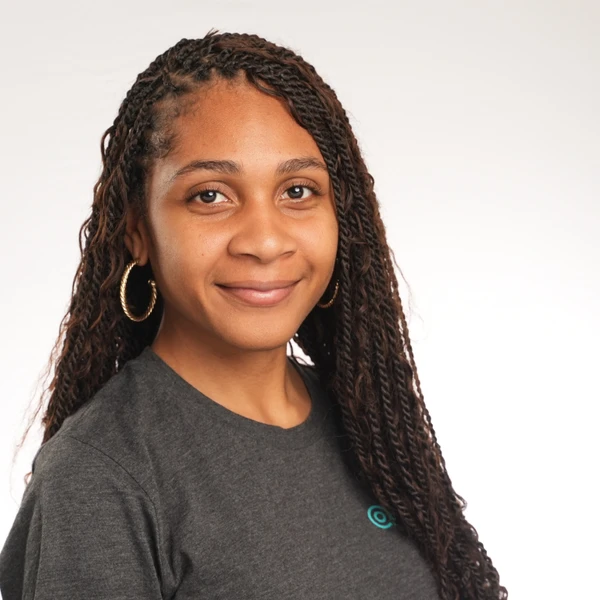
Age
26
Gender
Female
Ethnicity
Black/African
Religion
Christian
Church
Catholic
Hobbies and interests
Advocacy And Activism
African American Studies
Child Development
Cognitive Science
Economics
Education
Ethics
Business And Entrepreneurship
Reading
Academic
Classics
Economics
Education
I read books multiple times per month
US CITIZENSHIP
US Citizen
LOW INCOME STUDENT
Yes
FIRST GENERATION STUDENT
Yes
Danielle Daniels
1x
Finalist1x
WinnerDanielle Daniels
1x
Finalist1x
WinnerBio
I am a dedicated and ambitious individual, deeply committed to academic excellence, community leadership, and personal growth. As a first-generation college graduate, my journey has been shaped by determination and resilience, navigating the challenges of balancing rigorous academics, professional responsibilities, and personal obstacles. My undergraduate experience at Howard University instilled in me the importance of advocacy and social impact, while my graduate studies at Columbia University have honed my skills in Applied Behavioral Analysis and leadership.
Education has always been my pathway to empowerment and change. I believe in its transformative power not only for individuals but for communities as a whole. This belief is reflected in my passion for mentorship, my drive to represent underrepresented voices, and my commitment to fostering peace and progress through education. I’ve thrived in high-pressure environments, taking on challenges like a demanding 27-credit course load during the pandemic while maintaining focus on my long-term goals.
Balancing my roles as a student, a professional, and an advocate has allowed me to develop an unshakable work ethic, strong interpersonal skills, and the ability to inspire and connect with others. I am determined to use these experiences to contribute meaningfully to my community and create lasting change for future generations.
Education
Teachers College at Columbia University
Master's degree programMajors:
- Public Administration and Social Service Professions, Other
- Communication, General
- Business/Commerce, General
- Business/Corporate Communications
- Behavioral Sciences
- Business, Management, Marketing, and Related Support Services, Other
- Psychology, General
- Research and Experimental Psychology
- Psychology, Other
Minors:
- Psychology, General
GPA:
3.4
Howard University
Bachelor's degree programMajors:
- Psychology, General
GPA:
3.3
Queens School Of Inquiry (The)
High SchoolCareer
Dream career field:
Education
Dream career goals:
Legislative Intern
Congress2019 – 20212 years
Sports
Softball
Junior Varsity2015 – 20172 years
Public services
Public Service (Politics)
Mayoral campaign — Canvaser2020 – 2022
Future Interests
Advocacy
Volunteering
Philanthropy
Entrepreneurship
Nabi Nicole Grant Memorial Scholarship
Faith has been the foundation of my resilience and the quiet force that has carried me through life’s most daunting challenges. Growing up in a low-income household, I was thrust into responsibilities beyond my years, caring for my younger brother, who is neurodivergent, and supporting my disabled aunt. As a high school student, I often wondered how I could navigate academics, family obligations, and the uncertainty of my own future. At times, the weight of these responsibilities felt insurmountable. It was in these moments, however, that I held on to a simple yet profound truth: faith as small as a mustard seed can move mountains. That belief became both my compass and my motivation.
There were nights when I stayed up balancing homework with household responsibilities, moments when I questioned whether I could ever rise above the circumstances I was born into. Through it all, I relied on prayer, perseverance, and the conviction that every sacrifice I made was preparing me for a life of purpose. Faith guided me to see my challenges not as obstacles, but as opportunities to cultivate strength, resilience, and empathy. It taught me to believe in potential even when the path forward was unclear.
My faith became a source of courage as I pursued higher education. At Howard University, I challenged myself to grow academically and personally, engaging in leadership and community service initiatives while maintaining my commitment to my family. Every achievement, no matter how small, was a testament to the power of perseverance grounded in faith. Now, at Columbia University, I continue to build on that foundation, expanding my capacity to serve underserved youth through non-profit work, mentorship, and advocacy. Each step in my journey has been guided by the conviction that dedication, hard work, and faith can transform both personal circumstances and broader communities.
Looking back, I am amazed by how far I have come..from a high school student unsure of how to manage responsibilities to a graduate student equipped to create meaningful change in the lives of others. Faith, which began as a quiet anchor in moments of doubt, has become a driving force in my pursuit of excellence, service, and leadership. It reminds me that challenges are not roadblocks but stepping stones, and that the smallest seed of belief can grow into extraordinary achievement.
Receiving the Nabi Nicole Grant Memorial Scholarship would not only support my continued education but also honor the spirit of faith and service that defines my journey. I carry with me the belief that even in the face of immense challenges, resilience, hope, and faith can move mountains, and through that belief, I strive to uplift others as I continue to pursue my dreams.
Shop Home Med Scholarship
Caring for my younger brother while supporting my disabled aunt has profoundly shaped who I am, instilling resilience, empathy, and a commitment to service that continues to guide my personal and professional journey. Growing up in a low-income household, I assumed responsibilities beyond my years. My childhood was not defined by leisure but by caregiving, helping my brother navigate daily life, managing household tasks, and ensuring my aunt had the support she needed. These experiences taught me the value of patience, adaptability, and selflessness, lessons that have carried over into every aspect of my life.
Balancing caregiving with academics required discipline and determination. Despite the challenges, I excelled in school, eventually earning admission to Howard University. There, I immersed myself in learning and community service, finding ways to channel the lessons I had learned at home into initiatives that supported others. My upbringing instilled a strong sense of responsibility and a belief in the transformative power of guidance, which I applied to mentorship programs, volunteer efforts, and leadership opportunities on campus. Time management, empathy, and problem-solving.. all skills I developed as a caregiver, allowed me to contribute meaningfully to my peers and the broader community.
My path has continued at Columbia University, where I pursue graduate studies while remaining deeply committed to youth-focused work in a non-profit setting. My professional and academic experiences are rooted in the same principles that guided my early caregiving: supporting others, creating opportunity, and fostering growth in those who may face systemic barriers. Caring for my family taught me that advocacy, leadership, and service are intertwined, and that meaningful impact often begins with small, consistent acts of support and guidance.
Looking forward, I intend to leverage both my academic training and personal experience to expand programs that empower underserved youth, providing mentorship, educational support, and holistic care. The lessons I learned as a caregiver..resilience in the face of adversity, empathy for the challenges of others, and a commitment to creating positive change, will continue to shape my approach to leadership and community engagement. I am motivated not only to achieve my own goals but to use my skills and resources to uplift others, ensuring that support and opportunity are accessible to all.
The Shop Home Med Scholarship represents an opportunity to honor the values that have guided me throughout my life. My experience as a caregiver has been defining, shaping both my character and my career aspirations. Receiving this scholarship would not only provide critical support for my education but also reinforce the principle that caregiving and ambition are not mutually exclusive. I strive to live a life that reflects the lessons I have learned at home: dedication, compassion, and a steadfast commitment to making a meaningful impact in the lives of others.
Ethan To Scholarship
Applying for the Ethan To Scholarship represents more than financial support; it is an opportunity to advance a lifelong commitment to understanding and supporting mental health. Growing up in a low-income household, I assumed responsibilities well beyond my years, caring for my younger brother while supporting my disabled aunt. These early experiences exposed me to the challenges of navigating emotional and psychological stress under conditions of limited resources. I learned firsthand how resilience, guidance, and compassionate intervention can shape outcomes for those facing adversity, and I developed a deep empathy for individuals confronting mental health struggles in environments where support is scarce.
This understanding shaped my academic journey at Howard University, where I pursued a degree in psychology. Beyond rigorous coursework, I engaged in programs that addressed student well-being and community mental health awareness. These experiences taught me how to create safe spaces for dialogue, identify signs of emotional distress, and connect peers with resources that could help them thrive. My time at Howard instilled in me the importance of combining knowledge with service, showing me that meaningful impact comes from both understanding human behavior and applying that understanding to improve lives.
My professional path further reinforced this commitment. Working with underserved youth at a non-profit organization, I witnessed how mental health intersects with social and economic challenges. I helped implement programs that addressed emotional regulation, stress management, and resilience-building, providing young people with strategies to navigate complex personal and social pressures. These experiences highlighted the critical role of accessible mental health support and inspired me to pursue graduate level training to enhance both my knowledge and my capacity to serve.
Currently, as a graduate student at Columbia University, I continue to develop the skills necessary to address systemic challenges in mental health and youth development. My studies equip me with evidence-based strategies for intervention, program design, and community advocacy. Looking ahead, my goal is to expand initiatives that provide holistic mental health support to underserved populations, particularly young people, integrating education, counseling, and mentorship to foster resilience and opportunity. I aspire to ensure that mental health is treated not as a privilege but as a fundamental component of thriving communities.
Receiving the Ethan To Scholarship would enable me to advance this mission while honoring the scholarship’s legacy of raising awareness and providing support to students navigating mental health challenges. My personal experiences, academic training, and professional engagement reflect a sustained commitment to service, advocacy, and impact. Through continued study and hands-on work, I aim to empower individuals and communities, helping them overcome barriers and realize their full potential.
Priscilla Shireen Luke Scholarship
From a young age, I understood that service to others is not merely a choice but a responsibility. Growing up in a household with limited resources, I assumed significant responsibilities early, caring for my younger brother while supporting my disabled aunt. These formative experiences instilled in me resilience, empathy, and a deep appreciation for the transformative power of guidance and support. They also fostered a lifelong commitment to uplifting others, particularly those whose potential is often overlooked.
My journey continued at Howard University, an environment that challenged and inspired me to expand my understanding of leadership and advocacy. There, I engaged deeply with community-centered initiatives, learning not only how to listen but how to create structures and programs that empower others. Howard cultivated my voice as a changemaker, shaping me into someone who seeks to leverage knowledge and opportunity to address systemic inequities.
This dedication to service has guided my professional path. Working in politics, I witnessed firsthand the ways policy can shape communities. Yet it was equally clear that meaningful change often begins at the local level, with consistent, intentional engagement. This insight led me to my current work at a non-profit organization serving underserved youth. Here, I collaborate on programs that nurture young people’s potential, provide mentorship, and foster safe spaces where they can explore their talents and aspirations. My academic foundation in business, complemented by a background in sustainability, informs a strategic approach to program development and resource management, ensuring that initiatives are both impactful and enduring.
At Columbia University, I continue to expand my capacity to serve. Graduate study has sharpened my analytical and leadership skills, providing tools to design programs and policies that address inequity with evidence-based strategies. The combination of rigorous scholarship and hands-on experience has reinforced my conviction that empowerment is most effective when it is systemic, sustainable, and inclusive.
Looking forward, my ambition is to scale these efforts, creating innovative programs that equip underserved youth with the skills, confidence, and resources to thrive. I envision initiatives that blend mentorship, education, and community engagement, providing holistic support while fostering leadership from within the communities served. Every effort I undertake is informed by the belief that opportunity should not be dictated by circumstance but nurtured through guidance, resources, and care.
Receiving the Priscilla Shireen Luke Scholarship would not only provide critical support for my studies but would also advance my ability to contribute meaningfully to the lives of others. My trajectory, which has been shaped by responsibility, enriched by academic environments, and grounded in community service, reflects a commitment to a life dedicated to service. I am resolved to honor this legacy by fostering hope, empowerment, and opportunity for generations to come.
Travis Ely Collegiate Angler Memorial Scholarship
Character, sportsmanship, and work ethic have been shaped for me not only through formal roles, but through the spaces I have learned to occupy and reclaim. As a Black woman, being on the water has never been a neutral experience. Outdoor and fishing spaces have historically excluded people who look like me, which means that participation itself requires intention, discipline, and confidence. I carry that awareness with me whenever I am on the water and whenever I show up in my community.
Fishing has taught me patience and preparation in a way few other activities have. Time on the water requires respect for the environment, adherence to rules, and an understanding that outcomes cannot be forced. Sportsmanship in this setting means honoring shared space, practicing conservation, and engaging with others in ways that reflect integrity rather than ego. I am mindful that my presence may challenge assumptions about who belongs in these spaces, and I take that responsibility seriously. How I conduct myself, how I treat others, and how I respect the water all contribute to whether outdoor spaces feel welcoming or exclusionary.
That same sense of responsibility carries into my community work. I work closely with underserved youth, many of whom have limited access to nature, recreation, and restorative environments. Structural barriers often determine who feels entitled to explore, to slow down, and to take up space in environments that foster confidence and reflection. My work ethic is rooted in expanding access and modeling possibility. Whether through mentorship, programming, or consistent presence, I strive to show young people that they belong in spaces that promote growth, discipline, and self-respect.
Character, for me, is demonstrated through consistency and follow-through. It is arriving prepared, honoring commitments, and acting with integrity even when no one is watching. In both fishing and community work, I have learned that discipline is not about recognition but about responsibility. Sportsmanship extends beyond competition; it is reflected in how I collaborate, listen, and share credit. I value cooperation over individual achievement and believe that success is strongest when it is collective.
Travis Ely’s legacy reflects dedication, humility, and impact that extends beyond personal accomplishment. Those values resonate deeply with how I approach both fishing and service. I strive to use every space I occupy as an opportunity to lead with integrity and inclusion, whether that space is on the water or within my community. My goal is not only personal growth, but to widen pathways so others, particularly those who have been historically excluded, can access spaces that foster discipline, confidence, and connection. In doing so, I aim to honor the spirit of this scholarship and the responsibility that comes with presence, purpose, and work ethic.
ADHDAdvisor Scholarship for Health Students
My commitment to supporting others’ mental health began long before I entered a classroom or professional setting. Growing up in a low-income household, I assumed caregiving responsibilities for my younger brother at an early age while being raised by a disabled caregiver. In that role, I learned to attune myself to emotional shifts, respond calmly under stress, and prioritize stability even when resources were limited. Those formative experiences shaped how I understand mental health today, not as an abstract concept, but as something deeply tied to environment, access, and sustained support.
I carried this understanding into my undergraduate studies in Psychology, initially intending to pursue a clinical path. My coursework strengthened my interest in mental health, particularly around emotional development, resilience, and behavior. However, as I gained professional experience working in community-based and youth-serving organizations, I began to see how individual mental health struggles were often rooted in larger systems. Many of the young people I worked with were not lacking motivation or ability; they were navigating instability, inequitable access to care, and chronic stress. This realization led me to pivot academically and pursue graduate training in Social and Organizational Psychology, where I could better address the structures that shape mental well-being.
In my current role at a youth-centered nonprofit, I support adolescents and young adults facing academic pressure, family challenges, and uncertainty about their futures. While I am not a clinician, I regularly provide emotional support through active listening, consistent presence, and crisis-aware engagement. I work to create spaces where young people feel safe expressing anxiety, frustration, or self-doubt, and I connect them to appropriate resources when additional support is needed. By normalizing conversations around mental health, I aim to reduce stigma and empower youth to advocate for their own well-being.
Looking ahead, I plan to build a career focused on strengthening organizations and programs that serve underserved communities, with mental health as a central priority. Through my studies and professional work, I hope to design systems that support not only outcomes, but the emotional sustainability of both participants and staff. The ADHDAdvisor Scholarship reflects the values that guide my path: empathy, advocacy, and a belief that meaningful mental health support begins with understanding people in context. I am committed to continuing this work and contributing to healthier, more compassionate communities.
Future Green Leaders Scholarship
Sustainability should be a priority in business because the decisions made by organizations today determine not only financial outcomes but also environmental and social consequences for future generations. In sectors that intersect directly with community well-being, such as youth-centered nonprofit organizations, sustainable business practices are essential to ensuring that impact is not short-lived or extractive, but durable, responsible, and equitable. Business, when approached with a sustainability lens, becomes a powerful tool for protecting resources while expanding opportunity.
My academic training in business has shaped how I understand sustainability not as an abstract ideal, but as an operational necessity. Organizations that fail to plan for long-term resource use, environmental impact, and system efficiency often struggle with instability, burnout, and diminished effectiveness. This is especially true in nonprofit settings that serve underserved youth, where funding is limited and community needs are urgent. Sustainable business models help ensure that programs can continue without exhausting staff, overextending resources, or compromising environmental responsibility. In this context, sustainability supports both mission fulfillment and organizational survival.
Working within youth-serving organizations has reinforced how closely environmental issues are tied to social inequities. Underserved communities are often the first to experience the effects of environmental neglect, whether through limited access to green spaces, food insecurity, or aging infrastructure. When nonprofits adopt sustainable operational practices such as reducing waste, streamlining transportation, or investing in energy-efficient spaces, they are not only lowering costs but also modeling responsible leadership for the young people they serve. These practices demonstrate that sustainability is not separate from social impact, but foundational to it.
My educational journey has strengthened this perspective. Studying at Howard University cultivated a deep awareness of leadership, service, and collective responsibility, grounding my understanding of how institutions shape individual opportunity. Continuing my graduate education at Columbia University has further refined my ability to think systemically about organizations, resource allocation, and long-term planning. Across both environments, I have developed a business-oriented mindset that values accountability, data-informed decision-making, and sustainability as core components of effective leadership. Exposure to sustainability principles through coursework and applied experiences has reinforced the importance of integrating environmental considerations into organizational strategy rather than treating them as optional add-ons.
Looking forward, I see myself applying my business training to roles that influence how organizations operate at scale. I am particularly interested in nonprofit management and social impact leadership, where financial stewardship, environmental responsibility, and community outcomes must be balanced intentionally. In these roles, I hope to help organizations adopt sustainable practices that reduce environmental impact while increasing efficiency, such as responsible budgeting, strategic partnerships, and program designs that minimize waste and duplication of services. I aim to advocate for funding structures that reward sustainability, ensuring that environmental responsibility is embedded into how success is measured.
In the long term, I envision contributing to organizations that not only serve youth but prepare them to engage thoughtfully with the challenges facing their communities, including climate change and environmental justice. By aligning business strategy with sustainability, nonprofits can model the kind of leadership that empowers young people to see stewardship as both achievable and necessary. Sustainability, in this sense, becomes an investment in people as much as the planet.
The Future Green Leaders Scholarship affirms that caring for the planet is not optional. It recognizes students who understand that sustainability must be integrated into business innovation, community-driven action, and organizational leadership. My academic training, professional experience, and commitment to youth-centered work reflect this understanding. With support, I will use my business education to help build organizations that are financially sound, environmentally responsible, and capable of creating lasting impact for the communities they serve.
Joybridge Mental Health & Inclusion Scholarship
I remember watching my younger brother struggle with feelings he didn’t have the words to describe. Raised in a household shaped by love but limited by poverty and disability, I often became the caregiver, the translator of emotions, and the advocate for a child trying to make sense of the world around him. Our experiences taught me early on that mental health isn’t a luxury—it’s a necessity. Yet in the communities I come from, it's often treated like one.
Now, as a graduate student at Columbia University’s Teachers College studying Social-Organizational Psychology, my life has come full circle. My concentration focuses on supporting community-based nonprofits in inner-city neighborhoods like the ones I grew up in. I am deeply committed to making mental health systems not only more accessible, but more representative—ensuring that the voices and lived experiences of minority populations are at the forefront of research, leadership, and care.
My passion for mental health advocacy is rooted in both personal experience and professional growth. I began my journey working in government, serving as a liaison between marginalized communities and elected officials. But it was during my time as a behavioral therapist for children with autism that I saw how deeply systemic inequities affect access to care. Many of the children I worked with were from immigrant or low-income families who felt excluded by the system—not just because of language or cost, but because no one in that system looked like them or understood their culture. I carried those stories with me into graduate school, where I now center my research and service work around trauma-informed, culturally responsive practices.
My career goal is to found a nonprofit mental wellness hub that partners with local schools, community organizations, and government programs to provide affordable, trauma-informed care to youth and families of color. I envision it as a space where evidence-based mental health care meets grassroots organizing—where young people not only receive services but are trained to become mental health advocates themselves. This goal drives every decision I make, from the courses I take to the research I support to the way I mentor other students of color navigating academia.
To promote diversity and inclusion in the field, I also plan to continue my advocacy through policy reform. I want to see more inclusive standards in mental health research—research that prioritizes representation, disaggregates data by race and income, and values community-partnered approaches. I know the power of representation. As a first-generation Black graduate student and alumna of Howard University, I want others to see that mental health belongs to all of us—that healing, wellness, and leadership in this space are not reserved for the privileged few.
Receiving this scholarship would not just lighten my financial burden—it would be a profound investment in the kind of world I am trying to build: one where mental health care is accessible, inclusive, and rooted in justice.
Nabi Nicole Grant Memorial Scholarship
Faith has been a guiding force in my life, especially during moments of profound difficulty. One of the most challenging periods I faced was during my undergraduate years at Howard University. As a first-generation college student with a learning disability, I often felt the weight of expectations coupled with the struggles of navigating an academic environment that wasn’t always accommodating to my needs. Balancing my coursework, a part-time job, and familial responsibilities, including caring for my younger brother due to my mother’s physical disability, seemed insurmountable at times. Yet, it was during these moments that my faith became my anchor.
In my junior year, I encountered a particularly daunting challenge. I was enrolled in a rigorous research methods course that required extensive writing and critical thinking skills—areas where I felt my learning disability posed significant barriers. After receiving a failing grade on my first assignment, I felt defeated and questioned my ability to succeed in college altogether. However, rather than succumbing to despair, I turned to my faith for strength. I remembered the lessons my mother instilled in me: that faith, perseverance, and hard work could overcome any obstacle. I prayed for guidance and clarity, asking not just for the outcome I desired but for the resilience to see the process through.
My faith led me to take actionable steps to improve. I sought out resources on campus, including tutoring and academic coaching. I approached my professor to better understand her expectations and how I could meet them. Most importantly, I reminded myself that my worth wasn’t tied to a single grade or outcome but to the effort I invested and the growth I achieved. With time, patience, and unwavering belief in my potential, I not only passed the course but earned one of the highest grades in the class by the semester’s end.
This experience taught me the power of leaning on faith to navigate challenges. It reinforced my belief in the importance of resilience and the value of seeking support when needed. Faith allowed me to see obstacles not as insurmountable barriers but as opportunities for growth and self-discovery. It gave me the courage to embrace my vulnerabilities and transform them into strengths.
Today, as I pursue my master’s degree in Applied Behavior Analysis at Columbia University, this lesson continues to guide me. The demands of graduate school, coupled with my ongoing commitment to advocacy and research, often feel overwhelming. However, my faith reminds me to approach each challenge with grace and determination. It fuels my passion for creating a more inclusive and equitable world for all students, especially those with special needs.
Faith remains the cornerstone of my journey, shaping my resilience and empowering me to pursue ambitious goals. It is this unwavering belief in possibility and growth that I bring to every aspect of my life, from academics to professional endeavors. As I continue striving to make a meaningful impact, I hold onto the conviction that faith, combined with action, can turn any challenge into a stepping stone toward success.
Black Excellence Scholarship
1) Attribute I Embody the Most: "Thrive with an Indomitable Will"
Among the eight attributes of Black Excellence, the one I most strongly embody is the ability to thrive with an indomitable will. Throughout my life, I have faced significant challenges, including growing up in a household with a physically disabled mother, taking care of my younger brother and being a first-generation student. Yet, these adversities have only strengthened my resolve to succeed. My upbringing taught me resilience, as I took on responsibilities well beyond my years to help my family. The fortitude I developed during this time laid the foundation for my indomitable will in all aspects of my life.
My journey to academic success further exemplifies this attribute. Despite the academic difficulties I faced in college, I refused to let it define my future. I sought additional support, developed tailored study strategies, and leveraged my work ethic to overcome obstacles. I was determined to graduate with a degree in Psychology from Howard University, a feat I accomplished with a 3.36 GPA, despite the challenges I encountered. This determination to overcome setbacks has been a hallmark of my academic and professional journey.
In my career, I have channeled this willpower into advocacy and leadership. I worked on Capitol Hill for Congresswoman Yvette Clarke, where I navigated the complexities of policy and community needs, ensuring that underrepresented voices were heard. I didn’t allow challenges like long hours or difficult negotiations to deter my mission. Instead, I saw them as opportunities to push harder and achieve greater impact. My journey in the ABA program at Columbia University is another testament to my resilience, as I aim to combine my passion for social justice and psychology to advocate for underrepresented communities.
Through these experiences, I have cultivated an unyielding commitment to my goals, no matter the difficulty. This indomitable will has been the driving force behind my success and will continue to propel me forward in my pursuit of excellence in both my personal and professional life.
2) Attribute I Need to Improve: "Prioritize and Manage Time"
While I have consistently demonstrated resilience and drive, one area where I know I need to improve is my ability to prioritize and manage time effectively. Juggling my various roles as a student, an intern, an advocate, and a professional has often stretched my time thin, making it difficult to manage everything efficiently. I have learned that while my determination can get me through tasks, time management is crucial for maximizing productivity and maintaining a healthy work-life balance.
To improve in this area, I plan to implement a more structured approach to organizing my tasks. First, I will begin by setting clear, measurable goals for each aspect of my life, breaking them down into actionable steps. This will allow me to focus on what truly matters and ensure that I am allocating sufficient time to each responsibility. I will also utilize time management tools such as digital planners and project management apps to better track deadlines and progress. This will help me stay on top of my assignments and obligations without feeling overwhelmed.
Additionally, I will commit to setting boundaries and learning to say no when necessary. As someone who is passionate about helping others and making an impact, I often take on too much, which leads to burnout. By prioritizing tasks based on their importance and urgency, I will be able to focus my energy where it will make the most significant impact.
Lastly, I will seek advice from mentors and peers who excel at time management. By learning from their strategies and experiences, I can incorporate new techniques into my routine that will help me better manage my time and maintain productivity.
In conclusion, while time management has been a challenge, I am committed to refining this skill. Through structure, discipline, and mentorship, I am confident that I can improve in this area, ensuring that I am more effective in my studies, career, and personal life. By mastering time management, I will be able to focus more deeply on my mission and continue to thrive in all areas of my life.
Online ADHD Diagnosis Mental Health Scholarship for Women
Mental health has been a cornerstone of my academic journey and personal life, shaping the challenges I’ve faced and the resilience I’ve built to overcome them. As a first-generation college student, I navigated higher education with limited guidance, carrying the weight of my family’s expectations while managing financial instability. These challenges came to a peak during my senior year of undergrad when I undertook a 27-credit course load amid the COVID-19 pandemic. The isolation, uncertainty, and workload were overwhelming, straining both my mental health and academic performance. During that difficult period, I realized the toll that stress, anxiety, and burnout were taking. Long nights of studying often left me emotionally drained, while self-doubt and exhaustion impacted my ability to focus and engage fully in my classes. I knew I needed to prioritize my mental health to succeed academically and personally. To address these challenges, I adopted proactive strategies to maintain balance. Seeking counseling services provided me with tools to manage stress and reframe my perspective on challenges. Incorporating mindfulness practices, such as journaling and guided meditation, created moments of calm amidst the chaos. These small yet impactful habits helped me develop a healthier approach to managing pressure. Building a strong support system also became critical. I leaned on professors, mentors, and friends for advice and encouragement. Their support helped me feel less isolated and more capable of facing difficulties. Additionally, I made time for restorative activities like walking, cooking, and connecting with loved ones. These practices not only improved my mental well-being but also enhanced my academic performance by allowing me to approach tasks with greater clarity and focus. Today, as I pursue a graduate degree at Columbia University’s Teachers College while working full-time, I remain committed to these strategies. I carefully balance my responsibilities by setting boundaries, prioritizing tasks, and carving out time for self-care. These practices ensure I can excel in my studies while maintaining my emotional well-being. What sets me apart as a candidate for this scholarship is not just my dedication to academic success but my commitment to advocating for mental health awareness. Having experienced the profound impact of prioritizing mental wellness, I aim to share these lessons with others, particularly students from marginalized backgrounds. I want to empower others to seek help and embrace self-care, demonstrating that success is possible without sacrificing mental health. In summary, my mental health journey has been one of growth, resilience, and self-discovery. It has taught me to balance ambition with self-compassion and to approach challenges with determination and grace. This scholarship would support my continued efforts to prioritize mental health and use my experiences to inspire others, affirming that caring for oneself is not a barrier to success but a crucial part of achieving it.
Dr. Jade Education Scholarship
The life of my dreams is a reflection of my unwavering commitment to education, advocacy, and creating lasting change in my community. As a proud graduate of Howard University with a degree in Psychology and a current graduate student at Columbia University’s Teachers College, I see education as more than a personal achievement—it is the foundation upon which I build opportunities for others, particularly underrepresented and marginalized communities. My dream life represents a harmony between professional success and personal fulfillment, with every step grounded in a desire to uplift, empower, and inspire others to reach their fullest potential.
In this life, I am a trailblazer in the fields of education and psychology, using my expertise to design programs and policies that address systemic barriers and inequities. As a civil litigating attorney with a strong foundation in psychology, I bridge the gap between the legal and educational systems to advocate for policies that promote equity and access. I lead with purpose, ensuring that underserved communities have the tools, resources, and support they need to thrive. Through my work, I provide a voice to those who often go unheard, ensuring that their needs are not just acknowledged but addressed with tangible solutions.
My dream life also includes a thriving balance between my career and personal life. As someone who values the power of education, I continue to pursue lifelong learning to remain at the forefront of my field. Whether it is through mentorship programs or community initiatives, I am always seeking ways to expand my knowledge and make a greater impact. However, success to me is not just defined by my professional achievements. I envision a flexible work schedule that allows me to dedicate time to my family, working in a meaningful career that aligns with my values. This balance enables me to not only nurture my family but also remain active in my community, serving as a role model for others.
Education has always been at the heart of my journey, shaping my goals and defining my aspirations. As a first-generation college graduate and now a graduate student, I have experienced firsthand the transformative power of education. It has been the key to overcoming obstacles and breaking barriers, both for myself and for those I aim to serve. My experiences have taught me the importance of perseverance, resilience, and hard work. They have also instilled in me a deep sense of responsibility to use my education to create pathways for others. In my dream life, I am not only achieving my goals but also creating opportunities for others to do the same.
Receiving this Scholarship would bring me closer to this dream by alleviating some of the challenges of pursuing a graduate degree while working full-time. It would provide the support I need to focus on my studies and career while maintaining my commitment to my community. This scholarship would not only recognize my dedication but also affirm the value of my efforts to use education as a tool for change. As someone who has always strived to balance ambition with purpose, this support would be a crucial step in realizing my vision for the future.
Ultimately, the life of my dreams is one where I live with intention and purpose, using my education and experiences to make a meaningful difference in the lives of others.Through the power of education, I aim to leave a legacy of empowerment, advocacy, and lasting impact, ensuring that the doors I have walked through remain open for those who follow.