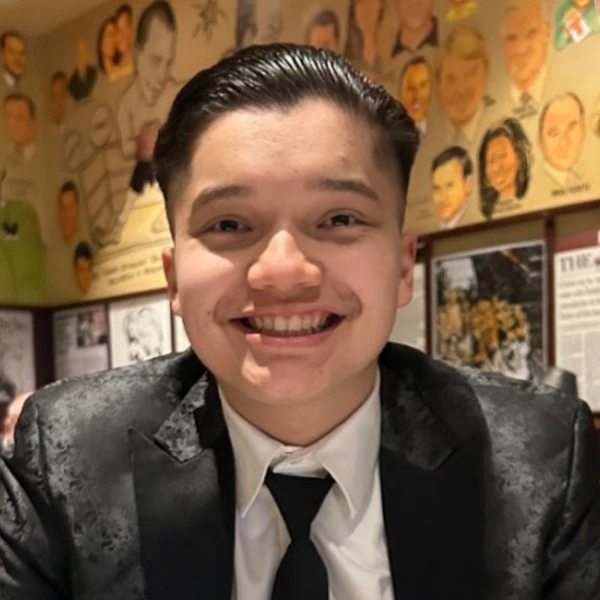
Daniel Perez
1x
FinalistDaniel Perez
1x
FinalistBio
I am passionate about building a career in accounting and finance that creates stability, transparency, and opportunity. As a college student pursuing business and accounting, my long-term goal is to become a Certified Public Accountant and use my skills to help individuals and organizations make ethical, informed financial decisions. I am driven by the desire to break generational financial barriers through education, discipline, and leadership, and to make financial knowledge more accessible to underserved communities and small businesses. I am a strong candidate for this scholarship because I consistently turn opportunity into action by balancing a demanding academic workload while actively developing real-world skills in accounting, analytics, and leadership. I am disciplined, resilient, and goal-oriented, and I view education not as an obligation but as a tool for long-term impact. This scholarship would allow me to focus fully on my studies and continue building a future rooted in integrity, growth, and meaningful contribution.
Education
George Mason University
Bachelor's degree programMajors:
- Accounting and Computer Science
- Business, Management, Marketing, and Related Support Services, Other
Northern Virginia Community College
Associate's degree programMajors:
- Business Administration, Management and Operations
Miscellaneous
Desired degree level:
Bachelor's degree program
Graduate schools of interest:
Transfer schools of interest:
Majors of interest:
- Business, Management, Marketing, and Related Support Services, Other
- Accounting and Computer Science
Career
Dream career field:
Accounting
Dream career goals:
Champions Of A New Path Scholarship
I believe I deserve this scholarship not because I am more deserving than every other applicant, but because I have consistently demonstrated determination, resilience, and a commitment to making the most of every opportunity I have been given. My educational journey has required hard work, sacrifice, and perseverance, and those experiences have shaped both my character and my goals for the future.
I am currently pursuing a Bachelor of Science in Business Administration with a concentration in Accounting at George Mason University. My goal is to become a Certified Public Accountant and build a career that allows me to help businesses and individuals make ethical, informed financial decisions. I chose accounting because it combines analytical thinking, problem-solving, and integrity, qualities that I strive to demonstrate in every aspect of my life.
One of the qualities that sets me apart is my willingness to continue moving forward despite challenges. As a student with a learning disability, I have often had to invest additional time and effort to master difficult concepts. Instead of allowing those challenges to discourage me, I learned to seek support, improve my study habits, and remain committed to my goals. Those experiences strengthened my resilience and taught me that success is earned through persistence rather than talent alone.
I have also balanced my education with part-time employment throughout college. Managing work responsibilities while maintaining my academic progress has required careful planning, discipline, and sacrifice. There have been many days when I worked before or after class and spent my evenings studying instead of relaxing. Although balancing these responsibilities has not always been easy, it has taught me valuable lessons about time management, accountability, and financial responsibility that will continue to benefit me throughout my career.
Another quality that distinguishes me is my commitment to continuous learning. I believe education extends far beyond the classroom. I regularly read books on business and personal development, stay informed about changes in the accounting profession, and use online resources to strengthen my knowledge. I enjoy learning because I understand that the most successful professionals never stop improving themselves. That mindset has helped me become a more adaptable student and prepared me for a profession that continues to evolve with new technologies.
Receiving this scholarship would allow me to reduce the financial burden of college and devote more time to my education, professional development, and preparation for the CPA exam. More importantly, it would allow me to continue building the skills necessary to make a positive impact in my future career and community.
What gives me an advantage is not that I have faced more challenges than anyone else, but that I have chosen to learn from every challenge I have encountered. I approach obstacles as opportunities to grow, remain committed even when the path becomes difficult, and continually look for ways to improve myself. Those qualities will continue to guide me throughout my education and career.
If selected, I will honor this investment by continuing to work hard, pursuing excellence with integrity, and using my education to serve others. I am committed to building a career that reflects not only professional success but also responsibility, leadership, and a lifelong dedication to learning and giving back.
Ruthie Brown Scholarship
Paying for college is one of the biggest financial challenges many students face, and I understand the importance of planning responsibly for both my current and future student loan debt. While I view higher education as one of the best investments I can make, I also recognize that managing educational expenses requires careful budgeting, discipline, and long-term planning. My goal is not only to earn my degree but also to graduate with as little debt as possible while preparing myself for financial stability after college.
One of the primary ways I am addressing my educational expenses is by working part-time while pursuing my degree. Balancing work with college has required strong time-management skills and personal discipline, but it has allowed me to contribute toward tuition, books, transportation, and other educational costs. Although balancing work and school can be challenging, it has taught me valuable lessons about financial responsibility and the importance of planning for the future.
I also actively apply for scholarships whenever possible. Every scholarship represents an opportunity to reduce the amount I may need to borrow and allows me to focus more of my time and energy on my education. Rather than viewing scholarships as simply financial assistance, I see them as investments in my future and reminders that hard work and perseverance are recognized and rewarded.
Creating and following a budget has also become an important part of my financial plan. I carefully manage my spending by focusing on essential expenses and avoiding unnecessary purchases whenever possible. I understand that making thoughtful financial decisions now can reduce financial stress after graduation. These habits have helped me develop skills that will benefit me throughout my career, especially as I pursue a profession centered on financial responsibility and ethical decision-making.
Looking ahead, I plan to continue minimizing debt by pursuing internships and career opportunities that provide valuable professional experience while helping me earn income. As I prepare to graduate with a degree in Business Administration with a concentration in Accounting, my goal is to secure a position that allows me to begin building my career while making consistent student loan payments. Because I plan to become a Certified Public Accountant, I know that continued professional development and career advancement will increase my earning potential over time, allowing me to repay any remaining student loans responsibly.
More importantly, I have learned that managing student loan debt is not just about repayment; it is about developing healthy financial habits that will benefit me throughout my life. By working while attending school, living within my means, applying for scholarships, and planning carefully for the future, I am building a strong financial foundation that extends far beyond graduation.
Receiving this scholarship would significantly reduce the financial burden of earning my degree and allow me to dedicate more time to my education, CPA preparation, and professional development. It would help me graduate with less debt while bringing me one step closer to achieving my career goals. I am committed to making responsible financial decisions today so that I can build a stable future, contribute to my community, and use my education to help others make informed financial choices as well.
Frank and Patty Skerl Educational Scholarship for the Physically Disabled
As a Business Administration student with a concentration in Accounting, I have learned that education extends far beyond the classroom. While lectures and textbooks provide a strong academic foundation, online platforms and digital resources have become essential to expanding my understanding of accounting concepts and developing practical skills. These tools allow me to learn at my own pace, strengthen difficult topics, and stay current with changes in the accounting profession.
One of the resources I use most frequently is YouTube. Many accounting professionals and educators create detailed tutorials that break down complex topics into clear, step-by-step explanations. When I encounter challenging concepts such as financial statements, journal entries, inventory valuation, or cost accounting, watching different instructors explain the material helps me view it from multiple perspectives. The ability to pause, replay, and review lessons makes it easier to fully understand the material before applying it in class.
I also take advantage of LinkedIn Learning and other professional development platforms to build skills beyond my coursework. These platforms offer courses in Microsoft Excel, business communication, data analysis, and emerging technologies that are becoming increasingly important in the accounting profession. Developing these skills has increased my confidence and better prepared me for the expectations of future employers.
Artificial intelligence has also become an important learning tool when used responsibly. Rather than relying on AI to complete assignments, I use it to simplify difficult concepts, create additional practice problems, and explain accounting principles in different ways. This approach helps me strengthen my understanding while encouraging me to think independently and apply what I have learned. It has also helped me identify gaps in my knowledge and prepare more effectively for exams.
My university's online learning platforms have been equally valuable throughout my education. Access to lecture slides, recorded class sessions, assignments, discussion boards, and professor announcements helps me stay organized and review material whenever necessary. I also regularly use the university library's online databases to access scholarly journals, professional publications, and research articles. These resources have strengthened my research abilities and taught me how to evaluate reliable sources of information.
Beyond my coursework, I follow professional accounting organizations and industry publications to stay informed about developments within the profession. Reading about changes in accounting standards, taxation, financial reporting, and the growing role of artificial intelligence helps me connect classroom concepts to real-world applications. Staying informed reinforces the importance of continuous learning in a profession that is constantly evolving.
These online resources have made me a more confident, independent, and adaptable learner. Instead of relying on a single source of information, I have learned to compare perspectives, think critically, and apply knowledge in practical situations. More importantly, they have shown me that education does not end when class is over. By taking advantage of these tools, I am developing the habits of lifelong learning that will help me succeed throughout my career as an accountant.
Ultimately, these platforms have enhanced my education by helping me deepen my understanding, strengthen practical skills, and prepare for the future of the accounting profession. They have become an essential part of my academic success and will continue to support my professional growth long after I graduate.
Learner Online Learning Innovator Scholarship for Veterans
As a business student with a concentration in Accounting, I have learned that education extends far beyond the classroom. While lectures and textbooks provide a strong foundation, online platforms, tools, and resources have become essential to deepening my understanding of accounting concepts and developing practical skills. These resources allow me to learn at my own pace, reinforce challenging topics, and stay informed about changes within the accounting profession.
One of the resources I use most frequently is YouTube. Many accounting educators and professionals create detailed tutorials that explain complex concepts through step-by-step examples. When I encounter topics such as financial statements, journal entries, inventory valuation, or cost accounting, watching multiple explanations often helps me understand the material from different perspectives. Being able to pause, replay, and review lessons allows me to strengthen my understanding before applying the concepts in class.
I also use LinkedIn Learning and other professional learning platforms to expand my knowledge beyond what is covered in my coursework. These resources offer courses on Microsoft Excel, business communication, data analysis, and emerging technologies that are becoming increasingly important in the accounting profession. Learning these practical skills has helped me become more confident in using technology that employers expect accounting professionals to understand.
Artificial intelligence tools have also become valuable learning resources when used responsibly. Rather than using them to complete assignments, I use AI to clarify difficult concepts, generate additional practice questions, and explain accounting principles in simpler language. This approach helps me better understand the material while still completing my own work and developing independent problem-solving skills. Using AI as a learning assistant has allowed me to identify gaps in my understanding and strengthen my confidence before exams.
My university's online learning platforms have also been essential throughout my education. Access to lecture slides, recorded class materials, assignments, discussion boards, and professor announcements allows me to stay organized and review material whenever necessary. In addition, I regularly use the university library's online databases to access scholarly articles and professional publications for research projects. These resources have strengthened my research skills and helped me evaluate credible sources of information.
Beyond academic resources, I follow professional accounting organizations and industry publications to stay informed about changes in the profession. Reading articles about accounting standards, financial reporting, taxation, and artificial intelligence in accounting helps me connect classroom concepts to real-world applications. Understanding how the profession continues to evolve motivates me to remain a lifelong learner.
These online platforms and resources have helped me become a more independent and confident student. Instead of relying on a single explanation or textbook, I have learned how to seek multiple perspectives, evaluate information critically, and apply knowledge in practical situations. More importantly, they have shown me that learning does not end when class is over. By taking advantage of these tools, I am developing the habits of continuous learning that will be essential throughout my career as an accountant.
Ultimately, online resources have expanded my education beyond the classroom by providing opportunities to strengthen my skills, deepen my understanding, and prepare for the evolving demands of the accounting profession. They have become an essential part of my academic success and will continue to support my professional growth long after I graduate.
Bright Lights Scholarship
My plans for the future are centered on building a meaningful career, continuing to grow as a professional, and making a positive impact on the people around me. I am currently pursuing a Bachelor of Science in Business Administration with a concentration in Accounting, and my long-term goal is to become a Certified Public Accountant (CPA). I chose this field because I enjoy analytical thinking, problem-solving, and helping individuals and organizations make informed financial decisions. I want to build a career based on integrity, accountability, and continuous learning.
After graduation, I plan to gain experience in public accounting or corporate finance, where I can strengthen my technical knowledge while developing practical experience. As the accounting profession continues to evolve with artificial intelligence and new technologies, I hope to stay at the forefront of these changes by expanding my skills and adapting to new tools. Long term, I aspire to take on leadership roles where I can mentor younger professionals and contribute to organizations that value ethical decision-making and responsible financial management.
Education has always represented more than earning a degree. It is an opportunity to create a better future for myself and to honor the sacrifices that have helped me reach this point. Throughout my college journey, I have balanced coursework with part-time work while remaining committed to my academic goals. Managing both responsibilities has strengthened my discipline, time management, and perseverance. Those experiences have shown me that meaningful achievements require consistent effort and determination.
Receiving this scholarship would help me continue pursuing my goals by reducing the financial burden associated with earning my degree. Tuition, textbooks, transportation, and other educational expenses add up quickly, and balancing these costs while working can sometimes limit the amount of time I can dedicate to studying and professional development. Financial assistance would allow me to focus more on my education, prepare for the CPA exam, and pursue internship opportunities that will help me build a strong foundation for my future career.
Beyond the financial support, this scholarship would also serve as encouragement to continue striving for excellence. Knowing that others believe in my potential would motivate me to work even harder and make the most of every opportunity. I see scholarships not only as an investment in a student's education but also as an investment in the positive impact that student can make in the future.
As my career develops, I hope to give back by mentoring students, supporting financial literacy initiatives, and helping individuals and small businesses make informed financial decisions. I believe education creates opportunities that extend far beyond the classroom, and I want to use my knowledge and experiences to strengthen the communities I serve. Success, to me, is measured not only by professional accomplishments but also by the ability to help others achieve their own goals.
This scholarship would help move me one step closer to achieving my aspirations. It would provide the resources and encouragement needed to continue pursuing my education with confidence while preparing for a career dedicated to integrity, service, and lifelong learning. I am committed to making the most of this opportunity and using my education to create a positive and lasting impact.
Hines Scholarship
Going to college means far more to me than earning a degree. It represents opportunity, personal growth, and the ability to create a better future. College has challenged me academically, strengthened my character, and given me the confidence to pursue goals that once seemed out of reach. Every class, assignment, and obstacle I overcome brings me one step closer to becoming the person and professional I aspire to be.
I am currently pursuing a degree in Business Administration with a concentration in Accounting because I enjoy solving problems, analyzing information, and helping organizations make informed decisions. Accounting is a field built on integrity, precision, and critical thinking, qualities I value and strive to develop every day. My long-term goal is to become a Certified Public Accountant and build a career where I can help businesses and individuals achieve financial stability while maintaining ethical standards.
My college experience has also taught me the importance of perseverance. Balancing coursework with part-time work has required careful planning, discipline, and sacrifice. There have been days when I worked before class, attended lectures, and spent my evenings studying instead of relaxing. Although the schedule has been demanding, it has strengthened my work ethic and reminded me that meaningful goals require consistent effort. Each challenge has prepared me for the responsibilities I will face throughout my career.
Beyond academics, college has helped me grow as a person. It has introduced me to people with different backgrounds, perspectives, and experiences, teaching me the value of collaboration and open-mindedness. Working on group projects, communicating with professors, and adapting to new challenges have improved my leadership, communication, and problem-solving skills. These experiences have shown me that success is not achieved alone but through learning from others and contributing to a shared purpose.
What I am trying to accomplish extends beyond personal success. I want to build a career that allows me to make a positive impact on the lives of others. Whether by helping individuals understand their finances, supporting businesses in making responsible decisions, or mentoring future students, I want my education to become a tool for service. I believe knowledge is most valuable when it is shared and used to create opportunities for others.
College has also reinforced my belief in lifelong learning. The business world continues to evolve, especially with advances in technology and artificial intelligence. I know that earning my degree is only the beginning of my education. I am committed to continuing my professional development, staying informed about changes in the accounting profession, and continually improving my skills so I can provide the greatest value throughout my career.
Ultimately, going to college means investing in a future filled with purpose and possibility. It is an opportunity to challenge myself, honor the sacrifices that have helped me reach this point, and build a life defined by integrity, perseverance, and service. I am not simply working toward a diploma; I am working toward a future where I can use my education to create meaningful change, support my family, and make a positive contribution to my community. Every step I take in college brings me closer to accomplishing that vision.
Humanize LLC Gives In Honor of Shirley Kelley Scholarship
Being raised by a guardian and grandparent had a profound impact on the person I have become. Although my upbringing was different from many of my peers, it was filled with love, guidance, and valuable life lessons that continue to shape my character and future goals. Growing up in their care taught me that family is defined not only by circumstance but by the people who choose to support, encourage, and believe in you every day.
My guardian and grandparent provided stability during a time when consistency was especially important. They worked hard to ensure I had a safe home, opportunities to learn, and the encouragement to pursue my dreams. Watching them make sacrifices for my well-being taught me the meaning of responsibility and selflessness. Even when life presented challenges, they remained focused on providing a better future for me, and their perseverance became an example I strive to follow.
One of the greatest lessons they taught me was the importance of education. They believed that learning could create opportunities that would otherwise be unavailable and encouraged me to give my best effort in school. Their support motivated me to remain committed to my education, even when balancing coursework with other responsibilities became difficult. Whenever I encountered setbacks, they reminded me that persistence and hard work were more important than perfection.
Being raised by a guardian and grandparent also helped me develop independence at an early age. I learned to take responsibility for my decisions, manage my time effectively, and appreciate the value of hard work. These experiences strengthened my resilience and taught me to approach challenges with determination rather than discouragement. Instead of viewing obstacles as barriers, I learned to see them as opportunities to grow and become stronger.
These experiences have directly influenced my future goals. I am pursuing higher education because I want to build a stable and meaningful career while honoring the sacrifices that were made on my behalf. My goal is to use my education to create opportunities not only for myself but also for others. I hope to build a career grounded in integrity, leadership, and service, while giving back to the people and communities that have supported me throughout my journey.
Looking ahead, I also hope to serve as a source of encouragement for young people who may be growing up in circumstances similar to mine. I want them to know that their family situation does not define their potential. With determination, support, and education, they can achieve their goals and build the future they envision for themselves.
Being raised by a guardian and grandparent shaped my values, strengthened my resilience, and inspired my ambitions. Their love, guidance, and unwavering belief in me continue to motivate me every day. As I pursue my education and future career, I carry their lessons with me, hoping to honor their sacrifices by living a life defined by hard work, compassion, and a commitment to helping others.
J&Y Law Yahouda Yahoudai Service Scholarship
Community has taught me that making a difference does not always require extraordinary actions. Often, the greatest impact comes from consistently showing up, supporting others, and contributing wherever you can. Throughout my life, I have tried to embody this belief by serving my community through my work, my school, and the relationships I build with those around me. These experiences have shown me that compassion, reliability, and service are just as valuable as any professional skill.
One of the ways I have contributed to my community is through my work in customer service. Although it may not always be viewed as traditional volunteer work, I have learned that serving people with patience, respect, and kindness can have a meaningful impact. Every interaction is an opportunity to brighten someone's day, solve a problem, or simply make someone feel valued. Whether assisting a customer, helping a coworker, or taking on additional responsibilities when needed, I have learned that small acts of service create stronger communities over time.
My education has also provided opportunities to contribute to others. During group projects and collaborative assignments, I make an effort to encourage teamwork and ensure everyone feels included. I believe that leadership begins with listening, communicating clearly, and helping others succeed alongside you. When classmates have questions or need support, I try to share what I know and contribute in ways that help the entire group succeed. These experiences have strengthened my communication skills while reinforcing the importance of cooperation and mutual respect.
Outside of school and work, I believe that supporting my local community also means investing in the people around me. My family has taught me the importance of kindness, generosity, and being present for others during difficult times. Whether that means helping friends through challenges, supporting community events, or participating in my church, I have learned that meaningful service often happens in everyday moments rather than through grand gestures.
The people who inspire me most are those who quietly dedicate themselves to helping others without expecting recognition. Their example has shown me that true leadership is measured not by personal accomplishments but by the positive influence you have on the lives of those around you. That perspective continues to shape the way I approach both my education and my future career.
As I pursue my degree in Business Administration with a concentration in Accounting, I hope to continue giving back in even greater ways. I want to use my education to help individuals, families, and small businesses make informed financial decisions that strengthen their futures. I also hope to mentor students entering college and encourage them to pursue their goals with confidence. I understand how valuable guidance and encouragement can be, and I want to provide that same support to others.
Community is built through consistent acts of compassion, integrity, and service. While my contributions may not always receive recognition, I believe every effort to help another person strengthens the community we all share. As I continue my education and career, I remain committed to using my knowledge, skills, and time to serve others and create opportunities that leave a lasting, positive impact.
Barbara Cain Literary Scholarship
Reading has become one of the most influential habits in my life because it allows me to learn beyond the classroom and continuously improve myself. While my college education provides the knowledge necessary for my future career, books have taught me valuable lessons about discipline, leadership, resilience, and personal growth. They have shaped the way I think, influenced my goals, and encouraged me to become a lifelong learner.
I am especially drawn to nonfiction books that focus on business, psychology, productivity, and self-improvement. These books challenge me to think differently, question my assumptions, and develop habits that contribute to long-term success. Rather than simply reading for entertainment, I read to learn something I can apply to my own life. Whether it is improving my time management, strengthening my communication skills, or developing a better understanding of leadership, I try to turn what I read into meaningful action.
One of the biggest lessons I have learned from reading is that success is built through consistency rather than talent alone. Many of the authors I admire emphasize that meaningful accomplishments come from small, intentional actions repeated over time. That lesson has changed the way I approach my education. Instead of focusing only on grades or immediate results, I concentrate on building strong study habits, staying organized, and making steady progress toward my goals. This mindset has helped me remain motivated even when coursework becomes challenging.
Reading has also reinforced the importance of resilience. Many books tell stories of people who faced failure, uncertainty, or significant obstacles before achieving success. Learning about their experiences reminded me that setbacks are a natural part of growth rather than signs that I should give up. Whenever I encounter challenges in school or work, I remember those lessons and focus on finding solutions instead of dwelling on the problem.
Another important lesson I have gained is the value of lifelong learning. The world continues to change rapidly, especially in fields such as business and accounting. Reading has taught me that earning a college degree is only the beginning of my education. To remain successful throughout my career, I must continue expanding my knowledge, adapting to new technologies, and remaining curious about the world around me. This perspective has inspired me to pursue continuous professional development and eventually earn my CPA license.
The habits I have developed through reading have also influenced my personal goals. I want to build a career defined by integrity, leadership, and service while continuing to grow as both a professional and an individual. I hope to use the knowledge I gain through education and personal reading to help businesses make responsible decisions, mentor future students, and contribute positively to my community.
Ultimately, books have given me much more than information. They have provided guidance, perspective, and motivation during different stages of my life. They remind me that learning never truly ends and that every new idea has the potential to shape the person I become. As I continue pursuing my education and career, I will carry those lessons with me, using them to grow, overcome challenges, and make a meaningful impact on others.
Learner Mental Health Empowerment for Health Students Scholarship
Mental health is important to me because it is closely connected to every aspect of a student's success. Academic performance, relationships, physical health, and personal well-being all depend on having a healthy mindset. As a college student balancing coursework, part-time work, and personal responsibilities, I have learned that taking care of my mental health is just as important as studying for an exam or completing an assignment. When my mental well-being is strong, I am better able to learn, solve problems, and support the people around me.
Like many students, I have experienced periods of stress and self-doubt. College presents constant deadlines, exams, financial concerns, and decisions about the future. There have been times when these responsibilities felt overwhelming, but those experiences taught me that ignoring stress only makes it more difficult to manage. Instead, I learned the importance of developing healthy habits that allow me to remain focused and maintain balance.
Two practices that have had a positive impact on my mental health are journaling and meditation. Journaling allows me to organize my thoughts, reflect on my progress, and better understand my emotions. It helps me recognize both my accomplishments and the areas where I need to grow. Meditation has taught me how to slow down, reduce stress, and stay present instead of becoming consumed by worries about the future. Together, these habits have helped me approach challenges with greater patience, resilience, and confidence.
I also believe that advocating for mental health begins with creating an environment where people feel comfortable talking about their struggles without fear of judgment. Within my school and personal life, I try to support others by listening without making assumptions and encouraging them to seek help when they need it. Sometimes advocacy is not about having all the answers but simply being someone who listens with compassion and reminds others that they are not alone. Small acts of kindness, encouragement, and understanding can make a significant difference for someone who is struggling.
In group projects, at work, and in everyday interactions, I also try to contribute to a positive and respectful atmosphere. I understand that everyone carries challenges that may not be visible, so I make an effort to treat people with patience and empathy. I believe these everyday actions help reduce the stigma surrounding mental health by showing that asking for support is a sign of strength rather than weakness.
As I continue my education and prepare for my future career, I want to carry these values with me. Whether I am working with colleagues, clients, or future team members, I hope to promote workplaces and communities where mental well-being is valued alongside academic and professional success. People perform at their best when they feel supported, respected, and understood.
Ultimately, mental health is important to me because it provides the foundation for growth, learning, and meaningful relationships. Taking care of my own mental well-being has made me a stronger student, and supporting the well-being of others has made me a more compassionate person. I believe that creating a culture of understanding and support can help individuals not only succeed academically but also thrive in every aspect of life.
Sloane Stephens Doc & Glo Scholarship
Education represents more than a degree to me. It is an opportunity to create positive change, build a meaningful career, and make a lasting difference in the lives of others. As I pursue my degree in Business Administration with a concentration in Accounting, I am motivated not only by personal success but also by the opportunity to use my knowledge and skills to strengthen my community. I believe that education becomes most valuable when it is used to serve others and create opportunities that extend beyond yourself.
The impact I hope to make begins with helping people make informed financial decisions. Many individuals, families, and small businesses struggle to understand budgeting, taxes, financial planning, and long-term financial management. As an accountant and future Certified Public Accountant, I want to provide honest guidance that helps people build financial stability and make confident decisions. I believe that financial knowledge can change lives by giving people the tools to plan for the future, avoid unnecessary debt, and achieve their personal and professional goals.
Beyond my professional career, I want to give back through mentorship and community involvement. Throughout my educational journey, I have benefited from professors, advisors, tutors, and mentors who believed in my potential and encouraged me to keep moving forward. Their guidance reminded me that success is rarely achieved alone. Because of their influence, I hope to mentor students who may be facing academic or personal challenges, helping them recognize that obstacles do not determine their future. Sometimes a conversation, encouragement, or piece of advice can change the direction of someone's life, and I want to provide that same support to others.
The people who inspire me most are those who quietly serve others through hard work, integrity, and sacrifice. My family has always emphasized the importance of perseverance, responsibility, and education. Watching them overcome challenges while continuing to support me taught me that true success is measured not only by personal accomplishments but also by the positive impact you have on those around you. Their example continues to motivate me to work hard, remain humble, and use every opportunity to grow.
My vision for the future is to help build stronger communities by combining professional knowledge with compassion and service. I hope to contribute to organizations that value ethical leadership and community engagement while also volunteering my time to support educational and financial literacy programs. I believe that teaching people practical financial skills can empower them to make better decisions and create more stable futures for themselves and their families.
Ultimately, I want my education to become a tool for service rather than simply a path to a career. I hope to be known as someone who leads with integrity, supports others, and creates opportunities for those who need them. Every lesson I learn and every experience I gain brings me one step closer to making that vision a reality.
Receiving this scholarship would allow me to continue pursuing those goals with greater focus and confidence. It would represent an investment not only in my education but also in the positive impact I hope to make throughout my career and within my community. My goal is to leave every place I serve better than I found it, using my education to create opportunities, strengthen communities, and help others build brighter futures.
Joe Gilroy "Plan Your Work, Work Your Plan" Scholarship
My main goal is to graduate with a degree in Business Administration with a concentration in Accounting and build a stable career in the accounting field. Long-term, I hope to become a Certified Public Accountant and use my skills to help individuals and organizations make responsible financial decisions. These goals are important to me because they represent independence, professional growth, and the opportunity to create a better future for myself and my family.
To reach these goals, my priority is completing my degree successfully. I plan to stay on track with my required courses, meet regularly with my academic advisor, and use tutoring or professors' office hours when I need extra support. Since accounting can be challenging, I know I must remain organized and consistent. I plan to study weekly, review material before exams, and strengthen my understanding of financial accounting, auditing, taxation, and business law.
My second goal is to gain professional experience before graduation. I plan to apply for internships, attend career fairs, improve my resume, and connect with professionals through LinkedIn and university networking events. An internship would help me understand the accounting profession more clearly and build the skills employers expect. If I cannot secure an internship immediately, I will continue gaining work experience through part-time employment while looking for volunteer opportunities, campus business organizations, or entry-level office roles that strengthen my communication and professional skills.
My budget is an important part of this plan. Each semester, I need to account for tuition, textbooks, transportation, technology, and personal expenses. I estimate that books and course materials may cost several hundred dollars per semester, while transportation and commuting expenses may add additional monthly costs. I also need reliable technology, such as a laptop, accounting software access, and internet service, to complete assignments and prepare for exams. To manage these expenses, I plan to continue working part-time, apply for scholarships, use financial aid responsibly, and avoid unnecessary spending. A scholarship would reduce financial pressure and allow me to dedicate more time to studying, internships, and career preparation.
Timing is also essential. Over the next year, I plan to complete key accounting courses, strengthen my GPA, and begin applying for internships. During my final year, I plan to focus on advanced coursework, CPA exam preparation, and full-time job applications. After graduation, I hope to begin working in an accounting role while continuing to meet CPA requirements.
I have also considered different paths to success. If my first plan does not happen exactly as expected, I will adjust rather than give up. If I do not receive an internship right away, I will continue networking and building experience through other opportunities. If CPA preparation takes longer than expected, I will create a realistic study schedule and keep progressing step by step.
Overall, my goals require education, discipline, financial planning, professional experience, and persistence. I understand that success will not happen overnight, but I believe a thoughtful plan and consistent effort will help me reach my goals. With the right resources and support, I am confident that I can build a meaningful career and use my education to create long-term stability and impact.
Jerrye Chesnes Memorial Scholarship
Returning to school was one of the most important decisions I have made, but it was also one of the most challenging. Going back to college meant committing myself to a future that required discipline, sacrifice, and perseverance. While I knew earning a degree would create opportunities, I also understood that balancing academics with work and personal responsibilities would not be easy. Looking back, the challenges I have faced have strengthened my confidence and reinforced my determination to achieve my goals.
One of the biggest challenges was adjusting to the demands of college after returning to the classroom. Coursework required strong time management, critical thinking, and consistent effort. As a student with a learning disability, I sometimes needed additional time to fully understand complex material or complete assignments. Instead of allowing these challenges to discourage me, I learned to advocate for myself by seeking academic support, asking questions, and using the resources available to me. Those experiences taught me that asking for help is not a sign of weakness, but a strategy for success.
Balancing school with part-time work was another significant challenge. Working while pursuing my degree meant carefully planning each day to ensure I could meet both my professional and academic responsibilities. There were mornings when I went to work before class and evenings spent studying long after I returned home. Free time often became study time, and I had to make difficult choices about how I spent my energy. Although the schedule was demanding, it taught me discipline, organization, and the importance of staying focused on long-term goals rather than short-term comfort.
Transferring to a new university also required adjustment. Entering a different academic environment meant learning new expectations, meeting new classmates and professors, and adapting to a faster pace. At first, it felt overwhelming, but I gradually became more comfortable by staying involved, building relationships, and remaining committed to my education. That transition helped me become more adaptable and confident in unfamiliar situations.
Despite these obstacles, returning to school has been one of the most rewarding experiences of my life. Every challenge I overcame reminded me that growth often happens outside of my comfort zone. I developed stronger study habits, improved my communication skills, and became more resilient when facing setbacks. Most importantly, I learned to believe in my ability to succeed, even when the path was difficult.
Returning to school has given me more than academic knowledge. It has given me purpose, confidence, and a clear direction for my future. I am pursuing a degree because I want to build a meaningful career, continue learning, and create opportunities that would not have been possible otherwise. The obstacles I have overcome have not slowed me down; they have prepared me for future challenges and strengthened my commitment to achieving my goals. They remind me every day that persistence, determination, and a willingness to keep learning are the keys to long-term success.
Olivia Rodrigo Fan Scholarship
One lyric from Olivia Rodrigo that has always resonated with me is, “all I did was try my best,” from her song “The Grudge.” Although the lyric is simple, it captures a feeling that I have experienced throughout my educational and personal journey. There have been many moments when I put everything I had into reaching a goal, yet the outcome was not exactly what I had hoped for. Instead of viewing those moments as failures, I have learned to see them as opportunities to grow.
As a college student, I have faced challenges that required persistence and resilience. Balancing coursework with part-time work, managing responsibilities outside the classroom, and overcoming personal obstacles have not always been easy. There have been nights spent studying after long work shifts and moments when I questioned whether I was doing enough. During those times, the idea of simply trying my best became more meaningful than striving for perfection. I realized that success is not about never struggling; it is about continuing to move forward despite the difficulties.
The lyric also reminds me to give myself grace. It is easy to compare ourselves to others or believe we should have every aspect of life figured out. However, everyone has a unique journey with challenges that are often invisible to those around them. I have learned that growth takes time, and meaningful accomplishments are built through consistent effort rather than instant success. Accepting that reality has made me more patient with myself and more understanding toward others.
Another reason this lyric resonates with me is that it reflects resilience. There have been setbacks that could have discouraged me, but each one taught me something valuable. I became more disciplined, learned how to ask for help when I needed it, and developed confidence in my ability to overcome obstacles. Those experiences strengthened my character far more than any achievement ever could.
Olivia Rodrigo's music often explores themes of vulnerability, growth, and self-discovery, which makes it relatable to so many people. While everyone's experiences are different, the emotions behind her lyrics remind us that struggling does not make us weak. Instead, those moments often shape us into stronger, more compassionate individuals.
As I continue pursuing my education and working toward my career goals, I carry that lesson with me. I know there will be future challenges and moments of uncertainty, but I also know that giving my best effort is something I can always control. That mindset has helped me become more resilient, more confident, and more appreciative of the progress I have made. Sometimes, trying your best is not only enough, it is the first step toward becoming the person you are meant to be.
Charles B. Brazelton Memorial Scholarship
Growing up, one thing that made me stand out was my learning disability. While it is not something people could always see, it often affected how I learned, communicated, and approached school. There were times when I needed more time to understand new concepts or complete assignments, and it sometimes made me feel different from my classmates. When you're younger, feeling different can be difficult. It is easy to compare yourself to others and wonder why certain things seem to come more naturally to them.
For a while, I viewed this as a weakness. I worried that needing extra support meant I wasn't as capable as everyone else. Over time, however, I realized that my learning disability did not determine my potential. It simply meant I had to find different strategies to succeed. I learned to ask questions, seek help when I needed it, and develop study habits that worked for me. Those experiences taught me resilience long before I realized how valuable that quality would become.
Another thing that makes me stand out is my love of self-improvement. While many people unwind by scrolling through social media, I enjoy reading books that help me learn something new, journaling to reflect on my goals, and spending time at the gym. Those habits have helped me become more disciplined and intentional about how I spend my time. They have also taught me that growth is a daily process built through consistency rather than perfection.
I've also discovered that being different often becomes an advantage. Because I have faced challenges in learning, I tend to be more patient with others who are struggling. I understand what it feels like to need encouragement instead of judgment. That perspective has made me a better teammate, listener, and friend. Rather than assuming everyone learns or thinks the same way, I appreciate that people bring different strengths and experiences to every situation.
Looking back, I no longer wish I had been exactly like everyone else. The experiences that once made me feel awkward helped shape many of the qualities I value most about myself today. They taught me perseverance, humility, and the importance of continuing to grow even when progress feels slow.
If there is one thing I have learned, it is that the qualities that make us stand out are often the ones that make us strongest. My learning disability may have made my educational journey more challenging, but it also taught me determination, adaptability, and confidence. Those lessons have become part of who I am, and I would not trade them because they have prepared me to face challenges with resilience and to appreciate the unique strengths that every person brings to the table.
Christian Fitness Association General Scholarship
Receiving this scholarship would be more than financial assistance—it would be an investment in a student who is committed to academic excellence, personal growth, and making a meaningful impact through education. Throughout my educational journey, I have worked hard to overcome challenges, remain dedicated to my goals, and build the skills necessary for a successful career. Every experience, whether inside or outside the classroom, has reinforced my belief that perseverance, integrity, and continuous learning are the foundations of success.
I am currently pursuing a Bachelor of Science in Business with a concentration in Accounting at George Mason University. I chose accounting because it combines analytical thinking, problem-solving, and ethical decision-making. I enjoy working with numbers, analyzing financial information, and helping organizations make informed decisions. As technology continues to reshape the accounting profession through automation and artificial intelligence, I am excited to become part of the next generation of professionals who combine technical knowledge with strategic thinking. My long-term goal is to earn my CPA license and build a career where I can help businesses operate responsibly while continuing to grow as a leader.
My academic journey has not been without challenges. As a student with a learning disability, I have often had to work harder than many of my peers to fully understand difficult concepts and complete assignments. There have been times when coursework required additional hours of studying, tutoring, and persistence. Instead of allowing these challenges to discourage me, I learned to advocate for myself, seek help when necessary, and remain committed to improving every semester. These experiences taught me resilience, patience, and the understanding that asking for support is not a weakness but an important part of growth.
In addition to my coursework, I balance my education with part-time employment. Managing work responsibilities alongside college has strengthened my time management, organization, and discipline. There have been semesters when I worked early morning shifts before attending classes or spent evenings completing assignments after long workdays. While balancing these responsibilities has required sacrifices, it has also taught me how to prioritize my goals and remain focused even when life becomes demanding. These experiences have prepared me for the expectations of the professional world and reinforced my appreciation for every educational opportunity I receive.
Outside of academics and work, I believe personal growth is just as important as professional development. I make a conscious effort to improve myself through reading, journaling, and continuous learning. Reading allows me to expand my knowledge beyond the classroom, while journaling helps me reflect on my goals, challenges, and progress. These habits have strengthened my self-discipline, improved my decision-making, and encouraged me to remain focused on long-term success rather than short-term obstacles.
I have also enjoyed participating in team-based projects throughout my college experience. Working with classmates has strengthened my communication, leadership, and collaboration skills. I have learned that effective teamwork requires listening to different perspectives, remaining accountable, and contributing consistently toward shared goals. These experiences have helped me become a more adaptable and dependable leader, qualities I know will serve me well throughout my career.
What I believe makes me a strong candidate for this scholarship is not simply my academic performance, but my determination to continue growing despite challenges. Every obstacle I have encountered has motivated me to work harder rather than settle for less. I understand that success is not achieved overnight; it is built through consistency, resilience, and the willingness to keep learning. I approach every opportunity with gratitude because I recognize the sacrifices and effort that have made my education possible.
Receiving this scholarship would significantly reduce the financial burden of pursuing my degree and allow me to focus more fully on my education and professional development. Rather than worrying as much about educational expenses, I would be able to dedicate additional time to strengthening my academic performance, preparing for the CPA exam, and pursuing internships that will help launch my career.
Most importantly, I view education as a tool for creating opportunities not only for myself but also for others. Throughout my career, I hope to mentor students, support my community, and contribute to organizations that value integrity, inclusion, and ethical leadership. I want my success to be measured not only by professional accomplishments but also by the positive impact I have on the people around me.
This scholarship would represent more than financial support. It would be a vote of confidence in my potential and my commitment to making the most of every opportunity. I am dedicated to continuing my education with determination, integrity, and purpose. With your support, I will continue working toward becoming a Certified Public Accountant, a lifelong learner, and a professional who uses both knowledge and character to make a meaningful difference.
Veterans Next Generation Scholarship
Growing up as the son of a veteran has had a lasting influence on my character, values, and career aspirations. While I did not personally serve in the military, I witnessed the qualities that military service instilled in my parent: discipline, integrity, resilience, and a commitment to serving others. Those values became part of the environment in which I was raised and continue to guide the decisions I make today.
One of the greatest lessons I learned from my parent was the importance of responsibility. Whether it was keeping commitments, respecting others, or giving my best effort, I was taught that success is earned through consistency and hard work. Watching my parent approach challenges with determination showed me that obstacles are not excuses to give up but opportunities to grow stronger. That mindset has influenced how I approach my education, work, and long-term goals.
My parent's military experience also taught me the value of perseverance. Military service often requires sacrifice, adaptability, and the ability to remain focused under pressure. Seeing those qualities demonstrated at home helped me understand that meaningful accomplishments rarely come easily. Throughout my educational journey, I have carried those lessons with me, especially during times when balancing coursework, work responsibilities, and personal challenges felt overwhelming. Remembering the example my parent set has encouraged me to stay committed to my goals even when the path became difficult.
As I pursue a degree in Business Administration with a concentration in Accounting, I hope to build a career based on the same principles that my parent demonstrated throughout their service. I am drawn to accounting because it requires integrity, attention to detail, and a commitment to ethical decision-making. I want to become a professional who helps organizations make responsible financial decisions while earning the trust of clients and colleagues. In the future, I also hope to earn my CPA license and continue growing as a leader in the business community.
Beyond professional success, I aspire to make a positive impact through service and leadership. My parents' example taught me that a meaningful career is not measured only by financial achievement but also by the difference you make in the lives of others. Whether that means mentoring young professionals, supporting veterans and military families, or volunteering in my community, I want my career to reflect values of service, integrity, and compassion.
Being the child of a veteran has shaped more than my career goals; it has shaped the person I strive to become. It has taught me to value discipline, resilience, humility, and hard work. These qualities continue to motivate me as I pursue my education and prepare for my future. I hope to honor my parents' legacy by building a career rooted in integrity, using my education to create opportunities for others, and living a life defined by service and purpose.
Sola Family Scholarship
Growing up with a single mother has been one of the most influential experiences of my life. Watching her take on the responsibilities of providing for our family, making important decisions, and offering constant love and support taught me lessons that continue to shape who I am today. Although our journey was not always easy, it gave me a deep appreciation for hard work, resilience, and the importance of perseverance.
As a single parent, my mother often had to balance many responsibilities at once. She worked hard to provide for our family while also making sure I had the guidance and encouragement I needed to succeed. There were times when I recognized the sacrifices she made, even if she never spoke about them. Whether it meant working long hours, putting her own needs aside, or finding ways to make the most of limited resources, she consistently showed me what dedication and unconditional love look like. Watching her overcome challenges without giving up inspired me to develop the same determination in my own life.
Growing up in a single-parent household also taught me the value of responsibility. I learned that everyone has a role to play in supporting the family, and I became more independent at an early age. I learned to manage my time, solve problems, and take ownership of my responsibilities both at home and in school. These experiences helped me mature and prepared me to face challenges with confidence rather than fear.
One of the greatest lessons my mother taught me was the importance of education. She believed that education could create opportunities that would not otherwise be available and encouraged me to work hard no matter how difficult things became. Her belief in me motivated me to stay committed to my academic goals, even while balancing work and other responsibilities. Every achievement I reach feels like a way of honoring the sacrifices she made to give me a better future.
Growing up with a single mother also shaped my character by teaching me empathy and gratitude. I understand that many people face struggles that are not always visible, and I try to approach others with kindness and understanding. Seeing my mother's strength during difficult times reminded me that resilience is not about avoiding hardship but about continuing to move forward despite it.
As I continue pursuing my education and preparing for my future career, I carry the lessons my mother taught me every day. Her perseverance has become my motivation, and her sacrifices have inspired me to make the most of every opportunity. My goal is not only to build a successful career but also to create a stable future where I can give back to my family and support others who may be facing similar challenges.
Growing up with a single mother did not define my limitations. Instead, it taught me resilience, responsibility, and the importance of never giving up. Those lessons have shaped the person I am today and will continue to guide me as I work toward achieving my goals and making a positive impact on the lives of others.
Arin Kel Memorial Scholarship
If I had the opportunity to start a business with my deceased sibling, I would want it to be a business built on helping people while reflecting the values we shared. Rather than focusing only on financial success, I would want us to create something that made a positive difference in our community. Whether it was a small local business or a larger company, our goal would be to build a place where people felt respected, supported, and valued.
My sibling's memory continues to inspire me every day. Although losing them has been one of the most difficult experiences of my life, it has also taught me to appreciate the importance of family, perseverance, and making the most of the time we have. I often think about the conversations we could have had, the goals we could have pursued together, and the future we never had the chance to build. If we were able to start a business together, I would want it to represent hope, resilience, and the belief that meaningful work can positively impact the lives of others.
I imagine us creating a business where teamwork and integrity came first. We would encourage one another through challenges, celebrate achievements together, and make decisions based on honesty and compassion. Those qualities are far more important than profit alone, and I believe they are the foundation of any successful business. Working alongside my sibling would have been an opportunity not only to achieve shared goals, but also to create lasting memories while serving others.
Although that opportunity is no longer possible, my sibling's influence continues to shape the person I am becoming. Their memory motivates me to work harder, pursue my education, and build a future that would make them proud. Every accomplishment I achieve carries a piece of them with me, reminding me that I have the responsibility to make the most of the opportunities I have been given.
As I pursue a degree in business, I hope to one day build a company that reflects the values my sibling and I would have shared: integrity, compassion, perseverance, and service. While we may never have the chance to become business partners, I can still honor their memory by living with purpose, treating others with kindness, and creating something that leaves a positive impact. In that way, a part of my sibling will always be part of my journey and the future I am working so hard to build.
Emerging Leaders in STEM Scholarship
Choosing my field of study was driven by my passion for solving problems, working with numbers, and helping organizations make informed decisions. I am currently pursuing a degree in Business Administration with a concentration in Accounting because I enjoy the combination of analytical thinking, organization, and real-world impact the profession offers. Accounting is often called the language of business, and I want to build a career where I can use financial information to help businesses grow, operate ethically, and make sound decisions. I am also interested in earning my CPA license and continuing to develop my expertise throughout my career.
What excites me most about accounting is that it goes beyond preparing financial statements or balancing budgets. Accountants play a critical role in helping businesses plan for the future, manage risk, and maintain public trust. As technology continues to transform the profession through automation and artificial intelligence, I am eager to be part of the next generation of professionals who combine technical knowledge with critical thinking and ethical decision-making. My goal is to use my education to help organizations improve their financial health while maintaining transparency and integrity. I also hope to mentor future students and encourage others to pursue careers in business, showing them that success comes from dedication and continuous learning.
My educational journey has not been without challenges. Throughout my life, I have faced obstacles that tested my confidence, resilience, and determination. As a student with a learning disability, I have had to work harder to develop effective study habits and communication skills. There were times when assignments took longer than expected or when I had to seek additional support to understand difficult concepts fully. Rather than viewing these challenges as limitations, I learned to see them as opportunities to grow. They taught me patience, persistence, and the importance of asking for help when needed.
Balancing school with part-time work has also been a significant challenge. Managing classes, studying, and work responsibilities often meant sacrificing free time and carefully planning each day. There were moments when the workload felt overwhelming, but I remained committed to my goals by staying organized, maintaining discipline, and remembering why I started this journey. These experiences strengthened my time-management skills and reinforced my belief that consistent effort leads to meaningful progress.
Each challenge I have faced has helped shape the person I am today. They have taught me resilience, adaptability, and the importance of maintaining a positive mindset even during difficult times. Instead of allowing setbacks to discourage me, I have learned to use them as motivation to continue improving.
Ultimately, I chose accounting because it allows me to combine my strengths with my desire to make a positive impact. I want to build a career defined by integrity, service, and continuous growth while helping businesses and communities succeed. My experiences have prepared me to overcome future obstacles with confidence, and I am committed to using my education to create opportunities not only for myself but also for those I have the privilege to serve.
Learner Tutoring Innovators of Color in STEM Scholarship
Choosing to pursue a degree in STEM reflects my passion for solving problems, thinking critically, and creating solutions that have a lasting impact. I have always been drawn to subjects that challenge me to analyze information, identify patterns, and apply knowledge to real-world situations. STEM is at the forefront of innovation, and I want to be part of a field that continuously improves lives through technology, research, and discovery.
One of the reasons I chose STEM is because it encourages lifelong learning. Technology and science evolve rapidly, requiring professionals to stay curious and adapt to new challenges. I enjoy that environment because it pushes me to grow both intellectually and personally. Rather than simply memorizing information, STEM teaches me how to think logically, collaborate with others, and develop creative solutions to complex problems.
As a person of color, pursuing a STEM degree also carries a deeper purpose. Although progress has been made, many STEM fields still lack diverse representation. Different backgrounds bring different perspectives, and those perspectives often lead to better ideas and more innovative solutions. I want to help demonstrate that talent, determination, and leadership are not limited by race or background. My goal is to contribute to a future where more young students from underrepresented communities see themselves reflected in STEM careers and feel encouraged to pursue them.
My own experiences have taught me resilience and perseverance. Like many students, I have faced challenges that required discipline, adaptability, and a willingness to keep moving forward. Those experiences have strengthened my work ethic and prepared me for the demands of a STEM education. They have also shown me the importance of mentorship and encouragement, which I hope to provide to others as my career develops.
After graduation, I hope to use my education to solve meaningful problems and improve the lives of others through innovation. Whether I am developing new technologies, improving existing systems, or collaborating on research, I want my work to create practical solutions that benefit communities. Beyond my technical contributions, I hope to mentor students who may not have considered STEM as a possibility, helping them build confidence and pursue their own goals.
Receiving this scholarship would allow me to focus more fully on my education while continuing to develop the skills necessary to make a positive impact. More importantly, it would represent an investment not only in my future but also in the future communities I hope to serve.
Ultimately, I chose STEM because it combines curiosity, innovation, and service. I want to use my education to create meaningful change, inspire others through my example, and help build a future where diversity and opportunity continue to strengthen the STEM community.
Working Student Scholarship
Pursuing a college degree while working part-time has taught me valuable lessons about discipline, responsibility, and perseverance. Although balancing both commitments can be demanding, it has strengthened my work ethic and reinforced my commitment to achieving my educational goals. Working while attending school has also helped me develop practical skills that extend beyond the classroom, including time management, communication, and adaptability.
Currently, I work part-time while earning my degree to help support myself financially and reduce the burden of college expenses. Balancing classes, studying, assignments, and work responsibilities requires careful planning and organization. Every week, I create a schedule that allows me to meet deadlines, attend classes, and fulfill my responsibilities at work. While this often means sacrificing free time, I remind myself that these efforts are investments in my future. My job has also allowed me to strengthen my customer service, teamwork, and problem-solving skills, all of which will benefit me in my future career.
One of the most challenging periods of my educational journey occurred when I was working early morning shifts while taking a full course load. There were days when I had to wake up before sunrise, work several hours, and then attend classes or spend the rest of the day studying and completing assignments. By the time I returned home, I was physically tired, but I still had academic responsibilities that could not be ignored. There were moments when it felt overwhelming, and I questioned whether I could successfully manage everything at once.
Rather than allowing the pressure to discourage me, I focused on improving my time management and prioritization. I began planning my days more carefully, breaking larger assignments into smaller tasks and using any available free time to study. I also learned the importance of asking for help when needed, whether from professors, classmates, or academic resources. Instead of trying to handle every challenge alone, I recognized that seeking guidance was a strength that helped me continue making progress.
This experience taught me that success is built through consistency rather than perfection. I realized that balancing work and school does not require having every day go exactly as planned. Instead, it requires flexibility, determination, and the willingness to keep moving forward even when circumstances are difficult. Those lessons have made me more confident in my ability to handle future challenges both academically and professionally.
Working part-time while pursuing my degree has given me a greater appreciation for the opportunities education provides. It has reinforced my belief that hard work, persistence, and careful planning can overcome obstacles. As I continue my education, I know the skills I have gained from balancing work and school will continue to serve me throughout my career. More importantly, this experience has shown me that every challenge I overcome brings me one step closer to achieving my goals and building the future I have worked so hard to create.
Chris Jackson Computer Science Education Scholarship
From an early age, I was fascinated by how technology could solve problems and make everyday life more efficient. Whether it was exploring how software works, learning about emerging technologies, or seeing how computers power nearly every aspect of modern life, I became increasingly interested in computer science. What began as curiosity developed into a passion for understanding how technology can be used to solve real-world challenges, improve businesses, and positively impact people's lives.
As I learned more about the field, I realized that computer science is much more than writing code. It is about creativity, innovation, and critical thinking. Every application, website, or software system begins with someone identifying a problem and designing a solution. I enjoy that process of analyzing challenges, thinking logically, and building something that can make a meaningful difference. The rapid growth of artificial intelligence, cybersecurity, cloud computing, and data science has further motivated me to pursue this field because it is constantly evolving and creating new opportunities to learn.
After earning my degree, my goal is to become a software engineer specializing in artificial intelligence and business technologies. I hope to develop intelligent systems that improve efficiency, simplify complex tasks, and help organizations make better decisions. As technology continues to shape every industry, I want to contribute to innovations that improve both businesses and the lives of the people they serve. Long-term, I also aspire to start my own technology company that develops practical solutions for organizations while creating opportunities for future generations of technology professionals.
I believe I am an excellent candidate for this scholarship because of my dedication to learning, strong work ethic, and determination to overcome challenges. Throughout my academic journey, I have remained committed to my goals even when balancing multiple responsibilities and navigating obstacles. Rather than allowing setbacks to discourage me, I have viewed them as opportunities to grow stronger and become a better student and future professional. I understand that success requires persistence, discipline, and continuous improvement, and I strive to demonstrate those qualities every day.
Beyond academics, I believe in using education to serve others. Technology has the power to connect people, improve accessibility, and solve problems that affect entire communities. My goal is not simply to build successful software but to create solutions that make a lasting, positive impact. I also hope to mentor students who are interested in technology, encouraging them to pursue careers in computer science regardless of their background.
Receiving this scholarship would allow me to focus more fully on my education and professional development while reducing the financial burden of earning my degree. More importantly, it would represent an investment in my potential to contribute to the future of technology. I am committed to making the most of this opportunity by continuing to work hard, expand my knowledge, and use my skills to create meaningful innovations that benefit others.
Chadwick D. McNab Memorial Scholarship
One project I am especially proud of was developing a business data analysis project that required me to solve real-world problems using technology. The assignment involved organizing large amounts of information, analyzing financial data, and using software tools to identify trends that could support better business decisions. While the project was challenging, it became one of the most rewarding experiences of my education because it showed me how technology can transform raw information into meaningful insights.
At the beginning of the project, I was responsible for gathering and organizing data in a way that was both accurate and easy to understand. I learned how important attention to detail is because even a small error could affect the final results. As I continued working, I used spreadsheet software and analytical tools to create formulas, visualize trends, and present findings in a clear and professional format. Rather than simply completing an assignment, I found myself genuinely interested in discovering what the data revealed and how technology could make that process faster and more reliable.
What made this project meaningful was that it reflected how technology is used in the real world. Businesses today rely on technology to make informed decisions, improve efficiency, and solve complex problems. Seeing how data analysis could influence financial planning and organizational strategy inspired me to continue learning about the technologies that are shaping modern business. It reinforced my belief that technology is not just about computers or software it is about creating solutions that improve the way people work and make decisions.
Working on this project also strengthened several personal skills. I developed greater patience, problem-solving abilities, and confidence in learning new technologies. There were times when I encountered formulas or technical issues that I did not immediately understand, but instead of becoming discouraged, I researched solutions, practiced, and asked questions until I found the answer. That experience taught me that success in technology is not about knowing everything from the beginning, but about being willing to learn continuously and adapt to new challenges.
Technology inspires me because it has the power to create meaningful change. Whether it is improving communication, increasing efficiency, or helping organizations make smarter decisions, technology continues to reshape nearly every industry. I enjoy the idea of combining analytical thinking with creativity to solve real problems, and I appreciate that the field constantly evolves, providing endless opportunities to grow and innovate.
As I continue my education, I hope to build on these experiences by expanding my knowledge of business technology, data analysis, and emerging tools such as artificial intelligence. My goal is to use technology to help organizations become more efficient while contributing to solutions that benefit people and communities. Working on this project showed me that technology is more than a career path it is an opportunity to make a lasting impact through innovation, critical thinking, and continuous learning.
Patricia Lindsey Jackson Foundation - Eva Mae Jackson Scholarship of Education
Faith has played an important role in shaping my mindset, values, and approach to life. It has given me a sense of hope and direction during both positive moments and difficult challenges. For me, faith is not only about belief, but also about perseverance, gratitude, and trusting that hard work and purpose can lead to growth. It has helped me stay grounded during stressful periods and reminded me to continue moving forward even when the future feels uncertain.
One of the biggest ways faith has impacted my life is by strengthening my resilience. There have been moments when academic pressure, personal challenges, or uncertainty about the future made me question myself. During those times, faith gave me the ability to stay hopeful and focused instead of becoming discouraged. It reminded me that setbacks are temporary and that growth often comes through challenges. This mindset has helped me approach obstacles with patience and determination rather than fear.
Faith has also influenced the way I approach my academic goals. I view education as both an opportunity and a responsibility. Pursuing higher education allows me to develop my skills, create opportunities for my future, and positively impact others around me. My faith encourages me to give my best effort in everything I do and to remain disciplined and accountable. It taught me the importance of consistency, humility, and integrity, all of which are qualities that continue to guide me throughout my educational journey.
Looking toward the future, faith continues to motivate me to pursue meaningful goals rather than simply chasing success for personal gain. I want my education and career to have purpose. Whether through leadership, mentorship, or service, I hope to use my knowledge and experiences to positively contribute to the lives of others. Faith has taught me that success is not measured only by achievements or financial stability, but also by the impact we have on people and communities around us.
In addition to faith, the people in my life have been major influences in pushing me toward higher education. My family, especially those who made sacrifices to create opportunities for me, have been a constant source of motivation. Watching their perseverance and hard work inspired me to take my education seriously and pursue goals that can create long-term stability and growth. Their support reminded me that education is not only a personal achievement, but also a way to honor the sacrifices others made on my behalf.
Teachers, mentors, and role models have also encouraged me to continue striving for success. Their guidance and belief in my potential helped build my confidence and reinforced the idea that I am capable of achieving meaningful goals. Even small moments of encouragement from others have had a lasting impact on my motivation and determination.
Ultimately, faith has given me strength, perspective, and purpose throughout my academic journey. Combined with the support of the people around me, it has helped shape my goals and my vision for the future. As I continue pursuing higher education, I remain committed to using my experiences, values, and education to build a meaningful life and make a positive difference in the lives of others.
Sharra Rainbolt Memorial Scholarship
Cancer has affected my family in ways that changed not only our daily lives, but also the way we view health, relationships, and resilience. Watching a loved one face cancer brought uncertainty, fear, and emotional challenges that impacted everyone around them. It was a difficult experience because cancer does not affect just one person; it affects entire families emotionally, mentally, and sometimes financially. While the experience was painful, it also taught me valuable lessons about strength, compassion, and the importance of support during difficult times.
One of the hardest parts of seeing a family member go through cancer was the feeling of uncertainty. There were moments when it seemed impossible to predict what would happen next, and that uncertainty created stress and emotional exhaustion for everyone involved. Medical appointments, treatments, and the emotional toll of the illness became part of daily life. During that time, I learned how quickly priorities can change. Things that once seemed important became less significant compared to spending time together and supporting one another.
Through this experience, I learned the true meaning of resilience. Watching my family member continue to fight despite physical and emotional hardship showed me incredible strength and determination. Even on difficult days, they continued to show courage and hope. Their mindset taught me that resilience is not about pretending everything is fine, but about continuing to move forward even when circumstances are painful or uncertain. That lesson has stayed with me and continues to influence how I approach challenges in my own life.
Cancer also taught me the importance of emotional support and human connection. Small actions—checking in on someone, helping with responsibilities, or simply being present became incredibly meaningful. I realized that support does not always have to come in large gestures; often, consistency and compassion matter most. This experience strengthened my relationships with family members because we learned how important it is to lean on each other during difficult moments.
Another lesson I learned was the importance of empathy. Going through this experience helped me better understand the emotional burden many people silently carry. It made me more patient, compassionate, and aware of how deeply illness can affect someone’s mental and emotional well-being. I now approach others with greater understanding because I recognize that many people may be dealing with struggles that are not immediately visible.
This experience also changed the way I think about life and opportunity. It reminded me not to take time, health, or relationships for granted. I became more intentional about appreciating the people around me and pursuing my goals with purpose. Seeing the strength of my family during such a difficult time inspired me to continue growing and working toward a future where I can support others and make a positive impact.
Although cancer brought pain and uncertainty into my family’s life, it also taught me lessons that shaped my character. It strengthened my resilience, deepened my empathy, and reminded me of the importance of compassion and support. Most importantly, it showed me that even during the hardest moments, people are capable of finding strength in one another and continuing to move forward together.
Enders Scholarship
Losing a parent is an experience that changes every part of a person’s life. For me, it brought a mixture of emotions that were difficult to fully understand at first grief, confusion, sadness, and even moments of anger and fear about the future. The loss created an absence that could never truly be replaced, and it forced me to grow emotionally in ways I had not expected. While the experience has been painful, it has also shaped my perspective, strengthened my resilience, and taught me important lessons about myself and the people around me.
One of the hardest parts of losing a parent was learning how to navigate life without the guidance and presence I once depended on. There were moments when I felt overwhelmed by the emotional weight of grief while still trying to keep moving forward academically and personally. I learned that grief is not something that disappears quickly; instead, it changes over time and becomes something you learn to carry with you. Through this process, I discovered strength I did not know I had. I learned how to persevere during difficult moments, stay focused on my goals, and appreciate the importance of emotional support and connection.
This experience also taught me the value of gratitude and presence. Losing someone so important made me more aware of how meaningful relationships truly are and how important it is to appreciate people while they are still here. It deepened my empathy toward others because I now better understand that many people carry struggles that are not immediately visible.
Meditation and journaling have been helpful tools for me during difficult times. Journaling gave me a space to express emotions that were sometimes hard to say out loud. Writing helped me organize my thoughts, reflect on my experiences, and process feelings in a healthier way. Meditation also helped me slow down mentally and emotionally during periods of stress and anxiety. Even simple moments of reflection taught me how important it is to care for mental and emotional well-being, especially during challenging periods of life.
I want to continue my education because I see it as a pathway toward growth, stability, and opportunity. Education gives me the chance to build a future that honors the sacrifices and support I received from my family. It also allows me to challenge myself, develop meaningful skills, and create opportunities that can positively impact both my life and the lives of others. Pursuing higher education represents more than earning a degree it represents resilience, progress, and hope for the future.
The biggest influences in my life have been the people who demonstrated strength, perseverance, and kindness even during difficult times. Family members who continued supporting and encouraging me despite hardship have had a major impact on my mindset and motivation. I am also inspired by individuals who use their success to positively influence others, whether through leadership, creativity, or service. Their examples remind me that success is not only about personal achievement, but about using your experiences and abilities to make a meaningful difference.
Although losing a parent has been one of the most difficult experiences of my life, it has also shaped me into a more resilient, compassionate, and determined person. It taught me the importance of perseverance, emotional growth, and appreciating the people and opportunities that help guide us forward.
Tawkify Meaningful Connections Scholarship
Technology has transformed nearly every aspect of modern life. It shapes how we communicate, learn, work, and build relationships. Social media, artificial intelligence, and instant communication tools have made it possible to connect with people across the world within seconds. Yet despite this constant connectivity, many people feel increasingly isolated, disconnected, or emotionally distant. In a world driven by technology, preserving authentic human connection requires intentional effort, emotional awareness, and a willingness to use technology as a tool rather than a replacement for meaningful relationships.
One of the biggest challenges technology creates is the illusion of connection. A person may interact with hundreds of people online every day while still feeling lonely. Digital communication often prioritizes speed and convenience over depth and presence. Text messages, short-form content, and online interactions can sometimes reduce meaningful conversations into quick exchanges that lack emotional nuance. While technology allows us to stay in contact more easily, authentic connection requires more than communication alone; it requires empathy, attention, trust, and vulnerability.
To preserve genuine human connection, people must become more intentional about how they engage with others. This means prioritizing quality over quantity in relationships. Spending uninterrupted time with family and friends, having meaningful conversations, and actively listening without distractions are simple but powerful ways to strengthen human bonds. In many cases, authentic connection is built through presence. Putting away devices during meals, conversations, or important moments sends the message that the person in front of us matters more than notifications or screens.
At the same time, technology itself is not inherently harmful. In many ways, it has expanded opportunities for connection that were once impossible. People can maintain relationships across long distances, find supportive communities online, and access educational or emotional resources that improve their lives. For individuals who may feel isolated because of disability, mental health challenges, or geographic barriers, technology can provide a sense of belonging and support. The key issue is not technology itself, but how people choose to use it.
Rather than resisting technological advancement, society should focus on reimagining human connection within it. Technology should enhance relationships, not replace them. Virtual spaces can be designed to encourage collaboration, empathy, and genuine interaction instead of constant comparison or superficial validation. Educational systems and workplaces can also prioritize emotional intelligence alongside digital literacy, teaching people how to communicate respectfully, manage online interactions responsibly, and maintain healthy boundaries with technology.
Another important aspect of preserving connection is maintaining individuality and humanity in an increasingly automated world. As artificial intelligence and automation continue to grow, human qualities such as compassion, creativity, and emotional understanding become even more valuable. Machines may be able to process information quickly, but they cannot truly replicate human empathy or shared lived experiences. Genuine connection comes from understanding emotions, supporting one another through challenges, and building trust over time. These are deeply human qualities that technology should support rather than diminish.
Community involvement is also essential in strengthening authentic relationships. Participating in local organizations, volunteering, attending events, or simply engaging more actively with the people around us can help rebuild the sense of connection that technology sometimes weakens. Human relationships thrive when people feel seen, valued, and supported within their communities.
Ultimately, preserving authentic human connection in a technology-driven world requires balance. Technology should serve humanity rather than control it. By using digital tools intentionally, prioritizing meaningful relationships, and continuing to value empathy and presence, society can strengthen human connection instead of losing it. The future does not have to be a choice between technology and humanity. Instead, it can be a future where innovation and authentic connection exist together, helping people feel both connected and truly understood.
Forever90 Scholarship
A life of service, to me, means using my abilities, experiences, and education to positively impact the lives of others. Service is not limited to large acts or formal positions; it is reflected in everyday actions such as supporting others, leading with integrity, and contributing to the well-being of a community. I try to embody a life of service by being dependable, compassionate, and willing to help where I can, whether in academic settings, personal relationships, or future professional goals.
One of the most important ways I practice service is through support and encouragement toward others. I understand that many people face challenges that are not always visible, and I believe kindness and understanding can make a meaningful difference. Whether helping classmates with assignments, listening to someone going through a difficult time, or contributing during team projects, I aim to create a positive environment where people feel respected and supported. These experiences taught me that service often begins with small actions that show care and responsibility toward others.
My experiences and challenges have also strengthened my desire to help people. Facing obstacles in life taught me resilience, empathy, and the importance of having support systems. Because of this, I have become more aware of how much encouragement and guidance can influence someone’s confidence and opportunities. I want to be the kind of person who uplifts others and helps them believe in their potential, especially during difficult moments.
Education plays a major role in how I plan to continue serving others in the future. I am pursuing higher education because I want to develop the knowledge and skills necessary to create meaningful impact in my career and community. Education is more than earning a degree; it is a tool that provides the ability to solve problems, think critically, and contribute to positive change. Through my studies, I am learning how to communicate effectively, lead responsibly, and approach challenges with a solution-oriented mindset.
In the future, I plan to use my education to serve others by contributing to environments that value inclusion, opportunity, and growth. Whether through leadership, mentorship, or professional service, I want my work to positively affect people’s lives. I hope to help create opportunities for individuals who may feel overlooked or limited by their circumstances. I also want to continue mentoring and supporting younger students or peers who may need encouragement in pursuing their own educational and personal goals.
Additionally, I believe service means leading by example. I want to demonstrate that perseverance, integrity, and compassion can create meaningful success. By staying committed to my goals while remaining mindful of others, I hope to inspire people to pursue their ambitions and contribute positively to their communities as well.
Ultimately, embodying a life of service means recognizing that success is not only measured by personal achievements, but also by the impact you have on others. My education will allow me to expand that impact by giving me the tools to lead, support, and create opportunities for those around me. As I continue my journey, I remain committed to using my experiences and knowledge to build a future rooted in purpose, compassion, and service.
Strong Leaders of Tomorrow Scholarship
Leadership, to me, is not defined by a title or position it is defined by actions, mindset, and the ability to positively influence others. What makes me a leader is my willingness to take responsibility, support those around me, and remain dependable even during difficult situations. I believe leadership is about setting an example through consistency, integrity, and effort rather than simply telling others what to do.
One of the qualities that makes me a leader is my ability to stay calm and focused under pressure. In challenging situations, I try to approach problems with a clear mindset instead of reacting emotionally. Whether in academics, team projects, work environments, or personal responsibilities, I understand the importance of staying composed and helping others remain focused as well. People naturally look toward individuals who can provide stability during stressful moments, and I work to be that kind of presence.
Another important aspect of my leadership is communication. I believe strong leaders know how to listen just as much as they know how to speak. I make an effort to understand different perspectives, encourage collaboration, and create an environment where people feel comfortable contributing their ideas. I have learned that leadership is not about controlling every situation it is about bringing people together and helping them work toward a shared goal. Being approachable and respectful has allowed me to build trust with others, which is one of the foundations of effective leadership.
I also lead through accountability and work ethic. I hold myself to high standards and believe that actions speak louder than words. When I commit to something, I take it seriously and put in the effort necessary to follow through. I do not expect others to work harder than I am willing to work myself. This mindset has helped me earn respect from peers and teammates because they know they can rely on me to contribute and stay committed.
Another quality that shapes my leadership is resilience. I have faced challenges that required adaptability, patience, and perseverance. Those experiences taught me that leadership is not about being perfect, but about continuing to move forward despite obstacles. I learned how to handle setbacks constructively, stay focused on solutions, and encourage others not to give up during difficult moments. This ability to persevere has strengthened both my confidence and my ability to support others facing their own challenges.
Most importantly, I believe leadership is about service and impact. A true leader does not focus only on personal success, but on helping others grow and succeed as well. I try to encourage people, offer support when needed, and create positive environments where others feel motivated and valued. Even small actions helping a teammate, mentoring someone, or leading by example can make a meaningful difference.
Ultimately, what makes me a leader is my combination of responsibility, empathy, resilience, and commitment to growth. I strive to lead in ways that inspire trust, encourage teamwork, and create positive outcomes for those around me. As I continue to grow personally and professionally, I hope to strengthen these qualities and use them to make a lasting impact in my future career and community.
Lee and Elizabeth Mockmore Scholarship
iving with transverse myelitis has undoubtedly brought challenges into my life, but it has also become a source of personal growth, resilience, and perspective. While it changed aspects of my daily life and forced me to face obstacles I did not expect, it also taught me lessons that continue to positively shape who I am today. Through this experience, I have developed a deeper appreciation for perseverance, empathy, and the importance of maintaining hope even during difficult circumstances.
One of the greatest positive impacts transverse myelitis has had on my life is the resilience it helped me build. Facing physical and emotional challenges required me to develop patience and determination in ways I may not have otherwise learned. There were moments when progress felt slow or uncertain, but I discovered the importance of continuing forward one step at a time. This mindset has carried over into other areas of my life, including academics, relationships, and personal goals. I learned that setbacks do not define a person; rather, it is the ability to adapt and keep going that truly matters.
Transverse myelitis also gave me a stronger sense of gratitude and perspective. Experiences that many people take for granted—mobility, independence, or simply feeling physically well—became things I learned to value more deeply. This perspective changed the way I approach life. Instead of focusing only on what is difficult, I try to appreciate progress, opportunities, and moments of support from others. It taught me to celebrate small victories and to recognize strength in persistence rather than perfection.
Another positive outcome has been the empathy I gained through this experience. Living with a condition that others may not fully understand helped me become more compassionate toward people facing visible or invisible struggles. I learned the importance of patience, kindness, and listening without judgment. This has strengthened my relationships and shaped the way I interact with others. I want to be someone who encourages and supports people during difficult moments because I understand how meaningful that support can be.
In addition, transverse myelitis has helped me grow mentally and emotionally. It pushed me to become more independent, disciplined, and adaptable. I learned how to advocate for myself, manage challenges proactively, and remain focused on long-term goals even when circumstances were difficult. These qualities have made me stronger and more confident in my ability to overcome future obstacles.
Most importantly, this experience showed me that positivity does not come from avoiding hardship, but from finding meaning and growth within it. While I would never minimize the difficulties that come with transverse myelitis, I can say that it has shaped me into a more resilient, thoughtful, and appreciative person. It has influenced how I approach life, how I define strength, and how I support others.
Ultimately, transverse myelitis has become a source of positivity because it taught me lessons that extend far beyond my condition itself. It strengthened my mindset, deepened my compassion, and reminded me that challenges can become opportunities for growth. As I continue moving forward, I carry those lessons with me, using them as motivation to build a meaningful future and make a positive impact on others.
Dick Loges Veteran Entrepreneur Scholarship
Growing up with a veteran parent or guardian who pursued an entrepreneurial path has had a major influence on both my educational journey and my future career goals. Watching them transition from military service into building and managing their own professional path taught me valuable lessons about discipline, resilience, leadership, and adaptability. Their experiences showed me that success is not simply about talent, but about persistence, responsibility, and the willingness to continue moving forward even when challenges arise.
One of the biggest ways their entrepreneurial journey inspired me was through the example they set. Starting or managing a business requires risk-taking, problem-solving, and long-term commitment. I saw firsthand how much effort goes into building something meaningful and maintaining it over time. Even when obstacles appeared, my parent or guardian approached challenges with determination rather than fear. Observing that mindset encouraged me to pursue my own goals with confidence and taught me the importance of staying focused even during difficult periods.
Their military background also shaped the way they approached work and life. The values they carried from their service—discipline, accountability, teamwork, and integrity—became part of the environment I grew up in. They emphasized the importance of responsibility, keeping commitments, and always giving full effort to the task at hand. Those lessons influenced how I approach my education today. I learned to stay organized, manage my time carefully, and remain committed to my goals even when balancing multiple responsibilities.
Their military service impacted my educational journey in another important way by teaching me resilience. Military life often involves sacrifice, uncertainty, and constant adaptation, and those realities affected our family as well. Watching my parent or guardian navigate those experiences taught me how to remain steady during change and how to approach challenges with a problem-solving mindset. Instead of becoming discouraged by setbacks, I learned to view them as opportunities to grow stronger and improve.
Because of these influences, I developed strong educational and career goals centered around growth, leadership, and long-term impact. I am pursuing higher education because I understand the value of knowledge and preparation in creating opportunities. I want to build a career where I can apply critical thinking, leadership skills, and discipline in meaningful ways, while also continuing to grow professionally and personally. Their entrepreneurial example has also sparked my own interest in business and leadership, particularly the idea of creating opportunities rather than waiting for them.
Most importantly, my parent or guardian’s journey taught me that success should also include service to others. Military service is rooted in commitment and sacrifice, while entrepreneurship often involves creating value and opportunities for communities. Combining those lessons has inspired me to pursue goals that are not only personally fulfilling, but also beneficial to others around me.
Ultimately, their military service and entrepreneurial journey shaped my mindset, work ethic, and ambitions. The lessons I learned from their example continue to guide my educational journey and motivate me to pursue a future defined by resilience, leadership, and meaningful success.
Curtis Holloway Memorial Scholarship
Growing up in a single-parent household has deeply shaped both my character and my educational journey. One of the greatest sources of support in my life has been my parent, who carried the responsibility of providing guidance, stability, and encouragement despite the challenges that came with raising a family alone. Watching their perseverance and sacrifice has been one of the biggest motivations behind my determination to succeed academically and personally.
Throughout my life, I witnessed how much effort it took to balance responsibilities while still making sure I had opportunities to grow and succeed. Even during stressful times, my parent consistently emphasized the importance of education and encouraged me to stay focused on my goals. Their support was not always expressed through grand gestures, but through everyday sacrifices—working hard, offering encouragement, and reminding me to keep pushing forward even when things became difficult. Those moments taught me the value of discipline, resilience, and persistence.
Their support shaped me by teaching me that success is earned through consistency and hard work. There were times when I felt overwhelmed by academic pressure or uncertain about my future, but remembering the sacrifices made on my behalf motivated me to keep going. I learned to approach challenges with determination rather than fear, understanding that setbacks are part of growth and not the end of the journey. Because of this support, I developed a stronger sense of responsibility and a deeper appreciation for the opportunities education can provide.
I honor their sacrifices by striving to make the most of every opportunity I am given. I take my education seriously because I know it represents more than just personal achievement it reflects the effort and belief that others invested in me. Staying committed to my goals, continuing to improve myself, and working toward a stable and meaningful future are all ways I show gratitude for the support I have received. I want my success to reflect not only my hard work, but also the strength and encouragement that helped me get here.
As I continue pursuing my goals, I plan to build on that support by creating opportunities that can positively impact both my family and others around me. I want to use my education to establish a stable future, pursue a meaningful career, and eventually give back through mentorship and support for others facing similar circumstances. I understand how powerful encouragement and guidance can be, especially for young people navigating challenges at home, and I hope to become someone who can provide that same support to others.
The support I received has been especially instrumental because growing up in a single-parent household often came with emotional and financial challenges that required maturity at an early age. There were moments of uncertainty and pressure that could have easily become discouraging. However, having someone who believed in me, even during difficult times, gave me the confidence to believe in myself. That foundation of encouragement and sacrifice continues to drive me forward and reminds me why achieving my goals is about more than just my own future it is about honoring the people who helped me reach it.
Selective Mutism Step Forward Scholarship
Living with selective mutism has shaped many aspects of my life, especially the way I communicate, build confidence, and navigate social and academic environments. Selective mutism is often misunderstood as simply being shy, but for me, it has been much more complex. There were moments when I wanted to speak, participate, or express myself, yet anxiety made it feel impossible. This experience affected not only my interactions with others, but also how I viewed myself and my abilities. Over time, however, it also taught me resilience, patience, and the importance of perseverance.
One of the biggest challenges of selective mutism was feeling misunderstood. In classrooms or social settings, people sometimes assumed I was uninterested, unfriendly, or lacking confidence, when in reality I was struggling internally. It was frustrating to know what I wanted to say but feel unable to communicate it out loud. This often made situations such as presentations, group discussions, or meeting new people especially difficult. At times, it caused me to doubt myself and question whether I could fully reach my potential.
Despite these challenges, my experience with selective mutism has helped me grow in important ways. I learned how to adapt and find alternative ways to communicate, whether through writing, preparation, or gradually pushing myself outside of my comfort zone. Small victories—speaking up in class, asking a question, or contributing during a discussion—became meaningful milestones. Over time, these moments built confidence and showed me that progress is possible, even if it happens gradually.
Selective mutism also made me more empathetic toward others. I understand what it feels like to struggle silently and to feel overlooked because of challenges that are not immediately visible. As a result, I am more patient, understanding, and supportive of people who may be dealing with anxiety or other obstacles. This perspective has strengthened my relationships and taught me the value of compassion and encouragement.
Pursuing higher education is important to me because it represents growth, opportunity, and independence. Education is not only a pathway to a career, but also a way for me to continue building confidence and expanding my abilities. Every step I take in higher education feels like proof that I am capable of overcoming challenges that once seemed overwhelming. It allows me to push beyond limitations and continue developing both academically and personally.
Higher education is also important because it will help me achieve my long-term goals and create a stable future. I want to build a career where I can use my skills, contribute meaningfully, and continue growing as an individual. More importantly, I hope my journey can inspire others who struggle with anxiety or communication challenges to believe in themselves and pursue their own goals.
Although selective mutism has presented obstacles in my life, it has also shaped my resilience and determination. It taught me that growth does not happen all at once, but through consistent effort and courage. By pursuing higher education, I am proving to myself that my challenges do not define my future. Instead, they have become part of the strength that drives me forward.
Bryent Smothermon PTSD Awareness Scholarship
Living with service-related PTSD has changed the way I understand both myself and the world around me. It has taught me that strength is not simply about enduring hardship in silence, but about having the courage to acknowledge pain, seek support, and continue moving forward despite difficult experiences. PTSD affects more than memories it can influence relationships, emotions, routines, and the way a person interacts with everyday life. Through these experiences, I have gained a deeper understanding of resilience, empathy, and the importance of mental health awareness.
One of the most important lessons I have learned is that healing is not linear. There are good days and difficult days, and progress often happens gradually rather than all at once. Early on, I believed I had to handle everything on my own, but over time I realized that isolation only made things harder. Learning to open up, communicate honestly, and accept support became an important part of my growth. That experience changed my perspective on vulnerability. I no longer see asking for help as weakness; instead, I see it as an act of strength and self-awareness.
PTSD has also changed the way I view other people. I have become more patient and empathetic because I understand that many struggles are invisible. Someone may appear fine on the outside while silently dealing with anxiety, fear, or emotional exhaustion. This understanding has made me more compassionate and more willing to listen without judgment. It has also strengthened my appreciation for support systems, whether through family, friends, counselors, or fellow veterans who understand these experiences firsthand.
Another lesson I have learned is the importance of purpose. PTSD can make people feel disconnected or lost, but having goals and a sense of direction can provide motivation to keep moving forward. For me, focusing on education, personal growth, and future aspirations has helped me regain confidence and stability. It reminded me that while PTSD is part of my story, it does not define my entire future.
Looking ahead, I hope to use my experiences to help other veterans who are struggling with PTSD. One of the most valuable things I can offer is understanding. Many veterans feel isolated because they believe others cannot relate to what they are going through. I want to be someone who encourages open conversations about mental health and reminds others that they are not alone. Whether through mentorship, advocacy, peer support, or simply listening, I hope to help create environments where veterans feel supported rather than judged.
I also want to contribute to reducing the stigma surrounding PTSD. Too often, people avoid discussing mental health because they fear being misunderstood. By sharing experiences and promoting awareness, I hope to encourage more veterans to seek help without shame. No one should feel weak for prioritizing their mental well-being.
Ultimately, my experience with service-related PTSD has taught me resilience, empathy, and the value of human connection. While the journey has been difficult at times, it has also strengthened my desire to help others who may be facing similar challenges. By turning my experiences into support and advocacy, I hope to make a positive impact in the lives of veterans who need encouragement, understanding, and hope.
Julie Holloway Bryant Memorial Scholarship
I am a motivated and goal-oriented student currently pursuing a degree in business, with a focus on building a strong foundation in areas such as accounting, management, and problem-solving. Throughout my academic journey, I have worked to develop discipline, adaptability, and a clear sense of direction. I value growth, both personally and professionally, and I am committed to using my education to create meaningful opportunities for myself and others.
After graduation, I plan to begin my career in the business field, where I can apply the knowledge and skills I have developed in a practical setting. I am particularly interested in roles that allow me to analyze problems, contribute to decision-making, and continue learning in a dynamic environment. In the long term, I aspire to pursue entrepreneurial opportunities, where I can create and manage my own business ventures. I want to build something that not only provides financial stability, but also creates value for others, whether through services, job opportunities, or innovation.
My first language is not English, which has been both a challenge and a strength throughout my life. One of the biggest challenges of being bilingual has been adapting to a new language in academic and professional settings. There were times when communication felt more difficult, especially when trying to express complex ideas or fully understand expectations. This required extra effort, patience, and persistence. However, these challenges helped me develop strong communication skills over time, as I learned how to express myself clearly and confidently.
Despite these challenges, being bilingual has provided significant benefits. It has allowed me to connect with a wider range of people and understand different cultures and perspectives. This ability is especially valuable in today’s global and diverse environment, where communication and cultural awareness are essential. Being bilingual has also strengthened my cognitive flexibility, making it easier for me to adapt, learn new concepts, and approach problems from multiple angles.
Additionally, my experience has made me more empathetic and open-minded. I understand what it feels like to navigate unfamiliar situations, which helps me relate to others who may be going through similar experiences. This perspective has influenced how I work with others, making me a more effective team member and communicator.
Overall, my background, education, and experiences have shaped me into someone who is resilient, adaptable, and focused on growth. As I move forward, I plan to use my skills and experiences to build a successful career while also making a positive impact. Being bilingual is a key part of who I am, and it continues to influence how I learn, communicate, and pursue my goals.
Candi L. Oree Leadership Scholarship
My experience with disability has shaped not only how I see myself, but also how I understand the world around me. It has influenced my beliefs about resilience, strengthened my relationships through empathy, and guided my career aspirations toward creating meaningful impact. While it has presented challenges, it has also given me a perspective that continues to drive my personal growth and leadership development.
As a person, I am goal-oriented, disciplined, and committed to growth. I am currently pursuing a degree in business, where I am developing skills in problem-solving, communication, and strategic thinking. My experiences have taught me that success is not always a straight path, and that adaptability is just as important as knowledge. Living with a disability has required me to approach challenges differently, often finding alternative ways to succeed in environments that are not always designed with accessibility in mind. This has strengthened my belief that true equity comes from understanding and meeting people where they are, rather than expecting everyone to operate under the same conditions.
My relationships have been deeply influenced by this perspective. Navigating life with a disability has made me more empathetic and aware of the unseen challenges others may face. I listen more carefully, avoid assumptions, and value open communication. These qualities have helped me build stronger, more meaningful connections with peers, mentors, and teammates. I have learned that support and understanding are essential, not just in personal relationships, but in any collaborative environment.
In terms of leadership, my experiences have shaped how I lead and contribute to group settings. I have taken on leadership roles in academic and team-based environments, where I focus on inclusivity, clear communication, and accountability. Rather than leading through authority alone, I aim to lead by example staying organized, supporting others, and encouraging participation from everyone involved. I understand that effective leadership means recognizing different strengths and creating an environment where all voices are valued. My ability to remain calm under pressure and adapt to unexpected challenges has been a key strength in these roles.
My disability has also influenced my career aspirations. I am motivated to pursue a path where I can combine business knowledge with advocacy for accessibility and inclusion. Whether through leadership roles, entrepreneurship, or organizational development, I want to contribute to systems that are more inclusive and adaptable. I believe that diverse perspectives drive innovation, and I want to be part of creating environments where individuals with different abilities can succeed without unnecessary barriers.
Ultimately, my experience with disability has shaped me into someone who values resilience, empathy, and purpose. It has taught me that challenges can become strengths when approached with the right mindset. As I continue my education and career journey, I am committed to using my experiences and leadership skills to make a positive impact not only for myself, but for others who deserve to be seen, supported, and empowered.
Students with Congenital Heart Defects Scholarship
Living with a congenital heart defect has shaped my life in ways that go far beyond my physical health. It has influenced how I see challenges, how I approach my goals, and how I understand resilience. While it has presented obstacles at different points in my life, it has also given me a deeper sense of perspective and determination that continues to guide me forward.
From an early age, I became aware that my experience was different from others. Whether it involved medical appointments, physical limitations, or simply being more cautious in certain situations, I learned quickly that I had to be mindful of my health. At times, this was frustrating, especially when I felt restricted or unable to participate fully in activities others took for granted. However, these moments taught me patience and the importance of listening to my body.
One of the most significant ways my congenital heart defect has affected me is by strengthening my resilience. Facing ongoing challenges related to my health required me to develop mental and emotional strength at a young age. I learned how to push through difficult moments, stay positive during uncertainty, and adapt when things did not go as planned. This resilience has carried over into other areas of my life, including my education and personal goals.
It has also shaped my perspective on time and opportunity. Knowing that my health is something I must actively manage has made me more intentional about how I use my time. I do not take opportunities for granted, and I approach my goals with a sense of urgency and purpose. This mindset has motivated me to stay focused on my education and continue working toward a future where I can create stability and make a positive impact.
Additionally, my experience has deepened my empathy for others. Going through medical challenges has helped me understand what it feels like to face uncertainty and vulnerability. As a result, I am more attentive to the struggles others may be experiencing, even when they are not visible. This has strengthened my ability to connect with people and support them in meaningful ways.
Although living with a congenital heart defect has not always been easy, it has ultimately helped shape who I am today. It has taught me perseverance, patience, and the value of maintaining a strong mindset in the face of adversity. Rather than viewing it as a limitation, I see it as a source of strength that has pushed me to grow and develop in ways I might not have otherwise.
As I continue forward, I carry these lessons with me. My condition has not defined my future it has prepared me for it. By building resilience, staying focused on my goals, and maintaining a positive outlook, I am confident in my ability to overcome challenges and create a meaningful and successful life.
Sabrina Carpenter Superfan Scholarship
I’m a fan of Sabrina Carpenter because of the way she has grown into her artistry with confidence, authenticity, and a strong sense of individuality. What stands out most about her is not just her talent as a singer and performer, but her ability to evolve while staying true to herself. Over time, she has transitioned from being seen primarily as a young actress into a fully established artist who writes, performs, and expresses her own story on her own terms.
One of the reasons I connect with her is her honesty in music. Her songs often explore real emotions relationships, self-worth, and personal growth in a way that feels relatable and unfiltered. She does not shy away from vulnerability, but she also balances it with confidence and self-awareness. That mix makes her music feel both personal and empowering, especially for listeners who are navigating their own experiences and identity.
Her career has also shown the importance of resilience. There have been moments where she faced public scrutiny or was underestimated, but instead of letting that define her, she used it as motivation to grow stronger and more independent. Watching her continue to succeed despite challenges has been inspiring because it reflects the idea that setbacks do not determine your future your response to them does.
Another aspect of her career that has impacted me is her willingness to take creative risks. From experimenting with different sounds to developing her stage presence, she has shown that growth requires stepping outside of comfort zones. That mindset has encouraged me to approach my own goals with more confidence and openness, knowing that progress comes from trying new things and learning along the way.
Overall, Sabrina Carpenter’s career has impacted me by showing that success is not just about talent, but about persistence, self-expression, and staying grounded in who you are. She represents growth, independence, and the courage to keep evolving, which are qualities I try to apply to my own life.
Taylor Swift Fan Scholarship
One of the most moving performances of Taylor Swift’s career, in my view, is her stripped-down rendition of “All Too Well (10 Minute Version)” during The Eras Tour. While she has delivered countless high-energy, visually stunning performances over the years, this moment stands out because of its raw emotion, storytelling, and vulnerability.
Unlike the large-scale production numbers that define much of her tour, this performance is intentionally simple. It often features just Taylor, her guitar or piano, and a quiet stadium hanging onto every word. That contrast makes the experience feel deeply personal, almost as if the audience is witnessing something private rather than a performance meant for tens of thousands of people. The extended version of the song allows her to fully explore the narrative, turning it into more than just music it becomes a lived memory unfolding in real time.
What makes this performance especially powerful is the emotional authenticity behind it. “All Too Well” has long been considered one of her most personal and critically acclaimed songs, but the 10-minute version adds layers of reflection, growth, and closure. When she performs it live, you can feel the weight of those experiences, not just from the past, but how she has processed them over time. It shows not only heartbreak, but also resilience and self-awareness, which resonates with listeners on a deeper level.
Another reason this performance is so moving is the connection it creates between Taylor and her audience. Fans are not just watching they are emotionally participating. Many people in the crowd know every lyric, and hearing thousands of voices sing along creates a shared moment of understanding and emotion. It transforms the performance into something collective, where personal experiences become universal.
In the context of an album like The Life of A Showgirl, which reflects on her life in the spotlight, this performance represents the balance between public image and private emotion. It highlights how, despite being one of the biggest artists in the world, Taylor is still able to connect through honesty and storytelling. That ability to remain authentic, even at the peak of fame, is what makes this performance and her career as a whole so impactful.
Ultimately, her performance of “All Too Well (10 Minute Version)” is moving not because of elaborate production, but because of its sincerity. It reminds us that sometimes the most powerful moments in music come from simply telling the truth.
Love Island Fan Scholarship
Reality television thrives on drama, emotion, and unexpected twists, and Love Island is no exception. A new challenge that would perfectly capture all of these elements is called “Truth or Temptation: The Compatibility Gauntlet.” This challenge is designed to push relationships to their limits by testing honesty, loyalty, and emotional connection in a structured but high-pressure environment.
The challenge begins by separating each couple, placing them in different areas of the villa to ensure that every decision they make is completely independent. In the first stage, known as the “Truth Booth,” each Islander answers a series of bold and revealing questions about their partner and their true feelings. These questions go beyond surface-level attraction and focus on deeper emotions, such as trust, commitment, and hidden doubts. Their responses are recorded and later revealed to their partner, creating a moment of vulnerability that can either strengthen or strain the relationship.
The second stage, the “Temptation Tunnel,” introduces an entirely different type of challenge. Each Islander must pass through a space where they are approached by other contestants or new bombshells who attempt to flirt and test their loyalty. At the end of this stage, each person must make a private decision: remain loyal to their partner or explore a potential new connection. This part of the challenge is designed to expose whether their feelings are genuine or easily influenced.
In the final stage, couples are reunited face-to-face for the "Decision Stage". Before they can speak, their answers from the Truth Booth and their choices from the Temptation Tunnel are revealed publicly. This creates a moment of accountability, as both partners must confront each other’s honesty and actions. Each Islander is then given a final choice: stay with their partner, pursue someone else, or walk away entirely. This decision determines not only the future of their relationship but also their standing in the villa.
What makes this challenge unique is its ability to combine emotional depth with high-stakes decision-making. It forces contestants to be honest with themselves and each other while also revealing how they act under pressure. Rather than focusing only on attraction, it highlights trust, communication, and compatibility. Ultimately, “Truth or Temptation: The Compatibility Gauntlet” would create powerful moments, spark drama, and reveal which relationships are truly built to last.
New Beginnings Immigrant Scholarship
My immigrant experience has been a defining part of who I am and how I approach my goals. It has shaped my perspective on opportunity, resilience, and the value of hard work. Moving to a new country or growing up in an immigrant household often means navigating unfamiliar systems, adapting to different expectations, and learning how to build a future from the ground up. While these challenges can be difficult, they have also given me a strong sense of determination and purpose.
One of the most impactful aspects of my experience has been learning how to adapt. Whether it was adjusting to a new environment, understanding cultural differences, or finding my place in unfamiliar settings, I developed the ability to stay flexible and open-minded. I learned how to observe, listen, and grow from new experiences rather than be discouraged by them. This adaptability has become one of my greatest strengths, allowing me to face challenges with confidence and a willingness to learn.
My background has also shaped my work ethic. I have seen firsthand the sacrifices that often come with building a life in a new country long hours, financial uncertainty, and the constant effort to create better opportunities for the next generation. These experiences have motivated me to take my education seriously and to make the most of the opportunities available to me. I understand that success is not given, it is earned through persistence, discipline, and consistency.
In terms of career aspirations, I am pursuing a path in business with a focus on areas such as accounting and entrepreneurship. I am drawn to this field because it combines structure, problem-solving, and the ability to create tangible impact. I want to develop the skills necessary to understand how organizations operate, manage resources effectively, and build sustainable ventures. My long-term goal is to create opportunities not only for myself, but for others as well.
As someone with an immigrant background, I am especially motivated to build a career that reflects both independence and impact. I want to use my knowledge and skills to support communities that may face barriers similar to those I have observed. Whether through creating jobs, offering mentorship, or contributing to more accessible business practices, I hope to make a positive difference. I also want to serve as an example that success is possible regardless of where you start.
Ultimately, my immigrant experience has taught me resilience, adaptability, and the importance of perseverance. It has given me a deeper appreciation for opportunity and a stronger commitment to my goals. As I continue my education and move toward my career, I carry these lessons with me, using them as motivation to build a future defined by growth, purpose, and meaningful impact.
Kyla Jo Burridge Memorial Scholarship for Brain Cancer Awareness and Support
While I may not have a deeply personal loss directly tied to brain cancer, I have developed a meaningful connection to the issue through awareness, reflection, and a growing understanding of how devastating the disease can be for individuals and families. Learning about brain cancer has changed my perspective on health, resilience, and the importance of support systems. It is a disease that not only affects the individual diagnosed, but also impacts families emotionally, financially, and mentally. Recognizing this has motivated me to become more aware and more intentional about contributing to efforts that support those affected.
My perspective on brain cancer has been shaped by understanding how unpredictable and complex it is. Unlike many other illnesses, brain cancer can affect personality, memory, and basic functioning, which makes it especially difficult for both patients and their loved ones. This realization has deepened my empathy and reinforced the importance of awareness, early detection, and accessible care. It has also motivated me to think about how even small actions such as spreading information, supporting organizations, or simply being present for others can make a meaningful difference.
In terms of advocacy and support, I have taken steps to educate myself and others about the importance of awareness. Whether through conversations, sharing information, or supporting awareness campaigns, I aim to contribute in ways that help people better understand the realities of the disease. While these efforts may seem small, they have had a personal impact by increasing my sense of responsibility and encouraging me to be more proactive in supporting important causes. They have also helped me grow as an individual by strengthening my communication skills and my ability to engage with topics that require both sensitivity and awareness.
Receiving this scholarship would play a significant role in helping me achieve my educational and career goals. I am pursuing a path that allows me to develop critical thinking, problem-solving, and communication skills tools that can be applied to making a difference in areas such as health awareness, community support, and advocacy. Financial support would allow me to focus more on my studies and continue building the knowledge and skills necessary to contribute meaningfully to causes like brain cancer awareness.
Looking ahead, I envision using my education to make a positive impact by promoting awareness, supporting community initiatives, and helping create systems that prioritize care and accessibility. Whether through leadership roles, outreach efforts, or collaboration with organizations, I want to be part of efforts that ensure individuals and families affected by brain cancer feel supported and informed. I also hope to use my voice and platform to encourage others to become more aware and involved.
Ultimately, my connection to brain cancer awareness is rooted in empathy and a desire to make a difference. While my experiences may not be defined by direct loss, they are shaped by a growing understanding of the importance of support, education, and advocacy. By continuing to learn and contribute, I hope to play a role in building a future where those affected by brain cancer receive the care, understanding, and attention they deserve.
Dream BIG, Rise HIGHER Scholarship
Education has played a defining role in shaping both my goals and my sense of direction. It has been more than just a path to earning a degree it has been a foundation for growth, discipline, and opportunity. Through my academic journey, I have developed not only knowledge in my field of study, but also a deeper understanding of myself, my potential, and the kind of future I want to build. While my path has not always been easy, the challenges I have faced have strengthened my resilience and clarified the importance of education in achieving long-term success.
From an early stage in my life, I began to see education as a way to create stability and open doors. There were moments when other aspects of life felt uncertain, but education remained something I could control through effort and consistency. This realization gave me a sense of direction. Instead of viewing school as just a requirement, I started to see it as an investment in my future. Each class, assignment, and exam became a step toward building a life defined by independence and opportunity.
Throughout my journey, I have encountered challenges that tested my commitment to my goals. Balancing responsibilities, managing stress, and adapting to changing circumstances were not always easy. There were times when staying focused felt overwhelming, especially when dealing with pressures outside of the classroom. However, these experiences forced me to grow. I learned how to manage my time more effectively, prioritize what truly mattered, and stay disciplined even when motivation was low. These challenges taught me that success is not about avoiding difficulties, but about learning how to push through them.
One of the most important lessons I gained from these experiences is the value of resilience. There were moments when I doubted myself or questioned whether I was capable of reaching my goals. Instead of giving up, I learned to take those doubts and turn them into motivation. I began to focus on progress rather than perfection, understanding that growth takes time. By staying consistent and holding myself accountable, I was able to overcome obstacles that once seemed overwhelming.
Education has also helped me refine my interests and career goals. As I explored different subjects, I became particularly interested in fields that involve problem-solving, analysis, and real-world application. This led me to pursue a path in business, where I can combine critical thinking with practical impact. Through my studies, I have developed valuable skills such as communication, teamwork, and strategic thinking skills that will be essential in my future career. More importantly, education has given me the confidence to believe that I can create opportunities rather than wait for them.
Looking ahead, I see education as the key to building a better future not only for myself, but for others as well. It provides me with the tools to achieve financial stability, pursue meaningful work, and contribute to my community. I want to use my education to create opportunities that extend beyond my own success. Whether through mentorship, leadership, or community involvement, I hope to support others who may be facing challenges similar to those I have experienced.
I also believe that education has the power to break cycles and change lives. By continuing my academic journey, I am not only investing in my own future, but also setting an example for others. I want to show that with determination, discipline, and the right mindset, it is possible to overcome obstacles and achieve meaningful goals. Even small acts, such as offering guidance or sharing knowledge, can have a lasting impact on someone else’s path.
In addition, my experiences have taught me the importance of adaptability. The world is constantly changing, and success often depends on the ability to adjust and evolve. Education has helped me develop this mindset by encouraging me to think critically, solve problems, and approach challenges with a strategic perspective. These skills will allow me to navigate both professional and personal challenges with confidence.
Ultimately, education has given me direction by helping me understand who I am, what I am capable of, and what I want to achieve. It has taught me that challenges are not barriers, but opportunities to grow stronger and more focused. As I continue my journey, I am committed to using my education as a tool for progress not only to improve my own life, but to create positive change in the lives of others. By staying dedicated to my goals and continuing to learn, I am building a future defined by purpose, growth, and meaningful impact.
Goths Belong in STEM Scholarship
My journey in STEM has been shaped not only by my academic interests, but also by how I see myself and how I present that identity to the world. Having an alternative identity or presentation means that I have often navigated spaces where I felt different or underrepresented. Rather than discouraging me, those experiences have strengthened my perspective and given me a deeper understanding of the importance of inclusion, representation, and diverse ways of thinking in STEM fields.
From early on, I noticed that STEM environments can sometimes feel rigid not just in their focus on logic and structure, but in the expectations of who belongs there. At times, I felt pressure to fit a certain mold in order to be taken seriously. Whether it was how I expressed myself, how I communicated, or how I approached problems, I became aware that standing out could invite both attention and doubt. This created challenges, particularly in building confidence and feeling fully accepted in academic settings.
However, these challenges also pushed me to develop resilience and self-assurance. I learned that my differences were not obstacles, but strengths. My perspective allows me to approach problems in creative and unconventional ways, which is essential in a field built on innovation. Instead of trying to suppress my identity, I began to embrace it as part of what makes my contributions unique. Over time, I became more confident in speaking up, sharing ideas, and taking up space in environments where I once felt hesitant.
Another challenge I faced was the lack of visible representation. It can be difficult to imagine your future in a field when you do not see many people who reflect your identity or experiences. Despite this, I remained focused on my goals by seeking out supportive communities, mentors, and resources that encouraged growth rather than conformity. These connections helped reinforce the idea that there is no single “type” of person who belongs in STEM.
As I continue my journey, I see myself contributing to the future of STEM not only through technical skills, but through perspective and advocacy. I want to be part of creating environments where innovation is driven by diverse voices and inclusive thinking. Whether that means contributing to projects that prioritize accessibility, supporting underrepresented students, or simply leading by example, I hope to help shift the culture of STEM into one that values individuality alongside expertise.
Ultimately, my identity and presentation have shaped me into someone who is adaptable, self-aware, and determined. They have taught me that progress in STEM is not just about advancing technology, but also about expanding who gets to participate in that progress. By embracing who I am and using my experiences as motivation, I hope to contribute to a future where STEM is more inclusive, innovative, and reflective of the diverse world it serves.
Strength in Adversity Scholarship
One moment in foster care that made me truly proud of my resilience was adjusting to a new placement while trying to stay focused in school. It was a time filled with uncertainty new environment, new expectations, and a constant feeling of starting over. At the same time, I was expected to keep up with my classes, complete assignments, and stay on track academically. It felt overwhelming, and there were moments when it would have been easier to fall behind or give up. Instead, I made the decision to push forward.
I remember sitting down one night, feeling the weight of everything around me, and realizing that while I could not control my circumstances, I could control how I responded to them. That shift in mindset was powerful. I began to focus on small, manageable steps keeping up with assignments, asking for help when I needed it, and creating a routine even in an unfamiliar place. It was not perfect, and there were still difficult days, but I refused to let instability define my progress.
What made that moment meaningful was not just that I got through it, but how I grew from it. I proved to myself that I could adapt and remain focused even when everything around me was changing. That experience gave me a sense of confidence that I had not fully developed before. It showed me that resilience is not about ignoring challenges, but about facing them with determination and finding ways to keep moving forward.
This experience changed how I approach future challenges in a lasting way. Instead of feeling defeated when something difficult arises, I remind myself that I have already faced situations that required strength and perseverance. I no longer see obstacles as something that stops me, but as something I can work through step by step. I have learned to stay grounded, break problems into smaller parts, and focus on what I can control rather than what I cannot.
It also taught me the importance of self-belief. During that time, there were no guarantees that things would get easier, but I learned to trust my ability to handle whatever came next. That confidence continues to guide me in my academic and personal life. Whether it is balancing responsibilities, facing uncertainty, or working toward long-term goals, I approach challenges with a stronger mindset and a clearer sense of purpose.
Looking back, that moment in foster care was not just a difficult experience it was a turning point. It showed me that resilience is built through action, not just intention. It shaped the way I see myself and the way I respond to adversity. Because of that experience, I move forward with the understanding that no matter how challenging a situation may be, I have the strength to face it, adapt, and continue growing.
For the One Scholarship
My experience in foster care has shaped my life in ways that are both challenging and meaningful. It introduced instability at times when I needed consistency the most, but it also taught me resilience, adaptability, and independence. Moving between environments and adjusting to new routines required me to grow up quickly and learn how to navigate uncertainty. While these experiences were not easy, they have become a foundation for the person I am today and the goals I continue to pursue.
One of the biggest challenges I encountered while pursuing my education was maintaining stability. Changes in living situations, schools, or support systems made it difficult to stay focused and consistent. At times, it felt like I was always catching up—whether academically or emotionally. It was not just about completing assignments or studying for exams; it was about managing stress, adjusting to new expectations, and finding motivation even when circumstances were not ideal. Despite these challenges, I remained committed to my education because I understood its importance in shaping my future.
Another challenge was the lack of consistent guidance. While I was fortunate to encounter individuals who offered support along the way, there were moments when I had to figure things out on my own. This pushed me to become more self-reliant, but it also required me to actively seek out resources, ask questions, and advocate for myself. Over time, I learned how to use the tools available to me—whether through teachers, mentors, or academic programs—to stay on track and continue progressing.
Despite these obstacles, my experience in foster care strengthened my determination. It taught me how to stay focused on long-term goals even when short-term circumstances were difficult. I developed resilience by learning how to adapt, problem-solve, and keep moving forward. These qualities have helped me not only in school, but in all areas of my life.
Furthering my education is essential to achieving my goals because it provides both opportunity and stability. Education represents a pathway to independence and the ability to build a secure future. It allows me to develop skills, expand my knowledge, and create opportunities that may not have otherwise been accessible. More importantly, it gives me the ability to change my circumstances and create a life defined by growth and purpose rather than limitation.
Looking ahead, I want to use my education to make a positive impact. Whether through my career or through mentorship, I hope to support others who may be facing similar challenges. I understand how powerful guidance and encouragement can be, and I want to be someone who helps others believe in their potential.
My experience in foster care has not defined me, but it has shaped my perspective, my resilience, and my drive. By continuing my education, I am not only working toward my own success, but also creating opportunities to give back and help others build a better future.
Jessie Koci Future Entrepreneurs Scholarship
I am currently pursuing a higher education field focused on business, with strong interests in areas such as accounting, management, and entrepreneurship. I chose this field because it combines analytical thinking with real-world problem solving. Business is present in nearly every industry, and understanding how organizations operate, manage resources, and make strategic decisions gives me the tools to create value rather than simply participate in existing systems. I am drawn to the structure, logic, and responsibility that come with business education, as well as its flexibility to adapt across different career paths.
I have planned an entrepreneurial career because I am motivated by independence, creativity, and impact. Entrepreneurship offers the opportunity to build something meaningful from the ground up and take ownership of both success and failure. Rather than following a predefined path, I want to identify problems, develop solutions, and turn ideas into sustainable outcomes. I am especially interested in entrepreneurship because it allows me to blend leadership, innovation, and adaptability while responding to real needs in the market or community.
Many people pursue entrepreneurship, yet not all succeed. I believe I will be successful in my business endeavors because I understand that success is not based on ideas alone, but on discipline, preparation, and resilience. I am committed to continuous learning, whether through education, mentorship, or real-world experience. I am willing to start small, accept feedback, and make adjustments when something does not work as planned. While some fail due to impatience or lack of consistency, I approach entrepreneurship with a long-term mindset focused on sustainable growth rather than quick results.
Another reason I believe I will succeed is my strong work ethic and ability to adapt. Business environments change constantly, and those who resist change often fall behind. I view challenges as opportunities to improve rather than obstacles to avoid. I am comfortable taking calculated risks, but I also value planning, data, and accountability. This balance between ambition and responsibility is something I actively work to maintain.
To me, a successful life is not defined solely by financial achievement. While financial stability and independence are important, success also means fulfillment, integrity, and positive impact. A successful life is one where I can support myself and my family, pursue work that aligns with my values, and contribute to others through leadership, mentorship, or service. It means having the freedom to grow, learn, and give back without compromising who I am.
Ultimately, I chose my field of study and an entrepreneurial path because I want to create opportunities rather than wait for them. By combining education, persistence, and purpose, I aim to build a career and a life that reflects growth, responsibility, and meaningful success.
Autumn Davis Memorial Scholarship
My experience with mental health has deeply influenced how I understand myself, relate to others, and envision my future. It has shaped my beliefs about strength, vulnerability, and the importance of compassion in ways that continue to guide my personal and professional goals. Rather than being something that defines me negatively, my mental health journey has become a source of awareness, resilience, and motivation.
Through my experiences, I have learned that mental health is not a simple or linear concept. There are good days and difficult ones, and progress does not always look the same for everyone. This understanding reshaped my beliefs about success and self-worth. I no longer view challenges as failures, but as part of growth. Mental health taught me patience with myself and reminded me that asking for help is not a weakness, but an act of courage. These lessons helped me develop a healthier relationship with pressure, expectations, and setbacks.
My relationships have also been influenced in meaningful ways. Navigating mental health challenges has made me more empathetic and attentive to the emotional needs of others. I listen more carefully, avoid assumptions, and recognize that people may be carrying struggles that are not visible. This has strengthened my ability to form deeper, more honest connections. I have learned the importance of communication, boundaries, and support, both in giving and receiving care. As a result, I strive to be someone others feel safe opening up to.
These experiences played a significant role in shaping my career aspirations. I became interested in pursuing a career related to mental health because I want to help create the kind of understanding and support that can change lives. Whether through direct care, advocacy, education, or research, I hope to contribute to a system that prioritizes accessibility, dignity, and compassion. I am especially motivated to support individuals who may feel unheard or misunderstood, because I understand how isolating that can feel.
As a person, I am driven, reflective, and committed to growth. I value learning, self-awareness, and service to others. In my future mental health career, I plan to make a positive impact by promoting open conversations and reducing stigma surrounding mental health. I want to help normalize seeking support and ensure that people feel empowered rather than judged when they prioritize their well-being. I also hope to advocate for inclusive mental health practices that recognize cultural, social, and individual differences.
Ultimately, my experience with mental health has shaped me into a more compassionate and purposeful individual. It taught me that healing and growth are ongoing processes and that meaningful change often begins with understanding. By turning my experiences into motivation, I hope to contribute to a world where mental health is treated with the same importance, respect, and care as physical health—and where people feel seen, supported, and valued.
Student Referee Scholarship
One of my favorite memories as a referee came during a tightly contested game where emotions were running high on both sides. It was late in the match, the score was close, and every call mattered. In one key moment, a controversial play occurred that immediately drew strong reactions from players, coaches, and spectators. I made the call confidently based on what I saw, even though I knew it would not please everyone. While the tension was intense, I stayed calm, explained the decision clearly, and kept the game moving forward. By the end of the match, both teams shook hands, and one coach approached me to thank me for being consistent and composed throughout the game. That moment stayed with me because it showed me the importance of integrity and leadership under pressure.
Being a referee has significantly contributed to my personal growth and character development. Officiating taught me accountability every decision I make has consequences, and there is no one else to blame or rely on in critical moments. This responsibility has helped me develop confidence in my judgment and the ability to stand by my decisions, even when they are challenged. It has also taught me fairness and impartiality. As a referee, I must put aside personal opinions and focus solely on the rules and the spirit of the game, which has strengthened my sense of ethics both on and off the field.
Refereeing has also helped shape my leadership skills. I learned that leadership does not always mean being the loudest person in the room; often, it means being calm, respectful, and in control. Managing players, coaches, and game situations requires clear communication and emotional intelligence. I have learned how to de-escalate conflicts, listen without reacting emotionally, and maintain authority through professionalism rather than force. These skills have carried over into my academic and personal life, helping me work more effectively with others and handle stressful situations with maturity.
Additionally, officiating has strengthened my resilience. Not every game goes perfectly, and referees often face criticism regardless of how well they perform. Learning to accept feedback, reflect on mistakes, and continue improving has taught me perseverance and humility. I have learned to focus on growth rather than perfection, which has shaped how I approach challenges in all areas of my life.
Looking toward the future, I hope to remain involved in officiating and continue developing my skills. Whether by advancing to higher levels of competition, mentoring new referees, or contributing to officiating programs, I want to give back to the sport that has taught me so much. Refereeing has helped me become more confident, disciplined, and self-aware, and I plan to carry those lessons forward as I pursue my goals both within sports and beyond.
Raise Me Up to DO GOOD Scholarship
Being raised in a single-parent and blended family household has had a lasting impact on who I am and how I view my future. Growing up in a family structure that required constant adjustment taught me early on that life does not always follow a traditional or predictable path. Instead of seeing this as a disadvantage, I have come to recognize it as one of the most influential experiences in shaping my resilience, adaptability, and sense of responsibility.
In a household where one parent carried much of the weight, I learned the importance of independence and self-motivation. I became more aware of the effort it takes to keep a family functioning—balancing work, finances, emotional support, and everyday responsibilities. This awareness pushed me to mature quickly and develop a strong work ethic. I learned not to take stability for granted and to appreciate the sacrifices made on my behalf. In a blended family environment, I also learned how to navigate different personalities, perspectives, and expectations, which strengthened my communication skills and emotional intelligence.
These experiences taught me flexibility and empathy. I learned that families come in many forms and that love and support are not defined by structure, but by effort and commitment. Adjusting to change helped me become more open-minded and patient, qualities that continue to guide how I interact with others. I am more understanding of people’s circumstances and less likely to judge situations I do not fully see. This mindset has influenced my personal relationships and my goals for the future.
Looking ahead, my upbringing has inspired me to pursue a future rooted in service and positive impact. While I may not yet know the exact career path I will follow, I do know the kind of person I want to be. I want to use my talents whether analytical, creative, or interpersonal to help people feel supported, capable, and empowered. Having seen firsthand how much difference encouragement and stability can make, I hope to be someone who provides guidance, resources, or solutions that improve others’ lives.
In the future, I envision myself working in a role where I can contribute to systems that help people overcome challenges, whether through education, innovation, advocacy, or leadership. I want to help create environments that are inclusive and adaptable, especially for individuals and families who may feel overlooked or underestimated. Even small actions mentorship, problem-solving, or offering understanding can create meaningful change.
Being raised in a single-parent or blended family household shaped my strength, perspective, and compassion. It taught me that success is not defined by where you start, but by how you grow and what you give back. As I move forward, I am committed to using my experiences and abilities to do good, uplift others, and build a future grounded in purpose and empathy.
James T. Godwin Memorial Scholarship
One of the most influential people in my life is a family member who served in the military. Growing up, I did not fully understand what their service meant, but I could always sense that it shaped who they were. Over time, through stories, small moments, and everyday lessons, I came to appreciate not only their dedication to service, but the values they quietly passed on to me.
One of my favorite memories involves the way they approached discipline and responsibility. To them, showing up on time was not optional it was a sign of respect. Whether it was a family event, a school obligation, or a simple promise, they believed that your word mattered. I remember one morning when I was running late and frustrated, brushing off the importance of punctuality. They calmly told me, “Being reliable is how people learn to trust you.” That lesson stuck with me far more than any lecture could have.
They also had a unique sense of humor shaped by their military experience. Even in stressful situations, they found a way to laugh or lighten the mood. I once asked how they managed to stay calm under pressure, and they joked that if you can get through military training, you learn quickly that panic never helps. Behind the humor, however, was an important lesson: staying composed allows you to think clearly and support others when things go wrong. Watching them handle challenges with patience and quiet confidence taught me the value of emotional control and perspective.
Another powerful lesson they taught me was the meaning of service beyond the uniform. They never bragged about their time in the military or sought recognition for it. Instead, they lived their values through action helping neighbors, supporting family, and putting others before themselves when it mattered. Their example showed me that service is not limited to a job or title; it is a mindset rooted in responsibility and care for others.
Their stories also helped me understand sacrifice. While they did not dwell on the hardships of military life, I learned about time spent away from home, missed milestones, and difficult choices made in service of something greater than themselves. Hearing these experiences gave me a deeper appreciation for the freedoms and opportunities I have today. It also encouraged me to approach my own responsibilities with gratitude rather than complaint.
This family member’s military service taught me lessons that continue to guide me: discipline, resilience, humility, and commitment to others. Through their stories and example, I learned that strength is not about dominance, but about integrity and consistency. Their influence has shaped how I approach challenges and how I strive to be someone others can rely on. In many ways, their service did not just protect a country it helped shape the person I am becoming.
Second Chance Scholarship
I want to make a change in my life because I am motivated by the desire to grow beyond my current circumstances and build a future defined by purpose, stability, and impact. While I am proud of how far I have come, I recognize that meaningful progress requires intentional change. I want to challenge myself academically, professionally, and personally so that I can create opportunities not only for myself, but also for those who come after me.
One of the most important changes I have committed to is investing fully in my education. I have taken concrete steps toward my goals by choosing a rigorous academic path and staying disciplined in my studies, even when balancing multiple responsibilities. I seek out resources such as tutoring, academic advising, and mentorship to strengthen my skills and remain accountable. I have also worked to develop time-management and problem-solving abilities that will serve me beyond the classroom. These efforts reflect my belief that success is built through consistency, resilience, and a willingness to improve.
In addition to academics, I have focused on personal growth. I have learned how to adapt to setbacks rather than allowing them to define me. By reflecting on my experiences and learning from challenges, I have developed a stronger sense of self-awareness and confidence. Each step forward, no matter how small, has reinforced my commitment to long-term goals rather than short-term comfort.
This scholarship would play a critical role in helping me continue this transformation. Financial support would ease the burden of educational expenses, allowing me to focus more fully on my coursework and professional development instead of financial stress. It would also provide validation that my hard work and determination are recognized and supported. Knowing that others believe in my potential would further motivate me to excel and stay committed to my path.
Looking ahead, I am deeply committed to paying this opportunity forward. I plan to support others by sharing guidance, encouragement, and resources with students who may feel uncertain about their future. Whether through mentoring, peer support, or involvement in community and academic organizations, I want to help create pathways for others to succeed. I understand how impactful even small acts of support can be, especially when someone is striving to change their life.
Ultimately, I want to make a change because I believe in growth, responsibility, and using opportunity wisely. This scholarship would help me move closer to my goals while empowering me to become someone who uplifts others. By turning support into service, I hope to ensure that the impact of this scholarship extends far beyond myself.
Eden Alaine Memorial Scholarship
Losing a family member is an experience that permanently changes how you see the world, and for me, it marked a turning point in my life. Grief introduced emotions I had never fully understood before confusion, sadness, and a sense of absence that could not be filled. While the loss was deeply painful, it also became one of the most defining experiences in shaping my character, values, and outlook on life.
This family member played an important role in my life, offering guidance, encouragement, and a sense of stability. Their presence was something I had taken for granted until it was suddenly gone. In the aftermath of the loss, everyday routines felt unfamiliar, and moments that once brought comfort became reminders of what was missing. I struggled with the reality that life continues even when someone you love is no longer there. Over time, however, I began to understand that grief is not something you “get over,” but something you learn to live with.
One of the most significant ways this experience shaped me was by forcing me to mature emotionally. I learned how fragile life can be and how important it is to value time with the people you care about. I became more aware of how quickly circumstances can change, which encouraged me to be more present and intentional in my relationships. Small moments conversations, shared meals, simple laughter now hold greater meaning because I understand they are never guaranteed.
The loss also strengthened my resilience. There were days when moving forward felt overwhelming, but I learned how to push through difficult moments while carrying grief with me. This taught me perseverance and emotional strength, helping me face challenges with greater confidence. I discovered that it is okay to ask for support and that vulnerability is not a weakness, but a sign of growth. Through this experience, I became more empathetic toward others who are dealing with loss, even when their struggles are not visible.
Additionally, this experience reshaped my goals and priorities. It encouraged me to pursue my ambitions with purpose, knowing that life is too short to delay meaningful goals or take opportunities for granted. I strive to honor my family member’s memory by living with integrity, determination, and compassion qualities they embodied and passed on to me.
Although losing a family member was one of the hardest experiences of my life, it ultimately shaped me into a more grounded and thoughtful person. It taught me the value of love, resilience, and perspective. While the loss will always be a part of my story, it has also become a source of strength, guiding how I live my life and how I treat the people around me.
Learner Tutoring Innovators of Color in STEM Scholarship
I chose to pursue a degree in STEM because it sits at the intersection of problem-solving, innovation, and real-world impact. From an early point in my academic journey, I was drawn to subjects that challenged me to think logically, analyze systems, and find solutions that could improve efficiency and outcomes. STEM fields do not just ask questions they demand answers backed by evidence, creativity, and discipline. That mindset is what continues to motivate me to pursue this path.
One of the most compelling aspects of STEM is its power to shape nearly every part of modern life. Technology, data, and scientific thinking influence how businesses operate, how communities function, and how global problems are addressed. I am especially interested in how STEM can be applied to improve systems, whether through technology-driven decision-making, data analysis, or innovative solutions that increase accessibility and equity. STEM gives me the tools to turn ideas into measurable results, which is something I find both exciting and meaningful.
As a person of color, pursuing a STEM degree carries additional significance. Historically, many STEM fields have lacked representation, which can limit perspectives and slow progress. Being aware of this has strengthened my determination to succeed not only for myself, but to contribute to broader change. Representation matters because diverse backgrounds bring diverse ways of thinking, problem-solving, and understanding human needs. I want to be part of a generation that helps close those gaps and challenges outdated assumptions about who belongs in STEM.
My experiences have taught me resilience, adaptability, and the importance of working harder when systems are not always built with you in mind. These qualities align closely with success in STEM, where persistence is essential and failure is often part of the learning process. Rather than viewing obstacles as setbacks, I see them as opportunities to refine my skills and grow. This perspective allows me to approach complex problems with patience and confidence.
Looking ahead, I hope to make an impact in the STEM field by contributing to inclusive innovation. Whether through developing more accessible technologies, using data to inform better decisions, or mentoring students from underrepresented backgrounds, I want my work to reflect both technical skill and social awareness. I also hope to serve as a visible example that success in STEM is attainable for people of color, helping to inspire others to pursue paths they may not have previously considered.
Ultimately, I chose STEM because it challenges me intellectually while offering the opportunity to create meaningful change. By combining technical expertise with my lived experiences, I aim to contribute to a more inclusive, forward-thinking STEM community one that values diversity as a strength and recognizes that progress is greatest when everyone has a seat at the table.
Frank and Patty Skerl Educational Scholarship for the Physically Disabled
Being part of the disabled community has fundamentally shaped how I view the world, other people, and myself. It has taught me that the world is not designed equally for everyone, and that challenges often go unnoticed by those who do not experience them firsthand. At the same time, it has given me a deeper sense of empathy, resilience, and awareness that continues to influence how I move through life and how I plan to impact my future.
One of the most significant ways being part of the disabled community has changed my perspective is by making me more conscious of accessibility and inclusion. Simple things—such as physical spaces, classroom structures, workplace expectations, or even social interactions—can create barriers that others may never consider. I have learned that obstacles are not always caused by limitations themselves, but by environments that fail to adapt. This realization has helped me understand that fairness does not mean treating everyone the same; it means giving people what they need to succeed.
This experience has also reshaped how I view strength. I have come to see that perseverance does not always look dramatic or visible. Sometimes strength is quietly showing up, advocating for yourself, or continuing to work toward goals despite frustration or fatigue. Being part of the disabled community has taught me patience—not only with others, but with myself. It has pushed me to redefine success, focusing less on comparison and more on progress and growth.
Another major impact has been my heightened sense of empathy. Navigating a world that is not always accommodating has made me more attentive to the struggles others face, even when those struggles are invisible. I am more likely to listen, to avoid assumptions, and to approach situations with understanding rather than judgment. This mindset has improved my relationships, my teamwork skills, and my ability to collaborate with people from diverse backgrounds.
Looking toward the future, I plan to use this experience as a source of strength rather than limitation. In my academic and professional endeavors, I want to advocate for inclusive practices that support accessibility, flexibility, and understanding. Whether that means contributing to thoughtful policies, being a supportive team member, or speaking up when systems overlook certain groups, I aim to be someone who helps create spaces where people feel valued and capable.
Ultimately, being part of the disabled community has given me a broader, more compassionate view of the world. It has taught me that progress happens when people are willing to adapt, listen, and challenge traditional definitions of ability. By carrying these lessons forward, I hope to make a positive impact not only on my own future, but on the communities and organizations I become a part of.
Lyndsey Scott Coding+ Scholarship
Computer science represents more to me than learning how to code; it is a way of thinking, problem-solving, and building systems that improve how people and organizations function. My primary computer science goal is to develop strong technical skills in programming, data analysis, and information systems so that I can design efficient, secure, and scalable solutions. I am particularly interested in how software supports decision-making through automation, analytics, and system integration. By strengthening my understanding of how technology works beneath the surface, I want to become someone who not only uses digital tools, but understands how to improve them.
Alongside my computer science goals, I have strong non-computer science aspirations rooted in business, leadership, and long-term professional growth. I aim to build a career where I can contribute strategically, not just technically. I am especially interested in accounting, operations, and management because they reveal how organizations measure performance, manage risk, and allocate resources. My non-CS goal is to develop the communication, analytical, and leadership skills needed to guide teams, explain complex ideas clearly, and make decisions that balance efficiency with ethics. Ultimately, I want to be trusted not only for my technical ability, but for my judgment and integrity.
The intersection of these goals is where I see my future taking shape. Technology increasingly drives business strategy, yet many organizations struggle because technical and non-technical teams do not fully understand each other. I want to operate in that space between disciplines. By combining computer science with business knowledge, I can help design systems that align with organizational goals rather than existing in isolation. For example, understanding both software systems and financial data would allow me to improve internal reporting, automate workflows, and strengthen controls that reduce errors and inefficiencies.
In the long term, I see myself working in roles such as systems analysis, technology consulting, or technology-focused management, where I can translate business needs into technical solutions. Computer science gives me the tools to build and evaluate systems, while my non-CS goals help me understand why those systems matter and how they affect people. This combination also prepares me to adapt as technology evolves, because I will not be limited to one narrow skill set. Instead, I will be able to learn new tools while applying the same core principles of logic, structure, and accountability.
By integrating computer science with broader professional goals, I hope to contribute to organizations in a meaningful and lasting way. My goal is not simply to write code or analyze data, but to use technology responsibly to support better decisions, stronger systems, and more effective collaboration. In doing so, I aim to build a career that is both technically grounded and purpose-driven.
Kim Moon Bae Underrepresented Students Scholarship
I identify as a member of an underrepresented minority population, and this identity has played a significant role in shaping my values, aspirations, and approach to both education and career development. From an early age, I became aware that access to opportunity is not always equal and that success often requires navigating systems where people like me are less represented. These experiences instilled in me a strong sense of determination and self-awareness. I learned to adapt quickly, work diligently, and remain focused even when support or representation was limited. Rather than discouraging me, these challenges strengthened my resolve to pursue excellence and to create opportunities for myself through preparation, discipline, and persistence.
My background has deeply influenced my academic path and professional goals, particularly my interest in business, accounting, and entrepreneurship. I have seen firsthand how gaps in financial literacy, access to resources, and professional guidance disproportionately affect minority individuals and small business owners. These observations motivated me to pursue a field where knowledge and structure can create tangible change. Studying accounting and management has allowed me to understand how informed financial decision-making can stabilize organizations, create growth, and empower individuals. My identity has given me a heightened sense of responsibility to not only succeed personally but to use my skills to support others who face similar systemic barriers.
As an underrepresented minority, I have often felt the need to prove myself through consistent performance rather than assumptions. This reality pushed me to develop strong work habits, attention to detail, and a commitment to continuous learning. Each academic challenge, group project, and professional experience has reinforced my belief that preparation is a powerful equalizer. These lessons have shaped my leadership style, which emphasizes accountability, empathy, and inclusion. I strive to contribute to environments where diverse perspectives are valued and where success is measured not only by outcomes, but by integrity and impact.
Looking forward, my identity will continue to guide my path and purpose. I plan to pursue a career that blends technical expertise with service, using business and financial knowledge to create accessible solutions for individuals and organizations that are often overlooked. Whether through entrepreneurship, advisory work, or leadership roles, I aim to help bridge gaps in opportunity by promoting transparency, education, and sustainable growth. I also hope to serve as a visible example for others from underrepresented backgrounds, demonstrating that success in competitive fields is attainable with commitment and resilience.
Being an underrepresented minority has shaped how I define success. It is not solely about personal achievement, but about creating pathways for others and contributing to systems that are more inclusive and equitable. My journey has taught me that challenges can become sources of strength, and I intend to carry that perspective forward as I continue building a career rooted in purpose, impact, and long-term growth.
Start Small, Dream BIG Scholarship
I am a business student with a strong academic focus in accounting, management, and international business, guided by a long-term goal of building ventures that combine financial discipline with meaningful impact. My educational journey has been shaped by hands-on coursework in financial statements, cost analysis, budgeting, and strategic decision-making, while also balancing work and leadership responsibilities. These experiences taught me that strong ideas alone are not enough. Sustainable success requires structure, accountability, and a willingness to learn from mistakes. Through group projects, case studies, and applied financial analysis, I developed a deep appreciation for how small, well-planned decisions can shape long-term outcomes. This mindset has become the foundation of my approach to both business and personal growth.
My current project is the early-stage development of a technology-enabled business services concept designed to support small and mid-sized enterprises. Many small businesses struggle not because they lack ambition, but because they lack financial clarity and operational efficiency. My idea focuses on providing affordable and accessible solutions that help business owners better understand their finances, control costs, and make informed decisions. The project begins with core services such as basic accounting support, budgeting systems, and process optimization. Over time, the vision is to expand into advisory and data-driven analytics services that allow clients to scale responsibly. By starting with simple, essential tools, the business can grow organically while remaining accessible to entrepreneurs who may not have the resources to hire large consulting firms.
This scholarship would play a critical role in helping me move this idea forward by supporting essential early-stage investments. Funding would be used for professional certifications, accounting and analytics software, market research, and initial business setup costs. These resources would allow me to build credibility, test the concept, and refine the service offering while continuing my education. More importantly, the scholarship would provide the flexibility to focus on learning and development without compromising the long-term vision of the project. I believe strongly in building from the ground up and using each milestone as a stepping stone rather than waiting for perfect conditions.
The theme “Start Small, Dream Big” deeply resonates with my journey. I did not begin with extensive resources, a finished business, or guaranteed outcomes. I began with curiosity, discipline, and a commitment to learning through effort and persistence. Each class, project, and challenge has represented a small step forward, shaping my confidence and sharpening my vision. This scholarship represents more than financial assistance. It represents belief in the power of steady progress and intentional growth. By supporting my journey at this stage, you would be helping transform a carefully planned idea into a venture with the potential to empower small businesses, create opportunities, and demonstrate that meaningful success begins with taking the first small step toward a bigger dream.
Schlosser Healthcare Risk Equilibrium Scholarship
One healthcare problem I want to help solve is the unpredictable and escalating costs faced by patients with chronic diseases, particularly conditions such as diabetes and cardiovascular disease. These patients interact continuously with the healthcare system through physician visits, laboratory testing, prescription refills, and occasional emergency care. Small disruptions, missed appointments, delayed medication adherence, or changes in insurance coverage can compound over time and trigger sudden cost spikes. Traditional healthcare cost models often analyze these risks in isolation, but chronic care is inherently interconnected. Risk does not exist at a single point; it propagates across patients, providers, insurers, and social factors. This makes iterative risk propagation and eigenvector-based methods, as described in Schlosser’s Healthcare Risk Equilibrium framework, especially well suited to the problem.
I conceptualize the healthcare system as a networked risk graph, where nodes represent entities such as patients, primary care providers, specialists, insurers, pharmacies, and social determinants like income stability or transportation access. Directed edges represent how risk flows between these entities. For example, inconsistent medication adherence increases clinical risk, which raises the probability of hospitalization, which in turn amplifies insurer costs and provider strain. This structure can be represented mathematically by an adjacency matrix 𝐴 A, where each entry captures the strength of risk transmission from one node to another. Instead of asking who is “high risk” in isolation, the model asks which nodes amplify risk throughout the system.
Risk evolves iteratively according to the equation
𝑟(𝑡+1) = 𝛼 𝐴𝑟(𝑡)+(1−𝛼)𝑏
where 𝑟(𝑡) is the risk vector at iteration t, 𝑏 is a baseline risk vector reflecting intrinsic factors such as age or genetic predisposition, and α controls the level of systemic feedback. Over repeated iterations, the system converges to a stable equilibrium vector r∗. This steady state corresponds to the dominant eigenvector of the system and represents the healthcare risk equilibrium, where each node’s risk reflects both its own characteristics and its network influence.
Eigenvector methods matter because they capture impact, not just severity. A patient with moderate clinical risk but poor access to care, a fragile provider network, and rigid insurance rules may rank higher in equilibrium risk than a sicker patient embedded in a stable support structure. This aligns with Schlosser’s insight that healthcare risk emerges from interaction patterns rather than isolated variables. By identifying nodes with high eigen-risk, we uncover leverage points where small interventions can prevent high downstream costs.
In practice, this approach can guide proactive healthcare management. Insurers and providers could monitor changes in eigen-risk to predict cost spikes months in advance rather than reacting after claims appear. Care coordinators could target patients or providers whose centrality indicates strong systemic influence, deploying reminders, telehealth check-ins, or medication support where they will have the greatest effect. Importantly, insurance pricing and coverage decisions could become fairer by accounting for network exposure instead of relying solely on demographic averages.
Ultimately, applying iterative risk propagation and eigenvector analysis reframes chronic-disease management as a dynamic system problem. Instead of chasing symptoms and expenses after they occur, we stabilize the system by reducing amplification pathways. This transforms healthcare cost control from a reactive process into a mathematically grounded, preventive strategy, one that reflects the spirit of Schlosser’s Healthcare Risk Equilibrium and, I hope, would make Mario Schlosser proud.
Nekkanti Accounting Scholarship
envision leveraging my accounting education as a powerful platform to create meaningful, long-term impact in the business world by promoting informed decision-making, ethical responsibility, and sustainable growth. Accounting, to me, is far more than recording transactions or preparing financial statements it is the language of business that connects strategy, operations, and accountability. With this perspective, I plan to use my education to help organizations understand their financial realities and make decisions that are both profitable and principled.
Through my academic training in financial and managerial accounting, cost analysis, and financial statement interpretation, I am developing the ability to transform raw financial data into actionable insight. These skills allow me to evaluate company performance, identify inefficiencies, and assess the financial consequences of strategic choices. By providing accurate analysis and clear financial information, I can support managers and executives in allocating resources wisely, controlling costs, and pursuing investments that strengthen long-term value rather than short-term gains.
Equally important, I see accounting as a cornerstone of ethics and trust in the business environment. Transparent and reliable financial reporting is essential for maintaining confidence among investors, employees, regulators, and the public. I intend to uphold professional standards and ethical guidelines to ensure honesty, consistency, and accountability in every financial process I am involved in. In an era where financial misconduct can damage reputations and destabilize entire organizations, accountants have a critical responsibility to safeguard integrity and protect stakeholders from misinformation or risk.
I also plan to leverage my accounting education to contribute to strategic planning and innovation. Modern accounting plays a vital role in evaluating capital investments, analyzing risk, and supporting growth initiatives such as expansions, mergers, or the adoption of new technologies. By applying tools such as budgeting, forecasting, and variance analysis, I can help organizations adapt to changing markets while maintaining financial discipline. Accounting insights allow businesses to innovate confidently, knowing that decisions are grounded in sound financial reasoning.
On a broader scale, I aim to use my accounting background to support sustainable and socially responsible business practices. Understanding how financial decisions affect not only profits but also employees, communities, and the environment enables accountants to influence positive change. By emphasizing long-term financial health, responsible resource use, and compliance with regulations, I can help businesses balance economic success with social responsibility.
Ultimately, my goal is to leverage accounting as a strategic and ethical force within organizations. By combining technical expertise with critical thinking and integrity, I hope to contribute to businesses that are transparent, efficient, and forward-thinking. Through my accounting education, I aspire to play a role in shaping a business world where financial success goes hand in hand with trust, responsibility, and sustainable impact.
Dr. G. Yvette Pegues Disability Scholarship
Navigating life as a neurodivergent student has shaped not only how I learn, but how I understand perseverance, equity, and the value of inclusive systems. From an early age, I recognized that my brain processed information in a unique way. Tasks that appeared simple to others such as organizing thoughts under time pressure, absorbing large amounts of information quickly, or learning through traditional lecture formats, often required extra effort, alternative strategies, and self-advocacy on my part. These challenges were not a reflection of my ability, but of environments that were not designed with neurodiverse learners in mind.
Growing up in a single-parent household intensified these experiences. Resources were limited, and academic support often depended on my own initiative. I learned to adapt by developing personalized study methods, leaning into hands-on learning, and using structure as a tool rather than a constraint. Over time, what once felt like obstacles became strengths. My neurodiverse perspective taught me creativity in problem-solving, resilience in the face of setbacks, and empathy for others who are overlooked or misunderstood by rigid systems.
College further reinforced these lessons. As a business and accounting student, I quickly realized that success was not about fitting a mold, but about building systems that work for diverse thinkers. Spreadsheet modeling, financial analysis, and data-driven decision-making became empowering because they rewarded precision, logic, and pattern recognition, areas where I thrive. At the same time, group projects and presentations challenged me to communicate clearly, advocate for accommodations when needed, and collaborate across different learning styles. These experiences strengthened my leadership skills and reinforced my belief that inclusive environments lead to better outcomes for everyone.
My education is not just a pathway to personal success; it is a tool for impact. I plan to use my background in business and accounting to support underserved communities by helping organizations operate more transparently, efficiently, and equitably. Many small businesses, nonprofits, and community-based organizations—especially those serving marginalized populations struggle with financial literacy, budgeting, and access to strategic guidance. I aim to bridge that gap by providing clear and accessible financial systems that empower leaders to focus on their missions rather than administrative barriers.
Additionally, I am passionate about advocating for neurodiversity in academic and professional spaces. Too often, intelligence is narrowly defined, and talented individuals are excluded because they think differently. By combining my lived experience with my education, I aim to help create workplaces and institutions that value adaptability, accessibility, and diverse ways of thinking.
Living with a neurodiverse disability has taught me that success is not about overcoming difference, but about designing systems that allow difference to thrive. Through my education, I hope to contribute to a future where opportunity is not limited by how someone learns but expanded by the unique perspective they bring.
Learner Math Lover Scholarship
I love math because it challenges me to think with clarity, discipline, and purpose. Unlike subjects that depend heavily on opinion, math provides a structured way to approach problems, requiring logical reasoning and careful analysis. Every equation tells a story, and every solution represents a process of understanding rather than guessing. Math has taught me how to break complex problems into manageable steps, remain patient through difficulty, and trust the process even when the answer is not immediately clear.
My appreciation for math extends beyond the classroom because of its real-world applications. As a business and accounting student, I rely on math to interpret financial data, analyze trends, and make informed decisions. Whether I am calculating costs, evaluating investments, or analyzing financial statements, math allows me to transform numbers into meaningful insights. It is the foundation of responsible decision-making and ethical financial practice, both of which are essential in my future career.
Math has also shaped my work ethic. It rewards consistency, effort, and attention to detail, skills that I carry into every academic challenge. Even when concepts are difficult, overcoming them builds confidence and resilience. I do not see math as just a subject, but as a mindset that prepares me to solve problems efficiently and think critically. This is why math continues to motivate me and why it will remain central to my academic and professional journey.
Special Delivery of Dreams Scholarship
One of the most significant challenges I have overcome in my life has been navigating higher education as a transfer student while facing ongoing financial pressure. I began my academic journey at Northern Virginia Community College, where I worked hard to build a strong foundation before transferring to George Mason University. While transferring opened new opportunities, it also brought uncertainty, increased academic severity, and higher financial responsibility. Balancing full-time coursework with part-time employment required careful time management and personal sacrifice. There were moments when self-doubt crept in, especially when comparing myself to students who began their college careers at four-year universities. However, these challenges forced me to develop resilience, discipline, and confidence in my own path. Overcoming this period taught me that persistence matters more than where you start, and that setbacks can become stepping stones when met with determination.
Receiving this scholarship would allow me not only to continue my education with greater focus but also to give back to the community that has supported my growth. By easing my financial burden, I would be able to dedicate more time to service and mentorship instead of balancing multiple jobs. I am especially passionate about supporting transfer students and those from underrepresented or financially challenged backgrounds. I plan to stay actively involved in student organizations, tutoring programs, and campus initiatives that promote academic success and financial literacy. In the long term, my goal is to build a career in accounting and business where integrity, service, and ethical decision-making guide my work. I hope to use my professional skills to support local nonprofits, assist small businesses, and contribute to community programs that improve financial awareness and economic stability.
Stamp collecting has played a meaningful and often overlooked role in shaping who I am today. What began as a simple hobby grew into a powerful learning experience that expanded my understanding of history, culture, and global connection. Each stamp represents a specific moment, place, or story, teaching me that even the smallest details can hold great significance. Through this hobby, I developed patience, organization, and attention to detail, qualities that directly influence my academic success and career aspirations. Collecting stamps from different countries also sparked my curiosity about international systems and global perspectives, reinforcing my appreciation for diversity and communication.
Together, these experiences have shaped my identity as a resilient student, a lifelong learner, and someone committed to giving back. This scholarship would not only support my educational goals but also empower me to continue serving my community with purpose and gratitude.