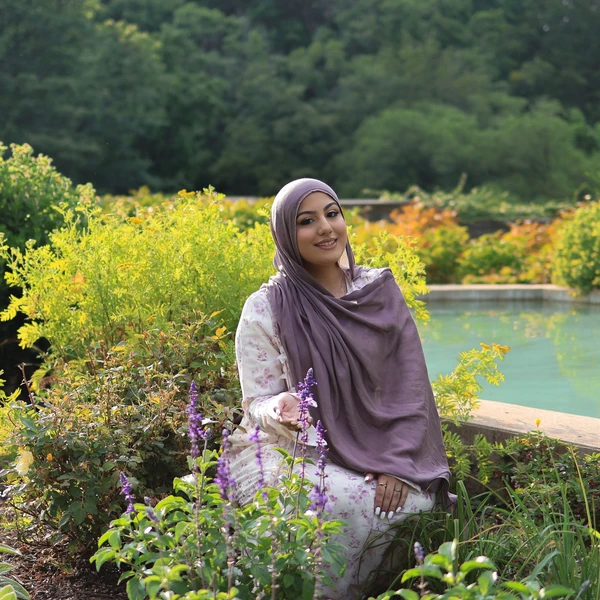
Canton, MI
Hobbies and interests
Animals
Volunteering
Reading
Thriller
I read books multiple times per week
Dana Kassoumeh
1x
FinalistDana Kassoumeh
1x
FinalistBio
I am a high school senior from Canton, Michigan with a strong passion for leadership, service, and working with children. I serve as a Lieutenant Governor in the Michigan District of Key Club International and founded Silent Paws, a student-led animal welfare organization dedicated to community impact. I am dual-enrolled at Schoolcraft College and have experience working with children through Montessori education, coaching, and volunteer work. I plan to pursue a career in pediatric dentistry with the goal of creating an inclusive, child-friendly dental practice for children with disabilities.
Education
Canton High School
High SchoolMiscellaneous
Desired degree level:
Doctoral degree program (PhD, MD, JD, etc.)
Majors of interest:
- Special Education and Teaching
- Biological and Biomedical Sciences, Other
- Dentistry
Career
Dream career field:
- Dentistry
Dream career goals:
To create a dental office for kids with disabilities
Front desk
Planet Fitness2024 – 20251 yearLead soccer coach
Lil Kickers2023 – 20252 yearsTeam member
Jay & Zee Play Cafe2025 – 20261 yearTeam member
Mod Pizza2023 – 20252 years
Sports
Volleyball
Club2021 – 20243 years
Public services
Volunteering
Michigan district of Key Club — Lieutenant Governor2023 – Present
Future Interests
Advocacy
Volunteering
Entrepreneurship
Ruthie Brown Scholarship
I am addressing my current and future student loan debt with a disciplined, intentional financial plan built on consistent employment, strategic scholarship funding, and responsible borrowing. Because my family is unable to contribute to the cost of college and my parents cannot co-sign loans, I have had to take full ownership of my education’s financial reality early on.
I currently work multiple jobs to afford college, including as a Montessori assistant teacher, a coach, and a nighttime caregiver. My caregiving shifts often require late nights and a thirty-minute commute each way, but I take them on because they allow me to earn income in an area with higher pay opportunities. Balancing long commutes, night shifts, and school responsibilities has required sacrifice, but it is a necessary part of how I support my education. I consistently put a portion of every paycheck toward educational expenses and plan to continue working throughout college and summers to limit reliance on loans. Scholarships and grants are my primary strategy for minimizing debt. I apply intentionally and consistently, understanding that every award directly reduces the amount I may need to borrow. I do not view scholarships as supplemental funding, but as a critical component of making college financially possible. Receiving the Ruthie Brown Scholarship would directly reduce my future loan burden and allow me to stay focused on academic performance rather than financial strain.
I plan to borrow conservatively and with intention. I am committed to staying within federal loan limits, borrowing only for essential educational costs, and avoiding unnecessary private loans whenever possible. I maintain a detailed budget that tracks tuition, books, transportation, and living expenses so that every borrowing decision is calculated rather than reactive. I actively educate myself on repayment options to fully understand the long-term impact of student debt.
Long-term, I am choosing a career path that supports financial responsibility. My goal is to become a pediatric dentist, a profession that offers stability while allowing me to serve others. I am intentionally working to minimize undergraduate debt so that future professional education remains manageable. I approach my education as a long-term investment that requires discipline, foresight, and accountability.
Balancing night shifts, long commutes, academics, and leadership responsibilities has taught me how to manage time, money, and pressure simultaneously. These experiences shape how I approach student loan debt. I do not see debt as unavoidable or abstract; I see it as a responsibility that must be actively planned for and controlled. The Ruthie Brown Scholarship would meaningfully strengthen the plan I already have in place. It would reduce my reliance on loans and support my commitment to graduating with manageable debt. I am fully invested in handling my educational finances responsibly, and this scholarship would help ensure that my hard work translates into long-term stability rather than financial hardship.
Wesley Beck Memorial Scholarship
My name is Dana Kassoumeh, and I plan to pursue a career in pediatric dentistry with the purpose of serving children with disabilities and special needs. This goal is not abstract or theoretical. It is rooted in lived experience, advocacy, and a commitment to changing systems that fail the most vulnerable.
My motivation began with my cousin Maria, a four-year-old with special needs. During a dental visit, I heard her crying from the waiting room while the dentist dismissed her distress and denied her diagnosis, brushing off my aunt’s attempts to explain Maria’s needs. When my aunt walked out in tears, I felt the weight of what it means to be unseen. I did not yet know the words for discrimination or stigma, but I understood the harm caused when a child is treated as an inconvenience rather than a human being. A few months later, Maria passed away. Her experience, and her loss, became the defining force behind my dream. I decided that I would become the kind of healthcare provider who listens first, adapts intentionally, and treats every child with dignity. I am committed to making a difference by creating inclusive healthcare spaces for individuals with special needs. My long-term goal is to open a pediatric dental practice designed specifically for children with disabilities, incorporating sensory-friendly environments, extended appointment times, and patient-centered care. I want families to feel relief instead of fear when seeking care, and I want children to feel safe rather than overwhelmed.
This commitment extends beyond my future career. I founded SupportED, an organization dedicated to advocating for individuals with special education needs. Through SupportED, I work to raise awareness, promote inclusion, and create supportive spaces for students who are often overlooked. Building this organization has allowed me to turn empathy into action and lead with purpose, not intention alone. My hands-on experiences reinforce this mission daily. As a Montessori assistant teacher, I work closely with three students diagnosed with autism. Teaching them has taught me that success depends on patience, consistency, and adaptability. Small changes in tone, structure, or environment can determine whether a child feels safe or shut down. I have also worked as a coach and volunteer, roles that strengthened my ability to lead with empathy rather than authority.
I further explored this path by shadowing a dentist, where I saw how reassurance, clear communication, and compassion could transform a patient’s experience. These moments confirmed that healthcare is not just technical skill. It is responsibility. STEM provides the foundation, but humanity gives it purpose. Despite my dedication, I face significant financial barriers. My family cannot afford the cost of college, and my parents are unable to contribute financially or co-sign loans. I balance academics, leadership, and multiple jobs, yet funding higher education remains a major obstacle. This scholarship would directly determine my ability to continue pursuing my goals.
The Wesley Beck Memorial Scholarship would not only support my education, but also invest in a future where children like Maria are treated with patience, respect, and understanding. I am committed to using my education, leadership, and advocacy to create lasting change for individuals with special needs.
Emerging Leaders in STEM Scholarship
I am interested in pursuing a STEM field because I want to combine science with service in a way that directly improves people’s lives. My goal is to become a pediatric dentist and eventually open a dental practice designed specifically for children with disabilities. Growing up, I saw how overwhelming medical environments can be for children, especially those with sensory sensitivities or developmental challenges. I want to change that experience by creating a space where children feel safe, understood, and respected while receiving essential healthcare.
My interest in STEM is rooted in both my academic path and my hands-on experiences. I have taken advanced science courses and dual-enrollment college classes, and I am especially drawn to biology because it allows me to understand the human body at a deeper level. Beyond the classroom, I work with children regularly as a Montessori assistant, coach, and volunteer. These experiences have reinforced my desire to enter a healthcare field where science and compassion intersect. STEM gives me the tools to solve real problems, and dentistry allows me to apply those tools in a meaningful, personal way.
The impact I hope to make goes beyond treating teeth. I want to advocate for inclusive healthcare by designing environments that accommodate children with special needs, partnering with specialists, and educating families on preventive care. Long-term, I hope to expand my practice to include interdisciplinary services so children can receive comprehensive care in one supportive setting. As a Muslim woman pursuing a STEM career, representation matters to me. I want younger students who share my background to see that they belong in science, medicine, and leadership. My journey has been shaped by significant financial hardship. My family is unable to afford the cost of college, and my parents cannot contribute to tuition or co-sign private loans. As a result, I balance rigorous academics with multiple jobs and leadership commitments, all while navigating uncertainty about how I will fund my education. Despite these challenges, I remain committed to my goals and have learned to be resourceful, disciplined, and resilient.
I have also faced personal challenges, including anxiety and panic disorder, which at times made academic success feel overwhelming. Learning to manage my mental health while maintaining my responsibilities has strengthened my perseverance and self-advocacy. Rather than allowing these obstacles to limit me, I have used them as motivation to push forward and support others facing similar struggles. This scholarship would make a meaningful difference in my ability to attend college and pursue a STEM degree. Without financial support, continuing my education would be extremely difficult. Receiving this scholarship would allow me to focus on my studies, reduce financial strain, and continue building toward my goal of becoming a healthcare professional who leads with both scientific excellence and compassion
STLF Memorial Pay It Forward Scholarship
I organized a volunteering event through my organization, Silent Paws, where we created and distributed blanket care packages for animals in shelters and rescues. The idea started from noticing that while shelters do everything they can to meet basic needs, comfort is often the first thing sacrificed due to limited funding and resources. Many of these animals come from neglectful or abusive situations and are suddenly placed in cold, noisy, unfamiliar environments. I wanted to create something that felt intentional and personal, not just a one time donation. I planned the event from the ground up by organizing volunteers, collecting and sorting supplies, coordinating assembly days, and personally delivering the care packages to shelters. Being present for every step mattered to me because leadership, to me, means being involved rather than delegating from a distance. The impact of this work, along with other fundraisers and service initiatives, can be seen on our Instagram, @silentpawsofficial, which has become powerful in showing consistent service, accountability, and real results rather than just good intentions.
Leadership and service are deeply connected in my life, especially through Key Club International, an organization that emphasizes leadership as an extension of service. I served as a Lieutenant Governor for two terms, a role that required constant responsibility and commitment. I supported multiple schools across my division, communicated regularly with club officers, planned and led division meetings, organized service initiatives, and acted as a bridge between clubs and the district leadership. Students depended on me for guidance, support, and follow through. I learned how to manage time, solve problems, and adapt when things did not go as planned. This journey is reflected on my Instagram, @ltgdiv2, which documents division events, updates, and the behind the scenes reality of leading through service. That page captures growth, consistency, and accountability over time, not just highlight moments.
Outside of structured organizations, one of the most meaningful ways I give back to my community is by babysitting children with autism for free. Many families struggle to find childcare that is both affordable and understanding of their child’s needs. I step in whenever families need support, whether it is for a few hours or during stressful moments. It has shaped my understanding of leadership more than anything else. It taught me patience, empathy, and the importance of trust. There is no recognition attached to this work, but that is what makes it meaningful. Leadership does not always look public or organized. Sometimes it is simply being reliable when someone else needs help the most.
Another important part of my service is advocacy, particularly in mental health awareness. I have also contributed to conversations through a podcast with Erika’s Lighthouse, which can be seen on their Instagram as well. Being part of those discussions allowed me to use my voice to help others feel seen and understood. It showed me that service is not always physical or event based. Sometimes leadership means creating space for honest conversations, sharing experiences, and helping break stigma.
Leadership through service is important to me because it creates lasting impact and builds trust within communities. Through Silent Paws, Key Club International, my experience as a two term Lieutenant Governor, my advocacy work, and my personal service to families, I have learned that leadership is rooted in consistency, compassion, and responsibility. It is about showing up when it is inconvenient, listening before acting, and understanding that real change happens when leadership is driven by care rather than recognition. These experiences have shaped who I am as a leader, and they continue to guide how I serve my community every day
Dylan's Journey Memorial Scholarship
Living with ADHD has shaped nearly every part of my academic and personal life. For me, ADHD is not just difficulty focusing. It comes with intense test anxiety that can feel physically overwhelming. During exams, my heart races, my thoughts scatter, and there are moments when I cry or my vision goes dark from panic. Even when I know the material, my body reacts before my mind can catch up. Sitting in a silent testing room while feeling completely out of control is terrifying, and for a long time, it made me believe something was wrong with me.
I worked just as hard as my peers, yet my performance did not always reflect my effort. ADHD made me feel invisible in a system that values speed, stillness, and one definition of success. But surviving in that system forced me to build resilience early. I learned how to advocate for myself, ask for help, and keep going even when my confidence was shaken. My learning disability did not break me, but it did change me. It taught me persistence, self-awareness, and empathy in ways no easy path ever could.
What truly transformed how I understood my struggles was working with children who face their own challenges. As an assistant Montessori teacher, I work closely with children with disabilities, sensory sensitivities, and learning differences. I have seen how quickly children are labeled “difficult” when adults lack patience or understanding. I have watched children shut down when they are misunderstood, and I recognized myself in them. I also babysit children with disabilities, often for free, so their parents can work or rest. In those quiet moments, adapting routines, calming a child during sensory overload, or simply sitting beside them, I learned something life-changing. These children do not need to be fixed. They need to be understood. Those experiences reshaped my motivation for higher education and clarified my exact goal. I plan to pursue a dual undergraduate degree in Biology and Special Education, followed by dental school, so I am prepared both scientifically and emotionally to serve children with complex needs. My long-term goal is to own and operate a sensory-friendly pediatric dental office connected to a speech and language therapy center. I want to create a one-stop space where children with disabilities or learning differences receive coordinated care without being overwhelmed by transitions, harsh lighting, loud sounds, or rushed appointments. I want an office where patience is built into the system, not treated as an exception.
I believe I am a strong candidate for this scholarship because I understand what it means to struggle in environments not designed for you, and I am committed to changing that reality for others. I have completed over 400 volunteer hours, served two terms as a Lieutenant Governor for Key Club, and consistently chosen service even while managing my own challenges. My ADHD has made my path harder, but it has also made my purpose clearer.
Higher education is not just a personal milestone for me. It is the bridge between my lived experience and the impact I want to make. This scholarship would support not only my education, but the future space I am determined to build, one where children feel safe, supported, and understood in ways I once needed myself.
David Foster Memorial Scholarship
One high school teacher who deeply influenced me and permanently changed how I approach my life was my AP Psychology teacher. Her impact on me went far beyond academics. She changed the way I see my worth, my voice, and my responsibility to stand up for myself and others. For a long time, I stayed silent about what I was experiencing in another classroom. I was being sexually harassed and body shamed by my Spanish teacher. He made comments about my body, calling me fat and overweight, not knowing that I was privately struggling with bulimia. Those words did not just hurt in the moment. They followed me home, replayed in my head, and fed the shame I was already carrying. Because he was an authority figure, I convinced myself that speaking up would only make things worse. I told myself to endure it, to stay quiet, and to pretend it did not matter.
My AP Psychology teacher noticed a change in me before I ever said a word. She saw that I was withdrawn, anxious, and not myself. When I finally built the courage to tell her what was happening, I was terrified. I expected doubt, hesitation, or advice to ignore it. Instead, she believed me immediately. She did not minimize my experience or ask me to justify my pain. She became angry on my behalf in a way that made me feel protected for the first time. What I will never forget is that she did not stay quiet. She stormed into his classroom and confronted him directly. She raised her voice. She defended me when I could not defend myself. In that moment, she showed me what it looks like to use power for good. She showed me that silence protects harm, and that speaking up, even when it is uncomfortable, can change someone’s life. Knowing that an adult was willing to fight for me restored a sense of safety I thought I had lost.
Beyond that moment, she changed the way I see life. She helped me understand that cruel words say more about the person speaking than the person receiving them. She reminded me that I should not waste my energy worrying about the opinions of people who do not know my story, my struggles, or my strength. Those words mattered deeply to me because my body had already felt like a battleground due to my eating disorder. Hearing her affirm that my worth was not tied to my appearance helped me begin healing in ways I did not think were possible.
As a psychology teacher, she also taught me that mental health is real, complex, and deserving of compassion. She created a classroom where emotions were not weaknesses and where people felt safe being human. Watching her advocate for me taught me that leadership is not about comfort or popularity. It is about doing what is right, even when it is hard. Because of her, I approach my life differently. I am learning to speak up instead of shrinking. I am more willing to advocate for myself and for others who may feel powerless or afraid. She taught me that my voice has value and that my life should not be shaped by shame. She did not just teach me psychology. She taught me courage, self worth, and how to stand up for myself.
Laura Thorne Memorial Scholarship
Cancer and disability have affected my life in ways that completely reshaped how I see education, advocacy, and my responsibility to others. My aunt’s battle with breast cancer was one of the first moments where I understood how consuming illness can be, not just physically, but emotionally and financially. Later, my uncle in Syria was diagnosed with lung cancer. Because of limited medical resources where he lives, a significant portion of my family’s finances has gone toward supporting his treatment. Watching my family stretch themselves to help him from across the world made me realize how unequal access to healthcare truly is and how much families suffer quietly when support systems are weak. These experiences pushed me to take my education seriously because I saw firsthand how knowledge, access, and advocacy can determine outcomes.
My passion for special education comes from a place that is both personal and lived. I lost my cousin Maria at the age of four. She had special needs, was blind, medically fragile, and lived with an exceptionally rare form of childhood osteoporosis. Watching my family constantly advocate for her showed me how often systems are not built for children like her. She needed patience, gentleness, and understanding, yet so many environments treated her as an inconvenience rather than a child deserving dignity. Losing her made me deeply protective of children with special needs and aware of how harmful ignorance can be.
That awareness became even stronger when I began working as an assistant Montessori teacher. In this role, I have seen firsthand how unprepared many adults are to work with children who have disabilities. I have watched staff become frustrated instead of adaptable, and label children as “difficult” instead of asking what support they need. These moments are painful to witness because the harm is not always loud, but it is constant. Children pick up on impatience, tone, and exclusion very quickly.
I also saw this cruelty growing up in school. When I was in in-person classes, I watched students mock peers who stimmed in the hallways, laugh at them, or say things like “you’re my best friend, right?” sarcastically just to embarrass them. Seeing children with special needs treated as entertainment or targets for ridicule made me angry, but it also clarified something important for me. The issue is not the child. The issue is a lack of education, empathy, and accountability in the people around them.
These experiences directly shaped my educational and career goals. I plan to pursue a dual undergraduate degree in Biology and Special Education, followed by dental school, with the goal of becoming a pediatric dentist. Long term, I want to own and operate a sensory-friendly pediatric dental office connected to a speech and language therapy center. I want to create spaces where children with disabilities are never mocked, rushed, or misunderstood, and where adults are trained to respond with patience instead of frustration.
Cancer taught me urgency and compassion. Special education taught me advocacy and responsibility. Working with children showed me exactly what needs to change. My goal is to be someone who uses education to protect, uplift, and create environments where children are treated with kindness and respect, simply because that is what they deserve.
Sunshine Legall Scholarship
Some of my most important academic and professional goals are centered on combining science, service, and leadership to create lasting impact. Academically, I plan to pursue a dual undergraduate degree in Biology and Special Education, followed by dental school, with the goal of becoming a pediatric dentist. I chose this path intentionally because I want to be equipped not only with strong scientific and clinical knowledge, but also with a deep understanding of child development, disability advocacy, and inclusive care. Long term, my professional goal is to own and operate a sensory-friendly pediatric dental office connected to a speech and language therapy center, designed specifically for children with disabilities and complex medical needs. I want to build healthcare environments that are gentle, patient-centered, and accessible, rather than rushed or overwhelming.
My commitment to these goals is rooted in the way I have given back to my community. Service has always been central to my life, and I have dedicated over 400 volunteer hours to causes that support children, mental health, and those who cannot advocate for themselves. One of the most impactful ways I have served is through Key Club, where I served as a Lieutenant Governor for two terms. In this role, I supported and mentored multiple school clubs, led Division Council Meetings, and helped organize and promote service initiatives across my division. Acting as a bridge between district leadership and local clubs taught me how to lead with responsibility, communicate effectively, and support others in creating meaningful service projects.
I have also given back through founding Silent Paws, an animal welfare organization inspired by my late bunny, Bun Bun Kassoumeh. Silent Paws focuses on protecting animals who cannot speak for themselves through education, outreach, and direct support for shelters. Through this organization, I educated the community on responsible pet ownership, what to do when encountering missing or injured animals, and how small actions can prevent neglect and abandonment. Creating Silent Paws showed me how compassion can be transformed into structured, sustainable action.
In addition, I have spent time babysitting children with disabilities at no cost to families, so parents could have time to work, rest, or complete daily responsibilities. This experience has been especially meaningful to me. Caring for children with diverse needs taught me patience, adaptability, and the importance of creating safe, supportive environments. It also showed me how much families of children with disabilities carry on a daily basis, often without enough support.
These service experiences have deeply inspired my desire to make a difference in the world through healthcare. They reinforced my belief that real impact comes from showing up consistently, listening closely, and designing systems that meet people where they are. My academic and professional goals are not just personal ambitions. They are a continuation of the service I have already committed to. Ultimately, success to me means using my education as a tool for advocacy, access, and compassion. By combining science, leadership, and service, I hope to continue giving back in ways that improve lives and create spaces where individuals and families feel supported, respected, and valued.
Code Breakers & Changemakers Scholarship
My passion for STEM comes from a refusal to accept systems that fail the people who need them most. Science, to me, is not abstract. It is personal. It lives in hospital rooms, waiting areas, and moments where care is either delivered with dignity or stripped of it. What ignites my curiosity is the question I have carried with me for years: Why are so many systems designed for efficiency instead of humanity, and how can science be used to change that?
That curiosity was shaped early by my cousin Maria. Maria was blind, medically fragile, and lived with an exceptionally rare form of childhood osteoporosis before passing away at the age of four. Watching my family navigate healthcare spaces that were loud, rushed, and unprepared for children with rare conditions made me aware of how deeply design, science, and empathy intersect. I became curious not only about biology and medicine, but about how environments, tools, and systems affect patient outcomes. STEM gave me a language for that curiosity. It gave me the ability to ask better questions and imagine better solutions.
The challenges I long to tackle are the ones often dismissed as too complicated or too niche. Children with disabilities, rare medical conditions, or sensory sensitivities are frequently overlooked because systems are not built with them in mind. I want to challenge the idea that accessibility is an accommodation rather than a standard. I want to use STEM to redesign healthcare so it serves real people, not ideal patients.
My impact blueprint is clear. I envision a career in pediatric dentistry where I own and operate a sensory-friendly pediatric dental office connected to a speech and language therapy center. This integrated model would reduce exhausting travel for families, limit overwhelming transitions for children, and provide coordinated, interdisciplinary care. Adjustable lighting, quiet spaces, flexible pacing, and evidence-based practice would not be extras. They would be foundational. This is how I see my STEM career impacting the world: not through one breakthrough, but through spaces intentionally built to protect dignity, safety, and trust.
Books have played a powerful role in shaping this vision. Reading The Immortal Life of Henrietta Lacks forced me to confront the ethical responsibilities that come with scientific advancement. It showed me what happens when innovation exists without consent, respect, or equity. That book taught me that STEM without humanity can cause harm, and that ethical responsibility must be central to scientific work. Literature like this reinforced my belief that science must serve people, especially those who have historically been ignored or exploited.
My educational roadmap is intentional and detailed. I plan to pursue a dual undergraduate major in Biology and Special Education, followed by dental school. Biology will provide the scientific foundation necessary for clinical excellence, while Special Education will equip me with the skills to understand neurodiversity, behavioral needs, and advocacy. This interdisciplinary preparation is essential for the kind of healthcare leader I aim to become. Beyond coursework, I plan to seek research opportunities, mentorship, and leadership experiences that focus on disability inclusion and patient-centered care.
This scholarship is not just financial support. It is the bridge between vision and execution. It will allow me to focus fully on my education, pursue opportunities that expand my clinical and research experience, and build the foundation necessary to turn this vision into reality. More than that, it represents belief in a future where STEM is bold, ethical, and human.
I do not want to simply exist in STEM. I want to reshape it. This scholarship would fuel that journey.
Eden Alaine Memorial Scholarship
The family member I lost was my cousin Maria, and her passing shaped my life in ways that continue to guide who I am and who I am becoming. Maria passed away at the age of four after living with severe medical challenges. She was blind, medically fragile, and had an exceptionally rare form of childhood osteoporosis. Her bones were fragile, her body vulnerable, and her childhood was filled with appointments instead of playdates. Although her life was short, the impact she had on me has been lifelong.
Growing up, Maria was someone my entire family fought for. Her condition meant constant fear, careful movement, and endless medical visits. I remember how overwhelming healthcare spaces felt for her and for my family. They were loud, bright, rushed, and rarely designed for a child who needed patience and gentleness. One memory that has stayed with me vividly is accompanying my family to appointments and thinking about how frightening places like dental offices must have felt for Maria. The sharp lights, unfamiliar sounds, and fast-paced environment were overwhelming even for healthy children. For a blind child with fragile bones and sensory sensitivity, they were terrifying. I remember wondering why places meant to help children felt so unkind to the ones who needed the most care.
When Maria passed away, I struggled to process the unfairness of losing someone so young. At four years old, she never had the chance to grow up, learn, or experience the world the way other children do. That loss forced me to confront grief at a young age and shaped the way I see suffering and responsibility. Instead of hardening me, it made me more aware of others’ pain. I became more patient, more observant, and more intentional about how I treat people. I learned that small acts of understanding can make an enormous difference.
Maria’s life and loss directly shaped my goals. She is the reason I am pursuing a career in healthcare, specifically pediatric dentistry for children with disabilities and complex medical needs. I do not want to simply work in healthcare. I want to build it differently. My long-term goal is to own and operate a sensory-friendly pediatric dental office connected to a speech and language therapy center. I often think about how different Maria’s experiences could have been if care spaces were designed with children like her in mind. I want to create an office where lights can be dimmed, sounds are softened, appointments are unhurried, and children are treated with patience instead of pressure.
Owning both the dental office and the speech therapy center matters to me because it allows me to protect the integrity of care. I want families to feel relief instead of fear when they walk through the door. I want children to associate healthcare with safety rather than trauma. Maria never got to experience that kind of environment, but her memory is the reason I am determined to create it for others.
Losing Maria reshaped how I live my life. I no longer define success by titles or recognition. To me, a successful life means reducing fear, advocating for all, and creating spaces where people feel seen. Maria taught me that even the shortest lives can leave the deepest marks.
Although losing her was incredibly painful, her life gave my own life direction. Every step I take toward my future is shaped by the memory of a little girl who deserved gentler care. Carrying Maria with me is both a loss and a responsibility, one that drives me to build a future rooted in compassion, dignity, and purpose.
Women in Healthcare Scholarship
I have chosen to pursue a degree in healthcare because I want my work to matter in the moments when people feel the most vulnerable. Healthcare is one of the few fields where knowledge, empathy, and action come together in a way that can immediately change someone’s quality of life. For me, healthcare is not just about diagnosing conditions or performing procedures. It is about presence, advocacy, and creating environments where patients and families feel safe, respected, and supported during some of the hardest moments they will face.
My decision to enter healthcare was shaped by deeply personal experiences. Growing up, I watched my family navigate complex medical systems while caring for my cousin Maria. Maria was blind, medically fragile, and lived with an exceptionally rare form of childhood osteoporosis before passing away at the age of four. Her short life was filled with doctor visits, uncertainty, and constant fear. I remember how exhausting it was for my family to advocate for her and how overwhelming medical environments could be for a child who needed gentleness, patience, and understanding. Too often, those environments felt rushed and impersonal, as if there was no room for children whose needs did not fit into a standard model of care. Witnessing this at a young age shaped the way I see healthcare and made me realize how deeply it affects not only patients, but entire families.
As I grew older, I realized that I did not want to simply work within healthcare systems as they are. I want to help change them. That realization is what led me to pursue pediatric dentistry and shaped my long-term goal. I plan to own and operate a sensory-friendly pediatric dental office connected to a speech and language therapy center, designed specifically for children with disabilities and complex medical needs. Many children struggle to receive proper care because healthcare spaces are overwhelming or because families are forced to travel between multiple offices. By owning both the dental office and the speech therapy center, I can ensure that care is coordinated, intentional, and centered on the child. Families would have access to multiple services in one familiar environment, reducing stress, fear, and burnout.
As a woman in healthcare, I hope to make a positive impact by leading with empathy, advocacy, and representation. Women bring critical strengths to healthcare, particularly in communication, emotional awareness, and patient-centered care. I want to be a provider who listens closely, explains thoroughly, and adapts care to each child’s needs rather than expecting the child to adapt to the system. I also hope to challenge assumptions about who belongs in healthcare leadership. As a Syrian American woman, I am aware that women of color are still underrepresented in decision-making roles within medicine. By owning my own practice, I want to show younger girls that they belong not only in healthcare, but in positions of leadership where they can shape how care is delivered.
Ultimately, my goal in healthcare goes beyond clinical success. To me, a meaningful career looks like families feeling relief instead of fear when they walk into my office. It looks like children feeling safe, understood, and respected. It looks like building systems that are compassionate by design. By combining science, empathy, and entrepreneurship, I hope to improve lives in a way that honors the people who shaped me and contributes to a healthcare system that is kinder, more inclusive, and rooted in dignity.
Brooks Martin Memorial Scholarship
One of the most significant losses I have experienced was the death of my cousin Maria. Maria passed away at the age of four after living with severe medical challenges. She was blind, medically fragile, and had an exceptionally rare form of childhood osteoporosis, a condition so uncommon in children that many providers had little experience treating it. Her life was short, but the mark she left on my heart and my future is permanent.
Growing up, Maria was not just someone I loved. She was someone my entire family fought for every single day. Her condition meant constant appointments, anxiety, and the quiet fear that came with never knowing what tomorrow would bring. I watched my family advocate for her in medical spaces that often felt cold, rushed, and overwhelming. Even as a child, I could sense how fragile life was and how exhausting it was to fight systems that were not built for children like her. Those experiences introduced me early to the reality that healthcare can save lives, but it can also fail people when compassion and flexibility are missing.
When Maria passed away, I struggled deeply with the unfairness of it all. At four years old, she never had the chance to grow, learn, or experience the world the way other children do. Losing her forced me to confront grief before I fully understood it. Over time, that grief shaped me into someone more observant, more empathetic, and more intentional. I became deeply aware of the silent battles people carry and the importance of showing up for others even when it is uncomfortable or emotionally heavy.
Maria’s life and loss directly shaped my goals. She is the reason I am pursuing a career in healthcare, specifically pediatric dentistry for children with disabilities and complex medical needs. I do not just want to work in healthcare. I want to build it differently. My long-term goal is to own and operate a sensory-friendly pediatric dental office connected to a speech and language therapy center, both designed intentionally for children who are often overlooked or misunderstood. I want to create a space where care is coordinated, gentle, and patient, where children are not rushed and families are not forced to navigate multiple overwhelming environments.
Owning both spaces matters to me because it allows me to protect the integrity of care. I want to ensure that every decision, from lighting and sound to scheduling and staff training, is made with the child’s emotional and physical safety in mind. I want families to walk in feeling relief instead of fear. I want children like Maria to be treated not as medical challenges, but as whole people deserving of dignity.
This loss also reshaped my outlook on life. I no longer measure success by titles or accomplishments alone. To me, a successful life is one that reduces fear, advocates for the vulnerable, and creates spaces where people feel seen. Maria taught me that even the shortest lives can have the deepest impact.
Although losing Maria was incredibly painful, her life gave my own life direction. She continues to guide the way I love, the way I serve, and the future I am committed to building. Carrying her memory with me is not just a source of grief. It is a responsibility I honor through purpose, compassion, and the dream I am determined to bring to life.
Sammy Hason, Sr. Memorial Scholarship
I plan to improve the lives of others through a career in healthcare by creating spaces where patients with complex and rare medical needs feel seen, supported, and safe. Healthcare is often designed for efficiency, not for individuals whose conditions require patience, flexibility, and understanding. My goal is to change that by practicing medicine in a way that values both clinical excellence and human dignity, especially for patients with lung disease and rare medical conditions.
My motivation comes from lived experience. One of the most defining influences in my life was my cousin Maria. Maria was blind, medically fragile, and lived with an exceptionally rare form of childhood osteoporosis. Osteoporosis is typically associated with elderly adults, and some pediatric forms have only around 100 documented cases worldwide. Maria passed away at the age of four after spending much of her short life in medical environments that were loud, overwhelming, and often unprepared for children with rare conditions. Watching my family advocate for her taught me how isolating it can feel when a condition is uncommon and poorly understood. It showed me that rare conditions do not just require treatment. They require providers who are willing to slow down, listen, and adapt care to the patient rather than the diagnosis.
Through pediatric dentistry, I plan to support patients with rare medical conditions by reducing barriers to care. Children with rare disorders often experience dental neglect because providers are unfamiliar with their conditions or unwilling to accommodate their needs. I want to be a healthcare professional who is educated, prepared, and collaborative. I plan to work closely with physicians, specialists, and therapists to ensure dental care is integrated into a child’s overall health plan, not treated as an afterthought.
My vision extends beyond dentistry alone. I plan to open a sensory-friendly pediatric dental office connected to a speech and language therapy center. This model is especially important for children with lung disease, who often require speech therapy for breathing coordination, oral motor control, and communication challenges. Lung conditions can make speaking, eating, and dental procedures physically taxing. By housing dental and speech services in one location, families can reduce travel, limit exhausting transitions, and receive coordinated care in a familiar environment.
In this space, accommodations would not be exceptions. Adjustable lighting, quiet rooms, flexible appointment pacing, and staff trained to work with medically complex patients would be the standard. For children with lung disease, this means minimizing stress that can trigger breathing difficulties. For patients with rare conditions, it means receiving care from professionals who understand that just because a condition is uncommon does not mean it is insignificant.
I also plan to improve lives through advocacy and education. Rare medical conditions are often misunderstood, even within healthcare settings. By staying informed, continuing education, and mentoring future providers, I hope to contribute to a healthcare culture that values curiosity over assumptions. I want patients and families to feel believed and respected, not dismissed because their condition is unfamiliar.
Ultimately, improving lives through healthcare means redefining what care looks like. To me, success is not measured only by procedures completed, but by trust built and fear reduced. Through pediatric dentistry, interdisciplinary collaboration, and intentional design, I hope to support individuals with lung disease and rare medical conditions by giving them something they are too often denied: care that is thoughtful, inclusive, and genuinely compassionate.
Jessie Koci Future Entrepreneurs Scholarship
I plan to pursue an undergraduate education with a dual major in Biology and Special Education, followed by dental school with the goal of becoming a pediatric dentist. I chose this academic path intentionally because it reflects both how I think and how I want to serve. Biology will give me the rigorous scientific foundation required for dental school and clinical excellence, while Special Education will prepare me to understand child development, learning differences, behavioral needs, and disability advocacy. Too often, healthcare professionals are trained in science but not in how to work effectively with children who process the world differently. By combining these two fields, I am preparing myself to deliver care that is evidence-based, patient-centered, and inclusive.
I have planned an entrepreneurial career because I want the ability to build systems, not just participate in them. While working within existing organizations can be impactful, entrepreneurship allows me to design environments that fully align with my values. My long-term vision is to own and operate a sensory-friendly pediatric dental office connected to a speech and language therapy center. This integrated model addresses a real gap in healthcare: families of children with disabilities are often forced to travel between multiple offices, navigate inconsistent care, and manage overwhelming environments. By owning my practice, I can ensure that accessibility, patience, and coordination are not optional features, but foundational principles. My experience founding Silent Paws taught me that entrepreneurship is not just about ideas, but about execution, leadership, and sustainability. I learned how to identify unmet needs, create structure, manage resources, and follow through over time.
I believe I will be successful in my business endeavors because I approach entrepreneurship with intention rather than ego. Many businesses fail because they are built on trends, vague passion, or the desire for quick success. My goals are rooted in real problems I have observed repeatedly, not hypothetical ones. I am realistic about the demands of entrepreneurship. I understand that it requires long hours, adaptability, and a willingness to learn from failure. What sets me apart is that I am committed to preparation. I seek mentorship, value feedback, and make decisions based on evidence rather than assumption. I also understand that success is not static. It requires constant growth and reassessment, especially in healthcare.
Higher education is central to my entrepreneurial plan. To me, education is not just a credential, but a strategic investment. My undergraduate studies will shape how I think, communicate, and advocate, while dental school will equip me with the technical expertise necessary to lead with credibility. Together, they will allow me to build a practice that is both clinically strong and operationally sound.
To me, a successful life is not defined solely by financial gain. Success means creating something meaningful, providing access to those who are often overlooked, and using my skills to improve the lives of others. It looks like families feeling relief when they walk into my office, children feeling safe instead of afraid, and younger students seeing a path forward because someone showed them it was possible. Entrepreneurship, for me, is not about status. It is about responsibility, impact, and building something that lasts.
Women in STEM Scholarship
This scholarship’s mission to foster a community of women empowered by knowledge, driven by curiosity, and ready to contribute to the STEM field reflects exactly why I chose this path and how I intend to use it. My journey into STEM has never been about titles or prestige. It has been about understanding problems deeply enough to change them and having the courage to act once I do.
Curiosity has always been my starting point. I have spent much of my life asking why certain healthcare environments fail the people who need them most. Why are medical spaces so overwhelming for children with disabilities? Why are invisible conditions often dismissed? Why do families have to navigate multiple offices just to receive basic care? Instead of accepting these gaps as unavoidable, I became curious about how science, design, and innovation could do better. That curiosity led me to STEM, because STEM provides the tools to move from questions to solutions.
Knowledge, to me, is empowerment. As I pursue a STEM education on the path to pediatric dentistry, I am learning how to think critically, apply evidence-based practices, and design systems that are both effective and humane. STEM has taught me resilience, discipline, and problem-solving, especially when there is no clear answer. These skills are what allow women not only to enter STEM spaces, but to lead within them.
As a Syrian American woman, I am deeply aware of how important representation is. Middle Eastern women remain underrepresented in STEM fields, and our absence reinforces the false idea that leadership in science belongs to only one type of person. Being visible in STEM is not just personal achievement. It is an act of advocacy. When younger students see someone who shares their background pursuing science with confidence, it expands what they believe is possible for themselves.
I am committed to contributing to STEM in a way that centers people, not just progress. My long-term goal is to open a sensory-friendly pediatric dental office connected to a speech and language therapy center for children with disabilities. This integrated model would reduce travel for families, limit overwhelming transitions for children, and create a single, familiar environment where care is coordinated and compassionate. The dental office would include adjustable lighting, quiet spaces, and flexible pacing, while the speech center would provide individualized therapy in rooms designed to reduce sensory overload. This vision is grounded in STEM through interdisciplinary collaboration, research-driven care, and intentional design.
Equally important to me is building community within STEM. I believe women thrive when curiosity is encouraged and ambition is supported. I want to mentor younger students, share my experiences honestly, and help create spaces where women feel empowered to ask questions and pursue bold ideas. STEM should be collaborative, inclusive, and shaped by diverse perspectives.
This scholarship represents more than financial support. It represents belonging in a community of women who are curious, capable, and committed to making an impact. I am ready to contribute by pursuing knowledge with purpose and using STEM to build solutions that reflect both scientific rigor and human care.
Harvest Scholarship for Women Dreamers
My “pie in the sky” dream is to build something that does not yet fully exist: a place where children with disabilities are not treated as complications, but as whole people worthy of patience, creativity, and dignity. I dream of owning a sensory-friendly pediatric dental office connected to a speech therapy center, a space designed for children who are often overwhelmed, misunderstood, or turned away by traditional healthcare systems. It feels inspiring, and at times just out of reach, because it requires me to become not only a healthcare professional, but a leader, builder, and advocate.
This dream was sparked by my cousin Maria. Maria was blind, medically fragile, and lived with an exceptionally rare form of childhood osteoporosis. She passed away at the age of four, after spending much of her short life in medical environments that were loud, rushed, and unprepared for children with rare conditions. Watching my family advocate for her taught me that science can save lives, but the way care is delivered can either protect or harm someone emotionally. I began imagining what healthcare could look like if it were built with children like Maria in mind from the very beginning.
My own experiences with chronic migraines and invisible illness deepened that vision. I know what it feels like to be dismissed because pain cannot be seen, and how overwhelming bright lights, noise, and rushed environments can be. Over time, my dream grew from wanting to help children into wanting to redesign systems for them. I do not just want to work in healthcare. I want to shape it.
I know this dream is ambitious. Becoming a pediatric dentist requires years of rigorous STEM education, resilience, and sacrifice. Opening and owning a practice, let alone connecting it to a speech therapy center, requires business knowledge, leadership, and courage. As a Syrian American woman, I am also aware that I am entering spaces where people who look like me are underrepresented. In many Middle Eastern cultures, women are traditionally expected to prioritize staying home rather than leading in science or healthcare. Choosing this path means challenging expectations while still honoring where I come from.
To reach this dream, I believe growth must happen step by step. First, I will pursue a strong STEM education that prepares me academically and technically for dental school. I plan to seek mentorship, research opportunities, and clinical exposure that focus on pediatric care and disability inclusion. I also know I must grow beyond science alone. I will need to study business, leadership, and healthcare accessibility so that my future practice is not just compassionate, but sustainable.
Most importantly, I am committed to growth as a person. This dream requires empathy, humility, and the willingness to keep learning. I know I will fail at times. I know the path will be long. But I also know that dreams that feel just out of reach are often the ones worth chasing.
My “pie in the sky” dream is not about status or success. It is about building a space where children feel safe, families feel relief, and care is designed with intention. I may not be there yet, but every step I take is guided by the belief that healthcare can be kinder, and that I can help make it so.
Learner Tutoring Innovators of Color in STEM Scholarship
I chose to pursue a degree in STEM because science gives me the power to turn lived experience into lasting change. STEM is not just about innovation or discovery. It is about responsibility. It determines who is seen, who is protected, and whose needs are prioritized when systems are designed. I chose STEM because I want to help build systems that are not only advanced, but humane.
My motivation began with my cousin Maria. Maria was blind, medically fragile, and lived with an exceptionally rare form of childhood osteoporosis, a condition most commonly associated with elderly adults. Certain pediatric forms have only around 100 documented cases worldwide, making her condition extraordinarily complex. Maria passed away at the age of four after spending much of her short life navigating medical spaces that were loud, rushed, and often unprepared for children with rare conditions. Watching my family advocate for her showed me both the power and the limitations of science. Treatments existed, but compassion was inconsistent. Expertise was present, but patience was not guaranteed. I learned early on that how science is applied matters just as much as the science itself.
As a Syrian American, my decision to pursue STEM is also rooted in resilience. My family escaped Syria before international sanctions were imposed, leaving behind familiarity in exchange for safety and opportunity. Education became a form of survival in our household, a way to build stability in a world shaped by uncertainty. Yet as I moved through school, I noticed how few people in science and healthcare spaces looked like me. Middle Eastern women, especially Syrian women, remain significantly underrepresented in STEM fields. Too often, people of color are positioned as recipients of innovation rather than leaders within it.
Choosing STEM means challenging that narrative. In many Middle Eastern cultures, women are traditionally expected to stay home, cook, clean, and prioritize caregiving over professional ambition. While these roles are valuable, they are often framed as limits rather than choices. Pursuing STEM allows me to honor my culture while expanding what is possible within it. It allows me to redefine success not only for myself, but for the girls who will come after me.
I hope to make an impact in STEM by reshaping what inclusive, patient-centered healthcare looks like. My long-term goal is to become a pediatric dentist and open a sensory-friendly dental office connected to a speech therapy center for children with disabilities. This vision is grounded in STEM through evidence-based care, interdisciplinary collaboration, and intentional design. Adjustable lighting, quiet spaces, flexible pacing, and coordinated services would not be accommodations, but standards. Children with disabilities, especially those with invisible or rare conditions, are too often denied proper care because systems are not built with them in mind. I want to change that.
As a person of color in STEM, I also want to be visible and accessible. Representation changes belief. When students see someone who shares their culture, faith, and background leading in science, it expands what they believe is possible for themselves. I want to mentor students from underrepresented communities and show them that their identity is not a barrier to STEM, but a strength that brings empathy, creativity, and new perspectives to problem-solving.
Pursuing STEM is my way of honoring my family’s resilience, Maria’s short but powerful life, and my responsibility to build systems that serve everyone, especially those who have been overlooked. I do not want to simply exist in STEM. I want to humanize it, lead within it, and leave it better than I found it.
Zedikiah Randolph Memorial Scholarship
My name is Dana Kassoumeh, and I am a Syrian American student pursuing a path toward pediatric dentistry with a focus on children with disabilities. My journey into healthcare was shaped by resilience, loss, and the belief that care should be rooted in dignity and compassion, not speed or convenience.
My family escaped Syria before international sanctions were imposed, carrying with them the weight of instability, fear, and uncertainty that preceded the civil war. Even before the conflict escalated, daily life was fragile, and leaving meant sacrificing familiarity for safety. Growing up with this history taught me that security is never guaranteed and that protecting others, especially the most vulnerable, is both a responsibility and a privilege. Education, service, and perseverance became the values my family held onto while rebuilding their lives.
One of the most defining influences in my life was my cousin Maria. Maria was blind, medically fragile, and lived with an exceptionally rare form of childhood osteoporosis, a condition most commonly seen in elderly adults. Certain forms of pediatric osteoporosis have only around 100 documented cases worldwide, which made her condition extraordinarily complex and difficult to manage. Her bones were fragile, her body vulnerable, and her childhood filled with medical appointments rather than playdates. Maria passed away at the age of four, but her impact on my life has been lifelong.
Watching my family care for Maria exposed me to the realities of healthcare systems that are not designed for rare or complex conditions. Medical spaces were often overwhelming, rushed, and emotionally cold. There was little room for patience or comfort, especially for a child who experienced the world differently. Maria’s condition made everything harder, and it showed me how easily children with rare disabilities can be overlooked when their needs fall outside what is considered typical.
Maria is the reason I chose pediatric dentistry. Children with disabilities, particularly those with rare or invisible conditions, are often denied proper oral healthcare due to sensory overload, anxiety, or providers unwilling to slow down and adapt. I want to be the dentist families trust, the one who sees the child before the diagnosis. My long-term goal is to open a sensory-friendly pediatric dental office with an attached speech therapy center, designed to support children with both visible and invisible disabilities. Adjustable lighting, quiet spaces, flexible pacing, and coordinated care would not be accommodations, but the standard.
As a Syrian and Middle Eastern woman, pursuing this path also means challenging deeply rooted cultural expectations. In many Middle Eastern communities, women are traditionally expected to stay home, cook, clean, and prioritize caregiving over professional ambition. While these roles are meaningful, they are often framed as limitations rather than choices. Growing up, I rarely saw women who looked like me represented as doctors, dentists, or healthcare leaders. Choosing this path means redefining what is possible while still honoring my culture.
Middle Eastern women remain significantly underrepresented in dentistry, and Syrian women even more so. While exact statistics isolating Syrians are limited, our absence in pediatric dentistry is clear. Representation matters because visibility reshapes belief. When young girls see someone who shares their background leading in healthcare, it expands what they believe is attainable.
Maria’s life, though short, gave my life direction. My family’s escape from war and Maria’s rare medical challenges shaped my understanding of vulnerability and responsibility. Pediatric dentistry is not just my career choice. It is how I will serve, lead, and build spaces where children with the most complex needs are finally seen, protected, and valued.
Richard Neumann Scholarship
One solution I have already created to solve a problem for others is Silent Paws, a charity I founded to support animals who cannot advocate for themselves. I created Silent Paws after recognizing that many animals suffer not only because of a lack of resources, but because of a lack of education. Families often adopt pets without fully understanding the responsibility involved, and many people do not know what to do if they encounter a missing or injured animal. Silent Paws addresses this gap by combining action with education. Through donation drives, fundraisers, and community outreach, Silent Paws supports shelters while also educating the public on responsible pet ownership, how to tell if a family is ready for a pet, and what steps to take when an animal is in danger. Creating Silent Paws taught me how to identify a problem, design a structured solution, and lead with empathy and accountability.
The leadership and planning skills I developed through Silent Paws directly shape how I approach larger problems. If I had the money and resources to expand my impact, I would open and own a pediatric dental office connected to a speech and language therapy center, designed specifically for children with disabilities. This idea is not abstract. I have already created a detailed sketch of the office layout that reflects how intentional design can reduce fear and sensory overload.
Here is my detailed plan: A sensory-friendly pediatric dental space with themed treatment rooms, such as underwater, jungle, and snow themes, to help children feel calm and engaged rather than anxious. The layout includes a low-stimulus X-ray area with dim lighting, a welcoming waiting area with interactive activities, and clear, simple pathways to reduce confusion. Doors are placed strategically to limit noise, and spaces are designed to feel open but not overwhelming. Every design choice in my sketch is meant to prioritize emotional safety alongside medical care.
Connected to the dental office in the same location would be a speech and language therapy center that I also own and oversee. This center would allow children to receive speech therapy in a familiar environment rather than traveling to a separate facility. Many children with developmental or sensory disabilities struggle with car rides and frequent transitions, which can make attending multiple appointments stressful or impossible. By creating a one-stop location, families would be able to reduce travel, build consistency, and help children feel secure in one trusted space.
The speech therapy center would offer individualized sessions, early intervention services, and small group communication programs. Having both services under one roof would also allow collaboration between dental professionals and speech-language pathologists, creating more holistic care. Parents would benefit from reduced stress, clearer communication between providers, and a space designed to support their child as a whole.
Funding would be used to hire specialized staff, purchase evidence-based materials, and subsidize care for families who cannot afford private services. Sustainability would come from insurance billing, grants, and community partnerships.
Silent Paws showed me that meaningful solutions come from pairing compassion with structure and follow-through. With the resources to bring my sketched vision to life, I would apply those same principles to create a space that reduces barriers, supports families, and proves that just because a challenge cannot always be seen does not mean it is not real.
Gabriel Martin Memorial Annual Scholarship
Living with chronic migraines has affected nearly every part of my life. They are not just headaches, but overwhelming episodes that force everything else to stop. Because of their severity and unpredictability, migraines have shaped how I experience school, work, and daily life.
When migraines hit during the school day, my routine became familiar and exhausting. If it happened early, I would leave school, go home, close the blinds, and lie in complete darkness. I would take Advil and Tylenol, hoping they would help, and sometimes I would throw up just so the pain might ease. I would sleep until my body allowed me to function, then return to school. Walking back into class felt isolating, as everyone else’s day continued normally while mine had been paused by pain.
At school, there were days when I ended up in the nurse’s office instead of class. I would lie down with an eye mask and an ice pack, trying to block out light and sound. At work, I carried a medical card that read, “This person is experiencing a migraine and needs to be in a quiet place and will be back shortly.” Using that card was difficult but necessary. Migraines are invisible, and learning to ask for accommodations taught me how to advocate for myself.
As my migraines became more frequent and debilitating, they interfered with my ability to attend school consistently. Because of how severe they were, I made the decision to switch to online school. This allowed me to manage my health responsibly while continuing my education and taught me discipline and independence.
Chronic migraines also affected my ability to participate in experiences. During a Key Club trip to Disney, I was at Epcot when a migraine became so severe that I had to go to first aid repeatedly and lie down in a dark room. Because I was underage, my district administrator had to come from Hollywood Studios to sit with me, which made me feel like an inconvenience.
Heat and sun are major migraine triggers for me. During an eighth grade trip to Cedar Point, when the temperature reached 104 degrees, the pain became so intense that I fell asleep under a tree with my chaperone beside me. Now, as someone who wears the hijab, managing migraines in heat can be more challenging. During severe episodes, I sometimes remove the outer layer and stay in my underscarf to cool down enough to function.
Living with chronic migraines forced me to mature quickly. I learned patience, resilience, and self advocacy, and I developed deep empathy for others living with invisible medical conditions. These experiences directly shaped my goals for the future. I plan to pursue a career in pediatric dentistry with a focus on children with disabilities. I want to open a sensory friendly dental office designed to support children with both visible and invisible disabilities through adjustable lighting, quiet spaces, comfy seating, and compassionate care. Just because a condition can’t always be seen does not mean it is not there. My goal is to create a space where children feel safe, believed, and respected, and where families feel supported rather than overwhelmed. Chronic migraines changed my life, but they also gave me clarity, purpose, and a future centered on care and inclusion.
Ella's Gift
Mental health and substance-related behaviors have played a defining role in my life and have deeply shaped the person I am becoming. Living with depression, anxiety, and bulimia was not a distant challenge or a brief chapter. It affected my daily functioning, my relationships, and my sense of self. For a long time, my primary goal was not success or achievement, but survival. Those experiences forced me to confront pain at a young age and ultimately laid the foundation for my personal growth, my educational goals, and my commitment to long-term recovery.
My struggles were not hidden from my family. There were nights when my parents would quietly come into my room in the middle of the night just to make sure I was still breathing. They lived in constant fear of losing me. They removed anything sharp from the house, not to take away my independence, but to keep me alive. They cleaned up the physical messes my mental health left behind, moments that were deeply painful and humbling. I carried intense shame watching the people I loved suffer because of what I was going through. At the same time, their actions showed me what unconditional love truly looks like. They stayed, even when it was hard, and that support became one of the reasons I kept going.
Bulimia became a coping mechanism during periods when I felt completely out of control. Depression left me feeling empty and disconnected, while anxiety kept my body in a constant state of fear and alertness. I often felt trapped in cycles I did not know how to escape. Despite this, I continued to attend school, take on leadership roles, and serve my community. While I appeared capable on the outside, internally I was struggling. That disconnect taught me how invisible mental health and substance-related struggles can be and how many people suffer silently.
Personal growth came through honesty and accountability. Recovery required me to ask for help, accept support, and unlearn the belief that strength meant handling everything alone. I learned to recognize my limits and to prioritize my well-being without guilt. These experiences shaped my empathy and my leadership. They taught me to listen more closely, lead with compassion, and approach others with patience and understanding. My challenges did not weaken my ability to succeed. They strengthened my resilience and sense of purpose.
My educational goals are directly influenced by these experiences. I plan to study biology alongside child-focused fields such as special education or child development, with the long-term goal of becoming a pediatric dentist for children with disabilities. I want to provide care that prioritizes emotional safety as much as physical health. My lived experience has taught me how overwhelming medical and educational environments can feel, especially for vulnerable individuals. Through my education, I hope to create inclusive, supportive spaces where children feel respected, understood, and safe.
My plan for continuing recovery is intentional and ongoing. I prioritize mental health support, routine, and self-awareness. I have learned the importance of recognizing warning signs early and addressing them rather than ignoring them. I rely on trusted people in my life, maintain structure, and practice self-compassion when progress feels slow. Recovery for me is not about perfection. It is about commitment, honesty, and choosing to keep moving forward.
I share my story because it directly reflects my growth, my goals, and my readiness for higher education. Mental health and substance-related struggles shaped my journey, but they do not define my limits. They gave me resilience, empathy, and a clear sense of purpose. With continued recovery and education, I am committed to turning survival into service and using my future to support others who may feel unseen or alone
Joieful Connections Scholarship
My journey toward higher education has been shaped by service, resilience, and a deep understanding of perseverance. Throughout high school, I have learned that success is not defined solely by grades or titles, but by the ability to continue moving forward during moments of hardship. Balancing academics, leadership, work, and personal challenges has required strength and maturity, and these experiences have prepared me for the responsibilities of higher education and the future I hope to build.
Service has always been at the core of who I am. I served two terms as a Lieutenant Governor within Key Club International, a role that profoundly shaped my leadership and sense of purpose. As an LTG, I supported multiple schools, mentored student officers, organized service initiatives, and encouraged involvement across my division. More importantly, I learned how to lead with empathy. Supporting others, listening to their struggles, and helping them believe in their ability to lead reinforced my belief that true leadership is rooted in service. During difficult moments in my own life, serving others became a source of strength and meaning.
Throughout high school, I balanced my academic responsibilities with part-time work and leadership commitments while privately navigating depression, anxiety, and bulimia. These mental health challenges affected my daily life in ways that were often invisible to others. There were moments when simply getting through the day felt overwhelming, yet I continued to show up for my responsibilities and for the people who depended on me. These experiences taught me resilience, self-awareness, and a deep compassion for individuals who struggle silently.
One of the most painful challenges I faced was the loss of my emotional support animal, my bunny, who had been with me for nine years. She was a constant source of comfort and stability during some of my darkest moments, especially when my mental health felt unmanageable. Losing her took a heavy emotional toll and forced me to grieve while continuing my leadership and academic responsibilities. That loss deepened my understanding of how powerful emotional support and unconditional care can be, and it strengthened my desire to be that source of comfort for others.
In response to my love for animals and my experience with loss, I founded Silent Paws, a student-led charity dedicated to supporting animals in need. Through donation drives, fundraisers, and community outreach, Silent Paws allowed me to transform grief into purpose and compassion into action. Leading this organization taught me how to create meaningful change and reinforced my belief that service can be a powerful form of healing.
I plan to study biology alongside child focused fields such as special education or child development, with the goal of becoming a pediatric dentist for children with disabilities. I hope to create inclusive, supportive environments where children feel safe, respected, and emotionally understood. Higher education represents more than academic advancement for me but, it is a pathway to continue serving others with empathy, purpose, and impact.
Aserina Hill Memorial Scholarship
My name is Dana Kassoumeh, and I am a senior in high school currently completing my education through online school. I made the decision to transition to online learning so I could better balance my academics with leadership, work, and community involvement. This structure has allowed me to stay focused on my goals while remaining deeply involved in service-based activities that matter to me. I am passionate about leadership, child development, healthcare, and advocacy, and these interests guide how I spend my time both in and out of school.
I am highly involved in extracurricular activities, especially those centered on service and leadership. I serve as a Lieutenant Governor in Key Club International, where I support multiple schools, mentor officers, help organize service initiatives, and encourage student involvement across my division. This role has strengthened my communication skills, time management, and ability to lead with empathy. Being responsible for supporting other student leaders has taught me the importance of accountability, collaboration, and understanding different perspectives.
In addition to leadership roles, I work closely with children in various settings, including coaching, Montessori-style environments, and child-centered play spaces. These experiences have shaped my patience and emotional awareness, especially when working with children who have different needs or learning styles. I have learned that creating a safe, supportive environment can make a significant difference in a child’s confidence and emotional well-being. Working with children has reinforced my desire to pursue a future career focused on care, inclusion, and long-term impact.
One of my proudest accomplishments is founding my own charity, Silent Paws. I created Silent Paws out of a deep love for animals and a desire to give a voice to those who cannot advocate for themselves. The mission of Silent Paws is to support local and international animal shelters through donation drives, fundraising events, and community outreach, while also encouraging young people to become more involved in service. Through this organization, I have organized blanket-making drives, fundraising initiatives, and awareness campaigns that directly benefit animals in need. Building Silent Paws taught me how to manage a team, budget funds, plan events, and turn a personal passion into meaningful action.
If I were to start or expand another charity in the future, my mission would focus on supporting children with disabilities and mental health challenges. I would aim to serve children and families who often feel overwhelmed by medical, educational, or emotional barriers. Volunteers would assist with inclusive activities, mentorship, sensory-friendly events, and family support programs, creating welcoming spaces where children feel understood and families feel supported.
After high school, I plan to study biology alongside special education or child development, with the goal of becoming a pediatric dentist for children with disabilities. My experiences as a student leader, volunteer, and founder have shaped my desire to combine science, service, and compassion in everything I do.
ADHDAdvisor Scholarship for Health Students
Supporting others’ mental health has become an important part of who I am, both through my leadership roles and in my everyday interactions. My own experiences with depression, anxiety, and bulimia have made me deeply aware that many people struggle quietly, especially students and children who may not yet have the language or confidence to ask for help. Because of this, I try to lead with empathy, patience, and understanding in every space I am part of.
Through my involvement with service and leadership organizations such as Key Club and Erika’s Lighthouse, I help normalize conversations around mental health and emotional well-being. I advocate for creating environments where students feel safe being honest about how they are doing, rather than feeling pressured to appear “fine.” As a leader, I check in on peers, encourage balance, and remind others that mental health matters just as much as academic or professional success. Sometimes helping others looks like connecting them to resources, and other times it simply means listening without judgment.
In my work with children, including coaching at Lil’ Kickers, assisting at a Montessori school, and working in child-centered environments, I support mental health by being a stable, encouraging presence. Many children express emotions through behavior rather than words, and I make it a priority to respond with calmness and reassurance. Helping children feel seen, safe, and confident builds emotional foundations that can positively impact them long-term. I also support parents by creating welcoming spaces where they feel comfortable and understood.
Looking ahead, I plan to use my studies and future career to emotionally support others in a more direct and lasting way. I hope to pursue a career in pediatric dentistry with a focus on children with disabilities and special needs. My background in child development and special education, combined with my personal understanding of mental health, will allow me to approach care holistically. I want to create an environment where children feel safe, respected, and less fearful, and where families feel supported rather than overwhelmed.
Ultimately, my goal is to combine science, education, and compassion to support not just physical health, but emotional well-being. By continuing to advocate for mental health and leading with empathy, I hope to make a meaningful difference in the lives of others.
Learner Mental Health Empowerment for Health Students Scholarship
Mental health is deeply important to me as a student because it has shaped not only my academic journey, but also who I am as a person and a leader. Living with depression, anxiety, and bulimia has shown me firsthand that success is not just about grades, titles, or achievements. It is about survival, balance, and learning how to keep going even when your mind feels like it is working against you. There were times when simply getting out of bed, logging into class, or showing up for responsibilities felt overwhelming. As a student, I learned that mental health directly affects focus, motivation, confidence, and overall well-being. When mental health is ignored, everything else begins to suffer.
Despite these challenges, I chose not to let my struggles define my limits. Instead, they became a source of empathy and purpose. Managing my mental health while balancing online school, work, volunteering, and leadership roles taught me resilience and self-awareness. I learned how important flexibility and understanding are, especially for students who may be silently struggling. My experiences pushed me to care not just about my own success, but about the well-being of those around me.
Advocating for mental health in my community is something I do both intentionally and through my everyday actions. Through my leadership roles, especially my involvement with Erika’s Lighthouse and Key Club, I help normalize conversations around mental health. Being part of organizations that prioritize emotional well-being allows me to encourage others to speak up, ask for help, and understand that struggling does not mean failing. I believe representation matters, and by showing up as a leader who is still human, I help break the stigma that mental health struggles make someone weak or incapable.
In school and work environments, I advocate by creating safe and welcoming spaces. Whether I am working with children at a Montessori school, coaching kids through Lil’ Kickers, or assisting families at a play café, I am intentional about being patient, observant, and supportive. Many children and students may not have the words to explain how they feel, and having an adult who listens without judgment can make a lasting difference. I also advocate by checking in on peers, encouraging breaks when needed, and reminding others that asking for help is a strength, not a failure.
At home and within my personal circles, I advocate by being open and honest. Sharing my experiences with depression, anxiety, and bulimia has helped others feel less alone in their own struggles. I emphasize the importance of self-care, boundaries, and seeking professional or trusted support when needed. Mental health advocacy does not always mean giving speeches; sometimes it means simply being there, listening, and leading with compassion.
Mental health matters to me because I know what it feels like to struggle in silence. As a student and leader, I am committed to creating communities where people are valued not just for what they produce, but for who they are. By advocating for mental health, I hope to help build environments where healing, growth, and success can exist together.
Stewart Family Legacy Scholarship
Leadership and science play a powerful role in shaping our future because together they influence how society grows, adapts, and solves problems. Science helps us understand the world around us through research, experimentation, and evidence. It drives progress in areas like medicine, technology, and environmental protection, allowing people to live longer, healthier, and more connected lives. Scientific discoveries do not just appear out of nowhere; they are built on curiosity, hard work, and a desire to improve the human experience.
However, science alone is not enough to shape a positive future. Leadership is what guides scientific progress in the right direction. Leaders decide how scientific knowledge is used, who has access to it, and how it affects communities. Good leadership ensures that science is applied ethically and responsibly, rather than for harm or profit alone. For example, advances in medical science can save millions of lives, but without leaders who prioritize public health and fairness, those benefits may not reach everyone equally.
Leadership also plays an important role in encouraging trust in science. In today’s world, misinformation spreads quickly, making it harder for people to know what to believe. Strong leaders who value education and evidence can help bridge the gap between scientists and the public. When leaders communicate clearly and honestly, they help people understand why science matters and how it impacts their daily lives. This trust is essential for addressing large-scale issues like climate change, disease prevention, and technological ethics.
When leadership and science work together, they create long-term solutions instead of short-term fixes. Science identifies problems and offers data-driven answers, while leadership turns those answers into action through policies, programs, and community efforts. The future depends on leaders who listen to science and scientists who remain guided by human values. Together, they have the ability to build a future that is innovative, responsible, and focused on improving life for generations to come.
Elizabeth Schalk Memorial Scholarship
My name is Dana Kassoumeh, and mental illness has been a significant part of my life and my family’s journey. I live with bulimia, depression, panic disorder, and anxiety, conditions that have shaped how I navigate school, relationships, and daily responsibilities. While these challenges have been difficult, they have also deeply influenced my growth, resilience, and understanding of compassion, both for myself and for others.
Mental illness has affected my family just as much as it has affected me, especially my mother. My mom was born and raised in Syria and moved to the United States in 2003. In the culture she grew up in, mental health was not openly discussed, understood, or treated in the way it is here. Emotional struggles were often minimized, misunderstood, or kept private. When my mental health challenges began to surface, my mom had little prior knowledge of disorders like anxiety, depression, or eating disorders. Instead of having answers, she was forced to learn alongside me.
Watching my mom educate herself on mental health has been one of the most meaningful parts of my journey. She had to unlearn cultural stigmas and learn entirely new ways to support me, whether that meant understanding panic attacks, recognizing signs of depression, or adjusting expectations when I was struggling. She learned how to accommodate my needs with patience, empathy, and love, even when it was unfamiliar and emotionally difficult. Her willingness to grow and adapt showed me what unconditional support truly looks like.
Living with mental illness has not been easy. There were times when panic attacks made everyday tasks feel overwhelming, when depression affected my motivation and sense of self-worth, and when bulimia impacted both my physical and emotional health. These struggles often made me feel isolated, especially when others could not see what I was going through. However, they also forced me to develop resilience, self-awareness, and the ability to advocate for myself. I learned that asking for help is not a weakness, but a strength.
My experiences have also shaped how I view the world and my future. Growing up in a household where mental health education was something we learned together has made me deeply aware of how underserved many families are, especially immigrant families navigating systems they were never taught to understand. This awareness has fueled my passion for working with children and advocating for inclusive, compassionate care. I want to be someone who understands both the personal and cultural barriers that prevent people from receiving proper support.
Ultimately, mental illness has impacted every part of my life, but it has also given me purpose. It has strengthened my empathy, deepened my relationships, and inspired my goals. Through my education and future career, I hope to support individuals and families who feel unseen, misunderstood, or overwhelmed, just as my family once did. My journey has taught me that healing is not only personal, but it is also something families grow into together.
Ethel Hayes Destigmatization of Mental Health Scholarship
My experience with mental health has fundamentally shaped my goals, my relationships, and the way I understand the world. Living with bulimia, depression, panic disorder, and anxiety has forced me to confront challenges that many people never see, yet these experiences have become some of the most defining influences in my life. They have shaped not only how I move through daily life, but also the values and purpose that guide my future.
From a young age, mental health struggles taught me that success is not always linear. There were days when simply getting out of bed, attending class, or functioning socially felt overwhelming. Panic attacks and anxiety often made routine situations feel unbearable, while depression affected my motivation and sense of self-worth. Bulimia further complicated my relationship with my body and self-image. Through these experiences, I learned resilience in a way that cannot be taught in a classroom. I learned how to push forward even when progress felt invisible, and how to redefine strength as persistence rather than perfection.
My mental health journey has also deeply influenced my relationships. It has taught me empathy, patience, and emotional awareness. I am more attuned to the struggles of others, especially those who appear “fine” on the outside but are fighting internal battles. I have learned the importance of listening without judgment and offering support without minimizing someone’s pain. At the same time, I have learned how to advocate for myself, set boundaries, and ask for help, skills that have strengthened my relationships and allowed me to form more meaningful connections.
These experiences have shaped my goals by giving me a strong sense of purpose rooted in service. I am especially drawn to working with children and underserved communities because I understand how impactful compassionate care can be. When support is absent or misunderstood, mental health struggles can worsen, particularly for young people who lack the language or confidence to advocate for themselves. This understanding has motivated me to pursue a career in pediatric dentistry with a focus on children with disabilities, anxiety, and sensory sensitivities. I want to help create healthcare spaces where fear, shame, and discomfort are replaced with understanding, patience, and dignity.
Ultimately, my experience with mental health has changed how I see the world. I no longer view challenges as weaknesses, but as realities that deserve compassion and accommodation. My struggles have shaped me into someone who leads with empathy, values inclusivity, and believes that healing begins with being seen and understood. Rather than limiting my future, my mental health journey has given me clarity, resilience, and a commitment to using my education to make a meaningful difference in the lives of others.
Dr. G. Yvette Pegues Disability Scholarship
Navigating life as a neurodivergent individual has profoundly shaped who I am, how I view the world, and the purpose behind my goals. I live with bulimia, depression, panic disorder, and anxiety. These conditions are not always visible, but they affect nearly every aspect of my daily life, from academic performance to social interactions and personal well-being. Growing up with these challenges required me to learn resilience, self-advocacy, and emotional awareness at an early age, often in environments that were not equipped to understand or support invisible disabilities.
Living with mental health disorders has meant learning how to function while battling overwhelming thoughts, panic attacks, and emotional exhaustion. There were times when simply attending school, focusing in class, or maintaining relationships felt incredibly difficult. Bulimia added another layer of struggle, as it impacted both my physical health and self-worth. These experiences taught me how isolating disability can be when support systems are limited or misunderstood. They also showed me how critical compassion, patience, and accessibility are for individuals navigating similar challenges.
Despite these difficulties, my experiences became a source of strength and motivation rather than limitation. Managing my mental health forced me to develop coping strategies, discipline, and empathy. I became deeply aware of how many individuals, especially children, struggle silently with mental health and neurodiverse conditions. This awareness has guided my involvement in leadership, service, and community work, where I intentionally create inclusive and supportive environments. I strive to lead with understanding, knowing firsthand that behavior often reflects deeper struggles that deserve care rather than judgment.
Working with children has further reinforced my commitment to serving underserved communities. Many children with disabilities, anxiety, or sensory sensitivities are misunderstood in educational and medical settings. I have seen how a lack of patience or accommodations can negatively impact a child’s confidence and long-term development. These experiences have shaped my career goals and strengthened my desire to advocate for accessible, trauma-informed care.
I plan to use my education to serve underserved communities by pursuing a career in pediatric dentistry with a focus on children with disabilities and mental health challenges. Many families face barriers in accessing providers who are trained to support children with anxiety, neurodiversity, or sensory needs. Drawing from my lived experiences with bulimia, depression, panic disorder, and anxiety, I hope to create a dental environment that prioritizes safety, empathy, and dignity. My goal is to ensure that children who are often marginalized in healthcare spaces feel respected, understood, and empowered.
Ultimately, my disabilities have not defined my limits, but they have defined my purpose. They have shaped my commitment to advocacy, inclusivity, and service, and they motivate me to use my education to uplift communities that deserve compassionate and equitable care.