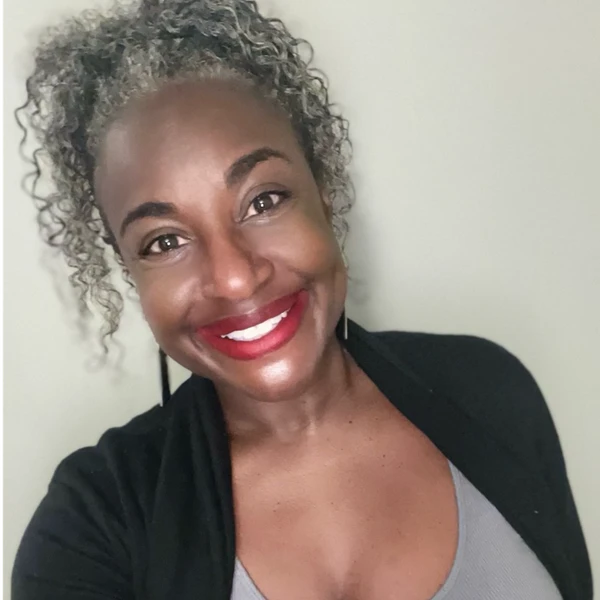
I am a retired Army Lieutenant Colonel who served on active duty for 22 years in military intelligence and public affairs. I am a senior-rated Jumpmaster who has earned a Defense Meritorious Service Medal, Bronze Star Medal, Army Staff Identification Badge and Combat Action Badge, among other awards. I commanded a company and a joint service, multinational theater support element. I served as the intelligence officer for multiple real-world combat aviation operations with the 82nd Airborne Division. I managed crisis communication as the communications director and spokesperson for 1st Armored Division, 18th Airborne Corps and Soldier for Life.
Serving in uniform gave me the honor and distinct privilege of coaching, teaching, mentoring, and serving alongside our nation’s finest Soldiers, earning their trust to lead them into combat. Building meaningful connections fosters a sense of community and teamwork, and the Army allowed me to cultivate an inclusive environment that celebrated
each team member while growing the next generation of proud, disciplined, and purposeful leaders dedicated to camaraderie and selfless service.
With my post-traumatic stress disorder from a 22-year military career, counseling saved my life. I buried my trauma deeply within, never realizing the effect it had on the way I treated others and, more devastatingly, how I treated myself. I was anxious and depressed, constantly seeking outside validation, whether personal, educational, or professional, to feel worthy. Through therapy, I learned to be kinder to myself. I gave myself grace. I was mindfully deliberate in loving and caring for myself. Now, I want to share this way of living with others.
My goal is to increase exposure and access to mental health resources while reducing the stigma associated with seeking mental health care. I want to build and manage integrated healthcare models for meaningful, enduring societal differences.
As a retired Soldier for Life, I advocate for veterans and our heroes, sharing my military experiences publicly to foster understanding and appreciation of military service. As a Soldier living with post-traumatic stress disorder, I will
dedicate a significant portion of my nonprofit work to helping service members and their families experiencing similar conditions.
In addition to the Doctor of Behavioral Health degree I am pursuing at Arizona State University, I have one class and 300 internship hours left to complete a Master of Arts degree in Counseling for Mental Health and Wellness from New York University to become a licensed counselor. I have a 4.0 GPA and will graduate in May.
I start Indiana University’s Master of Business Administration Strategy and Leadership program in August to enhance my confidence in leading all aspects of my nonprofit healthcare organization.
I still have so much to learn to be a better teammate in the world. With my career, deployments, and own post-traumatic stress disorder, I feel I can offer a unique view and understanding of this issue and offer viable insights and solutions to attack it. My degree in behavioral health management will give me the credentials I need for the nonprofit work I want to do with current and former service members and families. As a Veteran, I am acutely aware of the mental health stigma in our military community. I want to create a safe space for service members and families to grow and connect with themselves and others.
In addition to the veteran population, I plan to start group homes for marginalized communities. The first home will be for foster children. The importance of the program is providing integrated healthcare and personal and professional development to foster youth 14 to 21 years old, a marginalized population with limited resources. Georgia has 11,000 children in foster care, and adoption can be rare for teenagers in this population. The goals of the program include helping foster youth recognize and process their trauma while creating a pathway for a future that fits their unique fulfillment aspirations. This includes learning life executive functioning skills that support vocational development, college preparation, and fiscal management. A healed child becomes an empowered adult. These program opportunities empower them, giving them coping strategies that promote emotional and risk development and management and encourages self-discovery, growth, and trust in their judgment and instincts.
My passion is people, and I am ready to serve again. For over 22 years, I was entrusted with leading our nation’s finest Soldiers into combat. Now, it is time for me to counsel and guide them out of it.