user profile avatar

Connor Archibeque

35x

Nominee

2x

Finalist

1x

Winner

Bio

Hi! My name is Connor, I am currently enrolled at The University of New Mexico and am pursuing a Bachelor of Science in Psychology. I hope to continue my education and earn a PhD in Clinical Psychology. I deeply desire to connect with others and help anyone in need. I am very passionate about Psychology, I hope to help as many people as I can who may struggle with mental illness; my ultimate goal is to destigmatize mental illness, develop new person-based somatic therapy techniques, and offer support to those in need.

Education

University of New Mexico-Main Campus

Bachelor's degree program
2023 - 2027
  • Majors:
    • Psychology, General
  • Minors:
    • Biology, General
  • GPA:
    4

V Sue Cleveland High School

High School
2018 - 2022
  • GPA:
    3.8

Miscellaneous

  • Desired degree level:

    Doctoral degree program (PhD, MD, JD, etc.)

  • Graduate schools of interest:

  • Transfer schools of interest:

  • Majors of interest:

    • Clinical, Counseling and Applied Psychology
    • Research and Experimental Psychology
  • Not planning to go to medical school
  • Career

    • Dream career field:

      Clinical Psychologist

    • Dream career goals:

    • Waiter

      Fogo De Chão
      2023 – 2023
    • Server

      Corrales Bistro & Brewery
      2022 – 20231 year
    • Notary Public

      Commissioned Notary Public of The State of New Mexico
      2023 – Present3 years
    • Barista

      Starbucks Coffee Co.
      2022 – 20231 year
    • Substitute Teacher

      Kelly Education
      2022 – Present4 years
    • Intern

      E-Health Data Systems
      2017 – 20192 years

    Sports

    Soccer

    Intramural
    2016 – 20171 year

    Awards

    • Best Defender

    Arts

    • UNM Concert Choir

      Music
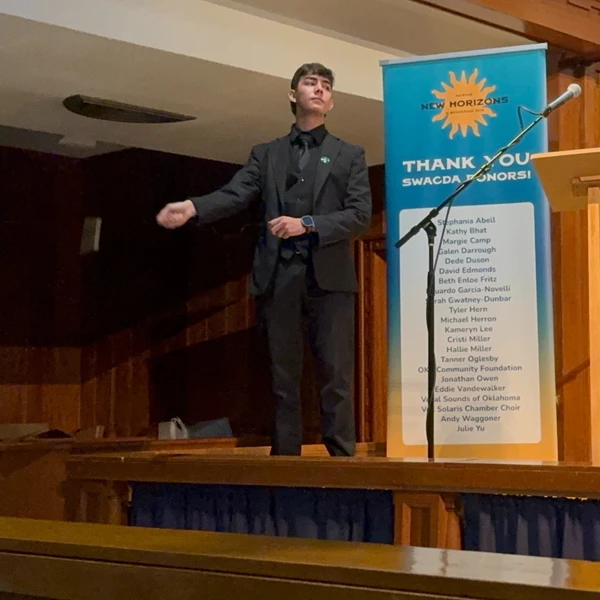
      New Mexico Philharmonic & UNM Chorus, Mahler's Symphony No. 2, “Resurrection”, led by Music Director Roberto Minczuk. , South West American Choral Directors Association
      2024 – Present
    • Church of Jesus Christ Albuquerque North Stake

      Music
      Lamb of God, Lamb of God 2022, Lamb of God 2024, Lamb of God 2025
      2022 – 2025
    • UNM Fervent Praise Gospel Choir

      Music
      2024 – Present
    • UNM Art Museum

      Visual Arts
      Hindsight Insight 2.0
      2024 – 2024

    Public services

    • Volunteering

      Free Notary Services for Women's Shelter — Notary Public
      2023 – 2023
    • Volunteering

      Crossroads Grace Community Church — 3d Grade Group/Class Leader
      2020 – 2020
    • Volunteering

      Family Promise — Volunteer/Support Organizer
      2022 – 2023
    • Volunteering

      Family Promise — Volunteer
      2019 – 2019
    • Volunteering

      Walk/Wheel for ALS — Volunteer
      2017 – 2017

    Future Interests

    Advocacy

    Politics

    Volunteering

    Greg London Memorial Scholarship
    As someone who has struggled with mental illness for a large portion of my life, I know firsthand the stigma and difficulties that come alongside it. I was diagnosed with major depressive disorder and generalized anxiety disorder during my freshman year of high school, and later during my junior year, I was diagnosed with persistent depressive disorder. Most recently, just last year, I was diagnosed with combined-type ADHD. Throughout all of these evaluations and diagnoses, I felt like if I told anyone, they would look at me differently, like I was someone to feel bad for or who was limited in my capabilities. I even started feeling this way myself eventually; I have always wanted to pursue a PhD but began to doubt myself, thinking, "How could I ever accomplish something so big when I can barely focus on a paper or get out of bed some days?" But, after some time, I reevaluated what these diagnoses meant for me. They weren't limitations bestowed upon me by a doctor; they were just information about myself that I could use to be more efficient in how I go about things. The struggles and difficulties are still there, but now I know what is going on and how to better approach these obstacles. I even struggled with my use of somatic techniques and medication, learning that taking medication for these things doesn't mean that I am reliant, but that I am applying tools available to me so I can succeed. Currently, I am pursuing a B.S. in psychology, with a minor in biology, with the goal of attending a PhD program in clinical psychology. My hope is that I will go on to accomplish great advances in the field of mental health to not only prove my abilities to myself but also to show others that a diagnosis is not a limitation but just information about yourself. I want to work to end the negative stigma surrounding mental health and illnesses so that more people will feel comfortable seeking out the help and compassion they not only need but also deserve. There are so many people who struggle silently, and we don't realize it. We have created a world where people feel embarrassed or ashamed of their difficulties, so instead they hide them away or don't seek out care in fear of receiving a label that they must carry. But it doesn't have to be this way; we can change the environment surrounding mental illness and create a space where seeking help is celebrated rather than shameful, accessible and not behind walls of insurance, and deserving rather than privileged. Everybody deserves compassion, care, kindness, and understanding. I hope that I will one day show love to future clients and create a space where they can leave, going boldly out into the world unashamed of the struggles they face and proud of themselves that every day they conquer battles no one may see. We have the power to end a stigma, we have the power to conquer our diagnoses, and we have the power to lift up others, but we can only achieve these things when we decide to support one another and ourselves.
    Therapist Impact Fund: NextGen Scholarship
    I have always been deeply passionate about understanding others and helping those in need. I am currently working towards a B.S. in Psychology with a minor in Biology, with the goal of earning a PsyD or PhD and developing new, person-based treatment methods that incorporate somatic therapy. My commitment to mental health stems not only from academic interest but also from personal experience. Growing up as the son of a preacher, I struggled a lot to accept my own identity and who I am with the doctrine of the church and the expectation placed on me by my father. When I came out, it was met with plenty of rejection and scripture; I felt like I had no choice but to leave. I ran away to California, where I lived for two years, and in those two years, I was able to grow into who I am, challenge myself, and ultimately give myself permission to grow into the person I am today. During that time, I longed for community, of having a space where I could be myself without fear, and of receiving the support I had not been able to experience. I know that many LGBTQIA+ persons do not have that opportunity and also long for it. Too many people are left to navigate their pain and rejection alone, without access to the care and understanding they deserve. This is why my ultimate goal is to work with LGBTQIA+ youth, particularly those who have been overlooked, underserved, or unable to access therapy due to financial or social barriers. I want to give them the support that I did not have. I aim to create a space where people can feel seen, heard, and valued; a space where they don’t have to fight to justify or explain their existence, but instead can focus on healing, growing, and thriving. Also, I hope to address the silent struggle of passive suicide, recognizing that many people experience immense pain but do not actively seek help because they have no immediate plan or intent to act on it. The suffering in our community is real, and we deserve validation and support. Mental health is not just about overcoming struggles; it is about growth, self-acceptance, and learning to live a fulfilling life, embracing our authentic selves. I want to break down the stigma surrounding therapy and make it more accessible, welcoming, and affirming—especially for those who have been made to feel like they do not belong or that they should feel ashamed of what or who they are. No one should have to heal alone, and I am committed to ensuring that every person, regardless of their circumstances, has access to the care and support everyone deserves. In recent years, a great tool for accessible mental health care has been teletherapy. This has allowed persons living in isolated areas or "mental health deserts" to gain access to therapy. An issue with this form of therapy however is the stigma currently facing it. Teletherapy is promoted widely, but the delivery and advertisement of this form of help has lead to it being perceived as a 'trend' or ineffective tool. Promoting this form of therapy through influencers has the pro of engaging a younger audience, but the critical con of delegitimizing it as a useful and effective form of therapy. The delivery of teletherapy needs to focus on clinical aspects and benefits of receiving the care, as to retain its public image, and the trust the public put into it.
    Joybridge Mental Health & Inclusion Scholarship
    I have always been deeply passionate about understanding others and helping those in need. I am currently working towards a B.S. in Psychology with a minor in Biology, with the goal of earning a PsyD and developing new, person-based treatment methods that incorporate somatic therapy. My commitment to mental health stems not only from academic interest but also from personal experience. Growing up as the son of a preacher, I struggled a lot to accept my own identity and who I am with the doctrine of the church and the expectation placed on me by my father. When I came out, it was met with plenty of rejection and scripture; I felt like I had no choice but to leave. I ran away to California, where I lived for two years, and in those two years, I was able to grow into who I am, challenge myself, and ultimately give myself permission to grow into the person I am today. During that time, I longed for community, of having a space where I could be myself without fear, and of receiving the support I had not been able to experience. I know that many LGBTQIA+ persons do not have that opportunity and also long for it. Too many people are left to navigate their pain and rejection alone, without access to the care and understanding they deserve. This is why my ultimate goal is to work with LGBTQIA+ youth, particularly those who have been overlooked, underserved, or unable to access therapy due to financial or social barriers. I want to give them the support that I did not have. I aim to create a space where people can feel seen, heard, and valued; a space where they don’t have to fight to justify or explain their existence, but instead can focus on healing, growing, and thriving. Also, I hope to address the silent struggle of passive suicide, recognizing that many people experience immense pain but do not actively seek help because they have no immediate plan or intent to act on it. The suffering in our community is real, and we deserve validation and support. Mental health is not just about overcoming struggles; it is about growth, self-acceptance, and learning to live a fulfilling life, embracing our authentic selves. I want to break down the stigma surrounding therapy and make it more accessible, welcoming, and affirming—especially for those who have been made to feel like they do not belong or that they should feel ashamed of what or who they are. No one should have to heal alone, and I am committed to ensuring that every person, regardless of their circumstances, has access to the care and support everyone deserves.
    Elijah's Helping Hand Scholarship Award
    I have always been deeply passionate about understanding others and helping those in need. I am currently working towards a B.S. in Psychology with a minor in Biology, with the goal of earning a PsyD and developing new, person-based treatment methods that incorporate somatic therapy. My commitment to mental health stems not only from academic interest but also from personal experience. Growing up as the son of a preacher, I struggled a lot to accept my own identity and who I am with the doctrine of the church and the expectation placed on me by my father. When I came out, it was met with plenty of rejection and scripture; I felt like I had no choice but to leave. I ran away to California, where I lived for two years, and in those two years, I was able to grow into who I am, challenge myself, and ultimately give myself permission to grow into the person I am today. During that time, I longed for community, of having a space where I could be myself without fear, and of receiving the support I had not been able to experience. I know that many LGBTQIA+ persons do not have that opportunity and also long for it. Too many people are left to navigate their pain and rejection alone, without access to the care and understanding they deserve. This is why my ultimate goal is to work with LGBTQIA+ youth, particularly those who have been overlooked, underserved, or unable to access therapy due to financial or social barriers. I want to give them the support that I did not have. I aim to create a space where people can feel seen, heard, and valued; a space where they don’t have to fight to justify or explain their existence, but instead can focus on healing, growing, and thriving. Also, I hope to address the silent struggle of passive suicide, recognizing that many people experience immense pain but do not actively seek help because they have no immediate plan or intent to act on it. The suffering in our community is real, and we deserve validation and support. Mental health is not just about overcoming struggles; it is about growth, self-acceptance, and learning to live a fulfilling life, embracing our authentic selves. I want to break down the stigma surrounding therapy and make it more accessible, welcoming, and affirming—especially for those who have been made to feel like they do not belong or that they should feel ashamed of what or who they are. No one should have to heal alone, and I am committed to ensuring that every person, regardless of their circumstances, has access to the care and support everyone deserves.
    Ethel Hayes Destigmatization of Mental Health Scholarship
    I have always been deeply passionate about understanding others and helping those in need. I am currently working towards a B.S. in Psychology with a minor in Biology, with the goal of earning a PsyD and developing new, person-based treatment methods that incorporate somatic therapy. My commitment to mental health stems not only from academic interest but also from personal experience. Growing up as the son of a preacher, I struggled a lot to accept my own identity and who I am with the doctrine of the church and the expectation placed on me by my father. When I came out, it was met with plenty of rejection and scripture; I felt like I had no choice but to leave. I ran away to California, where I lived for two years, and in those two years, I was able to grow into who I am, challenge myself, and ultimately give myself permission to grow into the person I am today. During that time, I longed for community, of having a space where I could be myself without fear, and of receiving the support I had not been able to experience. I know that many LGBTQIA+ persons do not have that opportunity and also long for it. Too many people are left to navigate their pain and rejection alone, without access to the care and understanding they deserve. This is why my ultimate goal is to work with LGBTQIA+ youth, particularly those who have been overlooked, underserved, or unable to access therapy due to financial or social barriers. I want to give them the support that I did not have. I aim to create a space where people can feel seen, heard, and valued; a space where they don’t have to fight to justify or explain their existence, but instead can focus on healing, growing, and thriving. Also, I hope to address the silent struggle of passive suicide, recognizing that many people experience immense pain but do not actively seek help because they have no immediate plan or intent to act on it. The suffering in our community is real, and we deserve validation and support. Mental health is not just about overcoming struggles; it is about growth, self-acceptance, and learning to live a fulfilling life, embracing our authentic selves. I want to break down the stigma surrounding therapy and make it more accessible, welcoming, and affirming—especially for those who have been made to feel like they do not belong or that they should feel ashamed of what or who they are. No one should have to heal alone, and I am committed to ensuring that every person, regardless of their circumstances, has access to the care and support everyone deserves.
    Bulkthreads.com's "Let's Build Together" Scholarship
    I have always been deeply passionate about understanding others and helping those in need. I am currently working towards a B.S. in Psychology with a minor in Biology, with the goal of earning a PsyD and developing new, person-based treatment methods that incorporate somatic therapy. My commitment to mental health stems not only from academic interest but also from personal experience. Growing up as the son of a preacher, I struggled a lot to accept my own identity and who I am with the doctrine of the church and the expectation placed on me by my father. When I came out, it was met with plenty of rejection and scripture; I felt like I had no choice but to leave. I ran away to California, where I lived for two years, and in those two years, I was able to grow into who I am, challenge myself, and ultimately give myself permission to grow into the person I am today. During that time, I longed for community, of having a space where I could be myself without fear, and of receiving the support I had not been able to experience. I know that many LGBTQIA+ persons do not have that opportunity and also long for it. Too many people are left to navigate their pain and rejection alone, without access to the care and understanding they deserve. This is why my ultimate goal is to work with LGBTQIA+ youth, particularly those who have been overlooked, underserved, or unable to access therapy due to financial or social barriers. I want to give them the support that I did not have. I aim to create a space where people can feel seen, heard, and valued; a space where they don’t have to fight to justify or explain their existence, but instead can focus on healing, growing, and thriving. Also, I hope to address the silent struggle of passive suicide, recognizing that many people experience immense pain but do not actively seek help because they have no immediate plan or intent to act on it. The suffering in our community is real, and we deserve validation and support. Mental health is not just about overcoming struggles; it is about growth, self-acceptance, and learning to live a fulfilling life, embracing our authentic selves. I want to break down the stigma surrounding therapy and make it more accessible, welcoming, and affirming—especially for those who have been made to feel like they do not belong or that they should feel ashamed of what or who they are. No one should have to heal alone, and I am committed to ensuring that every person, regardless of their circumstances, has access to the care and support everyone deserves.
    LGBTQ+ Wellness in Action Scholarship
    I am pursuing a BS in Psychology with a minor in Biology, driven by my passion for understanding others and helping those in need. My interest in psychology has been present since high school, when I independently would read about trauma and somatic therapy techniques, wanting to understand how the mind and body are connected in processing and healing. My personal experiences with therapy have further shaped my goals; the support I received in therapy helped me navigate difficult life events, inspiring me to extend that same helping hand to others who may feel alone, unheard, in pain, or just shattered. My ultimate goal is to earn a PsyD and develop new person-based treatment methods, incorporating somatic therapy to create a more individualized approach to healing. In 5 to 10 years, I hope to work with LGBTQIA+ youth and people who have never had the opportunity to grow or heal with therapy; those who have been overlooked, underserved, or unable to seek help due to financial or social barriers. I also want to focus on the widespread but silent struggle of passive suicide. Many people are experiencing overwhelming pain but do not actively seek help because they have no plan or intent to act, so they don’t seek help. However, their suffering is still real, and they are deserving of support, validation, and a space where they feel safe enough to be heard. Mental health is my passion. As someone who has struggled and continues to struggle, I understand how difficult it can be to ask for help or even to get out of bed to face the world. Sometimes, even getting through the day can feel like an uphill battle. That’s why I want to dedicate my future career to creating a space where people feel safe, understood, and supported without fear of judgment. People are struggling, and we often fail to see it, not because we don’t care, but because their pain is masked. I want to make therapy less daunting, more accessible, and welcoming, so that no one feels like their struggles are too small to be acknowledged or that they must heal or struggle alone. It is also important to me that therapy is not just viewed as a space to heal, but also as a space to grow. You don’t need to wait until you are struggling or need help, to reap the rewards of therapy. It is a place for everyone, where they can heal, but also grow. Finally, I want to contribute to normalizing seeking help, break down the stigma surrounding mental health, and ensure that everyone, regardless of any barriers, receives the healing and support they are deserving of.
    Learner Mental Health Empowerment for Health Students Scholarship
    I have always been deeply passionate about understanding others and helping those in need. I am currently working towards a B.S. in Psychology with a minor in Biology, with the goal of earning a PsyD and developing new, person-based treatment methods that incorporate somatic therapy. My commitment to mental health stems not only from academic interest but also from personal experience. Growing up as the son of a preacher, I struggled a lot to accept my own identity and who I am with the doctrine of the church and the expectation placed on me by my father. When I came out, it was met with plenty of rejection and scripture; I felt like I had no choice but to leave. I ran away to California, where I lived for two years, and in those two years, I was able to grow into who I am, challenge myself, and ultimately give myself permission to grow into the person I am today. During that time, I longed for community, of having a space where I could be myself without fear, and of receiving the support I had not been able to experience. I know that many LGBTQIA+ persons do not have that opportunity and also long for it. Too many people are left to navigate their pain and rejection alone, without access to the care and understanding they deserve. This is why my ultimate goal is to work with LGBTQIA+ youth, particularly those who have been overlooked, underserved, or unable to access therapy due to financial or social barriers. I want to give them the support that I did not have. I aim to create a space where people can feel seen, heard, and valued; a space where they don’t have to fight to justify or explain their existence, but instead can focus on healing, growing, and thriving. Also, I hope to address the silent struggle of passive suicide, recognizing that many people experience immense pain but do not actively seek help because they have no immediate plan or intent to act on it. The suffering in our community is real, and we deserve validation and support. Mental health is not just about overcoming struggles; it is about growth, self-acceptance, and learning to live a fulfilling life, embracing our authentic selves. I want to break down the stigma surrounding therapy and make it more accessible, welcoming, and affirming—especially for those who have been made to feel like they do not belong or that they should feel ashamed of what or who they are. No one should have to heal alone, and I am committed to ensuring that every person, regardless of their circumstances, has access to the care and support everyone deserves.
    Brian J Boley Memorial Scholarship
    I am pursuing a BS in Psychology with a minor in Biology, driven by my passion for understanding others and helping those in need. My interest in psychology has been present since high school, when I independently would read about trauma and somatic therapy techniques, wanting to understand how the mind and body are connected in processing and healing. My personal experiences with therapy have further shaped my goals; the support I received in therapy helped me navigate difficult life events, inspiring me to extend that same helping hand to others who may feel alone, unheard, in pain, or just shattered. My ultimate goal is to earn a PsyD and develop new person-based treatment methods, incorporating somatic therapy to create a more individualized approach to healing. In 5 to 10 years, I hope to work with LGBTQIA+ youth and people who have never had the opportunity to grow or heal with therapy; those who have been overlooked, underserved, or unable to seek help due to financial or social barriers. I also want to focus on the widespread but silent struggle of passive suicide. Many people are experiencing overwhelming pain but do not actively seek help because they have no plan or intent to act, so they don’t seek help. However, their suffering is still real, and they are deserving of support, validation, and a space where they feel safe enough to be heard. Mental health is my passion. As someone who has struggled and continues to struggle, I understand how difficult it can be to ask for help or even to get out of bed to face the world. Sometimes, even getting through the day can feel like an uphill battle. That’s why I want to dedicate my future career to creating a space where people feel safe, understood, and supported without fear of judgment. People are struggling, and we often fail to see it, not because we don’t care, but because their pain is masked. I want to make therapy less daunting, more accessible, and welcoming, so that no one feels like their struggles are too small to be acknowledged or that they must heal or struggle alone. It is also important to me that therapy is not just viewed as a space to heal, but also as a space to grow. You don’t need to wait until you are struggling or need help, to reap the rewards of therapy. It is a place for everyone, where they can heal, but also grow. Finally, I want to contribute to normalizing seeking help, break down the stigma surrounding mental health, and ensure that everyone, regardless of any barriers, receives the healing and support they are deserving of.
    Elevate Mental Health Awareness Scholarship
    I am pursuing a BS in Psychology with a minor in Biology, driven by my passion for understanding others and helping those in need. My interest in psychology has been present since high school, when I independently would read about trauma and somatic therapy techniques, wanting to understand how the mind and body are connected in processing and healing. My personal experiences with therapy have further shaped my goals; the support I received in therapy helped me navigate difficult life events, inspiring me to extend that same helping hand to others who may feel alone, unheard, in pain, or just shattered. Without my own journey with therapy, I can confidently say that I would not be the person I am today. Therapy has shaped who I am and has inspired me to grow and thrive, to embrace myself and passions; above all, it has given my the motivation and confidence to pursue the goals I have for myself. My ultimate goal is to earn a PsyD and develop new person-based treatment methods, incorporating somatic therapy to create a more individualized approach to healing. In 5 to 10 years, I hope to work with LGBTQIA+ youth and people who have never had the opportunity to grow or heal with therapy; those who have been overlooked, underserved, or unable to seek help due to financial or social barriers. I also want to focus on the widespread but silent struggle of passive suicide. Many people are experiencing overwhelming pain but do not actively seek help because they have no plan or intent to act, so they don’t seek help. However, their suffering is still real, and they are deserving of support, validation, and a space where they feel safe enough to be heard. Mental health is my passion. As someone who has struggled and continues to struggle, I understand how difficult it can be to ask for help or even to get out of bed to face the world. Sometimes, even getting through the day can feel like an uphill battle. That’s why I want to dedicate my future career to creating a space where people feel safe, understood, and supported without fear of judgment. People are struggling, and we often fail to see it, not because we don’t care, but because their pain is masked. I want to make therapy less daunting, more accessible, and welcoming, so that no one feels like their struggles are too small to be acknowledged or that they must heal or struggle alone. It is also important to me that therapy is not just viewed as a space to heal, but also as a space to grow. You don’t need to wait until you are struggling or need help, to reap the rewards of therapy. It is a place for everyone, where they can heal, but also grow. Finally, I want to contribute to normalizing seeking help, break down the stigma surrounding mental health, and ensure that everyone, regardless of any barriers, receives the healing and support they are deserving of.
    Elizabeth Schalk Memorial Scholarship
    I am pursuing a BS in Psychology with a minor in Biology, driven by my passion for understanding others and helping those in need. My interest in psychology has been present since high school, when I independently would read about trauma and somatic therapy techniques, wanting to understand how the mind and body are connected in processing and healing. My personal experiences with therapy have further shaped my goals; the support I received in therapy helped me navigate difficult life events, inspiring me to extend that same helping hand to others who may feel alone, unheard, in pain, or just shattered. My ultimate goal is to earn a PsyD and develop new person-based treatment methods, incorporating somatic therapy to create a more individualized approach to healing. In 5 to 10 years, I hope to work with LGBTQIA+ youth and people who have never had the opportunity to grow or heal with therapy; those who have been overlooked, underserved, or unable to seek help due to financial or social barriers. I also want to focus on the widespread but silent struggle of passive suicide. Many people are experiencing overwhelming pain but do not actively seek help because they have no plan or intent to act, so they don’t seek help. However, their suffering is still real, and they are deserving of support, validation, and a space where they feel safe enough to be heard. Mental health is my passion. As someone who has struggled and continues to struggle, I understand how difficult it can be to ask for help or even to get out of bed to face the world. Sometimes, even getting through the day can feel like an uphill battle. That’s why I want to dedicate my future career to creating a space where people feel safe, understood, and supported without fear of judgment. People are struggling, and we often fail to see it, not because we don’t care, but because their pain is masked. I want to make therapy less daunting, more accessible, and welcoming, so that no one feels like their struggles are too small to be acknowledged or that they must heal or struggle alone. It is also important to me that therapy is not just viewed as a space to heal, but also as a space to grow. You don’t need to wait until you are struggling or need help, to reap the rewards of therapy. It is a place for everyone, where they can heal, but also grow. Finally, I want to contribute to normalizing seeking help, break down the stigma surrounding mental health, and ensure that everyone, regardless of any barriers, receives the healing and support they are deserving of.
    Pool Family LGBT+ Scholarship
    Winner
    I have always been deeply passionate about understanding others and helping those in need. I am currently working towards a B.S. in Psychology with a minor in Biology, with the goal of earning a PsyD and developing new, person-based treatment methods that incorporate somatic therapy. My commitment to mental health stems not only from academic interest but also from personal experience. Growing up as the son of a preacher, I struggled a lot to accept my own identity and who I am with the doctrine of the church and the expectation placed on me by my father. When I came out, it was met with plenty of rejection and scripture; I felt like I had no choice but to leave. I ran away to California, where I lived for two years, and in those two years, I was able to grow into who I am, challenge myself, and ultimately give myself permission to grow into the person I am today. During that time, I longed for community, of having a space where I could be myself without fear, and of receiving the support I had not been able to experience. I know that many LGBTQIA+ persons do not have that opportunity and also long for it. Too many people are left to navigate their pain and rejection alone, without access to the care and understanding they deserve. This is why my ultimate goal is to work with LGBTQIA+ youth, particularly those who have been overlooked, underserved, or unable to access therapy due to financial or social barriers. I want to give them the support that I did not have. I aim to create a space where people can feel seen, heard, and valued; a space where they don’t have to fight to justify or explain their existence, but instead can focus on healing, growing, and thriving. Also, I hope to address the silent struggle of passive suicide, recognizing that many people experience immense pain but do not actively seek help because they have no immediate plan or intent to act on it. The suffering in our community is real, and we deserve validation and support. Mental health is not just about overcoming struggles; it is about growth, self-acceptance, and learning to live a fulfilling life, embracing our authentic selves. I want to break down the stigma surrounding therapy and make it more accessible, welcoming, and affirming—especially for those who have been made to feel like they do not belong or that they should feel ashamed of what or who they are. No one should have to heal alone, and I am committed to ensuring that every person, regardless of their circumstances, has access to the care and support everyone deserves.
    Good Vibes Only Scholarship in Memory of C. Spoon
    I am pursuing a BS in Psychology with a minor in Biology, driven by my passion for understanding others and helping those in need. My interest in psychology has been present since high school, when I independently would read about trauma and somatic therapy techniques, wanting to understand how the mind and body are connected in processing and healing. My personal experiences with therapy have further shaped my goals; the support I received in therapy helped me navigate difficult life events, inspiring me to extend that same helping hand to others who may feel alone, unheard, in pain, or just shattered. My ultimate goal is to earn a PsyD and develop new person-based treatment methods, incorporating somatic therapy to create a more individualized approach to healing. In 5 to 10 years, I hope to work with LGBTQIA+ youth and people who have never had the opportunity to grow or heal with therapy; those who have been overlooked, underserved, or unable to seek help due to financial or social barriers. I feel strongly that BIPOC often do not have access to mental health resources due to socioeconomic boundaries, but primarily due to cultural blocks, like the outlook and view on mental health within BIPOC communities. I also want to focus on the widespread but silent struggle of passive suicide within the BIPOC community. Many people are experiencing overwhelming pain but do not actively seek help because they have no plan or intent to act, so they don’t seek help. However, their suffering is still real, and they are deserving of support, validation, and a space where they feel safe enough to be heard. Mental health is my passion. As someone who has struggled and continues to struggle, I understand how difficult it can be to ask for help or even to get out of bed to face the world. Sometimes, even getting through the day can feel like an uphill battle. That’s why I want to dedicate my future career to creating a space where people feel safe, understood, and supported without fear of judgment. People are struggling, and we often fail to see it, not because we don’t care, but because their pain is masked. I want to make therapy less daunting, more accessible, and welcoming, so that no one feels like their struggles are too small to be acknowledged or that they must heal or struggle alone. It is also important to me that therapy is not just viewed as a space to heal, but also as a space to grow. You don’t need to wait until you are struggling or need help, to reap the rewards of therapy. It is a place for everyone, where they can heal, but also grow. Finally, I want to contribute to normalizing seeking help, break down the stigma surrounding mental health, and ensure that everyone, regardless of any barriers, receives the healing and support they are deserving of.
    Ethan To Scholarship
    I am pursuing a BS in Psychology with a minor in Biology, driven by my passion for understanding others and helping those in need. My interest in psychology has been present since high school, when I independently would read about trauma and somatic therapy techniques, wanting to understand how the mind and body are connected in processing and healing. My personal experiences with therapy have further shaped my goals; the support I received in therapy helped me navigate difficult life events, inspiring me to extend that same helping hand to others who may feel alone, unheard, in pain, or just shattered. My ultimate goal is to earn a PsyD and develop new person-based treatment methods, incorporating somatic therapy to create a more individualized approach to healing. In 5 to 10 years, I hope to work with LGBTQIA+ youth and people who have never had the opportunity to grow or heal with therapy; those who have been overlooked, underserved, or unable to seek help due to financial or social barriers. I also want to focus on the widespread but silent struggle of passive suicide. Many people are experiencing overwhelming pain but do not actively seek help because they have no plan or intent to act, so they don’t seek help. However, their suffering is still real, and they are deserving of support, validation, and a space where they feel safe enough to be heard. Mental health is my passion. As someone who has struggled and continues to struggle, I understand how difficult it can be to ask for help or even to get out of bed to face the world. Sometimes, even getting through the day can feel like an uphill battle. That’s why I want to dedicate my future career to creating a space where people feel safe, understood, and supported without fear of judgment. People are struggling, and we often fail to see it, not because we don’t care, but because their pain is masked. I want to make therapy less daunting, more accessible, and welcoming, so that no one feels like their struggles are too small to be acknowledged or that they must heal or struggle alone. It is also important to me that therapy is not just viewed as a space to heal, but also as a space to grow. You don’t need to wait until you are struggling or need help, to reap the rewards of therapy. It is a place for everyone, where they can heal, but also grow. Finally, I want to contribute to normalizing seeking help, break down the stigma surrounding mental health, and ensure that everyone, regardless of any barriers, receives the healing and support they are deserving of.