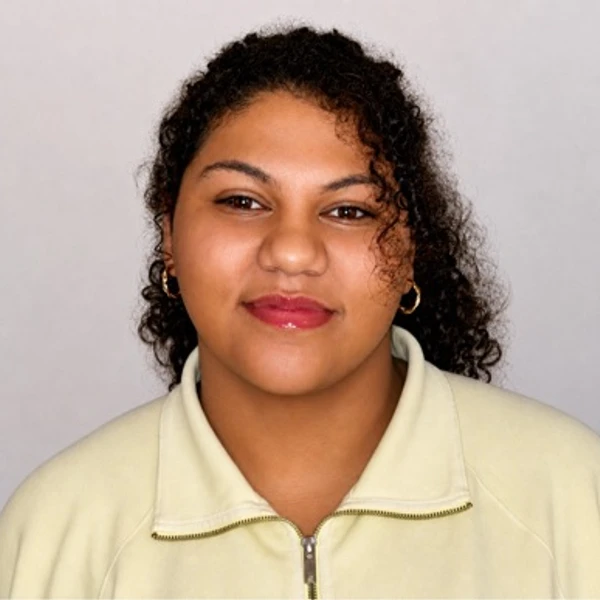
user profile avatar

Cierah Browning

1x

Finalist

General information

Hobbies & Interests

  • Yearbook
  • Volunteering
  • Spending Time With Friends and Family
  • Archery
  • Concerts
  • Cooking
  • Baking
  • Graphic Design
  • Reading

Reading

  • Drama
  • Romance
  • Tragedy
  • True Story
  • Action
  • Book Club
  • Mystery

I read books multiple times a week.

Bio

My name is Cierah Browning, and I am an incoming freshman majoring in Accounting with a minor in Taxation at Stephen F. Austin State University. I’m driven by the example of my great‑grandmother, Deloris Jackson. Her dedication to helping others through her work showed me the impact financial guidance can have, and it motivates me to build a career that serves my community. I grew up in a family that taught me resilience, loyalty, and the importance of showing up for the people you love. My parents and relatives have worked hard to give me opportunities they didn’t have, and their support motivates me to build a future with no regrets. I’ve learned to balance school, responsibilities, and helping my family, all while staying organized and committed to my goals. Throughout high school, I pushed myself academically while also staying involved in activities like Business Professionals of America, robotics, drama, and community programs. These experiences strengthened my leadership, creativity, and ability to adapt quickly — skills I plan to carry into my college career. I am passionate about accounting because it allows me to help people feel secure, informed, and confident about their financial futures. My goal is to use my education to support underserved communities, advocate for financial literacy, and continue the legacy my great‑grandmother began. My journey has shaped me into a determined, compassionate, and hardworking individual, and I am eager to continue growing, learning, and making an impact.

Education

Stephen F Austin State University

Master's degree program

2026 – 2030

Majors:
  • Business, Management, Marketing, and Related Support Services, Other
  • Accounting and Computer Science
Minors:
  • Taxation

Hardin High School

High School

2022 – 2026

Miscellaneous

Desired degree level:
Master's degree program
Majors of interest:
Accounting and Computer Science, Business, Management, Marketing, and Related Support Services, Other, Mathematics and Statistics, Other
Desired degree modality:
In-Person
Medical school interest:
No

Career

  • Food Preparation/ Waiter

    Restaurants · Delicious Diner

    Jan 2019 – Present

Miscellaneous

Dream career field:
Accounting
Dream career goals:
To work hard to climb the ranks to become a CFO
Work experience:
3 years
Has nursing license:
No

Future Interests

  • Volunteering
  • Philanthropy
  • Entrepreneurship
Ken Bolick Memorial Scholarship
Growing up in a small rural town in South Texas, I learned early that hard work isn’t something you talk about—it’s something you do. My grandparents raised me, and most of what I know about responsibility comes from watching them. My grandmother wakes up before sunrise to open our family diner, and she never complains about long days or tired feet. My grandfather is quieter, but he’s the type of person who fixes things before anyone even notices something’s wrong. Seeing them workday after day taught me to show up, stay kind, and keep going even when things get tough. Most of my work experience comes from helping out at the diner. I’ve done a little bit of everything—cleaning tables, taking orders, restocking, and talking to customers. It might not sound fancy, but it taught me a lot. I learned how to stay patient when things get busy, how to treat people with respect, and how important small businesses are in rural communities. People don’t just come in for food—they come in because it feels like home. That made me realize how much I care about helping the people around me. I’ve also volunteered through school programs like BPA and different community events. Sometimes it was helping run fundraisers, sometimes organizing supplies, sometimes just being an extra pair of hands. Those experiences showed me how good it feels to give back and how much impact small acts of kindness can have. One of the biggest influences in my life was my great‑grandmother Deloris. She was an accountant, and even though I was young, I remember her saying that numbers tell the truth. She believed that helping people understand their finances was a way to protect them. That stuck with me. It made me want to study accounting and taxation so I can help families and small businesses in towns like mine. As I’ve gotten older, I’ve realized that the lessons from my mentors weren’t just about work—they were about knowing myself. I’ve learned that I’m driven, that I care deeply about my community, and that I want to make a real difference. I’m a first‑generation college student, and sometimes the path feels overwhelming, but I’ve learned to take things one step at a time. That’s something my grandparents taught me without ever saying it out loud. My goal is to become a licensed accountant and eventually open a small tax and financial help service in my hometown. In rural areas, people often struggle with taxes, budgeting, and paperwork because resources are limited. I want to change that. I want to make things easier for families who work hard but don’t always have access to financial guidance. Over time, I want to grow into someone knowledgeable, dependable, and generous—someone who uses their skills to lift others. Everything I’ve learned so far, from early mornings at the diner to the advice of my mentors, has prepared me for this next chapter. I’m ready to work hard, stay focused, and build a future that honors the people who raised me and the community that shaped me.
Humanize LLC Gives In Honor of Shirley Kelley Scholarship
I grew up in a small town in deep South Texas, and my life has always been shaped by my grandparents. They became my guardians when I was young, and because of that, my childhood looked different from most people’s. Even though it wasn’t always easy, it made me who I am today. My grandmother is the heart of our home. She gets up super early every morning to go open our family diner, sometimes before the sun even comes up. She’ll work a full shift, come home tired, and still ask me if I’ve eaten or if I need help with anything. Her favorite color is purple, and she fills our home with warmth, food, and the kind of comfort you can’t buy. My grandfather shows love in quieter ways—fixing things, giving rides, and making sure I never feel alone. They didn’t have to raise me, but they did, and they gave me a kind of stability and love that I’ll always be grateful for. Growing up with them meant I had to learn independence early. They didn’t know much about college applications, FAFSA, scholarships, or any of that, so I had to figure it out myself. I learned how to stay organized, keep track of deadlines, and handle things on my own. At first it felt overwhelming, but over time it made me stronger. It taught me to be responsible and to push myself, even when I didn’t have all the answers. Their influence is also a big part of why I chose accounting. My great‑grandmother, Deloris, was an accountant, and hearing stories about her made me want to follow that path. But what really pushed me toward taxation was watching my grandparents struggle with financial paperwork, taxes, and budgeting. A lot of families in small towns deal with the same thing—confusing forms, unexpected bills, and not knowing where to turn for help. I want to change that. My goal is to earn my accounting degree with a minor in taxation, become a CPA, and eventually open a small tax and financial help service for families and local businesses in my community. I want to make things easier for people who don’t have access to financial guidance. I want to be someone they can trust the way I trusted my grandparents. Being raised by them didn’t just affect my childhood—it shaped my future. It taught me to work hard, stay grounded, and appreciate every opportunity I get. It made me ambitious, not because I want a fancy job, but because I want to give back. I want to help people who grew up like me, people who didn’t have a traditional upbringing but still have big dreams. Everything I’m working toward is because my grandparents believed in me. Their sacrifices gave me a foundation to build on, and now I want to use what I’ve learned to make a real impact in my community.
Ruthie Brown Scholarship
College is expensive, and as a first‑generation student from a small town in South Texas, I’ve always known that if I wanted a degree, I’d have to plan and fight for every dollar. I don’t come from a family that can write a check for tuition. My grandparents raised me, and they’ve already done more for me than I could ever repay. So, when it comes to college, I’ve made it my responsibility to keep my future debt as low as possible. Right now, the biggest way I’m tackling student debt is by working and applying for every scholarship I qualify for. I work part‑time, and even though balancing work with school isn’t always easy, it helps me cover personal expenses, so I don’t have to borrow more than necessary. I’ve also made scholarship applications almost a part‑time job in their own right. I treat them like steppingstones toward a future where I’m not drowning in loans. Every award I earn is one less bill hanging over my head later. I’m also planning academically and financially. I chose accounting with a minor in taxation because it’s a field that offers stability, growth, and a clear path toward professional licensing. My long‑term goal is to become a CPA and eventually open a small tax and financial help service for families and local businesses in my community. South Texas has a lot of hardworking people who don’t always have access to affordable financial guidance. If I can build a career that helps them while also supporting myself, that’s a win on both sides. To prepare for that future, I’ve already mapped out my college classes, estimated my yearly costs, and created a budget that covers tuition, books, transportation, and living expenses. I know roughly how much I’ll need each year, and I’m constantly adjusting my plan based on scholarships, grants, and my income. I’m also planning to volunteer with VITA, a free tax‑prep program for low‑income families. Not only will it give me hands‑on experience, but it will also help me build connections and skills that can lead to paid opportunities later on. Another big part of my plan is being realistic about loans. I’m not avoiding them completely, but I’m being smart about how much I take out. I’m choosing subsidized loans when possible, keeping my borrowing to the minimum, and staying aware of interest rates and repayment options. I don’t want to graduate with a degree and a mountain of debt that follows me for decades. I want to graduate with a plan, a purpose, and a manageable financial future. I know student debt affects BIPOC students at higher rates, and I’ve seen firsthand how it can hold people back. That’s why I’m doing everything I can now — working, budgeting, planning, and staying focused — to make sure my future isn’t defined by what I owe, but by what I can accomplish.
Learner Math Lover Scholarship
Math has always been one of those subjects that just makes sense to me. I like how it gives you a clear path to follow—step by step—until you finally reach an answer. Even when a problem is challenging, there’s something satisfying about sticking with it, trying different approaches, and eventually figuring it out. It feels like solving a puzzle, and I’ve always loved that feeling. One thing I appreciate most about math is how honest it is. Numbers don’t lie, and they don’t change depending on who’s looking at them. Two plus two will always be four. That consistency makes math feel reliable, almost comforting. No matter what’s going on in life, math stays the same, and I think that’s part of why I enjoy it so much. I also love how math shows up everywhere, even in places people don’t expect. It’s behind the technology we use every day, the businesses we depend on, and the decisions that shape our economy. It helps us understand patterns, make predictions, and solve real problems. When you learn math, you’re not just memorizing formulas—you’re learning how to think. You’re learning how to break things down, analyze them, and make logical choices. Those skills matter far beyond the classroom. For me, math isn’t just a subject I’m good at; it’s something that connects to my future. I plan to become an accountant and work in taxation, helping families and small businesses in my community. Math is the foundation of that career, and loving math makes me even more excited about the path I’m choosing. Overall, I love math because it challenges me, teaches me to think clearly, and opens doors to the future I want. It’s a subject that has shaped the world—and it’s shaping my life, too.
Joe Gilroy "Plan Your Work, Work Your Plan" Scholarship
Growing up in a small town in deep South Texas, I learned that if you want something, you have to actually plan for it. Nothing just falls into your lap. My goal is to become an accountant with a focus on taxation, and eventually open a small tax and financial help service for families and local businesses. I’ve seen how confusing money, taxes, and paperwork can be for people, especially in small towns. My great‑grandmother Deloris was an accountant, and she inspired me to use my skills to help people the same way she did. This fall, I’m starting college as an accounting major with a minor in taxation. I already mapped out the classes I need over the next four years — things like financial accounting, tax law, auditing, and business analytics. I plan to meet with my advisor every semester so I stay on track and don’t fall behind. I’m the type of person who likes having a clear plan, so having my classes laid out helps me stay focused. I also want real experience while I’m in school. I plan to look for part‑time jobs doing bookkeeping or office work for small businesses around my area. Even simple things like organizing receipts or helping with payroll will teach me a lot. I also want to volunteer with VITA, the free tax‑prep program for low‑income families. That will give me hands‑on experience actually helping people with their taxes, which is exactly what I want to do long-term. I’ve already created a budget for college. My yearly costs — tuition, books, transportation, and basic living expenses — come out to around $31,000. I’m covering this through Pell Grants, scholarships, and part‑time work. I use a simple monthly budget and keep track of everything, so I don’t overspend. My great‑grandfather Joe Gilroy always kept an index card in his shirt pocket with his daily plan, and his motto was “Plan Your Work, Work Your Plan.” I try to live by that too. It keeps me grounded and reminds me that small daily habits matter. After I graduate, I plan to get my CPA license. I’ve already looked into the requirements: 150 credit hours, passing the four CPA exam sections, and getting supervised work experience. I’m budgeting around $2,500 for exam fees and study materials. I plan to work at a tax firm or small accounting office for a couple of years before opening my own practice. My dream isn’t just about having a good career. It’s about helping people in my community feel confident instead of stressed when tax season comes around. It’s about helping small businesses stay organized so they can grow. And it’s about showing other first‑generation students that you can come from a small town and still build something meaningful if you’re willing to plan it out and stick to it.
Sloane Stephens Doc & Glo Scholarship
Growing up in a small town in deep South Texas, I learned that community is everything. The people around you shape who you become, and in my case, my grandmother and great‑grandmother shaped me more than anyone. My grandma raised me, and my great‑grandmother, Deloris Jackson, was an accountant who inspired my career path. They always told me that education is the one thing no one can take from you, and that you should use what you learn to help others. Those lessons are the reason I’m majoring in accounting with a minor in taxation, and the reason I want to give back to the place that raised me. In my community, financial knowledge is not easy to find. A lot of families struggle with taxes, budgeting, and understanding things like FAFSA or scholarships. I’ve seen people lose money or miss opportunities simply because they didn’t have anyone to guide them. Even my own family, who runs Delilous Diner, has faced challenges trying to keep up with paperwork and financial decisions. Seeing all of this made me realize that I want to be someone who can help. My goal is to become an accountant who works directly with underserved communities. I want to make financial education simple and accessible. I want to help families understand their taxes, teach students how to prepare for college costs, and support small businesses so they don’t feel lost or overwhelmed. I plan to host free workshops, create easy-to-understand guides, and offer one-on-one help to people who need it. I want to build trust and make sure people feel comfortable asking questions, even the “basic” ones they might be embarrassed to ask. Sloane Stephens’ story inspires me because she never forgot where she came from, even after reaching the top of her sport. Her foundation gives kids safe spaces to grow, and her Doc & Glo Scholarship honors her grandparents’ belief in education and resilience. That reminds me so much of my own family. My grandparents taught me to be kind, strong, and confident, even when life gets hard. I want to honor them the same way Sloane honors hers — by using what I’ve learned to help others. The impact I want to make isn’t flashy. I’m not trying to change the whole world at once. I just want to make life easier for the people in my community. I want students to feel hopeful about their futures, families to feel secure, and small businesses to feel supported. I want to create a space where people feel seen and heard, and where financial knowledge is something, everyone can access, not just people with money. This scholarship would help me continue my education and move closer to that goal. I’m determined to come back home with the skills and confidence to make a real difference. My community has poured so much into me, and I’m ready to pour it right back.
Love Island Fan Scholarship
Reality TV thrives on drama, emotion, and unexpected twists, and the “Heart Heist” challenge is designed to capture all three in a single, unforgettable moment. This original Love Island challenge blends strategy, flirtation, and social gameplay to push contestants out of their comfort zones and reveal their true intentions. At its core, the challenge is built around one simple idea: love is unpredictable, and sometimes you have to take risks to get what—or who—you want. The challenge begins with each Islander receiving a small briefcase containing three elements: a personal clue about another contestant, a flirty mission, and a sabotage option. These briefcases immediately set the tone for the game, forcing Islanders to pay attention, observe each other, and step into situations they might normally avoid. The clues are intentionally specific but mysterious, encouraging Islanders to interact with people they may not have spoken to deeply before. This creates natural opportunities for new connections, awkward moments, and surprising chemistry. The challenge unfolds in three rounds, each one raising the stakes. In the first round, Islanders must complete their flirty mission with the person their clue leads them to. Success earns them a Heart Token, while failure leaves them vulnerable. This round is lighthearted and fun, but it also exposes who is confident, who is shy, and who might be hiding feelings behind the safety of their current couple. The second round introduces chaos. Islanders can now swap clues, form alliances, or sabotage each other. This is where the challenge becomes more than just flirting—it becomes a social strategy game. Contestants must decide who they trust, who they want to protect, and who they’re willing to deceive. The villa becomes a maze of whispered conversations, stolen glances, and bold moves. The final round, the Grand Heist, is a fast-paced scramble where Islanders have five minutes to steal as many hearts as possible. This round tests quick thinking, emotional intelligence, and confidence. It also exposes who is willing to take risks for love and who is playing it safe. At the end of the challenge, the Islander with the most hearts wins a luxury date and a romantic advantage, while the person with the fewest must answer a brutally honest question chosen by the group. This twist ensures that the challenge doesn’t just end with laughter—it ends with truth. Overall, the “Heart Heist” challenge is designed to reveal hidden feelings, shake up comfortable couples, and create unforgettable moments. It blends romance, strategy, and drama in a way that feels fresh, exciting, and perfectly suited for Love Island.
Max Bungard Memorial Scholarship
Addiction has shaped my life since before I was old enough to understand what the word meant. My mother struggled with drug addiction when I was a baby, and because of that, my childhood was filled with instability, confusion, and moments where I had to act far older than my age. I lived with my grandmother off and on throughout my early years, and she eventually gained full custody of me when I was seven. I never knew my father, and I didn’t grow up with financial stability or the kind of support many children rely on. Even though I wasn’t the one battling addiction directly, its impact shaped my life in ways that taught me resilience, responsibility, and the importance of breaking cycles. One memory from my childhood stays with me more than any other. I was about five or six years old, living with my mother at my aunt Re Re’s house while my aunt worked late. My mother had friends over that night, and I stayed in my room listening until everything suddenly went quiet. When I came out, all her friends were gone, and my mother was passed out on the porch. It was winter, and I remember feeling terrified she would get sick or freeze. At that age, I didn’t have the strength or the understanding to know what to do — but I knew I had to try. I dragged her inside, inch by inch, until she was out of the cold. I placed a heater near her, covered her with two blankets, put a pillow under her head, and then quietly went to bed. The hardest part is that this wasn’t a one‑time moment. I was used to this routine. I grew up learning how to take care of my mother because she couldn’t take care of herself. Those experiences forced me to grow up quickly, but they also taught me compassion, patience, and the importance of choosing a different path for my own future. Watching addiction affect someone I loved showed me how powerful and destructive it can be, but it also taught me how important recovery, support, and hope are. My mother was not just her addiction; she was someone who loved me, even when she couldn’t show it in the ways I needed. Her struggle taught me never to judge someone by their lowest moments and to believe deeply in second chances. Moving forward, my goal is to build a life rooted in stability, education, and purpose. I am pursuing a degree in accounting with a minor in taxation, inspired by my great‑grandmother, Deloris Jackson, who used her financial knowledge to uplift our community. I want to follow in her footsteps and help underserved families — especially those affected by addiction, poverty, or instability — gain control over their futures. This scholarship would help me continue that journey. It would relieve financial pressure, allow me to focus fully on my education, and support my goal of creating a life that breaks generational patterns. Addiction has shaped my life, but it has not defined me. Instead, it has given me a deeper understanding of struggle, empathy, and the importance of recovery. I carry those lessons with me as I work toward a future built on strength, ambition, and impact.
Bick First Generation Scholarship
Being a first‑generation student means stepping into a world no one in my family has walked before. It means navigating college applications, financial aid, deadlines, and career decisions without a roadmap or someone at home who can explain what comes next. For me, being first‑generation is not just about being the first to pursue higher education — it’s about breaking cycles, rewriting expectations, and proving that where you start does not determine where you can go. I grew up in a small town in deep South Texas, a place where racism is still present and opportunities often feel limited. As a half Black, half white young woman, I learned early how to navigate environments where I didn’t always feel accepted. At home, my circumstances were just as challenging. My mother struggled with addiction when I was a baby, and my grandmother gained custody of me when I was seven, though I had been living with her off and on since birth. I don’t know my father at all, and I didn’t grow up with financial stability or the kind of guidance many students rely on. These experiences forced me to grow up quickly. I learned independence, responsibility, and how to advocate for myself. I learned to stay organized, work hard, and keep pushing even when life felt heavy. I didn’t have parents who could walk me through college planning, but I had determination — and that became my foundation. My dream is to become an accountant with a minor in taxation. I’m inspired by my great‑grandmother, Deloris Jackson, who worked as an accountant and used her knowledge to protect and uplift our community. She showed me that financial literacy is a form of empowerment, especially for families who don’t come from money and often get overlooked or taken advantage of. I want to follow in her footsteps and use my education to help underserved families build stability and understand the financial systems that shape their lives. This scholarship would make a meaningful difference in my journey. It would relieve financial pressure, allow me to focus fully on my education, and help me continue building a future that honors the sacrifices my grandparents made for me. More importantly, it would support my mission to give back — to use my degree to help families like mine access opportunities they’ve been denied. Being first‑generation means carrying hope, courage, and ambition into places no one before you has gone. I’m ready to keep going, and this scholarship would help me take the next step.
Marcia Bick Scholarship
Students from disadvantaged backgrounds deserve opportunities like scholarships because many of us grow up fighting challenges that others never have to think about. Financial hardship, unstable family circumstances, and environments where support is limited can make the path to college feel impossible. Yet these same students often develop resilience, independence, and determination far beyond their years. When given a chance, we don’t just succeed—we transform our futures. I know this because I’ve lived it. I grew up in a small town in deep South Texas, a place where racism is still present and opportunities often feel limited. As a half-Black, half-white young woman, I learned early how to navigate environments where I didn’t always feel accepted. At the same time, my home life came with its own challenges. My mother struggled with addiction when I was a baby, and my grandmother gained full custody of me when I was seven, though I had been living with her off and on since birth. I don’t know my father at all, and I didn’t grow up with financial stability or the kind of guidance many students rely on. These circumstances could have held me back, but instead they shaped my drive. Living with my grandparents taught me responsibility, independence, and the importance of building a future that looks different from the one I came from. I worked hard in school, stayed focused, and learned how to advocate for myself even when resources were limited. I became the first in my family to pursue accounting, inspired by my great‑grandmother, Deloris Jackson, who worked as an accountant and used her knowledge to protect and uplift our community. Her example showed me that financial literacy is a form of empowerment—especially for underserved families who are often taken advantage of or left without guidance. This scholarship would make a meaningful difference in my journey. It would relieve financial pressure, allow me to fully focus on earning my accounting degree with a minor in taxation, and help me continue building a future that honors the sacrifices my grandparents made for me. More importantly, it would support my goal of giving back. I want to use my education to help families like mine navigate financial systems, build stability, and access opportunities they’ve been denied. Students from disadvantaged backgrounds don’t just deserve opportunities—we’ve earned them through resilience, ambition, and the determination to rise above circumstances we never chose. With support, we can turn our challenges into impact.
Christian Fitness Association General Scholarship
Throughout high school, one of the biggest challenges I faced was learning how to balance responsibility with ambition. I grew up in a family where everyone works hard and supports each other, especially through our small hometown restaurant, Delilous Diner. It’s a place built on community — the kind of spot where people come in not just to eat, but to talk, laugh, and feel at home. Because it’s family‑run, everyone helps, and from a young age I learned that when the diner gets busy, you step in. You don’t wait to be asked. You show up. During high school, that meant I often went straight from class or club meetings to the diner, tying on an apron and jumping into whatever needed to be done. Some days I prepped orders; other days I greeted customers or helped clean up after closing. I loved being part of something that mattered to my family and my community, but it also meant that my schedule was packed long before I even opened a textbook. At the same time, I wasn’t the type of student who wanted to just “get by.” I wanted to be involved, to learn, to grow, and to challenge myself. That drive led me to join several extracurriculars that shaped who I am today. I became a member of Business Professionals of America because I wanted to understand the world of business and leadership. I joined robotics because I loved problem‑solving and hands‑on creativity. I explored graphic design because I’ve always had an artistic side and wanted to learn how to express ideas visually. I earned a place in the National Honor Society because academics mattered deeply to me, and I wanted to uphold the values of scholarship and service. And I joined drama club because performing gave me confidence and a sense of freedom I didn’t find anywhere else. Each of these activities taught me something different, and each one mattered. But together — combined with schoolwork and my responsibilities at Delilous Diner — they created a level of pressure I wasn’t prepared for at first. There were nights when I came home exhausted, still needing to finish homework or study for a test. There were mornings when I felt behind before the day even started. I wanted to excel in everything, but I didn’t yet know how to manage everything. The challenge wasn’t just the workload; it was the feeling of being pulled in multiple directions. I didn’t want to let my family down by not helping enough at the diner. I didn’t want to let my teachers down by falling behind. I didn’t want to let myself down by giving up on the activities I cared about. That pressure built up until I realized something had to change — not my goals, but my approach. The turning point came when I stopped trying to handle everything through sheer effort and started building structure into my life. I began breaking assignments into smaller tasks so they felt manageable instead of overwhelming. I used planners and digital tools to map out my days, giving myself a clear picture of what needed to be done and when. I learned to prioritize, not by choosing what mattered most overall, but by choosing what mattered most in that moment. I also learned to communicate. Instead of silently struggling, I reached out to teachers when I needed help or clarification. I talked to my advisors when extracurricular schedules overlapped. I let my family know when school deadlines were heavy so they understood why I needed extra time. Speaking up didn’t make me weak — it made me more capable. It allowed me to balance my responsibilities without sacrificing my well‑being. Another important lesson was learning to set boundaries. I realized that saying “yes” to everything wasn’t sustainable, and that protecting my time was necessary if I wanted to succeed long‑term. I learned that it was okay to ask for help, okay to take breaks, and okay to step back when I needed to. That wasn’t easy for me — I’ve always been someone who tries to carry everything — but it was essential. Through this process, I discovered my resilience. The discipline, time management, and self‑advocacy skills I developed didn’t just help me survive high school — they prepared me for the future I’m building. Now, as I pursue my accounting degree with a minor in taxation, I carry those lessons with me every day. My great‑grandmother, Deloris Jackson, was an accountant, and her legacy inspires me to use my education to serve and protect my community. I want to help small businesses, families, and individuals understand their finances, avoid predatory practices, and build stability. The challenges I faced taught me how to stay focused, how to work hard, and how to keep moving forward even when life feels overwhelming — all qualities that will guide me in my future career. Overcoming that period didn’t just make me a better student; it made me a stronger person. It taught me that growth comes from pressure, that balance comes from intention, and that success comes from consistency. The challenge of balancing school, extracurriculars, and family responsibilities shaped me into someone who doesn’t give up, who adapts, and who keeps striving. And that is exactly the person I will continue to be throughout college and beyond.
Kristinspiration Scholarship
Education is important to me because it represents everything I have fought for — stability, independence, and the chance to build a life that rises above the challenges I grew up with. For me, education is not just about classrooms or grades. It is about rewriting my story. It is about choosing a future that is stronger, healthier, and more secure than the one I was born into. It is about proving to myself that I can break cycles, create new paths, and build a life defined by purpose rather than circumstance. Education is important to me because it represents the stability, independence, and future that I didn’t always have growing up. For me, education is not just about earning good grades or finishing school — it is about rewriting my story. It is the path that allows me to rise above the challenges I faced as a child and build a life that reflects strength, purpose, and hope. Education is my way of choosing a future that is healthier and more secure than the one I was born into. Growing up, I had to learn responsibility earlier than most kids my age. When my mother struggled with addiction, I became the one who made sure she was safe. I brought her blankets when she was passed out on the porch, checked on her breathing, and sat with her so she wouldn’t be alone. I didn’t fully understand addiction back then, but I understood fear, love, and the weight of responsibility. Those moments forced me to grow up quickly, but they also shaped the person I am today — someone who is patient, compassionate, and resilient. Because of those experiences, education became more than a requirement. It became my lifeline. It became the one thing I could control when everything else felt unpredictable. Education gave me direction when I felt lost, hope when I felt overwhelmed, and strength when I felt small. It taught me that I could build something better for myself, even if I had to start from scratch. It showed me that my past didn’t have to define my future. Education matters to me because it gives me the tools to create stability — not just for myself, but for the people I love. It gives me the confidence to make informed decisions, the ability to stand on my own, and the courage to build a life that reflects who I want to be. It allows me to grow into a woman who is strong, capable, and unafraid to take control of her future. The legacy I hope to leave is one of resilience, compassion, and impact. I want to be remembered as someone who didn’t let her circumstances limit her. Someone who chose healing over hurt, growth over bitterness, and purpose over fear. I want younger girls — especially girls who come from backgrounds like mine — to see that they can build a future they’re proud of, no matter where they started. I want them to know that their story matters, their dreams matter, and their struggles do not disqualify them from success. Most of all, I want my legacy to show that education is not just about what you learn, but about who you become. I want to become a woman who breaks generational patterns, builds stability, and creates a life filled with meaning. I want to leave behind a story that proves your past can shape you without limiting you — that it can be the very thing that fuels your success.
Julie Adams Memorial Scholarship – Women in STEM
I am passionate about pursuing a degree in accounting with a minor in taxation because I believe financial knowledge is one of the most powerful tools a person can have. To me, accounting is not just about numbers — it is about clarity, protection, and opportunity. It is a way to help people feel secure, confident, and informed in situations that often feel overwhelming or confusing. My passion began with my great‑grandmother, Deloris Jackson, who worked as an accountant. I grew up watching her carry herself with confidence and purpose as she traveled to car dealerships and helped people understand their finances. Even as a child, I could see how much trust people placed in her. She made complicated things simple, and she treated every person with patience and respect. When she passed away in 2022, I realized how deeply she had shaped my future. Accounting became more than a career interest — it became a way to honor her legacy and continue the work she cared about. My passion also comes from my own life experiences. When I was young, my mother struggled with addiction. There were nights when she would be passed out on the porch, and I would bring her blankets, water, or medicine, or sit outside with her just to make sure she wasn’t alone. Those moments forced me to grow up quickly, but they also taught me compassion, responsibility, and resilience. I learned how to stay calm in stressful situations and how to care for people even when I didn’t fully understand what they were going through. Those experiences shaped the way I see the world — especially the way I see vulnerable people who don’t always have someone to advocate for them. That is why I am drawn to accounting. I want to use my education to help people who feel overwhelmed by financial paperwork, confused by taxes, or unsure who to trust. I have seen how easily older adults, low‑income families, and people with limited financial knowledge can be taken advantage of. I want to change that. My long‑term goal is to create a free community tax and financial guidance program where people can get honest, reliable help without fear of being misled. I want to be someone who brings clarity where there is confusion and protection where there is risk. I want people to feel empowered, not intimidated, when they look at their finances. I am also passionate about this degree because it gives me a chance to break cycles — both in my family and in my community. I want to build a stable, independent future for myself, and I want to use what I learn to help others do the same. I want younger girls, especially girls who look like me, to see that they can pursue careers in fields that require precision, discipline, and leadership. I want them to know that their background does not limit their potential. Accounting gives me the perfect balance of structure, challenge, and purpose. I love the logic behind financial systems, the satisfaction of solving problems, and the responsibility that comes with helping people make important decisions. But more than anything, I love the idea of using those skills to uplift others. I am passionate about this degree because it allows me to honor my great‑grandmother, support my community, and build a future where financial knowledge is accessible to everyone — not just those who already understand it. My ambition is not just to earn a degree, but to use it to create real, lasting impact.
Hines Scholarship
Going to college means rewriting the story that life tried to hand me. It means stepping out of survival mode and finally giving myself the chance to grow, learn, and build something stable. For me, college isn’t just a place to take classes — it’s a doorway into a future where I’m not defined by the hardships I grew up with. It represents safety, independence, and the opportunity to create a life that feels steady and secure. When I think about going to college, I think about breaking cycles, opening new doors, and proving to myself that I deserve more than the chaos I came from. College also means giving myself room to breathe and figure out who I am outside of struggle. Growing up, I didn’t always have the space to focus on myself. I was too busy trying to stay strong, trying to keep things together, and trying to make it through each day. Going to college gives me the chance to finally focus on my own goals, growth, and future. It means meeting new people, learning how to navigate life on my own, and building confidence in my abilities. It’s a chance to explore, to make mistakes, to learn from them, and to become the version of myself I’ve always wanted to be. What I’m trying to accomplish goes far beyond earning a degree. I want to study accounting and complete a minor in taxation because I’m drawn to structure, problem‑solving, and financial stability — things I didn’t always have growing up. I want to understand money, not just for myself, but so I can help others who feel lost or overwhelmed by it. My goal is to become a skilled, trustworthy professional who can guide families, older adults, and community members through financial decisions that can change their lives. I want to be the person who brings clarity where there’s confusion, stability where there’s stress, and support where there’s fear. But beyond the career goals, I’m trying to accomplish something even more personal. I want to build a life that reflects my resilience and everything I’ve survived. I want to create a future where I feel secure, confident, and proud of the person I’ve become. I want to show myself — and the younger version of me who had to grow up too fast — that all the pain and all the struggles weren’t for nothing. College is the first major step toward that future. It’s my chance to rise, to grow, and to build a life that finally feels like mine.
Mark Caldwell Memorial STEM/STEAM Scholarship
One of the greatest hardships I faced happened when I was very young, and it shaped the person I am today. My mom struggled with addiction, and because of that, I had to grow up much faster than most kids. There were nights when she would be passed out on the porch, and even though I was only six years old, I would bring her blankets, water, or medicine and sit with her until she woke up. I didn’t fully understand what addiction was back then, but I understood that she needed me, and I did everything I could to keep her safe. Those moments were scary and confusing, but they taught me how to stay calm, think clearly, and take action even when I felt overwhelmed. As I got older, I realized that what I was doing wasn’t normal for a child, but it gave me skills that I still use today. I learned responsibility because I had to make decisions that mattered, even when I didn’t feel ready. I learned patience because change didn’t happen overnight, and I had to take things one day at a time. I learned emotional strength because I had to hold myself together when things around me felt unstable. These weren’t skills I learned in a classroom — they were skills I learned from surviving something difficult and choosing not to let it break me. Over time, I started to use those same strategies to push myself forward in school and in life. When classes got hard, I used the same calm focus I used as a kid to figure out what needed to be done. When I felt stressed or discouraged, I reminded myself that I had already lived through harder things. When I set goals for myself, I used the discipline I learned from taking care of my mom to stay committed. Instead of letting my past hold me back, I used it as motivation to build a better future. Achieving stability, confidence, and a clear direction for my life is one of my greatest accomplishments. I didn’t just survive a difficult childhood — I grew from it. I learned how to take care of myself, how to stay strong under pressure, and how to keep moving forward even when life feels heavy. Those skills are the reason I’m determined to succeed in college and beyond. They remind me that no matter what challenges come my way, I have already proven that I can overcome them.
“I Matter” Scholarship
The moments that shaped my understanding of what it truly means to help someone in need happened long before I was old enough to understand the weight of them. I learned early that helping others isn’t always about having the perfect solution — sometimes it’s about stepping up because no one else can. Two experiences from my childhood taught me this in ways I will never forget. The first happened when I was only six years old. My mother was struggling with addiction at the time, and there were nights when she would be passed out on the porch, completely unresponsive. Most children that age are tucked into bed, dreaming without a care in the world. I was outside in the dark, trying to figure out how to take care of the person who was supposed to take care of me. I remember one night especially clearly. The air was cold, and my mother was slumped over on the steps. I tried to wake her, but she didn’t move. I didn’t understand addiction, but I understood that she needed me. So I brought her a blanket and a pillow, gently lifted her head, and brought her water and the little medicine I knew she took. When I realized I couldn’t get her inside, I sat next to her. I stayed because I didn’t want her to be alone. At six years old, I didn’t know the word “compassion,” but I lived it. The second experience came a few years later, when my great‑grandmother had a stroke that left her unable to use the right side of her body. My grandmother became her full‑time caregiver, and I helped however I could. I helped her eat, helped her move from room to room, and sat with her when she felt frustrated or scared. I watched my grandmother give everything she had to care for her mother, and I stepped in beside her. Helping my great‑grandmother taught me patience, gentleness, and the importance of showing up even when the work is hard. It also taught me what real love looks like — not just in words, but in action. Both of these experiences shaped the person I am today. They taught me empathy in a way no classroom ever could. They taught me to pay attention to people who are struggling quietly. They taught me that leadership isn’t about titles — it’s about stepping up when someone needs you, even when you’re scared or unsure. These moments also shaped my desire to help others through my future career. I want to become an accountant with a minor in taxation, not just because of my great‑grandmother’s influence, but because I’ve seen how vulnerable people can be when they don’t understand financial systems. Just like my mother and great‑grandmother needed someone to look out for them, there are people in my community who need someone trustworthy to guide them through confusing paperwork, taxes, and financial decisions. Helping someone in need doesn’t require age, experience, or authority — it requires heart. And those early moments in my life taught me that helping others is not just something I do; it’s part of who I am.
Future Green Leaders Scholarship
Sustainability is often associated with science labs, environmental research, or renewable energy, but the truth is that every field — including accounting — plays a critical role in shaping a greener future. Accounting may not seem like the first place people look when talking about environmental impact, but it is one of the fields with the most influence over how businesses operate, how resources are used, and how organizations plan for the future. That is why sustainability must be a priority in my field, and why I see myself using my profession to help create a more responsible and environmentally conscious world. Accounting is the language of business. Every decision a company makes — from how much energy it uses to how it manages waste — eventually shows up in financial records. When accountants prioritize sustainability, they help businesses understand the long‑term costs of environmental harm and the long‑term benefits of eco‑friendly practices. Sustainable accounting encourages companies to track their carbon footprint, reduce waste, invest in renewable energy, and adopt greener operations. Without accountants who understand sustainability, many businesses would overlook the environmental impact of their choices simply because they don’t know how to measure it. My future goal is to become an accountant with a minor in taxation, and I plan to use my education to help businesses and community organizations adopt more sustainable financial practices. I want to help companies understand that sustainability is not just a trend — it is a responsibility. By guiding them toward energy‑efficient systems, environmentally conscious budgeting, and long‑term planning that protects both profits and the planet, I can help reduce environmental impact from the inside out. Sustainability also matters in my field because financial transparency is essential for environmental progress. Many companies claim to be “green,” but without accurate reporting, those claims mean nothing. Accountants who understand sustainability can ensure that environmental data is honest, measurable, and aligned with real action. I want to be part of that change — someone who helps businesses stay accountable and encourages them to make choices that protect the environment rather than harm it. My passion for helping others has always been tied to my personal story. Growing up, I learned responsibility early, especially during the years when my mother struggled with addiction. I had to step up, care for her, and learn compassion in ways most children never experience. Those experiences shaped my desire to serve my community and protect vulnerable people. Sustainability connects to that same purpose — it’s about protecting something vulnerable: our planet, our future, and the communities who will be affected the most by environmental damage. In the future, I hope to use my accounting career to support small businesses, nonprofits, and community programs that want to operate more sustainably but don’t know where to start. I want to help them reduce waste, save energy, and make environmentally responsible financial decisions. Sustainability is not just a scientific issue — it is a financial one, a community one, and a moral one. And I want to be part of the generation that uses every skill, including accounting, to build a greener and more responsible world.
Patricia Lindsey Jackson Foundation - Eva Mae Jackson Scholarship of Education
Faith has always been the quiet strength in my life — the thing that held me together when everything around me felt unstable. I didn’t grow up with the easiest childhood, and there were moments when I had to learn responsibility long before I understood what the word even meant. When I was six years old, my mother struggled with addiction. There were nights when she would be passed out on the porch, and I would bring her blankets, water, and medicine, or sit outside with her just to make sure she wasn’t alone. At that age, I didn’t have the power to change my situation, but I did have faith. I believed that God saw me, that He knew my heart, and that He would carry me through what I couldn’t carry myself. That belief shaped my strength, my compassion, and my determination. Faith taught me that pain doesn’t have to harden you — it can shape you into someone who lifts others up. That lesson became even clearer through the influence of my great‑grandmother, Deloris Jackson, a woman whose life reflected integrity, service, and purpose. She was an accountant who loved her work deeply, and I grew up listening to her stories about traveling to car dealerships, helping people understand their finances, and doing her job with honesty. I played with her old typewriter, pretending I was doing the same work she did. She carried herself with a confidence that came from knowing she was using her gifts to help others. When she passed away in 2022, I felt called to follow her path — not just because I admired her, but because I felt God placed that passion in me for a reason. Faith has shaped my academic goals by teaching me that education is not just about personal success — it’s about purpose. I want to major in accounting and minor in taxation because I’ve seen how easily people in my community, especially older adults, can be taken advantage of when they don’t understand taxes or technology. I’ve watched family friends trust the wrong people simply because they didn’t know what questions to ask. My faith pushes me to be someone who protects, guides, and serves. I want to use my education to help people who feel overwhelmed or confused, and to make sure no one is misled simply because they lack access to trustworthy information. Faith also taught me that leadership is not about titles — it’s about stepping up when someone needs help. I’ve been doing that since childhood, whether it was caring for my mother, helping classmates understand assignments, or supporting family members who needed someone patient to listen. These experiences taught me empathy, responsibility, and the importance of being a steady presence for others. They also taught me that God places us in certain situations not to break us, but to build us into the people we are meant to become. Pursuing higher education is my way of honoring the people who shaped me — my great‑grandmother, who showed me what purpose looks like, and my younger self, who learned to survive through faith. It is also my way of honoring God, who carried me through moments I didn’t think I would get through. With my degree, I hope to create a free community tax and financial guidance program, especially for older adults and low‑income families. I want to use my skills to uplift others, protect the vulnerable, and bring clarity where there is confusion. Faith gave me strength. My family gave me purpose. Education will give me the tools to turn both into impact. Social Media Handles: Facebook: Cierah Marie Snapchat: cierah0415
Stephan L. Daniels Lift As We Climb Scholarship
My desire to pursue a career in STEM comes from a mix of personal history, responsibility, and the legacy of someone who shaped my life in ways I’m still discovering. Even though accounting is not traditionally labeled as a STEM field, the work itself is rooted in math, data, logic, and technology — all core elements of STEM. For me, choosing this path is not just about numbers; it’s about purpose, protection, and honoring the people who made me who I am. My great‑grandmother, Deloris Jackson, was the first person who made accounting feel magical. I grew up listening to her talk about traveling to car dealerships, meeting new people, and helping them understand their finances. I played with her old typewriter, pretending I was doing the same work she did. She carried herself with pride, confidence, and joy — and even as a child, I could feel how much she loved what she did. When she passed away in 2022, I knew I wanted to follow her path. Studying accounting is my way of keeping her memory alive and carrying forward the values she lived by: honesty, patience, and service. But my passion for STEM is also shaped by the challenges I faced early in life. When I was six years old, my mother struggled with addiction. There were nights when she would be passed out on the porch, and I would bring her blankets, water, and medicine, or sit outside with her just to make sure she wasn’t alone. Those moments forced me to grow up quickly. They taught me responsibility, compassion, and what it means to step up even when you’re scared. Those lessons became the foundation of who I am — someone who notices when others are vulnerable and feels called to help. That is why I plan to major in accounting and minor in taxation. In my community, I’ve seen how easily older adults and low‑income families can be taken advantage of when they don’t understand taxes, technology, or financial paperwork. Many people trust whoever seems confident, even if that person doesn’t have their best interests at heart. I’ve watched neighbors and family friends get confused, stressed, or misled simply because they didn’t know what questions to ask. I want to change that. With a STEM‑based accounting degree, I hope to create a free community tax and financial guidance program, especially for older adults and people who feel intimidated by financial systems. I want to help families understand their taxes, avoid scams, and make informed decisions. I want to be someone they can trust — someone who brings clarity where there is confusion and protection where there is risk. Broadening participation in STEM means bringing new perspectives, new strengths, and new forms of leadership into fields that need them. As a young Black woman entering a space where representation is still low, I want to show others in my community that they belong here too. My ambition is not just to succeed for myself, but to open doors for others. STEM gives me the tools. My community gives me the purpose. And my great‑grandmother gives me the inspiration to keep going.
Andrea N. Santore Scholarship
I chose the accounting career path because of the woman who first showed me what passion looks like — my great‑grandmother, Deloris Jackson. She was an accountant who loved her work in a way that made it feel alive. I remember sitting beside her as a child, listening to her talk about traveling to car dealerships, meeting new people, and helping them understand their finances. I played with her old typewriter, pretending I was doing the same work she did. To me, those moments weren’t boring or ordinary — they were magical. When she passed away in 2022, I knew I wanted to follow her path, not just as a career choice, but as a way to honor her memory and carry forward the values she lived by: honesty, patience, and service. But my decision wasn’t shaped by inspiration alone. It was shaped by responsibility — the kind most children never experience. When I was six years old, my mother struggled with addiction. There were nights when she would be passed out on the porch, and I would bring her blankets, water, and medicine, or sit outside with her just to make sure she wasn’t alone. Those moments forced me to grow up quickly. They taught me compassion, strength, and what it means to step up even when you’re scared. Those lessons became the foundation of who I am and the kind of professional I want to be. Accounting represents stability, clarity, and trust — things I had to learn early in life. It also represents purpose, because I’ve seen how easily people, especially older adults, can be taken advantage of when they don’t understand taxes or technology. I’ve watched family friends and neighbors struggle with paperwork, confused and unsure who to trust. That’s why I plan to minor in taxation. I want to protect people who feel vulnerable, guide them through confusing systems, and make sure they aren’t misled simply because they don’t understand something that should be fair. Earning a degree in accounting will change my life by giving me the skills to turn my values into action. It will allow me to build a stable future for myself while also helping others — something I’ve been doing since childhood. With this degree, I can support families, small businesses, and community members who need honest, reliable financial guidance. I want to be someone people can trust, someone who brings clarity where there is confusion and protection where there is risk. Choosing this career path is about more than numbers. It’s about honoring my great‑grandmother, using the strength I gained from my childhood, and building a future where I can uplift others. This degree will give me the tools to create that future — one where I make a real impact in my community and carry forward the legacy that inspired me.
Sweet Dreams Scholarship
The story that changed my life belongs to my great‑grandmother, Deloris Jackson. She was an accountant, and even as a child, I could feel the pride she carried in her work. I remember sitting beside her while she talked about traveling to different car dealerships, meeting new people, and helping them understand their finances. I played with her old typewriter, pretending I was doing the same work she did. To most people, accounting might seem boring, but the way she talked about it made it feel alive. It felt like a world full of purpose and possibility. When she passed away in 2022, I knew I wanted to follow her path — not just to honor her memory, but to carry forward the values she lived by: honesty, patience, and service. But my life wasn’t shaped only by inspiration. It was shaped by responsibility — the kind most children never have to face. When I was six years old, my mother struggled with addiction. There were nights when she would be passed out on the porch, completely unresponsive. I didn’t understand addiction at that age; I just knew she needed me. I would try to bring her inside, and when I couldn’t, I brought her blankets, water, and medicine. Sometimes I sat outside with her just to make sure she wasn’t alone. Those moments forced me to grow up fast. They taught me compassion, strength, and what it means to step up even when you’re scared. Those lessons became the foundation of who I am. Because of these experiences, I notice things in my community that others often walk past. One problem that stands out to me is how easily older adults can be taken advantage of when it comes to taxes, technology, and financial paperwork. I’ve seen family friends and neighbors trust the wrong people simply because they didn’t understand the forms in front of them. Many people overlook this issue because it happens quietly, and older adults often feel embarrassed to ask for help. But I notice it because I’ve watched people I care about get confused, stressed, or even misled. That’s why I want to study accounting and minor in taxation. My goal is not just to build a career — it’s to protect people who feel vulnerable. If I had the resources, I would create a free community tax and financial help center, especially for older adults. It would be a place where people could bring their paperwork, ask questions without judgment, and receive honest guidance. I would also offer workshops on basic financial literacy and technology so people could feel more confident and independent. My education will give me the tools to turn my values into action. Accounting represents stability and clarity — things I had to learn early in life. Taxation represents protection and fairness — things I want to provide for others. My past gave me strength. My great‑grandmother gave me purpose. And my future will be about using both to uplift my community and make a lasting impact.
Byte into STEM Scholarship
Who I am today has been shaped by both hardship and inspiration. When I was six years old, my mother struggled with addiction, and there were nights when she would be passed out on the porch. I was just a child, but I stepped up because I had to. I brought her blankets, water, and medicine, and sometimes I sat outside with her just to make sure she wasn’t alone. Those moments taught me responsibility, compassion, and what it means to care for someone even when you’re scared. That early strength became the foundation of my values. The other major influence in my life was my great‑grandmother, Deloris Jackson, an accountant who absolutely loved her work. I grew up listening to her stories about traveling to car dealerships and helping people understand their finances. I played with her old typewriter and watched the way her eyes lit up when she talked about numbers. To me, it wasn’t boring — it was magical. When she passed away in 2022, I knew I wanted to follow her path, not just as a career, but as a way to honor her legacy. My passion for accounting comes from both of these experiences. Accounting represents stability, clarity, and honesty — values I learned early in life. I also plan to minor in taxation because I’ve seen how easily older people in my community can be taken advantage of when they don’t understand taxes or technology. I want to be someone who protects them, guides them, and makes financial information easier to understand. Leadership, to me, isn’t about titles. It’s about stepping up when someone needs help — something I’ve been doing since childhood. Whether I’m helping classmates understand assignments or supporting family members, I try to live by the values of patience, service, and empathy. The degree I’m pursuing will give me the technical skills to turn those values into action. Accounting and taxation will allow me to support families, small businesses, and community members who need trustworthy guidance. My goal is not just to succeed professionally, but to make a lasting impact — to honor my great‑grandmother, uplift others, and use my education to protect people who might otherwise be overlooked. My past gave me strength. My great‑grandmother gave me purpose. My education will give me the tools to create the future I want — one where I help others the way I once helped my own family.
Dr. Michal Lomask Memorial Scholarship
My passion for a STEM education comes from something deeply personal — the woman who first showed me the magic hidden within numbers. My great‑grandmother, Deloris Jackson, was an accountant, and she is the reason I want to follow this path. When I was younger, I used to sit beside her while she worked, listening to her talk for hours about the car dealerships she traveled to and the people she met. I know accounting might sound boring or “dorky” to some people, but to me, it never was. The way she spoke about her work made it feel alive. It felt important. It felt magical. One of my favorite memories is playing with her old typewriter. I didn’t understand the work she was doing, but I understood how much she loved it. I could see it in her eyes, in her voice, in the way she explained things even when I was too young to get it fully. Those moments shaped me more than I realized at the time. When she passed away in 2022, I knew I wanted to carry her legacy forward. Studying accounting is my way of keeping her with me — of honoring the life she lived and the passion she shared. STEM connects to that dream because it gives me the skills she used every day: analytical thinking, problem‑solving, and confidence with numbers and technology. Accounting today relies heavily on data, digital tools, and logical reasoning. STEM strengthens all of those abilities. It teaches me how to break down information, understand patterns, and make decisions based on evidence — the same skills my great‑grandmother used in her career. I also want to minor in taxation for a very personal reason. I’ve seen older people in my family and community struggle with taxes and technology. Many of them don’t fully understand the systems, so they trust whatever someone tells them — and unfortunately, some people take advantage of that. I want to be someone who can protect them. I want to understand taxes well enough to help my family, my neighbors, and anyone else who feels lost or confused. STEM gives me the foundation to do that by teaching me how to work with numbers confidently and responsibly. My passion for STEM isn’t just about school — it’s about purpose. It’s about honoring my great‑grandmother’s memory while building a future where I can help others. STEM gives me the tools to become the kind of accountant she would be proud of: someone who is skilled, honest, and dedicated to helping people in need. That is why I value a STEM education. It connects my past to my future and gives me the strength to follow the path she started.
Lotus Scholarship
Growing up in a low-income household shaped my life and motivates me every day. I was raised by my grandmother, and my grandparents’ small diner was our only source of income. The diner barely covers the bills, and I watched them work long hours, sacrifice their needs, and worry about making ends meet. I don’t know my father, and my mother has never been consistently present, so my grandparents’ struggle became my responsibility, too. Instead of letting these challenges discourage me, they pushed me to work harder and dream bigger. Seeing financial stress up close taught me empathy and resilience. I learned that many families work incredibly hard but still fall behind because they lack financial knowledge or support. Growing up in this environment made me want to understand budgeting, money management, and financial planning so I could help families like mine. My experiences didn’t just make me stronger; they made me want to lift others. This is why I plan to become a budget manager. I want to use my background to make a positive impact in my community by helping people create realistic budgets, understand their expenses, and build financial stability. I hope to offer free or low-cost workshops, create simple budgeting tools, and support small businesses like my grandparents’ diner. My goal is to make financial literacy accessible to people who feel overwhelmed or left behind. I am already working toward this future by taking business classes, managing my own finances responsibly, and helping my grandparents track expenses at the diner. Every step I take brings me closer to a career where I can support my family and empower others. My past motivates me, and my future goals give me purpose.
Cierah Browning Student Profile | Bold.org