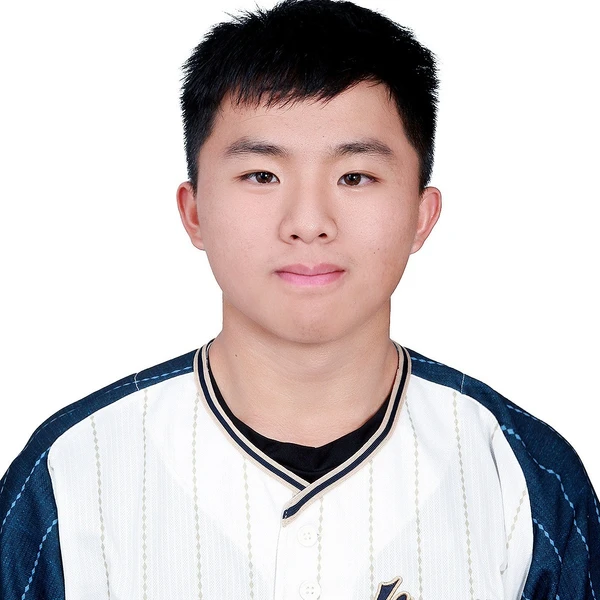
Chun-Hsiang Chang
1x
FinalistChun-Hsiang Chang
1x
FinalistBio
I am a student at Army and Navy Academy with strong leadership experience. I previously served as Middle School First Sergeant and later as Logistics and Supply Officer in the JROTC program. I actively participate in athletics as a member of the school baseball team and currently serve as the varsity captain. In addition, I am the captain of the ice hockey team. I am bilingual and committed to developing both my leadership and teamwork skills through academics and extracurricular activities.
Education
Army And Navy Academy
High SchoolMiscellaneous
Desired degree level:
Bachelor's degree program
Majors of interest:
- Business, Management, Marketing, and Related Support Services, Other
Career
Dream career field:
Business Supplies and Equipment
Dream career goals:
Auto-Mechanic Appretince
Yu-Ming Rich CO., LTD2021 – Present5 years
Sports
Ice Hockey
Varsity2022 – 20231 year
Awards
- Most Improved
Cross-Country Running
Varsity2022 – 20231 year
Awards
- Newcomer of the Year
Ice Hockey
Varsity2023 – 20241 year
Awards
- MVP
Baseball
Varsity2022 – Present4 years
Awards
- Newcomer of the Year
Public services
Volunteering
Carlsbad City(Carlsbad 5000 Marathon) — Helper2024 – 2025Volunteering
Raider Competition at Army and Navy academy — Helper2024 – 2025Volunteering
Buena Vista Audubon Society lagoon — Member to help2025 – 2025Volunteering
Army and Navy Academy — Middle School First Sergeant2024 – 2025Volunteering
Army and Navy Academy — Color guard member protecting us flag2022 – 2023
MastoKids.org Educational Scholarship
I always felt drawn to the edges of things. My curiosity and restless spirit made me eager to try new experiences and step into the unknown. But in the rigid, test-driven classrooms of Taiwan, that part of me felt too loud and defiant. My parents noticed that, too. They feared the spark they cherished in me might be suppressed by conformity. So, they made a decision that would change my life completely. They sent me to the United States when I was eleven. It was an act of faith and my first challenge.
Upon my initial arrival, the language and cultural differences were overwhelming. I could barely understand my teachers, and even simple greetings were difficult. After school, I spent hours using Google Translate to understand lectures and complete homework. Yet, somewhere in that silent battle, I reached a sharp realization. No one was going to break down those mental barriers for me. If I wanted to fit in, I would have to take the first step. I began with the simplest questions I could think of. They felt silly coming out of my mouth, but I kept asking anyway. I also joined the football and basketball teams, aware that my effort and presence could still speak for themselves when words failed me. I often arrived early to practice to greet my teammates and stayed late to ask about homework. At first, every attempt felt like an awkward leap into the unexpected, but gradually, my nervousness subsided and was replaced by a growing bond with everyone around me.
Just as I began to find my footing, high school introduced new obstacles. When my relatives could no longer drive me to school, my parents enrolled me in the Army and Navy Academy. Before I could join, however, I had to complete plebe training and earn the title of cadet. The structure was strict and intense. At times, I wanted to quit, but I reminded myself that discomfort is a sign of growth. I pushed through, and earning the title of cadet marked the beginning of my transformation into someone who grew to be more disciplined, resilient, and self-reliant.
Driven by a desire to succeed and lead, I sought opportunities to connect beyond the classroom. Recognizing that sports could serve as a universal language, I joined the baseball team despite never having played before. I chose second base because it required communication
, forcing me to interact with teammates. Initially, I sat on the bench and watched. Slowly, drills turned into conversations, and conversations turned into friendships. Later, I fell in love with ice hockey, a sport that punished my clumsy falls but rewarded my persistence. Through these experiences, I learned that growth comes from discomfort and that true leadership is built on connection, resolve, and courage.
These small milestones led to greater responsibilities. By junior year, I was named Middle School Company First Sergeant, one of only five six juniors chosen out of sixty. The role demanded discipline, led by example-setting, and daily leadership. I also earned a private barracks room and captained the hockey team. Next season, I will lead the baseball team. Nevertheless, the ultimate test came during the four-day Officer Candidate Course. We woke up at 5 a.m., trained under the sun, map finding stood fire watch, and slept on rocky ground without showers. It pushed my physical and mental limits, but I completed it with a stronger sense of resilience and discipline.
Since coming to the U.S., I have turned the challenges I once deemed unattainable into the building blocks of my character.
Kyla Jo Burridge Memorial Scholarship for Brain Cancer Awareness and Support
I always felt drawn to the edges of things. My curiosity and restless spirit made me eager to try new experiences and step into the unknown. But in the rigid, test-driven classrooms of Taiwan, that part of me felt too loud and defiant. My parents noticed that, too. They feared the spark they cherished in me might be suppressed by conformity. So, they made a decision that would change my life completely. They sent me to the United States when I was eleven. It was an act of faith and my first challenge.
Upon my initial arrival, the language and cultural differences were overwhelming. I could barely understand my teachers, and even simple greetings were difficult. After school, I spent hours using Google Translate to understand lectures and complete homework. Yet, somewhere in that silent battle, I reached a sharp realization. No one was going to break down those mental barriers for me. If I wanted to fit in, I would have to take the first step. I began with the simplest questions I could think of. They felt silly coming out of my mouth, but I kept asking anyway. I also joined the football and basketball teams, aware that my effort and presence could still speak for themselves when words failed me. I often arrived early to practice to greet my teammates and stayed late to ask about homework. At first, every attempt felt like an awkward leap into the unexpected, but gradually, my nervousness subsided and was replaced by a growing bond with everyone around me.
Just as I began to find my footing, high school introduced new obstacles. When my relatives could no longer drive me to school, my parents enrolled me in the Army and Navy Academy. Before I could join, however, I had to complete plebe training and earn the title of cadet. The structure was strict and intense. At times, I wanted to quit, but I reminded myself that discomfort is a sign of growth. I pushed through, and earning the title of cadet marked the beginning of my transformation into someone who grew to be more disciplined, resilient, and self-reliant.
Driven by a desire to succeed and lead, I sought opportunities to connect beyond the classroom. Recognizing that sports could serve as a universal language, I joined the baseball team despite never having played before. I chose second base because it required communication
, forcing me to interact with teammates. Initially, I sat on the bench and watched. Slowly, drills turned into conversations, and conversations turned into friendships. Later, I fell in love with ice hockey, a sport that punished my clumsy falls but rewarded my persistence. Through these experiences, I learned that growth comes from discomfort and that true leadership is built on connection, resolve, and courage.
These small milestones led to greater responsibilities. By junior year, I was named Middle School Company First Sergeant, one of only five six juniors chosen out of sixty. The role demanded discipline, led by example-setting, and daily leadership. I also earned a private barracks room and captained the hockey team. Next season, I will lead the baseball team. Nevertheless, the ultimate test came during the four-day Officer Candidate Course. We woke up at 5 a.m., trained under the sun, map finding stood fire watch, and slept on rocky ground without showers. It pushed my physical and mental limits, but I completed it with a stronger sense of resilience and discipline.
Since coming to the U.S., I have turned the challenges I once deemed unattainable into the building blocks of my character.
LOVE like JJ Scholarship in Memory of Jonathan "JJ" Day
I always felt drawn to the edges of things. My curiosity and restless spirit made me eager to try new experiences and step into the unknown. But in the rigid, test-driven classrooms of Taiwan, that part of me felt too loud and defiant. My parents noticed that, too. They feared the spark they cherished in me might be suppressed by conformity. So, they made a decision that would change my life completely. They sent me to the United States when I was eleven. It was an act of faith and my first challenge.
Upon my initial arrival, the language and cultural differences were overwhelming. I could barely understand my teachers, and even simple greetings were difficult. After school, I spent hours using Google Translate to understand lectures and complete homework. Yet, somewhere in that silent battle, I reached a sharp realization. No one was going to break down those mental barriers for me. If I wanted to fit in, I would have to take the first step. I began with the simplest questions I could think of. They felt silly coming out of my mouth, but I kept asking anyway. I also joined the football and basketball teams, aware that my effort and presence could still speak for themselves when words failed me. I often arrived early to practice to greet my teammates and stayed late to ask about homework. At first, every attempt felt like an awkward leap into the unexpected, but gradually, my nervousness subsided and was replaced by a growing bond with everyone around me.
Just as I began to find my footing, high school introduced new obstacles. When my relatives could no longer drive me to school, my parents enrolled me in the Army and Navy Academy. Before I could join, however, I had to complete plebe training and earn the title of cadet. The structure was strict and intense. At times, I wanted to quit, but I reminded myself that discomfort is a sign of growth. I pushed through, and earning the title of cadet marked the beginning of my transformation into someone who grew to be more disciplined, resilient, and self-reliant.
Driven by a desire to succeed and lead, I sought opportunities to connect beyond the classroom. Recognizing that sports could serve as a universal language, I joined the baseball team despite never having played before. I chose second base because it required communication
, forcing me to interact with teammates. Initially, I sat on the bench and watched. Slowly, drills turned into conversations, and conversations turned into friendships. Later, I fell in love with ice hockey, a sport that punished my clumsy falls but rewarded my persistence. Through these experiences, I learned that growth comes from discomfort and that true leadership is built on connection, resolve, and courage.
These small milestones led to greater responsibilities. By junior year, I was named Middle School Company First Sergeant, one of only five six juniors chosen out of sixty. The role demanded discipline, led by example-setting, and daily leadership. I also earned a private barracks room and captained the hockey team. Next season, I will lead the baseball team. Nevertheless, the ultimate test came during the four-day Officer Candidate Course. We woke up at 5 a.m., trained under the sun, map finding stood fire watch, and slept on rocky ground without showers. It pushed my physical and mental limits, but I completed it with a stronger sense of resilience and discipline.
Since coming to the U.S., I have turned the challenges I once deemed unattainable into the building blocks of my character.
Prince Justice Memorial Scholarship
I always felt drawn to the edges of things. My curiosity and restless spirit made me eager to try new experiences and step into the unknown. But in the rigid, test-driven classrooms of Taiwan, that part of me felt too loud and defiant. My parents noticed that, too. They feared the spark they cherished in me might be suppressed by conformity. So, they made a decision that would change my life completely. They sent me to the United States when I was eleven. It was an act of faith and my first challenge.
Upon my initial arrival, the language and cultural differences were overwhelming. I could barely understand my teachers, and even simple greetings were difficult. After school, I spent hours using Google Translate to understand lectures and complete homework. Yet, somewhere in that silent battle, I reached a sharp realization. No one was going to break down those mental barriers for me. If I wanted to fit in, I would have to take the first step. I began with the simplest questions I could think of. They felt silly coming out of my mouth, but I kept asking anyway. I also joined the football and basketball teams, aware that my effort and presence could still speak for themselves when words failed me. I often arrived early to practice to greet my teammates and stayed late to ask about homework. At first, every attempt felt like an awkward leap into the unexpected, but gradually, my nervousness subsided and was replaced by a growing bond with everyone around me.
Just as I began to find my footing, high school introduced new obstacles. When my relatives could no longer drive me to school, my parents enrolled me in the Army and Navy Academy. Before I could join, however, I had to complete plebe training and earn the title of cadet. The structure was strict and intense. At times, I wanted to quit, but I reminded myself that discomfort is a sign of growth. I pushed through, and earning the title of cadet marked the beginning of my transformation into someone who grew to be more disciplined, resilient, and self-reliant.
Driven by a desire to succeed and lead, I sought opportunities to connect beyond the classroom. Recognizing that sports could serve as a universal language, I joined the baseball team despite never having played before. I chose second base because it required communication
, forcing me to interact with teammates. Initially, I sat on the bench and watched. Slowly, drills turned into conversations, and conversations turned into friendships. Later, I fell in love with ice hockey, a sport that punished my clumsy falls but rewarded my persistence. Through these experiences, I learned that growth comes from discomfort and that true leadership is built on connection, resolve, and courage.
These small milestones led to greater responsibilities. By junior year, I was named Middle School Company First Sergeant, one of only five six juniors chosen out of sixty. The role demanded discipline, led by example-setting, and daily leadership. I also earned a private barracks room and captained the hockey team. Next season, I will lead the baseball team. Nevertheless, the ultimate test came during the four-day Officer Candidate Course. We woke up at 5 a.m., trained under the sun, map finding stood fire watch, and slept on rocky ground without showers. It pushed my physical and mental limits, but I completed it with a stronger sense of resilience and discipline.
Since coming to the U.S., I have turned the challenges I once deemed unattainable into the building blocks of my character.
Rev. and Mrs. E B Dunbar Scholarship
I always felt drawn to the edges of things. My curiosity and restless spirit made me eager to try new experiences and step into the unknown. But in the rigid, test-driven classrooms of Taiwan, that part of me felt too loud and defiant. My parents noticed that, too. They feared the spark they cherished in me might be suppressed by conformity. So, they made a decision that would change my life completely. They sent me to the United States when I was eleven. It was an act of faith and my first challenge.
Upon my initial arrival, the language and cultural differences were overwhelming. I could barely understand my teachers, and even simple greetings were difficult. After school, I spent hours using Google Translate to understand lectures and complete homework. Yet, somewhere in that silent battle, I reached a sharp realization. No one was going to break down those mental barriers for me. If I wanted to fit in, I would have to take the first step. I began with the simplest questions I could think of. They felt silly coming out of my mouth, but I kept asking anyway. I also joined the football and basketball teams, aware that my effort and presence could still speak for themselves when words failed me. I often arrived early to practice to greet my teammates and stayed late to ask about homework. At first, every attempt felt like an awkward leap into the unexpected, but gradually, my nervousness subsided and was replaced by a growing bond with everyone around me.
Just as I began to find my footing, high school introduced new obstacles. When my relatives could no longer drive me to school, my parents enrolled me in the Army and Navy Academy. Before I could join, however, I had to complete plebe training and earn the title of cadet. The structure was strict and intense. At times, I wanted to quit, but I reminded myself that discomfort is a sign of growth. I pushed through, and earning the title of cadet marked the beginning of my transformation into someone who grew to be more disciplined, resilient, and self-reliant.
Driven by a desire to succeed and lead, I sought opportunities to connect beyond the classroom. Recognizing that sports could serve as a universal language, I joined the baseball team despite never having played before. I chose second base because it required communication
, forcing me to interact with teammates. Initially, I sat on the bench and watched. Slowly, drills turned into conversations, and conversations turned into friendships. Later, I fell in love with ice hockey, a sport that punished my clumsy falls but rewarded my persistence. Through these experiences, I learned that growth comes from discomfort and that true leadership is built on connection, resolve, and courage.
These small milestones led to greater responsibilities. By junior year, I was named Middle School Company First Sergeant, one of only five six juniors chosen out of sixty.
Zedikiah Randolph Memorial Scholarship
I always felt drawn to the edges of things. My curiosity and restless spirit made me eager to try new experiences and step into the unknown. But in the rigid, test-driven classrooms of Taiwan, that part of me felt too loud and defiant. My parents noticed that, too. They feared the spark they cherished in me might be suppressed by conformity. So, they made a decision that would change my life completely. They sent me to the United States when I was eleven. It was an act of faith and my first challenge.
Upon my initial arrival, the language and cultural differences were overwhelming. I could barely understand my teachers, and even simple greetings were difficult. After school, I spent hours using Google Translate to understand lectures and complete homework. Yet, somewhere in that silent battle, I reached a sharp realization. No one was going to break down those mental barriers for me. If I wanted to fit in, I would have to take the first step. I began with the simplest questions I could think of. They felt silly coming out of my mouth, but I kept asking anyway. I also joined the football and basketball teams, aware that my effort and presence could still speak for themselves when words failed me. I often arrived early to practice to greet my teammates and stayed late to ask about homework. At first, every attempt felt like an awkward leap into the unexpected, but gradually, my nervousness subsided and was replaced by a growing bond with everyone around me.
Just as I began to find my footing, high school introduced new obstacles. When my relatives could no longer drive me to school, my parents enrolled me in the Army and Navy Academy. Before I could join, however, I had to complete plebe training and earn the title of cadet. The structure was strict and intense. At times, I wanted to quit, but I reminded myself that discomfort is a sign of growth. I pushed through, and earning the title of cadet marked the beginning of my transformation into someone who grew to be more disciplined, resilient, and self-reliant.
Driven by a desire to succeed and lead, I sought opportunities to connect beyond the classroom. Recognizing that sports could serve as a universal language, I joined the baseball team despite never having played before. I chose second base because it required communication
, forcing me to interact with teammates. Initially, I sat on the bench and watched. Slowly, drills turned into conversations, and conversations turned into friendships. Later, I fell in love with ice hockey, a sport that punished my clumsy falls but rewarded my persistence. Through these experiences, I learned that growth comes from discomfort and that true leadership is built on connection, resolve, and courage.
These small milestones led to greater responsibilities. By junior year, I was named Middle School Company First Sergeant, one of only five six juniors chosen out of sixty. The role demanded discipline, led by example-setting, and daily leadership. I also earned a private barracks room and captained the hockey team. Next season, I will lead the baseball team. Nevertheless, the ultimate test came during the four-day Officer Candidate Course. We woke up at 5 a.m., trained under the sun, map finding stood fire watch, and slept on rocky ground without showers. It pushed my physical and mental limits, but I completed it with a stronger sense of resilience and discipline.
Since coming to the U.S., I have turned the challenges I once deemed unattainable into the building blocks of my character
Grace In Action Scholarship
I always felt drawn to the edges of things. My curiosity and restless spirit made me eager to try new experiences and step into the unknown. But in the rigid, test-driven classrooms of Taiwan, that part of me felt too loud and defiant. My parents noticed that, too. They feared the spark they cherished in me might be suppressed by conformity. So, they made a decision that would change my life completely. They sent me to the United States when I was eleven. It was an act of faith and my first challenge.
Upon my initial arrival, the language and cultural differences were overwhelming. I could barely understand my teachers, and even simple greetings were difficult. After school, I spent hours using Google Translate to understand lectures and complete homework. Yet, somewhere in that silent battle, I reached a sharp realization. No one was going to break down those mental barriers for me. If I wanted to fit in, I would have to take the first step. I began with the simplest questions I could think of. They felt silly coming out of my mouth, but I kept asking anyway. I also joined the football and basketball teams, aware that my effort and presence could still speak for themselves when words failed me. I often arrived early to practice to greet my teammates and stayed late to ask about homework. At first, every attempt felt like an awkward leap into the unexpected, but gradually, my nervousness subsided and was replaced by a growing bond with everyone around me.
Just as I began to find my footing, high school introduced new obstacles. When my relatives could no longer drive me to school, my parents enrolled me in the Army and Navy Academy. Before I could join, however, I had to complete plebe training and earn the title of cadet. The structure was strict and intense. At times, I wanted to quit, but I reminded myself that discomfort is a sign of growth. I pushed through, and earning the title of cadet marked the beginning of my transformation into someone who grew to be more disciplined, resilient, and self-reliant.
Driven by a desire to succeed and lead, I sought opportunities to connect beyond the classroom. Recognizing that sports could serve as a universal language, I joined the baseball team despite never having played before. I chose second base because it required communication, forcing me to interact with teammates. Initially, I sat on the bench and watched. Slowly, drills turned into conversations, and conversations turned into friendships. Later, I fell in love with ice hockey, a sport that punished my clumsy falls but rewarded my persistence. Through these experiences, I learned that growth comes from discomfort and that true leadership is built on connection, resolve, and courage.
These small milestones led to greater responsibilities. By junior year, I was named Middle School Company First Sergeant, one of only five six juniors chosen out of sixty. The role demanded discipline, led by example-setting, and daily leadership. I also earned a private barracks room and captained the hockey team. Next season, I will lead the baseball team. Nevertheless, the ultimate test came during the four-day Officer Candidate Course. We woke up at 5 a.m., trained under the sun, map finding stood fire watch, and slept on rocky ground without showers. It pushed my physical and mental limits, but I completed it with a stronger sense of resilience and discipline.
Since coming to the U.S., I have turned the challenges I once deemed unattainable into the building blocks of my character. From learning a new language to adapting through sports and leadership, I have grown accustomed to facing the unexpected with patience, persistence, and a willingness to push through failure. I remain confident I can overcome any difficulties that arise, guided by the same determination that has inspired my success on the field, on the ice, and at the academy.
Student Referee Scholarship
I always felt drawn to the edges of things. My curiosity and restless spirit made me eager to try new experiences and step into the unknown. But in the rigid, test-driven classrooms of Taiwan, that part of me felt too loud and defiant. My parents noticed that, too. They feared the spark they cherished in me might be suppressed by conformity. So, they made a decision that would change my life completely. They sent me to the United States when I was eleven. It was an act of faith and my first challenge.
Upon my initial arrival, the language and cultural differences were overwhelming. I could barely understand my teachers, and even simple greetings were difficult. After school, I spent hours using Google Translate to understand lectures and complete homework. Yet, somewhere in that silent battle, I reached a sharp realization. No one was going to break down those mental barriers for me. If I wanted to fit in, I would have to take the first step. I began with the simplest questions I could think of. They felt silly coming out of my mouth, but I kept asking anyway. I also joined the football and basketball teams, aware that my effort and presence could still speak for themselves when words failed me. I often arrived early to practice to greet my teammates and stayed late to ask about homework. At first, every attempt felt like an awkward leap into the unexpected, but gradually, my nervousness subsided and was replaced by a growing bond with everyone around me.
Just as I began to find my footing, high school introduced new obstacles. When my relatives could no longer drive me to school, my parents enrolled me in the Army and Navy Academy. Before I could join, however, I had to complete plebe training and earn the title of cadet. The structure was strict and intense. At times, I wanted to quit, but I reminded myself that discomfort is a sign of growth. I pushed through, and earning the title of cadet marked the beginning of my transformation into someone who grew to be more disciplined, resilient, and self-reliant.
Driven by a desire to succeed and lead, I sought opportunities to connect beyond the classroom. Recognizing that sports could serve as a universal language, I joined the baseball team despite never having played before. I chose second base because it required communication, forcing me to interact with teammates. Initially, I sat on the bench and watched. Slowly, drills turned into conversations, and conversations turned into friendships. Later, I fell in love with ice hockey, a sport that punished my clumsy falls but rewarded my persistence. Through these experiences, I learned that growth comes from discomfort and that true leadership is built on connection, resolve, and courage.
These small milestones led to greater responsibilities. By junior year, I was named Middle School Company First Sergeant, one of only five six juniors chosen out of sixty. The role demanded discipline, led by example-setting, and daily leadership. I also earned a private barracks room and captained the hockey team. Next season, I will lead the baseball team. Nevertheless, the ultimate test came during the tenfour-day Officer Candidate Course. We woke up at 5 a.m., trained under the sun, map finding stood fire watch, and slept on rocky ground without showers. It pushed my physical and mental limits, but I completed it with a stronger sense of resilience and discipline.
Since coming to the U.S.
Eden Alaine Memorial Scholarship
I always felt drawn to the edges of things. My curiosity and restless spirit made me eager to try new experiences and step into the unknown. But in the rigid, test-driven classrooms of Taiwan, that part of me felt too loud and defiant. My parents noticed that, too. They feared the spark they cherished in me might be suppressed by conformity. So, they made a decision that would change my life completely. They sent me to the United States when I was eleven. It was an act of faith and my first challenge.
Upon my initial arrival, the language and cultural differences were overwhelming. I could barely understand my teachers, and even simple greetings were difficult. After school, I spent hours using Google Translate to understand lectures and complete homework. Yet, somewhere in that silent battle, I reached a sharp realization. No one was going to break down those mental barriers for me. If I wanted to fit in, I would have to take the first step. I began with the simplest questions I could think of. They felt silly coming out of my mouth, but I kept asking anyway. I also joined the football and basketball teams, aware that my effort and presence could still speak for themselves when words failed me. I often arrived early to practice to greet my teammates and stayed late to ask about homework. At first, every attempt felt like an awkward leap into the unexpected, but gradually, my nervousness subsided and was replaced by a growing bond with everyone around me.
Just as I began to find my footing, high school introduced new obstacles. When my relatives could no longer drive me to school, my parents enrolled me in the Army and Navy Academy. Before I could join, however, I had to complete plebe training and earn the title of cadet. The structure was strict and intense. At times, I wanted to quit, but I reminded myself that discomfort is a sign of growth. I pushed through, and earning the title of cadet marked the beginning of my transformation into someone who grew to be more disciplined, resilient, and self-reliant.
Driven by a desire to succeed and lead, I sought opportunities to connect beyond the classroom. Recognizing that sports could serve as a universal language, I joined the baseball team despite never having played before. I chose second base because it required communication, forcing me to interact with teammates. Initially, I sat on the bench and watched. Slowly, drills turned into conversations, and conversations turned into friendships. Later, I fell in love with ice hockey, a sport that punished my clumsy falls but rewarded my persistence. Through these experiences, I learned that growth comes from discomfort and that true leadership is built on connection, resolve, and courage.
These small milestones led to greater responsibilities. By junior year, I was named Middle School Company First Sergeant, one of only five six juniors chosen out of sixty. The role demanded discipline, led by example-setting, and daily leadership. I also earned a private barracks room and captained the hockey team. Next season, I will lead the baseball team. Nevertheless, the ultimate test came during the tenfour-day Officer Candidate Course. We woke up at 5 a.m., trained under the sun, map finding stood fire watch, and slept on rocky ground without showers. It pushed my physical and mental limits, but I completed it with a stronger sense of resilience and discipline.
Since coming to the U.S.
Jimmie “DC” Sullivan Memorial Scholarship
As a seasoned player on the school baseball team, I noticed a decline in team morale. A few veteran players began arriving late, did not set up equipment, and seemed disinterested in practice. Initially, it felt minor, but the attitude spread to newer teammates. Some of them grew discouraged and left the team. Having matured through the structure and discipline of baseball, I immediately recognized the severity of this situation. Effort mattered, but so did the example we set and the environment we created. Without someone to reset the standard, we risked losing games and team spirit. I figured that if I wanted to see a change, I would have to lead it myself.
Around this time, I noticed one teammate in particular. He was gifted but withdrawn and often frustrated. He spent time with the wrong crowd. I saw myself in him. I, too, had once felt like an outsider, unsure of my place. That feeling made me want to do something. I decided to be the supportive teammate I had needed in the past. I invited him to set up the field with me before practice, explained how to correct his mistakes, and stayed late to help him improve his swing. He first brushed off my help, but I remained patient and encouraging. At some point, he started to make more of an effort, both for himself and for the group.
That fresh vigor impacted the remainder of the team. Players began supporting and holding each other accountable, taking ownership of our shared goals. As the season drew to a close, we found ourselves in the playoffs. This accomplishment was not simply due to our athletic improvement, but rather to the culture we collectively rebuilt. I came to appreciate that genuine change in a community often begins when one person decides to lead by example and invest in others. On the baseball field, that choice brought our team back together. In the broader school community, it restored a sense of unity and pride. I aspire to do the same in every community I am part of. Since coming to the U.S., I have turned the challenges I once deemed unattainable into the building blocks of my character. From learning a new language to adapting through sports and leadership, I have grown accustomed to facing the unexpected with patience, persistence, and a willingness to push through failure. I remain confident I can overcome any difficulties that arise, guided by the same determination that has inspired my success on the field, on the ice, and at the academy.
David Foster Memorial Scholarship
I always felt drawn to the edges of things. My curiosity and restless spirit made me eager to try new experiences and step into the unknown. But in the rigid, test-driven classrooms of Taiwan, that part of me felt too loud and defiant. My parents noticed that, too. They feared the spark they cherished in me might be suppressed by conformity. So, they made a decision that would change my life completely. They sent me to the United States when I was eleven. It was an act of faith and my first challenge.
Upon my initial arrival, the language and cultural differences were overwhelming. I could barely understand my teachers, and even simple greetings were difficult. After school, I spent hours using Google Translate to understand lectures and complete homework. Yet, somewhere in that silent battle, I reached a sharp realization. No one was going to break down those mental barriers for me. If I wanted to fit in, I would have to take the first step. I began with the simplest questions I could think of. They felt silly coming out of my mouth, but I kept asking anyway. I also joined the football and basketball teams, aware that my effort and presence could still speak for themselves when words failed me. I often arrived early to practice to greet my teammates and stayed late to ask about homework. At first, every attempt felt like an awkward leap into the unexpected, but gradually, my nervousness subsided and was replaced by a growing bond with everyone around me.
Just as I began to find my footing, high school introduced new obstacles. When my relatives could no longer drive me to school, my parents enrolled me in the Army and Navy Academy. Before I could join, however, I had to complete plebe training and earn the title of cadet. The structure was strict and intense. At times, I wanted to quit, but I reminded myself that discomfort is a sign of growth. I pushed through, and earning the title of cadet marked the beginning of my transformation into someone who grew to be more disciplined, resilient, and self-reliant.
Driven by a desire to succeed and lead, I sought opportunities to connect beyond the classroom. Recognizing that sports could serve as a universal language, I joined the baseball team despite never having played before. I chose second base because it required communication, forcing me to interact with teammates. Initially, I sat on the bench and watched. Slowly, drills turned into conversations, and conversations turned into friendships. Later, I fell in love with ice hockey, a sport that punished my clumsy falls but rewarded my persistence. Through these experiences, I learned that growth comes from discomfort and that true leadership is built on connection, resolve, and courage.
These small milestones led to greater responsibilities. By junior year, I was named Middle School Company First Sergeant, one of only five six juniors chosen out of sixty. The role demanded discipline, led by example-setting, and daily leadership. I also earned a private barracks room and captained the hockey team. Next season, I will lead the baseball team. Nevertheless, the ultimate test came during the tenfour-day Officer Candidate Course. We woke up at 5 a.m., trained under the sun, map finding stood fire watch, and slept on rocky ground without showers. It pushed my physical and mental limits, but I completed it with a stronger sense of resilience and discipline.
Since coming to the U.S., I have turned the challenges I once deemed unattainable into the building blocks of my character.
Aserina Hill Memorial Scholarship
I always felt drawn to the edges of things. My curiosity and restless spirit made me eager to try new experiences and step into the unknown. But in the rigid, test-driven classrooms of Taiwan, that part of me felt too loud and defiant. My parents noticed that, too. They feared the spark they cherished in me might be suppressed by conformity. So, they made a decision that would change my life completely. They sent me to the United States when I was eleven. It was an act of faith and my first challenge.
Upon my initial arrival, the language and cultural differences were overwhelming. I could barely understand my teachers, and even simple greetings were difficult. After school, I spent hours using Google Translate to understand lectures and complete homework. Yet, somewhere in that silent battle, I reached a sharp realization. No one was going to break down those mental barriers for me. If I wanted to fit in, I would have to take the first step. I began with the simplest questions I could think of. They felt silly coming out of my mouth, but I kept asking anyway. I also joined the football and basketball teams, aware that my effort and presence could still speak for themselves when words failed me. I often arrived early to practice to greet my teammates and stayed late to ask about homework. At first, every attempt felt like an awkward leap into the unexpected, but gradually, my nervousness subsided and was replaced by a growing bond with everyone around me.
Just as I began to find my footing, high school introduced new obstacles. When my relatives could no longer drive me to school, my parents enrolled me in the Army and Navy Academy. Before I could join, however, I had to complete plebe training and earn the title of cadet. The structure was strict and intense. At times, I wanted to quit, but I reminded myself that discomfort is a sign of growth. I pushed through, and earning the title of cadet marked the beginning of my transformation into someone who grew to be more disciplined, resilient, and self-reliant.
Driven by a desire to succeed and lead, I sought opportunities to connect beyond the classroom. Recognizing that sports could serve as a universal language, I joined the baseball team despite never having played before. I chose second base because it required communication, forcing me to interact with teammates. Initially, I sat on the bench and watched. Slowly, drills turned into conversations, and conversations turned into friendships. Later, I fell in love with ice hockey, a sport that punished my clumsy falls but rewarded my persistence. Through these experiences, I learned that growth comes from discomfort and that true leadership is built on connection, resolve, and courage.
These small milestones led to greater responsibilities. By junior year, I was named Middle School Company First Sergeant, one of only five six juniors chosen out of sixty. The role demanded discipline, led by example-setting, and daily leadership. I also earned a private barracks room and captained the hockey team. Next season, I will lead the baseball team. Nevertheless, the ultimate test came during the four-day Officer Candidate Course.
Mikey Taylor Memorial Scholarship
I always felt drawn to the edges of things. My curiosity and restless spirit made me eager to try new experiences and step into the unknown. But in the rigid, test-driven classrooms of Taiwan, that part of me felt too loud and defiant. My parents noticed that, too. They feared the spark they cherished in me might be suppressed by conformity. So, they made a decision that would change my life completely. They sent me to the United States when I was eleven. It was an act of faith and my first challenge.
Upon my initial arrival, the language and cultural differences were overwhelming. I could barely understand my teachers, and even simple greetings were difficult. After school, I spent hours using Google Translate to understand lectures and complete homework. Yet, somewhere in that silent battle, I reached a sharp realization. No one was going to break down those mental barriers for me. If I wanted to fit in, I would have to take the first step. I began with the simplest questions I could think of. They felt silly coming out of my mouth, but I kept asking anyway. I also joined the football and basketball teams, aware that my effort and presence could still speak for themselves when words failed me. I often arrived early to practice to greet my teammates and stayed late to ask about homework. At first, every attempt felt like an awkward leap into the unexpected, but gradually, my nervousness subsided and was replaced by a growing bond with everyone around me.
Just as I began to find my footing, high school introduced new obstacles. When my relatives could no longer drive me to school, my parents enrolled me in the Army and Navy Academy. Before I could join, however, I had to complete plebe training and earn the title of cadet. The structure was strict and intense. At times, I wanted to quit, but I reminded myself that discomfort is a sign of growth. I pushed through, and earning the title of cadet marked the beginning of my transformation into someone who grew to be more disciplined, resilient, and self-reliant.
Driven by a desire to succeed and lead, I sought opportunities to connect beyond the classroom. Recognizing that sports could serve as a universal language, I joined the baseball team despite never having played before. I chose second base because it required communication, forcing me to interact with teammates. Initially, I sat on the bench and watched. Slowly, drills turned into conversations, and conversations turned into friendships. Later, I fell in love with ice hockey, a sport that punished my clumsy falls but rewarded my persistence. Through these experiences, I learned that growth comes from discomfort and that true leadership is built on connection, resolve, and courage.
These small milestones led to greater responsibilities. By junior year, I was named Middle School Company First Sergeant, one of only five six juniors chosen out of sixty. The role demanded discipline, led by example-setting, and daily leadership. I also earned a private barracks room and captained the hockey team. Next season, I will lead the baseball team. Nevertheless, the ultimate test came during the tenfour-day Officer Candidate Course. We woke up at 5 a.m., trained under the sun, map finding stood fire watch, and slept on rocky ground without showers. It pushed my physical and mental limits, but I completed it with a stronger sense of resilience and discipline.
Since coming to the U.S., I have turned the challenges I once deemed unattainable into the building blocks of my character
Brooks Martin Memorial Scholarship
I always felt drawn to the edges of things. My curiosity and restless spirit made me eager to try new experiences and step into the unknown. But in the rigid, test-driven classrooms of Taiwan, that part of me felt too loud and defiant. My parents noticed that, too. They feared the spark they cherished in me might be suppressed by conformity. So, they made a decision that would change my life completely. They sent me to the United States when I was eleven. It was an act of faith and my first challenge.
Upon my initial arrival, the language and cultural differences were overwhelming. I could barely understand my teachers, and even simple greetings were difficult. After school, I spent hours using Google Translate to understand lectures and complete homework. Yet, somewhere in that silent battle, I reached a sharp realization. No one was going to break down those mental barriers for me. If I wanted to fit in, I would have to take the first step. I began with the simplest questions I could think of. They felt silly coming out of my mouth, but I kept asking anyway. I also joined the football and basketball teams, aware that my effort and presence could still speak for themselves when words failed me. I often arrived early to practice to greet my teammates and stayed late to ask about homework. At first, every attempt felt like an awkward leap into the unexpected, but gradually, my nervousness subsided and was replaced by a growing bond with everyone around me.
Just as I began to find my footing, high school introduced new obstacles. When my relatives could no longer drive me to school, my parents enrolled me in the Army and Navy Academy. Before I could join, however, I had to complete plebe training and earn the title of cadet. The structure was strict and intense. At times, I wanted to quit, but I reminded myself that discomfort is a sign of growth. I pushed through, and earning the title of cadet marked the beginning of my transformation into someone who grew to be more disciplined, resilient, and self-reliant.
Driven by a desire to succeed and lead, I sought opportunities to connect beyond the classroom. Recognizing that sports could serve as a universal language, I joined the baseball team despite never having played before. I chose second base because it required communication, forcing me to interact with teammates. Initially, I sat on the bench and watched. Slowly, drills turned into conversations, and conversations turned into friendships. Later, I fell in love with ice hockey, a sport that punished my clumsy falls but rewarded my persistence. Through these experiences, I learned that growth comes from discomfort and that true leadership is built on connection, resolve, and courage.
These small milestones led to greater responsibilities. By junior year, I was named Middle School Company First Sergeant, one of only five six juniors chosen out of sixty. The role demanded discipline, led by example-setting, and daily leadership. I also earned a private barracks room and captained the hockey team. Next season, I will lead the baseball team. Nevertheless, the ultimate test came during the tenfour-day Officer Candidate Course. We woke up at 5 a.m., trained under the sun, map finding stood fire watch, and slept on rocky ground without showers. It pushed my physical and mental limits, but I completed it with a stronger sense of resilience and discipline.
Since coming to the U.S., I have turned the challenges I once deemed unattainable into the building blocks of my character.
Richard (Dunk) Matthews II Scholarship
I always felt drawn to the edges of things. My curiosity and restless spirit made me eager to try new experiences and step into the unknown. But in the rigid, test-driven classrooms of Taiwan, that part of me felt too loud and defiant. My parents noticed that, too. They feared the spark they cherished in me might be suppressed by conformity. So, they made a decision that would change my life completely. They sent me to the United States when I was eleven. It was an act of faith and my first challenge.
Upon my initial arrival, the language and cultural differences were overwhelming. I could barely understand my teachers, and even simple greetings were difficult. After school, I spent hours using Google Translate to understand lectures and complete homework. Yet, somewhere in that silent battle, I reached a sharp realization. No one was going to break down those mental barriers for me. If I wanted to fit in, I would have to take the first step. I began with the simplest questions I could think of. They felt silly coming out of my mouth, but I kept asking anyway. I also joined the football and basketball teams, aware that my effort and presence could still speak for themselves when words failed me. I often arrived early to practice to greet my teammates and stayed late to ask about homework. At first, every attempt felt like an awkward leap into the unexpected, but gradually, my nervousness subsided and was replaced by a growing bond with everyone around me.
Just as I began to find my footing, high school introduced new obstacles. When my relatives could no longer drive me to school, my parents enrolled me in the Army and Navy Academy. Before I could join, however, I had to complete plebe training and earn the title of cadet. The structure was strict and intense. At times, I wanted to quit, but I reminded myself that discomfort is a sign of growth. I pushed through, and earning the title of cadet marked the beginning of my transformation into someone who grew to be more disciplined, resilient, and self-reliant.
Driven by a desire to succeed and lead, I sought opportunities to connect beyond the classroom. Recognizing that sports could serve as a universal language, I joined the baseball team despite never having played before. I chose second base because it required communication, forcing me to interact with teammates. Initially, I sat on the bench and watched. Slowly, drills turned into conversations, and conversations turned into friendships. Later, I fell in love with ice hockey, a sport that punished my clumsy falls but rewarded my persistence. Through these experiences, I learned that growth comes from discomfort and that true leadership is built on connection, resolve, and courage.
These small milestones led to greater responsibilities. By junior year, I was named Middle School Company First Sergeant, one of only five six juniors chosen out of sixty. The role demanded discipline, led by example-setting, and daily leadership. I also earned a private barracks room and captained the hockey team. Next season, I will lead the baseball team. Nevertheless, the ultimate test came during the four-day Officer Candidate Course. We woke up at 5 a.m., trained under the sun, map finding stood fire watch, and slept on rocky ground without showers. It pushed my physical and mental limits, but I completed it with a stronger sense of resilience and discipline.
Since coming to the U.S., I have turned the challenges I once deemed unattainable into the building blocks of my character.
Joieful Connections Scholarship
I always felt drawn to the edges of things. My curiosity and restless spirit made me eager to try new experiences and step into the unknown. But in the rigid, test-driven classrooms of Taiwan, that part of me felt too loud and defiant. My parents noticed that, too. They feared the spark they cherished in me might be suppressed by conformity. So, they made a decision that would change my life completely. They sent me to the United States when I was eleven. It was an act of faith and my first challenge.
Upon my initial arrival, the language and cultural differences were overwhelming. I could barely understand my teachers, and even simple greetings were difficult. After school, I spent hours using Google Translate to understand lectures and complete homework. Yet, somewhere in that silent battle, I reached a sharp realization. No one was going to break down those mental barriers for me. If I wanted to fit in, I would have to take the first step. I began with the simplest questions I could think of. They felt silly coming out of my mouth, but I kept asking anyway. I also joined the football and basketball teams, aware that my effort and presence could still speak for themselves when words failed me. I often arrived early to practice to greet my teammates and stayed late to ask about homework. At first, every attempt felt like an awkward leap into the unexpected, but gradually, my nervousness subsided and was replaced by a growing bond with everyone around me.
Just as I began to find my footing, high school introduced new obstacles. When my relatives could no longer drive me to school, my parents enrolled me in the Army and Navy Academy. Before I could join, however, I had to complete plebe training and earn the title of cadet. The structure was strict and intense. At times, I wanted to quit, but I reminded myself that discomfort is a sign of growth. I pushed through, and earning the title of cadet marked the beginning of my transformation into someone who grew to be more disciplined, resilient, and self-reliant.
Driven by a desire to succeed and lead, I sought opportunities to connect beyond the classroom. Recognizing that sports could serve as a universal language, I joined the baseball team despite never having played before. I chose second base because it required communication, forcing me to interact with teammates. Initially, I sat on the bench and watched. Slowly, drills turned into conversations, and conversations turned into friendships. Later, I fell in love with ice hockey, a sport that punished my clumsy falls but rewarded my persistence. Through these experiences, I learned that growth comes from discomfort and that true leadership is built on connection, resolve, and courage.
These small milestones led to greater responsibilities. By junior year, I was named Middle School Company First Sergeant, one of only five six juniors chosen out of sixty. The role demanded discipline, led by example-setting, and daily leadership. I also earned a private barracks room and captained the hockey team. Next season, I will lead the baseball team. Nevertheless, the ultimate test came during the four-day Officer Candidate Course. We woke up at 5 a.m., trained under the sun, map finding stood fire watch, and slept on rocky ground without showers. It pushed my physical and mental limits, but I completed it with a stronger sense of resilience and discipline. Planning to studying Business Management in College
Chi Changemaker Scholarship
I always felt drawn to the edges of things. My curiosity and restless spirit made me eager to try new experiences and step into the unknown. But in the rigid, test-driven classrooms of Taiwan, that part of me felt too loud and defiant. My parents noticed that, too. They feared the spark they cherished in me might be suppressed by conformity. So, they made a decision that would change my life completely. They sent me to the United States when I was eleven. It was an act of faith and my first challenge.
Upon my initial arrival, the language and cultural differences were overwhelming. I could barely understand my teachers, and even simple greetings were difficult. After school, I spent hours using Google Translate to understand lectures and complete homework. Yet, somewhere in that silent battle, I reached a sharp realization. No one was going to break down those mental barriers for me. If I wanted to fit in, I would have to take the first step. I began with the simplest questions I could think of. They felt silly coming out of my mouth, but I kept asking anyway. I also joined the football and basketball teams, aware that my effort and presence could still speak for themselves when words failed me. I often arrived early to practice to greet my teammates and stayed late to ask about homework. At first, every attempt felt like an awkward leap into the unexpected, but gradually, my nervousness subsided and was replaced by a growing bond with everyone around me.
Just as I began to find my footing, high school introduced new obstacles. When my relatives could no longer drive me to school, my parents enrolled me in the Army and Navy Academy. Before I could join, however, I had to complete plebe training and earn the title of cadet. The structure was strict and intense. At times, I wanted to quit, but I reminded myself that discomfort is a sign of growth. I pushed through, and earning the title of cadet marked the beginning of my transformation into someone who grew to be more disciplined, resilient, and self-reliant.
Driven by a desire to succeed and lead, I sought opportunities to connect beyond the classroom. Recognizing that sports could serve as a universal language, I joined the baseball team despite never having played before.
I Can and I Will Scholarship
I always felt drawn to the edges of things. My curiosity and restless spirit made me eager to try new experiences and step into the unknown. But in the rigid, test-driven classrooms of Taiwan, that part of me felt too loud and defiant. My parents noticed that, too. They feared the spark they cherished in me might be suppressed by conformity. So, they made a decision that would change my life completely. They sent me to the United States when I was eleven. It was an act of faith and my first challenge.
Upon my initial arrival, the language and cultural differences were overwhelming. I could barely understand my teachers, and even simple greetings were difficult. After school, I spent hours using Google Translate to understand lectures and complete homework. Yet, somewhere in that silent battle, I reached a sharp realization. No one was going to break down those mental barriers for me. If I wanted to fit in, I would have to take the first step. I began with the simplest questions I could think of. They felt silly coming out of my mouth, but I kept asking anyway. I also joined the football and basketball teams, aware that my effort and presence could still speak for themselves when words failed me. I often arrived early to practice to greet my teammates and stayed late to ask about homework. At first, every attempt felt like an awkward leap into the unexpected, but gradually, my nervousness subsided and was replaced by a growing bond with everyone around me.
Just as I began to find my footing, high school introduced new obstacles. When my relatives could no longer drive me to school, my parents enrolled me in the Army and Navy Academy. Before I could join, however, I had to complete plebe training and earn the title of cadet. The structure was strict and intense. At times, I wanted to quit, but I reminded myself that discomfort is a sign of growth. I pushed through, and earning the title of cadet marked the beginning of my transformation into someone who grew to be more disciplined, resilient, and self-reliant.
Driven by a desire to succeed and lead, I sought opportunities to connect beyond the classroom. Recognizing that sports could serve as a universal language, I joined the baseball team despite never having played before. I chose second base because it required communication, forcing me to interact with teammates. Initially, I sat on the bench and watched. Slowly, drills turned into conversations, and conversations turned into friendships. Later, I fell in love with ice hockey, a sport that punished my clumsy falls but rewarded my persistence. Through these experiences, I learned that growth comes from discomfort and that true leadership is built on connection, resolve, and courage.
These small milestones led to greater responsibilities. By junior year, I was named Middle School Company First Sergeant, one of only five six juniors chosen out of sixty. The role demanded discipline, led by example-setting, and daily leadership. I also earned a private barracks room and captained the hockey team. Next season, I will lead the baseball team. Nevertheless, the ultimate test came during the tenfour-day Officer Candidate Course. We woke up at 5 a.m., trained under the sun, map finding stood fire watch, and slept on rocky ground without showers. It pushed my physical and mental limits, but I completed it with a stronger sense of resilience and discipline.
Charles Bowlus Memorial Scholarship
I always felt drawn to the edges of things. My curiosity and restless spirit made me eager to try new experiences and step into the unknown. But in the rigid, test-driven classrooms of Taiwan, that part of me felt too loud and defiant. My parents noticed that, too. They feared the spark they cherished in me might be suppressed by conformity. So, they made a decision that would change my life completely. They sent me to the United States when I was eleven. It was an act of faith and my first challenge.
Upon my initial arrival, the language and cultural differences were overwhelming. I could barely understand my teachers, and even simple greetings were difficult. After school, I spent hours using Google Translate to understand lectures and complete homework. Yet, somewhere in that silent battle, I reached a sharp realization. No one was going to break down those mental barriers for me. If I wanted to fit in, I would have to take the first step. I began with the simplest questions I could think of. They felt silly coming out of my mouth, but I kept asking anyway. I also joined the football and basketball teams, aware that my effort and presence could still speak for themselves when words failed me. I often arrived early to practice to greet my teammates and stayed late to ask about homework. At first, every attempt felt like an awkward leap into the unexpected, but gradually, my nervousness subsided and was replaced by a growing bond with everyone around me.
Just as I began to find my footing, high school introduced new obstacles. When my relatives could no longer drive me to school, my parents enrolled me in the Army and Navy Academy. Before I could join, however, I had to complete plebe training and earn the title of cadet. The structure was strict and intense. At times, I wanted to quit, but I reminded myself that discomfort is a sign of growth. I pushed through, and earning the title of cadet marked the beginning of my transformation into someone who grew to be more disciplined, resilient, and self-reliant.
Driven by a desire to succeed and lead, I sought opportunities to connect beyond the classroom. Recognizing that sports could serve as a universal language, I joined the baseball team despite never having played before. I chose second base because it required communication, forcing me to interact with teammates. Initially, I sat on the bench and watched. Slowly, drills turned into conversations, and conversations turned into friendships. Later, I fell in love with ice hockey, a sport that punished my clumsy falls but rewarded my persistence. Through these experiences, I learned that growth comes from discomfort and that true leadership is built on connection, resolve, and courage.
These small milestones led to greater responsibilities. By junior year, I was named Middle School Company First Sergeant, one of only five six juniors chosen out of sixty. The role demanded discipline, led by example-setting, and daily leadership. I also earned a private barracks room and captained the hockey team. Next season, I will lead the baseball team. Nevertheless, the ultimate test came during the tenfour-day Officer Candidate Course. We woke up at 5 a.m., trained under the sun, map finding stood fire watch, and slept on rocky ground without showers. It pushed my physical and mental limits, but I completed it with a stronger sense of resilience and discipline.
Kalia D. Davis Memorial Scholarship
I always felt drawn to the edges of things. My curiosity and restless spirit made me eager to try new experiences and step into the unknown. But in the rigid, test-driven classrooms of Taiwan, that part of me felt too loud and defiant. My parents noticed that, too. They feared the spark they cherished in me might be suppressed by conformity. So, they made a decision that would change my life completely. They sent me to the United States when I was eleven. It was an act of faith and my first challenge.
Upon my initial arrival, the language and cultural differences were overwhelming. I could barely understand my teachers, and even simple greetings were difficult. After school, I spent hours using Google Translate to understand lectures and complete homework. Yet, somewhere in that silent battle, I reached a sharp realization. No one was going to break down those mental barriers for me. If I wanted to fit in, I would have to take the first step. I began with the simplest questions I could think of. They felt silly coming out of my mouth, but I kept asking anyway. I also joined the football and basketball teams, aware that my effort and presence could still speak for themselves when words failed me. I often arrived early to practice to greet my teammates and stayed late to ask about homework. At first, every attempt felt like an awkward leap into the unexpected, but gradually, my nervousness subsided and was replaced by a growing bond with everyone around me.
Just as I began to find my footing, high school introduced new obstacles. When my relatives could no longer drive me to school, my parents enrolled me in the Army and Navy Academy. Before I could join, however, I had to complete plebe training and earn the title of cadet. The structure was strict and intense. At times, I wanted to quit, but I reminded myself that discomfort is a sign of growth. I pushed through, and earning the title of cadet marked the beginning of my transformation into someone who grew to be more disciplined, resilient, and self-reliant.
Driven by a desire to succeed and lead, I sought opportunities to connect beyond the classroom. Recognizing that sports could serve as a universal language, I joined the baseball team despite never having played before. I chose second base because it required communication, forcing me to interact with teammates. Initially, I sat on the bench and watched. Slowly, drills turned into conversations, and conversations turned into friendships. Later, I fell in love with ice hockey, a sport that punished my clumsy falls but rewarded my persistence. Through these experiences, I learned that growth comes from discomfort and that true leadership is built on connection, resolve, and courage.
These small milestones led to greater responsibilities. By junior year, I was named Middle School Company First Sergeant, one of only five six juniors chosen out of sixty. The role demanded discipline, led by example-setting, and daily leadership. I also earned a private barracks room and captained the hockey team. Next season, I will lead the baseball team. Nevertheless, the ultimate test came during the tenfour-day Officer Candidate Course. We woke up at 5 a.m., trained under the sun, map finding stood fire watch, and slept on rocky ground without showers. It pushed my physical and mental limits, but I completed it with a stronger sense of resilience and discipline.
This Scholarship will help me pursuing my dream and help America Great Again.
Mireya TJ Manigault Memorial Scholarship
I always felt drawn to the edges of things. My curiosity and restless spirit made me eager to try new experiences and step into the unknown. But in the rigid, test-driven classrooms of Taiwan, that part of me felt too loud and defiant. My parents noticed that, too. They feared the spark they cherished in me might be suppressed by conformity. So, they made a decision that would change my life completely. They sent me to the United States when I was eleven. It was an act of faith and my first challenge.
Upon my initial arrival, the language and cultural differences were overwhelming. I could barely understand my teachers, and even simple greetings were difficult. After school, I spent hours using Google Translate to understand lectures and complete homework. Yet, somewhere in that silent battle, I reached a sharp realization. No one was going to break down those mental barriers for me. If I wanted to fit in, I would have to take the first step. I began with the simplest questions I could think of. They felt silly coming out of my mouth, but I kept asking anyway. I also joined the football and basketball teams, aware that my effort and presence could still speak for themselves when words failed me. I often arrived early to practice to greet my teammates and stayed late to ask about homework. At first, every attempt felt like an awkward leap into the unexpected, but gradually, my nervousness subsided and was replaced by a growing bond with everyone around me.
Just as I began to find my footing, high school introduced new obstacles. When my relatives could no longer drive me to school, my parents enrolled me in the Army and Navy Academy. Before I could join, however, I had to complete plebe training and earn the title of cadet. The structure was strict and intense. At times, I wanted to quit, but I reminded myself that discomfort is a sign of growth. I pushed through, and earning the title of cadet marked the beginning of my transformation into someone who grew to be more disciplined, resilient, and self-reliant.
Driven by a desire to succeed and lead, I sought opportunities to connect beyond the classroom. Recognizing that sports could serve as a universal language, I joined the baseball team despite never having played before. I chose second base because it required communication, forcing me to interact with teammates. Initially, I sat on the bench and watched. Slowly, drills turned into conversations, and conversations turned into friendships. Later, I fell in love with ice hockey, a sport that punished my clumsy falls but rewarded my persistence. Through these experiences, I learned that growth comes from discomfort and that true leadership is built on connection, resolve, and courage.
These small milestones led to greater responsibilities. By junior year, I was named Middle School Company First Sergeant, one of only five six juniors chosen out of sixty. The role demanded discipline, led by example-setting, and daily leadership. I also earned a private barracks room and captained the hockey team. Next season, I will lead the baseball team. Nevertheless, the ultimate test came during the tenfour-day Officer Candidate Course. We woke up at 5 a.m., trained under the sun, map finding stood fire watch, and slept on rocky ground without showers. It pushed my physical and mental limits, but I completed it with a stronger sense of resilience and discipline.
Pete and Consuelo Hernandez Memorial Scholarship
I'm looking forward to studying Business-management. I always felt drawn to the edges of things. My curiosity and restless spirit made me eager to try new experiences and step into the unknown. But in the rigid, test-driven classrooms of Taiwan, that part of me felt too loud and defiant. My parents noticed that, too. They feared the spark they cherished in me might be suppressed by conformity. So, they made a decision that would change my life completely. They sent me to the United States when I was eleven. It was an act of faith and my first challenge.
Upon my initial arrival, the language and cultural differences were overwhelming. I could barely understand my teachers, and even simple greetings were difficult. After school, I spent hours using Google Translate to understand lectures and complete homework. Yet, somewhere in that silent battle, I reached a sharp realization. No one was going to break down those mental barriers for me. If I wanted to fit in, I would have to take the first step. I began with the simplest questions I could think of. They felt silly coming out of my mouth, but I kept asking anyway. I also joined the football and basketball teams, aware that my effort and presence could still speak for themselves when words failed me. I often arrived early to practice to greet my teammates and stayed late to ask about homework. At first, every attempt felt like an awkward leap into the unexpected, but gradually, my nervousness subsided and was replaced by a growing bond with everyone around me.
Just as I began to find my footing, high school introduced new obstacles. When my relatives could no longer drive me to school, my parents enrolled me in the Army and Navy Academy. Before I could join, however, I had to complete plebe training and earn the title of cadet. The structure was strict and intense. At times, I wanted to quit, but I reminded myself that discomfort is a sign of growth. I pushed through, and earning the title of cadet marked the beginning of my transformation into someone who grew to be more disciplined, resilient, and self-reliant.
Driven by a desire to succeed and lead, I sought opportunities to connect beyond the classroom. Recognizing that sports could serve as a universal language, I joined the baseball team despite never having played before. I chose second base because it required communication, forcing me to interact with teammates. Initially, I sat on the bench and watched. Slowly, drills turned into conversations, and conversations turned into friendships. Later, I fell in love with ice hockey, a sport that punished my clumsy falls but rewarded my persistence. Through these experiences, I learned that growth comes from discomfort and that true leadership is built on connection, resolve, and courage.
These small milestones led to greater responsibilities. By junior year, I was named Middle School Company First Sergeant, one of only five six juniors chosen out of sixty. The role demanded discipline, led by example-setting, and daily leadership. I also earned a private barracks room and captained the hockey team. Next season, I will lead the baseball team. Nevertheless, the ultimate test came during the four-day Officer Candidate Course. We woke up at 5 a.m., trained under the sun, map finding stood fire watch, and slept on rocky ground without showers. It pushed my physical and mental limits, but I completed it with a stronger sense of resilience and discipline.
Since coming to the U.S., I have turned the challenges from nothing to who I am right now.