Hobbies and interests
Basketball
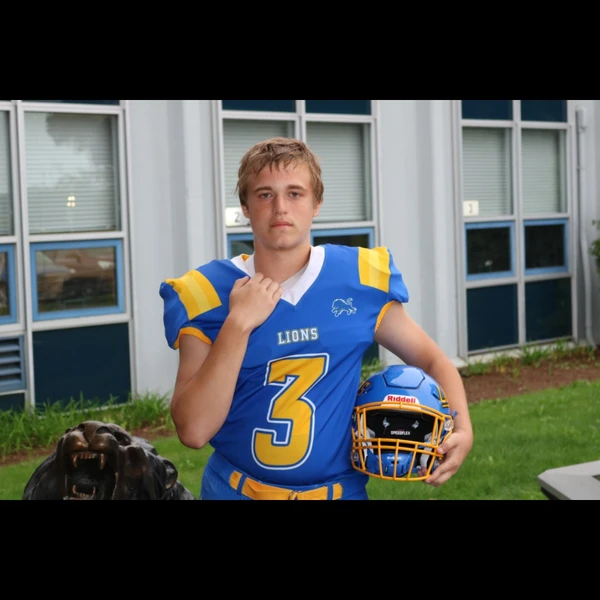
Football
Reading
Adventure
Sports and Games
Christopher Taylor
1x
Finalist
Christopher Taylor
1x
FinalistBio
My life goals are to hopefully become a sports teacher or a coach. I feel like I am a good candidate because I give everything I do my all and I love helping other people when they need help.
Education
Belfast Area High School
High SchoolMiscellaneous
Desired degree level:
Bachelor's degree program
Majors of interest:
- Education, General
Career
Dream career field:
Education
Dream career goals:
To become a sports teacher or a coach
Helper
Handyman and more2024 – 2024
Sports
Football
Varsity2022 – 20264 years
Basketball
Varsity2022 – 20264 years
Research
Education, General
Student2022 – 2026
Arts
N/A
Animation2017 – 2017School
Drawing2022 – 2022
Future Interests
Volunteering
Entrepreneurship
Doing Hard Things My Way: Adaptive Athlete Scholarship
Being an adaptive athlete has shaped not only the way I approach sports, but also the way I approach life. Living with autism has brought challenges that many people do not always see or understand, especially when it comes to communication, confidence, sensory overload, and adapting to unfamiliar situations. However, athletics has given me a place where I can grow, challenge myself, and prove that I am capable of doing hard things even when the path looks different for me than it does for others.
I first became interested in sports because I wanted an outlet where I could focus my energy, improve myself, and feel a sense of accomplishment. At first, participating was not always easy. Training environments could sometimes feel overwhelming due to noise, pressure, or changes in routine, and social situations within sports were sometimes difficult for me to navigate. There were moments where I doubted myself or felt different from everyone else around me. Even so, I kept showing up because sports gave me a sense of purpose and determination that I did not want to lose.
One of the biggest challenges I have faced as an athlete with autism has been learning how to manage mental and emotional obstacles while training and competing. Autism can make it difficult to process stress, stay comfortable in high-pressure situations, or quickly adapt when plans change unexpectedly. There were times when frustration, anxiety, or sensory overload made training harder than the physical aspect itself. Instead of giving up, I learned how to adapt by developing routines, focusing on discipline, and finding strategies that helped me stay motivated and calm. Over time, I realized that adapting does not mean being weak; it means finding new ways to succeed.
Being an adaptive athlete means understanding that strength comes in many different forms. For me, it means refusing to let my disability define my limits. It means accepting that I may face obstacles differently than others while still pushing myself to improve every day. Adaptive athletes often have to work through challenges that are invisible to many people, but those experiences build resilience, patience, and determination. I have learned that success is not about being exactly like everyone else. It is about finding your own path forward and continuing to move ahead despite difficulties.
Sports have had a major impact on my mindset and confidence. Through athletics, I have learned discipline, perseverance, and self-belief. Training taught me that progress does not happen overnight and that setbacks are part of growth. The confidence I have gained from overcoming challenges in sports has carried into other parts of my life as well. I now approach obstacles with a stronger mindset and a greater willingness to push through discomfort.
As I move into college, I plan to continue pushing myself both academically and athletically. I want to keep growing as an athlete while also using the lessons I have learned through sports to succeed in life. College will bring new challenges, responsibilities, and opportunities, but my experiences as an adaptive athlete have prepared me to face them with determination. I hope to continue building confidence, improving my skills.
Overall, my journey as an adaptive athlete has taught me resilience, adaptability, and the importance of believing in myself. While autism has presented challenges throughout my life, it has also helped shape my perspective and strength. Sports gave me a way to channel those experiences into growth and achievement, and I will continue carrying that mindset with me as I pursue my future.
Scorenavigator Financial Literacy Scholarship
Growing up and becoming independent has taught me that finances affect nearly every part of life. My personal experiences with money have included both challenges and learning opportunities that shaped the way I think about financial responsibility. While I was not always taught detailed financial education in school or at home, I have learned through real-life experiences how important budgeting, saving, and planning for the future truly are.
One of the biggest financial hardships I have faced is learning how expensive everyday life can be. Managing bills, groceries, transportation, and unexpected expenses can become overwhelming, especially when income is limited. There were times when I had to carefully prioritize needs over wants and make difficult decisions about spending. These experiences helped me realize that financial stability does not happen automatically; it requires discipline, planning, and knowledge. I also learned that many people struggle financially not because they are irresponsible, but because they were never given proper financial education.
As a whole, my experience with financial education has been limited but eye-opening. In school, financial topics were often only briefly discussed, leaving me to learn many important lessons on my own. Over time, I began teaching myself about budgeting, credit, saving, and the importance of building good financial habits early in life. Even small lessons, such as tracking spending or understanding how debt can grow over time, have changed the way I view money. I now understand that financial education is not just about numbers; it is about creating opportunities, reducing stress, and building a secure future.
The knowledge I gain moving forward will help me better my future in many ways. I plan to use what I learn to become more financially independent and prepared for long-term goals. This includes creating and maintaining a budget, building savings for emergencies, improving my credit, and avoiding unnecessary debt. I also want to learn more about investing, retirement planning, and smart financial decision-making so I can create stability not only for myself but also for my family in the future.
In addition, I hope to use financial education to break cycles of financial struggle and become a positive example for others around me. Understanding finances can open doors to better opportunities, reduce anxiety about the future, and provide a stronger sense of confidence and control. By continuing to educate myself and apply these lessons responsibly, I believe I can create a more secure and successful future for myself both personally and professionally.
Overall, my experiences with financial hardship have taught me resilience, responsibility, and the value of financial knowledge. Although the journey has not always been easy, it has motivated me to continue learning and improving. Financial education is a powerful tool, and I plan to use it to make smarter choices, achieve my goals, and build a stable future.
Tanner Morse Memorial Scholarship
For me, basketball is far more than a game of putting an orange ball through a hoop; it is a sanctuary, a teacher, and a mirror reflecting who I am and who I am becoming. It represents a constant, rhythmic escape from the anxieties of daily life, offering a space where the only things that matter are the court lines, the sound of the dribble, and the relentless pursuit of improvement.
Basketball has shaped my character by instilling a deep sense of discipline and resilience. The early morning workouts, the endless free throws, and the exhausting defensive drills taught me that talent is merely a starting point—hard work is the engine of success. When I face setbacks, whether it’s a missed shot or a loss in a close game, I have learned to view them not as failures, but as necessary lessons. This resilience has translated off the court, helping me to approach academic challenges and personal struggles with the same "never give up" mentality.
Furthermore, the game has been my most effective teacher of teamwork and communication. On the court, I have learned that success is rarely a solo endeavor; it requires trusting teammates, understanding different roles, and creating a cohesive unit to achieve a shared goal. This has made me a better collaborator in school projects and a more empathetic friend. The unspoken language of nods and glances during a game has improved my ability to connect with people and work together, fostering a sense of belonging and community.
Ultimately, basketball is shaping me into a more confident, focused, and patient person. It has taught me to manage my emotions under high-pressure situations, to make split-second decisions, and to respect both teammates and opponents. As I continue to grow, I carry the lessons of the court with me, knowing that the dedication, teamwork, and resilience I've learned are the foundations for success in the game of life. It’s not just a sport; it’s a way of living. So all and all it has also helped me health wise by keeping me in shape and mentally by helping me reduce my anxiety. I love basketball and I can't picture me playing any other sport, I even love to help teach the sport to children at my local park. It has helped me open up to people and communicate when other wise I'm a very shy person. Basketball is my life!