Hobbies and interests
Business And Entrepreneurship
Reading
Adult Fiction
I read books multiple times per month
Christina Glover
1x
FinalistChristina Glover
1x
FinalistBio
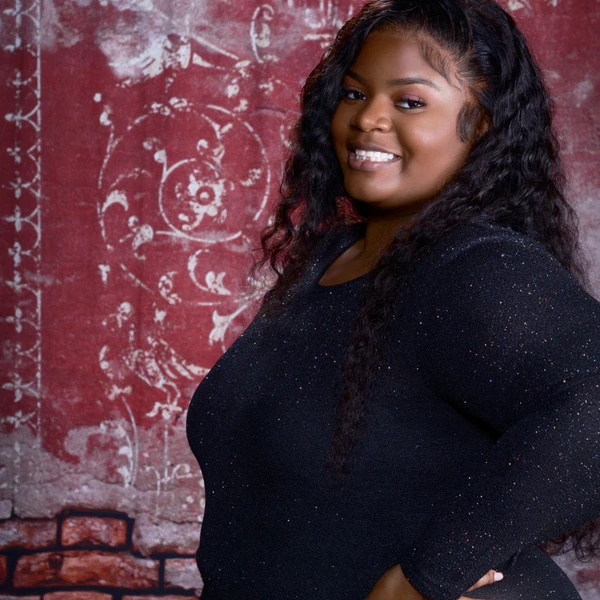
Christina Glover is an academic scholar and aspiring physician from Fairburn, Georgia. A 2025 graduate of Creekside High School, she is now pursuing a Bachelor’s degree in Biology with a Pre-Medical concentration at Clayton State University. Christina is passionate about women’s health and plans to specialize in obstetrics, with a mission to improve maternal care in underserved communities.
While balancing a full-time academic schedule, Christina also serves as a manager at Taco Bell, where she developed strong leadership, problem-solving, and team management skills at just 16 years old. In addition to her work and studies, she participated in the Health Occupations Students of America (HOSA) club, furthering her interest in the medical field.
Raised in a low-income household, Christina understands the challenges many face in accessing healthcare and higher education. Her dedication, resilience, and commitment to service continue to fuel her drive to succeed academically and professionally.
Education
Clayton State University
Bachelor's degree programMajors:
- Biology, General
Miscellaneous
Desired degree level:
Doctoral degree program (PhD, MD, JD, etc.)
Graduate schools of interest:
Transfer schools of interest:
Majors of interest:
- Human Biology
Career
Dream career field:
Medicine
Dream career goals:
Shift Leader
Taco Bell2022 – Present4 years
Future Interests
Advocacy
Politics
Volunteering
Philanthropy
Entrepreneurship
Victoria Johnson Minority Women in STEM Scholarship
Pursuing a career in medicine has been my dream for as long as I can remember, but the journey as a STEM student has not been without its obstacles. From mastering complex biology concepts to preparing for standardized admissions tests, I have encountered both academic and financial challenges that have tested my perseverance. As a student from a low-income household, I have had to carefully weigh the cost of study materials, preparatory courses, and application fees against basic living expenses. These financial pressures have sometimes made me question how I could pursue my goals without falling behind or compromising the quality of my preparation.
Balancing rigorous coursework with part-time work has been one way I’ve managed these challenges. Since the age of sixteen, I have worked at Taco Bell, eventually becoming a shift leader and then a manager. While this work has taught me leadership, responsibility, and time management, it also means that the hours I could devote to studying or preparing applications are limited. Despite these constraints, I have remained committed to my goal of becoming a medical doctor, knowing that the effort I put in now will directly impact my ability to serve my community in the future.
Receiving this scholarship would significantly alleviate these financial burdens, allowing me to dedicate more time to studying for admissions tests, purchasing quality study materials, and submitting applications without compromise. It would remove a critical source of stress, enabling me to focus on achieving strong academic results and excelling in my professional program. More importantly, it would give me the opportunity to invest fully in my future, knowing that I have the resources to pursue my education with determination and purpose.
My vision extends beyond personal achievement. I plan to use my medical degree to serve underserved communities, particularly African American women who often face systemic inequities in healthcare. Through clinical work, community outreach, and health education initiatives, I aim to empower women with knowledge and access to quality care. Additionally, I hope to mentor students from similar financial and social backgrounds who aspire to enter STEM fields and professional programs. By sharing strategies for overcoming obstacles, providing guidance on academic preparation, and connecting students to resources, I can help ensure that others have the support they need to succeed.
Ultimately, this scholarship represents more than financial support—it represents an investment in my potential to create meaningful change. With this assistance, I can focus on excelling in my STEM studies and preparing for medical school, confident that my hard work will translate into opportunities to uplift my community. I am committed to paying this support forward, using my education and future career to empower others, advocate for equity, and provide mentorship for the next generation of students who face similar challenges.
I view the obstacles I have faced not as setbacks, but as experiences that have strengthened my resilience, work ethic, and empathy. This scholarship would transform these challenges into a foundation for success, enabling me to achieve my professional goals while contributing to a more just and equitable community.
Rosa A. Wilson Scholarship
The first time I read that Black women in the United States are three to four times more likely to die from pregnancy-related complications than white women, I felt an ache in my chest. It wasn’t just outrage—it was personal. I thought of the mothers in my own community, women who had already fought through financial strain, racism, and systemic neglect, now facing life-threatening risks simply for bringing life into the world. In that moment, I knew my future in medicine couldn’t just be about delivering babies—it had to be about delivering change.
I have always known that my purpose extends beyond simply earning a degree—it is about using that degree as a tool for change. As a future obstetrician, my mission is to champion the empowerment and well-being of BIPOC women, whose health outcomes are too often shaped by systemic inequities rather than medical necessity. The disparities are well-documented, but for me, they are more than statistics—they are calls to action.
My biology degree with a pre-medical focus will give me the scientific knowledge needed to provide exceptional care, but my vision goes beyond the science. I plan to leverage my education to create spaces where BIPOC women feel safe, respected, and fully informed about their health. This means offering care that is culturally competent, patient-centered, and grounded in trust. I believe in treating not just the physical condition, but the emotional and social needs that are often overlooked in healthcare.
Active community engagement will be central to my approach. I intend to partner with local organizations, churches, and community centers to host free health education workshops on topics like prenatal care, reproductive health, and preventative screenings. These programs will be designed not only to inform but to empower—helping women recognize their rights, ask informed questions, and advocate for themselves within the medical system.
Advocacy will also be a critical part of my work. I plan to use my voice to influence healthcare policies that address the root causes of disparities. This includes pushing for expanded access to affordable maternal care, funding for community-based health programs, and training for healthcare providers on implicit bias and cultural competency. My personal background growing up in a low-income household gives me a deep understanding of the barriers many women face, from transportation challenges to fear of medical costs. This perspective will drive me to fight for systemic change that makes healthcare accessible and equitable for all.
In addition to policy advocacy, I envision creating mentorship and support networks for young women of color interested in healthcare careers. Representation matters—when patients see themselves reflected in their providers, trust grows, and outcomes improve. By mentoring future healthcare professionals, I can help build a more diverse and inclusive medical field that better serves its communities.
The fight for social justice and equity in healthcare is ongoing, and it requires persistence, empathy, and collaboration. My role will not end when I step out of the clinic; it will continue in community meetings, legislative hearings, and grassroots organizing efforts. I am committed to listening to the voices of the women I serve, amplifying their stories, and ensuring their needs are represented in every conversation about healthcare reform.
Ultimately, I envision my career as a blend of medicine and advocacy—a place where science meets compassion, and where every patient leaves not only healthier but more empowered. My degree will be the foundation, but my lived experiences, my commitment to equity, and my belief in the dignity of every person will be the driving forces behind the change I hope to create.
Sherman S. Howard Legacy Foundation Scholarship
Some of my earliest memories of giving back are tied to the walls of my local church. As a child, I thought Sunday mornings were only about worship and fellowship. Over time, I began to understand that church wasn’t just a place we gathered—it was a launching point for service. It was where I learned that faith is more than words; it is lived out through action, kindness, and the way we care for those around us.
My church community has always emphasized that service is a responsibility, not an option. Through youth programs and ministry events, I participated in food drives, clothing donations, and outreach to families in need. At first, my role was simple—sorting canned goods or handing out bags of groceries—but I began to see the bigger picture. I realized we weren’t just providing food; we were restoring dignity, offering hope, and showing people they mattered. That perspective has shaped every service project I’ve done since.
One of the most meaningful experiences was volunteering in our church’s women’s ministry. We organized support groups and resource connections for women facing financial hardship, single parenting, or health challenges. In those moments, I saw the power of listening and being present. Sometimes the greatest service you can give is simply to hear someone’s story and make them feel less alone. This experience has stayed with me, especially as I pursue a career in healthcare where compassion is just as important as skill.
My church also instilled in me the belief that community service is not about checking off hours—it’s about commitment. This mindset influenced how I approach service outside of church. Whether I’m participating in a community clean-up, helping a classmate understand their homework, or organizing a donation drive at work, I carry with me the same values I learned from my faith: consistency, humility, and putting others before myself.
Through church, I’ve also learned how to work with people from different backgrounds and life experiences. Our congregation is diverse, and every outreach project requires cooperation among volunteers with different skills, perspectives, and personalities. These experiences have strengthened my teamwork and leadership abilities, preparing me to serve my community in broader ways.
Looking ahead, I know my church roots will continue to guide my service. As I work toward becoming a medical doctor, my faith will remind me that healthcare is about more than treating symptoms—it’s about caring for the whole person. I want to integrate the values I’ve learned in church—compassion, integrity, and service—into my medical practice, advocating for those whose voices often go unheard.
My involvement in my local church has been the foundation of the service I do for my community. It has taught me that small acts, when done with love, can have a profound impact. It has shown me that service is not just something you do—it’s something you live. And most importantly, it has prepared me to continue serving with a heart that sees the humanity in every person I meet.
Manny and Sylvia Weiner Medical Scholarship
I was sitting on the couch one afternoon, flipping through channels, when I landed on a show called I Didn’t Know I Was Pregnant. I expected it to be just another TV drama, but I was captivated. I watched a young woman, unaware she was expecting, go through an unexpected labor. In the midst of the chaos, the medical team remained calm, skillful, and compassionate. I couldn’t take my eyes off the doctor—how she comforted the patient, made critical decisions in seconds, and helped bring a healthy baby into the world. That day, I knew I wanted to become that kind of doctor—someone who could guide others through their most vulnerable moments with both expertise and empathy.
My dream to become a medical doctor is deeply rooted in both passion and purpose. Growing up in a low-income household, I often witnessed the challenges people in my community faced when seeking healthcare. My family’s income, between $10,000 and $20,000 per year, left little room for anything beyond basic necessities. Preventative checkups, specialist visits, and comprehensive healthcare were luxuries we often could not afford. I saw how financial circumstances could limit access to quality care, especially for African American women, who already face systemic inequities in health outcomes.
These financial challenges made my path to becoming a doctor more difficult, but they also made it more meaningful. I have worked since the age of sixteen, balancing full-time high school studies with a management position at Taco Bell. It hasn’t been easy—long shifts often ended late at night, only for me to wake up early for school the next morning. Yet these experiences taught me resilience, time management, and the value of hard work. They also strengthened my determination to succeed in medicine, knowing firsthand what it means to fight for an opportunity.
I believe my financial struggles will ultimately make me a better doctor. I understand what it’s like to feel the weight of medical bills, to have to choose between care and cost, and to feel intimidated by the healthcare system. Because of this, I will bring compassion, patience, and advocacy into every patient interaction. My practice will prioritize accessible, culturally competent care that addresses both medical and social barriers to health. I want my patients to know I see them as whole people, not just as cases or conditions.
As an obstetrician, my goal is to improve maternal health outcomes, particularly for women in underserved communities. I plan to advocate for affordable prenatal and postnatal care, educate patients on preventative health, and work with community organizations to close gaps in access. I believe that my background will allow me to connect with patients on a personal level, building trust and encouraging open communication—two critical elements in effective healthcare.
The road to becoming a medical doctor will not be easy, but neither was the road to this point. My journey has been shaped by obstacles that might have discouraged someone else, but they have only fueled my determination. I carry with me the lessons of perseverance, empathy, and grit—qualities that I will bring into my future medical practice.
For me, medicine is not just a career; it is a calling born from lived experience. I am committed to using my education, my voice, and my position as a future physician to ensure that no patient feels unseen, unheard, or unworthy of care.
Linda Hicks Memorial Scholarship
When I was a child, my home didn’t always feel safe. Domestic violence was not just something I heard about in the news or learned about in school—it was something I saw up close. I remember nights when shouting turned into slammed doors, when fear filled the air more than words did. As a young girl, I didn’t fully understand why the people who were supposed to love and protect each other could also cause each other so much harm. But I knew one thing for sure: the weight of those moments stayed with me.
Growing up in an environment touched by domestic violence taught me how deeply it impacts every part of a person’s life. It is not just the bruises or the arguments—it’s the way it erodes self-esteem, creates lasting anxiety, and teaches children to normalize unhealthy relationships. In African American communities, I’ve seen how these challenges are often made worse by stigma, mistrust of the healthcare system, and a lack of culturally responsive resources. Too many women feel they have to suffer in silence, unsure where to turn for help or fearful that their voices won’t be heard.
These experiences are a driving force behind my decision to pursue higher education in biology with a pre-medical focus. My ultimate goal is to become an obstetrician who not only delivers babies but also creates a safe space for women—especially African American women—to speak openly about the struggles they face, whether physical, emotional, or social. For me, medicine is not just about diagnosing and treating; it is about listening, advocating, and building trust.
I believe improving care for African American women impacted by domestic violence and substance abuse starts with three things: access, understanding, and communication. First, access means ensuring that women have affordable, culturally sensitive healthcare services that are easy to reach and use. Second, understanding means healthcare providers must be educated on the cultural, historical, and systemic barriers that prevent women from seeking help. Third, communication means creating spaces where women feel comfortable sharing their stories without judgment, knowing they will be heard and supported.
Through my education, I plan to develop not only the medical knowledge but also the leadership skills to advocate for better coordination between doctors, social workers, counselors, and community organizations. I want to establish programs in clinics and hospitals that screen for signs of domestic violence and substance abuse in a way that is compassionate and discreet. I envision partnerships with community leaders and faith-based organizations to build trust and create networks of support that reach women before a crisis becomes life-threatening.
My experiences have shown me that the effects of domestic violence ripple far beyond the walls of a home—they reach into classrooms, workplaces, and entire communities. But I also know that change is possible when care is coordinated, communication is open, and compassion is at the center of every decision.
I cannot erase the pain of my past, but I can transform it into a purpose that guides my future. My journey through higher education will not just be about earning a degree—it will be about building a platform to protect, heal, and empower African American women so they no longer feel invisible in their moments of greatest need.
Mohamed Magdi Taha Memorial Scholarship
When I was sixteen, I found myself standing in a Taco Bell kitchen—not just as a crew member, but as the youngest shift leader in my store. At first, I thought my role was simply about managing orders and schedules. But over time, I realized leadership wasn’t just about keeping things running—it was about standing up for my team, making sure everyone was treated with respect, and speaking out when something wasn’t right. That experience taught me that you don’t need a podium or a microphone to be an up-stander; sometimes, it starts in the smallest spaces, with the quietest but most consistent acts of advocacy.
I believe being an up-stander begins with empathy. In my community, I’ve seen how financial hardship, lack of access to healthcare, and limited educational resources can create cycles that seem impossible to break. Growing up in a low-income household, I experienced firsthand how easily voices can be silenced—not by choice, but by circumstance. These challenges didn’t make me weaker; they gave me a deeper understanding of the struggles many face. That’s why I’ve made it my mission to speak up for those who feel unheard. Whether it’s helping a co-worker advocate for fair scheduling, standing beside a friend through a difficult time, or volunteering for causes that support health equity, I’ve learned that standing up for others strengthens the entire community.
My voice doesn’t just come from words—it comes from action. During my senior year, I joined the Health Occupations Students of America (HOSA) club, where I engaged with peers equally passionate about healthcare. Together, we organized awareness events on topics like mental health and preventative care. For me, these moments weren’t just extracurricular activities—they were opportunities to bring people together around shared challenges and solutions. They reinforced my belief that communities thrive when their members care enough to act.
Looking ahead, I plan to use my voice in the medical field, specifically as an obstetrician. Far too often, women—especially women of color—face preventable complications during pregnancy due to systemic inequities. My goal is to be more than a healthcare provider; I want to be an advocate who ensures every patient feels respected, informed, and supported. I will use my medical knowledge and my platform to fight for policies that expand access to maternal care, fund community health programs, and provide education on preventative health measures.
Being an up-stander isn’t about waiting for the “right moment” to make a difference. It’s about recognizing that every moment counts—whether it’s listening when someone needs to be heard, taking action when something feels unjust, or using your skills to open doors for others. The voice I’ve been building through my leadership, community involvement, and personal experiences is one I plan to carry with me into every room I enter.
I may have started my journey in a fast-food kitchen, but I know it will continue in hospital rooms, community health centers, and beyond. My commitment is simple: I will keep standing up, speaking out, and working to ensure my community has the resources, respect, and representation it deserves.