user profile avatar

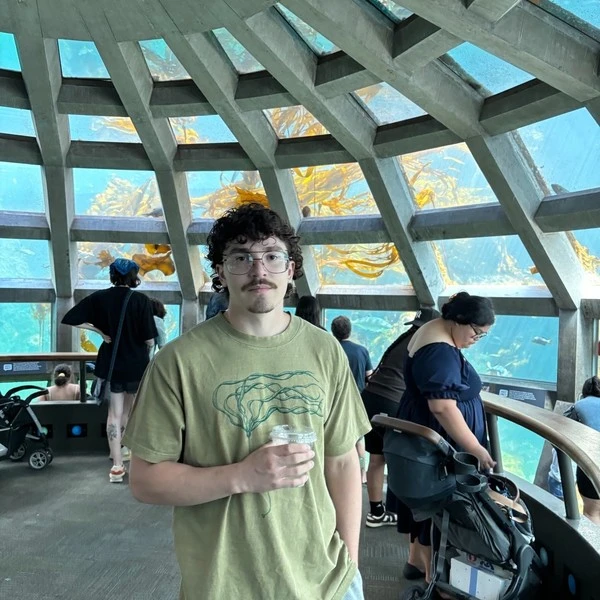
Christian Frost

2x

Finalist

1x

Winner

Bio

My name is Christian Frost, and I am a first-generation college student pursuing a future in ecological sustainability. I’m passionate about understanding the relationships between plants, animals, and their environments, and I hope to use my education to support wildlife conservation and habitat restoration. As a foster child and first-gen Chicano/Native American student, I’ve learned to persevere through challenges and stay focused on creating stability for myself and my loved ones. I’m committed to breaking cycles of hardship and using science to contribute meaningfully to my community and the world. Currently, I’m gaining hands-on experience through lab work and environmental studies that help shape my long-term goal of earning a higher education and working in ecosystem management.

Education

University of New Mexico-Main Campus

Bachelor's degree program
2022 - 2026
  • Majors:
    • Biology, General
  • Minors:
    • Economics

Miscellaneous

  • Desired degree level:

    Master's degree program

  • Graduate schools of interest:

  • Transfer schools of interest:

  • Majors of interest:

  • Not planning to go to medical school
  • Career

    • Dream career field:

      • Environmental Services
    • Dream career goals:

    • Server

      Chilis
      2023 – Present3 years
    • Lab Technician

      Museum of Southwestern Biology
      2023 – Present3 years

    Sports

    Football

    Varsity
    2018 – 20224 years

    Research

    • Biological and Physical Sciences

      GEOPaths: Jamaica — Undergraduate Tech
      2026 – 2026

    Public services

    • Volunteering

      Colt Balok Company — Advertisment and Outreach
      2022 – 2022
    Humanize LLC Gives In Honor of Shirley Kelley Scholarship
    My upbringing was not traditional, and much of my childhood was shaped by circumstances outside of my control. I am a Native American and Chicano first-generation college student who grew up in a low-income family. My father was sentenced to 15 years in prison shortly before I was born. After completing his sentence, he was deported and eventually disappeared from our lives. My mother became responsible for raising my sister and me and providing for our family. Before I was ten, my sister and I were living on the Rocky Boy Reservation after being placed there through the foster system. After a couple of years, we were taken in by my guardians, Raye and Stacy. What began as a last-minute foster placement eventually became the family structure in which I grew up. I began calling them my aunts because they raised me and provided the stability, support, and guidance I needed throughout my childhood and into adulthood. Although they were not the people I originally expected to be raised by, they became an important part of who I am and the people I consider family. Growing up with my aunts taught me that family is not always defined by traditional structures or biology. It is defined by the people who choose to be there, provide support, and help you become the person you are capable of becoming. Their presence gave me stability during a period of my life that was otherwise uncertain and helped me continue moving forward when I did not always understand what was happening around me. My time on the Rocky Boy Reservation also had a lasting effect on me. I saw firsthand how geographic isolation, limited resources, and generational hardship could affect a community. At the same time, I experienced a strong sense of community, cultural identity, resilience, and connection to the land. These experiences became an important part of how I understand my background and my responsibility to others. As I grew older, my childhood experiences made me independent and adaptable. I learned that life does not always follow the path you expect, and sometimes you have to adjust while continuing forward. That mindset followed me into college. As a first-generation student at the University of New Mexico, I entered higher education without a clear roadmap and had to learn how to navigate financial aid, academic planning, and college largely on my own. I initially entered college as a Business major because it seemed practical and secure. After my first year, I realized I wanted to pursue something that reflected my interests and experiences more closely. I changed my major to Biology and began working toward a future in ecology, conservation, and environmental research. My childhood experiences, especially my time on the reservation, influenced my interest in understanding the relationship between people, communities, and the environment. Today, I support myself while attending college, balancing school and work while paying for my own living expenses. My upbringing taught me persistence, but it also taught me how important support and opportunity can be. My aunts showed me what it means to step up for someone and provide stability when they need it most. My long-term goal is to pursue graduate study and a career in ecological or conservation research. I also hope to mentor students from underrepresented backgrounds who may not see themselves represented in science. My journey has not been traditional, but the people who raised me gave me the foundation to keep moving forward. I want to use the opportunities they helped give me to create
    Barreir Opportunity Scholarship
    Growing up in a single-parent and low-income household shaped almost every part of who I am today. My mother worked hard to provide for my sister and me, often having to make difficult decisions with limited resources. My father was sentenced to 15 years in prison shortly before I was born. After completing his sentence, he was deported and eventually disappeared from our lives. Because of this, my mother was the person who raised us and carried the responsibility of providing for our family until my sister and I were thrown into foster care. There were times when simply having a stable place to live or enough money for necessities was not guaranteed. During my childhood, my sister and I experienced homelessness and later spent time in foster care. We were eventually placed on the Rocky Boy Reservation in Montana by our tribe. As a child, I did not always understand why our circumstances were different from those of other families, but as I have grown older, I have come to understand how much my mother sacrificed to give us opportunities that she did not always have herself. My time on the reservation also gave me a connection to my Native American heritage and to the communities that shaped my understanding of family and responsibility. I saw how limited resources, geographic isolation, and financial hardship could affect an entire community. At the same time, I experienced a strong sense of resilience and connection to the land. Those experiences continue to influence how I view my education and the career I hope to pursue. When I began college at the University of New Mexico, I entered an environment that no one in my family had experienced before. As a first-generation Chicano/Native student, I had to learn how to navigate college, financial aid, academic planning, and many other systems largely on my own. I initially chose Business because I believed it was the safest and most practical option. After my first year, I realized I wanted to pursue something that reflected my interests and the questions I genuinely cared about. I changed my major to Biology and began working toward a career in ecology, conservation, and environmental research. My family background continues to influence why I chose this path. I have seen how environmental and economic conditions can directly affect communities, and I want to contribute to research that helps protect both ecosystems and the people who depend on them. I have participated in conservation work in Jamaica, including planting native trees and mangroves to protect biodiversity and coastal ecosystems, as well as research involving ocean acidification. Today, I support myself financially while attending college, paying for my own rent, utilities, insurance, transportation, food, and other expenses while balancing school and work. The challenges I experienced growing up taught me to be resourceful and persistent, but they also gave me a strong appreciation for opportunity. My family's story is not defined by the difficulties we experienced. It is defined by the fact that we continued moving forward. My mother taught me through her sacrifices that providing an opportunity for the next generation is worth fighting for. I carry that lesson with me as I pursue my education and work toward becoming a researcher, conservationist, and mentor for students who come from backgrounds like mine. I cannot change where my journey began, but I can decide where it goes. My family gave me the resilience to keep moving forward, and my education is giving me the opportunity to build something better from it.
    Barbara Cain Literary Scholarship
    The books that have meant the most to me are very different from one another. Some take place during war, some in the distant future, and others in worlds that could not exist outside of fiction. Despite their differences, I have found a common lesson in many of them: circumstances do not always determine what happens next. What matters is the willingness to continue, adapt, and find hope even when there is no guarantee that things will work out. The Book Thief taught me about resilience in circumstances where people have very little control over what happens around them. Its characters experience loss, fear, and uncertainty, yet moments of kindness and humanity remain meaningful. The book reminded me that difficult circumstances do not remove our ability to make choices about how we treat others. That lesson has stayed with me because much of life involves situations that we cannot control, but we can control how we respond to them. Project Hail Mary gave me a different perspective on perseverance. The story emphasizes problem-solving, cooperation, and continuing to work through one problem after another even when the larger situation seems impossible. I especially appreciated the idea that progress does not always come from solving everything at once. Sometimes it comes from figuring out the next problem and taking one step forward. That is something I have carried into my education. The Red Rising series and The Will of the Many both reinforced my understanding of grit. Their characters are placed in systems that are much larger and more powerful than they are, yet they continue to push forward despite setbacks. They reminded me that resilience is not simply being strong when things are easy. It is continuing to work toward something when there are plenty of reasons to stop. Similarly, The Road and The Dog Stars gave me perhaps the strongest lessons about hope. Both explore worlds where much has been lost, yet their characters continue moving forward. They made me think about hope differently. Hope does not necessarily mean believing that everything will be easy or that the outcome will always be positive. Sometimes hope is simply deciding that tomorrow is worth reaching. These lessons have become especially meaningful as I have pursued my education and persevered through the foster system while aging out. As a first-generation college student, I entered the University of New Mexico without the experience or guidance that many students have. My path has included financial struggles, working while attending school, changing my major, and learning how to navigate college largely on my own. There have been moments when continuing felt much more difficult than I expected. Reading has given me a place to step away from those challenges while also reminding me how to face them. Today, I am pursuing a Biology degree with goals of continuing into ecological research and conservation. I want to use my education to contribute to work that protects ecosystems and helps communities adapt to environmental change. In many ways, that goal reflects what I have taken from these books. Meaningful change rarely happens immediately. It requires patience, resilience, and the willingness to continue when the path forward is uncertain. Books have given me more than entertainment. They have given me different ways to understand hardship, perseverance, and hope. Most importantly, they have reminded me that difficult circumstances do not have to define where a person ends up. Sometimes the most important thing we can do is simply keep moving forward.
    Learner Mental Health Empowerment for Health Students Scholarship
    Mental health is important to me because I have learned that a person's struggles are not always visible. As a college student, I have experienced how financial pressure, academic responsibilities, work, and personal circumstances can affect someone's ability to succeed. These experiences have made me more aware of the importance of understanding what people may be going through rather than judging them based only on what we see. My experiences growing up also shaped how I understand mental health. I experienced instability, homelessness, and time in foster care as a child. Although I did not always have the words to understand what I was experiencing at the time, I learned early that difficult circumstances can affect how people think, behave, and interact with others. I also saw how stress and personal struggles can affect entire families. These experiences taught me that mental health should not be treated as something to be ashamed of or something that a person should have to handle alone. As a first-generation college student, I have also learned that college can create its own challenges. I entered the University of New Mexico without the experience of knowing how to navigate higher education, financial aid, or academic planning. I currently support myself financially while balancing a full course load and work. There have been times when financial and personal stress made it difficult to focus on school. These experiences have taught me the importance of recognizing when someone may be struggling and understanding that asking for help is not a sign of weakness. I advocate for mental health primarily through the way I interact with the people around me. I try to be someone who listens without immediately judging or trying to minimize another person's experiences. When friends, classmates, or people I work with are struggling, I try to give them a space where they can be honest about what they are experiencing. I believe that sometimes one of the most important things we can do for someone is simply to remind them that they are not alone. As I continue through college, I also want to contribute to a culture where conversations about mental health are treated as normal rather than uncomfortable. Students face pressures that are not always obvious, and I believe universities are stronger when students feel comfortable seeking support before their struggles become overwhelming. Creating that environment requires compassion from everyone, not only mental health professionals. My experiences have also influenced the kind of person and professional I want to become. Although my career goal is centered on Biology, ecology, and conservation, I know that science does not exist separately from people. Environmental conditions, access to resources, and community circumstances can all influence human well-being. I want my future work to recognize these connections and approach both people and the environment with the same sense of responsibility and care. Mental health has taught me the importance of empathy, patience, and understanding. I cannot know everything another person is carrying, but I can choose how I respond to them. As I continue my education, I hope to use those lessons to support the people around me and help create communities where asking for help is viewed as a strength rather than a weakness.
    Bick First Generation Scholarship
    Being a first-generation college student means taking a step into the unknown every single day. No one in my family could tell me how to apply for college, navigate financial aid, or choose the right classes. Every milestone has been something I had to learn on my own. While that has been overwhelming at times, it has also become one of my greatest sources of motivation. Every challenge I overcome becomes something I can pass on to someone else. My journey to college has been anything but traditional. I grew up in a low-income household, experienced homelessness as a child, and spent time in foster care before eventually finding stability. Those experiences taught me resilience long before I understood what the word meant. When I arrived at the University of New Mexico, I was excited but uncertain. I chose Business because it seemed like the safest path for someone who had always worried about financial stability. After my first year, I realized I was pursuing security instead of purpose. I changed my major to Biology because I wanted my career to reflect what truly inspired me. Today, I am pursuing a career in ecology and conservation because I believe science can improve both ecosystems and the communities that depend on them. One experience that reinforced this belief was participating in a community conservation project in Jamaica. I worked alongside local communities planting native trees to restore forests, planting mangroves that protect coastlines from erosion and storms, and assisting with research on ocean acidification by collecting water samples and analyzing environmental conditions. Seeing how science and community involvement worked together to solve real environmental problems confirmed that this is the work I want to dedicate my life to. Being first-generation has also meant becoming completely independent. I support myself by paying for my rent, utilities, insurance, transportation, groceries, and every other expense while balancing a full course load and working throughout college. There have been times when unexpected expenses, like major repairs to my vehicle, have made me question how I would continue, but each obstacle has strengthened my determination rather than weakened it. My dream is to earn a PhD in ecological research and conservation. I want to study ecosystems responding to environmental change while developing conservation strategies that recognize both scientific research and community knowledge. I want to mentor students from backgrounds like mine. I know what it feels like to wonder whether college or science is meant for you, and I want to help remove that doubt. This scholarship would do more than reduce financial stress. It would allow me to spend more time pursuing research opportunities, field experiences, and academic growth that prepare me for the future. It would be an investment in someone determined to open doors not only for himself, but for the students who will follow. Being first-generation has taught me that success is never achieved alone. It is built through perseverance, opportunity, and the willingness to become the example you never had.
    Sloane Stephens Doc & Glo Scholarship
    Throughout my life, I have learned that the greatest impact often comes from serving something larger than yourself. As a Native American and Chicano, first-generation college student pursuing a Biology degree at the University of New Mexico, my goal is not simply to become a scientist. I want to use science to protect ecosystems, support communities, and inspire others to believe that they can make a difference regardless of where they come from. My passion for conservation began long before I entered college. During part of my childhood on the Rocky Boy Reservation in Montana, I witnessed how closely communities depend on healthy ecosystems and natural resources. I saw how environmental challenges can affect everyday life, while also developing a deep appreciation for the relationship between people and the land. Those experiences continue to shape both my education and the kind of career I hope to build. Since entering college, I have looked for opportunities to move beyond the classroom and apply what I have learned. One of the most meaningful experiences was participating in a community conservation program in Jamaica. During this experience, I worked alongside others to plant native trees in upland forests to restore biodiversity and native mangroves along the coastline to strengthen coastal ecosystems and protect communities from erosion and storm impacts. Seeing the direct connection between environmental restoration and the well-being of local communities reinforced my belief that conservation is most successful when people are actively involved. While in Jamaica, I also participated in research investigating ocean acidification. Our team collected water samples and measured multiple environmental factors to better understand how changing ocean chemistry affects marine ecosystems. This experience strengthened my interest in ecological research because it demonstrated how scientific data can guide conservation decisions. It also reminded me that environmental issues are global. The health of our oceans, forests, and wildlife depends on collaboration between scientists, communities, and governments across the world. These experiences confirmed that I want to pursue graduate study and eventually build a career in ecological research and conservation. My goal is to study how ecosystems respond to environmental change and develop conservation strategies that combine rigorous scientific research with community knowledge and long-term stewardship. I hope to work in research or government, helping create solutions that protect biodiversity while recognizing the needs of the people who depend on healthy ecosystems. Giving back also means investing in people. As someone who grew up in foster care, entered college as a first-generation student, and has had to support myself financially throughout my education, I understand how difficult it can be to imagine a future in science. I hope to mentor students from underrepresented backgrounds, particularly Native American and Hispanic students, and show them that they belong in STEM. Representation matters because seeing someone with a similar story succeed can change what a young student believes is possible. The people who inspire me most are those who quietly dedicate themselves to improving the lives of others, whether through education, research, or service. Their example has taught me that meaningful change is built one person, one community, and one ecosystem at a time. My education is giving me the knowledge and skills to contribute to that work, and my goal is to spend my career using science not only to better understand the natural world, but to leave it healthier than I found it.
    Joe Gilroy "Plan Your Work, Work Your Plan" Scholarship
    Throughout my life, I have learned that meaningful goals require more than ambition. They require planning, discipline, and the willingness to adapt when circumstances change. As a first-generation Native American and Chicano college student pursuing a Biology degree at the University of New Mexico, my ultimate goal is to build a career in ecological research and conservation. I want to study how ecosystems respond to environmental change and develop conservation strategies that combine scientific research with community knowledge and long-term stewardship. Achieving this goal requires years of preparation, and I have developed a plan that builds toward it one step at a time. My first objective is to complete my bachelor's degree in Biology while continuing to strengthen my academic record and research experience. I currently balance a full course load with employment because I am financially independent and responsible for paying my own rent, utilities, insurance, transportation, groceries, and educational expenses. Although this has required careful time management, it has taught me discipline and perseverance. Financial support through scholarships allows me to reduce work hours when possible and devote more time to coursework, research, and professional development. During my remaining undergraduate years, I plan to continue working in research environments where I can develop practical skills in ecological data collection, field methods, and scientific communication. I also intend to participate in summer field courses and research programs, such as the Flathead Lake Biological Station and the GEOPaths: Jamaica program, to gain hands-on experience that cannot be replicated in a classroom. These opportunities will strengthen both my technical abilities and my graduate school applications. After completing my bachelor's degree, I plan to pursue a PhD in ecology or conservation biology. My goal is to conduct research focused on ecosystem resilience, wildlife conservation, and sustainable land management. I hope to work either within a university research program or a government agency where I can contribute to conservation efforts that protect biodiversity while considering the needs of local communities. I also want to mentor students from underrepresented backgrounds and encourage more Native American and Hispanic students to pursue careers in science. Reaching these goals requires thoughtful financial planning. Graduate school applications, research conferences, field equipment, transportation, and educational materials all represent significant costs. I continue to apply for scholarships because every dollar reduces the need to work additional hours and allows me to invest more time into research and academic growth. My budget focuses first on essential living expenses, including housing, utilities, food, transportation, insurance, tuition-related costs, and rainy-day funds. Remaining funds are directed toward professional development and graduate school preparation. My plan has already changed. I entered college as a Business major before realizing my passion belonged to Biology. That experience taught me that adapting a plan is not the same as abandoning it. The destination remained the same: building a meaningful career that allows me to improve the lives of others. I simply found a path that reflects my interests, values, and strengths. Every class I take, every research opportunity I pursue, and every scholarship I apply for serves a purpose within a larger plan. I know where I want to go, I understand the steps required to get there, and I am committed to doing the work necessary to achieve those goals.
    Emerging Leaders in STEM Scholarship
    My interest in STEM comes from a desire to understand the world around me and use that knowledge to solve problems that affect both people and the environment. I am currently pursuing a Biology degree at the University of New Mexico with academic interests centered on ecology, conservation, and sustainability. What began as curiosity about the outdoors has grown into a commitment to protecting ecosystems through scientific research and community involvement. I believe science is one of the most powerful tools we have for addressing challenges such as climate change, habitat loss, and declining biodiversity, and I want to dedicate my career to being part of those solutions. My path into STEM was not straightforward. When I first entered college, I chose Business because it seemed like a practical choice. As a first-generation college student, I was unsure what to expect from higher education and wanted a degree that felt secure. After my first year, I realized I was pursuing stability instead of purpose. I changed my major to Biology because it reflected the questions I genuinely wanted to answer and the work I wanted to do for the rest of my life. That decision required me to completely reshape my academic plan, but it also gave me a renewed sense of direction and motivation. My passion for ecology is deeply connected to my background. As a Native American and Chicano student, I spent part of my childhood on the Rocky Boy Reservation in Montana after my sister and I were placed there by our tribe during a period in foster care. Although my time there was brief, it shaped the way I view conservation. I saw how closely communities depend on healthy ecosystems and how environmental issues directly affect people's lives. I also gained an appreciation for Indigenous perspectives on stewardship and the responsibility we have to care for the land for future generations. Those experiences continue to influence both my education and my career goals. Along the way, I have overcome challenges that extended far beyond the classroom. I grew up in a low-income household and entered college without the guidance that many students receive from parents who have already navigated higher education. I support myself financially by paying for rent, utilities, insurance, transportation, groceries, and other living expenses while balancing a demanding course load and working throughout college. Unexpected expenses, including major vehicle repairs, have tested my ability to stay enrolled and focused, but they have never changed my determination to earn my degree. In the future, I hope to pursue graduate study and build a career in ecological research and conservation. I want to study how ecosystems respond to environmental change and develop conservation strategies that combine scientific research with community involvement and long-term stewardship. I also hope to mentor students from underrepresented backgrounds who may not see themselves represented in STEM. Representation matters because diverse perspectives lead to stronger science and more creative solutions. STEM has given me more than a career path. It has given me a purpose. Every challenge I have faced has reinforced my belief that education can create opportunities not only for individuals, but also for the communities and environments they serve. My goal is to use science to make a lasting difference, protect the natural world, and help inspire the next generation of researchers to believe that they belong in STEM, regardless of where they come from.
    Rosie Walks Human–Wildlife Coexistence Scholarship
    The most urgent challenge in wildlife conservation today is the growing disconnect between people and the ecosystems they depend on. While climate change, habitat loss, pollution, and biodiversity decline are often discussed as separate issues, they share a common root. As people become more disconnected from nature, it becomes easier to overlook the value of protecting it. Lasting conservation cannot succeed unless we also strengthen human-wildlife coexistence and help communities recognize that healthy ecosystems directly support healthy human lives. My passion for conservation is deeply connected to my own experiences. I spent part of my childhood on the Rocky Boy Reservation in Montana after my sister and I were placed there by our tribe during a period in foster care. Although my time there was brief, it shaped how I view the relationship between people and the natural world. Living in a rural community showed me how closely people's lives are connected to the land and how environmental changes affect access to food, water, and other essential resources. Recently, I participated in a program in Jamaica that was focused on community involvement through protecting the ecosystems. This involved planting native trees and mangroves to protect coasts and native biodiversity. At the same time, I gained an appreciation for perspectives on stewardship, where the environment is viewed not simply as a resource but as something that deserves respect and care. These experiences inspired me to pursue Biology at the University of New Mexico with a focus on ecology and conservation. Through my coursework, volunteer experiences, and work in biological collections, I have come to understand that wildlife conservation is about far more than protecting individual species. It requires understanding how species interact with one another, how ecosystems function, and how human decisions influence those systems. Conservation efforts are most successful when local communities are included rather than excluded from the process. I believe one of the greatest threats facing wildlife today is habitat fragmentation caused by expanding human development. As natural landscapes become increasingly divided by roads, cities, and agriculture, wildlife is forced into smaller and more isolated areas. This increases conflict between humans and wildlife, reduces genetic diversity, and limits species' ability to adapt to changing environmental conditions. Climate change only intensifies these pressures by altering habitats faster than many species can respond causing them to dwindle increasingly. In the future, I hope to contribute by pursuing graduate study in ecology and building a career in conservation research. My goal is to study how ecosystems respond to environmental change and develop conservation strategies that combine scientific research with community involvement and long-term stewardship. I want my work to help create solutions that protect biodiversity while recognizing that successful conservation depends on the people who live alongside wildlife every day. As a Native American and Chicano, first-generation college student, I also hope to increase representation within conservation science. Diverse perspectives strengthen scientific research and help build trust with communities whose voices have historically been overlooked. I want to demonstrate that conservation is not only about protecting wildlife but also about building relationships between people and the environment they call home. I believe that human-wildlife coexistence is not simply a conservation goal. It is the foundation for creating a sustainable future for both wildlife and future generations.
    Environmental Stewardship Award
    Sustainability and global action against climate change are urgently needed because the consequences of inaction are already visible in both environmental and human systems. Rising temperatures, habitat loss, water scarcity, and extreme weather events are not distant problems, they are current realities that are affecting ecosystems and communities every day. Without stronger action, these issues will continue to worsen, placing increased strain on food systems, biodiversity, and public health. The longer action is delayed, the more difficult and costly it becomes to reverse or even slow these effects, if possible, by that time. Addressing climate change requires international cooperation because environmental systems do not follow political boundaries. Carbon emissions, pollution, and resource use in one region can impact ecosystems and communities across the world. Countries must work together to establish policies that reduce emissions, protect natural resources, and invest in sustainable technologies. Without collaboration, progress will remain limited and uneven. At the same time, individual actions still play an important role in building a sustainable future. While large scale policy changes are necessary, everyday decisions such as reducing waste, recycling, conserving energy, and being mindful of consumption can contribute to long term change. These actions also help create a cultural shift toward sustainability. As a Biology student focused on ecology and conservation, I plan to contribute by working in environmental research and sustainability efforts that support both ecosystems and communities. I want to be part of solutions that address climate change through science, while also encouraging responsible practices at both the global and individual level.
    Greg London Memorial Scholarship
    My experience with mental health has been shaped by instability, responsibility at a young age, and learning how to navigate life without consistent guidance. Growing up in a low-income, single-parent household that later led to homelessness and time in foster care, I was exposed early to stress, uncertainty, and emotional strain. At the time, I did not have the language or fortitude to understand mental health, but I understood what it felt like to live in a constant state of unpredictability. Those experiences have had a lasting impact on my beliefs, my relationships, and the way I approach my future. One of the most important things I have learned is that mental health is not always visible, but it affects every part of a person’s life. Watching my mother struggle with substance abuse and instability showed me how untreated mental health challenges can impact not only the individual, but also the people around them. It taught me that mental health is deeply connected to environment, access to resources, and support systems. Because of this, I have developed a belief that mental health care should be accessible, understood, and approached without stigma. These experiences have also shaped how I build relationships. I value patience, awareness, and understanding because I know that people often carry challenges that are not immediately obvious. I have learned to listen more carefully, to recognize when someone may be struggling, and to approach others without judgment. At the same time, navigating these experiences on my own has taught me independence and emotional control, but also the importance of seeking support when it is needed. I did not get to this place in my life alone though, I am only able to recognize these values due to the work of multiple therapists and support systems I have built around me. Academically, my path is centered in Biology with a focus on ecology and environmental science, but my experiences with mental health have influenced how I want to apply my education. I am interested in the connection between environmental conditions and human well-being, particularly how access to healthy environments, green spaces, and stable resources can impact mental health outcomes. Communities that face environmental and economic challenges often also face higher levels of stress and limited access to mental health support. This connection is something I want to better understand and contribute to through my future work. My long-term goal is to pursue graduate study and work in research or applied science that contributes to both environmental sustainability and community well-being. While my work may not be directly clinical, I want to be part of a broader effort that improves quality of life by addressing both environmental and social factors. Mental health is not separate from these systems. It is influenced by them. My experiences have taught me resilience, but more importantly, they have taught me awareness. They have shaped my belief that challenges do not define a person, but access to support can change the outcome of those challenges. Receiving this scholarship would support my continued education and allow me to keep working toward a future where I can contribute to solutions that consider both environmental and human health.
    Environmental Kindness Scholarship
    My passion for protecting the environment comes from both my academic path and my personal experiences growing up in communities where access to resources was not guaranteed. I spent part of my childhood on the Rocky Boy Reservation in Montana, where I saw firsthand how environmental conditions and geographic isolation directly affect people’s daily lives. Access to food, healthcare, and transportation were all tied closely to the land and surrounding ecosystems. At the same time, I experienced a strong cultural respect for the land and an understanding that people are deeply connected to their environment. That perspective has stayed with me and continues to shape how I view environmental issues today. As a Biology major focusing on ecology and conservation, my studies are preparing me to understand how ecosystems respond to environmental stress, including climate change. Through coursework in biology and environmental science, I am learning how changes in temperature, water availability, and habitat structure impact species interactions and ecosystem stability. My goal is to pursue graduate study and contribute to research that helps develop sustainable conservation strategies that consider both ecological and human systems. Climate change is not only an environmental issue but also a social one, and I want to be part of work that addresses both sides. My studies will help me work toward combating climate change by giving me the tools to analyze ecological data, understand long term environmental patterns, and contribute to research that informs conservation efforts. I am particularly interested in how land management and conservation practices can be improved by incorporating community knowledge and long-term stewardship. By building a strong foundation in ecological research, I hope to contribute to solutions that protect biodiversity while also supporting communities that are most affected by environmental change. Outside of research, I believe that individual actions still play an important role in reducing environmental impact. The advice I have given to my family and friends is to focus on practical and consistent changes rather than trying to do everything at once. Simple actions such as reducing unnecessary driving, conserving water, limiting energy use at home, and being more mindful about consumption can make a meaningful difference over time. For example, combining trips to reduce fuel use, turning off lights and electronics when not in use, and choosing reusable items instead of single-use products are small changes that add up. I would also encourage people to become more aware of where their resources come from and how their choices affect the environment. Understanding the connection between daily habits and larger environmental impacts can lead to more intentional decision-making. While not everyone has the same level of access or resources to make changes, even small adjustments can contribute to reducing a carbon footprint. Protecting the environment is important to me because it connects directly to both people and ecosystems. My experiences and education have shown me that environmental issues are not isolated problems. They affect communities, resources, and future generations. Through my studies and future career, I hope to contribute to solutions that promote sustainability, conservation, and a better understanding of how to live responsibly within our environment.
    Raise Me Up to DO GOOD Scholarship
    Winner
    I was raised in both a single-parent and blended-family household, and those experiences shaped not only who I am, but how I view responsibility, resilience, and purpose. My childhood was marked by instability due to my mother’s substance abuse and financial hardship, which eventually led to homelessness and my time in the foster care system. During this time, my sister and I were moved between homes and communities until members of our extended family stepped in to give us a permanent place to belong. The people who raised me were not wealthy, and they faced significant struggles of their own, including medical issues and financial strain. Still, they gave me something far more important than comfort. They gave me consistency, encouragement, and a belief in education as a way to build a better life. My guardians who I later began calling my aunts, Raye and Stacy, became the stable support system I had never experienced before. Even when money was tight and life was difficult, they never stopped reminding me that I was capable of more than the circumstances I came from. Growing up in this environment taught me maturity at a young age. I learned to adapt to change, to remain calm in uncertainty, and to appreciate the value of hard work. I watched my caregivers sacrifice so much for my future, and I understood early on that their efforts were not something I could take lightly. Their love and determination created a sense of responsibility within me to pursue opportunities they never had and to make them proud through my actions. These experiences directly shaped my goals and the way I want to use my talents in the future. I am currently pursuing a degree in Biology with a focus on ecology, wildlife science, and environmental sustainability. My interest in this field comes from my experiences growing up in communities where access to resources, land, and healthy environments were not guaranteed. I want to contribute to conservation and ecological research that helps protect both natural ecosystems and the communities connected to them. In the future, I hope to use my education not only through scientific research but also through mentorship and outreach. I want to work with students from backgrounds similar to mine and show them that their circumstances do not define their potential. I want to be someone they can relate to and see as proof that perseverance and education can open doors that once seemed impossible to reach. Being raised in a single-parent and blended-family household taught me the importance of compassion, responsibility, and gratitude. It taught me that success is not only measured by personal achievement, but by how you use your abilities to uplift others. My goal is to build a future where I can honor the sacrifices made for me by creating positive changes in both the scientific community and the lives of those who come after me.
    Zedikiah Randolph Memorial Scholarship
    I am a Native American and Chicano, first-generation college student pursuing a degree in Biology with a focus on ecology, wildlife science, and environmental sustainability. My path into STEM was not straightforward, but it was deeply personal. I initially entered college as a Business major because I believed it was the safest and most practical option. After my first year, I realized I was ignoring a long-standing interest that had been shaped by my childhood experiences with land, community, and environmental hardship. I changed my major to Biology so my education could match the passion I had carried for years but never fully recognized as a career path. Part of what influenced this decision was my time living on the Rocky Boy Reservation in Montana while I was in foster care. I saw firsthand how isolation and limited access to resources affect entire communities. Access to strong and stable food, healthcare, and educational materials require hours of travel. At the same time, I witnessed a deep respect for the land and an understanding of stewardship that left a lasting impression on me. That experience shaped how I view science, not only as research, but as a tool for protecting ecosystems and supporting communities. As I progressed in my biology coursework and entered lab and research spaces, I became aware of how underrepresented people from my background are in STEM. Native Americans make up less than one percent of STEM professionals in the United States, and Hispanic representation in environmental and wildlife sciences remains disproportionately low. In many of my classes and labs, I am often one of the only students who look like me or share similar life experiences. This reality has been both isolating and motivating. It reminds me that my presence in these spaces matters because it challenges the idea of who belongs in science. I plan to make an impact on my community and my field by pursuing a career in ecological research and conservation that incorporates Indigenous knowledge, land stewardship, and community involvement. My goal is to pursue a career that addresses environmental sustainability while recognizing the cultural and human relationships tied to ecosystems. Whether this career path looks like a government position or an extended time pursuing education, I want to help bridge the gap between scientific research and the communities most affected by environmental change. Beyond research, I hope to inspire the next generation by being visible and accessible. Representation does matter, especially for students who grow up believing that STEM is not meant for them. I know this because I lived through this. Through mentorship, outreach, and sharing my story, I want to show young students from underrepresented backgrounds that they are capable of pursuing careers in science. I want them to see someone who came from a low-income household, experienced foster care, and still found a place in STEM. I chose this degree because it reflects who I am and what I hope to contribute to the world. By succeeding in this field and helping create pathways for others, I hope to increase representation and make STEM spaces more inclusive for those who come after me.
    Kim Moon Bae Underrepresented Students Scholarship
    My identity as a Native American and Chicano, first-generation college student has shaped every step of my educational journey. It is not something I carry in the background of my life; it is the lens through which I see opportunity, responsibility, and purpose. Growing up between cultures, communities, and systems often left me feeling confused and divided about who I was. I also felt disconnected from higher education because of the environment I was raised in. I learned early that pursuing a college degree would require navigating spaces that were not built with people like me in mind, but people with my mindset. As a child, I spent time on the Rocky Boy Reservation in Montana after my sister and I were placed there by our tribe while we were in foster care. Although my time there was short, it left a lasting impression that I reflect on often. I saw firsthand how limited resources, geographic isolation, and generational hardship affect entire communities. Access to healthy food, stable housing, hospitals, and educational resources were not guaranteed, with the nearest grocery store and hospital over an hour away. At the same time, I experienced a deep sense of cultural identity, resilience, and appreciation for the land that would not have developed without this experience. These influences later became central to my academic interests. When I entered college, I initially declared a Business major. After my first year, I realized this path did not reflect who I was or what truly interested me. I changed my major to Biology, aligning my education with my passion for environmental science and conservation. As time went on, I began to notice how difficult it was to find others from underrepresented backgrounds in scientific spaces. In classrooms, labs, and research settings, I rarely see people who share my cultural or life experiences. This absence has felt both isolating and motivating. It reminds me that my presence in these spaces matters because it is about more than just myself. It is about showing others that this path is possible. My identity has taught me adaptability, persistence, and awareness. I have learned how to advocate for myself in academic environments, navigate financial systems without guidance, and overcome the quiet doubt that comes from being “the only one” in the room. These experiences strengthened my drive to succeed and to bring diverse perspectives into fields that need them, especially environmental science and conservation. Looking forward, my identity will continue to shape my path as I pursue a career in biology focused on research and sustainability. I want to contribute to conservation efforts that recognize Indigenous knowledge, land stewardship, and community involvement in scientific work. I aim to pursue a career that studies ecosystems while acknowledging the human and cultural relationships tied to them. Understanding how the past influences modern environmental challenges is essential to building a better future. I also hope to serve as representation for students from underrepresented backgrounds who may not see themselves reflected in science. Through mentorship, outreach, and sharing my story, I want to make these spaces feel more accessible and inclusive. My journey has shown me that hard work exists everywhere, but opportunity does not. I want to show others that their circumstances do not define them and that they are capable of achieving more than they may believe!
    Bick First Generation Scholarship
    Being a first-generation college student means walking a path without a map. It means stepping into classrooms, offices, and systems that no one in your family has ever navigated before, while still carrying the weight of their hopes, sacrifices, and struggles with you. Being first-generation is not just about education, it is about breaking a cycle that has defined my family for generations. I grew up in a low-income household shaped by instability, homelessness, and time spent in the foster care system. No one in my entire family has gone to college, and for much of my childhood, simply having a safe place to sleep was uncertain. Education was not modeled as an expectation, it was something distant and unfamiliar. Yet, it became my anchor. While others had parents guiding them through applications, financial aid, and course planning, I had to learn everything on my own, often through trial, error, and persistence. The challenges did not end once I enrolled in college. As an independent, first-generation student, I face financial strain, academic pressure, and the constant responsibility of managing everything alone. I have had to work two jobs while balancing demanding STEM coursework, navigate financial aid systems without guidance, and make critical decisions without a safety net. There have been moments where exhaustion and doubt crept in, but quitting was never an option. I remind myself that I am not just here for me but am here for everyone who never had this chance. What drives me forward is the belief that education can fundamentally change the trajectory of a life. I am pursuing a degree focused on ecology, wildlife, and environmental science, with the long-term goal of earning a PhD and contributing to conservation, research, and sustainability efforts. I want to work in a field that protects ecosystems, uplifts communities, and reflects the values of responsibility and stewardship that I carry with me. This scholarship would be more than financial support. This scholarship would be validation that my journey matters. It would help cover the hidden costs of college that often go unnoticed, allowing me to focus more fully on my education and research goals. More importantly, it would bring me one step closer to becoming an example for others like me. Proof that even without guidance, wealth, or privilege, it is possible to build a future defined by purpose, stability, and impact. Being first-generation means being brave enough to go first. I am committed to making that step count.
    Lotus Scholarship
    Growing up in a low-income, single-parent household taught me perseverance long before I knew the word for it. My childhood was marked by instability, homelessness, and time in the foster care system due to my mother’s substance abuse. These experiences forced me to mature quickly and understand that survival often depends on adaptability, patience, and persistence. While many of my peers worried about grades alone, I worried about food, housing, and whether I would have the support to continue my education at all. Despite these challenges, I learned that education is the most powerful tool for breaking cycles of hardship. I am now a first-generation college student pursuing a degree in biology with the goal of entering the research work force, mainly focusing on ecological systems and conservation. Navigating college as a low-income student has not been easy due to “hidden fees” like textbooks, lab materials, and technology which often add stress beyond tuition. Regardless of these costs, I work hard and remain committed to pushing forward because I know what is at stake. I actively work toward my goals by maintaining strong academic performance, seeking research and lab opportunities, and gaining hands-on experience in scientific environments. My long-term goal is to pursue a PhD and contribute to conservation efforts that protect ecosystems while incorporating Indigenous and community-centered perspectives. I plan to use my life experiences to uplift others by serving as proof that adversity does not determine outcome. Through research, mentorship, and community engagement, I hope to create pathways for students from backgrounds like mine to see science as a place where they belong.
    Anthony Belliamy Memorial Scholarship for Students in STEAM
    I am an undergraduate student pursuing a science-focused education with the long-term goal of earning a PhD in ecology and contributing to wildlife conservation and ecosystem sustainability. As a first-generation college student, a Native American and Chicano scholar, and a former foster youth, my path to higher education has been shaped by adversity, resilience, and an unwavering determination to build a life rooted in purpose and service. One of the most significant challenges I have faced began in early childhood when my sister and I became homeless due to my mother’s substance abuse and financial instability. At seven years old, my sister and I lost our home, our transportation, and our sense of security. We would couch surf when we could and when times were really rough, we would sleep outside. Eventually, Child Protective Services intervened, and we entered the foster care system, where instability continued in a different form. We were frequently moved, treated as temporary responsibilities, and left without consistent support. This period of my life forced me to grow up quickly. I learned how to adapt to unfamiliar environments, how to remain composed in uncertainty, and how to persevere even when circumstances were out of my control. Stability finally came when my tribe intervened and placed us with family on the Rocky Boy Reservation in Montana. Later, I was taken in by my guardians, Raye and Stacy, who became my permanent support system. Though financial struggles remained, they provided invaluable belief in me and unwavering love. Overcoming these experiences required persistence rather than a single defining moment of triumph. I moved forward by committing myself to self-improvement and responsibility, even when I lacked guidance or safety nets. As a student, I learned to advocate for myself, balance academics with long work weeks, and seek opportunities that would strengthen both my academic and personal growth. These challenges cultivated leadership in subtle but meaningful ways such as modeling resilience, maintaining integrity under pressure, and striving to uplift others through example rather than position. These experiences deeply shaped my career goals in STEAM. I am drawn to science because it rewards curiosity, perseverance, and ethical responsibility. These are values that I have relied on throughout my life. My interest in ecology and wildlife research stems from a desire to understand interconnected systems and contribute to solutions that support both environmental and human well-being. Working in scientific spaces has taught me that impactful research requires diverse perspectives, especially those shaped by lived experience and resilience. In addition to my academic pursuits, I have sought opportunities to give back through volunteering and research support roles that emphasize service and collaboration. Whether assisting in research environments or supporting academic communities, I approach leadership as responsibility rather than recognition. I believe leadership means creating space for others, acting with integrity, and remaining committed even when progress is slow. Anthony Belliamy’s story and values resonate deeply with me. His strength in adversity, ethical leadership, and optimism mirror the principles that guide my own journey. I have learned that hardship does not limit ambition but refines it. My past has not defined me, but it has shaped my commitment to academic excellence, ethical leadership, and meaningful impact through science. As I move forward in my education and career, I aim to contribute to scientific research that prioritizes sustainability, equity, and long-term solutions. I hope to mentor students from underrepresented backgrounds and demonstrate that resilience and ambition can coexist with compassion and integrity. This scholarship would support not only my education, but my mission to rise above adversity and use science as a tool for positive change.
    Bright Lights Scholarship
    As a first-generation student from an underrepresented background, my plans for the future come from a mix of ambition, responsibility, and a deep desire to create change. I grew up in a low-income household where college was never guaranteed. Even conversations about the future felt uncertain because my family had never navigated higher education before. Despite this, I learned that education could become the bridge that connects me to a more stable life and to a career that allows me to help others. This belief guides every goal I set for myself. My long-term plan is to build a career centered on ecological sustainability. I want to dedicate my life to wildlife conservation, habitat restoration, and the protection of ecosystems that are currently threatened by climate change and human activity. I am especially interested in how plants, animals, and environmental conditions interact with each other. These relationships shape the health of entire ecosystems and understanding them is the foundation of real conservation work. Eventually, I hope to pursue a PhD and lead research that contributes to long-term environmental solutions. My identity as a first-generation Chicano and Native American student strongly influences these goals. My experience comes from a community that has historically faced environmental injustice and limited access to resources. I know what it feels like to live in places where environmental decisions are made without considering the people who live there. Because of this, I want to work in a way that connects scientific work with community needs. Representation in science matters, and I want to show younger students who share my background that they can enter these fields and make an impact. A scholarship like this one would help me move toward my goals in a very real way. I currently work two jobs to support myself and pay for school, which makes it difficult to fully engage in research opportunities and hands-on learning. The financial pressure often forces me to choose work over academic growth. If I receive this scholarship, I will be able to reduce my work hours and invest more time into the experiences that will strengthen my future career. This includes field research, lab work, internships, and volunteer projects that connect me to the environmental community. This scholarship would not only support my education. It would also support the future I am trying to build. I want to create a life defined by stability, opportunity, and purpose. With help from this scholarship, I can continue moving forward with confidence and contribute to a more sustainable and equitable world.
    The F.O.O. Scholarship
    Growing up in a low-income, first-generation household, I learned early what it means to carve out a path that was never laid out for me. I didn’t come from a family with college traditions or financial safety nets. Instead, I came from instability, foster care, and a home life where survival often came before planning for the future. But those challenges shaped my dreams. They taught me that education isn’t just a goal; it’s a way out, a way forward, and a way to build the life my family never had the chance to. Today, I’m pursuing my undergraduate degree with the hope of becoming a leader in ecological sustainability. I want to work in wildlife conservation, habitat restoration, and long-term ecosystem management. These are fields where representation from people like me is almost nonexistent. Being a first-generation Chicano student in STEM means I’m often the “first,” the “only,” or the “other” in the room. Instead of discouraging me, it motivates me. I want younger students from disadvantaged backgrounds, especially Native and Mexican-American kids, to see someone who looks like them doing impactful work in science. Scholarships like this one are more than financial support, they are belief. They tell students like me that our background isn’t a limitation. It is fuel. Receiving this scholarship would ease the constant worry of rent, food, and school costs, allowing me to focus on research opportunities, school, internships, and developing the skills needed to protect the ecosystems I care about. My dream is to build a future defined not by where I started, but by the impact I leave behind.
    José Ventura and Margarita Melendez Mexican-American Scholarship Fund
    Being a first-generation Mexican-American college student is something I carry with pride, responsibility, and deep purpose. My passion for education comes not only from wanting to build a better future for myself, but from wanting to honor the generations before me who never had the chance to pursue their own academic dreams. My father immigrated to the United States from Mexico, and his journey was marked by instability, limited opportunities, and the challenges of navigating life in a new country. His path shaped the path I walk today. Although he was eventually deported, his sacrifices and determination continue to motivate me. My mother, who is Native American and grew up without access to higher education, reinforced the idea that education is a powerful tool for creating stability and opportunity. Together, their experiences taught me that pursuing a degree is not something to take lightly. It is a chance to break cycles, build a foundation, and create opportunities that weren’t available to them. As a first-generation student, I am passionate about using my education to uplift my family and my broader community. Every class I take and every skill I learn brings me closer to a future where I can contribute meaningful work to environmental science, particularly in ecological sustainability and conservation. I hope to earn a PhD and dedicate my career to protecting ecosystems and addressing environmental inequalities that disproportionately affect communities like mine. Representation matters in science, and being a Mexican-American in this field allows me to bring perspectives shaped by culture, resilience, and lived experience, perspectives that are often missing. What drives me most is knowing that my accomplishments will not end with me. I want to be someone younger students in my community can look to and think, “If he did it, I can too.” I want to show that a first-generation student can overcome obstacles, navigate unfamiliar systems, and still achieve dreams that once felt out of reach. My education is not just for myself; it is for my family, my culture, and the next generation who deserves to see themselves represented in science and higher education. Being a first-generation, Mexican-American college student means carrying the hopes of those who came before me and turning their sacrifices into a future filled with purpose, opportunity, and impact. That is why I pursue this path with passion, why I will continue to push forward no matter the obstacles ahead.
    Hines Scholarship
    Going to college means much more to me than earning a degree. It represents stability, opportunity, and the chance to rewrite the future for myself and the people I care about. As a first-generation Native American and Chicano student, I grew up without an understanding for higher education. College wasn’t presented as something guaranteed or expected. This was something distant, something that felt reserved for other people. Choosing to pursue higher education meant stepping into unfamiliar territory, learning how to navigate systems that no one in my home could explain, and trusting that the effort would be worth it. To me, college symbolizes breaking generational barriers and creating possibilities that didn’t exist before. What motivates me most is the freedom that education can create, the ability to build a stable foundation, pursue work that matters, and give my future family a life without the strains I grew up with. College gives me the tools to understand the world more deeply and the skills to contribute meaningfully to it. It represents a step toward becoming someone who does not just survive challenges but uses them to fuel their purpose. Academically, I am pursuing a path in biology with a focus on ecology, conservation, and environmental sustainability. I am fascinated by the relationships among organisms, ecosystems, and human communities. My long-term goal is to earn a PhD and contribute scientific research that protects ecosystems and supports communities that face environmental inequalities. Growing up close to nature, yet seeing how environmental issues disproportionately affect Native, Latinx, and low-income communities, made me realize how much representation is needed in environmental science. I want to be part of that change. I want to bring my voice, my lived experiences, and my cultural background into a field where they are often missing. College also means proving to myself that I can reach goals that once felt out of reach. Balancing multiple jobs, classes, and research has shown me how capable I am when I stay committed. Every exam I pass, every lab I complete, and every skill I learn reminds me why I am here. I am here to build a life that honors my family’s sacrifices and strengthens the communities I represent. My accomplishments are not just personal, they are something I hope will open doors for others around me, including younger Indigenous and Hispanic students who may not yet see themselves in higher education. Ultimately, what I want to accomplish through college is simple but profound: I want to create change. I want to protect ecosystems at a time when the natural world needs advocates more than ever. I want to help communities that carry generational relationships with the land reclaim their voices in environmental decisions. And I want to build a future defined by purpose, stability, and meaningful contribution. College is my path toward that future. It is my chance to rise above the circumstances I inherited and shape a life driven by passion, resilience, and responsibility. It means everything to me because it is the foundation of the life I am working to build.
    Phoenix Opportunity Award
    Being a first-generation college student shapes my career goals in ways that go far beyond earning a degree. For me, higher education is not just an academic achievement, it is a way to break cycles of instability, create opportunities for my family, and build a career that gives back to communities like the ones I come from. Growing up without a roadmap for navigating college meant I had to learn everything on my own: how to apply for financial aid, how to communicate with professors, how to balance work and school, and how to stay focused when it felt like the system wasn’t built for students like me. That experience has made me more determined, resilient, and intentional about the future I want to create. Being first-generation also influences why I am drawn to ecological sustainability and environmental research. My background has given me a deep awareness of how environmental issues like pollution, habitat loss, and climate change impact underserved communities disproportionately. Many of these communities, especially Indigenous and Latinx ones, have strong relationships with the land but limited representation in scientific spaces. I want to change that. My goal is to earn a PhD and contribute research that strengthens conservation efforts, restores damaged ecosystems, and ensures that environmental decisions include the voices of the people most affected by them. Ultimately, being a first-generation college student has taught me the value of opportunity and the responsibility that comes with it. I want to build a career that not only reflects my love for science but honors the people and cultures that shaped me. My journey motivates me to keep pushing, keep learning, and keep creating possibilities that future students in my family won’t have to struggle to find.
    Charles Cheesman's Student Debt Reduction Scholarship
    My name is Christian Frost, and my educational journey has been shaped by determination, responsibility, and the goal of building a life far more stable than the one I grew up in. As a first-generation Chicano and Native American college student, pursuing higher education has never been something I took for granted. I have worked hard to create opportunities that did not exist for my family, and I carry that responsibility forward in everything I do. I am currently majoring in biology with a focus on ecology, conservation, and environmental sustainability. My long-term goal is to earn a PhD and build a career centered on protecting ecosystems, restoring habitats, and helping communities adapt to environmental change. I am deeply motivated by the connections between people, wildlife, and the land, especially within Native and Latinx communities that have historically faced environmental injustice. My hope is to contribute research that not only advances science but also uplifts the communities whose relationships with nature are often overlooked. My educational path hasn’t been easy. To afford school, I work two jobs while taking full-time coursework and participating in hands-on research/field experiences whenever I can. I currently have over $24,000 in student loans, with at least one more semester ahead of me. Balancing academic goals with financial pressure has required discipline, long nights, and constant sacrifices. But these challenges have also pushed me to stay focused on why I am doing this in the first place. This is not just for myself, but for my family and for the communities I hope to serve. Beyond academics, I try to stay actively involved in my community. I’ve worked in museum collections helping preserve biological specimens for research, volunteered in ecological projects, and helped organize a local blood drive that would create opportunities for people beyond my immediate community. I believe strongly in giving back because my own progress is only possible thanks to the support and inspiration of people around me. Helping others find their footing in science is one of the most meaningful ways I can honor that. If I were selected for this scholarship, the impact would be immediate and transformative. Paying down part of my student loans would reduce my monthly costs enough so that I could work fewer hours at my two jobs. With less financial strain, I would be able to focus more deeply on my coursework and fully participate in research opportunities that could shape my future career. The time I would gain back is not just about convenience, it would allow me to invest more energy into developing the skills, experience, and academic foundation I need to reach graduate school and move into ecological research. Ultimately, my goal is to build a life where I can contribute meaningful work to environmental science and support communities that face the combined pressures of climate change and limited resources. This scholarship would bring me one step closer to that future by easing the financial burden that stands between where I am now and where I hope to be.
    STEAM Generator Scholarship
    Entering higher education has always felt like stepping into a world that wasn’t designed with someone like me in mind. Growing up as the child of an immigrant father and a Native American mother meant that I inherited two rich cultural identities, but neither came with a guide for how to navigate the college system. My dad came to the United States from another country, trying to build a life for himself, but his path was shaped by instability, limited opportunity, and eventually deportation after his incarceration. My mom, who is Native American, grew up excluded from the types of academic resources and support systems that many students take for granted. As a result, I entered higher education without the generational safety net or insider knowledge that many of my peers have. I often felt as though I was piecing together an unfamiliar world, one form, one email, and one class at a time. Being a second-generation American through my parents’ different backgrounds has shaped my educational journey in ways I didn’t fully understand until I reached college. On the surface, the challenge was practical. I had to learn how to complete financial aid applications, understand how to communicate with professors, and figure out how to navigate course requirements and degree planning without anyone in my corner who had done it before. But beneath these tasks was a deeper more emotional reality. The feeling that I was entering a system where I wasn’t expected to succeed, and where no one who looked like me or came from my background had ever gone before. However, the same circumstances that made me feel like an outsider also became the source of my determination. Watching my parents and foster parents face systemic, economic, or cultural barriers has taught me what a privilege education truly is, and why I must take full advantage of every opportunity it opens. My dad being an immigrant taught me how quickly opportunities can be lost when systems are stacked against you. My mom’s resilience taught me the importance of representation and the strength of pursuing something larger than yourself. My foster parents’ encouragement is what pushed me in this direction. I am a culmination of their aspirations for a better future for me. Their lives made me realize that earning a degree isn’t just about personal achievement, it’s a step toward changing the trajectory of my entire family. These experiences have shaped my future goals in meaningful ways. I am pursuing a path in biology, a field that connects science, community, and environmental responsibility. My hope is to earn a PhD and contribute to research that supports ecosystem protection, wildlife conservation, and the long-term stability of vulnerable environments. Coming from communities that have historically faced marginalization, I feel a responsibility to bring my perspective into a field where diverse voices are often missing. I want to help ensure that environmental decisions consider the needs of all communities and not just those with the loudest platforms. Although I may have entered higher education as an outsider, I no longer see that as a disadvantage. Instead, I see it as a unique strength that has shaped my purpose, my resilience, and my vision for the future. My journey is proof that even without a clear roadmap, it is still possible to build a path forward and to create opportunities that the next generation won’t have to struggle to find.
    Qwik Card Scholarship
    When I turned eighteen, I realized how much of adulthood can close its doors on you if you don’t have established credit. Coming from a foster-care background, I didn’t have anyone to guide me through the financial world, so every mistake or success came from figuring things out on my own. That’s why building credit early is important to me! it’s not just about a number, it’s about building the stability and freedom my family never had. To take control of my financial future, I started small. I opened a low-limit starter credit card and made it a rule to only use it for one predictable expense each month which ended up being gas or groceries. I paid it off on time, every time, so I could slowly grow trust with myself and with the financial system. One smart money move I’m proud of was receiving a loan through my credit union for a used vehicle after my past car broke down on me, leaving it more expensive to fix. I was able to get this loan because I had been smart with my credit since first opening up my credit card other purchases I used to build my credit such as my rent or paying student loans off. Even when it felt like I didn’t have extra to spare my past decisions allowed me to deal with this situation in a manageable circumstance. Watching my credit grow, even little by little, showed me that consistency matters more than the amount. It taught me that financial progress isn’t about making big leaps but it is about steady habits that build over time. On the other hand, I learned the hard way that buying things just because they are “on sale” is not the same as saving money. I used to justify small impulse purchases by telling myself I was getting a good deal, but those “deals” added up quickly and left me with less room for the things that actually mattered. Realizing this was a turning point in my financial maturity. That small habit taught me to pause before I spend and ask whether the purchase aligns with my financial goals or just satisfies a moment of temptation. Now, I try to make every dollar a deliberate choice, not an impulse. This mindset has helped me take real control of my financial future. A bit about me: I’m a first-generation college student, a foster child, and someone determined to create stability for my loved ones. I’m motivated by the life I want to build—one where financial strain doesn’t define my future. Learning how to manage money, build credit, and stay disciplined with my goals is part of breaking a cycle and building something better. Taking control of my financial future isn’t just about being responsible; it’s about changing the direction of my life and creating opportunities for myself that once felt out of reach.
    Christian Frost Student Profile | Bold.org