Hobbies and interests
Community Service And Volunteering
Advocacy And Activism
Social Justice
Poetry
Reading
Classics
Self-Help
Academic
Fantasy
I read books multiple times per week
Chloe McCrea
1x
FinalistChloe McCrea
1x
FinalistBio
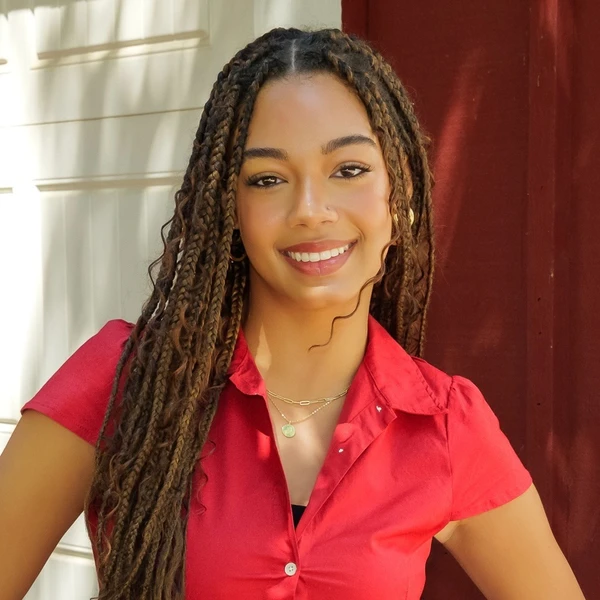
Hi! I’m Chloe, a high school student driven by a deep commitment to social justice, service, and storytelling. I believe meaningful change begins with empathy and action, which is why I dedicate my time to advocacy, community service, and leadership that centers marginalized voices. As a poet, I use writing to explore identity, resilience, and the systems that shape our lives, transforming personal experiences into messages that invite reflection and change. Through both my service work and my art, I strive to create spaces that are more equitable, compassionate, and inclusive. I plan to carry this mission into my future education and career.
Education
ST MARY'S ACADEMY
High SchoolMiscellaneous
Desired degree level:
Master's degree program
Majors of interest:
- Research and Experimental Psychology
- Clinical, Counseling and Applied Psychology
- Psychology, General
- Psychology, Other
Career
Dream career field:
Medicine
Dream career goals:
To be a psychiatrist who expands access to life changing care
Assistant
RichardLoPhotography2024 – Present2 yearsBrand Ambassador
Market Horse2025 – Present1 year
Sports
Volleyball
Club2023 – 20241 year
Arts
St. Mary's Academy
Photography2023 – 2025Richard Lo Photography
Photography2024 – Present
Public services
Volunteering
WeeCycle — Youth Advisory Board Member2024 – 2025Volunteering
Circle Organization - STAMP Program — STAMP Leader2024 – PresentVolunteering
Cafe 180 — Kitchen Volunteer2023 – 2024
Future Interests
Advocacy
Volunteering
Philanthropy
Autumn Davis Memorial Scholarship
My understanding of mental health is deeply personal, shaped by experiences that influenced the way I see myself, the people around me, and the work I hope to pursue. My experiences with mental health struggles, particularly during middle school, continue to shape how I understand the world and how I walk through it.
Growing up, I often felt out of place in my environment. Attending affluent PWIs as someone from a different socioeconomic and cultural background sometimes made me feel as though I was observing from the margins rather than fully belonging. During middle school especially, those differences became more noticeable. Social pressures, exclusion, and bullying slowly eroded my mental health and my self-esteem.
At the time, I did not yet have the language to articulate what I felt. What I did learn, however, was how powerful support and understanding can be. The people who took the time to listen and help me recognize my own resilience and strength made a lasting impression. Their compassion showed me how meaningful it can be when someone chooses to take another person’s struggle seriously.
As I grew older, I began to view mental health not only as a personal challenge but also as an important social issue. Many struggles remain invisible to the outside world. Someone can appear successful or confident while privately navigating complex emotional difficulties. Recognizing this reality changed the way I approach relationships. I try to lead with patience, empathy, and curiosity about what others might be carrying beneath the surface.
At the same time, I began to notice that mental health was not discussed or supported equally across different communities. In some spaces, conversations about emotional well-being were open and resources were readily available. In others, struggles were minimized, stigmatized, or ignored. Seeing these disparities helped me understand that mental health is not only a personal experience but also a systemic issue shaped by culture, access, and education. Recognizing these differences inspired me to influence the system itself and help create structures that ensure compassionate, accessible mental health care is not limited by background or circumstance.
These experiences also reshaped my beliefs about strength. I once believed strength meant pushing through difficulties quietly or pretending that everything was fine. Over time, I learned that strength can also mean asking for help, developing healthier coping strategies, and continuing to grow even after difficult periods. This understanding has made me more open with the people close to me and more attentive to their emotional well-being.
This shift in perspective is what drew me toward a career in mental health. I want to contribute to a field that helps people better understand themselves and feel less alone in their struggles. Studying psychology will allow me to explore the scientific foundations of behavior, emotion, and cognition while learning practical ways to support others. I am especially interested in working with adolescents and young adults, because those years often involve intense identity formation, social pressure, and emotional change.
My goal is to help create environments where mental health is discussed openly and where seeking support is seen as a sign of self-awareness rather than weakness. Through counseling, research, or advocacy, I hope to reduce stigma and expand access to compassionate mental health care.
Ultimately, my experiences have taught me that challenges do not have to define a person’s future; they can shape how we understand and support others. Through a career in mental health, I hope to help build a world where emotional well-being is treated with the seriousness and care it deserves.
Ella's Gift
For as long as I can remember, navigating my mental health has been part of how I have moved through the world. I grew up experiencing anxiety and depression alongside ADHD, long before I had the language to understand what was happening in my mind. As a child and young teenager, I believed that the racing thoughts, self-doubt, and emotional exhaustion were something I had to push through on my own. I worked hard to appear capable and composed on the outside, even when my mind felt chaotic and overwhelming.
Middle school was an especially difficult time. Alongside the internal challenges I was already facing, I often felt out of place in my environment. Attending predominantly white, affluent schools sometimes left me feeling different from the people around me. At an age when many students are beginning to form a sense of belonging, I often felt like I was observing from the sidelines. That difference occasionally became a source of exclusion and bullying, which deepened the isolation I already felt.
During that same period, my struggles with anxiety and depression intensified and eventually developed into an eating disorder. Without a diagnosis or meaningful support, I was trying to manage an overwhelming internal world while still navigating school, friendships, and expectations. At the time, I did not fully understand what I was experiencing. I only knew that something inside me constantly felt unsettled.
Looking back, I recognize how much perseverance those years required. Even when I felt misunderstood or discouraged, I continued showing up. I went to school, completed my work, and tried to maintain friendships while quietly managing challenges I did not yet have the tools to explain. Although I did not realize it at the time, those experiences were building resilience that would shape the person I would become.
My freshman year of high school marked an important turning point. For the first time, I began receiving real support and understanding around my mental health. Being able to name what I had been experiencing changed my perspective entirely. Instead of blaming myself for struggling, I began learning how to understand my mind and care for it more intentionally.
Recovery was not immediate or simple. It required patience, self-reflection, and the willingness to confront patterns that had once felt impossible to change. Through therapy and consistent effort, I began developing healthier coping strategies and rebuilding my relationship with my body and my sense of self. Gradually, I learned how to manage the symptoms that once ruled my life.
Over time, perseverance began to take on a new meaning. It was no longer just about enduring difficult moments; it became about actively choosing growth. Each small step forward reinforced my belief that progress was possible. Learning to care for my mental health became one of the most important forms of strength I have developed.
These experiences have profoundly shaped both my resilience and my aspirations. I plan to pursue a degree in psychology on the pre-med track, with the long-term goal of working in medicine and supporting individuals navigating complex mental and physical health challenges. Having experienced firsthand how isolating mental health struggles can feel, I am motivated to help create systems of care where people feel seen rather than judged, and supported rather than dismissed.
I know how powerful it can be when someone is willing to listen, to validate a person’s experience, and to remind them that healing is possible. My goal is to contribute to that kind of environment in the future, whether through patient care, advocacy, or research that improves access to mental health resources.
My recovery is something I continue to protect and nurture every day. It means remaining honest with myself, maintaining the habits and support systems that keep me grounded, and recognizing that growth is an ongoing process rather than a destination. There will always be challenges, but I have learned that strength is not defined by the absence of struggle but by the willingness to continue moving forward.
The challenges I faced earlier in my life did not define my limits; they revealed my capacity for resilience. They taught me how to persevere through uncertainty, how to advocate for myself, and how to keep building a future I once struggled to imagine. Carrying those lessons forward, I hope to use my education and experiences to support others who may be navigating similar battles, reminding them that even in the most difficult moments, strength can still grow.
Gabriel Martin Memorial Annual Scholarship
Short of breath. Legs heavy. Heart racing faster than it should.
For most people, those feelings come after a hard workout. For me, they sometimes appear without warning. A walk across campus, a long practice, even standing too quickly can trigger them. My chest tightens. My pulse jumps. The world tilts while I wait for my body to steady itself again.
Asthma, Postural Orthostatic Tachycardia Syndrome, and ADHD have shaped much of my life, though many people would never know it by looking at me. These conditions rarely leave visible marks. From the outside, I look like any other student moving through the school day. What others cannot see is the constant balancing act underneath.
When I was younger, sports were supposed to be simple. Run, jump, keep up with everyone else. But my body often had other plans. Asthma made breathing difficult during exertion. POTS brought dizziness and fatigue that could stop me mid activity. There were moments when I had to step off the field while everyone else continued forward. It was frustrating to love movement and competition while feeling like my body was quietly working against me.
Over time, I began to understand something important. Perseverance does not always look like pushing harder than everyone else. Sometimes it means adapting and continuing forward in a different way.
School presented another challenge. ADHD makes focus and organization more complicated than they appear from the outside. When those struggles exist alongside chronic health symptoms, everyday academic tasks can require far more effort than most people realize. Many of these difficulties are invisible. Because of that, there were times when I wondered whether I would ever feel “normal,” quietly managing symptoms while trying to meet the same expectations as everyone around me.
Living this way has required patience. Patience with my body when it refuses to cooperate. Patience with myself when progress feels slower than I would like. It has also required perseverance. Even on difficult days, I have continued showing up for my education and my goals.
These experiences have shaped how I see others. When you spend years navigating struggles that people cannot see, you begin to notice how many individuals around you are doing the same. Some students carry anxiety or depression. Others manage medical conditions or learning differences. Many face these challenges quietly, especially those from underprivileged backgrounds who may not have access to the support they need.
These realizations have shaped my goals for the future.
I plan to pursue a career in medicine with a focus on psychiatry. Through my own experiences navigating chronic illness, I have seen how closely physical health, mental health, and academic life are connected. When students struggle with conditions that others cannot easily see, they often carry those challenges in silence. I want to become the kind of physician who recognizes those struggles and helps patients feel understood.
My goal is to work with young people navigating medical conditions, mental health challenges, and the pressures of school. I am especially motivated to support students from underprivileged backgrounds who may not have consistent access to care or resources. Every student deserves the opportunity to pursue their education without feeling limited by their health.
Living with asthma, POTS, and ADHD has made parts of my life more complicated. Yet these experiences have taught me patience, perseverance, and empathy.
They have also given me a clear sense of purpose. I want to use what I have learned to support others facing challenges of their own and ensure that no student feels they must struggle alone.
Code Breakers & Changemakers Scholarship
For as long as I can remember, science has captivated me. I have always been curious and rarely accepted a no without asking why. That curiosity showed itself early, so much so that my ninth birthday party was chemistry-themed. As I explored different scientific fields, I became increasingly drawn to the brain. Alongside curiosity, I have always been deeply empathetic. My desire to understand extended beyond how the world works to how people think and behave. Through my own experiences with mental health and supporting those I love, I noticed how differently well-being is understood and prioritized across communities. As a biracial student from a significantly lower-income background than many of my private school classmates, I was uniquely positioned to witness these disparities firsthand. My fascination with the science of the mind and my awareness of inequity shaped a clear purpose: to study psychology and human behavior in order to expand access to thoughtful, culturally responsive mental health care.
Breaking the stigma surrounding mental health, particularly within communities of color, requires confronting its roots in cultural mistrust. Meaningful healing cannot occur without addressing barriers to care, including the lack of representation and culturally informed treatment. Progress begins with education. Conversations about mental well-being should be normalized in classrooms and communities, fostering understanding before crisis occurs. Mental health systems and professionals must also provide care that is culturally responsive and accessible, ensuring support reaches those historically excluded.
Confronting these realities clarified the role I want to play within mental health care. Taking AP Psychology in eleventh grade reinforced my passion for the field by providing a scientific framework for understanding behavior and cognition. Concepts I encountered in class transformed ideas I had long felt intuitively into evidence-based understanding, strengthening my desire to pursue psychology at a deeper level. My long-term goal is to pursue both psychology and medicine, uniting my love of science with a personal calling to serve others. I am driven by the desire to become the kind of representation I once needed, someone who reflects both excellence and understanding in spaces where people like me are often absent. I hope to expand access to mental health care grounded in research while remaining deeply human in its approach, recognizing healing as a process shaped by evidence, trust, and compassion. Beyond clinical work, I am committed to advocacy that uplifts communities that have long been overlooked in mental health conversations. By amplifying marginalized voices and challenging inequitable systems, I aim not only to treat individuals, but to contribute to a more just and inclusive mental health landscape.
I plan to pursue an undergraduate degree in psychology, building a strong scientific foundation while engaging in research and experiential learning to deepen my understanding of mental health across cultures. Through research and travel, I hope to gain exposure to diverse communities and approaches to care, allowing me to understand how social context shapes well-being. This preparation will lead to medical school, where I plan to train as a physician. This scholarship would remove a significant obstacle: the financial burden of higher education. Although I have been accepted to two of my top-choice colleges, attending either depends on securing sufficient scholarship support. This past year, my mother lost her job, and during her unemployment, our family savings were depleted. She also lives with chronic spinal pain and will require a third surgery, creating an unavoidable financial strain. Receiving this scholarship would do more than fund my education; it would be an investment in the future of mental health care, supporting the expansion of equitable access and strengthening the communities that need it most.
Joieful Connections Scholarship
My journey toward higher education has been shaped by resilience, self-discovery, and a growing commitment to advocacy. For much of my early academic life, I worked hard to meet expectations without understanding why school often felt more difficult for me than for my peers. I struggled with focus and organization, and frequently internalized these challenges as personal failures. It was not until my freshman year of high school that I was diagnosed with ADHD. Receiving that diagnosis was a turning point. It allowed me to better understand how my brain works and gave me the language to advocate for myself in academic spaces that were not designed with neurodivergent students in mind. Learning how to seek support and adjust my strategies helped me build confidence and prepare for the independence of higher education.
Outside the classroom, my preparation for college is shaped by leadership and service rooted in community. As President of the Black Student Union at my predominantly white school, I work to create spaces where students of color can engage in honest dialogue about their experiences and identities and feel safe, heard, and supported. Through this role, I continue to learn how to listen and lead with empathy and intention.
My involvement with the CIRCLE Organization has played a meaningful role in shaping my commitment to mental health advocacy. Through my participation in STAMP conferences and the Youth Leadership Intensive, I’ve practiced making space for meaningful conversations around mental health and social responsibility. Having the opportunity to engage in these conversations has reinforced my belief that change and growth begin with education, especially in communities where mental health is highly stigmatized.
I plan to study psychology because it allows me to connect personal experience with academic inquiry and social impact. My interest in the field is rooted in a deep desire to understand what shapes behavior. But it’s deeper than that. Growing up as a young black woman, I’ve seen firsthand how stigma and cultural misunderstanding prevent many people of color from seeking support. Pursuing psychology matters to me because it offers me the chance to challenge these barriers and to help reshape how mental health care is approached in underserved communities.
Through my education and future career, I hope to expand access to mental health care in equitable, culturally responsive ways. I want to help normalize conversations around mental health and contribute to systems that prioritize early support rather than crisis response. Through my clinical practice and advocacy, my goal is to ensure that care is accessible and affirming. Higher education is an essential step in this journey, as it will allow me to turn my lived experiences and leadership skills into real, meaningful change for the communities closest to my heart.
ADHDAdvisor Scholarship for Health Students
Supporting others’ mental health has always been a defining part of my life. Empathy is intrinsic to who I am. From a young age, I have been deeply attuned to the emotions of those around me. As I grew older, that awareness naturally shaped the kind of leader I became, one who prioritizes emotional health, trust, and care alongside action.
This approach is central to my role as President of the Black Student Union. In a predominantly white school environment, I work intentionally to create a space where Black students feel seen and supported. Many of our meetings extend beyond the planned agenda, becoming a space for honest dialogue where members can openly discuss their experiences and struggles. Within communities of color, mental health is often stigmatized or minimized, and I have seen firsthand how powerful it can be to create a space where vulnerability is met with understanding rather than judgment. Serving as a consistent listening ear has taught me the importance of being a trustworthy leader and a strong advocate.
I carry this same mindset into my volunteer work. With WeeCycle, I support families with young children by helping provide essential items like diapers and clothing. Beyond meeting immediate needs, this work has shown me how deeply mental health is connected to access and dignity. Families who feel supported are better able to care for themselves and their children, reinforcing my belief that mental health care must be holistic and accessible, especially for communities that have historically been underserved.
My goal in pursuing psychiatry is to help break the stigma surrounding mental health within communities of color while expanding access to culturally competent care. I am deeply curious about the brain and the complex factors that shape behavior and emotion, and I hope to pair my scientific understanding with empathy-driven practice. By becoming a psychiatrist, I want to create spaces where individuals feel safe seeking help, truly understood, and empowered to prioritize their mental well-being. Psychiatry unites my lived values and aspirations: listening deeply, advocating boldly, and working to ensure that mental health care is not a privilege, but a right.