Hobbies and interests
Mental Health
Advocacy And Activism
Psychology
Reading
Academic
I read books daily
Chima Lubin
1x
FinalistChima Lubin
1x
FinalistBio
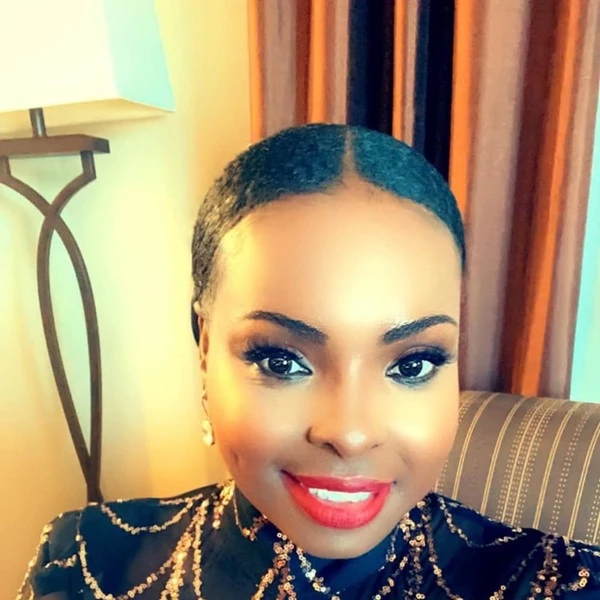
My life goal is to become a psychologist. I genuinely love helping people navigate life and giving them the language, tools, and support they need to overcome challenges. As someone who has walked through foster care, deep trauma, and many difficult seasons, I know firsthand what resilience looks like. I’ve beaten the odds, and I want my life to show my children, my community, and the generations coming after me that nothing is impossible, no matter how tough life gets.
My passion is helping people heal, especially teen girls who are navigating complex trauma, depression, and anxiety. My greatest goal is to be an inspiration. I am a mental health and trauma specialist with a deep commitment to emotional wholeness and healing. Through therapy, I teach teen girls how to rebuild a positive sense of self, reclaim their sense of safety, and reconnect with themselves and others in healthy, meaningful ways.
I have a special heart for minority teens in foster care. Healing emotional wounds from their past is personal for me. Because of my own story of overcoming teen trauma, I believe that together we can heal the past and shape a stronger future.
Education
Liberty University
Doctoral degree program (PhD, MD, JD, etc.)Majors:
- Psychology, Other
Argosy University
Master's degree programMajors:
- Human Development, Family Studies, and Related Services
Binghamton University
Bachelor's degree programMajors:
- Human Development, Family Studies, and Related Services
Career
Dream career field:
Psychologist
Dream career goals:
Intensive Family Therapist
Suncoast Center2013 – 20152 years
Sports
Volleyball
Varsity2001 – 20032 years
Awards
- MVP
Public services
Advocacy
Centerstone — Intern Crisis Therapist2012 – 2013
For the One Scholarship
I was in foster care from the ages of 12 to 17. During that time, I was a resident in a treatment facility at Edwin Gould Academy, where I lived for several years. When the treatment program shut down while I was around 16 or 17 years old, residents were required to leave and return to different placements. Although the original goal was reunification with my family, that ultimately did not happen.
While in foster care, I was admitted into psychiatric facilities multiple times and was often threatened with being placed in a residential lockdown facility in Texas if I did not “change.” These experiences were deeply traumatic and contributed to ongoing struggles with self-esteem, anger, and a persistent sense of wondering whether anyone truly cared about me. Systemically, I felt as though I constantly had to prove that I mattered.
Pursuing my education was challenging due to these experiences. I remember dreaming about going to college and applying, only to be discouraged by my social worker, who did not believe higher education was a realistic option for me. Several therapists and professionals placed limitations on me based on my past and what I was presenting at the time, rather than seeing my potential.
Despite this, I remained determined. I had the wherewithal to believe in myself and trusted God to open doors for me to pursue higher education. I believed that my experiences did not define my future, and I continued to press forward even when others did not believe in me.
My time in foster care is a major reason why I became a mental health therapist and why I am currently pursuing a degree in Developmental Psychology at Liberty University. I now operate a private practice, where I support individuals struggling with depression and trauma—many of whom share experiences similar to my own. Furthering my education will allow me to deepen my clinical expertise and expand my capacity to provide equitable, accessible mental health services, particularly for Black and Brown children and individuals within the foster care system who otherwise may not have access to care.
This scholarship would support not only my educational goals but also my long-term mission to advocate for, heal, and empower those who have been overlooked, misunderstood, and underestimated just as I once was. This is my passion and I really belief that God has called me to this sphere of influence to make an impact.
Learner Mental Health Empowerment for Health Students Scholarship
When I was a teenager in foster care, I remember sitting across from a therapist who didn’t look like me, didn’t understand my story, and couldn’t see the pain I was trying so hard to hide. That moment shaped everything about the work I do today.
The communities I serve, minority foster care teens, trauma-surviving adolescent girls, and Black church communities, are communities I come from. I know what it feels like to grow up without emotional language, without a safe adult to confide in, and without access to mental health care that truly understands your culture or your trauma. That is why equitable access is not just a value for me; it is my calling.
The teens I work with carry the weight of complex trauma, abandonment, and instability. Many have cycled through systems that were never designed for their healing. Others come from church environments where vulnerability was discouraged and emotional struggles were labeled as spiritual weakness. These patterns create deep wounds, but they can also be transformed with the right support.
My mission is to bring trauma-informed, culturally grounded mental health care to the places that need it most. BetterHelp helps remove many of the barriers that often keep minority youth and families from accessing care, transportation, cost, stigma, and limited availability of providers who understand their background. Being able to offer flexible, private, and affordable support through an online platform allows me to reach teens in group homes, families with limited resources, and individuals who would never step into a traditional therapy office.
For the communities I serve, access to mental health care is freedom. It is the first step toward rewriting the stories they were handed and stepping into the lives they deserve.'
My decision to pursue a career in mental health is rooted in my own story. Growing up in foster care and surviving years of trauma taught me what it feels like to live without emotional language, without stability, and without someone who truly sees you. I remember sitting across from therapists who didn’t look like me, didn’t understand my cultural background, and didn’t recognize the layers of pain beneath my silence. Those experiences didn’t just shape me; they awakened my calling.
Because I know what it feels like to need healing and not know where to find it, I am committed to becoming the kind of therapist I needed when I was younger. My lived experiences help me show up with compassion, cultural humility, and a deep understanding of how trauma impacts identity. They allow me to sit with foster youth, minority teens, and Black girls and say, “I’ve been where you are, and you are not alone.” I hope to be a clinician who not only treats symptoms but restores dignity, safety, and hope.
Arnetha V. Bishop Memorial Scholarship
When I was a teenager in foster care, I remember sitting across from a therapist who didn’t look like me, didn’t understand my story, and couldn’t see the pain I was trying so hard to hide. That moment shaped everything about the work I do today.
The communities I serve, minority foster care teens, trauma-surviving adolescent girls, and Black church communities, are communities I come from. I know what it feels like to grow up without emotional language, without a safe adult to confide in, and without access to mental health care that truly understands your culture or your trauma. That is why equitable access is not just a value for me; it is my calling.
The teens I work with carry the weight of complex trauma, abandonment, and instability. Many have cycled through systems that were never designed for their healing. Others come from church environments where vulnerability was discouraged and emotional struggles were labeled as spiritual weakness. These patterns create deep wounds, but they can also be transformed with the right support.
My mission is to bring trauma-informed, culturally grounded mental health care to the places that need it most. BetterHelp helps remove many of the barriers that often keep minority youth and families from accessing care, transportation, cost, stigma, and limited availability of providers who understand their background. Being able to offer flexible, private, and affordable support through an online platform allows me to reach teens in group homes, families with limited resources, and individuals who would never step into a traditional therapy office.
For the communities I serve, access to mental health care is freedom. It is the first step toward rewriting the stories they were handed and stepping into the lives they deserve.'
My decision to pursue a career in mental health is rooted in my own story. Growing up in foster care and surviving years of trauma taught me what it feels like to live without emotional language, without stability, and without someone who truly sees you. I remember sitting across from therapists who didn’t look like me, didn’t understand my cultural background, and didn’t recognize the layers of pain beneath my silence. Those experiences didn’t just shape me; they awakened my calling.
Because I know what it feels like to need healing and not know where to find it, I am committed to becoming the kind of therapist I needed when I was younger. My lived experiences help me show up with compassion, cultural humility, and a deep understanding of how trauma impacts identity. They allow me to sit with foster youth, minority teens, and Black girls and say, “I’ve been where you are, and you are not alone.” I hope to be a clinician who not only treats symptoms but restores dignity, safety, and hope.
Nabi Nicole Grant Memorial Scholarship
There was a moment in my life when I truly believed I would not survive. I was a teenager in foster care, angry at God, angry at the world, and angry at myself for things that were never my fault. I had grown up in a violent, chaotic, abusive home with parents battling addiction. My childhood was filled with fear, instability, and moments where I prayed simply to feel safe for one night. When I entered foster care, I thought I had escaped the danger, but a different kind of pain began, one that made me feel unseen, unheard, and completely alone.
At one point, I was placed in a group home where the staff decided that I needed to be sent to a lockdown facility in Texas because I had set the bulletin board on fire in the school, and this was a deserved punishment for me. I was a city girl, already traumatized, already fighting to hold onto any sense of control, and the idea of being transported far away to a restrictive environment broke something inside me. I remember feeling terrified that this would be the end of my future, that I would disappear into another system that didn’t understand me.
It was during this time that my relationship with God shifted. I was angry with Him for the life I had been given. I couldn’t understand why He allowed me to suffer, why my parents struggled with addiction, why abuse was my daily reality. I blamed Him for the trauma I carried. But even in my anger, even when I didn’t want to pray, there was always a small part of me that believed He was real. I held onto that tiny sliver of faith even when everything else felt too heavy.
One night in the group home, after hearing the decision about the lockdown facility, something inside me broke open. I remember sitting on the edge of the bed, overwhelmed with fear, and saying out loud, “God, I need You. If you’re real, help me. Please don’t let this be my life.” It was not a pretty prayer. It was not eloquent or spiritual. It was desperate. But God met me there, in the raw, messy, angry, broken place.
From that moment, something shifted. I didn’t suddenly have all the answers, but I began to feel a sense of hope. I felt God remind me that He loved me, that He saw me, and that no matter how far I had been taken from home, physically or emotionally, He would not leave me. It was the first time I felt held by something bigger than my pain.
Shortly after, the plan to send me to the lockdown facility changed. To this day, I know that was God intervening. It wasn’t luck or coincidence. It was His way of showing me that He had a purpose for my life beyond the trauma I endured.
Over time, my faith carried me through depression, confusion, and self-doubt. I watched God help me accomplish things I never believed I could do, finishing school, building a career, becoming a mother, and eventually stepping into my calling to help others heal from trauma. Faith didn’t erase what I lived through, but it gave meaning to the pain. It turned survival into purpose.
The moment I thought I would lose everything became the moment I found the God who never lost sight of me. That season in foster care didn’t break me. It built the foundation of the woman I would become.
Therapist Impact Fund: NextGen Scholarship
My decision to pursue a career in mental health is rooted in my own story. Growing up in foster care and surviving years of trauma taught me what it feels like to live without emotional language, without stability, and without someone who truly sees you. I remember sitting across from therapists who didn’t look like me, didn’t understand my cultural background, and didn’t recognize the layers of pain beneath my silence. Those experiences didn’t just shape me; they awakened my calling.
Because I know what it feels like to need healing and not know where to find it, I am committed to becoming the kind of therapist I needed when I was younger. My lived experiences help me show up with compassion, cultural humility, and a deep understanding of how trauma impacts identity. They allow me to sit with foster youth, minority teens, and Black girls and say, “I’ve been where you are, and you are not alone.” I hope to be a clinician who not only treats symptoms but restores dignity, safety, and hope.
If I could make one major change to today’s mental healthcare system, I would build a pipeline that increases the number of culturally diverse, trauma-informed clinicians in underserved communities. Access is not only about availability, it’s about representation, safety, and trust.
Many marginalized clients hesitate to seek therapy because they fear being misunderstood, judged, or spiritually dismissed. In Black communities, especially within the church, mental health struggles are often spiritualized, minimized, or hidden. Foster youth rarely meet providers who share or understand their lived experience. When clinicians lack cultural awareness or knowledge of systemic trauma, clients feel unseen and unsupported.
Increasing access means training therapists who understand the cultural, spiritual, and generational layers of trauma. It means partnering with churches, community leaders, and foster care systems to make therapy accessible, normal, and safe. When people can sit across from someone who understands their language, emotionally and culturally, they are far more likely to heal.
One of the greatest benefits of teletherapy is accessibility. Many of the teens and families I serve struggle with transportation, inconsistent living arrangements, or limited resources. Teletherapy removes those barriers. It allows foster youth in group homes, busy single parents, and individuals in rural areas to receive support without worrying about how they will get to an appointment. It also gives clients privacy, which is especially important for those who feel stigma around seeking help.
However, the challenge is that not all clients have stable internet access, private spaces for sessions, or comfort using technology. For some, especially in marginalized communities, teletherapy can feel disconnected or impersonal without intentional effort.
To better serve diverse communities, we must innovate by integrating teletherapy into existing community structures. This could look like creating private therapy rooms in churches, community centers, and group homes; offering trauma-informed virtual groups; or developing culturally relevant telehealth platforms that include faith integration, emotional vocabulary tools, and resources for families navigating trauma.
Teletherapy has enormous potential, but its true power is unlocked when it is adapted to the cultural and practical realities of the people it aims to serve.
Therapist Impact Fund: Legacy Loan Relief
When I was a teenager in foster care, I remember sitting across from a therapist who didn’t look like me, didn’t understand my story, and couldn’t see the pain I was trying so hard to hide. That moment shaped everything about the work I do today.
The communities I serve, minority foster care teens, trauma-surviving adolescent girls, and Black church communities, are communities I come from. I know what it feels like to grow up without emotional language, without a safe adult to confide in, and without access to mental health care that truly understands your culture or your trauma. That is why equitable access is not just a value for me; it is my calling.
The teens I work with carry the weight of complex trauma, abandonment, and instability. Many have cycled through systems that were never designed for their healing. Others come from church environments where vulnerability was discouraged and emotional struggles were labeled as spiritual weakness. These patterns create deep wounds, but they can also be transformed with the right support.
My mission is to bring trauma-informed, culturally grounded mental health care to the places that need it most. BetterHelp helps remove many of the barriers that often keep minority youth and families from accessing care, transportation, cost, stigma, and limited availability of providers who understand their background. Being able to offer flexible, private, and affordable support through an online platform allows me to reach teens in group homes, families with limited resources, and individuals who would never step into a traditional therapy office.
For the communities I serve, access to mental health care is freedom. It is the first step toward rewriting the stories they were handed and stepping into the lives they deserve.
When I think about my educational journey, I often remember the seasons when choosing between bills and textbooks was a reality. As I continue my path toward becoming a psychologist, that financial pressure is still present. The weight of student loan repayment limits my ability to pursue advanced training and to fully invest in the communities I serve.
Receiving this grant would allow me to continue my education without sacrificing the work I do with marginalized youth. My passion has always been to provide trauma-informed care to foster teens, Black girls, and church communities, many of whom cannot afford therapy or need reduced-fee services. Financial relief would make it possible for me to maintain these offerings without compromising the sustainability of my practice.
This grant would also allow me to pursue additional trauma certifications, expand my clinical tools, and deepen my research on psychological safety within Black churches, work that is essential for my long-term goal of bridging the gap between psychology and faith communities.
Most importantly, financial support would give me the stability to grow into the clinician I am becoming: a psychologist who trains future therapists, builds healing spaces, and creates programs for youth who carry the same wounds I once carried.
Your investment would not only support my education, but it would also allow me to keep showing up for the communities that need me most.
Dr. Jade Education Scholarship
When I imagine living the life of my dreams, I picture myself standing on a stage, sharing my story of resilience, how foster care and trauma tried to silence me, but how God transformed my pain into purpose. I see the faces in the audience soften as they realize that if healing was possible for me, it is possible for them too. That moment captures exactly what my dream life represents: using my journey to inspire hope.
In this dream life, I travel the world speaking on talk shows, at conferences, and in communities that need encouragement. I imagine openly discussing mental health, trauma, and faith in a way that makes people feel seen and understood. My voice becomes a bridge, one that connects people to healing, restores confidence, and breaks the shame that often surrounds emotional struggles.
I also see myself shaping the field of mental health by training therapists and clinicians who embody advocacy, justice, compassion, and cultural awareness. I imagine building programs and training that prepare future clinicians to serve with excellence and empathy. As a university professor, I picture myself teaching psychology and mentoring students who will one day carry this work forward with integrity and heart.
Financial freedom plays a role in this dream, not as the focus, but as the foundation that allows me to fully live out my mission. I imagine waking up with no financial stress, knowing my children’s college education is paid for, and my family is secure. I see my husband, my children, and I living in a comfortable, beautiful home, a home filled with peace, warmth, and gatherings where family comes together often. In my dream life, money isn’t the goal; it simply supports the work God has called me to do.
Philanthropy is deeply woven into what I imagine for my future. I see myself creating scholarships for teens transitioning out of foster care, opportunities I once prayed for. I imagine hiring people, building teams, and creating jobs that help communities thrive. I picture myself traveling internationally to bring healing, innovative clinical practices, and faith-based support to places where trauma is often hidden or untreated.
A significant part of my dream is bridging the gap between psychology and the church. I imagine training Black Christian leaders to create church environments where vulnerability is welcomed and psychological safety is protected. I see myself helping churches become places where people can heal emotionally and spiritually, without shame or fear.
Lastly, I imagine myself writing books and publishing research that influences therapy, ministry, and community leadership. I want to leave behind a legacy that extends beyond me, a legacy carried by those who continue the work of healing, advocacy, and transformation.
When I imagine living the life God planned for me, it looks like purpose, service, healing, and leadership. It looks like becoming the woman I needed when I was young, and using my story to help others rise into the fullness of who they were created to be.