
Hobbies and interests
Advocacy And Activism
ATV Riding
Baking
Basketball
Bowling
Bible Study
Bodybuilding
Reading
Adult Fiction
I read books multiple times per week
Chelsea Rice
1x
Finalist
Chelsea Rice
1x
FinalistBio
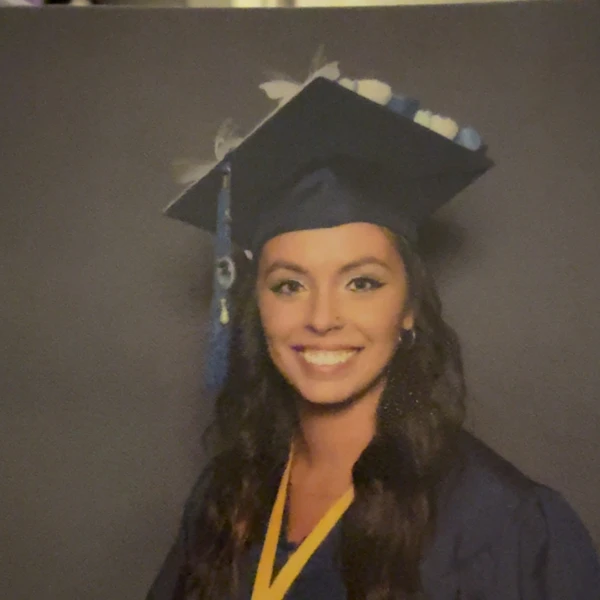
I’m a 33‑year‑old mom to an amazing 13‑year‑old son who lives with Type 1 diabetes. Being his mother is what drives my strength and purpose. I recently graduated from nursing school with my RN on 05/15/26, and I’m currently preparing to take my NCLEX.
My path hasn’t been easy. I grew up surrounded by addiction—my brother, mother, stepdad, and biological father all struggled with substance use. Because of that environment, I experienced trauma no child should ever face, including sexual abuse that went unnoticed. I later lost my brother to an overdose and my father to suicide just six months after having my son. Those losses shaped my resilience and my desire to help others.
After an eight‑year break to raise my son, I returned to school and excelled. I worked tirelessly through nursing school while balancing motherhood, grief, and financial stress. Now, I’m focused on becoming a trauma‑informed, compassionate nurse who advocates for people who feel unseen. My goal is to break generational cycles, build stability for my son, and use my story to bring empathy and understanding into healthcare.
Education
State Fair Community College
Associate's degree programMajors:
- Registered Nursing, Nursing Administration, Nursing Research and Clinical Nursing
University of Central Missouri
Bachelor's degree programMajors:
- Registered Nursing, Nursing Administration, Nursing Research and Clinical Nursing
Metropolitan Community College-Kansas City
Associate's degree programMajors:
- Communication, General
Miscellaneous
Desired degree level:
Master's degree program
Graduate schools of interest:
Transfer schools of interest:
Majors of interest:
Career
Dream career field:
- Hospital & Health Care
Dream career goals:
LPN
GVMH2025 – Present1 year
Sports
Basketball
Varsity2007 – 20092 years
Public services
Volunteering
Samaritan center — whatever they needed me to be2023 – Present
Future Interests
Advocacy
Deanna Ellis Memorial Scholarship
My experience with substance abuse didn’t come from my own addiction, but from growing up surrounded by it — and eventually losing my father to it. His death by suicide, after years of injecting drugs and drinking heavily, became the moment that reshaped everything I believed about people, pain, and purpose. It changed the way I see the world, the way I build relationships, and the career path I chose for myself. Substance abuse didn’t just affect my family; it carved the foundation of who I am becoming.
Growing up in a home marked by addiction meant learning early that love and chaos can exist in the same room. My father was not a bad person — he was a hurting person. Watching addiction consume him taught me that substance abuse is not a moral failure but a disease that slowly erodes a person’s ability to cope, connect, and survive. When he died, I had to navigate a storm of emotions: grief so heavy it felt physical, anger at the addiction that stole him, guilt for the things I couldn’t change, and confusion about how to move forward. But over time, those emotions taught me compassion. They taught me to look at people through a lens of understanding rather than judgment.
This shift in belief changed the way I form relationships. I learned to value honesty, emotional safety, and stability — things I didn’t always have growing up. I became more intentional about who I let into my life and more protective of my peace. At the same time, I became more empathetic. I can recognize pain in others because I’ve lived beside it. I can sit with someone in their darkest moments without turning away. My past taught me that people don’t need perfection; they need presence.
These experiences also shaped my career aspirations. I recently graduated with my RN on 05/15/26, and I’m preparing to take my NCLEX. I chose nursing because I want to be the kind of healthcare professional my father never had — someone who sees the human being behind the addiction. I want to work with vulnerable populations, especially those battling substance use, mental health challenges, or chronic illness. My goal is to bring compassion into rooms where people often feel judged or dismissed. I want to help break the stigma that keeps so many from seeking help. I want to be a voice of understanding in a system that often overlooks the emotional realities of addiction.
Substance abuse also shaped my desire to break generational cycles. I am a single mother to a 13‑year‑old son who lives with Type 1 diabetes, and everything I do is rooted in giving him a different life than the one I grew up in. Continuing my education is part of that commitment. I want him to see that pain does not have to define you — it can motivate you. I want him to know that healing is possible, even after deep loss.
My experience with substance abuse taught me resilience, empathy, and purpose. It taught me that people are more than their struggles. It taught me that healing is not linear, but it is possible. And it taught me that my story — no matter how heavy — can be used to help others find strength in theirs.
RonranGlee Literary Scholarship
“You have power over your mind—not outside events. Realize this, and you will find strength.” This short line from Marcus Aurelius’ Meditations contains an entire philosophy of resilience, and its underlying meaning has shaped my life in ways I never expected. Aurelius is not telling us to detach from the world or suppress emotion; he is arguing that true strength comes from reclaiming authorship over our inner world. His message is that while we cannot control the circumstances life hands us, we can control the meaning we assign to them. Freedom begins the moment we stop letting external events dictate our identity. This idea became a turning point in my own life, especially after the trauma, loss, and instability I experienced growing up and into adulthood.
The first time I encountered this passage, I was sitting alone in my car outside my nursing school, trying to steady my breathing before an exam. I had been crying, not because of the test, but because grief had hit me without warning. My father had died by suicide after years of injecting drugs and drinking heavily, and even though time had passed, the pain still lived inside me like a second heartbeat. I felt powerless, overwhelmed, and angry at a world that had taken so much from me. When I opened Meditations and saw the line, “You have power over your mind—not outside events,” it felt almost insulting. How could I possibly have power over my mind when trauma, addiction, and loss had shaped so much of my life? How could I control anything when I had grown up in a home where addiction dictated the atmosphere, where chaos was normal, and where safety was never guaranteed? But the more I sat with the sentence, the more I realized that Aurelius wasn’t dismissing my pain. He wasn’t telling me to “get over it” or pretend that my suffering didn’t matter. He was telling me that the events of my life — no matter how devastating — did not get to define who I became unless I handed them that power. He was telling me that strength was not something I lacked; it was something I had not yet learned to claim.
Aurelius’ underlying meaning is that strength is an internal discipline, not an external achievement. He is not promising that life will be gentle. He is not suggesting that suffering is avoidable. Instead, he is insisting that the one thing we always retain — no matter what is taken from us — is the ability to choose how we interpret our experiences. This is not denial; it is sovereignty. It is the difference between being shaped by life and being defined by it. In my own life, I learned this the hard way. I grew up in a home shaped by addiction, instability, and trauma. My father struggled with substance use for most of his life, and eventually, those battles consumed him. His death shattered me, not only because I lost him, but because I lost the version of myself who believed I could save him. For a long time, I lived in the shadow of that guilt. I believed that if I had been different — stronger, smarter, more present — maybe he would still be here. Aurelius’ words forced me to confront a truth I had avoided: I did not cause my father’s addiction. I did not cause his pain. I did not cause his death. I could not control his illness, his choices, or his suffering. But I could control the meaning I built from the loss. I could choose to let it destroy me, or I could choose to let it deepen my compassion, my purpose, and my understanding of the human condition. This is what Aurelius means by strength.
His philosophy taught me that the mind is not a passive recipient of experience; it is an active interpreter. And interpretation is a discipline — one that requires honesty, courage, and practice. I began asking myself questions inspired by his teachings: Is this thought true, or is it fear speaking? Is this emotion coming from the present, or from an old wound? Is this narrative empowering me, or imprisoning me? What meaning am I choosing — and why? These questions became the foundation of my healing. They helped me separate the event (my father’s death) from the story I had attached to it (“I failed him”). They helped me see that grief is not a sign of weakness, but a sign of love. They helped me understand that compassion — for myself and for him — was the only path forward. Aurelius’ message is not about controlling emotion; it is about understanding it. It is about refusing to let pain dictate identity. It is about choosing meaning consciously, not unconsciously.
This shift in thinking changed the trajectory of my academic life. When I returned to school after an eight‑year break to raise my son, I carried every insecurity imaginable. I was older than most of my classmates. I was a single mother. I was grieving. I was exhausted. I was terrified of failing. But Aurelius’ words became a mantra: “You have power over your mind—not outside events.” I could not control the difficulty of nursing school. I could not control the trauma I carried. I could not control the responsibilities waiting for me at home. But I could control my effort, my mindset, and my belief in myself. This shift changed everything. I graduated with my RN on 05/15/26. I am preparing to take my NCLEX. I am building a future for myself and my son that breaks generational cycles. And I am doing it because I learned to master the one thing Aurelius said I always had power over: my mind.
Aurelius’ philosophy also shaped the nurse I want to become. Healthcare is not just about treating illness; it is about understanding the human experience. It is about seeing patients not as diagnoses, but as people navigating their own internal battles. My past — the trauma, the loss, the grief — has given me a level of empathy that cannot be taught. I know what it feels like to be overwhelmed by circumstances you cannot control. I know what it feels like to carry invisible pain. I know what it feels like to need someone who sees you as more than your suffering. I want to be that person for my patients. Aurelius taught me that strength is internal. I want to help others find that strength in themselves.
His message is also universal. External events are unpredictable. Life is often unfair. Suffering is inevitable. But meaning is chosen. And the mind is the one place where freedom is absolute. This is not a philosophy of detachment; it is a philosophy of empowerment. It is a call to reclaim authorship over our inner world. It is a reminder that while we cannot control what happens to us, we can control who we become because of it. This is the discipline of inner sovereignty — the discipline that saved me.
When Marcus Aurelius wrote, “You have power over your mind—not outside events. Realize this, and you will find strength,” he was not offering comfort. He was offering responsibility. He was offering freedom. He was offering a path to resilience that does not depend on circumstance. His words taught me that my father’s death, my childhood trauma, and the hardships I faced did not define me. They shaped me, but they did not determine my identity. I learned that I could choose compassion over guilt, purpose over despair, and growth over stagnation. Aurelius taught me that strength is not the absence of suffering — it is the refusal to let suffering dictate who you become. And that realization has become the foundation of my academic goals, my career aspirations, and the life I am building for myself and my son.
Pay It Forward Scholarship
I didn’t choose healthcare because it was convenient or because it promised stability. I chose it because my life has been shaped by moments where compassion, understanding, and proper care could have changed everything. Growing up in a home marked by addiction, instability, and trauma, I learned early how deeply a person’s health — physical, mental, and emotional — affects every part of their life. And when my father died by suicide after years of injecting drugs and drinking heavily, that loss became the turning point that pushed me toward nursing with a sense of purpose I couldn’t ignore.
Losing a parent in such a painful way forces you to confront questions you never expected to ask. I had to navigate grief, anger, guilt, and confusion all at once. I had to accept that addiction is a disease that steals people long before it takes their lives. And I had to learn how to forgive — not just him, but myself. That experience taught me empathy in a way no textbook ever could. It taught me that people who struggle don’t need judgment; they need someone who sees them as human. That realization is what led me to pursue nursing.
I recently graduated with my RN on 05/15/26, and I’m preparing to take my NCLEX. Throughout nursing school, I found myself drawn to the moments when patients needed more than medical care — when they needed reassurance, patience, or someone willing to listen. I want to be the kind of nurse who provides that. My goal is to work in a field where I can support vulnerable populations, especially those affected by addiction, mental health challenges, or chronic illness. My own experiences have given me a level of understanding and compassion that I want to bring into every patient interaction.
Another major reason I chose healthcare is my 13‑year‑old son, who lives with Type 1 diabetes. Managing his condition has taught me the importance of education, advocacy, and consistent care. I’ve learned how to stay calm in emergencies, how to navigate the healthcare system, and how to be his voice when he needs one. Watching him handle his diagnosis with courage has inspired me to pursue a career where I can help other families facing similar challenges. He is my motivation to keep growing, learning, and pushing forward.
I also chose to continue my education because I wanted to break generational cycles. I wanted to build a stable future for my son, one rooted in purpose rather than survival. Nursing gave me that direction. It gave me a chance to turn my pain into something meaningful — to use my story to help others heal.
The people who have influenced me most are those who have shown resilience in the face of hardship. My son is my greatest inspiration. My father, despite his struggles, taught me the importance of compassion. And the nurses who cared for my family during our hardest moments showed me what it means to make someone feel safe, even when their world is falling apart.
I chose healthcare because I want to be that person for someone else. I want to use my degree to bring empathy, understanding, and hope into a field that desperately needs it. My past shaped my purpose — and my future is dedicated to helping others find strength in theirs.
Patricia Lindsey Jackson Foundation - Eva Mae Jackson Scholarship of Education
Faith has played a complicated but powerful role in my life. I didn’t grow up in a home where faith was practiced consistently, but I grew up in a home where I desperately needed something to believe in. My childhood was shaped by addiction, instability, and trauma. My father struggled with substance use for most of his life, and when I was older, he died by suicide after years of injecting drugs and drinking heavily. Losing him in that way shattered me, but it also pushed me toward faith in a way nothing else ever had.
Faith became the place I turned to when nothing else made sense. It helped me navigate the grief, anger, guilt, and confusion that came after his death. I had to learn how to forgive him, how to forgive myself, and how to accept that addiction is a disease that steals people long before it takes their lives. Faith taught me compassion — not just for him, but for myself. It reminded me that healing is possible, even when the pain feels unbearable.
The emotions I’ve had to navigate have been heavy and layered. There were days when grief felt like a weight on my chest, and days when anger felt like the only thing keeping me upright. But through all of it, faith helped me find meaning in the chaos. It taught me that strength isn’t the absence of pain — it’s the decision to keep going anyway. It taught me that my story didn’t end with loss. And it taught me that I could turn my pain into purpose.
To cope, I turned to journaling and meditation. Journaling became a safe place to pour out emotions I didn’t know how to speak aloud. It helped me process memories, confront fears, and understand myself more deeply. Meditation helped me slow down, breathe, and stay grounded when anxiety or grief felt overwhelming. Both practices helped me reconnect with myself and rebuild my sense of peace.
Faith and healing are also the reasons I chose to continue my education. I recently graduated from nursing school with my RN on 05/15/26, and I’m preparing to take my NCLEX. I want to become a nurse who sees people fully — not just their symptoms, but their stories. Growing up around addiction and losing my father to it gave me a level of empathy that can’t be taught in a classroom. I want to use that compassion to help others, especially those who feel unseen, misunderstood, or judged. Continuing my education is my way of breaking generational cycles and building a stable future for my 13‑year‑old son, who lives with Type 1 diabetes and inspires me every single day.
My biggest influences are the people who have shown me resilience in different forms. My son is my greatest motivation — watching him manage a chronic illness with courage has taught me what true strength looks like. My father, despite his struggles, influenced me too. His passing taught me the importance of mental health, compassion, and choosing a different path. I’m also influenced by people I’ve never met — writers, artists, and advocates who speak openly about healing and growth. Their honesty reminds me that vulnerability is not weakness; it’s a bridge to connection.
Faith didn’t erase my pain, but it helped me transform it. It helped me find purpose in my story, strength in my survival, and hope in my future. It pushed me toward education, toward healing, and toward becoming the kind of person — and nurse — who can make a difference in someone else’s life.
I only have TikTok and it's @crice813947
Enders Scholarship
My story begins in a home shaped by addiction, instability, and trauma. My father struggled with substance use for most of his life, and when I was an adult, he died by suicide after years of injecting drugs and drinking heavily. Losing him in that way changed me forever. It forced me to confront grief, anger, confusion, and compassion all at once. I had to accept that someone I loved was hurting far more deeply than I ever understood. His passing didn’t just break my heart — it reshaped the way I see myself, my family, and the world.
The emotions I’ve had to navigate have been layered and complicated. There was the initial shock, followed by guilt — the kind that makes you wonder if you could have done something differently. Then came anger, not at him, but at the addiction that stole him long before he physically left. Over time, grief softened into understanding. I learned that love and pain can exist in the same place, and that healing is not a straight line. I also learned that I am far stronger than I ever realized. Surviving something like that forces you to grow in ways you never expected.
To cope, I turned to journaling. Writing became a safe place to put emotions I didn’t know how to speak out loud. It helped me untangle thoughts that felt too heavy to carry alone. I also practiced meditation, especially during nursing school, when stress and grief sometimes collided. Meditation helped me slow down, breathe, and stay grounded when life felt overwhelming. Both practices taught me how to sit with my emotions instead of running from them.
My father’s passing is one of the reasons I chose to continue my education. I recently graduated from nursing school with my RN on 05/15/26, and I’m preparing to take my NCLEX. I want to become the kind of nurse who sees people fully — not just their symptoms, but their stories. Growing up around addiction and losing my father to it gave me a level of empathy that can’t be taught in a classroom. I want to use that compassion to help others, especially those who feel unseen or misunderstood. Continuing my education is my way of breaking generational cycles and building a stable future for my 13‑year‑old son, who lives with Type 1 diabetes and inspires me every day.
The biggest influences in my life are the people who have shown me resilience in different forms. My son is my greatest motivation — watching him manage a chronic illness with courage has taught me what true strength looks like. I’m also influenced by people I’ve never met, like authors and artists who speak openly about healing, trauma, and growth. Their honesty reminds me that vulnerability is not weakness; it’s a bridge to connection.
Losing my father changed me, but it did not define me. It taught me compassion, resilience, and the importance of choosing a different path. It taught me that healing is possible, even after deep pain. And it taught me that my story — no matter how heavy — can be used to help others.
Sabrina Carpenter Superfan Scholarship
The moment I became a true fan of Sabrina Carpenter wasn’t during a performance or a viral moment — it was the first time I heard her speak openly about carving out her own identity in an industry that constantly tries to define young women before they can define themselves. As someone who has spent my entire life fighting to build my own identity despite trauma, loss, and circumstances I didn’t choose, Sabrina’s career has felt like watching someone else learn to stand in their power at the same time I was learning to stand in mine.
What I love most about Sabrina Carpenter is her ability to blend confidence with vulnerability. She can deliver a playful, bold pop anthem one moment and then turn around and sing something deeply emotional the next. That duality — the ability to be both soft and strong, both humorous and heartfelt — is something I relate to on a personal level. Growing up in a home shaped by addiction, instability, and trauma, I learned early how to be tough. But I also had to learn how to let myself feel, how to be vulnerable, and how to rebuild myself after loss. Sabrina’s music and career reflect that same balance: she embraces her strength without hiding her softness.
Her journey has also inspired me because she has never let setbacks define her. She has faced public scrutiny, online criticism, and constant comparisons, yet she continues to evolve, experiment, and create art that feels authentically hers. Watching her navigate those challenges with humor, grace, and determination has reminded me that growth isn’t linear — and that you don’t have to apologize for becoming a stronger version of yourself.
As a 33‑year‑old single mother who recently graduated nursing school and is preparing to take my NCLEX, I’ve had to rebuild my life more times than I can count. I’ve survived childhood trauma, the loss of my brother to an overdose, and the loss of my father to suicide just six months after having my son. Through all of that, I’ve had to learn how to keep moving forward even when everything felt heavy. Sabrina’s career — especially her message of self‑empowerment and resilience — has been a reminder that it’s okay to reinvent yourself, to grow beyond your past, and to step into a future you choose for yourself.
Her confidence has also encouraged me to embrace my own voice. Whether she’s performing onstage, writing clever lyrics, or speaking openly about her experiences, she does it with a sense of self‑assurance that feels contagious. It has pushed me to advocate for myself in school, in motherhood, and in my career. It has reminded me that I deserve to take up space, to chase my goals, and to build a life that reflects who I truly am.
Sabrina Carpenter’s career has impacted me not just as a fan, but as a woman learning to reclaim her story. She represents growth, resilience, and the courage to be unapologetically yourself — qualities I strive to embody every day. That is why I’m a fan of hers, and why her journey continues to inspire mine.
Taylor Swift Fan Scholarship
The Taylor Swift performance that moves me the most is her “All Too Well (10 Minute Version)” performance at the 2021 SNL stage, because it captures something rare: a woman reclaiming her own story in real time. As someone who has spent years rebuilding myself after trauma, loss, and heartbreak, watching Taylor stand alone on that stage — steady, unshaken, and unapologetically honest — felt like watching someone step fully into their power. It wasn’t just a performance; it was a declaration.
What makes this performance unforgettable is its simplicity. There were no dancers, no elaborate sets, no distractions. Just Taylor, a guitar, and a decade’s worth of emotion she refused to bury. The camera stayed close, almost uncomfortably so, forcing the audience to sit with every lyric, every breath, every flicker of pain and strength in her expression. It felt intimate, like she was letting the world read pages from a diary she once kept locked away.
For me, that vulnerability is what makes the performance so moving. I grew up in a home shaped by addiction, instability, and trauma. I lost my brother to an overdose and my father to suicide just six months after having my son. I’ve survived things I never thought I’d speak about, let alone heal from. Watching Taylor perform a song that was once too painful for her to sing — and do it with such control and confidence — reminded me that healing doesn’t erase the past. It transforms it.
Her performance also represents something bigger: the courage to tell the truth, even when it’s messy, emotional, or inconvenient. Taylor has spent her entire career in the spotlight, constantly scrutinized, doubted, and dismissed. Yet she continues to write honestly, perform fearlessly, and reclaim narratives that others tried to twist. That resilience mirrors the journey many of us face, especially women who have had to fight to be heard, believed, or understood.
What struck me most during the SNL performance was the moment she looked directly into the camera during the final verse. It felt like she was speaking to every person who has ever been silenced, minimized, or made to feel small. She wasn’t just singing about heartbreak — she was singing about survival, growth, and the power of owning your story.
That message has shaped my own path. As a 33‑year‑old single mother who recently graduated nursing school and is preparing to take my NCLEX, I’ve had to rebuild myself more times than I can count. I’ve had to learn how to turn pain into purpose, how to speak up for myself, and how to keep going even when life felt overwhelming. Taylor’s performance reminded me that strength doesn’t always look loud or dramatic. Sometimes it looks like standing alone on a stage — or in your own life — and choosing to tell the truth anyway.
“The Life of a Showgirl” celebrates Taylor’s evolution, but that SNL performance is the moment that captures her heart: a woman who refuses to dim her light, even when the world tries to dim it for her. That is why it moves me so deeply. It’s not just a performance — it’s a reminder that reclaiming your voice is the most powerful act of all.
Love Island Fan Scholarship
As a longtime fan of Love Island, I’ve always believed the show is at its best when romance, strategy, and emotional chaos collide. That’s why my brand‑new challenge, The Temptation Truth Towers, would instantly become one of the most unforgettable moments in the villa’s history. It’s bold, dramatic, and full of the kind of spicy tension that keeps viewers glued to their screens — all while staying true to the playful, competitive spirit of the show.
The challenge takes place in the center of the villa, where three towering structures appear overnight: the Trust Tower, the Loyalty Tower, and the Temptation Tower. Each tower is color‑coded, physically climbable, and filled with levels that test the Islanders in different ways. The twist? Every choice they make is public, and every consequence affects their relationships.
The first structure, the Trust Tower, focuses on how well Islanders truly know their partners. Each level presents a question about their partner’s preferences, habits, or past villa moments. If they answer correctly, they climb. If they answer incorrectly, they must either reveal a personal truth or take a penalty that slows them down. This tower exposes who has been paying attention — and who hasn’t — creating instant tension between couples who thought they were solid.
The second structure, the Loyalty Tower, tests emotional loyalty and decision‑making. Each level forces Islanders to choose between protecting their partner, protecting themselves, or protecting another Islander. They might have to decide whether to give their partner a clue for their tower or keep it for themselves, or whether to take a penalty or give a compliment to someone who isn’t their partner. These choices spark jealousy, suspicion, and surprising alliances — the perfect recipe for villa drama.
The final structure, the Temptation Tower, is the spiciest of all. Each level requires Islanders to make bold social choices that shake the villa. They may have to choose an Islander to take on a mini‑date after the challenge, give someone a mysterious advantage, or send an anonymous message that will later be revealed. Because these choices happen in front of everyone, the reactions — shocked faces, raised eyebrows, and nervous laughter — become part of the challenge itself.
Once all three towers are completed, the first Islander to reach the top earns the Power Card, the most influential reward ever introduced on Love Island. This card allows the winner to swap two Islanders into different couples, save a couple from elimination, or send two Islanders on a private date. The power is enormous, and the villa immediately erupts into speculation, excitement, and panic.
What makes The Temptation Truth Towers so special is that it blends physical competition, emotional vulnerability, and strategic gameplay. It pushes Islanders to reveal their true feelings, confront their insecurities, and make choices that expose the real dynamics of their relationships. It’s hot, spicy, dramatic, and unpredictable — everything fans love about Love Island.
This challenge would not only entertain viewers but also create iconic moments that fans would talk about for seasons to come. It honors the heart of the show: connection, chaos, and the thrill of not knowing what will happen next.
Larry Darnell Green Scholarship
Becoming a single parent shaped my educational journey more than any classroom, textbook, or assignment ever could. When I had my son, Ocean, I knew instantly that my life was no longer just about me. I was responsible for raising a child who deserved stability, safety, and opportunity—things I didn’t always have growing up. I took an eight‑year break from school to raise him, and during that time, I learned how to be resourceful, resilient, and determined. Those qualities became the foundation that carried me through nursing school years later.
Raising a child alone—especially a child with Type 1 diabetes—meant that every decision I made had weight. I wasn’t just balancing classes and clinicals; I was managing blood sugars, late‑night alarms, doctor appointments, and the emotional load that comes with being the only parent in the room. When I returned to school, I didn’t have the luxury of falling behind. I studied after Ocean went to bed, woke up early to get him ready for school, and pushed through exhaustion because I knew what was at stake.
My journey was also shaped by the life I came from. I grew up surrounded by addiction—my brother, mother, stepdad, and biological father all struggled with substance use. I experienced trauma no child should ever face, including sexual abuse that went unnoticed. I later lost my brother to an overdose and my father to suicide just six months after having my son. Those losses changed me, but they also fueled my purpose. They taught me empathy, strength, and the importance of breaking generational cycles.
Despite everything, I excelled academically. Math came naturally to me—predictable and steady in a life that rarely was. In high school, I finished Algebra with a 113% at semester and a 98% overall. In college, I taught my professor an algebra shortcut, and I even corrected a composition teacher who miscalculated my grade. Those moments reminded me that I was capable, even when life tried to convince me otherwise.
On May 15, 2026, I graduated with my RN. Now I’m preparing to take my NCLEX and step into the career I’ve worked so hard for. Being a single parent didn’t make my educational journey harder—it made it meaningful. It gave me a reason to keep going when everything felt heavy.
In the future, I plan to give back to my community through nursing, especially by supporting vulnerable populations. I want to advocate for patients who feel unseen, care for families overwhelmed by illness, and bring compassion into every room I walk into. I also want to support single parents—through mentorship, education, or community programs—because I know how isolating that journey can be.
My goal is to use my story to help others heal, to show people that their past does not define their future, and to build a life that my son can be proud of. Being a single parent shaped my educational journey, but more importantly, it shaped the woman—and the nurse—I am becoming.
Ethel Hayes Destigmatization of Mental Health Scholarship
My experience with mental health has shaped every part of who I am—my goals, my relationships, and the way I understand the world. I did not grow up in an environment where mental health was acknowledged, let alone supported. I grew up surrounded by addiction: my brother struggled with pills, meth, and alcohol; my mother battled meth addiction and has been a severe alcoholic my entire life; my stepdad is an alcoholic; and my biological father shot up morphine and drank heavily. In that chaos, I learned early that emotional survival was something you had to figure out on your own.
Because the adults around me were consumed by their addictions, I became vulnerable in ways no child should ever be. I was sexually abused, and the people who should have protected me were too lost in their own battles to notice. That trauma shaped my mental health long before I had the language to describe it. Anxiety, hypervigilance, and self‑doubt became part of my daily life. I learned to read people’s moods for safety, to shrink myself to avoid conflict, and to carry pain quietly because there was no space to express it.
Then came the losses that changed me forever. My brother overdosed, and my father died by suicide at a friend’s pond just six months after I had my son, Ocean. Grieving two losses while caring for a newborn forced me to confront my mental health in a way I never had before. I couldn’t ignore the weight I was carrying. I couldn’t pretend I was fine. I had to learn how to process grief, how to ask for help, and how to keep going even when everything felt heavy.
These experiences shaped my goals in profound ways. They are the reason I chose to pursue nursing. I want to be the kind of healthcare worker who sees people fully—not just their symptoms, but their stories. I want to advocate for patients who feel invisible, support families who are overwhelmed, and bring compassion into rooms where people feel afraid or alone. My mental health journey taught me empathy in a way no textbook ever could. It taught me that people need understanding, not judgment. And it taught me that healing is not linear.
My mental health experiences also shaped my relationships. I learned to value honesty, communication, and emotional safety. I learned to set boundaries—something I never had growing up. I learned to choose people who bring peace instead of chaos. And most importantly, I learned how to be the mother I never had. My son is growing up in a home where feelings are acknowledged, where safety is consistent, and where love is steady. Breaking generational cycles is not easy, but it is the most meaningful work I will ever do.
Returning to school after an eight‑year break to raise Ocean was another test of my mental strength. I carried trauma, grief, and responsibility into every classroom. I studied late at night, worked long hours, and pushed through exhaustion. When I graduated on May 15, 2026, it wasn’t just an academic achievement—it was proof of my resilience. Even now, as I work fifteen days straight to pay off the $5,800 I owe before I can take my NCLEX, my mental health journey continues to guide me. It reminds me that I have survived worse. It reminds me that I am capable. And it reminds me that my story is not defined by what I’ve been through, but by what I choose to build from it.
My understanding of the world is shaped by everything I’ve lived through. I know that people carry invisible battles. I know that compassion can change someone’s life. And I know that healing is possible, even after unimaginable pain. I spent 2.5 years in therapy reshaping how I saw the world and healing my insecurities.
My mental health journey has not been easy, but it has made me stronger, more empathetic, and more determined to make a difference. It shaped my goals, strengthened my relationships, and gave me a deeper understanding of the world—and that is why I am committed to using my story to help others heal too.
Learner Math Lover Scholarship
I love math because it has always been the one place in my life where things made sense. Growing up surrounded by addiction, instability, and trauma, nothing in my world felt predictable. My brother struggled with pills, meth, and alcohol. My mother battled meth addiction and has been a severe alcoholic my entire life. My stepdad is an alcoholic. My biological father shot up morphine and drank heavily. In a childhood where everything felt uncertain, math became the one steady thing I could rely on.
Math came naturally to me from the beginning. My freshman year of high school, I took Algebra and ended the first semester with a 113%. I finished the year with a 98%. It wasn’t just that I was good at it—it was that math was predictable. If you followed the steps, you got the answer. There were no surprises, no chaos, no sudden changes. For a kid who grew up in an unpredictable home, that consistency felt like safety.
As I got older, math continued to be a place where I felt confident and in control. In college, I even taught my professor a faster algebra trick for solving an equation. He paused, looked at the board, and admitted he had never seen it done that way. It was a small moment, but it reminded me that even after everything I had survived, I still had something valuable to offer.
Another moment that strengthened my love for math happened in my composition class. My teacher miscalculated my grade and gave me a C. I went home, did the math myself, and realized I actually had a B. When I confronted him, he insisted he was right—until he emailed me the next day apologizing because I was right. Math gave me the confidence to advocate for myself, something I didn’t grow up knowing how to do.
Math has always been more than numbers to me. It has been structure in chaos, clarity in confusion, and proof that even the hardest problems can be solved with the right steps. As I pursue nursing, math remains part of my foundation—dosages, calculations, precision. It continues to give me the same sense of stability it gave me as a child.
I don’t just love math. I trust it. And it helped me learn to trust myself.
Arin Kel Memorial Scholarship
If I could start a business with my brother, it would be a recovery‑focused community center—one built on compassion, dignity, and second chances. My brother struggled with pills, meth, and alcohol for years, and although addiction took him from this world, it never erased the heart he had. He was funny, protective, stubborn, and full of potential. I often think about who he could have become if he had been surrounded by the right support, the right resources, and the right people who understood addiction instead of judging it. That is the business I would build with him: a place that could have saved him.
Growing up, addiction was everywhere around us. Our mother battled meth addiction and has been a severe alcoholic my entire life. My stepdad is an alcoholic. My biological father shot up morphine and drank heavily. Chaos was normal. Survival was normal. My brother and I learned early how to navigate instability, how to rely on each other, and how to hide the pain we didn’t have the words to explain. When he overdosed, it felt like losing a part of my own history—someone who understood our childhood from the inside.
The business I imagine us building together would be a safe haven for people like him. It would offer peer support, counseling, harm‑reduction education, job‑readiness programs, and a judgment‑free environment where people could rebuild their lives. My brother would have been incredible at connecting with people who felt lost or ashamed. He understood the darkness of addiction, but he also understood humor, humanity, and the need to feel seen. I would bring my own purpose into the work—my drive to pursue nursing, my compassion shaped by trauma, and my determination to break generational cycles.
Together, we would create a place where no one feels alone in their struggle. A place where people are treated as human beings, not statistics. A place where families can learn, heal, and hope again.
Losing my brother changed me forever, but it also shaped the person I am becoming. It taught me that addiction is not a moral failure—it is a battle. It taught me that people need support, not shame. And it taught me that the best way to honor someone you’ve lost is to build something that could save someone else.
If I could start a business with him, it would be one that reflects who he truly was beneath the addiction: someone who cared deeply, someone who deserved help, and someone whose story still has the power to change lives.
Tawkify Meaningful Connections Scholarship
The most meaningful relationship in my life—the one that has shaped who I am more than any other—is the relationship I had with my brother. Losing him to an overdose changed me forever, but even before his death, the bond we shared shaped the way I understand people, pain, and connection. Our relationship was complicated, loving, and deeply human. It taught me how to see people beyond their struggles and how to build connections rooted in empathy rather than judgment.
Growing up, my brother and I lived in a home shaped by addiction. My mother battled meth addiction and has been a severe alcoholic my entire life. My stepdad is an alcoholic. My biological father shot up morphine and drank heavily. Chaos was normal. Addiction was normal. And because the adults around us were consumed by their own battles, my brother and I learned to rely on each other in ways siblings shouldn’t have to. We shared secrets, fears, and the kind of unspoken understanding that comes from surviving the same storms.
But addiction eventually took him too. Pills, meth, alcohol—each one pulled him further away from the person I knew. When he overdosed, it felt like losing a piece of my own history. He was the only person who truly understood what our childhood felt like from the inside. Losing him meant losing the witness to my life, the person who knew the version of me that existed long before I learned how to be strong.
His death changed the way I build relationships. It taught me that people are often carrying battles no one sees. It taught me to listen more deeply, to look beyond surface behavior, and to approach others with compassion first. When you’ve loved someone who struggled with addiction, you learn quickly that judgment helps no one. Understanding does.
That lesson became even more important when my father died by suicide just six months after I had my son, Ocean. Becoming a mother while grieving two losses forced me to rethink what connection really means. I realized that relationships are not just about love—they’re about responsibility, presence, and the willingness to show up even when life feels heavy. My son became my anchor, my motivation, and the reason I chose to break the cycles I was born into.
The relationship I have with Ocean is the one that continues to shape me every day. As a single mother, I took an eight‑year break from school to raise him. When I returned to pursue nursing, I carried not only my grief but also the determination to build a different life for him. He has seen me study late at night, work long shifts, and push through exhaustion. He has seen me graduate on May 15, 2026, and he has seen me work fifteen days straight to try to pay off the $5,800 I owe before I can take my NCLEX. Through all of it, he has been my biggest supporter.
My relationships—with my brother, my father, and my son—have shaped the way I connect with others in profound ways. They taught me that people need patience, understanding, and someone who sees them fully. They taught me that connection is not about perfection; it’s about presence. And they taught me that the most meaningful relationships are the ones that push you to grow.
Today, I build connections with empathy at the center. Whether it’s with classmates, coworkers, patients, or strangers, I lead with compassion because I know how much it matters. My brother’s life and death taught me that. My father’s loss taught me that. And my son teaches me every day that love—real, steady, unconditional love—is the strongest force we have.
These relationships shaped who I am, and they continue to shape the woman I am becoming: someone who listens deeply, loves fiercely, and builds connections that heal rather than harm.
Hazel Joy Memorial Scholarship
Losing a sibling is a kind of grief that settles into your life in ways you never expect. It doesn’t fade with time—it changes shape, weaving itself into the person you become. When my brother died from an overdose, it felt like the ground beneath me shifted. He wasn’t just my sibling; he was someone whose presence shaped my childhood, my memories, and my understanding of family. His loss left a silence that I still feel today.
My brother struggled with addiction for years—pills, meth, alcohol. I watched substances slowly take pieces of him, changing the way he moved through the world and the way the world responded to him. Addiction is a thief that steals in small moments long before it takes a life. Even when I knew the risks, nothing prepares you for the moment when the phone rings and everything changes. Losing him was like losing a part of my own history.
His death forced me to confront grief while still trying to build a life for myself and my son, Ocean. I had become a mother just months before losing my father to suicide, and then losing my brother added another layer of heartbreak I wasn’t prepared for. I was grieving two losses while trying to raise a newborn, hold myself together, and figure out how to move forward when everything felt heavy.
What people don’t always understand about sibling loss is that it changes your identity. You lose the person who shared your childhood, your secrets, your inside jokes, and the version of you that only they knew. You lose the witness to your life. And when addiction is involved, grief becomes tangled with anger, confusion, guilt, and the constant question of whether you could have done more.
But his loss also taught me something important: compassion. I learned that people who struggle with addiction are not defined by their worst moments. They are human beings fighting battles most people never see. My brother was more than his addiction—he was funny, protective, stubborn, and full of potential. Remembering him that way helps me heal.
His death also shaped my purpose. It is one of the reasons I chose to pursue nursing. I want to help people who feel unseen, unheard, or judged. I want to be the kind of healthcare worker who understands that every patient has a story, and that addiction is not a moral failure but a complex, painful struggle. My brother’s life—and his loss—gave me a deeper empathy that I carry into everything I do.
What has helped me keep going is the belief that I can honor him through the way I live. I carry him with me in my determination to break generational cycles, in the compassion I show others, and in the strength I try to embody even on the hardest days. His memory pushes me to build a future filled with purpose, stability, and hope.
Losing my brother changed me forever, but it also shaped me into someone who refuses to give up. And in that way, he is still with me—guiding me, grounding me, and reminding me why I keep moving forward.
Women in Healthcare Scholarship
My decision to pursue a degree in healthcare is rooted in the life I came from—a life shaped by addiction, trauma, loss, and the determination to break generational cycles. I grew up surrounded by substance abuse. My brother struggled with pills, meth, and alcohol. My mother battled meth addiction and has been a severe alcoholic my entire life. My stepdad is an alcoholic. My biological father shot up morphine and drank heavily. Addiction wasn’t something I learned about in a classroom; it was the backdrop of my childhood.
Because the adults around me were consumed by their addictions, I became vulnerable in ways no child should ever be. I was sexually abused, and the people who should have protected me were too lost in their own battles to notice. That trauma stayed with me, shaping my anxiety, my fears, and the way I moved through the world. Then came the losses—my brother overdosed, and my father died by suicide at a friend’s pond just six months after I had my son, Ocean. Those losses changed me forever.
But they also gave me purpose.
I chose healthcare because I know what it feels like to be unprotected, unheard, and overlooked. I know what it feels like to grow up in chaos and still try to find hope. I want to be the kind of nurse who sees people fully—not just their symptoms, but their stories. I want to bring compassion into rooms where people feel afraid, alone, or judged. My past taught me empathy in a way no textbook ever could, and I want to use that empathy to care for others.
Returning to school after an eight‑year break to raise Ocean was one of the hardest things I’ve ever done. I was a single mother balancing classes, clinicals, trauma, and grief. I studied late at night after putting my son to bed. I rebuilt my academic confidence from scratch. And on May 15, 2026, I graduated—one of the proudest moments of my life. But I still owe $5,800 to my school, and until that is paid, I cannot take my NCLEX. I am working fifteen days straight to try to pay it off because becoming a nurse is not just a career goal—it is my calling.
As a woman in healthcare, I hope to make a positive impact by being a voice for the vulnerable. I want to advocate for patients who feel invisible, support families who are overwhelmed, and bring understanding to those battling addiction or mental health struggles. I want to show other women—especially single mothers, survivors, and those who grew up in chaos—that they can rise, rebuild, and create a future they never thought possible.
My journey has not been easy, but it has shaped me into someone who leads with compassion, strength, and purpose. Healthcare is where I belong, and I am determined to use my story to make a difference in the lives of others.
Charles B. Brazelton Memorial Scholarship
Everyone has something “awkward” or different about them growing up—something that makes them stand out before they’re old enough to appreciate it. For me, it wasn’t just one thing. It felt like I had a whole collection.
To start, I’m left‑handed, which already made me the odd one out in classrooms full of right‑handed kids, and just like the prompt’s story, I was terrible at basketball too. I tried, but being left‑handed didn’t magically make me coordinated. I was the kid who dribbled off my foot, missed easy shots, and got picked last. Sports were not my thing, and everyone knew it.
But the thing I got teased about the most was my “outy” bellybutton—an umbilical hernia I was born with. Kids can be ruthless about anything that looks different, and mine became an easy target. I remember feeling embarrassed to change in locker rooms or wear certain clothes because I knew someone would point it out. When you’re young, something that small feels huge.
And then there was the part no one talked about out loud: I grew up poor. Poverty puts a target on your back before you even understand what it means. I didn’t have the right clothes, the right shoes, or the right anything. Kids notice that. They comment on it. They judge it. Being poor made me feel like I was always starting ten steps behind everyone else.
But here’s the thing: all those “awkward” differences ended up shaping me in ways I didn’t expect.
Being left‑handed taught me to do things differently without apologizing for it. Having an outy bellybutton taught me how to handle teasing with humor and resilience. Growing up poor taught me grit, empathy, and the ability to work harder than anyone expects. And being bad at basketball? Well, that just taught me to laugh at myself and try again anyway.
Those experiences built the foundation for the person I am now—someone who doesn’t shy away from challenges, someone who understands what it feels like to be different, and someone who wants to uplift others who feel the same. They’re part of why I’m pursuing nursing: because I know what it feels like to be overlooked, underestimated, or misunderstood. I want to be the kind of nurse who sees people fully, not just their symptoms.
My “awkward” things used to make me feel small. Now they’re the things that make me stand out—in the best way.
Christian Fitness Association General Scholarship
The greatest challenge I faced during school wasn’t a single moment—it was the weight of an entire lifetime that I carried with me into every classroom, every clinical shift, and every exam. When I returned to school after an eight‑year break to raise my son, Ocean, I wasn’t just a student. I was a single mother, a survivor of childhood trauma, and someone who had lost both a brother and a father to addiction and suicide. I walked into school carrying grief, responsibility, and a determination that came from knowing I had no choice but to build a better life for my child.
I grew up in a home shaped by addiction. My brother struggled with pills, meth, and alcohol. My mother was a meth addict at one point and has been a severe alcoholic my entire life. My stepdad is an alcoholic. My biological father shot up morphine and battled alcoholism too. Addiction wasn’t something I learned about in textbooks—it was the backdrop of my childhood. Because the adults around me were consumed by their addictions, I became vulnerable in ways no child should ever be. I was sexually abused, and the people who should have protected me were too lost in their own addictions to notice. That trauma followed me into adulthood, shaping my anxiety, my fears, and the way I moved through the world.
Then came the losses. My brother overdosed. My father died by suicide at a friend’s pond just six months after I had Ocean. Losing them changed me in ways I’m still learning to understand. Grief became something I carried quietly, especially as a new mother trying to stay strong for her baby. But those losses also became part of my “why”—why I wanted to break generational cycles, why I wanted to build stability, and why I wanted to pursue nursing as a career rooted in compassion.
When I finally returned to school, I faced challenges that went far beyond academics. I had been out of school for eight years, and everything had changed—technology, testing formats, expectations. I had to relearn subjects I had forgotten, teach myself new systems, and rebuild my academic confidence from scratch. I studied late at night after Ocean went to bed. I woke up early to get him ready for school. I balanced clinicals, assignments, and parenting entirely on my own. There were days when exhaustion felt overwhelming, and days when trauma resurfaced in ways I didn’t expect. But every time I doubted myself, I looked at my son and remembered why I started.
Being a single mother added another layer of difficulty. Ocean’s father is not in the picture and provides no financial support, so every responsibility falls on me. I missed sporting events and school activities because I was in class or at clinicals, and every time it broke my heart. But Ocean never complained. He encouraged me, supported me, and reminded me that he believed in me. His belief became my strength.
Despite everything, I graduated on May 15, 2026—one of the proudest moments of my life. But even that milestone came with a new challenge: I still owe $5,800 to my school, and until that balance is paid, I cannot take my NCLEX. That exam is the final step between me and the nursing career I’ve worked so hard for. To try to pay off that balance, I am working fifteen days straight. It is exhausting, but I refuse to let this financial barrier stop me. I have overcome too much to stop now.
What helped me overcome these challenges was resilience—resilience built from surviving trauma, loss, instability, and heartbreak. I learned how to keep going even when life felt impossible. I learned how to ask for help when I needed it. I learned how to turn pain into purpose. And I learned that breaking cycles is not easy, but it is possible.
My goal now is to not only pass my NCLEX but to continue my education and earn my BSN. I want to build a career where I can protect people the way no one protected me. I want to advocate for the vulnerable, care for the overlooked, and bring compassion into every room I walk into. I want to show my son that no matter where you come from, you can build something better.
The challenge I faced during school wasn’t just returning after eight years—it was returning with a lifetime of trauma and choosing to rise anyway. And that is why I am applying for this scholarship. I am doing everything I can, but I cannot do everything alone. This award would not just help me—it would help me break generational cycles, build stability for my son, and step into a career where I can make a meaningful impact on my community.
I am not asking to be considered because my journey has been easy. I am asking because I have fought for every step, and I am determined to keep going.
Jean Ramirez Scholarship
Losing someone to suicide changes the way you move through the world. Losing two people—my brother to an overdose and my father to a self‑inflicted gunshot wound—reshaped my entire understanding of grief, survival, and what it means to keep going. My brother’s addiction took him slowly, piece by piece, until the overdose that ended his life. My father’s death came suddenly, six months after I had my son, Ocean. He went to a friend’s pond and ended his life there. Two losses, two different kinds of pain, but both left a permanent mark on who I am.
The hardest part of suicide loss is the silence it leaves behind. There are questions that will never be answered, conversations that will never happen, and memories that become both comforting and painful. I had to learn how to grieve while still showing up for my newborn son. I had to learn how to carry heartbreak and responsibility at the same time. And I had to learn how to keep moving forward even when the weight of loss felt unbearable.
The challenges were not just emotional—they were internal battles I didn’t expect. I struggled with anxiety, fear, and the constant worry that trauma would define me. I questioned whether I could ever build a stable life after coming from so much instability. But becoming a mother gave me a reason to fight for something better. Ocean became my anchor, my motivation, and my reminder that love can grow even in the aftermath of tragedy.
What I’ve learned from suicide loss is compassion. I’ve learned that people who struggle are often carrying pain no one sees. I’ve learned that addiction and mental illness are not failures—they are battles. And I’ve learned that healing is not a straight line. Some days are heavy, but I’ve built resilience by choosing to keep going, choosing to grow, and choosing to break the cycles I was born into.
My hope now is to use my experiences to help others. As I pursue a career in nursing, I want to be someone who notices the quiet signs, who listens without judgment, and who treats every patient with dignity. I want to bring empathy into every room I walk into, especially for those who feel unseen or overwhelmed by their own battles.
I carry my brother and my father with me—not as wounds, but as reminders of why compassion matters. Their stories fuel my purpose. Their memories push me to build a life rooted in strength, understanding, and hope. And their loss has shaped me into someone who refuses to give up, no matter how heavy the past has been.
Bulkthreads.com's "Let's Aim Higher" Scholarship
The thing I want to build is a life that looks nothing like the one I came from. I grew up surrounded by addiction—my brother struggled with pills, meth, and alcohol; my mother battled meth addiction and has been a severe alcoholic my entire life; my stepdad is an alcoholic; and my biological father shot up morphine and drank heavily. In that chaos, I became vulnerable in ways no child should ever be. I was sexually abused because the adults around me were too consumed by addiction to protect me. Those experiences could have broken me, but instead, they became the foundation for what I am determined to build: safety, stability, and purpose.
The first part of what I want to build is a different future for my son, Ocean. As a single mother, I took an eight‑year break from school to raise him, and everything I do now is with him in mind. I want to build a home where he feels secure, supported, and loved—something I never had. I want him to see that cycles can be broken, that trauma doesn’t define you, and that hard work can rewrite your story. I want to build a legacy he can be proud of.
The second thing I want to build is a career in nursing. I graduated on May 15, 2026, but I still owe $5,800 to my school, and until that is paid, I cannot take my NCLEX. I am working fifteen days straight to try to pay it off because becoming a nurse is not just a dream—it is my purpose. I want to build a career where I can protect people the way no one protected me. I want to advocate for the vulnerable, care for the overlooked, and bring compassion into rooms where people feel afraid or alone.
The final thing I want to build is impact. My experiences have given me empathy that cannot be taught. I understand trauma, fear, instability, and survival. I understand what it feels like to be unheard. As a nurse, I want to build trust with my patients, especially those who come from backgrounds like mine. I want to show them that they matter, that they are safe, and that healing is possible.
What I hope to build—stability for my son, a meaningful nursing career, and a positive impact on my community—is not abstract. It is real, it is urgent, and it is rooted in everything I’ve survived. I am not building a life out of privilege; I am building one out of determination, resilience, and hope. And that is why this opportunity matters so deeply.
Max Bungard Memorial Scholarship
Growing up in a family surrounded by addiction shaped my life long before I understood what addiction even was. My brother struggled with pills, meth, and alcohol. My mother was a meth addict at one point and has been a severe alcoholic for as long as I can remember. My stepdad is also an alcoholic. My biological father shot up morphine and battled alcoholism too. Addiction wasn’t something I learned about in school—it was the environment I grew up in.
When addiction is present in a home, chaos becomes normal. As a child, I didn’t have the protection or stability that every child deserves. Because the adults around me were consumed by their addictions, I became vulnerable in ways no child should ever be. I was sexually abused, and the people who should have protected me were too lost in their own addictions to notice the signs or hear my voice. That experience changed me forever. It taught me fear, silence, and survival long before I learned anything about healing.
But it also taught me something else: strength.
Growing up in that environment forced me to become resilient. I learned how to take care of myself, how to read people’s emotions for safety, and how to keep moving even when life felt unbearable. I learned that cycles don’t break themselves—you have to break them. And that became my mission.
As an adult, I chose a different path. I chose to build a life defined not by addiction, but by purpose. My “why” is my son, Ocean. I want him to grow up in a home where he feels safe, supported, and loved—something I didn’t have. I want him to see that even when you come from pain, you can create something beautiful. I want him to know that trauma doesn’t get the final say in who you become.
My experiences with addiction in my family—and the abuse that came from that environment—are the reason I am pursuing higher education in nursing. I want to help people who feel invisible, unheard, or forgotten. I want to be the person who notices the signs, who listens, who advocates, and who treats every patient with dignity. I know what it feels like to be unprotected, and I want to be the kind of nurse who protects others.
Moving forward, my goals are clear. I want to pass my NCLEX, earn my BSN, and build a stable future for my son and myself. I want to use my story not as something that holds me back, but as something that fuels me. I want to show others—especially those who grew up in homes like mine—that your past does not define your future. You can rise from it. You can build something better.
The impact I hope to have is simple: I want to be a reminder that healing is possible. That cycles can be broken. That children who grow up in addiction can become adults who change lives. I want to carry my story with honesty, not shame, and use it to help others feel less alone.
I didn’t choose the circumstances I was born into, but I am choosing the person I become because of them. And that is why I am moving forward—with purpose, with strength, and with hope.
Jill S. Tolley Scholarship
Being a single mother has shaped every part of my journey, including why I am pursuing higher education and why I believe I am uniquely deserving of this award. My son, Ocean, is thirteen, and for his entire life it has been just the two of us. His father is not in the picture and provides no financial support, so every responsibility—every bill, every decision, every moment of uncertainty—falls on me. And yet, despite the challenges, I have continued to push forward because I want to build a better life for us both.
My “why” for pursuing higher education is simple: I want to show my son that anything is possible with hard work and dedication. I want him to see that even when life is difficult, you can still rise. I want him to grow up knowing that his mother fought for a future that would give him stability, opportunity, and a life he deserves. Education is the path that allows me to do that.
I recently graduated on May 15, 2026—one of the proudest moments of my life. But that accomplishment came with a heavy reality: I still owe $5,800 to my school, and until that balance is paid, I cannot take my NCLEX. That exam is the final step between me and the nursing career I have worked so hard for. To try to pay off that balance, I am working fifteen days straight. It is exhausting, but I refuse to let this financial barrier stop me from achieving my dream of helping people and providing for my son.
What makes me uniquely deserving of this award is not perfection or ease—it is perseverance. I took an eight‑year break from school to raise Ocean, and returning was one of the hardest things I’ve ever done. I had to relearn subjects I had forgotten, adapt to new technology, and push through anxiety and trauma I didn’t even realize I carried. I studied late at night after Ocean went to bed, woke up early to get him ready for school, and balanced clinicals, work, and parenting on my own. I missed sporting events and school activities, and every time it broke my heart. But Ocean never complained. He supported me, encouraged me, and reminded me why I started this journey.
Higher education is not just a degree for me—it is a lifeline. It is the key to financial stability, career growth, and the ability to show my son that his mother never gave up. I plan to continue my education and earn my BSN so I can open more doors for our future and serve my community with the highest level of skill and compassion.
I am applying for this scholarship because I am doing everything I can, but I cannot do everything alone. This award would not just help me—it would help my son. It would bring me one step closer to taking my NCLEX, becoming a nurse, and building the life I have fought so hard to create.
I am not asking for perfection to be recognized. I am asking for perseverance to be seen.
Beyond The Ride Scholarship
Losing a sibling changes you in ways you don’t fully understand until long after the loss. When my brother died, the world didn’t just feel different—it felt unfamiliar, like I had to relearn how to move through it without a piece of myself. He wasn’t just my brother; he was someone whose presence shaped my childhood, my memories, and the person I was becoming. His absence created a silence that I still feel today.
What people don’t always understand about sibling loss is that it’s not just grief—it’s identity. You lose the person who shared your history, your inside jokes, your family struggles, and the version of you that only they knew. You lose the witness to your life. And while the world expects you to “be strong,” especially when you’re watching your parents grieve, you’re also trying to figure out how to carry your own pain without adding to theirs.
After he passed, I had to grow up faster than I expected. I learned how to hold my emotions quietly, how to support others even when I felt empty, and how to keep moving forward with a heart that felt heavier than before. His loss brought anxiety, trauma, and a deeper understanding of how fragile life is. But it also gave me a sense of purpose I didn’t have before.
What has helped me keep going is the belief that I can honor him through the way I live. I carry him with me in the choices I make, the compassion I show others, and the strength I try to embody even on the hardest days. I hope to build a future he would be proud of, and in doing so, keep his memory alive in everything I do.
Jerrye Chesnes Memorial Scholarship
Returning to school after an eight‑year break was one of the hardest decisions I’ve ever made, but also one of the most important. I took that time away to raise my son, Ocean, as a single mother. Every choice I made during those years revolved around him—his health, his stability, his happiness. When I finally decided to return to school, I knew it wouldn’t be easy, but I didn’t realize just how many challenges I would have to face and overcome.
One of the biggest obstacles was the rapid change in technology. When I left school, everything felt simpler. Coming back, I felt like I had stepped into a completely different world. Online platforms, digital assignments, virtual simulations, electronic testing—it all felt overwhelming at first. I had to relearn how to learn. I spent late nights watching tutorials, asking classmates for help, and teaching myself systems that seemed to come naturally to everyone else. It was humbling, but it also reminded me that growth often starts with discomfort.
Another challenge was the simple fact that I had been out of school for so long. Subjects I once understood felt foreign. Skills I used to have felt rusty. I had to rebuild my academic confidence from the ground up. There were moments when I questioned whether I was too far behind, too out of practice, or too overwhelmed to keep going. But every time I doubted myself, I thought of Ocean watching me. I wanted him to see that even when something feels impossible, you can still rise to meet it.
Life didn’t pause just because I went back to school. The traumas and experiences I carried from the past eight years came with me—anxiety I didn’t know I had, emotional triggers I didn’t expect, and the weight of being the only parent my son has. Balancing schoolwork while managing those internal battles was exhausting. Some days, it felt like I was fighting my own mind just to stay focused. But those struggles also shaped me. They taught me resilience, self‑awareness, and the importance of asking for help when I needed it.
Being a single mother added another layer of difficulty. Every assignment, every exam, every clinical shift had to be balanced with parenting. There were nights when I studied after Ocean went to bed, mornings when I left before he woke up, and days when I felt guilty for missing moments in his life. But he never complained. He supported me, encouraged me, and reminded me why I started this journey in the first place. His belief in me became the fuel that kept me moving forward.
Despite the challenges, returning to school has been one of the most fulfilling experiences of my life. I discovered strength I didn’t know I had, determination I didn’t know I was capable of, and a passion for learning that reignited the moment I stepped back into the classroom. I proved to myself—and to my son—that it’s never too late to chase your dreams.
Going back to school wasn’t easy, but it changed me. It made me stronger, more confident, and more committed to building a better future for both myself and Ocean. And it taught me that no matter how long the break, no matter how heavy the past, you can always choose to begin again.
Minority Single Mother Scholarship
My journey as a single mother pursuing my education has been one of the hardest and most meaningful experiences of my life. My son, Ocean, is thirteen years old, and he has sacrificed more than most kids his age so that I could chase my dream of becoming a nurse. His father is not in the picture and provides no financial support, so every responsibility—every bill, every decision, every moment of uncertainty—falls entirely on me. Yet Ocean has stood beside me with a maturity far beyond his years, encouraging me even when my schedule meant missing his sporting events, school activities, and moments I wish I could have been there for. His understanding and support are what kept me going.
On May 15, 2026, I graduated—one of the proudest days of my life. But that accomplishment came with a heavy reality: I still owe $5,800 to my school, and until that balance is paid, I cannot take my NCLEX. That exam is the final step between me and the career I’ve worked so hard for. To try to pay off that balance, I am working fifteen days straight, pushing myself physically and emotionally because I refuse to let this financial barrier stop me from becoming the nurse I know I’m meant to be. It’s exhausting, but it’s also a reminder of how far I’ve come and how close I am to changing my life—and my son’s life—forever.
The challenges have been constant. Balancing schoolwork, clinicals, parenting, and full‑time employment often felt impossible. There were nights when I studied after Ocean went to bed, fighting sleep just to keep up. There were mornings when I left for class before he woke up, and evenings when I came home too tired to do anything but hug him and hope he understood. And he always did. He has been my biggest supporter, my motivation, and the reason I refuse to give up.
But the fulfillment has been just as powerful. Every exam I passed, every skill I mastered, every clinical shift where I felt myself growing into the nurse I want to be—those moments made every sacrifice worth it. Ocean watched me work, study, and push through exhaustion, and I know he is learning something important: that anything is possible with hard work and dedication. I want him to see that even when life is difficult, you can still rise. You can still build something better.
My next goal is to not only pass my NCLEX and become a licensed nurse, but to continue my education and earn my BSN. Advancing my degree will open more doors, increase my earning potential, and allow me to grow into leadership roles within nursing. It will also allow me to provide Ocean with the stability and opportunities he deserves. I want him to see that education is a powerful tool—that you can rewrite your future no matter where you start.
Furthering my education is how I plan to uplift both myself and my family. Nursing will give me stability, financial security, and the ability to provide Ocean with the life he deserves. It will allow me to show him that dreams are not just ideas—they are goals you fight for. And it will allow me to serve my community with compassion, strength, and purpose.
I want Ocean to look back one day and say, “My mom did it—and so can I.” That is the legacy I hope to build through my education, my career, and the example I set every day.
Henry Respert Alzheimer's and Dementia Awareness Scholarship
The first time I realized my grandmother was slipping away, it wasn’t during a dramatic moment. It wasn’t a crisis or a sudden change. It was something small—so small that if I hadn’t known her so well, I might have missed it. She asked me the same question three times in ten minutes. At first, I brushed it off as normal forgetfulness. Everyone repeats themselves sometimes. But as the days passed, the repetitions became more frequent, the confusion more noticeable, and the pauses in her sentences a little longer. That’s when the quiet heartbreak began.
My grandma has always been my second favorite person in the world, right behind my son. She helped raise me, shaped me, and loved me with a kind of steady, unconditional warmth that made me feel safe. She was the woman who taught me how to cook, who let me stay up late watching movies, who hugged me through heartbreaks, and who always seemed to know what to say when life felt overwhelming. Watching her decline has been one of the most painful experiences of my life, yet it has also taught me more about love, patience, and humanity than anything else ever could.
Dementia doesn’t take someone away all at once. It steals them in pieces. Some days, my grandma is almost herself—she lights up when she sees me, her smile wide and familiar, her eyes full of recognition. Those moments feel like gifts, like tiny miracles. But other days, she repeats the same stories, the same questions, the same sentences, as if her mind is stuck in a loop she can’t escape. I answer her gently every time, even when it hurts to hear her confusion. I’ve learned that correcting her doesn’t help; kindness does.
The hardest part is knowing that the woman who helped raise me—the woman who once remembered every detail of my life—now struggles to remember her own. The roles have reversed. I am the one guiding her, reminding her, comforting her. And even though it breaks my heart, I do it with love, because she spent her life doing the same for me.
Her dementia has changed the dynamics within my family as well. We’ve had to learn how to communicate differently, how to support each other, and how to grieve someone who is still physically here. Dementia is a strange kind of loss—one that happens slowly, quietly, and repeatedly. You don’t lose the person once; you lose them over and over again. And yet, you keep loving them through every version of who they become.
But the impact of dementia doesn’t stop at the walls of my family’s home. I see it in my community, too. I see it in the elderly man wandering the grocery store, unsure of what he came for. I see it in the woman who sits alone at the park, staring into the distance with a look of confusion that breaks your heart. I see it in the patients on the medical‑surgical floor who can’t remember where they are, who their family is, or even who they are.
And the truth is, not everyone with dementia has someone to advocate for them.
Some patients have no family visiting, no one calling, no one checking in. They rely entirely on the kindness of strangers—nurses, aides, neighbors, community members—to protect them, guide them, and treat them with dignity. Dementia strips away independence, and without an advocate, many people fall through the cracks. They become vulnerable to neglect, misunderstanding, and even harm.
Seeing this has changed me. It has made me fiercely protective of people with dementia, whether they are my grandmother or someone I’ve never met before. It has made me realize how important it is for communities to understand dementia—not just medically, but emotionally. People with dementia are not “difficult.” They are not “confused old people.” They are human beings whose brains are failing them, often while their hearts remain full of emotion, memory fragments, and longing for connection.
My grandmother’s illness has shaped the way I see the world, especially as someone pursuing nursing. When I walk into a room with a dementia patient, I don’t just see a diagnosis. I see someone’s mother, someone’s father, someone’s grandparent. I see someone who once had a full life—dreams, talents, stories, and memories that mattered. I see someone who deserves patience, respect, and compassion.
Her illness has also taught me the importance of presence. Dementia takes away memories, but it doesn’t take away emotion. Even when my grandma forgets details, she still feels love. She still feels connection. She still feels joy when she sees me walk into the room. That has taught me that sometimes the most meaningful thing you can offer someone is simply being there.
I’ve learned that dementia is not just a medical condition—it is a family condition, a community condition, a human condition. It affects everyone around the person who has it. It forces families to adapt, to grieve, to grow, and to love in new ways. It forces communities to confront the reality that many of their most vulnerable members cannot advocate for themselves.
And it forces caregivers—both professional and personal—to rise to a level of compassion that goes beyond routine care.
My grandmother’s dementia has shaped my journey into nursing in a profound way. It has made me want to specialize in areas where patients are vulnerable, confused, or unable to advocate for themselves. It has made me want to be the nurse who brings calm into chaos, who listens without judgment, and who treats every patient with dignity. Dementia has shown me how fragile the mind can be, but also how strong the human spirit is. It has shown me that even when memories fade, love remains.
Most of all, my grandmother’s dementia has taught me that caregiving is an act of love, not obligation. It is showing up even when it’s hard. It is choosing compassion even when your heart is breaking. It is finding beauty in moments that are fleeting, imperfect, and deeply human.
Her illness has changed me. It has softened me, strengthened me, and shaped me into someone who understands the value of patience, presence, and empathy. And it has inspired me to become the kind of nurse who sees the whole person—not just the diagnosis.
Dementia may be taking pieces of my grandmother, but it has given me a clearer sense of who I want to be. And for that, I carry her with me into every step of my nursing journey.
Kaprieasha Tyler Healthcare Scholarship
Being a single parent has shaped every part of my academic journey. My son is thirteen, and he has sacrificed more than most kids his age so that I can pursue my dream of becoming a nurse and build a better life for the two of us. His father is not in the picture and provides no financial support, so everything—from bills to school supplies to medical needs—falls on my shoulders. That responsibility has made school more challenging, but it has also made my determination unshakable.
There have been times when I had to miss his sporting events, school activities, and moments I wish I could have been there for. Those sacrifices weigh on me, but my son has never once complained. Instead, he encourages me, reminding me that what I’m doing now will help us both in the long run. His maturity and understanding at such a young age inspire me every day. He is the reason I push through exhaustion, late‑night studying, and long clinical shifts.
Managing his type 1 diabetes while balancing school has taught me how to stay calm under pressure, how to prioritize, and how to keep moving forward even when life feels overwhelming. These experiences have prepared me for the fast‑paced, unpredictable world of Emergency Nursing, which is the specialty I plan to pursue.
I am working toward earning my RN and advancing into emergency and trauma certifications. I thrive in chaotic environments, and I want to be the nurse who brings steadiness, clarity, and compassion to people on the worst days of their lives. Continuing my education is not just about building a career—it’s about creating stability for my son and honoring the sacrifices he has made so I can succeed.
Melendez for Nurses Scholarship
My journey into nursing began the day my son was diagnosed with type 1 diabetes. In an instant, I became the parent of a child with a lifelong disability—one that demanded constant vigilance, rapid decision‑making, and a level of emotional strength I didn’t yet know I had. What started as fear slowly transformed into purpose. Caring for him didn’t just change me as a mother; it reshaped who I was as a person.
Managing his condition meant learning an entirely new world: blood sugars, insulin ratios, carb counting, ketones, correction factors. I learned how to respond to alarms in the middle of the night, how to stay calm when his numbers dropped dangerously low, and how to advocate for him in every environment—from school to doctor’s offices to everyday life. These experiences taught me how to think critically under pressure, how to stay steady in chaos, and how to care for someone in their most vulnerable moments. Without realizing it, I was already practicing the heart of nursing.
But my son wasn’t the only family member who shaped my path. My brother struggled for years with addiction, and watching him battle something so powerful taught me empathy for people fighting invisible wars. His journey showed me how deeply people need compassion, understanding, and someone who refuses to give up on them. Losing him was one of the hardest moments of my life, but it also strengthened my belief that every person—no matter their struggle—deserves dignity and care.
My mother’s battle with alcoholism shaped me in a different way. Supporting her through her highs and lows taught me patience, resilience, and the importance of meeting people where they are. It taught me that healing is not linear, and that sometimes the most meaningful thing you can offer someone is your presence. Her journey helped me understand the emotional side of caregiving—the part that requires grace, forgiveness, and unwavering compassion.
Together, my son, my brother, and my mom shaped the way I see people. They taught me that disabilities and struggles don’t define a person—they reveal their strength. They taught me that vulnerability is not weakness, and that the people who seem the strongest often carry the heaviest burdens. They taught me that compassion is not optional; it is essential.
These experiences are the reason I chose nursing. I want to be the person who brings calm into chaos, who listens without judgment, who sees the human being behind the diagnosis. I want to be the nurse who understands what it feels like to sit beside a hospital bed praying for answers, who knows the fear of watching someone you love struggle, and who recognizes the courage it takes to keep going.
Having a child with a disability didn’t just lead me to nursing—it prepared me for it. It taught me resilience, empathy, patience, and the ability to stay calm when everything feels uncertain. It taught me how to advocate fiercely and care deeply. Most of all, it taught me that every patient is someone’s family, someone’s whole world.
My family’s journey shaped mine. And because of them, I am committed to becoming the kind of nurse who brings compassion, competence, and understanding into every room I enter.
Dashanna K. McNeil Memorial Scholarship
The decision to continue my education in nursing comes from a place of purpose, growth, and a desire to serve patients at the highest level. My journey began long before I ever put on scrubs. As the parent of a child with type 1 diabetes, I learned early how to manage emergencies, make rapid decisions, and stay calm when everything felt chaotic. Those moments taught me how to think critically under pressure and how to care for someone in their most vulnerable state. Over time, I realized that these skills weren’t just part of my life as a mother—they were pointing me toward a deeper calling in nursing.
Working in the Emergency Room has only strengthened that calling. The ER is unpredictable, fast‑paced, and emotionally charged, but instead of overwhelming me, it energizes me. I thrive in chaos. I’m at my best when I need to think quickly, act decisively, and bring calm to people who are scared, hurting, or confused. That’s why I’m pursuing advanced education in Emergency Nursing. I want to deepen my clinical knowledge, sharpen my critical‑thinking skills, and become the kind of nurse who can confidently handle the most complex, high‑stakes situations.
My experiences with patients have shaped this goal more than anything else. I once cared for a man who had a fecal accident and was mortified. He apologized repeatedly, unable to look at me. I treated him with dignity, cleaned him up, and talked to him like a human being rather than a task. The next day, he surprised me with a motorcycle he made out of soda cans. That small gift reminded me that compassion matters just as much as clinical skill, especially in the ER where patients often feel exposed and afraid.
Another moment that stayed with me happened over two weekends with the same patient. Her son mentioned he was heading to Dairy Queen and asked if I wanted anything. I explained that I couldn’t have dairy, and the next day he returned with two boxes of dairy‑free ice cream bars for the entire staff. That gesture reminded me that kindness creates connection, and connection builds trust—something essential in emergency care.
Not every interaction is easy. One patient once told me I “only do this for the recognition.” I looked at him and said, “Every person who comes into this hospital is in their most vulnerable state. Most of them are scared or miserable. I don’t do this for recognition. I do it to help people feel better—that’s why I always walk in with a smile.” Later that day, he thanked me. That moment reaffirmed why I’m pursuing advanced education: to be the kind of nurse who brings both competence and compassion into every room.
My goal is to become an advanced‑practice ER nurse who can lead with confidence, advocate for patients, and provide high‑quality care in the moments that matter most. Continuing my education will allow me to expand my scope, strengthen my expertise, and serve my community with the highest level of skill and heart.
I’m pursuing this path because I believe emergency nursing is where I can make the greatest impact—meeting people on the worst day of their lives and offering calm, clarity, and compassion when they need it most.
EverGreen Trails of Service Scholarship
My decision to pursue nursing began long before I ever stepped into a hospital. As the parent of a child with type 1 diabetes, I learned early what it means to live in a constant state of readiness. I learned how to count carbohydrates, adjust insulin doses, respond to alarms in the middle of the night, and make decisions quickly when his blood sugar dropped too low. Those moments taught me how to stay calm under pressure, how to think clearly when emotions run high, and how to care for someone in their most vulnerable state. Over time, I realized that these skills weren’t just part of my life as a mother—they were pointing me toward a career in nursing.
Because of this, my planned specialty is Emergency Room nursing. The ER is where patients arrive in their most unpredictable, frightening, and chaotic moments. It’s fast‑paced, intense, and constantly shifting. But instead of overwhelming me, that environment sharpens me. I thrive in chaos. I’m at my best when I need to think quickly, act decisively, and provide reassurance to people who are scared or in pain. The ER allows me to combine my ability to stay steady under pressure with my desire to make an immediate, meaningful impact. It’s the place where every second matters, and where compassion and competence must work hand in hand.
My clinical experiences have only strengthened this calling. One of the most memorable patients I cared for was a man who had a fecal accident. He was mortified—apologizing repeatedly, refusing to look at me, shrinking into himself with embarrassment. I could see how ashamed he felt, how convinced he was that this moment defined him. I treated him with dignity, cleaned him up, changed his linens, and talked to him about his hobbies to help him feel human again. By the end of the shift, he was smiling. The next day, he surprised me with a small motorcycle he had crafted out of soda cans. That little motorcycle sits in my home today as a reminder that kindness matters, dignity matters, and people remember how you make them feel. It’s the kind of moment that makes me certain I’m meant to be in the Emergency Room.
Another experience that shaped me happened over two weekends with the same patient. Her son was visiting and mentioned he was heading to Dairy Queen. He asked if I wanted anything, and I politely declined, explaining that I couldn’t have dairy. The next day, he returned with two full boxes of dairy‑free ice cream bars—not just for me, but for the entire staff on the floor. That gesture reminded me that compassion creates connection. When you care for people sincerely, they feel it. They remember it. And sometimes, they return it in ways that stay with you forever.
Not every interaction is easy, though. One patient once told me bluntly that I “only do this for the recognition.” I looked at him and said, “Every person who comes into this hospital is in their most vulnerable state. Most of them are scared, hurting, or miserable. I don’t do this for recognition. I do it to help people feel better—that’s why I always walk in with a smile.” He didn’t respond at first, but later that day, he thanked me. That moment reminded me that even when patients are frustrated or hurting, they still deserve compassion. It also reminded me why I chose this path: not for praise, but for purpose.
My journey into nursing has been shaped by my son, my patients, and my own ability to remain steady in the midst of chaos. I want to be the nurse who notices the trembling hands, the unspoken fears, the embarrassment someone tries to hide. I want to be the nurse who slows down, listens, who treats every patient like a person deserving of dignity.
I am choosing ER nursing because it is where I can bring together my resilience, my empathy, and my ability to thrive in unpredictable situations. It’s where I can make a difference on someone’s worst day, offering calm, competence, and compassion when they need it most. And it’s where I know I’m meant to be.
MJ Strength in Care Scholarship
My desire to work in healthcare began long before I ever put on scrubs. I was twelve years old, sitting in a middle‑school computer lab, when a counselor told us we needed to start choosing classes that aligned with the careers we wanted someday. Most of my classmates shrugged or joked about becoming athletes or celebrities. But I remember staring at the screen and feeling a certainty settle over me. I wanted to be in healthcare. I didn’t know what role yet — nurse, doctor, technician — but I knew I wanted to help people. That moment planted a seed that would grow through every stage of my life.
As I grew older, that early spark was shaped by real experiences. Becoming a mother to a child with type 1 diabetes taught me what it means to care for someone medically, emotionally, and constantly. I learned how to count carbs, adjust insulin, respond to emergencies, and stay calm when alarms went off in the middle of the night. Caring for him didn’t just teach me responsibility — it taught me compassion, patience, and the importance of treating people with dignity, especially when they feel vulnerable.
Those values followed me into nursing school and into my clinical rotations, where I discovered the kind of nurse I wanted to become. One of the most meaningful experiences I’ve had was caring for a patient who had a fecal accident. I could see how ashamed he felt, how convinced he was that he was now defined by this moment. I spoke to him gently, reassured him, and treated him with the same respect I would want for myself or my own family. I cleaned him up, changed his linens, and talked to him about his hobbies. By the end of the shift, he was smiling. The next day, he surprised me with a small motorcycle he had crafted out of soda cans. That little motorcycle sits in my home today — a reminder that kindness matters, dignity matters, and people remember how you make them feel.
Another patient experience that shaped me happened over two weekends with the same woman. Her son was visiting and mentioned he was heading to Dairy Queen. He asked if I wanted anything, and I politely declined, explaining that I couldn’t have dairy. He returned with two full boxes of dairy‑free ice cream bars — not just for me, but for the entire staff on the floor. That gesture reminded me that compassion creates connection. When you care for people sincerely, they feel it.
Not every interaction is easy, though. One patient once told me, bluntly, that I “only do this for the recognition.” I looked at him and said, “Every person who comes into this hospital is in their most vulnerable state. Most of them are scared, hurting, or miserable. I don’t do this for recognition. I do it to help people feel better — that’s why I always walk in with a smile.” He didn’t say anything at first, but later that day, he thanked me. Moments like that remind me why I chose this path: not for praise, but for purpose.
These experiences — the quiet ones, the human ones — are what inspire me to pursue nursing. I want to be the nurse who notices the trembling hands, the unspoken fears, the embarrassment someone tries to hide. I want to be the nurse who slows down, who listens, who treats every patient like a person deserving of dignity. My journey has been shaped by my son, by my patients, by my challenges, and even by that twelve‑year‑old girl in the computer lab who somehow already knew her purpose.
Outside of nursing, one of my greatest passions is traveling. As a single mom, I haven’t had many opportunities to travel, which makes the moments I have been able to go somewhere feel even more precious. Whether it’s a short road trip or a rare vacation, traveling gives me a sense of freedom and perspective that I don’t find anywhere else. It reminds me that the world is bigger than my struggles and more beautiful than my worries.
What drives me as a caregiver is simple: I want people to feel human in moments when they feel anything but. Nursing is not just a career for me — it is a calling rooted in compassion, shaped by experience, and fueled by the belief that every person deserves dignity.
Maxwell Tuan Nguyen Memorial Scholarship
The moment I realized I belonged in the medical field didn’t happen in a classroom or during a dramatic emergency. It happened in a quiet hospital room during one of my clinical rotations. I was helping an elderly patient who had been admitted for complications from uncontrolled diabetes. She was scared, alone, and embarrassed that she needed help with even the smallest tasks. As I sat beside her, explaining her medications and helping her eat, she squeezed my hand and said, “Thank you for treating me like a person.” That simple sentence changed everything for me. It reminded me that healthcare is not just about procedures or diagnoses — it is about dignity, compassion, and human connection.
That moment solidified what I had already begun to understand through my own life experiences. As the mother of a child with type 1 diabetes, I have spent years learning how to manage blood sugars, respond to emergencies, and advocate for his needs. I’ve stayed up through the night correcting highs and lows, memorized carbohydrate counts, and learned how to stay calm when alarms go off. Caring for him taught me that medicine is not just a science — it is a commitment to showing up for someone, day after day, with patience and love. It taught me how powerful it is when someone feels safe, supported, and understood.
My clinical experiences only deepened that calling. I found myself drawn to the moments when patients needed reassurance, education, or simply someone willing to listen. I learned that many people enter the hospital feeling vulnerable, overwhelmed, or ashamed of their health struggles. I want to be the kind of healthcare professional who meets them with empathy instead of judgment, clarity instead of confusion, and compassion instead of indifference. I want to be the person who slows down long enough to notice the fear in someone’s eyes or the frustration in their voice — and responds with kindness.
What inspires me most about the medical field is the opportunity to make a difference in ways both big and small. Sometimes it’s lifesaving interventions. Other times it’s explaining a diagnosis in a way that finally makes sense. And often, it’s simply being present — offering comfort, respect, and hope when someone needs it most.
In my career, I plan to focus on patient education and advocacy, especially for individuals managing chronic illnesses like diabetes. I’ve seen firsthand how overwhelming these conditions can be, and how much confidence and independence patients gain when they truly understand their care. I want to help bridge the gap between medical knowledge and everyday life, empowering patients to take control of their health rather than feel controlled by it.
I also hope to contribute to my community by supporting vulnerable populations — individuals struggling with addiction, families navigating complex diagnoses, and patients who feel overlooked or unheard. My goal is to create a space where every patient feels valued, respected, and cared for as a whole person, not just a medical chart.
Ultimately, I am pursuing a career in the medical field because I believe compassion is just as essential as clinical skill. I want to bring both into every room I enter, making a difference one patient, one conversation, and one act of kindness at a time.
Wieland Nurse Appreciation Scholarship
The moment I knew I was meant to become a nurse came in the most painful chapter of my life. Two years ago, just four days before I was scheduled to begin nursing school, my brother died from a hemorrhagic stroke brought on by a combination of pills and alcohol. In the chaos of the hospital — alarms sounding, staff rushing, my family breaking — what I remember most is the quiet compassion of the nurse who stood beside me. She didn’t try to fix the unfixable. She didn’t rush me through my grief. She placed a hand on my shoulder and said, “You’re not alone.” In that moment, I understood the power of nursing: the ability to bring dignity, comfort, and humanity into the darkest moments of someone’s life.
That experience didn’t just inspire me — it transformed me. It showed me that nursing is not only a profession, but a calling rooted in compassion, presence, and service. I wanted to offer others the same strength and gentleness that the nurse offered me.
My journey toward nursing, however, began long before that day. I have spent years caring for my son, who lives with type 1 diabetes. Managing his condition requires constant vigilance — counting carbohydrates, adjusting insulin, responding to emergencies, and staying calm when his blood sugar drops dangerously low. Through him, I learned how to advocate, how to educate, and how to comfort. I learned that caring for someone is not just about tasks; it is about patience, empathy, and unwavering commitment. Without realizing it, I was already practicing the heart of nursing.
After my brother passed away, my mother — who struggles with alcoholism — fell into a deep spiral of grief. Supporting her while raising my son and starting nursing school tested every part of me. There were days when I studied with tears still drying on my face, days when I felt stretched thin, and days when I questioned whether I could keep going. But every time I stepped into a clinical setting, I was reminded why I chose this path. I saw scared patients, overwhelmed families, and nurses who made all the difference simply by showing up with compassion.
I decided to pursue nursing because I believe deeply in caring for people when they are most vulnerable. I know what it feels like to sit beside a hospital bed, praying for answers. I know what it feels like to be overwhelmed, afraid, and dependent on the kindness of strangers. I want to be the nurse who notices the trembling hands, the unspoken fears, the family member trying to be strong. I want to be the nurse who listens, who explains, who reassures, and who treats every patient with dignity.
My inspiration comes from my brother, my son, my mother, and every nurse who has touched my life. They have taught me that compassion is powerful, that presence matters, and that healing is not only physical — it is emotional and human. Nursing allows me to turn my experiences into purpose and my pain into service.
I found out about this scholarship through bold.org.
Natalie Joy Poremski Scholarship
I live out my faith through small, intentional acts of compassion. As a mother to a child with type 1 diabetes, I practice patience, gentleness, and sacrificial love daily. Caring for him has taught me that honoring life means showing up consistently, even when it is hard. Supporting my mother through her alcoholism has taught me that every life has value, even when it is messy or complicated. And walking through grief after losing my brother has taught me to see every person as someone’s child, someone’s sibling, someone deeply loved by God. My faith calls me to treat each person I encounter — whether in my home, my community, or a hospital room — as a life worth protecting.
My pro‑life beliefs are not limited to one stage of life. They extend to the unborn child, the struggling teenager, the overwhelmed mother, the addicted adult, and the elderly patient nearing the end of their journey. My faith teaches me that every life carries inherent worth, and that conviction has shaped my decision to pursue nursing. I want to be a nurse who advocates for the vulnerable, comforts the suffering, and stands beside those who feel unseen or unheard. Nursing allows me to live out my faith not just in words, but in action — through compassion, advocacy, and a commitment to preserving life in all its forms.
My future goals are rooted in this calling. I hope to work in a setting where I can support women, families, and individuals facing difficult medical or emotional circumstances. I want to educate patients, empower them with knowledge, and help them make decisions that honor both their health and the value of life. I want to be a steady presence for families experiencing crisis, just as a nurse once was for mine. My faith has taught me that healing is not only physical — it is emotional, spiritual, and relational. As a nurse, I hope to bring that holistic care to every patient I serve.
With my education, I plan to advocate for life at every stage by promoting compassionate care, supporting mothers and families, and helping connect vulnerable individuals with resources that protect their well‑being. I want to be a voice for those who cannot speak for themselves and a source of hope for those who feel overwhelmed. My goal is to use my training not only to treat illness, but to honor the sacredness of life in every interaction.
My faith has shaped my heart, my purpose, and my path. Through nursing, I hope to turn that faith into action — protecting life, uplifting others, and serving my community with compassion and conviction.
Community Health Ambassador Scholarship for Nursing Students
The moment I understood the true meaning of compassionate care came two years ago, four days before I was supposed to begin nursing school. My brother died suddenly from a hemorrhagic stroke brought on by a combination of pills and alcohol. In the chaos of the emergency room, surrounded by machines and medical terminology I barely understood, what I remember most is the nurse who placed a hand on my shoulder and said, “I’m here with you.” She could not change the outcome, but in that moment, she changed everything about how I experienced it. Her presence softened the sharpest edges of my grief. That single act of compassion stayed with me, and it is one of the reasons I chose to pursue nursing.
My desire to become a nurse, however, began long before that day. I have spent years caring for my son, who lives with type 1 diabetes. Managing his condition requires constant vigilance — counting carbohydrates, adjusting insulin, responding to alarms in the middle of the night, and staying calm when his blood sugar drops dangerously low. Through him, I learned that caregiving is not just a task; it is a relationship built on trust, patience, and empathy. I learned how to advocate, how to educate, and how to comfort. Without realizing it, I was already practicing the heart of nursing.
When my brother passed away, my mother — who struggles with alcoholism — fell into a deep spiral of grief. Supporting her while raising my son and starting nursing school tested every part of me. There were days when I studied with tears still drying on my face, days when I felt stretched thin, and days when I questioned whether I could keep going. But every time I stepped into a clinical setting, I was reminded why I chose this path. I saw patients who were scared, families who were overwhelmed, and nurses who made all the difference simply by showing up with compassion.
I want to pursue a degree in nursing because I believe deeply in the power of human connection in healthcare. I have lived through moments when a nurse’s kindness was the only steady thing in the room. I know what it feels like to be vulnerable, to wait for answers, and to rely on the compassion of strangers. I want to be the nurse who notices the trembling hands, the unspoken fears, the family member standing quietly in the corner trying to be strong. I want to be the nurse who listens, who explains, who reassures, and who treats every patient with dignity.
As a nurse, I hope to contribute to my community by being an advocate for those who often go unheard — individuals struggling with addiction, families navigating chronic illness, and patients who feel lost in the healthcare system. I want to use my experiences to build trust, reduce stigma, and provide care that is both clinically skilled and emotionally grounded. My goal is to work in a setting where I can educate families, support patients through difficult diagnoses, and help connect them with resources that promote long-term health and stability.
Graduating on May 15, 2026, was more than an academic milestone. It was a promise to myself — and to my community — that I will use my experiences to bring compassion, understanding, and unwavering dedication to every patient I care for. Nursing is not just a career for me. It is the way I turn loss into purpose, love into service, and compassion into healing.
Eric Maurice Brandon Memorial Scholarship
The moment that changed the direction of my life came two years ago, just four days before I was scheduled to begin nursing school. My brother died suddenly from a hemorrhagic stroke brought on by a combination of pills and alcohol. His loss shattered my family and forced me to confront the devastating reality of addiction, mental health, and preventable medical crises. I walked into my first day of nursing school carrying grief so heavy it felt impossible to breathe, but I also walked in with a new sense of purpose. I wanted to understand the body, the brain, and the fragile line between life and loss. I wanted to be the kind of nurse who could make a difference in moments when everything is at stake.
My interest in nursing did not begin with tragedy, but tragedy sharpened it. Long before my brother died, I was already caring for my son, who lives with type 1 diabetes. Managing his condition requires constant monitoring, education, and advocacy. I learned how to count carbohydrates, adjust insulin, recognize emergencies, and stay calm when his blood sugar dropped dangerously low. I became his nurse long before I ever stepped into a classroom. Through him, I discovered that caregiving is not just a responsibility — it is a calling. It requires patience, precision, empathy, and resilience. It requires showing up even when you are exhausted or afraid. These are qualities I had been practicing for years without realizing they were preparing me for a career in nursing.
When my brother passed away, my mother — who struggles with alcoholism — fell into a deep spiral of grief. Supporting her while raising my son and starting nursing school became one of the hardest challenges of my life. There were days when I studied with tears in my eyes, days when I felt pulled in every direction, and days when I questioned whether I could keep going. But nursing school also became a lifeline. Every lecture, every clinical rotation, and every patient interaction reminded me why I was there. I was not just earning a degree; I was building the skills to help families like mine, who are navigating illness, addiction, and loss.
I am interested in nursing because I have lived on the other side of the hospital bed. I know what it feels like to wait for answers, to fear the worst, and to rely on the compassion of strangers. I know how much it matters when a nurse takes the time to explain, to comfort, or simply to be present. I want to be that presence for others. I want to bring empathy shaped by experience, strength shaped by adversity, and determination shaped by love.
Graduating on May 15, 2026, was more than an academic achievement. It was a testament to perseverance, to honoring my brother’s memory, and to building a future for my son. Nursing is not just a career path for me — it is the way I turn my pain into purpose. It is the way I give meaning to the losses I have endured and the challenges I have overcome.
I am pursuing nursing because I believe deeply in the power of compassionate care. I want to be the nurse who listens, who advocates, who notices the small details, and who stands with patients and families during their most vulnerable moments. My journey has prepared me not only to enter this profession but to contribute to it with heart, resilience, and unwavering commitment.
Shining Star Scholarship
Grief has a way of dividing a life into a before and an after. For me, that dividing line came two years ago, four days before I began nursing school, when my brother died from a hemorrhagic stroke brought on by a combination of pills and alcohol. His death was sudden, catastrophic, and devastatingly preventable — the kind of loss that leaves you replaying every moment, every warning sign, every what‑if. Instead of preparing for my first day of classes, I was planning a funeral and trying to understand how someone I loved could be gone in an instant.
Yet life did not pause to let me mourn. I was raising my son, who lives with type 1 diabetes and requires constant vigilance, and I was supporting my mother, who struggles with alcoholism and was unraveling under the weight of losing her child. I found myself in the center of a storm: a grieving daughter, a grieving sister, a mother trying to stay steady for her child, and a student trying to hold onto a dream that suddenly felt impossibly far away.
People often ask where motivation comes from in moments like these — how someone finds the strength to stay sober, or to keep moving after losing a sibling to addiction. I chose to keep going because stopping would have meant letting grief define the rest of my life. I chose to keep going because my son needed a mother who could show him what resilience looks like. I chose to keep going because my brother’s story ended too soon, and I refused to let mine end in the same place.
Nursing school became both a burden and a lifeline. There were days I sat in class with tears still drying on my face, days when exhaustion felt like a second skin, and days when I questioned whether I had anything left to give. But there were also moments when learning about healing reminded me that brokenness is not the end of a story. There were moments when caring for patients taught me that compassion is born from suffering, and that my grief could be transformed into something that helps others. In every lecture, every clinical rotation, every late-night study session, I carried my brother with me — not as a weight, but as a reason.
Supporting my mother through her alcoholism added another layer of complexity. Her pain was raw, unfiltered, and often misdirected. I learned that loving someone with addiction means holding boundaries while holding compassion, and that healing is not linear. Some days I felt like I was parenting both my child and my parent. But I kept showing up — for her, for my son, and for myself — because showing up is sometimes the only form of strength we have.
Graduating on May 15, 2026, was more than a milestone. It was a reclamation. It was proof that grief did not break me, that responsibility did not drown me, and that love — for my brother, my son, and even my mother — could be a source of power rather than pain. My diploma is not just a symbol of academic achievement; it is a testament to survival, perseverance, and the quiet courage required to keep moving forward when life gives you every reason to stop.
I did not choose the losses that shaped me, but I have chosen what to build from them. And in that choice, I have found strength, purpose, and a future my brother would be proud of.