user profile avatar

chase bowman

1,545

Bold Points

1x

Finalist

Bio

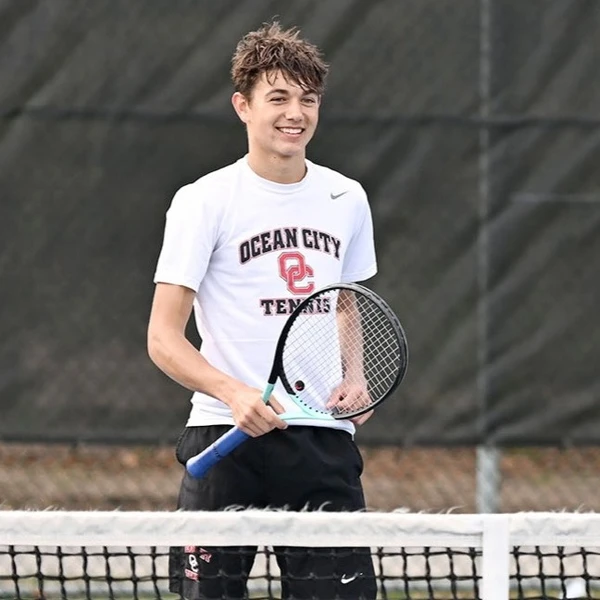
Hi, my name is Chase Bowman, and I am a senior at Ocean City High School. I am passionate about learning and staying active, playing varsity soccer and tennis. I also love gardening, which has taught me patience, responsibility, and a deep appreciation for nature. I plan to pursue a degree in [your intended major], where I hope to combine my curiosity, work ethic, and creativity to make a positive impact.

Education

Ocean City High School

High School
2022 - 2026

Miscellaneous

  • Desired degree level:

    Bachelor's degree program

  • Majors of interest:

    • Marine Transportation
  • Not planning to go to medical school
  • Career

    • Dream career field:

      Transportation/Trucking/Railroad

    • Dream career goals:

      Ship Pilot

      Sports

      Track & Field

      Varsity
      2025 – 20261 year

      Tennis

      Varsity
      2022 – Present4 years

      Awards

      • MVP

      Soccer

      Varsity
      2022 – Present4 years

      Awards

      • first team all cape atlantic league
      • first team all press
      • 2x varsity mvp

      Public services

      • Volunteering

        Clean Ocean Action — I walked around for hours every day to clean our beaches
        2022 – 2026

      Future Interests

      Entrepreneurship

      Kalia D. Davis Memorial Scholarship
      Kalia D I have always been the type of person to challenge myself quietly, in ways that are not flashy but meaningful. Whether it is balancing multiple varsity sports, maintaining my academic standing, or taking on responsibilities at work, I approach each task with dedication and the belief that consistency and effort define character more than accolades ever could. I am a high school senior in New Jersey, captain of the varsity tennis team, and a multi sport athlete competing in soccer, track, and tennis. Athletics are central to my life, not just for competition, but for the lessons they teach about responsibility, leadership, and resilience. As captain, I organize training sessions, mentor younger teammates, and take ownership of both wins and losses. These experiences have strengthened my ability to lead quietly, motivate others, and remain disciplined under pressure. Academics have also been a space where I have learned resilience. Dyslexia has made reading and writing more challenging, but it has also taught me perseverance, problem solving, and self advocacy. I work diligently to maintain strong grades, taking challenging courses and seeking help when needed. I have learned that hard work behind the scenes often creates the greatest impact. Beyond athletics and academics, I value service and community. Volunteering has been a constant in my life, reinforcing the idea that leadership includes lifting others up. I believe giving back is not about recognition but about creating opportunities and support systems that help people thrive. Receiving the Kalia D. Davis Memorial Scholarship would directly support my next steps in education and my long term goal of attending Massachusetts Maritime Academy. The scholarship would help alleviate financial stress, allowing me to focus on my studies, leadership training, and personal development without distraction. It would also serve as a reminder that dedication, kindness, and effort are recognized and valued. This scholarship represents more than financial assistance. It is an opportunity to honor a legacy of hard work, generosity, and excellence. In receiving it, I would continue Kalia’s spirit by applying my discipline and drive toward education, athletics, and service. I would strive to not only reach my own goals but also positively impact the communities and teams I am part of. I approach life with the mindset that effort, kindness, and responsibility matter. Every practice, study session, and volunteer effort is a chance to build character and contribute to something larger than myself. The Kalia D. Davis Memorial Scholarship would help me continue to live, lead, and give back with purpose, ensuring that the lessons I have learned translate into real impact on the world around me.
      Learner Calculus Scholarship
      The first time calculus truly clicked for me was not during a test or a lecture. It happened when I realized that calculus is less about numbers and more about change. It explains how things move, grow, slow down, and interact over time. Once I understood that, calculus stopped feeling intimidating and started feeling essential. In the STEM field, calculus is important because it provides the language to describe the real world accurately. Algebra tells you where something is. Calculus tells you how it is getting there and what happens next. Whether it is tracking the acceleration of an object, predicting changes in systems, or optimizing efficiency, calculus allows engineers, scientists, and technologists to move beyond static answers and into dynamic understanding. That ability is at the core of STEM innovation. I see the value of calculus clearly through my interest in maritime and technical fields. Navigation, velocity, fuel efficiency, and system performance all rely on rates of change. Calculus helps model tides, currents, and motion in ways that keep operations safe and efficient. In STEM careers, small miscalculations can lead to major consequences. Calculus provides the precision needed to make informed decisions under real world conditions. Calculus also teaches a way of thinking that extends far beyond math. It requires breaking complex problems into manageable pieces, understanding relationships between variables, and trusting a process even when the solution is not immediately clear. These skills are critical in STEM fields, where challenges rarely come with straightforward answers. Calculus trains students to approach uncertainty logically rather than avoid it. What makes calculus especially important is how it connects disciplines. Physics, engineering, computer science, economics, and data analysis all rely on calculus as a foundation. It acts as a bridge between theory and application. Without calculus, many of the technologies we rely on daily, from GPS systems to medical imaging to cybersecurity algorithms, would not exist in their current form. Calculus turns ideas into usable tools. For students pursuing STEM, calculus is often seen as a barrier, but I view it as a filter that strengthens problem solvers. It demands discipline, persistence, and attention to detail. Those qualities are exactly what successful STEM professionals need. Calculus rewards effort and patience, teaching that meaningful solutions often come from sustained focus rather than shortcuts. I believe calculus is important in the STEM field because it builds both competence and confidence. It prepares students to handle complexity, make data driven decisions, and innovate responsibly. In a world increasingly shaped by technology and science, calculus equips future STEM leaders with the tools to understand change, manage risk, and build solutions that move society forward.
      Chi Changemaker Scholarship
      I first noticed the problem in small moments. Teammates staying late to redo homework they did not understand, younger athletes skipping offseason training because they did not know where to start, and classmates quietly falling behind because they felt uncomfortable asking for help. It was not a single dramatic issue, but a pattern. Motivated students were struggling not from lack of effort, but from lack of guidance and access. That realization pushed me to take initiative. As a varsity athlete and team captain, I began organizing informal offseason and preseason training sessions that were open to anyone, regardless of experience level. The goal was not just physical improvement, but confidence. I made a point to include underclassmen and students who were unsure of where they belonged. In school, I carried the same approach into academics by sharing study strategies that worked for me, especially for students who learned differently or felt overwhelmed by workload. What motivated me most was recognizing how easily people slip through the cracks when expectations are high and support is unclear. I understand what it feels like to work twice as hard just to keep up, and I did not want others to feel isolated or discouraged. Leadership, to me, means noticing those gaps and stepping in before someone gives up. So far, these efforts have created stronger team culture, higher participation in training, and a more supportive environment where asking for help is normal rather than embarrassing. Younger teammates now reach out proactively, and peers feel more comfortable sharing challenges instead of hiding them. These changes may seem small, but they have lasting impact on confidence and growth. Looking ahead, I would expand this work by formalizing mentorship programs that connect upperclassmen with younger students, particularly those balancing academics, athletics, and work. I want to help create systems that make support visible and accessible, not dependent on who you already know. My long term goal is to continue building communities where effort is matched with opportunity and where leadership means lifting others forward. That is the kind of change I am committed to creating.
      Aserina Hill Memorial Scholarship
      Some of the most important lessons I’ve learned didn’t come from speeches or awards. They came from watching people quietly give their time to others without expecting anything in return. That kind of generosity stays with you, because it makes you stop and ask who you want to be when no one is keeping score. I am a high school senior in New Jersey who stays busy year round balancing academics, athletics, work, and service. I am a multi sport varsity athlete, captain of the tennis team, and someone who values responsibility both on and off the field. I also work at a marina, where reliability and teamwork matter every day. Beyond school and work, I have been involved in community and volunteer efforts that reinforced something simple but powerful: communities are built by people who show up. Volunteering taught me that service is not about recognition. It is about consistency. Whether helping through school based service projects or community events, I learned that small efforts add up. Being dependable, listening, and doing what needs to be done can make a real difference in someone’s day. Those experiences shaped how I define success, not as personal achievement alone, but as the ability to positively impact others. After high school, I plan to attend Massachusetts Maritime Academy, where I will pursue a structured, discipline driven education and prepare for a career in the maritime field. I am drawn to paths that demand accountability and trust. I want a future where my work matters and where people can rely on me under pressure. Education is essential to that goal, and I see it as a responsibility, not just an opportunity. If I had the chance to start my own charity, its mission would be to support students who work hard but lack access to resources that make success possible. The organization would focus on providing academic support, mentorship, and essential supplies to high school students who balance school with work, athletics, or family responsibilities. Many students are motivated and capable but fall behind simply because they do not have the support system they need. The charity would serve students who show commitment and effort, not perfection. Volunteers would tutor, mentor, and help students build skills like time management, organization, and confidence. The goal would not be to hand out solutions, but to empower students to believe in their own potential and take ownership of their education. I believe guidance and encouragement can change the direction of a young person’s life. What inspires this vision is the understanding that generosity creates momentum. When someone believes in you, it becomes easier to believe in yourself. That belief can carry someone through challenges long after the help itself is gone. I strive to live with discipline, empathy, and purpose. I want to build a life defined not only by what I achieve, but by what I give back. Supporting others in their pursuit of education would be the most meaningful way I could honor that value and continue the cycle of quiet generosity that strengthens communities.
      Learner Math Lover Scholarship
      I did not start loving math because it was easy for me. I started loving math because it made sense in a world that often feels chaotic. No matter who you are or where you come from, two plus two will always equal four. There is comfort in that kind of honesty. As a student with dyslexia, reading and writing have sometimes felt unpredictable. Math, on the other hand, rewards logic, structure, and patience. It does not care how fast you read or how polished your words are. It cares about how you think. When I work through a problem step by step and reach the correct answer, I feel a sense of clarity that is hard to find anywhere else. Math showed me that effort and reasoning matter more than speed. I see math everywhere in my life. As a multi sport athlete, math shows up in angles, timing, pacing, and strategy. A perfectly placed shot in soccer, managing splits in track, or calculating margins in tennis all rely on mathematical thinking. Even when I am not consciously doing calculations, my brain is using patterns and probabilities to make decisions. Math trains you to anticipate outcomes and adjust quickly, which is a skill I use daily. Math also connects directly to my future goals. I am interested in a maritime career where navigation, distance, speed, and precision are critical. On the water, math is not abstract. It keeps people safe. It helps you plan routes, understand conditions, and make decisions under pressure. I respect math because it has real consequences and real impact. What I love most about math is that it builds confidence quietly. You do not need to be loud or flashy to be good at it. You just need to be willing to think, try, fail, and try again. Math taught me persistence and problem solving, skills that extend far beyond the classroom. I love math because it gives me control, clarity, and trust in my own thinking. In a world full of unknowns, math is something I can rely on, and that is why it will always matter to me.
      Patriot Metals Future Builders Scholarship
      The first job that taught me the value of real work did not come with a desk or a title. It came with early mornings, fuel-stained hands, and the understanding that when people trust you with equipment and safety, you do not get to cut corners. That lesson has shaped who I am and why I am drawn to a career built on skill, responsibility, and pride in workmanship. I am a New Jersey high school senior who has been around boats and hands on work my entire life. I have spent years working at a marina, helping customers at the fuel dock, handling lines, assisting with docking, and keeping operations running smoothly. It is the kind of work where mistakes matter and effort shows immediately. You learn quickly that reliability is not optional. People depend on you to do the job right the first time. That environment sparked my interest in the skilled trades and reinforced my respect for those who build, repair, and maintain the systems others rely on every day. What I admire most about the trades is the honesty of the work. You can see the result of your effort. Something either functions properly or it does not. That clarity appeals to me. I enjoy learning how things work, fixing problems, and improving systems through hands on experience. Whether it is maintaining equipment, understanding mechanical systems, or helping keep vessels operating safely, I find pride in contributing to something tangible. Volunteering has played a meaningful role in shaping my sense of responsibility. Through school and community involvement, I have learned that service is not about recognition. It is about showing up consistently and doing what needs to be done. Those experiences taught me that strong communities are built by people willing to give their time and skills for the benefit of others. That mindset carries directly into the trades, where quality work impacts far more than just the individual doing the job. I plan to attend Massachusetts Maritime Academy and pursue a career in the maritime trades, ultimately working as a ship pilot. The maritime field combines technical skill, mechanical knowledge, and discipline. It demands precision, accountability, and respect for safety. The structured, military influenced environment of the academy appeals to me because it reinforces responsibility and attention to detail. These are qualities I already value and want to continue developing. My long term goal is to build a career defined by competence and trust. I want to be someone others can rely on when conditions are challenging and decisions matter. Skilled trades professionals are the backbone of industries that keep our country moving. I take pride in the idea of contributing to that legacy through hard work and continuous learning. This scholarship represents more than financial support. It represents belief in the next generation of builders and problem solvers. Any support I receive will be used responsibly to further my education and training so I can focus fully on developing the skills needed to succeed. I understand that the future is built by those willing to work, learn, and take responsibility for their craft. I am motivated by the idea that honest work still matters. I am committed to a future where effort, integrity, and skill define success. The trades offer that path, and I am ready to earn my place within them.
      Ryan Stripling “Words Create Worlds” Scholarship for Young Writers
      Most nights, before I fall asleep, I am not actually lying in my bed. I am somewhere else entirely. Sometimes I am on a soccer field with the lights on and the game tied. Other times I am on a tennis court, playing out a match point in my head. When music is playing, the scenes get clearer. There are characters, stakes, and endings that change depending on the song. I have been creating these worlds for as long as I can remember, long before I ever thought of myself as a writer. Writing is how I learned to capture those worlds instead of letting them disappear by morning. For me, writing feels like translating imagination into something real. The stories I build in my head are fast and messy, but when I put them on paper, they slow down. I can shape them. I can choose words carefully, decide what matters, and give emotions a place to land. That process is what I love most about writing. It turns private thoughts into something tangible and meaningful. Writing has also been an escape for me. When life feels loud or overwhelming, writing gives me control. I get to decide how a moment unfolds or how a character responds under pressure. That freedom matters to me because it mirrors how I approach real life. I am a student athlete with a packed schedule, and there are not many quiet moments during the day. Writing becomes my pause. It is where I reflect, reset, and make sense of everything happening around me. As someone with dyslexia, writing did not always feel natural. Early on, words felt like obstacles instead of tools. Over time, though, writing became empowering. It forced me to slow down and think deliberately. I learned that writing is not about being perfect on the first try. It is about revision, patience, and honesty. That lesson has stayed with me. Writing taught me that clarity comes from effort, not talent alone. What draws me to writing now is the idea behind Ryan Stripling’s motto that words create worlds. I see that every time I write. A blank page becomes a place where anything can happen. Writing allows me to explore different perspectives, imagine futures, and relive moments that mattered. It also helps me understand myself better. When I write, I notice patterns in what I care about and what motivates me. That self awareness carries into every other part of my life. In college, I plan to continue writing in both structured and unstructured ways. I want to take writing intensive courses, keep a personal journal, and write short stories whenever inspiration strikes. I see writing as something that will follow me regardless of my major or career. Whether I am documenting experiences, telling stories, or simply clearing my head at the end of a long day, writing will always be part of my routine. I do not write because I think I have something extraordinary to say. I write because it helps me listen to myself. It helps me imagine, reflect, and create. Those quiet worlds I build in my head matter to me, and writing gives them a voice. That is why I will keep writing, in college and beyond, wherever my life takes me.
      Dream BIG, Rise HIGHER Scholarship
      I learned early that direction does not always arrive as a clear map. Sometimes it shows up as a steady pull, the kind that keeps you moving forward even when the path is uncertain and the outcome is far away. Education has become that pull for me. Not because it has been easy or straightforward, but because it has given shape to my effort and meaning to my goals when I needed it most. I am a New Jersey high school senior and a multi sport varsity athlete, but school has always demanded more from me than it does from many others. Dyslexia made reading slower, studying harder, and confidence easier to lose. Early on, I felt like I was constantly catching up, trying to match a pace that did not come naturally. For a long time, I thought success meant hiding the extra work I was doing behind the scenes so no one would notice the struggle. Over time, education taught me something more valuable. Progress does not come from pretending challenges do not exist. It comes from meeting them directly and building habits strong enough to carry you forward. Because of that, I learned how to work with intention. I plan my time carefully, break tasks into manageable pieces, and prepare more than I think I need to. I reread material, stay late when necessary, and ask questions even when it feels uncomfortable. These habits were not natural at first. They were built slowly, through frustration and repetition. Education did more than help me pass classes. It gave me a sense of direction rooted in discipline, patience, and accountability. Athletics reinforced those lessons in a different way. I am the captain of the varsity tennis team and the first singles player, which means I face the strongest opponent every match. That role comes with pressure. Wins feel rewarding, but losses are unavoidable and public. Education helped me understand that failure is not a verdict. It is information. When something does not work, whether in the classroom or on the court, I adjust and try again. I take ownership of outcomes, organize offseason training, and focus on improving the process rather than chasing validation. That mindset has shaped my confidence more than any trophy ever could. The person who influenced this perspective most is my dad. He has never missed one of my games, but his focus was never on the scoreboard. He emphasized being dependable, respectful, and grounded. Education reinforced those values by teaching me that growth happens internally before it becomes visible. What matters most is who you are becoming while you work toward a goal, especially when no one is watching. Because of this foundation, I am drawn to Massachusetts Maritime Academy, where I plan to study marine transportation. The maritime field demands precision, trust, and calm under pressure. Education is essential in preparing for that responsibility. Decisions are real, consequences matter, and people depend on your judgment. The structure and discipline of a maritime academy excite me because they align with how I already live my life. I want a career where competence is earned, accountability is expected, and leadership is measured by reliability. The challenges I have faced have shaped not only my goals, but my optimism. I stay busy year round with school, training, and leadership responsibilities, not because I am forced to, but because I enjoy pushing myself. I believe effort compounds. Small, consistent choices add up over time. Education made that clear to me. It showed me that direction is built daily through discipline, curiosity, and resilience, not through sudden breakthroughs. Looking ahead, I see education as a tool for independence and impact. It will allow me to build a stable future for myself while contributing to industries and communities that rely on responsible leadership. Any support I receive will be used intentionally to continue my education, reduce financial strain, and allow me to focus fully on learning and growth. I do not take opportunities lightly, and I understand the responsibility that comes with being invested in. I hope to use my education not only to succeed personally, but to give back by mentoring others, leading with integrity, and setting an example of what steady perseverance can accomplish. I try to keep a smile on my face, even on difficult days. It reminds me that challenges do not define the outcome. How you respond to them does. Education gave me direction when the path was unclear. It taught me how to work, how to adapt, and how to believe in who I am becoming. Dreaming big matters, but rising higher comes from the quiet work done every day. That is the future I am building, one deliberate step at a time.
      Jessie Koci Future Entrepreneurs Scholarship
      The first place I learned about leadership was not a classroom or a locker room. It was on the water, where mistakes are loud, accountability is immediate, and excuses sink faster than boats. That environment shaped how I think about my future and why higher education matters to me. I plan to attend Massachusetts Maritime Academy to study marine transportation with the goal of becoming a licensed ship pilot. I chose this field because it combines responsibility, precision, and trust. When you guide a vessel safely through tight waterways, people are counting on your judgment. There is no room for shortcuts. That same mindset is what draws me to entrepreneurship. A ship pilot does not simply clock in and out. You build a reputation, manage risk, make decisions under pressure, and eventually operate as your own business. Success depends on preparation long before the moment arrives. Athletics taught me this early. I am a multi sport varsity athlete and captain of my tennis team. As first singles, I face the strongest opponent every match. Some days I win. Some days I do not. Either way, the responsibility is mine. Being named MVP and earning All State honors were meaningful, but what stayed with me more was learning how to lead quietly. I organize offseason training, take ownership of losses, and keep the team moving forward. Entrepreneurship works the same way. No one claps when you stay disciplined. You do it because it matters. Academics have not always come easily to me. Dyslexia forced me to build systems, manage time carefully, and work twice as hard to keep pace. Instead of becoming a limitation, it became training. Business owners fail when pressure exposes weak habits. I am comfortable operating under pressure because I have been doing it for years. When something does not work, I adjust and try again. That approach has carried me through school, sports, and every challenge worth taking on. The person who shaped this mindset most is my dad. He never cared how many points I scored. He cared about who I was becoming. He taught me that competence and character matter more than recognition. That lesson guides how I define success. A successful life is one where people trust you, where your work creates stability for others, and where you leave things better than you found them. Higher education is not a checkbox for me. It is an investment. The structure and discipline of a maritime academy will sharpen my decision making and business skills so I can operate at a high level in a demanding field. Any support I receive will be used intentionally to build that foundation, reduce financial pressure, and allow me to focus fully on mastering my craft. My long term goal is to grow within the maritime industry, mentor others, and give back to the communities that depend on safe and responsible leadership. I try to keep a smile on my face, even on hard days. It reminds me that progress does not have to be loud to be real. I am motivated by the idea that when pressure hits, I will be ready. That is how I plan to build my career, my business, and my life.
      Richard Neumann Scholarship
      During my sophomore year, I noticed that younger players on my varsity tennis team were struggling to stay motivated during practice. They had talent, but drills often felt repetitive, and it was easy for them to lose focus. To address this, I created a point-based practice system that turned training into a challenge with tangible goals. Players earned points for hitting targets, completing sequences, and demonstrating improvement over time. At the end of each week, I tallied points and highlighted achievements for each player, celebrating their progress and encouraging friendly competition. The system transformed practice. Players became more engaged, improved faster, and developed confidence in their abilities. I also learned how important communication and observation are in solving problems. I had to notice not just skill gaps, but motivation, morale, and learning styles. Sometimes a player struggled not because they could not perform the skill but because they did not feel confident or supported. By adjusting the system and offering guidance tailored to each player, I could ensure that everyone felt seen and challenged in the right way. That experience taught me that effective problem-solving is as much about understanding people as it is about designing a solution. If I had the resources to tackle a larger problem, I would focus on making education more accessible and personalized for students with learning differences like dyslexia. Many students struggle in traditional classrooms because the system is not built to meet their needs. My plan would combine technology and mentorship to create an adaptive learning platform. The platform would include interactive modules tailored to different learning styles, track progress, and provide immediate feedback. It would pair students with mentors who could guide them, offer encouragement, and help them develop strategies to overcome challenges. In addition, the platform could include collaborative projects and social features to help students build community and confidence. By creating an environment that adapts to the learner rather than forcing the learner to adapt to the system, we could help students thrive academically while developing resilience and self-assurance. This experience and vision have taught me that creativity is not about flair or complexity. It is about identifying challenges, listening to those affected, and designing solutions that are practical, effective, and meaningful. Whether on the tennis court or in the classroom, I aim to approach problems with curiosity, patience, and persistence, turning obstacles into opportunities for growth and improvement. Seeing my teammates succeed and imagining how a student could flourish in an adaptive learning environment has reinforced my belief that thoughtful innovation has the power to change lives.
      Ava Wood Stupendous Love Scholarship
      Kindness in Action During my junior year, a teammate on the tennis team was struggling with both confidence and performance. She had the talent, but nerves were holding her back. I noticed how frustrated she became after losses and how quickly self-doubt would take over. One afternoon, after practice, I stayed behind to help her practice serves and groundstrokes, but more importantly, I talked with her about mindset. I shared my own struggles with staying focused under pressure, and together we set small goals she could achieve in each practice. Over the next few weeks, I continued to check in with her, offering encouragement and advice, sometimes even helping her break down complicated drills into manageable steps. By the end of the season, not only had her performance improved, but I saw a shift in her confidence. She began believing in herself the way I knew she could, and that change spilled over into how she interacted with the rest of the team. That experience taught me that kindness is not just a gesture—it is the patience to help someone grow and the consistency to be there even when no one is watching. I realized that lifting others up strengthens the entire community, and that the small actions we take for one person can ripple outward in ways we might never see. Creating Connection Being captain of my varsity tennis team has shown me that leadership is not only about skill, but about creating a sense of belonging. Early in the season, I noticed that newer team members often felt left out or hesitant to speak up. To build connection, I started organizing informal practices where teammates of all levels could play together, share tips, and get to know each other beyond their ranking or skill level. I also set up team lunches and encouraged group discussions about goals and challenges, making sure everyone had a voice. These efforts changed the team dynamic. Teammates who had been quiet became more confident in matches, and stronger players started mentoring others naturally. We grew into a team that celebrated both victories and effort, where mistakes were learning opportunities instead of sources of shame. I carried this approach into my broader school community by volunteering to mentor younger students in academics and athletics, helping them feel seen and supported. I have learned that fostering connection is an ongoing effort, one that requires empathy, patience, and the willingness to lead with both head and heart. Helping others feel like they belong has shown me that inclusion and encouragement are not just ideals—they are actions that transform communities.
      Valerie Rabb Academic Scholarship
      Some mornings I wake up before the sun, not because I have to, but because I want to push myself further than I did the day before. On those mornings I am on the track, testing my endurance, or in the gym, refining the strength and discipline that carry over into every part of my life. Other mornings I am in the classroom, working through material that often feels like trying to read a map upside down. Dyslexia makes reading and writing harder for me, but it has also taught me persistence, focus, and the value of effort. I have learned to embrace challenges instead of avoiding them, and that lesson has shaped how I approach both school and life. Athletics have been one of the clearest ways I have learned about leadership, responsibility, and resilience. As captain and first singles player on my varsity tennis team, I face the toughest opponents every match. I take ownership of losses and victories alike, organize offseason training for teammates, and lead by example by balancing competitiveness with encouragement. Soccer has shown me how teamwork and empathy can influence outcomes beyond what any individual can achieve. These experiences have taught me that leadership is not about recognition but about consistent effort, accountability, and inspiring others to reach their potential. I plan to attend Massachusetts Maritime Academy and pursue a career as a ship pilot, where responsibility, focus, and discipline are not optional but essential. Guiding vessels safely through channels will require me to be someone others can rely on in high-stakes situations. I see this as more than a career—it is a way to make a real, tangible difference in the lives of others. I hope to demonstrate that trust and competence matter, and that steady, intentional action can ripple into meaningful impact, whether on the water or in the community I serve. Challenges like dyslexia and balancing academics with multiple sports have taught me resilience, but I have also learned that adversity is most meaningful when it drives you to help others. I volunteer by mentoring younger athletes, helping them develop skills and confidence, and I strive to encourage classmates who struggle, offering support and guidance whenever I can. Small acts of service, consistently applied, create change over time, and I want my life and career to reflect that principle on a larger scale. Receiving the Valerie Rabb Academic Scholarship would allow me to continue pursuing my goals with the same dedication, discipline, and intention that I bring to every aspect of my life. I aim to honor the legacy of someone who uplifted and championed others by embodying those values in my own actions, inspiring and supporting the people around me while striving toward a career that contributes to society in a concrete and meaningful way.
      Kathryn Graham "Keyport's Mom" Scholarship
      I measure myself not by trophies or statistics but by the quiet ways I challenge myself every day. Some mornings I am on the track before school, testing the limits of my own endurance. Other mornings I am in a classroom, working through material that often takes me longer to grasp because of my dyslexia. Both demand the same things: focus, persistence, and a willingness to push past frustration. Success, I have learned, is not about talent alone. It is about showing up, giving your best, and refusing to let obstacles define you. Athletics have taught me lessons I carry beyond the field and court. Leading my varsity tennis team as captain and first singles player means facing the strongest opponents and taking responsibility for my performance and my team’s morale. Organizing offseason drills, mentoring teammates, and keeping a positive attitude have shown me that leadership is not about recognition. It is about influence, accountability, and setting an example others can trust. Soccer has taught me the same lessons in teamwork, resilience, and humility. I am drawn to Massachusetts Maritime Academy because it mirrors the principles I live by. Discipline, responsibility, and competence under pressure are not just qualities to admire—they are qualities to embody. My goal is to become a ship pilot, a career where trust and preparation carry real consequences. I want to be someone others can rely on, someone who meets challenges with calm and thoughtful action, and someone who contributes positively in every role I take on. Mrs. Graham’s spirit inspires the way I approach life. She cared without judgment and led by example, offering guidance instead of criticism. I try to do the same, whether it is keeping a teammate motivated after a tough loss, staying late to help someone improve, or holding myself accountable when no one is watching. Small actions, consistently applied, create ripples that matter. Receiving this scholarship would allow me to continue pursuing my goals with the same dedication and purpose I have shown in academics, athletics, and leadership. Every step of my education and career will reflect the responsibility, resilience, and focus I cultivate daily. I want to grow into someone who not only meets challenges but also helps others navigate theirs, leaving a positive impact along the way. I hope you see in me a student who works quietly but consistently, a leader who leads by example, and a young adult ready to turn opportunity into meaningful action. I do not seek recognition. I seek purpose, growth, and the chance to leave a mark that matters.
      Second Chance Scholarship
      I have always believed that life gives you the opportunities you are willing to work for. Growing up with dyslexia has been one of my biggest challenges. Reading and keeping up with schoolwork has never been easy, and at times it made me feel like I was falling behind. People often assume that I have it all together because I play multiple sports, maintain good grades, and stay busy, but nothing about it comes without effort. I want to make a change in my life because I want to turn these challenges into something meaningful, not just for myself but for the people I can influence along the way. Sports have been both a refuge and a classroom. Being a varsity athlete in soccer, track, and tennis has taught me discipline, teamwork, and accountability. As captain of the tennis team, I face the strongest opponents as the first singles player, and I take responsibility for losses, organize extra practices, and support my teammates in ways that go beyond the score. Sports have shown me that leadership is not about recognition. It is about showing up for others, guiding them, and helping them believe in themselves. That mindset is what I want to carry forward into life. One experience that made me understand the power of a second chance happened during lunch at school. I noticed a student with special needs sitting alone. Most people would have passed by, but I decided to sit and talk with him. I didn’t make it a big deal. I just treated him like a person and gave him the chance to be included. That moment impacted me more than it did him because it taught me how meaningful it is to offer someone the chance to feel seen, accepted, and valued. It is the kind of small action that can ripple outward, and I want to make it a habit in my life. I have worked hard to prepare for my future, planning to attend Massachusetts Maritime Academy and pursue a career as a ship pilot. I want to take the discipline, responsibility, and empathy I’ve learned and apply it in a career where competence matters and where I can mentor and guide others. This scholarship would help me focus on my education and growth without being burdened by financial stress. It would allow me to continue developing as someone who can give back and make a difference in other people’s lives. I plan to pay it forward by mentoring younger athletes, supporting students who struggle like I have, and creating environments where people feel included and encouraged. Offering someone a second chance, whether it is in sports, school, or life, is something I have experienced firsthand and now want to pass on. If I am given this scholarship, it will not only support my growth but also empower me to lift others and continue the cycle of giving that Nelson Vecchione valued so deeply.
      Jimmie “DC” Sullivan Memorial Scholarship
      The first lesson sports taught me had nothing to do with winning. It was about responsibility. When you show up for a team, people are counting on you, whether you realize it or not. That idea has shaped who I am far more than any stat line or award. I am a New Jersey high school senior and a multi sport varsity athlete in soccer, track, and tennis. I stay busy year round, balancing training, schoolwork, and leadership roles. I have been fortunate to earn recognition as MVP of my high school soccer team and All State honors, but what matters more to me is how sports have taught me to lead quietly and consistently. As captain of the varsity tennis team and first singles player, I face the strongest opponent each match. I take responsibility for losses, organize offseason training, and make sure my teammates feel supported and challenged at the same time. Leadership to me is not about being loud. It is about being dependable. Sports have also given me a place to grow beyond myself. I have dyslexia, which has made academics more challenging than people often realize. Sports became an outlet where effort mattered more than labels. That experience taught me empathy. I know what it feels like to struggle silently, and that awareness has influenced how I treat others on and off the field. One moment that stays with me happened during lunch at school. I noticed a mentally challenged student sitting alone, laughing at his phone. I left my group and spent the entire lunch talking with him. I did not do it for attention or praise. I did it because I know how powerful it is when someone simply shows up. That same mindset is what I bring into sports. Whether I am encouraging a teammate who is struggling or helping younger athletes feel included, I believe the smallest actions often have the greatest impact. Looking forward, I plan to attend Massachusetts Maritime Academy and pursue a career as a ship pilot. While my future is maritime focused, my commitment to youth sports and mentorship will remain part of my life. I want to stay involved as a coach, mentor, or role model for younger athletes. Sports gave me structure, confidence, and a sense of belonging, and I want to pass that on to the next generation. Not every kid needs to be a star athlete. Every kid deserves someone who believes in them. This scholarship would not go to waste. It would directly support my education and allow me to focus on building a future rooted in responsibility and service. More importantly, it would help me continue giving back through sports by mentoring younger athletes and fostering environments where effort, kindness, and accountability matter more than trophies. Jimmie DC Sullivan’s legacy reminds me that sports are not just games. They are opportunities to shape character, build community, and make a lasting difference. I hope to honor that legacy by being someone younger athletes can trust, learn from, and look up to long after the final whistle.
      Dr. G. Yvette Pegues Disability Scholarship
      I have always been the kid who reads a sentence twice, sometimes three times, and still misses a word. I have dyslexia, which makes school a challenge in ways most people do not see. On the surface, I am involved in multiple sports, I have friends, and my grades look fine. But behind the scenes, every assignment and every test takes extra effort. It is easy to feel invisible when you struggle silently, and it is easy to assume others have it easier than they really do. That perspective has shaped how I approach life, how I treat people, and what I hope to achieve in the future. I have learned early that the people who notice and care make the biggest difference. That lesson has carried over into my own actions. One of the moments that meant the most to me happened in the cafeteria. I saw a student with special needs sitting alone, laughing at his phone. Most people would have walked past without thinking. I left my table and joined him. I asked him questions, laughed with him, and treated him like anyone else. I did not do it for recognition. I did it because I realized that small choices to include others can have a ripple effect. It helped me more than it helped him because it showed me the kind of person I want to be. Being a student with dyslexia has also taught me discipline, persistence, and empathy. I am the captain of my varsity tennis team and a multi-sport athlete. Leading my teammates requires patience, listening, and responsibility. I help organize practices, encourage my teammates, and take ownership of mistakes without needing applause. I try to approach everyone with respect, whether it is a teammate, a student struggling in class, or someone online who needs a kind word. These experiences have made me aware of how small gestures of inclusion can make a difference in a community. Looking ahead, I am preparing to attend Massachusetts Maritime Academy and pursue a career as a ship pilot. I know the path will be demanding, and it will require focus, perseverance, and continual growth. I want to use this education not only to build a stable and meaningful career but also to give back to the communities around me. Whether it is mentoring, advocating for peers with learning differences, or simply modeling respect and inclusion in every environment, I hope to create the same kind of support I needed. Receiving this scholarship would be an investment, not a handout. The funds would go directly toward my education, ensuring I can focus on learning and contributing rather than worrying about costs. I plan to pay it forward, using the opportunities it provides to lift others, improve my community, and make the world a little kinder, a little fairer, and a little more inclusive. I have learned that challenges like dyslexia do not define your limitations. They define your perspective. They teach you to notice the small struggles others face, to act with patience, and to value persistence. If I can carry those lessons forward while pursuing my education, I hope to make a lasting impact, both on the people around me and on the communities I am part of.
      David Foster Memorial Scholarship
      Every morning, I saw him before any teacher or coach. He was the first person to greet me, always wearing the same grin, no matter how early it was or how tired he might have been. Our school bus driver was not a classroom teacher, but he became one of the most influential people in my high school life. He taught me lessons that went far beyond academics, lessons about kindness, joy, and the kind of person I want to be. He was an older man, quiet but deliberate, and he had a way of noticing each kid as they climbed aboard. You could tell he remembered names, remembered the little details, and genuinely wanted to see every student succeed in their own way. It was easy to underestimate him. On paper, he was just the bus driver. In practice, he was a mentor, a friend, and a model of humanity. When I told him I looked up to him, he laughed and shrugged it off, but I meant it. Watching him go about his day taught me more about leadership and personal responsibility than any class ever could. What made him so inspiring was not a grand gesture or a single dramatic act. It was his consistency. He showed up every day with a smile, treated everyone with respect, and carried himself with a quiet pride that made others want to mirror it. Even when things went wrong on the bus, even when students were rowdy or grumpy, he remained patient and calm. That patience taught me to slow down, to pay attention, and to remember that how you treat people in ordinary moments is just as important as how you perform under pressure. I realized that being a good citizen, a good teammate, and a dependable person is about small, repeated choices. Whether I am helping a teammate improve in tennis, taking responsibility for a loss, or simply including someone who feels left out, I try to carry his example forward. He showed me that influence is not always about having authority or being in the spotlight. It is about showing up, noticing others, and choosing to act with kindness and integrity every day. He also reminded me to find joy in the little things. Riding the bus was early and sometimes cold, but he made it fun. He laughed with us, shared stories, and celebrated small victories. That joy reminded me that being disciplined and responsible does not mean being serious all the time. I want to bring that same energy into my life. I want to make people feel seen, safe, and respected. I want to be the kind of person who inspires others, not with words, but with quiet consistency and genuine care. I never expected to find a teacher on a school bus, but that is exactly what I found. He influenced how I approach life by teaching me to value people, to act responsibly, and to show kindness without expecting anything in return. He reminded me that even small gestures can have a lasting impact, and that those lessons are worth carrying everywhere you go. For that reason, he is one of the people I look up to most, and his example continues to shape the person I am becoming.
      Matthew E. Minor Memorial Scholarship
      People often assume I have it all figured out. I play multiple sports, have friends, and usually do well in school. The truth is, I work hard just to keep up. I have dyslexia, which makes reading and writing take more effort than most people realize. Balancing school, sports, and social life can be overwhelming, but it has also taught me patience, persistence, and the importance of noticing when others might need support. One moment that shaped how I think about community happened in the cafeteria. I noticed a student with special needs sitting alone, laughing at his phone. Most people probably walked by without thinking twice. I decided to leave my table and sit with him for the rest of lunch. I did not do it to be praised or seen. I did it because it felt like the right thing to do. That small choice reminded me that the most meaningful impact is often quiet and everyday rather than dramatic. Being the captain of my tennis team has taught me about responsibility and humility. I face the toughest opponents as the first singles player, and when I lose, I try to reflect on how I could have helped my teammates more. I organize practices and encourage everyone to improve, but I know I do not have all the answers. Leadership is not about telling people what to do. It is about listening, supporting, and trying to set an example while accepting that I will make mistakes. I try to apply the same approach online. Cyberbullying and exclusion affect students in ways people do not always see. I make an effort to treat others respectfully, to discourage negativity, and to include people who might feel left out. I do not always succeed, but I try to make small choices that show care and respect. I believe that even these quiet actions matter. Looking ahead, I plan to attend Massachusetts Maritime Academy and pursue a career as a ship pilot. It is a demanding path, and I know it will require discipline, focus, and continued learning. I am fortunate to have my family’s support, but I also know that financial resources are limited. Scholarships like this one can make a real difference in allowing me to continue growing as a student and a member of my community. In the end, I hope to be the kind of person who notices when someone is left out, encourages others to do their best, and takes responsibility for my actions both on and off the field. I try to approach life with humility and a willingness to learn, knowing that I will make mistakes along the way. The most important work we do is often quiet, unseen, and small, but it can still make a meaningful difference in the lives of the people around us. That is the community I want to be part of and the person I hope to become.
      Big Picture Scholarship
      The movie that has had the greatest impact on my life is Remember the Titans. On the surface, it looks like a football movie, but the older I get, the more I realize it is really about discipline, leadership, and learning how to grow alongside people who are different from you. The first time I watched it, I paid attention to the wins and losses. Now, what sticks with me are the moments when characters are uncomfortable, challenged, and forced to see beyond themselves. Coach Boone does not just demand effort on the field. He demands accountability, respect, and unity, even when it is difficult. That idea has followed me throughout high school, especially in athletics and leadership. I am a multi sport varsity athlete and the captain of my tennis team, and I have learned that leadership is not about being the loudest voice. It is about setting standards and living by them. As the first singles player, I face the toughest opponent every match. When I lose, I own it. When the team struggles, I ask what I could have done better. Like in Remember the Titans, success is never just about individual performance. It is about whether the group believes in one another and shows up consistently. One of the most impactful lessons from the movie is that real growth happens when no one is watching. That idea reminds me of a moment at lunch when I noticed a mentally challenged student sitting alone. I left my table and spent the rest of lunch talking with him. I did not do it for attention or credit. I did it because it felt like the right thing to do. That moment helped me understand that impact does not always come from grand gestures. Sometimes it comes from simply choosing empathy. Education plays a major role in why this movie matters to me. I have dyslexia, which makes school more challenging than it appears from the outside. Reading and writing take extra effort, and keeping up academically while competing in sports year round has not been easy. Watching characters in Remember the Titans push through discomfort and resistance reinforced the idea that growth comes from persistence. I learned early on that I could not rely on talent alone. I had to rely on discipline, structure, and a willingness to work harder than expected. That mindset is why I plan to attend Massachusetts Maritime Academy and pursue a career as a ship pilot. I am drawn to structured environments where responsibility matters and where learning never stops. On the water, mistakes have consequences, and preparation is everything. Education, to me, is not just about earning a degree. It is about becoming someone others can trust under pressure. What Remember the Titans ultimately taught me is that leadership, education, and impact are connected. When you commit to learning, hold yourself accountable, and treat others with respect, you become part of something bigger than yourself. That is the big picture I try to live by, both on and off the field, and it is the perspective I will carry with me into college and beyond.
      Dr. Robert M. Fleisher Liberty and Prosperity Award
      Being a good citizen means understanding that your role in a community carries responsibility, whether or not you are formally in charge. For me, citizenship has never been about titles or recognition. It has been about showing up, representing others fairly, and doing the right thing when no one is forcing you to do so. Throughout high school, I have been involved in student affairs primarily through athletics and leadership roles that required me to represent my peers and contribute to the culture of my school. As a varsity team captain and first singles tennis player, I serve as a liaison between teammates and coaches and help set expectations for effort, behavior, and accountability. I organize offseason and preseason training, encourage participation, and make sure every teammate feels included and valued. These responsibilities taught me that being involved in school life means more than attending events. It means taking ownership of the environment you are part of and working to improve it for others. One moment that shaped my understanding of citizenship happened outside any official role. During lunch one day, I noticed a mentally challenged student sitting alone, laughing at his phone. Without thinking much about it, I left my table and spent the rest of lunch talking with him. I did not make it a big deal or expect anything in return. I simply treated him like anyone else. That experience reminded me that being a good citizen often comes down to small, quiet decisions that reflect empathy and respect. It reinforced my belief that community begins with how we treat individuals, especially those who are overlooked. Voting is integral to remaining a free nation because it is the most direct way citizens participate in shaping their government. Just as a team cannot succeed if players stop showing up, a democracy weakens when people disengage. Voting ensures accountability and preserves the idea that leadership is chosen, not imposed. Even when one vote seems insignificant, it represents a commitment to the collective responsibility of maintaining freedom. Participation is what keeps power in the hands of the people. The Constitution represents the foundation that makes this participation meaningful. To me, it is a document built on balance. It protects individual rights while limiting the reach of authority. I am drawn to structure and discipline, which is why I plan to attend Massachusetts Maritime Academy and pursue a career as a ship pilot. In maritime life, rules exist to protect lives and ensure order in unpredictable conditions. The Constitution serves a similar purpose for our nation by providing stability while allowing growth through amendments and interpretation. My ambition and drive come from a desire to be trusted and relied upon. I have learned through leadership, academics, and personal challenges, including dyslexia, that progress comes from consistent effort and accountability. Citizenship, like leadership, is something you practice daily. It requires involvement, responsibility, and care for the community you are part of. Those are the values I strive to carry forward as I prepare for adulthood and continued civic participation.
      Charles Bowlus Memorial Scholarship
      When I think about what shaped my goals for the future, nothing has had a greater impact than watching my dad fight cancer. From 2013 to 2018, my dad went through one of the hardest battles a person can face. I was young and did not fully understand what cancer meant, but I understood enough to know that it could take him away from me. Those years felt like a long storm that never seemed to end. I watched him leave for treatments, come home exhausted from chemo, and push through pain that no child ever wants to see their parent experience. It was the scariest time of my life. Even though I did not understand every detail back then, I understood fear. I understood uncertainty. I understood what it meant to hope that someone you love does not disappear from your life. Seeing him go through that changed me in a way nothing else ever has. It made me grow up faster. It taught me what real strength looks like, not the kind you show in sports or school, but the kind that keeps a family together when everything feels unstable. My dad owns a construction business and a flooring store, and even through his treatment he somehow found a way to keep going. Some days he could not get out of bed, but other days he showed up and worked because he wanted his family to have a future. Watching him fight for us taught me the value of hard work and responsibility. It showed me how powerful determination can be. Seeing him push through the toughest years of his life made me want to push myself in everything I do. His battle with cancer also changed the way I see my future. It made me realize that I want a career where I can lead, solve problems, and build something that lasts. I want to study business because it feels like a way to honor the example he set for me. He taught me that success is built through long hours, sacrifice, and never giving up, even when life tries to knock you down. His strength is something I carry with me every day, in school, in sports, and in the way I treat the people around me. Going through this experience also helped me understand the importance of helping others. During my dad’s treatment, I saw how much a simple kind word or gesture could mean. I saw nurses and doctors who treated him with kindness and respect. I saw friends and family step in to support us. Because of that, I want to be someone who brings the same kind of support and leadership into the world. I want a career where I can guide people, work hard, and make a difference. My dad’s cancer changed my life, but it also shaped my strength, my goals, and my future. His fight showed me what resilience looks like, and because of that, I am more motivated than ever to pursue my education and build a life that reflects the courage he showed every day. This scholarship would help me take the next step toward that future, carrying the lessons he taught me forward.
      Dylan's Journey Memorial Scholarship
      Living with dyslexia has shaped my entire experience as a student. For a long time I felt like I had to work twice as hard just to keep up with everyone around me. Reading took longer. Writing took longer. Even simple assignments sometimes felt like climbing a hill that never ended. But as I grew older, I started to understand that dyslexia was not something that made me less capable. It was something that taught me how to fight for the things I wanted. It forced me to be patient with myself. It taught me how to stay calm, keep pushing, and find my own way to learn. Throughout high school I balanced classes with varsity soccer and varsity tennis, where I eventually became the captain of the tennis team. Sports taught me discipline and mental toughness, but my dyslexia taught me something those sports never could. It taught me persistence. Every test and every essay required more time, more effort, and more focus. I would watch other students finish assignments quickly while I stayed longer, reread, and rewrote. The extra work never made me weaker. It made me stronger and more determined to succeed. Working at Larsons Marina for three years also shaped who I am. Since I have been around boats my whole life, the marina felt like a second home. I learned how to help customers, handle stressful moments, and talk to all different kinds of people. Those experiences showed me that I am good at staying calm under pressure and that I enjoy working in environments where I can help others directly. They also helped me understand that I want my future career to involve people, service, and leadership. My motivation for pursuing higher education comes from wanting to prove to myself that my learning disability does not define my limits. I want to take the confidence I have built and use it to create a future where I can make an impact. Being a student with dyslexia has made me more understanding of people who struggle quietly. It helped me realize how important support and encouragement are. I want to continue my education so I can grow, challenge myself, and eventually guide others who feel held back by something they cannot control. I believe I am a strong candidate for the Dylans Journey Memorial Scholarship because I share the same type of determination that guided Dylan through his life. He continued to learn and pursue his goals despite every obstacle he faced. His story speaks to me because I know what it feels like to push through something difficult day after day. I know what it feels like to succeed when the path is not easy. I also know how powerful it is to show others that their disability does not have to stop them from dreaming. Receiving this scholarship would mean more than financial support. It would remind me that people who learn differently still deserve big opportunities. It would push me to continue showing others with learning challenges that they can achieve just as much as anyone else. I want to honor Dylans message by staying ambitious, working hard, and proving that real strength comes from never giving up.
      Redefining Victory Scholarship
      Individualized Education Pathway Scholarship
      rowing up, I was forced to realize quickly that when we are born, not everyone is starting on the same playing field. When I was young, I was diagnosed with dyslexia. It was at this moment I realized the magnitude of this disability. I got pulled from classes away from friends just to learn things everyone else somehow already knew. Before high school, I remember kids laughing at the way I read out loud. I can recall certain teachers calling on me to read out loud, even when I was sweating, staring down at my desk hoping they would skip over me. I just wanted to feel normal. I quickly realized I just needed to work twice as hard. I stayed after school almost every day. I asked for extra help from teachers even when it felt embarrassing. I spent hours on reading and spelling at home, sometimes late into the night. I worked this hard because I didn’t want dyslexia to decide my future. Over time, my hard work started to pay off. I went from being separated from classes and friends to a student with a 3.8 GPA and distinguished honors. Sports have always been a place where I can feel like myself. Soccer is the reason I feel confident in who I am. I’ve been a four-year varsity starter for Ocean City High School and scored 35 varsity goals, the second most anyone has in the past 10 years. I plan to attend SUNY Maritime College to study marine transport and play soccer, taking everything I’ve learned from my challenges to build my future. Marine transport has always been the goal. I seem to have a connection to the water. It's a safe space for me. It doesn't judge you, but tests you. Every wave is an obstacle. I am sure there will be a lot of waves for me to tackle in college. This is why college is so important to me. I will build my character and skills. After college, I would like to work as a tugboat driver. Navigating waterways and learning how to dock cargo ships will help me with my eventual goal: to become a ship pilot. There is no better way to deepen my connection with the ocean than to work with it. My mom motivated me to continue my education. She also has the same disability and has always been my inspiration. Above everything I just want to make her proud and follow in her footprints. This scholarship would take pressure off my family and allow me to focus on college studies. It would give me a fair shot at higher education and prove that dyslexia doesn’t get to decide my future.
      Joieful Connections Scholarship
      Growing up, I was forced to realize quickly that when we are born, not everyone is starting on the same playing field. When I was young, I was diagnosed with dyslexia. It was at this moment I realized the magnitude of this disability. I got pulled from classes away from friends just to learn things everyone else somehow already knew. Before high school, I remember kids laughing at the way I read out loud. I can recall certain teachers calling on me to read out loud, even when I was sweating, staring down at my desk hoping they would skip over me. I just wanted to feel normal. I quickly realized I just needed to work twice as hard. I stayed after school almost every day. I asked for extra help from teachers even when it felt embarrassing. I spent hours on reading and spelling at home, sometimes late into the night. I worked this hard because I didn’t want dyslexia to decide my future. Over time, my hard work started to pay off. I went from being separated from classes and friends to a student with a 3.8 GPA and distinguished honors. Sports have always been a place where I can feel like myself. Soccer is the reason I feel confident in who I am. I’ve been a four-year varsity starter for Ocean City High School and scored 35 varsity goals, the second most anyone has in the past 10 years. I plan to attend SUNY Maritime College to study marine transport and play soccer, taking everything I’ve learned from my challenges to build my future. Marine transport has always been the goal. I seem to have a connection to the water. It's a safe space for me. It doesn't judge you, but tests you. Every wave is an obstacle. I am sure there will be a lot of waves for me to tackle in college. This is why college is so important to me. I will build my character and skills. After college, I would like to work as a tugboat driver. Navigating waterways and learning how to dock cargo ships will help me with my eventual goal, to become a ship pilot. There is no better way to deepen my connection with the ocean than to work with it. I hope to one day start my own scholarship specifically for students with a disability. Helping my community further it's education. This scholarship would take pressure off my family and allow me to focus on college studies. It would give me a fair shot at higher education and prove that dyslexia doesn’t get to decide my future.
      No Limits Athletic Scholarship
      Growing up, I was forced to realize quickly that when we are born, not everyone is starting on the same playing field. When I was young, I was diagnosed with dyslexia. It was at this moment I realized the magnitude of this disability. I got pulled from classes away from friends just to learn things everyone else somehow already knew. Before high school, I remember kids laughing at the way I read out loud. I can recall certain teachers calling on me to read out loud, even when I was sweating, staring down at my desk hoping they would skip over me. I just wanted to feel normal. I quickly realized I just needed to work twice as hard. I stayed after school almost every day. I asked for extra help from teachers even when it felt embarrassing. I stopped caring what people thought of me. I spent hours on reading at home that would’ve taken other kids 10 minutes. However, I didn’t care. I worked on my spelling late at night to the point my mom had to tell me to go to sleep. I worked this hard because I didn’t want dyslexia to decide my future. I don’t know if it was because of embarrassment or pride, but for some reason, I never told anyone of my friends I had dyslexia. Only my family ever knew it. I wasn’t ashamed. Maybe before high school people could tell I was dyslexic, but overtime my hard work started to pay off. I went from being a kid that was separated from his classes and friends, to a student with a 3.8 GPA and distinguished honors. Sports have always been a place where I can feel like myself. Soccer has not been my escape from the classroom, but my partner with it. Soccer is the reason I feel so confident in who I am. When I’m on the field nothing feels wrong with me. I’m not a student that reads slow and needs extra help. I’m just a player doing everything he can to improve and win every game. I’ve been a four-year varsity starter for Ocean City High School. Not only that, I’ve scored 35 varsity goals in one of the hardest divisions around, which is the second most anyone in Ocean City has scored in the past 10 years. I’ve earned many awards, but I’m most proud that my learning disability never held me back from achieving my goals. In my household, school always came first. Whether that meant taking a break for a season of soccer to study or leaving it altogether. But by working hard, I was always able to juggle both and give my all no matter what. I’ve never lost sight of that dream and plan to attend SUNY Maritime College. I plan to play soccer there, work hard, and study marine transport. I want to take everything I’ve learned throughout my life and struggles to help build my future as high as I can possibly get it. This scholarship would help level the playgrounds. It’s the final straw to prove to myself that a disability is something you can be proud of. It would take pressure off my family and allow me to focus my time on studies in college. I’ve always had to work twice as hard just to be average. This scholarship would mean I got a fair shot at college. No matter what, I will continue to keep proving to myself that dyslexia doesn’t get to decide my future. I will never let it stop me or slow down my dreams.
      All Chemical Transport Empowering Future Excellence Scholarship
      Ever since I was little I’ve loved watching how things move from one place to another, especially by water. I would stand and watch the boats in Sea Isle and wonder how everything made it safely across the ocean. That curiosity turned into a real interest in marine transport. Now I want to study it in college so I can help make the way goods move safer, smarter, and better. What really drives me is knowing that new ideas can make a difference, but only if you think about the people and the environment too. You can have the best plan or idea, but if you don’t think about the impact, it can cause problems. I try to remember that in everything I do, whether it’s on the soccer field, school projects, or my job as a dock hand in Sea Isle. I was lucky enough to get to mirror my uncle who is a Chesapeake Bay pilot. This was the greatest experience of my life. We were transported to a huge cargo ship by boat where I had to climb up the side of a 600 foot cargo ship. His job was nothing shoot of amazing. This is something I could see myself doing for the rest of my life. There was also another kid mirroring him at the same time. Spence this was my second time I got to help him and build his confidence. Spence I was in his shoes my first time it was easy for me. I shewed him how to climb the huge latter and how the ship runs. He accomplished something that day that may not seem like much. But helping that kid climb that latter actually helped him climb his way top his future. Seeing that and knowing I helped him feel ready made me realize that being a leader is really about helping others succeed while still getting things done. In the future I hope to bring new ideas to marine transport that make it faster and more sustainable without ever cutting corners on safety. I want to be someone who cares about people and the environment as much as results. I want to lead by example and show that you can be ambitious and creative while still being responsible. Improving things while helping others and making a real difference is what motivates me every day. That’s why I want to study marine transport and eventually help build a stronger, safer industry.
      Nicholas Hamlin Tennis Memorial Scholarship
      During one of the toughest periods my family has ever faced, tennis turned into my saving grace. Upon learning of my dad's cancer diagnosis, my immediate impulse was to find a way to bring light into his life and help him remember the happiness and beauty that still existed. This took me hours alone crying in my room to find. eventually I remembered my Christmas present when I was 8 when my dad got me a blue tennis racket that I keep in my closet today. All I could think about in that moment was the smile on his face every time he tried teaching me to play. I ran up to him with my racket in hand and watering eyes and asked him to play. I will never forget the smile he gave me after that one question. As we grabbed our rackets and stepped onto the court hand in hand, time seemed to slip away as we giggled worked on our serves and created memories that briefly lifted the heaviness of his sickness. At the start it wasn't about being the victor in a game of tennis but it was about having hope building a stronger bond and knowing we had someone there for us. Playing tennis not only served as a means of supporting my father but also as a way to boost his spirits and demonstrate that during tough times we could still discover happiness side by side. Having tennis around allowed for me to give my dad the support he needed to lift his spirits and to remind him that even in tough times we could still find a way to share joy. Playing on the court I came to realize how deeply tennis could embed life lessons within me discover the value of patience in enduring those drawn-out rallies understand the power of persistence when faced with errors and recognize the significance of turning up each day regardless of the obstacles in my way. As I saw my father refusing to give up in every game no matter how weary or hurt he was, I gained a deep understanding of what it means to be brave and strong. Tennis transformed from a simple sport into a powerful symbol showing me the unwavering perseverance my dad showed me day in and day out. The teachings I've received have played a huge role in forming my identity by making me a person who is more attentive and considerate of others My identity has been deeply influenced by the knowledge I've gained being transformed into a more concentrated individual by these teachings Following my father getting better, we've taken up tennis as our special thing - a way to mark the preciousness of life and the moments we spend side by side; with every set we see how far we've come and every game is a tribute to the closeness we've built on the court. Every time a serve flies across the net, every back and forth of a rally, and every second spent on the court by his side are moments I hold close knowing they will be part of me always. Playing tennis has been more than just a game, it's shown me that the true wins in life come not from scoreboards or titles, but from the bonds we build, the obstacles we conquer, and the deep affection that guides us through it all.
      chase bowman Student Profile | Bold.org