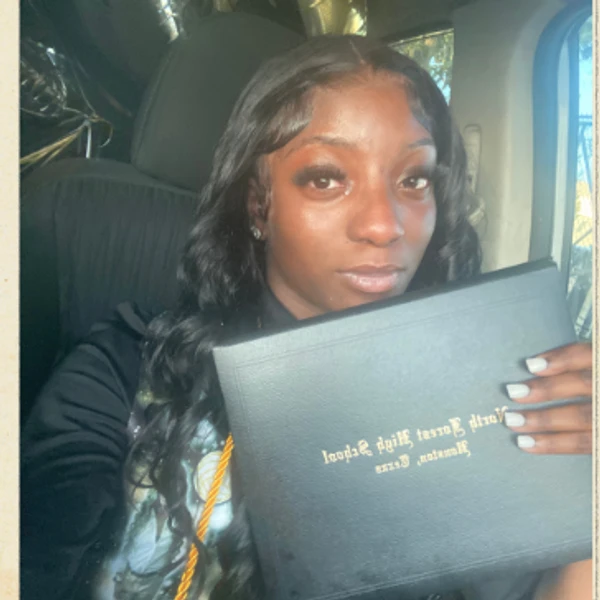
As a college freshman, mental health is something that holds deep significance to me, not just as a personal priority but also as an issue I actively advocate for in my community. I believe that mental well-being is the foundation of academic success, emotional resilience, and overall life satisfaction, yet it remains an aspect of health that is often overlooked or stigmatized, especially among young people. As I navigate my own college experience, I have come to realize how vital it is to recognize the challenges of mental health and to actively engage in making our communities—whether academic, home, or beyond—a place of understanding and support.
From a personal standpoint, mental health has always been integral to my journey. Throughout high school, I struggled with feelings of stress, anxiety, and occasional depression. These challenges often seemed insurmountable, particularly when I faced academic pressures and societal expectations. I didn’t have the language or support to express what I was going through, which sometimes led me to bottle up emotions until I felt overwhelmed. But through the course of my own growth, I began to understand the importance of self-care, seeking help, and the power of open dialogue about mental health.
When I arrived at college, I found that I was not alone in my struggles. In fact, the pressure of academics, social adjustment, and new responsibilities can be a perfect storm for mental health challenges. Early in the semester, I realized that I wasn’t the only one feeling stressed, overwhelmed, or uncertain about how to handle the changes. Many of my peers also seemed to be struggling, though no one was openly talking about it. It became clear to me that the mental health crisis among college students is pervasive, yet largely invisible. This realization fueled my desire to advocate for mental health awareness and support in my community.
One of the first steps I took was to become involved in a campus organization dedicated to mental health advocacy. I joined a student-led group that provides peer counseling, organizes wellness events, and educates students about available mental health resources. As a member, I’ve had the opportunity to speak at events, share personal stories, and offer support to my peers. Our group works to challenge the stigma surrounding mental health by making it more normalized in everyday conversations. I’ve come to believe that the more we talk about mental health, the less power stigma has over us. By sharing our experiences and offering support to others, we create a more empathetic and understanding environment.
Ultimately, I am committed to advocating for mental health because I believe that everyone deserves to live a life where they feel supported, valued, and heard. Mental health affects all aspects of our lives, and by addressing it openly, we can build stronger, more resilient communities. In my own journey, I’ve learned that there is no shame in seeking help, in talking about struggles, or in recognizing the need for mental well-being. As a student, I am determined to continue spreading this message, making mental health a priority in my own life and in the lives of those around me. The more we normalize mental health conversations, the more we empower ourselves and others to lead healthier, happier lives.