Hobbies and interests
Volleyball
Volunteering
DECA
Child Development
Beach
Advocacy And Activism
Babysitting And Childcare
Pilates
Walking
Pet Care
History
Nursing
Snorkeling
Church
Sleeping
Reading
Adult Fiction
I read books multiple times per month
Campbell Harrison
1x
FinalistCampbell Harrison
1x
FinalistBio
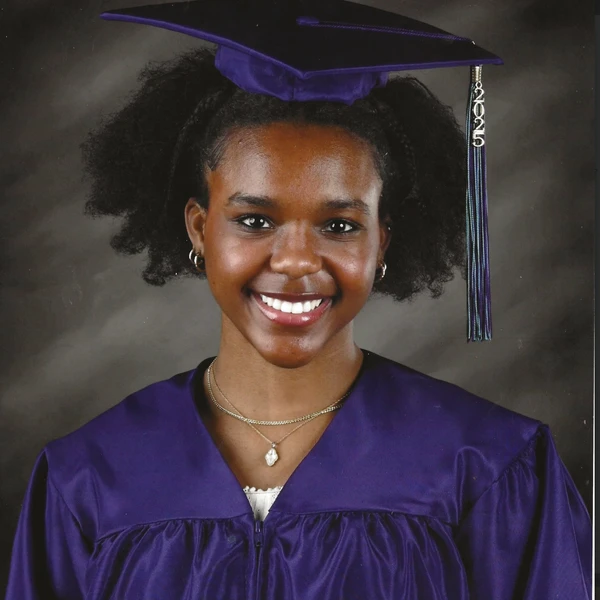
My name is Campbell Harrison, and I am a graduate of Cox Mill High School in Concord, NC. As an only child, I cherish the close bond I have with my parents.
I am a dedicated student-athlete, playing volleyball for both my school and a club team, and I was proud to be part of the team that reached the state finals last year.
I am currently a member of Mu Alpha Theta National Honor Society, National Honor Society, Technical Honor Society, and Science National Honor Society. Alongside my academic and extracurricular commitments, I work part time and volunteer locally. I plan to attend ECU in the fall of 2025. I have been accepted into their Honors College and Nursing Program.
I have obtained my Certified Nursing Assistance (CNA) License. My ultimate goal is to become a Certified Registered Nurse Anesthetist (CRNA).
Education
East Carolina University
Bachelor's degree programMajors:
- Registered Nursing, Nursing Administration, Nursing Research and Clinical Nursing
Rowan-Cabarrus Community College
High SchoolGPA:
4
Cox Mill High School
High SchoolGPA:
3.9
Miscellaneous
Desired degree level:
Bachelor's degree program
Graduate schools of interest:
Transfer schools of interest:
Majors of interest:
- Registered Nursing, Nursing Administration, Nursing Research and Clinical Nursing
Career
Dream career field:
Hospital & Health Care
Dream career goals:
My ultimate goal is to become a CRNA (Certified Registered Nurse Anesthetist) delivering care in rural and underserved areas. Access to healthcare is a basic human right that should be afforded to all Americans. CRNAs play a key role in making healthcare accessible. In many of these communities, CRNAs are the only anesthesia providers supporting surgeries, assisting with childbirth and chronic pain management. Black females make up only 3% of all CRNAs nationwide. My goal is to change this narrative by increasing the presence of minority women in this field.
Saladmaker
Chopt Creative Salad Corporation2025 – Present1 yearHostess
Afton Pub and Pizza2023 – 20241 yearAssembler
Maple Street Biscuits2021 – 20243 years
Sports
Volleyball
Club2021 – 20243 years
Public services
Volunteering
Free Community Clinic — Administration Volunteer2025 – PresentVolunteering
Big Brother Big Sister of America Concord NC — Big Volunteer2024 – PresentPublic Service (Politics)
Diamond Staton Campaign — Phone Bank2024 – 2024
Future Interests
Advocacy
Volunteering
Philanthropy
Skin, Bones, Hearts & Private Parts Scholarship for Nurse Practitioners, Physician Assistants, and Registered Nurse Students
My grandmother often describes herself as a product of the Jim Crow South. She marched in resistance to the oppression that defined life across the region. She marched for the civil rights of herself and others, the right to vote, education, and employment. Many believe the fight for civil rights ended with her generation and that America has achieved equality across race, gender, and class. However, her fight is not limited to a generation; it was passed down from my grandmother to me. This fight is most evident in the socioeconomic disparities across the country that continue to shape access to quality healthcare. Healthcare is an inalienable right that deserves protection regardless of socioeconomic differences. Her stories, combined with my interest in medicine and the human body, have pushed me to pursue a career in healthcare.
Like many kids growing up, I played doctor with my family, testing my mother’s reflexes, checking my father’s eyesight, and cleaning and dressing my own cuts from playing outside. When traveling to visit my grandmother, I began to notice something troubling: the farther we drove, the fewer hospitals and clinics I saw, particularly in rural and minority communities. This growing awareness of unequal access motivated me to complete the entire Career and Technical Education Health Science Track offered at my high school, deepening my understanding of the human body and the systems that contribute to the disparities I have witnessed. In these classes, I learned how healthcare inequities stem from historical injustices embedded in modern medicine, including the stories of Henrietta Lacks, the Tuskegee Experiment, and the countless Black women whose bodies were exploited to advance obstetric and gynecological care. Despite their contributions to medicine, Black and minority communities continue to suffer from disproportionately poor health outcomes within a broken system. Witnessing these inequities firsthand made it clear to me that change requires education, training, and credentials that allow me to work within and challenge this system. These experiences pushed me to pursue higher education so I can gain the knowledge and authority necessary to advocate for patients who have long been overlooked.
I understand that these disparities are structural, not accidental, and that dismantling them will take time and commitment. I have extended my education beyond the classroom to better understand my role in creating change. In my first year of high school, I became involved in a local program, HEROS (Health Careers Education Reaching Out to Excellent Students). Through HEROS, I explored the human body, various healthcare careers, and the lived experiences of minorities within the healthcare system. I also expanded my advocacy by phone-banking for a local House of Representatives candidate who was a nurse and a strong advocate for healthcare equity. During her term, she voted for and lobbied to expand Medicaid, helping thousands of North Carolinians gain access to quality care. Seeing policy and healthcare intersect reinforced my belief that meaningful change requires both compassion and action.
I am pursuing nursing because it allows me to be part of the solution in a system that has long failed marginalized communities. Nursing is uniquely positioned to build trust in communities that have historically been ignored, mistreated, and exploited. Receiving this scholarship would directly support my ability to pursue this path. By easing the financial burden of higher education, this scholarship would allow me to focus more fully on my coursework, clinical training, and community involvement rather than the stress of affordability. This support would not only invest in my education, but also in the communities I hope to one day serve as a nurse and advocate.
Sgt. Albert Dono Ware Memorial Scholarship
My grandmother often describes herself as a product of the Jim Crow South. She marched in resistance to oppression that defined life across the region. She marched for the civil rights of herself and others, the right to vote, education, and employment. Many believe the fight for civil rights ended with her generation and believe America has achieved equality across race, gender, and class. However, her fight is not limited to a generation; it was passed down from my grandmother to me. This fight is most evident in the socioeconomic disparities across the country, which impact access to quality healthcare. Healthcare is an inalienable right that deserves protection regardless of socioeconomic differences. Her stories and my interest in medicine and the human body have pushed me to pursue a career in healthcare.
Similar to many kids growing up, I would play doctor with my family, assessing my mother's reflexes, checking my father's eyesight, and cleaning and dressing my own cuts from playing outside. When traveling to see my grandmother, I noticed something: the farther we drove, the fewer hospitals and clinics I saw, especially in rural and minority areas. My growing awareness of unequal access pushed me to complete the entire Career and Technical Education Health Science Track offered in high school, deepening my understanding of the human body and the structures behind the disparities I've witnessed. In these classes, I learned how healthcare disparities stem from historical injustices embedded in modern medicine, including the stories of Henrietta Lacks, the Tuskegee Experiment, and the dozens of black women whose bodies were experimented on to advance the practice of obstetric and gynecological studies. However, despite the exploitation of black and minority bodies and their contribution to medicine, they are the victims of poor healthcare outcomes driven by a broken system.
I understand that these disparities are structural, not accidental, and that they will take time to unravel. I've extended my education about the human body beyond the classroom. In my first year of high school, I became involved in a local program, HEROS (Health Careers Education Reaching Out to Excellent Students). HEROS allowed me to explore the human body and its functions, different healthcare careers, and the unique experiences of minorities in healthcare. I expanded my advocacy for access to healthcare by phone-banking for a local House of Representatives candidate, a nurse passionate about healthcare equality. During her term, she voted for and lobbied to expand Medicaid, helping countless North Carolinians gain access to quality healthcare. Her values and actions directly mirrored my career goals and ambitions.
I am pursuing nursing because it allows me to be part of the solution, changing a system that has long failed marginalized communities. Nursing is a career uniquely suited to building trust and relationships in communities that have historically been exploited, ignored, and mistreated. It allows me to be on the front lines advocating for patients and addressing disparities at a local level. Nursing will allow me to combine care and advocacy, ensuring Americans, regardless of race, location, or income, receive access to equitable care.
Just as my grandmother marched for the civil rights of her generation, I aim to carry a torch lit by her resilience and my passion. My academic experience and advocacy have shaped my commitment to nursing. My goal is to make healthcare a right, not a privilege, determined by your income, zipcode, gender, or race.
Jeune-Mondestin Scholarship
My grandmother often describes herself as a product of the Jim Crow South. She marched in resistance to oppression that defined life across the region. She marched for the civil rights of herself and others, the right to vote, education, and employment. Many believe the fight for civil rights ended with her generation and believe America has achieved equality across race, gender, and class. However, her fight is not limited to a generation; it was passed down from my grandmother to me. This fight is most evident in the socioeconomic disparities across the country, which impact access to quality healthcare. Healthcare is an inalienable right that deserves protection regardless of socioeconomic differences. Her stories and my interest in medicine and the human body have pushed me to pursue a career in healthcare.
Similar to many kids growing up, I would play doctor with my family, assessing my mother's reflexes, checking my father's eyesight, and cleaning and dressing my own cuts from playing outside. When traveling to see my grandmother, I noticed something: the farther we drove, the fewer hospitals and clinics I saw, especially in rural and minority areas. My growing awareness of unequal access pushed me to complete the entire Career and Technical Education Health Science Track offered in high school, deepening my understanding of the human body and the structures behind the disparities I've witnessed. In these classes, I learned how healthcare disparities stem from historical injustices embedded in modern medicine, including the stories of Henrietta Lacks, the Tuskegee Experiment, and the dozens of black women whose bodies were experimented on to advance the practice of obstetric and gynecological studies. However, despite the exploitation of black and minority bodies and their contribution to medicine, they are the victims of poor healthcare outcomes driven by a broken system.
I understand that these disparities are structural, not accidental, and that they will take time to unravel. I've extended my education about the human body beyond the classroom. In my first year of high school, I became involved in a local program, HEROS (Health Careers Education Reaching Out to Excellent Students). HEROS allowed me to explore the human body and its functions, different healthcare careers, and the unique experiences of minorities in healthcare. I expanded my advocacy for access to healthcare by phone-banking for a local House of Representatives candidate, a nurse passionate about healthcare equality. During her term, she voted for and lobbied to expand Medicaid, helping countless North Carolinians gain access to quality healthcare. Her values and actions directly mirrored my career goals and ambitions.
I am pursuing nursing because it allows me to be part of the solution, changing a system that has long failed marginalized communities. Nursing is a career uniquely suited to building trust and relationships in communities that have historically been exploited, ignored, and mistreated. It allows me to be on the front lines advocating for patients and addressing disparities at a local level. Nursing will allow me to combine care and advocacy, ensuring Americans, regardless of race, location, or income, receive access to equitable care.
Just as my grandmother marched for the civil rights of her generation, I aim to carry a torch lit by her resilience and my passion. My academic experience and advocacy have shaped my commitment to nursing. My goal is to make healthcare a right, not a privilege, determined by your income, zipcode, gender, or race.
Dorothy Walker Dearon Scholarship
My grandmother often describes herself as a product of the Jim Crow South. She marched in resistance to the oppression that defined life across the region. She marched for the civil rights of herself and others, the right to vote, education, and employment. Many believe the fight for civil rights ended with her generation and believe America has achieved equality across race, gender, and class. However, her fight is not limited to a generation; it was passed down from my grandmother to me. This fight is most evident in the socioeconomic disparities across the country, which impact access to quality healthcare. Healthcare is an inalienable right that deserves protection regardless of socioeconomic differences. Her stories and my interest in medicine and the human body have pushed me to pursue a career in healthcare.
Similar to many kids growing up, I would play doctor with my family, assessing my mother's reflexes, checking my father's eyesight, and cleaning and dressing my own cuts from playing outside. When traveling to see my grandmother, I noticed something: the farther we drove, the fewer hospitals and clinics I saw, especially in rural and minority areas. My growing awareness of unequal access pushed me to complete the entire Career and Technical Education Health Science Track offered in high school, deepening my understanding of the human body and the structures behind the disparities I've witnessed. In these classes, I learned how healthcare disparities stem from historical injustices embedded in modern medicine, including the stories of Henrietta Lacks, the Tuskegee Experiment, and the dozens of black women whose bodies were experimented on to advance the practice of obstetric and gynecological studies. However, despite the exploitation of black and minority bodies and their contribution to medicine, they are the victims of poor healthcare outcomes driven by a broken system.
I understand that these disparities are structural, not accidental, and that they will take time to unravel. I've extended my education about the human body beyond the classroom. In my first year of high school, I became involved in a local program, HEROS (Health Careers Education Reaching Out to Excellent Students). HEROS allowed me to explore the human body and its functions, different healthcare careers, and the unique experiences of minorities in healthcare. I expanded my advocacy for access to healthcare by phone-banking for a local House of Representatives candidate, a nurse passionate about healthcare equality. During her term, she voted for and lobbied to expand Medicaid, helping countless North Carolinians gain access to quality healthcare. Her values and actions directly mirrored my career goals and ambitions.
I am pursuing nursing because it allows me to be part of the solution, changing a system that has long failed marginalized communities. Nursing is a career uniquely suited to building trust and relationships in communities that have historically been exploited, ignored, and mistreated. It allows me to be on the front lines advocating for patients and addressing disparities at a local level. Nursing will allow me to combine care and advocacy, ensuring Americans, regardless of race, location, or income, receive access to equitable care.
Just as my grandmother marched for the civil rights of her generation, I aim to carry a torch lit by her resilience and my passion. My academic experience and advocacy have shaped my commitment to nursing. My goal is to make healthcare a right, not a privilege, determined by your income, zipcode, gender, or race.
Pangeta & Ivory Nursing Scholarship
My grandmother often describes herself as a product of the Jim Crow South. She marched in resistance to oppression that defined life across the region. She marched for the civil rights of herself and others, the right to vote, education, and employment. Many believe the fight for civil rights ended with her generation and believe America has achieved equality across race, gender, and class. However, her fight is not limited to a generation; it was passed down from my grandmother to me. This fight is most evident in the socioeconomic disparities across the country, which impact access to quality healthcare. Healthcare is an inalienable right that deserves protection regardless of socioeconomic differences. Her stories and my interest in medicine and the human body have pushed me to pursue a career in healthcare.
Similar to many kids growing up, I would play doctor with my family, assessing my mother's reflexes, checking my father's eyesight, and cleaning and dressing my own cuts from playing outside. When traveling to see my grandmother, I noticed something: the farther we drove, the fewer hospitals and clinics I saw, especially in rural and minority areas. My growing awareness of unequal access pushed me to complete the entire Career and Technical Education Health Science Track offered in high school, deepening my understanding of the human body and the structures behind the disparities I've witnessed. In these classes, I learned how healthcare disparities stem from historical injustices embedded in modern medicine, including the stories of Henrietta Lacks, the Tuskegee Experiment, and the dozens of black women whose bodies were experimented on to advance the practice of obstetric and gynecological studies. However, despite the exploitation of black and minority bodies and their contribution to medicine, they are the victims of poor healthcare outcomes driven by a broken system.
I understand that these disparities are structural, not accidental, and that they will take time to unravel. I've extended my education about the human body beyond the classroom. In my first year of high school, I became involved in a local program, HEROS (Health Careers Education Reaching Out to Excellent Students). HEROS allowed me to explore the human body and its functions, different healthcare careers, and the unique experiences of minorities in healthcare. I expanded my advocacy for access to healthcare by phone-banking for a local House of Representatives candidate, a nurse passionate about healthcare equality. During her term, she voted for and lobbied to expand Medicaid, helping countless North Carolinians gain access to quality healthcare. Her values and actions directly mirrored my career goals and ambitions.
I am pursuing nursing because it allows me to be part of the solution, changing a system that has long failed marginalized communities. Nursing is a career uniquely suited to building trust and relationships in communities that have historically been exploited, ignored, and mistreated. It allows me to be on the front lines advocating for patients and addressing disparities at a local level. Nursing will allow me to combine care and advocacy, ensuring Americans, regardless of race, location, or income, receive access to equitable care.
Just as my grandmother marched for the civil rights of her generation, I aim to carry a torch lit by her resilience and my passion. My academic experience and advocacy have shaped my commitment to nursing. My goal is to make healthcare a right, not a privilege, determined by your income, zipcode, gender, or race.
Chi Changemaker Scholarship
n issue in my community that I have taken the initiative to address is unequal access to healthcare, particularly in rural and minority communities. This problem became clear to me at a young age when I traveled to visit my grandmother. I noticed that the farther we drove, the fewer hospitals, urgent care clinics, and medical resources were available. I realized that access to quality healthcare was not something everyone in my community could take for granted, and that awareness motivated me to take action.
My interest in medicine and the stories my grandmother shared about growing up in the Jim Crow South shaped my understanding of healthcare as a civil rights issue. I recognized that historical injustices, such as the Tuskegee experiments and the exploitation of Black women in obstetrics and gynecology, continue to contribute to systemic disparities today. These inequities inspired me to focus my efforts on education, advocacy, and direct involvement in healthcare.
In high school, I completed the full Career and Technical Education Health Science Track, which gave me a strong foundation in the human body and an understanding of how social determinants of health affect patient outcomes. I joined HEROS, a program for students exploring health careers, where I learned about different healthcare professions and the unique challenges minority students face in pursuing medicine. I also volunteered to phone-bank for a local House candidate who was a nurse advocating for healthcare equality and expanding Medicare access for North Carolinians. These experiences allowed me to combine my interest in medicine with active advocacy for healthcare access in my community.
So far, I have focused on raising awareness, gaining experience in healthcare, and advocating for policy that improves access to care. I have learned how structural inequalities affect patients and how advocacy and education can make a real difference.
Moving forward, I want to expand my efforts by pursuing a career in nursing, which allows me to be on the front lines of patient care. Nursing will enable me to build trust with communities historically mistreated by the healthcare system and address disparities directly, one patient at a time. By combining care with advocacy, I hope to ensure that all members of my community, regardless of race, income, or location, receive equitable healthcare. Just as my grandmother fought for civil rights, I aim to continue her legacy by promoting justice within healthcare.
Dashanna K. McNeil Memorial Scholarship
My grandmother often describes herself as a product of the Jim Crow South. She marched in resistance to the brutal oppression that defined life across the region. She marched for the civil rights of herself and others, the right to vote, education, and employment. Many think the fight for civil rights ended with her generation; they believe America has achieved equality across race, gender, and class. However, this fight is not a generation; it continues from her to me. Her stories and my interest in medicine and the human body have pushed me to pursue a career in healthcare and advocate for equal access to healthcare across socioeconomic boundaries, minority groups across the country argue that their civil rights have been infringed upon as they face unfair and unequal access to quality healthcare, something that should be an inalienable right rooted in equity, resistance, and liberation and should not be based on what you look like or where you live.
Similar to many kids growing up, I would play doctor with my family, assessing my mother's reflexes, checking my father's eyesight, and cleaning and dressing my own cuts from playing outside. When I was younger, traveling to see my grandmother, I noticed something: the farther we drove, the fewer urgent care clinics, hospitals, and clinics I saw, especially in rural and minority areas. My growing awareness of unequal access pushed me to complete the entire Career and Technical Education Health Science Track offered in high school, deepening my understanding of the human body and the structures behind the disparities I've witnessed. As we explored the social determinants of health, I realized healthcare disparities stem from historical injustices embedded in modern medicine. How modern medicine is founded on experimentation on black bodies, the stories of Henrietta Lacks, the Tuskegee experiments, and the dozens of women whose bodies were experimented on to advance the practice of obstetric and gynecological studies. However, despite the exploitation of black and minority bodies and their contribution to medicine, they are the victim of poor healthcare outcomes driven by a broken system.
Combined with what I learned in school about social determinants of health and the historical exploitation of Black bodies in medicine, I understood that these disparities are structural, not accidental, and will take time to unravel. I extended my education about the human body beyond the classroom. I became involved in a local program, HEROS (Health Careers Education Reaching Out to Excellent Students). HEROS allowed me to explore the human body and its functions, as well as different healthcare careers and the unique experiences of minorities in pursuing medicine. I further expanded my advocacy for healthcare by phone-banking for a local House representative candidate who was a nurse and passionate about healthcare equality; in her previous term, she voted for and lobbied to expand Medicare, helping countless North Carolinians gain access to quality healthcare.
I have taken steps to dismantle this system and chosen a career in nursing. Nursing is a career uniquely suited to building trust and relationships in communities that have historically been taken advantage of and mistreated. It allows me to be on the front lines advocating for patients and addressing disparities at a local level. Nursing will enable me to merge care with advocacy, ensuring that, regardless of race, location, or income, Americans receive equitable treatment.
Just as my grandmother marched for the civil rights of her generation, I aim to carry a torch lit by her resilience as I fight for justice within healthcare. My academic experience and advocacy have shaped my commitment to expanding patient care in underserved areas.
John Walker and Christine Horton Education Scholarship
Working with kids teaches you a lot. One of the biggest things is that they are more observant and thoughtful than people give them credit for. They notice everything. Not just what we say, but also what we do, and what the world around them shows or does not show. A child of color might grow up watching TV shows, reading books, or sitting in classrooms where no one looks like them. No one has to say anything directly. The message still comes through loud and clear; society does not see them.
A lot of kids in Big Brothers and Big Sisters carry that message with them. Sometimes it comes from the outside world, sometimes from their own home. Some kids grow up in families where hope is hard to hold onto. They are told that big dreams are unrealistic, that success is meant for other people. Not out of cruelty, but because generations of struggle have made hope feel risky or even foolish.
That is why the Big Brothers and Big Sisters organization is so important. It gives kids someone who shows up for them. Someone who listens, cares, and believes in them. Someone reminds them they matter, and they are not alone.
During my volunteer time, I met with my “Little” weekly for an hour. Sometimes we read together. Sometimes we played games. Sometimes we just talked. That small amount of time made an enormous difference. He told the program leaders how happy he was to have a Big Sister, especially since he had only brothers at home. That connection let him know someone cared about him and believed in him.
By participating I obtained my own unexpected benefits, life lessons and humility. I was proud to give back. I recalled how my mom read to me nightly before bed. I was surprised to learn that during our time together was his only one on one time with someone other than a schoolteacher. I also used this time to help him build confidence before facing the world. My “Little” was about to start middle school, which can be a tough and confusing time. I recalled my own struggles and wanted to help prepare him for the unknown. I focused on helping him build confidence in reading and himself.
I plan to continue being a Big Sister while I attend East Carolina University. I am working toward a Bachelor of Science in Nursing. My goal is to work in rural and underserved communities, helping expand access to healthcare. Healthcare is a basic right, and everyone deserves it, no matter where they live; their income; or race.
Removing barriers to healthcare gives families the opportunity to chase their goals and allow kids to stay healthy and ready to learn. Supporting children and families in this way is how we build a better future for everyone.
Mark Green Memorial Scholarship
My parents have always placed a high value on education, each earning a master's degree in their respective fields. Growing up, the conversation surrounding college was never framed as "if you go to college," but "when you go to college."
Whether consciously or subconsciously, I absorbed these values and began understanding the importance of higher education. Math was always my favorite subject. When offered the chance to take high school math in middle school, I was excited for the opportunity to expand my knowledge. This continued curiosity has allowed me to achieve the distinction of AP Scholar.
My drive to excel academically was not just about personal achievement, it was fueled by a growing interest in medicine and a desire to help others. As I explored opportunities like the Area Health Education Centers (AHEC) Program, HEROs, created for students with an interest in healthcare careers, I was given the opportunity to attend enrichment programs focused on healthcare and interact with minority healthcare professionals. During this process, I began to realize how my love for learning could translate into a meaningful career.
Mrs. Ripper, my health science teacher, exposed me to healthcare disparities in minority and rural communities. This knowledge strengthened my commitment to completing the Technical Education pathway for Health Sciences. Through this program, I was given the opportunity to obtain my Certified Nursing Assistant (CNA). Through my studies in health science, I gained insight into the substantial challenges faced by underserved populations, from limited access to care and a lack of minority representation to widespread mistrust of healthcare professionals. These issues drive my determination to break down barriers and create meaningful change.
My next step is to obtain my Bachelor of Science in Nursing with a minor in history or anthropology. Understanding the history of healthcare and humans will support me in my healthcare profession. In college, I look forward to deepening my knowledge of science while examining the societal factors contributing to healthcare disparities—and discovering how we can address them.
My ultimate goal is to become a CRNA (Certified Registered Nurse Anesthetist) delivering care in rural and underserved areas. Access to healthcare is a basic human right that should be afforded to all Americans. CRNAs play a key role in making healthcare accessible. In many of these communities, CRNAs are the only anesthesia providers supporting surgeries, assisting with childbirth and chronic pain management. Black females make up only 3% of all CRNAs nationwide. My goal is to change this narrative by increasing the presence of minority women in this field.
While my parents have consistently supported my pursuit of a college education, emotional support alone cannot overcome the rising cost of tuition. My mother’s cancer diagnosis shortly after my birth has resulted in unintended medical expenses. This scholarship, combined with my parents' unwavering support for my educational goals, will empower me to use my degree in the same way they did, to give back and help others. Receiving this scholarship would not only ease the financial burden of college but allow me to focus on the rigors of a competitive nursing program.
Joseph Joshua Searor Memorial Scholarship
“You’re gonna want to barf.”
“Huh?”
“If you don’t eat anything before you walk in there, you’re gonna get sick from the smell alone.”
“How do you know?”
“Because it happened to me.”
This conversation with my mother played over in my head as I drove to my first day of a two-week clinical period at a local nursing home. My mother, a nurse, never pushed me toward the healthcare field. It was something I naturally gravitated toward. Throughout high school, I completed the health science track. This drive to the nursing home was the final step in my last class, Nursing Fundamentals, a course designed to prepare students to become Certified Nursing Assistants. Clinicals solidified my desire to become a nurse, showing me both the challenges and the deep fulfillment that came with patient care.
On the second day of clinical, my instructor, Mrs. Stegall, pulled me aside and asked if I was ready to work in the healthcare unit of the nursing home. It was a unit dedicated to those who needed constant care, those who couldn’t walk, bathe, or even feed themselves. Up to that point, we had always been paired with a partner, but that day, the nurse in charge assigned me to get a resident ready for the day.
I gently called her name, letting her know I was there to help her start the morning. As I pulled back the covers, I realized she had been incontinent overnight. Instead of feeling burdened, I felt a deep sense of purpose. This was my chance to provide her with dignity, to remind her that she was cared for, not just as a resident but as a person. I moved with patience, preparing warm water for a bed bath. As I washed her skin, I spoke softly, telling her about the snow outside. I changed her sheets, making sure everything was fresh and clean, then helped her into a warm set of clothes. While removing her rollers from her hair, and preparing to go to the dining hall, she turned to me and said, “Thank you.”
That expression of gratitude was a powerful reminder that residents need more than just physical care. They need genuine attention and human connection. Many spend their days following the same predictable routines. For some, the transition to this new environment has been difficult adjusting to life away from their homes and their loved ones. A kind word, or just taking a moment to listen can bring warmth to an otherwise lonely day.
That morning, I realized that true caregiving isn’t just about tasks. It’s about the small moments that make a difference. Moving forward through clinical practice, I completed every skill with assurance, knowing I was thoroughly trained. Gaining confidence in my duties as a CNA helped me pass my skills assessment. Now, I can use my certification and experience to better prepare for nursing school, the profession and my long- term professional goal of becoming a Certified Registered Nurse Anesthetist.
Dr. Tien Vo Healthcare Hope Scholarship
My parents have always placed a high value on education, each earning a master's degree in their respective fields. The conversation growing up was never framed as "if you go to college," but "when you go to college." Whether consciously or subconsciously, I absorbed these values and began understanding the importance and value of higher education.
As a child, I was not driven by the goal of achieving good grades. I genuinely enjoyed learning new things about the world around me, good grades were just a byproduct. My mom frequently took me to the library, where I would check out books on both fantasy and Nonfiction. When offered the chance to take high school math in middle school, I was excited for the opportunity to expand my knowledge. This continued curiosity has given me the distinction of AP Scholar. I have a proven record of maintaining an A average while playing club and varsity volleyball; working part time; and multiple extracurricular activities. Over the last four years, I have been able to manage the rigors of Honors and AP classes while also maintaining a full life outside of the classroom.
My drive to excel academically was not just about personal achievement, it was fueled by a growing interest in medicine and a desire to help others. As I explored opportunities like the Area Health Education Centers (AHEC) HEROS program for students with an interest in healthcare careers I became curious about a career in healthcare. This program provided me the opportunity to attend summer camps focused on healthcare and college visits to healthcare programs. Being part of this program helped me realize how my love for learning could translate into a meaningful career.
Mrs. Ripper, my health science teacher, exposed me to healthcare disparities in minority and rural communities. This knowledge strengthened my commitment to completing the Technical Education pathway for Health Sciences. Through this program, I can obtain my Certified Nursing Assistant (CNA) license. My next step is to obtain a bachelor’s degree in nursing with the ultimate goal of becoming a Certified Registered Nurse Anesthetist (CRNA). I am deeply committed to leveraging my career to help underserved communities with poor outcomes. Through my current studies in health science, I have gained insight into the substantial challenges faced by underserved populations, from limited access to care and a lack of minority representation to widespread mistrust of healthcare professionals. These issues drive my determination to break down barriers and create meaningful change.
One recent challenge was failing my CNA skills exam. Tt made me realize I hadn’t taken the preparation seriously enough. That experience pushed me to rethink how I approached learning. For my second try, I worked harder than ever. Passing the exam wasn’t just about getting a passing score; it showed me the value of persistence and preparation.
Completing my degree will not only honor my parents' sacrifices and extend beyond personal achievement. It is a step toward improving the health of my community, a community whose healthcare concerns have systematically been overlooked. In college, I look forward to deepening my knowledge of science while examining the societal factors contributing to healthcare disparities—and discovering how we can address them. Receiving this scholarship would not only ease the financial burden of college but allow me to focus on the rigors of a competitive nursing program. With your scholarship support, I will take the next step in my journey, using my education to make a lasting impact on the lives of others.
Brian Leahy Memorial Scholarship
My parents have always placed a high value on education, each earning a master's degree in their respective fields. The conversation growing up was never framed as "if you go to college," but "when you go to college." Whether consciously or subconsciously, I absorbed these values and began understanding the importance and value of higher education.
As a child, I was not driven by the goal of achieving good grades. I genuinely enjoyed learning new things about the world around me, good grades were just a byproduct. My mom frequently took me to the library, where I would check out books on both fantasy and Nonfiction. When offered the chance to take high school math in middle school, I was excited for the opportunity to expand my knowledge. This continued curiosity has given me the distinction of AP Scholar. I have a proven record of maintaining an A average while playing club and varsity volleyball; working part time; and multiple extracurricular activities. Over the last four years, I have been able to manage the rigors of Honors and AP classes while also maintaining a full life outside of the classroom.
My drive to excel academically was not just about personal achievement, it was fueled by a growing interest in medicine and a desire to help others. As I explored opportunities like the Area Health Education Centers (AHEC) HEROS program for students with an interest in healthcare careers I became curious about a career in healthcare. This program provided me the opportunity to attend summer camps focused on healthcare and college visits to healthcare programs. Being part of this program helped me realize how my love for learning could translate into a meaningful career.
Mrs. Ripper, my health science teacher, exposed me to healthcare disparities in minority and rural communities. This knowledge strengthened my commitment to completing the Technical Education pathway for Health Sciences. Through this program, I can obtain my Certified Nursing Assistant (CNA) license. My next step is to obtain a bachelor’s degree in nursing with the ultimate goal of becoming a Certified Registered Nurse Anesthetist (CRNA). I am deeply committed to leveraging my career to help underserved communities with poor outcomes. Through my current studies in health science, I have gained insight into the substantial challenges faced by underserved populations, from limited access to care and a lack of minority representation to widespread mistrust of healthcare professionals. These issues drive my determination to break down barriers and create meaningful change.
Completing my degree will not only honor my parents' sacrifices and extend beyond personal achievement. It is a step toward improving the health of my community, a community whose healthcare concerns have systematically been overlooked. In college, I look forward to deepening my knowledge of science while examining the societal factors contributing to healthcare disparities—and discovering how we can address them. My mother’s cancer diagnosis shortly after my birth has resulted in unintended medical expenses. While she is well, she has endured chemotherapy, radiation therapy and monthly injections. She continues to be a source of inspiration for me and my family.
This scholarship, combined with my parents' unwavering support for my educational goals, will empower me to use my degree in the same way they did, to give back and help others. Receiving this scholarship would not only ease the financial burden of college but allow me to focus on the rigors of a competitive nursing program.
Wieland Nurse Appreciation Scholarship
My parents have always placed a high value on education, each earning a master's degree in their respective fields. The conversation growing up was never framed as "if you go to college," but "when you go to college." Whether consciously or subconsciously, I absorbed these values and began understanding the importance and value of higher education.
As a child, I was not driven by the goal of achieving good grades. I genuinely enjoyed learning new things about the world around me, good grades were just a byproduct. My mom frequently took me to the library, where I would check out books on both fantasy and Nonfiction. When offered the chance to take high school math in middle school, I was excited for the opportunity to expand my knowledge. This continued curiosity has given me the distinction of AP Scholar. I have a proven record of maintaining an A average while playing club and varsity volleyball; working part time; and multiple extracurricular activities. Over the last four years, I have been able to manage the rigors of Honors and AP classes while also maintaining a full life outside of the classroom.
My drive to excel academically was not just about personal achievement, it was fueled by a growing interest in medicine and a desire to help others. As I explored opportunities like the Area Health Education Centers (AHEC) HEROS program for students with an interest in healthcare careers I became curious about a career in healthcare. This program provided me the opportunity to attend summer camps focused on healthcare and college visits to healthcare programs. Being part of this program helped me realize how my love for learning could translate into a meaningful career.
Mrs. Ripper, my health science teacher, exposed me to healthcare disparities in minority and rural communities. This knowledge strengthened my commitment to completing the Technical Education pathway for Health Sciences. Through this program, I can obtain my Certified Nursing Assistant (CNA) license. My next step is to obtain a bachelor’s degree in nursing with the ultimate goal of becoming a Certified Registered Nurse Anesthetist (CRNA). I am deeply committed to leveraging my career to help underserved communities with poor outcomes. Through my current studies in health science, I have gained insight into the substantial challenges faced by underserved populations, from limited access to care and a lack of minority representation to widespread mistrust of healthcare professionals. These issues drive my determination to break down barriers and create meaningful change.
Completing my degree will not only honor my parents' sacrifices and extend beyond personal achievement. It is a step toward improving the health of my community, a community whose healthcare concerns have systematically been overlooked. In college, I look forward to deepening my knowledge of science while examining the societal factors contributing to healthcare disparities—and discovering how we can address them. Receiving this scholarship would not only ease the financial burden of college but allow me to focus on the rigors of a competitive nursing program. With your scholarship support, I will take the next step in my journey, using my education to make a lasting impact on the lives of others.
I am an avid user of the Bold website. I located this scholarship on the Bold website.
Younce, Vtipil, Baznik & Banks Scholarship
Justice, means ensuring no one’s voice is silenced, and no one’s rights are stripped away because of who they are, this includes but not limited to race, gender, age, or ethnicity. My grandmother often describes herself as a “product of the Jim Crow South.” She marched against the brutal oppression faced throughout the South, and these values have been passed down to me. She fought for her right to drink from the same fountain, eat at the same counter, and vote at the same booths as her Caucasian counterparts. While we often hear the names Martin Luther King Jr., John Lewis, and Malcolm X, everyday people like my grandmother marched alongside them. It is easy to forget about the violence and sacrifices activists endured when it is only briefly mentioned in a classroom once a year. Ignoring their struggle would dishonor their actions and commitment to voter equality and equal rights.
Understanding justice as a fight for equity and opportunity is what drives me today. The former Jim Crow South witnessed the power of voting during the Georgia 2020 presidential election. Georgia saw a record turnout among African American voters, flipping the state blue for the first time in 28 years. This was due to the work of Stacey Abrams, a voting rights activist who organized and engaged with communities often left out of political conversation. Watching the impact of engaged voters reinforced my understanding, true justice comes from empowering people. This awareness led me to action. I volunteered for my local House Representative Diamond Staton Williams' reelection campaign. Although I was too young to canvass door-to-door, I supported the campaign by calling and texting potential voters and sharing Diamond’s stances on key issues affected by our community.
However, the fight for justice is far from over. Abrams warned against the rise of voter suppression, and today we are seeing her warnings come true. States are acting to legally suppress voter turnout. In Georgia, SB 202 restricts ballot box access in Black communities—a direct reaction to the high voter turnout Abrams helped inspire. In Texas, the introduction of “poll watchers” seeks to intimidate voters. In my home state of North Carolina, lawmakers attempted to pass racially discriminatory voter ID laws, despite expert analysis showing African American voters are 39% less likely than white voters to have the required ID. Although laws like these were struck down by our Democratic-majority State Supreme Court, the national Supreme Court’s conservative majority threatens to undo even more protection, including overturning the John R. Lewis Voting Rights Advancement Act of 2021.
In the future, I plan to continue working toward a more just society by staying engaged—whether through campaigning for candidates who support voting rights, educating others about proposed legislation, or even running for office myself one day. Justice demands action. It demands we remain informed, show up at the polls, and vote for leaders who will protect democracy for everyone. If we allow voter suppression to go unchecked, the brave actions of leaders like John Lewis and my grandmother will become in vain. Their fight for justice fuels my own commitment to ensure voting remains a democratic right for all.
Sewing Seeds: Lena B. Davis Memorial Scholarship
How many people can say they are on a first name basis with a local politician? Before she was a representative, I knew Representative Diamond Staton-Williams as a nurse and my mother’s colleague and friend. She was the first African American female elected to the Harrisburg Town Council in North Carolina. After becoming a representative for my district, one of her platforms was improving access to healthcare, specifically working to expand Medicaid to cover thousands of North Carolinians who previously had limited or no access to quality healthcare. Her fight, tenacity and achievements inspired me to volunteer as a high school intern, phone banking for her campaign. My contribution was calling and texting potential or new voters.
Mrs. Staton-Williams’ integrity and actions directly reflect my goals and principles. My goal is to work in medicine, improving outcomes for marginalized communities. I want to be part of a movement that listens to, believes in, and supports minority women. Studies indicate their concerns are often overlooked or dismissed resulting in poor outcomes and even mortality. I am committed to addressing their concerns. As a result, I have completed the health careers courses at my high school. Through my health careers class, I learned about the impact of social determinants of health and its impact on marginalized communities. By enrolling in these courses in high school, I am on track to obtain my Certified Nurses Assistance (CNA) License. My goal is to obtain my bachelor’s degree in nursing. I plan to further my education by obtaining my CRNA (Certified Registered Nurse Anesthetist). Minority female representation among CRNAs is significantly lower than their percentage in the U.S. population (approximately 3%). In college, I look forward to examining the societal factors contributing to healthcare disparities; and use my education, platform, and passion to address them.
Mrs. Staton-Williams has inspired and used her experience, knowledge, platform, and values to help improve access to healthcare, a basic human right. Through her service she allowed me to witness the impact and importance healthcare policy can have on a community. Her fight for Medicaid expansion has given half a million residents access to healthcare. Through my relationship with Mrs. Staton-Williams, I have gained the confidence needed to use my voice to help others and stand up for what I believe is right.
While the efforts of her campaign team were exemplary, she was unable to win a second term. Mrs. Staton-Williams continues to work in the community through multiple service organizations. She has inspired me to choose service through healthcare as a career option. I look forward to the words of wisdom and guidance she will continue to provide during my college journey and beyond. I have been blessed and inspired through Mrs. Diamond Staton-Williams’ presence in my life. The confidence, compassion, and fearlessness she has demonstrated has been inspirational.
KC MedBridge Scholarship
My parents have always placed a high value on education, each earning a master's degree in their respective fields. The conversation growing up was never framed as "if you go to college," but "when you go to college." Whether consciously or subconsciously, I absorbed these values and began understanding the importance and value of higher education.
My health science teacher exposed me to the significant challenges faced by minority and rural communities in healthcare. This knowledge strengthened my commitment to completing the Technical Education Health Sciences pathway, which provided a pathway to obtain my Certified Nursing Assistant (CNA) license. My ultimate goal is to become a Certified Registered Nurse Anesthetist (CRNA).In rural areas, CRNAs are often the only anesthesia providers, making sure people can obtain the surgeries, pain management, and obstetrical care they need. In college, I look forward to deepening my knowledge of science while examining the societal factors contributing to healthcare disparities—and discovering how we can address them.
Receiving this scholarship would not only ease the financial burden of college but allow me to focus on the rigors of a competitive nursing program. This scholarship will ensure I have the financial support needed to dedicate the required time to ensure classroom success in my respective nursing program. With your scholarship support, I will take the next step in my journey, using my education to make a lasting impact on the lives of others.
Maxwell Tuan Nguyen Memorial Scholarship
My parents have always placed a high value on education, each earning a master's degree in their respective fields. The conversation growing up was never framed as "if you go to college," but "when you go to college." Whether consciously or subconsciously, I absorbed these values and began understanding the importance and value of higher education.
As a child, I was not driven by the goal of achieving good grades. I genuinely enjoyed learning new things about the world around me, good grades were just a byproduct When offered the chance to take high school math in middle school, I was excited for the opportunity to expand my knowledge. This continued curiosity has given me the distinction of AP Scholar. I have a proven record of maintaining an A average while playing club and varsity volleyball; working part time; and multiple extracurricular activities. Over the last four years, I have been able to manage the rigors of Honors and AP classes while also maintaining a full life outside of the classroom.
My drive to excel academically was not just about personal achievement, it was fueled by a growing interest in medicine and a desire to help others. As I explored opportunities like the Area Health Education Centers (AHEC) HEROS program for students with an interest in healthcare careers I became curious about a career in healthcare. This program provided me the opportunity to attend summer camps focused on healthcare and college visits to healthcare programs. Being part of this program helped me realize how my love for learning could translate into a meaningful career.
Mrs. Ripper, my health science teacher, exposed me to healthcare disparities in minority and rural communities. This knowledge strengthened my commitment to completing the Technical Education pathway for Health Sciences. Through this program, I can obtain my Certified Nursing Assistant (CNA) license. My next step is to obtain a bachelor’s degree in nursing with the ultimate goal of becoming a Certified Registered Nurse Anesthetist (CRNA). I am deeply committed to leveraging my career to help underserved communities with poor outcomes. Through my current studies in health science, I have gained insight into the substantial challenges faced by underserved populations, from limited access to care and a lack of minority representation to widespread mistrust of healthcare professionals. These issues drive my determination to break down barriers and create meaningful change.
Completing my degree will not only honor my parents' sacrifices and extend beyond personal achievement. It is a step toward improving the health of my community, a community whose healthcare concerns have systematically been overlooked. In college, I look forward to deepening my knowledge of science while examining the societal factors contributing to healthcare disparities—and discovering how we can address them. Receiving this scholarship would not only ease the financial burden of college but allow me to focus on the rigors of a competitive nursing program. With your scholarship support, I will take the next step in my journey, using my education to make a lasting impact on the lives of others.
Kenyada Me'Chon Thomas Legacy Scholarship
“What is leadership?” Mrs. Shield, my leadership teacher, posed this question on the first day of Leadership class—a course dedicated to planning fundraisers for our school and local charities. As the room filled with debate over what or who defines a leader, Mrs. Shield listened before stepping in to explain that leadership embodies all the qualities we had discussed. She emphasized leadership takes many forms, making it possible for anyone to step up and make a difference.
Society needs servant leaders, and throughout my high school career, I have embraced leadership by fostering empathy and building community. I was inducted into Beta Club during my sophomore year, which allowed me to engage in on-campus service initiatives, such as school beautification and donating to local organizations. As Service Project Leader, I was determined to extend our impact beyond school walls. I wanted to create something with lasting change. My friends and I developed “Operation Sweet Surprise,” a project dedicated to recognizing teachers with gifts on their birthdays.
North Carolina ranked 38th in the nation for teacher pay. I vividly remember elementary school days when teachers went on strike for fair wages, temporarily shutting down schools. At the time, I did not fully grasp the complexities of unions or organized protests, but the experience stayed with me. It became one of the driving forces behind my project. While I was not old enough to vote or directly influence policy, I could use my voice to show appreciation in a small yet meaningful way. Empathy and community-building became the foundation of Operation Sweet Surprise. Through this initiative, we reminded teachers their work is valued, fostering a stronger connection between students and educators.
Operation Sweet Surprise emphasizes the importance of being seen and appreciated. When someone feels acknowledged for their efforts, it not only boosts their spirit but also encourages them to keep making a difference in the lives of others. At the beginning of each school year. We ask teachers to complete a survey. By taking the time to understand their likes and dislikes, we provide gifts they will enjoy and appreciate. To me, giving back means taking the time and effort to support others. Operation Sweet Surprise was a small way to show appreciation to teachers who motivate and support us, even when they feel unsupported. Operation Sweet Surprise began to foster a culture of appreciation within our school through the acknowledgment of teachers’ hard work.
These experiences have shaped my understanding of servant leadership—one extending beyond individual acts of service to a lifelong commitment to uplifting others. Whether mentoring as a “Big” for Big Brothers and Big Sisters, engaging in civic leadership through my political internship, or supporting those in need through volunteer work, I have learned true leadership is about fostering connection, creating collaboration, and building a stronger community.
Moving forward, I will continue to seek opportunities to serve, knowing leadership is not defined by position or power but by the impact we have on the lives of others. I have learned giving back is not just about a one-time action; it is an attitude of lifelong commitment.
Beacon of Light Scholarship
In the fall of 2015, Hamilton took over the world—and it also took over 8-year-old Campbell’s playlist. I wondered how these singers could produce such beautiful notes while others, like me, struggled. I spent hours researching the mechanics of singing and the body systems involved in producing sound. This sparked my fascination with how the human body works. Combined with my mother’s career as a nurse, it inspired me to pursue a healthcare career.
My mom found an interesting opportunity for me to fully explore my interest in healthcare through the North Carolina Area Health Education Center (AHEC), HEROS program. HEROS exposes minority students to careers in healthcare. To be honest, my first year in the club was anything but inspiring. As the world slowly recovered from the COVID-19 pandemic, all the meetings were virtual, something I came to dread. The sessions were hollow reflections of what I had anticipated, filled with frozen screens and endless “Can y’all hear me?” moments. Each time I closed my laptop, doubts crept in: “Is this really what I want to do for the rest of my life?”, “Why is it so boring if it’s something I like?”, and “Do I even really want to go into healthcare?”
But then, at my sophomore open house the following summer, I opened my schedule to see I was finally starting the Health Science course, Foundations of Health Science. When I entered Mrs. Ripper’s class, she introduced herself as a former OBGYN nurse--turned healthcare educator. I am not sure when or how it happened, but her class reignited my passion for healthcare. We explored the human body in depth, and each lesson was filled with stories from her past as a healthcare provider. She showed me that being in healthcare could be both fun and exciting.
Mrs. Ripper also exposed me to healthcare disparities in minority and rural communities, deepening my understanding of the challenges these populations face. This knowledge strengthened my commitment to completing the Technical Education pathway for Health Sciences. Through this program, I recently obtained my Certified Nursing Assistant (CNA) license. My next step is to obtain a bachelor’s degree in nursing with the goal of becoming a Certified Registered Nurse Anesthetist (CRNA).
My involvement in AHEC while challenging at first, provided me with the opportunity to gain hands-on skills like taking blood pressure and temperature, while having conversations with current minority healthcare professionals, including medical students. AHEC helps expose students to medicine who might not otherwise have the opportunity. I am a proud product of this program and, as the current Vice President, I plan to continue my journey in college as an AHEC college academy scholar.
Through my current studies in health science, I have gained insight into the substantial challenges faced by underserved populations, from limited access to care and a lack of minority representation to widespread mistrust of healthcare professionals. These issues drive my determination to break down barriers and create meaningful change. In college, I look forward to examining the societal factors contributing to healthcare disparities; and how to use my education, platform, and passion to address them.
My long term is goal is to help remedy the lack of healthcare in underserved communities where access to doctors and hospitals are limited or unavailable. CRNAs play a key role in making healthcare accessible, in rural communities. In many of these communities, CRNAs are the only anesthesia providers. By becoming a CRNA, I will not only provide quality healthcare and pain management to rural and underserved populations but also help build trust in the medical community.
Women in Nursing Scholarship
In the fall of 2015, Hamilton took over the world—and it also took over 8-year-old Campbell’s playlist. I wondered how these singers could produce such beautiful notes while others, like me, struggled. I spent hours researching the mechanics of singing and the body systems involved in producing sound. This sparked my fascination with how the human body works. Combined with my mother’s career as a nurse, it inspired me to pursue a healthcare career.
My mom found an interesting opportunity for me to fully explore my interest in healthcare through the North Carolina Area Health Education Center (AHEC), HEROS program. HEROS exposes minority students to careers in healthcare. To be honest, my first year in the club was anything but inspiring. As the world slowly recovered from the COVID-19 pandemic, all the meetings were virtual, something I came to dread. The sessions were hollow reflections of what I had anticipated, filled with frozen screens and endless “Can y’all hear me?” moments. Each time I closed my laptop, doubts crept in: “Is this really what I want to do for the rest of my life?”, “Why is it so boring if it’s something I like?”, and “Do I even really want to go into healthcare?”
But then, at my sophomore open house the following summer, I opened my schedule to see I was finally starting the Health Science course, Foundations of Health Science. When I entered Mrs. Ripper’s class, she introduced herself as a former OBGYN nurse--turned healthcare educator. I am not sure when or how it happened, but her class reignited my passion for healthcare. We explored the human body in depth, and each lesson was filled with stories from her past as a healthcare provider. She showed me that being in healthcare could be both fun and exciting.
Mrs. Ripper also exposed me to healthcare disparities in minority and rural communities, deepening my understanding of the challenges these populations face. This knowledge strengthened my commitment to completing the Technical Education pathway for Health Sciences. Through this program, I recently obtained my Certified Nursing Assistant (CNA) license. My next step is to obtain a bachelor’s degree in nursing with the goal of becoming a Certified Registered Nurse Anesthetist (CRNA).
My involvement in AHEC while challenging at first, provided me with the opportunity to gain hands-on skills like taking blood pressure and temperature, while having conversations with current minority healthcare professionals, including medical students. AHEC helps expose students to medicine who might not otherwise have the opportunity. I am a proud product of this program and, as the current Vice President, I plan to continue my journey in college as an AHEC college academy scholar.
Through my current studies in health science, I have gained insight into the substantial challenges faced by underserved populations, from limited access to care and a lack of minority representation to widespread mistrust of healthcare professionals. These issues drive my determination to break down barriers and create meaningful change. In college, I look forward to examining the societal factors contributing to healthcare disparities; and how to use my education, platform, and passion to address them.
My long term is goal is to help remedy the lack of healthcare in underserved communities where access to doctors and hospitals are limited or unavailable. CRNAs play a key role in making healthcare accessible, in rural communities. In many of these communities, CRNAs are the only anesthesia providers. By becoming a CRNA, I will not only provide quality healthcare and pain management to rural and underserved populations but also help build trust in the medical community.
Sara Jane Memorial Scholarship
In the fall of 2015, Hamilton took over the world—and it also took over 8-year-old Campbell’s playlist. I wondered how these singers could produce such beautiful notes while others, like me, struggled. I spent hours researching the mechanics of singing and the body systems involved in producing sound. This sparked my fascination with how the human body works. Combined with my mother’s career as a nurse, it inspired me to pursue a healthcare career.
My mom found an interesting opportunity for me to fully explore my interest in healthcare through the North Carolina Area Health Education Center (AHEC), HEROS program. HEROS exposes minority students to careers in healthcare. To be honest, my first year in the club was anything but inspiring. As the world slowly recovered from the COVID-19 pandemic, all the meetings were virtual, something I came to dread. The sessions were hollow reflections of what I had anticipated, filled with frozen screens and endless “Can y’all hear me?” moments. Each time I closed my laptop, doubts crept in: “Is this really what I want to do for the rest of my life?”, “Why is it so boring if it’s something I like?”, and “Do I even really want to go into healthcare?”
But then, at my sophomore open house the following summer, I opened my schedule to see I was finally starting the Health Science course, Foundations of Health Science. When I entered Mrs. Ripper’s class, she introduced herself as a former OBGYN nurse--turned healthcare educator. I am not sure when or how it happened, but her class reignited my passion for healthcare. We explored the human body in depth, and each lesson was filled with stories from her past as a healthcare provider. She showed me that being in healthcare could be both fun and exciting.
Mrs. Ripper also exposed me to healthcare disparities in minority and rural communities, deepening my understanding of the challenges these populations face. This knowledge strengthened my commitment to completing the Technical Education pathway for Health Sciences. Through this program, I recently obtained my Certified Nursing Assistant (CNA) license. My next step is to obtain a bachelor’s degree in nursing with the goal of becoming a Certified Registered Nurse Anesthetist (CRNA).
My involvement in AHEC while challenging at first, provided me with the opportunity to gain hands-on skills like taking blood pressure and temperature, while having conversations with current minority healthcare professionals, including medical students. AHEC helps expose students to medicine who might not otherwise have the opportunity. I am a proud product of this program and, as the current Vice President, I plan to continue my journey in college as an AHEC college academy scholar.
Through my current studies in health science, I have gained insight into the substantial challenges faced by underserved populations, from limited access to care and a lack of minority representation to widespread mistrust of healthcare professionals. These issues drive my determination to break down barriers and create meaningful change. In college, I look forward to examining the societal factors contributing to healthcare disparities; and how to use my education, platform, and passion to address them.
My long term is goal is to help remedy the lack of healthcare in underserved communities where access to doctors and hospitals are limited or unavailable. CRNAs play a key role in making healthcare accessible, in rural communities. In many of these communities, CRNAs are the only anesthesia providers. By becoming a CRNA, I will not only provide quality healthcare and pain management to rural and underserved populations but also help build trust in the medical community.
Sunshine Legall Scholarship
My parents have always placed a high value on education, each earning a master's degree in their respective fields. The conversation growing up was never framed as "if you go to college," but "when you go to college." Whether consciously or subconsciously, I absorbed these values and began understanding the importance and value of higher education.
As a child, I was not driven by the goal of achieving good grades. I genuinely enjoyed learning new things about the world around me, good grades were just a byproduct. My mom frequently took me to the library, where I would check out books on both fantasy and Nonfiction. When offered the chance to take high school math in middle school, I was excited for the opportunity to expand my knowledge. This continued curiosity has given me the distinction of AP Scholar. I have a proven record of maintaining an A average while playing club and varsity volleyball; working part time; and multiple extracurricular activities. Over the last four years, I have been able to manage the rigors of Honors and AP classes while also maintaining a full life outside of the classroom.
My drive to excel academically was not just about personal achievement, it was fueled by a growing interest in medicine and a desire to help others. As I explored opportunities like the Area Health Education Centers (AHEC) HEROS program for students with an interest in healthcare careers I became curious about a career in healthcare. This program provided me the opportunity to attend summer camps focused on healthcare and college visits to healthcare programs. Being part of this program helped me realize how my love for learning could translate into a meaningful career.
Mrs. Ripper, my health science teacher, exposed me to healthcare disparities in minority and rural communities. This knowledge strengthened my commitment to completing the Technical Education pathway for Health Sciences. Through this program, I can obtain my Certified Nursing Assistant (CNA) license. My next step is to obtain a bachelor’s degree in nursing with the ultimate goal of becoming a Certified Registered Nurse Anesthetist (CRNA). I am deeply committed to leveraging my career to help underserved communities with poor outcomes. Through my current studies in health science, I have gained insight into the substantial challenges faced by underserved populations, from limited access to care and a lack of minority representation to widespread mistrust of healthcare professionals. These issues drive my determination to break down barriers and create meaningful change.
Completing my degree will not only honor my parents' sacrifices and extend beyond personal achievement. It is a step toward improving the health of my community, a community whose healthcare concerns have systematically been overlooked. In college, I look forward to deepening my knowledge of science while examining the societal factors contributing to healthcare disparities—and discovering how we can address them. Receiving this scholarship would not only ease the financial burden of college but allow me to focus on the rigors of a competitive nursing program. With your scholarship support, I will take the next step in my journey, using my education to make a lasting impact on the lives of others.
Kelly O. Memorial Nursing Scholarship
My parents have always placed a high value on education, each earning a master's degree in their respective fields. The conversation growing up was never framed as "if you go to college," but "when you go to college." Whether consciously or subconsciously, I absorbed these values and began understanding the importance and value of higher education.
As a child, I was not driven by the goal of achieving good grades. I genuinely enjoyed learning new things about the world around me, good grades were just a byproduct. My mom frequently took me to the library, where I would check out books on both fantasy and Nonfiction. When offered the chance to take high school math in middle school, I was excited for the opportunity to expand my knowledge. This continued curiosity has given me the distinction of AP Scholar. I have a proven record of maintaining an A average while playing club and varsity volleyball; working part time; and multiple extracurricular activities. Over the last four years, I have been able to manage the rigors of Honors and AP classes while also maintaining a full life outside of the classroom.
My drive to excel academically was not just about personal achievement, it was fueled by a growing interest in medicine and a desire to help others. As I explored opportunities like the Area Health Education Centers (AHEC) HEROS program for students with an interest in healthcare careers I became curious about a career in healthcare. This program provided me the opportunity to attend summer camps focused on healthcare and college visits to healthcare programs. Being part of this program helped me realize how my love for learning could translate into a meaningful career.
Mrs. Ripper, my health science teacher, exposed me to healthcare disparities in minority and rural communities. This knowledge strengthened my commitment to completing the Technical Education pathway for Health Sciences. Through this program, I can obtain my Certified Nursing Assistant (CNA) license. My next step is to obtain a bachelor’s degree in nursing with the ultimate goal of becoming a Certified Registered Nurse Anesthetist (CRNA). I am deeply committed to leveraging my career to help underserved communities with poor outcomes. Through my current studies in health science, I have gained insight into the substantial challenges faced by underserved populations, from limited access to care and a lack of minority representation to widespread mistrust of healthcare professionals. These issues drive my determination to break down barriers and create meaningful change.
Completing my degree will not only honor my parents' sacrifices and extend beyond personal achievement. It is a step toward improving the health of my community, a community whose healthcare concerns have systematically been overlooked. In college, I look forward to deepening my knowledge of science while examining the societal factors contributing to healthcare disparities—and discovering how we can address them. Receiving this scholarship would not only ease the financial burden of college but allow me to focus on the rigors of a competitive nursing program. With your scholarship support, I will take the next step in my journey, using my education to make a lasting impact on the lives of others.
MedLuxe Representation Matters Scholarship
The fight for representation in healthcare goes beyond just counting numbers; it is about shifting the very narrative of healthcare and improving outcomes for all. The lack of Black women in medicine directly contributes to the disparities and inequalities that exist in the healthcare system today. My mission is to help change this narrative by increasing the representation of Black women in healthcare, fostering an environment that genuinely reflects and serves all communities, and ultimately reducing bias in the process.
The painful legacy of experimentation on Black female slaves continues to impact us today. The so-called "father of gynecology" conducted brutal experiments on enslaved Black women without anesthesia, only remembering the names of three of the women he harmed. The suffering of Black women in healthcare is often ignored, not just in fields like obstetrics and gynecology, but across all areas of medicine. Today, Black women make up only 2%–8% of the physician workforce nationwide. This lack of representation matters. Communities are more likely to trust healthcare systems that look like them and reflect their values and experiences.
Throughout high school, I continued to explore the issue of representation in healthcare by completing the Career and Technical Education pathway for Health Sciences. This pathway included a Nursing Fundamentals class, preparing me to become a Certified Nursing Assistant (CNA). It also involved hands-on clinical practice at a local nursing home, providing me with the necessary skills and knowledge to pass both parts of the CNA exam. These experiences solidified my desire to work in healthcare. Though the work may not always be glamorous, it is vital. Ensuring a better quality of life for those who cannot provide for themselves is essential to creating a just healthcare system.
Additionally, my involvement in the Area Health Education Center (AHEC) has provided me with invaluable firsthand experience. Through AHEC, I have gained skills like taking vital signs and had the opportunity to converse with current minority healthcare professionals, including medical students. AHEC’s mission is to expose students to healthcare careers who might not otherwise have the opportunity to explore them. I am a proud product of this program and currently serve as the vice president of my region’s healthcare career club.
In college, I look forward to expanding my understanding of human biology while also exploring the societal factors that contribute to healthcare disparities. I am eager to learn how we can address and dismantle these barriers.
Though I am still exploring which medical career path to pursue, I am leaning toward becoming a Certified Registered Nurse Anesthetist (CRNA). African American female representation among CRNAs is significantly lower than their percentage in the U.S. population. My journey will start with earning my bachelor’s degree in nursing and becoming a certified nurse. As more Black women enter medicine, my ultimate goal is to be part of a movement that listens, believes, and supports Black women, particularly in the maternal health space and beyond. Representation matters, and I am committed to ensuring that Black women have a seat at the table in healthcare, shaping the future for generations to come.
Women in Healthcare Scholarship
The fight for representation in healthcare goes beyond just counting numbers; it is about shifting the very narrative of healthcare and improving outcomes for all. The lack of Black women in medicine directly contributes to the disparities and inequalities that exist in the healthcare system today. My mission is to help change this narrative by increasing the representation of Black women in healthcare, fostering an environment that genuinely reflects and serves all communities, and ultimately reducing bias in the process.
The painful legacy of experimentation on Black female slaves continues to impact us today. The so-called "father of gynecology" conducted brutal experiments on enslaved Black women without anesthesia, only remembering the names of three of the women he harmed. The suffering of Black women in healthcare is often ignored, not just in fields like obstetrics and gynecology, but across all areas of medicine. Today, Black women make up only 2%–8% of the physician workforce nationwide. This lack of representation matters. Communities are more likely to trust healthcare systems that look like them and reflect their values and experiences.
Throughout high school, I continued to explore the issue of representation in healthcare by completing the Career and Technical Education pathway for Health Sciences. This pathway included a Nursing Fundamentals class, preparing me to become a Certified Nursing Assistant (CNA). It also involved hands-on clinical practice at a local nursing home, providing me with the necessary skills and knowledge to pass both parts of the CNA exam. These experiences solidified my desire to work in healthcare. Though the work may not always be glamorous, it is vital. Ensuring a better quality of life for those who cannot provide for themselves is essential to creating a just healthcare system.
Additionally, my involvement in the Area Health Education Center (AHEC) has provided me with invaluable firsthand experience. Through AHEC, I have gained skills like taking vital signs and had the opportunity to converse with current minority healthcare professionals, including medical students. AHEC’s mission is to expose students to healthcare careers who might not otherwise have the opportunity to explore them. I am a proud product of this program and currently serve as the vice president of my region’s healthcare career club.
In college, I look forward to expanding my understanding of human biology while also exploring the societal factors that contribute to healthcare disparities. I am eager to learn how we can address and dismantle these barriers.
Though I am still exploring which medical career path to pursue, I am leaning toward becoming a Certified Registered Nurse Anesthetist (CRNA). African American female representation among CRNAs is significantly lower than their percentage in the U.S. population. My journey will start with earning my bachelor’s degree in nursing and becoming a certified nurse. As more Black women enter medicine, my ultimate goal is to be part of a movement that listens, believes, and supports Black women, particularly in the maternal health space and beyond. Representation matters, and I am committed to ensuring that Black women have a seat at the table in healthcare, shaping the future for generations to come.
Community Health Ambassador Scholarship for Nursing Students
My parents have always placed a high value on education, each earning a master's degree in their respective fields. The conversation growing up was never framed as "if you go to college," but "when you go to college." Whether consciously or subconsciously, I absorbed these values and began understanding the importance and value of higher education.
As a child, I was not driven by the goal of achieving good grades. I genuinely enjoyed learning new things about the world around me, good grades were just a byproduct. My mom frequently took me to the library, where I would check out books on both fantasy and Nonfiction. When offered the chance to take high school math in middle school, I was excited for the opportunity to expand my knowledge. This continued curiosity has given me the distinction of AP Scholar. I have a proven record of maintaining an A average while playing club and varsity volleyball; working part time; and multiple extracurricular activities. Over the last four years, I have been able to manage the rigors of Honors and AP classes while also maintaining a full life outside of the classroom.
My drive to excel academically was not just about personal achievement, it was fueled by a growing interest in medicine and a desire to help others. As I explored opportunities like the Area Health Education Centers (AHEC) HEROS program for students with an interest in healthcare careers I became curious about a career in healthcare. This program provided me the opportunity to attend summer camps focused on healthcare and college visits to healthcare programs. Being part of this program helped me realize how my love for learning could translate into a meaningful career.
Mrs. Ripper, my health science teacher, exposed me to healthcare disparities in minority and rural communities. This knowledge strengthened my commitment to completing the Technical Education pathway for Health Sciences. Through this program, I can obtain my Certified Nursing Assistant (CNA) license. My next step is to obtain a bachelor’s degree in nursing with the ultimate goal of becoming a Certified Registered Nurse Anesthetist (CRNA). I am deeply committed to leveraging my career to help underserved communities with poor outcomes. Through my current studies in health science, I have gained insight into the substantial challenges faced by underserved populations, from limited access to care and a lack of minority representation to widespread mistrust of healthcare professionals. These issues drive my determination to break down barriers and create meaningful change.
Completing my degree will not only honor my parents' sacrifices and extend beyond personal achievement. It is a step toward improving the health of my community, a community whose healthcare concerns have systematically been overlooked. In college, I look forward to deepening my knowledge of science while examining the societal factors contributing to healthcare disparities—and discovering how we can address them. Receiving this scholarship would not only ease the financial burden of college but allow me to focus on the rigors of a competitive nursing program. With your scholarship support, I will take the next step in my journey, using my education to make a lasting impact on the lives of others.
Valerie Rabb Academic Scholarship
My parents have always placed a high value on education, each earning a master's degree in their respective fields. The conversation growing up was never framed as "if you go to college," but "when you go to college." Whether consciously or subconsciously, I absorbed these values and began understanding the importance and value of higher education.
As a child, I was not driven by the goal of achieving good grades. I genuinely enjoyed learning new things about the world around me, good grades were just a byproduct. My mom frequently took me to the library, where I would check out books on both fantasy and Nonfiction. When offered the chance to take high school math in middle school, I was excited for the opportunity to expand my knowledge. This continued curiosity has given me the distinction of AP Scholar. I have a proven record of maintaining an A average while playing club and varsity volleyball; working part time; and multiple extracurricular activities. Over the last four years, I have been able to manage the rigors of Honors and AP classes while also maintaining a full life outside of the classroom.
My drive to excel academically was not just about personal achievement, it was fueled by a growing interest in medicine and a desire to help others. As I explored opportunities like the Area Health Education Centers (AHEC) HEROS program for students with an interest in healthcare careers I became curious about a career in healthcare. This program provided me the opportunity to attend summer camps focused on healthcare and college visits to healthcare programs. Being part of this program helped me realize how my love for learning could translate into a meaningful career.
Mrs. Ripper, my health science teacher, exposed me to healthcare disparities in minority and rural communities. This knowledge strengthened my commitment to completing the Technical Education pathway for Health Sciences. Through this program, I can obtain my Certified Nursing Assistant (CNA) license. My next step is to obtain a bachelor’s degree in nursing with the ultimate goal of becoming a Certified Registered Nurse Anesthetist (CRNA). I am deeply committed to leveraging my career to help underserved communities with poor outcomes. Through my current studies in health science, I have gained insight into the substantial challenges faced by underserved populations, from limited access to care and a lack of minority representation to widespread mistrust of healthcare professionals. These issues drive my determination to break down barriers and create meaningful change.
Completing my degree will not only honor my parents' sacrifices and extend beyond personal achievement. It is a step toward improving the health of my community, a community whose healthcare concerns have systematically been overlooked. In college, I look forward to deepening my knowledge of science while examining the societal factors contributing to healthcare disparities—and discovering how we can address them. Receiving this scholarship would not only ease the financial burden of college but allow me to focus on the rigors of a competitive nursing program. With your scholarship support, I will take the next step in my journey, using my education to make a lasting impact on the lives of others.
Norman C. Nelson IV Memorial Scholarship
My parents have always placed a high value on education, each earning a master's degree in their respective fields. The conversation growing up was never framed as "if you go to college," but "when you go to college." Whether consciously or subconsciously, I absorbed these values and began understanding the importance and value of higher education.
As a child, I was not driven by the goal of achieving good grades. I genuinely enjoyed learning new things about the world around me, good grades were just a byproduct. My mom frequently took me to the library, where I would check out books on both fantasy and Nonfiction. When offered the chance to take high school math in middle school, I was excited for the opportunity to expand my knowledge. This continued curiosity has given me the distinction of AP Scholar. I have a proven record of maintaining an A average while playing club and varsity volleyball; working part time; and multiple extracurricular activities. Over the last four years, I have been able to manage the rigors of Honors and AP classes while also maintaining a full life outside of the classroom.
My drive to excel academically was not just about personal achievement, it was fueled by a growing interest in medicine and a desire to help others. As I explored opportunities like the Area Health Education Centers (AHEC) HEROS program for students with an interest in healthcare careers I became curious about a career in healthcare. This program provided me the opportunity to attend summer camps focused on healthcare and college visits to healthcare programs. Being part of this program helped me realize how my love for learning could translate into a meaningful career.
Mrs. Ripper, my health science teacher, exposed me to healthcare disparities in minority and rural communities. This knowledge strengthened my commitment to completing the Technical Education pathway for Health Sciences. Through this program, I can obtain my Certified Nursing Assistant (CNA) license. My next step is to obtain a bachelor’s degree in nursing with the ultimate goal of becoming a Certified Registered Nurse Anesthetist (CRNA). I am deeply committed to leveraging my career to help underserved communities with poor outcomes. Through my current studies in health science, I have gained insight into the substantial challenges faced by underserved populations, from limited access to care and a lack of minority representation to widespread mistrust of healthcare professionals. These issues drive my determination to break down barriers and create meaningful change.
Completing my degree will not only honor my parents' sacrifices and extend beyond personal achievement. It is a step toward improving the health of my community, a community whose healthcare concerns have systematically been overlooked. In college, I look forward to deepening my knowledge of science while examining the societal factors contributing to healthcare disparities—and discovering how we can address them. Receiving this scholarship would not only ease the financial burden of college but allow me to focus on the rigors of a competitive nursing program. With your scholarship support, I will take the next step in my journey, using my education to make a lasting impact on the lives of others.
Anthony Bruder Memorial Scholarship
My parents encouraged me to participate in sports as soon as I could walk. I played soccer, danced, even tried tennis, and ran track, but it was not until middle school that I found my true passion: volleyball. All these sports require intense stamina for game days and tournaments. My least favorite thing growing up was conditioning practice days. When I was little, all I wanted to do was play the sport, not do these pointless drills that took away from the “fun” part of practice. But as I got older and started playing at higher levels, like going to the Junior Olympics for track or competing on national-level volleyball teams, the importance of conditioning became clear. Conditioning, though awful in the moment, made the “fun” part of the sports truly fun. I could give it my all during 8–10-hour tournament days not be tired, and still give my all to the sport I loved to support the teammates I loved.
It is about maintaining discipline and doing things that you do not want to do or that are uncomfortable in the moment but will benefit you eventually. I have come to view things I do not enjoy as conditioning, things that must be done so I can have fun later. This is something that applies far beyond sports. Conditioning is not just for the court or the track; it is studying for a test to get the perfect grade, and because you earned that grade, you are able to go out with your friends later that night.
When COVID-19 hit, the world shut down and everything changed. With both my parents working as essential workers and being an only child, my days turned into a lonely blur. I had nothing to fill the silence, just the occasional Zoom class and some family FaceTime calls. It was all so monotonous. When restrictions lifted, I couldn’t wait to get back on the volleyball team. Once I made it again that summer, I felt alive. I counted down the minutes to practice, eagerly anticipating every moment on the court.
Joining a club team made it even busier, but it became my escape. Volleyball gave me a place to channel all the frustration from those long school days. For at least two hours each day, I could forget everything else, surrounded by teammates who truly supported me. This journey taught me the importance of balance. Volleyball not only brought joy but also helped me cope with the chaos around me. It reminded me that immersing myself in what I love can create space for happiness, even in tough times.
Beverly J. Patterson Scholarship
My parents have always placed a high value on education, each earning a master's degree in their respective fields. Growing up, the conversation surrounding college was never framed as "if you go to college," but "when you go to college." Whether consciously or subconsciously, I absorbed these values and began understanding the importance of higher education. As a child, my pursuit of education was never driven by the goal of achieving good grades to obtain my entry to college. I genuinely enjoyed learning new things about the world around me. When offered the chance to take high school math in middle school, I was excited for the opportunity to expand my knowledge and push myself. This curiosity has allowed me to obtain the distinction of AP Scholar.
My drive to excel academically was not just about personal achievement, it was fueled by a growing interest in medicine and a desire to help others. As I explored opportunities like the Area Health Education Centers (AHEC) Program for students with an interest in healthcare careers, I began to realize how my love for learning could translate into a meaningful career. My involvement in AHEC, while challenging at first, provided me the opportunity to learn hands-on skills like taking blood pressure and temperature, while having conversations with current minority healthcare professionals, including medical students. As the current Vice President, I plan to continue my journey in college as an AHEC college academy scholar.
My health science teacher exposed me to healthcare disparities in minority and rural communities. This knowledge strengthened my commitment to completing the Technical Education pathway for Health Sciences. Through this program, I have been given the opportunity to obtain my Certified Nursing Assistant (CNA). I am deeply committed to leveraging my career to help underserved communities with poor outcomes. Through my current studies in health science, I have gained insight into the substantial challenges faced by underserved populations, from limited access to care and a lack of minority representation to widespread mistrust of healthcare professionals. These issues drive my determination to break down barriers and create meaningful change in the healthcare community.
My goal is to change this narrative by increasing the presence of minority women in healthcare, creating an environment truly reflecting and serving all communities, and reducing bias. I want to first obtain my Nursing degree with the goal of becoming a CRNA. This field’s lack of representation among Black women is something I want to help change. As more Black women enter medicine, I will be part of a movement that listens to, believes in, and supports minority women in the maternal health space and beyond. My goal is to work in an rural community, ensuring they have adequate access to anesthesia care.
Completing my degree will honor my parents' sacrifices and extend beyond personal achievement. It is a step toward improving the health of my community, a community whose healthcare concerns have been systematically overlooked. In college, I look forward to deepening my knowledge of science while examining the societal factors contributing to healthcare disparities—and discovering how we can address them.
While my parents have consistently supported my pursuit of a college education, emotional support alone cannot overcome the rising cost of tuition. The financial strain was further intensified by my mother’s cancer diagnosis shortly after my birth, which resulted in significant, ongoing medical expenses. This scholarship, combined with my parents' unwavering support for my educational goals, will empower me to use my degree in the same way they did, to serve others and give to my community.
Evan James Vaillancourt Memorial Scholarship
The fight for representation is not just about counting numbers; it is about changing the story of healthcare itself and improving outcomes. My goal is to change this narrative by increasing the presence of minority women in healthcare, creating an environment that truly reflects and serves all communities and reduces bias.
Throughout high school, I continued to explore this topic, completing the Career and Technical Education pathway for Health Sciences. This includes a Nursing Fundamentals class, preparing me to become a Certified Nursing Assistant (CNA). The opportunity has allowed me to obtain firsthand experience through clinical practice at a local nursing home, providing me with skills and knowledge required to pass both parts of the CNA exam. The curriculum solidified my desire to work in healthcare. While the nursing profession is not glamorous, it is necessary and essential. They provide care for individuals who cannot take care of themselves.
Since my freshman year in high school, I have been a participant of my region's healthcare career club, AHEC (Area Health Education Center) (an organization that introduces minority teens to healthcare career paths). Through this program I have been afforded the opportunity to gain experience such as taking vital signs and querying current healthcare professionals about their career path. AHEC helps expose students to healthcare careers who might not otherwise have the opportunity. I am a proud product of this program and serve as the current Vice President. In college, I look forward to deepening my knowledge of the inner workings of the human body and examining the societal factors contributing to healthcare disparities impacting our communities.
I want to ensure I have the knowledge and competence to mitigate unnecessary risks. Any mistake I make could put a patient in harm. My career goals will focus on employment opportunities as a healthcare worker (CNA); volunteering in healthcare settings and seeking mentorship from experienced medical professionals. With any profession, an individual must be open to feedback and have excellent communication skills. If I remain curious and accountable, my college journey will help solidify these traits.
My current goal is to obtain my bachelor’s degree in nurse. My next step is to become a Certified Nurse Anesthetist (CRNA). Minority female representation among CRNAs is significantly lower than their percentage in the U.S. population (approximately 3%). In college, I look forward to examining the societal factors contributing to healthcare disparities; and how to use my education, platform, and passion to address them. I have three nurses in my family, including my mother so the bar has been set high. Black women face disproportionately high rates of maternal mortality and complications (3-4 times of white females). My goal is to change this narrative by increasing the presence of minority women in healthcare by creating an environment that truly reflects and serves all communities and reduces bias. As more minority women enter medicine, my goal is to be part of a movement, listening, believing, and supporting underserved women in the maternal health space and beyond.
Philippe Forton Scholarship
“You’re gonna want to barf.”
“Huh?”
“If you don’t eat anything before you walk in there, you’re gonna get sick from the smell alone.”
“How do you know?”
“Because it happened to me.”
This conversation with my mother played over in my head as I drove to my first day of a two-week clinical period at a local nursing home. My mother, a nurse, never pushed me toward the healthcare field. It was something I naturally gravitated toward. Throughout high school, I completed the health science track. This drive to the nursing home was the final step in my last class, Nursing Fundamentals, a course designed to prepare students to become Certified Nursing Assistants. Clinicals solidified my desire to become a nurse, showing me both the challenges and the deep fulfillment that came with patient care.
On the second day of clinical, my instructor, Mrs. Stegall, pulled me aside and asked if I was ready to work in the healthcare unit of the nursing home. It was a unit dedicated to those who needed constant care, those who couldn’t walk, bathe, or even feed themselves. Up to that point, we had always been paired with a partner, but that day, the nurse in charge assigned me to get a resident ready for the day.
I gently called her name, letting her know I was there to help her start the morning. As I pulled back the covers, I realized she had been incontinent overnight. Instead of feeling burdened, I felt a deep sense of purpose. This was my chance to provide her with dignity, to remind her that she was cared for, not just as a resident but as a person. I moved with patience, preparing warm water for a bed bath. As I washed her skin, I spoke softly, telling her about the snow outside. I changed her sheets, making sure everything was fresh and clean, then helped her into a warm set of clothes. While removing her rollers from her hair, and preparing to go to the dining hall, she turned to me and said, “Thank you.”
That expression of gratitude was a powerful reminder that residents need more than just physical care. They need genuine attention and human connection. Many spend their days following the same predictable routines. For some, the transition to this new environment has been difficult adjusting to life away from their homes and their loved ones. A kind word, or just taking a moment to listen can bring warmth to an otherwise lonely day.
That morning, I realized that true caregiving isn’t just about tasks. It’s about the small moments that make a difference. Moving forward through clinical practice, I completed every skill with assurance, knowing I was thoroughly trained. Gaining confidence in my duties as a CNA helped me pass my skills assessment. Now, I can use my certification and experience to better prepare for nursing school, the profession and my long- term professional goal of becoming a Certified Registered Nurse Anesthetist.
John Young 'Pursue Your Passion' Scholarship
In the fall of 2015, Hamilton took over the world—and it also took over 8-year-old Campbell’s playlist. Around this time, my interest in the human body also began to grow. I wondered how these singers could produce such beautiful notes while others, like me, struggled. I spent hours researching the mechanics of singing and the body systems involved in producing sound. I became fascinated by how the human body works. This interest and my mother’s career as a nurse inspired me to pursue a healthcare career and become a Certified Registered Nurse Anesthetist (CRNA).
As an 8-year-old, there are not many activities you can do to advance your career in healthcare. In my freshman year of high school, I was informed I was unable to start the Health Science track offered until my sophomore year. My mom found an opportunity to fully explore my passion outside of school, the North Carolina Area Health Education Center (AHEC). This program exposes minority students to careers in healthcare. To be honest, my first year in the club was anything but inspiring. As the world slowly recovered from the COVID-19 pandemic, all the meetings were virtual, something I came to dread. The meetings were hollow reflections of what I had anticipated, filled with frozen screens and countless “Can y’all hear me?” This experience made me question my commitment to healthcare. Thoughts flooded my mind as I closed my laptop after each meeting: “Is this really what I want to do for the rest of my life?”, “Why is it so boring if it’s something I like?”, and “Do I even really want to go into healthcare?”
During my sophomore open house the following summer, I was unmoved by the fact I would start the Health Science course, Foundations of Health Science. When I entered Mrs. Ripper’s class, she introduced herself as a former OBGYN nurse turned healthcare educator. I am not sure when or how it happened, but this class reignited a passion in me to pursue healthcare as a career path. We explored the human body in depth, and each class filled with stories from her past as a healthcare provider, demonstrating healthcare could be fun and exciting. In addition to AHEC and my school's Health Science Pathway, I have also been a part of the following enrichment programs; The Wake Forest Medical Pre-College Program, the University of North Carolina Charlotte Healthcare Career Camp, Wingate Pharmacy Summer Camp, and volunteering over the summer at my local hospital.
I currently serve as the vice president for AHEC. I have also completed the full Health Science curriculum at my high school, including Nursing Fundamentals, which provides a pathway to becoming a Certified Nursing Assistant (CNA). My current goal is to pass the required testing for my CNA license, and in the coming months begin working in the healthcare field gaining first-hand experience and knowledge. This would be my first step in pursuing a career as a Nurse with a pathway to Nurse Anesthetist (CRNA).
John Young 'Pursue Your Passion' Scholarship
In the fall of 2015, Hamilton took over the world—and it also took over 8-year-old Campbell’s playlist. This newfound love for musicals exposed me to a range of talents that left me in awe. I became captivated by both the beautiful ballads of traditional musicals and the rap style Hamilton introduced to the genre. Around this time, my interest in the human body also began to grow. I wondered how these singers could produce such beautiful notes while others, like me, struggled. I spent hours researching the mechanics of singing and the body systems involved in producing sound. I became fascinated by how the human body works together, from cells forming tissues to tissues forming organs, and organs creating the complex systems that make up the body—all starting from a single cell. This interest and my mother’s career as a nurse inspired me to pursue a healthcare career.
Throughout high school, I continued to explore this topic, completing the Career and Technical Education pathway for Health Sciences. This includes a Nursing Fundamentals class, preparing me to become a Certified Nursing Assistant (CNA). This includes hands-on experience through clinical practice at a local nursing home, providing me skills and knowledge needed to pass both parts of the CNA exam. Additionally, my involvement in my region's healthcare career club, AHEC (Area Health Education Center), has also provided me the opportunity to gain experience through firsthand skills, taking vital signs and conversations with current minority healthcare professionals including medical students. AHEC helps expose students to healthcare careers who might not otherwise have the opportunity. I am a proud product of this program and serve as the current vice president. In college, I look forward to deepening my knowledge of human biology while examining the societal factors contributing to healthcare disparities and learning how we can address them.
While I am not completely sure which medical career I want to pursue, I am leaning toward becoming a Certified Nurse Anesthesia (CRNA). African American female representation among CRNAs is significantly lower than their percentage in the U.S. population. As more Black women enter medicine, my goal is to be part of a movement, listening, believing, and supporting Black women in the maternal health space and beyond.