Ethnicity
Hispanic/Latino
Hobbies and interests
Volleyball
Community Service And Volunteering
Tutoring
Reading
Literature
I read books daily
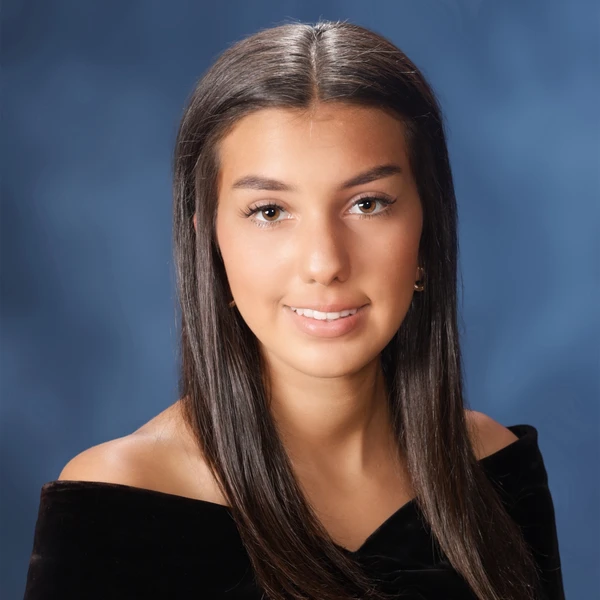
Camila Gracian
1x
FinalistCamila Gracian
1x
FinalistBio
My name is Camila Gracian, and I am a senior at Esperanza High School. At Esperanza, I have been an active member of the Climate Crew, tutored both classmates and younger students in my community, and participated in the Teacher Pathway program, where I mentored sixth graders at Glenview Elementary. In addition, I have played four years of volleyball, an experience that taught me teamwork, discipline, and resilience on and off the court. These activities have inspired me to pursue higher education with the goal of becoming an educator who uplifts all students, especially those from underrepresented or marginalized backgrounds.
I am also the younger sister of David, who lives with Autism. I’ve often been told I am my brother’s keeper, and growing up alongside him has shaped my sense of compassion, responsibility, and advocacy. He is one of my greatest inspirations and a reminder of why I want to ensure that every student, including those with special needs, feels seen, supported, and capable of achieving success.
Education
Esperanza High School
High SchoolMiscellaneous
Desired degree level:
Bachelor's degree program
Majors of interest:
- Liberal Arts and Sciences, General Studies and Humanities
- Education, General
Career
Dream career field:
Education
Dream career goals:
Tutor and Teacher Pathway
Placentia Yorba Linda USD2024 – 20251 year
Sports
Volleyball
Varsity2022 – 20253 years
Public services
Volunteering
Climate Crew — member2022 – 2025
Future Interests
Advocacy
Volunteering
Philanthropy
Entrepreneurship
Jorge Campos Memorial Scholarship
One of the most meaningful ways I have actively helped my community has been through my work in education-based service. Whether tutoring classmates at Esperanza High School, mentoring elementary students through the Teacher Pathway program, or volunteering with my school’s Climate Crew, I have found purpose in helping others grow and feel supported. These experiences have strengthened my belief that service is about creating connections and making sure every person feels valued and included.
My most impactful service experience was through the Teacher Pathway program, where I returned to Glenview Elementary—my former school—to assist a sixth-grade teacher and her students. At first, I was nervous about stepping into a leadership role. I wondered whether younger students would look up to me or if I could truly make a difference. But that changed the moment I began working with them. I helped with lessons, encouraged participation, and supported students who were struggling. The most powerful moment was when a quiet student, who rarely raised her hand, finally shared her answer in front of the class after weeks of encouragement. Her confidence in that moment reminded me why service matters—it’s about helping others see in themselves what they may not have seen before.
Tutoring has also been a meaningful part of my community service. Helping peers at Esperanza and younger students in my community taught me that patience and encouragement are just as important as instruction. Every time a student understood a concept they had been struggling with, I could see their confidence grow. That feeling—the joy of seeing someone succeed because you believed in them—has stayed with me.
In addition to tutoring and mentoring, I served as a member of the Climate Crew, where we worked to promote sustainability and school pride. From organizing recycling efforts to raising awareness about environmental responsibility, I learned that service can take many forms. Even small actions, when done consistently, can build a stronger and more caring community.
These experiences have deeply influenced my personal growth and future goals. I’ve learned that leadership isn’t about standing in front of others; it’s about lifting others up. I’ve also learned that service often starts with empathy—listening, understanding, and showing up for others in meaningful ways. Growing up as the younger sister of David, who lives with Autism, has made this lesson even more personal. Including him in social and school activities has shown me that true service means ensuring that everyone belongs.
My experiences have inspired my goal of becoming a teacher, particularly in special education. I want to dedicate my career to helping students—especially those with unique challenges—see their strengths and feel included in every classroom. Service has taught me that change doesn’t always come from big actions; it comes from consistent care and belief in others. That belief will guide me for the rest of my life, both as a person and as an educator committed to making a lasting impact.
David Foster Memorial Scholarship
The teacher who had the greatest influence on me was not technically my teacher, but my brother’s. His name is Mr. Roger Galvan, and he was my brother David’s high school special education teacher. David lives with Autism, and throughout his school journey, he faced many challenges—academically, socially, and emotionally. For years, my family and I often worried about whether he would be able to make it through high school and graduate. What changed everything was having a teacher like Mr. Galvan.
Mr. Galvan made it his personal mission to ensure that David succeeded. He saw my brother not for his limitations but for his strengths. He didn’t lower expectations; instead, he raised them while giving David the support and encouragement he needed to meet them. Day after day, he pushed David forward, refusing to let obstacles define him. When others might have seen my brother as just another student on their roster, Mr. Galvan saw him as a young man with potential, dignity, and a future worth fighting for.
When David walked across the stage at graduation, it wasn’t just a victory for him or our family—it was a reflection of Mr. Galvan’s relentless dedication. Watching that moment, I realized the profound impact a teacher can have, not just on one student, but on an entire family. It was in that moment that I knew I wanted to become a teacher myself.
Mr. Galvan’s example solidified my belief that all means all. Every student, regardless of background, ability, or challenge, deserves the opportunity to learn, to grow, and to succeed. He showed me that great teachers don’t measure their success only by test scores or lesson plans, but by the lives they touch and the futures they help shape.
Because of him, I now approach my own life with a greater sense of responsibility and purpose. Whether I am tutoring a classmate, mentoring sixth graders at Glenview Elementary through the Teacher Pathway program, or encouraging a teammate on the volleyball court, I try to carry forward the same qualities Mr. Galvan modeled—patience, high expectations, and unwavering belief in others.
What I learned from Mr. Galvan is that leadership is not about being in front—it is about walking beside someone until they can stand on their own. He taught me that being a teacher means being an advocate, a mentor, and sometimes the person who believes in a student when no one else does.
Mr. Galvan changed the trajectory of my brother’s life, and in doing so, he changed mine. He helped me see that education is not just a system, but a lifeline. My dream now is to honor his example by becoming a teacher who, like him, ensures that all students—truly all—are given the chance to discover their strengths and achieve their dreams.
Crowned to Lead HBCU Scholarship
One of the most important moments of growth for me happened when I returned to Glenview Elementary through the Teacher Pathway program. As a sixth grader, I once sat in those classrooms, nervous and unsure of myself. Years later, walking back as a high school student mentor, I suddenly realized I was no longer the one looking for guidance—I was the one giving it.
At first, I doubted myself. I wondered if the students would listen to me or if I could actually make a difference. I wasn’t a teacher yet, just a high school student still figuring out my own path. But then I noticed something: the younger students were watching me closely. They wanted to hear my advice, they trusted my help, and they looked at me as someone who had already reached a place they hoped to go.
The moment that stands out most was when a very shy student hesitated to participate in class. I remembered being that student myself—wanting to contribute but afraid of being wrong. I leaned over, encouraged her quietly, and helped her prepare her answer. When she finally raised her hand and spoke up, her whole face lit up with pride. It was a small moment, but it showed me I was stronger and more capable than I realized. I could help someone else find their voice, even when they didn’t believe in themselves yet.
Through that experience, I began to see qualities in myself that I hadn’t fully recognized before—patience, encouragement, and leadership. Others may have seen me only as a student or athlete, but I discovered that I had the ability to guide, mentor, and inspire confidence in others. It gave me a glimpse of the kind of teacher and leader I could become.
That realization shaped how I serve others today. As a tutor at Esperanza High School, I approach every student with the belief that they can succeed, even if they don’t see it in themselves at first. I focus on encouragement as much as explanation, knowing that building confidence is just as important as solving a problem. On the volleyball court, I carry that same mindset. If a teammate makes a mistake, I don’t dwell on it—I encourage them to move forward, because I know from experience how powerful it is to have someone believe in you when you’re unsure.
Growing up as the younger sister of David, who lives with Autism, has deepened this lesson even more. Supporting him has shown me the importance of advocacy and patience, and it has reminded me that leadership is not about being in front—it is about lifting others up so they can shine.
That day at Glenview, I realized I was more capable than I thought, and I found a confidence in myself that has carried into everything I do. More importantly, I realized that real leadership is about helping others discover their own strength. That is the kind of leader I strive to be: one who uplifts, inspires, and ensures that every person feels their presence matters.
Electric Cycle Studio Student Athlete Scholarship
My journey as a student-athlete has shaped me in powerful ways, teaching me lessons that extend far beyond the volleyball court. I have played volleyball for all four years at Esperanza High School, balancing practices, games, and academics while also being deeply involved in service to my school and community. These experiences have shown me what it means to be dedicated, how to work as part of a team, and how resilience leads to growth both in and out of the classroom.
Dedication is the foundation of everything I do. Playing a competitive sport while managing schoolwork requires commitment and focus. Volleyball demanded early mornings, long practices, and late nights spent catching up on assignments. It also required a mental commitment to push myself, even when I felt tired or discouraged. That same level of dedication carried over into my academics and my community service. Whether tutoring classmates, helping younger students at Glenview Elementary through the Teacher Pathway program, or leading sustainability projects as part of Climate Crew, I committed myself fully to every responsibility. I learned that when I show up prepared and give my best effort, I can make a difference for my team, my classmates, and my community.
Teamwork has been one of the most valuable lessons volleyball has taught me. On the court, no player succeeds alone. Every point depends on trust, communication, and collaboration. Learning to celebrate others’ successes, encourage them in tough moments, and work toward shared goals made me a better teammate. Off the court, those same skills shaped me as a tutor and mentor. Tutoring isn’t about proving what I know—it’s about listening, adapting, and guiding someone until they believe they can succeed. Similarly, mentoring sixth graders at Glenview taught me that true leadership is about lifting others up and helping them see their potential. Both volleyball and service showed me that real teamwork is not about individual achievement, but about how much stronger we are together.
Resilience is another quality I developed as a student-athlete. Volleyball comes with wins and losses, mistakes and recoveries. There were times when I missed a serve or felt like I let my team down, but I had to learn to recover quickly, refocus, and keep playing. That resilience helped me in the classroom too. Difficult subjects and challenging assignments tested me, but instead of giving up, I learned to push through, ask for help, and keep working until I understood. Growing up as the younger sister of David, who lives with Autism, also strengthened my resilience. Supporting him taught me patience and perseverance, and it inspired me to advocate for others who may face challenges.
As a student-athlete, I strive to model dedication, teamwork, and resilience in every aspect of my life. I am proud of the discipline I’ve built through volleyball, the collaboration I’ve practiced in school and service, and the perseverance I’ve developed through challenges. These qualities have not only shaped me into a stronger athlete and student but also prepared me for the future I aspire to—a future as an educator who inspires young people to believe in themselves, work together, and keep going even when it’s hard.
Being a student-athlete has taught me that success is not defined by statistics or grades alone, but by the commitment, teamwork, and resilience we bring to everything we do.
Jimmie “DC” Sullivan Memorial Scholarship
My name is Camila Gracian, and I am a senior at Esperanza High School. Sports have always been a big part of my life, but so has service. I grew up in a family where education and giving back were core values. My dad, a former teacher and principal who now works as a district administrator, and my mom, a Special Needs elementary teacher, both taught me that true success comes from helping others. My grandparents, who immigrated from Mexico, passed down the belief that education is the great equalizer, and I carry that lesson into everything I do.
I am also the younger sister of David, who lives with Autism. People often told me that I was my “brother’s keeper.” Over time, I realized that meant more than simply looking after him. It meant advocating for him, celebrating him, and making sure others recognized his strengths. David has been my greatest teacher. He taught me patience, empathy, and perseverance, and he has inspired me to dedicate my future to helping young people believe in themselves.
Volleyball has been one of the most important parts of my high school journey. I have played for all four years, and through it I have learned lessons that go far beyond the court. Volleyball has taught me discipline, resilience, communication, and trust. It showed me that teamwork is about more than winning games—it is about building relationships and believing in each other’s abilities. Those lessons are the foundation of the impact I want to make through youth sports.
I believe sports can be a powerful tool for growth, especially for young people. Not every student will remember the score of a game, but they will remember how their coach made them feel and the lessons they took with them. My goal is to create positive spaces in youth sports where every player feels included, encouraged, and capable of success. I want to focus on building confidence and character, especially for kids who may not always see themselves as athletes or leaders.
Sports taught me that setbacks are temporary and that perseverance leads to growth. They taught me the importance of communication—on the court and in life. They also reminded me that no one succeeds alone; success comes from teamwork, encouragement, and trust. As a mentor or coach in youth sports, I hope to pass these lessons on to younger generations.
In my community, I plan to use youth sports as a way to connect with kids and give them the same opportunities I was fortunate to have. Whether it’s coaching, mentoring, or organizing clinics, I want to ensure that every young athlete knows that their effort matters and that they belong. For students with special needs, like my brother, I especially want to create spaces where they feel welcomed and supported in sports, because athletics should be for everyone.
Through youth sports, I hope to build confidence, teamwork, and resilience in young people. Just as volleyball shaped me into a stronger student, leader, and person, I want to help others discover their strengths through the game. My dream is to use sports as a bridge—helping youth feel seen, valued, and inspired to achieve on the court and in life.
Sloane Stephens Doc & Glo Scholarship
My story begins with family. I am the daughter of two educators and the granddaughter of Mexican immigrants who taught my parents that education is the great equalizer. My dad, a former teacher and principal who now works as a district administrator, and my mom, a Special Needs elementary teacher, modeled every day what it means to serve with dedication and heart. Growing up in this environment shaped me to believe that education is not just a career—it is a way to change lives and give back to the community.
I am also the younger sister of David, who lives with Autism. People often told me I was my “brother’s keeper,” and over the years, I came to understand what that meant. Being his sister taught me patience, empathy, and the importance of advocacy. I have seen both the challenges he has faced and the difference caring teachers made in his life when they looked past his diagnosis and believed in him. David inspires me daily and is the biggest reason I want to become a teacher, particularly in special education, so that students like him feel seen, valued, and capable of success.
At Esperanza High School, I sought out opportunities that allowed me to serve others and strengthen my leadership. As a member of Climate Crew, I worked on sustainability projects that showed me the power of collective action. I also spent time tutoring both classmates and younger students in my community. Tutoring taught me that sometimes the most important thing a student needs is encouragement and someone who believes in them.
Through the Teacher Pathway program, I returned to Glenview Elementary, the school I once attended, as a mentor to sixth graders. This was a full-circle moment, sitting in the same classroom where I was once a student, but now guiding others. Supporting my mentor teacher, helping students through lessons, and encouraging shy students to speak up gave me insight into what teaching really looks like and confirmed my dream of pursuing it as a career.
Sports have also shaped me. Playing volleyball for four years taught me discipline, resilience, and the importance of teamwork. The lessons I learned on the court—about communication, trust, and perseverance—are the same lessons I bring into leadership and service.
All of these experiences—family, service, athletics, and mentorship—have shaped my passions and aspirations. I want to be a teacher who helps students recognize their worth, who creates a classroom where diversity is celebrated, and who makes sure every child feels their presence is valued. My goal is not only to deliver lessons, but also to inspire confidence and resilience in my students, especially those from underrepresented or special needs backgrounds.
My story is about service, but it is also about hope. I carry with me the sacrifices of my grandparents, the example of my parents, the inspiration of my brother, and the lessons I’ve learned through school and community. Together, they have shaped me into someone who is passionate about education as a force for good. I want to continue that legacy by becoming a teacher who uplifts, advocates, and opens doors for the next generation of students.
RonranGlee Special Needs Teacher Literary Scholarship
Teaching is not simply the act of presenting information or delivering a curriculum; it is a calling to help students discover who they are, what they are capable of, and why their presence in the world matters. The words of Professor Harold Bloom, who wrote, “I have learned that the purpose of teaching is to bring the student to his or her sense of his or her own presence,” resonate deeply with me. I interpret this statement to mean that the true aim of teaching is to awaken students to their dignity, their talents, and their unique place in the world. For students with special needs—who often face misunderstanding, low expectations, or exclusion—this goal is not just valuable, it is life-changing.
My passion for becoming a special education teacher comes from my experiences as the younger sister of David, who lives with Autism, and from the service opportunities I have embraced in my school and community. These experiences have shaped my mission to ensure that every child, regardless of background or ability, feels seen, valued, and inspired to reach their potential.
Understanding Bloom’s Statement
When Professor Bloom speaks about teaching leading students to their “sense of presence,” he is pointing to something deeper than grades or skills. To me, it means helping students realize they matter—that their identity, their voice, and their contributions are important. A student’s “sense of presence” is the inner awareness that they belong in the learning process and in society as a whole. It is the realization that they are not invisible, nor are they defined by the challenges they face, but instead by the possibilities they hold.
This is particularly important in the field of special education. Too often, students with disabilities are defined only by their limitations, rather than their strengths. They may be overlooked, underestimated, or even excluded from the full classroom experience. To bring these students to a sense of presence is to affirm their worth and help them discover their confidence. It means guiding them to understand not only academic material but also that they are capable, resilient, and valuable.
David: My First Teacher
I have been told many times that I am my “brother’s keeper.” David, my older brother, lives with Autism, and from an early age, I understood that my role was more than being his sibling—I was his advocate, his supporter, and sometimes his voice. Growing up with David gave me a front-row seat to the challenges and joys of navigating life with special needs.
I saw times when David was misunderstood or underestimated. I also saw the incredible difference that caring, dedicated teachers made in his life. The teachers who looked past labels and saw his strengths helped him thrive. They gave him opportunities to express himself, to succeed, and to feel proud of who he was. Through David, I learned that teaching is not just about lessons—it is about believing in a student even when others may not.
David has been my greatest teacher. He taught me patience, resilience, and the importance of celebrating small victories. His journey showed me the power of advocacy and inclusion. Most importantly, he gave me a purpose: to become a teacher who helps students like him discover their sense of presence.
Service and Leadership
Beyond my family, my passion for teaching has been shaped by the ways I have served my school and community. Each experience reinforced the importance of presence, inclusion, and empowerment.
As a member of Climate Crew at Esperanza High School, I worked with classmates to promote sustainability. Our projects—recycling drives, awareness campaigns, and student engagement—may have seemed small, but they taught me how collective effort can transform a community. Leadership, I learned, begins by modeling commitment and inviting others to care about something larger than themselves.
Tutoring was another important form of service. I helped classmates at Esperanza and younger students in my community with their studies. More than reviewing math problems or essays, tutoring was about encouragement. I witnessed the relief in students’ faces when they realized someone believed in them. Those moments confirmed for me that teaching is about building confidence as much as it is about academics.
Through the Teacher Pathway program, I mentored sixth graders at Glenview Elementary, the very school I once attended. Returning as a mentor was a full-circle moment. I supported my mentor teacher, guided students, and encouraged participation. In those classrooms, I saw firsthand how even small gestures—a smile, a word of encouragement—could spark confidence in a child. It also gave me a deeper understanding of pedagogy and confirmed my passion for teaching.
Even volleyball, which I played for four years, contributed to my development. Sports taught me teamwork, perseverance, and resilience. A classroom, like a team, thrives when everyone feels they belong and each role is valued.
Each of these experiences reinforced the lesson I first learned with David: that true service uplifts others and helps them see their worth.
My Mission as a Special Education Teacher
My mission is to ensure that every student with special needs develops a strong sense of presence in the classroom and beyond. This mission rests on five pillars:
1. Validation of Identity: Every student deserves to feel that who they are is enough. I will make it a priority to learn their strengths, interests, and challenges, ensuring they know their individuality is respected.
2. Building Confidence: Students with special needs often face self-doubt. I will design opportunities for success, both big and small, so they leave each day with a growing belief in their abilities.
3. Creating Inclusive Spaces: My classroom will not only accommodate students with special needs but also celebrate them. By fostering respect and empathy among all students, I will build a culture where every presence is valued.
4. Family and Community Partnerships: Families are central to student growth. I will collaborate with parents and caregivers, ensuring they are active partners in the learning journey.
5. Advocacy: Beyond my classroom, I will work to challenge systems and assumptions that limit opportunities for students with disabilities. I want to be an advocate for equity and inclusion at every level.
Through these commitments, I hope my students will come to see themselves not as limited, but as powerful individuals with unique gifts to share.
A Brief Fairy Tale
Once upon a time, in a small village, there were children whose voices were faint, whose hands trembled when raised, and whose talents were often overlooked. Many villagers assumed these children had little to contribute and left them in the shadows.
But one young girl, named Camila, saw the light in their eyes. Inspired by her brother, she believed their silence did not mean they lacked stories or gifts. She set out on a journey to collect the tools she would need to help them shine. From the mountains, she gathered the Key of Encouragement; from the river, she found the Mirror of Self-Worth; and from the forest, she carried the Book of Possibilities.
When she returned, she gave each child a mirror so they could see their worth, a key to unlock their confidence, and a book to begin writing their future. Slowly, the once-silent children found their voices. They sang, they spoke, they dreamed, and the village was forever changed.
The lesson was clear: true teaching is not about writing the teacher’s story, but about helping each student discover their own.
Conclusion
Professor Bloom’s insight—that teaching is about bringing students to their own sense of presence—captures why I am passionate about the special education profession. From growing up as David’s sister to serving in my school and community, I have learned that the greatest gift a teacher can give is not just knowledge, but the belief that each student matters.
As a future special education teacher, my mission is to help students with special needs see their presence as undeniable, their voices as important, and their futures as full of possibility. I want them to walk away from my classroom not only knowing how to read, write, or solve problems, but also knowing they are valued, capable, and powerful.
Teaching is about presence, about helping each child say with confidence: I am here, I matter, and I can succeed. That is the impact I hope to make.
Fred Rabasca Memorial Scholarship
Teaching has always been more than delivering lessons to me—it is about shaping lives, building confidence, and creating opportunities. My belief in service and the power of education comes from both my family and the ways I have chosen to give back to my community. These experiences have shown me that true teaching reaches far beyond the curriculum, and they continue to guide my vision for the kind of educator I want to become.
At Esperanza High School, I have found service in many forms. As a member of Climate Crew, I worked with classmates to promote sustainability on campus. We organized recycling drives, raised awareness about environmental responsibility, and encouraged students to adopt small habits that could make a big impact. Although the projects seemed modest, I learned that collective effort can shift culture. I also realized that leadership often begins by setting an example—inviting others to care about something larger than themselves.
Tutoring has been another meaningful way I have served others. I dedicated time to helping classmates at Esperanza and students in my community. Sometimes it meant reviewing math problems; other times it was simply sitting with someone who felt overwhelmed until they believed they could figure it out. The joy on a student’s face when they finally understood something, or the relief when they realized someone believed in them, has been unforgettable. Tutoring taught me that service is about patience and encouragement as much as it is about academics.
The most powerful experience I’ve had was through the Teacher Pathway program. Returning to Glenview Elementary—my former school—as a mentor to sixth graders felt like coming full circle. I worked alongside my mentor teacher, supporting her lessons while guiding students through their work. I saw myself in those students, sitting at the same desks I once did, wondering about my own future. Encouraging a shy student to raise their hand or helping another push through a tough assignment reminded me how much influence small gestures of support can have. That program gave me insight into pedagogy and confirmed that teaching is where my passion and purpose meet.
Sports have also shaped me. Playing four years of volleyball taught me resilience, discipline, and the importance of working as part of a team. Those lessons are ones I carry into my service and my vision for teaching—because classrooms, like teams, thrive when everyone feels they belong and has a role to play.
My family has been the foundation of my values. I am the daughter of two educators who modeled what it means to lead with heart. My dad, a former teacher and principal now serving as a district administrator, and my mom, a dedicated Special Needs teacher, showed me that teaching is a lifelong commitment to others. And my brother David, who lives with Autism, has been one of my greatest inspirations. Being called his “keeper” has taught me compassion, responsibility, and advocacy. He is a daily reminder of why inclusive education matters and why every student deserves a teacher who sees their potential.
As a future teacher, I hope my students will gain more than academic knowledge from me. I want them to feel understood, valued, and inspired to believe in themselves. I want them to see that their culture and background are strengths, not barriers. Education changed the trajectory of my family, and I want to continue that legacy by making it a force for good in the lives of my future students.
Kalia D. Davis Memorial Scholarship
Teaching has always been more than delivering lessons to me—it is about shaping lives, building confidence, and creating opportunities. My belief in service and the power of education comes from both my family and the ways I have chosen to give back to my community. These experiences have shown me that true teaching reaches far beyond the curriculum, and they continue to guide my vision for the kind of educator I want to become.
At Esperanza High School, I have found service in many forms. As a member of Climate Crew, I worked with classmates to promote sustainability on campus. We organized recycling drives, raised awareness about environmental responsibility, and encouraged students to adopt small habits that could make a big impact. Although the projects seemed modest, I learned that collective effort can shift culture. I also realized that leadership often begins by setting an example—inviting others to care about something larger than themselves.
Tutoring has been another meaningful way I have served others. I dedicated time to helping classmates at Esperanza and students in my community. Sometimes it meant reviewing math problems; other times it was simply sitting with someone who felt overwhelmed until they believed they could figure it out. The joy on a student’s face when they finally understood something, or the relief when they realized someone believed in them, has been unforgettable. Tutoring taught me that service is about patience and encouragement as much as it is about academics.
The most powerful experience I’ve had was through the Teacher Pathway program. Returning to Glenview Elementary—my former school—as a mentor to sixth graders felt like coming full circle. I worked alongside my mentor teacher, supporting her lessons while guiding students through their work. I saw myself in those students, sitting at the same desks I once did, wondering about my own future. Encouraging a shy student to raise their hand or helping another push through a tough assignment reminded me how much influence small gestures of support can have. That program gave me insight into pedagogy and confirmed that teaching is where my passion and purpose meet.
Sports have also shaped me. Playing four years of volleyball taught me resilience, discipline, and the importance of working as part of a team. Those lessons are ones I carry into my service and my vision for teaching—because classrooms, like teams, thrive when everyone feels they belong and has a role to play.
My family has been the foundation of my values. I am the daughter of two educators who modeled what it means to lead with heart. My dad, a former teacher and principal now serving as a district administrator, and my mom, a dedicated Special Needs teacher, showed me that teaching is a lifelong commitment to others. And my brother David, who lives with Autism, has been one of my greatest inspirations. Being called his “keeper” has taught me compassion, responsibility, and advocacy. He is a daily reminder of why inclusive education matters and why every student deserves a teacher who sees their potential.
As a future teacher, I hope my students will gain more than academic knowledge from me. I want them to feel understood, valued, and inspired to believe in themselves. I want them to see that their culture and background are strengths, not barriers. Education changed the trajectory of my family, and I want to continue that legacy by making it a force for good in the lives of my future students.
Marie Humphries Memorial Scholarship
Teaching has always been more than delivering lessons to me—it is about shaping lives, building confidence, and creating opportunities. My belief in service and the power of education comes from both my family and the ways I have chosen to give back to my community. These experiences have shown me that true teaching reaches far beyond the curriculum, and they continue to guide my vision for the kind of educator I want to become.
At Esperanza High School, I have found service in many forms. As a member of Climate Crew, I worked with classmates to promote sustainability on campus. We organized recycling drives, raised awareness about environmental responsibility, and encouraged students to adopt small habits that could make a big impact. Although the projects seemed modest, I learned that collective effort can shift culture. I also realized that leadership often begins by setting an example—inviting others to care about something larger than themselves.
Tutoring has been another meaningful way I have served others. I dedicated time to helping classmates at Esperanza and students in my community. Sometimes it meant reviewing math problems; other times it was simply sitting with someone who felt overwhelmed until they believed they could figure it out. The joy on a student’s face when they finally understood something, or the relief when they realized someone believed in them, has been unforgettable. Tutoring taught me that service is about patience and encouragement as much as it is about academics.
The most powerful experience I’ve had was through the Teacher Pathway program. Returning to Glenview Elementary—my former school—as a mentor to sixth graders felt like coming full circle. I worked alongside my mentor teacher, supporting her lessons while guiding students through their work. I saw myself in those students, sitting at the same desks I once did, wondering about my own future. Encouraging a shy student to raise their hand or helping another push through a tough assignment reminded me how much influence small gestures of support can have. That program gave me insight into pedagogy and confirmed that teaching is where my passion and purpose meet.
Sports have also shaped me. Playing four years of volleyball taught me resilience, discipline, and the importance of working as part of a team. Those lessons are ones I carry into my service and my vision for teaching—because classrooms, like teams, thrive when everyone feels they belong and has a role to play.
My family has been the foundation of my values. I am the daughter of two educators who modeled what it means to lead with heart. My dad, a former teacher and principal now serving as a district administrator, and my mom, a dedicated Special Needs teacher, showed me that teaching is a lifelong commitment to others. And my brother David, who lives with Autism, has been one of my greatest inspirations. Being called his “keeper” has taught me compassion, responsibility, and advocacy. He is a daily reminder of why inclusive education matters and why every student deserves a teacher who sees their potential.
As a future teacher, I hope my students will gain more than academic knowledge from me. I want them to feel understood, valued, and inspired to believe in themselves. I want them to see that their culture and background are strengths, not barriers. Education changed the trajectory of my family, and I want to continue that legacy by making it a force for good in the lives of my future students.
Hearts to Serve, Minds to Teach Scholarship
Teaching has always been more than delivering lessons to me—it is about shaping lives, building confidence, and creating opportunities. My belief in service and the power of education comes from both my family and the ways I have chosen to give back to my community. These experiences have shown me that true teaching reaches far beyond the curriculum, and they continue to guide my vision for the kind of educator I want to become.
At Esperanza High School, I have found service in many forms. As a member of Climate Crew, I worked with classmates to promote sustainability on campus. We organized recycling drives, raised awareness about environmental responsibility, and encouraged students to adopt small habits that could make a big impact. Although the projects seemed modest, I learned that collective effort can shift culture. I also realized that leadership often begins by setting an example—inviting others to care about something larger than themselves.
Tutoring has been another meaningful way I have served others. I dedicated time to helping classmates at Esperanza and students in my community. Sometimes it meant reviewing math problems; other times it was simply sitting with someone who felt overwhelmed until they believed they could figure it out. The joy on a student’s face when they finally understood something, or the relief when they realized someone believed in them, has been unforgettable. Tutoring taught me that service is about patience and encouragement as much as it is about academics.
The most powerful experience I’ve had was through the Teacher Pathway program. Returning to Glenview Elementary—my former school—as a mentor to sixth graders felt like coming full circle. I worked alongside my mentor teacher, supporting her lessons while guiding students through their work. I saw myself in those students, sitting at the same desks I once did, wondering about my own future. Encouraging a shy student to raise their hand or helping another push through a tough assignment reminded me how much influence small gestures of support can have. That program gave me insight into pedagogy and confirmed that teaching is where my passion and purpose meet.
Sports have also shaped me. Playing four years of volleyball taught me resilience, discipline, and the importance of working as part of a team. Those lessons are ones I carry into my service and my vision for teaching—because classrooms, like teams, thrive when everyone feels they belong and has a role to play.
My family has been the foundation of my values. I am the daughter of two educators who modeled what it means to lead with heart. My dad, a former teacher and principal now serving as a district administrator, and my mom, a dedicated Special Needs teacher, showed me that teaching is a lifelong commitment to others. And my brother David, who lives with Autism, has been one of my greatest inspirations. Being called his “keeper” has taught me compassion, responsibility, and advocacy. He is a daily reminder of why inclusive education matters and why every student deserves a teacher who sees their potential.
As a future teacher, I hope my students will gain more than academic knowledge from me. I want them to feel understood, valued, and inspired to believe in themselves. I want them to see that their culture and background are strengths, not barriers. Education changed the trajectory of my family, and I want to continue that legacy by making it a force for good in the lives of my future students.