Hobbies and interests
Football
Volleyball
Acting And Theater
Theater
Wrestling
Track and Field
Church
Babysitting And Childcare
Community Service And Volunteering
Volunteering
Driving
Military Sciences
Flying And Aviation
Artificial Intelligence
Bible Study
Athletic Training
Engineering
Exercise And Fitness
Fishing
Model UN
Snowboarding
Aviation
Reading
Science Fiction
I read books multiple times per week
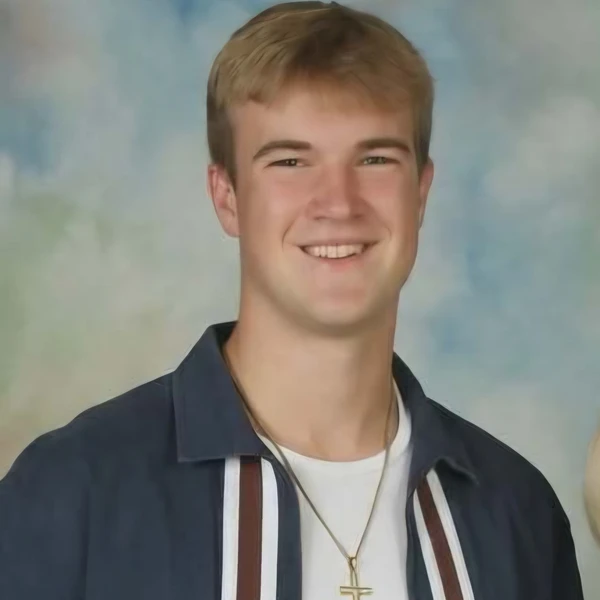
Camden Bannister
1x
Nominee1x
Finalist
Camden Bannister
1x
Nominee1x
FinalistBio
I was born in Norfolk, Virginia, the third child of a career Naval Officer. At age eight, my family moved to Japan for two years, and then to England when I was ten, following my father’s military assignments. Living overseas gave me the opportunity to experience cultures and perspectives that broadened my worldview at a young age.
When I was fifteen, we returned to the United States and I began high school. I quickly immersed myself in new opportunities, joining the football team and becoming involved in children’s community theater. As the year progressed, I expanded my interests by participating in wrestling and volleyball—both entirely new experiences for me after growing up abroad.
During this time, I realized I wanted to pursue a life of service and become a Naval Officer, following in my father’s footsteps. Since then, I have remained active in athletics and theater while also participating in Model United Nations, Ski & Snowboarding Club, and helping co-found my school’s Fellowship of Christian Athletes chapter.
As I prepare for college, I look forward to continuing my education and leadership development, ideally at the United States Naval Academy. I have also been accepted to the University of South Carolina and Virginia Military Institute and am excited for the opportunities ahead.
Education
Portsmouth High School
High SchoolGPA:
3.3
Miscellaneous
Desired degree level:
Bachelor's degree program
Majors of interest:
- Mechanical Engineering
Career
Dream career field:
Military
Dream career goals:
To become an Naval Aviator
Point of Sale and Server
Salty's at Second Beach2025 – 2025
Sports
Track & Field
Junior Varsity2025 – 20261 year
Volleyball
Varsity2023 – 20263 years
Wrestling
Varsity2022 – 20242 years
Football
Varsity2022 – 20253 years
Awards
- Perseverence Award
Research
Engineering Mechanics
Portsmouth High School — Project Lead2025 – 2026
Arts
Newport Children's Theater
TheatreGrease, Hello Dolly, Sound of Music2023 – 2026
Public services
Volunteering
Tim Tebow Night to Shine Foundation — Escort2023 – 2024
Future Interests
Volunteering
Dan Leahy Scholarship Fund
Influence, Voice, and the Pursuit of Growth
One of the people I admire most is my parent, whose experiences in both military service and professional life have shaped how I approach responsibility, challenges, and my future. What stands out most is not a single achievement, but the consistency in how they carry themselves—disciplined, accountable, and focused. Growing up around that example showed me early on that success is not accidental. It is built through preparation, effort, and the ability to adapt when things do not go as planned.
That mindset has directly influenced my decision to pursue higher education. I see college not just as a step forward academically, but as an opportunity to continue developing the skills needed to take on greater responsibility. My parent’s example reinforced that education is not just about learning information—it is about learning how to think, solve problems, and make decisions under pressure.
This influence also played a role in my decision to participate in speech and debate. Initially, it pushed me outside of my comfort zone. Speaking in front of others and organizing my thoughts clearly was not something that came naturally. However, I quickly realized that communication is just as important as understanding the material itself. Speech and debate taught me how to analyze issues from multiple perspectives, construct logical arguments, and present ideas with confidence.
One of the most valuable lessons I gained from speech and debate is the importance of preparation. Success is not about speaking the loudest or the fastest—it is about being clear, structured, and thoughtful. These skills have carried over into my academic work, improving how I approach assignments, discussions, and problem-solving.
Mock trial offered a different but equally valuable experience. It emphasized attention to detail, teamwork, and the ability to apply reasoning in a structured environment. Working as part of a team to build and present a case showed me how important collaboration is. It also reinforced the idea that outcomes depend on preparation and the ability to support arguments with evidence.
Both activities have helped me grow in ways that go beyond competition. They have strengthened my confidence, improved my ability to communicate, and taught me how to approach challenges more effectively. These are the same qualities I have seen in my parent and continue to work toward developing in myself.
Ultimately, the person I admire has influenced not only my decision to pursue further education, but how I approach it. Their example has shown me that success requires discipline, adaptability, and the ability to communicate clearly. My involvement in speech and debate and mock trial reflects those values, pushing me to grow both academically and personally.
As I move forward, I plan to continue building on these experiences. The combination of strong influence at home and the skills developed through these activities has prepared me to take the next step with purpose and confidence.
Dick Loges Veteran Entrepreneur Scholarship
Shaped by Service, Driven by Initiative
Growing up with a parent who has both served in the military and pursued entrepreneurial efforts has given me a unique perspective on discipline, leadership, and responsibility. These two experiences—military service and entrepreneurship—may seem different on the surface, but they share a common foundation: accountability, adaptability, and a commitment to mission. Watching these qualities in action has had a direct impact on how I approach my education and how I think about my future.
My parent’s military service established the standard early. Service in the military is not just about completing tasks—it is about performing under pressure, making decisions that carry real consequences, and remaining accountable regardless of circumstances. That mindset carried into our home environment. Expectations were clear: show up prepared, follow through on commitments, and take responsibility for outcomes. These principles shaped how I approached school from a young age. Assignments, deadlines, and responsibilities were not optional—they were commitments that required discipline and consistency.
At the same time, my parent’s transition into entrepreneurial efforts introduced a different but equally important perspective. Entrepreneurship requires initiative. There is no guaranteed structure, no fixed path, and no one else responsible for outcomes. Watching this process showed me that success is not just about following a system—it is also about creating one. It requires problem-solving, risk assessment, and the ability to adapt when things do not go as planned.
This combination of structure and initiative has influenced my educational goals in a meaningful way. I am pursuing a degree in Mechanical Engineering because it aligns with how I think and approach challenges. Engineering requires both discipline and creativity—the ability to follow established principles while also developing new solutions. The influence of my parent’s background has made me comfortable operating in both areas. I understand the importance of structure, but I also recognize when it is necessary to think differently and take initiative.
Beyond academics, this influence has shaped how I approach challenges. Military service emphasizes resilience—continuing forward despite difficulty—and entrepreneurship reinforces adaptability—adjusting when plans change. I have applied both of these lessons in my own experiences, particularly when dealing with setbacks such as injuries in athletics. Rather than viewing challenges as obstacles, I have learned to approach them as problems to solve. This mindset has helped me stay focused and continue progressing, even when circumstances are not ideal.
My parent’s experiences have also influenced my long-term career goals. I am interested in pursuing leadership roles, potentially within the military, where I can combine technical knowledge with responsibility for others. The example set by my parent has shown me that leadership is not about authority—it is about accountability and the ability to make decisions that impact others. At the same time, the entrepreneurial mindset has encouraged me to think beyond traditional paths, considering how I can apply my skills in innovative and practical ways.
Ultimately, my educational journey has been shaped by the combination of discipline from military service and initiative from entrepreneurship. These influences have given me a clear understanding that success is not accidental—it is built through consistent effort, thoughtful decision-making, and the willingness to adapt. As I move forward, I plan to carry these lessons with me, using them to guide both my education and my future career.
Charles B. Brazelton Memorial Scholarship
I think my “awkward” thing has always been that I don’t quite match what people expect when they first see me.
From the outside, I look like I should fit a certain mold. I’ve been involved in sports like football and wrestling, I stay active, and I carry myself in a way that makes people assume I’m outgoing, loud, or naturally social. But that’s not really who I am. I’ve always been more reserved, more observant. I tend to watch first, think things through, and then act. That contrast has caught people off guard more times than I can count.
Growing up, that difference sometimes made things awkward. In environments where being vocal or quick to react was valued, I didn’t always fit in right away. I wasn’t the one jumping into every conversation or trying to be the center of attention. Instead, I was the one paying attention to what was happening, figuring out how things worked, and trying to understand situations before responding. For a while, that felt like something I needed to fix.
Another thing that made me stand out a bit was how I approached challenges. When something didn’t go right—especially in sports—I didn’t just brush it off and move on. I would think about it, analyze it, and try to understand what went wrong. Sometimes that meant slowing down when everyone else wanted to keep moving forward. At times, that came across as overthinking or being too serious, but for me, it was just part of how I learned.
One of the biggest moments where this mindset really stood out was when I dealt with injuries. Being forced to step away from competition wasn’t just physically difficult—it challenged how I saw myself. Instead of reacting with frustration, I found myself trying to understand the process of recovery, focusing on small improvements, and staying disciplined even when progress wasn’t obvious. That approach wasn’t always the easiest, but it helped me grow in ways I didn’t expect.
Over time, I’ve come to realize that these “awkward” traits aren’t really weaknesses. Being more reserved has made me a better listener. Being more analytical has helped me improve in both athletics and academics. It’s also a big part of why I’m interested in engineering—because I naturally want to understand how things work and how they can be improved.
What used to feel like something that set me apart in a negative way has become something I rely on. Not everyone needs to fit the same mold to be successful. Sometimes, being a little different just means you approach things in your own way.
At this point, I don’t see those differences as awkward anymore. They’re just part of who I am—and they’ve shaped how I think, how I work, and how I move forward.
Love Island Fan Scholarship
If I were to design a brand-new Love Island challenge, I would call it “Truth or Trust: The Compatibility Gauntlet.” This challenge would test not only physical chemistry, but also emotional honesty, communication, and the ability to truly understand your partner—key elements that determine whether a relationship can last beyond the villa.
The challenge would take place in three stages, each designed to reveal a different layer of compatibility.
In the first stage, “The Truth Booth,” each Islander answers a series of anonymous, pre-recorded questions about their partner and their relationship. Questions would range from lighthearted (“What’s your partner’s most annoying habit?”) to more serious (“Do you see a future with this person outside the villa?”). Their answers are then played back while their partner listens in real time. The catch is that partners must guess what the other person said before hearing the answer. This stage tests how well couples truly understand each other’s thoughts and feelings.
The second stage, “The Trust Run,” introduces a physical and cooperative element. One partner is blindfolded and must navigate an obstacle course using only verbal guidance from the other partner. Obstacles could include stepping platforms, balance beams, and timed puzzles that require communication and patience. This stage highlights how well couples communicate under pressure and whether they can remain calm and supportive when things don’t go perfectly.
The final stage, “The Decision Circle,” brings all couples together. Each pair must publicly answer one final question: “Are you here for connection, or convenience?” Islanders must stand in one of two marked areas to represent their answer. This creates a high-stakes moment where honesty is visible to everyone, and mismatched answers could lead to tension, reflection, or even a breakup.
Scoring would not be based on winning or losing, but on overall performance across the three stages. The couple that demonstrates the strongest communication, trust, and honesty would win a private date or villa advantage, such as immunity from the next recoupling.
What makes “Truth or Trust: The Compatibility Gauntlet” unique is that it goes beyond surface-level attraction and challenges contestants to prove the strength of their connection. It creates moments of vulnerability, tension, and growth, which are the core of what makes Love Island compelling to watch. Instead of just testing chemistry, it reveals whether relationships are built on real understanding and trust.
Ultimately, this challenge would not only entertain viewers, but also push contestants to reflect on their relationships in a meaningful way—leading to stronger couples, dramatic turning points, and unforgettable moments in the villa.
Taylor Swift Fan Scholarship
One of the most moving performances by Taylor Swift, in my view, is her stripped-down performance of “All Too Well (10 Minute Version)” during her Eras Tour. While Taylor Swift has delivered countless high-energy, visually impressive performances throughout her career, this particular moment stands out because of its raw authenticity and emotional depth. It is not defined by elaborate production or choreography, but by storytelling, vulnerability, and connection.
What makes this performance so powerful is the way she commands attention with nothing more than her voice, her presence, and the story she is telling. In a stadium filled with thousands of people, she creates a moment that feels personal and intimate. The extended version of “All Too Well” reflects not just a relationship, but the passage of time, memory, and growth. Watching her perform it live shows how she has evolved—not only as an artist, but as a storyteller who can transform personal experiences into something universally understood.
This performance resonates with me because it reflects the idea that growth often comes through reflection. Throughout my own experiences—balancing academics, athletics, leadership, and setbacks—I have learned that some of the most important moments are not the ones where everything goes perfectly, but the ones where you take time to understand what you have been through and how it has shaped you. Taylor’s performance embodies that process. It shows that looking back is not about holding onto the past, but about recognizing how it contributes to who you are becoming.
Another reason this performance is so moving is the confidence it represents. Standing alone in front of such a large audience and delivering a long, emotionally charged piece requires not only talent, but trust in yourself and your work. That level of confidence comes from years of experience, growth, and resilience. It is a reminder that mastery in any field is built over time through dedication and consistency.
Additionally, the audience’s response during this performance highlights the connection between artist and listener. Thousands of people singing along to deeply personal lyrics demonstrates how shared experiences—whether in music or in life—can bring people together. It reinforces the idea that while individual experiences may feel isolating, they are often more universal than we realize.
Ultimately, this performance is moving because it represents more than just music. It reflects growth, resilience, and the ability to turn personal experiences into something meaningful for others. It shows that success is not only about reaching a stage, but about what you bring to it—the honesty, effort, and perspective that come from everything you have experienced along the way.
In that sense, this performance connects strongly to the themes of “The Life of A Showgirl.” It highlights not just the spotlight, but the journey behind it—the work, the growth, and the willingness to share something real with others.
Ethel Hayes Destigmatization of Mental Health Scholarship
How My Experience with PTSD Has Shaped My Goals, Relationships, and Understanding of the World
My experience with PTSD has shaped my life in ways that are both challenging and transformative. It has influenced how I approach my goals, how I build relationships, and how I understand both myself and the world around me. While PTSD is often viewed only through the lens of difficulty, it has also forced me to develop resilience, awareness, and a deeper sense of purpose that continues to guide me forward.
One of the most significant ways PTSD has impacted me is in how I approach my goals. There have been moments when the effects of PTSD—such as heightened stress, difficulty focusing, or emotional strain—made even routine responsibilities feel more demanding. However, instead of allowing those challenges to define my limits, I have learned to approach goals with greater discipline and intentionality. I break larger goals into smaller, manageable steps and focus on consistency rather than perfection. This approach has allowed me to continue progressing academically, athletically, and personally, even during difficult periods. As a result, my goals are not just about achievement, but about growth and perseverance.
PTSD has also shaped my relationships in meaningful ways. It has taught me the importance of trust, patience, and communication. There have been times when I needed to rely on others for support, and those experiences showed me the value of strong, dependable relationships. I have learned to be more understanding of what others may be going through, even when their struggles are not immediately visible. This has made me a more empathetic friend, teammate, and leader. I have come to understand that everyone carries challenges, and kindness and patience can have a greater impact than we often realize.
In addition, my experience with PTSD has strengthened my sense of accountability in relationships. I recognize that while I may face internal challenges, I am still responsible for how I respond to others and how I carry myself. This awareness has pushed me to develop emotional discipline and to be intentional in maintaining positive, respectful interactions with those around me. Rather than allowing PTSD to create distance between myself and others, I have worked to ensure that it strengthens my ability to connect with them.
Perhaps most importantly, PTSD has shaped how I understand the world. It has made me more aware that adversity is often invisible and that people are frequently dealing with challenges others may not see. This perspective has changed how I interact with others, encouraging me to approach situations with greater empathy and less judgment. It has also reinforced the idea that strength is not the absence of struggle, but the ability to continue moving forward despite it.
This understanding has influenced my future goals as well. I aspire to pursue a path of service and leadership, and my experiences have given me a greater appreciation for the importance of supporting others, especially in challenging environments. I want to be someone who leads with both strength and understanding—someone who recognizes that resilience and compassion can coexist. My experience with PTSD has shown me that leadership is not just about directing others, but about supporting them, understanding their challenges, and helping them succeed.
While PTSD has presented challenges, it has also contributed to my growth in ways I did not initially expect. It has strengthened my discipline, deepened my empathy, and clarified my sense of purpose. It has taught me that adversity, while difficult, can also be a source of growth and perspective.
Ultimately, my experience with PTSD has shaped me into someone who is more resilient, more aware, and more committed to both personal growth and serving others. It has influenced not only how I navigate challenges, but how I approach my future—with determination, understanding, and the goal of making a positive impact on those around me.
K-POP Fan No-Essay Scholarship
Patricia Lindsey Jackson Foundation - Eva Mae Jackson Scholarship of Education
Faith plays a central role in my life by providing both a foundation for how I approach challenges and a sense of purpose in the goals I pursue. It influences not only my values—such as integrity, discipline, and service—but also how I respond to adversity, interact with others, and plan for the future. Rather than being something separate from my daily life, faith is something I strive to live out through my actions, decisions, and responsibilities.
One of the most meaningful ways my faith has shaped me is through my involvement in helping co-found my school’s Fellowship of Christian Athletes (FCA) chapter. Through FCA, I have worked alongside others to create a space where students can come together, support one another, and grow in both faith and community. That experience reinforced my understanding that faith is not meant to be lived individually, but shared through encouragement, leadership, and service. It also helped me realize that leadership is not about recognition, but about creating opportunities for others to grow.
Faith has also impacted how I approach my academics. I view education not simply as a requirement, but as a responsibility. I believe that the abilities and opportunities I have been given should be developed and used to their fullest potential. This mindset has pushed me to stay disciplined in balancing academics with athletics, extracurricular activities, and community involvement. While managing multiple commitments can be challenging, my faith has helped me maintain perspective, reminding me that effort, consistency, and integrity matter more than perfection.
In addition, my faith has shaped how I approach setbacks. Throughout high school, I have experienced challenges, including injuries that temporarily took me away from sports and moments where balancing responsibilities felt overwhelming. During those times, my faith helped me stay grounded and focused on long-term growth rather than short-term frustration. It reinforced the idea that challenges are not obstacles to avoid, but opportunities to grow stronger and more resilient.
Looking ahead, my faith continues to influence my future goals. I aspire to pursue higher education and eventually serve as a Naval Officer, a role that requires both strong leadership and a commitment to something greater than oneself. I want to lead in a way that reflects the values I have developed—serving others, maintaining accountability, and making decisions with integrity. Beyond my career, I hope to continue contributing to my community through mentorship, service, and leadership grounded in those same principles.
While faith has been a major influence in my life, I have also been pushed to pursue higher education by my family and mentors. Growing up in a military family, I saw firsthand the level of preparation, discipline, and education required to lead effectively. My parents have always emphasized the importance of working hard and taking advantage of opportunities, and teachers and coaches throughout my life have challenged me to reach my full potential. Their expectations and encouragement have helped me understand that higher education is not just a pathway to a career, but a way to continue growing as a person.
Ultimately, faith provides me with direction, motivation, and a sense of responsibility as I pursue my goals. It reminds me that success is not just about personal achievement, but about using what I have been given to serve others and make a positive impact. As I move forward into higher education and beyond, I intend to carry those values with me, allowing them to guide both my decisions and the way I lead.
Social Media (optional): N/A
Mark Caldwell Memorial STEM/STEAM Scholarship
One of the most challenging periods of my life came when I suffered a significant injury during wrestling that resulted in a dislocated elbow. Not long after working my way back, I also dealt with a partial PCL injury during football. At the time, both injuries felt like major setbacks—not only physically, but mentally. Sports had always been a central part of my life, and suddenly I was forced to step away from the very activities that had helped define my identity.
The initial hardship was not just the pain of the injuries, but the frustration of being unable to compete, train, or contribute to my teams in the way I was used to. Watching from the sidelines was one of the most difficult aspects. It tested my patience and forced me to confront the possibility that I might not return to the same level of performance. However, it was during this time that I began to develop the strategies and mindset that ultimately helped me overcome these challenges.
The first key strategy I employed was discipline. Rehabilitation required consistency—physical therapy exercises, strength rebuilding, and careful adherence to recovery timelines. There were no shortcuts, and progress often felt slow. I learned to focus on small, incremental improvements rather than immediate results. That shift in mindset allowed me to stay motivated even when progress was not obvious.
Second, I relied heavily on mental resilience. It would have been easy to become discouraged or lose confidence, but I made a conscious effort to stay engaged with my teams and maintain a positive outlook. Instead of distancing myself, I remained present at practices and games, supporting teammates and continuing to learn from the sidelines. This helped me stay connected and reminded me that my role as a teammate extended beyond just physical performance.
Another important technique was setting clear, realistic goals. Rather than focusing solely on returning to full competition, I broke my recovery into stages—regaining mobility, rebuilding strength, and eventually returning to practice. Each milestone became a small victory that kept me moving forward.
Ultimately, I was able to return to both wrestling and football, continuing to compete and participate in athletics throughout high school. While the injuries were setbacks, they became one of the most important growth experiences of my life. They taught me patience, discipline, and the importance of perseverance in the face of adversity.
Looking back, the achievement was not just returning to sports—it was developing the mindset to overcome obstacles that initially seemed overwhelming. That experience has stayed with me and continues to influence how I approach challenges in all areas of my life. I now understand that hardship is not something to avoid, but something to work through, because it is often where the most meaningful growth occurs.
Treye Knorr Memorial Scholarship
My name is Camden Vonn Bannister, and my journey has been shaped by discipline, opportunity, and a desire to grow into someone capable of leading and serving others. As the son of a career Naval Officer, I grew up understanding that responsibility and sacrifice are not abstract ideas, but daily commitments. Watching my father serve and lead showed me early on that success is not measured solely by personal achievement, but by the impact you have on others. That perspective has guided both my educational path and the goals I have set for my future.
Throughout high school, I have worked to challenge myself academically while remaining deeply involved in athletics, leadership, and service. I have participated in football, wrestling, volleyball, and track, experiences that have taught me discipline, resilience, and the importance of accountability. Athletics have shown me that success is rarely immediate and that growth often comes through setbacks, whether it be losses, injuries, or moments of self-doubt. These experiences have helped me develop perseverance and a mindset focused on improvement.
Beyond athletics, I have sought opportunities to contribute to my school and community. I helped co-found our Fellowship of Christian Athletes chapter to create a space where students could connect through shared values and support one another. I have also volunteered in events such as Night to Shine, where I had the opportunity to serve individuals with special needs, and participated in community efforts such as decorating an assisted living community during the holidays. Additionally, I have taken on responsibilities such as caregiving for younger children, which has taught me patience, reliability, and the importance of being someone others can depend on. These experiences have reinforced my belief that leadership is not about recognition, but about consistently showing up to serve others.
One of my strengths is my ability to manage multiple responsibilities while staying committed to growth. Balancing academics, sports, and service has required strong time management and discipline. At the same time, I recognize that one of my weaknesses has been placing high expectations on myself. There have been moments when I have focused too much on outcomes rather than progress. However, I have learned that setbacks are not failures, but opportunities to grow stronger, more resilient, and more adaptable.
Looking ahead, my goal is to pursue higher education and continue developing as a leader, ideally working toward a career as a Naval Officer. I want to lead in a way that reflects the values I have been taught—integrity, accountability, and service to others. I also hope to remain actively involved in my community by mentoring younger individuals and contributing to organizations that strengthen those around me. I believe that leadership extends beyond any one role or career; it is reflected in how you treat others and the example you set every day.
This scholarship would play a meaningful role in helping me achieve these goals. The cost of higher education presents a significant financial challenge, and receiving this support would reduce that burden while allowing me to focus more fully on my academic, personal, and leadership development. More importantly, it would represent an investment in my potential to continue growing into someone who contributes positively to both my community and the broader world.
Ultimately, I define success not by personal recognition, but by the difference I make in the lives of others. I am committed to using my education as a tool to serve, lead, and create meaningful impact. This scholarship would not only support my education—it would help me continue building a life centered on purpose, responsibility, and service..
David Foster Memorial Scholarship
Mr. Cararra, my high school English teacher, did more than teach literature—he changed how I think about effort, accountability, and what it means to take ownership of my life. Before his class, I approached school the way many students do: complete the assignment, earn the grade, and move on. I worked hard, but I often focused more on outcomes than on the quality of the work itself. Mr. Cararra challenged that mindset from the very beginning.
He had a way of holding students to a higher standard without ever raising his voice. Instead of accepting surface-level responses, he pushed us to explain our thinking, defend our ideas, and revise our work until it reflected our true ability. I remember turning in an essay I thought was solid, only to receive it back covered in comments—not criticism for the sake of it, but thoughtful feedback asking me to go deeper. Instead of simply assigning a grade, he gave me the opportunity to revise it. At first, I saw that as extra work. Over time, I realized it was an opportunity to improve, not just the assignment, but how I approached challenges.
What impacted me most was that Mr. Cararra made it clear that effort alone was not enough—intentional effort mattered. He expected us to take pride in our work and to push beyond what was comfortable. That expectation forced me to shift from doing what was required to doing what I was capable of. It changed how I approached not only English, but all of my responsibilities.
Beyond academics, Mr. Cararra influenced how I carry myself. He consistently treated students with respect, but also with honesty. He did not lower expectations to make things easier, and because of that, he showed us what it means to hold ourselves accountable. That lesson has stayed with me in athletics, leadership roles, and my personal life. Whether I am training, leading teammates, or managing responsibilities, I now approach challenges with the mindset that improvement is always possible if I am willing to put in focused effort.
Mr. Cararra also reinforced the importance of communication—being able to express ideas clearly and thoughtfully. That skill has carried into how I interact with others, lead in group settings, and prepare for my future goals. It has helped me understand that communication is not just about speaking, but about thinking clearly and presenting ideas with purpose.
Looking back, Mr. Cararra did not just teach English—he taught discipline, accountability, and the value of continuous improvement. He changed how I approach my work, my responsibilities, and my goals. Because of his influence, I no longer aim to simply complete tasks—I aim to improve through them. That mindset will continue to shape how I approach challenges in college and beyond, and it is one of the most valuable lessons I will carry forward.
Katherine Vogan Springer Memorial Scholarship
Participation in forensics—speech and debate—has played a significant role in preparing me to share my Christian faith with confidence, clarity, and respect for others. While forensics is often viewed as an activity focused on competition and performance, it has taught me skills that extend far beyond the stage. It has helped me learn how to communicate effectively, think critically, listen intentionally, and engage in meaningful conversations—all of which are essential when sharing one’s beliefs.
One of the most important lessons I have learned through speech and debate is the value of clear and thoughtful communication. In forensics, success depends on the ability to articulate ideas in a way that is both understandable and compelling. This has directly influenced how I approach conversations about my faith. Rather than speaking in vague or overly complex ways, I have learned to communicate my beliefs with clarity and purpose, making them more accessible to others. Sharing faith is not about winning an argument; it is about helping others understand what you believe and why it matters.
Forensics has also strengthened my ability to think critically and respond thoughtfully. In debate, you are constantly challenged to consider opposing viewpoints, anticipate questions, and defend your position with reason and evidence. This experience has prepared me to engage in discussions about faith with people who may hold different beliefs. Instead of avoiding those conversations, I feel more prepared to approach them respectfully, listen carefully, and respond with both conviction and understanding.
Equally important, speech and debate have taught me the importance of listening. In order to respond effectively in forensics, you must first understand what the other person is saying. This has shaped how I share my faith by reminding me that meaningful conversations are not one-sided. Listening to others—their questions, doubts, and experiences—is essential to building trust and having respectful dialogue. It has helped me approach conversations about faith with humility rather than judgment.
Another key takeaway from forensics is the confidence it builds. Speaking in front of others, presenting arguments, and performing under pressure has helped me become more comfortable expressing my thoughts openly. That confidence translates into my willingness to share my faith, even when it may feel uncomfortable. It has taught me that having something meaningful to say is worth the risk of speaking up.
Ultimately, my experience in speech and debate has shown me that communication is most effective when it is rooted in respect, clarity, and authenticity. These same principles are essential when sharing my Christian faith. Rather than approaching faith conversations as debates to be won, I see them as opportunities to connect with others, share my perspective, and learn from theirs.
Forensics has prepared me not just to speak, but to communicate with purpose—and that has made a meaningful difference in how I share what I believe.
Olivia Rodrigo Fan Scholarship
Music often resonates most when it reflects emotions we struggle to express ourselves. For me, the music of Olivia Rodrigo has done exactly that, particularly in the way she captures growth, pressure, and learning to move forward through challenges. One lyric that stands out to me is from her song “brutal”: “I’m so insecure, I think that I’ll die before I drink.” While the line is delivered with intensity and exaggeration, it reflects a deeper feeling that many people my age experience—the pressure to meet expectations while still figuring out who we are.
Throughout high school, I have balanced academics, multiple sports, leadership roles, and planning for my future. From the outside, it can look like everything is under control, but there are moments when the pressure builds—whether it’s performing in a game, recovering from an injury, or making decisions about college and career paths. That lyric resonates with me because it reflects the internal pressure to meet expectations while still navigating uncertainty.
Another lyric that connects to my experience comes from “drivers license”: “I know we weren’t perfect, but I’ve never felt this way for no one.” While the song is about relationships, I connect it to how we sometimes look back on moments in life—seasons, teams, or experiences—and realize their impact after they’ve passed. Leaving behind teams, roles, or chapters of life has shown me how much those experiences shaped who I am. It reminds me that growth often comes with change, even when it’s difficult to let go.
What I appreciate most about Olivia Rodrigo’s music is how it acknowledges both struggle and growth at the same time. Her lyrics don’t pretend everything is easy, but they also show that challenges are part of becoming stronger. That perspective has helped me approach my own experiences differently. Instead of viewing pressure, setbacks, or uncertainty as negatives, I’ve learned to see them as part of the process of developing resilience and maturity.
Ultimately, the lyrics that resonate with me are not just about specific situations—they are about navigating change, handling pressure, and continuing to grow. My journey has included both successes and challenges, and like the themes in her music, those experiences have shaped who I am becoming. They have taught me that it is okay to feel pressure, to face uncertainty, and to outgrow different stages of life, as long as you continue moving forward.
In that way, Olivia Rodrigo’s music reflects not just individual moments, but the broader experience of growing up—learning from challenges, appreciating meaningful moments, and becoming stronger through both.
Michael Rudometkin Memorial Scholarship
Selflessness, to me, means putting the needs of others ahead of my own comfort, convenience, or recognition. It is not about seeking credit, but about recognizing when someone needs help and choosing to act. Throughout my life, I have learned that selflessness is often demonstrated in consistent, everyday actions rather than one-time moments, and I strive to embody that mindset in the way I lead, serve, and support others.
One example of this has been my role as a caregiver for two young boys from a family close to mine. What began as occasional babysitting developed into a deeper responsibility as I became someone their parents trusted to care for them regularly. My role extends beyond simply supervising them—I prepare meals, help with homework, manage routines, and provide structure and guidance when their parents are unavailable. There are many times when this requires me to give up personal time or adjust my schedule, but I understand that being reliable and present matters to both the children and their family. Knowing that I can provide stability and support in their lives makes those sacrifices worthwhile.
Another example of selflessness is my involvement in community service, particularly volunteering at Tim Tebow’s Night to Shine event. During this event, I served as an escort for a young girl with special needs, helping ensure she felt included, supported, and celebrated throughout the evening. The focus of that experience was not on me, but entirely on creating a memorable and joyful experience for her. Seeing her confidence grow as the night went on reinforced the idea that even small acts of kindness can have a meaningful impact on someone else’s life.
I have also tried to embody selflessness through smaller, consistent acts within my community. For the past two years, I have helped install Christmas lights in an assisted living community, contributing to a tradition that brings joy to residents who may not have many opportunities to celebrate the season outside their community. While the task itself is simple, the purpose behind it—bringing happiness to others—has made it a meaningful experience.
Through athletics, I have learned that selflessness is also essential to being a good teammate. Success in team sports requires individuals to put the team’s goals ahead of personal recognition. Whether that means encouraging teammates, stepping into different roles, or supporting others during difficult moments, I have learned that strong teams are built on individuals who are willing to prioritize the group over themselves.
Ultimately, selflessness is about recognizing that our actions can positively impact others and choosing to act on that awareness. It is not always about large or dramatic gestures, but about consistently showing up for others, being dependable, and contributing where needed. These experiences have shaped my understanding of selflessness and reinforced my desire to continue living a life focused on service, leadership, and supporting those around me.
Sabrina Carpenter Superfan Scholarship
I am such a big fan of Sabrina Carpenter, and not just because of her music, but because of the way she has built her career with persistence, growth, and authenticity. What stands out most to me is how she has evolved over time - starting as a young performer and continuing to develop into a confident artist who is willing to take risks and refine her craft. That kind of growth is something I respect and try to apply in my own life.
Her career has shown me that success does not happen overnight, and that improvement comes from consistently working at something over time. Whether it’s her music, performances, or public presence, I have seen how dedication and resilience play a role in achieving long-term goals. That message has influenced how I approach my own commitments, from athletics to academics, by reminding me that progress is built through effort and persistence.
In addition, I appreciate how Sabrina Carpenter stays true to herself while navigating a highly competitive industry. That sense of authenticity has reinforced for me the importance of being confident in who you are while continuing to grow. Her career has impacted me not just as a fan, but as someone who sees the value of hard work, self-belief, and staying committed to personal development over time.
Learner Math Lover Scholarship
I love math because it provides clarity in a world that often feels complicated. While many subjects involve interpretation and opinion, math offers something uniquely satisfying: the ability to work through complexity logically and arrive at an answer grounded in reason. There is a structure and order to mathematics that I have always found both challenging and rewarding.
What draws me most to math is the way it teaches problem-solving. Every difficult equation or concept presents a challenge that requires patience, focus, and logical thinking to overcome. I enjoy breaking problems into smaller parts, identifying patterns, and working methodically toward a solution. Solving a problem after struggling through it is especially rewarding because it reflects not just understanding, but perseverance.
Math also appeals to me because it demonstrates that difficult problems can be solved through discipline and careful thought. Success in math rarely comes from shortcuts—it requires preparation, attention to detail, and the willingness to learn from mistakes. In that way, math has taught me lessons that extend far beyond the classroom. It has strengthened my patience, discipline, and confidence in my ability to overcome challenges through persistence.
Beyond the intellectual challenge, I appreciate math because of its practical value. Math is the foundation of countless fields that shape the world around us, including engineering, technology, science, and finance. I value knowing that the concepts I study are not simply academic exercises, but tools used to solve real-world problems and drive innovation.
Math has also shaped how I approach challenges in everyday life. It has taught me to think critically, stay calm when faced with complexity, and trust the process of working through difficult problems step by step.
Ultimately, I love math because it challenges me to think deeply, rewards persistence, and develops skills that apply far beyond the classroom. It is more than a subject to me—it is a discipline that strengthens the mind and prepares me for future challenges in academics, career, and life.
Dream BIG, Rise HIGHER Scholarship
Education has shaped my goals by teaching me that knowledge is more than preparation for a career—it is a tool that equips people to lead, solve problems, and create opportunities for themselves and others. Throughout my life, education has provided not only academic instruction, but also direction, discipline, and a clearer understanding of the kind of person I want to become. It has helped transform broad ambitions into specific goals and has shown me how preparation, perseverance, and lifelong learning can open doors to meaningful service and leadership.
Growing up in a military family, I was raised with an understanding that discipline, accountability, and personal responsibility matter. My father’s example taught me early that success is earned through preparation and hard work rather than entitlement. That mindset influenced how I approached my education. Over time, I came to understand that education was not simply something to complete because it was expected of me; it was one of the most important tools I could use to prepare myself for the future I wanted.
As I progressed through school, education helped shape my long-term goal of becoming a Naval Officer. Watching the leadership, professionalism, and strategic thinking required in military service made me realize that effective leadership depends upon knowledge as much as character. The ability to lead others well requires more than determination—it requires education, judgment, and the ability to think critically under pressure. Recognizing that helped me understand that my education is not merely a stepping stone to my career; it is foundational to becoming the type of leader I aspire to be.
Education has also taught me how to think more deeply and broadly about the world. Through coursework, discussions, and exposure to new ideas, I have learned to analyze complex issues, consider different perspectives, and solve problems systematically. These lessons have strengthened my confidence in my ability to handle challenges and reinforced my desire to pursue a path where I can use those skills in service of others.
At the same time, my educational journey has not been without challenges. One of the greatest obstacles I have had to overcome has been balancing the demands of academics with a highly involved extracurricular schedule. Throughout high school, I have participated in football, wrestling, volleyball, track, theater, leadership organizations, volunteer service, and part-time work. Managing these commitments while maintaining strong academic performance has required discipline, sacrifice, and careful time management.
There have been many moments when balancing these responsibilities felt overwhelming. Late nights after practices, studying while physically exhausted, and learning how to prioritize competing demands forced me to mature quickly. Those experiences taught me that success rarely comes from talent alone—it comes from discipline, consistency, and the willingness to remain committed when things become difficult. Learning how to manage my time effectively while maintaining high expectations for myself has been one of the most valuable lessons my education has taught me.
In addition, overcoming injuries sustained through athletics challenged me in ways that extended into the classroom and beyond. Being sidelined with injuries such as a dislocated elbow and partial PCL tear taught me resilience and patience, reinforcing the importance of perseverance when progress is slow or setbacks occur. Those experiences strengthened my mental toughness and taught me that obstacles are not reasons to quit, but opportunities to grow.
Looking ahead, I hope to use my education to create a better future by serving as a leader in the military and by positively influencing the people entrusted to my leadership. I want to use the knowledge and discipline I gain through higher education to lead responsibly, make sound decisions under pressure, and contribute to missions greater than myself. More broadly, I hope to use my education to serve as an example to others that hard work, discipline, and preparation can create opportunities for meaningful impact.
I also believe education creates a better future by enabling individuals to serve beyond themselves. Whether through leadership, mentorship, or service to one’s community, educated individuals have a responsibility to use what they have learned not solely for personal success, but to improve the lives of others. My goal is to use my education not simply to build a successful future for myself, but to become someone capable of serving, leading, and making a positive difference in the lives of those around me.
Ultimately, education has shaped my goals by showing me that leadership and service require preparation, discipline, and continuous growth. It has given me direction by helping me understand both the opportunities before me and the responsibility I have to use those opportunities well. As I continue my education, I intend to carry forward the lessons it has taught me and use them to build a future defined not only by personal achievement, but by service to others.
RonranGlee Literary Scholarship
Selected Passage:
“Theirs not to make reply,
Theirs not to reason why,
Theirs but to do and die.”
— Alfred, Lord Tennyson, The Charge of the Light Brigade
Essay:
The underlying meaning of this passage is that duty and honor often require obedience, sacrifice, and personal surrender in service to a cause greater than oneself, even when the orders being followed may be flawed or lead to tragedy. Through these famous lines, Alfred, Lord Tennyson explores the tension between individual reason and collective duty, arguing that true courage is found not in questioning danger from safety, but in acting faithfully despite fear, uncertainty, and the possibility of death.
At first glance, the passage appears to portray obedience as simple submission. However, its deeper meaning is far more complex. Tennyson is not praising mindless compliance or suggesting that reason itself is unimportant. Rather, he is illustrating the harsh reality that disciplined organizations—especially military institutions—depend upon immediate obedience in moments when hesitation can mean disaster. In such situations, individuals cannot stop to debate every command. The soldiers’ responsibility is not to determine strategy in the midst of battle, but to fulfill the role entrusted to them. Their willingness to subordinate personal judgment to duty reflects the discipline necessary for collective action.
Yet Tennyson’s wording also carries unmistakable tragedy. The repetition of “Theirs not” emphasizes that the soldiers are denied agency in the moment; they do not control the decision that has sent them into danger. This creates a powerful contrast between the nobility of the soldiers and the likely failure of the mission. The poem makes clear that the command was flawed, yet the soldiers advance regardless. Their heroism lies precisely in this contradiction: they recognize the peril before them and move forward anyway. Their courage is not born of ignorance, but of conscious acceptance of risk in fulfillment of duty.
The phrase “Theirs but to do and die” further reinforces this point by reducing their role to its most brutal essence. Tennyson strips away any illusion of glory or romanticism and confronts the reader with the reality that service may demand the ultimate sacrifice. Yet rather than portraying this sacrifice as meaningless, he presents it as noble because it is undertaken willingly in the name of obligation, loyalty, and honor. In doing so, he suggests that the moral worth of an action is not determined solely by its outcome, but by the character and conviction with which it is carried out.
On a broader philosophical level, the passage speaks to the human struggle between personal autonomy and commitment to institutions, ideals, or responsibilities larger than oneself. Most people prefer freedom of choice and independent judgment, yet civilization depends upon individuals accepting obligations that sometimes supersede personal preference. Parents sacrifice for children. Leaders sacrifice for those they serve. Soldiers sacrifice for their nation. Tennyson’s passage recognizes that some of life’s most honorable actions require placing duty above self-interest.
Importantly, the poem also serves as an implicit warning about leadership. While it honors the soldiers’ obedience, it simultaneously reminds readers that such obedience places immense moral responsibility on those who give orders. If those entrusted with authority act recklessly or incompetently, it is often the dutiful and honorable who suffer most. Thus, the poem not only glorifies sacrifice, but also condemns the failures of leadership that can make such sacrifice necessary.
Ultimately, this passage argues that courage is not merely bravery in the face of danger, but the willingness to fulfill one’s duty when the cost is high and the outcome uncertain. It portrays honor as faithfulness to responsibility even when reason may question the path ahead. Through these lines, Tennyson presents sacrifice, discipline, and devotion to a cause beyond oneself as among the highest expressions of human character.
Tawkify Meaningful Connections Scholarship
Technology has transformed nearly every aspect of modern life. It allows us to communicate instantly across continents, access unlimited information in seconds, and remain connected in ways previous generations could never have imagined. Yet despite being more digitally connected than ever, many people feel increasingly isolated, distracted, and disconnected from one another. In a world driven by technology, preserving authentic human connection requires more than simply limiting screen time—it requires intentionality, discipline, and a willingness to use technology as a tool rather than allowing it to become a substitute for genuine relationships.
Authentic human connection is built on presence, vulnerability, empathy, and shared experience. Technology can support these things, but it cannot replace them. A text message can communicate information, but it cannot fully convey tone, emotion, or the subtle expressions that create understanding in face-to-face conversation. Social media can keep people updated on each other’s lives, but it often creates the illusion of connection without the depth of true relationship. We may know what someone posted, but not how they are actually doing.
To preserve authentic human connection, people must be intentional about prioritizing in-person interaction and meaningful conversation. Technology should enhance relationships, not replace them. This means making time to put phones away during meals, conversations, and gatherings. It means choosing presence over distraction and giving others the attention that genuine connection requires. One of the greatest threats technology poses to relationships is not communication itself, but constant partial attention—the habit of being physically present while mentally absorbed elsewhere.
At the same time, preserving connection does not mean rejecting technology. Instead, we must learn to use it wisely. Technology can strengthen relationships when used purposefully. It allows families separated by distance to stay in touch, enables collaboration across borders, and provides opportunities to maintain connections that would otherwise be difficult to sustain. The key is whether technology is being used to support real relationships or to avoid them.
We can also reimagine authentic human connection by using technology to create more opportunities for meaningful engagement rather than passive consumption. Online communities, mentorship platforms, virtual support groups, and collaborative learning environments can connect people who may never otherwise meet but who share common goals, interests, or struggles. When technology is used to foster dialogue, mentorship, and collaboration instead of endless scrolling and superficial interaction, it can become a powerful force for connection rather than isolation.
Education also plays an important role in preserving authentic connection in a technological world. Young people should not only be taught how to use technology, but how to use it responsibly and relationally. Digital literacy should include understanding the emotional and social effects of constant connectivity, recognizing the difference between online interaction and true relationship, and learning how to communicate effectively both online and in person. As technology continues to evolve, these skills will become increasingly important.
Most importantly, preserving authentic human connection requires remembering that relationships demand effort. Technology offers convenience, but meaningful relationships are rarely convenient. They require time, discomfort, patience, and vulnerability. They are built through difficult conversations, shared experiences, and being present for others when it matters most. No app, platform, or device can replicate the trust and understanding formed through genuine human presence.
As technology continues to shape the future, the challenge will not be stopping innovation, but ensuring that innovation does not come at the expense of what makes us human. We must remain intentional about choosing depth over convenience, presence over distraction, and relationship over digital simulation.
In the end, authentic human connection will survive not because technology allows it, but because people choose to prioritize it. Technology may change the way we interact, but it should never change our understanding that the deepest human needs—belonging, understanding, love, and community—are still met person to person. Preserving those connections in a technological age will require discipline, wisdom, and the courage to remain fully present in a world designed to divide our attention.
Forever90 Scholarship
To me, a life of service means choosing to use your time, abilities, and opportunities to improve the lives of others rather than focusing only on yourself. I believe service is not defined by one grand act, but by the daily decision to lead, support, and give of yourself in ways that positively impact the people around you. Throughout high school, I have worked to embody that mindset through leadership, volunteerism, faith, and my long-term career goals.
One of the most meaningful ways I have lived out a life of service has been through helping co-found my school’s Fellowship of Christian Athletes chapter. Before FCA existed, many Christian students at my school had no organized place to gather in fellowship, encouragement, and faith. Helping establish the club allowed me to create a welcoming environment where students could support one another, grow spiritually, and build stronger connections within our school community. Through that experience, I learned that service often begins with identifying a need and taking initiative to meet it.
My commitment to service has also been strengthened through volunteer experiences in my community. One of the most impactful was participating in Tim Tebow’s Night to Shine, where I had the privilege of escorting a young girl with special needs during an evening dedicated to celebrating members of the special needs community. That experience reminded me that service does not always require extraordinary action—sometimes it simply means making someone feel valued, included, and cared for. Seeing the joy and confidence that came from one evening of intentional kindness reinforced how meaningful even small acts of service can be.
Athletics have also shaped my understanding of service by teaching me that leadership often means putting the team before yourself. Whether encouraging teammates, helping younger athletes improve, or remaining engaged and supportive while sidelined with injuries, I have learned that serving others often means contributing in ways that may not receive recognition but still matter greatly to those around you.
In the future, I plan to continue living a life of service through military leadership. My goal is to attend college, ideally through the United States Naval Academy, and become a Naval Officer. I believe military service represents one of the highest forms of service because it requires individuals to place the needs of their country, their mission, and those they lead above their own personal interests. Through that path, I hope to serve others by leading with integrity, protecting those entrusted to my care, and contributing to something greater than myself.
My education will help prepare me for that responsibility by giving me the knowledge, discipline, and leadership skills necessary to serve effectively. More than just preparing me for a career, education will equip me to make informed decisions, solve difficult problems, and lead others in high-stakes situations. I intend to use what I learn not simply for personal advancement, but as a tool to better serve my country and those around me.
Ultimately, I believe a life of service is measured by the positive impact you leave on others. My goal is to use my education, leadership, and future career to leave every team, organization, and community better than I found it.
Christian Fitness Association General Scholarship
Throughout high school, I have worked to pursue excellence in every area of my life—academically, athletically, spiritually, and within my community. I believe success is not measured only by grades, awards, or accomplishments, but by the discipline, character, and consistency a person demonstrates in pursuing their goals. My high school experience has challenged me to grow in each of these areas and has helped shape the person I am becoming.
Academically, I have maintained a strong course load while balancing a demanding schedule of extracurricular commitments. While managing athletics, theater, service activities, and part-time work, I have remained committed to performing well in the classroom and approaching my education with seriousness and discipline. I take pride in challenging myself academically because I understand that success in school requires the same consistency and effort as success in any other area of life. My academic experiences have strengthened my critical thinking, time management, and problem-solving skills while preparing me for the rigor of higher education.
Athletics have played one of the most significant roles in shaping my character. Throughout high school, I have participated in football, wrestling, volleyball, and track. Each sport has challenged me in different ways and taught me lessons that extend far beyond competition. Through athletics, I have learned discipline, accountability, perseverance, teamwork, and the importance of pushing through adversity even when circumstances are difficult.
Sports have also taught me resilience through injury. During wrestling, I suffered a dislocated elbow, and later I sustained a partial PCL tear while playing football. Both injuries temporarily sidelined me from sports that had become deeply important to me. While the physical pain was difficult, the greater challenge was learning how to remain mentally strong while unable to compete alongside my teammates. Those experiences taught me patience, humility, and the importance of staying committed even when progress is slow. They reinforced my belief that adversity does not define a person—how they respond to it does.
In addition to athletics, I have remained active in both school and community theater. Theater has provided a very different but equally valuable environment for personal growth. It has challenged me to step outside of my comfort zone, develop confidence in public speaking and performance, and collaborate creatively with others. Being involved in theater while also competing in multiple sports has taught me how to balance competing responsibilities and embrace opportunities that push me to grow in different ways.
One of my proudest accomplishments during high school has been helping co-found my school’s Fellowship of Christian Athletes chapter. My faith is central to who I am and influences the way I approach leadership, service, and relationships. Before FCA was established, there was no organized space for Christian students at our school to gather regularly in fellowship and encouragement. Helping create that space allowed me to contribute to building a stronger Christian community within our school and gave students an environment where they could support one another in their faith.
Through FCA, I learned that leadership is not about titles or recognition—it is about seeing a need and taking action to serve others. Helping create a place where students felt welcomed, included, and supported was one of the most meaningful leadership experiences of my high school career.
My faith has also motivated me to seek opportunities to serve my community. One of the most impactful service experiences I have had was participating in Tim Tebow’s Night to Shine, where I had the privilege of escorting a young girl with special needs during an event dedicated to celebrating members of the special needs community. That experience reminded me how powerful simple kindness, inclusion, and presence can be in another person’s life. It reinforced my belief that service is often found in the willingness to give your time, energy, and attention to others.
As I prepare for college, my goal is to continue growing academically, spiritually, and as a leader while pursuing my long-term aspiration of becoming a Naval Officer. Growing up in a military family and watching my father serve showed me the value of leadership rooted in discipline, sacrifice, and service to something greater than oneself. I hope to carry those same principles into my own future.
Ultimately, the accomplishments I am most proud of are not simply the activities I have participated in, but the person those experiences have helped shape me into. Through academics, athletics, faith, leadership, and service, I have learned the value of discipline, perseverance, humility, and servant leadership. I intend to carry those lessons with me into college and beyond as I continue striving to use my abilities and opportunities to positively impact those around me.
Our Destiny Our Future Scholarship
I plan to make a positive impact on the world by living a life of service—one centered on leadership, sacrifice, and helping others rise to meet challenges greater than themselves. To me, making a difference is not about recognition or status. It is about choosing to stand in the gap when others need support, protection, or guidance. That is the kind of life I want to lead.
Growing up in a military family shaped that belief early. I watched my father dedicate his life to service, not because it was easy or glamorous, but because he believed in something larger than himself. Seeing the sacrifices military families make—and the purpose behind them—taught me that true leadership is rooted in responsibility, discipline, and selflessness. It showed me that the people who make the greatest impact are often the ones willing to put others before themselves.
That is why I plan to pursue a commission as a Naval Officer. I want a career where leadership matters, where the stakes are real, and where my actions can directly affect the lives of others. Through military service, I hope to contribute to something greater than my own success by helping protect the freedoms and security that others depend on every day. I want to lead in a profession where character, accountability, and trust are not optional—they are essential.
But I also understand that impact is not limited to large-scale service or major accomplishments. Some of the most meaningful differences a person can make happen in everyday moments—through mentorship, encouragement, and setting an example for others to follow. I have already seen this through my own experiences in athletics, leadership, and community service.
Helping co-found my school’s Fellowship of Christian Athletes chapter taught me how powerful it can be to create a space where people feel welcomed, supported, and connected. Participating in Tim Tebow’s Night to Shine reminded me that giving someone your time, attention, and genuine kindness can leave a lasting impact far beyond what you may realize. Experiences like these have reinforced my belief that leadership is not about being in charge—it is about serving others.
As I move forward into adulthood, I hope to make a positive impact by being the kind of leader others can depend on—someone who leads with integrity, remains steady under pressure, and helps others become stronger, more confident, and more capable. If I can influence the people around me to push harder, serve selflessly, and believe in their own potential, then my impact will extend far beyond my own individual accomplishments.
I may not change the entire world by myself, but I believe I can change the world for the people I lead, serve, and support. If I dedicate my life to leaving every team, organization, and community better than I found it, then I will know I made a difference.
Learner Online Learning Innovator Scholarship for Veterans
Online platforms and digital learning tools have become an important part of how I study and deepen my understanding of the subjects I am learning, especially in challenging courses such as calculus and science. While classroom instruction provides the foundation, I have found that supplementing what I learn in school with online resources allows me to better understand difficult concepts, reinforce lessons, and apply knowledge more effectively.
One of the resources I use most often is Khan Academy, particularly for mathematics. When I encounter a concept in class that I do not fully understand the first time, Khan Academy allows me to revisit the topic through step-by-step explanations and guided practice problems. Being able to pause, rewatch, and work at my own pace helps me build confidence and master concepts before moving on to more advanced material.
I also frequently use YouTube educational channels when I need a different perspective on a topic. Sometimes hearing another teacher explain a concept in a different way can make it click more clearly than my textbook or notes. This has been especially helpful in math and science, where understanding the “why” behind a process is just as important as knowing how to solve the problem.
For visual learning in mathematics, I use Desmos and graphing calculator tools to help me better understand how equations and functions behave. Being able to graph equations, adjust variables, and see immediate visual changes has helped me connect abstract mathematical concepts to real patterns and relationships. This has made topics in pre-calculus and calculus far more understandable and practical.
To reinforce memorization and retention in other subjects, I use Quizlet for flashcards and review sets. This has helped me study vocabulary, formulas, and key concepts more efficiently while keeping my study sessions organized and focused.
I also use AP Classroom and my school’s online learning platform to review teacher-posted materials, complete practice assignments, and prepare for exams. Having digital access to notes, assignments, and review content allows me to stay organized and manage my time effectively, especially while balancing academics with athletics, theater, and other extracurricular commitments.
Finally, I have begun using ChatGPT as an additional study resource when I need help understanding difficult concepts, generating practice questions, or seeing explanations broken down into simpler terms. Rather than simply giving answers, it helps me work through ideas interactively and deepen my understanding of material I may still be struggling with.
These tools have helped me become a more independent and effective learner by teaching me how to seek out resources, solve problems proactively, and take ownership of my education. More importantly, they have shown me that learning does not stop when class ends—it continues whenever a student is willing to put in the effort to understand more deeply.
Overall, online platforms and digital resources have strengthened both my academic performance and my confidence as a student. They have helped me move beyond memorization toward genuine understanding and have better prepared me to succeed in college and future professional challenges.
Learner Calculus Scholarship
Many students dread calculus because it is widely known as one of the hardest math classes in school. While it can definitely be challenging, I believe calculus is one of the most important subjects for anyone pursuing a STEM career because it teaches how to understand and solve problems involving change, motion, and optimization—concepts that are essential in science, technology, engineering, and mathematics.
What makes calculus so valuable is that it helps explain how the real world works. In engineering, calculus is used to design structures, machines, and systems by calculating forces, motion, and rates of change. Civil engineers use it when designing bridges and buildings to ensure they can safely handle weight and stress. Mechanical and aerospace engineers use it to understand how objects move and how energy is transferred. Without calculus, much of modern engineering would not be possible.
Many students dread calculus because it is widely considered one of the most difficult math classes in school. While it can definitely be challenging, I believe calculus is one of the most important subjects for anyone pursuing a STEM career because it teaches students how to understand and solve problems involving change, motion, and optimization—concepts that are essential across science, technology, engineering, and mathematics.
What makes calculus so valuable is that it helps explain how the world actually works. In engineering, for example, calculus is used to design structures, machines, and systems by helping engineers calculate forces, rates of change, and motion. Civil engineers use calculus when designing bridges, roads, and buildings to ensure they can safely handle stress and weight over time. Mechanical and aerospace engineers use it to understand motion, acceleration, energy transfer, and system performance. Without calculus, much of modern engineering would simply not be possible.
Calculus is also extremely important in technology and computer science, two of the fastest-growing STEM fields today. Areas such as artificial intelligence, machine learning, computer graphics, and data analysis all rely on calculus-based concepts. Advanced algorithms often require optimization techniques rooted in calculus to improve efficiency and performance. Even in fields like cybersecurity and information systems, professionals use mathematical models and analytical thinking that are strengthened by calculus.
Beyond its direct applications, calculus teaches a way of thinking that is valuable in every STEM discipline. It trains students to approach difficult problems logically, break large problems into smaller steps, and analyze how multiple variables interact with one another. These are critical skills in STEM because real-world problems are rarely simple or straightforward. STEM professionals must be able to evaluate complicated situations and think critically to develop solutions.
I also believe the difficulty of calculus is part of what makes it so beneficial. Calculus challenges students to be disciplined, patient, and persistent. It often requires multiple attempts to solve a problem correctly, which teaches perseverance and mental resilience. In many ways, calculus helps build the mindset needed for STEM careers, where success often depends on working through difficult challenges and continuing to improve even when the answer is not immediately obvious.
To me, calculus is important because it serves as the foundation for understanding and improving the world around us. Whether someone is designing safer infrastructure, developing new technology, advancing medicine, or solving scientific problems, calculus provides the tools necessary to analyze, predict, and optimize complex systems.
Although many students see calculus as intimidating, I believe its difficulty reflects its value. It is more than just another math class—it is preparation for the analytical thinking, discipline, and problem-solving required in STEM careers. For students who want to pursue STEM, calculus is not simply important; it is essential.
Richard Neumann Scholarship
One problem my family regularly faces involves feeding our four Dachshunds. Although each dog has its own designated bowl and portion of food, one of our more dominant dogs frequently pressures the others away from their bowls and then eats their food before they can return. This creates an ongoing issue in which some dogs eat too much, others do not eat enough, and mealtime becomes unnecessarily stressful. To solve this problem, I have developed the concept for a smart, selective-access dog food bowl designed to open only for the specific dog assigned to it.
My idea is a feeding bowl equipped with identification technology that recognizes when the correct dog approaches. The most practical way to accomplish this would be through RFID or Bluetooth-enabled collars worn by each dog. Each bowl would be programmed to recognize only the collar assigned to that bowl. When the designated dog approaches, the lid covering the bowl would automatically open, allowing access to the food. If that dog walks away for too long or another dog approaches, the lid would close again, preventing other pets from stealing the food.
This design would solve multiple problems at once. First, it would ensure that each dog receives its proper portion of food, improving health and nutrition management. Second, it would reduce competition and stress during feeding time by eliminating the ability of dominant pets to steal food from more submissive animals. Third, it would provide peace of mind for pet owners who may not always be able to supervise feeding directly.
If I had the money and resources to create this product, I would begin by designing a durable bowl with a hinged or sliding lid mechanism capable of opening and closing quickly but safely. Safety sensors would be included to ensure the lid could never close on a dog’s snout or paw. The bowl would also need waterproof and easy-to-clean components to withstand daily use. I would partner with engineers to develop reliable collar-recognition software and create a simple programming system that would allow owners to assign bowls to individual pets.
Beyond solving my own family’s problem, I believe this invention could help many pet owners, especially those with multiple pets, animals on prescription diets, or pets with weight-management needs. It could also benefit breeders, rescues, and veterinary boarding facilities where monitoring food intake is especially important.
What excites me most about this idea is that it takes a common household frustration and addresses it with practical technology. Many pet products focus on convenience, but this concept directly solves a real behavioral and health-related problem faced by countless pet owners.
This invention reflects how I like to approach challenges: by identifying the root problem, analyzing what causes it, and designing a practical solution. If developed, I believe this smart feeding bowl could improve the lives of both pets and their owners while making feeding time healthier, calmer, and more manageable.
Big Picture Scholarship
The Star Wars film series has had a meaningful impact on my life because it presents timeless lessons about mentorship, purpose, discipline, and the interconnectedness of all people through a story that has inspired generations. While many people view Star Wars simply as entertainment, I have always seen it as something deeper—a story about growth, responsibility, and understanding one’s place in something greater than oneself.
One of the most impactful aspects of the series for me is the relationship between Luke Skywalker and Obi-Wan Kenobi. Obi-Wan serves as more than just a teacher; he is a mentor who helps Luke begin to understand both his own potential and the responsibilities that come with it. Their relationship demonstrates the importance of guidance, wisdom, and trust between generations. Obi-Wan does not simply give Luke answers—he challenges him to think, to believe, and to grow into the person he is capable of becoming. That dynamic has shaped how I view mentorship in my own life. Whether through parents, coaches, teachers, or other role models, I have learned that personal growth often comes from those willing to challenge and guide us rather than simply direct us.
Another concept from Star Wars that has resonated with me is the Force itself. The Force is described as an energy that binds all living things together, connecting every individual to something larger than themselves. While fictional in nature, I have always appreciated the philosophical truth behind that idea. It reflects the belief that our lives are not isolated, and that our actions, decisions, and relationships affect others in ways we may not always realize. The idea that we are all connected encourages a greater sense of responsibility, empathy, and awareness in how we treat other people.
That message has influenced how I approach relationships, leadership, and service. It reminds me that no one succeeds entirely on their own, and that every person has an impact—whether positive or negative—on the world around them. Just as the Force in Star Wars ties individuals together, our real-world communities are built on the understanding that our lives are interconnected and that we have obligations to support, lead, and care for one another.
Finally, Star Wars emphasizes that every individual faces a choice between selfishness and selflessness, fear and courage, complacency and action. Characters are constantly tested by adversity, and their growth depends on how they respond. That theme has helped reinforce my own belief that character is revealed not in comfort, but in challenge.
For me, Star Wars has been more than a movie series. It has been a source of reflection on mentorship, discipline, and the idea that we are all connected by something greater than ourselves. Its lessons have shaped how I think about leadership, relationships, and my responsibility to contribute positively to the lives of others. That is why the series has had such a lasting impact on me.
Valerie Rabb Academic Scholarship
My goal is to pursue a career in military service as a Naval Officer because I believe leadership and service offer one of the most meaningful ways to make a positive impact on the world. Through that path, I hope to protect others, lead with integrity, and contribute to causes greater than myself. I want to be in a position where I can make decisions that matter, support those under my leadership, and serve my country in a way that reflects discipline, accountability, and selflessness.
My desire to pursue this path comes largely from growing up in a military family. Watching my father serve showed me that leadership is not about authority or recognition—it is about responsibility, sacrifice, and setting the standard for others. That example shaped my understanding of service and inspired me to pursue a life where I can make a difference through leadership and commitment to something larger than myself.
One of the greatest adversities I have faced has come through athletics. During high school, I suffered a dislocated elbow while wrestling and later a partial PCL tear during football. Both injuries forced me to temporarily step away from sports that had become a major part of my life. While the physical pain was difficult, the greater challenge was mental—watching my teammates compete while I stood on the sidelines unable to contribute.
Those experiences taught me lessons that will stay with me for life. For the first time, I had to accept that determination alone could not solve every problem. Recovery required patience, discipline, and trust in a process that often felt slow and frustrating. Instead of allowing those setbacks to discourage me, I committed myself fully to rehabilitation, remained involved with my teams, and focused on controlling what I could each day.
Overcoming those injuries changed my perspective on adversity. I learned that setbacks are not obstacles to success—they are part of the process of becoming stronger. They taught me resilience, mental toughness, and how to remain committed when progress is difficult to see. Most importantly, they taught me that adversity does not define you; your response to it does.
Those lessons will directly shape the kind of leader I hope to become. Military service demands resilience, composure under pressure, and the ability to persevere through hardship. Because of the adversity I have faced, I know I am better prepared for those demands.
In my chosen career path, I plan to make a positive impact by serving with integrity, leading by example, and helping others overcome challenges just as mentors and teammates have helped me. Whether through protecting my country, supporting those I lead, or simply setting a standard of discipline and service, I hope to use my career to leave a positive and lasting impact on the people and organizations around me.
Aserina Hill Memorial Scholarship
My name is Camden Bannister, and I am a high school senior who strives to live a balanced life centered on leadership, service, faith, and personal growth. Throughout high school, I have challenged myself academically while remaining deeply involved in extracurricular activities that have shaped my character and future aspirations. I believe the most meaningful growth comes from pushing yourself in multiple areas of life, and I have worked to do that both inside and outside the classroom.
Athletics have played a major role in my high school experience. I have participated in football, wrestling, volleyball, and track, and each sport has taught me valuable lessons about discipline, perseverance, teamwork, and accountability. Through athletics, I have learned how to work toward a common goal, push through adversity, and support others even when facing challenges of my own.
In addition to athletics, I have remained actively involved in theater through both school and community productions. Theater has helped me develop confidence, communication skills, and creativity while allowing me to collaborate in a different team environment. Balancing sports and theater has challenged me to manage my time effectively and taught me the importance of adaptability.
I have also participated in organizations such as Model United Nations and Ski & Snowboarding Club, and I helped co-found my school’s Fellowship of Christian Athletes chapter. Helping establish FCA was especially meaningful because it created a welcoming environment where students could come together in faith, support one another, and build a stronger Christian community within our school.
Service to others is important to me, and I have sought opportunities to positively impact my community through church involvement, volunteer work, and service events such as Tim Tebow’s Night to Shine, where I had the privilege of escorting a young girl with special needs during an evening dedicated to celebrating members of the special needs community. Experiences like that have reinforced my belief that even simple acts of kindness can make a lasting difference.
After high school, I plan to attend college and pursue a path of service, ideally through appointment to the United States Naval Academy. My long-term goal is to become a Naval Officer and dedicate my career to serving my country in a leadership capacity.
If I could start my own charity, its mission would be to support military families—especially children in military households who face the unique challenges of frequent moves, parental deployments, and constant transitions. Having grown up in a military family myself, including living overseas for much of my childhood, I understand firsthand how rewarding and challenging that lifestyle can be.
My charity would focus on mentorship, youth development, and community-building programs for military-connected children. Volunteers would mentor students, organize leadership and social events, provide tutoring, and assist military families during deployments through childcare, transportation, and household support. My goal would be to help military families feel connected, supported, and valued for the sacrifices they make alongside those who serve.
I believe true leadership is rooted in service, and I hope to spend my life making a positive impact on others through both military service and community involvement.
Ava Wood Stupendous Love Scholarship
"Kindness in Action": Participating in Tim Tebow’s Night to Shine was one of the most meaningful service experiences of my high school years because it reminded me how powerful simple kindness and presence can be in another person’s life. During the event, I had the privilege of escorting a young girl with special needs throughout the evening, serving as her companion and helping ensure she felt celebrated, included, and valued.
From the moment the event began, it was clear that Night to Shine was about far more than just a dance. It was about creating an environment where individuals with special needs could experience joy, confidence, and unconditional acceptance. Watching my guest light up with excitement as she danced, smiled, and enjoyed every moment of the evening left a lasting impression on me.
What made the experience so important was realizing how meaningful it can be simply to show someone they are seen and appreciated. While I initially volunteered hoping to make the night special for her, I quickly realized that she was the one impacting me. Her joy, authenticity, and gratitude transformed what I expected to be an act of service into a lesson in humility and perspective.
That evening reinforced for me the importance of compassion, inclusion, and treating every person with dignity and respect. It reminded me that true kindness is not found in grand gestures, but often in giving someone your time, attention, and genuine care.
Night to Shine was important to me because it deepened my understanding of service and strengthened my desire to positively impact others whenever possible. It showed me that even a single evening of intentional kindness can create a lasting memory for someone else—and a lasting lesson for yourself.
"Creating Connection": Co-founding my school’s Fellowship of Christian Athletes chapter was one of the most meaningful experiences of my high school career because it allowed me to help create a stronger sense of community and belonging among students who shared a common faith. Before the club was established, many Christian students at our school practiced their faith individually or within small friend groups, but there was no organized space where they could come together in fellowship, encouragement, and open discussion.
Recognizing that need, I worked with fellow students and faculty to help establish the club and create an environment where students could gather regularly to share their faith, support one another, and grow together spiritually. Our goal was never to create an exclusive group, but rather to build a welcoming and inclusive community where any student interested in learning more about Christianity or simply seeking fellowship could feel comfortable attending.
Through the Fellowship of Christian Athletes, students from different grades, friend groups, athletic teams, and backgrounds were able to connect in ways they may not have otherwise. It became a place where individuals could encourage one another through challenges, celebrate successes together, and build friendships rooted in shared values and mutual respect.
Helping lead the creation of this organization taught me the importance of initiative and servant leadership. I learned that leadership is not simply about holding a title, but about identifying a need and taking action to serve others. More importantly, it showed me how powerful it can be when people are brought together by a shared purpose.
Seeing the club grow and positively impact the school community has been incredibly rewarding. Knowing that I helped create a space where students feel accepted, supported, and connected is something I will always value and carry with me moving forward.