Hobbies and interests
Sewing
Crafting
Jewelry Making
Journaling
Poetry
Mental Health
Health Sciences
Coding And Computer Science
Reading
Adult Fiction
Drama
Mystery
Reference
Self-Help
Romance
I read books multiple times per week
Callie West
1x
FinalistCallie West
1x
FinalistBio
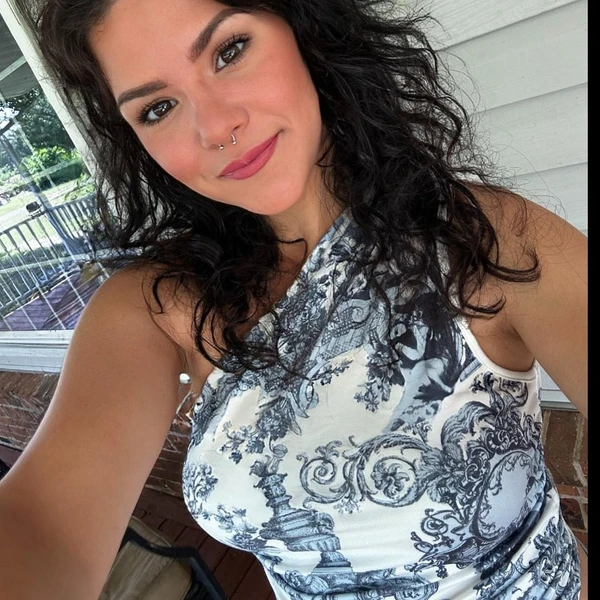
I’m a stay at home mom to two wonderful children, currently working toward returning to school to earn my bachelor’s degree in Philosophy and Political Science. My goal is to attend law school and build a career advocating for justice and positive change. I'm driven, resilient, and passionate about creating a better future for my family and for others.
Education
Arizona State University Online
Bachelor's degree programMajors:
- Political Science and Government
- Legal Professions and Studies, Other
Purdue University Global
Bachelor's degree programMajors:
- Health Professions Education, Ethics, and Humanities
- Nutrition Sciences
Miscellaneous
Desired degree level:
Bachelor's degree program
Graduate schools of interest:
Transfer schools of interest:
Majors of interest:
Career
Dream career field:
Law Practice
Dream career goals:
Cleaning Leader
Sunshine Cleaning2019 – 20245 years
Future Interests
Advocacy
Volunteering
Philanthropy
Entrepreneurship
Get Up and Go Scholarship
Lewis Ohana Scholarship
Pursuing higher education has always been a deeply personal goal—not only to improve my own life, but to create a better future for my children and be a source of strength within my community. As a first-generation college student from Virginia, receiving this scholarship would ease the financial stress that often overshadows my academic progress. It would allow me to stay focused on my goals, stay enrolled in school, and give me the chance to graduate; something that often feels just out of reach without the proper support.
I’m currently working toward a bachelor's degree in philosophy with a focus on law, and I plan to attend law school after completing my undergraduate studies. One program I’m particularly excited about is the Law and Social Justice curriculum offered at Arizona State University Online. It gives me the flexibility to learn while raising my children, and the coursework speaks directly to my desire to create meaningful change through legal advocacy. Financial support from this scholarship would help me stay enrolled each semester, afford my books and course materials, and continue progressing without having to stop or drop out due to financial hardship. This scholarship would be the difference between finishing and falling short.
My path here hasn’t been easy. I grew up with a single mother while my father was incarcerated for much of my childhood. His absence created a hole in my life that I didn’t know how to fill. Even after his release, he never held down legitimate jobs and couldn’t support me or my siblings, especially when we began thinking about college. My mother did everything she could to care for us, but when she got sick, I had to leave public school to attend online classes and care for her at home. She passed away before I ever made it to college.
I’ve carried that grief with me into adulthood, along with the anxiety and trauma of a childhood filled with instability. I experienced panic attacks, agoraphobia, and emotional setbacks, but I’ve kept going. I fought through every barrier; emotional, financial, academic, because I believed in my ability to do more and be more. That resilience defines me, and it has shaped my desire to become a lawyer. I want to help others who feel stuck or overlooked, especially young people and single parents, because I understand what it’s like to navigate life without a safety net.
In five years, I see myself either in law school or already working in the legal field as an advocate for people who need their voices heard. I want to support policy reform, work with grassroots organizations, and use my education to serve marginalized communities in Virginia and beyond. I’m particularly interested in environmental law, an area often dismissed or diminished by political agendas despite its urgent impact on communities, especially those already facing socioeconomic disadvantages. I believe the law must protect not just people, but the planet we share, and I want to ensure environmental regulations are respected, enforced, and strengthened.
On a personal level, I also see myself continuing to grow as a mother and role model. My children are watching me build a new life from scratch, and I want them to see what it looks like to rise after hardship. One of the most defining and empowering moments of my life was leaving an abusive relationship. That choice changed everything. Since then, I’ve rebuilt my confidence, pursued my education, and dedicated myself to healing. Everything has been looking up since then, and I carry that strength with me into every decision I make.
This scholarship would not just support my education, it would support a future built on advocacy, purpose, and giving back. It would lift the burden of financial stress, allowing me to stay in school, graduate, and step into the legal field with confidence and clarity. Most importantly, it would help me turn my experiences into something meaningful for others.
Erase.com Scholarship
Books have always been more than stories to me; they've been lessons in empathy, power, and survival. Just Mercy by Bryan Stevenson opened my eyes to the inhumanity embedded in the justice system and the deep racial bias that criminalizes poverty. The Immortal Life of Henrietta Lacks forced me to confront the exploitation of Black women in medicine and how ethical violations still ripple across generations. Maya Angelou's poetry reminded me that no matter how heavy life becomes, dignity and strength can coexist. These books didn't just teach me history or law; they taught me how injustice hides in plain sight, and how necessary it is to fight back.
My sense of justice also comes from personal experience. I was raised in a single-parent household, where my mother worked tirelessly as a small business owner while battling colon cancer. During that time, I developed severe panic attacks and agoraphobia, making it hard for me to leave the house. I ended up leaving public high school and attending school online so I could stay home and help care for her. That chapter of my life shaped who I am today. I didn't feel strong back then, but I now understand the courage it took to keep going through fear, loss, and uncertainty.
Struggling with my mental health during such a traumatic time showed me how invisible pain can be, and how easily it's dismissed in systems that aren't built for compassion. Mental health has become central to my beliefs, my relationships, and my career path. It taught me to listen more, to judge less, and to see people as more than their circumstances. I believe true justice must include mental health advocacy, especially for women, caregivers, and marginalized people navigating impossible choices.
Now, as a stay-at-home mom and college student studying philosophy and political science, I approach life with a greater sense of purpose. I'm raising two young boys to value fairness, empathy, and speaking up when something is wrong. I want them to know their voices matter, and to grow into people who recognize and uplift the voices of others.
My current goal is to become a civil rights attorney and use my law degree to support communities that have been historically underserved, especially women of color, survivors of domestic violence, and those struggling with mental illness. I want to focus on public interest law because I believe the law should be used to protect the vulnerable, not punish them for being vulnerable. I want to help build a system that listens, responds, and evolves.
I'm not waiting until I become a lawyer to act. I attend protests and community events that challenge racism, sexism, and injustice. I speak up when I see unfairness, and I support those around me who need a voice. Change doesn't start in courtrooms; it starts with people showing up and standing firm in what they believe. That's exactly what I plan to keep doing.
Books gave me knowledge. Struggle gave me resilience. And love, for my family, for people, for justice, is what drives me. I'm committed to building a more equitable world, one step at a time.
Patrick Roberts Scholarship for Aspiring Criminal Justice Professionals
One of the most pressing issues facing the criminal justice system today is its deep-rooted and ongoing racism and sexism. Despite generations of activism and progress, the system continues to disproportionately police, prosecute, and incarcerate people of color, especially Black and Indigenous communities, and routinely fails to protect women,
particularly women of color, who are victims of violence. The problem is not hidden; it's woven into the fabric of legal institutions and exacerbated by policies that disregard the voices of those most affected.
Black Americans are incarcerated at five times the rate of white Americans, and Indigenous women face some of the highest rates of sexual violence in the country, often with little to no legal follow-up. LGBTQ+ individuals, especially trans women of color, also experience alarming rates of criminalization and abuse in custody. These statistics aren't just numbers; they reflect lives disrupted, families broken, and trust in our legal system shattered.
In my future career as an attorney, I intend to work at the intersection of civil rights, gender justice, and public defense. I believe legal professionals have a responsibility not just to represent clients, but to challenge the biases and structures that produce unequal outcomes. That means advocating not just in courtrooms but in legislatures, schools, and communities. I want to use my voice to make sure that marginalized people have legal support, visibility, and most importantly, power.
My approach begins with listening. Too often, policies are written about communities without input from them. I want to change that by amplifying the lived experiences of those who've been systemically silenced. I'm particularly passionate about working with women who are criminalized for surviving abuse; those imprisoned for defending themselves or coerced into illegal activities by abusers. These women often go unheard, labeled as offenders rather than survivors. I want to be part of rewriting that narrative through direct legal representation, systemic advocacy, and legal education.
While I haven't yet had the opportunity to formally volunteer in the legal field, I've spent the last few years immersed in learning and researching criminal justice issues. I read legal cases in my spare time, listen to interviews with public defenders and civil rights attorneys, and keep up with current events involving police reform and systemic bias. These stories fuel my motivation to become a lawyer, not out of ambition, but out of urgency. I know injustice when I see it, and I want the tools to do something about it.
Being a stay-at-home mom has also shaped my perspective. I see the world through my children's eyes now, and I'm more motivated than ever to help build a future where the law protects them equally, regardless of their race, gender, or income level. I've turned my home into a place of activism and education, involving my children in community conversations about fairness and justice from a young age. I believe that this foundation will help them grow into people who question injustice and speak up for others.
Looking ahead, I know the road won't be easy. Reforming a system so entrenched in bias will take sustained effort, coalition-building, and courage. But I'm not afraid of the work. I'm driven by the people I've met, the stories I've read, and the deep belief that justice should never depend on the color of your skin, your gender identity, or your ability to pay for a good lawyer.
I plan to carry these values into every courtroom I enter and every client I represent. My goal is not only to succeed within the legal system, but to help change it for the better.
Cooper Congress Scholarship
To me, ensuring everyone has a voice means more than simply allowing someone the chance to speak; it means actively creating space, listening with intent, and recognizing that some voices have been historically ignored or silenced. It's about equity, not just equality. Giving someone a voice means making sure they're heard, understood, and respected, even if what they're saying challenges the norm or makes others uncomfortable.
Growing up in a single-parent household, I witnessed what it looks like when someone fights to be heard. My mother, a small business owner battling colon cancer, had to navigate healthcare systems, government agencies, and daily life while raising three children, two of whom were twins, and running a successful salon. She didn't have money, connections, or privilege, but she had strength and a voice. She taught me to speak up not just for myself, but for others who couldn't. Her example planted the seed for what would later become my passion: advocating for those who are often overlooked.
Now, as a stay-at-home mom raising two young boys, I practice this daily in my home. I make space for my children's emotions and ideas, even when they don't yet have the vocabulary to express them clearly. I listen closely, ask questions, and help them understand that their feelings matter. Teaching them to value their own voice helps them grow into people who will value others' voices, too.
In leadership, I've seen how easy it is for some perspectives to dominate, especially in academic or structured environments. In my college classes, where I now study philosophy and political science, I've often noticed how women, students of color, or those from working-class backgrounds may hesitate to speak up. When I facilitate group discussions or lead study sessions, I'm intentional about including everyone. I make eye contact, invite quieter students to share, and avoid rushing to fill the silence. I know that sometimes people just need a bit of room to feel safe enough to contribute.
This isn't just theory, it's reality. Racism is still prevalent in this country. Many people of color are denied their voice; not because they don't speak, but because society has built systems that refuse to listen. The constitution promises justice and liberty for all, yet time and time again, we see those rights blatantly ignored when it comes to Black and Brown communities. I believe in calling that out. I believe in standing up, loudly, for those who are too often pushed aside or silenced. And I will continue to do so in every area of my life.
My interest in law and policy is also rooted in this value. The legal system should give everyone a voice, but in reality, many people can't afford a lawyer, don't understand their rights, or are intimidated by the process. As a future attorney, I want to change that. I plan to work in public interest law, using my degree to advocate for underserved communities. Whether it's helping immigrants navigate legal status, supporting women in domestic violence cases, or representing families in custody disputes, I want my clients to feel empowered and seen.
Giving people a voice isn't just about representing them, it's about helping them find their strength, speak their own truth, and understand that their stories matter.
Even outside formal leadership roles, I integrate this value in daily interactions. Whether it's encouraging a shy mom in my homeschool group to share her perspective, or speaking up when I see someone being dismissed or talked over, or attending protests, I try to model what I believe in: that everyone has something worth contributing.
Catrina Celestine Aquilino Memorial Scholarship
I grew up in Virginia, raised by a single mother who ran her own small business while battling colon cancer. Her strength, resilience, and dedication to others made a lasting impact on me. When she passed away shortly after I turned 17, my world shifted. I was young, grieving, and uncertain about my future. I enrolled in college, but like many first-generation students, I wasn't fully equipped to navigate the system. I didn't understand how tuition, aid, or deadlines worked, and eventually ran out of funding with only one class left to graduate. Despite the financial challenge, I left with a 3.96 GPA, which reflected my potential and commitment. Since then, I've become a mother myself to two young boys as a stay-at-home mom. Childcare costs make traditional work challenging, but I've never stopped learning or growing. I've found strength in the rhythm of daily life, tending to our farm, cooking from scratch, and teaching my children the values of curiosity, compassion, and hard work. Through all of this, my interest in politics and justice grew, especially as I began to see how deeply underserved so many communities are. This is what inspired me to return to college and pursue a double bachelor's degree in Philosophy and Political Science, with the goal of attending law school. For me, law isn't just a career; it's a vehicle for change. I've seen firsthand how fragile the law can be, how easily marginalized voices are ignored, and how much it matters to have people in positions of power who are not just qualified, but deeply empathetic and grounded in their communities. As someone who has lived below the poverty line, depends on public health care, and struggled to afford education, I understand what it's like to fall through the cracks. That perspective fuels my passion to advocate for those who are often left behind. I want to work in public interest law, focusing on civil rights, family law, or immigration, where I can use my skills to protect and empower people who have been silenced or sidelined. I also believe in prevention. One of my long-term goals is to help educate and support low-income communities through outreach, workshops, and early legal guidance. So many legal issues could be avoided if people had someone to explain their rights, walk them through paperwork, or represent them fairly in court. I want to be that person; someone who brings clarity and compassion to a system that often feels cold and overwhelming. In the same way that my mother showed up for others through her business and friendships, I want to show up through my work as a lawyer. I'm not doing this just for myself or my family. I'm doing this so that I can help build a better future for my children, and for everyone navigating injustice alone. I believe the law should serve the people, and I want to be part of reshaping it into something more accessible, more humane, and more just. With the right education and support, I know I can make that happen.
TJ Crowson Memorial Scholarship
A Supreme Court case that changed my perspective on the world is United States v. Virginia (1996). This case struck down the Virginia Military Institute's male-only admissions policy. VMI had argued that its rigorous, military-style education was unsuitable for women, and that creating a separate program at another school was more sufficient. The court disagreed, ruling that excluding women violated the Equal Protection Clause of the 14th Amendment. Justice Ruth Bader Ginsburg wrote the majority opinion, emphasizing that broad generalizations about gender cannot justify denying individuals opportunities based on sex.
That struck me deeply, not only as a woman, but as a mother raising two children in a world that still often defines people by their gender first. I was born in 1997, just one year after this ruling. To realize that this level of institutional exclusion was still being upheld within my lifetime was shocking. Before reading about this case, I believed in fairness and equal opportunity, but I hadn't fully grasped how deeply rooted gender discrimination still is, even within our nation's most powerful institutions. It helped me understand that the law can act both as a barrier and as a bridge. It inspired me to see the law not just as a set of rules, but as a living force that can confront inequality and open doors for future generations of women and other marginalized groups.
This case also highlighted the importance of representation and the courage required to challenge systems that have long excluded others. As a stay at home mom working toward returning to school, I often feel the weight of societal expectations about who I should be and what my role "should" look like. United States v. Virginia reminded me that no institution or tradition should stand in the way of anyone's potential or ambition.
Now, as i pursue my bachelor's degree in Philosophy and Political Science with the goal of attending law school, I carry the lessons of this case with me. I want to be part of the next generation of advocates who challenge outdated norms, fight for equal access, and help ensure that the law reflects the diversity, strength, and dignity of the people it serves. My journey is personal, but it's also about building a future where no one is told "you don't belong" simply because of who they are. I'm doing this not only for myself and my community, but to ensure my children grow up in a world that is fair, inclusive, and full of possibility.