user profile avatar

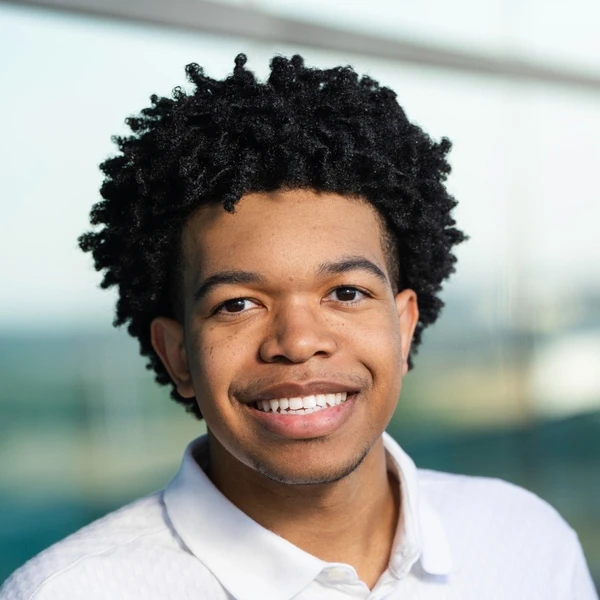
Caleb Wright

1x

Finalist

General information

Hobbies & Interests

  • Music
  • Gaming
  • Dance
  • Acting And Theater

Reading

  • Action

I read books multiple times a month.

Bio

Currently Attending Morehouse College class of 2030. Acting and MT lover.

Education

Morehouse College

Bachelor's degree program

2026 – 2030

Majors:
  • Visual and Performing Arts, General
Minors:
  • Finance and Financial Management Services
Keller High School

High School

2022 – 2026

GPA3.6 GPA

Miscellaneous

Desired degree level:
Bachelor's degree program
Majors of interest:
Visual and Performing Arts, General, Business, Management, Marketing, and Related Support Services, Other
Desired degree modality:
In-Person
Medical school interest:
No
English as first language:
Yes
Homeschooled:
No

Career

Miscellaneous

Dream career field:
Finance, Performing Arts, Motion Pictures and Film
Work experience:
0 years
Has nursing license:
No
Leadership experience:
Yes

Future Interests

  • Advocacy
  • Philanthropy
  • Entrepreneurship
RonranGlee Literary Scholarship
W. E. B. Du Bois’s idea of double consciousness explains how being Black in a predominantly white environment can create a constant awareness of how other people see you, while also forcing you to decide how much of yourself you are willing to change to fit into that environment. Although Du Bois wrote The Souls of Black Folk more than one hundred years ago, his argument remains relevant because Black people today can still experience the pressure of being judged according to standards created in spaces where they are not the majority. Du Bois’s concept shows that the struggle is not simply about being physically different from the people around you; it is about learning to see yourself both through your own eyes and through the eyes of a society that may have already formed assumptions about you. Du Bois introduces double consciousness while discussing what it means to be Black in America. He describes Black Americans as living with a kind of “twoness,” writing, “One ever feels his twoness,—an American, a Negro” (Du Bois 3). This statement is important because Du Bois is not saying that being Black and being American are naturally incompatible. Instead, he is describing the tension created when society treats those identities differently. A Black person can feel completely American while still being reminded that some people view Blackness as something separate or lesser. The problem, therefore, is not that the individual has two identities. The problem is that society can make the individual feel as though those identities are constantly being judged against each other. This idea can be especially powerful in predominantly white spaces. A Black student entering a mostly white classroom, for example, may become conscious of things that other students do not have to think about. They might wonder whether their opinions will be taken seriously, whether their appearance will be judged, or whether a mistake they make will be connected to stereotypes about Black people. Even when nobody openly says anything racist, the awareness that stereotypes exist can affect how a person carries themselves. Du Bois describes this experience as “always looking at one’s self through the eyes of others” (3). In other words, the person is not only experiencing the environment; they are also thinking about how the environment is experiencing them. That distinction is what makes Du Bois’s argument so powerful. Someone who is part of the majority in a particular environment may be able to focus mostly on what they are doing. Someone who is part of a racial minority may also be thinking about how their actions are being interpreted. This does not mean that every Black person constantly feels uncomfortable in white spaces, nor does it mean that every predominantly white environment is automatically hostile. Rather, Du Bois gives us a way to understand the extra level of awareness that racism and racial stereotypes can create. The “eyes of others” can become an invisible presence in someone’s mind. Du Bois also argues that this experience can create pressure to measure oneself according to standards that were not created with Black people in mind. He describes “measuring one’s soul by the tape of a world” that looks at Black people with “contempt and pity” (3). The measuring tape is a useful metaphor because it represents a standard used to determine whether someone is successful, intelligent, attractive, professional, or worthy of respect. If that standard is shaped by a society that has historically favored white people, Black people can feel pressure to prove that they belong. This idea still has meaning today. Consider schools, professional environments, or other institutions in which Black people are underrepresented. A Black student might feel pressure to speak or behave in a certain way so that they will be viewed as intelligent. A Black employee might feel that they have to be especially careful about how they communicate because they do not want ordinary behavior to be interpreted through a stereotype. These situations can create a difficult question: Am I being myself, or am I performing the version of myself that I believe other people will accept? Du Bois’s concept of double consciousness helps explain why that question can be so complicated. At the same time, Du Bois does not believe the solution is for Black people to abandon part of themselves. Immediately after describing double consciousness, he explains that Black Americans want to become a complete version of themselves rather than choosing between their identities. He writes that the goal is to “merge his double self into a better and truer self” (Du Bois 3). This is an important part of his argument because Du Bois is not telling Black people that they need to become more acceptable to white society. Instead, he is arguing for a society in which Black people can fully exist without having to constantly defend their identity. That argument remains important today because representation alone does not necessarily eliminate the feeling of being an outsider. A Black student can be accepted into a predominantly white school and still feel like they have to prove that they belong there. A Black person can succeed in a predominantly white profession and still become conscious of being one of the few Black people in the room. Being allowed into a space and actually feeling that you belong in that space are two different things. Du Bois helps us understand that difference. His argument also challenges the idea that racism only exists when someone openly expresses hatred. Racism can influence people’s expectations, assumptions, and definitions of what seems “normal” even when nobody directly expresses prejudice. Du Bois’s concept of the “veil” helps describe this separation between Black and white experiences. He writes that Black Americans live with a “veil” and a kind of “second-sight” that causes them to see American society from more than one perspective (3). Because Black people must navigate both their own experiences and the way society views them, they can become especially aware of contradictions that others may not notice. This is one reason Du Bois’s writing continues to matter more than a century after it was published. The specific circumstances of American life have changed since 1903, but the psychological question he raises remains recognizable: What happens when you know who you are, but you also know that other people may have already decided who they think you are? For Black Americans in predominantly white spaces, that question can become part of everyday life. It can affect how someone speaks, dresses, participates in class, responds to criticism, or decides whether to make themselves stand out or blend in. Ultimately, Du Bois’s idea of double consciousness is not simply a description of conflict; it is also an argument for freedom. He believes Black Americans should not have to choose between being fully Black and being fully American. He states that the desire is to be “both a Negro and an American” without having “the doors of Opportunity closed” because of race (Du Bois 3). That idea is still relevant because true equality should mean more than allowing people from different backgrounds to enter the same spaces. It should mean that people do not have to suppress parts of themselves to be respected once they arrive. Du Bois’s greatest insight is that racism affects more than opportunities; it can affect the way people understand themselves. Being Black in a predominantly white environment can sometimes mean carrying an awareness of how others might interpret you while simultaneously trying to remain confident in who you actually are. The Souls of Black Folk gives language to that experience through the concept of double consciousness. More than a century later, Du Bois reminds us that the goal should not be to force people to choose which part of themselves belongs. The goal should be to create spaces where a person can enter as their complete self and never have to wonder whether their identity is standing in the way of their humanity.
Olivia Rodrigo Fan Scholarship
One lyric from Olivia Rodrigo's "Vampire" that has stayed with me is, "I used to think I was smart, but you made me look so naive." To me, that line is not only about a relationship; it represents what it feels like to enter an environment believing that people will see you for who you are, only to realize that prejudice can change the way people change you. As a student of color who graduated from a predominately white-normative high school in a town where racism was often treated as a joke, I learned that lesson earlier than I wanted to. Growing up in Detroit, I was surrounded and embraced by a community that looked and felt familiar to me. Moving to Dallas introduced me to a polarizing environment. I attended a Predominately white high school in a town where racism was often treated like a inside joke. It was at there that being called racial and homophobic slurs started. Hearing those words being directed towards me or other Black students how quickly something hurtful could become normalized when the people saying it didn't think or receive consequences. What made my experience even more complicated was that I was not the "Black student" people wanted or expected me to be. I was involved in performing arts. While sports were viewed as the "natural" place for black people to succeed, my passion was on stage and under the limelight. I loved performing because it gave me a sanctuary and a place where my voice, creativity, and personality could take up space without judgments from my peers; but every time I was in the rehearsal rooms, I often felt like I had to prove that I belonged. This external pressure I felt gave me alarming amounts of exhaustion that came from constantly wondering wether people are judging your talent or simply judging you based on the color of your skin. I had to navigate the stereotypes of what a black student is supposed to look like, act like, and be interested in. Sometimes the hardest part was knowing that I wouldn't be enough and that I couldn't control the assumptions and whispers people made about me when I walked into a space; I could only control my responses. This highlights why the song "Vampire" resonates with me. Olivia Rodrigo describes being drained by someone who constantly takes from her while making her question her self worth. Although my experience was different from Rodrigo's, I understand the feeling of having something or someone take energy away from the person you. The harassment, bullying, and slurs could've made me bitter and convinced me that I needed to change myself to feel accepted; I decided they would not. Instead, I held my morals close to my chest and continued to illuminate onstage. Every time I stepped out, I reminded myself that I didn't need permission to be there. Performing became more than a after school activity; it became a way a way of proving to myself that the expectations people made for me didn't have to become my reality. Now, attending Morehouse college, I want to use my education and creativity to build something bigger than myself. My goal isn't to become just a successful artist; I want to create a path for other artists of color who may feel like me entering spaces that were not designed with them in mind. I can't change where I came from, but I can decide what I carry forward. I carry my determination to build something huge and reminds us that POC artists belong in the limelight.
Pamela Branchini Memorial Scholarship
As a Theater and Performance major at Morehouse College, I'm learning that theater is much more than standing onstage and giving lines and performing high energy musical numbers; theater is about people coming together to create something that no one could create alone. Collaboration, to me, means listening to others, trusting their ideas and vision, communicating clearly, and being willing to adapt my ideas to make the final product of a production stronger. My experiences in theater have shown me that the best performances happen when everyone is involved and understanding that they are a part of something bigger than themselves. One of my most meaningful collaborative experiences has been my involvement with the Jack & Jill DFW-Mid Cities Chapter. I was given the opportunity to serve as skit director from my 10th grade year to my senior year of high school. Being director for those three amazing years that leadership doesn't mean simply directing people what to do onstage or how to deliver lines in the script; it means learning how to truly bring out the best in everyone involved. Every person brings a unique personality, captivating perspective, and dynamic strengths to a production. As director, I had to adhere to performers, work through different ideas, organize and optimize rehearsal times, and make sure everyone understood the vision of the performance. This list of tasks also came with challenges where disagreements arose and during those conflicts i had to learn the golden pillars of a director; communication and patience. One project the inspired me was directing the first Black history program for Jack & Jill. This experience was important to me because it allowed me to combine my passion for performance and my appreciation for my heritage. Creating this project wasn't something I could do all by myself; I had to collaborate with various venues, stage managers, food vendors, write an original script, and collaborate with my cast of performers to bring this production to life. We worked countless hours to make sure the performance was seamless, entertaining, and communicating something about our history. Seeing everyones talents and skill levels showed me how powerful collaboration can truly be. These experiences also metamorphosed my thinking as a artist and performer. Before directing performances, I was mostly thought about being the person under the bright lights; now , I understand that a successful performance depends on everyone behind and in front of the curtain. Directors, stage managers, writers, designers, choreographers, and many others have an important role to play. If one person doesn't contribute their best efforts, it can tarnish a tapestry of success. Collaboration create the bricks, paint, and sculpture tools to turn individual ideas into vibrant tapestries and murals. As I continue my education at Morehouse, I want to carry these lessons with my into my career. I hope to become a actor, performer, singer, or director who can create spaces for people that look like me and can feel comfortable sharing their creative talents. My experiences at Jack & Jill have consistently shown me how much an be accomplished when people work together with a common purpose. For me, collaboration isn't just a part of theater; it's one of the reasons I love it. It taught me how to lead, listen, communicate, and grow into the person that I am today. Most importantly, it reminds me that the strongest stories are often created when people come together and use their individual strengths to create something meaningful for everyone.
Lost Dreams Awaken Scholarship
Recovery to me means learning how to move forward while becoming stronger and more confident version of myself. As a college freshman double majoring in Finance and Musical Theater, I have a plethora of goals and responsibilities to balance. Recovery reminds me that I don't have to be perfect or have every step planned out right away. It's about taking things day by day, learning my experiences, and giving myself the time and space to grow. In finance, I'm learning about discipline, planning, and making smart decisions for the future. In musical theater, I am learning hot to be vulnerable, creative, and confident in front of others. Recovery connects both sides of my life because it teaches me about patience and perseverance. To me, recovery means finding balance, believing in myself, and continuing to work toward the person I want to become.
Mad Genius Scholarship
Stories change the world. They teach, inspire, and challenge people to see life differently. As a Black storyteller, I understand the power of my voice in a world where black narratives about people who look like me are often distorted to fit a white normative agenda. Through my storytelling, I plan to impact the world by highlighting authentic Black experiences, dismantling stereotypes, and inspiring future generations to embrace their unique voices. Growing up I went to predominantly white learning institutions where black culture wasn’t encouraged or celebrated. Navigating through this environment has profoundly shaped most of my identity and heightened my sense of self-awareness. I often felt like an outsider, unseen, misunderstood, and overlooked. Where my history was erased, traditions nonexistent, and was shown marginalized images that didn’t sufficiently depict the black cultural experience. Lessons on Black achievements were brief during Black History Month focusing on a handful of leaders like Martin Luther King Jr. or Rosa Parks. I had to learn my own culture outside the classroom through family, community and personal research because the institutions I attended did not see it as valuable. It wasn’t until I found spaces with other Black students; whether in organizations, clubs, or casual friendships, that I realized how much culture I was missing. These moments of connection became my sanctuary and reminded me that my culture was not only worth celebrating, but essential to who I am in society. It is my greatest purpose in life to curate anecdotes and amplify them through performing arts and demonstrate my talents to further black artistry. As a person of color and musical theater kid, I know how damaging stereotypes can be. People assume that because I’m Black, I should only play sports, but my passion for theater goes beyond the boxes society tries to keep me in. Stereotypes of any kind limit creativity and strip people of their individuality, but theater itself is about breaking barriers and telling stories. By challenging normative agendas, embracing diverse settings, and highlighting our limitless talents, we can dismantle outdated ideas. Performing arts is my superpower; the stage provided me a place of freedom, liberation, exploration, and the purest form of self discovery. Performing arts has been a 2nd home for me and a place of acceptance in a world full of rejection. The stage is my platform to ignite that fuels my Black boy joy. In closing, I aim to invite other artists of color to embrace the power of storytelling as a means to foster understanding and acceptance in our diverse world. Every person has a unique narrative that deserves to be celebrated. Together, we can weave a rich tapestry of experiences that truly depicts the beauty of our collective humanity. I urge you to use your voice; whether through art, advocacy, or conversation to inspire change and ignite hope. Your story matters; share it and let's transform our world.
Ray Aplin Memorial Scholarship
Stories change the world. They teach, inspire, and challenge people to see life differently. As a Black storyteller, I understand the power of my voice in a world where black narratives about people who look like me are often distorted to fit a white normative agenda. Through my storytelling, I plan to impact the world by highlighting authentic Black experiences, dismantling stereotypes, and inspiring future generations to embrace their unique voices. Entertainment shares a plethora of stories so kids can look up to characters they see on the big screen. When I was very young, I was diagnosed with a developmental delay called apraxia. Due to this, I was in occupational therapy until I was 4 years old. I also experienced severe hearing loss due to inner ear trauma. Because of the severity of this diagnosis, I went to many early childhood speech therapists and endured several surgeries. Thankfully the doctors were able to correct my hearing, however I always felt that my story and others like me were not properly represented on a mass media scale. Being a creative, I view it as my mission to champion those with disabilities. With productions I develop, skits I produce, and scripts I write, it is my civic duty to amplify the voice of the underserved and disabled community. My greatest achievement to date lies within the first Black History Program in Keller, Texas. This was a tremendous feat due to the diversity percentile is at 3%. In this production, I collaborated with Jack and Jill of America DFW- Mid Cities chapter and the We Are One initiative to highlight teens with varying disabilities. I spotlighted their talents in my plays either through voice, dance, acting, or backstage production to showcase their gifts and talents. This directorial experience was equally beneficial to me as it was to them. As we learn from each other, we elevated the qualitative production and the impact to the surrounding community was astounding. This is my civic duty to be a change agent for the underserved, the unseen, and the misinterpreted. In closing, I aim to invite other artists of color and ability to embrace the power of storytelling as a means to foster understanding and acceptance in our diverse world. Every person has a unique narrative that deserves to be celebrated. Together, we can weave a rich tapestry of experiences that truly depicts the beauty of our collective humanity. I urge you to use your voice; whether through art, advocacy, or conversation to inspire change and ignite hope. Your story matters; share it and let's transform our world.
Charles E. Nettles Continued Education Scholarship
Morehouse College feels like a home I’ve returned to after sorting through a suitcase of life's experiences. Each step onto its campus is a reminder that growth is cyclical, a process of unpacking, cleaning, and repacking the lessons and memories that have shaped me. Just like laundry after a long trip, some things need refreshing, others neatly folded back into place. The university’s blend of tradition and innovation reminds me of a complex, vibrant, and grounding family. Its curriculum feels like the washer and dryer that spins my dreams into clean, tangible goals. At Morehouse, I sense both the comfort of belonging and the challenge of striving for greater heights. The community encourages me to draw from the past while embracing the future, much like revisiting cherished garments and adapting them to new seasons. ​ Although I wasn’t born in Atlanta, Georgia, my roots trace back to Michigan, where I was raised among snow-dusted streets, Motown records, and big family cookouts filled with laughter, music, and stories. Michigan taught me resilience, the importance of community, and the value of holding onto traditions even as the world changes around you. Then came COVID, and everything changed. My family relocated to Texas, and it felt like someone had pulled all the laundry off the line before it finished drying—suddenly, the comfort of familiarity was replaced by uncertainty. In the whirlwind of that move, I carried pieces of my former home with me: its grit, rhythm, and sense of community. Texas brought new challenges, new perspectives, and a chance to redefine what home truly means. Now, as I apply for this scholarship, it feels like I’m bringing those clothes back home, ready to be cleaned, pressed, and worn with purpose, eager to contribute my unique tapestry to Morehouse’s vibrant fabric. ​ As a Musical theater student of color, I’ve come to see performance as both expression and survival. Morehouse’s School of Music, Theater, and Dance draws me in not just for its national reputation, but for the way it embraces stories of their student body. I see myself on that stage not just singing and dancing, but honoring the vices that came before me. With faculty who are active performers, choreographers, and scholars, I know I’ll be mentored by artists who understand that theater is both craft and culture. The school’s commitment to inclusive storytelling ensures that my voice will not just be heard but nurtured. ​ Performance is only half of the suit. Finance is the thread that holds the fabric of theater together in harmony. From Broadway budgets to nonprofit arts management. Morehouse College’s Division of Business and Economics will allow me to have a hands-on approach to learning systems, like the Business + Impact initiative offers the perfect counterbalance to my artistic passions. I want to learn how to not just perform in shows, but produce them. I want to bridge artistry with stability, ensuring the next generation of performers of color have both stage presence and the structure to thrive. ​ Coming to Morehouse College is like finding your favorite hoodie at the bottom of the laundry basket- worn but not weary, softened by experience, and ready to be worn again. Morehouse College isn't just where I want to study- it’s where I want to become an artist, the thinker,and the leader I know I’m meant to be.
Healing Self and Community Scholarship
I believe my unique contribution to making mental healthcare more affordable and accessible would be creating spaces where people feel comfortable asking for help without feeling judges or shunned from society. As a freshman attending Morehouse College, I have already started to see how much pressure young people can experience with school, friendships, family and figuring out their future. Sometimes, people need support but don't know where to find it or can't afford to seek professional help. I would create programs on college campuses an din communities that connect people with affordable counseling, support groups, and mental health resources. I also believe technology could play an essential role by providing free virtual support and making resources easier to find. Most importantly, I would work to reduce the stigma surrounding mental health. I want people to understand that asking for help is not a sign of weakness but rather a sign of strength and endurance. By combining accessible resources with education and honest conversations, I hope to create a world where mental healthcare is treated like any other form of healthcare. Everyone deserves the opportunity to receive support, regardless of their financial situation.
Bulkthreads.com's "Let's Aim Higher" Scholarship
The future I want to build is more than a stage- it's a space where artists of color feel seen, valued, and empowered to tell their stories without compromise. As a musical theater student, I have fallen in love with the power of performance to connect people across different backgrounds and experiences. At the same time, I have learned that not every artist receives the same opportunities to be heard. Too often, performers of color are expected to fit into limited roles or have overlooked altogether. My dream is to create a performing arts organization that provides mentorship, training, and performance opportunities. I want it to be a place where students can develop their talent while also building confidence in who they are. Whether someone dreams of performing on Broadway, directing productions, writing original musicals, or working behind the scenes, they deserve a community that believes in their potential. As I begin my college adventures, I know this vision will not happen overnight. The first step is becoming the best artist and leader I can be. I want to learn from professors, collaborate with classmates, and gain experience on and off stage. Every audition, rehearsal, and performance will help prepare me to one day lead others. I hope to build relationships with professionals who share my passion for creating a more inclusive theater community. Building this future is about more than my own success. Representation matters because it gives people permission to dream bigger. When other performers of color see someone who looks like them leading a production or starring in a show, they begin to believe those opportunities are possible for themselves too. I want to create that sense of possibility for the next generation. The impact of this dream extends beyond theater. The arts teach empathy, communication, resilience, and confidence; skills that strengthen entire communities. By creating a space where artists of color can express themselves freely and support one another, I hope to inspire stories that bring people together and challenge the stereotypes that divide us. I believe the future is built one relationship, one opportunity, and one performance at a time. My goal is to leave every stage better than I found it and to ensure that artists who come after me never have to question whether they belong. They will know that they do, because someone built a place where they could shine.
Treye Knorr Memorial Scholarship
Morehouse College feels like a home I’ve returned to after sorting through a suitcase of life's experiences. Each step onto its campus is a reminder that growth is cyclical, a process of unpacking, cleaning, and repacking the lessons and memories that have shaped me. Just like laundry after a long trip, some things need refreshing, others neatly folded back into place. The university’s blend of tradition and innovation reminds me of a complex, vibrant, and grounding family. Its curriculum feels like the washer and dryer that spins my dreams into clean, tangible goals. At Morehouse, I sense both the comfort of belonging and the challenge of striving for greater heights. The community encourages me to draw from the past while embracing the future, much like revisiting cherished garments and adapting them to new seasons. ​ Although I wasn’t born in Atlanta, Georgia, my roots trace back to Michigan, where I was raised among snow-dusted streets, Motown records, and big family cookouts filled with laughter, music, and stories. Michigan taught me resilience, the importance of community, and the value of holding onto traditions even as the world changes around you. Then came COVID, and everything changed. My family relocated to Texas, and it felt like someone had pulled all the laundry off the line before it finished drying—suddenly, the comfort of familiarity was replaced by uncertainty. In the whirlwind of that move, I carried pieces of my former home with me: its grit, rhythm, and sense of community. Texas brought new challenges, new perspectives, and a chance to redefine what home truly means. Now, as I apply for this scholarship, it feels like I’m bringing those clothes back home, ready to be cleaned, pressed, and worn with purpose, eager to contribute my unique tapestry to Morehouse’s vibrant fabric. ​ As a Musical theater student of color, I’ve come to see performance as both expression and survival. Morehouse’s School of Music, Theater, and Dance draws me in not just for its national reputation, but for the way it embraces stories of their student body. I see myself on that stage not just singing and dancing, but honoring the vices that came before me. With faculty who are active performers, choreographers, and scholars, I know I’ll be mentored by artists who understand that theater is both craft and culture. The school’s commitment to inclusive storytelling ensures that my voice will not just be heard but nurtured. ​ Performance is only half of the suit. Finance is the thread that holds the fabric of theater together in harmony. From Broadway budgets to nonprofit arts management. Morehouse College’s Division of Business and Economics will allow me to have a hands-on approach to learning systems, like the Business + Impact initiative offers the perfect counterbalance to my artistic passions. I want to learn how to not just perform in shows, but produce them. I want to bridge artistry with stability, ensuring the next generation of performers of color have both stage presence and the structure to thrive. ​ Coming to Morehouse College is like finding your favorite hoodie at the bottom of the laundry basket- worn but not weary, softened by experience, and ready to be worn again. Morehouse College isn't just where I want to study- it’s where I want to become an artist, the thinker,and the leader I know I’m meant to be.
WCEJ Thornton Foundation Music & Art Scholarship
Stories change the world. They teach, inspire, and challenge people to see life differently. As a Black storyteller, I understand the power of my voice in a world where black narratives about people who look like me are often distorted to fit a white normative agenda. Through my storytelling, I plan to impact the world by highlighting authentic Black experiences, dismantling stereotypes, and inspiring future generations to embrace their unique voices. As a person of color and musical theater kid, I know how damaging stereotypes can be. People assume that because I’m Black, I should only play sports, but my passion for theater goes beyond the boxes society tries to keep me in. Stereotypes of any kind limit creativity and strip people of their individuality, but theater itself is about breaking barriers and telling stories. By challenging normative agendas, embracing diverse settings, and highlighting our limitless talents, we can dismantle outdated ideas. Performing arts is my superpower; the stage provided me a place of freedom, liberation, exploration, and the purest form of self discovery. Performing arts has been a 2nd home for me and a place of acceptance in a world full of rejection. The stage is my platform to ignite that fuels my Black boy joy. In closing, I aim to invite other artists of color to embrace the power of storytelling as a means to foster understanding and acceptance in our diverse world. Every person has a unique narrative that deserves to be celebrated. Together, we can weave a rich tapestry of experiences that truly depicts the beauty of our collective humanity. I urge you to use your voice; whether through art, advocacy, or conversation to inspire change and ignite hope. Your story matters; share it and let's transform our world.
Clark Emerging Leaders Scholarship
Morehouse College feels like a home I’ve returned to after sorting through a suitcase of life's experiences. Each step onto its campus is a reminder that growth is cyclical, a process of unpacking, cleaning, and repacking the lessons and memories that have shaped me. Just like laundry after a long trip, some things need refreshing, others neatly folded back into place. The university’s blend of tradition and innovation reminds me of a complex, vibrant, and grounding family. Its curriculum feels like the washer and dryer that spins my dreams into clean, tangible goals. At Morehouse, I sense both the comfort of belonging and the challenge of striving for greater heights. The community encourages me to draw from the past while embracing the future, much like revisiting cherished garments and adapting them to new seasons. ​ Although I wasn’t born in Atlanta, Georgia, my roots trace back to Michigan, where I was raised among snow-dusted streets, Motown records, and big family cookouts filled with laughter, music, and stories. Michigan taught me resilience, the importance of community, and the value of holding onto traditions even as the world changes around you. Then came COVID, and everything changed. My family relocated to Texas, and it felt like someone had pulled all the laundry off the line before it finished drying—suddenly, the comfort of familiarity was replaced by uncertainty. In the whirlwind of that move, I carried pieces of my former home with me: its grit, rhythm, and sense of community. Texas brought new challenges, new perspectives, and a chance to redefine what home truly means. Now, as I apply for this scholarship, it feels like I’m bringing those clothes back home, ready to be cleaned, pressed, and worn with purpose, eager to contribute my unique tapestry to Morehouse’s vibrant fabric. ​ As a Musical theater student of color, I’ve come to see performance as both expression and survival. Morehouse’s School of Music, Theater, and Dance draws me in not just for its national reputation, but for the way it embraces stories of their student body. I see myself on that stage not just singing and dancing, but honoring the vices that came before me. With faculty who are active performers, choreographers, and scholars, I know I’ll be mentored by artists who understand that theater is both craft and culture. The school’s commitment to inclusive storytelling ensures that my voice will not just be heard but nurtured. ​ Performance is only half of the suit. Finance is the thread that holds the fabric of theater together in harmony. From Broadway budgets to nonprofit arts management. Morehouse College’s Division of Business and Economics will allow me to have a hands-on approach to learning systems, like the Business + Impact initiative offers the perfect counterbalance to my artistic passions. I want to learn how to not just perform in shows, but produce them. I want to bridge artistry with stability, ensuring the next generation of performers of color have both stage presence and the structure to thrive. ​ Coming to Morehouse College is like finding your favorite hoodie at the bottom of the laundry basket- worn but not weary, softened by experience, and ready to be worn again. Morehouse College isn't just where I want to study- it’s where I want to become an artist, the thinker,and the leader I know I’m meant to be.
Perry Brown Performing Arts Scholarship
Stories change the world. They teach, inspire, and challenge people to see life differently. As a Black storyteller, I understand the power of my voice in a world where black narratives about people who look like me are often distorted to fit a white normative agenda. Through my storytelling, I plan to impact the world by highlighting authentic Black experiences, dismantling stereotypes, and inspiring future generations to embrace their unique voices. Growing up I went to predominantly white learning institutions where black culture wasn’t encouraged or celebrated. Navigating through this environment has profoundly shaped most of my identity and heightened my sense of self-awareness. I often felt like an outsider, unseen, misunderstood, and overlooked. Where my history was erased, traditions nonexistent, and was shown marginalized images that didn’t sufficiently depict the black cultural experience. Lessons on Black achievements were brief during Black History Month focusing on a handful of leaders like Martin Luther King Jr. or Rosa Parks. I had to learn my own culture outside the classroom through family, community and personal research because the institutions I attended did not see it as valuable. It wasn’t until I found spaces with other Black students; whether in organizations, clubs, or casual friendships, that I realized how much culture I was missing. These moments of connection became my sanctuary and reminded me that my culture was not only worth celebrating, but essential to who I am in society. It is my greatest purpose in life to curate anecdotes and amplify them through performing arts and demonstrate my talents to further black artistry. As a person of color and musical theater kid, I know how damaging stereotypes can be. People assume that because I’m Black, I should only play sports, but my passion for theater goes beyond the boxes society tries to keep me in. Stereotypes of any kind limit creativity and strip people of their individuality, but theater itself is about breaking barriers and telling stories. By challenging normative agendas, embracing diverse settings, and highlighting our limitless talents, we can dismantle outdated ideas. Performing arts is my superpower; the stage provided me a place of freedom, liberation, exploration, and the purest form of self discovery. Performing arts has been a 2nd home for me and a place of acceptance in a world full of rejection. The stage is my platform to ignite that fuels my Black boy joy. In closing, I aim to invite other artists of color to embrace the power of storytelling as a means to foster understanding and acceptance in our diverse world. Every person has a unique narrative that deserves to be celebrated. Together, we can weave a rich tapestry of experiences that truly depicts the beauty of our collective humanity. I urge you to use your voice; whether through art, advocacy, or conversation to inspire change and ignite hope. Your story matters; share it and let's transform our world.
Caleb Wright Student Profile | Bold.org