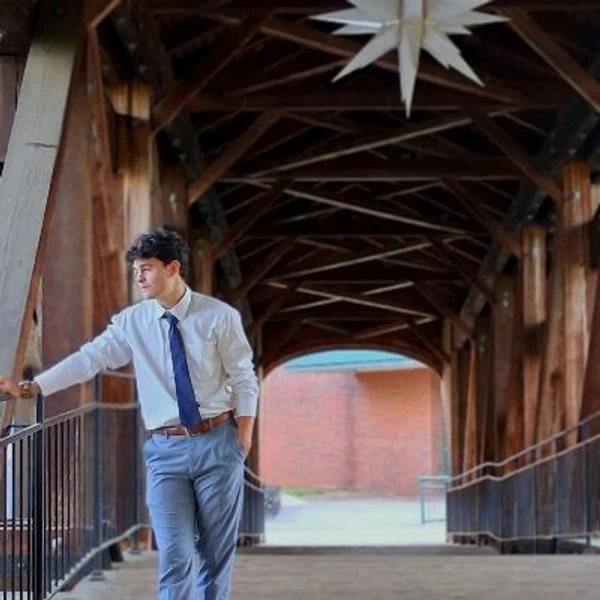
To reach my goal of breaking into the sports broadcasting industry now that I am officially at Queens University of Charlotte, I have put together a clear, straightforward plan to make the most of my time here. Since I am focusing entirely on the media side of things instead of playing college sports, I can throw all of my energy into learning the craft. My main resources will be the campus television studios, audio booths, and editing software, which I will use to build a strong portfolio reel of mock play-by-play calls, sideline reporting, and studio hosting segments. I also plan to network as much as possible with my professors and university alumni to get my foot in the door around the Charlotte area. On top of that, I need to invest in some of my own personal gear, like a high-quality microphone and good editing software for my laptop, so I can practice calling games on my own time.
Financially, I have to stay on top of a strict budget that covers university tuition, student fees, textbooks, and commuting costs. I am currently managing these expenses through financial aid packages, grants, and institutional scholarships, but I am also keeping my eyes open for a flexible part-time job nearby that will let me earn an income without messing up my class schedule. Keeping student debt as low as possible while focusing on my media goals is a huge part of my financial strategy.
Timing is incredibly important for this plan to work out smoothly. I am mapping out my semesters to balance my advanced communication classes with hands-on media projects. My goal is to land my first real sports media internship within my first year on campus so I can get real-world experience long before graduation rolls around. I am also timing my schedule around the local sports calendar, making sure I am completely ready to cover high school and college games during the peak football and basketball seasons.
To make sure I succeed from every possible angle, I am focusing on multiple paths within the sports media industry. Being the voice on the air is the ultimate dream, but I know that being versatile makes a person way more employable. That is why my plan includes learning behind-the-scenes skills like audio engineering, video switching, directing, and creating digital content for social media platforms. I will practice at home by muting live games on the television and recording my own commentary over them to improve my pacing, tone, and sports analysis. By working hard on both the on-camera performance and the technical production side, I will be fully prepared to land a great job in the sports industry the second I graduate.