Hobbies and interests
Babysitting And Childcare
Softball
Photography and Photo Editing
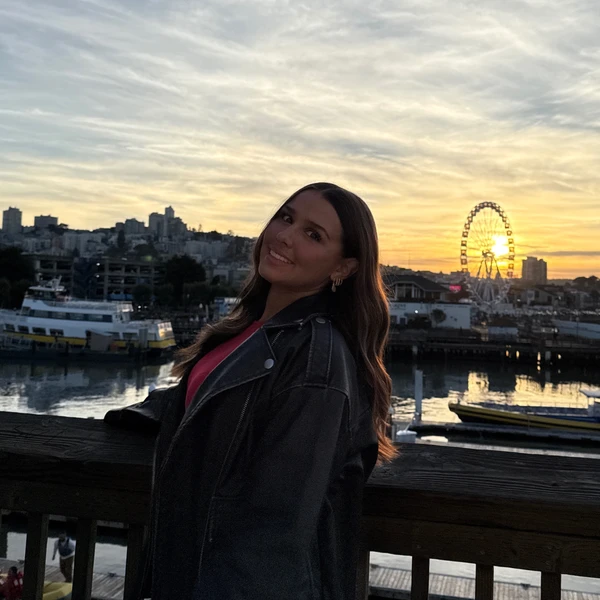
Brooke Lomeli
1x
FinalistBrooke Lomeli
1x
FinalistBio
My goals i life are to go to college, get a degree, and start a family. I'm very passionate about helping others succeed, hence why I volunteered my time at an elementary school. I'm very passionate about the fact that my family members don't define me, which is why I want to be a first-gen college student for my family!
Education
Rocklin High School
High SchoolMiscellaneous
Desired degree level:
Bachelor's degree program
Majors of interest:
- Registered Nursing, Nursing Administration, Nursing Research and Clinical Nursing
- Education, General
- Engineering Mechanics
Career
Dream career field:
Education
Dream career goals:
Sports
Softball
Varsity2012 – Present14 years
Public services
Volunteering
Feed the homeless — Serving soup2023 – Present
Sabrina Carpenter Superfan Scholarship
I’m a fan of Sabrina Carpenter because she feels like one of the few artists who actually puts real emotions into her music without trying to make it sound perfect or dramatic just for attention. I started listening to her casually at first, but when she released "emails I can’t send," something about that whole album hit way harder than I expected. It was the first time I felt like an artist was singing about things I’ve literally thought but never said out loud.
“emails I can’t send” especially stuck with me because it feels so personal and almost uncomfortably honest. The way she talks about betrayal, disappointment, and the weird mix of love and resentment, it’s the kind of stuff most people would never admit, but she just puts it all out there. Hearing someone actually say those feelings made me feel less dramatic about my own problems. Like, okay, maybe it’s not just me overthinking everything.
Another thing I love about Sabrina is how she can sing about real heartbreak or trust issues in one song, and then in the next, she’s joking around and being sarcastic. It’s literally the most 17-year-old-girl thing ever. Life isn’t just crying over someone; you also have moments where you’re laughing with your friends, pretending you’re fine, or literally making jokes to avoid talking about your feelings. Songs like “Nonsense” or “Read Your Mind” show that playful side, and honestly, they’re the ones I blast in the car when I just need to feel good again.
But "emails i can’t send" was different for me. Songs like “Because I Liked a Boy,” “How Many Things,” and “bet u wanna” made me feel understood in ways I didn’t expect. She sings about situations that are messy and complicated, which is basically what being a teenager feels like half the time. She doesn’t try to make herself look perfect; she admits when she messed up, when she cared too much, or when she trusted the wrong person. Hearing an artist be that open made me feel like it was okay to admit those things, too.
Her career has impacted me because she feels human. She’s funny and confident, but she’s also clearly been through things that changed her. And she still turned it into something creative instead of letting it break her. That inspires me, because when things go wrong in my own life, I want to be able to turn them into something positive or at least something that helps me understand myself better.
Being a fan of Sabrina Carpenter isn’t just about liking her music. It’s about feeling connected to the way she tells stories. She doesn’t pretend to be perfect or overly deep; she’s just real. And as a girl trying to figure out my own feelings and relationships, her music makes me feel like I’m not alone in any of it.
Fred Rabasca Memorial Scholarship
Ever since I started helping teach the TK class at my school, I’ve realized that education is more than just a career path; it’s something that actually feels meaningful to me. I didn’t always picture myself becoming a teacher when I was younger. I thought I’d end up doing something totally different, something “bigger” or more impressive. But the more time I’ve spent in the classroom, the more I see how much impact a teacher can have, even in the smallest moments. And honestly, those small moments are what made me start seriously thinking about pursuing a career in education.
Working with TK students has shown me a lot about patience, communication, and what it really means to show up for someone. When you’re helping a four-year-old learn how to write their name or sound out a letter, it might seem tiny, but you can literally watch their face light up when it finally clicks. I didn’t expect those moments to stick with me as much as they do. I go home thinking about how proud they were, or how excited they get when I walk into the classroom. It’s crazy how much those things matter.
I’m also drawn to education because I want to be the type of adult I feel like every kid deserves: someone who believes in them, listens to them, and doesn’t make them feel small for not knowing something yet. Growing up, I had a mix of teachers: some who made me feel important and capable, and others who made school a stressful and discouraging experience. Those experiences made me realize how much power teachers actually have. They can either make a student feel confident or make them shut down. I want to be the kind of teacher who helps kids feel seen and supported, especially those who don’t always receive that reassurance at home.
Another big reason I’m interested in education is that I like the idea of having a job where I’m constantly learning, too. Kids ask questions that adults would never think of, and they notice things most people overlook. Being around that kind of curiosity and honesty keeps you grounded. It reminds you not to take everything so seriously. I love that teaching isn’t just about giving information, it’s about growing alongside the students.
I know education isn’t the easiest career. Teachers deal with challenges that people outside the classroom don’t always see: limited resources, big class sizes, balancing different needs, and still trying to keep the energy positive. But even with all of that, I’ve seen teachers who still show up every day because they genuinely care. That kind of dedication inspires me.
In the end, I’m pursuing a career in education because it feels real. It feels like something that matters. I want to be someone who helps students build confidence, develop curiosity, and feel like they belong. If I can play even a small part in shaping someone’s future for the better, then that’s a career worth choosing.
Phoenix Opportunity Award
Being a first-generation college student has a huge influence on my career goals because it motivates me to break cycles and create opportunities that my family never had. My mom is an immigrant, and she didn’t get the chance to go to college or even explore the kinds of careers she dreamed about. Growing up, I saw how hard she worked just to keep our family stable, and how many doors stayed closed simply because she never had the chance to continue her education. Knowing that I’ll be the first in my family to go to college pushes me to take school seriously and to choose a career that makes a real impact.
Being first-gen also means I’ve had to figure out a lot on my own college applications, financial aid, planning for the future. Even though it’s overwhelming at times, it’s taught me independence, responsibility, and how to stay focused even when things feel confusing. Those skills are a big part of why I want to go into a helping profession, whether it’s education, pediatric nursing, or another role where I can support kids and families. I know what it feels like to need guidance and not know where to start, so I want to be that supportive person for others.
Most importantly, being first-gen influences my career goals because I want to build a life that gives my family more stability than we’ve ever had. I want my mom to know her sacrifices meant something. I want to be someone younger kids especially those who feel overlooked can look up to and think, “If she did it, I can too.”
Going to college isn’t just about getting a degree for me. It’s about rewriting what’s possible for my family and using my education to help others who come from backgrounds like mine.
Hearts to Serve, Minds to Teach Scholarship
Teaching, to me, has always been about more than worksheets or lessons. It’s about showing up for people. It’s about making someone feel understood, supported, and capable. Even though I’m only 17, serving others has already been a big part of my life, and those experiences are the reason I want to become a teacher.
One of the biggest ways I’ve served my community is by helping in a TK classroom. At first, I just thought it would be fun to work with little kids, but it became something so much bigger. I got to see how kids come in with all kinds of emotions some excited, some nervous, some carrying things from home that they don’t know how to talk about. I learned to be patient, to listen, and to be the calm person they could trust. Helping a shy kid finally speak up during circle time or watching another student feel proud after learning something new showed me how much of a difference one person can make just by being there for them.
My service doesn’t only happen at school. A lot of it has been at home, where things haven’t always been easy. My family life has been stressful, and I’ve had to grow up a little faster than most people I know. I’ve been there for my mom during emotional moments, and I’ve had to learn how to stay strong even when things around me felt unstable. Even though it was hard, it taught me how to understand people without them having to explain everything. It taught me empathy and how to support others quietly, just by showing up. Those skills are what I want to bring into my classroom someday.
Because of everything I’ve experienced, my hope as a teacher goes way beyond academics. Yes, I want my students to learn. I want them to read confidently, ask questions, and be curious. But more than that, I want them to walk into my classroom knowing they’re safe, respected, and seen. I want the kid who struggles to feel like they matter. I want the kid who’s quiet to feel like their voice is important. I want the kid dealing with things at home to feel like school is a place where they can breathe. I hope my future students gain confidence, kindness, and a sense of belonging from having me as their teacher. I want them to believe in themselves the way their favorite teachers once believed in them. I want them to know that their worth isn’t based on grades, but on who they are as people.
In the end, teaching is about impact. It’s about the moments students remember years later—the hug on the hard day, the encouragement before a test, the smile that made them feel noticed. That’s the kind of teacher I hope to be. Someone who leads with heart, thinks about the whole child, and uses education to make life just a little bit better for every student who walks through the door.
Sheila A Burke Memorial Scholarship
When I imagine my future, I see myself in brightly lit hospital hallways, talking gently to worried parents, kneeling beside small beds, and helping children feel safe even in the moments when everything around them feels scary or unfamiliar. My vision for myself as a pediatric nurse is not just about having a career it’s about becoming a source of comfort, stability, and hope for families during some of the hardest days of their lives.
My passion for pediatrics comes from the way I’ve always been drawn to working with children and understanding their emotions. Helping in TK classrooms has shown me how honest, fragile, and strong kids can be at the same time. Children express fear differently, heal differently, and trust differently. They need adults who can treat them with patience, creativity, and genuine care. As a pediatric nurse, I want to be someone who can translate medical language into comfort, someone who can make a child smile even when they’re sick, and someone who can help families breathe a little easier because they know their child is being cared for with compassion.
Another part of my vision is shaped by my own upbringing. I know what it feels like to grow up in a stressful, unstable home. I know what it means to carry responsibility too early and to wish some adults understood more than what was on the surface. That experience helps me connect deeply with the idea of supporting families not just medically, but emotionally. Some parents feel overwhelmed, scared, or alone when their child is sick. I want to be the kind of nurse who supports the entire family, not just the patient. I want to reassure parents who feel helpless and make sure they never feel like they’re navigating their child’s health on their own.
I also hope to bring my background with ASL into my future nursing career. Growing up with a sibling who signs taught me that communication isn’t always verbal, and that true understanding often requires patience and effort. In the future, I hope to use ASL to support Deaf or hard-of-hearing pediatric patients, or simply to comfort a child using whatever communication method works best for them. Every child deserves a nurse who listens not just to words, but to expressions, behaviors, and needs that aren’t always spoken out loud.
In my future as a pediatric nurse, I want to create a space where every child feels safe, seen, and supported. That means taking the time to explain procedures in kid-friendly language, using humor or distraction when needed, and building trust through kindness. It also means advocating for my patients, making sure their needs are understood, respected, and prioritized. Children don’t always have the words to stand up for themselves, so they need adults who will do it for them.
I also picture myself continuing to grow in the field. Nursing is a profession where learning never stops, and I want to explore specialties within pediatrics, such as neonatal care, pediatric oncology, or behavioral health. Even as I advance in my career, I always want to keep the heart of my vision the same: to give children comfort and dignity, and to treat families with patience and empathy.
Ultimately, my vision is to be the kind of nurse who changes the way a child remembers a difficult time. I want to turn moments of fear into moments of reassurance, and memories of hospital stays into memories of kindness. I want to be the nurse a family looks back on and thinks, “She really cared.”
Becoming a pediatric nurse isn’t just a dream for me, it’s the future I’m committed to building. With education, training, compassion, and determination, I hope to dedicate my career to helping children feel safe, helping parents feel supported, and bringing warmth into places where it’s needed most. My vision is simple: to care deeply, to serve wholeheartedly, and to make a positive difference in the lives of children and families who trust me during their most vulnerable moments.
Healing Self and Community Scholarship
If I could make one unique contribution to the world, it would be helping create mental health care that is affordable, accessible, and rooted in real human connection. Growing up in a home where stress and emotional pressure were constant, I learned early how powerful it is when someone simply listens. But I also learned how hard it can be to get real mental health support when money, language barriers, or stigma get in the way.
My contribution would be creating school- and community-based support systems that meet people where they already are, especially young people. I want to work in education, and I believe teachers and school staff can play a major role in early mental health support. I would focus on bringing ASL-friendly resources, multilingual counseling options, and free peer-support programs into schools so students don’t feel alone or unseen.
I also want to advocate for policies that expand funding for mental health resources in low-income communities, including sliding-scale therapy, telehealth, and crisis support that is available without insurance.
My contribution wouldn’t be about fixing everything at once it would be about creating safe, accessible spaces where every student, regardless of background or circumstances, has someone who understands, listens, and guides them toward the help they need.
Sandra West ALS Foundation Scholarship
Growing up with a sibling who uses ASL has shaped almost everything about the way I see the world, communicate, and understand people. From a young age, I learned that communication isn’t just spoken words; it’s expression, patience, connection, and effort. Having a sibling who signs taught me how to listen with my eyes, how to slow down, and how to meet someone where they are instead of expecting them to meet me where I am. These lessons have followed me throughout my educational journey and have played a huge role in who I hope to become.
When I was younger, I didn’t always understand why my sibling communicated differently. But as I got older, I started learning ASL, practicing signs at home, and watching how much it mattered when someone put in the effort to communicate in a way that worked for them. It made me realize how important accessibility and inclusion are not only in families but in classrooms. At school, I began gravitating toward helping younger students, especially those who struggled or needed extra support. Working in a TK classroom helped me see how every child has a different way of expressing themselves, and how much confidence grows when someone feels understood.
This experience made me more patient, more observant, and more compassionate. It also sparked my interest in education and made me want to study special education in college. I want to be the kind of teacher who creates a classroom where students feel seen and supported in the same way my sibling did when someone took the time to sign with them. Growing up with ASL taught me that communication is not one-size-fits-all, and I want to bring that mindset into my future work whether it’s through signing, using visuals, adapting instruction, or simply giving students the space they need to express themselves.
Financially, my family has always struggled. My mom is an immigrant who has worked incredibly hard, but money has always been tight. We’ve faced unstable circumstances at home, and a lot of the responsibility has fallen on me to stay focused, work hard, and try to create a future that gives us both more stability. My parents don’t have the financial background or resources to help pay for college, and I know that if I want to continue my education, I’ll have to rely heavily on scholarships and grants.
This scholarship would mean more than just financial assistance it would be an opportunity to keep moving toward the career I’ve dreamed about. It would help lift the burden off my family, allowing me to focus on school instead of worrying about how I’m going to afford it. And it would bring me one step closer to becoming a teacher who can advocate for students the way I’ve learned to advocate for my sibling.
Growing up with ASL didn’t just shape my communication it shaped my purpose. It taught me that every child deserves to feel understood, every voice deserves to be heard (even if it’s signed), and every student deserves a teacher who believes in them. This scholarship would help me continue that journey and turn those lessons into a career dedicated to making education more inclusive for every learner.
RonranGlee Special Needs Teacher Literary Scholarship
Special education matters to me because it reflects the deepest purpose of teaching: helping every student recognize their own worth, ability, and identity. Professor Harold Bloom once said, “The purpose of teaching is to bring the student to his or her sense of his or her own presence.” When I first read that line, it stayed with me. To me, “a sense of one’s own presence” means understanding that you belong in this world that your voice matters, your mind matters, and your abilities matter, even if they look different from someone else’s. It means feeling seen and grounded in who you are.
For many special education students, the world often tells them what they cannot do before ever acknowledging what they can. Some are underestimated, others overlooked, and many are spoken about instead of spoken to. Helping them gain “a sense of their own presence” means giving them confidence, independence, and a belief in their strengths. It means helping them discover that they have something to offer not because they meet every expectation, but because they are uniquely themselves.
My passion for special education comes from growing up around younger kids, learning patience through my own family challenges, and seeing how much a little encouragement can transform a child. Working with TK students taught me that every child communicates differently, learns differently, and needs to feel understood before they can truly grow. I’ve seen shy kids open up when they feel safe. I’ve seen frustrated kids calm down when someone listens instead of rushing them. Those moments taught me that special education isn’t just about academics, it’s about dignity.
My Mission as a Future Special Education Teacher
My mission is to help each student recognize and celebrate their own presence by:
1. Building trust first.
Students learn best when they feel safe. I want my classroom to be a place where mistakes are okay and communication, whether verbal, visual, assisted, or behavioral, is respected.
2. Meeting them where they are.
Every student’s abilities and challenges are different. My goal is to understand how each child learns, what calms them, what excites them, and what tools help them thrive.
3. Teaching independence, not just content.
A child’s sense of presence grows when they feel capable—whether it’s tying a shoe, reading a line, asking for help, or making a decision. Helping them experience success builds confidence that lasts.
4. Advocating fiercely.
Some students need more than support they need someone to fight for the accommodations, resources, and patience they deserve.
5. Celebrating every victory.
A “small” step for one child might be a mountain climbed for another. I want my students to feel proud of every accomplishment because each one shapes who they are becoming.
In short, I want my students not just to learn but to know, deeply, that they matter.
Optional Fairy Tale: “The Teacher Who Helped Children See Their Light”
Once upon a time, in a small kingdom hidden between two mountains, there lived a young girl named Brooke. The kingdom was full of bright, talented children but not all of them believed it. Some had trouble speaking their thoughts, some struggled to read the words in books, and some felt overwhelmed by the noise of the world. Many adults whispered that these children would never shine as brightly as the others.
But Brooke did not believe that. She had grown up watching people she loved doubt themselves, and she promised herself she would someday help others feel stronger than she once felt.
One day, Brooke traveled to the Great School of Everheart, a place where children learned not only letters and numbers but also courage and confidence. When she arrived, the classrooms were quiet, and many children sat with their heads down. They had forgotten their own magic.
Brooke knew what she had to do.
She knelt beside the first student, a small boy who rarely spoke, and handed him a tiny lantern.
“This lantern won’t light until you believe that your voice matters,” she said gently.
The boy didn’t speak that day. But the next morning, when Brooke greeted him, he whispered a soft “hi.” The lantern flickered to life.
To another child, Brooke gave a map.
“This map leads to your strengths,” she told her. “Not the ones others expect from you—the ones that live inside you already.”
Together they followed the map, discovering that the girl had a gift for storytelling. Every time she shared a story, the path on the map shone a little brighter.
To a third child, overwhelmed by loud noises and bright colors, Brooke made a calm, quiet space with soft pillows and drawings on the wall.
“You belong here,” she told him. “And you belong out there in the world, too. We'll take it one step at a time.”
Slowly, the child began to explore beyond his safe space, proud of every step.
As weeks passed, lanterns glowed, maps lit up, and small victories filled the halls of Everheart. The children began standing taller, speaking louder, smiling wider. They hadn’t changed into different people they had simply discovered who they already were.
One evening, the Wise Elder of the kingdom visited Brooke and said,
“You have given these children a sense of their own presence. How did you do it?”
Brooke smiled.
“I didn’t give them anything new. I just helped them see the light they already had.”
And from that day forward, she continued guiding children, one lantern, one map, and one small victory at a time helping every child know that they belonged, that they were capable, and that their presence mattered.
And so, Brooke became the hero of her own story and the guardian of many others.
Bick First Generation Scholarship
Being a first-generation college student means more to me than just being the first in my family to go to college it means stepping into opportunities my parents never had, and breaking a cycle that has held us back for a long time. My mom came to this country as an immigrant with almost nothing. She worked hard, but she never had the chance to focus on school or build a career the way she wanted. Watching her struggle and watching her sacrifice so much for me, is what drives me every single day.
My family hasn’t had an easy road. My parents’ relationship has always been unstable, and growing up in that environment forced me to become strong and independent early on. A lot of the time, I felt like I had to keep things together just so my mom wouldn’t fall apart under the pressure. Even now, she is still with my dad mostly because she feels like she has to stay for me. Carrying that responsibility has been one of the biggest challenges of my life. It’s hard trying to focus on school when the atmosphere at home is heavy, or when I’m worrying about whether my mom is okay.
But instead of letting those challenges stop me, I’ve used them as fuel. I learned to push myself academically even when things were chaotic at home. I started helping in my school’s TK class, which gave me a sense of purpose and reminded me that I want to build a future where I can give kids stability and encouragement, something I didn’t always have growing up. I stay disciplined because I know what is at stake: my education is not just for me, but for my family’s future too.
Being first-gen means I don’t have someone at home who can tell me how FAFSA works or what classes to take, but it also means I get to be the one who changes things. I get to be the example. I get to show my mom that all her sacrifices weren’t for nothing. I get to show my future kids that they can dream even bigger.
This scholarship would make a real difference for me. It would take pressure off my family and allow me to focus on my education without feeling like college is a financial burden we can’t handle. It would bring me closer to my goal of building a stable life one where I can support myself, help my mom, and break away from the cycle of stress and limitation that we’ve lived in for so long.
What drives me is the hope of giving my mom the future she deserves, and giving myself the chance to grow without fear holding me back. I’m determined to keep going, to work hard, and to make the most of every opportunity. Being a first-generation student is not easy, but it’s exactly why I’m so committed to succeeding.
Marcia Bick Scholarship
Growing up, I learned early that being motivated isn’t just about wanting a better life it’s about needing one. Many students from disadvantaged backgrounds work twice as hard for the same opportunities, not because they’re any less capable, but because their starting point is so different. That’s why scholarships and grants matter so much. They don’t just reward hard-working students; they give us the chance to change the direction of our lives.
For me, education has always been my way forward. My family situation has never been simple. My mom and dad’s relationship has been rocky for as long as I can remember, and the truth is, my mom has stayed mostly because of me. She wanted to keep things stable for my sake, even when she wasn’t happy. Growing up with that pressure feeling like the glue holding everything together forced me to grow up faster than most kids my age. I’ve had to learn how to stay focused at school, help at home, and still somehow push myself toward goals that felt bigger than what my environment supported.
Instead of letting these challenges hold me back, I used them as motivation. I started helping in my school’s TK class, working with little kids who look up to me in ways I never expected. Showing up for them has helped me build patience, responsibility, and confidence. It also reminded me why I want to keep going: I want younger kids to see that you can come from a messy or difficult home life and still build something strong for yourself.
At school, I’ve stayed committed to maintaining good grades, staying involved, and preparing myself for college. I know that getting a degree isn’t just “going to school” it’s my chance at stability, independence, and opportunity. It’s also a way out for my mom. I want her to see that she doesn’t have to stay in the same situation forever. If I can build a better future, maybe she’ll finally feel free to do the same.
A grant like this wouldn’t just help me financially; it would help lighten the weight I’ve been carrying for years. It would mean I could focus on my education without worrying about putting extra stress on my family. It would give me the chance to commit fully to my goals, including studying and earning my degree, and eventually creating the kind of life I’ve always wanted for myself and the people I care about.
Motivated students from challenging backgrounds deserve opportunities because we understand their value on a deeper level. We know what it feels like to fight for every step. We know how much it means when someone finally believes in us. And we know how hard we’re willing to work to make sure that support isn’t wasted.
I’m ready for that chance, and I’m committed to turning it into something meaningful for my future and my family’s future as well.
Dream BIG, Rise HIGHER Scholarship
Education has shaped my goals and the direction of my life in ways I didn’t fully understand until recently. For a long time, school felt like something I just did because everyone else did it. I went to class, did my assignments, and moved on without really thinking about how it connected to my future. But once I started helping teach transitional kindergarten students, everything changed. I realized that education isn’t just about getting through the day or passing tests it’s about discovering what kind of person you want to become, what kind of impact you want to have, and what you’re capable of if you don’t give up on yourself.
Working with TK students has honestly been one of the best experiences of my life so far. At first, I didn’t think much of it. I thought I would just be helping out, maybe passing out crayons or tying shoelaces. But from the very first week, I started seeing things differently. Kids at that age are so honest and curious. They ask questions about everything, even things adults would never think to ask. They get excited over the smallest accomplishments writing the letter “B,” learning how to zip their jackets, or remembering to raise their hand before talking. Watching them learn reminded me of what learning used to feel like before grades, deadlines, and pressure got in the way. It brought me back to the idea that education is supposed to help you grow, not stress you out.
One of the biggest challenges I’ve overcome because of school is learning how to deal with self-doubt. I used to get overwhelmed easily, especially in classes like math where it felt like everyone else understood the material faster than I did. I would compare myself to other people and convince myself that I wasn’t smart enough or that maybe school just “wasn’t my thing.” There were moments where I felt like I was trying my hardest and still falling short, and it was frustrating. But working with little kids has changed the way I look at learning not just their learning, but my own.
When a TK student struggles with something, they don’t give up. They try again, sometimes in hilarious ways, but they keep going. They aren’t ashamed of not understanding something the first time. They don’t sit there thinking, “Everyone else is smarter than me.” They just try, and they keep trying until it clicks. And when it finally does, they’re proud of themselves. Seeing that helped me break out of the mindset that struggling means failing. I started giving myself more grace, especially in tough classes. I began asking more questions, studying in ways that actually worked for me, and reminding myself that growth takes time no matter your age.
Balancing school, helping in a classroom, my own responsibilities, and planning for the future hasn’t been easy. There were weeks where I was exhausted or stressed, but showing up for the kids always helped me reset. They count on me. If I’m not there, they notice. That sense of responsibility pushed me to stay organized and show up as the best version of myself, even on days when I didn’t feel like it. I learned how to manage my time better, how to communicate, and how to stay patient skills I honestly didn’t expect to get out of a student-teaching role at seventeen.
My experiences in education, both as a student and as someone who assists in teaching, have shaped my goals for the future. I’ve realized that I want a career where I’m helping others grow whether that’s through education, counseling, early childhood development, or something connected to those fields. I don’t know my exact job title yet, and I think that’s okay. What I do know is that I want to make a positive difference, and that I want to work with people in a way that actually matters to them.
I also hope to use my education to become someone younger students can look up to. I’ve seen how even small encouragement can completely change a child’s confidence. When a student looks at me and says, “Can you help me?” it reminds me that the time I spend with them matters. The idea that I could continue doing that helping kids believe in themselves, supporting them through challenges, and celebrating every success, big or small motivates me to keep pushing forward with my own schooling.
Looking ahead, I want to create a future where I don’t just take opportunities for myself but also give them to others. Education opened doors for me doors I didn’t even know were there when I was younger. And I want to make sure that I can help open those same kinds of doors for the students who come after me. Whether that’s through teaching, mentorship, volunteering, or simply being someone who listens, I want to use what I’m learning now to make life a little easier for someone else.
In the end, education has given me direction by helping me understand the kind of impact I want to have. It’s shown me the value of patience, responsibility, and perseverance. It’s helped me overcome self-doubt and find confidence in the way I learn and the way I help others learn. And most importantly, it’s helped me see that my future isn’t something to be afraid of it’s something I get to shape. And now, thanks to everything I’ve learned so far, I finally feel ready to shape it.