Hobbies and interests
Gardening
Babysitting And Childcare
Teaching
Roller Skating
Coffee
Movies And Film
Astronomy
Anthropology
Reading
Fantasy
I read books daily
Brittani Kuchera
1x
FinalistBrittani Kuchera
1x
FinalistBio
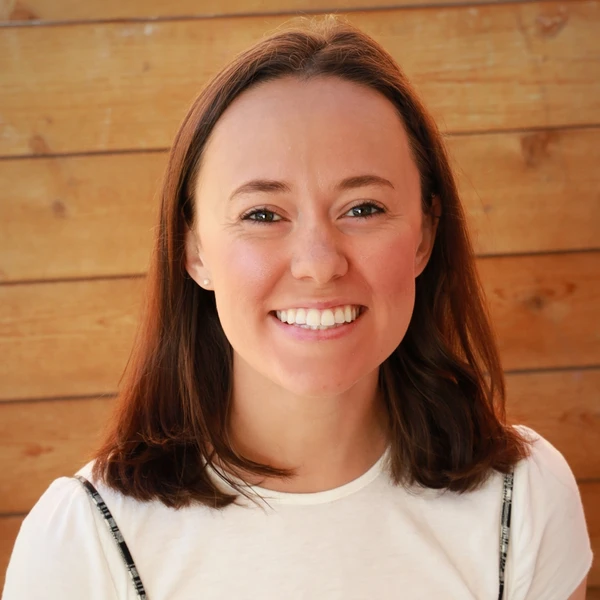
I’m a first-generation college student pursuing a degree in Early Childhood Education with the goal of becoming a kindergarten or first grade teacher. I work full-time while self-funding my education and recently earned a promotion to Lead Teacher in a toddler classroom. As a Latina woman raised in a single-parent household, I’m passionate about equity in education and supporting young children’s development. I’m committed to creating inclusive, nurturing learning environments and making a lasting impact in my community.
Education
Arizona State University Online
Bachelor's degree programMajors:
- Education, General
Eaglecrest High School
High SchoolMiscellaneous
Desired degree level:
Master's degree program
Graduate schools of interest:
Transfer schools of interest:
Majors of interest:
Career
Dream career field:
Education
Dream career goals:
Manager
Starbucks2016 – 20248 yearsLead Teacher
B2B Parker CO2023 – 20241 yearAdministrative Assistnat
Mountain View Academy2024 – Present2 years
Sports
Ice Hockey
Junior Varsity2013 – 20163 years
Awards
- No
Public services
Volunteering
Pyromix — Pyro Technician2024 – Present
Lotus Scholarship
Growing up in a single-parent, low-income household taught me resilience from a young age. My mother worked tirelessly to provide for my sister and me, often sacrificing her own needs to make sure we had what we needed. Watching her strength and determination showed me the value of hard work, and it inspired me to pursue a future that would create stability not only for myself but for others as well.
There were times when I felt the weight of financial stress and limited resources, but those experiences fueled my desire to succeed. I put myself through college, juggling work and school, and recently earned a promotion to Lead Teacher in a toddler classroom. These achievements reflect not just academic progress but a commitment to building a better life.
I plan to use my life experiences to create inclusive, supportive learning environments for young children, especially those facing hardships like the ones I did. I want to be a teacher who sees every child’s potential, regardless of their background, and helps them realize it. I’m currently pursuing my degree in Early Childhood Education while working full-time, and I am dedicated to continuing my education and growing as an advocate, mentor, and role model in my community.
Barbara Cain Literary Scholarship
Books have always been a source of comfort, escape, and reflection for me. Whether fiction or nonfiction, each story holds a lesson, and each character offers a new way to understand the world. The books I’ve read recently—A Court of Thorns and Roses, Eat Pray Love, All the Ugly and Wonderful Things, Where the Crawdads Sing, Fourth Wing, The Hundred Languages of Children, and The Alchemist—are very different from one another, but together they’ve shaped my understanding of resilience, purpose, and human complexity. More importantly, they’ve helped clarify my goals: to continue growing, to educate with empathy, and to live a life that aligns with my values.
Fictional worlds like those in A Court of Thorns and Roses and Fourth Wing taught me that strength is often born out of adversity. These stories are filled with powerful female protagonists who transform their pain into power, which resonated with my own personal journey. As someone who has overcome mental health struggles and other challenges, these books reminded me that growth is rarely linear—but it’s always possible. They’ve inspired me to keep pushing forward, especially in my pursuit of becoming a teacher, where strength, adaptability, and self-awareness are crucial.
On the other end of the spectrum, Eat Pray Love was a deeply introspective read that helped me embrace the idea that self-discovery is a lifelong process. It emphasized the importance of slowing down, listening to yourself, and learning from different cultures and experiences. As someone who often juggles work, school, and personal commitments, it reminded me to find balance and purpose in all I do—and to seek meaning beyond achievement alone. This book helped solidify my goal of not just becoming a teacher, but becoming one who leads with authenticity, presence, and emotional awareness.
All the Ugly and Wonderful Things and Where the Crawdads Sing challenged me emotionally. Both books explore the complexities of trauma, isolation, and human connection. They reminded me that people—especially children—carry invisible stories, and that empathy should be the foundation of any relationship, especially in education. These books reminded me that healing can come from unlikely places, and that we must be willing to look beyond behavior to truly understand someone’s needs. As an early childhood educator, this reinforced my belief in trauma-informed care and the power of strong, supportive relationships.
The Hundred Languages of Children, a book I encountered as part of my studies in early childhood education, deeply influenced my approach to teaching. Based on the Reggio Emilia philosophy, it opened my eyes to the infinite ways children express themselves—through art, movement, storytelling, and emotion. This book changed the way I see learning, and it shaped my goal to create a classroom that honors every child’s voice, culture, and creativity. It taught me that education should not be standardized, but personalized, and that every child holds their own “language” worth hearing.
Finally, The Alchemist reminded me to trust the journey. Its message—that when you pursue your “Personal Legend,” the universe aligns to help you—was both spiritual and grounding. It helped me trust that my path, with all its twists and uncertainties, is unfolding exactly as it should. This has brought me clarity, not only in my career but in how I want to live: with intention, resilience, and a deep belief in purpose.
Together, these books have expanded my perspective, nurtured my empathy, and inspired me to keep moving forward. They’ve helped me grow not just as a future educator, but as a person. I read to understand the world—and I teach so others can do the same.
B.R.I.G.H.T (Be.Radiant.Ignite.Growth.Heroic.Teaching) Scholarship
The journey to becoming an educator is rarely a straight line. For me, it was shaped not only by my passion for working with children, but also by the incredible influence of someone who saw potential in me long before I could see it in myself. That person was Mr. Snyder—my former high school teacher, mentor, and one of the most supportive figures in my life. His unwavering belief in me, even during my most difficult moments, lit a spark that continues to guide my path in education to this day.
I first met Mr. Snyder in high school, though I had already known of him for years. His wife had been my third grade teacher, and I remembered both of them as warm and kind. Mr. Snyder stood out for his ability to genuinely connect with students. He didn’t just teach—he listened. He saw beyond the surface, and he took time for every student who needed him, especially those silently struggling. I was one of them.
During high school, I faced serious mental health challenges. I was overwhelmed, lost, and quietly hurting. I struggled to manage the pressure of school, personal trauma, and self-worth. It was a time when I didn’t know how to ask for help—or if I even deserved it. Mr. Snyder noticed. He reached out without judgment, creating a safe space where I could be honest about what I was going through. He reminded me that I had value and that my pain didn’t define me. He helped me access resources, connected with my other teachers, and checked in on me regularly. His compassion wasn’t performative—it was consistent, sincere, and often unspoken. He saw me, and that changed everything.
Mr. Snyder’s impact went far beyond academics or emotional support. He came to every choir concert I performed in, even when he didn’t have to. He celebrated my small victories as if they were huge milestones. He made me feel seen, capable, and worthy of a future. His belief in me was so steady that it became a foundation I could stand on when my own confidence wavered. He wasn’t just a teacher—he was a guidepost, showing me what it meant to lead with kindness, strength, and integrity.
A few years after I graduated, I learned that Mr. Snyder had passed away from cancer. I was heartbroken. The world had lost a remarkable human being, and I had lost someone who had been a quiet hero in my life. I never got to thank him the way I wanted to. But I carry him with me in everything I do, especially in my pursuit of a career in education.
Now, as a college student studying Early Childhood Education and a lead teacher in a toddler classroom, I think of Mr. Snyder often. When I comfort a child having a tough day, I think of the way he made space for my emotions. When I encourage a student’s small success, I remember how proud he was of mine. And when I feel doubt creeping in, I remind myself that someone once believed in me so fiercely that it changed my life—and that now, I can be that person for someone else.
Mr. Snyder taught me that the true impact of an educator isn’t always found in a lesson plan. Sometimes, it’s found in the quiet moments of support, the presence at a performance, the simple act of showing up. It’s the belief that every student matters, especially the ones who are still learning how to believe in themselves. That’s the kind of educator I want to be.
His legacy lives on in my classroom—in the patience I extend, the joy I foster, and the respect I give to every child, regardless of ability or background. I’ve dedicated myself to this work not only because I love teaching, but because I want to continue what Mr. Snyder started in me. I want to create safe spaces, inspire confidence, and support young learners at the most foundational stage of their lives. I want to plant seeds that will grow into the kind of hope he gave me.
I’m passionate about furthering my education because I want to continue growing in this field and reach more children with the same care and commitment that Mr. Snyder showed me. Every course I take, every child I support, and every challenge I face in this profession is done in honor of him. His life and example remind me that education is not just about knowledge—it’s about connection, compassion, and leaving others better than you found them.
Being an educator is more than a career—it’s a promise. And mine is simple: to believe in my students the way Mr. Snyder believed in me.
Live From Snack Time Scholarship
My decision to pursue a career in early childhood education was not something that happened all at once—it grew from my experiences working with children, my personal growth, and my belief in the lasting impact of strong early learning environments. As I’ve learned more about brain development, attachment, and the critical importance of the first five years of life, my passion has only deepened. I am committed to supporting early childhood development by creating nurturing, inclusive, and engaging spaces that help children build a foundation for lifelong success.
In my current role as a lead teacher in a toddler classroom, I’ve seen firsthand just how powerful early education can be. I’ve watched children take their first steps toward independence, solve problems creatively, and develop empathy for others. I’ve also seen how trauma, inconsistent care, or a lack of support can hinder a child’s ability to thrive. These moments have shown me that early childhood education isn’t just about teaching ABCs and 123s—it’s about building trust, promoting resilience, and fostering the social-emotional and cognitive skills that children will carry with them forever.
To support early childhood development, I plan to continue using evidence-based, child-centered approaches that honor each child’s unique developmental timeline. I’m especially drawn to the Reggio Emilia philosophy, which encourages exploration, creativity, and meaningful relationships between teachers, children, and families. I believe in the power of play as a tool for learning, and I will design environments that invite curiosity, celebrate diversity, and support all learning styles.
In addition to classroom practices, I plan to be a strong advocate for families. I want parents and caregivers to feel like partners in their child’s development, not just observers. I’ll use newsletters, daily updates, and conferences to build relationships and communicate effectively. I also believe in being trauma-informed—understanding that behavior is communication and that every child deserves to feel safe, respected, and loved.
My decision to enter this field was shaped by both my professional experiences and my personal journey. I didn’t always know I wanted to be a teacher, but once I started working in early childhood, everything clicked. I found myself inspired by the children in my care, eager to learn more about their development, and motivated to create positive change in their lives. I also reflected on my own childhood—growing up with limited resources and support—and realized how different things might have been if I had experienced the kind of early education I now strive to provide.
Ultimately, I chose this field because I believe that every child deserves a strong start and someone in their corner who believes in them. I want to be that person. Supporting early childhood development isn’t just my job—it’s my calling. I plan to keep learning, growing, and advocating so that I can continue to make a meaningful difference in the lives of young children and their families.
José Ventura and Margarita Melendez Mexican-American Scholarship Fund
Being a first-generation, Mexican-American college student means more to me than earning a degree—it represents breaking cycles, honoring my roots, and building a new legacy. I am passionate about this journey because I know I carry not only my own dreams, but also the sacrifices, hopes, and resilience of the generations before me. For my family, higher education was never a guaranteed path. For me, it’s a mission—to rise, to represent, and to give back.
Growing up in a single-parent household, I learned the value of hard work, independence, and perseverance early. My mom held our family together with strength and love, doing everything she could to support my sister and me. We didn’t always have much, but we had each other—and we had the belief that things could get better. Watching her work tirelessly to provide gave me a deep sense of responsibility to do something meaningful with the opportunities I’ve been given. Putting myself through school is my way of saying thank you, not only to her, but to my entire family who never stopped believing in me.
As a Mexican-American, I also feel a strong cultural pride that fuels my ambition. Our heritage is rich with stories of resilience, creativity, and community. We are a people who make the most of what we have, who find joy in togetherness, and who value both tradition and progress. I see higher education not as leaving my culture behind, but as carrying it forward—bringing representation to spaces where we’ve been historically underrepresented and creating opportunities for others like me.
There have been moments of doubt, financial stress, and academic burnout, but my motivation has always remained clear: I want to be someone my younger self would look up to. I want to prove to myself—and to others—that it’s possible to rewrite your narrative. For me, this degree is not just a personal achievement. It’s a symbol of what’s possible for first-generation students, for women of color, and for children of immigrants and working-class families. We belong in these spaces, and we have so much to offer.
My passion also extends to my future career in education. As someone who plans to become a teacher, I want to show my students—especially those from diverse backgrounds—that their identity is not a barrier, but a strength. I want to be the role model I didn’t always have. Representation matters, and I believe students deserve to see people who look like them, who understand their cultural experiences, and who can advocate for their needs with both heart and knowledge.
In short, I am proud of who I am and where I come from. I am passionate about being a first-generation, Mexican-American college graduate because I know the journey is bigger than me. It’s about resilience, representation, and rewriting the narrative for those who come next. I will carry this pride and purpose with me not only across the graduation stage—but into every classroom, every challenge, and every future goal I pursue.
RonranGlee Special Needs Teacher Literary Scholarship
I am passionate about becoming a special education teacher because I believe that every child deserves to be seen, heard, and valued for who they are—not just for what they can do. My goal is to help students with special needs recognize their strengths, build confidence, and develop a meaningful sense of identity. Teaching, to me, is not just about academics; it’s about helping students realize their potential and feel empowered in their own lives.
Many students in special education are too often defined by their challenges rather than celebrated for their individuality. My mission as a teacher is to change that narrative. I want to create a classroom that is not only inclusive, but deeply affirming—a space where students are supported in discovering what makes them unique and capable. Whether it's learning to communicate, solve problems, regulate emotions, or simply enjoy being themselves, I want my students to walk away knowing that they matter.
My own journey has shaped my passion for this work. I’ve experienced personal challenges, emotional setbacks, and moments of self-doubt—but I’ve also experienced what it means to be supported, to heal, and to grow. Because of that, I approach my future classroom with empathy and a deep respect for the resilience of children. I know how powerful it is when just one adult believes in you, and I hope to be that person for my students.
To achieve this, I plan to use a variety of strategies that center student voice and choice. I’ll incorporate visual supports, flexible routines, sensory-friendly environments, and differentiated instruction. But above all, I will lead with relationships. I believe that learning starts with connection—when students feel safe, accepted, and understood, they can begin to truly explore and grow. I will celebrate small victories, provide consistent encouragement, and teach with the understanding that success looks different for every child.
My vision of teaching is not about fixing children; it’s about meeting them where they are and walking with them as they grow. I want to teach my students how to advocate for themselves, recognize their emotions, and take pride in their accomplishments—no matter how big or small. That is the presence I want them to discover: the inner confidence that says, “I am capable. I belong. I have something to offer.”
Optional Fairy Tale: “The Garden of Many Paths”
Once upon a time, in a quiet corner of a bright and bustling kingdom, there lived a young teacher named Brielle. Unlike the knights or scholars of the land, Brielle had no sword or scroll—only a notebook, a heart full of hope, and a dream: to build a garden where every child could grow, no matter how different their seed.
Children from every corner of the kingdom came to her garden. Some walked, others wheeled, some spoke with words, others with pictures or song. The paths to growth were not all the same—but in this garden, that was the beauty of it.
Brielle knelt beside each child, helping them plant their dreams. She didn’t rush their blooms or compare their blossoms. She noticed how one child lit up when they heard music. Another flourished when given time to think. She gave water to the quiet ones, sunlight to the restless, and kindness to them all.
In time, the garden glowed. It wasn’t perfect, but it was alive with voices, laughter, learning, and joy. Each child stood taller—not because they had changed who they were, but because they had discovered who they had always been.
And Brielle? She didn’t wear a crown or ride a horse. But she was known as the heroine who helped her students find their way, simply by helping them see they had always belonged.
I Can and I Will Scholarship
My journey with mental health has been anything but linear. In high school, I struggled deeply—so much that I began self-harming as a way to cope with emotional pain I didn’t know how to express. I had lost contact with my dad, felt isolated at home, and surrounded myself with peers who weren’t always the best influence. At the time, I didn’t realize how much these factors were weighing on me. I simply felt stuck, like I was watching my life move forward without knowing how to participate in it.
Eventually, I reached a breaking point. I opened up to a trusted adult, which led to counseling and a slow but meaningful process of healing. Therapy helped me learn that my emotions weren’t something to be ashamed of. I discovered healthier coping strategies, worked through difficult family dynamics, and began reshaping my self-worth. One of the hardest but most powerful lessons I learned was that growth requires honesty with yourself and with others.
These experiences changed how I see the world. I no longer take peace of mind for granted, and I am far more compassionate toward others and myself than I ever was before. I believe strongly in the power of second chances and understand that a person’s past does not define their future. This belief has shaped every relationship in my life, especially my nearly 10-year relationship with my partner. Our relationship has been built on honesty, support, and shared growth. We’ve both seen each other through tough times and have chosen to grow better together, not apart. Knowing I have someone who believes in me and accepts my past has made all the difference.
Most significantly, my mental health journey influenced my decision to pursue a career in early childhood education. I want to be the kind of teacher who notices when something feels off, who creates a classroom that feels safe, and who builds trusting relationships with children and families. I know how much of a difference one adult can make, and I strive to be that person for my future students. I’m especially passionate about supporting children's emotional development because I know firsthand what it feels like to be overwhelmed by feelings you can’t name or manage. If I can help young children learn emotional regulation, build confidence, and know they are valued, then I know I’ve done something meaningful.
Today, I am a changed person. I’m happy. I’m hard-working. I’ve built a life I’m proud of. Mental health is still a part of my story, but now it’s a story of resilience, self-awareness, and growth. I use what I’ve learned not only to keep moving forward, but to reach back and help others do the same. If anything, my experience taught me that strength isn’t about pretending everything is fine—it’s about continuing to show up, especially on the hard days. That’s what I intend to model for the next generation.
Reimagining Education Scholarship
If I could design a class that every student from kindergarten through twelfth grade would be required to take, it would be called Real Life 101. The focus of this class would be to teach students practical life skills—things like financial literacy, communication and conflict resolution, emotional regulation, time management, digital responsibility, and basic career exploration. While students across the country gain knowledge in math, science, literature, and history, many leave school feeling unprepared for the day-to-day realities of adulthood. This class would help bridge that gap and ensure students are equipped not only to pass a test, but to manage their futures with confidence and self-awareness.
Real Life 101 would look different at each grade level, gradually increasing in complexity and relevance as students grow. In early grades, the class might focus on basic concepts like learning how to identify emotions, practicing simple problem-solving with peers, and understanding classroom routines and expectations. In middle school, the course would begin exploring topics like personal budgeting using classroom “money,” healthy friendships, study strategies, and goal setting. By high school, the class would dive deeper into more advanced topics like credit, taxes, job applications, student loans, consent and boundaries, and managing stress. It would also teach students how to advocate for themselves in healthcare, academic, or work settings—skills many adults admit they struggle with even today.
The long-term impact of Real Life 101 could be transformative. Students would graduate not just with academic knowledge, but with a stronger sense of agency over their own lives. They would be more prepared to navigate relationships, careers, mental health challenges, and financial decisions. We often tell young people to “be responsible,” but we don’t always show them how. This class would provide the "how"—offering tools and practice in a safe, age-appropriate setting over time. It would also help normalize asking for help, making mistakes, and growing through experience, which are essential for building resilience.
This course could also have a ripple effect on communities. Teaching these life skills early and consistently could lead to fewer young adults entering adulthood with debt they don’t understand, jobs they don’t enjoy, or relationships they don’t know how to manage. It would support future parents, professionals, and citizens in becoming more self-sufficient and emotionally intelligent. From an educator’s perspective, it would shift the definition of school success to include not just academic outcomes, but also long-term well-being and preparedness for life outside of the classroom.
In short, Real Life 101 would serve as a foundation for life. While no single class can solve every challenge, this one could help students feel more empowered, capable, and ready for the world they’re stepping into. In a time where student mental health, burnout, and uncertainty are at an all-time high, this kind of education feels not only relevant but necessary.