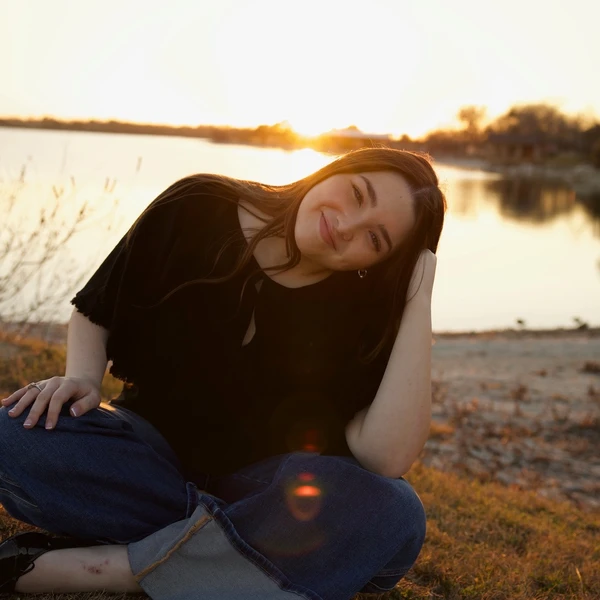
For me, food was never just fuel, it was a battle I faced three times a day. I have always been the “bigger” kid, and even at my young age I was aware of this. At just the age of ten, I had started my first diet. I had watched my parents diet for years, so why couldn't I do the same? However, what I did not know was that this decision would start a painful cycle that would follow me for the rest of my life. With each new diet and failure I became more and more restrictive. As the years went on, my purging and bingeing episodes got progressively worse. I spent years wishing there had been someone who understood, someone who could have seen me when I could not see myself. Someone who could have looked past my fake smiles and seen the girl who was starving for more than just food. That is the person I want to become.
I didn’t realize that what I was doing had a name. I had never heard of an eating disorder. I thought what I was doing was just an extreme way of dieting. I spent my days eating less than a thousand calories and I spent my nights stuffing my face with anything that would drown out my emotions. But the worst part was not the constant ache from starvation, but the overwhelming loneliness and self hatred. I hated having to cover my mirrors and avoid photos at all costs because I knew if I saw them I would break down. I presumed that every whisper was about me and that I didn’t deserve to have friends because of how disgusting I was. My worth completely depended on my reflection. I spent everyday hungry not just for food but for love, connection, and acceptance. I believed if I could just starve myself for a little longer I could finally have the life I always dreamed of. I wanted to be just like the other girls, to have a big group of friends, to get asked out not as a joke but because someone liked me, I wanted to look in the mirror and not cry at what I saw but feel beautiful.
It took me years to recognize what I was really going through. I didn't need another diet; I needed someone to ask the right questions, and to recognize the signs I could not name. That silence still stays with me, but I’ve learned to use it as a reminder—to listen closely, to notice what people don’t say. I want to become the kind of doctor I needed: someone who knows how to spot quiet suffering and meet it with understanding. Whether it is in adolescent medicine, mental health, or neuroscience, I want to help people understand their minds and their bodies before shame convinces them they are too far gone. For so long, I thought my experiences made me weak. I wondered why I had to suffer in silence when so many others got help. But now, I see that it gave me the strength to understand others and the purpose to help as many people as I can heal. For years, food was my enemy. Now when I sit down to eat a meal or even enjoy a snack guilt free it reminds me of how far I've come and what I hope to make possible for so many people who are struggling.