Hobbies and interests
National Honor Society (NHS)
Reading
Self-Help
Adult Fiction
Leadership
I read books multiple times per month
Briana Burton
1x
FinalistBriana Burton
1x
FinalistBio
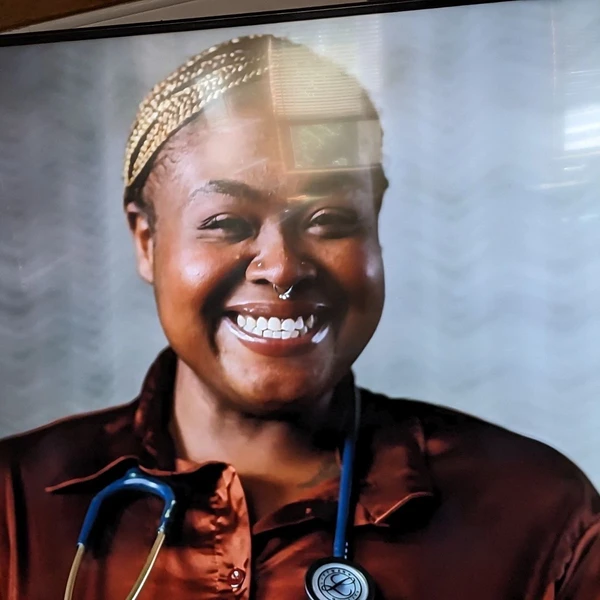
My name is Briana Burton, and I am a Licensed Practical Nurse currently pursuing my Bachelor of Science in Nursing at La Salle University’s Achieve Program for adult learners. I currently work as an Operations Supervisor supporting quality and compliance for Veterans’ healthcare benefits. My nursing journey has been shaped by compassion, perseverance, and a desire to make a difference in the lives of others.
As a mother to a child on the autism spectrum, I’ve learned the power of patience, empathy, and advocacy. Balancing motherhood, school, and full-time work has taught me resilience and discipline, and it has strengthened my commitment to serving others through healthcare. My experiences have shown me that nursing is more than a profession—it’s a calling rooted in heart, healing, and human connection.
I aspire to continue growing as a nurse leader and community advocate, using my education to expand access to compassionate, quality care. This scholarship will help me continue that journey and bring me closer to achieving my goal of becoming a voice for those who need to be heard.
Education
La Salle University
Bachelor's degree programMajors:
- Registered Nursing, Nursing Administration, Nursing Research and Clinical Nursing
Community College of Philadelphia
Associate's degree programMajors:
- Health Professions and Related Clinical Sciences, Other
Miscellaneous
Desired degree level:
Master's degree program
Graduate schools of interest:
Transfer schools of interest:
Majors of interest:
- Registered Nursing, Nursing Administration, Nursing Research and Clinical Nursing
- Public Health
Career
Dream career field:
Hospital & Health Care
Dream career goals:
Community Research
- Delaware Valley Community Health2021 – 20243 years
Sports
Softball
Junior Varsity2009 – 20101 year
Research
Public Health
Del Valley Community Health — LPN2021 – 2024
Arts
n/a
Musicn/a2020 – Present
Public services
Advocacy
Nurse Navigation — Nurse Advocate2018 – Present
Skin, Bones, Hearts & Private Parts Scholarship for Nurse Practitioners, Physician Assistants, and Registered Nurse Students
My motivation for pursuing advanced education comes from a place of both purpose and personal growth. As a Licensed Practical Nurse and mother, I’ve learned that education isn’t just about advancement—it’s about empowerment. I want to use my nursing education to bridge the gap between care and compassion, especially for those who feel unseen or misunderstood within the healthcare system. Pursuing my Bachelor of Science in Nursing at La Salle University is not just a career move for me; it’s a commitment to becoming the best version of myself so I can continue to serve others at the highest level.
My journey to this point has been filled with challenges, but also incredible lessons. As a mother to a son on the autism spectrum, I’ve learned patience, adaptability, and the true meaning of advocacy. Those experiences have shaped how I see healthcare and the role I want to play in it. I’ve seen firsthand the importance of nurses who go beyond clinical care—those who take the time to listen, explain, and support families navigating difficult situations. That kind of impact inspired me to continue my education, so I can be a stronger voice for my patients and lead by example for others in the field.
Balancing school, work, and family hasn’t been easy, but it has strengthened my resilience and focus. I currently work full-time while attending La Salle’s Achieve Program, which allows adult learners like me to pursue their degrees while maintaining their personal and professional responsibilities. There are long days and late nights, but I stay motivated because I know the value of what I’m working toward. Every class I complete brings me closer to a future where I can make an even greater impact in my career and my community.
This scholarship would play a major role in helping me reach that goal. Financially, it would relieve some of the stress that comes with balancing tuition, books, and everyday living expenses as a working student and parent. But beyond financial relief, it represents an investment in my potential—a reminder that hard work and perseverance don’t go unnoticed. It would allow me to focus more on my coursework, clinical practice, and professional development without constantly worrying about making ends meet.
With this support, I’ll be able to continue advancing in nursing, opening doors to leadership roles and opportunities in community health and patient advocacy. My long-term goal is to become a nurse leader who not only provides care but also mentors and empowers others to do the same. I want to be an example of what’s possible when dedication, compassion, and education come together.
In every stage of my journey, I’ve learned that success isn’t about where you start—it’s about staying committed to where you’re going. This scholarship would help me continue that path with confidence and purpose, allowing me to build a career that reflects my passion for helping others and creating lasting change through nursing.
Kalia D. Davis Memorial Scholarship
My name is Briana Burton, and I am a Licensed Practical Nurse currently pursuing my Bachelor of Science in Nursing. I’ve been in healthcare for several years, and throughout that time, I’ve realized that nursing isn’t simply a career for me—it’s part of my identity. I’ve always been driven by the desire to help others, but my path hasn’t been easy. Every challenge I’ve faced has shaped my compassion, strengthened my resilience, and deepened my commitment to making a difference in people’s lives.
As a single mother to a ten-year-old son with autism, balance is something I’ve had to master out of necessity. Between working full time, going to school in the evenings, and parenting, there are days when exhaustion feels overwhelming. But every time I see my son smile or meet a patient whose life I’ve impacted, I’m reminded why I keep going. My son motivates me to be the best version of myself, and I want him to see through my example that perseverance and education can truly change the direction of your life.
Professionally, I currently work as an Operations Supervisor supporting the Department of Veterans Affairs. My team helps ensure that veterans receive timely and accurate medical evaluations for their benefits. It’s a role that has taught me accountability, leadership, and empathy on a deeper level. Working closely with veterans has also inspired me to further my education so I can play a more direct role in improving health outcomes, especially for underserved and vulnerable populations.
This scholarship would make a tremendous difference in my journey. As a working mother and student, financial challenges often feel like an uphill battle. Tuition, books, childcare, and living expenses add up quickly, and even though I budget carefully, it’s not easy managing everything alone. Receiving this scholarship would lighten that financial burden and allow me to focus more fully on my studies and clinical learning experiences. It would also bring me one step closer to achieving my long-term goal of earning both my BSN and Master of Public Health degree.
My ultimate aspiration is to specialize in community and public health nursing. I want to design and lead programs that address healthcare disparities, promote mental health awareness, and support individuals navigating complex medical and social challenges. I’m especially passionate about helping survivors of domestic violence and families of children with special needs, because those experiences have personally touched my life. I understand the courage it takes to rebuild after hardship, and I want to be a voice for others who are still finding their strength.
This scholarship represents more than financial assistance—it represents hope, encouragement, and belief in my potential. It would remind me that all the late nights studying after work, all the sacrifices, and all the moments of self-doubt are leading somewhere meaningful. My mission as a nurse is to uplift others through care, compassion, and advocacy, and with your support, I can continue walking confidently toward that purpose.
Christina Taylese Singh Memorial Scholarship
My name is Briana Burton, and I am a Licensed Practical Nurse currently pursuing my Bachelor of Science in Nursing. I’ve spent several years working in healthcare, and through every patient interaction, I’ve been reminded that nursing isn’t just about medicine—it’s about humanity. My journey into this field has been shaped by both my personal life and professional experiences. I’ve faced many obstacles, but each one has strengthened my desire to make a difference in the lives of others.
I began my nursing career in practical nursing because I wanted to be hands-on in patient care. Over time, my role has expanded into leadership, case management, and care coordination, which has given me a deeper understanding of how healthcare systems operate and where they often fall short. I currently work as a supervisor helping veterans receive the medical evaluations and benefits they deserve. Being part of that process—helping people who have sacrificed so much for our country—is something I take great pride in. It has shown me the importance of advocacy, attention to detail, and compassion in every step of care delivery.
Beyond my career, my life experiences have shaped the kind of nurse I aspire to be. As a domestic abuse survivor and single mother to an autistic child, I’ve learned what true resilience looks like. Balancing motherhood, work, and school has not been easy, but it has given me a deep sense of empathy for patients and families facing challenges. I know firsthand how critical it is to have healthcare professionals who not only treat conditions but also understand the human being behind them. That’s the kind of nurse I strive to be every day—one who listens, advocates, and meets people where they are.
My goal is to transition into community and public health nursing, and eventually earn my Master of Public Health (MPH). I want to work in spaces that focus on prevention, education, and long-term wellness—particularly for underserved populations who often face barriers to care. I believe that health literacy and community education are the foundation of healthier societies. By combining clinical knowledge with public health principles, I hope to design programs that empower individuals to take control of their well-being and reduce health disparities.
Nursing has given me purpose. It allows me to channel my compassion, perseverance, and leadership into something meaningful. Whether I’m mentoring new nurses, supporting patients through complex systems, or studying late into the night for my next exam, I know that everything I’m doing is leading me toward my larger goal: to be a nurse who changes lives—not just at the bedside, but within the community.
Every step of my journey has reinforced my belief that healing happens through connection, understanding, and advocacy. My past has shaped my strength, my career has shaped my purpose, and my education will shape my future. That is why I’ve chosen this field—because nursing is not just what I do; it’s who I am.
Learner Math Lover Scholarship
I love math because it represents clarity, balance, and problem-solving—three things that have always grounded me in both school and life. Math teaches discipline, patience, and persistence. There’s something deeply satisfying about working through a problem, following each step, and finally reaching an answer that makes sense. It’s proof that even the most complicated situations can be broken down into smaller, solvable parts.
For me, math has always been more than numbers on a page—it’s a language of logic. It doesn’t change based on opinion or emotion; it rewards effort, focus, and understanding. That consistency has always given me comfort. In a world that can feel unpredictable, math is reliable. It reminds me that progress often comes from taking one step at a time and trusting the process, even when the solution isn’t immediately clear.
I also love how math connects to everyday life and to my future career in nursing and healthcare. Whether it’s calculating medication dosages, interpreting lab values, or analyzing patient data, math is an essential part of keeping people safe. It bridges critical thinking and precision—skills that are vital in healthcare. I enjoy knowing that the logic I apply in solving math problems is the same type of logic I’ll use when making clinical decisions that impact lives.
Math has taught me how to think rather than what to think. It’s improved my confidence and resilience because it challenges me to stay patient and not give up when I don’t find the answer right away. Every problem I’ve solved has reinforced that persistence leads to understanding.
Ultimately, I love math because it mirrors life—it demands focus, rewards consistency, and shows that every challenge has a solution if you’re willing to work through it. Math has given me confidence not only in academics but in how I approach challenges overall. It’s not just a subject I study—it’s a skill that has helped me build structure, confidence, and a mindset that seeks solutions instead of fear.
Learner Mental Health Empowerment for Health Students Scholarship
Mental health is deeply important to me, not just as a student, but as a mother, a nurse, and a survivor. I know firsthand how emotional well-being can affect every part of life—your focus, your motivation, and your sense of purpose. As a student balancing school, work, and parenting, I’ve learned that taking care of your mind is just as essential as taking care of your body. Mental health is the foundation that allows you to grow, learn, and stay resilient through the challenges that come with pursuing your goals.
When I returned to school to continue my nursing degree, I quickly realized how much mental health plays a role in academic success. Between long study hours, work responsibilities, and caring for my son—who has autism—there were moments when the weight of everything felt overwhelming. I had to learn how to prioritize rest, set boundaries, and give myself grace when things didn’t go as planned. I’ve come to understand that maintaining mental balance isn’t about perfection—it’s about self-awareness and self-compassion. I make mental health a priority because I know that when my mind is centered, I’m better able to show up fully for my studies, my patients, and my family.
My experiences have also given me a passion for advocating for mental health in my community. As a nurse and supervisor, I regularly encounter individuals—patients and colleagues alike—who are struggling silently with anxiety, depression, burnout, or trauma. I make it a point to foster open conversations about mental wellness in the workplace. I encourage my team to take breaks, speak up when they’re overwhelmed, and remind them that asking for help is not weakness—it’s strength. I’ve learned that leadership isn’t just about managing performance; it’s about creating a culture of understanding and emotional safety.
In my personal life, I advocate for mental health by normalizing conversations about therapy, mindfulness, and self-care among friends, family, and peers. I’ve shared my own experiences with anxiety and healing to remind others that they’re not alone. Sometimes advocacy is as simple as listening without judgment or offering encouragement when someone feels lost. I’ve also supported women in my community who are survivors of trauma or domestic violence, helping connect them with resources and counseling. Mental health advocacy, to me, means being a voice of compassion and helping others see that recovery and balance are possible.
As a student, my advocacy extends to my peers as well. Many of us are balancing school with jobs, families, and financial pressures, and I believe that a supportive environment can make all the difference. I often remind classmates that we can’t pour from an empty cup—that it’s okay to rest and to seek balance rather than burnout. I try to lead by example, staying positive, encouraging others to take time for themselves, and creating a space where we can talk honestly about stress and emotional fatigue.
Mental health is important to me because it’s the foundation of everything—learning, working, parenting, and simply living. It affects how we think, how we connect, and how we handle life’s challenges. Through my education and career, I hope to continue advocating for mental health awareness and creating spaces where people feel safe to be human—imperfect, healing, and growing.
My goal is to carry that message forward as a nurse and leader: that caring for mental health is not optional—it’s essential. When we support the mind, we strengthen the whole person, and that’s how real healing begins.
Arthur and Elana Panos Scholarship
Faith has been the steady foundation that has carried me through every chapter of my life—the good, the painful, and the uncertain. My relationship with God has shaped who I am as a woman, a mother, and a nurse. It’s what has guided me when I didn’t know where to turn, lifted me when I felt broken, and reminded me that every season, no matter how hard, has purpose.
There have been times in my life when faith was all I had to hold onto. As a survivor of domestic violence and a single mother, I’ve walked through moments of fear, heartbreak, and exhaustion. But even in those dark places, I felt God’s presence reminding me that I wasn’t alone. My faith didn’t erase my pain, but it gave me the strength to move through it. It taught me that healing is possible, that forgiveness brings freedom, and that grace is often found in the moments when you feel most unworthy of it.
One of the biggest lessons my faith has taught me is that struggle does not mean defeat. There were times when I questioned my direction—how I would provide for my son, finish school, or rebuild my life—but God always opened doors when I least expected them. Through prayer, patience, and perseverance, I’ve seen how He turns challenges into opportunities for growth. My faith became not just a belief, but a daily practice of gratitude, resilience, and service.
That same faith is what inspired my career in nursing. I see nursing as more than a profession—it’s a ministry of compassion. Every patient I care for is a reminder that God’s love can be shown through our actions: through listening, comforting, advocating, and treating people with dignity. There’s a scripture that often guides me: “Let all that you do be done in love.” (1 Corinthians 16:14). I carry that into every patient encounter and every leadership role, because I believe love and kindness can be as healing as medicine.
In my career, faith helps me see beyond the chart and diagnosis. It reminds me that behind every illness is a person—a soul deserving of empathy and understanding. It gives me the patience to care for those who are difficult, the humility to keep learning, and the endurance to show up even on the hardest days. Nursing is emotionally demanding, but faith keeps me centered. It reminds me that my purpose is bigger than the challenges I face.
My faith also fuels my vision for the future. As I continue my education to earn my Bachelor of Science in Nursing and later a Master’s in Public Health, I plan to create community programs that blend healthcare with compassion—initiatives that reach underserved families, single parents, and survivors of trauma. My goal is to serve as a vessel of God’s love in healthcare—to bring light to those who feel overlooked and to remind people that hope still exists.
God has been my constant guide, turning pain into purpose and uncertainty into direction. My faith doesn’t just help me survive—it helps me serve. Through nursing, I plan to honor that calling by using my gifts to heal, uplift, and show others the same grace that saved me.
Henry Respert Alzheimer's and Dementia Awareness Scholarship
Alzheimer’s disease doesn’t just affect the person diagnosed—it touches entire families, neighborhoods, and communities. It changes how we connect with one another and challenges our understanding of care, patience, and dignity. In my community, I’ve seen how Alzheimer’s impacts not only the individual but also the caregivers, the healthcare systems, and the sense of togetherness that binds people. The experience has shaped how I view service, compassion, and my role as both a nurse and an advocate for change.
I’ve watched members of my own community face the heartbreaking realities of Alzheimer’s—neighbors who began forgetting familiar streets, friends who slowly lost their independence, and families who struggled to balance caregiving with daily life. What struck me most wasn’t just the disease itself, but how isolating it can be. Many families felt alone, unsure of how to handle the emotional and financial demands of caregiving. It became clear to me that while medicine treats the body, it takes a community to heal the heart.
Through my work in healthcare and my experiences in the neighborhood where I grew up, I’ve seen both the gaps and the strength that emerge in response to Alzheimer’s. Some families struggle in silence, while others unite to create support systems—sharing resources, meals, and encouragement. Those small acts of unity have shown me that community care is just as vital as clinical care. Alzheimer’s has taught me that no one should have to face illness alone, and that compassion, when shared, can transform even the most painful situations.
This awareness has shaped my goals as a nurse and leader. I want to build programs that bridge the gap between healthcare facilities and local support systems—creating networks where families can find education, respite care, and counseling. Too often, caregivers bear the emotional and physical burden without adequate help. My goal is to use my nursing education to advocate for community-based solutions that focus not only on the patient, but also on the family and the caregivers behind them.
In my community, I’ve also seen how cultural misunderstandings can make Alzheimer’s harder to address. In many households, cognitive decline is dismissed as “normal aging,” leaving families unaware of available resources or treatments. I want to help change that by promoting awareness and training healthcare professionals to deliver dementia education that’s culturally sensitive and accessible. The more people understand the disease, the better equipped they are to recognize symptoms early and to approach those affected with empathy instead of frustration.
I’ve learned that Alzheimer’s teaches everyone involved—patients, families, and communities—about the importance of patience, love, and shared responsibility. It reminds us that people are not defined by their memories, but by their humanity. Every act of kindness, every moment of understanding, helps preserve that humanity even when memory fades.
My hope for the future is to continue building community-based initiatives that strengthen the connection between healthcare and everyday life. I want to create safe spaces for caregivers to share experiences, for patients to engage in meaningful activities, and for community members to learn how to support one another. Alzheimer’s may take away memory, but it doesn’t erase the need for belonging. If we come together as a community—with knowledge, compassion, and shared purpose—we can bring comfort and dignity to those living with dementia and to those who love them.
The impact of Alzheimer’s on my community has taught me that true care doesn’t end at the hospital doors. It begins in neighborhoods, in homes, and in the hearts of people who choose to stand together. That’s the kind of nurse—and the kind of community member—I strive to be.
Maxwell Tuan Nguyen Memorial Scholarship
My inspiration to pursue a career in the medical field came from the intersection of my personal experiences, faith, and desire to help others heal. I’ve seen what it feels like to be vulnerable within the healthcare system and how much difference compassion and advocacy can make. For me, healthcare isn’t just about science—it’s about humanity. It’s the space where empathy, education, and action come together to change lives, and that’s the difference I want to make.
My journey into nursing began with personal experience. My son, who has autism, introduced me to healthcare through the eyes of a parent. Navigating appointments, evaluations, and therapies taught me how critical it is for healthcare professionals to listen and meet patients and families where they are. I remember how one nurse’s patience and kindness turned an overwhelming day into one filled with comfort and understanding. That experience inspired me to become that same type of nurse—someone who not only treats patients but also empowers and supports them through their most uncertain moments.
My background as a survivor of domestic violence has also deeply shaped my calling. That chapter of my life taught me what it feels like to lose your voice and the power of regaining it. It’s also given me compassion for those who are struggling silently. Through nursing, I want to advocate for individuals who often go unseen—those living with trauma, mental health challenges, or limited access to care. My goal is to ensure that every person I encounter feels safe, respected, and valued.
Currently, I work as a nurse and supervisor, leading a team that supports veterans in receiving the care and benefits they deserve. This experience has strengthened my leadership skills and shown me that healthcare is about far more than procedures and policies—it’s about people. I’ve learned how small acts of kindness and understanding can create a lasting impact, not only on patients but on the professionals around me.
I’m now pursuing my Bachelor of Science in Nursing, with the goal of continuing on to earn a Master’s in Public Health. I want to build community-based programs that focus on preventative care, trauma-informed practice, and mental health advocacy. I plan to combine clinical expertise with education and outreach, bridging the gap between healthcare systems and underserved communities.
As a woman in healthcare, I also hope to inspire others to lead with both competence and compassion. Representation matters, and I want to use my journey to show others—especially women, single parents, and survivors—that strength and empathy can coexist. My career is not only about advancing in the medical field but also about changing how care is delivered and how people are treated.
I plan to make a difference by providing care that heals both body and soul—by leading with empathy, advocating for those without a voice, and building programs that bring healthcare closer to those who need it most. My experiences have taught me that true healing begins when someone feels seen, understood, and supported. That’s the kind of difference I want to make in the medical field—one patient, one family, and one community at a time.
Dashanna K. McNeil Memorial Scholarship
My decision to continue my education and pursue an advanced nursing degree comes from a combination of personal growth, professional experience, and the desire to create lasting change in how healthcare is delivered. I’ve been a nurse for several years, and while the journey has been rewarding, it’s also shown me how much more there is to learn—and how much more I can contribute. Nursing has always been more than a career to me; it’s been a calling rooted in compassion, advocacy, and purpose. Continuing my education is my way of building on that foundation to expand my impact, both in patient care and in leadership.
My inspiration to advance my education began with my personal experiences in healthcare. As a nurse and as a mother to a child with autism, I’ve witnessed firsthand the power of empathy and the consequences of its absence. Navigating my son’s care opened my eyes to the importance of advocacy and the need for healthcare professionals who listen, educate, and connect with patients on a human level. I realized that my ability to influence change shouldn’t stop at the bedside—I wanted to be part of the system that creates better experiences for both patients and providers.
Working as a nurse and supervisor has reinforced that belief. Every day, I have the privilege of supporting veterans through complex medical systems, ensuring they receive the benefits and care they’ve earned. This role has strengthened my leadership, communication, and clinical judgment, but it’s also highlighted the systemic gaps that prevent patients from receiving equitable, coordinated care. These experiences motivated me to pursue my Bachelor of Science in Nursing and, eventually, a Master’s in Public Health. I want to bridge the space between clinical practice and community care—to design and lead programs that focus on prevention, mental health awareness, and patient education.
My specific area of focus is community and public health nursing. I’m passionate about improving access to care for underserved families, survivors of trauma, and individuals struggling with mental health challenges. My goal is to develop initiatives that integrate holistic care—addressing not only physical health but also emotional and social well-being. I want to help build systems that meet people where they are and empower them with the knowledge and support they need to live healthier lives.
Beyond clinical practice, I also see myself mentoring and supporting future nurses. I know how important it is to have guidance, especially for those entering the field while balancing family, work, and personal challenges. I want to use my leadership experience to uplift other nurses—particularly women and single parents—showing them that it’s possible to grow professionally while maintaining balance and purpose.
Continuing my education isn’t just about advancement; it’s about alignment. I want my credentials to reflect the depth of my commitment to advocacy, compassion, and quality care. Education will give me the tools to influence healthcare policies, design better patient programs, and amplify voices that often go unheard.
Ultimately, my goal is to make a difference at both the individual and systemic level—to be the kind of nurse leader who not only provides excellent care but also creates environments where empathy, equity, and education are at the heart of healthcare. Pursuing an advanced degree will allow me to turn that vision into action, ensuring that every person I serve feels seen, supported, and valued.
Ethel Hayes Destigmatization of Mental Health Scholarship
My experience with mental health has shaped nearly every part of who I am—my goals, my relationships, and the way I view the world. It has taught me compassion, patience, and resilience. Most importantly, it has taught me that healing isn’t about perfection—it’s about progress. My journey through anxiety, trauma, and recovery has not only changed how I see myself but also how I connect with others and why I’ve chosen to dedicate my life to helping people heal.
For a long time, I didn’t fully understand mental health or the impact it had on my life. As a survivor of domestic violence, I learned how to survive before I learned how to heal. I became an expert at functioning while broken—showing up for work, caring for my son, and holding everything together while silently struggling with anxiety, sleeplessness, and emotional exhaustion. Like many people, I thought acknowledging my pain would make me weak. Instead, I buried it under responsibilities and routines.
It wasn’t until I began therapy that I started to understand the depth of what I was carrying. Talking about my experiences helped me realize that trauma doesn’t disappear just because you move on—it lives in your body until you learn to face it. Through counseling, faith, and self-work, I learned healthier ways to manage anxiety, set boundaries, and take care of my mental well-being. I discovered that strength doesn’t mean pretending you’re fine—it means finding the courage to ask for help and the patience to keep showing up for yourself.
My journey also reshaped my relationships. I became more intentional about the people I allow into my life and the energy I give. I learned that real connection requires vulnerability, and that the healthiest relationships are built on trust, communication, and emotional safety. I no longer see boundaries as walls but as tools for protection and peace. My experience taught me that love—whether romantic, familial, or platonic—should never cost your mental health.
Motherhood has also given my mental health journey a deeper purpose. My son, who has autism, has taught me patience, empathy, and strength in ways I never expected. Advocating for his needs has made me a stronger communicator and a more compassionate caregiver. He reminds me daily that growth looks different for everyone and that progress, no matter how small, is still worth celebrating.
These lessons have directly influenced my career goals. I currently work as a nurse and supervisor, supporting veterans and helping them access the medical care and benefits they deserve. Through this work, I see how mental health affects every part of a person’s well-being. I’ve learned to approach patients not just with clinical skill, but with empathy—to listen for what isn’t being said. Many of my patients struggle silently with trauma, depression, or anxiety. Because of my own experiences, I can connect with them on a deeper level, offering compassion and understanding instead of judgment.
My long-term goal is to earn my Bachelor of Science in Nursing and continue into a Master’s in Public Health. I plan to develop community-based programs that focus on trauma-informed care, mental health education, and access to emotional support for families, survivors, and underserved populations. I want to bridge the gap between mental and physical health—creating a system where both are treated with equal importance. My vision is to help people feel safe enough to seek help before they reach a breaking point.
On a larger scale, my mental health journey has changed how I view the world. It’s made me realize how interconnected we all are—how behind every struggle is a story and behind every person is a battle we may never see. It’s also shown me how powerful compassion can be in creating change. When we treat people with empathy, we remind them they are not alone, and that reminder can be life-saving.
I used to see my experiences with mental health as a burden. Now, I see them as a gift—a source of understanding and purpose. They have shaped me into someone who listens more deeply, loves more intentionally, and leads with empathy. My struggles have taught me that healing isn’t linear, but it is possible, and that even pain can serve a purpose when you choose to use it to help others.
My goal is to continue building a career and a life that reflects that belief: that every person deserves compassion, care, and the chance to heal. If my experiences can help even one person feel seen or supported, then everything I’ve gone through has been worth it.
Bulkthreads.com's "Let's Aim Higher" Scholarship
What I want to build isn’t a structure—it’s a foundation. A foundation of healing, opportunity, and compassion that can support others the way I’ve learned to support myself. I want to build a future grounded in purpose—one that uses my experiences, education, and faith to strengthen my community and help others rebuild their lives.
As a single mother, a nurse, and a survivor of domestic violence, I’ve learned that rebuilding begins with belief—the belief that life can be better, that you can start over, and that your story can inspire someone else to do the same. My journey hasn’t been easy, but it has given me the clarity to see what truly matters: people. Every life, every story, and every struggle matters, and that’s what I want to invest in.
I’m currently pursuing my Bachelor of Science in Nursing, with the goal of continuing into a Master’s in Public Health. Through this education, I plan to build community-based health programs focused on prevention, education, and advocacy. I want to create a network of support for families, single parents, survivors, and underserved individuals who often feel unseen in the healthcare system. Too often, people go without care not because they don’t want it, but because they don’t know where to begin. I want to change that by providing accessible, compassionate healthcare education and mental health resources—especially for those who need a voice the most.
Building my future also means strengthening the relationships that sustain it. I’m intentional about building a life that models resilience and hope for my son. He is my biggest motivation, and I want him to see that success isn’t defined by comfort—it’s defined by courage and character. I hope that through my example, he learns that setbacks don’t mean failure; they mean you’re still fighting for something that matters.
In my community, I plan to continue mentoring others—especially young women—who may be facing their own challenges. I want to show them that healing and achievement can exist together. That you can be strong and still ask for help, ambitious and still compassionate, imperfect and still worthy of success.
What I want to build is more than a career—it’s a legacy. A life that proves you can turn pain into purpose, struggle into service, and experience into empathy. Through nursing, leadership, and advocacy, I plan to build something lasting: a future where care extends beyond the hospital walls and reaches into the hearts of the people who need it most.
By building this future, I’m not just creating stability for myself and my family—I’m creating hope for others who are learning to start again. And that, to me, is the most meaningful thing anyone can build.
Natalie Joy Poremski Scholarship
Faith has always been my foundation. It’s what has carried me through hardship, guided my decisions, and shaped the way I care for others. As a woman of faith, I believe that every life—at every stage—has purpose and value. My faith influences not only how I live day to day, but also how I approach my work, my education, and my responsibility to serve others through healthcare.
For me, living out my faith means leading with compassion, humility, and respect for the sanctity of life. It’s about seeing people not as problems to fix, but as souls to care for. I try to live this daily through small but meaningful choices—showing kindness when it’s hard, offering patience in stressful moments, and treating every person I encounter with dignity. My faith reminds me that every heartbeat matters—from the unborn child to the elderly patient nearing the end of life. That belief fuels my desire to protect and uplift all people, especially those who cannot advocate for themselves.
In healthcare, faith and pro-life principles often meet in quiet, powerful ways. As a nurse, I’ve seen the fragility of life up close. I’ve held the hands of patients at their weakest and celebrated the joy of recovery. I’ve also cared for women facing difficult decisions and families navigating loss. Through each experience, I’ve learned that being pro-life extends far beyond a single issue—it’s a lifelong commitment to compassion, support, and service. It means advocating for mothers and children, caring for the sick, and respecting the dignity of every person, regardless of circumstance.
My faith has also shaped my future goals. I’m currently pursuing my Bachelor of Science in Nursing, with plans to continue toward a Master’s in Public Health. My goal is to build community-based programs that promote maternal health, mental wellness, and access to care for underserved families. I want to create initiatives that support women through pregnancy, postpartum challenges, and parenting—ensuring they have the resources and encouragement to choose life and thrive.
As someone who has overcome personal adversity, I understand how critical compassion and practical support are in helping people see hope when they feel hopeless. My own experiences as a single mother and survivor have deepened my empathy and strengthened my commitment to use my education to serve others. My faith reminds me that every challenge can become a ministry, every career can be a form of service, and every person deserves to feel valued and seen.
In my day-to-day life, I strive to live out my beliefs by being a reflection of the love and grace I’ve received. Whether it’s through nursing, mentorship, or community work, I want my actions to speak louder than my words. Faith without action is empty, and I believe that the truest form of being pro-life is showing up for people in tangible ways—providing care, listening without judgment, and helping others experience the fullness of life they were created for.
Women in Healthcare Scholarship
My decision to pursue a degree in healthcare came from a combination of personal experience, compassion, and the belief that service to others is one of the highest callings. For me, healthcare isn’t just a profession—it’s a purpose. It represents the opportunity to make a difference in people’s lives when they’re at their most vulnerable, to bring comfort where there’s fear, and to be a voice of hope when someone feels unseen.
My journey toward this path began when my son was diagnosed with autism. Navigating his care introduced me to the healthcare system in a way that was deeply personal. I experienced firsthand the difference that empathy and understanding can make—and how much harm can be done when those qualities are missing. There were moments when I felt unheard, frustrated, and overwhelmed, but there were also nurses who reminded me what compassion in medicine looks like. Their patience, advocacy, and kindness inspired me to become that same kind of support for others.
That experience was the turning point that solidified my decision to pursue nursing. I wanted to help bridge the gap between patients and providers—to ensure that care was not just medically effective but also emotionally supportive. I’ve always believed that healing begins with being seen and understood, and as a nurse, I strive to create that kind of environment for every person I encounter.
As a woman in healthcare, I also understand the importance of representation and leadership. Women make up the majority of the nursing workforce, yet many still struggle for equal recognition and voice in leadership and policy decisions. I want to help change that. My goal is to use my education and experience to advocate not only for patients but for the women who make healthcare possible every day. I want to empower others to lead with compassion, confidence, and authenticity—to show that strength and empathy are not opposites, but partners in great care.
Currently, I work as a nurse and supervisor, leading a team that supports veterans in accessing medical care and benefits. It’s a role that constantly reminds me that healthcare is not just about treating illness—it’s about honoring people’s stories, struggles, and resilience. I’ve seen how one act of kindness can shift an entire experience for a patient or a coworker. Those moments reaffirm why I chose this field: because compassion changes outcomes, not just statistics.
My long-term goal is to earn my Bachelor of Science in Nursing and continue into a Master’s in Public Health. I plan to focus on developing community-based programs that improve access to care, mental health support, and education for underserved families—especially women, single parents, and survivors of trauma. I want to use my voice and leadership to build systems that are more inclusive, equitable, and healing for everyone.
As a woman in healthcare, my mission is to lead with heart—to show that empathy is a form of strength and that care rooted in compassion can change lives. I hope to continue paving the way for the next generation of women in medicine to use their voices boldly, advocate fiercely, and serve humanity with grace and purpose.
For me, healthcare is more than a career—it’s how I honor the experiences that shaped me and how I plan to give back to the world that once helped me rebuild my own life.
Autumn Davis Memorial Scholarship
My experience with mental health has shaped nearly every part of who I am—how I see the world, how I connect with others, and why I’ve dedicated my life to helping people heal. I’m a single mother, a nurse, and a survivor of domestic violence. Each of those parts of my story has taught me that mental health is not a separate issue from life—it’s the thread that connects how we think, feel, and function every single day.
For a long time, I didn’t recognize how much my own mental health was affecting me. After leaving an abusive relationship, I was physically safe but emotionally exhausted. I carried anxiety, fear, and self-doubt like invisible weight. I told myself I was fine because I was surviving—but I wasn’t truly living. Eventually, I realized that ignoring my mental health wasn’t strength; it was silence. That was when I decided to seek therapy and begin healing intentionally.
Through counseling and self-reflection, I learned that mental health recovery isn’t about perfection—it’s about honesty and patience. Healing helped me understand my triggers, build better coping mechanisms, and rebuild my confidence. It also gave me empathy for others who are struggling quietly. I know how it feels to seem “strong” on the outside while falling apart internally. That awareness has become one of my greatest strengths, especially in nursing.
As a nurse and supervisor, I’ve worked with patients and team members who battle anxiety, depression, PTSD, and burnout. My personal experience has taught me to lead with compassion, to listen without judgment, and to see beyond what’s visible. I make it a point to remind others that it’s okay to not be okay—that acknowledging pain is often the first step toward healing. My goal is to normalize those conversations in healthcare, where mental health is too often overshadowed by physical illness.
My mental health journey has also strengthened my relationships. It’s taught me to set boundaries, communicate honestly, and show up for people in ways that feel genuine. I’ve learned that healthy relationships—whether personal or professional—are built on emotional safety and understanding. As a mother, I’ve become more patient and attuned to my son’s emotional world, helping him navigate challenges with kindness and self-awareness.
These experiences have inspired me to continue my education and specialize in mental health and community wellness. I’m pursuing my Bachelor of Science in Nursing with plans to earn a Master’s in Public Health. My dream is to develop trauma-informed programs that combine mental health education, prevention, and access to care—especially for survivors, single parents, and underserved families. I want to bridge the gap between clinical care and emotional support, helping people heal in both mind and body.
What drives me is knowing that my story can inspire others to seek help and believe in their own resilience. My journey with mental health has taught me that healing isn’t a destination—it’s a daily choice to show up for yourself and for others. Through my nursing career and advocacy work, I plan to continue turning my pain into purpose, using empathy and education to create spaces where people feel seen, supported, and valued.
If my experiences have taught me anything, it’s that compassion is powerful—and when shared, it can change lives. That’s how I plan to make my impact on the world: by helping others find hope, strength, and healing—just as I found my own.
Ella's Gift
My story is one of survival, healing, and rediscovery. I’ve faced battles with mental health that changed the way I saw myself, my future, and the world around me. But through every hardship, I’ve learned that healing is not about perfection—it’s about progress. My experiences with trauma, depression, and anxiety taught me that growth begins when you finally decide to face the pain rather than run from it. Today, I am not just surviving; I’m rebuilding, learning, and striving to use my life to help others do the same.
For years, I lived in survival mode. As a survivor of domestic violence, I carried invisible wounds that followed me long after I physically left that situation. I learned to function through pain—to smile while feeling broken, to keep working while mentally exhausted, and to hide my struggles because I thought vulnerability was weakness. That mindset led to a deep emotional spiral where I began numbing my pain rather than addressing it. I didn’t always make the healthiest choices, and at one point, I found myself depending on unhealthy coping mechanisms to silence the chaos in my mind.
The turning point came when I realized that my silence was destroying me. I had spent so much time trying to appear “strong” that I forgot that real strength means allowing yourself to heal. I reached out for help through therapy, faith, and support groups. That decision changed everything. For the first time, I began to understand how trauma affects the brain and body—and that mental health struggles are not signs of weakness, but signals that something deeper needs care.
Recovery has not been linear. It’s been filled with hard days, setbacks, and small victories. But it’s also been the most transformative journey of my life. Through therapy, mindfulness, journaling, and faith, I’ve learned to manage anxiety and depression in healthier ways. I’ve found strength in setting boundaries, practicing forgiveness, and showing myself grace when I fall short. I’ve learned that healing is not about erasing your past; it’s about learning to live differently because of it.
As I began to heal, my purpose became clearer. I decided to continue my education and pursue my Bachelor of Science in Nursing. I’ve worked in healthcare for several years, and I’ve seen firsthand how mental health and substance abuse are often overlooked or stigmatized. Patients struggling with these issues are sometimes treated as problems instead of people. My experiences have given me a unique level of empathy and understanding—I know what it feels like to be unseen. I want to use my education to change that.
My educational goals go beyond earning a degree; I want to specialize in mental health and community wellness. After completing my BSN, I plan to pursue a Master’s in Public Health. My long-term goal is to develop programs that promote trauma-informed care, early intervention, and recovery resources for underserved populations. I want to bridge the gap between mental health and medical care by creating environments where patients can feel safe to seek help without shame.
Part of my recovery plan is continuing to prioritize self-care and structure. I maintain regular therapy appointments and actively use grounding techniques to manage stress. I stay involved in faith-based and peer support groups that remind me I’m not alone in this journey. I’ve learned to recognize my triggers early and to reach out before I spiral. Most importantly, I’ve built a lifestyle focused on balance—making time for my son, my health, and my goals, without losing sight of the progress I’ve made.
My experiences with mental health and recovery have shaped me into someone who leads with empathy, patience, and purpose. They’ve taught me that healing is not only possible—it’s powerful. I plan to use my voice and my nursing career to advocate for mental health awareness, to create safe spaces for others in recovery, and to remind people that they can rebuild their lives no matter how broken things once felt.
I am still on my journey, but I now walk it with clarity and confidence. My story is no longer about pain—it’s about purpose. I’ve learned that the greatest impact I can make in the world comes from the parts of me that once hurt the most. Through my education, my work, and my recovery, I plan to keep turning that pain into power—and use it to help others find hope and healing too.
Raise Me Up to DO GOOD Scholarship
Growing up in a single-parent household taught me resilience, responsibility, and the true meaning of perseverance. My upbringing was filled with love, but also with lessons about sacrifice and strength. Watching my mother balance everything—work, bills, parenting, and the emotional weight of doing it all alone—gave me a deep respect for what it means to keep going even when life doesn’t make it easy. That experience became the foundation for how I approach everything in my life today: with determination, compassion, and faith that no challenge is too great to overcome.
Being raised by a single parent meant learning independence early. I saw firsthand that hard work isn’t optional—it’s a necessity. My mother’s example showed me that even when life doesn’t go as planned, you can still create stability and hope through persistence. That mindset became my compass, especially as I grew older and became a single mother myself. My experience came full circle; I found myself walking the same path she once did, now understanding on a deeper level what that kind of strength truly costs—and what it builds.
Parenting my son, who has autism, has taught me patience and perspective. It’s made me more empathetic, not only as a mother but as a person. Every milestone, every challenge, and every small victory has reminded me of the importance of support, advocacy, and love. Because of him, I’ve learned to celebrate progress rather than perfection, and to find joy in resilience.
Growing up in a single-parent home also made me passionate about helping others who face similar challenges. I know what it feels like to carry a lot on your shoulders—to want more for your family but not always know how to make it happen. My goal is to use my talents and education to create spaces where people can find hope, guidance, and practical support. Whether it’s through healthcare, advocacy, or mentorship, I want to be the person who reminds others that their circumstances don’t limit their potential.
In the future, I see myself continuing to do work that gives back to the community—particularly to single parents, survivors, and families who need reassurance that they are not alone. I want to use my voice, my compassion, and my leadership to uplift others the way my mother once did for me, and the way I now strive to do for my son. My life has taught me that doing good doesn’t always mean changing the entire world; sometimes it means changing one person’s world at a time.
Being raised in a single-parent household shaped my work ethic, my empathy, and my sense of purpose. It showed me that love and persistence can carry you through even the hardest seasons, and that strength often grows in the most unexpected places. No matter where my career path leads, my goal is to use my experiences to serve, to uplift, and to give others the same encouragement that once helped me believe in myself.
RELEVANCE Scholarship
Every challenge I’ve faced has played a part in shaping who I am and why I chose to pursue a career in healthcare. My journey into nursing isn’t just about professional ambition—it’s about purpose. I’m a single mother, a nurse, and a survivor of domestic violence. Each of those experiences has taught me empathy, perseverance, and the importance of human connection. They’ve also shown me how deeply compassion and understanding can change a person’s life, especially during their most vulnerable moments.
My path toward medicine began with my son, who was diagnosed with autism. Navigating his care introduced me to healthcare from a mother’s perspective. I learned what it felt like to advocate for someone who couldn’t always speak for himself, to translate medical language into something understandable, and to fight for access to the services he needed. Along the way, I met nurses and providers who treated us with respect and patience, and others who didn’t. Those experiences shaped my belief that healthcare must go beyond treatment—it must involve empathy, education, and advocacy. I wanted to become the kind of nurse who listens, who explains, and who helps patients feel safe, seen, and supported.
My own experience as a survivor of domestic violence further deepened my understanding of how mental, emotional, and physical health intertwine. Surviving that period of my life required courage I didn’t know I had. But more importantly, it taught me that healing takes time and compassion—not just medication or procedures. It showed me that trauma leaves invisible wounds that healthcare professionals must learn to recognize and respond to with sensitivity. I carry that understanding into my work every day, approaching every patient as a whole person, not just a diagnosis.
Currently, I work as a nurse and supervisor, leading a team that helps veterans access the care and benefits they deserve. This role has strengthened my leadership, communication, and advocacy skills. It’s also reminded me that medicine and nursing are not just about science—they’re about humanity. I’ve seen how a calm tone, a moment of patience, or a simple acknowledgment of someone’s pain can have as much impact as clinical expertise. Those small moments of compassion can change how patients experience care.
My personal challenges have become the foundation of how I serve others. They’ve taught me to see beyond circumstances, to meet people where they are, and to lead with empathy even when life feels difficult. My long-term goal is to earn my Bachelor of Science in Nursing and continue into a Master’s in Public Health. I want to bridge the gap between healthcare systems and the communities that need them most—especially survivors, single parents, and underserved families. My dream is to develop programs that focus on preventative care, trauma-informed practice, and mental health advocacy.
The RELEVANCE Scholarship’s message resonates with me because I know firsthand that our experiences—good and bad—don’t define us, but refine us. They give us the empathy and resilience to make a real difference. My experiences have taught me to lead with compassion, serve with purpose, and believe that healing begins the moment someone feels understood. I plan to bring that belief into every patient interaction, every team I lead, and every life I have the privilege to touch.
Shanique Gravely Scholarship
The event that most dramatically impacted my life—and continues to shape the person and nurse I am today—was surviving domestic violence and learning to rebuild from it. For a long time, I lived in silence, focused only on survival. I told myself I was strong because I endured, but I didn’t realize that real strength begins when you choose to heal. Walking away wasn’t the end of my story; it was the beginning of rediscovering who I was, what I stood for, and the purpose I wanted to live by.
In the years that followed, I had to start over completely—emotionally, financially, and mentally—while raising my son alone. He was later diagnosed with autism, and that deepened both my challenges and my strength. There were nights I studied after midnight, days I worked double shifts, and moments when I wasn’t sure I could hold everything together. But every time I looked at him, I saw my reason to keep going. I wanted to show him that circumstances don’t define who we are—our response to them does.
That experience taught me empathy in a way no textbook could. It made me see how often pain is invisible and how many people walk through the world silently carrying their trauma. It was during this rebuilding that I decided to pursue nursing seriously. Nursing, to me, became a way to turn that pain into purpose—to be the person I once needed: someone patient, kind, and willing to listen without judgment.
Today, as a nurse and supervisor, I use those lessons every day. When a patient is anxious or withdrawn, I remember what it felt like to be in survival mode. I approach with gentleness and patience, understanding that healing often begins long before a medication takes effect. When I mentor others on my team, I lead with compassion, knowing that empathy builds stronger care—and stronger people.
This experience didn’t just change my outlook; it gave me a mission. I’m pursuing my Bachelor of Science in Nursing and plan to earn a Master’s in Public Health so I can build programs that serve women, survivors, and families navigating mental health and trauma recovery. I want to create spaces where people feel safe to ask for help—because no one should have to choose between survival and support.
The adversity I faced gave me perspective, but more importantly, it gave me purpose. I learned that even the hardest moments can become the foundation for something meaningful. My past doesn’t define me; it drives me. And my goal now is to use my career and my story to remind others that it’s possible to rebuild, to heal, and to rise stronger than before.
Audra Dominguez "Be Brave" Scholarship
Adversity has been a constant teacher throughout my life. I’ve faced challenges that tested not only my strength, but also my faith and determination. As a single mother, nurse, and survivor of domestic violence, there have been many moments when the path forward felt uncertain. But each obstacle has shaped who I am today—more disciplined, more compassionate, and more determined to achieve my goals.
When I’ve been confronted with physical or mental adversity, my first step has always been to ground myself in purpose. I remind myself why I started this journey—to build a better future for my son, to help others heal, and to create meaningful change in healthcare. Having a clear sense of purpose has helped me push through exhaustion, fear, and doubt. It has allowed me to stay focused on my long-term vision even when short-term challenges felt overwhelming.
After leaving an abusive relationship, I had to rebuild my life from the ground up while raising my son alone. That experience taught me resilience in its truest form—the ability to keep moving forward, even when circumstances seem impossible. I learned to take things one day at a time: setting small, achievable goals, managing what I could control, and refusing to let fear define me. Therapy, self-reflection, and faith helped me heal emotionally, while education became my way to reclaim my independence and purpose.
Balancing nursing school, full-time work, and parenting a child with autism has brought its own set of mental and physical challenges. There are days when exhaustion feels heavier than motivation, but I’ve learned to lean on structure and self-discipline. I plan my time carefully, prioritize what truly matters, and make space for rest and self-care when I can. I’ve discovered that success doesn’t always look like perfection—it looks like persistence, showing up even when it’s hard, and giving yourself grace along the way.
I’ve also found strength in community. I’ve surrounded myself with mentors, friends, and peers who understand my goals and remind me of my worth when I lose sight of it. Connecting with others has taught me that resilience doesn’t mean doing everything alone—it means knowing when to reach out for support and when to offer it to someone else.
In my career, I’ve faced professional challenges as well—balancing leadership responsibilities, caring for patients, and pursuing higher education. I currently work as a nurse and supervisor supporting a team that helps veterans access care and benefits. Even on the hardest days, my patients and team remind me why resilience matters. Seeing their strength through hardship pushes me to keep going.
My goal is to complete my Bachelor of Science in Nursing and continue on to earn a Master’s in Public Health. I want to use my education to create programs that improve access to mental health services, trauma-informed care, and community health education. Every challenge I’ve faced has prepared me to serve others with empathy and strength.
Adversity has shaped me into a more grounded, compassionate, and purposeful person. It has taught me that success isn’t about having an easy path—it’s about finding courage in the hard ones. Each time I’ve been knocked down, I’ve stood up with more clarity and conviction. I plan to carry that same resilience into every patient I care for, every team I lead, and every goal I pursue.
ADHDAdvisor Scholarship for Health Students
Helping others with their mental health has been a part of my life long before I ever had the words for it. As a nurse, a mother, and a survivor of domestic violence, I’ve learned how deeply mental and emotional health affect every aspect of a person’s well-being. Whether it’s my patients, my colleagues, or people in my own community, I’ve made it a priority to approach others with patience, empathy, and understanding.
In my nursing career, I’ve supported patients who were struggling silently with anxiety, trauma, or depression. I’ve learned that healing often begins not with medicine, but with listening—truly hearing people and validating their emotions. I take time to build trust, to make patients feel safe and seen, especially those who feel overlooked by the system. I also support my team by promoting a healthy, balanced work environment where mental wellness is openly discussed and prioritized.
Outside of work, I use my experiences to advocate for women who have survived domestic violence and trauma. I’ve helped connect survivors to counseling services, support groups, and resources that encourage emotional recovery. I also share my own story when appropriate, not for sympathy, but to show that healing is possible—that it’s okay to ask for help, and that strength doesn’t mean suffering in silence.
My goal is to continue using my education and future nursing career to expand this impact. I’m currently pursuing my Bachelor of Science in Nursing, with plans to continue into a Master’s in Public Health. I want to create community-based programs that blend mental health education with preventive care—especially for single parents, survivors, and underserved families who face barriers to accessing support.
Ultimately, my mission is to help others understand that mental health is just as important as physical health. Through compassion, advocacy, and education, I plan to use my career to normalize seeking help, to create safe spaces for healing, and to remind people that they are never alone in their struggles. Helping others find emotional strength is not just part of my work—it’s part of my purpose.
Zedikiah Randolph Memorial Scholarship
My journey into nursing is deeply personal. I’m a single mother, a nurse, and a survivor of domestic violence. Each of those parts of my story has shaped how I view the world and why I feel so called to care for others. Nursing, for me, isn’t just a profession—it’s a purpose. It allows me to turn life experience into service, compassion, and advocacy for people who often feel unseen.
I chose to pursue a Bachelor of Science in Nursing because I’ve seen firsthand how transformative compassionate healthcare can be. My son, who has autism, was my first teacher in advocacy. Navigating his care opened my eyes to how much difference one empathetic, patient nurse can make. I also saw the gaps—moments when understanding, communication, and accessibility were missing. Those experiences taught me that nursing is about more than medical skill; it’s about human connection and the courage to stand up for what’s right.
As a nurse and supervisor, I currently oversee a team that helps veterans access the care and benefits they’ve earned. It’s a role that reminds me daily that healthcare is not one-size-fits-all. Every patient, like every nurse, brings their own story, and I’ve learned how vital it is to treat people with dignity no matter their background or circumstance. Through leadership, communication, and compassion, I’ve found my greatest purpose—using my voice to make care more equitable and more human.
Representation in nursing matters deeply to me. Less than 10% of nurses in the United States identify as Black, and even fewer hold leadership or advanced practice roles. That means every step I take forward in my education and career helps increase visibility and access for others who look like me. I don’t take that lightly. I understand that when I walk into a classroom, a clinic, or a boardroom, I represent more than just myself—I represent possibility. My success can serve as proof to another young woman of color that she belongs in healthcare too.
My goal is to continue my education and earn a Master’s in Public Health so I can develop community-based programs focused on preventive care, trauma-informed practice, and mental health advocacy. I want to work directly with underserved families—single parents, survivors, and those navigating complex medical systems—to provide not only healthcare but also education and empowerment. My mission is to bridge the gap between hospitals and communities, ensuring people have both access and understanding.
To inspire the next generation, I plan to mentor nursing students and young professionals who may feel that higher education or leadership isn’t for them. I want to show them that representation is more than a statistic—it’s a chain reaction. When one person steps through the door, it makes it easier for the next to follow. I believe in leading by example—through integrity, empathy, and persistence—and using my story to remind others that even when the odds are low, their potential is limitless.
Nursing has given me a platform to combine compassion with purpose. As both a caregiver and a leader, I hope to continue using my voice and my education to lift others—proving that strength and kindness can coexist, and that representation truly has the power to heal and inspire.
Rev. and Mrs. E B Dunbar Scholarship
My journey toward higher education has been far from easy, but every obstacle I’ve faced has strengthened my determination to finish what I started. As a single mother, a nurse, and a survivor of domestic violence, I’ve had to build my education on perseverance, patience, and faith. My path hasn’t been traditional, but it’s mine—and every challenge I’ve overcome has deepened my commitment to using my education to serve others.
Balancing school, work, and motherhood has been one of my biggest challenges. My son, who has autism, requires patience, structure, and advocacy. Between his appointments, therapies, and school needs, there were many times I had to study late into the night after long shifts or during quiet moments when the house finally settled. There were days I doubted myself—wondering if I could manage it all—but my son’s strength and growth reminded me why I started. I wanted to create a stable future for him, and that meant continuing my education no matter how hard it felt.
Another obstacle I’ve faced has been learning to rebuild after trauma. Surviving domestic violence forced me to start over with little support and a lot of uncertainty. It was difficult to focus on long-term goals when I was just trying to get through the day. But that experience taught me resilience in its purest form. I learned that healing and education can coexist—that sometimes growth happens in the same season as struggle. Pursuing nursing became not only my career path but also part of my recovery, a way to transform pain into purpose.
Financial strain has also been a constant challenge. Supporting a household, paying for childcare, and funding tuition while working full-time has required careful planning and sacrifice. Every class, every book, every semester represents effort and investment—not just in my future, but in my son’s.
Despite all these challenges, I’ve never lost sight of my “why.” I’m currently working as a nurse and supervisor, and I plan to complete my Bachelor of Science in Nursing before pursuing a Master’s in Public Health. My long-term goal is to create community health programs that focus on prevention, education, and advocacy for underserved families—especially survivors of abuse, single parents, and those struggling with mental health access.
I want to give back by being a voice for those who feel unheard and by using my education to make healthcare more compassionate and accessible. I’ve lived through the barriers that so many face—financial hardship, trauma, and limited access—and I plan to use those experiences to build bridges instead of walls.
My education isn’t just for me—it’s for the community I hope to serve. Every obstacle I’ve overcome has prepared me to help others overcome theirs. And that, to me, is the true purpose of education: turning personal struggle into collective strength.
Elizabeth Schalk Memorial Scholarship
My story is one of resilience, growth, and learning to see strength in vulnerability. I’m a single mother, a nurse, and a survivor, but beneath those titles is someone who has lived through the deep and complex impact of mental illness—both personally and within my family. Mental health has been a defining part of my life story, shaping not only how I see the world but also how I care for others.
Mental illness first touched my life through my own experiences with trauma and anxiety following years of domestic violence. For a long time, I didn’t recognize what I was going through as a mental health struggle. I told myself I just needed to “be strong,” but inside I was exhausted, anxious, and constantly in survival mode. It wasn’t until I started rebuilding my life that I began to understand how deeply emotional wounds can affect every part of you—how they shape the way you think, connect, and even trust. Learning to prioritize my mental health became the foundation of my healing. Therapy, self-reflection, and community support helped me learn that healing isn’t linear, and that asking for help doesn’t make you weak—it makes you human.
Mental health has also played a role in my family life. My son, who is on the autism spectrum, faces unique challenges with emotional regulation and social communication. Supporting him has opened my eyes to how mental health and neurodiversity intersect—and how crucial it is to approach both with patience and compassion. Watching him navigate frustration, sensory overload, and anxiety has taught me that mental and emotional wellness must be nurtured just like physical health. It has also shown me how much stigma still surrounds mental illness, especially in communities where conversations about emotions are often seen as taboo or “a sign of weakness.”
Because of these experiences, mental health advocacy has become a personal mission for me. In my work as a nurse, I’ve seen how often patients’ mental health needs go unnoticed or untreated. I’ve also witnessed the difference a compassionate listener can make. I make it a point to approach every patient—whether they’re facing physical illness, trauma, or invisible pain—with empathy and understanding. Sometimes the most healing thing we can offer is not medication or treatment, but validation and humanity.
My experiences with mental illness have taught me that compassion starts with understanding. I’ve learned that people don’t heal when they’re shamed into silence; they heal when they feel safe enough to speak. That realization continues to guide me as a nurse, mother, and advocate.
Today, I’m proud of how far I’ve come—from living in survival mode to living with purpose. I’ve learned to embrace mental wellness as a daily practice, not a destination. I want to use my voice and career to promote that same awareness—to help others see that struggling doesn’t mean failing, and that healing is possible even after the darkest chapters.
Mental illness has shaped my empathy, strengthened my resilience, and deepened my purpose. It has taught me that behind every story—whether it’s mine, my son’s, or a patient’s—there’s a fight worth honoring and a hope worth protecting. My goal is to continue being part of that hope, helping others find light in places where they once only saw darkness.
Bick First Generation Scholarship
Being a first-generation college student means carrying both the weight of responsibility and the pride of possibility. It means walking a path no one in my family has walked before and building a foundation for the generations who will come after me. For me, this journey isn’t just about earning a degree—it’s about breaking cycles, rewriting my story, and showing my son that perseverance can turn barriers into stepping-stones.
As a single mother, nurse, and survivor of domestic violence, my path to education has been anything but traditional. I’ve faced moments of uncertainty, exhaustion, and self-doubt, but each obstacle has strengthened my resolve. When I started nursing school, I didn’t have the luxury of full-time study or family financial support. I worked, cared for my son—who has autism—and studied late into the night, often reminding myself that the sacrifices now would create stability later. Every challenge has become a lesson in discipline and determination.
There were times I questioned whether I was capable of balancing everything, but each time I felt overwhelmed, I thought about the life I want to build for my son. I want him to see that success isn’t about how easy the path is—it’s about refusing to quit even when it’s hard. That belief has carried me through every exam, every setback, and every long day that starts before sunrise and ends long after midnight.
Being a first-generation student also means constantly learning through trial and error. I didn’t grow up knowing how to navigate financial aid, credit transfers, or clinical scheduling. I learned by asking questions, researching on my own, and making mistakes I later turned into experience. It has taught me self-reliance and humility—two qualities I now carry into both my professional and personal life.
This scholarship would mean more than financial relief—it would be an investment in my purpose. It would allow me to focus more on completing my Bachelor of Science in Nursing and less on the stress of how to afford tuition, books, and clinical expenses. Every bit of support brings me closer to achieving my long-term goal of earning a Master’s in Public Health and creating programs that expand access to healthcare for underserved families, survivors, and single parents.
What drives me is knowing that my journey can inspire others who feel unseen or uncertain. My story isn’t perfect, but it’s real. It’s built on hard work, compassion, and faith that each small step forward matters. With this scholarship, I can continue that journey—turning challenges into purpose, dreams into plans, and education into a legacy of strength and change.
Penny Nelk Nursing Scholarship
My decision to pursue nursing wasn’t made overnight—it grew from lived experiences that taught me the meaning of compassion, resilience, and service. I’m a single mother, a nurse, and a survivor. Each part of my journey has shaped how I view the world and why I feel called to care for others. Nursing, for me, is not just a career; it’s a way of giving purpose to my pain and using my story to bring healing and hope to others.
My inspiration began with my son, who was diagnosed with autism. Navigating his care introduced me to healthcare in a way I had never experienced before. I saw the system not through a professional lens, but through a mother’s eyes—sitting in waiting rooms, advocating during evaluations, and trying to understand a language of medical terms that often felt overwhelming. In the midst of that, there were nurses who stood out—those who took time to explain, who showed patience, and who treated us as more than a case file. Their compassion carried me through moments of uncertainty. I remember thinking, if one person can make this kind of difference for me, imagine how many lives I could touch if I did the same. That realization became the seed that grew into my calling.
Another powerful influence was my experience as a domestic violence survivor. That chapter of my life changed everything. It taught me what it feels like to be vulnerable and unseen, and how critical it is to have someone who listens without judgment. Nursing gave me a path to transform that pain into purpose. I wanted to be that safe presence for others—the person who shows up with empathy, patience, and understanding when someone is at their lowest. My experience also taught me that healing goes beyond medicine—it’s about emotional safety, trust, and being treated with dignity.
Over the years, I’ve had the privilege of working in healthcare, currently as a nurse and supervisor supporting a team that helps veterans access care and benefits. Every day, I see the impact of advocacy and communication. I’ve learned that nursing is not just about clinical skills—it’s about humanity. It’s about seeing the person behind the diagnosis and recognizing that a kind word or act of patience can be as healing as any treatment.
As I work toward completing my Bachelor of Science in Nursing and later pursuing a Master’s in Public Health, my goal is to expand that impact beyond individual patients. I want to bridge the gap between healthcare systems and underserved populations—creating programs that focus on prevention, education, and equitable access to care. My hope is to advocate for those who often go unheard: single parents, survivors, and families navigating complex health systems, just like I once did.
Ultimately, what inspired me to pursue nursing is the belief that compassion can change lives. Every struggle I’ve faced has taught me that empathy is a form of strength and that helping others heal can be the most powerful way to heal yourself. Nursing gives me that opportunity—to serve with purpose, to give back to the world that once helped me stand again, and to be the light for others that I once needed myself.
Aaryn Railyn King Foundation Scholarship
My journey into nursing has been shaped by life experiences that taught me the importance of compassion, resilience, and purpose. I’m a single mother, a nurse, and a survivor. Each of those roles has given me a deeper understanding of what it means to care for others—not just physically, but emotionally and spiritually. Nursing, for me, isn’t simply a career path; it’s a calling that allows me to use my life story to make a meaningful difference in the world.
My decision to pursue nursing began with my son, who was diagnosed with autism. Navigating his care introduced me to healthcare from a parent’s point of view. I learned how critical communication, empathy, and patience are—not only for patients, but for their families as well. I witnessed how a single nurse’s kindness could completely change an experience that felt overwhelming and uncertain. That realization inspired me to become that same source of comfort and understanding for others, especially for families who often feel unheard or alone.
In addition to motherhood, surviving domestic violence has deeply influenced the nurse I am and the one I aspire to be. That chapter of my life gave me a firsthand understanding of trauma, vulnerability, and the strength it takes to rebuild. It also helped me recognize that healing is more than physical recovery—it’s emotional safety, dignity, and the ability to feel seen. Because of this, I am passionate about creating safe and trauma-informed care environments, where every patient is treated with respect and compassion, regardless of their circumstances.
Currently, I work as a nurse and supervisor supporting a team that helps veterans receive the care and benefits they deserve. This role has strengthened my leadership, critical thinking, and advocacy skills while reminding me that healthcare is not just about medical treatment—it’s about humanity. Every day, I see how systemic barriers can prevent people from getting the care they need, and that fuels my desire to create change on a larger scale.
My long-term goal is to earn my Bachelor of Science in Nursing and continue toward a Master’s in Public Health. I want to combine clinical practice with community health advocacy by developing programs that focus on prevention, education, and equitable access to care. My vision is to design outreach initiatives that support underserved populations—single parents, survivors of violence, and families managing chronic or developmental conditions. I want to use my education to bridge the gap between the healthcare system and the people who need it most.
What drives me is the belief that compassion and education together can transform lives. I’ve learned through my own journey that empathy and understanding can be just as healing as medicine. I plan to bring that philosophy into every patient encounter, every team I lead, and every community I serve.
I hope to make a positive impact on the world by being the kind of nurse who listens first and acts with heart. Through advocacy, service, and compassion, I want to help others find hope and healing, especially those who feel unseen or unheard. Nursing is not only my profession—it’s the way I plan to give back, to pay forward the kindness that once helped me rebuild my life, and to make the world just a little gentler and more human, one patient at a time.
RonranGlee Literary Scholarship
At the heart of Marcus Aurelius’ statement lies a profound and enduring truth: mastery of the mind is the foundation of peace, strength, and freedom. My thesis is that Aurelius’ words are not merely a reflection on emotional restraint—they are a declaration of self-sovereignty, reminding us that the mind is the only domain we truly control. His insight challenges us to shift focus from the chaos of circumstance to the discipline of perception, arguing that freedom is not achieved by changing the world around us, but by transforming how we respond to it.
Aurelius, a Roman Emperor and philosopher, wrote Meditations as personal guidance to himself while bearing the immense weight of leadership. His words are both intimate and universal, speaking to anyone who has ever struggled against life’s unpredictability. When he says, “You have power over your mind—not outside events,” he acknowledges an uncomfortable truth: we are powerless to control what happens, but entirely responsible for how we interpret and internalize it. This is not resignation—it’s empowerment. It is an act of reclaiming agency where most people surrender it.
The Stoic philosophy underlying this passage centers on the dichotomy of control, which distinguishes between what is within our command (our thoughts, judgments, and choices) and what is beyond it (the actions of others, the past, and external outcomes). Aurelius’ insight is radical because it redefines power. It does not lie in dominance, wealth, or circumstance—it lies in mental clarity and self-command. This philosophy dismantles the illusion that external success guarantees peace, reminding us instead that turmoil begins and ends in the mind.
The modern world constantly tempts us to measure fulfillment by factors beyond our control—status, approval, perfection, and predictability. Aurelius’ wisdom directly opposes that mindset. His assertion challenges us to cultivate inner governance, to practice mental discipline in a culture that often rewards reactivity over reflection. When we lose control of our inner life—when our peace depends on external validation—we become enslaved to the unpredictable. But when we direct our energy inward, as Aurelius instructs, we reclaim autonomy. The mind becomes not a victim of circumstance but the architect of resilience.
To “realize this,” as he writes, is not a passive understanding—it’s a lifelong practice. Strength, in Aurelius’ view, is not a natural state; it is a discipline developed through awareness and repetition. This echoes the Stoic belief that virtue and reason are skills to be trained, not gifts to be inherited. By cultivating awareness of our internal dialogue, we begin to recognize how often our suffering is self-inflicted. We grieve imagined futures, replay old arguments, and distort reality through emotion. Aurelius’ teaching urges us to quiet that mental noise and return to what can be governed: our response, our perception, and our attitude.
What makes this passage remarkable is its enduring relevance. In an era dominated by distraction, comparison, and constant stimulation, the idea of controlling one’s mind feels almost revolutionary. Our thoughts are often shaped by media, social expectation, and fear of falling behind. Yet Aurelius reminds us that strength isn’t found in controlling outcomes—it’s found in mastering attention. The ability to choose where we place our mental energy determines the quality of our life. His statement, when applied today, becomes an antidote to anxiety and powerlessness: control your mind, and you control your peace.
Aurelius’ insight also speaks deeply to resilience—the ability to endure without breaking. As someone who has faced hardship and loss, I read his words as an invitation to redefine strength. It isn’t the absence of struggle but the ability to remain centered through it. His message resonates with anyone who has rebuilt after trauma, disappointment, or failure. The Stoics believed that adversity is not an obstacle but an opportunity to exercise virtue—to prove the strength of one’s principles. When we stop fighting what we cannot change, we free ourselves to focus on what we can: our integrity, our persistence, and our perspective.
Another layer of Aurelius’ meaning lies in humility. To accept that we cannot control the world requires letting go of pride—the belief that our plans, emotions, or expectations dictate reality. Aurelius had every reason to believe he controlled the world—he was Emperor of Rome—yet he recognized his own limits. This self-awareness reflects true wisdom: no amount of authority exempts us from uncertainty. His message reminds us that control is not power; acceptance is. The ability to adapt with grace is the highest form of strength.
Furthermore, this passage can be read as a moral challenge. To have power over one’s mind means taking responsibility for one’s reactions. It demands honesty, patience, and emotional maturity. Many people externalize blame for their unhappiness, but Aurelius calls for inward accountability. When we control our minds, we cannot hide behind excuses or resentment. This is not about suppressing emotion—it’s about mastering it, understanding it, and choosing not to be ruled by it. Such self-control does not make us cold or detached; it makes us capable of compassion without losing balance.
The final line, “Realize this, and you will find strength,” serves as both a promise and a warning. The promise is liberation—the kind that comes from detaching peace from circumstance. The warning is that this realization demands work. It is easier to blame the world than to discipline our thoughts. Yet the reward of this practice is profound: equanimity. When the mind is governed, chaos cannot easily overthrow it.
In my own life, Aurelius’ philosophy has offered perspective during seasons of uncertainty. As a nurse, a mother, and a survivor, I’ve had to learn how to stay calm in chaos—to focus on what I can control when so much feels out of reach. I cannot control outcomes, timing, or the behavior of others—but I can control my integrity, my patience, and my compassion. This teaching grounds me in purpose and peace even when life feels unpredictable.
Ultimately, the underlying meaning of Aurelius’ passage is that freedom begins where illusion ends. We cannot master the world, but we can master our response to it. To live by this truth is to live with grace—to meet adversity without bitterness and success without arrogance. True power, Aurelius teaches, lies not in conquering others or circumstances, but in mastering oneself.
Harvey and Geneva Mabry Second Time Around Scholarship
My decision to return to school came from a mix of growth, gratitude, and unfinished dreams. I’m a single mother, a nurse, and a survivor—someone who has faced life head-on and learned to turn challenges into motivation. For a long time, I put my own goals on hold so I could focus on stability for my son and rebuild after hardship. But deep down, I always knew I wanted to go back to school—not just to earn another degree, but to grow into the kind of nurse, mother, and woman I knew I could be.
I’ve worked in healthcare for years, currently serving as a nurse and supervisor helping veterans access the benefits and medical support they deserve. It’s work that constantly reminds me why education matters. Every patient and every team member I support teaches me something new about leadership, empathy, and the power of persistence. Still, I reached a point in my career where I realized that experience alone wasn’t enough—I wanted to expand my knowledge and make a broader impact in nursing and public health. That realization is what brought me back to school to pursue my Bachelor of Science in Nursing.
Returning to school as an adult learner has been both humbling and empowering. I juggle long work hours, parenting, and late-night studying, but each step forward feels meaningful. My son, who has autism, has been one of my biggest motivations. Navigating his care and advocating for his needs has shown me firsthand how vital well-informed, compassionate nurses can be. The way healthcare professionals supported us during difficult times inspired me to do the same for others. I want to use my education not only to provide clinical care but also to educate, advocate, and bridge the gap for families who feel lost in the healthcare system.
Another driving force behind my return to school is my personal journey as a domestic violence survivor. That chapter of my life taught me resilience, faith, and the importance of rebuilding with purpose. It also gave me a deep empathy for others facing trauma or transition. I want to use my story to inspire other women who have faced hardship—to show them that healing and success are both possible. Nursing gives me the platform to do that through compassion, advocacy, and leadership.
Going back to school has reconnected me with my “why.” It has reminded me that education isn’t about age or perfection—it’s about progress, purpose, and possibility. My goal is to complete my BSN, continue on to earn a Master’s in Public Health, and eventually develop programs that focus on mental health, preventative education, and support for women and families in crisis.
Returning to school has been a way of choosing myself again. It’s proof that no matter how many times life forces you to start over, you can always begin again with more wisdom and strength. My journey back to education is about legacy—creating a future where my son can look at me and know that perseverance changes everything.
Bright Lights Scholarship
My plans for the future are rooted in one simple goal: to make a lasting difference in the lives of others through nursing, advocacy, and compassion. I’ve taken an unconventional path to get here—balancing motherhood, full-time work, and school—but every challenge I’ve faced has strengthened my focus. I’m determined to complete my Bachelor of Science in Nursing, continue on to earn a Master’s in Public Health, and use my education to bridge gaps in healthcare access for underserved communities.
As a nurse and supervisor, I’ve seen how many individuals struggle to navigate complex systems just to receive basic care. Working with veterans has taught me that healthcare is not one-size-fits-all. Behind every chart is a person with a story, fears, and hopes. My dream is to expand beyond direct care and work on the community level—creating programs that focus on preventative health, mental-wellness education, and support for families who are often overlooked. I want to be part of building a system that treats people with dignity and ensures no one feels unseen in their moment of need.
My personal life has also shaped my goals in powerful ways. I am a single mother of a child with autism, and raising him has shown me the importance of advocacy, patience, and resourcefulness. Navigating his care has taught me how to fight for access, support, and understanding—lessons that have made me a better nurse and a more empathetic human being. I’ve also survived domestic violence, which completely reshaped how I view strength and purpose. Those experiences gave me resilience and a commitment to turn pain into something productive. Today, I channel that strength into serving others who feel voiceless or forgotten.
This scholarship would help me continue building that foundation. Every semester, I work, parent, and study—juggling multiple responsibilities while financing my education on my own. Tuition, books, and clinical expenses add up quickly, and while I’ve learned to stretch every dollar, the financial strain can be overwhelming. Receiving this scholarship would provide the stability to focus more on my studies and less on the stress of how to afford them. It would allow me to continue advancing toward my degree without interruptions or sacrifices that slow my progress.
Beyond the financial help, this scholarship represents something bigger: belief. It’s a reminder that my hard work and persistence are seen and valued—that people believe in my potential to create change. That support would motivate me even more to push forward, to finish strong, and to use my story to inspire others who are walking similar paths.
In the future, I plan to mentor other nursing students, especially those who are balancing life outside of school like I am. I want to show them that it’s possible to pursue education, raise a family, and build a career, even when the odds feel stacked against you. My vision is to build a life of purpose—one where my son sees that our challenges never defined us; they refined us.
This scholarship isn’t just financial aid—it’s a stepping stone toward a future where I can give back tenfold. Through education, compassion, and advocacy, I intend to leave a mark that reflects resilience, healing, and hope.
Hines Scholarship
Going to college, for me, represents freedom, growth, and breaking cycles. It’s more than earning a degree—it’s about rewriting my story and showing my son that it’s never too late to create the life you deserve. As a single mother, a nurse, and a survivor, I’ve faced challenges that could have easily kept me stuck. But education has become my way forward—my way of transforming hardship into opportunity, and pain into purpose.
College means having a voice in spaces where people like me are often overlooked. I wasn’t raised in an environment where higher education was expected or even fully understood. I had to figure everything out on my own—financial aid forms, transfer credits, late-night studying after long work shifts. There were times I questioned if I was capable or if the timing was right, but each time I thought about giving up, I thought about my son and the example I want to set for him. I want him to see perseverance, not excuses; progress, not perfection.
Earning my Bachelor of Science in Nursing is my next major step—not only to advance my career but to deepen the way I can impact lives. I currently work as a nurse and supervisor, helping veterans navigate the healthcare system and access the care they deserve. This role has taught me the importance of leadership, communication, and compassion. But I know I can do more. My long-term goal is to continue my education and earn a Master’s in Public Health. I want to combine clinical care with community outreach to improve accessibility for people who often go without—single mothers, survivors, and families living in underserved areas.
Going to college also means breaking generational barriers. I’m a first-generation student, and I’ve had to learn through trial and error. That experience has made me appreciate every step of this journey—the late nights, the sacrifices, and the growth that comes with it. Each class I take builds not just knowledge, but confidence. It reminds me that the future I used to dream about is something I’m actively building now.
My purpose goes beyond professional goals. I want to use my education to create programs that promote health literacy, self-advocacy, and emotional healing. I want to show others—especially women who’ve faced trauma or hardship—that education can be the bridge to independence and stability. Every patient I care for and every person I meet along this journey strengthens my commitment to serving with empathy and excellence.
Going to college means rewriting my narrative. It’s about proving to myself that I am capable, deserving, and equipped to make real change. It’s about giving my son the stability and security I once had to fight for. Most importantly, it’s about using my education to serve others—to turn everything I’ve learned, both in life and in school, into something that uplifts people who need hope the most.
To me, college isn’t just a destination—it’s the foundation for everything I plan to build next.
A Man Helping Women Helping Women Scholarship
My journey has never been simple, but it has always been meaningful. I’m a mother, a nurse, and a survivor—someone who has learned to turn struggle into strength and purpose. Each chapter of my life has shaped how I see the world and why I’ve chosen to dedicate my career to helping others. I believe that true impact comes from empathy, and my goal is to make the world better by bringing compassion, understanding, and advocacy into healthcare—one patient and one community at a time.
Becoming a nurse wasn’t just a career choice; it was a calling shaped by life itself. As a single mother of a child with autism, I’ve spent years navigating the healthcare system, advocating for my son, and learning what quality care truly means. I’ve seen both the compassion and the gaps that exist in healthcare, especially for families who don’t have the resources or knowledge to navigate it easily. Those experiences taught me that being a nurse means more than treating illness—it means being a bridge between care and understanding.
I also carry the perspective of a domestic violence survivor, which has deeply influenced the kind of caregiver I strive to be. I know what it feels like to rebuild from the ground up, to need support that goes beyond the physical. That empathy drives my desire to care for others who feel unseen or unheard. I want to use my experiences to create safe, empowering spaces for patients, especially women and families who are overcoming trauma or hardship.
Professionally, I’ve built my foundation as a Licensed Practical Nurse and currently work as a supervisor helping veterans receive the benefits and medical support they deserve. That role has strengthened my leadership skills and reminded me that care doesn’t stop at the bedside—it includes guiding teams, improving systems, and advocating for fairness in how patients are treated. As I continue toward my BSN and later my Master’s in Public Health, I plan to use my education to expand that impact even further.
My long-term vision is to create community-based health programs that make care more accessible to vulnerable populations. I want to focus on preventative education, mental health support, and women’s health advocacy. Too often, people only seek care when things have already gone wrong. I want to help shift that narrative—to bring health education and support directly into communities, breaking down barriers that keep people from getting the help they need early on.
Beyond my professional goals, what motivates me most is my son. He reminds me every day that perseverance matters, and that the most powerful way to lead is by example. I want him to see that purpose and compassion can coexist with ambition—that success isn’t just about personal achievement, but about what you give back to others along the way.
I plan to make a positive impact on the world by combining my personal experience, professional skill, and genuine compassion to serve, educate, and advocate. Nursing is how I’ll do it—but love, empathy, and resilience are what will drive it. My story is proof that even through adversity, we can create light for others, and that’s exactly what I intend to do—every day, in every role, and with every life I have the privilege to touch.
STEAM Generator Scholarship
Entering higher education as an outsider to the system has been both empowering and intimidating. Coming from a family where college wasn’t the norm, I’ve had to figure things out on my own—how to apply, how to afford it, how to balance it with life. There was no roadmap waiting for me, just determination and the belief that I could create something better for myself and my son.
As a first-generation college student, I’ve always felt a deep responsibility to succeed—not just for me, but for everyone who came before me and didn’t have the same opportunity. My family’s roots are in hard work and perseverance. I was raised to value effort, resourcefulness, and resilience over comfort or convenience. Those values have shaped how I approach everything in my education. When I started my nursing program, I didn’t come in with confidence or connections—I came in with grit.
Being an outsider to the system means constantly learning while already doing. I had to navigate financial aid forms that seemed like another language, find my own mentors, and create balance between full-time work, motherhood, and school. I’ve learned to ask questions without shame, to seek help when needed, and to trust my ability to adapt. Each barrier I’ve faced has strengthened my confidence that I belong in spaces I once thought were out of reach.
My experience as a single mother and a first-generation student has also given me a unique perspective on education—it’s not something I take for granted. Every class, every late-night study session, every exam passed feels like a step toward rewriting my family’s story. I want my son to grow up seeing education not as an unreachable dream but as a tool for empowerment and change. He has watched me study at night after work, attend clinicals, and still make time for him, and I hope it teaches him that perseverance pays off.
Being an outsider has also deepened my empathy for others who feel unseen or left behind. That’s one of the reasons I chose nursing. Many of the patients I meet come from backgrounds where healthcare and higher education feel equally out of reach. They remind me of the people I grew up around—hardworking, proud, but often disconnected from systems that weren’t built for them. My goal as a nurse is to help close those gaps, to be a bridge between care and understanding, especially for underrepresented communities.
Looking ahead, my future goals go beyond earning my degree. I want to continue into a Master’s in Public Health and advocate for accessibility in both healthcare and education. My dream is to build community-based programs that provide support, guidance, and mentorship for first-generation students and single parents trying to make it through school like I did.
Being an outsider has been my greatest challenge—but also my greatest gift. It’s taught me independence, humility, and courage. I may not have started with a clear path, but I’m paving one now—for myself, my family, and others who need to know that where you start doesn’t define where you can go.
Sheila A Burke Memorial Scholarship
When I think about my future as a nurse, I don’t just see myself working at a bedside or behind a computer. I see myself using every skill, lesson, and hardship I’ve overcome to make a lasting difference in how people experience healthcare. My vision is to become a nurse who not only provides care but transforms it—to help bridge the gap between compassion and access, between healing and empowerment.
Nursing has never been just a profession to me; it’s been a calling shaped by life experience. I entered healthcare with empathy earned through adversity. I am a mother of a child with autism, a survivor of domestic violence, and a woman who rebuilt her life from the ground up. Each of those experiences taught me what it means to feel unseen, unheard, and overwhelmed by a system that isn’t always built for the vulnerable. My vision is to stand in those gaps—advocating for those who can’t always advocate for themselves, and making sure that care is delivered with dignity and understanding.
In the years to come, I see myself expanding my education beyond my BSN to earn a Master’s in Public Health. My goal is to merge clinical care with community health initiatives—addressing not just illness, but the root causes that contribute to it. I want to work in spaces that connect healthcare to real life, creating outreach programs that focus on mental health, women’s wellness, and preventative care. I believe the future of nursing lies in accessibility and education. Too many people only interact with the healthcare system once things are critical. I want to change that by empowering individuals to take charge of their health early through awareness and resources.
I also envision creating a nonprofit organization dedicated to supporting survivors of domestic violence and single parents, offering not just counseling and health services but practical tools for rebuilding independence—financial education, resume workshops, childcare support, and health navigation. My story gives me a unique understanding of how hard it can be to restart life after trauma, and I want to be part of a movement that proves healing and success are possible with the right support.
As a leader, I aim to continue mentoring others in the nursing field. In my current role as a supervisor, I’ve seen how strong communication and compassion can change a team’s entire culture. I plan to carry that forward by teaching future nurses how to lead with heart—how to balance clinical excellence with humanity. I want to show that leadership is not about control; it’s about service, listening, and accountability. When nurses feel supported, they give better care, and when patients feel cared for, their outcomes improve.
In the long term, I want to use my platform to influence policy. Too often, decisions about healthcare are made by people who have never worked a 12-hour shift or held the hand of a frightened patient. Nurses have firsthand knowledge of what patients truly need, and our voices matter. I hope to advocate for legislation that improves nurse-patient ratios, expands mental health coverage, and increases funding for community-based prevention programs.
Personally, I envision a life of continued growth and balance. My son remains my biggest motivation, and I want him to see that hard work and faith can turn even the toughest beginnings into something beautiful. My goal is to build a stable future for him—one where he sees his mother not only as a provider but as an example of perseverance and purpose.
I also want to continue prioritizing holistic wellness—for myself, my family, and my patients. The more I’ve grown in nursing, the more I understand how emotional and physical health are deeply connected. In the future, I want to help patients see themselves as whole people, not just symptoms or diagnoses. Whether through mindfulness education, nutrition awareness, or mental health advocacy, I plan to incorporate a whole-person approach into my practice.
What drives my vision most is the belief that every act of care creates a ripple effect. One nurse’s patience can change a patient’s fear into trust. One advocate’s voice can shift how a system treats the underserved. One survivor’s story can inspire someone else to keep going. I want to be part of those ripples. I want my nursing career to reflect not just what I’ve achieved, but who I’ve become—someone who uses every lesson, mistake, and victory to uplift others.
My future as a nurse is about impact—on individuals, communities, and the systems that shape them. I see myself continuing to grow, teach, and lead with empathy, using my story to show others that healing and strength can come from the most unexpected places. Nursing has given me a purpose bigger than myself, and my vision is to spend the rest of my career giving that same hope to others.
Would you like me to trim this to 600–700 words for a tighter scholarship format, or keep this fuller 900-word version for applications that reward depth and storytelling?
Susan Rita Murray Nursing Scholarship
My journey into nursing began long before I ever enrolled in a program—it started through life itself. I am a mother, a survivor, and a woman who has learned how to turn hardship into purpose. I’m pursuing my Bachelor of Science in Nursing because I’ve seen firsthand how compassion, education, and advocacy can change lives. Nursing is not just a career path for me; it’s my calling and my way of giving back to the same kind of support system that once helped me rebuild my own life.
My son, who has autism, has been one of my greatest teachers. Navigating his care introduced me to the world of healthcare from a parent’s perspective. I witnessed the power of patient advocacy, the importance of accessibility, and the difference that a kind, patient nurse can make in someone’s hardest moments. Those experiences taught me that nursing is more than a clinical profession—it’s about human connection, trust, and seeing people beyond their diagnosis.
I also draw motivation from surviving domestic violence. During that time, I felt voiceless and powerless, but it shaped my understanding of what it means to need care that goes beyond physical healing. That experience gave me the empathy to recognize pain that isn’t always visible, and the strength to support others through theirs. My goal is to use that insight to help others—especially women and families—feel seen, safe, and valued in healthcare settings that can often feel overwhelming or impersonal.
Throughout my nursing career as a Licensed Practical Nurse, and now as I work toward my BSN, I’ve made it a priority to lead with empathy and professionalism. I currently work as a supervisor overseeing a team that helps veterans access the benefits and medical support they deserve. That role has strengthened my leadership, communication, and advocacy skills while reminding me daily why I’m so passionate about healthcare.
Once I complete my BSN, I plan to continue my education toward a Master’s in Public Health. My vision is to create community-based programs that bridge gaps in healthcare access—particularly for under-served populations such as women in transition, single parents, and individuals with disabilities. I want to advocate for health equity, offer education that empowers patients to take control of their wellness, and promote prevention rather than reaction.
Giving back to my community means meeting people where they are—through outreach, education, and compassion. I see myself one day running workshops on women’s health, partnering with local organizations to provide free screenings, and helping families navigate healthcare systems with confidence.
Nursing, to me, is the perfect blend of science, empathy, and service. It’s where my personal story and professional purpose align. My goal is to use my education to not only care for others but to inspire them—to show that no matter where you come from, you can rewrite your story and use it to make a difference.
Healing Self and Community Scholarship
If I could make one lasting contribution to the world, it would be to help bridge the gap between mental health needs and access to care. As a nurse and advocate, I’ve seen how many individuals—especially women, veterans, and low-income families—struggle to find affordable mental health support. My goal is to help create community-based outreach programs that integrate mental health education, telehealth services, and peer-led support groups.
I believe affordability begins with accessibility. By expanding virtual care options and connecting patients with sliding-scale or grant-funded counseling, we can remove financial and transportation barriers that keep so many from getting help. I also hope to use my future Public Health degree to advocate for policies that fund mental health prevention programs in schools, shelters, and community centers.
Most importantly, I want to help remove the stigma surrounding mental health by promoting education, empathy, and early intervention. My contribution would be building a system that treats mental health like any other aspect of healthcare—necessary, routine, and within reach for everyone, no matter their background or income.
Boatswain’s Mate Third Class Antonie Bernard Thomas Memorial Scholarship
Every day, I try to lead by example — not through titles or recognition, but through how I show up for others and myself. The five traits that define me — strong leadership and communication skills, resilience, unselfishness, focus, and work ethic — are woven into every part of my daily life as a mother, nurse, student, and supervisor.
As a leader, communication is everything. In my role supervising a team of Quality Assurance Specialists, I’ve learned that clear and honest communication builds trust, and trust builds results. I make it a point to guide my team with patience and understanding, especially when deadlines are tight or expectations shift. I encourage open dialogue, listen to their concerns, and make decisions that not only support productivity but protect morale. To me, leadership isn’t about control — it’s about creating an environment where others feel seen, supported, and capable of doing their best work.
Resilience is something I live daily. Balancing my nursing education, full-time work, and parenting as a single mother has required strength and adaptability. There are days when exhaustion sets in or plans don’t go as expected, but I remind myself why I started. My resilience comes from surviving difficult seasons — from rebuilding after domestic violence to advocating for my son with autism. Those experiences taught me that setbacks aren’t the end; they’re opportunities to rise differently, stronger, and with more purpose.
Unselfishness shows in how I care for others. Whether it’s my patients, coworkers, or my son, I always strive to put compassion first. Nursing has deepened that part of me — it’s a field where empathy matters just as much as knowledge. I’ve learned to meet people where they are, to give time, patience, and kindness even when it’s not easy. I take pride in being the person others can rely on, both professionally and personally.
Focus and determination are what keep me moving toward my goals. Every late-night study session or long shift is a step toward something bigger. I remind myself that earning my BSN isn’t just about career advancement — it’s about creating stability for my family and being an example of perseverance for my son. My ultimate goal is to continue into a Master’s in Public Health, where I can advocate for equitable healthcare access and support programs that empower women and children in underserved communities.
Having a strong work ethic is second nature to me. I believe in showing up fully — being dependable, thorough, and consistent even when no one is watching. My patients, my team, and my family depend on that reliability. It’s how I measure integrity.
To me, leadership means serving with purpose. It’s about lifting others while staying true to your values, holding yourself accountable, and never losing sight of the bigger picture. I strive to be the kind of leader who not only achieves goals but helps others believe they can too.
MJ Strength in Care Scholarship
My path to nursing wasn’t planned—it evolved from personal experience, survival, and a desire to help others heal the way I once needed to. I didn’t grow up picturing myself in scrubs, but life led me toward this purpose one challenge at a time.
Becoming a mother was the turning point. My son was diagnosed with autism, and navigating that journey opened my eyes to the true meaning of care. I experienced the healthcare system from a parent’s perspective—advocating, researching, and trying to understand his needs while balancing everything else. Along the way, I met nurses who treated us with compassion, patience, and understanding. They saw us as more than a diagnosis. Those interactions left a lasting mark on me. I wanted to be that kind of support for others—to be the calm in someone else’s storm.
Another major part of my story is surviving domestic violence. There was a time in my life when I felt powerless and unseen. Rebuilding myself after that experience showed me what resilience truly means. I learned that healing isn’t just physical—it’s emotional and spiritual too. That realization shaped the kind of nurse I wanted to become: someone who helps patients feel safe, valued, and capable of healing on every level.
I began my career as a Licensed Practical Nurse, balancing work, motherhood, and continuing education. Over the years, I’ve grown into leadership roles, helping veterans, families, and vulnerable populations. Every patient interaction reminds me why I’m here. Nursing is not just about procedures or treatment—it’s about connection, empathy, and humanity. It’s about meeting people where they are, even on their hardest days.
Now, as I work toward my BSN and eventually my MPH, I’m driven by a deeper goal: to focus on public health and advocacy. I want to bridge the gap between healthcare systems and underserved communities, particularly for women and children who often feel overlooked. My personal journey fuels my professional purpose—I’ve been on both sides of the system, and I want to make it more compassionate and accessible for others.
Outside of nursing, I find balance in simple joys that keep me grounded. My son is my world and my biggest motivation. Our time together—whether it’s movie nights, cooking, or just laughing at home—keeps me centered. I also find peace through working out, journaling, and caring for my houseplants. I have a growing collection, and tending to them has become symbolic of self-growth. Each plant requires patience, care, and the right environment to thrive—just like people. Watching them flourish reminds me that progress takes time, and healing doesn’t always happen overnight.
I’m also passionate about empowering other women, especially those recovering from trauma or domestic abuse. Sharing my story and supporting others through theirs gives me purpose beyond my profession. It’s another form of care—just in a different setting.
What drives me as a caregiver is knowing that every person I encounter has a story that deserves to be heard. Nursing gives me the opportunity to bring compassion into spaces that often feel cold or overwhelming. And what fills my life outside of it is the reminder that love, family, and growth are constant processes.
My journey has taught me that healing is never linear, but it’s always possible. That’s what fuels me as a nurse, a mother, and a woman determined to turn her pain into purpose—and to use that purpose to help others find their strength too.
Poynter Scholarship
Balancing my education with my responsibilities as a single parent has never been an easy path, but it’s one I’m fully committed to walking. My son is my motivation for everything I do. As a mother of a child with autism, my days are filled with routines, therapies, school meetings, and constant advocacy. At the same time, I’m pursuing my Bachelor of Science in Nursing through La Salle University’s Achieve Program—a program designed for adult learners like me who are determined to continue their education while managing full-time life responsibilities.
I’ve learned that balance doesn’t mean everything happens perfectly or equally every day—it means prioritizing what matters most in each moment. I’ve built structure into our daily lives to keep us grounded. I study at night after my son goes to bed and use small breaks during work or his appointments to review notes and readings. On weekends, I dedicate specific time for him and make sure he still feels my full presence, whether that’s during his therapy sessions, family outings, or quiet moments at home. I’ve also created a strong support network between his school, his behavioral therapist, and family members who help when my clinicals or exams demand extra focus.
As a nurse and a parent, I’ve learned to thrive under pressure. My nursing career has taught me organization, adaptability, and resilience—skills that directly carry over into balancing school and family life. I also understand the importance of self-care and mental balance, so I make sure to give myself grace when things don’t go perfectly. I’m teaching my son through example that progress is more important than perfection, and that persistence, not ease, is what builds strength.
This scholarship would mean far more than financial assistance—it would represent an opportunity to focus more deeply on my education without the constant anxiety of financial strain. As a single mother, every tuition payment or book expense comes directly out of funds that also support our household and my son’s special needs. This scholarship would allow me to dedicate more time and energy to my studies and clinical experiences rather than worrying about how to make ends meet each semester.
My ultimate goal is to earn my BSN and continue toward a Master’s in Public Health. I want to use my education not only to advance in my career but also to give back by becoming an advocate for underserved communities—especially women and children impacted by trauma and domestic violence. As a survivor myself, I know the importance of compassionate care, accessible education, and advocacy. Nursing gives me the platform to blend my personal experiences with my professional skills to make a real difference.
Receiving this scholarship would help bridge the gap between my current circumstances and the future I’m building for myself and my son. It would allow me to continue my education without having to choose between paying for tuition or providing the resources my son needs to thrive. It would mean stability, opportunity, and the ability to stay focused on my long-term goals.
Every class I complete, every paper I write, and every clinical hour I fulfill is not just for me—it’s for my son, for the women I hope to inspire, and for the communities I plan to serve. I’m determined to break generational cycles, build a better life, and use my story to remind others that no matter how heavy the load, persistence and faith can lead to transformation.
Redefining Victory Scholarship
I Can and I Will Scholarship
My experience with mental health has completely reshaped how I see myself, others, and the world around me. It has taught me that healing isn’t linear, strength doesn’t always look like perfection, and vulnerability is not weakness—it’s courage. Living through my own struggles with anxiety, trauma, and emotional exhaustion, especially while balancing motherhood and work, has given me a deeper level of empathy and understanding that now guides my beliefs, my relationships, and my career path in nursing.
For a long time, I thought being “strong” meant holding everything together without breaking. As a mother, a nurse, and a survivor, I carried so many responsibilities that I often ignored my own emotional needs. Eventually, I learned that pretending to be okay all the time wasn’t helping me—it was keeping me from growing. When I started acknowledging my mental health and seeking balance, everything began to shift. I learned how important self-awareness, rest, and emotional honesty are to real healing. That realization changed the way I approach life and the way I connect with others.
My experience with mental health has made me believe in the importance of grace—both giving it to others and to myself. I now understand that everyone carries invisible battles, and sometimes the most powerful thing you can offer someone is understanding. It’s changed how I parent my son, how I lead my team at work, and how I build relationships. Instead of expecting perfection, I value progress. Instead of focusing only on outcomes, I pay attention to effort, emotion, and intent. This shift has allowed me to form more authentic connections and create safe spaces for those around me, both personally and professionally.
In my nursing journey, my experience with mental health has become one of my greatest strengths. It allows me to approach patients with deeper compassion and patience, especially those facing emotional or psychological challenges. I’ve learned that healthcare is not just about treating physical conditions—it’s about understanding the mind and spirit as well. When patients feel seen and heard, healing becomes possible on a different level. My own mental health journey taught me how much courage it takes to ask for help, and I bring that understanding into every interaction I have as a nurse and leader.
Professionally, it has also shaped my long-term goals. I want to use my platform in healthcare to advocate for better mental health awareness and support within both patient care and the workplace. Too often, mental health is overlooked or stigmatized, even in healthcare settings. I hope to contribute to changing that by promoting education, compassion, and safe conversations around emotional well-being.
My mental health experiences haven’t just influenced my path—they’ve given it purpose. They taught me how to lead with empathy, live with intention, and care with heart. I believe that true strength comes from acknowledging our humanity and choosing to grow through what we’ve been through. As a nurse, a mother, and a woman still learning every day, I carry that belief with me. My goal isn’t to be perfect—it’s to be present, compassionate, and committed to helping others find hope in their own healing journey.
Sherman S. Howard Legacy Foundation Scholarship
My life has been shaped by a combination of challenges, growth, and perseverance, all of which have guided me toward a career in nursing. I didn’t choose nursing simply because it’s a stable profession—I chose it because of what life has taught me about compassion, advocacy, and resilience. Every chapter of my life, from motherhood to personal hardships, has deepened my understanding of what it means to care for others, and that understanding continues to inspire the nurse I’m becoming.
One of the most defining experiences in my life has been raising my son, who is on the autism spectrum. From the moment of his diagnosis, my world changed. I had to learn patience on a new level, advocate fiercely, and navigate countless appointments, therapies, and meetings. It wasn’t always easy, but it gave me a front-row seat to what true compassion and support look like. I saw the difference it made when healthcare professionals took the time to truly listen, explain, and understand—not just the patient, but the family as a whole. Those experiences opened my eyes to how powerful empathy can be in healing. They also inspired me to dedicate my life to becoming that kind of healthcare professional—one who doesn’t just treat symptoms but sees the person behind the diagnosis.
My professional life has also played a major role in shaping my career aspirations. Working in healthcare administration and quality assurance for veterans has taught me how complex the system can be—and how important advocacy and empathy are for those navigating it. I’ve witnessed the struggles patients face trying to get the care they deserve, and it’s motivated me to do more than just work behind the scenes. I want to be on the frontlines, caring for people directly and making a tangible difference in their lives. Nursing allows me to bridge my leadership background with my passion for patient care and communication. It’s the perfect balance between science and humanity, structure and compassion.
Beyond motherhood and my career, my life experiences as a survivor of hardship have shaped the heart behind my goals. Overcoming personal trauma taught me how to turn pain into purpose. It helped me develop a deep sense of empathy for those who are struggling—physically, mentally, or emotionally. I understand what it feels like to be vulnerable, and that’s why I’m drawn to helping others find strength when they feel their weakest. Nursing gives me the opportunity to transform that empathy into action.
My long-term goal is to continue my education, earn my BSN, and eventually pursue roles in community health and patient advocacy. I want to work with families who face barriers to care, particularly those in underserved or misunderstood populations. My dream is to use my story to inspire others—especially single parents and individuals overcoming adversity—to know that their past doesn’t define their future.
Every experience I’ve lived through has built the foundation for my nursing journey. The compassion I’ve developed, the strength I’ve gained, and the perspective I’ve earned are what drive me forward. Nursing isn’t just a career aspiration—it’s the culmination of everything I’ve learned about resilience, empathy, and the power of helping others heal.
Equity Elevate Scholarship
My life has been shaped by a combination of challenges, growth, and perseverance, all of which have guided me toward a career in nursing. I didn’t choose nursing simply because it’s a stable profession—I chose it because of what life has taught me about compassion, advocacy, and resilience. Every chapter of my life, from motherhood to personal hardships, has deepened my understanding of what it means to care for others, and that understanding continues to inspire the nurse I’m becoming.
One of the most defining experiences in my life has been raising my son, who is on the autism spectrum. From the moment of his diagnosis, my world changed. I had to learn patience on a new level, advocate fiercely, and navigate countless appointments, therapies, and meetings. It wasn’t always easy, but it gave me a front-row seat to what true compassion and support look like. I saw the difference it made when healthcare professionals took the time to truly listen, explain, and understand—not just the patient, but the family as a whole. Those experiences opened my eyes to how powerful empathy can be in healing. They also inspired me to dedicate my life to becoming that kind of healthcare professional—one who doesn’t just treat symptoms but sees the person behind the diagnosis.
My professional life has also played a major role in shaping my career aspirations. Working in healthcare administration and quality assurance for veterans has taught me how complex the system can be—and how important advocacy and empathy are for those navigating it. I’ve witnessed the struggles patients face trying to get the care they deserve, and it’s motivated me to do more than just work behind the scenes. I want to be on the frontlines, caring for people directly and making a tangible difference in their lives. Nursing allows me to bridge my leadership background with my passion for patient care and communication. It’s the perfect balance between science and humanity, structure and compassion.
Beyond motherhood and my career, my life experiences as a survivor of hardship have shaped the heart behind my goals. Overcoming personal trauma taught me how to turn pain into purpose. It helped me develop a deep sense of empathy for those who are struggling—physically, mentally, or emotionally. I understand what it feels like to be vulnerable, and that’s why I’m drawn to helping others find strength when they feel their weakest. Nursing gives me the opportunity to transform that empathy into action.
My long-term goal is to continue my education, earn my BSN, and eventually pursue roles in community health and patient advocacy. I want to work with families who face barriers to care, particularly those in underserved or misunderstood populations. My dream is to use my story to inspire others—especially single parents and individuals overcoming adversity—to know that their past doesn’t define their future.
Every experience I’ve lived through has built the foundation for my nursing journey. The compassion I’ve developed, the strength I’ve gained, and the perspective I’ve earned are what drive me forward. Nursing isn’t just a career aspiration—it’s the culmination of everything I’ve learned about resilience, empathy, and the power of helping others heal.
Losinger Nursing Scholarship
My inspiration for pursuing a career in nursing comes from a combination of personal experiences, challenges, and the deep desire to make a meaningful difference in the lives of others. My journey began when I became a mother to a child on the autism spectrum. Navigating his early years taught me patience, advocacy, and the importance of compassionate care. I saw how one kind, understanding nurse could ease my fears and make me feel supported during uncertain times. Those moments made me realize that I wanted to be that source of comfort and strength for others.
Nursing perfectly aligns with who I am as a person—empathetic, driven, and dedicated to service. It allows me to use my voice to advocate for people who can’t always advocate for themselves. I’ve always believed that healing starts with understanding, and nurses play a vital role in that process. We don’t just care for bodies; we care for hearts, minds, and spirits.
Balancing motherhood, work, and nursing school has been one of the hardest things I’ve ever done, but it’s also been the most rewarding. It’s taught me discipline, resilience, and gratitude. There have been long nights of studying after putting my son to bed, early mornings preparing for clinicals, and moments of exhaustion where I questioned if I could keep going. But every challenge has strengthened my commitment to this path. My son inspires me to keep pushing forward because I want him to see that anything is possible when you work hard and lead with purpose.
Nursing isn’t just a job for me—it’s a calling. It’s the chance to make every interaction matter, to provide care that heals both physically and emotionally, and to remind people that they are never alone in their journey.
To me, the phrase “human touch” goes far beyond physical contact. It represents the emotional connection and empathy that form the foundation of genuine care. “Human touch” is the look in a nurse’s eyes when they reassure a patient, the tone in their voice when explaining a procedure, or the calm presence they bring to a room filled with anxiety. It’s about making people feel safe, valued, and understood in moments when they may feel their most vulnerable.
In healthcare, the human touch transforms treatment into healing. Patients remember how you made them feel long after they’ve forgotten your words. A simple act—holding a hand, listening without rushing, or acknowledging a patient’s fears—can create trust and hope. I’ve witnessed how compassion can lower anxiety, encourage cooperation, and even improve outcomes. That connection reminds patients that they are more than their condition; they are human beings deserving of care and dignity.
The human touch also extends to how we approach each person’s unique story. Every patient has their own background, culture, and experiences that shape how they receive care. Taking the time to learn who they are builds respect and understanding. As a nurse, I strive to treat every individual as more than just a case number—I see them as someone’s parent, child, or loved one.
Technology and advanced medicine are essential, but it’s the human touch that bridges science and the soul. It’s what allows us to connect beyond the diagnosis and bring warmth into clinical care. For me, it’s the heartbeat of nursing—the reminder that no matter how advanced healthcare becomes, people still need compassion, connection, and care that comes from the heart. That’s the kind of nurse I am working to be—one who heals through knowledge, empathy, and human connection.
PAC: Diversity Matters Scholarship
An impactful Physician Assistant is someone who leads with empathy, communicates with clarity, and approaches every patient with both knowledge and compassion. A great PA not only provides excellent medical care but also builds trust and connection. The most effective healthcare professionals balance science with humanity—they see the person, not just the diagnosis. I believe the qualities that make an impactful PA are compassion, adaptability, teamwork, and a genuine desire to advocate for others. These are values I live by every day, both in my career and personal life.
Compassion is at the core of every meaningful patient interaction. Patients don’t always remember medical jargon or procedures, but they remember how you made them feel. As someone who has worked in healthcare and as a mother to a child on the autism spectrum, I’ve learned how vital empathy is in building trust. When my son was first diagnosed, I saw firsthand how medical providers who took the time to listen, explain, and comfort made all the difference. That experience shaped how I approach care—I’ve learned to meet people where they are, to slow down and truly listen. Whether interacting with patients or leading a team, I make it a priority to treat everyone with patience, respect, and understanding.
Adaptability is another essential quality for a PA. Healthcare is unpredictable—no two patients, days, or cases are ever the same. In my professional role as an Operations Supervisor supporting veterans’ healthcare benefits, I’ve had to think critically under pressure, manage complex cases, and adapt quickly to evolving policies and priorities. These experiences have strengthened my ability to stay calm in high-stress situations and problem-solve effectively. I’ve learned that flexibility is not about doing everything perfectly—it’s about staying composed, open-minded, and ready to adjust to best serve those in your care.
Teamwork also plays a major role in providing high-quality healthcare. As a leader, I understand that collaboration is key. The best outcomes happen when professionals communicate effectively and respect each other’s strengths. I take pride in fostering teamwork among my staff and creating an environment where every voice is valued. As a future PA, I will bring that same collaborative mindset to every clinical setting—working alongside physicians, nurses, and patients to ensure holistic and coordinated care.
Lastly, advocacy is what ties all of these qualities together. An impactful PA doesn’t just treat illness—they empower patients to understand their health and take part in their healing. My own journey as a nurse and as a mother to a child with unique needs has taught me how powerful advocacy can be. Whether I’m helping a patient navigate resources, supporting a colleague’s growth, or ensuring my son receives the right services, I never stop fighting for what’s right.
These qualities—compassion, adaptability, teamwork, and advocacy—are not just traits I admire; they’re principles I live by. They’ve guided me through personal challenges, professional growth, and academic success. As I continue pursuing my path in healthcare, I plan to carry them into every interaction, decision, and patient encounter. To me, being an impactful PA isn’t just about practicing medicine—it’s about leading with heart, staying grounded in purpose, and making sure every person I care for feels seen, heard, and valued.
Community Health Ambassador Scholarship for Nursing Students
Being a Black woman in healthcare has shaped my journey in ways that go far beyond my education or career—it has shaped how I see the world, how I lead, and how I care for others. My identity is a core part of my strength. It has taught me resilience, adaptability, and the importance of representation in spaces where we are often underrepresented. My experiences have not only motivated me to rise above barriers but also to help create change for those who will come after me.
Growing up, I didn’t see many people who looked like me in positions of leadership, especially in healthcare. That absence made me even more determined to become the person I wished I had seen. I wanted to prove—to myself and others—that where you start doesn’t define where you can go. As a mother, a nurse, and a woman of color, I carry that purpose with me in everything I do. I want my son to grow up knowing that our presence in these spaces matters, and that his mother worked hard to create a path where compassion, excellence, and representation walk hand in hand.
As a woman of color in nursing, I’ve faced challenges that go beyond the classroom or workplace. There are times when I’ve had to prove my knowledge twice as much or earn respect that should’ve been given from the start. But instead of letting those moments discourage me, I’ve used them as motivation. Every time I step into a room, I carry my community with me. I remind myself that my success isn’t just for me—it’s for the next woman of color who dreams of wearing scrubs, leading a team, or walking across that graduation stage. Representation is powerful, and I want to be part of changing the face of healthcare leadership so that more patients can see themselves reflected in those who care for them.
My identity also influences how I connect with patients. As a Black nurse, I understand the importance of trust, cultural sensitivity, and communication—especially in communities where healthcare disparities have created fear or mistrust. I’ve learned how much it means to a patient when they feel seen and understood, when someone takes the time to explain, listen, and treat them with dignity. I want to be that nurse who helps rebuild trust in healthcare systems, one patient at a time.
Being part of an underrepresented minority has also taught me the value of perseverance and faith. Balancing school, work, and motherhood hasn’t been easy, but my background prepared me to work hard, stay grounded, and never lose sight of my purpose. I’ve turned challenges into fuel, obstacles into lessons, and setbacks into motivation. My journey has not been smooth, but it has been meaningful—and every step has strengthened my voice as both a nurse and a Black woman in healthcare.
Moving forward, I plan to use my platform to mentor others, advocate for equity in healthcare, and promote diversity within nursing leadership. My goal is to ensure that more people from underrepresented backgrounds not only enter this field but thrive in it. My identity is not a barrier—it’s my foundation. It gives me perspective, compassion, and the drive to make lasting change.
Kim Moon Bae Underrepresented Students Scholarship
Being a Black woman in healthcare has shaped my journey in ways that go far beyond my education or career—it has shaped how I see the world, how I lead, and how I care for others. My identity is a core part of my strength. It has taught me resilience, adaptability, and the importance of representation in spaces where we are often underrepresented. My experiences have not only motivated me to rise above barriers but also to help create change for those who will come after me.
Growing up, I didn’t see many people who looked like me in positions of leadership, especially in healthcare. That absence made me even more determined to become the person I wished I had seen. I wanted to prove—to myself and others—that where you start doesn’t define where you can go. As a mother, a nurse, and a woman of color, I carry that purpose with me in everything I do. I want my son to grow up knowing that our presence in these spaces matters, and that his mother worked hard to create a path where compassion, excellence, and representation walk hand in hand.
As a woman of color in nursing, I’ve faced challenges that go beyond the classroom or workplace. There are times when I’ve had to prove my knowledge twice as much or earn respect that should’ve been given from the start. But instead of letting those moments discourage me, I’ve used them as motivation. Every time I step into a room, I carry my community with me. I remind myself that my success isn’t just for me—it’s for the next woman of color who dreams of wearing scrubs, leading a team, or walking across that graduation stage. Representation is powerful, and I want to be part of changing the face of healthcare leadership so that more patients can see themselves reflected in those who care for them.
My identity also influences how I connect with patients. As a Black nurse, I understand the importance of trust, cultural sensitivity, and communication—especially in communities where healthcare disparities have created fear or mistrust. I’ve learned how much it means to a patient when they feel seen and understood, when someone takes the time to explain, listen, and treat them with dignity. I want to be that nurse who helps rebuild trust in healthcare systems, one patient at a time.
Being part of an underrepresented minority has also taught me the value of perseverance and faith. Balancing school, work, and motherhood hasn’t been easy, but my background prepared me to work hard, stay grounded, and never lose sight of my purpose. I’ve turned challenges into fuel, obstacles into lessons, and setbacks into motivation. My journey has not been smooth, but it has been meaningful—and every step has strengthened my voice as both a nurse and a Black woman in healthcare.
Moving forward, I plan to use my platform to mentor others, advocate for equity in healthcare, and promote diversity within nursing leadership. My goal is to ensure that more people from underrepresented backgrounds not only enter this field but thrive in it. My identity is not a barrier—it’s my foundation. It gives me perspective, compassion, and the drive to make lasting change.
Mighty Memorial Scholarship
My inspiration to pursue a career in nursing comes from both my life experiences and my desire to help others through compassion, understanding, and advocacy. Nursing is more than a profession to me—it’s a reflection of who I’ve become through my journey as a mother, a survivor, and a healthcare professional. Each chapter of my life has shown me the power of care, not just in a clinical sense, but in the emotional and human connection that defines true healing.
My son, who is on the autism spectrum, has been one of my greatest teachers and inspirations. When he was first diagnosed, I was overwhelmed by fear and uncertainty. I didn’t know what his future would look like or how to navigate the world of therapies, specialists, and educational systems. Over time, those challenges became the foundation for my growth. I learned how to advocate for him, communicate with professionals, and make sure his voice was heard. I saw firsthand how the right care and understanding could change everything—not just for the patient, but for the entire family. That experience taught me what it truly means to provide compassionate care, and it ignited something in me that has only grown stronger over the years.
Working in healthcare has further strengthened that calling. As an Operations Supervisor supporting quality and compliance for veterans’ healthcare benefits, I’ve witnessed how vital it is to treat every person with dignity and respect. Many of the individuals I serve have faced trauma or life-changing conditions, and I’ve seen how compassion, patience, and effective communication can make a lasting difference. Those moments reaffirm why I want to be a nurse: to be the kind of person who provides comfort in difficult times and reminds patients that they’re not alone in their journey.
My path hasn’t been easy, but it has been purposeful. Balancing full-time work, nursing school, and motherhood has tested my strength and discipline. There are days that feel long and nights that feel even longer, but I keep pushing forward because I know the “why” behind my journey. Nursing allows me to turn my struggles into service—to use everything I’ve learned about resilience, empathy, and patience to help others heal.
What inspires me most about nursing is its ability to combine science with heart. It’s a career that requires both skill and compassion—where evidence-based care meets genuine humanity. I’m inspired by the idea that as a nurse, I can make people feel safe, valued, and understood in moments when they’re most vulnerable. That’s a responsibility I don’t take lightly, and it’s one I’m proud to dedicate my life to.
Ultimately, nursing gives me the opportunity to give back in the same way others once gave to me. It allows me to show my son that kindness and purpose can turn pain into progress. My journey has shaped me into someone who believes deeply in the power of care—and that belief is what continues to drive my passion for nursing every single day.
From Anna & Ava Scholarship
My decision to pursue a career in nursing comes from a deep desire to help others and make a lasting difference in people’s lives. Nursing isn’t just a profession to me—it’s a calling that connects my personal experiences, compassion, and purpose. From an early age, I’ve always been drawn to caring for others, but it wasn’t until I faced my own challenges that I realized how powerful empathy and advocacy can be. My journey as a mother to a child on the autism spectrum and my professional experience in healthcare have both shaped my commitment to becoming the kind of nurse who listens, leads, and makes people feel seen.
Working in healthcare has shown me how impactful small acts of compassion can be. In my current role as an Operations Supervisor supporting veterans’ health claims, I see firsthand how access to quality care can change someone’s life. I’ve learned that patients don’t just need treatment—they need understanding, patience, and someone willing to go the extra mile to help them navigate the system. That belief is at the heart of my decision to pursue my Bachelor of Science in Nursing at La Salle University. I want to combine my clinical background with stronger leadership and advocacy skills so I can serve patients and families on a deeper level.
Becoming a nurse is not just about expanding my career—it’s about answering a personal calling. My son’s journey with autism has taught me how vital compassionate care is, especially for individuals who may not always be understood. Through countless appointments, therapies, and advocacy meetings, I’ve learned the power of perseverance and the importance of having professionals who truly care. Those experiences inspired me to be that person for others—to bring both knowledge and heart into healthcare.
Balancing work, school, and motherhood hasn’t been easy, but it’s taught me discipline and determination. There are nights I study after long shifts, mornings I wake up early to prepare for both my day and my son’s, and moments when exhaustion hits—but I keep going because I know the bigger purpose behind it. I want my son to see that no matter what challenges you face, dedication and hard work can open doors to a better future.
This scholarship would make a tremendous difference in helping me reach my educational goals. As a working student and single mother, every bit of financial support counts. It would allow me to focus more on my coursework and clinical practice without the constant stress of balancing tuition costs and family responsibilities. More importantly, it would bring me closer to finishing my degree and continuing to serve the community through nursing leadership, patient education, and advocacy.
My goal is to be a nurse who provides not only care but comfort, who sees the person behind the diagnosis, and who reminds others that healing goes beyond medicine. With this scholarship, I can continue my journey with less financial strain and more focus on becoming the best version of myself—for my patients, my family, and my future.
Melendez for Nurses Scholarship
Having a child with disabilities has completely changed how I see life, love, and purpose. My son is on the autism spectrum, and being his mother has been both the most challenging and most rewarding role I’ve ever had. He has taught me patience, empathy, and strength in ways that have deeply influenced the person I am today and the nurse I’m becoming. Because of him, I see healthcare through a much more personal and compassionate lens.
When my son was first diagnosed, I didn’t have all the answers, and truthfully, I was scared. I worried about his future and questioned if I was capable of giving him everything he needed. Over time, those fears turned into motivation. I became his advocate—learning about therapies, medical terms, and educational supports, and making sure every provider saw him as a person, not just a diagnosis. That process taught me what advocacy really means: standing firm, asking questions, and never giving up on someone’s potential. It also showed me the difference that genuine care and understanding can make in a family’s life, which is exactly what inspired me to pursue nursing.
Raising my son has taught me to see people for who they are, not just what they struggle with. When you have a loved one with disabilities, you start to appreciate every small victory and every effort it takes to achieve them. That perspective has shaped how I interact with patients and colleagues alike. I understand that every person has a story, and sometimes, what they need most isn’t just treatment—it’s patience, empathy, and someone who believes in them. That mindset has helped me in my professional and academic life, and it’s something I carry into every interaction.
Balancing work, nursing school, and motherhood hasn’t been easy, but it’s made me incredibly disciplined and resilient. There have been nights when I’ve studied long after my son fell asleep and mornings when I started the day running on just a few hours of rest. But every sacrifice has a purpose. I want him to see that no matter how hard life gets, perseverance and faith can take you far. My son may not fully understand now, but I hope one day he’ll look back and see how his journey gave me the courage to chase mine.
My ultimate goal in nursing is to advocate for families like ours—those navigating medical systems that often feel overwhelming or impersonal. I want to use my voice and experience to ensure that patients and their loved ones are heard, supported, and treated with dignity. I plan to continue growing in community and patient advocacy roles, where I can help bridge the gap between care and compassion.
My son has been my greatest teacher and my strongest motivation. Through him, I’ve learned to find strength in challenges and hope in progress. Nursing, to me, isn’t just a career—it’s an extension of who I’ve become because of him. He showed me that healing isn’t just about medicine; it’s about connection, patience, and love. And that’s the kind of nurse I strive to be every day.