Hobbies and interests
Community Service And Volunteering
Reading
Academic
I read books daily
US CITIZENSHIP
US Citizen
FIRST GENERATION STUDENT
Yes
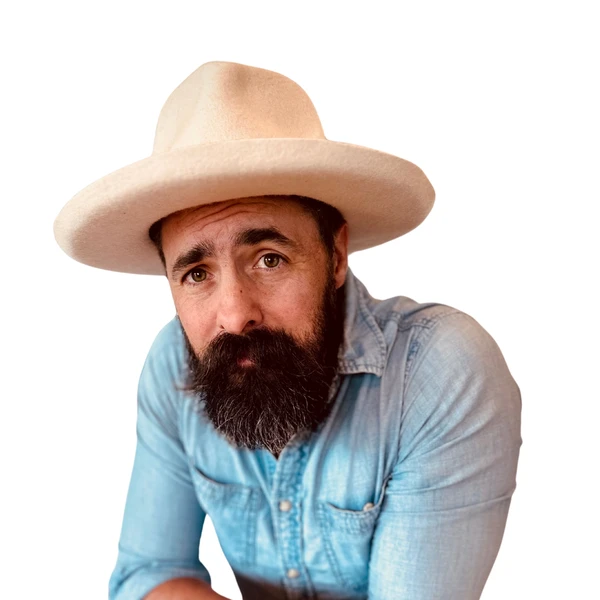
Brian Parsons
1x
FinalistBrian Parsons
1x
FinalistBio
I currently serve as co-founder and Director of Operations of Ink Intervention, a Colorado-based 501(c)3 nonprofit dedicated to providing reentry services for incarcerated Coloradans returning to their communities. We then provide resources in mental health services, addiction recovery support, job placement, workforce training, and more, helping clients reintegrate and build successful lives. This creates safer communities, less crime, and higher employment rates for Colorado. This sets a historic precedent for Colorado.
In addition to this, I work full-time as a Special Education Job Coach with District 49 Schools in Colorado Springs, helping students learn independent living and career-building skills. I am also a core volunteer for Habitat for Humanity and Care & Share Food Banks of Southern Colorado.
I’ve also served honorably as a U.S. Marine and a peace officer for the state of Colorado. In 2014, I co-founded the Rebecca Bender Initiative, a nonprofit supporting survivors of sexual exploitation, and authored two leadership books, 10 articles in business journals, and appeared on various media platforms.
A first-generation college graduate, I earned my Bachelor of Science from Colorado State University Global in 2024 with a 4.0 GPA. I am currently a graduate student pursuing my master's degree in journalism at Harvard.
I am passionate about social justice, education, and enriching my community.
Education
Colorado State University-Global Campus
Bachelor's degree programMajors:
- Marketing
Miscellaneous
Desired degree level:
Master's degree program
Graduate schools of interest:
Transfer schools of interest:
Majors of interest:
- Communication, Journalism, and Related Programs, Other
Career
Dream career field:
Education
Dream career goals:
Teaching
Lieutenant
Colorado Department of Corrections2007 – 202215 yearsSergeant
United States Marine Corps2002 – 20097 years
Sports
Cross-Country Running
Club2014 – 20173 years
Research
Teacher Education and Professional Development, Specific Levels and Methods
Addicted2Success — Columnist2022 – Present
Arts
Self
IllustrationLeadership book series (2 published books), 10 leadership articles2022 – PresentSelf
MusicYes1992 – Present
Public services
Volunteering
Care & Share Food Banks of Southern Colorado — Volunteer2022 – PresentVolunteering
Habitat for Humanity — Volunteer2022 – Present
Future Interests
Advocacy
Volunteering
Philanthropy
Entrepreneurship
Champions for Intellectual Disability Scholarship
I didn’t set out to build a career in the intellectual disability community, it grew around me, shaped by the people I love and the people who trusted me to walk beside them. The real turning point came the day I became a father to a son with autism and ADHD. Suddenly, the systems I’d only observed from the outside became deeply personal. I wasn’t just reading evaluations or sitting in meetings; I was advocating for my child, asking questions no parent should have to ask, and fighting for services that should never be so hard to secure. He made every statistic real, every barrier human, and every victory worth the struggle. Being his dad didn’t just open my eyes, it rewired my sense of purpose.
Before becoming a job coach for adults with disabilities, I spent years shaping the lives of young people in Colorado, first as a Marine, then as a peace officer working with adjudicated youth. I learned early that people rise when someone finally sees their potential. But nothing prepared me for the profound resilience and honesty of adults with intellectual and developmental disabilities. They don’t hide their challenges behind ego, and they don’t pretend the world isn’t hard. They just show up, ready to try again. That spirit inspires me.
As an educator, I’ve had the privilege of walking with adults who are too often underestimated and people who have been told “no” far more times than they’ve heard “you can.” I coach them through interviews, workplace routines, social hurdles, and moments of self-doubt. I’ve watched them land their first jobs and fight for independence in a world that wasn’t built with them in mind. Every success feels like a shared one. Every setback presses me to learn more, do more, and push harder against systems that slow their progress.
My son and the individuals I support have shaped my academic path as much as my career. I went back to school in my late 30s, long after a high school dean told me I “didn’t belong in academia.” I believed him for decades, until my son needed someone who understood how the system worked, and the adults I coached needed someone who could advocate at a higher level. Now, as a graduate student at Harvard studying journalism, I’m learning how to give them something powerful: a voice that carries. A voice heard beyond an IEP meeting or a job site. A voice in public conversations where policy, funding, and equity are decided.
My goal isn’t just to support individuals, it’s to change the narrative around them. I want to write stories that cut through bureaucracy and politics and remind people what’s really at stake: human dignity, opportunity, and potential. I hope to shine light on the barriers that families quietly shoulder and the achievements that often go unnoticed.
Working in this field isn’t just something I do, it’s who I’ve become; because of my son, because of my students, and because I’ve seen how profoundly life changes when someone gets the chance to be seen, valued, and included.
Bick First Generation Scholarship
Being a first-generation student means learning how to navigate systems that were never built with someone like me in mind. It means pushing through moments of doubt, uncertainty, and fatigue — not just for myself, but for everyone watching to see what’s possible.
In high school, a dean told me I didn’t belong in academia; that he would either find a way to expel me or make life so miserable that I’d quit. Eventually, I did. I left believing he was right. For years, that moment defined how I saw myself and what I thought I was capable of. But life has a way of challenging the limits others place on us.
I found a place in the U.S. Marine Corps and learned what real discipline, leadership, and purpose looked like. Later, I spent 15 years as a peace officer for the State of Colorado, working in corrections and eventually serving as a drill instructor and mentor for adjudicated youth in southern Colorado. I poured my energy into shaping young people who, like me, had been told they weren’t enough. I wanted them to see that their pasts didn’t define their potential.
That same belief led me to create Ink Intervention, a nonprofit that provides mobile tattoo removal for incarcerated and formerly incarcerated Coloradans. We help people remove tattoos that carry stigma — often gang-related or antisocial symbols — and connect them with mental health support, recovery programs, and job training. The goal isn’t just to erase ink; it’s to help rewrite stories.
After years of public service, I found myself drawn back to the place I’d once been pushed away from: education. I returned to college in my late 30s, determined to reclaim what I’d lost and prove that belonging isn’t something you’re granted — it’s something you build. I graduated with a bachelor of science degree and a 4.0 GPA. Today, I’m a graduate student at Harvard studying journalism. That sentence still humbles me every time I say it.
My purpose now is to use storytelling to challenge stigma, illuminate injustice, and amplify voices that are too often misunderstood. Journalism allows me to bring truth and empathy to the public conversation — to humanize the people and systems I’ve spent my career working within.
This scholarship would help me continue that mission by easing the financial strain of balancing graduate studies with nonprofit leadership. But more importantly, it would honor a journey that began with being told I didn’t belong — and has led to proving that I do.
Being a first-generation student isn’t about being the first to attend college. It’s about being the first to believe you can.
Debra S. Jackson New Horizons Scholarship
Returning to higher education later in life wasn’t a decision I made lightly. It was the product of years spent working, learning through experience, and realizing that change rarely happens from the sidelines. I chose to pursue journalism because I want to confront the way our society tells — and too often distorts — the stories of people affected by the justice system. I believe that when narratives are told honestly, they have the power to restore dignity, inspire reform, and reconnect communities that have been written off.
Before enrolling in Harvard’s graduate journalism program, I spent years working directly with people trying to rebuild their lives after incarceration. Through my nonprofit, Ink Intervention, I help remove antisocial or gang-related tattoos for individuals seeking employment or simply trying to start over. Many of the people I meet are burdened by more than ink — they carry the weight of stigma and exclusion that lingers long after their sentences end. Listening to their stories taught me something profound: transformation is possible, but only if we create spaces where people are seen as more than their pasts.
My volunteer work with Habitat for Humanity and Care and Share Food Bank reinforced that belief. Service has a way of stripping away assumptions — you start to see not statistics, but neighbors. Journalism, to me, is another form of service. It is the act of bearing witness, of asking the hard questions while protecting the humanity of those whose voices are too often filtered through bias.
Returning to school as an adult learner has been humbling. Balancing coursework, nonprofit leadership, and community work requires resilience, but it has also reminded me that growth doesn’t end with youth. The rigor of Harvard’s program has sharpened my reporting skills and expanded my understanding of how narratives shape public perception and, ultimately, policy. My goal is to use those skills to produce journalism that illuminates the complexities of justice reform — stories that move beyond the headlines to reveal both systemic failures and human strength.
This scholarship would help sustain that mission. It would ease the financial strain of graduate study and allow me to continue working directly with the communities I serve while pursuing this education. More importantly, it represents the spirit of perseverance that defined Debra S. Jackson’s life — the courage to begin again, to believe that learning and purpose are not confined by age, and to use one’s gifts to better the lives of others.
I am not simply returning to school to advance my career; I am returning to deepen my impact. Every class, every interview, every story I write is another opportunity to replace judgment with understanding, and silence with truth. Education has given me the tools — now I intend to use them to help others reclaim their stories.
Travis Ely Collegiate Angler Memorial Scholarship
Fly fishing has a rhythm that mirrors life—equal parts patience, observation, and faith in what you can’t see beneath the surface. I learned that long before I picked up a fly rod. My time in the Marine Corps taught me the value of composure under pressure, respect for the environment around you, and persistence even when conditions seem impossible. But on the water, those lessons deepened into something more personal: a quiet understanding that character isn’t measured by what you catch, but by how you carry yourself when nothing’s biting.
Sportsmanship, to me, is about humility and respect—for others, for the process, and for the places that sustain us. On the river, it means giving space to the next angler, picking up trash that isn’t mine, and teaching a newcomer how to tie a basic knot instead of keeping what I’ve learned to myself. It’s a small reflection of a larger philosophy that guides my life off the water. Whether volunteering with Habitat for Humanity or distributing food for Care and Share Food Bank of Southern Colorado, I’ve come to see service not as charity, but as fellowship—an acknowledgment that we’re all part of the same current.
That mindset carries into my work with Ink Intervention, the nonprofit I helped build to remove antisocial and gang-related tattoos for incarcerated and formerly incarcerated Coloradans. Many of the people we serve have been written off by society, labeled by the worst choices or circumstances of their past. My work there—and my studies in journalism—are both driven by the same belief I carry to the river: that everyone deserves to be seen clearly, without distortion or prejudice. Through journalism, I’m learning to tell stories that challenge stigma and repair cultural divides that threaten community safety and cohesion.
Fly fishing has taught me that the moments of stillness matter as much as the moments of action. It demands focus, patience, and respect for forces you can’t control—the wind, the current, the mind of the fish. Those lessons have shaped my work ethic: stay calm under pressure, stay teachable, and keep showing up even when the results aren’t immediate. Whether it’s casting into a difficult run, editing a story for the tenth time, or rebuilding a wall on a Habitat site, I’ve learned that excellence comes from consistency, not recognition.
In both water and community, I try to practice what the river teaches: listen more than you speak, respect the flow of others, and leave things better than you found them. Success isn’t about landing the biggest fish or earning the loudest applause—it’s about being dependable, generous, and honest when nobody’s watching.
That, to me, is what character looks like. It’s knowing that the true reward—on the water and in life—isn’t in what you take away, but in what you contribute to the current that carries everyone forward.
Redefining Victory Scholarship
Harry & Mary Sheaffer Scholarship
As a first-generation college student, my journey has been one of perseverance, determination, and an unwavering commitment to serving others. Balancing academics, family responsibilities, and nonprofit work has shaped my ability to lead with empathy and create meaningful connections. These experiences have driven my desire to build a world where understanding and compassion serve as the foundation for progress.
My father’s time as a Marine in Vietnam and my own experience as a Marine instilled in me a profound sense of duty to advocate for those who are often marginalized. This sense of responsibility has guided me in every role I’ve embraced, whether as a parent, educator, or leader in nonprofit work.
My skills are grounded in connecting with others and understanding their struggles. As a special needs teacher, I work closely with students who face unique challenges and are often marginalized. My role is to help them believe in their potential, advocate for their needs, and ensure they have the tools to succeed. This work has taught me patience, compassion, and the importance of listening to the voices of those who are too often unheard.
In addition to my work in education, I lead a nonprofit organization focused on providing support and employment opportunities to incarcerated individuals reentering their communities. By removing visible barriers like gang-related tattoos and offering resources such as addiction recovery, mental health services, and workforce training, we give people the opportunity to rewrite their stories. I’ve witnessed the transformative impact of these efforts on individuals, their families, and their communities.
Pursuing higher education has allowed me to break cycles of limited opportunities and create a pathway for others to follow. While balancing my responsibilities as a parent, teacher, and nonprofit leader, I’ve maintained a 4.0 GPA, demonstrating my dedication to academic success and personal growth. This achievement is not just for me—it’s for my children, my students, and others who see hope in my journey.
Looking ahead, I plan to use my education to amplify underrepresented voices and advocate for systemic change. My dream is to expand my nonprofit into a nationwide initiative that provides holistic support for marginalized communities. I also aspire to pursue advanced degrees in Journalism and Communications to inspire conversations about equity, inclusion, and understanding.
Building a more empathetic and understanding global community starts with recognizing the value of every individual. It involves small, intentional actions—helping someone believe in themselves, creating opportunities for second chances, and fostering an environment where everyone feels seen and supported.
This scholarship would not only help me complete my degree but would also enable me to continue advocating for those who are overlooked. With the support of this opportunity, I can further my efforts to create meaningful change, strengthen communities, and build a legacy of hope, compassion, and understanding.
Jerrye Chesnes Memorial Scholarship
As a parent of three children, returning to school after years of balancing work, family, and life’s challenges has undoubtedly been one of the most difficult yet rewarding experiences of my life. I began my educational journey with many obstacles to overcome—having struggled in high school to the point of dropping out after being told by the Dean of Students that academia wasn’t where I belonged. This event was devastating, and became a major hurdle in my self-belief, which made the idea of ever returning to school feel impossible. Yet, after much reflection and perseverance, I decided to pursue higher education, and I am proud to say that I am now the first person in my family to earn a Bachelor of Science degree, graduating with a 4.0 GPA.
Being a parent while pursuing a degree has come with its unique set of challenges. Raising three children and balancing my career as a Marine, peace officer, Special Education teacher, and my role as the Board President and Co-Founder of a nonprofit organization leaves me with limited time. Every day is a juggling act—managing my children’s needs, keeping up with assignments, working, and leading my nonprofit's efforts to help incarcerated individuals re-enter society. But these challenges have also taught me time management, discipline, and the importance of staying focused on my goals.
There have been moments where I’ve felt overwhelmed, when I had to choose between attending a parent-teacher conference or completing an assignment. The difficulty of balancing the needs of my children with the demands of school is real, but it is also a motivator. I know that by earning my degree, I am not only improving my life but setting an example for my children. They see me working hard to better myself, and I hope they learn that their dreams are achievable regardless of the obstacles they face. My experience has taught me the value of persistence, and that no matter how difficult the journey, the reward is worth the effort.
Returning to school as an adult and a parent has also deepened my sense of responsibility. I’m not just learning for myself—I’m learning for my family and my community. My work with special needs students and my nonprofit leadership has shown me the profound impact education can have on individuals and communities. It’s not just about acquiring knowledge; it’s about creating opportunities for others and building a better future for those who need it most.
This scholarship would be invaluable in easing the financial burden of continuing my education as I pursue my Master’s degree and eventual doctoral studies in communications and journalism. With my long-term goal of using my education to amplify the voices of marginalized communities and to continue my nonprofit work, I know that every step I take forward in my education brings me closer to making a lasting impact on society.
Pushing Our Scholars Forward
Balancing a full schedule as a parent of three children, working as a special needs teacher, managing a nonprofit, and pursuing full-time studies has undoubtedly been challenging. I have learned that while the work I do in both my nonprofit and as a teacher may never make me financially wealthy, the return on investment in serving others is immeasurable. The impact I am able to make in my community with the support of my team is far greater than monetary success—it is about creating lasting change, lifting others up, and providing opportunities for growth where there may have been little hope before.
In my role as the Board President and Co-Founder of Ink Intervention, I work with incarcerated individuals approaching release to provide them with essential resources to successfully reintegrate into society. This work is about increasing community safety, offering support through mental health and addiction recovery, and reducing recidivism by helping individuals find stable employment and reintegrate with their families and communities. These efforts reflect my deep commitment to not only helping individuals find redemption but to improving the communities we all live in.
As someone who has always sought to improve the lives of others, I believe the work I do aligns with my long-term goals. My current academic pursuit—a Master’s degree in journalism and communications—is the next step in my journey toward doctoral studies. I plan to use my education to amplify the voices of marginalized communities and tell the stories that too often go unheard. My hope is that, through education, I will be better equipped to support causes like mine and work on a broader scale to bring awareness to critical social issues.
My current full-time role in Special Education, working with students to help them build social and professional career skills, has also reinforced my belief in the power of education. I have seen firsthand how these opportunities can transform lives. These experiences have shaped my goal of continuing to serve both the special needs community and those impacted by the criminal justice system. Whether in the classroom or in my nonprofit work, my focus is always on providing the resources and support that will empower individuals to change their lives for the better.
This scholarship would not only relieve some of the financial burdens of continuing my education, but it would also allow me to further my goal of fostering community growth and safety. By obtaining my Master's degree and eventually a Ph.D., I aim to continue building the tools needed to create meaningful, lasting change for those who need it most. With your support, I can continue on my journey to use my education as a vehicle for service, not only within my community but on a national level as well. I am grateful beyond measure for your consideration.
Kirk I. Woods Memorial Scholarship
Education has always been a transformative force in my life. As someone who struggled in high school to the point of dropping out after being told that I didn’t belong in academia by my high school Dean of Students. That moment had a crippling impact on my perception of academics at the time, but rather than allowing it to define me, I used it as fuel to prove that education could be my path forward. As the first person in my family to complete college, I earned my Bachelor of Science degree with a 4.0 GPA, demonstrating that perseverance and determination can overcome even the toughest obstacles. My journey has taught me that education is not only about personal growth but also about creating opportunities for others.
In addition to my academic accomplishments, I’ve also had a diverse and rewarding career, which has shaped my values and my mission. I served as a Marine in the wake of 9/11, and a peace officer in Colorado, supervising secure facilities and helping implement behavioral programs aimed at rehabilitating youthful offenders. My experiences in both the military and law enforcement have instilled in me a deep sense of duty, discipline, and commitment to service, which I carry with me into my nonprofit work.
As the co-founder and Board President of Ink Intervention, a 501(c)3 nonprofit, I’ve dedicated myself to helping incarcerated individuals successfully reintegrate into society. Ink Intervention provides mobile laser tattoo removal services to individuals who are incarcerated and nearing release, helping them remove gang-related tattoos and other visible marks that can hinder their chances of finding stable employment. In addition to tattoo removal, we offer resources in addiction recovery, mental health services, job placement, and workforce training. Our mission is to reduce recidivism rates and provide the necessary support for these individuals to build a better future. This work is incredibly rewarding, and it has taught me that the power of second chances cannot be overstated.
In addition to leading Ink Intervention, I am a published author, having written two leadership books and ten articles for business journals. I am also a core volunteer with organizations like Habitat for Humanity and Care & Share Food Banks of Southern Colorado, where I’ve learned the importance of community service and the positive impact it can have on the lives of those in need.
My career and volunteer efforts have shown me the transformative power of education and community service. The lessons I’ve learned have shaped my vision for the future: expanding Ink Intervention, furthering my education, and giving back to others who need it most. Specifically, I hope to create a scholarship program within Ink Intervention to assist one of our clients in pursuing higher education, just as I have. By helping them overcome financial barriers, I believe I can empower them to pursue their dreams and make positive contributions to society.
This scholarship would provide me with the financial support I need to continue my education and expand my nonprofit efforts. It would allow me to focus on growing Ink Intervention’s impact while also giving me the tools to serve my community on an even greater scale. Through education, I plan to continue to make a lasting difference in the lives of others, empowering those who face the greatest challenges to succeed and, in turn, give back. Like Kirk I. Woods, I aim to leave behind a legacy that helps others achieve their potential and make a positive impact in the world.
Learner Online Learning Innovator Scholarship for Veterans
Throughout my academic journey, I have relied on a variety of online platforms, tools, and resources to deepen my understanding of the subjects I study. As a non-traditional, first-generation student, I’ve learned to be resourceful and proactive in finding materials and platforms that help me excel in my coursework.
One of the key resources I use regularly is CSU Global’s online library and database access. The university provides access to a range of academic resources, including databases like JSTOR, ProQuest, and EBSCOhost. These resources have been instrumental in researching and finding credible, peer-reviewed sources for my papers and assignments. The university’s learning management system (LMS), Canvas, also offers an easy-to-navigate interface that allows me to track assignments, grades, and access important resources, making the learning process more organized and manageable.
In addition to CSU Global’s resources, I frequently use Coursera and edX to supplement my studies. These platforms offer online courses from top universities and institutions, and I use them to learn new concepts and stay current with developments in my field of interest, particularly in areas like digital marketing, leadership, and communications. These courses allow me to deepen my knowledge outside the confines of my degree program and explore topics that fuel my curiosity.
LinkedIn Learning has been another valuable resource, especially for courses that focus on specific skills like project management, communication strategies, and software tools. I find these short, self-paced courses incredibly useful for building technical skills that complement my academic work. The ability to access them anytime, from anywhere, makes it possible for me to integrate learning into my busy schedule.
For research and writing, I frequently turn to Google Scholar and MyBib. Google Scholar is a reliable tool for finding scholarly articles, and it’s been especially helpful for staying up to date with current literature in my field. MyBib, a reference management tool, helps me keep track of sources and format citations, ensuring my academic work adheres to proper citation standards.
Lastly, I rely on tools like Trello and Asana to organize my tasks and manage time effectively. These project management tools allow me to create task lists, set deadlines, and track my progress on assignments. As a student balancing school with other commitments, these platforms help me stay organized and on top of my work.
These online platforms and tools have been crucial in helping me apply my knowledge more effectively, manage my time, and stay organized. They’ve allowed me to make the most out of my educational experience, even as a first-generation student. Moving forward, I plan to continue using these resources to support my education and professional aspirations, particularly as I work towards my goals of further advancing my education in journalism and communications, and continuing to serve my community.
First-Gen Futures Scholarship
Choosing to pursue higher education has been an intensely personal decision shaped by my journey through academia and life. As a first-generation student, my path to higher education wasn’t linear—far from it. In high school, I struggled significantly and ultimately dropped out, convinced that school wasn’t for someone like me. Though,I didn’t develop this disposition on my own. The turning point for me was when the Dean of Students at my high school pulled me into his office and told me that academics were not where I belonged, and hearing that devastated me. Those words stayed with me for years, but they also fueled a determination in me to prove that no student should ever feel like they don’t belong in academia.
I didn’t return to education immediately, but I knew I wanted more from life, so I enlisted in the Marines after the events of 9/11, following my twin brother’s footsteps. The discipline and work ethic I developed in the military helped me gain perspective and resilience, which would later guide me back to school. It was when I was serving as a peace officer, while also working as a Special Needs teacher and volunteering with organizations like Habitat for Humanity and Care & Share Food Banks, as well as co-founding and running my own nonprofit purposed to provide employment pathways for incarcerated Coloradans returning to their communities, that I realized the impact I could make by furthering my education.
Despite my early struggles, I eventually returned to higher education, becoming the first in my family to complete a Bachelor of Science degree with a 4.0 GPA. The journey has not been easy, but every challenge has reaffirmed my belief in the value of education. I am passionate about helping others, especially students who feel out of place in the educational system, because I know firsthand how damaging it can be to feel like you don’t belong.
Through my experiences in the military, law enforcement, and special education, I’ve prepared myself for higher education by developing discipline, perseverance, and empathy. My mission is to ensure that no student feels discouraged the way I did. By pursuing a degree, I not only aim to change my own life but to make a lasting impact on the lives of others—empowering individuals and communities to reach their full potential, regardless of where they start.
This scholarship would help me further my education and continue to support my mission of breaking barriers for students who struggle the way I once did. It’s not just about earning a degree; it’s about ensuring that others who have felt overlooked and underestimated find their place and their voice in academia.
RonranGlee Special Needs Teacher Literary Scholarship
As a special education paraprofessional working with high school students, I have found that the real heroes are my students. They are the ones who face obstacles with perseverance, navigate through life’s complexities, and never give up. It is my role to support them as they build the social and professional skills necessary for their future, all while respecting their individual needs and strengths. I have been working with students to help them meet their IEP goals, focusing on career development and social skills. The experience has been the most rewarding of my life.
Professor Harold Bloom’s statement that “the purpose of teaching is to bring the student to his or her sense of his or her own presence” resonates deeply with my mission as a future educator. To me, a sense of presence means understanding one's place in the world—knowing who you are, what you can contribute, and how to navigate relationships with others. In the context of special education, helping students experience this presence means empowering them to understand their worth, abilities, and potential for success.
In my work, I strive to create an environment where students feel seen and heard. I aim to guide them in finding their own strengths and passions, giving them the tools to pursue meaningful lives. Whether through helping them develop social skills, connect with peers, or improve their career readiness, my role is to facilitate their growth and help them reach their full potential.
In my own life, I plan to continue my work with the special needs community, even though my major is not directly in special education. It has been a great privilege to have been involved with the Down Syndrome Association and work closely with the education system, which has been invaluable in shaping my understanding of how to best support individuals with diverse learning needs. I hope to bring my experience and passion for service to the broader community, creating more opportunities for students to feel their presence in the world.
My approach to teaching is rooted in the belief that every student, no matter their challenges, has a meaningful role to play in society. By guiding them in recognizing their value and nurturing their strengths, I hope to contribute to a future where all students, regardless of ability, can pursue their dreams with confidence.
From an experiential standpoint, there is no scenario, even fictional, where I would write myself in as a hero. My perspective on heroism has always been rooted in the belief that the true heroes are those who rise despite their challenges, often without recognition, and quietly change the world around them. This includes the students I work with every day—young individuals with special needs who are forging their own path through the often difficult and misunderstood educational system.
John Young 'Pursue Your Passion' Scholarship
Choosing a career path is often a product of personal experience, values, and the desire to make a meaningful impact. For me, the decision to pursue a degree in communications and journalism is deeply intertwined with my lifelong commitment to social justice, service, and advocacy. Over the years, I have realized the power of storytelling and the impact it can have on amplifying voices that are often overlooked. I am driven by a profound need to create narratives that not only raise awareness but also inspire action and change.
My background in serving others through roles such as a U.S. Marine, peace officer, special needs educator, and nonprofit leader has shaped my understanding of the world and deepened my passion for helping those who are marginalized. Through my experiences, especially co-founding Ink Intervention, I have witnessed firsthand the barriers individuals face when transitioning from incarceration back into society. This experience made me realize that we need more voices advocating for systemic change—voices that can effectively communicate the challenges faced by vulnerable populations and bring attention to solutions that promote social equity.
The field of communications is the natural vehicle for this mission. By studying journalism, I aim to develop the skills to tell compelling stories that highlight issues of social justice, human rights, and equality. My goal is not just to inform, but to drive people to think critically about the systems that govern us and to encourage them to take action. I believe that the power of narrative can shift perspectives, change societal norms, and ultimately improve the lives of those who have been left behind.
I am especially motivated by the potential to work within the context of nonprofit work, community outreach, and advocacy. By pursuing a career in communications, I aim to use my education and experiences to help organizations like Ink Intervention, as well as other social justice-driven initiatives, reach broader audiences and engage more deeply with communities in need. My goal is to craft stories that not only inform but also inspire collective efforts to address pressing social issues such as criminal justice reform, mental health, and inequality.
Personally, I have always sought to serve others, and this is the core of my professional passion. Whether it’s through my military service, my work in law enforcement, or the nonprofit work I’ve done, the common thread has always been a desire to make a positive impact. By obtaining a degree in communications, I can expand my ability to affect change, not just on an individual level but on a societal level. My ultimate goal is to be a part of a movement that uses media and storytelling to advocate for marginalized communities and drive meaningful reform.
Through my education and professional endeavors, I aim to create an impact that speaks to the heart of societal issues, amplifying the voices that need to be heard and fostering a more equitable world.
Debra S. Jackson New Horizons Scholarship
Throughout my life, I have been guided by a strong sense of purpose—to serve, help others, and create meaningful change. My journey has been shaped by a unique blend of personal challenges, triumphs, and deep-rooted commitments to social justice, education, and community service. I have had the privilege of stepping into roles that challenged me to grow, learn, and make a positive difference in the lives of others. From my military service to my work as a peace officer, special needs educator, and nonprofit leader, each experience has played a crucial part in shaping who I am today and fueling my passion for furthering my education.
Growing up, I dreamed of being many things—a teacher, an author, a business owner, and a community leader. These ambitions were the driving force behind my pursuit of higher education. I took a non-traditional path, facing obstacles such as limited financial resources and personal challenges, but I never let those barriers stop me. The watershed moment was when I became the first person in my family to graduate from college, earning a Bachelor of Science degree with a 4.0 GPA. This achievement was not just an academic milestone; it was a manifestation of years of perseverance, resilience, and the desire to break generational cycles.
My experiences as a U.S. Marine and a peace officer taught me the value of integrity, accountability, and service. They also gave me the perspective to see the importance of helping those who are marginalized. My passion for social justice led me to co-found Ink Intervention, a nonprofit dedicated to supporting incarcerated individuals as they reintegrate into society. Through our work, we provide mobile laser tattoo removal services, addiction recovery resources, mental health support, job placement, and more. This experience has deepened my understanding of the systemic challenges individuals face when reentering society, and it has reinforced my belief that education and community support are essential tools for social change.
In addition to my professional endeavors, I have volunteered extensively with Habitat for Humanity and Care & Share Food Banks of Southern Colorado. These volunteer opportunities have given me a greater appreciation for the power of community and how small acts of kindness can make a big difference. Through these experiences, I’ve learned the importance of giving back and the joy that comes from helping others in need. These efforts further fuel my commitment to service and reinforce my goal of using my education to make a lasting impact on my community.
As I embark on my journey to pursue a graduate education, I am committed to using my experiences to further amplify my impact. I aim to pursue a Master's degree in Journalism and Communications, with the intention of focusing on creating narratives that bring attention to social issues and the voices that often go unheard. My goal is to use my education to advocate for the communities I serve and to inspire others to join in creating a more just and equitable world. I envision using the power of storytelling to not only highlight challenges but also to propose solutions and encourage collective action for positive change.
This scholarship is an essential step in helping me achieve my academic and professional goals. It will provide me with the financial support I need to further my education while continuing to contribute to my community. By receiving this scholarship, I will be able to pursue my graduate degree without the burden of financial strain, enabling me to focus on acquiring the knowledge and skills necessary to make an even greater impact in my field and community.
James T. Godwin Memorial Scholarship
My father enlisted in the United States Marine Corps at 17 in 1969, during a time when the country was in the thick of the Vietnam War. At such a young age, he made the decision to serve a cause greater than himself, fighting for the lives of those who couldn’t fight for themselves. Even though I wasn’t necessarily raised in an active duty military family, I find myself deeply moved by the courage and fortitude he demonstrated. As a 17-year-old, he embodied the type of bravery that went beyond physical strength—he demonstrated the mental and emotional resilience it took to serve in a war that, for many, was both controversial and divisive.
His experience and sacrifice have been an integral part of shaping how I view duty and service. Growing up, I never had direct exposure to military life, but I did have his example to look up to. He was a young man who chose to leave behind everything he knew, face the horrors of war, and carry the weight of responsibility for the lives of others. His decision to enlist inspired my twin brother, who joined the Marines in 2001, just months before I did. The events of 9/11 had a profound effect on us, and like our father, we both felt an undeniable call to action.
What I admire most about my father is that, at such a young age, he was able to see past his own needs and dedicate himself to something much bigger than personal gain or recognition. To him, service was a way to make a difference, to fight for something good in a world that was often unkind. That is a lesson that has resonated with me throughout my life and has guided the choices I’ve made—whether it was joining the military after 9/11, choosing to serve as a peace officer, or starting a nonprofit to help others. His example of unwavering commitment to something larger than himself shaped how I approach the challenges in my own life.
My time in the military, my experiences with service, and the lessons I’ve learned all trace back to the inspiration I took from my father. His courage was a spark that fueled my own path, and as I look back, I recognize that his actions were not just about duty. They were about character, about standing up for what’s right, and about having the fortitude to keep going even when the world around you is in chaos.
My father’s legacy has shaped the way I approach everything I do. His courage has influenced my choices, and I continue to honor his path by working toward making a positive impact on those around me. Whether in the military, law enforcement, or through my nonprofit work, I strive to uphold the same sense of duty, sacrifice, and integrity that he did. Like him, I want to be part of something larger than myself, contributing to the safety and well-being of others. His decision to serve as a young man in Vietnam set an example I will continue to follow for the rest of my life: to lead like a 17 year old kid from Western Iowa who elevated the welfare and needs of those around him above his own.
Future Leaders Scholarship
Exceptional leadership is a team effort. Nobody demonstrates exceptional leadership by themselves. In 2021 I was tasked by the CDOC in the state of Colorado to develop curriculum for a Cognitive Intervention Program (CIP) for youth offenders, as well as a Drill Instructor School to serve as the primary credentialing process for select staff to operate the CIP. During this time, I was also tasked by the Pueblo Municipal Court to contribute my time and expertise to the Youth Boot Camp for pre-adjudicated minors as an alternative to traditional sentencing. Although my task load was heavy, I was still expected to maintain a safe and humane living until, supervise my 9 staff, and remain on task with my school work, raising kids, and volunteering in my community with Habitat for Humanity.
Time was my biggest challenge. A good leader is a discerning combination of a wealth of leadership styles, and this period of my life would put that to the test.
I employed delegative leadership tactics in order to purpose my team to their strengths while remembering to praise their work and reaffirm their value often publicly. I employed authoritative tactics to make decisions that required split-second thinking. I employed laissez faire approaches in order to empower my team to accomplish tasks pragmatically and unified in my absence. I used growth-centric corrective tactics to improve performance issues and elevate struggling team members.
I employed organizational leadership in order to manage timelines and reduce burnout. For the youth, I used patience, compassion, and kindness to inspire critical thinking skills, and a sense of purpose and value.
In the end, both curricula were accomplished and approved within adequate time, the program remained statute compliant, I maintained a 4.0 GPA, the living unit passed all accreditation audits, over 3/4 of the pre-adjudicated youth who were sentenced graduated the program and their charges were expunged through the municipal court system, and most importantly, my team grew closer, our work culture was enhanced, they were happier, more productive, and most of my team moved on to leadership positions of their own within the following two years.
As the co-founder and President of my nonprofit, Ink Intervention, it is my vision that all of the incarcerated Coloradans that we treat through our program to feel empowered to step into their new truths, own who they are, and re-enter their communities ready to lead and contribute pro-socially and positively so that they can inspire more success stories. My graduate work will be deeply rooted in social justice, community enhancement, and a legacy of inspired leadership.
Redefining Victory Scholarship
Success is often defined in society by tangible markers like wealth, status, and accolades. These metrics, while meaningful to some, do not encapsulate the full breadth of what success means to me. For me, success is found not in what I accumulate but in what I contribute to the well-being of others and the communities I’m a part of. It is about being instrumental in the growth and happiness of those around me, both as individuals and as members of a larger collective. To succeed is to foster connection, to build something lasting that outlives personal recognition, and to leave the world better than I found it. This philosophy of success, rooted in community, peace, and mutual growth, shapes every aspect of my life and guides me toward my future aspirations.
Growing up, I was always taught that success is about hard work, but the most important lesson I learned was that it’s not just about achieving for yourself but about using your achievements to lift others. As a first-generation college student, I faced obstacles that many others never have to consider. But through perseverance and a desire to improve not just my own life but the lives of others, I was able to accomplish things that once felt out of reach. In the process, I realized that true success is not simply about personal milestones—it’s about making a difference in the lives of others and being part of a larger movement toward positive change.
My journey in creating Ink Intervention, a nonprofit organization I co-founded, has been a manifestation of this philosophy. Our mission is to help incarcerated individuals transition back into society by providing mobile laser tattoo removal services and offering support in areas such as mental health, job placement, and addiction recovery. What started as a small idea has grown into something that directly impacts the lives of people in my community, providing them with a second chance and empowering them to rebuild their lives. This experience has shown me that success is less about individual accolades and more about the collective impact you make.
The opportunity to further my education and professional development plays a crucial role in realizing this broader definition of success. My goal is to earn a Master’s in Journalism and Communications and ultimately a Ph.D. in Communications. These degrees will help me not only enhance my own skills but also provide me with the tools to amplify the voices of marginalized communities, advocate for social justice, and create a broader platform for community-driven change. Through these academic pursuits, I will gain the knowledge needed to refine my approach to leadership and communication, ensuring that I can lead with impact and intention.
This opportunity will help me achieve success by giving me the knowledge, experience, and credibility to grow both Ink Intervention and my role as an advocate for social change. By equipping myself with the skills to better tell stories that matter and advocate for those who are often unheard, I will be able to expand the reach of my nonprofit, positively influencing more lives, and contributing to reducing recidivism rates, increasing employment, and fostering community reintegration. The advanced education I aim to pursue will allow me to grow as a communicator, leader, and advocate for change, enhancing my ability to connect with others and build strong, resilient communities.
Success, to me, is ultimately about leaving a legacy of community, compassion, and mutual respect. It’s about creating spaces where people can grow, thrive, and find happiness, just as I have. I believe that through continuous learning and dedication to the values I hold, I can make meaningful contributions to society that transcend personal achievements. This scholarship is a vital step in helping me reach those goals and, in turn, helping others achieve their own.
Joe Gilroy "Plan Your Work, Work Your Plan" Scholarship
My long-term academic and professional goals are to earn a Master’s in Journalism from Harvard Extension School and a PhD in Communications from the University of North Dakota. These degrees will provide me with the advanced knowledge and skills necessary to elevate my Colorado-based nonprofit, Ink Intervention, and expand its positive impact across the country. I am committed to using education and my experiences to drive social justice, enhance community engagement, and reduce national recidivism rates. To explain this in the most comprehensive and organized manner, I have formatted my goals into the SMART framework:
Specific Goals:
Master’s in Journalism: I aim to complete my Master’s degree in Journalism at Harvard Extension School within the next two years. This program will equip me with critical research, writing, and communication skills, enabling me to amplify the voices of individuals and communities that are often unheard.
PhD in Communications: After completing my Master’s degree, I plan to pursue a PhD in Communications from the University of North Dakota. This PhD program will deepen my understanding of the ways in which communication can influence society, focusing on how storytelling and media impact social justice issues.
Grow Ink Intervention: While pursuing these degrees, I also plan to expand Ink Intervention, a 501(c)3 nonprofit I co-founded, which provides mobile laser tattoo removal services to incarcerated individuals transitioning back into society. My goal is to build a nationwide network of Ink Intervention operators who will help reduce recidivism rates, support community reintegration, and offer meaningful opportunities to individuals affected by the criminal justice system.
Measurable Milestones:
To ensure progress, I will set specific and measurable milestones:
Master’s Degree: Enroll in Harvard Extension School’s Journalism program within six months and complete all required coursework in two years.
PhD Program: Apply to and gain acceptance into the University of North Dakota’s PhD program after completing my Master’s degree, aiming for a three-year or less completion timeline.
Nationwide Expansion of Ink Intervention: Recruit and train five new Ink Intervention operators per year, expanding to five states within the next five years, impacting at least 500 individuals annually by the end of the first five years.
Achievable/Actionable Steps:
The resources required to achieve these goals include:
Educational Resources: Financial support for my Master’s and PhD programs will come from scholarships, grants, and personal savings. I will also seek mentorship from experts in the fields of journalism and communications.
Nonprofit Growth Resources: To grow Ink Intervention, I will leverage fundraising campaigns, donor relationships, and partnerships with like-minded organizations to secure the necessary financial and community support. I will also utilize my writing and communication skills to share the organization’s success stories and gain more attention and funding.
Personal Dedication: To stay on track, I will prioritize time management, focusing on completing my coursework while also working part-time at Ink Intervention. This will allow me to maintain both my academic and professional responsibilities.
Relevant Timing:
The timeline for my goals is:
Short-Term (0-2 years): Complete my Master’s degree at Harvard Extension School.
Medium-Term (2-5 years): Begin my PhD program and continue expanding Ink Intervention, reaching new states and adding operators.
Long-Term (5+ years): Graduate with my PhD in Communications and have Ink Intervention operating in 10 states, having impacted thousands of individuals with the goal of reducing recidivism rates and supporting social justice efforts.
Time-Based Success Path:
I am committed to ensuring that every decision I make is aligned with my mission to empower marginalized communities, reduce recidivism, and help individuals build a brighter future. The resources, timing, and structured milestones outlined above will guide me toward achieving these aspirations.
CREATIVE. INSPIRED. HAPPY Mid-Career Writing Scholarship
The written word is the single most powerful form of communication on the planet.
It is the cornerstone of democracy. It is a transformative, versatile, and impactful means to connect with the world around us.
What I love most about writing is its ability to give voice to the unheard and help bring clarity to the complex. Writing is not just a form of communication—it's a way to build connections, to share experiences, and to influence the world. It’s the tool that allows us to engage in conversations that transcend time and space, offering insights into history, human behavior, and the future. This is why I am so passionate about furthering my education in journalism and communications.
As a first-generation college graduate, I have always seen education as the gateway to unlocking potential, both my own and others'. I have since published two books and authored ten columns in business journals, and each of these experiences has taught me more about the responsibility that comes with writing. It’s not just about telling a story; it’s about engaging, educating, and sometimes even challenging readers to think differently.
I am passionate about deepening my knowledge, learning from professionals in the field, and cultivating my skills as a writer. By pursuing a graduate education in journalism, I aim to use writing to amplify voices that often go unheard and bring attention to issues that matter to communities and individuals alike. My dream is to be instrumental in the development of other creatives, leaders, and dreamers, helping them realize that their stories, too, can change the world.
Continuing my education in journalism will not only enable me to refine my writing skills but also provide me with the tools to craft compelling narratives that can inspire action, foster empathy, and drive social change.
As an advocate for social change in my community, I have co-founded and serve as the Board President and Communications Director for my Colorado-based 501(c)3 nonprofit organization, Ink Intervention. In this role, I utilize my writing and communication skills to raise awareness, connect with potential donors, and share the impactful stories of those we serve. Writing has been a vital tool in advancing our mission, whether through crafting compelling content for our website, newsletters, or social media platforms, all aimed at creating meaningful connections and driving support for our cause.
Writing isn’t just my passion; it is my purpose. I look forward to sharing my purpose with the world.