
Hobbies and interests
Anthropology
Archaeology
Coffee
Pediatrics
Exploring Nature And Being Outside
Reading
Fantasy
I read books multiple times per week
Brenna Lussier
1x
Finalist
Brenna Lussier
1x
FinalistBio
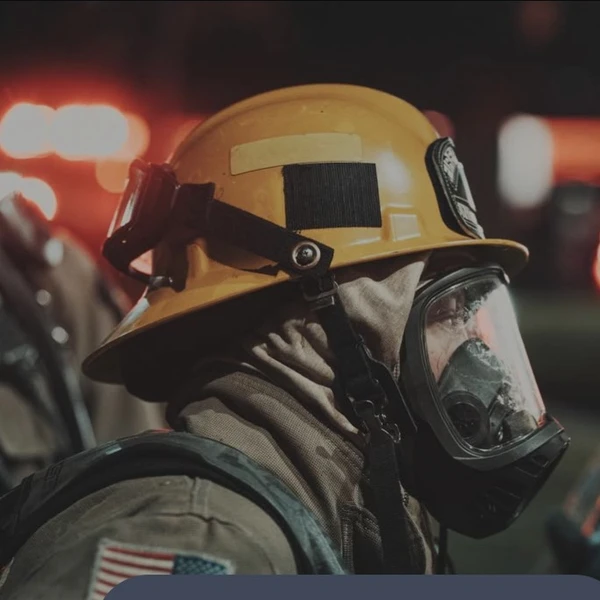
I am a working paramedic firefighter currently pursuing a degree in nursing, with the goal of becoming a Nurse Practitioner. My experience in EMS and fire service has taught me how to stay calm under pressure, think critically, and show up for people on some of the worst days of their lives. Those experiences have driven my interest in pediatric emergency care, where I can combine clinical skill with compassion and communication. Long term, I hope to use my training to serve beyond my local community by working with Doctors Without Borders as a Pediatric Emergency NP, providing care where it is needed most.
Education
AmeriTech College-Draper
Bachelor's degree programMajors:
- Registered Nursing, Nursing Administration, Nursing Research and Clinical Nursing
Utah Valley University
Bachelor's degree programMajors:
- Health Professions and Related Clinical Sciences, Other
Miscellaneous
Desired degree level:
Bachelor's degree program
Graduate schools of interest:
Transfer schools of interest:
Majors of interest:
Career
Dream career field:
Hospital & Health Care
Dream career goals:
Paramedic forefighter
American fork fire rescue2020 – Present6 years
Arts
Bourne high school
Theatre2010 – 2013
Public services
Volunteering
Mapleton fire department — Emtb/paramedic2017 – 2019
Hazel Joy Memorial Scholarship
Losing my older sister, Krystal, changed the way I look at life in a way nothing else has. Before she passed, I was very focused on work and routine. I stayed busy, kept moving, and didn’t spend a lot of time thinking about whether I was actually living in a way that felt meaningful. It took losing her to realize how much more there is to life than just getting through each day.
Krystal had a way of living that was different from mine. She was intentional about how she cared for people, especially through food. She loved to cook, and it wasn’t just about the meal itself, it was about bringing people together. She created spaces where people felt comfortable, where they could slow down, talk, and feel taken care of. Looking back, I realize how much she valued connection, and how naturally she gave that to others.
Some of my favorite memories with her were simple ones, being in the kitchen, talking, or just being around her while she cooked. It didn’t feel like anything big at the time, but now those are the moments that stand out the most. She made people feel seen without even trying, and that is something that has stayed with me.
After losing her, I started to reevaluate what I wanted my life to look like. I realized I didn’t want to just work and go through the motions. I wanted to build something meaningful, something that reflected both who I am and what she represented. That is a big part of what pushed me to go back to school and pursue nursing. It felt like a way to challenge myself, but also a way to live with more purpose.
Her loss also changed how I show up for other people. Through my experience in EMS, I see people on some of the hardest days of their lives, and I understand now, in a very real way, what that can mean. I know how important it is to be present, to listen, and to treat people with care and respect, because you never know what someone is carrying or how much a moment can matter.
More than anything, losing Krystal made me realize that life is not something to take for granted. It pushed me to stop waiting and start going after the things I have always wanted to do. I feel like I am not just living for myself anymore, I am living in a way that honors her too. That means showing up, taking risks, building a future that feels meaningful, and making the most of the time I have.
Her impact on my life did not end when she passed. If anything, it became more clear. It shaped my perspective, my goals, and the way I move forward. Everything I do now, especially pursuing a career in healthcare, is rooted in that shift. I want to live fully, give back to others, and build a life that reflects both of us
Women in Healthcare Scholarship
I have chosen to pursue a degree in healthcare because of the experiences I have had in EMS and the realization that I want to take on a more involved role in patient care. Working in emergency services has shown me what it really looks like when people are at their most vulnerable. You walk into situations where people are scared, in pain, or unsure of what is happening, and there is an immediate expectation that you will step in and help. Through those experiences, I have learned that I am able to stay calm, think clearly, and function effectively in high pressure environments. At the same time, I have also realized that I want to do more than just respond in the moment. I want to be part of the patient’s care beyond that initial interaction, and healthcare, specifically nursing, provides that opportunity.
Some of the most meaningful experiences I have had have involved pediatric patients. Those situations have had a lasting impact on me because they require a different level of communication and awareness. Children do not always understand what is happening, and their fear can be overwhelming. Their families are often under a great deal of stress and are looking for someone to provide reassurance and direction. I have seen how much it matters when a provider takes the time to communicate clearly, create a sense of safety, and approach each situation with both skill and compassion. That has shaped my desire to pursue a career where I can combine those qualities in my care.
As a woman in healthcare, I hope to make a positive impact by bringing both strength and empathy into the work that I do. Healthcare requires the ability to make quick decisions and handle high stress situations, but it also requires emotional awareness and strong communication. I believe those qualities can work together, not against each other. I want to be someone who is confident in my abilities, able to advocate for my patients, and willing to speak up when it matters.
I also recognize that women in healthcare often play a key role in creating a supportive and collaborative environment. I want to contribute to that by being a reliable team member, someone who others can trust and depend on. At the same time, I want to continue growing in my skills and confidence so that I can take on greater responsibility over time.
Overall, my decision to pursue healthcare comes from both my experiences and my understanding of where I want to grow. I want a career that challenges me, keeps me engaged, and allows me to make a meaningful difference. As a woman in this field, I hope to contribute by providing care that is both strong and compassionate, and by helping create an environment where patients feel supported and respected.
Arin Kel Memorial Scholarship
If I could start a business with my older sister, I would build a low cost or no cost healthcare clinic that also includes a food pantry and community kitchen. It would be something that reflects both of us and the way we cared about people in different but complementary ways. My path has led me toward healthcare, but for my older sister, food was always her way of showing love. She had a way of bringing people together, making them feel comfortable, and taking care of them through something as simple as a meal. That is something I would want to carry forward in a way that honors her.
From my experience in EMS, I have seen how often people end up in emergency situations because they do not have access to basic needs like healthcare or food. Many of the calls are not just about a medical issue, but about larger gaps in support. People are managing chronic conditions without guidance, or they are dealing with stressors that could have been addressed earlier with the right resources. That has shaped my goal of one day building a clinic that focuses on accessibility, prevention, and trust.
If I were able to build this, the clinic would not just provide medical care. It would also include a food pantry and a space where meals could be shared, because that was how my older sister connected with people. Food has a way of breaking down barriers and making people feel seen and cared for. I would want that to be part of the environment, not just as a service, but as a way to create a sense of community. It would be a place where people could come not only for healthcare, but also for support in a way that feels more human and less clinical.
I would also want to partner with local EMS to support community paramedicine efforts. EMS providers often saw the same patients repeatedly and understood their needs in a way that was not always addressed in traditional healthcare settings. By working together, there would be an opportunity to connect those individuals to consistent care and resources, rather than only seeing them in moments of crisis. That kind of collaboration could reduce strain on emergency services while also improving outcomes for patients.
Building something like this would be meaningful to me not only because of the impact it could have, but because it would reflect both of our strengths. It would combine care, connection, and community in a way that makes people feel seen and loved. In a lot of ways, it would be a continuation of what my older sister gave to others, carried forward through something that supports people in a lasting way.
Bulkthreads.com's "Let's Aim Higher" Scholarship
One of the things I hope to build in the future is a low cost or no cost healthcare clinic that serves people who might otherwise go without care. This goal comes directly from what I have seen in EMS. I have responded to calls where the issue was not always an emergency, but a lack of access. People call because they do not have another option, whether that is due to cost, lack of transportation, or not knowing where to go. Over time, it has become clear to me that many of these situations could be prevented with better access to basic healthcare and education.
As I continue my path in nursing, with the long term goal of becoming a nurse practitioner, I want to build a clinic that focuses on accessibility, prevention, and trust. I want it to be a place where people feel comfortable seeking care early, instead of waiting until something becomes critical. This would include basic medical services, health education, and support for managing chronic conditions. I believe that creating a space like this could help reduce unnecessary emergency calls and hospital visits, while also improving overall health outcomes for the community.
A key part of this vision is partnering with local EMS to support community paramedicine programs. EMS providers often see patients repeatedly and have a unique understanding of the challenges those individuals face. By working together, there would be an opportunity to identify at risk patients, follow up with them outside of emergency situations, and connect them with consistent care. This kind of collaboration could help reduce the strain on emergency services while also providing patients with more appropriate and effective support.
Building something like this would not only impact the community, but it would also shape the kind of provider I become. It would require strong clinical knowledge, leadership, and the ability to understand and respond to the specific needs of a population. More importantly, it would reinforce the importance of treating people with respect and meeting them where they are.
Overall, my goal is to build something that addresses a gap I have seen firsthand. I want to create a system that supports people before they reach a crisis point, while also strengthening the connection between healthcare providers and the communities they serve. By doing that, I believe I can make a meaningful and lasting impact, both for individual patients and for the healthcare system as a whole.
Dream BIG, Rise HIGHER Scholarship
Education has played a major role in shaping my goals by helping me understand both what I am capable of and what kind of work feels meaningful to me. As I have progressed through my coursework and training, I have realized that I am not drawn to environments that are predictable or routine. I am most engaged when I am being challenged, when I am expected to think critically, and when my actions have real impact. Education has not only given me the foundation to pursue nursing, but it has also helped me recognize that I want a career where I am constantly learning, adapting, and contributing in a meaningful way.
One of the most important ways education has given me direction is through my involvement in EMS alongside my academic work. Being able to apply what I am learning in real world situations has made my education feel purposeful instead of just theoretical. In EMS, there is no time to hesitate or second guess yourself. You walk into unpredictable situations and are expected to assess, make decisions, and act quickly. That experience has reinforced what I am learning in school while also showing me where I need to grow. It has helped me understand that I am able to stay calm under pressure, communicate clearly, and function as part of a team in high stress environments. At the same time, it has shown me the importance of continuing my education so I can expand my knowledge and take on a greater role in patient care.
Balancing school and EMS has been one of the biggest challenges I have faced. Managing coursework, studying, and clinical expectations while also being prepared for the unpredictability of emergency calls requires strong time management and discipline. There have been times where it felt overwhelming, especially when long shifts or difficult calls were followed by academic responsibilities that still needed my full attention. However, those challenges have pushed me to become more organized, more focused, and more intentional with my time. I have learned how to prioritize, how to stay accountable, and how to keep moving forward even when things feel demanding.
Another challenge I have encountered is learning how to navigate situations where I do not have all the answers. Both in school and in EMS, there are moments where things are uncertain and you have to rely on your training, your team, and your ability to think through the situation. Early on, that uncertainty was uncomfortable, but over time I have learned to see it as part of the learning process. It has taught me the importance of asking questions, seeking guidance, and being open to growth. It has also helped me build confidence in my ability to handle difficult situations, even when they are not straightforward.
Education has also shaped my perspective on the type of nurse I want to become. Through my experiences, I have seen that technical skill alone is not enough. The way you communicate, the way you carry yourself, and the way you treat people all matter just as much. This is especially true in situations involving pediatric patients. Some of the most impactful moments I have experienced have been with children who are scared, confused, or unable to fully express what they are feeling. Those situations require patience, adaptability, and the ability to create a sense of safety in a very short amount of time. Seeing how much of a difference that can make has influenced my goal of eventually working in a pediatric or emergency setting.
As I continue my education in nursing, I hope to use it to create a better future for myself by building a career that challenges me and allows me to grow. I want to continue developing my clinical skills, my critical thinking, and my ability to communicate effectively in high pressure environments. At the same time, I want to use my education to create a better future for others by providing care that is not only safe and effective, but also compassionate and respectful. I understand how important it is for patients and families to feel heard and supported, especially during difficult moments, and I want to be someone who can provide that.
Looking more broadly, I also hope to use my education to contribute to communities that may have limited access to care. Whether that is within my local community or in a larger setting, I want to be able to apply my skills in a way that makes a meaningful difference. Education has given me a clear sense of direction and a strong foundation to build on, and I am committed to continuing that growth. I see nursing not just as a career, but as a way to challenge myself, support others, and create a lasting impact through the work that I do.
Dashanna K. McNeil Memorial Scholarship
What inspired me to pursue a degree in nursing comes from my experience in EMS and the realization that I want to take on a more involved and consistent role in patient care. Working in emergency services has shown me what it really looks like when people are at their most vulnerable. You walk into situations where people are scared, in pain, or unsure of what is happening, and there is an immediate expectation that you will step in and help. Through those experiences, I have learned that I am able to stay calm, think clearly, and function effectively in high pressure environments. At the same time, I have also realized that I want to do more than just respond in the moment.
EMS has been an important foundation for me, but it has also shown me its limitations. You respond, stabilize, and transfer care, often without knowing what happens next. There have been many moments where I have wished I could stay more involved in the patient’s care and be part of their recovery, not just the initial response. That is what led me to nursing. I want to build on the skills I have already developed while being able to provide more comprehensive care over time.
Some of the most impactful experiences I have had have involved pediatric patients. Those situations have stayed with me because they require a different level of communication and awareness. Children do not always understand what is happening, and their fear can be overwhelming. Their families are often just as stressed and are looking for someone to provide reassurance and direction. I have seen how much it matters when a provider takes the time to slow things down, explain what is happening in a way a child can understand, and create a sense of safety in a chaotic situation. That has strongly influenced my interest in pursuing nursing, especially in a pediatric or emergency setting.
As I continue my education, my goal is to become a strong, well rounded nurse who is confident in both clinical skills and communication. I want to work in an environment that challenges me and requires me to stay engaged, while also allowing me to build trust with patients and families. I am especially interested in roles where I can continue working with pediatric patients and apply both technical knowledge and compassion in my care.
Overall, my decision to pursue nursing comes from both my experiences and my understanding of where I want to grow. I want a career that pushes me, keeps me involved, and allows me to make a meaningful difference. Nursing provides that opportunity, and it feels like the right next step for me.
Beverly J. Patterson Scholarship
I am passionate about nursing because it combines the kind of environment I know I do well in with the ability to make a real impact on people’s lives. Through my experience in EMS, I have learned that I am able to stay calm, think clearly, and function effectively in high pressure situations. I have also seen what it looks like when people are at their most vulnerable, and how much it matters to have someone present who is both capable and compassionate. Those experiences have pushed me toward nursing because I want to take on a more involved role in patient care and be able to do more for the people I serve.
What I hope to get out of my career as a nurse goes beyond just building clinical skills. I want to continue growing in my ability to think critically, communicate effectively, and adapt to a wide range of situations. I am looking for a career that will challenge me, keep me engaged, and push me to improve over time. At the same time, I want to build meaningful connections with patients and families, and be someone they can trust during difficult moments. Nursing offers that balance in a way that aligns with both my strengths and my goals.
The area of nursing I hope to enter is pediatrics, with a long term goal of becoming a Pediatric Nurse Practitioner. Some of the most impactful experiences I have had in EMS have involved pediatric patients. There is something different about those situations. Children often do not fully understand what is happening, and their fear can be overwhelming. Their families are also under a great deal of stress and are looking for someone to provide reassurance and direction. I have seen how much it matters when a provider takes the time to communicate clearly and create even a small sense of comfort in those moments.
In terms of the impact I hope to make within pediatrics, I want to focus on both clinical excellence and patient experience. I want to be a provider who is not only skilled in assessment and treatment, but also intentional about how I interact with patients and families. I believe that small actions, like taking the time to explain what is happening or helping a child feel safe, can have a lasting impact on how they experience healthcare. I also want to continue developing my skills so I can be a strong and dependable member of a healthcare team, especially in fast paced or high acuity settings.
Overall, my passion for nursing comes from my experiences and the realization that this is a career where I can continue to grow while making a meaningful difference. I want to challenge myself, contribute to my field, and provide care that is both competent and compassionate.
Harry & Mary Sheaffer Scholarship
I believe my strongest talents are my ability to stay calm under pressure, communicate clearly, and adapt quickly to different situations. Through my experience in EMS, I have learned how to walk into environments where people are scared, overwhelmed, or unsure of what is happening, and meet them where they are. That ability has shaped how I interact with people and how I understand empathy. It is not just about recognizing that someone is struggling, but about how you respond to that in a way that actually helps them feel supported.
One of the most important lessons I have learned is that empathy is not something passive. It is an action. It is taking the time to listen even when things are busy, explaining something in a way that makes sense to the person in front of you, and treating every individual with respect regardless of their background or situation. In EMS, I have worked with people from all different walks of life. Some were experiencing medical emergencies, while others were dealing with fear, confusion, or even loss. Each interaction has reinforced how important it is to approach people without assumptions and to stay present in the moment.
As I pursue nursing, I plan to use these skills to contribute to a more empathetic and understanding community by focusing on patient centered care. I want to be someone who not only provides safe and effective treatment, but also helps patients feel heard and understood. This is especially important in pediatric care, where communication involves both the patient and their family. Children may not have the words to express what they are feeling, and their families are often under significant stress. Being able to adjust my approach, communicate clearly, and create a sense of safety is something I see as essential to building trust.
Looking beyond my local community, I am also interested in contributing on a larger, global level. I am drawn to opportunities where I can work in diverse environments and provide care to underserved populations. In those settings, empathy goes beyond communication. It involves cultural awareness, adaptability, and a willingness to learn from others. I want to be someone who not only provides care, but who respects the values and experiences of the communities I serve.
Ultimately, I believe building a more empathetic and understanding global community starts with small, consistent actions. It is about how you treat each person in front of you and the effort you make to understand their perspective. By continuing to develop my skills in communication, adaptability, and patient centered care, I hope to contribute in a way that is both meaningful and lasting.
EverGreen Trails of Service Scholarship
I have chosen to pursue nursing because of the experiences I have had in EMS and the realization that I want to take on a more involved role in patient care. Working in emergency services has shown me what it really looks like when people are at their most vulnerable. You walk into situations where people are scared, in pain, or unsure of what is happening, and there is an immediate expectation that you will step in and help. Through those experiences, I have learned that I am able to stay calm, think clearly, and do my job even when things feel chaotic. At the same time, I have also realized that I want to do more than just stabilize and transport. I want to be part of the patient’s care beyond that initial moment, and nursing provides that opportunity.
My planned specialty is pediatrics, with the long term goal of becoming a Pediatric Nurse Practitioner. Some of the most meaningful calls I have experienced in EMS have involved pediatric patients, and those situations have had a lasting impact on me. Children often do not fully understand what is happening to them, and their fear can be overwhelming. Their families are also under a great deal of stress and are looking for someone to provide reassurance and direction. I have seen how much it matters when a provider takes the time to communicate in a way a child can understand and creates even a small sense of comfort in a difficult situation. That has shaped my desire to work with this population.
I am drawn to working with pediatric patients because it requires a balance of clinical skill, patience, and strong communication. It is not just about treating a condition, but also about helping a child feel safe and helping families navigate stressful situations. I want to be someone who can provide both competent care and emotional support, especially in high pressure environments like emergency or acute care settings.
While I do not currently have specialized training in stoma or ostomy care, I am open to expanding my knowledge and skills in this area as I continue my nursing education. I understand that this type of care requires attention to detail, patient education, and long term support, and I would be willing to pursue additional training if given the opportunity.
Overall, pursuing nursing feels like a natural next step based on my experiences and the kind of work I know I am suited for. I want a career that challenges me, keeps me engaged, and allows me to make a meaningful difference in people’s lives. Nursing, and specifically pediatric care, aligns with both my strengths and my long term goals.
Noah Jon Markstrom Foundation Scholarship
What inspired me to pursue a career in pediatric medicine, specifically as a Pediatric Nurse Practitioner, comes directly from my experiences in EMS. Some of the most impactful calls I have responded to have involved children, and those situations have stayed with me in a way that others have not. There is something different about caring for a pediatric patient. They often do not fully understand what is happening, and their fear can be intense, not just for them but for their families as well. In those moments, I have seen how important it is to be calm, clear, and reassuring, not only clinically but emotionally.
Working in EMS has shown me that I am able to stay focused and think clearly under pressure, but it has also shown me the importance of communication and trust, especially with pediatric patients. I have seen how much of a difference it makes when a provider takes the time to get down on a child’s level, explain things in a way they can understand, or simply create a sense of safety in a chaotic situation. Those moments have had a lasting impact on me and have shaped the kind of provider I want to become.
At the same time, EMS has also shown me its limitations. You respond to the immediate need, stabilize, and then transfer care. There have been many times, especially with pediatric patients, where I have wanted to do more or be more involved in their ongoing care. That is what led me to nursing, and ultimately to the goal of becoming a Pediatric Nurse Practitioner. I want to build on the foundation I have and be able to provide a higher level of care, not just in emergencies but throughout a child’s treatment and development.
I am also drawn to the balance that pediatric medicine requires. It is not just about clinical knowledge, but also about patience, adaptability, and the ability to communicate with both the child and their family. As a Pediatric Nurse Practitioner, I would have the opportunity to build relationships, provide continuity of care, and play a role in both acute and preventative health. That is something that really stands out to me compared to my current role.
Overall, my inspiration to pursue pediatric medicine comes from the combination of my experiences in EMS and the realization that I want to have a deeper, more lasting impact on my patients. I want to be someone who not only responds in the moment, but who can continue to support and advocate for children and their families over time. Becoming a Pediatric Nurse Practitioner feels like the path that best aligns with those goals.
Wieland Nurse Appreciation Scholarship
I decided to pursue a career in nursing because of the experiences I have had in EMS and the realization that I want a more involved role in patient care. Working in emergency services has shown me what it really looks like when people are at their most vulnerable. You walk into situations where people are scared, in pain, or unsure of what is happening, and there is an immediate expectation that you will step in and help. Through those experiences, I have learned that I am able to stay calm, think clearly, and do my job even when things feel chaotic. That has been a huge factor in pushing me toward nursing, because I want to continue building on those skills in a role where I can do more for my patients.
Some of the most meaningful experiences I have had, and the ones that really solidified this decision for me, have involved pediatric patients. There is something different about those calls. Children often do not understand what is happening, and their fear can be overwhelming, not just for them but for their families as well. I have seen how much it matters when a provider takes the time to communicate in a way they understand and creates even a small sense of comfort. Those moments have stuck with me and have inspired me to pursue a career where I can combine clinical skill with compassion and strong communication, especially in pediatric or emergency settings.
At the same time, EMS has shown me its limitations. You respond, stabilize, and then transfer care, often without knowing what happens next. There have been many times where I have wished I could do more or be more involved in the patient’s overall care. That feeling has been one of the biggest motivators for me to pursue nursing. I want to be part of the full picture, not just the initial response, but also the ongoing care, recovery, and support for both patients and their families.
More than anything, I have been inspired by the providers I have worked alongside who are able to balance competence with compassion. Seeing the difference they make, not just through their skills but through how they treat people, has had a lasting impact on me. It has shown me the kind of nurse I want to become and the kind of role I want to have in healthcare.
I found out about this scholarship through my school’s nursing program resources and bold.org.
Dorothy Walker Dearon Scholarship
I want to pursue a degree in nursing because of the perspective I have gained through working in EMS and the realization that I want to take on a more involved role in patient care. My time in emergency services has shown me what it really means to meet people where they are, often on one of the worst days of their lives. I have learned that I am able to stay calm, think clearly, and do my job even when situations are unpredictable. At the same time, those experiences have made me want to do more than just stabilize and transport. I want to be part of the patient’s care beyond that initial moment, and nursing provides the opportunity to do that.
Some of the most impactful calls I have experienced have involved pediatric patients. Those situations require a different kind of approach. Children do not always understand what is happening, and their fear can be overwhelming. I have seen how much it matters when a provider takes the time to communicate in a way they understand and creates even a small sense of comfort. That has influenced my desire to eventually work in a pediatric or emergency setting, where I can combine clinical skill with strong communication and compassion.
As a nurse, I hope to contribute to my community by being someone people can rely on during difficult and uncertain times. Whether it is in a hospital setting or another area of care, I want to provide not only competent clinical care, but also a sense of stability and reassurance for patients and their families. I understand how important it is to build trust quickly and to treat each patient as an individual, not just a diagnosis. I also want to continue developing my skills so I can be an effective and dependable member of a healthcare team.
Looking more long term, I am also interested in opportunities to contribute on a larger scale, such as working with organizations like Doctors Without Borders. The idea of providing care in underserved or crisis affected areas is something that strongly appeals to me. It reflects the same reasons I was drawn to EMS and now nursing, which is being able to step into challenging situations and provide meaningful care where it is needed most.
Overall, pursuing a degree in nursing feels like the next step in building a career that is both challenging and purposeful. I want to continue growing my skills, contribute to my community in a meaningful way, and eventually expand that impact beyond it. Nursing provides the path to do that, and it aligns with both my experiences and my long term goals.
Community Health Ambassador Scholarship for Nursing Students
I want to pursue a degree in nursing because of the perspective I have gained through working in EMS and the realization that I want to take on a more involved role in patient care. My time in emergency services has shown me what it really means to meet people where they are, often on one of the worst days of their lives. I have learned that I am able to stay calm, think clearly, and do my job even when situations are unpredictable. At the same time, those experiences have made me want to do more than just stabilize and transport. I want to be part of the patient’s care beyond that initial moment, and nursing provides the opportunity to do that.
Some of the most impactful calls I have experienced have involved pediatric patients. Those situations require a different kind of approach. Children do not always understand what is happening, and their fear can be overwhelming. I have seen how much it matters when a provider takes the time to communicate in a way they understand and creates even a small sense of comfort. That has influenced my desire to eventually work in a pediatric or emergency setting, where I can combine clinical skill with strong communication and compassion.
As a nurse, I hope to contribute to my community by being someone people can rely on during difficult and uncertain times. Whether it is in a hospital setting or another area of care, I want to provide not only competent clinical care, but also a sense of stability and reassurance for patients and their families. I understand how important it is to build trust quickly and to treat each patient as an individual, not just a diagnosis. I also want to continue developing my skills so I can be an effective and dependable member of a healthcare team.
Looking more long term, I am also interested in opportunities to contribute on a larger scale, such as working with organizations like Doctors Without Borders. The idea of providing care in underserved or crisis affected areas is something that strongly appeals to me. It reflects the same reasons I was drawn to EMS and now nursing, which is being able to step into challenging situations and provide meaningful care where it is needed most.
Overall, pursuing a degree in nursing feels like the next step in building a career that is both challenging and purposeful. I want to continue growing my skills, contribute to my community in a meaningful way, and eventually expand that impact beyond it. Nursing provides the path to do that, and it aligns with both my experiences and my long term goals.
Eric Maurice Brandon Memorial Scholarship
I am interested in pursuing nursing because of the perspective I have gained through working in EMS and the realization that I want a more involved role in patient care. Being in emergency services has shown me what it really looks like when people are at their most vulnerable. You walk into situations where people are scared, in pain, or unsure of what is happening, and there is an immediate expectation that you will take control and help. Through those experiences, I have learned that I am able to stay calm, think clearly, and do my job even when things feel chaotic. That is something I take a lot of pride in, and it has pushed me toward a career where I can continue to grow in that role.
Some of the calls that have impacted me the most have involved pediatric patients. There is something different about those situations. Children do not always understand what is happening to them, and their fear can be very real and very overwhelming. At the same time, their parents are often just as scared and are looking for someone to step in and provide a sense of control and reassurance. I have seen how much it matters when a provider takes the time to communicate in a way a child can understand, or even just slows things down enough to make them feel a little more safe. Those moments have stuck with me and have made me realize that I want to work in a role where I can combine clinical skill with that level of compassion and communication.
While EMS has been an incredibly valuable experience, it has also shown me its limitations. You respond, stabilize, and then transfer care, often without knowing the outcome. There have been many times where I have wished I could do more or be more involved in the patient’s overall care. Nursing offers that opportunity. It allows me to build on the skills I have developed while also becoming more involved in treatment, recovery, and patient support over time.
I am also drawn to the pace and structure of nursing. I like working in fast paced environments where I have a clear responsibility and need to stay engaged. I value teamwork and being part of something bigger than myself, especially in situations where every role matters. At the same time, I want a career that allows for real connection with patients and families, not just brief interactions.
Overall, pursuing nursing feels like a natural next step based on my experiences in EMS and the kind of work I know I am suited for. I want a career that challenges me, keeps me engaged, and allows me to make a meaningful difference in people’s lives. Nursing provides that balance, and it is a path I am motivated and ready to pursue.
Sara Jane Memorial Scholarship
The nursing field interests me because it combines everything I know I’m drawn to in a career: fast paced environments, clear responsibility, teamwork, and the ability to make a real impact in someone’s life in the moment. Through my experience in EMS, I’ve learned that I work well under pressure and actually feel more focused when situations are unpredictable. I like having a defined role when things are chaotic, and I value being part of a team that people rely on during critical moments. Nursing builds on that, but also allows for a deeper level of patient care and connection that EMS doesn’t always provide.
My long term goal is to become a strong, well rounded nurse, ideally working in an emergency or pediatric setting. I’m especially interested in pediatrics because of the experiences I’ve had responding to calls involving children. Those situations require not only clinical skill, but also patience, communication, and the ability to create a sense of safety for both the child and their family. I want to develop the skills to be confident in high pressure situations while also being someone patients and families feel comfortable trusting. Over time, I would like to continue growing in my role, potentially taking on leadership responsibilities or pursuing additional certifications to expand my scope and knowledge.
Some of my personal accomplishments so far have come from my involvement in EMS. Becoming part of that field required discipline, accountability, and the ability to perform in real world, high stress situations. It has pushed me to grow in areas like communication, critical thinking, and emotional control. I’ve learned how to work closely with a team, how to adapt quickly, and how to stay focused even when situations are difficult. Those are skills I know will directly carry over into nursing.
In terms of medical experience, EMS has been my primary exposure to healthcare. Through that, I’ve had the opportunity to interact with a wide range of patients and situations, from minor concerns to more serious emergencies. I’ve also seen firsthand how important continuity of care is, which is something that has drawn me more toward nursing. While EMS allows you to respond and stabilize, nursing allows you to stay with the patient, continue their care, and be part of their overall outcome. That difference has been a major factor in my decision to pursue this path.
Overall, my interest in nursing comes from both my strengths and my experiences. I know I want a career that challenges me, keeps me engaged, and allows me to make a meaningful difference. Nursing feels like the right fit to continue building on what I’ve already started and to grow into the kind of healthcare provider I want to be.
Women in Nursing Scholarship
I want to be a nurse because of the experiences I’ve had in EMS, especially the calls involving pediatric patients. Those are the ones that have stayed with me the most. There’s something different about walking into a situation where a child is scared, in pain, or doesn’t understand what’s happening, and knowing you need to be the calm in that moment. Not just for them, but for their parents too.
Working in EMS has shown me what it really looks like when people are at their most vulnerable. You walk into homes on people’s worst days, and there’s no time to ease into it, you just have to show up and do your job. But with kids, it feels even more personal. They rely completely on the adults around them, and in those moments, you become part of that. I’ve seen how much it matters when someone slows things down for them, explains what’s happening in a way they can understand, or even just takes a second to make them feel safe. Those small interactions can completely change how they experience that situation, and that stuck with me.
At the same time, I’ve also felt the limitations of EMS. You do what you can in the moment, stabilize, transport, and hand off care, but you don’t always get to see what happens next or be part of the bigger picture. There have been times, especially with pediatric patients, where I’ve wished I could do more. That’s a big part of why I want to go into nursing. I want to build on the foundation EMS has given me and be more involved in patient care, not just in the moment of crisis but throughout their treatment and recovery.
I also know that I’m someone who does well in fast paced, high pressure environments. I like having a clear role, working as part of a team, and being able to think on my feet. EMS confirmed that for me. But I also want a career that allows for more connection with patients and families. Nursing offers that balance. It gives me the structure and intensity I’m drawn to, while also allowing me to build trust and provide a different level of support.
Choosing to pursue nursing, especially with a focus on pediatrics, comes directly from those experiences. The calls that stuck with me weren’t always the most dramatic ones, they were the ones where I saw how much of a difference it made to have someone who was not only clinically competent, but also present and compassionate. I want to be that kind of nurse, especially for kids who may not fully understand what’s happening but still feel everything.
Maxwell Tuan Nguyen Memorial Scholarship
For the past ten years I have worked in EMS as a paramedic, responding to emergencies and caring for patients during some of the most critical moments of their lives. Those experiences are what pushed me to go back to school for nursing. Working in the field has been incredibly rewarding, but it has also been frustrating at times because of the limits placed on what I am allowed to do within my scope of practice. There have been many situations where I knew what the patient likely needed or what the next step in their care should be, but I did not have the authority to provide it. That feeling has been one of the biggest motivators for me to pursue my RN and eventually become a nurse practitioner.
My work experience has had a major impact on how I approach my education. A lot of the material we cover in class connects directly to things I have seen on calls, which makes the concepts easier to understand. When we talk about patient assessment, emergency interventions, or communicating with patients and their families, I can immediately think of real situations where those skills were important.
At the same time, being back in school has helped fill in many of the gaps behind what I have seen in practice. In EMS we are trained to recognize problems quickly and treat them within our protocols, but we do not always get to fully understand the deeper reasoning behind what is happening physiologically. Classes like pharmacology have already made a big difference in how I think about patient care. Instead of just knowing which medication to give based on protocol, I now have a much better understanding of how those medications actually work in the body. Learning about medication mechanisms, receptor sites, and side effects has helped me think more critically about why we choose certain treatments and what I should be watching for after giving them.
Balancing school while continuing to work in EMS can be challenging, but it has also strengthened my perspective as a student. The field experience keeps me grounded in the reality of patient care, while my education helps expand what I will be able to do for patients in the future. Working in the field has taught me how important adaptability, critical thinking, and teamwork are when resources are limited or situations change quickly. Those lessons carry over into the classroom and motivate me to keep pushing myself academically so I can grow into a more capable provider.
My goal is to move from paramedic to registered nurse and eventually become a nurse practitioner so that I can take on a larger role in patient care and clinical decision making. I want to build on the experience I already have while gaining the education and authority needed to better advocate for my patients. Nursing will allow me to expand my scope of practice, deepen my clinical knowledge, and participate more fully in the long term care and recovery of the patients I treat.
Long term, I hope to use those skills to work in global health settings with organizations like Doctors Without Borders. One of the things that draws me to this work is the opportunity to provide care in areas where access to healthcare is limited and the need for skilled providers is high. My background in EMS has taught me how to function in unpredictable environments, make quick decisions with limited information, and remain calm under pressure. These are skills that translate well to humanitarian and disaster response work.
Jeune-Mondestin Scholarship
For the past ten years I have worked in EMS as a paramedic, responding to emergencies and caring for patients during some of the most critical moments of their lives. Those experiences are what pushed me to go back to school for nursing. Working in the field has been incredibly rewarding, but it has also been frustrating at times because of the limits placed on what I am allowed to do within my scope of practice. There have been many situations where I knew what the patient likely needed or what the next step in their care should be, but I did not have the authority to provide it. That feeling has been one of the biggest motivators for me to pursue my RN and eventually become a nurse practitioner.
My work experience has had a major impact on how I approach my education. A lot of the material we cover in class connects directly to things I have seen on calls, which makes the concepts easier to understand. When we talk about patient assessment, emergency interventions, or communicating with patients and their families, I can immediately think of real situations where those skills were important. Instead of just learning the information from a textbook, I am able to connect it to experiences I have already had in the field.
At the same time, being back in school has helped fill in many of the gaps behind what I have seen in practice. In EMS we are trained to recognize problems quickly and treat them within our protocols, but we do not always get to fully understand the deeper reasoning behind what is happening physiologically. Classes like pharmacology have already made a big difference in how I think about patient care. Instead of just knowing which medication to give based on protocol, I now have a much better understanding of how those medications actually work in the body. Learning about medication mechanisms, receptor sites, and side effects has helped me think more critically about why we choose certain treatments and what I should be watching for after giving them.
For example, studying pharmacology has helped me better understand the effects of medications like bronchodilators, cardiac drugs, and pain medications that we commonly administer in the field. Instead of just giving a medication because it is indicated, I can think through what it is doing at a physiological level and anticipate how the patient should respond. It has also helped me become more aware of potential complications, drug interactions, and contraindications. That knowledge makes me more confident when treating patients and helps me communicate more effectively with nurses and physicians when we transfer care at the hospital.
Balancing school while continuing to work in EMS can be challenging, but it has also strengthened my perspective as a student. The field experience keeps me grounded in the reality of patient care, while my education helps expand what I will be able to do for patients in the future. My goal is to move from paramedic to RN and eventually become a nurse practitioner so that I can have a larger role in patient care and decision making. Long term, I also hope to use those skills to work in global health settings with organizations like Doctors Without Borders, where providers are often needed in environments with limited resources and high demand for skilled clinicians.
Deborah Stevens Pediatric Nursing Scholarship
For the past ten years I have worked in EMS as an EMT and later as a paramedic, responding to emergencies and caring for patients during some of the most critical moments of their lives. While this work has been meaningful, it has also shown me the limitations of my scope of practice. There have been many situations where I could recognize what a patient needed or what the next step in their care should be, but I did not have the authority to provide it. That frustration has been a major motivation for me to continue my education and pursue nursing.
One area of EMS that has had a particularly strong impact on me is pediatric emergency care. Early in my career, pediatric calls were the ones that intimidated me the most. Treating critically ill or injured children carries a different kind of emotional weight, and like many providers, I initially felt a great deal of pressure when those calls came in. Over time, however, those experiences helped me grow both clinically and personally. I learned that staying calm, communicating clearly with parents, and focusing on the fundamentals of patient care can make a huge difference in chaotic situations.
As I gained more experience, I found that I often became the voice of calm during pediatric emergencies. Being able to focus on the patient while reassuring parents and guiding the scene has become one of the most meaningful parts of my work. Those experiences have helped me discover a real passion for pediatric emergency care. What once felt intimidating has become an area where I feel confident, capable, and motivated to keep improving. I have over the course of my career seen what a difference a calm and strong presence can do to help out but the child and the parent. I strive to be that calm in the storm for those calls.
Returning to school has allowed me to build on my field experience while deepening my understanding of patient care. Courses like pharmacology and pathophysiology have helped me better understand the reasoning behind many of the treatments and medications I administer in the field. My goal is to become a registered nurse and eventually a nurse practitioner so that I can take on a larger role in patient care. Ultimately, I hope to specialize in pediatric emergency care, where I can continue helping children and their families during some of their most vulnerable moments.
Losinger Nursing Scholarship
1. Personal Inspiration For Pursuing A Career In Nursing:
Watching my sister go through cancer and eventually enter hospice care was a turning point in my life and a major reason I decided to pursue nursing. During the final stages of her illness, I saw firsthand how much of a difference compassionate nurses can make. The hospice nurses who cared for her did more than manage medications and symptoms. They focused on keeping her comfortable, preserving her dignity, and supporting our entire family during an incredibly difficult time. Their ability to combine clinical skill with compassion showed me the kind of healthcare provider I want to become.
For the past ten years I have worked in EMS as a paramedic, responding to emergencies and caring for patients during some of the most critical moments of their lives. While this work has been meaningful, it has also shown me the limitations of my scope of practice. There have been many situations where I could recognize what a patient needed, but I did not have the authority to provide it. That frustration has motivated me to continue my education.
Returning to school has helped me deepen my understanding of patient care. Courses like pharmacology and pathophysiology have helped me better understand the treatments and medications I use in the field. My goal is to become a registered nurse and eventually a nurse practitioner so I can take a larger role in patient care and advocacy. I hope one day to take this knowledge and find work with Doctors Without Borders to make as big a difference as possible in my lifetime
2. What “Human Touch” Means To Me:
To me, “human touch” in healthcare means recognizing that patients are more than their diagnosis or the reason they called for help. It means treating people with empathy, listening to their concerns, and making sure they feel supported during vulnerable moments.
Working in EMS has shown me how powerful this can be. In many situations, it feels like nearly 90 percent of the problems people call for can be improved simply by talking with them. Patients are often scared, anxious, or unsure about what is happening. Taking the time to explain what is going on, answer questions, or reassure them can significantly reduce their stress and help them feel more in control of the situation.
There are also times when the person we are called for is not the only one who needs care. For example, during cardiac arrests that are clearly beyond recovery, the patient may not benefit from anything we do medically. In those moments, the focus often shifts to the family members who are witnessing one of the worst moments of their lives. Offering calm explanations, answering their questions, and simply being present with them can make a meaningful difference.
I also saw the importance of human touch during my sister’s illness. The hospice nurses who cared for her demonstrated how compassion and presence can be just as important as clinical skill. They made sure she was comfortable and helped our family navigate a painful time with dignity and understanding.
Human touch builds trust and improves communication between the patients and us. As a future nurse, I hope to combine strong clinical knowledge with empathy so that patients feel seen, heard, and supported during some of the hardest moments of their lives.
Pay It Forward Scholarship
Watching my sister go through cancer and eventually enter hospice care was a turning point in my life and a major reason I chose to pursue nursing. During the final stages of her illness, I saw firsthand how much of a difference compassionate and skilled nurses can make. The hospice nurses who cared for her did more than manage medications and symptoms. They made sure she was comfortable, preserved her dignity, and supported our entire family through an incredibly difficult time. Seeing the way they helped ease her pain and bring some peace to such a hard situation showed me the real impact nurses have on patients and families, and it made me want to be part of that kind of care.
For the past ten years I have worked in EMS as a paramedic, responding to emergencies and caring for patients during some of the most critical moments of their lives. While this work has been incredibly meaningful, it has also shown me the limitations of my scope of practice. There have been many situations where I could recognize what a patient needed or what the next step in their care should be, but I did not have the authority to provide it. That frustration has been one of the biggest motivations pushing me to continue my education. My goal is to become a registered nurse and eventually a nurse practitioner so that I can play a larger role in patient care and clinical decision making.
My work experience has had a major impact on how I approach my education. A lot of the material we cover in class connects directly to things I have seen on calls, which makes the concepts easier to understand. When we talk about patient assessment, emergency interventions, or communicating with patients and their families, I can immediately think of real situations where those skills were important. Instead of just learning the information from a textbook, I am able to connect it to experiences I have already had in the field.
At the same time, being back in school has helped fill in many of the gaps behind what I have seen in practice. In EMS we are trained to recognize problems quickly and treat them within protocols, but we do not always get to fully understand the deeper reasoning behind what is happening physiologically. Classes like pharmacology have already made a noticeable difference in how I think about patient care. Instead of simply knowing which medication to give based on protocol, I now better understand how those medications work in the body. Learning about medication mechanisms, receptor sites, and side effects has helped me think more critically about why we choose certain treatments and what I should monitor after giving them.
Balancing school while continuing to work in EMS has been challenging, but it has also strengthened my perspective as a student. My experience in the field keeps me grounded in the reality of patient care, while my education is expanding what I will be able to do for patients in the future. Ultimately, the experiences I have had both personally and professionally are what drive me to continue pursuing nursing and strive for excellence in my program. My long term goal is to use the skills I gain through nursing to take on a larger role in patient care and eventually contribute to healthcare efforts in underserved communities through organizations like Doctors Without Borders.
Jon Cook Work Hard and Go Forth to Serve Scholarship
Watching my sister go through cancer and eventually enter hospice care was a turning point in my life. During the final stages of her illness, I saw firsthand how much of a difference compassionate, skilled healthcare providers can make. The hospice nurses who cared for her did more than manage medications and symptoms. They made sure she was comfortable, preserved her dignity, and supported our entire family through an incredibly difficult time. Seeing the way they helped ease her pain and bring some peace to such a hard situation changed how I looked at healthcare and made me want to be part of that kind of work.
For the past ten years I have worked in EMS as a paramedic, responding to emergencies and caring for patients during some of the most critical moments of their lives. Those experiences have been incredibly meaningful, but they have also shown me the limitations of my scope of practice. There have been many situations where I could recognize what a patient needed or what the next step in their care should be, but I did not have the authority to provide it. That frustration has been one of the biggest motivations pushing me to continue my education. My goal is to become an RN and eventually a nurse practitioner so I can play a larger role in patient care and decision making.
My work experience has had a major impact on how I approach my education. A lot of the material we cover in class connects directly to things I have seen on calls, which makes the concepts easier to understand. When we talk about patient assessment, emergency interventions, or communicating with patients and their families, I can immediately think of real situations where those skills were important. Instead of just learning the information from a textbook, I am able to connect it to experiences I have already had in the field.
At the same time, being back in school has helped fill in many of the gaps behind what I have seen in practice. In EMS we are trained to recognize problems quickly and treat them within our protocols, but we do not always get to fully understand the deeper reasoning behind what is happening physiologically. Classes like pharmacology have already made a big difference in how I think about patient care. Instead of just knowing which medication to give based on protocol, I now have a much better understanding of how those medications actually work in the body. Learning about medication mechanisms, receptor sites, and side effects has helped me think more critically about why we choose certain treatments and what I should be watching for after giving them.
Balancing school while continuing to work in EMS can be challenging, but it has also strengthened my perspective as a student. The field experience keeps me grounded in the reality of patient care, while my education helps expand what I will be able to do for patients in the future. My goal is to move from paramedic to RN and eventually become a nurse practitioner so that I can have a larger role in patient care and decision making. Long term, I also hope to use those skills to work in global health settings with organizations like Doctors Without Borders, where providers are often needed in environments with limited resources and high demand for skilled clinicians.