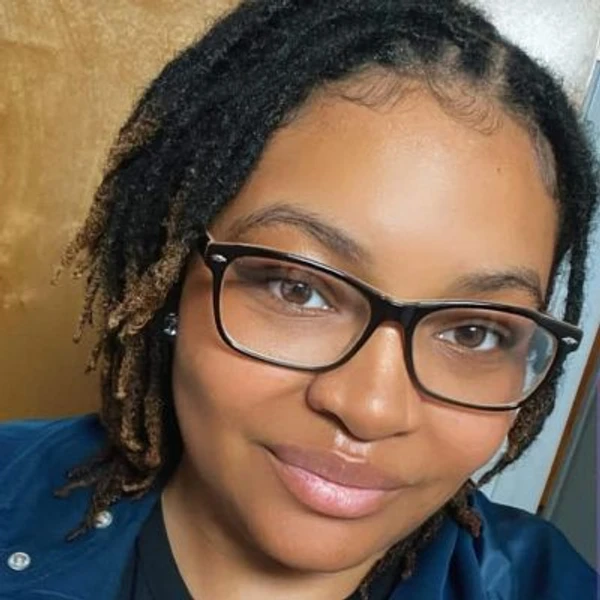
Brittany Bell
Sgt. Albert Dono Ware Memorial Scholarship Essay
19 May 2026
You hear screaming through the trailer walls again. Another argument. Another grown man threatening your mother. Another night of chaos while children sit frozen, pretending not to be afraid. You are too young to fully understand addiction, trauma, emotional dysregulation, or generational poverty. You only know survival. You only know that the adults around you are hurting too.
That was my beginning.
I was born into a world shaped by addiction, instability, father absence, poverty, and emotional pain. My mother struggled with addiction and abusive relationships before eventually fighting to change her life. My biological father battled alcoholism. Many of the adults around me were surviving emotionally wounded while trying to raise children through systems and cycles they themselves had never escaped. As a child, I witnessed violence, emotional instability, financial hardship, and broken relationships long before I had the language to describe what I was seeing.
Now, at 36 African American woman, substitute teacher, psychology student, and first-generation college student, I look back and realize how deeply those experiences shaped my understanding of service, sacrifice, and bravery. Sgt. Albert Dono Wareβs legacy reminds me that service and sacrifice are not always dramatic acts performed on a battlefield. Sometimes they happen quietly through perseverance, mentorship, education, faith, and choosing to uplift others while overcoming struggles of your own.
One of the biggest challenges I believe the African diaspora in the United States currently faces is the breakdown of healthy structure within families and communities, especially father absence and the lack of positive leadership consistently modeled for children. Young people naturally search for identity, guidance, discipline, and purpose. Too often, gangs, toxic internet culture, violence, and emotionally immature adults become the examples many children follow because they simply do not see enough healthy alternatives around them.
As a substitute teacher, I witness the effects of this regularly. Children openly tell me they go home and sit alone in their rooms because nobody has time to talk to them. Many are being raised by exhausted single mothers or grandparents carrying responsibilities that were never meant for one person alone. I see students struggling with emotional regulation, disrespect toward authority, low attention spans, hopelessness, anxiety, and behavioral issues that often reflect much deeper pain underneath the surface.
At the same time, I do not believe our communities are hopeless. I believe many people are overwhelmed, unsupported, traumatized, and disconnected from healthy examples of leadership and stability. I also believe education, mentorship, discipline, mental health support, faith, and community involvement can help rebuild what has been broken.
Education completely changed the direction of my own life.
Growing up in special education classes, I often believed I simply was not smart enough for higher education. I struggled with dyscalculia and learning differences that were not fully understood until later in life. I watched other students seem naturally organized and academically confident while I struggled with memory retention, numbers, and processing information quickly. Eventually, I internalized the idea that college simply was not for me.
What changed my perspective was knowledge. The Bible says, βMy people perish from a lack of knowledge.β I believe that deeply. Returning to college as an adult taught me that learning differently does not mean being incapable. I realized many students who fall behind academically are not unintelligent at all. Some are traumatized. Some simply were never properly supported.
That realization made me more compassionate toward African American youth growing up in circumstances similar to my own. Many children are carrying adult-sized emotional burdens before they even reach high school. If they struggle academically, especially with ADHD, dyslexia, or learning disabilities, they are often at greater risk for poverty, hopelessness, low-paying jobs, and eventually criminal behavior because they begin believing they are failures before adulthood even starts.
That is why I believe meaningful reform must involve more than politics alone. We need stronger father involvement programs, increased mental health access, more Black educators, mentorship opportunities, after-school programs, educational support for neurodivergent students, trade education opportunities, and community spaces where children can experience something greater than what they currently see every day.
I would especially love to see programs that expose children to colleges, trade schools, entrepreneurship, financial literacy, emotional intelligence, and practical life skills. I recently watched a mentorship program where young men were learning everything from etiquette and conflict resolution to changing tires and respecting people with disabilities. I realized many children are not lacking potential. They are lacking guidance, exposure, structure, and consistent examples.
Real change will require collaboration between parents, educators, churches, mental health professionals, nonprofit organizations, mentors, trade programs, community leaders, and local governments that are genuinely invested in rebuilding the next generation instead of simply reacting to crises after they happen.
Service and sacrifice have shaped my personal journey as well. Returning to school full-time in my thirties while raising my daughter, grieving loved ones, and balancing financial struggles while continuing forward has required sacrifice every single day. As a Christian, I also believe purpose often requires denying comfort in order to become who God created you to be.
Losing parents, grandparents, nephews, and other loved ones taught me something that permanently changed my perspective: life is short. We all have an expiration date. I do not want to leave this earth without becoming all I can be. This education is helping me build the knowledge and opportunities necessary to uplift others while breaking cycles within my own family and community.
Most importantly, I want people to understand that I was not handed a silver spoon. My life began in instability, addiction, poverty, and brokenness. For years, I believed it was too late for me to pursue higher education or change my circumstances. But eventually I realized something powerful: the time will pass anyway, God willing. I could either remain trapped in survival mode forever, or I could fight to become more than my environment expected me to be.
I chose to fight.