user profile avatar

Brayden Presley

1x

Finalist

Bio

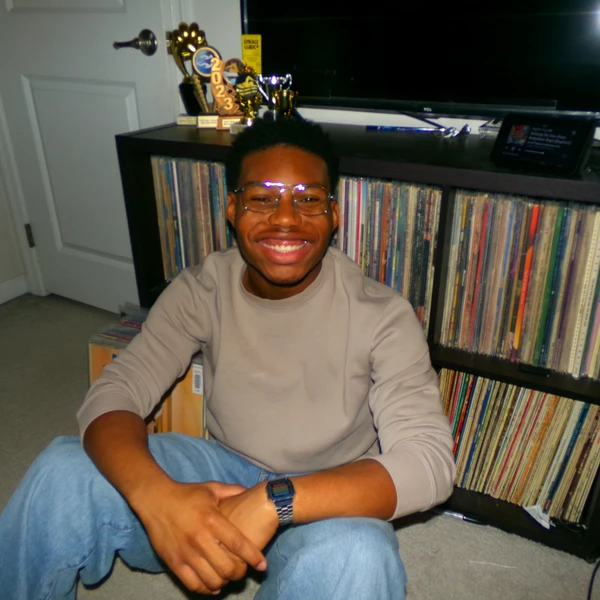
My name is Brayden Presley!! I'm a senior at West Allegheny Senior High School. I keep myself busy by being myself in a vast number of extracurricular activities, with some being marching band, speech and debate, black student union, and many more. Through these activities, I use networking skills to make new connections with others. I believe that education is something we often take for granted, and we must utilize the numerous opportunities available in this country to succeed. My goals later in life include being a sports broadcaster for the NBA and also being a real estate agent. I also take pride in many hobbies, including collecting vinyl records, thrifting, and photography.

Education

West Allegheny Senior High School

High School
2022 - 2026

Miscellaneous

  • Desired degree level:

    Bachelor's degree program

  • Majors of interest:

    • Communication, Journalism, and Related Programs, Other
    • Real Estate
    • Music
  • Not planning to go to medical school
  • Career

    • Dream career field:

      Broadcast Media

    • Dream career goals:

      NBA commentator

    • Cart Attendant

      Target
      2025 – Present1 year
    • Lifeguard

      Settlers Cabin Wave Pool
      2024 – Present2 years
    • Broadcaster/announcer

      West Allegheny Sports Broadcast Internship
      2024 – Present2 years

    Sports

    Weightlifting

    Intramural
    2022 – Present4 years

    Track & Field

    Varsity
    2023 – Present3 years

    Swimming

    Varsity
    2022 – 20242 years

    Arts

    • West Allegheny Marching Band

      Visual Arts
      2022 – Present

    Public services

    • Volunteering

      Iota Phi Foundation — Scarer
      2024 – 2024

    Future Interests

    Entrepreneurship

    Christian Fitness Association General Scholarship
    Throughout my high school career, I have committed myself to excellence in academics, leadership, service, athletics, and the arts. I challenged myself not to be defined by a single activity, but to grow in every space where I could make a difference. I believe I should be considered for this scholarship because I have consistently demonstrated discipline, initiative, and a genuine commitment to uplifting my school and community while preparing for a future centered on leadership and communication. One of my proudest accomplishments is maintaining perfect attendance from 5th through 12th grade. For eight consecutive years, I showed up to school every single day. This achievement reflects reliability, perseverance, and respect for education. It required discipline, time management, and the determination to push through challenges without excuses. Showing up consistently allowed me to fully invest in academics and extracurricular activities, building the foundation for everything else I achieved. Leadership has been the cornerstone of my high school experience. I have served as Student Council President for four consecutive years (2022–2025), representing student voices and organizing initiatives that strengthened school spirit and unity. As a 2025–26 Senior Ambassador, I also help welcome prospective students and families, serving as a representative of our school’s values. In addition, I have been a student leader on the Equity Scholar Panel within the Black Student Union for three years, where I helped facilitate conversations about equity, identity, and inclusion. My involvement in JROTC for four years further strengthened my leadership skills and sense of responsibility. I rose to the rank of Gunnery/First Sergeant, a role that required accountability, mentorship, and the ability to lead under pressure. I also served on the JROTC Color Guard for two years, representing my school at ceremonies and community events with professionalism and pride. Communication and performance are among my greatest strengths. As a three-year member of the speech and debate team, I served as team captain during the 2024–25 and 2025–26 seasons. I qualified for the 2025 PHSSL state tournament and became the 2025 Duo Interpretation PHSSL state champion. This accomplishment required countless hours of rehearsal, emotional expression, and collaboration. Speech and debate taught me confidence, critical thinking, and how to use my voice effectively. I have also developed real-world communication skills through a two-year sports broadcasting internship. In this role, I announced and broadcasted numerous athletic events, including middle school football, varsity football, boys’ and girls’ soccer, volleyball, swimming and diving, and boys’ and girls’ basketball. I delivered live reads at major championship events, including the 2024 WPIAL football championships at Acrisure Stadium and the 2025 WPIAL basketball championships at the University of Pittsburgh campus. I also broadcasted WPIAL and PIAA playoff games as well as the CJ2K Summer League. These experiences strengthened my professionalism, composure under pressure, and ability to communicate with large audiences. Music has played a central role in my development as well. I participated in marching band for four years as a clarinet player and served as a section leader during the 2025–26 season. I also performed in concert band for three years on bass clarinet. Band required discipline, teamwork, and long hours of practice, often balancing rehearsals with other responsibilities. It taught me how individual effort contributes to collective success. Athletics have also been an important part of my journey. I competed in track and field for three years (2023–2025), earning MAC qualifier honors each season. Additionally, I was a member of the varsity swimming team for two years, where I qualified for MAC championships in 2023 and 2024 and served as a WPIAL alternate both years. These experiences taught me resilience, time management, and how to push beyond physical and mental limits. Service to others has remained a constant priority. For four years, I served as a school spokesperson for the Eradicate Hate initiative, promoting unity and combating discrimination. My involvement led to features on KDKA and NBC, where I represented my school and advocated for positive change. I also volunteered through a Learn to Swim program in 2023, teaching young children essential water safety skills. Additionally, I participated in the 2025 Omega Psi Phi HBCU College Tour, exploring higher education opportunities and connecting with a legacy of academic excellence. Even in smaller ways, I sought opportunities to grow. I joined the chess club for one year to challenge my strategic thinking and problem-solving skills. Each activity, large or small, contributed to the person I am today. Collectively, these experiences demonstrate my dedication to leadership, service, perseverance, and growth. I do not simply participate—I commit, lead, and strive to leave each organization stronger than I found it. This scholarship would not only recognize my efforts but also support my continued pursuit of higher education and a career where I can use my voice to inform, inspire, and uplift others. I have spent my high school years showing up, stepping forward, and serving others. With this scholarship, I will continue that mission—working to create opportunities not only for myself, but for the communities I will represent in the future.
    Love Island Fan Scholarship
    Challenge Name: “Heart vs. Head” Concept: This challenge tests both emotional connection and strategic thinking, combining physical, mental, and social gameplay. Islanders must navigate tasks that reveal their compatibility while putting their relationships—and alliances—to the test. The twist? There’s a competitive element where both teamwork and individual strategy matter. Set-Up: The challenge takes place in a large, multi-zone arena with three main sections: The Puzzle Zone: A giant heart-shaped puzzle is divided into pieces scattered across a sand and water course. Couples must work together to retrieve pieces while completing small obstacles (like wading through shallow water, balancing across beams, or collecting floating tokens). The Truth Zone: At the center of the arena, a “truth circle” awaits. Before placing their puzzle pieces, each couple must answer questions about each other—some lighthearted (favorite memory together) and some challenging (what’s one thing you’d change about your partner?). Correct answers earn bonus points or extra puzzle pieces. The Strategy Zone: Once puzzles are mostly assembled, all couples must compete to steal neutral pieces to complete their heart faster than rivals. Here, individual strategy comes into play: do you sabotage another couple or risk your own heart by helping a partner? Rules: Couples start at opposite ends of the arena. Obstacles must be completed in order to collect puzzle pieces. Only one couple can be in the Truth Zone at a time. Timing is key! Bonus pieces from Truth Zone questions can give a major edge. The first couple to fully complete their heart wins the challenge. Twist: At the end of the challenge, the winning couple chooses one other couple to share a private date or a small luxury prize—forcing social strategy and alliances to come into play. Why It Works: Combines physical skill, mental sharpness, and emotional vulnerability. Encourages honesty, while also allowing strategy and playful sabotage. Keeps the audience entertained with drama, romance, and competitive tension. Tests relationships in multiple ways: can couples communicate under pressure? Can they handle tough questions? Can they trust each other while competing? Reward: The winning couple gets a romantic sunset date, complete with champagne and a personal keepsake, giving both a prize and a status boost in the villa.
    JobTest Career Coach Scholarship for Law Students
    As a young Black American in a predominantly white field, racism has forced me to create some of the most meaningful positive changes in my life. While discrimination itself is never good, the way I was forced to respond to it shaped me into who I am today. It gave me a deeper understanding of myself, strengthened my character, and changed how I view the world. I spent my elementary and early middle school years in Solon, Ohio, a district known for its diversity. In Solon, inclusion was the norm, and I rarely felt different from anyone else. Students of all backgrounds learned together, and I never had to think about my race defining how people saw me. That sense of belonging changed in 2019 when my family moved to Pittsburgh. The transition was sudden, but it taught me how to adapt quickly and stay grounded during major change. Shortly after we moved, the pandemic shut down the world, and the Black Lives Matter movement filled every news station. I watched countless videos of people who looked like me being mistreated for simply standing up for what was right. I felt powerless, angry, and deeply saddened, but those moments also forced me to mature emotionally. I began to realize that my identity would affect how people perceived and treated me, whether I was ready for it or not. Once school resumed and life became more normal, I began to experience that reality firsthand. In stores, staff members watched me closely, as if expecting me to steal. In my neighborhood, people stared at me as I walked by, making me feel like I did not belong. At school, social interactions were often uncomfortable and filled with assumptions about who I was. Instead of responding with anger, I learned self-control, discipline, and emotional intelligence. Those experiences taught me that my worth is not determined by others’ ignorance. For a long time, I questioned my identity. I wondered what it truly meant to be Black in spaces where I was often the only one. Over time, I realized that my identity was not something others could define for me. I had the power to define it for myself by staying true to who I was and refusing to fit into stereotypes. Speech and Debate became the place where everything changed. Through Duo Interpretation, I found a space where my voice mattered. Performing allowed me to express emotion, tell stories, and be heard in ways I never had before. My junior year, my partner and I won the state title. That award meant more than a plaque—it was proof that the kid who once questioned whether he belonged could stand in front of a room full of people and be respected. Because of these experiences, I plan to pursue a career in broadcasting and communications. I want to use my voice to tell stories, challenge stereotypes, and give representation to people who are often overlooked. By studying communications and continuing to grow through Speech and Debate, I will develop the skills needed to inform, inspire, and connect with audiences. My journey has prepared me not just to succeed, but to make a difference.
    Ethel Hayes Destigmatization of Mental Health Scholarship
    As a young Black American in a predominantly white field, racism has forced me to create some of the most meaningful positive changes in my life. While discrimination itself is never good, the way I was forced to respond to it shaped me into who I am today. It gave me a deeper understanding of myself, strengthened my character, and changed how I view the world. I spent my elementary and early middle school years in Solon, Ohio, a district known for its diversity. In Solon, inclusion was the norm, and I rarely felt different from anyone else. Students of all backgrounds learned together, and I never had to think about my race defining how people saw me. That sense of belonging changed in 2019 when my family moved to Pittsburgh. The transition was sudden, but it taught me how to adapt quickly and stay grounded during major change. Shortly after we moved, the pandemic shut down the world, and the Black Lives Matter movement filled every news station. I watched countless videos of people who looked like me being mistreated for simply standing up for what was right. I felt powerless, angry, and deeply saddened, but those moments also forced me to mature emotionally. I began to realize that my identity would affect how people perceived and treated me, whether I was ready for it or not. Once school resumed and life became more normal, I began to experience that reality firsthand. In stores, staff members watched me closely, as if expecting me to steal. In my neighborhood, people stared at me as I walked by, making me feel like I did not belong. At school, social interactions were often uncomfortable and filled with assumptions about who I was. Instead of responding with anger, I learned self-control, discipline, and emotional intelligence. Those experiences taught me that my worth is not determined by others’ ignorance. For a long time, I questioned my identity. I wondered what it truly meant to be Black in spaces where I was often the only one. Over time, I realized that my identity was not something others could define for me. I had the power to define it for myself by staying true to who I was and refusing to fit into stereotypes. Speech and Debate became the place where everything changed. Through Duo Interpretation, I found a space where my voice mattered. Performing allowed me to express emotion, tell stories, and be heard in ways I never had before. My junior year, my partner and I won the state title. That award meant more than a plaque—it was proof that the kid who once questioned whether he belonged could stand in front of a room full of people and be respected. Because of these experiences, I plan to pursue a career in broadcasting and communications. I want to use my voice to tell stories, challenge stereotypes, and give representation to people who are often overlooked. By studying communications and continuing to grow through Speech and Debate, I will develop the skills needed to inform, inspire, and connect with audiences. My journey has prepared me not just to succeed, but to make a difference.
    Ava Wood Stupendous Love Scholarship
    As a young Black American in a predominantly white field, racism has forced me to create some of the most meaningful positive changes in my life. While discrimination itself is never good, the way I was forced to respond to it shaped me into who I am today. It gave me a deeper understanding of myself, strengthened my character, and changed how I view the world. I spent my elementary and early middle school years in Solon, Ohio, a district known for its diversity. In Solon, inclusion was the norm, and I rarely felt different from anyone else. Students of all backgrounds learned together, and I never had to think about my race defining how people saw me. That sense of belonging changed in 2019 when my family moved to Pittsburgh. The transition was sudden, but it taught me how to adapt quickly and stay grounded during major change. Shortly after we moved, the pandemic shut down the world, and the Black Lives Matter movement filled every news station. I watched countless videos of people who looked like me being mistreated for simply standing up for what was right. I felt powerless, angry, and deeply saddened, but those moments also forced me to mature emotionally. I began to realize that my identity would affect how people perceived and treated me, whether I was ready for it or not. Once school resumed and life became more normal, I began to experience that reality firsthand. In stores, staff members watched me closely, as if expecting me to steal. In my neighborhood, people stared at me as I walked by, making me feel like I did not belong. At school, social interactions were often uncomfortable and filled with assumptions about who I was. Instead of responding with anger, I learned self-control, discipline, and emotional intelligence. Those experiences taught me that my worth is not determined by others’ ignorance. For a long time, I questioned my identity. I wondered what it truly meant to be Black in spaces where I was often the only one. Over time, I realized that my identity was not something others could define for me. I had the power to define it for myself by staying true to who I was and refusing to fit into stereotypes. Speech and Debate became the place where everything changed. Through Duo Interpretation, I found a space where my voice mattered. Performing allowed me to express emotion, tell stories, and be heard in ways I never had before. My junior year, my partner and I won the state title. That award meant more than a plaque—it was proof that the kid who once questioned whether he belonged could stand in front of a room full of people and be respected. Because of these experiences, I plan to pursue a career in broadcasting and communications. I want to use my voice to tell stories, challenge stereotypes, and give representation to people who are often overlooked. By studying communications and continuing to grow through Speech and Debate, I will develop the skills needed to inform, inspire, and connect with audiences. My journey has prepared me not just to succeed, but to make a difference.
    Jose Montanez Memorial Scholarship
    No As a young Black American in a predominantly white field, racism has forced me to create some of the most meaningful positive changes in my life. While discrimination itself is never good, the way I was forced to respond to it shaped me into who I am today. It gave me a deeper understanding of myself, strengthened my character, and changed how I view the world. I spent my elementary and early middle school years in Solon, Ohio, a district known for its diversity. In Solon, inclusion was the norm, and I rarely felt different from anyone else. Students of all backgrounds learned together, and I never had to think about my race defining how people saw me. That sense of belonging changed in 2019 when my family moved to Pittsburgh. The transition was sudden, but it taught me how to adapt quickly and stay grounded during major change. Shortly after we moved, the pandemic shut down the world, and the Black Lives Matter movement filled every news station. I watched countless videos of people who looked like me being mistreated for simply standing up for what was right. I felt powerless, angry, and deeply saddened, but those moments also forced me to mature emotionally. I began to realize that my identity would affect how people perceived and treated me, whether I was ready for it or not. Once school resumed and life became more normal, I began to experience that reality firsthand. In stores, staff members watched me closely, as if expecting me to steal. In my neighborhood, people stared at me as I walked by, making me feel like I did not belong. At school, social interactions were often uncomfortable and filled with assumptions about who I was. Instead of responding with anger, I learned self-control, discipline, and emotional intelligence. Those experiences taught me that my worth is not determined by others’ ignorance. For a long time, I questioned my identity. I wondered what it truly meant to be Black in spaces where I was often the only one. Over time, I realized that my identity was not something others could define for me. I had the power to define it for myself by staying true to who I was and refusing to fit into stereotypes. Speech and Debate became the place where everything changed. Through Duo Interpretation, I found a space where my voice mattered. Performing allowed me to express emotion, tell stories, and be heard in ways I never had before. My junior year, my partner and I won the state title. That award meant more than a plaque—it was proof that the kid who once questioned whether he belonged could stand in front of a room full of people and be respected. Because of these experiences, I plan to pursue a career in broadcasting and communications. I want to use my voice to tell stories, challenge stereotypes, and give representation to people who are often overlooked. By studying communications and continuing to grow through Speech and Debate, I will develop the skills needed to inform, inspire, and connect with audiences. My journey has prepared me not just to succeed, but to make a difference.
    Grace In Action Scholarship
    As a young Black American in a predominantly white field, racism has forced me to create some of the most meaningful positive changes in my life. While discrimination itself is never good, the way I was forced to respond to it shaped me into who I am today. It gave me a deeper understanding of myself, strengthened my character, and changed how I view the world. I spent my elementary and early middle school years in Solon, Ohio, a district known for its diversity. In Solon, inclusion was the norm, and I rarely felt different from anyone else. Students of all backgrounds learned together, and I never had to think about my race defining how people saw me. That sense of belonging changed in 2019 when my family moved to Pittsburgh. The transition was sudden, but it taught me how to adapt quickly and stay grounded during major change. Shortly after we moved, the pandemic shut down the world, and the Black Lives Matter movement filled every news station. I watched countless videos of people who looked like me being mistreated for simply standing up for what was right. I felt powerless, angry, and deeply saddened, but those moments also forced me to mature emotionally. I began to realize that my identity would affect how people perceived and treated me, whether I was ready for it or not. Once school resumed and life became more normal, I began to experience that reality firsthand. In stores, staff members watched me closely, as if expecting me to steal. In my neighborhood, people stared at me as I walked by, making me feel like I did not belong. At school, social interactions were often uncomfortable and filled with assumptions about who I was. Instead of responding with anger, I learned self-control, discipline, and emotional intelligence. Those experiences taught me that my worth is not determined by others’ ignorance. For a long time, I questioned my identity. I wondered what it truly meant to be Black in spaces where I was often the only one. Over time, I realized that my identity was not something others could define for me. I had the power to define it for myself by staying true to who I was and refusing to fit into stereotypes. Speech and Debate became the place where everything changed. Through Duo Interpretation, I found a space where my voice mattered. Performing allowed me to express emotion, tell stories, and be heard in ways I never had before. My junior year, my partner and I won the state title. That award meant more than a plaque—it was proof that the kid who once questioned whether he belonged could stand in front of a room full of people and be respected. Because of these experiences, I plan to pursue a career in broadcasting and communications. I want to use my voice to tell stories, challenge stereotypes, and give representation to people who are often overlooked. By studying communications and continuing to grow through Speech and Debate, I will develop the skills needed to inform, inspire, and connect with audiences. My journey has prepared me not just to succeed, but to make a difference.
    Valerie Rabb Academic Scholarship
    As a young Black American in a predominantly white field, racism has forced me to create some of the most meaningful positive changes in my life. While discrimination itself is never good, the way I was forced to respond to it shaped me into who I am today. It gave me a deeper understanding of myself, strengthened my character, and changed how I view the world. I spent my elementary and early middle school years in Solon, Ohio, a district known for its diversity. In Solon, inclusion was the norm, and I rarely felt different from anyone else. Students of all backgrounds learned together, and I never had to think about my race defining how people saw me. That sense of belonging changed in 2019 when my family moved to Pittsburgh. The transition was sudden, but it taught me how to adapt quickly and stay grounded during major change. Shortly after we moved, the pandemic shut down the world, and the Black Lives Matter movement filled every news station. I watched countless videos of people who looked like me being mistreated for simply standing up for what was right. I felt powerless, angry, and deeply saddened, but those moments also forced me to mature emotionally. I began to realize that my identity would affect how people perceived and treated me, whether I was ready for it or not. Once school resumed and life became more normal, I began to experience that reality firsthand. In stores, staff members watched me closely, as if expecting me to steal. In my neighborhood, people stared at me as I walked by, making me feel like I did not belong. At school, social interactions were often uncomfortable and filled with assumptions about who I was. Instead of responding with anger, I learned self-control, discipline, and emotional intelligence. Those experiences taught me that my worth is not determined by others’ ignorance. For a long time, I questioned my identity. I wondered what it truly meant to be Black in spaces where I was often the only one. Over time, I realized that my identity was not something others could define for me. I had the power to define it for myself by staying true to who I was and refusing to fit into stereotypes. Speech and Debate became the place where everything changed. Through Duo Interpretation, I found a space where my voice mattered. Performing allowed me to express emotion, tell stories, and be heard in ways I never had before. My junior year, my partner and I won the state title. That award meant more than a plaque—it was proof that the kid who once questioned whether he belonged could stand in front of a room full of people and be respected. Because of these experiences, I plan to pursue a career in broadcasting and communications. I want to use my voice to tell stories, challenge stereotypes, and give representation to people who are often overlooked. By studying communications and continuing to grow through Speech and Debate, I will develop the skills needed to inform, inspire, and connect with audiences. My journey has prepared me not just to succeed, but to make a difference.
    Matthew E. Minor Memorial Scholarship
    I am someone who has grown up navigating challenges that have shaped my perspective, resilience, and goals. From a young age, I have been involved in numerous school activities, including band, Speech and Debate, and various leadership roles. These experiences have allowed me to develop skills in communication, teamwork, and mentorship, and they have taught me the value of contributing to a community. I have always enjoyed helping others, whether by guiding younger students in public speaking, offering support in school programs, or encouraging peers to pursue their goals despite obstacles. Growing up, I faced both financial and social challenges. My mother has been the primary provider for our family and the only one helping me prepare for college financially. Her sacrifices have made me determined to pursue higher education responsibly and to make the most of every opportunity. Scholarships and financial support are essential for me to access college, afford tuition, books, and other necessities, and focus fully on my studies and community involvement. Attending a predominantly white school also exposed me to racism and discriminatory treatment. From subtle stares in public to hurtful jokes about my appearance or assumptions about my abilities, these experiences taught me resilience and the importance of self-confidence. They also motivated me to create positive change for others who may face similar challenges. I want to use my education and skills to give back to my community, ensuring that younger students feel seen, supported, and safe in their environments. Keeping youth safe both in person and online is something I take seriously. Through mentorship and community involvement, I encourage younger students to recognize bullying behaviors and understand their consequences. I teach them strategies for addressing conflict safely, whether by seeking help from trusted adults, using communication to de-escalate situations, or maintaining privacy online to prevent cyberbullying. By fostering environments where respect and empathy are prioritized, I aim to reduce instances of harm and empower youth to feel confident and secure. Ultimately, my experiences with racism, financial challenges, and navigating a single-parent household have shaped my goals and commitment to service. I hope to use my education to amplify underrepresented voices, mentor youth, and create programs that address bullying and discrimination in schools and online. By giving back to my community, I aim to ensure that future generations have the support and guidance they need to thrive, even in the face of adversity. My commitment is to turn my experiences into opportunities for positive change and to inspire others to do the same.
    Rev. and Mrs. E B Dunbar Scholarship
    Attending a predominantly white school in Pennsylvania was one of the most challenging experiences of my life, but it ultimately shaped me into the person I am today. Moving from a diverse environment, I suddenly found myself in a setting where I was one of the few Black students. Almost immediately, I began to notice how differently people treated me. From stares in public to assumptions about my behavior, the subtle and overt signs of racism were everywhere. People made jokes about my appearance, questioning my lips, my athletic abilities, or even my culture. At first, these moments were isolating and frustrating, and I often struggled to process my emotions. Over time, I learned that I could not let the ignorance of others dictate my self-worth. I began to develop resilience, patience, and confidence, recognizing that their assumptions and jokes were reflections of their own biases, not of me. I learned to control my emotions and respond thoughtfully, turning challenging moments into lessons in self-awareness and composure. This experience taught me that personal growth often comes from navigating adversity, and that maintaining authenticity is more important than conforming to others’ expectations. Some peers even questioned how I “acted” or “dressed,” implying I didn’t fit their stereotypes of a Black student. Those moments forced me to reflect on my identity and embrace who I truly am. I realized that I could define myself on my own terms, honor my values, and reject the pressure to conform to narrow ideas about race. These challenges also strengthened my leadership skills and ambition. I became more intentional about building connections, advocating for myself, and supporting others who faced similar situations. I learned how to navigate difficult social dynamics, communicate effectively, and persevere despite obstacles. My time at a predominantly white school taught me resilience, self-confidence, and critical thinking. Experiencing racism and stereotypes firsthand showed me the importance of staying true to myself, controlling my emotions, and using challenges as opportunities for growth. These lessons have shaped my goals and values, and I hope to use my education and future career to amplify underrepresented voices, challenge biases, and inspire others to persevere despite adversity. My experiences have given me the strength to turn challenges into opportunities, and I carry these lessons with me every day.
    Zedikiah Randolph Memorial Scholarship
    I am a student who has grown up navigating challenges that have shaped my perspective, resilience, and goals. Raised in a single-parent household, I learned early the importance of perseverance, responsibility, and empathy. My father left when I was one, and my mother cared for me and my two older sisters while balancing work and household responsibilities. During those early years, we lived with my grandfather, and my mother had to assume both parental roles. She worked tirelessly to ensure we had what we needed, and my oldest sister, Paris, often stepped in to help with school supplies and other necessities because my father contributed so little financially. These experiences taught me the value of hard work, sacrifice, and supporting others in meaningful ways. From a young age, I have been drawn to communication, storytelling, and connecting with people. This led me to pursue a degree in journalism, with the goal of entering sports broadcasting. I want to use this platform to highlight stories that might otherwise go unheard, to challenge stereotypes, and to create content that reflects the diversity and humanity of the people and communities I cover. Journalism is a field where representation matters; in sports media, Black voices are still underrepresented, and my presence can help shift that balance. Making an impact on my community is a central part of my goals. I have been involved in mentorship programs, helping younger students develop communication skills, confidence, and leadership abilities. I also volunteer with youth programs focused on teamwork, public speaking, and safe engagement online, helping students recognize and respond to bullying or harassment. My hope is that through my work both in media and in my community I can provide guidance, representation, and encouragement for young people who may feel overlooked or underestimated. In my chosen field, Black representation is still limited. According to recent data, only a small percentage of sports journalists and broadcasters are Black, and the same is true across many areas of media and communications. By pursuing a career in this space, I hope to inspire the next generation to see themselves in positions they may not have thought were accessible. I want to demonstrate that dedication, preparation, and resilience can open doors, and that their voices matter. I plan to continue giving back by mentoring youth, sharing my experiences, and creating opportunities for others to enter the field of journalism. I hope to show aspiring broadcasters that representation is powerful, and that by pursuing their goals with determination, they can increase the odds for themselves and for future generations. My experiences growing up navigating single-parent challenges, facing discrimination, and learning to persevere have prepared me not only to succeed in my career but also to serve as a role model who demonstrates that success is possible even in spaces where representation is limited. I chose journalism because it allows me to tell authentic stories, advocate for underrepresented voices, and connect with people in meaningful ways. By pursuing this path, I hope to make a lasting impact on both my community and my field, inspiring others to follow in my footsteps and continue to break barriers.
    David Foster Memorial Scholarship
    Throughout my high school experience, one teacher has had a profound and lasting impact on who I am and how I approach life: my band director and Speech and Debate coach, Mr. Fox. When I first moved to Pennsylvania and enrolled in a predominantly white school, I felt out of place. The transition was difficult; I was navigating a new environment, unfamiliar social dynamics, and the subtle and sometimes not-so-subtle effects of racism and discrimination. Mr. Fox immediately made me feel welcome. From the first day, he treated me with respect and genuine care, showing interest not just in my musical abilities but in me as a person. That support helped me feel a sense of belonging in a community where I initially felt like an outsider. What sets Mr. Fox apart is his commitment to both education and self-education. Over the years, we have had countless conversations about life, race, and the importance of perspective. He doesn’t shy away from discussing difficult topics, including racism and inequality, and he always approaches them with openness, humility, and a willingness to learn. Those discussions challenged me to think critically about the world around me and to reflect on my own experiences, including the discrimination I have faced and the resilience I’ve developed as a result. He taught me that understanding others and educating yourself are ongoing processes, and that engaging in those conversations is crucial to personal growth. Mr. Fox also challenged me to grow through practical life skills. He introduced me to investing and financial literacy, teaching me the basics of the stock market, budgeting, and long-term planning. That knowledge has shaped how I approach decisions today and encouraged me to think strategically about my future. As my Speech and Debate coach, Mr. Fox taught me much more than performance techniques. He guided me on handling both success and setbacks. Early on, when I lost rounds or struggled to perform confidently, I would let frustration and self-doubt affect me. Mr. Fox taught me to view losses as opportunities to learn and improve rather than as reflections of my worth. That mindset was invaluable in my growth as a competitor and helped me persevere, ultimately contributing to winning a state title in Speech and Debate during my junior year. Those lessons in resilience and emotional management extend far beyond competitions they shape how I face challenges in life, maintain focus under pressure, and approach setbacks with humility and determination. Mr. Fox’s mentorship has had a lasting impact on my personal and academic growth. He showed me the importance of empathy, self-reflection, preparation, and resilience, while encouraging me to pursue my passions and maintain integrity in all that I do. From making me feel welcome in a new environment to guiding me through the highs and lows of competition and teaching me practical skills like investing, Mr. Fox has shaped the person I am today and continues to inspire how I approach my future.
    Charles Bowlus Memorial Scholarship
    Growing up in a single-parent household profoundly shaped who I am and influenced my career aspirations. My father left when I was just one year old, leaving my mother to care for me and my two older sisters on her own. For the first few years, we lived with my grandfather, and my mother had to fill both roles providing love, guidance, and support while shouldering responsibilities that most parents share. From managing finances to ensuring we had the clothes and school supplies we needed, she carried the weight of raising a family alone. There were many times my father came around, but only when it was convenient for him, and it was clear he prioritized his other children from my stepmother over me. My oldest sister, Paris, often stepped up to help, even buying my school supplies before the new school year because my father contributed so little financially. Growing up, I struggled to control my emotions. I often felt frustration, anger, and sadness over my father’s absence and the challenges of being raised in a single-parent household. Witnessing my mother manage both roles while navigating financial stress and emotional strain was inspiring, but it also left me unsure how to process my own feelings. I carried this burden quietly, reacting impulsively at times, until fifth grade when my stepdad entered my life. He became a guiding presence, teaching me how to process my emotions and practice emotional intelligence. He helped me recognize that my reactions mattered, that pausing before responding could turn moments of anger or frustration into opportunities for growth. With his guidance, I learned patience, empathy, and the value of thinking critically about my own behavior.Experiences with racism further complicated my emotional journey. Living in predominantly white environments, I was often subjected to stares, assumptions, and discriminatory treatment that left me feeling isolated. There were moments in public where staff would watch me more closely than others or give subtle looks that reminded me I didn’t belong. My stepdad taught me how to navigate these experiences with grace and composure, reinforcing the importance of emotional intelligence in handling both personal and societal challenges.These experiences directly influenced my career aspirations. I want to pursue a path specifically in sports broadcasting where I can communicate effectively, connect with diverse audiences, and tell stories that matter. Through my experiences, I have learned that communication is more than words—it is patience, empathy, and understanding. Whether analyzing a game, interviewing athletes, or connecting with audiences, my upbringing has given me the skills to process complex emotions, engage thoughtfully, and lead with integrity. This past summer, I even had a sit-down conversation with my father to address his absence and its impact on me. That discussion was challenging but necessary; it gave me closure, perspective, and a renewed sense of strength. I realized that, despite his shortcomings, the responsibility I had to build myself into a resilient, thoughtful individual rested with me. My family’s struggles including financial challenges, my father’s sporadic presence, and the sacrifices my mother and sisters made have instilled in me a commitment to perseverance, accountability, and leadership. Ultimately, growing up without a fully present father, navigating financial and emotional challenges, experiencing discrimination, and learning emotional intelligence through my stepdad has shaped not just who I am, but who I aspire to become. I want to use these lessons in my career to tell stories that are authentic, impactful, and reflective of the human experience. These experiences taught me resilience, empathy, and the importance of using my voice intentionally lessons that will guide me in broadcasting and beyond.
    Katherine Vogan Springer Memorial Scholarship
    My journey in Speech and Debate taught me how to communicate powerfully, think clearly under pressure, and stand confidently in front of others skills that have shaped not only how I speak, but how I share my Christian faith. Speech and Debate isn’t just about performance or competition; it’s about telling meaningful stories and engaging honestly with others. That foundation became deeply spiritual for me during one of the most significant moments of my high school career. In my junior year, I competed in Duo Interpretation, a ten-minute performance event where two competitors bring a literary piece to life by portraying multiple characters, conveying emotion and narrative without props or costumes. This event challenges you to connect with your partner, communicate as one, and interpret a story in a way that moves an audience all while maintaining focus and discipline. The week of the state tournament, I was overwhelmed. It wasn’t just the pressure of competition; it was the weight of expectations my own and others’. At the time, I didn’t fully realize how much internal tension I was carrying until one night, I turned to the Lord in prayer. I prayed not for victory, but for peace, focus, and the ability to represent myself, my partner, and my faith with integrity. In that quiet moment of surrender, I felt a calmness wash over my nervousness. The next day, my partner and I competed with clarity and connection I hadn’t felt before. We won the state title in Duo Interpretation, a moment that was as much spiritual as it was competitive. Standing there, I realized my faith wasn’t separate from my performance it strengthened it. That experience taught me that when I rely on God for confidence and direction, I can approach every stage of life with humility and courage. Speech and Debate prepared me to share my faith in other ways, too. Through preparing speeches, interpreting texts, and engaging with judges and peers, I learned how to speak thoughtfully and respond respectfully to questions and challenges. I learned how to listen before speaking, a skill that has helped me have real conversations about my beliefs, not just deliver rehearsed answers. Sharing my faith isn’t about convincing others I’m right; it’s about expressing honestly who I am and why I believe what I believe. I also feel as if the Lord taught me lessons through losing, because in the end it led to my success. Ultimately, Speech and Debate didn’t just teach me to speak well it taught me to live intentionally. It taught me to bring my whole self to every conversation, including my faith. Because of that state title and more importantly, because of the prayer I offered before it my confidence in sharing my Christian faith has grown stronger, rooted in humility, clarity, and a genuine desire to connect with others.
    Mark A. Jefferson Teaching Scholarship
    I’ve learned that education doesn’t always happen at a desk or behind a chalkboard. Some of the most important lessons I’ve learned came from moments outside the classroom through conversation, observation, experience, and having someone believe in me when I didn’t fully believe in myself. Because of that, I don’t see myself becoming a traditional teacher, but I am deeply committed to educating and uplifting young people in other meaningful ways. Growing up as a young Black student in predominantly white environments, I often felt like I had to navigate school differently than my peers. There were moments of racism and discrimination that made me feel uncomfortable, misunderstood, or out of place. Sometimes it came through comments, sometimes through silence, and sometimes through assumptions made before I ever spoke. Those experiences stuck with me, not because I want to dwell on them, but because they showed me how powerful guidance, representation, and understanding can be for a young person who is still figuring out who they are. Speech and Debate became one of the spaces where I truly felt educated, not just academically but personally. It wasn’t about memorizing facts it was about learning how to use my voice, how to think critically, and how to stand confidently in front of others. Through that experience, I realized that education is about empowerment. It’s about helping someone realize their own potential. That realization changed how I think about my role in the world. I want to educate youth by meeting them where they are through mentorship, conversation, and visibility. Whether it’s speaking to students, working with youth programs, or eventually using a platform in sports media, I want young people to see someone who looks like them, understands them, and believes in them. Representation matters, especially for kids who don’t always see themselves reflected in positions of influence. I want to show them that success doesn’t have to fit a single mold. My goal is to educate through influence rather than instruction. I want to help young people understand that their voice matters, that their background is not a limitation, and that they don’t have to change who they are to be successful. I want to be someone they can look at and say, “If he did it, maybe I can too.” That kind of education lasts far beyond a classroom. Ultimately, I want my career whether in sports broadcasting, mentorship, or advocacy to serve as a bridge between opportunity and belief. I want to create spaces where young people feel seen, heard, and encouraged to pursue their goals with confidence. I may not stand at the front of a classroom, but I plan to educate by example, by presence, and by using my voice to open doors for others. If I can help the next generation feel less alone and more empowered, then I know I’m making a positive impact.
    Dream BIG, Rise HIGHER Scholarship
    Education has always been more than a classroom experience for me, it has been the force that gave my life direction when circumstances tried to take it away. Growing up as a young Black student in predominantly white environments, I was often forced to confront racism and discrimination long before I fully understood what those words meant. In school, I experienced stereotypes, micro aggressions, and comments that questioned my identity, intelligence, and belonging. Outside of school, discrimination followed me into public spaces being watched more closely in stores, receiving suspicious looks while walking through my neighborhood, or feeling the need to constantly monitor my behavior so I would not be perceived as a threat. These experiences were uncomfortable and discouraging, but they ultimately became the reason I leaned into education as a way to define myself on my own terms. At times, school felt like a place where I had to work twice as hard to be taken seriously. I was often judged before I spoke, and assumptions were made about how I should act, dress, or communicate. These moments challenged my confidence and forced me to reflect deeply on who I was and who I wanted to become. Instead of allowing these experiences to harden me or push me away from opportunity, I made a conscious decision to use education as a tool for growth and empowerment. I realized that knowledge, preparation, and self expression could give me a voice that could not be ignored. One of the most transformative educational experiences in my life has been Speech and Debate. What initially began as an extracurricular activity quickly became a space where I found purpose and clarity. Speech and Debate taught me how to think critically, speak confidently, and express ideas with intention. It pushed me to analyze complex topics, organize my thoughts, and present them under pressure skills that have shaped not only my academic life but also my sense of identity. In a world where I often felt misunderstood, Speech and Debate gave me control over my narrative. It allowed me to speak from my lived experience and turn moments of doubt and discrimination into powerful messages. Through Speech and Debate, I learned the value of persistence and preparation. I learned how to accept feedback without losing confidence, how to improve through repetition, and how to remain composed in high-pressure situations. These lessons extended beyond competition and into my everyday life. They taught me how to advocate for myself in spaces where I once felt invisible and how to carry myself with confidence even when others made assumptions about me. Education, through this program, showed me that my voice had value and that my perspective mattered. These experiences played a major role in shaping my long-term goal of becoming a sports broadcaster for the NBA. I have always loved sports not just for the competition, but for the stories behind the athletes. Sports reflect perseverance, discipline, teamwork, and resilience, qualities that mirror my own journey. As a broadcaster, I want to do more than analyze statistics or recap games. I want to tell meaningful stories, highlight the human side of athletes, and create connections with audiences who see themselves reflected in the game. Education has helped me realize that this career path requires strong communication skills, media literacy, confidence, and a deep understanding of storytelling all of which I continue to develop through my academic experiences. The challenges I have overcome, particularly racism and discrimination, have also shaped how I view success. They have taught me that success is not simply about personal achievement, but about impact. Because I know what it feels like to be marginalized, I am deeply committed to using my education to create opportunities for others. I want to mentor younger students, especially those who may feel discouraged or out of place due to their race or background. Whether through involvement in Speech and Debate, community outreach, or mentorship programs, I hope to help others find confidence in their voice and direction in their goals. Education has given me resilience, awareness, and purpose. It has taught me how to turn adversity into motivation and uncertainty into determination. It has also taught me the importance of representation. By pursuing a career in sports broadcasting, I hope to be a visible example that young Black students can succeed in spaces where they may not always feel welcomed. I want to show others that they do not have to fit into a narrow definition of success to belong. Ultimately, education has shaped my goals by giving me clarity and confidence in who I am and who I want to become. It has allowed me to transform experiences of discrimination into fuel for growth and ambition. With my education, I hope to build a future rooted in excellence, integrity, and service not just for myself, but for others who may still be searching for their voice. Education gave me direction when the world tried to limit me, and I intend to use it to create a future defined by opportunity, representation, and positive change.
    Second Chance Scholarship
    I want to make a change in my life because I refuse to let racism and discrimination dictate how far I can go or who I am allowed to become. Growing up as a young Black student in predominantly white environments, I frequently encountered moments that made me feel isolated, misunderstood, or unfairly judged. In school, I experienced comments, assumptions, and behaviors that made it clear I was being viewed through stereotypes rather than as an individual. Outside of school, discrimination followed me into public spaces, where I was often watched more closely, stared at differently, or made to feel as though I did not belong. These experiences were painful, but they also pushed me to reflect on my future and the kind of impact I wanted to make. To bring myself closer to my goal of becoming an NBA sports broadcaster, I have taken deliberate steps to strengthen my voice, confidence, and communication skills. Joining Speech and Debate was one of the most meaningful choices I made. It provided me with a structured environment to develop public speaking, critical thinking, and storytelling skills while learning how to perform under pressure. Through consistent practice, constructive feedback, and self discipline, I learned how to articulate my ideas clearly and advocate for myself in spaces where I once felt unheard. Speech and Debate also taught me how to address difficult topics, including race and identity, with confidence and professionalism skills that are essential in media and broadcasting. This scholarship would play a crucial role in helping me continue my journey toward higher education and professional growth. Financial support would allow me to focus more fully on my academic goals without the constant stress of tuition and related expenses. With this scholarship, I would be able to pursue a degree in communications, journalism, or media studies, gain hands-on experience through internships, and immerse myself in learning opportunities that prepare me for a competitive industry. Higher education is not just a personal goal for me it is a pathway to representation, influence, and change in a field where voices like mine are still underrepresented. Paying it forward is an essential part of why I want to succeed. Because I understand the emotional toll of racism and discrimination, I plan to support and mentor younger students who may be struggling with confidence, identity, or belonging. Whether through involvement in Speech and Debate programs, mentorship, or community outreach, I want to help others recognize the power of their voice. My goal is to turn adversity into opportunity not just for myself, but for those who come after me by creating spaces where everyone feels seen, heard, and valued.
    Evangelist Nellie Delores Blount Boyce Scholarship
    I am a driven, resilient, and purpose-oriented student whose life experiences have shaped both my character and my long-term goals. Growing up as a young Black student in predominantly white environments, I often faced discrimination in school and in public spaces that made me feel hyper-visible yet unheard. Those experiences forced me to mature early and develop confidence, self-awareness, and perseverance. Instead of allowing those moments to discourage me, I chose to let them fuel my ambition and clarify who I wanted to become. One of the most influential parts of my journey has been Speech and Debate, which helped me transform discomfort into confidence. What began as an extracurricular activity became a space where I discovered the power of my voice. Through countless hours of practice, competition, and self-reflection, I learned how to communicate under pressure, think critically, and connect with an audience. These skills directly align with my dream of becoming a sports broadcaster for the NBA. Winning a state title during my junior year was a defining moment not just because of the recognition, but because it represented persistence, discipline, and belief in myself. My commitment to pursuing higher education stems from my understanding that success in sports broadcasting requires both talent and preparation. College will provide me with the academic foundation needed to excel in a competitive and fast-paced industry. I plan to study communications, journalism, or media studies, where I can refine my storytelling abilities, improve my on-air presence, and gain hands-on experience in broadcasting. Higher education will also expose me to diverse perspectives, internships, and mentorship opportunities that are essential for long-term success in sports media. As an aspiring NBA broadcaster, my goal is to bring authenticity, insight, and representation to the profession. I want to be someone who not only analyzes the game but also tells the stories behind it the journeys, struggles, and triumphs that make sports meaningful. I hope to inspire young people, especially those who may feel overlooked or underestimated, to believe that their voices matter and that they belong in spaces where they may not always see themselves represented. Ultimately, I am pursuing higher education to turn my passion into purpose. I want to use my degree to inform and uplift audiences while contributing positively to the sports world. My goal is not simply to reach the NBA broadcasting stage, but to stand on it with integrity, excellence, and a commitment to opening doors for others who share similar dreams.
    Ronald Whitmore Jr. Scholarship
    Black excellence, to me, is the commitment to rise with strength, pride, and purpose in a world that often questions your worth before you ever speak. It is not about achieving success, but about how that success is earned through resilience and the refusal to allow discrimination to define your limits. Black excellence is the ability to remain authentic while navigating spaces that were not built with you in mind. I began to truly understand the meaning of Black excellence through my experiences with discrimination in school. Attending a predominantly white institution, I quickly realized that I was often viewed through a lens of stereotypes rather than individuality. I faced jokes about my appearance, comments about how I spoke, and remarks suggesting that I did not “act Black enough.” These moments forced me to question my identity at a young age. However, instead of allowing these experiences to break my confidence, Black excellence meant choosing self-definition over societal labels. I continued to excel academically, present myself with professionalism, and treat others with respect, even when that respect was not always returned. Discrimination also extended beyond the classroom and into public spaces. Whether it was being closely watched in stores, receiving uncomfortable stares while walking through my neighborhood, or feeling the need to be hyper aware of my behavior in everyday situations, these moments served as constant reminders that my presence was often scrutinized. While these experiences were unsettling, they taught me awareness, discipline, and emotional strength. Black excellence, in these moments, meant carrying myself with dignity and refusing to internalize prejudice. I learned that composure and confidence could be powerful forms of resistance. Speech and Debate became the environment where Black excellence truly flourished for me. It gave me a platform to transform lived experiences into meaningful expression. In a space where articulation, confidence, and perspective mattered, I found my voice. I learned how to challenge assumptions, advocate for myself, and speak on issues that mattered to me. Despite setbacks, losses, and moments of self-doubt, I persisted rewriting speeches, refining delivery, and embracing constructive criticism. That perseverance culminated in winning a state title my junior year, an achievement that symbolized not only success, but survival and growth. Black excellence is not about outperforming others to earn validation. It is about standing firm in who you are, uplifting others along the way, and transforming adversity into opportunity. It is the daily decision to move forward with confidence, to speak boldly in spaces where silence is expected, and to remain unapologetically Black while striving for greatness.
    Mema and Papa Scholarship
    Helpfulness has always been a natural part of who I am, largely because I was raised to believe that uplifting others is important. Throughout my life, I have demonstrated helpfulness by being someone people can rely on whether that meant offering support or simply showing up when it mattered most. One of the most meaningful ways I have demonstrated helpfulness is through Speech and Debate. As I grew more experienced and confident, I made it a priority to help younger teammates especially students who felt out of place or doubted their abilities, much like I once did. I stayed after practice to help write speeches, offered feedback during mock rounds, and encouraged teammates who were struggling with confidence. I understood how intimidating it could be to speak in front of others, so I worked to create an environment where everyone felt heard, supported, and capable. Helping others find their voice became just as important to me as using my own. Beyond academics, I have also demonstrated helpfulness through everyday actions—showing respect, patience, and kindness to people in my community. As a young black male who has often been misunderstood or unfairly judged, I am intentional about treating others with empathy. Whether it’s assisting classmates, supporting friends through difficult moments, or simply being a positive presence, I strive to leave people better than I found them. Persistence and perseverance have played a defining role in my personal success. Entering a predominantly white school environment, I often felt isolated and faced comments, assumptions, and discrimination that made me question my identity and belonging. Despite these challenges, I refused to let discomfort dictate my future. Instead of withdrawing, I pushed forward academically, socially, and personally. That persistence was most evident in my journey through Speech and Debate. Early on, I faced setbacks, losses, and self-doubt. There were rounds where I felt underestimated, but I continued to show up, revise my speeches, and refine my delivery. I practiced relentlessly, accepted criticism, and learned how to turn my lived experiences into powerful arguments. That perseverance ultimately led to success when I won a state title my junior year. That victory represented more than a trophy it was proof that consistency, resilience, and belief in oneself can overcome even the most discouraging obstacles. It showed me that persistence doesn’t always mean immediate success; sometimes it means continuing to stand tall until the moment success finally meets your effort.