Hobbies and interests
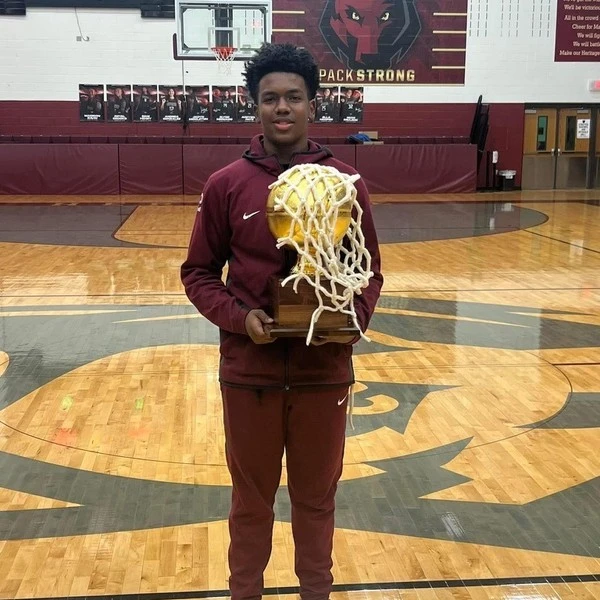
Basketball
Food And Eating
Football
Board Games And Puzzles
Gaming
Cooking
Reading
Sports and Games
I read books multiple times per month
Brandon Jenkins
1x
FinalistBrandon Jenkins
1x
FinalistBio
My goal is to pursue a career in sports management, more particularly athlete representation or athlete management. Working within a sports organization's front office is also something that interests me as a career goal. I want to help athletes navigate the business side of sports with support and integrity. I believe that sports can open doors, and build confidence and create a sense of community.
Basketball has taught me about having the proper work ethic to allow myself to be successful on and off the court. It has taught me leadership, discipline, communication skills and how to bring others together to strive for the common goal. I have helped volunteer at youth basketball camps and helped organize a number of service projects within my community through Guide Right/Kappa League. These service initiatives have allowed me to see how structure, encouragement, and representation can help change a person's path.
I feel I am a string candidate because I bring resilience, determination, empathy and a dedication to service. My experiences as a student-athlete, community volunteer and in my eyes, emerging leader have prepared me to use sports as a platform for growth, opportunity and unity. Investing in my education would mean investing in someone who is committed to making a real imoact in the sports world and beyond.
Education
Heritage H S
High SchoolMiscellaneous
Desired degree level:
Bachelor's degree program
Majors of interest:
- Sports, Kinesiology, and Physical Education/Fitness
Career
Dream career field:
Sports
Dream career goals:
Athlete representation/Management
Scorekeeper
MetroPrep Basketball2022 – 20231 year
Sports
Basketball
Varsity2022 – Present4 years
Awards
- Academic All-District
Public services
Volunteering
Fellowship Church — packed bags, then gave the meals to the families2022 – 2024Public Service (Politics)
Guide Right/Kappa League — Varies volunteer opportunities and roles2024 – PresentVolunteering
The Tteluh Foundation — Assist in making and packaging meals. Help put together daily summer enrichment packages2022 – Present
Future Interests
Advocacy
Volunteering
Philanthropy
Entrepreneurship
Mrs. Yvonne L. Moss Scholarship
Attending my high school has played a major role in shaping my goals and inspiring me to pursue higher education. The academic environment is rigorous, especially with the dual-credit courses I’ve taken, and it has pushed me to challenge myself in ways I never expected. My teachers have encouraged me to think critically, manage my time effectively, and take ownership of my learning. Being surrounded by motivated classmates and supportive staff has shown me that education is about more than just earning grades—it is about preparing for the responsibilities that come next. This mindset has strengthened my desire to pursue a career where I can make a meaningful impact.
My high school has also provided the space for me to grow as a leader. Through Student Council, I’ve learned how to plan events, collaborate with different groups, and represent the needs of my peers. Organizing initiatives like our Day of Spreading Kindness and holiday outreach events taught me how small, consistent acts can bring a community together. These experiences helped me understand that leadership is fundamentally about service and creating positive environments for others to thrive.
The Guide Right/Kappa League has been another major influence on my development. The program has challenged me to develop professionalism, discipline, and a deep commitment to giving back. Participating in service projects, such as our annual Thanksgiving food drive, showed me how leadership can directly support families and younger students in our community. It also helped me recognize the critical importance of mentorship, a practice I intend to continue throughout my life.
Furthermore, the Fellowship of Christian Athletes (FCA) has allowed me to support my peers on a personal level. Through team-building activities and shared values, I’ve helped create a space where student-athletes can grow emotionally and spiritually. FCA has taught me how to lead with integrity and humility—qualities I plan to carry into my professional life.
Outside of school organizations, I have volunteered as a basketball camp counselor. Working with young athletes to build their confidence showed me how powerful guidance can be. This is a primary reason I hope to become a professional athlete representative. Having seen firsthand how much athletes need support beyond the game—especially during injuries or transitions—my goal is to advocate for them, protect their interests, and help them build stable, long-term futures.
Right now, I am contributing to my community by showing up consistently—whether through service projects, mentorship, leadership roles, or supporting my siblings at home. Each experience has taught me that impact comes from being dependable and compassionate. Attending my high school has inspired me to pursue higher education because it has revealed my potential. It has prepared me not just academically, but as a leader, mentor, and future advocate for others.
FIAH Scholarship
I am a student-athlete who has grown up balancing rigorous academics, competitive basketball, and meaningful roles in my school and community. These experiences have shaped my identity and taught me the values I carry into every part of my life—discipline, empathy, leadership, and a commitment to serving others. Whether I’m mentoring younger athletes, organizing service projects, or supporting my teammates, I’ve learned that the most lasting impact comes from helping people feel seen, supported, and capable of more than they imagined.
The turning point in my journey came when I suffered a fractured tibia. The months spent recovering were a lesson in physical resilience, but they also opened my eyes to the complex business ecosystem surrounding sports. Sitting on the sidelines, I realized how much athletes need guidance beyond the court—support with contracts, branding, financial decisions, and the emotional challenges that come with high expectations. I saw firsthand the vulnerability that comes with injury, and it sparked my ambition to become a professional athlete representative who understands both the physical and mental demands of the journey.
My future career goal is to bring transparency and holistic support to an industry that often treats players as commodities. By pursuing a business degree, I plan to master the art of contract negotiation and marketing to ensure that the athletes I represent are protected both legally and financially. I don’t just want to close deals; I want to educate my clients on wealth management and sustainable branding. My goal is to be a steady advocate who helps athletes navigate the emotional highs of a championship and the difficult lows of an injury, ensuring they have a secure future long after the final whistle blows.
Beyond my professional client list, I plan to make a positive impact by expanding opportunities for young athletes from underserved communities. I’ve seen many talented peers lose their way because they lacked a roadmap for the "business of being an athlete." I intend to establish mentorship programs that provide workshops on financial literacy, academic eligibility, and career diversification. I want to show the next generation that their value isn't limited to their athletic stats. By providing them with the resources to understand scholarship opportunities and professional networking, I can help them navigate the path I once walked, but with more confidence and fewer obstacles.
Sports have always been bigger than the game for me. They’re a way to build character, open doors, and change lives. My goal is to use my education and future career to make sure more athletes experience that kind of support and possibility. This scholarship would provide the necessary resources to help me bridge the gap between my current role as a student and my future as a leader in the sports business world.
Chris Ford Scholarship
I am a student-athlete who has grown up balancing rigorous academics, competitive basketball, and meaningful roles in my school and community. These experiences have shaped my identity and taught me the values I carry into every part of my life—discipline, empathy, leadership, and a commitment to serving others. Whether I’m mentoring younger athletes, organizing service projects, or supporting my teammates, I’ve learned that the most lasting impact comes from helping people feel seen, supported, and capable of more than they imagined.
The turning point in my journey came when I suffered a fractured tibia. The months spent recovering were a lesson in physical resilience, but they also opened my eyes to the complex business ecosystem surrounding sports. Sitting on the sidelines, I realized how much athletes need guidance beyond the court—support with contracts, branding, financial decisions, and the emotional challenges that come with high expectations. I saw firsthand the vulnerability that comes with injury, and it sparked my ambition to become a professional athlete representative who understands both the physical and mental demands of the journey.
My future career goal is to bring transparency and holistic support to an industry that often treats players as commodities. By pursuing a business degree, I plan to master the art of contract negotiation and marketing to ensure that the athletes I represent are protected both legally and financially. I don’t just want to close deals; I want to educate my clients on wealth management and sustainable branding. My goal is to be a steady advocate who helps athletes navigate the emotional highs of a championship and the difficult lows of an injury, ensuring they have a secure future long after the final whistle blows.
Beyond my professional client list, I plan to make a positive impact by expanding opportunities for young athletes from underserved communities. I’ve seen many talented peers lose their way because they lacked a roadmap for the "business of being an athlete." I intend to establish mentorship programs that provide workshops on financial literacy, academic eligibility, and career diversification. I want to show the next generation that their value isn't limited to their athletic stats. By providing them with the resources to understand scholarship opportunities and professional networking, I can help them navigate the path I once walked, but with more confidence and fewer obstacles.
Sports have always been bigger than the game for me. They’re a way to build character, open doors, and change lives. My goal is to use my education and future career to make sure more athletes experience that kind of support and possibility. This scholarship would provide the necessary resources to help me bridge the gap between my current role as a student and my future as a leader in the sports business world.
Aserina Hill Memorial Scholarship
My name is Brandon Jenkins, and I am a student-athlete who believes deeply in the power of service and the impact one person can make on a community. Throughout high school, I have balanced a rigorous academic schedule—including dual-credit courses—with basketball, leadership roles, and consistent community involvement. These experiences have shaped my character and helped me discover my career path: becoming a professional athlete representative who advocates for players with integrity and purpose.
I have been able to impact my community by showing up consistently and using my strengths to support others. Through Guide Right/Kappa League, I’ve mentored younger students, helped organize service projects, and modeled professionalism and accountability. Many younger members have told me that having an older student to talk to makes them feel more confident navigating school, sports, and personal challenges. Knowing I’ve helped create that sense of support is one of my proudest accomplishments. In Student Council, I’ve helped lead initiatives like the Day of Spreading Kindness and Thanksgiving food drives, which reminded me that leadership is rooted in service and that small actions can create lasting change.
If I were to start my own charity, its mission would be to provide comprehensive life-skills and financial literacy mentorship to young athletes in underserved communities. I would call it "The Double-Double Program," named after the basketball achievement of reaching double digits in two statistical categories. In my program, the "double-double" represents achieving success both on the court and in life. We would serve high school student-athletes who have the talent to play at the next level but lack the resources to navigate the business and financial sides of sports.
Volunteers in "The Double-Double Program" would perform a variety of essential services. Industry professionals would serve as guest speakers and mentors, providing real-world advice on contract basics and branding. College student-athletes would act as "Peer Guides," helping younger students manage the transition to higher education. Additionally, community volunteers would organize workshops on financial literacy, public speaking, and mental health awareness. By mobilizing a diverse group of volunteers, we would provide a holistic support system that empowers athletes to become leaders in their own right.
Even during a major injury—when I fractured my tibia and needed surgery—I found ways to contribute. I couldn’t play for six months, but I stayed engaged by breaking down film and leading from the sidelines. This taught me that leadership isn’t about being in the spotlight; it’s about being dependable. Looking ahead, I plan to use my Sport Management degree to create a greater impact, guiding athletes the same way others supported me. By combining my education with a passion for service, I hope to leave every person and community better than I found them.
James Lynn Baker II #BeACoffeeBean Scholarship
My name is Brandon Jenkins, and I am a student-athlete and mentor who believes that while we cannot always control our circumstances, we always have the power to change our environment. In the philosophy of the "Coffee Bean," life is like a pot of boiling water. Some people are like carrots—they go in strong but grow soft and weak under pressure. Others are like eggs—they become hard and bitter. But a coffee bean transforms the water itself. Throughout my high school and college journey, I have strived to be that coffee bean.
One of my most significant "boiling water" moments was when I fractured my tibia. I went from being a starting athlete to a patient facing surgery and six months of rehabilitation. It would have been easy to become "soft" like a carrot and withdraw, or "hard" like an egg and become resentful of my situation. Instead, I chose to change the environment. I stayed engaged by breaking down film for my team, leading from the sidelines, and providing the mental toughness my teammates needed. This experience taught me that leadership isn't about being in the spotlight; it’s about being a dependable agent of change in whatever role is required.
I have applied this same mindset to my community involvement. Through the Guide Right/Kappa League, I have mentored younger students to help them navigate the pressures of school and sports. By modeling professionalism and accountability, I’ve helped create a culture where these students feel confident and supported. In the Student Council, I helped lead school-wide initiatives like food drives and kindness days, reminding my peers that small, consistent actions can shift the entire atmosphere of a school. These weren't just events; they were opportunities to "change the pot" and leave my community better than I found it.
Looking ahead, I plan to major in Sport Management at SMU to affect change on a larger scale. My goal is to become a professional athlete representative who advocates for athletes with integrity. Just as I supported my teammates during my injury, I want to guide athletes through the business and personal challenges of their careers, helping them build stable futures.
At SMU, I want to continue this mission through programs like Engage Dallas and The Big Event. By staying rooted in service, I will ensure that my professional success serves as a platform to mentor the next generation of athletes. Ultimately, I want to use my education and leadership to show others that no matter how hot the water gets, they have power to #BeACoffeeBean
Valerie Rabb Academic Scholarship
y name is Brandon, and I am a student-athlete, leader, and mentor who is passionate about helping others reach their full potential. Throughout high school, I have balanced a rigorous academic schedule of dual-credit courses with a deep commitment to organizations like Guide Right/Kappa League, Student Council, and the Fellowship of Christian Athletes (FCA). These experiences, alongside various community service projects, have shaped my character and helped me discover the career path I am destined to pursue: becoming a professional athlete representative.
I plan to make a positive impact on the world by supporting athletes not just as competitors, but as people. In the high-stakes world of sports, many athletes face life-altering financial, contractual, and personal decisions without the holistic guidance they truly need. My goal is to advocate for them with integrity, ensuring they are valued beyond their physical performance. Through the study of Sport Management, I hope to create an environment where athletes feel educated and empowered to navigate their careers both during and after their time on the court.
The adversity that solidified this purpose was fracturing my tibia during basketball season. Basketball has always been a core part of my identity, so the injury felt like everything I had worked for was taken away in an instant. The road to recovery required surgery, the insertion of four screws, and six months of intense rehabilitation. While the physical pain was difficult, the emotional challenge of watching my teammates practice from the sidelines was even harder. I struggled with the frustration of a plateaued recovery and the haunting fear that I might never return to my former level of play.
To overcome this adversity, I committed fully to a new definition of "the grind." I showed up to every physical therapy session, even when progress felt nonexistent. I leaned on my support system, especially my father—who has been my coach and mentor since my elementary soccer days—and my Kappa League mentors who reminded me that setbacks do not erase potential. I stayed involved with my team by breaking down film and finding new ways to lead from the sidelines. This experience taught me that resilience is not a single moment of strength, but a series of small, consistent steps.
Most importantly, this journey changed how I view leadership. I learned that leading isn’t just about scoring points; it’s about showing up for others even when you are struggling yourself. I now know what it feels like to face uncertainty and rebuild confidence from the ground up. This realization is why I want to work with athletes. I want to be the support system for someone else that my family and mentors were for me.
The adversity I faced didn’t break me—it built me. It strengthened my purpose, shaped my career goals at SMU, and taught me that the most meaningful impact you can make is helping others rise through their own challenges. That is the kind of advocate I intend to be: one who understands the struggle, protects the interest, and builds a successful future for those I represent, both on and off the court.
Sewing Seeds: Lena B. Davis Memorial Scholarship
The sound wasn't just a crack; it was the sudden silence of a future I had spent a decade building. As I looked down at my fractured tibia, the court—once my sanctuary—suddenly felt miles away. In an instant, I went from a starting player to a patient facing a recovery process that physical therapy couldn't fully map out. I made a decision in the hospital bed that I would not let this injury define my limit; instead, I would let the recovery define my character.
To reach my goal of returning stronger, I had to redefine what "work" looked like. In the beginning, success wasn't measured in points, but in millimeters of mobility. I showed up to every physical therapy session, treating the most monotonous towel scrunches and ankle rotations with the same intensity I once gave to a fourth-quarter comeback. However, the middle of the process was the hardest. There were weeks when my progress plateaued, and the frustration of watching from the bench felt heavier than the physical pain.
During those months on the sideline, I stayed mentally locked in by evolving my role. I became a student of the game in a way I never had been before. I began breaking down game film for our coaches, identifying defensive lapses, and mentoring younger players. I learned that leadership isn't just about who is the fastest on the court; it’s about who can maintain the team’s culture and morale when they have nothing to gain personally. These "invisible steps" taught me that resilience is built in the moments no one is cheering.
When I finally returned to the court, I wasn't just physically healed; I was mentally transformed. I realized that an athlete’s career is fragile and that the transition from the court to the "real world" can be daunting without the right guidance. This realization sparked my next major goal: building a career in sports management as a professional athlete representative.
By pursuing a degree at SMU, I plan to combine my first-hand understanding of athletic adversity with a rigorous education in contract law, brand management, and financial literacy. I want to be the advocate who guides athletes through their own "sideline" moments—whether those are injuries, contract disputes, or retirement. My goal is to ensure that the players I represent are as prepared for life after the final whistle as they are for the game itself. My injury taught me how powerful a dedicated support system can be; now, I am working toward a future where I can provide that same unwavering support to the next generation of athletes.
Summer Chester Memorial Scholarship
Throughout my life, I’ve been shaped by the generosity, guidance, and support of others. The people around me—my parents, coaches, teachers, mentors, and teammates—have poured into me in ways that helped me grow academically, athletically, and personally. Their investment in me has created a responsibility to give back and uplift others the same way they uplifted me.
My parents have been the foundation of that generosity. From a young age, they taught me discipline, responsibility, and financial literacy. When they opened my first bank account, they set a rule that $50 of my weekly $150 allowance had to go directly into savings and remain untouched. At the time, I didn’t fully understand the purpose, but looking back, it taught me patience, planning, and the importance of building long term habits.
My dad, especially, has been one of the biggest influences in my life. During my elementary school years, he volunteered as my soccer and basketball coach. He wasn’t just teaching me how to dribble or pass—he was teaching me how to work hard, be coachable, respect others, and stay humble. Those early mornings, late practices, and long weekends traveling to games were acts of generosity I didn’t fully appreciate until I got older. He showed me what it looks like to give your time, energy, and heart to help someone else grow. His example is a major reason I value leadership and service the way I do today.
My coaches and mentors continued that investment as I got older. They believed in me even when I doubted myself. When I fractured my tibia and couldn’t play, they encouraged me to stay engaged, break down film, support my teammates, and find new ways to lead. Their belief in me during a difficult time helped rebuild my confidence and taught me the power of encouragement.
Programs like Guide Right/Kappa League have also given me mentors who invested their time and wisdom into helping me grow. Through leadership workshops, service projects, and real conversations about life, they taught me professionalism, communication, and the importance of serving others.
Because so many people have given to me, I feel a responsibility to pay it forward. I continue mentoring younger students and athletes, offering them the same guidance and support I received. I am still active in community service through Student Council, Kappa League, FCA, and my church. Organizing events like the Day of Spreading Kindness through Student Council, participating in food drives, and visiting nursing homes have shown me how meaningful small acts of service can be.
Looking ahead to SMU, I’m excited to continue serving through the university’s community engagement programs. I hope to participate in Engage Dallas, a long term initiative where students partner with South and West Dallas communities to address real needs. I also want to take part in The Big Event, SMU’s largest student run service project, and get involved with other service opportunities offered through Social Change and Intercultural Engagement (SCIE). These programs align perfectly with my values and give me opportunities to stay connected to service while growing as a leader.
The generosity I’ve received has shaped my character and my goals. Paying it forward isn’t just something I plan to do—it’s something I feel called to do, because I know firsthand how powerful it is when someone believes in you.
Heather Brown Sports Information Scholarship
My career goal in sports information is to become a professional who helps athletes, teams, and organizations communicate their stories with clarity, accuracy, and purpose. I am especially interested in the intersection of sports information and athlete representation—using media, communication, and data to support athletes both on and off the court. I want to help athletes build their brands, understand the business side of sports, and navigate the public-facing aspects of their careers with confidence.
To succeed in sports information, I believe the most important skills are communication, attention to detail, professionalism, and the ability to analyze and present information clearly. In today’s sports world, information moves fast, and accuracy matters. Whether it’s managing statistics, preparing reports, coordinating interviews, or helping athletes communicate with fans and media, the role requires someone who is organized, reliable, and able to think quickly. I also believe emotional intelligence is essential—understanding people, reading situations, and communicating with respect.
I’ve already begun building these skills through my experiences as a student-athlete, leader, and mentor. Playing basketball for years has given me firsthand insight into how teams operate, how communication affects performance, and how important it is to represent yourself well. When I fractured my tibia and spent six months recovering, I learned to see the game from a different perspective. I supported my teammates from the sidelines, broke down film, and stayed engaged even when I couldn’t play. That experience strengthened my communication skills, my understanding of team dynamics, and my ability to lead without being in the spotlight.
My involvement in Guide Right/Kappa League has also helped me develop skills that translate directly to sports information. Through leadership workshops, mentoring, and service projects, I’ve learned how to present myself professionally, speak confidently, and work effectively with others. Organizing events like our Thanksgiving food drive required planning, communication, and teamwork—skills that are essential in any sports information role. Student Council has given me additional experience in coordinating events, managing responsibilities, and communicating with different groups of people.
Generosity and kindness are values I try to live out every day, not just in big moments but in small ones. Through Student Council, I helped lead our Day of Spreading Kindness, encouraging students to support one another and create a positive environment on campus. I also participated in Christmas caroling at local nursing homes, spending time with residents who often feel overlooked during the holidays. These experiences taught me that kindness doesn’t have to be complicated—it just has to be consistent.
In Guide Right/Kappa League, I’ve had opportunities to mentor younger students, offer guidance, and be someone they can look up to. Whether it’s helping them with school, talking through challenges, or simply being present, I’ve learned that generosity is about giving your time, your attention, and your effort. My church and community service projects have reinforced this mindset, reminding me that leadership is rooted in service.
Ultimately, my goal in sports information is to use my communication skills, leadership experience, and passion for sports to support athletes and organizations at the highest level. I want to bring professionalism, integrity, and empathy to the field—qualities shaped by the generosity and kindness I strive to show every day.
Simon Strong Scholarship
Adversity is something everyone encounters, but the way you respond to it often determines the kind of person you become. For me, the most defining adversity I’ve faced was fracturing my tibia during the summer playing AAU basketball. Basketball had always been a major part of my life — not just a sport, but a source of identity, confidence, and community. I had spent years training, competing, and building myself into a leader on the court. In one moment, all of that was taken away. The injury required surgery, four screws, and a long eight month recovery process. What made it even harder was knowing that I couldn’t help my team, couldn’t compete, and couldn’t do the thing I loved most.
The physical pain was challenging, but the emotional toll hit even harder. I went from practicing daily to sitting on the sidelines, watching my teammates run drills I used to lead. I felt frustrated, disconnected, and unsure of what my role was without basketball. At first, I tried to rush the healing process, thinking that pushing harder would get me back on the court faster. Instead, I learned that recovery doesn’t work on your timeline — it works on your discipline.
Physical therapy became a test of patience and mental toughness. Some days I made progress; other days it felt like I was moving backward. But I showed up anyway. I committed to every session, even when the exercises were painful or repetitive. I leaned heavily on my family, coaches, and mentors, who reminded me that setbacks don’t erase your potential. They taught me that adversity isn’t a dead end — it’s a detour that forces you to grow in ways you never expected.
As I healed, I realized that I still had a role to play. I couldn’t contribute physically, but I could contribute mentally and emotionally. I started breaking down film, encouraging teammates during practice, and offering advice from the sidelines. I learned that leadership isn’t limited to scoring points or making plays. Sometimes leadership is being the steady voice when others are frustrated, the support system when others are tired, or the person who keeps the team connected. That shift in perspective changed me. It taught me humility, empathy, and the importance of serving others even when you’re struggling yourself.
This adversity shaped me into a more resilient and self aware person. It taught me that strength isn’t just physical — it’s emotional and mental. It taught me that patience is just as important as effort. And it showed me that identity isn’t tied to one role; it’s built through how you respond when that role is taken away.
If someone else were facing the same circumstances, I would tell them this: healing takes time, and progress isn’t always obvious. Don’t compare your journey to others. Surround yourself with people who believe in you, stay committed to the process, and allow yourself to grow through the challenge instead of fighting against it. Most importantly, remember that adversity doesn’t define you — it reveals you.
My injury was one of the hardest experiences of my life, but it ultimately made me stronger, more grounded, and more prepared for whatever challenges come next.
Scorenavigator Financial Literacy Scholarship
My understanding of finances and financial education has been shaped by a combination of family expectations, personal responsibility, and the leadership programs I’ve been part of. From an early age, my parents made sure I understood that money is not just something you spend—it’s something you manage, protect, and plan for. When they opened my first bank account, they set a rule that $50 of my weekly $150 allowance had to go directly into my savings and could not be touched. At the time, I didn’t fully appreciate the lesson, but looking back, it taught me discipline, patience, and the importance of building long term habits.
Managing the remaining portion of my allowance taught me how to budget, prioritize, and make thoughtful decisions. I learned quickly that if I wanted something meaningful, I had to plan for it. That lesson became real when I started saving to help purchase my car. Watching my savings grow over time—and knowing that part of that car was paid for through my own discipline—gave me a sense of pride and ownership. It showed me that financial responsibility isn’t just about numbers; it’s about commitment and consistency.
My financial education continued to grow through Guide Right/Kappa League. The program exposed me to workshops on budgeting, credit, saving, and long term planning. Hearing mentors talk about real life financial challenges helped me understand how important it is to build good habits early. These lessons weren’t just theoretical—they connected directly to the kind of leader I want to become. Financial literacy is a life skill, but it’s also a leadership skill. It affects how you make decisions, how you support others, and how you build stability for your future.
These experiences have shaped the way I think about my goals. I plan to study Sport Management and eventually become a professional athlete representative. In that career, financial knowledge is essential. Athletes often face major financial decisions early in their careers, and many don’t have the guidance they need to navigate contracts, budgeting, or long term planning. I want to be someone who can help them make informed choices, protect their interests, and build sustainable futures beyond their playing days. My own financial education—starting with saving part of my allowance and growing through leadership programs—has shown me how powerful good financial habits can be.
Ultimately, I plan to use what I’ve learned to build a stable future for myself and to help others do the same. Financial literacy has given me confidence, independence, and a sense of responsibility. It has taught me that the decisions you make today shape the opportunities you have tomorrow. As I continue my education and move toward my career goals, I will carry these lessons with me and use them to support the people I serve.
Evangelist Nellie Delores Blount Boyce Scholarship
I’m a student athlete whose life has been shaped by discipline, resilience, and belief in the power of sports to create opportunity. Basketball has been more than a game for me. It has been a teacher, a motivator, and a foundation for the person I am becoming. Through years of competing, training, and learning how to lead, I’ve developed a purpose that guides my goals both on and off the court.
My goal is to become a professional athlete representative, working directly with athletes at the highest levels of competition. I want to guide them through contract negotiations, branding decisions, financial planning, and the complex business landscape that surrounds professional sports. Athletes often face enormous pressure and high stakes decisions, and I want to be someone they can trust—an advocate who protects their interests, helps them make informed choices, and supports their long term success during and after their careers. I’m drawn to this field because it combines everything I care about: sports, leadership, communication, and helping people reach their full potential.
Pursuing higher education is essential to achieving this goal. I know that passion and experience alone aren’t enough to represent athletes effectively. I need a strong foundation in legal principles, financial literacy, negotiation strategy, and organizational leadership. A degree in sports management and business with law school will give me the professional training and credibility required to navigate the sports industry with confidence. Higher education is the link between who I am now and the professional I am determined to become. It will allow me to turn my lived experience in sports into meaningful impact for the athletes I hope to serve.
My commitment to this path has also been shaped by the challenges I’ve faced. One of the most defining challenges in my life thus far came when I fractured my tibia and required surgery with four screws inserted. The eight month recovery process tested my patience, discipline, and mental toughness in ways I had never thought before. I had to rebuild my strength from the ground up, stay consistent with physical therapy, and maintain focus even when progress was slow or frustrating. It taught me that setbacks are temporary, but resilience is permanent. It also showed me the importance of having people who support you through difficult moments. This is something I hope to provide for professional athletes in my future career.
The injury, balancing academics, athletics, and responsibilities at home have strengthened my time management skills and taught me how to stay composed under pressure. Being on the basketball team has shown me the value of communication, accountability, and leading by example. Contributing to community programs and volunteer service projects have helped me understand the importance of giving back and using my experiences to uplift others. All these lessons have shaped my character and prepared me for the demands of higher education and the professional world.
Pursuing a degree is more than a personal ambition. It is a step towards making a difference. I want to use my education to advocate for athletes, help them navigate high stakes decisions, and create pathways that support their long term well being. I believe that sports can change lives, and I want to be part of that change at the highest level.
This scholarship would help me continue that journey. It would support my education, strengthen my ability to serve others, and bring me closer to becoming a representative who leads with integrity, knowledge, and purpose. My experiences have prepared me for this next step, and I’m ready to pursue my goals with focus and determination.
Frederick J. Salone Memorial Basketball Scholarship
Basketball has shaped my identity, my work ethic, and the way I approach challenges. Since I began playing at 5 years old, I’ve earned accomplishments that show my consistency, discipline, and leadership. I am a reliable contributor on the court. I someone that might not be the leading scorer, but one who brings defensive intensity, communicates well, and does the little things that help our team win consistently. I try to set the tone for my teammates. My biggest accomplishments aren’t in stats or wins, but in the respect I’ve earned for showing up early, staying late, and doing the work that doesn’t always get attention.
One of the greatest obstacles I’ve faced came when I fractured my tibia, an injury that required surgery and the insertion of four screws. The eight month recovery process is treated similarly to an acl injury, it tested me in ways I had never experienced before. I had to understand patience, rebuild strength, and stay mentally locked in even when I couldn’t touch the court. Watching from the sidelines during the summer and into the start of the school year was painful, but it forced me to grow in new ways. I learned how to support my team differently, how to study the game more deeply, and how to stay committed even when progress felt slow. That period taught me resilience on a level I didn’t know I had.
The balancing of recovery with schoolwork and responsibilities at home added another layer of challenge. Most days, physical therapy pushed me to my limits, and yet there were nights when I still had to focus on academics or help out at home. The experiences strengthened my discipline and taught me how to manage pressure without compromising my goals. Returning to the court wasn’t just a physical comeback, it was a mental one. I had to gain the confidence that I had put the proper work in during rehab to be strong enough to play without any fear of re-injury. It reminded me that setbacks don’t define you; your response to them does.
Basketball has taught me lessons that will carry far beyond the game. I’ve learned how to lead with purpose, how to communicate clearly, and how to stay composed when things get difficult. I’ve learned that leadership isn’t about being the loudest voice; it’s about being consistent, dependable, and willing to do the small things that help a team succeed. I’ve also learned how to adapt, whether that means adjusting my role, embracing new responsibilities, or finding ways to contribute even when circumstances change.
These lessons connect directly to my future goals in sports management and athlete representation. I want to help athletes navigate challenges—whether physical, mental, or financial—with the same support and guidance that helped me. I understand what it feels like to face adversity, to rebuild confidence, and to stay committed through uncertainty. That perspective will help me advocate for others and create environments where athletes can grow on and off the court.
My journey in basketball has shaped my character and clarified my purpose. The discipline, resilience, and leadership I’ve developed—especially through my injury and recovery—have prepared me to pursue my goals with focus and determination. Basketball has given me a foundation built on hard work and heart, and I plan to carry those qualities into everything I do, both in my career and in the communities I hope to serve.