user profile avatar

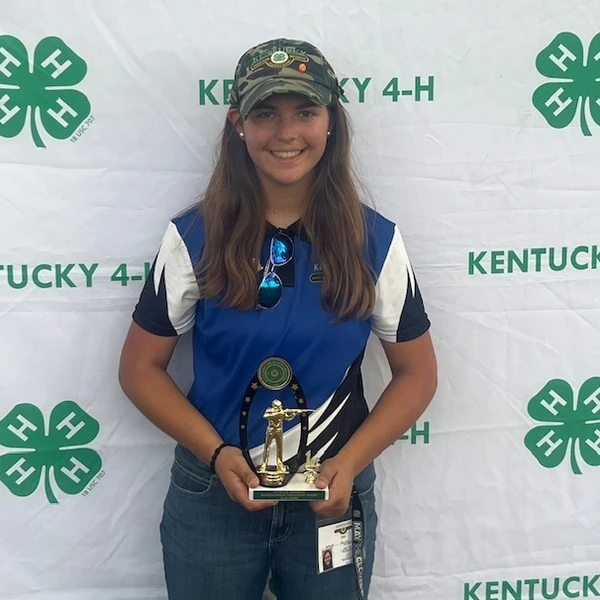
Braelyn Willen

1x

Finalist

Bio

I am a determined high school senior, who wants to obtain a bachelor's degree in Fire Protection Engineering, Fire Arson and Explosion Investigation with Paramedic certification. Through my work ethic and drive to succeed in my career field I will be the candidate that you can trust.

Education

Jefferson Community and Technical College

Associate's degree program
2024 - 2026
  • Majors:
    • Education, General

Jefferson Community and Technical College

Associate's degree program
2024 - 2027
  • Majors:
    • Medicine
    • Fire Protection
  • Minors:
    • Homeland Security, Law Enforcement, Firefighting and Related Protective Services, Other

Carroll County High School

High School
2022 - 2026

Miscellaneous

  • Desired degree level:

    Bachelor's degree program

  • Graduate schools of interest:

  • Transfer schools of interest:

  • Majors of interest:

    • Fire Protection
    • Homeland Security, Law Enforcement, Firefighting and Related Protective Services, Other
    • Engineering Mechanics
    • Registered Nursing, Nursing Administration, Nursing Research and Clinical Nursing
    • Criminal Justice and Corrections, General
  • Not planning to go to medical school
  • Career

    • Dream career field:

      Public Safety

    • Dream career goals:

      Fire Protection Engineer and Paramedic/EMT

    • Math Tutor and Student Aid

      Hope Ministries Academy
      2025 – Present1 year

    Sports

    Sports shooting/Marksmanship

    Club
    2022 – Present4 years

    Volleyball

    Varsity
    2018 – 20246 years

    Awards

    • Captain

    Archery

    Varsity
    2017 – Present9 years

    Awards

    • Captain
    • Coach
    • Recognition pins
    • Mutliple awards and medals

    Research

    • Communication, General

      4-H — WORKSHOP Designer and Presenter
      2024 – Present

    Arts

    • 4-H

      Sculpture
      2023 – 2024
    • 4-H

      Photography
      2023 – Present

    Public services

    • Volunteering

      Wreaths Across America — Fundraiser manager of school and participant
      2023 – Present
    • Public Service (Politics)

      St. Jude — Leadership Society Member
      2026 – Present
    • Volunteering

      4-H — Cleaner
      2022 – 2022

    Future Interests

    Volunteering

    Philanthropy

    Entrepreneurship

    Sturz Legacy Scholarship
    There was a time when I put a lot of time, patience, and effort into my work, but only to see the credit given to someone else who barely tried and still received a good grade. This happened numerous times with essays and reports I have written in school. Writing has always been something I take seriously and cared deeply about, and whenever I was assigned either an essay, report, or even a creative writing assignment, I would spend hours researching, organizing my ideas, and editing my work to make sure it was the best I could produce. Despite all my effort, there were moments when my work was overlooked, while other students received more recognition, even when I felt my writing was just as strong or stronger than their copied essays. My initial reaction was frustration and disappointment. I started to question whether my efforts even mattered if it was not being recognized. Part of me wanted to speak up and ask why my work has not been recognized, but I hesitated. I did not want to seem like I was complaining or putting down another student. Instead, I stayed quiet and kept my thoughts to myself. Looking back, I think my response was reasonable, but not entirely the best choice. While it avoided conflict, it also meant I did not stand up for myself. I assumed that my teacher did not notice my work in the same way or had reasons I did not understand. However, by not asking my teacher for feedback, I missed out on multiple opportunities to learn how I can improve my writing ability. This experience closely connects to my situation with dual credit. Even though my school did not allow me to officially participate in dual credit, I still completed all my courses and ending with a total of thirty three college credit hours. I put in the time and effort to meet college-level expectations, even without the support or recognition from my school. Similar to my experience with writing, I did the work and got the recognition I deserved. Although this accomplishment means a lot to me, the process of getting there was not easy. I often felt like I had to figure everything out on my own, which made this process confusing and stressful. I had to spend extra time researching requirements, deadlines, and options that should have been clearly explained. This not only added pressure to my academic workload but also made me question whether I was making the right decisions for my future. However, as time went on, I began to realize that this struggle helped me grow. I became more independent and learned how to vouch for myself. Instead of waiting for someone to provide answers, I started asking more questions, reaching out to counselors, and looking for resources on my own. This shift in my mindset made me more responsible. I learned that sometimes, important opportunities require personal initiative, even when my supposed support systems were not as strong as they should have been. Additionally, this situation taught me the importance of perseverance. There were moments when I felt like giving up because the process was unfair or too complicated, but pushing through those challenges showed me that I am capable of handling difficult situations. It also made me more aware of how important proper guidance is, and how big of a difference it can make in a student's success. Because of this encounter, I have developed a greater appreciation for clear communication and support in the school boards. If I were to face a similar situation again, I believe I would handle it differently, but also more effectively. I would not wait as long to seek help or clarification. Instead, I would immediately take the initiative by researching information, contacting the proper people who know how to help me, and making sure I fully understand all of my options. I would also be more confident in speaking up and asking for what I need, rather than assuming that the support I need would automatically be provided. At the same time, I would still carry the lessons I learned from this encounter. While it was challenging and stressful, it helped prepare me situations where I may not have all the guidance I want or need. In the future, I know that I can rely on my ability to adapt, stay determined, and find solutions even when things are unclear. Overall, this experience, although frustrating at first, played a significant role in helping me grow both academically and personally. Thank you for taking the time to read my essay, may God bless you.
    Bulkthreads.com's "Let's Aim Higher" Scholarship
    Cardiovascular disease remains the leading cause of death worldwide, demanding prompt and accurate diagnosis through electrocardiogram (EKG) technology. However, the standard 12-lead EKG is often plagued by tangled wires, time-consuming setup, and patient discomfort. My ambition is to design and build a 12-lead retractable EKG wiring unit that organizes electrode leads into a compact, storable enclosure. This project is not just a technological challenge; it is a vital step toward building a future where healthcare is proactive, accessible, and user-centric, positively impacting my personal career trajectory and my community’s health. My goal is to engineer a portable, 12-lead device where each electrode lead is stored within a housing, utilizing individual rotatable spools. This design solves the common problem of tangled cables in emergency and bedside settings, accelerating setup times for healthcare professionals. By creating an organized, and cleanable device, I aim to improve the patient experience, reducing the stress associated with complex medical machinery. Through this, I hope to gain advanced skills in biomedical engineering, specifically in sensor technology and 3D modeling, bridging the gap between mechanical efficiency and clinical utility. This project represents my commitment to a career in medical innovation that focuses on preventive care and patient empowerment. I hope to build my future as a developer of user-friendly medical devices that make diagnostic data easier to obtain. Building these leads is an opportunity to learn the complexities of medical-grade component design, preparing me for a career where I can improve standard medical equipment. The positive impact of retractable EKG leads on my community would be significant. Firstly, it enhances diagnostic speed in outpatient clinics and in-home monitoring, helping providers catch arrhythmias or ischemic events earlier. In critical care, reducing tangled wires means faster, more reliable monitoring, potentially reducing "leads-fail" alarms and decreasing nurses' burnout. Furthermore, a portable, user-friendly 12-lead system can extend high-quality care to remote or underserved areas, ensuring that more people have access to cardiac diagnostics without traveling to a hospital. In conclusion, I am building retractable EKG leads to revolutionize the usability of cardiac monitoring. By engineering a solution that eliminates messy, tangled wires, I am focusing on making EKG technology more efficient, comfortable, and accessible. This project serves as a cornerstone for my career in biomedical engineering and as a practical contribution to my community’s well-being, proving that thoughtful engineering can directly lead to better, faster, and more compassionate healthcare.
    Dream BIG, Rise HIGHER Scholarship
    I had a choice to make before entering the eighth grade, be an engineer or my dream career. Throughout my childhood I dreamed about being a fire investigator because I wanted to help people, but when I told my parents I was laughed at and was told to make a choice. To make my parents proud I changed my career path to engineering, since the eighth grade I always had to say, “I want to be an engineer,” even though deep I did not. To become the “engineer” I had another choice: work hard or be lazy, but I failed to realize how driven I had to be for my achievements. Understanding a hard work ethic is shown through my school work and Kentucky 4-H. I have attended the same private school, Christian Academy of Carrollton, for the past fourteen years and in those years, I have founded and lead clubs, classes, and athletic teams. Christian Academy of Carrollton does not receive any funding from the state, so money is scarce, but students require necessities like water, working heat, and school supplies. Due to these urgent necessities the student council was formed, and the council since has installed two bottle filling foundations, replaced the heating, and installed safer doors for the students. Throughout the council success I have had the gracious opportunity to serve on the council for four years and occupied the offices of Treasurer, Secretary, and Vice-President to which taught me to be prompt and organized. I have also been the Captain of the Archery Team for five years, Captain of the Volleyball Team for two years, Leader of Female Bible Study, and founder of ASL club. Growing up in Henry County, I have been deeply shaped by my involvement in Kentucky 4-H and the development opportunities it has provided me. Through 4-H, I discovered my voice, confidence, and passion for service. I have served as a Shooting Sports Teen Ambassador, Shelby County Shooting Sports President, and Teen Council Vice President. In these roles I have led workshops, spoken in front of large audiences, mentored younger members, and represented more than 1,200 delegates across the state. These experiences have strengthened my communication skills and allowed me to give back to the program that helped shape me into the leader I am today. Beyond titles and awards, my community involvement is rooted in mentorship and safety advocacy. I have worked closely with youth to teach firearm safety, responsibility, and respect with values that extend far beyond the range. Through hands-on instruction and demonstrations, I emphasize the importance of preparation, discipline, and accountability. Whether organizing practices, helping new members feel welcome, or volunteering at local events, I strive to create environments where young people feel welcome, or volunteering at local events, I strive to create environments where young people feel safe, valued, and encouraged. As I prepare to enter higher education, I face significant financial needs. Pursuing a double major in Fire Protection Engineering and Fire, Arson, and Explosion Investigation will require substantial tuition, specialized coursework, equipment, and travel expenses. While I am committed to working hard and applying for scholarships, the cost of higher education presents a challenge for my family and me. Financial assistance will allow me to focus on academic excellence and continued community involvement rather than financial strain. I am determined to use my education to serve communities through fire prevention, Investigation, and public safety, ensuring others are protected in times of crisis. A major part of my passion for service comes from personal experience. I have endured in-person bullying, cyber bullying, and social exclusion for years. Experiencing bullying in its many forms has given me a deep understanding of how damaging it can be to a young person's confidence, mental health, and sense of belonging. Rather than allowing those experiences to define me negatively, I chose to transform them into motivation to protect and uplift others. Keeping children and youth safe in our community requires a multi-layered approach. In person, we must foster cultures of respect in schools, clubs, and organizations. Clear expectations, strong adult mentorship, and open communication channels allow young people to feel heard and supported, Programs like 4-H succeed because they prioritize positive youth development and provide structured environments where kindness and responsibility are modeled. Online safety is equally critical. Cyber bullying can follow a child home, making it feel inescapable. Parents, educators, and community leaders must educate youth about digital responsibility, privacy settings, and the long-term consequences of online actions. Encouraging youth to speak up when the see bullying, rather than remaining silent bystanders, creates accountability. Additionally, providing mental health resources and safe reporting systems ensures that those affected know they are not alone. My experiences have given me empathy, resilience, and a strong desire to advocate for safer spaces, both in person and online. Through higher education and continued community leadership, I hope to expand my impact, protect others, and serves as a role model who proves that adversity can become purpose. Because in this world no one should fight this alone.
    Aserina Hill Memorial Scholarship
    Understanding a hard work ethic is shown through my school work and Kentucky 4-H. I have attended the same private school, Christian Academy of Carrollton, for the past fourteen years and in those years, I have founded and lead clubs, classes, and athletic teams. My time in Kentucky 4-H was extremely rewarding and successful. I have been certified as an Apprentice Level 1 Instructor in archery, rifle, pistol, and muzzleloader, with the opportunity to be shotgun certified in March. I have been selected to serve on the Kentucky 4-H Shooting Sports Teen Ambassador Board to fill the role of secretary and be the President over a Shooting Sports Club in Shelby County because of the acceptance of the role. Recently I have been recognized for my acts of service in the Kentucky 4-H system by being awarded the Silver Level of Achievement and Outstanding Senior Award. After all these years of 4-H it showed me that I do not need to be an engineer, I need to pursue what I want to do. If I was allowed to create a non-profit organization to benefit the world, it would focus on developing young people in a rural setting with leadership skills, career readiness, and hands-on learning in skilled trades, public safety, and agriculture. The name of the non-profit organization is Rural Rising Incorporation. The incorporation will benefit those who live in rural settings to help them receive readiness for the future. Kentucky is known to have many rural communities and growing up in a rural community teaches you the true meaning of hard work, service, and determination. However, there is limited access to career exploration, programs, scholarships, professional internships, and leadership opportunities. Everyone has incredible potential but there is a lack of exposure and resources that help students to see what is possible for their futures. This is where the Rural Rising Incorporation comes to asset with providing these resources. This organization mission will be simple: it will empower rural youth to discover purpose, develop leadership, and pursue respectful careers without the feeling of the need to leave their communities. Rural Rising Incorporate will center around three core pillars: leadership development, career exploration with hands-on training, and mentorship and scholarship support. Leadership Development is where students can participate in leadership workshops, community service projects, and communication skills. Participants would learn how to organize events, advocate for causes they care about, and confidently represent their communities. These youth-led service initiatives would be a key component, allowing students to identify local needs whether that be food insecurity, fire safety, conservation, youth will be able to design solutions to these problems themselves. This approach would teach responsibility, teamwork, and problem solving skills to help them in real-world situations. Many rural students do not have access to career shadowing or specialized training programs. Rural Rising Incorporated would partner with local first responders, agricultural organizations, small businesses, and trade professionals to create hands-on workshops and internships opportunities. Youth could explore fields like fire science, paramedicine, agricultural technology, mechanics, welding, and criminal justice. Rather than simply telling students about careers, we should let youth experience them. they could practice controlled fire demonstrations with professionals, learn how modern agriculture feeds the population, or assist skilled trades on projects. This exposure builds confidence, and confidence builds ambition.
    Big Picture Scholarship
    Growing up, the ambulance was not a symbol of fear, but rather a familiar, albeit intense, backdrop to my father’s life. I knew he was a paramedic, and I understood that he helped people, but I never truly grasped the visceral, high-stakes reality of his profession until I watched the 2010 documentary Tell Me and I’ll Forget. While many medical dramas sanitize the emergency experience, this documentary—following paramedics in Pretoria and Johannesburg, South Africa—offered a raw, unvarnished look at the absolute chaos and profound compassion required to be a first responder. The film did more than show me what my father did; it showed me who I needed to become, influencing me to follow in his footsteps not just to save lives, but to serve with the same quiet, resilient dignity. The documentary title itself, Tell Me and I’ll Forget, speaks to the visceral experience of emergency medicine. You can be told how to save a life, but you only understand the pressure when you are there, holding it. The film showcases paramedics dealing with violent crime and a strained medical system. Watching a scene where a South African medic skillfully handled a traumatic gunshot wound to the chest with limited resources showed me that paramedicine is not just about equipment; it is about grit and immediate, life-saving decision-making under impossible conditions. I saw that same grit in my father’s face when he returned from a 24-hour shift, and the film helped me translate his weariness into a deep respect for his endurance. Furthermore, Tell Me and I’ll Forget shifted my perspective on what it means to care. It taught me that a paramedic is not just a technician, but a human witness to the most difficult moments in a stranger's life. The documentary highlighted the psychological strength required to be a "witness to tragedy," yet still go home and interact with one's own family. This realization brought me closer to my father, understanding the emotional labor behind his calm demeanor. I learned that the goal is not to forget the pain of others, but to honor it by delivering compassionate, urgent care, even when the patient is demanding or the circumstances are hopeless. The movie also illuminated the severe, neglected, and often under-appreciated nature of the career—the long hours and the mental burden. Yet, it presented this not as a reason for despair, but as a challenge to be met with purposeful action. Watching the medics treat people with such dedication in a "divided economy" reminded me that healthcare is about equity and compassion, regardless of the setting. Tell Me and I’ll Forget was the catalyst that converted my childhood admiration for my father into a personal, professional aspiration. It removed the glamour from the job and replaced it with a profound, raw purpose. It forced me to ask myself if I had the fortitude to handle the "bad decisions" of others and the traumatic reality of life and death, as described in the film. Because of this documentary, I know the answer is yes. It has fueled my drive to join a profession that requires "unshakable purpose". I am no longer just the daughter of a paramedic; I am an aspiring paramedic, ready to hold the line, just like my dad.
    Richard Neumann Scholarship
    I had a choice to make before entering the eighth grade, be an engineer or my dream career. Throughout my childhood I dreamed about being a fire investigator because I wanted to help people, but when I told my parents I was laughed at and was told to make a choice. To make my parents proud I changed my career path to engineering, since the eighth grade I always had to say, “I want to be an engineer,” even though deep I did not. To become the “engineer” I had another choice: work hard or be lazy, but I failed to realize how driven I had to be for my achievements. Understanding a hard work ethic is shown through my school work and Kentucky 4-H. I have attended the same private school, Christian Academy of Carrollton, for the past fourteen years and in those years, I have founded and lead clubs, classes, and athletic teams. Christian Academy of Carrollton does not receive any funding from the state, so money is scarce, but students require necessities like water, working heat, and school supplies. Due to these urgent necessities the student council was formed, and the council since has installed two bottle filling foundations, replaced the heating, and installed safer doors for the students. Throughout the council success I have had the gracious opportunity to serve on the council for four years and occupied the offices of Treasurer, Secretary, and Vice-President to which taught me to be prompt and organized. I have also been the Captain of the Archery Team for five years, Captain of the Volleyball Team for two years, Leader of Female Bible Study, and founder of ASL club. My time in Kentucky 4-H was extremely rewarding and successful. The past five years as Kentucky 4-Her have caused me to reignite the passion I had for my dream career by developing my confidence in leadership and communication. My time in 4-H started out in the shooting sports program because of my passion for archery, rifle, pistol, shotgun, and muzzleloader. Throughout my career I have obtained fifty-one awards, two state archery titles, three outstanding archer awards, fourteen pistol awards, thirteen shotgun awards, one shotgun state title, thirty rifle awards, sixteen muzzleloader awards, two muzzleloader state titles, and three national champion titles. Besides all the awards I have been certified as an Apprentice Level 1 Instructor in archery, rifle, pistol, and muzzleloader, with the opportunity to be shotgun certified in March. I have been selected to serve on the Kentucky 4-H Shooting Sports Teen Ambassador Board to fill the role of secretary and be the President over a Shooting Sports Club in Shelby County because of the acceptance of the role. Recently I have been recognized for my acts of service in the Kentucky 4-H system by being awarded the Silver Level of Achievement and Outstanding Senior Award. After all these years of 4-H it showed me that I do not need to be an engineer, I need to pursue what I want to do. My educational outcomes and financial aid for my time at EKU are described throughout the paragraphs above. The skills that I have learned in my childhood have helped me to be self-driven and confident in my abilities to succeed during my time at EKU. I am pursuing Fire Arson Explosion Investigation and Fire Science Engineering Technology, but I need help doing so. I am willing to work and apply myself to be worthy of any scholarships that come my way. Thank you for allowing me to help me pursue the dream that was buried many years ago.
    Tawkify Meaningful Connections Scholarship
    In the journey of personal development, mentors appear at pivotal moments, reshaping our trajectory and defining our character. For me, that catalyst is Ashley Haymond. Our relationship, forged through the focused environment of shooting sports and sharpened through collaborative leadership, has been transformative. Ashley has not only helped mold me into a more disciplined, confident individual but has also taught me how to cultivate genuine connections with others, turning personal growth into a collective achievement. Before working with Ashley, I viewed leadership as a singular role—being in charge. Shooting sports, however, are inherently demanding, requiring absolute focus and emotional control. When I began competing and training alongside Ashley, I immediately saw that her approach was different. She taught me that true leadership in shooting isn't about bragging rights; it is about accountability, consistency, and respect for the discipline. She demonstrated that every perfect shot is a result of immense patience and mental fortitude, lessons that she patiently helped me integrate into my own shooting style. Ashley’s influence went beyond the rifle range. Through the leadership projects we undertook together, she redefined my understanding of teamwork. She introduced me to the concept of "shared leadership," where influence is based on expertise rather than merely positional power. She showed me that when we collaborate, we can accomplish far more than alone. When we lead together, Ashley encourages open communication, ensuring everyone feels valued, which is crucial for building a cohesive team. She taught me that as a leader, it is not enough to simply command; one must support teammates when they are struggling with their shots or mental game. The most profound impact Ashley has had on my life is how she has influenced my connections with others. In shooting, it is easy to become isolated in your own head, focusing only on your score. Ashley taught me the art of connection by encouraging me to engage with other shooters—sharing tips, celebrating their successes, and offering support during tough matches. She demonstrated that building a network is about shared passion, not just winning. Whether it is helping a younger shooter adjust their position or encouraging a competitor after a tough day on the line, I learned that lifting others up does not diminish my own potential. Furthermore, our shared commitment to leadership has taught me how to communicate effectively, giving and receiving feedback, which is essential to nurturing lasting, productive relationships. The patience and empathy I learned from Ashley have made me more adaptable in my personal interactions. I have realized that the discipline I learned in shooting—the need for steady hands, clear focus, and mental resilience—transfers directly to my everyday life, allowing me to be a more supportive friend and a more confident teammate. In conclusion, Ashley Haymond has been instrumental in shaping who I am today. She turned a solitary sport into a shared journey and a leadership role into a partnership. Through her guidance, I have learned that true success is not measured in medals alone, but in the strength of the connections I build with others. Because of her, I am a more disciplined, empathetic, and effective leader, ready to bring people together in both the shooting sports and in life.
    Christian Fitness Association General Scholarship
    The experiences that have shaped me into the person I am today have not always been easy, but they have been meaningful. Through personal challenges, leadership opportunities, and moments of adversity, I have developed resilience , empathy, and a deep desire to serve others. These experiences have directly influenced my decision to pursue a career as a paramedic and will allow me to make a meaningful impact in healthcare. Throughout my life, I have experienced many bullying in many forms: verbal, social, physical, and online. Those experiences were painful and at times, isolating. However, they taught me lessons that no classroom ever could. I learned what it feels like to be unheard, misunderstood, and vulnerable. Instead of allowing those moments to define me negatively, I chose to grow from them. I developed empathy for others who may be suffering silently. I became more aware of how damaging words and actions can be. Most importantly, I developed resilience; I learned how to persevere even when situations felt overwhelming. Those lessons are a large part of why I want to become a paramedic. Paramedics meet people on some of the worst days of their lives during medical emergencies, accidents, and traumatic events. In those moments, patients are not just experiencing physical pain; they are often sacred, anxious, and uncertain. Because of my own challenges, I understand what it means to feel vulnerable. I want to be that calm, reassuring presence that I once needed. I want to provide not only medical care, but compassion and dignity. My involvement in Kentucky 4-H Shooting Sports Teen Ambassador and county leader, I have had the opportunity to teach safety, lead workshops, and represent youth across the state. These experiences strengthened my confidence, communication skills, and ability to stay calm under pressure. Public speaking and leadership roles require responsibility and discipline, qualities that are essential in emergency medical services. Through 4-H, I learned that leadership is about service. That mindset carries directly into healthcare, where teamwork and trust are critical. Choosing to pursue a career as a paramedic is my way of turning personal adversity into purpose. The challenges I have faced did not weaken me; they prepared me. They taught me perseverance, emotional awareness, and the importance of advocating for others. In healthcare, those qualities are just as important as technical knowledge. A paramedic must think critically and quickly, but also connect with patients and families during highly stressful moments. Throughout my personal ties back to the first responder family I will be continuing my family's legacy in my early college years. I will become involved with the Fire Department on my college campus where a close friend and I will start our service after obtaining our EMT certifications. Upon receiving those certifications I will start my paramedic career with the local EMS department where I will obtain my required internship and hands-on training. After completing the required hours I will join the college's search and rescue team. This club will provide me with the confidence and training that I need to potentially save someone's life. Through this program I will receive more rigorous training, learning difficult terrain, and understanding hazardous conditions. While my friend and I understand that our time in the service may cause us to experience physical, mentally, and emotional burden, which could lead to severe Post Traumatic Stress Disorder, physical injury, or the potential loss of our lives. We understood the risks and decided to not let them scare us away from what we are truly passionate about. For us to reduce these risks we have made a couple of pacts with each other, the first one is never be afraid to talk about a bad emergency because you are afraid to, there is no judgement for feel emotions for others. Two, never be afraid to reach out to others, we are all supportive of one another. Finally, never go through anything or fight anything alone. My experiences have given me the determination to succeed in higher education and the motivation to serve my community through emergency medicine. I am committed to using my education to make a positive impact by treating every patient with respect, compassion, and understanding. I believe that my background, leadership experience, and resilience have prepared me to only enter the healthcare field, about to contribute meaningfully to it. Through hard work, empathy, and a dedication to service, I hope to become a paramedic who not only saves lives, but also restores hope in moment of crisis.
    Jeannine Schroeder Women in Public Service Memorial Scholarship
    Fire protection engineering is frequently viewed solely through the technical lens of building codes, sprinkler systems, and smoke modeling. However, as a fire protection engineer operating within the STEAM (Science, Technology, Engineering, Arts, and Mathematics) field, I view my profession as a crucial, proactive tool for addressing a profound social issue: fire safety inequality in underserved communities. While often overlooked, fire risk is not distributed equally; it is a direct function of socioeconomic vulnerability, with lower-income neighborhoods, elderly residents, and minority communities facing disproportionately higher risks of fatalities, injuries, and property damage. Addressing this disparity through engineering expertise, community outreach, and advocacy is my mission. The core of this social issue lies in the relationship between poverty and structural vulnerability. Research shows that structurally disadvantaged communities are less likely to have access to resources necessary for fire safety, such as functional smoke alarms, up-to-date electrical systems, or fire-resistant building upgrades. Furthermore, marginalized communities often reside in older, substandard housing where the lack of built-in fire protection systems increases the severity of fires. As an engineer, my responsibility goes beyond signing off on high-end commercial projects; it requires applying technical knowledge to strengthen existing, vulnerable residential structures and advising on affordable, effective fire mitigation. My approach involves a multi-faceted methodology to "upstreamism"—solving problems before they become crises. One significant action is conducting target hazard evaluations in low-income neighborhoods, identifying high-risk areas before fires occur. This involves working with local governments to prioritize the retrofitting of affordable housing with proper fire-rated barriers, sprinklers, or improved alarm systems. By applying performance-based design—a cornerstone of modern fire protection engineering—I can develop innovative, cost-effective solutions tailored to older buildings, ensuring they meet modern safety standards without requiring unsustainable financial investment from the residents. Beyond structural engineering, a vital component of this work is engaging in community risk reduction and public education. Fire safety education is frequently inattentive to cultural and linguistic barriers, leaving non-English speakers less prepared during emergencies. By designing educational programs that are linguistically accessible and culturally tailored, I can empower these communities to recognize fire hazards and implement proactive safety measures. This includes conducting public outreach on fire risks in wildland-urban interface areas, where many lower-income, indigenous, and minority communities face extreme fire hazards. Finally, promoting diversity within the fire protection engineering profession is crucial to addressing this social issue. The field is currently underrepresented by women and minorities, which limits the breadth of experiences brought to solving fire safety problems. By participating in mentorship programs and promoting STEAM education in underserved schools, I aim to foster a new generation of engineers who understand the social context of their work. In conclusion, working as a fire protection engineer provides a unique opportunity to address a critical social inequality. By bridging the gap between technical engineering, community education, and social justice, fire protection engineering becomes more than just safety science; it becomes a mechanism for protecting the most vulnerable members of society. Ensuring that everyone, regardless of their socioeconomic status, has a right to a safe home is a challenge that requires the innovative, empathetic, and rigorous application of STEAM principles.
    David Foster Memorial Scholarship
    Finding one’s path in high school often feels like wandering through a thick fog, where every direction looks the same and the pressure to choose a future is stifling. For me, that fog didn’t lift until I walked into the office of my advisor, Sara Clifton. I didn’t know then that she would do more than just help me pick classes; she would fundamentally shift my perspective on life by helping me discover a passion for fire science. Before meeting Ms. Clifton, I was a student who went through the motions. I was competent but uninspired, viewing education as a series of boxes to check rather than a doorway to a calling. Ms. Clifton had a reputation for being observant, but I wasn't prepared for how quickly she saw through my academic apathy. During our first meaningful check-in, she didn't ask about my grades. Instead, she asked what made me feel like I was actually "doing something." When I mentioned my interest in how things worked under pressure and my fascination with physical chemistry, she didn't just suggest a STEM track. She introduced me to the world of fire science. At first, I was skeptical. I associated fire only with destruction. However, Ms. Clifton saw a connection between my analytical mind and the high-stakes, technical world of fire dynamics and prevention. She began feeding me articles on combustion physics and the engineering behind fire-safe materials. She didn't just hand me a career path; she handed me a lens through which to view the world. Through her mentorship, I realized that fire science wasn't just about putting out flames—it was about understanding a powerful force of nature to protect humanity. The true shift, however, wasn't just in my choice of major; it was in how I approached my daily life. Ms. Clifton taught me the "firefighter’s mindset." She explained that in fire science, you don’t just react to a crisis; you study the environment, predict the behavior of the flame, and act with calculated precision. She encouraged me to apply this to my own challenges. Instead of being overwhelmed by stress, I started looking at problems as "fuel loads" and my reactions as "ventilation." I learned to remain calm, assess the variables, and move forward with purpose. Ms. Clifton’s impact went beyond the classroom. She pushed me to volunteer with local fire investigators, forcing me out of my comfort zone and into the field. She showed me that a passion isn't something you find under a rock; it’s something you build through curiosity and sweat. Her belief in my potential gave me the confidence to pursue a field that is as demanding as it is vital. She treated my aspirations with a level of respect that made me finally respect myself. Today, as I look toward a future dedicated to fire science, I realize that Sara Clifton did more than help me find a job. She taught me that life is most vibrant when you have a mission that keeps you burning with curiosity. She turned a hesitant student into a focused individual with a clear sense of duty. Because of her, I don't just see a career in my future—I see a way to contribute, a way to lead, and a way to live with fire in my heart.
    Dan Leahy Scholarship Fund
    Inspiration is rarely a sudden epiphany; rather, it is a gradual realization shaped by the actions of those we hold in the highest regard. For me, that inspiration came from my father, a man whose quiet dedication to service profoundly influenced my desire to become a paramedic. Witnessing his commitment not only fueled my passion for emergency medicine but also highlighted the critical necessity of effective communication in high-stakes situations. This realization directly motivated my participation in speech and communication training, aiming to turn raw compassion into a calm, professional voice during a patient's worst moments. My father was never one for theatricality. He showed his love and strength through action, often serving as a pillar in our community. I recall a specific instance where he assisted in an emergency situation before professional help arrived. He wasn't panicked; he was calm, methodical, and profoundly reassuring to everyone involved. That moment shifted something within me. I realized that emergency services are not just about technical medical skills, but about bringing light and order to chaos. His ability to connect with people, calming their fear through clear communication, sparked my desire to pursue a career as a paramedic. However, as I prepared to enter this demanding field, I realized that technical skills—CPR, medication management, and diagnostics—were only half the battle. A paramedic must operate as a lifeline to patients who are often experiencing the worst day of their lives. I recognized that my ability to explain procedures, reassure panicked family members, and communicate effectively under intense stress needed improvement. If I were to truly follow in my father’s footsteps, I needed to be as effective with my voice as he was with his hands. This realization is precisely why I participated in speech and communication training. The ability to articulate crucial information to a medical team, or to deliver calming words to a terrified patient, is just as vital as knowing how to administer oxygen. Speech class was not just about overcoming a fear of public speaking; it was about learning to organize my thoughts, practicing active listening, and developing the precision required in emergency medical services. Through speech, I learned to rely on non-verbal cues and to speak with conviction without raising my voice, ensuring my words were both authoritative and comforting. I learned that communicating well with a patient or a panicked bystander can, in itself, stabilize a situation even before medical intervention begins. In conclusion, my father provided the initial spark, demonstrating that a life of service is a life well-lived. My ambition to become a paramedic is rooted in the compassion and dedication he displayed daily. Yet, his example taught me that the highest form of care is a blend of competence and communication. By improving my communication skills through speech, I am bridging the gap between simply being a technician and being a paramedic who can offer true solace, empathy, and effective care to the community, just as my father did.
    STLF Memorial Pay It Forward Scholarship
    As a student leader, I have always believed that true community impact stems not from passive participation, but from active, service-oriented leadership. Last December, I had the privilege of organizing a Wreaths Across America ceremony and wreath-laying event at my high school in coordination with our local veterans' cemetery. This experience was more than just a school project; it was a powerful reminder of how bringing people together to "Remember, Honor, and Teach" can strengthen the bonds of our community while paying tribute to those who sacrificed everything . The journey began months before the actual ceremony. Recognizing that many students, myself included, felt disconnected from the true meaning of civic freedom, I wanted to initiate a tangible project that bridged that gap. I researched the Wreaths Across America mission and discovered that our local veterans' cemetery did not have enough sponsored wreaths to cover every grave. That realization fueled my motivation. I knew I needed to lead a, not just a service, but a mission to ensure every fallen hero was remembered. Organizing the event required months of dedication, teamwork, and navigating logistical hurdles. My initial task was to establish a sponsorship goal, rallying school clubs, sports teams, and local businesses to donate $17 for each balsam wreath. The leadership lessons were immediate: I had to move beyond the excitement of the idea and into the meticulous work of project management, communication, and delegation. I organized school-wide assemblies, created a social media campaign, and held planning meetings, learning that leadership is ultimately about empowering others to take ownership of a shared vision. The culmination of these efforts was on National Wreaths Across America Day. Hundreds of volunteers, including students, teachers, parents, and community members, gathered at our local cemetery. The atmosphere was solemn yet profoundly uplifting. As we laid the wreaths on the headstones—often hearing the name of the veteran spoken aloud—it was clear that this was not just about decorating graves, but about acknowledging individual lives of service. This event gave back to our community in several profound ways. First, it provided a tangible, hands-on opportunity for students to learn about military history and the personal cost of freedom. Many peers told me that this experience was the first time they felt a direct, emotional connection to the veterans buried in our community. Second, it forged a stronger bond between our school and local military families, fostering a shared sense of gratitude and patriotism. Furthermore, the act of organizing this event highlighted the vital importance of leadership through service. True leadership isn’t about titles or authority; it is about service-oriented action that inspires others. By leading this initiative, I learned that servant leaders put the needs of the community and the mission ahead of themselves. The success of the day was not measured by the number of wreaths, but by the unity it created and the lessons in humility and gratitude it taught us all. In conclusion, organizing Wreaths Across America at my school taught me that one person with a clear vision and a commitment to service can inspire a whole community to act. It taught me that leading by example—whether that meant spending hours filling out logistical forms or laying wreaths in the cold—is the most effective way to lead. I am confident that the tradition we started will continue to serve our community, keeping the memories of our veterans alive for years to come.
    Women in Healthcare Scholarship
    There is a moment that defines most of our lives, who we want to be when we grow up. For many that decision happens later, but for me it happened during a high-stress and chaotic situation. I did not just want the job, I wanted to make a difference for others. That is why I decided to become a paramedic. Throughout my high school years, people frequently ask me why this career? The answer is simple my ambition is not just a career but a calling. Paramedicine represents the perfect blend of critical thinking, adrenaline, and determination. I am not someone who watches from the sidelines. I want to be a leader who is not afraid to step into difficult situations of someone's life and makes a difference. My drive is rooted understanding the physical and mental strain of this job, and that it will not be easy. This is a commitment to excellence, requiring me to balance academics and rigorous training that will be needed for the future. Whether it is mastering anatomy or understanding the foundational skills of advanced life support, I have to treat every piece of knowledge and training as a tool which can save a life one day. Becoming a paramedic means I am required to be physically and mentally prepared to remember academic content, I am studying to be a reliable, trusted and efficient responder. Beyond the ambition and the drive, the core of my motivation is impact. I want to be that calming, trusting, knowledgeable person that arrives on scene when everything feels hopeless. Paramedics do more than just asses, problem solve, treat, and transport people to the hospital; they offer comfort, stability, and steadiness in the most vulnerable moments of life. The opportunity to be one to bridge the gap between injury and recovery is a privilege that I am willing to embrace. I look up to my father who is a paramedic himself. He is the reason I want to follow the rewarding job because he has taught me that helping others is priceless and that more people should. I understand the challenges that come with the path, but I see those as obstacles that I will overcome. I am ready to turn my passion for helping people into a career of service. As I look forward to graduation and the training that follows. I am fully committed to the long road ahead. I will bring my ambition, drive, and focus to this field, not to just build a life for myself, but to bring hope and help to others.
    Patricia Lindsey Jackson Foundation - Eva Mae Jackson Scholarship of Education
    People think being “ faithful “ means everything is easy, however for me, faith was just the quiet voice in my head telling me I was worth more than what other people thought or said about me. While others talked about me, put me down, and called me horrible things to humiliate me, my prayers were silent and meant to restore me mentally. During these dark times, I put all my faith in Jesus, because He is the only person who I can go to without being judged, made fun of, or hurt me in any way. When I started taking thirty minutes a day reserved for Jesus, I felt lighter not only mentally but spiritually, I would spend those thirty minutes praying, reading a chapter or two a day, and studying them. Hello, my name is Braelyn Willen and I have attended Christian Academy of Carrollton for fourteen years. I started my walk with God when I was in the fourth grade, I grew stronger in my faith when I started the eighth grade. Instead of trying to fit in with the “ popular girls “ or trying to be cool, I focused more on my academic success than tangible assets. Through all the names and impolite comments said by my peers, I remained faithful in God’s plan for me and focused on my salvation and my education. The career paths I have chosen are Fire Protection Engineering and Arson Explosion Investigation. With Fire Protection Engineering, I will design fire suppression systems, or formally known as fire alarms and sprinkler systems, make sure buildings are following proper codes of conduct, systems run flawlessly, and much more. Arson Explosion Investigation is the evaluation of uncovering crucial details of how and when a fire originated, collect evidence, interview witnesses, turn evidence over to law enforcements, and testify in court with all verified documentation. My salvation aligns my engineering skills with a much bigger calling which is to serve and protect others. By seeking God’s guidance in my design work, I am helping to create a world where families can experience the peace of Psalm 4:8 “ I will both lay me down in peace, and sleep: for thou, Lord, only makest me dwell in safety.” For me, fire protection is not just about the sprinklers and sensors; it is about providing that ‘safety ‘ so that a stranger may close their eyes at night without fear. Beyond the final result of safety, my faith also dictates how I will navigate the challenges of my education and my future career goals. Engineering is a field of immense pressure where the smallest details can change everything, and I know that my own human understanding has a limit. In those moments of intense pressure, I rely heavily on the promise of James 1:5, “ If any of you lack wisdom, let him ask of God, that giveth to all men liberally, and upbraideth not; and it shall be given him.” I do not pray for wisdom to pass a test or to accomplish an assignment; I pray for spiritual insight to see multiple solutions that others may miss and to maintain a standard integrity that honors God and not my own ability. To me, James 1:5 is not another verse or a wise belief; it is the essential portion of my education. When I examine the passage, I see a three step process that changed how I handle my mistakes in the past and the way I will resolve future obstacles. The first part of the verse “ If any of you lacks wisdom “ gives me the courage to be honest, when others make me feel ignorant for not knowing, God tells me it is ok to admit I am wrong. The second portion “ giveth to all men liberally “ is God giving me the ability to learn and comprehend my lessons better. Lastly, “ and upbraideth not; and shall be given him” this is God’s way of saying “you are not at fault for not knowing and I will not scold you.” As a student, this scholarship would minimize some financial stress from the rigorous demands of my chosen career path. As a Christian, it is a reminder of God’s generosity. It assists with the resources I need to focus on my true calling; using the wisdom the Lord provides me to ensure others can dwell in safety. Thank you for reading my essay and may God bless you.
    Robert F. Lawson Fund for Careers that Care
    The experiences that have shaped me into the person I am today have not always been easy, but they have been meaningful. Through personal challenges, leadership opportunities, and moments of adversity, I have developed resilience , empathy, and a deep desire to serve others. These experiences have directly influenced my decision to pursue a career as a paramedic and will allow me to make a meaningful impact in healthcare. Throughout my life, I have experienced many bullying in many forms: verbal, social, physical, and online. Those experiences were painful and at times, isolating. However, they taught me lessons that no classroom ever could. I learned what it feels like to be unheard, misunderstood, and vulnerable. Instead of allowing those moments to define me negatively, I chose to grow from them. I developed empathy for others who may be suffering silently. I became more aware of how damaging words and actions can be. Most importantly, I developed resilience; I learned how to persevere even when situations felt overwhelming. Those lessons are a large part of why I want to become a paramedic. Paramedics meet people on some of the worst days of their lives during medical emergencies, accidents, and traumatic events. In those moments, patients are not just experiencing physical pain; they are often sacred, anxious, and uncertain. Because of my own challenges, I understand what it means to feel vulnerable. I want to be that calm, reassuring presence that I once needed. I want to provide not only medical care, but compassion and dignity. My involvement in Kentucky 4-H Shooting Sports Teen Ambassador and county leader, I have had the opportunity to teach safety, lead workshops, and represent youth across the state. These experiences strengthened my confidence, communication skills, and ability to stay calm under pressure. Public speaking and leadership roles require responsibility and discipline, qualities that are essential in emergency medical services. Through 4-H, I learned that leadership is about service. That mindset carries directly into healthcare, where teamwork and trust are critical. Choosing to pursue a career as a paramedic is my way of turning personal adversity into purpose. The challenges I have faced did not weaken me; they prepared me. They taught me perseverance, emotional awareness, and the importance of advocating for others. In healthcare, those qualities are just as important as technical knowledge. A paramedic must think critically and quickly, but also connect with patients and families during highly stressful moments. My experiences have given me the determination to succeed in higher education and the motivation to serve my community through emergency medicine. I am committed to using my education to make a positive impact by treating every patient with respect, compassion, and understanding. I believe that my background, leadership experience, and resilience have prepared me to only enter the healthcare field, about to contribute meaningfully to it. Through hard work, empathy, and a dedication to service, I hope to become a paramedic who not only saves lives, but also restores hope in moment of crisis.
    Mark Caldwell Memorial STEM/STEAM Scholarship
    Leadership has allowed me to make a meaningful impact on my community, and pursuing fire protection engineering will allow me to expand that impact in powerful and lasting ways. Through my experiences with Kentucky 4-H and my commitment to safety education, I have learned that protecting people is not just a responsibility, it is a calling. My goal is to build on the leadership foundation I have already established and use engineering to create safer environments for entire communities. Being a Kentucky 4-H leader, including serving as a Shooting Sports Teen Ambassador and county officer, I have dedicated myself to promoting safety, responsibility, and education. Teaching firearm safety to younger members requires patience, attention to detail, and the ability to communicate clearly under pressure. I helped youth understand that safety is not just about following rules, but about protecting themselves and others. By leading workshops and hands-on demonstrations, I contributed to a culture of awareness and accountability in my community. Parents trusted our program because we emphasized proper training and consistent supervision, and I am proud to have played a role in maintaining that trust. Beyond physical safety, I have also worked to foster emotional safety in my community. Having experienced bullying, I understand how important it is to feel supported and respected. In my leadership roles, I make it a priority to encourage younger members to create an environment where everyone feels valued. True safety goes beyond physical protection, it includes creating spaces where people can learn and grow without fear. Through mentorship and positive development, I helped build confidence in youth who may have otherwise felt overlooked. While these experiences have allowed me to make a difference on a local level, fire protection engineering will allow me to impact communities on a much larger scale. Fire Protection Engineering focuses on designing systems that prevent, detect, and respond to fires and related hazards. this includes sprinkler systems, fire alarm systems, and smoke control systems, and building designs that reduce fire risks. Fires can devastate families, destroy businesses, and endanger first responders. By pursuing this field, I want to help prevent tragedies before they occur. Fire protection engineering aligns with my passion for prevention and preparedness. Just as I have taught safety practices to youth in 4-H, I want to design buildings and systems that inherently prioritize safety. Engineers in this field analyze risks, develop building codes, and implement innovative technology to minimize harm. Through thoughtful design and careful planning, I can help ensure that schools, hospitals, and community centers are equipped to protect the people inside them. My leadership background has prepared me well for this career path. Fire protection engineers must collaborate with architects, firefighters, government officials, and construction teams. The communication and teamwork skills I developed through public speaking, organizing events, and leading peers will be essential in ensuring that safety standards are understood and implemented effectively. Ultimately, my goal is to combine my commitment to service with technical experience to protect lives. Leadership has shown me the importance of proactive safety, and fire protection engineering will give me the tools to turn that passion into tangible solutions, I want to leave a lasting impact by designing safer spaces, strengthening emergency preparedness,a ND contributing to communities where families can live and work with greater peace of mind.
    Dr. Michal Lomask Memorial Scholarship
    Leadership has allowed me to make a meaningful impact on my community, and pursuing fire protection engineering will allow me to expand that impact in powerful and lasting ways. Through my experiences with Kentucky 4-H and my commitment to safety education, I have learned that protecting people is not just a responsibility, it is a calling. My goal is to build on the leadership foundation I have already established and use engineering to create safer environments for entire communities. Being a Kentucky 4-H leader, including serving as a Shooting Sports Teen Ambassador and county officer, I have dedicated myself to promoting safety, responsibility, and education. Teaching firearm safety to younger members requires patience, attention to detail, and the ability to communicate clearly under pressure. I helped youth understand that safety is not just about following rules, but about protecting themselves and others. By leading workshops and hands-on demonstrations, I contributed to a culture of awareness and accountability in my community. Parents trusted our program because we emphasized proper training and consistent supervision, and I am proud to have played a role in maintaining that trust. Beyond physical safety, I have also worked to foster emotional safety in my community. Having experienced bullying, I understand how important it is to feel supported and respected. In my leadership roles, I make it a priority to encourage younger members to create an environment where everyone feels valued. True safety goes beyond physical protection, it includes creating spaces where people can learn and grow without fear. Through mentorship and positive development, I helped build confidence in youth who may have otherwise felt overlooked. While these experiences have allowed me to make a difference on a local level, fire protection engineering will allow me to impact communities on a much larger scale. Fire Protection Engineering focuses on designing systems that prevent, detect, and respond to fires and related hazards. this includes sprinkler systems, fire alarm systems, and smoke control systems, and building designs that reduce fire risks. Fires can devastate families, destroy businesses, and endanger first responders. By pursuing this field, I want to help prevent tragedies before they occur. Fire protection engineering aligns with my passion for prevention and preparedness. Just as I have taught safety practices to youth in 4-H, I want to design buildings and systems that inherently prioritize safety. Engineers in this field analyze risks, develop building codes, and implement innovative technology to minimize harm. Through thoughtful design and careful planning, I can help ensure that schools, hospitals, and community centers are equipped to protect the people inside them. My leadership background has prepared me well for this career path. Fire protection engineers must collaborate with architects, firefighters, government officials, and construction teams. The communication and teamwork skills I developed through public speaking, organizing events, and leading peers will be essential in ensuring that safety standards are understood and implemented effectively. Ultimately, my goal is to combine my commitment to service with technical experience to protect lives. Leadership has shown me the importance of proactive safety, and fire protection engineering will give me the tools to turn that passion into tangible solutions, I want to leave a lasting impact by designing safer spaces, strengthening emergency preparedness, and contributing to communities where families can live and work with greater peace of mind.
    Valerie Rabb Academic Scholarship
    The experiences that have shaped me into the person I am today have not always been easy, but they have been meaningful. Through personal challenges, leadership opportunities, and moments of adversity, I have developed resilience , empathy, and a deep desire to serve others. These experiences have directly influenced my decision to pursue a career as a paramedic and will allow me to make a meaningful impact in healthcare. Throughout my life, I have experienced many bullying in many forms: verbal, social, physical, and online. Those experiences were painful and at times, isolating. However, they taught me lessons that no classroom ever could. I learned what it feels like to be unheard, misunderstood, and vulnerable. Instead of allowing those moments to define me negatively, I chose to grow from them. I developed empathy for others who may be suffering silently. I became more aware of how damaging words and actions can be. Most importantly, I developed resilience; I learned how to persevere even when situations felt overwhelming. Those lessons are a large part of why I want to become a paramedic. Paramedics meet people on some of the worst days of their lives during medical emergencies, accidents, and traumatic events. In those moments, patients are not just experiencing physical pain; they are often sacred, anxious, and uncertain. Because of my own challenges, I understand what it means to feel vulnerable. I want to be that calm, reassuring presence that I once needed. I want to provide not only medical care, but compassion and dignity. My involvement in Kentucky 4-H Shooting Sports Teen Ambassador and county leader, I have had the opportunity to teach safety, lead workshops, and represent youth across the state. These experiences strengthened my confidence, communication skills, and ability to stay calm under pressure. Public speaking and leadership roles require responsibility and discipline, qualities that are essential in emergency medical services. Through 4-H, I learned that leadership is about service. That mindset carries directly into healthcare, where teamwork and trust are critical. Choosing to pursue a career as a paramedic is my way of turning personal adversity into purpose. The challenges I have faced did not weaken me; they prepared me. They taught me perseverance, emotional awareness, and the importance of advocating for others. In healthcare, those qualities are just as important as technical knowledge. A paramedic must think critically and quickly, but also connect with patients and families during highly stressful moments. My experiences have given me the determination to succeed in higher education and the motivation to serve my community through emergency medicine. I am committed to using my education to make a positive impact by treating every patient with respect, compassion, and understanding. I believe that my background, leadership experience, and resilience have prepared me to only enter the healthcare field, about to contribute meaningfully to it. Through hard work, empathy, and a dedication to service, I hope to become a paramedic who not only saves lives, but also restores hope in moment of crisis.
    Jeanne Murphy Scholarship: Compassion in Action
    Compassion is not merely a feeling of sympathy; it is a profound commitment to recognizing the pain in others and actively working to alleviate it. My journey toward understanding and exemplifying this virtue began not in a classroom, but through the teachings of Jesus Christ and the practical, hands-on framework of 4-H. These twin pillars shaped my worldview, teaching me that true compassion requires action. By blending spiritual conviction with community service, I have learned to serve others with a "healing heart," a dedication I intend to bring into my future career by serving vulnerable populations, including those supported by St. Jude Children’s Research Hospital. My understanding of compassion is rooted in Christ’s example, which emphasizes looking beyond oneself to serve the marginalized, the sick, and the struggling. This spiritual foundation was cultivated through 4-H, where I learned that "hands-on" learning extends to "helping hands." Through 4-H service projects, I moved beyond passive empathy to active stewardship. Whether it was organizing food drives for local pantries or spending hours cleaning up community parks, I realized that service is a tangible expression of love. I exemplify this compassionate way by initiating community projects that address specific needs. For example, recognizing the isolation felt by seniors in my community, I organized a 4-H "Adopt a Kid" program, where members sent cards and shopped to residents, fostering connections across generations. These acts taught me that compassion is often found in small, consistent efforts that restore dignity to someone who feels overlooked. My 4-H experience reinforced that service is not just an event, but a mindset of proactive caring. My commitment to compassion extends to the most vulnerable, particularly children facing critical health journeys. Following the example of St. Jude Children’s Research Hospital, which treats families regardless of their ability to pay, I strive to provide hope to those facing immense burdens. I have channeled my compassion into fundraising for pediatric cancer research, raising funds that help cover crucial expenses for families during their hardest moments. Seeing the resilience of children in the face of disease has deepened my resolve to use my skills to serve, not just to succeed. Looking ahead, I intend to continue exemplifying compassion in action by pursuing a career in healthcare, specifically aiming to serve in pediatric oncology or community health. My goal is to bring the same spirit of "healing hearts" found in St. Jude’s mission to my daily practice, ensuring that patients feel comforted and cared for, not just treated. I will continue to volunteer my time to organizations that empower underserved communities and, through my career, I hope to be a voice of hope, providing both physical and emotional support to families in crisis. In conclusion, my compassion was learned through a spiritual foundation and nurtured through the practical, service-oriented structure of 4-H. It has been exemplified through dedicated community projects and a profound desire to serve children in need. By continuing to act with compassion, I am committed to making a tangible difference in the lives of others, honoring the belief that service is the highest form of love.
    Arthur and Elana Panos Scholarship
    People think being “ faithful “ means everything is easy, however for me, faith was just the quiet voice in my head telling me I was worth more than what other people thought or said about me. While others talked about me, put me down, and called me horrible things to humiliate me, my prayers were silent and meant to restore me mentally. During these dark times, I put all my faith in Jesus, because He is the only person who I can go to without being judged, made fun of, or hurt me in any way. When I started taking thirty minutes a day reserved for Jesus, I felt lighter not only mentally but spiritually, I would spend those thirty minutes praying, reading a chapter or two a day, and studying them. My salvation aligns my engineering skills with a much bigger calling which is to serve and protect others. By seeking God’s guidance in my design work, I am helping to create a world where families can experience the peace of Psalm 4:8 “ I will both lay me down in peace, and sleep: for thou, Lord, only makest me dwell in safety.” For me, fire protection is not just about the sprinklers and sensors; it is about providing that ‘safety ‘ so that a stranger may close their eyes at night without fear. Beyond the final result of safety, my faith also dictates how I will navigate the challenges of my education and my future career goals. Engineering is a field of immense pressure where the smallest details can change everything, and I know that my own human understanding has a limit. In those moments of intense pressure, I rely heavily on the promise of James 1:5, “ If any of you lack wisdom, let him ask of God, that giveth to all men liberally, and upbraideth not; and it shall be given him.” I do not pray for wisdom to pass a test or to accomplish an assignment; I pray for spiritual insight to see multiple solutions that others may miss and to maintain a standard integrity that honors God and not my own ability. To me, James 1:5 is not another verse or a wise belief; it is the essential portion of my education. When I examine the passage, I see a three step process that changed how I handle my mistakes in the past and the way I will resolve future obstacles. The first part of the verse “ If any of you lacks wisdom “ gives me the courage to be honest, when others make me feel ignorant for not knowing, God tells me it is ok to admit I am wrong. The second portion “ giveth to all men liberally “ is God giving me the ability to learn and comprehend my lessons better. Lastly, “ and upbraideth not; and shall be given him” this is God’s way of saying “you are not at fault for not knowing and I will not scold you.” As a student, this scholarship would minimize some financial stress from the rigorous demands of my chosen career path. As a Christian, it is a reminder of God’s generosity. It assists with the resources I need to focus on my true calling; using the wisdom the Lord provides me to ensure others can dwell in safety. Thank you for reading my essay and may God bless you.
    Stephan L. Wolley Memorial Scholarship
    Growing up in a supportive, closely-knit household, I learned early that service to others is not just a duty, but a way of life. This foundation, combined with years of dedicated involvement in 4-H, has shaped my passion for STEM, communication, and emergency response. As I look toward my future, I am determined to bridge the gap between emergency medical services (EMS) and advanced technology, utilizing a scholarship to launch my education at Eastern Kentucky University (EKU) in paramedicine, fire protection engineering, and fire arson explosion investigation. My journey toward this path was heavily influenced by 4-H. Participating in 4-H Shooting Sports taught me focus, discipline, and absolute safety, while projects in Family and Consumer Sciences (FCS) sharpened my attention to detail. However, it was my work in 4-H STEM and communication initiatives that sparked my interest in engineering solutions. Through 4-H, I learned how to effectively communicate technical concepts to diverse audiences, a skill I will need as a future first responder and inventor. Furthermore, my dedication to community service, including volunteering with St. Jude, has fueled my desire to work in roles that protect and heal people during their most vulnerable moments. Academically, I have been proactive, utilizing dual credit opportunities to become a trailblazer in my educational journey. By earning college credits while still in high school, I have accelerated my ability to focus on the specialized technical training required for my future. This academic foundation has prepared me for the rigorous coursework I will face at EKU, where I plan to earn my degrees in both fire protection engineering and paramedicine. My career goals are multi-faceted. I am not simply aiming to be a paramedic; I want to transform the tools they use. My plan is to combine the practical knowledge of fire arson explosion investigation, learning how systems fail and how to protect life, with paramedicine. Ultimately, I aim to design advanced Bluetooth EKG leads that allow field paramedics to transmit higher-fidelity diagnostic data to hospitals instantly, reducing diagnosis times for cardiac events. This scholarship represents more than financial assistance; it is an investment in a future paramedic and fire protection engineer dedicated to safety and technological innovation. With the support of my family and the groundwork laid by my 4-H and educational experiences, I am ready to serve my community and advance the field of emergency medicine. Thank you for considering my application and for helping me make these ambitious, life-saving goals a reality.
    Women in STEM Scholarship
    From a young age, I was never interested in just knowing what happened; I wanted to know how and why things functioned—or failed. STEM was not just a collection of subjects to me; it was a toolbox for understanding the mechanics of the world. However, my decision to pursue Fire Protection Engineering was solidified by a more profound realization: the direct connection between engineering and the protection of human life. In a world where emerging hazards, such as increased wildfire-urban interface interactions and complex lithium-ion battery storage, threaten our communities, I decided to dedicate my career to creating a resilient, safer built environment. I chose to pursue STEM because I am passionate about utilizing scientific principles: fluid dynamics, heat transfer, and material science, to solve tangible, critical problems. Fire protection engineering offers the perfect intersection of my love for complex problem-solving and my desire to make a societal impact. The challenge is not just designing a building that stands; it is designing a building that survives and protects its occupants during a crisis. I aim to apply advanced fire-modeling tools to evaluate how structures respond to fire and smoke, ensuring that when the worst happens, building safety systems save lives. Being a woman in this specific STEM field brings both immense gratification and responsibility. Historically, fire engineering is male-dominated, with women comprising a small minority of the workforce. This disparity represents an opportunity for me to enter the field not only as an engineer but as a trailblazer. I believe that diverse teams produce better, more comprehensive engineering solutions. As a woman, I offer a unique perspective on design and user experience, and I am committed to proving that competence in engineering is not defined by gender. I hope to make a difference in the field by taking a proactive approach to risk management. I want to move beyond simply complying with existing building codes, moving towards innovating new fire safety technologies. By focusing on emerging hazards, I intend to bridge the gap between structural design and fire safety, ensuring that innovative sustainable materials do not sacrifice safety. Furthermore, I want to lead in the development of fire safety strategies for high-rise buildings and industrial complexes, ensuring they are resilient to both conventional fire hazards and new, modern challenges. Finally, I aim to be a visible advocate and mentor. By succeeding as a female fire protection engineer, I hope to inspire other young women to break down barriers in STEM. A career in engineering is challenging, but rewarding, and I intend to show that women can be at the forefront of safety engineering, creating a more diverse, inclusive, and secure industry. In conclusion, I am pursuing a degree in fire protection engineering because I believe in the power of engineering to change lives. With this scholarship, I will not only secure my education, but I will also begin a career dedicated to saving lives, enhancing community resilience, and elevating the role of women in engineering. My passion is protecting people, and I am ready to bring that passion into the workforce.
    Kalia D. Davis Memorial Scholarship
    From the moment I joined 4-H, I learned that the pledge, "to make the best better", was not just a motto, but a blueprint for a life of purpose. Over the past several years, I have translated that pledge into action through intensive county and state-level leadership roles, a demanding career as a traveling competitive marksman, and dedicated community service, most notably with St. Jude Children’s Research Hospital. My ambition is to leverage this foundation to pursue a career in Fire Protection Engineering and Fire Arson Explosion Investigation, and this scholarship is the vital catalyst that will transform my drive into lasting impact. My leadership journey within 4-H has taught me that true leadership is rooted in service rather than accolades. As a state level representative, I have orchestrated workshops, mentored younger members in public speaking, and navigated complex organizational tasks to promote youth development. This experience required intense dedication, often balancing schoolwork with regional, state, and national-level planning meetings. Through these roles, I developed the resilience to manage high-pressure situations, a skill that now defines my academic and personal approach to overcoming challenges. However, my commitment to the "Head, Heart, Hands, and Health" goes beyond organizational leadership; it is tested on the firing line. As a traveling competitive marksman, I spend countless weekends practicing discipline, mental fortitude, and precise focus. This sport is not merely about accuracy; it is about self-management under stress. I have learned to analyze my mistakes, adjust my technique, and maintain focus, fostering a "drive" that ensures I never quit, even when results are not immediately visible. This tenacity is what I will bring to my university studies and my future career, ensuring I bring the same level of commitment to my professional work. Furthermore, my passion for service is deeply personal, driven by my volunteer efforts with St. Jude Children’s Research Hospital. Understanding the struggles of patients and their families has fueled my desire to contribute to a cause larger than myself. I have organized community fundraising events, aiming not just to meet monetary goals, but to raise awareness and bring hope to families facing unimaginable circumstances. This experience has anchored my aspirations, shifting my focus from personal success to community impact. I aspire to use my education to create tangible, positive changes in people's lives, embodying the spirit of service I have nurtured through 4-H and my volunteer work. Receiving this scholarship would be a transformative investment in my future. It will alleviate the financial burdens of higher education, allowing me to focus my energy entirely on my studies and continue my active community involvement. It will enable me to maintain my high academic standards while dedicating time to professional development, ensuring I become a leader in my field. I do not view this scholarship merely as financial aid, but as a partnership. It is an opportunity for me to accelerate my journey from a driven student to an impactful community leader. With the support of this scholarship, I will continue to make the best better, using my education to leave a lasting, positive impact on my community and beyond.
    Learner Calculus Scholarship
    To most, calculus is just a series of static numbers in a textbook. To me, it is the heartbeat of the world. It is a universal language that provides a sense of order in a chaotic environment. My fascination with calculus lies in its absolute reliability. It is the ultimate tool for deconstructing complex problems and rebuilding them into logical solutions. As I prepare for a career as both an engineer and a paramedic, math serves as the vital bridge between structural precision and emergency medicine. In the realm of engineering, I love the way calculus translates abstract ideas into physical reality. There is a unique satisfaction in using calculus to predict how a fire truck will handle a heavy load or how a circuit will distribute water power towards a roaring fire or help prevent fire damage to surrounding buildings. calculus provides the "why" behind the "how" to these ideas. It offers a framework for innovation, allowing me to troubleshoot mechanical failures and design systems that are both efficient and safe. Which will endure the safety of others by designing fire suppression systems and fire prevention equipment. By learning calculus and how to use it for my benefit in becoming a fire protection engineer. For me, calculus is not just about getting the right answer, it is about the thrill of creation and the discipline of accuracy. However, my interest in calculus is not limited to a desk or a workshop; it is equally essential in the back of an ambulance. As a paramedic, math becomes a high-stakes tool for survival. Whether I am calculating the exact dosage of a life-saving medication or analyzing cardiac rhythms under pressure, there is zero room for error. The analytical mindset I have developed through math allows me to stay calm when things get intense, processing data quickly to make split-second decisions that can save a life. Ultimately, I understand calculus is important because it is the common denominator between the human body and healing. I required both the creativity of a designer and the precision of a medic. By pursuing this dual path, I intend to use my calculus foundation to ensure our infrastructure is sound and our patients receive the most accurate care possible. Calculus is not just a subject I study, it is the lens through which I see the world and the way I intend to serve my community.
    Learner Math Lover Scholarship
    To most, math is just a series of static numbers in a textbook. To me, it is the heartbeat of the world. It is a universal language that provides a sense of order in a chaotic environment. My fascination with math lies in its absolute reliability. It is the ultimate tool for deconstructing complex problems and rebuilding them into logical solutions. As I prepare for a career as both an engineer and a paramedic, math serves as the vital bridge between structural precision and emergency medicine. In the realm of engineering, I love the way math translates abstract ideas into physical reality. There is a unique satisfaction in using calculus to predict how a bridge will handle a heavy load or how a circuit will distribute power. Math provides the "why" behind the "how". It offers a framework for innovation, allowing me to troubleshoot mechanical failures and design systems that are both efficient and safe. For me, math is not just about getting the right answer, it is about the thrill of creation and the discipline of accuracy. However, my interest in math is not limited to a desk or a workshop; it is equally essential in the back of an ambulance. As a paramedic, math becomes a high-stakes tool for survival. Whether I am calculating the exact dosage of a life-saving medication or analyzing cardiac rhythms under pressure, there is zero room for error. The analytical mindset I have developed through math allows me to stay calm when things get intense, processing data quickly to make split-second decisions that can save a life. Ultimately, I love math because it is the common denominator between human body and healing. I required both the creativity of a designer and the precision of a medic. By pursuing this dual path, I intend to use my mathematical foundation to ensure our infrastructure is sound and our patients receive the most accurate care possible. Math is not just a subject I study, it is the lens through which I see the world and the way I intend to serve my community.
    InnovateHER Engineering Scholarship
    Leadership has allowed me to make a meaningful impact on my community, and pursuing fire protection engineering will allow me to expand that impact in powerful and lasting ways. Through my experiences with Kentucky 4-H and my commitment to safety education, I have learned that protecting people is not just a responsibility, it is a calling. My goal is to build on the leadership foundation I have already established and use engineering to create safer environments for entire communities. Being a Kentucky 4-H leader, including serving as a Shooting Sports Teen Ambassador and county officer, I have dedicated myself to promoting safety, responsibility, and education. Teaching firearm safety to younger members requires patience, attention to detail, and the ability to communicate clearly under pressure. I helped youth understand that safety is not just about following rules, but about protecting themselves and others. By leading workshops and hands-on demonstrations, I contributed to a culture of awareness and accountability in my community. Parents trusted our program because we emphasized proper training and consistent supervision, and I am proud to have played a role in maintaining that trust. Beyond physical safety, I have also worked to foster emotional safety in my community. Having experienced bullying, I understand how important it is to feel supported and respected. In my leadership roles, I make it a priority to encourage younger members to create an environment where everyone feels valued. True safety goes beyond physical protection, it includes creating spaces where people can learn and grow without fear. Through mentorship and positive development, I helped build confidence in youth who may have otherwise felt overlooked. While these experiences have allowed me to make a difference on a local level, fire protection engineering will allow me to impact communities on a much larger scale. Fire Protection Engineering focuses on designing systems that prevent, detect, and respond to fires and related hazards. this includes sprinkler systems, fire alarm systems, and smoke control systems, and building designs that reduce fire risks. Fires can devastate families, destroy businesses, and endanger first responders. By pursuing this field, I want to help prevent tragedies before they occur. Fire protection engineering aligns with my passion for prevention and preparedness. Just as I have taught safety practices to youth in 4-H, I want to design buildings and systems that inherently prioritize safety. Engineers in this field analyze risks, develop building codes, and implement innovative technology to minimize harm. Through thoughtful design and careful planning, I can help ensure that schools, hospitals, and community centers are equipped to protect the people inside them. My leadership background has prepared me well for this career path. Fire protection engineers must collaborate with architects, firefighters, government officials, and construction teams. The communication and teamwork skills I developed through public speaking, organizing events, and leading peers will be essential in ensuring that safety standards are understood and implemented effectively. Ultimately, my goal is to combine my commitment to service with technical experience to protect lives. Leadership has shown me the importance of proactive safety, and fire protection engineering will give me the tools to turn that passion into tangible solutions, I want to leave a lasting impact by designing safer spaces, strengthening emergency preparedness,a ND contributing to communities where families can live and work with greater peace of mind.
    RELEVANCE Scholarship
    The experiences that have shaped me into the person I am today have not always been easy, but they have been meaningful. Through personal challenges, leadership opportunities, and moments of adversity, I have developed resilience , empathy, and a deep desire to serve others. These experiences have directly influenced my decision to pursue a career as a paramedic and will allow me to make a meaningful impact in healthcare. Throughout my life, I have experienced many bullying in many forms: verbal, social, physical, and online. Those experiences were painful and at times, isolating. However, they taught me lessons that no classroom ever could. I learned what it feels like to be unheard, misunderstood, and vulnerable. Instead of allowing those moments to define me negatively, I chose to grow from them. I developed empathy for others who may be suffering silently. I became more aware of how damaging words and actions can be. Most importantly, I developed resilience; I learned how to persevere even when situations felt overwhelming. Those lessons are a large part of why I want to become a paramedic. Paramedics meet people on some of the worst days of their lives during medical emergencies, accidents, and traumatic events. In those moments, patients are not just experiencing physical pain; they are often sacred, anxious, and uncertain. Because of my own challenges, I understand what it means to feel vulnerable. I want to be that calm, reassuring presence that I once needed. I want to provide not only medical care, but compassion and dignity. My involvement in Kentucky 4-H Shooting Sports Teen Ambassador and county leader, I have had the opportunity to teach safety, lead workshops, and represent youth across the state. These experiences strengthened my confidence, communication skills, and ability to stay calm under pressure. Public speaking and leadership roles require responsibility and discipline, qualities that are essential in emergency medical services. Through 4-H, I learned that leadership is about service. That mindset carries directly into healthcare, where teamwork and trust are critical. Choosing to pursue a career as a paramedic is my way of turning personal adversity into purpose. The challenges I have faced did not weaken me; they prepared me. They taught me perseverance, emotional awareness, and the importance of advocating for others. In healthcare, those qualities are just as important as technical knowledge. A paramedic must think critically and quickly, but also connect with patients and families during highly stressful moments. My experiences have given me the determination to succeed in higher education and the motivation to serve my community through emergency medicine. I am committed to using my education to make a positive impact by treating every patient with respect, compassion, and understanding. I believe that my background, leadership experience, and resilience have prepared me to only enter the healthcare field, about to contribute meaningfully to it. Through hard work, empathy, and a dedication to service, I hope to become a paramedic who not only saves lives, but also restores hope in moment of crisis.
    Matthew E. Minor Memorial Scholarship
    Growing up in Henry County, I have been deeply shaped by my involvement in Kentucky 4-H and the development opportunities it has provided me. Through 4-H, I discovered my voice, confidence, and passion for service. I have served as a Shooting Sports Teen Ambassador, Shelby County Shooting Sports President, and Teen Council Vice President. In these roles I have led workshops, spoken in front of large audiences, mentored younger members, and represented more than 1,200 delegates across the state. These experiences have strengthened my communication skills and allowed me to give back to the program that helped shape me into the leader I am today. Beyond titles and awards, my community involvement is rooted in mentorship and safety advocacy. I have worked closely with youth to teach firearm safety, responsibility, and respect with values that extend far beyond the range. Through hands-on instruction and demonstrations, I emphasize the importance of preparation, discipline, and accountability. Whether organizing practices, helping new members feel welcome, or volunteering at local events, I strive to create environments where young people feel welcome, or volunteering at local events, I strive to create environments where young people feel safe, valued, and encouraged. As I prepare to enter higher education, I face significant financial needs. Pursuing a double major in Fire Protection Engineering and Fire, Arson, and Explosion Investigation will require substantial tuition, specialized coursework, equipment, and travel expenses. While I am committed to working hard and applying for scholarships, the cost of higher education presents a challenge for my family and me. Financial assistance will allow me to focus on academic excellence and continued community involvement rather than financial strain. I am determined to use my education to serve communities through fire prevention, Investigation, and public safety, ensuring others are protected in times of crisis. A major part of my passion for service comes from personal experience. I have endured in-person bullying, cyber bullying, and social exclusion for years. Experiencing bullying in its many forms has given me a deep understanding of how damaging it can be to a young person's confidence, mental health, and sense of belonging. Rather than allowing those experiences to define me negatively, I chose to transform them into motivation to protect and uplift others. Keeping children and youth safe in our community requires a multi-layered approach. In person, we must foster cultures of respect in schools, clubs, and organizations. Clear expectations, strong adult mentorship, and open communication channels allow young people to feel heard and supported, Programs like 4-H succeed because they prioritize positive youth development and provide structured environments where kindness and responsibility are modeled. Online safety is equally critical. Cyber bullying can follow a child home, making it feel inescapable. Parents, educators, and community leaders must educate youth about digital responsibility, privacy settings, and the long-term consequences of online actions. Encouraging youth to speak up when the see bullying, rather than remaining silent bystanders, creates accountability. Additionally, providing mental health resources and safe reporting systems ensures that those affected know they are not alone. My experiences have given me empathy, resilience, and a strong desire to advocate for safer spaces, both in person and online. Through higher education and continued community leadership, I hope to expand my impact, protect others, and serves as a role model who proves that adversity can become purpose. Because in this world no one should fight this alone.
    Skylar's Hope Scholarship
    There is a moment that defines most of our lives, who we want to be when we grow up. For many that decision happens later, but for me it happened during a high-stress and chaotic situation. I did not just want the job, I wanted to make a difference for others. That is why I decided to become a paramedic. Throughout my high school years, people frequently ask me why this career? The answer is simple my ambition is not just a career but a calling. Paramedicine represents the perfect blend of critical thinking, adrenaline, and determination. I am not someone who watches from the sidelines. I want to be a leader who is not afraid to step into difficult situations of someone's life and makes a difference. My drive is rooted understanding the physical and mental strain of this job, and that it will not be easy. This is a commitment to excellence, requiring me to balance academics and rigorous training that will be needed for the future. Whether it is mastering anatomy or understanding the foundational skills of advanced life support, I have to treat every piece of knowledge and training as a tool which can save a life one day. Becoming a paramedic means I am required to be physically and mentally prepared to remember academic content, I am studying to be a reliable, trusted and efficient responder. Beyond the ambition and the drive, the core of my motivation is impact. I want to be that calming, trusting, knowledgeable person that arrives on scene when everything feels hopeless. Paramedics do more than just asses, problem solve, treat, and transport people to the hospital; they offer comfort, stability, and steadiness in the most vulnerable moments of life. The opportunity to be one to bridge the gap between injury and recovery is a privilege that I am willing to embrace. I look up to my father who is a paramedic himself. He is the reason I want to follow the rewarding job because he has taught me that helping others is priceless and that more people should. I understand the challenges that come with the path, but I see those as obstacles that I will overcome. I am ready to turn my passion for helping people into a career of service. As I look forward to graduation and the training that follows. I am fully committed to the long road ahead. I will bring my ambition, drive, and focus to this field, not to just build a life for myself, but to bring hope and help to others.
    Chi Changemaker Scholarship
    Throughout our lives there are some traditions that hold a special place in the hearts of many people, but some of these traditions dwindle due to busy schedules, poor promotion, or unseen circumstances. That is what happens to my County Extension Office after the occurrence of COVID-19. The county extension office especially suffered in the 4-H department. Clubs, conferences, and camps used to be filled to max capacity, but now clubs were being cancelled, conferences postponed, and camp barely happening due to the decrease of youth in these programs because of COVID-19. Once I understood the situation I had to help. I have been a part of the 4-H program for a few years, and when the pandemic came around taking away mostly all of our participants I felt that some traditions dwindled away. The traditions that I looked forward to every year and held close to my heart were suddenly ripped away from me, but the one tradition that was taken away which hurt me the most was 4-H Representation Day. This is where all the 4-H clubs within the county came together and planned workshops, demonstrations, and promoted 4-H. That tradition is where most of our participants in the 4-H program came from. Without that representation our 4-H program was going to lose more members that following year that is when the County Extension Agent approached me one day. The County Extension Agent and I both heavily cared about the 4-H program she asked me, "What can we do to save the program?" I took a couple of days to ponder and develop an answer to her question that is when I remembered the 4-H Representation Day. I explained to her how this day caused the county to have many participants, and she agreed our next problem was planning the day. After several meetings with club leaders and volunteers, workshops were created, booths set up, and the event was highly advertised, now it was time to see how this event changed our 4-H program. This event brought astronomical success to our 4-H program. The county 4-H enrollment increased by ninety percent, camps were full, more clubs were created to accommodate all the youth, and the county has been thriving ever since. To continue this positive growth the 4-H program is now in schools, promoting its events, and is advertised in newspapers.