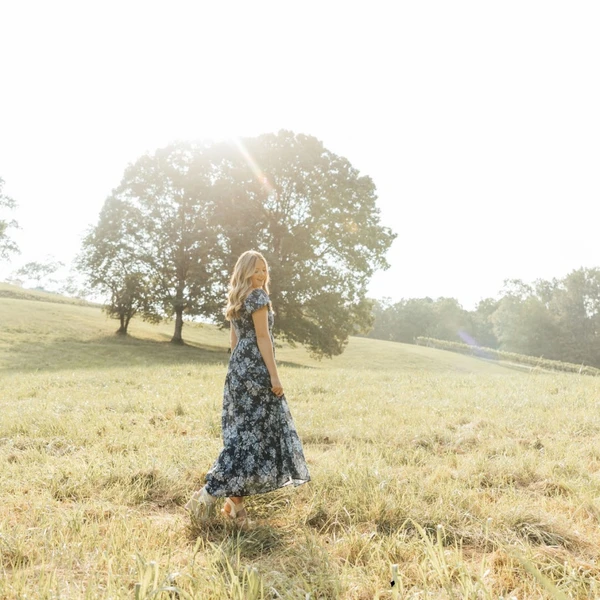
Braely Jarrard
1x
FinalistBraely Jarrard
1x
FinalistBio
Hi! My name is Braely Clara Jarrard, and I’m a dual-enrollment student from North Hall High School in Gainesville, Georgia. I’m passionate about business, design, and helping others through creative and community-focused work. I currently serve as a yearbook editor, student council member, and varsity tennis player, and I’m also active in several leadership and service organizations including National Honor Society, Sources of Strength, and Interact Club.
I plan to attend the University of Georgia to study real estate and entrepreneurship through the Terry College of Business, with hopes of one day running my own real estate and interior design company. Outside of academics, I love working with horses, fitness, and creating custom craft projects for my family’s small business. Everything I do is driven by a mix of creativity, dedication, and the desire to make a meaningful impact in my community.
Education
North Hall High School
High SchoolMiscellaneous
Desired degree level:
Bachelor's degree program
Majors of interest:
- Business, Management, Marketing, and Related Support Services, Other
Career
Dream career field:
Real Estate
Dream career goals:
Sports
Tennis
Varsity2023 – Present3 years
Basketball
Junior Varsity2010 – Present16 years
Johnna's Legacy Memorial Scholarship
Living with a chronic medical condition has changed my life in ways that go far beyond the physical. It’s something that has tested me, strengthened me, and shaped me into the person I am today. There have been days when I’ve had to push through discomfort, anxiety, or exhaustion just to keep up with school, sports, and everyday life. There have been moments when I felt frustrated by the limitations I couldn’t control. But even in those moments, I’ve learned that strength isn’t about being perfect — it’s about showing up, doing your best, and keeping faith even when it’s hard.
Having a condition that requires constant awareness and management has taught me how to be disciplined and patient. It’s made me more self-aware, and it’s given me compassion for others who face their own invisible battles. What people don’t always see is how much effort it takes just to appear “normal” on the outside — how many times I’ve smiled through the pain or quietly kept going when I felt like giving up. But it’s also in those moments that I’ve found my inspiration. I’ve realized that every challenge I face is also an opportunity to grow stronger and to connect more deeply with others who might be struggling too.
What inspires me most to excel despite my limitations is the belief that my story can help someone else. I’ve learned that people often need hope more than advice. Through my involvement in Sources of Strength, a program focused on mental health and resilience, I’ve been able to use my own experiences to help others find theirs. Whether it’s through organizing school-wide campaigns or simply listening to a classmate who needs to talk, I’ve seen how vulnerability and kindness can create real change.
These lessons have shaped not only how I live, but how I dream. I plan to attend the University of Georgia to study real estate and entrepreneurship, but my long-term goal goes far beyond business. I want to create spaces that promote healing — homes and communities designed for peace, accessibility, and connection. I also dream of opening a horse therapy barn, where people facing emotional or physical challenges can experience the healing power of animals. Horses have a unique way of calming the mind and helping people rebuild confidence, and I want to share that gift with others.
My condition has taught me that strength is not the absence of struggle; it’s the courage to rise again each time life knocks you down. It’s shown me that we are all capable of turning pain into purpose. My goal is to use what I’ve learned — patience, empathy, and faith — to empower others to keep going, even on their hardest days. Because if my story can remind someone that they are not alone, then every struggle I’ve faced will have been worth it.
Learner Mental Health Empowerment for Health Students Scholarship
Mental health is important to me because I’ve seen how deeply it affects every part of a person’s life — their motivation, their relationships, their confidence, and even their sense of purpose. As a student, I’ve faced moments when the pressure to succeed felt overwhelming, and I’ve seen my friends quietly struggle under the same weight. Those experiences taught me that mental health isn’t something we can overlook or push aside. It’s just as important as physical health, and when it’s not cared for, it can affect everything else.
What makes mental health so important to me is how personal it feels. I’ve seen people I care about battle anxiety, depression, and stress, and I’ve also had to learn how to manage my own anxiety while balancing school, dual enrollment, and extracurriculars. Those challenges opened my eyes to how many students feel like they have to keep everything together even when they’re falling apart inside. For too long, people have treated mental health like a weakness when it’s really just part of being human. I believe the more we talk about it, the more we can change that stigma — and that’s what motivates me to keep speaking up.
I advocate for mental health through my involvement in Sources of Strength, a program at my school focused on hope, help, and connection. As a member, I’ve helped lead campaigns that promote positive coping strategies and raise awareness about emotional wellness. We organize activities that encourage gratitude, kindness, and reaching out for help when it’s needed. I’ve learned how powerful it can be to create a safe environment where students feel seen, heard, and supported. Sometimes it’s not about having all the answers — it’s about being someone others know they can talk to without judgment.
Beyond school, I try to bring the same mindset into my everyday life. At home, I’ve become more open about discussing emotions and mental health with my family, and with my friends, I try to be the person who checks in — the one who listens, encourages, and reminds them that they’re not alone. I’ve realized that advocacy doesn’t always happen on a big stage; often, it starts in small, quiet moments of care.
In the future, I want to continue combining my passion for mental health with my career goals. I plan to study real estate and entrepreneurship at the University of Georgia, but my dream is to open a horse therapy barn — a place where people struggling with mental health challenges can heal through working with and caring for horses. Animals have an incredible way of calming the mind and helping people rebuild trust and confidence.
Mental health advocacy matters to me because I’ve lived it — I’ve seen how important it is to have someone who listens and believes in you. I want to keep being that person for others, using empathy, compassion, and hope to remind people that healing is always possible.
Arthur and Elana Panos Scholarship
My faith has been the foundation of everything I’ve overcome, achieved, and dreamed of becoming. Life hasn’t always been easy, but God has been constant through every season — guiding me when I’ve felt lost, giving me peace in the middle of uncertainty, and reminding me that my purpose is bigger than my problems. My relationship with Him has shaped the way I live, the way I treat others, and the way I see my future.
There have been moments in my life when I didn’t feel strong enough on my own — times of loss, anxiety, and confusion about the path ahead. But every time I’ve reached my lowest point, my faith has reminded me that I’m never alone. Prayer has always been my safe place. It’s what helps me release my worries and find clarity. Through faith, I’ve learned that setbacks are not signs of failure — they’re opportunities for growth. God doesn’t promise an easy life, but He promises to walk with us through every challenge, and that truth has carried me more times than I can count.
My faith has also taught me the importance of compassion. I’ve seen firsthand how small acts of kindness can change someone’s day — sometimes even their life. As a member of Sources of Strength, a program focused on mental health and emotional well-being, I’ve been able to put my faith into action by helping others find hope. I’ve learned to be a listener, a source of encouragement, and a reminder that healing often begins with love. I believe that’s what God calls us to do — to see people the way He does, with empathy and grace.
As I prepare for my future, I plan to study real estate and entrepreneurship at the University of Georgia. My dream is to one day start a real estate and interior design business that goes beyond building houses — I want to build spaces that bring peace, warmth, and belonging to others. I also hope to open a horse therapy barn, where people struggling with anxiety, trauma, or grief can find healing through the calm and trust of working with animals. I see these dreams not just as career goals, but as callings — ways to serve and reflect God’s love in the world.
My faith will continue to guide every decision I make in my career. It reminds me to lead with integrity, to be generous with my success, and to never forget where my blessings come from. I want my work to be more than a profession — I want it to be a ministry, one that helps others find comfort, confidence, and hope.
Faith has taught me to see beauty even in brokenness and to believe that no matter how uncertain life feels, God is always working for good. With Him as my foundation, I know I can face any challenge and use my gifts to make the world a brighter, more loving place.
Gabriel Martin Memorial Annual Scholarship
Living with anxiety has shaped my life in ways that have been both challenging and transformative. It’s something I’ve had to learn to understand, manage, and grow through — not something that defines me, but something that has taught me more about strength, patience, and resilience than almost anything else. Anxiety has affected how I think, how I learn, and how I interact with the world, but it has also helped me develop empathy and determination that guide my goals for the future.
For a long time, I saw my anxiety as something that held me back. It made school harder at times — especially when I felt pressure to be perfect or when my mind would race faster than I could focus. Simple things like presenting in class, starting new projects, or trying something unfamiliar could feel overwhelming. There were days when I doubted myself, when it felt like everyone else had it all figured out except me. But slowly, I started to realize that anxiety wasn’t a weakness. It was a part of me that needed care and understanding, not shame.
Through support from family, teachers, and programs like Sources of Strength, I began to learn healthy ways to cope. I discovered the power of slowing down, setting boundaries, and giving myself grace on the days I felt anxious. I started journaling, practicing gratitude, and surrounding myself with people who reminded me that my feelings were valid but not in control of me. Over time, those small steps made a big difference — I stopped letting anxiety dictate what I could or couldn’t do, and I started building confidence in my ability to handle whatever came my way.
Anxiety has also helped me understand other people better. It’s given me compassion for those who struggle silently and has made me more aware of how much kindness can matter. That’s one of the biggest reasons I want to help others in the future. I plan to study real estate and entrepreneurship at the University of Georgia, but beyond business, I want to make a lasting impact through my passion for mental health and healing. One of my biggest dreams is to open a horse therapy barn — a place where people struggling with anxiety, depression, or trauma can find peace and purpose through connecting with animals. Horses have a calm, grounding energy, and I’ve seen firsthand how powerful that bond can be.
My anxiety has taught me that peace isn’t the absence of fear — it’s learning how to move forward in spite of it. It’s taught me how to turn struggle into strength, and empathy into action. My goal is to use my story to remind others that their challenges don’t define them. With patience, faith, and determination, they can find their own sense of calm — just as I’ve found mine.
David Foster Memorial Scholarship
When I think about the person who has influenced me most during high school, one name immediately comes to mind — Mrs. West, my yearbook advisor and AP English teacher. She didn’t just teach me how to write or design; she taught me how to believe in myself. Her classroom has been one of the few places where I’ve felt completely seen, understood, and pushed to reach my full potential.
I first met Mrs. West as a nervous sophomore trying to find my place in a class full of confident upperclassmen. I joined yearbook not really knowing what to expect, but she made me feel like I belonged from the very beginning. She didn’t just hand out assignments — she handed out trust. She saw potential in me before I saw it in myself. Over time, she gave me real responsibility, encouraging me to take on leadership roles and make creative decisions. Because of her, I discovered my love for storytelling through design and photography — learning how to capture the heart of our school community on every page.
As my AP English teacher, Mrs. West taught me that writing isn’t just about getting the right answer — it’s about expressing who you are. She challenged me to dig deeper, to think critically, and to write with honesty and emotion. I’ll never forget the day she handed back one of my essays with a note that said, “You have a gift for words — don’t be afraid to use them.” That small comment changed how I viewed myself as a student and as a person. For the first time, I felt confident that my perspective mattered.
What makes Mrs. West so special is that she doesn’t just care about her students’ grades — she cares about their hearts. She’s the kind of teacher who notices when someone’s having a hard day and quietly checks in after class. During one of the most difficult times in my life, she reminded me that it’s okay to not have everything figured out and that strength doesn’t always mean holding it together — sometimes, it means asking for help. Her empathy and encouragement helped me get through challenges that might have otherwise broken me.
Because of Mrs. West, I’ve learned to see challenges not as roadblocks, but as opportunities to grow. She taught me to lead with compassion, to take pride in my work, and to never underestimate the power of kindness. I hope to carry those lessons into my future — whether it’s through my career in real estate and design, my involvement in mental health advocacy, or my dream of one day opening a horse therapy barn to help others heal.
Mrs. West didn’t just make me a better student — she made me a better person. Her faith in me changed how I approach life: with courage, gratitude, and the belief that what we create — whether it’s a story, a design, or a life — can truly make a difference.
Uniball's Skilled Trades Scholarship
1. What trade are you pursuing and why are you passionate about it?
I’m pursuing a career in real estate and interior design, focusing on the trade of home renovation and property development. I’ve always been passionate about creating spaces that make people feel comfortable, safe, and inspired. To me, a home is more than just four walls — it’s where people build their lives, memories, and dreams. I’ve always had an eye for design, but what drives me most is the idea of turning something broken or outdated into something beautiful again. I love the balance between creativity and hands-on problem solving that comes with this field — seeing a project come to life through both imagination and hard work. My goal is to combine design, sustainability, and craftsmanship to build homes that are affordable, functional, and full of warmth.
2. What are your future plans after your trade education?
After completing my education, I plan to start my own real estate and design business that focuses on sustainable renovations and community impact. I want to work directly with families to help them create spaces that reflect who they are while staying within their budgets. In the long run, I also hope to open a horse therapy barn — a place where people struggling with mental health challenges can heal emotionally through the connection between humans and horses. Both of these goals tie into my passion for helping others feel grounded, valued, and at peace. My vision is to use the skills I learn through my trade to build not just homes, but hope — for individuals, families, and my community.
3. Describe a time in your life when you overcame adversity. How did you work through it?
One of the hardest things I’ve had to overcome was losing someone close to me while balancing school, sports, and family responsibilities. Grief made it hard to focus, and there were days when I felt completely lost. But I learned that true strength isn’t about pretending to be okay — it’s about showing up, even when it’s hard. I leaned on my faith, my family, and my involvement in Sources of Strength, a program focused on mental health and resilience. Through it, I learned how to turn pain into purpose and to help others who were struggling too. That experience shaped how I handle every challenge now — with patience, determination, and the belief that even in the hardest times, there’s always a way to rebuild.
Frederick J. Salone Memorial Basketball Scholarship
Basketball has been a part of my life for as long as I can remember. I was dribbling a ball before I could even read, and what started as a family tradition quickly became one of the biggest parts of who I am. Throughout my basketball career, I’ve earned accomplishments I’m proud of — making the varsity team, being recognized for leadership, and receiving the Coach’s Award — but what means the most to me isn’t the wins or the trophies. It’s the lessons, discipline, and strength I’ve gained from the sport that continue to shape who I am today.
One of my proudest accomplishments in basketball has been the growth I’ve seen in myself — not just as a player, but as a teammate and leader. I’ve played through early mornings, late nights, and seasons that tested every part of my mental toughness. I’ve learned what it means to commit fully to something — to show up even when it’s hard, even when you’re tired, and even when things aren’t going your way. Those moments, especially the tough ones, taught me that success isn’t about perfection; it’s about perseverance.
Basketball has also brought its share of obstacles. I’ve faced injuries, losses, and moments of self-doubt that made me question whether I wanted to keep playing. There were games where shots didn’t fall, practices that felt endless, and times when it seemed like no matter how hard I worked, I couldn’t catch a break. On top of that, I struggled with anxiety before big games — the kind that made me overthink every move and every mistake. But over time, I learned to control what I could and let go of what I couldn’t. I learned how to calm my mind, focus on the moment, and trust the work I had put in.
Those lessons have carried into every other part of my life. Basketball taught me accountability — that showing up matters even when no one’s watching. It taught me teamwork — how to communicate, compromise, and lift others up when they’re struggling. And it taught me resilience — how to get back up after every fall and keep moving forward no matter how many times you miss the shot.
As I look toward the future, I plan to bring that same mindset into my career and education. I’m planning to study real estate and entrepreneurship at the University of Georgia, and I know the qualities I built on the court — discipline, leadership, and perseverance — will help me reach my goals. I want to build something meaningful, just like basketball built me.
Basketball gave me more than a sport — it gave me purpose, confidence, and perspective. It taught me that real success isn’t just about how you play when things are easy; it’s about how you respond when they’re not. That’s a lesson I’ll carry with me for the rest of my life, both on and off the court.
Elijah's Helping Hand Scholarship Award
Mental health has had a significant impact on my life and my family’s life, shaping not only how I see the world but also who I am as a person. It’s taught me that people are often fighting battles we can’t see, and that kindness, understanding, and patience are far more powerful than judgment. My journey with mental health — both through my own experiences and those of my loved ones — has taught me resilience and inspired me to dedicate my life to helping others find healing and hope.
There have been times when mental health struggles in my family have made life feel uncertain. I’ve watched people I love face anxiety, depression, and emotional pain that couldn’t be fixed with quick solutions. Those moments were hard — feeling helpless while trying to hold things together. But they also helped me grow in empathy. I learned to listen instead of react, to show up even when I didn’t have the right words, and to believe that even small gestures of support can mean the world to someone in pain.
Personally, I’ve also faced my own mental health challenges, particularly with anxiety. Balancing school, dual enrollment, and extracurriculars while managing stress hasn’t always been easy. There were days when my mind felt like it was racing faster than I could keep up. But through that, I learned self-awareness, self-compassion, and the importance of reaching out for help when needed. I stopped seeing mental health as something to hide and started seeing it as something to care for — just like physical health.
That mindset is what led me to join Sources of Strength, a school-based mental health program that focuses on spreading messages of hope, help, and connection. Through it, I’ve had the opportunity to lead campaigns encouraging students to speak openly about their struggles and to remind others that they’re never alone. I’ve helped organize activities that promote gratitude, kindness, and emotional support — small things that can have a big impact in creating a culture of understanding.
These experiences have shaped my future goals in a powerful way. I plan to study real estate and entrepreneurship at the University of Georgia, but I also dream of opening a horse therapy barn one day — a place where people can heal emotionally through working with and caring for horses. I’ve seen how calming and grounding animals can be, and I want to combine my passion for helping others with my love of horses to create a space that promotes mental and emotional wellness.
Mental health has affected me deeply, but it’s also given me purpose. It’s taught me to be patient with others, gentle with myself, and hopeful even in difficult seasons. I want to continue carrying that message forward — using what I’ve learned to remind others that there is always strength to be found, even in the moments that feel the weakest.
Elizabeth Schalk Memorial Scholarship
My name is Braely Clara Jarrard, and my story is one of learning how to find strength, grace, and hope through challenges that have shaped not just me, but my entire family. Mental illness has touched my life in deep and personal ways. It has affected the people I love most, and at times, it has made life feel unpredictable and heavy. But it’s also taught me the importance of compassion, resilience, and community — lessons that continue to guide me every day.
Growing up, I watched people I care about battle mental illness, and it changed the way I saw the world. Some days were calm, others weren’t. I learned early on that mental illness isn’t something you can always see, but it’s something that can affect everything — relationships, emotions, and daily life. There were moments of confusion, frustration, and fear, but also moments of understanding and love. Over time, I realized that mental illness doesn’t define a person. It’s something they live with, not something that takes away who they are.
Seeing what my family has faced made me want to learn how to be a source of stability and kindness for others. That’s what led me to join Sources of Strength, a program focused on promoting hope, help, and connection in schools. Through it, I’ve worked to break down the stigma surrounding mental health and help students realize they’re never alone. We’ve organized campaigns that share messages of positivity, created safe spaces for students to talk, and encouraged people to reach out for help when they need it. It’s taught me that even the smallest act — a smile, a note, a listening ear — can make a difference in someone’s life.
Mental illness has also taught me to appreciate the power of empathy. It’s shown me that strength doesn’t always look like having everything together — sometimes, it looks like simply getting through the day, or showing up for someone else even when you’re struggling yourself. These lessons have changed not only how I see others, but how I treat myself. I’ve learned to be more patient, more forgiving, and more open about how I feel.
Looking ahead, I plan to study real estate and entrepreneurship at the University of Georgia, but my dreams go beyond business. One day, I hope to open a horse therapy barn, where people can heal emotionally through the calming connection between humans and horses. I’ve seen how powerful that bond can be — how animals can bring peace to people who are hurting — and I want to create a place where that kind of healing can happen for others.
Mental illness has impacted my family, but it’s also given me perspective, purpose, and empathy. It’s shown me the importance of being kind, patient, and understanding — because you never know what someone else is carrying. I hope to use that understanding to bring light, hope, and healing to others — one person, one heart, and one step at a time.
A Man Helping Women Helping Women Scholarship
My name is Braely Clara Jarrard, and I’m a senior at North Hall High School in Gainesville, Georgia, where I’m also dual-enrolled at the University of Georgia. I’ve always believed that success isn’t just about reaching personal goals — it’s about using what you achieve to create positive change for others. Everything I do, from my academics to my leadership roles, comes back to that purpose: to help people feel seen, supported, and inspired to build better lives for themselves.
Throughout high school, I’ve been involved in organizations that allow me to lead with compassion and purpose. As a member of Sources of Strength, I help promote mental health awareness and emotional wellness within my school community. We focus on spreading hope, help, and connection — reminding students that they’re not alone. I’ve also served on Student Council, National Honor Society, and Interact Club, which have taught me that true leadership isn’t about having authority — it’s about listening, understanding, and lifting others up. These experiences have shaped my belief that small acts of kindness can create ripples that reach far beyond the moment.
Looking toward the future, I plan to major in real estate and entrepreneurship at the University of Georgia’s Terry College of Business. My long-term goal is to build a real estate and interior design business that does more than sell homes — I want to design spaces that inspire peace, belonging, and community. To me, homes aren’t just buildings; they’re foundations for people’s lives. The right space can make someone feel safe, valued, and hopeful, and I want to create that feeling for others.
But my vision doesn’t stop there. I also dream of opening a horse therapy barn — a place where people struggling with anxiety, trauma, or loss can heal through connection with animals. Horses have a quiet, intuitive nature that helps people rediscover calm and confidence, and I’ve seen firsthand how powerful that bond can be. By combining my love for animals with my passion for helping others, I hope to create a sanctuary where people can rebuild emotionally and spiritually.
The world is full of challenges, but I believe that every person has the power to make a difference in their own corner of it. My plan is to use my education, creativity, and heart to make mine count — by helping people find comfort, strength, and hope through the spaces I build and the communities I serve. I may not know exactly where life will lead me, but I know what kind of impact I want to leave behind: one built on kindness, connection, and the belief that even small acts of good can change the world for the better.
Sparkle and Succeed Scholarship
Living with ADHD has shaped nearly every part of my educational journey. It’s challenged me in ways I never expected, but it has also helped me grow into someone stronger, more creative, and more determined to succeed. For a long time, I thought ADHD meant I wasn’t capable of learning the way others did — but over time, I’ve learned that it doesn’t make me less capable. It just means my mind works differently, and that difference can be a gift when I choose to see it that way.
In school, ADHD often felt like running a race with weights on my ankles. I’d try to focus on lessons, but my thoughts would jump from one idea to another like lightning. Reading assignments took me longer, tests made me anxious, and I constantly worried that my teachers thought I wasn’t trying hard enough. There were times when I felt frustrated and even embarrassed for needing extra time or help. But eventually, I realized that having ADHD didn’t mean I lacked discipline — it meant I needed to find strategies that worked for me.
I started breaking big tasks into smaller pieces, using planners and reminders, and building structured routines. Instead of trying to fit into a “traditional” way of learning, I created my own system — one that matched how my brain naturally processes information. I learned to give myself grace on tough days and celebrate progress over perfection. With support from teachers and my IEP accommodations, I started to see improvements not just in my grades, but in my confidence.
ADHD also taught me resilience. It forced me to become self-aware, adaptable, and creative in problem-solving. When my mind races, I channel that energy into productive outlets — school projects, creative design, and my involvement in programs like Sources of Strength, where I help others find hope and support in their own challenges. I’ve also learned how to turn what used to feel like chaos into something beautiful: new ideas, bold perspectives, and empathy for others who struggle silently.
Looking forward, I plan to attend the University of Georgia to study real estate and entrepreneurship. My goal is to build a business that reflects both creativity and compassion — designing spaces that feel peaceful, intentional, and accessible for everyone, including those who learn or process the world differently. I want to show others that ADHD isn’t a barrier; it’s a different way of thinking that, when embraced, can lead to innovation and success.
ADHD may make school harder at times, but it’s also what makes me unique. It’s taught me perseverance, self-acceptance, and the importance of believing in myself even when things don’t come easily. My journey hasn’t been perfect, but it’s been proof that when you work with your mind instead of against it, you can truly sparkle and succeed — in school, in life, and beyond.
ADHDAdvisor Scholarship for Health Students
Mental health is something deeply important to me, not only because I’ve seen others struggle with it, but because I’ve learned how powerful genuine support can be. Throughout high school, I’ve worked to make a difference through Sources of Strength, a program focused on spreading hope, help, and strength to students. As a member, I’ve helped lead school-wide initiatives that promote emotional wellness, open conversations about mental health, and remind students they’re never alone.
One of the most meaningful parts of Sources of Strength is that it’s built on connection. I’ve learned how small gestures — a conversation, a handwritten note, or a simple check-in — can completely change someone’s day. I’ve also learned how to recognize when others might be struggling and how to guide them toward the help they need. Through this program, I’ve grown not only as a leader, but as a listener. It’s taught me that sometimes the most powerful thing you can do is be present and remind someone that they matter.
These experiences have inspired my dream of one day opening a horse therapy barn — a place where people can heal emotionally through connection with animals. I’ve always loved horses and have seen firsthand how calm, patient, and intuitive they can be. There’s something healing about the quiet trust between a person and a horse; it teaches patience, confidence, and peace. My goal is to create a space where individuals struggling with anxiety, depression, or trauma can work with horses in a supportive environment that fosters growth and self-discovery.
I plan to study real estate and entrepreneurship at the University of Georgia, so I can one day make that dream a reality. I want to use my education not just to build a business, but to build a community — one centered around healing, empathy, and purpose. Whether through leadership, counseling, or simply kindness, I want to help people find the strength within themselves, just as I’ve found mine through helping others.
For me, mental health advocacy isn’t just something I do — it’s part of who I am. And I’m determined to keep turning that passion into purpose for years to come.
Future Green Leaders Scholarship
In today’s world, sustainability is no longer just a choice — it’s a responsibility. Every industry, from agriculture to fashion, plays a role in shaping the future of our planet, but few have as much impact as real estate and development. The way we build, design, and live affects everything from energy use to community well-being. That’s why I believe sustainability must be a top priority in my field — because the choices we make about our homes, buildings, and cities will shape not just how we live today, but what kind of world future generations inherit.
I plan to major in real estate and entrepreneurship at the University of Georgia’s Terry College of Business, and my long-term goal is to create a real estate and interior design company that combines functionality, beauty, and environmental responsibility. Too often, the real estate industry focuses on aesthetics and profit without considering long-term environmental impact — overusing resources, producing waste, and neglecting energy efficiency. I want to challenge that model by designing homes and communities that are affordable, efficient, and sustainable from the ground up.
Sustainability in real estate means more than just adding solar panels or recycling materials; it’s about rethinking the entire process. It means designing homes that use less energy, sourcing materials locally to reduce emissions, and prioritizing green spaces that promote both environmental and mental health. It’s about understanding that “eco-friendly” doesn’t have to mean expensive — it means smart, thoughtful design that benefits both people and the planet.
In the future, I hope to lead projects that integrate green construction practices, like energy-efficient insulation, natural lighting, water conservation systems, and eco-conscious landscaping. I also want to use my entrepreneurial background to make sustainable housing more accessible, especially in smaller towns and rural areas like my hometown of Gainesville, Georgia. Many families want to live sustainably but simply can’t afford it — my goal is to help bridge that gap by proving that responsible building can still be affordable and beautiful.
Beyond construction, I want my business to be rooted in education and community involvement. I believe change happens when people understand why sustainability matters. I plan to host local workshops and partnerships with schools to teach students and homeowners about small changes that make a big difference — things like reducing energy waste, choosing sustainable materials, or planting native gardens.
To me, sustainability isn’t just about protecting the environment; it’s about protecting our future. It’s a mindset of stewardship — of leaving things better than we found them. My vision is to build a career that reflects that belief, one where business success and environmental responsibility go hand in hand.
If every builder, designer, and entrepreneur took even small steps toward sustainability, the ripple effect could be world-changing. That’s what I hope to do — create spaces that don’t just house people, but inspire them to live better, greener, and with a deeper respect for the world around them.
RonranGlee Literary Scholarship
Marcus Aurelius once wrote, “You have power over your mind — not outside events. Realize this, and you will find strength.” On the surface, it is a simple instruction, almost a gentle reassurance for those feeling powerless against the chaos of life. Yet within its brief phrasing lies one of the most profound and revolutionary ideas in ancient philosophy — an idea that has shaped centuries of moral thought and continues to resonate today. To understand the weight of these words, we must look beyond their comforting tone and recognize the radical wisdom they hold. Aurelius, a Roman emperor, was a man who governed vast territories, commanded armies, and bore the burdens of an empire constantly at war and in decline. Yet even with such worldly authority, he understood that true control — the only kind that matters — is internal. This single statement captures the core of Stoic philosophy: that happiness and peace do not depend on external circumstances, but on the disciplined governance of the self.
Aurelius’s message emerges from a context of power and paradox. As emperor, he held the most influence of any person in the Roman world, yet his Meditations reveal a man profoundly aware of the limits of that power. He could not stop the passage of time, prevent illness, or control the thoughts and actions of others. The Stoics believed that external things — wealth, reputation, comfort, even life itself — belong to the realm of what they called the “indifferent.” These are not inherently good or bad; their value depends entirely on how we use and perceive them. What is truly “good,” according to Aurelius and his philosophical predecessors like Epictetus and Seneca, is virtue — wisdom, justice, courage, and temperance — qualities entirely within the domain of the mind. Thus, when Aurelius declares that we have power over our mind and not outside events, he is not promoting apathy or detachment, but rather the ultimate empowerment: the realization that our moral character and peace of mind are invincible, even in the face of loss or misfortune.
The strength Aurelius speaks of is not physical dominance or political control; it is the inner fortitude born from self-mastery. The Stoics used the metaphor of the “inner citadel” — a fortress within the soul that remains untouched by the storms of life. This fortress is built through reason, reflection, and restraint. For Marcus, who faced constant warfare, illness, betrayal, and the death of children, this metaphor was not abstract. It was the guiding principle that allowed him to endure. By reminding himself daily that he could not dictate the actions of others or the course of fate, he redirected his energy toward what he could control: his own thoughts, choices, and responses. In that act of inward focus lies the essence of Stoic strength. It is not the strength of resistance, but of acceptance — the kind that transforms endurance into peace.
To many, such a philosophy might sound cold or detached, as if Aurelius were suggesting we simply suppress emotion. But that is not his intent. Stoicism does not reject emotion; it refines it. It asks that we examine our judgments — the interpretations we attach to events — because it is not the events themselves that disturb us, but the meanings we assign to them. This insight, remarkably modern in its psychological precision, anticipates ideas later echoed by thinkers like Viktor Frankl, who survived the Holocaust and wrote that while we cannot control what happens to us, we can always choose our attitude toward it. Marcus Aurelius expresses the same truth centuries earlier: by mastering the mind, we free ourselves from the tyranny of circumstance.
What makes this teaching so powerful is that it does not depend on faith, wealth, or privilege. It is universally attainable because it demands only one resource — awareness. To realize that our peace depends solely on our own perspective is to remove the greatest weapon the world has against us. Misfortune, insult, failure — these can wound the body and test the will, but they cannot touch the mind unless we allow them to. This understanding transforms how we experience adversity. When Marcus writes, “Realize this, and you will find strength,” he implies that strength is not something we acquire externally; it is something we awaken internally through insight. The act of realization itself — the mental shift from external dependence to internal command — is the moment of liberation.
In today’s world, Aurelius’s words may carry even more relevance than in his own time. Modern life is dominated by forces far beyond individual control — social pressures, political division, economic uncertainty, and digital overload. Many people measure happiness by likes, validation, and success that hinge entirely on the unpredictable reactions of others. The Stoic warning against attaching our worth to what lies outside ourselves is as urgent now as it was in ancient Rome. Aurelius offers an antidote to this dependence: autonomy of the soul. The person who understands that their peace comes from within becomes immune to manipulation and despair. They still feel disappointment, grief, and fear, but these emotions no longer dictate their identity or direction. They become, as the Stoics would say, “apatheia” — not without feeling, but free from enslavement to feeling.
The beauty of Aurelius’s insight is that it unites humility with power. To accept that we cannot control the world is to confront our smallness; to realize that we can control our minds is to discover our greatness. These truths coexist. The emperor who could command armies still bowed before the limits of fate. Yet, within that humility, he found immense freedom. It is an idea that defies the usual human desire for domination: power through surrender, control through acceptance, strength through stillness. In this paradox lies the deepest wisdom of Stoicism. When we stop resisting what is beyond our influence, we redirect our energy to what truly matters — living virtuously, thinking clearly, and acting justly.
Aurelius’s philosophy also carries a moral dimension. If we accept that we can only govern ourselves, it follows that our duty is to do so well — to live with integrity, compassion, and fairness, regardless of how others behave. This principle guided his leadership as emperor. The Meditations are filled with reminders to be patient with others’ faults, to forgive ignorance, and to act for the common good. He writes elsewhere, “The best revenge is not to be like your enemy.” Such statements reveal that for Aurelius, the mastery of the mind was not an isolated spiritual pursuit but a form of ethical responsibility. By mastering his reactions, he aimed to create a more just and peaceful world — one governed by reason rather than impulse. His wisdom challenges the modern reader to do the same: to resist hatred with understanding, to replace outrage with reflection, and to find strength in composure rather than control.
There is also a profound spiritual resonance in Aurelius’s teaching. Though he wrote from a Stoic rather than a religious framework, his belief in divine order is evident. He often refers to the “logos,” the rational principle that shapes the universe. To live in harmony with this order — to align one’s mind with the rationality of nature — is to find serenity. When he reminds himself that outside events are not his to command, he is not merely consoling himself; he is submitting to a cosmic law. Acceptance, then, becomes a sacred act — a form of trust in the wisdom of the universe. In this way, Aurelius’s words transcend philosophy and approach prayer: a humble acknowledgment of human limitation and divine structure.
At the same time, his advice is deeply practical. It can be applied to moments as small as a disagreement or as large as a personal tragedy. Every frustration we face — from failed plans to broken relationships — is a test of whether we can separate what we can change from what we cannot. In doing so, we conserve emotional energy, maintain dignity, and avoid despair. When we internalize this habit, life begins to feel less like a battle to be won and more like a partnership with fate. We stop asking, “Why is this happening to me?” and start asking, “How can I respond with wisdom?” That shift, subtle yet profound, is the essence of Stoic strength.
What makes Marcus Aurelius remarkable is that his philosophy was not written for others but for himself. Meditations was his private journal — a place where he held himself accountable to his ideals. That makes his words both intimate and authentic. They are not the proclamations of a detached scholar but the reflections of a man wrestling with exhaustion, grief, and duty. When he writes that we have power only over our minds, he is reminding himself as much as anyone else. And that humility gives his words their enduring power. We can hear, across two millennia, the voice of a man striving to stay calm amid chaos — a struggle as human now as it was then.
In the end, the underlying meaning of Aurelius’s statement is one of transformation. It challenges the illusion that happiness depends on circumstance and offers instead the freedom of inner mastery. To realize that the mind is our true domain is to discover a strength that no misfortune can destroy. It does not mean that pain disappears or that suffering is irrelevant; rather, it means that even in suffering, we remain sovereign. The Stoics often compared life to a ship tossed by waves: we cannot control the wind, but we can adjust our sails. That is the art of living well — not eliminating hardship, but learning to navigate it with grace.
Marcus Aurelius’s words endure because they speak to a universal truth. We live in a world still defined by uncertainty and loss, just as his was. Yet his reminder echoes through time: that the only true power we ever possess is the ability to shape our own minds — to choose wisdom over panic, gratitude over resentment, and courage over despair. “You have power over your mind — not outside events.” It is a sentence that humbles, empowers, and consoles all at once. To realize this, as Aurelius says, is indeed to find strength — not the fleeting strength of control, but the lasting strength of understanding. And once that understanding takes root, life, in all its unpredictability, becomes not something to fear, but something to face with clarity and peace.
Dr. Edward V. Chavez Athletic Memorial Scholarship
Losing a parent is a kind of pain that changes everything. It doesn’t just break your heart — it reshapes who you are. You start to see life differently. You realize how fragile time is, how much love truly matters, and how easily moments can become memories. For me, losing a parent was the hardest experience of my life, but it also taught me strength, faith, and purpose.
At first, grief consumed me. School felt harder, and the things that used to bring me joy suddenly felt empty. There were days when I couldn’t focus, when memories played on repeat, and when I wondered if life would ever feel normal again. But slowly, I realized that the best way to honor my parent’s memory wasn’t by living in sadness — it was by living fully and carrying their strength forward in everything I do.
The biggest challenge I faced was finding motivation again. Losing a parent so young forces you to grow up fast. You have to learn to keep going even when your heart is heavy and the future feels uncertain. I found my escape and healing through tennis — a sport that became more than a game to me. It became therapy, purpose, and peace.
Tennis gave me something to focus on when my mind was clouded with grief. Every swing and serve felt like a release, like I was letting go of pain with every match I played. It taught me patience, discipline, and how to push through hard moments — not just in sports but in life. When I’m on the court, I feel connected to my parent. I play for them, carrying their strength and love with me through every set.
The sport also gave me community. My teammates and coaches became a second family — people who supported me without judgment and reminded me that even through loss, I could still laugh, grow, and find joy. They taught me that healing doesn’t mean forgetting; it means learning to move forward with love still in your heart.
Tennis has taught me how to face challenges with courage, focus, and grace. Losing a parent showed me that life isn’t always fair, but it’s still beautiful — and every day is a chance to make something meaningful out of the pain.
After graduation, I plan to attend the University of Georgia to study real estate and entrepreneurship. My goal is to build a business that not only reflects my creativity but also gives back to others — supporting families, creating opportunities, and making people feel at home, both literally and emotionally.
More than anything, I want to pay forward the love, faith, and determination that my parent instilled in me. I want to be living proof that tragedy doesn’t have to be the end of a story — it can be the beginning of a new one.
Losing my parent will always be a part of me, but so will the strength they left behind. That strength drives me every day — to keep pushing, to help others, and to create triumph out of tragedy.
Trees for Tuition Scholarship Fund
For as long as I can remember, I’ve believed that one person can make a difference. It doesn’t always happen through big gestures or grand moments — sometimes, it happens through quiet consistency, compassion, and a willingness to help where help is needed. Throughout high school, I’ve dedicated myself to doing exactly that: making my community a better place through leadership, service, and kindness. And as I prepare for college and beyond, I plan to continue building on that foundation to create change that truly lasts.
Right now, I’m involved in several organizations that allow me to serve and connect with others, including Sources of Strength, Student Council, National Honor Society, and Interact Club. Each of these activities has helped me grow as a leader and deepened my understanding of what it means to give back.
Through Sources of Strength, I help promote mental health awareness and create a culture of hope within my school. We focus on reminding students that they aren’t alone — that there’s always help available and strength to be found in friends, mentors, and family. This experience has shown me the power of empathy and how small acts of encouragement can make a lasting impact on someone’s life.
In Student Council and National Honor Society, I’ve learned how to lead by example. Whether it’s organizing fundraisers, coordinating school events, or supporting local charities, I’ve seen how teamwork and service can bring people together. Interact Club, which partners with Rotary International, has been another outlet where I’ve been able to give back through food drives, park clean-ups, and donation projects that directly help families in Gainesville and Hall County.
These experiences have shaped my belief that community service doesn’t stop at graduation — it evolves. After college, I plan to take what I’ve learned and apply it through my future career in real estate and entrepreneurship. I’ll be attending the University of Georgia’s Terry College of Business, where I’ll study how to combine business with creativity and compassion. My dream is to start a real estate and interior design company that focuses on more than just selling homes — I want to build spaces that foster belonging, safety, and joy for families.
I’ve seen how much a stable, welcoming home can mean, especially for families going through difficult times. My goal is to create affordable, thoughtfully designed housing that helps people feel proud of where they live. I want my business to invest in the same kinds of communities that raised me — helping to restore neighborhoods, provide jobs, and support local organizations.
Beyond business, I also want to continue volunteering and mentoring. I hope to return to programs like Sources of Strength to help young students find confidence in who they are and hope for their future. I believe that real change happens when people lift each other up — when they use what they’ve been given to open doors for others.
I’m proud of the impact I’ve already made, but I know my story of service is only just beginning. My dream is to use my education, career, and compassion to build something bigger than myself — a community where everyone feels valued, supported, and seen. Whether it’s through business, service, or simple kindness, I want to leave the world better than I found it.
Individualized Education Pathway Scholarship
Living with an IEP and a learning disability has never been easy. It’s something that affects how I learn, how I process information, and sometimes even how I see myself. But over the years, I’ve learned that my challenges don’t define me they refine me. They’ve pushed me to work harder, think differently, and grow stronger than I ever imagined.
In school, my biggest challenge has always been feeling like I had to work twice as hard to keep up with everyone else. Things that seemed to come naturally to others like reading quickly, memorizing details, or understanding instructions right away often took me longer. I used to feel embarrassed asking for extra help or extra time on tests. I didn’t want anyone to think I wasn’t smart. But deep down, I knew that needing help didn’t make me less capable it just meant my path to understanding looked a little different.
There were days when frustration got the best of me. I’d study for hours only to still fall short of the grade I hoped for, or I’d reread the same page several times trying to make the words make sense. But over time, I started to see my IEP not as a limitation but as a tool. It gave me the support I needed to succeed teachers who took the time to explain concepts differently, accommodations that allowed me to show what I truly knew, and strategies that helped me build confidence in my learning.
One of the most important lessons I’ve learned is that asking for help is a sign of strength, not weakness. My IEP taught me how to advocate for myself how to speak up when I need clarification, how to manage my time, and how to stay patient with my progress. These skills go far beyond the classroom; they’ve shaped me into a more organized, determined, and empathetic person.
There have been moments when I doubted myself, but those moments have also been my greatest teachers. Every obstacle I’ve faced has shown me that growth doesn’t happen when things are easy it happens when you keep going even when it’s hard. My faith, family, and teachers have played a huge role in keeping me grounded. Their belief in me reminded me that I was capable of more than my learning disability wanted me to believe.
What motivates me most to continue my education is the desire to prove that my challenges don’t have to hold me back they can be the reason I succeed. I want to show others, especially younger students with IEPs, that learning differently doesn’t mean learning less. It means finding your own way to reach your goals.
After graduation, I plan to attend the University of Georgia to study real estate and entrepreneurship. My goal is to start a business that helps people find homes that feel safe, welcoming, and full of possibility because I know what it feels like to need support to reach your dreams. I want to build a future that reflects the same persistence and creativity that have carried me through every challenge I’ve faced in school.
Having a learning disability has taught me to be patient, resilient, and hopeful. It’s given me a deeper appreciation for hard work and the beauty of progress even slow progress. Every success I’ve earned has meant something because it didn’t come easy. And while my IEP may have started as a plan to help me learn, it’s really become a plan for how I live with perseverance, purpose, and a belief that no challenge is too great to overcome.
Taylor Swift Fan Scholarship
Taylor Swift has always been more than just a performer — she’s a storyteller. Every lyric, outfit, and expression she puts on stage carries meaning, and every performance feels like a glimpse into a chapter of her life. Out of all her performances, the one that moved me the most was her live performance of “All Too Well (10-Minute Version)” during the 2021 Saturday Night Live episode. It wasn’t just a song; it was an emotional journey that showed the strength of vulnerability and the power of reclaiming your own story.
Watching that performance felt like witnessing an artist fully step into her truth. The stage was simple — just Taylor, her guitar, and visuals from her short film playing behind her. Yet it carried more emotional weight than any elaborate production ever could. Her voice trembled with emotion at times, her eyes filled with both pain and peace, and every lyric hit with the kind of honesty that only comes from lived experience. She wasn’t hiding behind lights, choreography, or effects — she was standing in her story, fully and unapologetically.
What struck me most was how she transformed heartbreak into art. The song isn’t just about loss; it’s about remembering your worth after being made to feel small. In that moment, Taylor reminded me that you don’t have to erase your past to move forward — you can carry it, learn from it, and turn it into something beautiful. That performance taught me that vulnerability isn’t weakness; it’s courage. It’s standing on stage, or in life, and saying, “This happened to me, but it doesn’t define me.”
Her performance also represented growth — not just as an artist, but as a woman. From her early country days singing “Tim McGraw” to now commanding arenas with The Eras Tour, Taylor has evolved in every sense: musically, emotionally, and personally. Seeing her perform “All Too Well (10-Minute Version)” felt like watching that entire journey come full circle. She was the same girl who once wrote songs in her bedroom, but stronger — wiser, braver, and completely in control of her narrative.
That moment has stayed with me because it parallels something I’ve learned in my own life: growth often comes from pain. Just like Taylor used her experiences to fuel her creativity, I’ve learned to channel challenges into motivation — whether it’s pushing through tough times at home, balancing school and responsibilities, or chasing goals that sometimes feel out of reach. Watching her reminded me that art, like life, is about transformation — turning your struggles into something meaningful.
Taylor’s performances remind people, especially young women, that they don’t have to fit a mold to be powerful. They can be soft and strong, graceful and fierce, all at once. Her SNL performance didn’t just move me as a fan — it inspired me as a person who wants to live authentically and use my own story to make an impact.
When I think of The Life of a Showgirl, I imagine not the glitz or fame, but the heart behind every song, every tour, every lyric. Taylor Swift’s most moving moments aren’t about perfection — they’re about honesty. And her performance of “All Too Well (10-Minute Version)” proved that sometimes, the most powerful spotlight comes from being brave enough to stand in your own truth.
Sandra West ALS Foundation Scholarship
Living with a parent who has ALS changes your entire perspective on life. It teaches you to value moments, appreciate resilience, and find purpose in hardship. Watching my parent battle ALS has been the hardest experience I’ve ever faced, but it has also shaped me into the person I am today — stronger, more compassionate, and deeply motivated to build a future that honors their strength.
When my parent was first diagnosed, I didn’t understand how much life would change. At first, it was small things — slower walks, more doctor visits, quiet worry in the house. Over time, the changes became more visible and harder to ignore. I watched someone I loved lose physical strength but never their faith or courage. That became one of the most powerful lessons of my life: even when your body weakens, your spirit doesn’t have to.
Growing up in this reality forced me to mature quickly. While other teens were focused on typical high school life, I was learning about patience, empathy, and responsibility. I helped around the house more, adjusted plans when my parent needed me, and learned to find peace in small victories — like laughter on a good day or simply sitting together in silence.
Balancing school, sports, and caretaking wasn’t easy. There were days I felt mentally and emotionally exhausted, but my parent’s perseverance inspired me to keep going. Every time I felt overwhelmed, I reminded myself who I was doing it for. Their strength became my motivation. It pushed me to work harder in school, take on leadership roles, and never take opportunities for granted.
Today, I’m a dual-enrollment student at the University of Georgia, finishing high school while earning college credit. I serve as a yearbook editor, student council member, and varsity tennis player — roles that have taught me discipline, teamwork, and leadership. These experiences have helped me grow into someone who doesn’t give up easily, no matter what life brings.
After graduation, I plan to attend the University of Georgia’s Terry College of Business to major in real estate and entrepreneurship. My dream is to own a real estate and interior design company that builds more than just homes — I want to create spaces that bring comfort, peace, and belonging to families, much like the home that has been a place of love and resilience for mine.
However, the financial strain of ALS has made pursuing college more difficult. Between ongoing medical expenses, accessibility needs, and care costs, our family’s finances are stretched thin. We’ve learned to make sacrifices and live with gratitude, but tuition, books, and living expenses remain a heavy burden.
Receiving this scholarship would be more than financial help — it would be a reminder that there is still kindness and support in the world. It would allow me to focus more on learning and less on financial worry. It would help me continue my education, build a future my parent can be proud of, and carry their legacy of strength forward.
My parent’s battle with ALS has taught me that true strength isn’t about control — it’s about grace in the face of the uncontrollable. It’s about faith when things feel uncertain, love when life feels unfair, and perseverance when the odds are stacked against you.
Their courage has shaped my heart, my goals, and my outlook on life. I carry their strength with me every day — in my studies, in my dreams, and in the future I’m determined to create. This scholarship would help me continue walking that path, one built on resilience, gratitude, and unshakable hope.
Sabrina Carpenter Superfan Scholarship
I’ve been a fan of Sabrina Carpenter for years, but what I admire most about her isn’t just her talent — it’s her confidence, authenticity, and the way she uses her voice to remind others that they can be unapologetically themselves. In a world where people, especially young women, are often told to shrink themselves to fit in, Sabrina does the opposite. She stands tall, sings boldly, and embraces who she is without apology. Watching her career unfold has not only inspired me as a fan, but also shaped the way I view my own goals, confidence, and creativity.
I first discovered Sabrina through her early music and acting career, but it was her recent albums — emails i can’t send and Short n’ Sweet — that truly impacted me. Those songs are raw, honest, and real. She doesn’t shy away from heartbreak, embarrassment, or imperfection — instead, she turns them into art. Tracks like “because i liked a boy” and “Espresso” show two completely different sides of her — vulnerability and empowerment — and that balance is what makes her so relatable. She’s taught me that strength isn’t about pretending everything’s perfect; it’s about owning every part of your story, even the messy ones.
Her confidence has encouraged me to embrace my own individuality. There have been times in my life when I struggled with self-doubt or worried about how others saw me — whether it was in school, sports, or even pursuing creative goals. Seeing Sabrina rise above criticism and stay true to herself reminds me that people’s opinions don’t define your worth. She’s proof that success doesn’t come from being liked by everyone — it comes from believing in yourself and putting your heart into what you love.
Sabrina has also shown me the power of reinvention. She started as a Disney Channel actress, but she didn’t let that box her in. She evolved — as a songwriter, performer, and businesswoman — proving that you can grow beyond what people expect of you. That lesson motivates me as I prepare to attend the University of Georgia to study real estate and entrepreneurship. I want to build a career that reflects who I am, not just what others think I should be. Sabrina’s courage to redefine herself gives me confidence to do the same in my own path.
Beyond her career, Sabrina’s humor, kindness, and authenticity make her feel real and grounded. She’s never afraid to laugh at herself or speak out about what she believes in. Watching her perform, interact with fans, and share her story reminds me that you can chase big dreams and still stay true to your roots.
Sabrina Carpenter’s career has shown me that it’s okay to take up space, to be ambitious, and to turn pain into something beautiful. She’s taught me that confidence isn’t about being perfect — it’s about being proud of who you are, flaws and all. And because of her, I’ve learned to do exactly that.
Big Picture Scholarship
The movie that has had the greatest impact on my life is War Room, a Christian film that centers around the power of prayer, forgiveness, and faith during life’s toughest battles. I first watched it at a time when everything in my life felt overwhelming — school pressures, personal challenges, and moments when I struggled to feel like I was enough. I didn’t realize then how deeply this movie would shape my perspective, my relationship with God, and the way I face challenges today.
War Room tells the story of a woman named Elizabeth who appears to have everything together on the outside, but whose marriage and faith are quietly falling apart. Through the mentorship of an older woman named Miss Clara, Elizabeth learns to “fight” her battles through prayer rather than anger or fear. Miss Clara’s humble “war room,” a simple prayer closet covered in notes and scriptures, becomes a powerful symbol of surrender and spiritual strength.
What struck me most about this film was its honesty — how real it felt to see someone who looked strong on the outside but was struggling internally. That was me in many ways. I’ve always been the person who tries to hold everything together — the student, the leader, the friend who smiles through hard days. But War Room reminded me that I don’t have to carry everything alone. It taught me that prayer isn’t a last resort; it’s a lifeline.
After watching the movie, I started my own version of a “war room.” It wasn’t anything fancy — just a notebook filled with prayers, scriptures, and reminders that God was in control. Whenever I felt anxious, lost, or unsure of my next step, I’d write instead of worry. That simple act of faith completely changed how I handle challenges. It reminded me that even when life feels uncertain, I serve a God who isn’t.
The movie also reshaped how I view success and purpose. It showed me that real victory doesn’t come from having a perfect life; it comes from living with integrity, love, and unwavering faith. That message now guides everything I do — from how I treat others to how I approach my goals.
As I prepare to graduate and attend the University of Georgia to study real estate and entrepreneurship, I carry that same faith with me. I know there will be challenges — moments of doubt, setbacks, and stress — but I also know that with prayer and perseverance, nothing is impossible.
War Room reminded me that God can use every struggle to write a greater story. It helped me find peace in the middle of chaos and purpose in the middle of pain. Because of that film, I don’t just dream of success — I dream of a life that glorifies God, serves others, and makes a difference. And that’s something no movie has ever taught me before.
Julie Holloway Bryant Memorial Scholarship
My name is Braely Clara Jarrard, and I’m a senior at North Hall High School in Gainesville, Georgia, where I’m also dual-enrolled at the University of Georgia. I’ve always been passionate about learning, leading, and creating — whether it’s designing yearbook pages, competing on the varsity tennis team, or volunteering in community programs like Interact Club and Sources of Strength. I believe every experience, big or small, shapes who we are becoming. For me, the ability to learn and grow through language has been one of the most meaningful parts of my journey.
My first language is English, but I’ve been learning Spanish for several years — a process that’s been both challenging and incredibly rewarding. Becoming bilingual has pushed me far outside my comfort zone. There were moments of frustration when I couldn’t find the right word or when grammar rules tangled in my head. But with time, patience, and persistence, I started to see progress — not just in my ability to communicate, but in my understanding of people and cultures beyond my own.
One of the biggest challenges of learning another language has been overcoming self-consciousness. Speaking in another language forces you to be vulnerable — to make mistakes in front of others and keep trying anyway. It can be intimidating, but it’s also one of the most humbling and growth-filled experiences I’ve ever had. It’s taught me the value of resilience and reminded me that learning is a lifelong process, not a race.
The benefits, though, far outweigh the challenges. Learning Spanish has given me a new way to connect with others — both in my community and beyond. Gainesville is home to a large Hispanic population, and being able to hold even a simple conversation in Spanish has helped me build friendships and make people feel seen and respected. It’s also opened doors to opportunities in service, travel, and leadership that I wouldn’t have had otherwise.
Being bilingual isn’t just about knowing more words — it’s about expanding how you see the world. It deepens empathy, widens perspective, and makes you more adaptable. It’s even shaped how I think about my future career.
After graduation, I plan to attend the University of Georgia to major in real estate and entrepreneurship through the Terry College of Business. My dream is to own a real estate and interior design company that helps people find and create homes that reflect who they are. In a business built on communication and relationships, being bilingual will allow me to serve a wider range of clients, connect more personally, and bridge cultural gaps within my community.
More than anything, learning another language has reminded me that connection is universal. Whether it’s through words, kindness, or shared experience, there’s always a way to reach someone. That understanding — born from both the challenges and the beauty of bilingualism — will stay with me long after graduation.
Begin Again Foundation Scholarship
My experience with sepsis changed my life in ways I never could have imagined. It’s one of those things you think only happens to other people until it happens to you — suddenly, your world narrows to hospital rooms, IV lines, monitors, and the constant uncertainty of what will come next. Sepsis doesn’t just affect the body; it changes how you see yourself, your priorities, and even the meaning of strength.
Before getting sick, I was like most teenagers — always on the go, juggling school, sports, and friendships. I didn’t slow down often, and I definitely didn’t think much about my health. Then, almost overnight, everything changed. What started as a simple infection turned into something far more serious. I remember the confusion in the beginning, the doctors rushing in, the fear in my family’s eyes. I was scared, too — not just of what was happening to my body, but of the unknown.
Recovery wasn’t quick or easy. Sepsis takes a lot out of you, physically and emotionally. There were days I felt like a stranger in my own body — tired, weak, and frustrated that I couldn’t bounce back as quickly as I wanted. But somewhere in that process, I learned how to be patient with myself. I realized that healing isn’t just about getting back to who you were before; it’s about growing into someone new — someone stronger, more aware, and more grateful.
That experience reshaped the way I live my life. I no longer take health or “ordinary” days for granted. I appreciate small victories — walking without pain, eating a meal without nausea, waking up feeling rested. Things I once thought were routine now feel like gifts.
I also developed a deeper compassion for others who face medical challenges, especially those whose illnesses are invisible or misunderstood. Experiencing sepsis opened my eyes to how fragile life can be and how important it is to check in on people — really check in, not just with a quick “How are you?” but with genuine care.
Because of what I’ve been through, I’ve become more motivated to use my future career to help others in meaningful ways. I plan to major in real estate and entrepreneurship at the University of Georgia, but my long-term goal goes beyond business. I want to use my platform and success to raise awareness for sepsis and other medical conditions that often go unnoticed until it’s too late. I want to show others that recovery is possible — that even when your body feels broken, your spirit can still rebuild.
Surviving sepsis gave me perspective, empathy, and strength I didn’t know I had. It showed me that life is unpredictable, but also precious. I carry that lesson with me every single day, and I try to live in a way that honors the second chance I was given.
MastoKids.org Educational Scholarship
Living with a mast cell condition has changed nearly every part of my life. It’s not something you can plan for, and it’s not something you can simply “push through.” It forces you to slow down, pay attention, and accept that some days your body has its own agenda. For a long time, I saw that as something that took from me—my energy, my confidence, and the easy rhythm of a “normal” life. But over time, I’ve come to realize that this experience, while difficult, has also given me things I never would have had otherwise.
What I’m most grateful for is the compassion and empathy this journey has given me. Before I got sick, I don’t think I truly understood how invisible some struggles can be. Now, when I see someone who looks fine on the outside but is fighting battles no one else can see, I feel an immediate connection. I’ve learned to be more patient—with myself and others—and to never assume I know what someone is going through. That perspective has changed how I treat people, how I lead, and how I show up in the world.
I’m also thankful for the people this illness has brought into my life. Through appointments, support groups, and online communities, I’ve met others who understand the unpredictable nature of mast cell disease. These are people who don’t judge when I have to cancel plans or adjust last minute—they just get it. That sense of understanding and belonging is something I wouldn’t trade for anything. It reminds me that there’s a kind of beauty in being seen exactly as you are, even when life is messy.
Another unexpected gift has been resilience. Living with a condition that can change from one day to the next forces you to adapt constantly. You learn to celebrate small victories, to listen to your body, and to keep hope alive even when you don’t feel your best. It’s taught me that strength isn’t about pretending everything’s fine—it’s about showing up anyway, with honesty and determination.
Because of this, I’ve developed a deeper appreciation for simple, peaceful moments—things like quiet mornings, feeling well enough to go on a walk, or laughing with my family around the table. These moments remind me that joy doesn’t have to be loud or perfect. Sometimes it’s found in the calm after a storm.
This experience has also inspired my goals for the future. I plan to study business and entrepreneurship so that I can create something meaningful and flexible—something that allows me to work hard while also honoring the balance my health requires. I want to build a career that supports others with chronic conditions, helping them find stability and purpose just as I have.
So while mast cell disease has taken a lot, it has also given me perspective, connection, and purpose. It’s shown me that gratitude can exist alongside grief, and that even when life turns upside down, there are still blessings hidden in the cracks. I wouldn’t be who I am without this journey—and for that, I’m truly thankful.
Ella's Gift
For a long time, I tried to hide the parts of my story that felt “messy.” I thought strength meant pretending everything was fine, even when it wasn’t. But I’ve learned that real strength comes from honesty — from admitting when you’re struggling and finding the courage to keep going anyway. My journey with mental health has shaped not only who I am but who I want to become. It has taught me empathy, discipline, and resilience — lessons that continue to guide me toward my future in college and beyond.
Like many teenagers, I’ve faced battles that aren’t always visible. Anxiety and depression became a part of my life before I even knew how to name them. There were days when getting out of bed felt impossible, when I questioned my worth, and when I felt like the world was moving faster than I could keep up with. I tried to mask it by staying busy — overloading my schedule with school, sports, and responsibilities — but eventually, pretending to be “fine” caught up with me.
It wasn’t until I opened up to my family and a trusted counselor that I realized healing wasn’t something to be ashamed of. It’s something to be proud of. I learned that mental health recovery isn’t linear — it’s full of setbacks, breakthroughs, and small victories that matter just as much as the big ones. Over time, I discovered healthy ways to manage my stress and emotions. I started journaling, exercising regularly, and spending more time outdoors with my horses — moments that grounded me and reminded me that peace can be found in small routines.
There were also temptations along the way. Like many young people, I was exposed to environments where substance use was normalized as a way to cope or fit in. But after seeing how destructive that path could become — both in my own life and in people I cared about — I made the choice to stay away from it. I realized that numbing pain doesn’t erase it; it only delays healing. That decision became a turning point for me. It reminded me that control over my life starts with self-respect, boundaries, and discipline.
My experience with mental health and avoiding destructive coping mechanisms has fueled my desire to build a future rooted in purpose and stability. I’m currently a dual enrollment student at the University of Georgia, planning to major in real estate and entrepreneurship through the Terry College of Business. My long-term goal is to own a real estate and interior design company that creates not just beautiful spaces, but spaces that promote comfort, peace, and belonging — feelings I once struggled to find within myself.
I believe that environment plays a powerful role in mental health. A safe, welcoming space can transform how someone feels about their life, and that’s exactly what I hope to give others through my career. Beyond business, I also want to advocate for mental health awareness — especially among students and young women who feel pressured to appear “perfect.” I want to use my story to remind others that asking for help doesn’t make you weak; it makes you human.
To continue managing my mental health and recovery, I’ve created a plan that focuses on consistency, support, and accountability. I prioritize sleep, balanced nutrition, and daily exercise — not for appearance, but for wellness. I journal each morning and reflect each night to stay mindful of my emotions. I continue to meet with a counselor when needed and have built a strong support network of family, mentors, and friends who encourage me to stay grounded and honest. I’ve also learned to set boundaries that protect my peace — saying no when necessary and giving myself permission to rest.
Most importantly, I’ve made a promise to myself: to never let my struggles define me, but to let them strengthen me. Every challenge I’ve faced has taught me something about resilience, compassion, and purpose. I’ve learned that recovery isn’t just about surviving — it’s about growing into someone who can help others find their way too.
I may not have chosen every part of my journey, but I’m proud of how far I’ve come. My experiences with mental health have taught me how to rebuild, how to persevere, and how to lead with heart. As I continue my education and pursue my goals, I carry those lessons with me every day — reminders that even in the hardest moments, there is always hope, healing, and a reason to keep moving forward.
Eden Alaine Memorial Scholarship
Losing my great-grandmother was one of the hardest experiences of my life. She wasn’t just an elder in my family—she was a constant presence, a source of wisdom, and someone who made every person around her feel seen and loved. She had the kind of spirit that left an impression on everyone she met. When she passed away, it felt like a piece of our family’s foundation disappeared. But over time, I realized that she never truly left. The lessons she taught me—about strength, kindness, and perseverance—have shaped who I am today and the kind of person I want to become.
My great-grandmother was the definition of resilience. She lived through hardships most people can’t imagine, yet she never complained. Even in her later years, when her body began to slow down, her faith and positivity never wavered. She had a quiet strength that spoke louder than words, and as a little girl, I watched her handle life’s challenges with grace. I didn’t understand it then, but now I see how much of her strength lives in me.
When she passed away, I struggled to accept it. It was the first time I truly felt the weight of loss. I missed her voice, her advice, and the comfort of knowing she was always there. But with time, I began to realize that honoring her didn’t mean holding onto the sadness—it meant living in a way that reflected what she believed in. She taught me that life is fragile but meaningful, and that even small acts of kindness can leave lasting impact.
That realization changed how I see the world. I became more intentional in everything I do—whether it’s helping classmates through Sources of Strength, serving others in Interact Club, or leading as a yearbook editor and student council member. I started viewing leadership not as a title, but as a way to lift others up, just as she did. Her example reminded me that strength doesn’t always mean being the loudest person in the room—it means showing up with integrity, empathy, and heart.
Her passing also deepened my sense of purpose. I plan to major in real estate and entrepreneurship at the University of Georgia, with the dream of one day owning my own real estate and interior design business. My great-grandmother’s home was more than four walls—it was a gathering place where love, laughter, and faith filled every corner. That’s what inspires me. I want to create homes and spaces that bring people that same feeling of warmth and belonging she gave to everyone who walked through her door.
Losing her taught me that grief can either break you or build you—and I chose to let it build me. Her love continues to guide every decision I make, reminding me to live with purpose, work hard, and care deeply for others. Even though she’s gone, she remains one of my greatest teachers, shaping not just my past, but the future I’m building in her honor.
Brooks Martin Memorial Scholarship
Loss changes you in ways you never expect. For me, it taught me how fragile life can be—and how important it is to live with purpose, gratitude, and compassion. The most significant loss I’ve experienced wasn’t just about losing someone or something—it was about losing a sense of stability, comfort, and who I thought I was. And in learning to rebuild from that, I found strength, resilience, and a clearer sense of direction for my future.
There was a period in my life when everything I thought I could count on seemed to fall apart. I faced personal and family challenges that forced me to grow up quickly and take on more responsibility than I expected at my age. It was hard to understand why life suddenly felt so heavy, why people I loved were struggling, and why it felt like I had to hold everything together. There were nights I stayed up worrying, mornings I didn’t feel like facing the day, and moments when I doubted whether I was strong enough to keep going.
But eventually, I realized that loss isn’t the end of something—it’s the beginning of something new. I began focusing on what I could control: my attitude, my work ethic, and the way I treated others. I poured my energy into school, sports, and leadership roles that allowed me to build something positive from my pain. I became a yearbook editor, student council member, and varsity tennis player, not because it was easy, but because I wanted to prove to myself that I could turn hardship into growth. Those experiences helped me rebuild my confidence and reminded me that even in loss, there’s always something to gain—strength, empathy, perspective, and a deeper understanding of what truly matters.
This loss shaped my outlook on life more than anything else. I learned to stop taking things for granted and to appreciate every opportunity I’m given. I’ve realized that people and moments are temporary, but the impact we leave on others can last forever. That realization drives my desire to make a difference in my community—to be the person who helps others find stability and hope when life feels uncertain.
Because of this experience, I’ve found purpose in pursuing real estate and entrepreneurship at the University of Georgia’s Terry College of Business. Real estate, to me, represents more than buildings—it represents rebuilding lives. I want to help people find homes that make them feel safe, secure, and hopeful again. I also want to create opportunities for others, especially young women, to dream big even when life feels small.
Loss has taught me that the hardest moments often become the ones that define you most. It showed me how to lead with compassion, how to persevere with faith, and how to use my story not as something to hide—but as something to help others. I may have lost pieces of my old life, but I’ve gained a new one built on strength, purpose, and resilience.
Nicholas Hamlin Tennis Memorial Scholarship
Tennis has been more than just a sport for me—it’s been a teacher, a mirror, and a measure of who I’ve become. When I first picked up a racquet, I thought success depended on how hard I could hit the ball. Over time, I realized tennis is about much more than power—it’s about patience, discipline, resilience, and heart. Those lessons have shaped the way I approach everything in life, from academics to leadership to my plans for the future.
Tennis taught me the importance of mental toughness. Unlike team sports where teammates can cover for you, tennis leaves you alone on the court with your thoughts, your mistakes, and your next move. There’s no one to rely on but yourself. I learned how to stay calm when I’m down a few games, how to focus when I’m tired, and how to bounce back after every loss. This mindset has carried into every part of my life. When college classes get difficult or life feels overwhelming, I remind myself of those long matches where quitting wasn’t an option.
The sport also showed me the value of consistency over perfection. In tennis, one good shot doesn’t win a match—hundreds of small, consistent efforts do. The same applies to success in school and life. Whether it’s completing assignments, preparing for exams, or pursuing long-term goals like attending the University of Georgia’s Terry College of Business, I’ve learned that showing up every day and giving your best effort matters far more than trying to be flawless.
Through tennis, I discovered leadership and teamwork in unexpected ways. While it’s an individual sport, every player depends on their teammates for encouragement, accountability, and growth. I learned how to lead by example—showing up early, staying late, and pushing others to do the same. Those habits helped me later as a yearbook editor and student council member, where I was able to motivate teams, meet deadlines, and celebrate shared victories. The lessons I learned on the court helped me build confidence off of it.
Tennis also gave me perspective. There were seasons when I struggled, lost matches, and questioned whether I was good enough. But those experiences built humility and gratitude. I learned that success doesn’t come without failure, and that both wins and losses are temporary. What matters most is how you grow through them.
These lessons now shape my vision for the future. I plan to major in real estate and entrepreneurship at the University of Georgia because, just like tennis, business requires focus, adaptability, and resilience. Real estate is a field where you face competition, uncertainty, and setbacks—but also great reward if you stay determined. I want to one day own a real estate and interior design company that not only builds beautiful spaces but also helps strengthen communities.
Tennis taught me that success isn’t about being the strongest player—it’s about being the one who refuses to give up. That’s the attitude I’ll carry with me into college, business, and life. Every swing, every serve, and every lesson on that court has prepared me to face challenges with confidence and turn hard work into opportunity.
Joieful Connections Scholarship
Growing up in Gainesville, Georgia, I learned early that hard work and purpose go hand in hand. My family has always encouraged me to find meaning in what I do, whether it was late nights finishing school projects or early mornings heading to tennis practice. These experiences shaped my determination, but they also taught me how to balance drive with empathy—two qualities that have guided me through my journey toward higher education.
One of the most defining challenges I’ve faced has been balancing dual enrollment college courses with my responsibilities at North Hall High School. Taking classes through the University of Georgia while still in high school has required strong time management and self-discipline. There were times when I felt overwhelmed trying to meet deadlines, study for exams, and stay active in leadership roles, but I refused to give up. That persistence paid off—not only did I maintain a high GPA, but I also grew into someone who thrives under pressure and learns from it. This experience prepared me for the rigor of college and gave me the confidence to know that I can handle what’s ahead.
Throughout high school, I’ve immersed myself in activities that helped me develop as both a leader and a team player. As a yearbook editor, I’ve had the privilege of capturing the stories and accomplishments of my classmates, learning how to see value in every person’s contribution. In student council, I’ve helped plan events that bring our school together, building community and school pride. Being a varsity tennis player taught me resilience—the understanding that success is earned through patience, repetition, and commitment. And my involvement in clubs like National Honor Society, Sources of Strength, and Interact Club has helped me grow into someone who serves others with both heart and purpose.
These experiences have inspired my passion for business, design, and real estate. I plan to major in real estate and entrepreneurship at the University of Georgia’s Terry College of Business. Real estate feels like the perfect intersection of my skills and interests—it allows me to combine creativity and strategy while helping people find spaces that fit their dreams. I’ve always been drawn to how homes and communities come together, and how thoughtful design can truly improve lives. Owning my own real estate and interior design company has been a dream of mine for years, one that blends business leadership with creative vision.
But more than personal success, I want to use my education to give back. My ultimate goal is to revitalize properties and neighborhoods in my area, making them more beautiful, functional, and accessible for families. I also hope to mentor young women who aspire to enter the business or real estate world—especially those who, like me, come from small towns where big dreams can feel out of reach. I believe that real success is measured not just by what you achieve, but by what you inspire in others.
Every step I’ve taken—whether it was studying for a college midterm while working on a yearbook deadline, or showing up to tennis practice after a long school day—has prepared me for the journey ahead. I’ve learned to lead with compassion, to work with integrity, and to keep striving even when things get hard. College isn’t just the next chapter for me—it’s the foundation for the kind of life I want to build: one where I create, serve, and make a lasting difference.